Author: Marketing Team

  • Sight, sound and seismic communication: the language of elephants

    2 min read

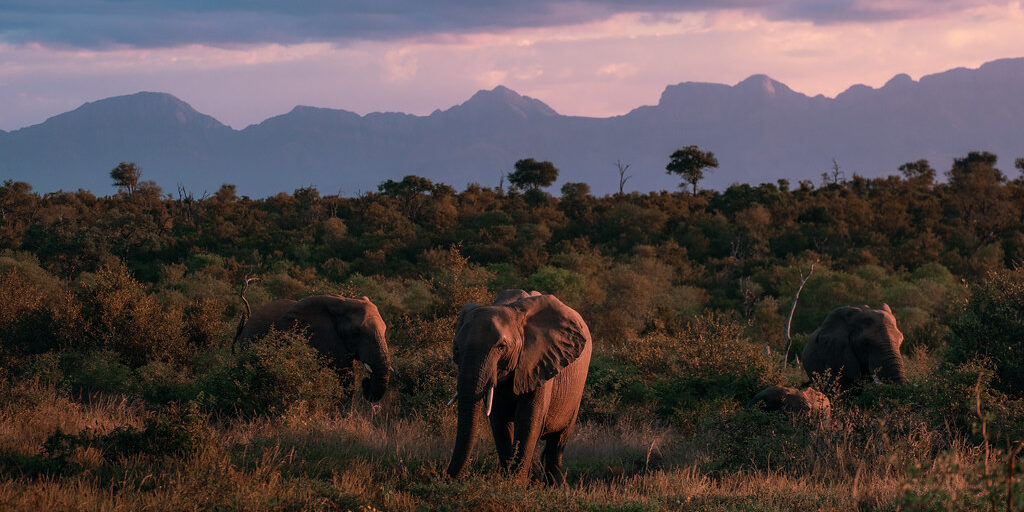
    It’s no secret that elephants are incredibly intelligent animals. They are known for their remarkable empathy, mourning the loss of individuals from their herds and working together to protect vulnerable members. Their social structures are complex, with matriarchs leading the herd and passing down knowledge through generations.

    You may have also heard about their ability to retain information over extended periods of time, storing memories of events, locations, and even the identities of individuals, and recalling them decades later. 

    Unique Communication Methods

    These majestic mammals have unique ways of communicating with one another, not only through sound but also through visual cues, touch, and vibrations carried along the earth’s surface. Their communication is intricate and multi-faceted, reflecting their deep social bonds and cooperative nature.
    image

    Long-Distance Messaging

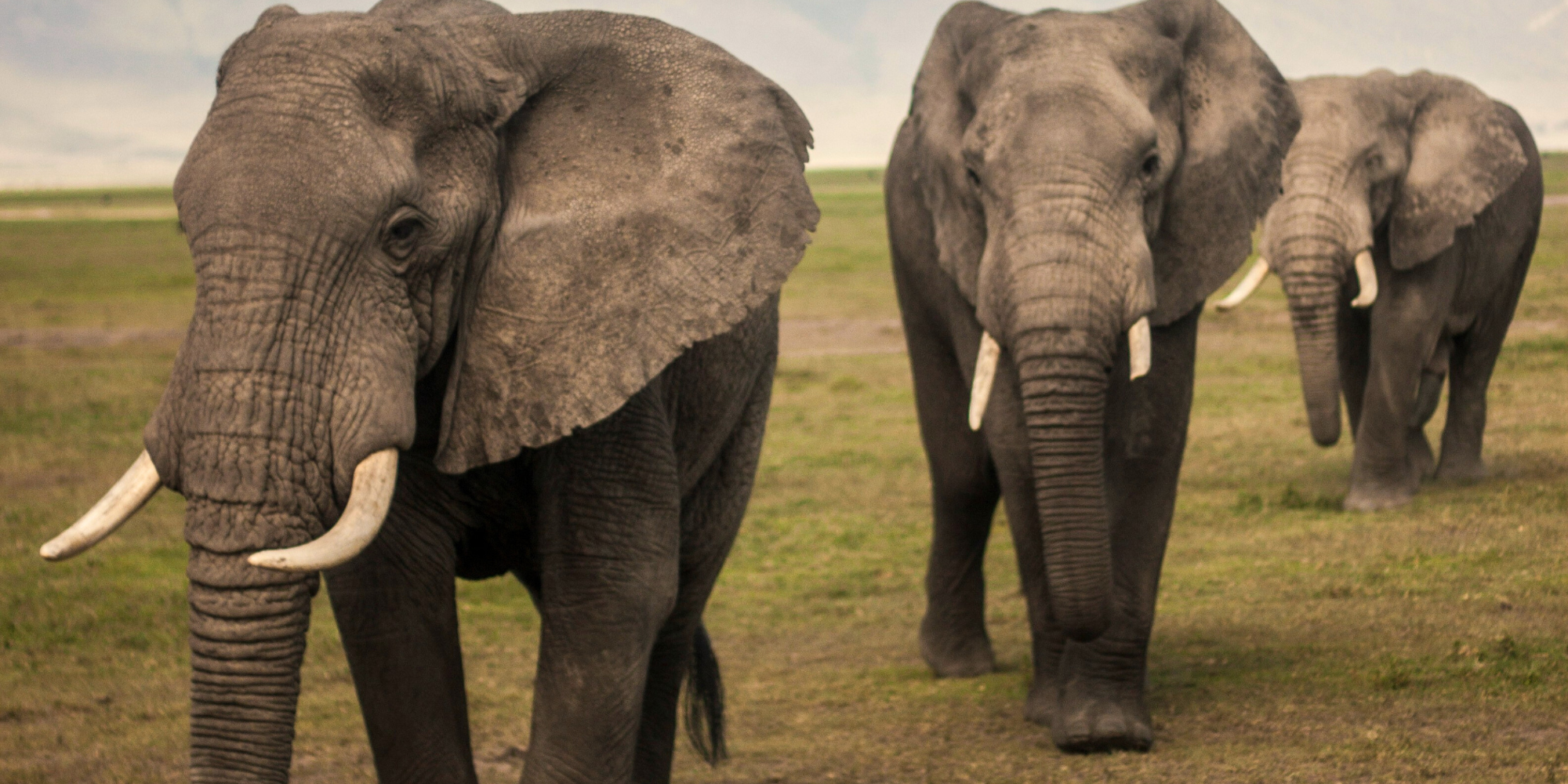
    Elephants can send long-distance messages to each other through a process called seismic communication. These low-frequency rumbles travel across the ground, creating vibrations that are picked up by other elephants through their sensitive feet. These vibrations can reportedly travel over 2 kilometres and allow elephants to communicate over vast distances, even when out of sight of one another. This ability is particularly important in dense forests or open savannahs where herds may be spread out.

    Identifying a Familiar Face

    A recent study showed that elephants actually “call” each other by name when communicating. African elephants in Kenya have been observed calling out to their friends using rumbles and grumbles that are specific to each individual, much like humans use names. This is a rare phenomenon in the animal kingdom.
    image

    Understanding Body Language

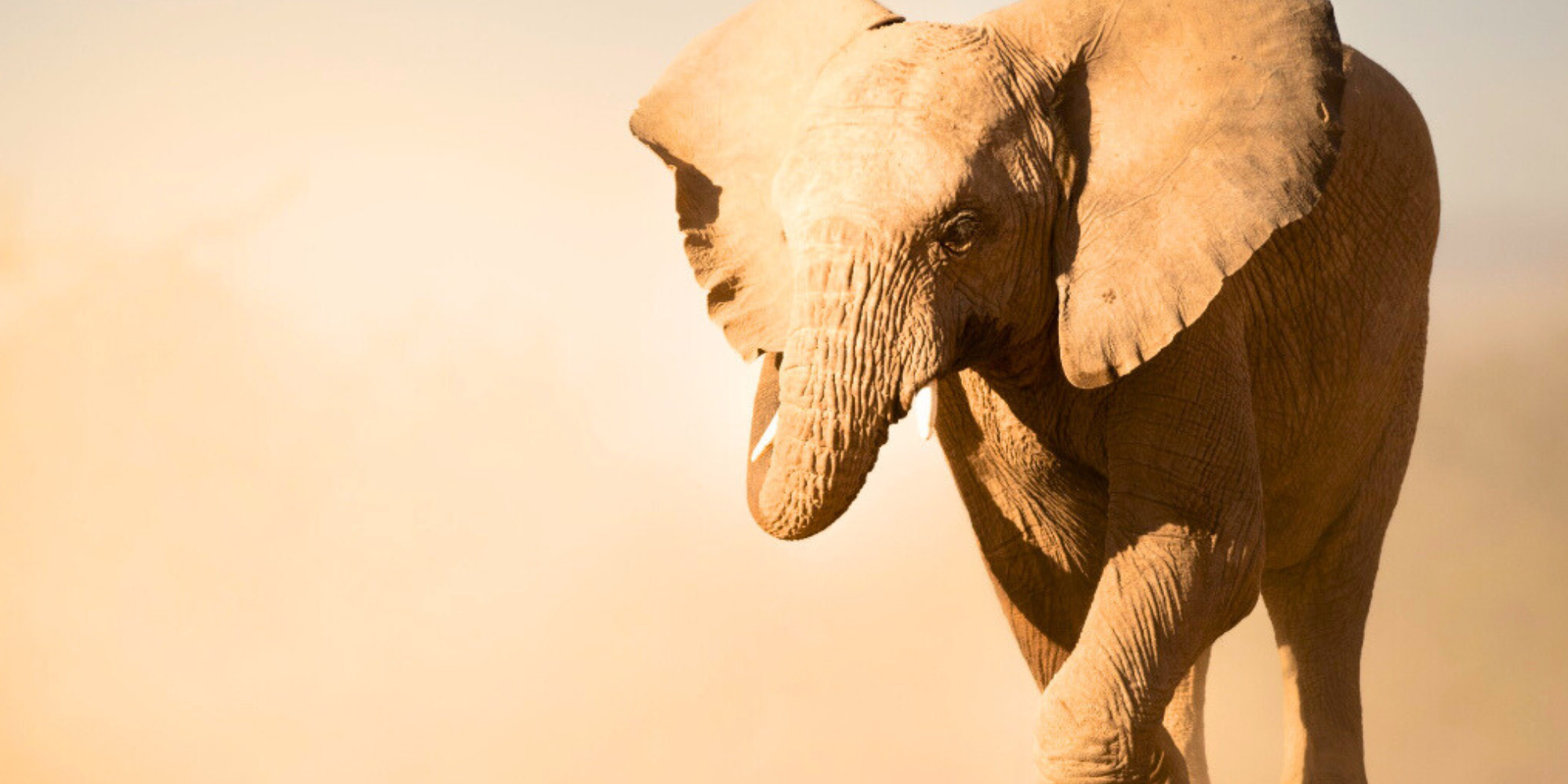
    From curling their trunks to flapping their ears and lifting their tails, elephants use their bodies in numerous ways to communicate messages to members of their herds as well as to other species. These movements can be bold and obvious, or subtle and nuanced, used to display dominance, show aggression, signal arousal, and convey a range of other emotions and intentions. For example, a dominant elephant might spread its ears wide and raise its head high to appear larger, while a submissive one may tuck its tail and lower its head.

    The Importance of Touch

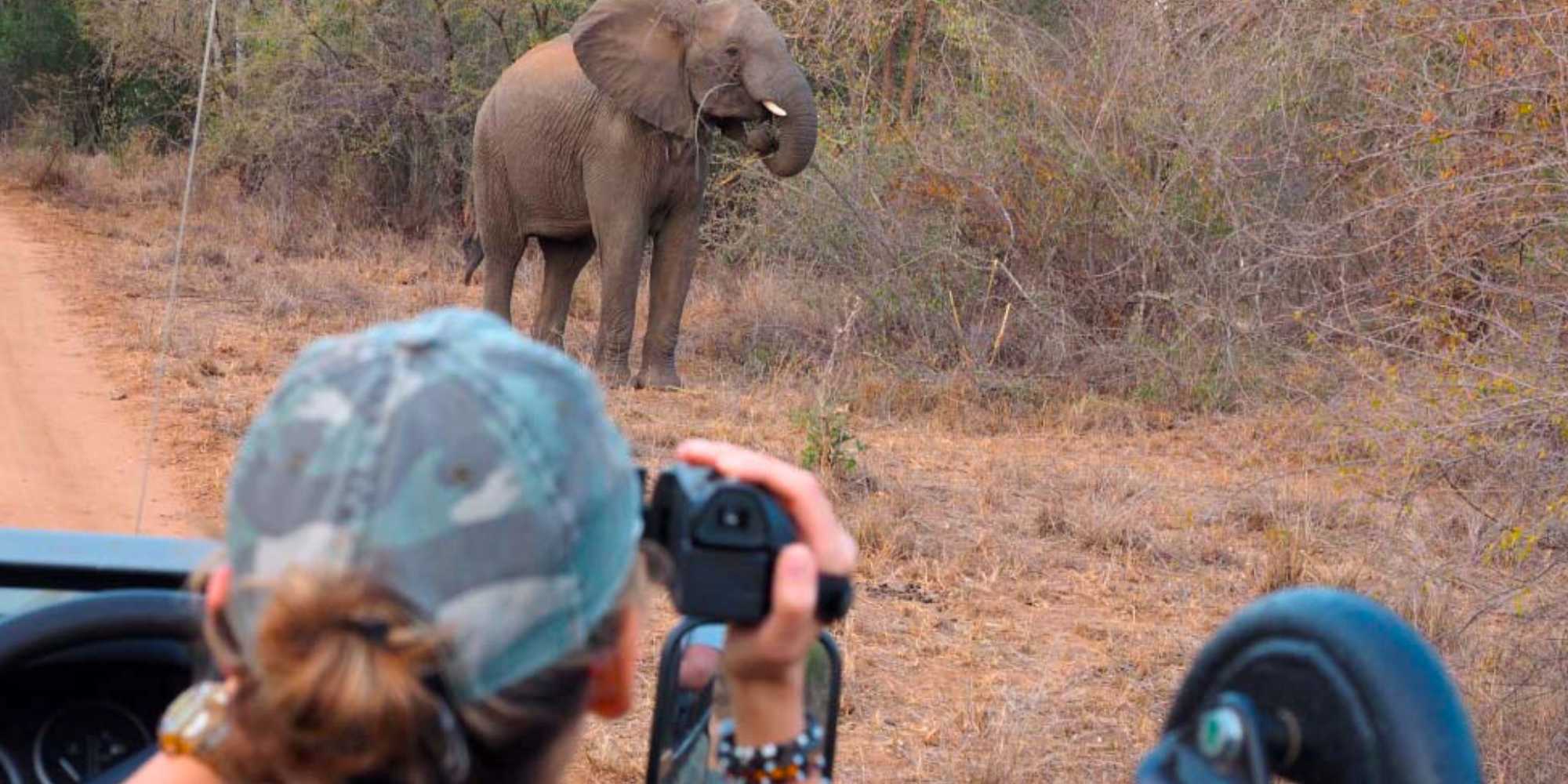
    As highly social creatures, touch is an essential communication tool for elephants. A gentle caress with the trunk can be used to display affection, offer reassurance, or protect a calf, while the rubbing of ears against another individual is often playful in nature. In more aggressive interactions, trunks can be used to slap another individual, while the entire body can serve as a weapon to ram into others. Touch helps reinforce social bonds within the herd and is crucial for maintaining the hierarchy and cooperation among its members.
    image

    The language of elephants is as complex as their social structures. Understanding their communication methods not only deepens our appreciation for these magnificent animals but also highlights the importance of protecting them and their habitats. Every gesture, rumble, and touch tells a story—one that we are only beginning to fully comprehend.

    Fascinated by the world of elephants? Explore Bushwise courses to deepen your understanding of wildlife. Apply now to start your adventure in the bush!
  • A Day in the Life of a Field Ranger: Safeguarding Nature

    When you’re a field ranger in South Africa, each day brings new challenges and rewarding experiences in the world of conservation. But what is a field ranger? Across Africa, field ranger and game ranger are essentially one and the same; you may just see this name applied differently in different places. Field rangers have significant responsibilities to protect nature and wildlife. If you’re passionate about wildlife and curious about what it takes to make a difference in the conservation field, this may be the career for you.

    A day in the life of a field ranger

    image

    A typical day begins before sunrise, with a series of briefings and planning for the day’s tasks. Most field rangers form part of a cohesive team, working together to protect a natural landscape and its animals. Your team will typically meet with the head ranger and be delegated your duties for the day. Once priorities have been set, you’ll gather the necessary equipment, and head into the field. 

    Ranger duties encompass a wide range of responsibilities. One day you could be involved in anti-poaching patrols, utilising skills to detect signs of illegal activities and apprehend offenders. You may be called in the middle of the night to respond to an emergency or poaching incident. On another day, you might assist in game management activities, such as invasive species removal, habitat restoration or wildlife relocation efforts. 

    Some days involve guest-facing activities, such as checking identification and paperwork at gates of entry and exit. There are also administrative duties like report writing, record keeping and data entry to assist with. Having keen observation skills and understanding of the natural world is also critical, as this job plays pivotal role in safeguarding protected areas.

    What role do field rangers play in conservation?

    image

    Field rangers are the unsung heroes of conservation, serving as the frontline defenders of South Africa’s protected areas. This role is typically considered a law enforcement role; field rangers are the guardians of wildlife, combating poaching and illegal wildlife trade. Through tireless efforts, they ensure the survival of endangered species, safeguard fragile ecosystems, and maintain the delicate balance between human activities and nature.

    In addition to law enforcement responsibilities, field rangers often participate in wildlife monitoring and research initiatives. By collecting valuable data on animal populations, habitat health and ecosystem dynamics, they can contribute to informed decision-making processes that shape effective conservation strategies.

    Who can work as a field ranger in South Africa

    The role of a field ranger demands physical fitness, mental resilience, and a genuine passion for wildlife conservation. A high school diploma or equivalent is typically required, and a demonstrated interest in wildlife and nature. Additional field ranger training – such as in conservation, law enforcement or anti-poaching – is beneficial. Field rangers come from diverse backgrounds, including military, law enforcement and conservation-focused fields.

    This role is ideal for individuals who are willing to contribute their skills and dedication to protecting South Africa’s natural heritage. It is important to note that being a field ranger requires the ability to work in remote locations for extended periods, often in challenging conditions. Adaptability, teamwork and a strong commitment to conservation are hugely important.

    How could you become qualified as a field ranger?

    image

    If you aspire to become a field ranger in South Africa, acquiring the necessary qualifications and skills is vital. A great way to start your journey is on a field guide course with Bushwise Field Guides. You’ll learn through a comprehensive curriculum and experienced instructors who offer a solid foundation in wildlife behaviour, bushcraft, tracking techniques and field guiding skills. Depending on the program you choose, you will also learn Advanced Rifle Handling and trailing techniques. These play a huge role in a successful field ranger career.

    Completing a safari guide course equips you with a wealth of knowledge about South Africa’s flora and fauna, conservation principles, and the intricacies of working in the field. This immersive experience sets the stage for further specialisation and growth within the conservation field.

    What qualifications and experience do you need?

    Across the South African landscape, you’ll find that different roles have different education and field ranger training expectations. Still, acquiring relevant qualifications and experience greatly enhances your employability. Beyond the foundation provided by the Bushwise Professional Field Guide course, pursuing further certifications, such as a field ranger course or specialised anti-poaching training, demonstrates your commitment and dedication to the field.

    Experience gained through internships, volunteering, or working with conservation organisations can be invaluable in developing practical skills and expanding your network within the industry. Additionally, obtaining a valid driver’s license and acquiring first aid and firearm handling certifications are often required for field ranger positions (you can earn both of these with Bushwise).

    Follow your calling to become a field ranger!

    image

    Being a field ranger is not merely a job; it is a calling to protect and preserve the natural wonders of South Africa. From the early morning patrols to the moments spent witnessing the majesty of wildlife up close, each day as a field ranger is a unique adventure. By investing in your education and experience, you can lay the foundation for a rewarding career as a field ranger, making a lasting impact on the conservation landscape.

    If you’re ready to begin your journey as a field ranger, take the first step by exploring the courses offered by Bushwise Field Guides. They provide the knowledge and practical skills needed to navigate the challenges of working in the field and contribute to the vital conservation efforts in South Africa.

    If this role isn’t exactly what you’re interested in, check out our additional listings of wildlife jobs and conservation jobs to find the right path for you!

    #wildlife #bushwise #qualification #safariguide #Exam #training #guidejobs #animals #apprenticefieldguide #ifga #fieldguiding #Assessments #guiding #fieldguidecourse #studying

  • Unveiling the Art of Tracking and Sign: My Experience on Trail

    My name is Maddy, I’m 23 years old and from England. Like most people reading this blog, I first fell in love with Africa, its landscapes and wildlife while watching documentaries on TV. And then I was lucky enough to experience it for myself on a safari in Kenya’s Maasai Mara in 2009. After leaving school at 18, I spent a month volunteering at Shamwari Private Game Reserve in the Eastern Cape, then a month at SANCCOB in Port Elizabeth and finally a month at Naankuse near Windhoek.

    The time I spent experiencing these amazing parts of Africa solidified my desire to return to the bush in some capacity. I then went on to study Zoology at the University of Reading, which provided me with a great knowledge base for the field guiding course, and which I hope will support my future career in some aspects of conservation. 

    I first heard about Bushwise about four years ago from a school friend doing the field guiding course, and thought it looked like an incredibly unique opportunity to spend quality time in the bush whilst learning from experienced trainers.

    Exploring the fascinating world of track and sign

    image

    My week as (co) camp manager coincided with the start of our third semester here at the Southern African Wildlife College. I think everyone was a bit sleepy on Monday morning as we were thrown back into early starts after a restful off-week. But everyone was still happy to be back in the bush and excited to start our first week of track and sign (T&S) and trailing with Colin and Samantha Patrick. 

    We were split into our three game drive groups, with two groups going out twice a day for T&S with Sam, and the third group trailing with Colin. My group was one of the two T&S groups, and I was especially keen to start this part of the course as T&S and trailing is one of my main interests. 

    My and Emma’s first day as camp managers was particularly early as it was our duty to set up breakfast at our outdoor dining area due to kitchen changes. Although a bit half-asleep, it was lovely to rise with the sun and chat to the other students over coffee, recapping all our off-week activities. I imagine this was a good taster of what is to come in a lodge environment when we begin placement where we’ll be expected to wake guests and prepare breakfast before the morning game drive. 

    Unravelling the secrets of Big Five tracking

    image

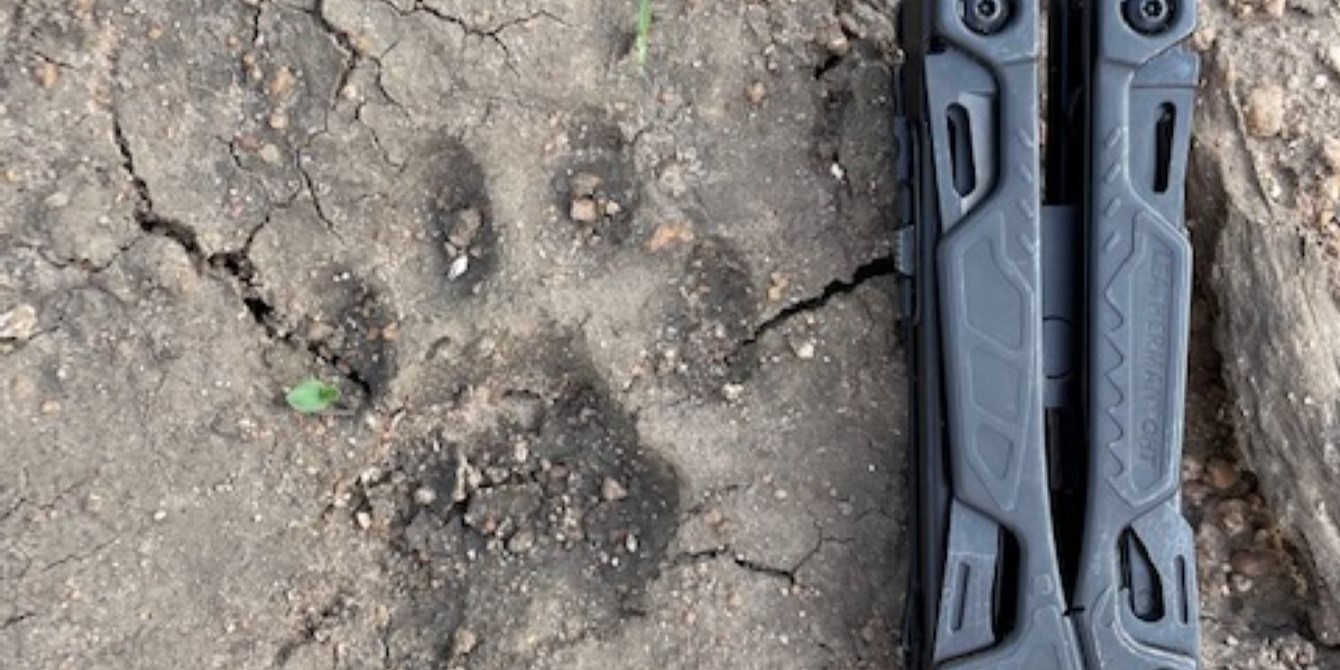
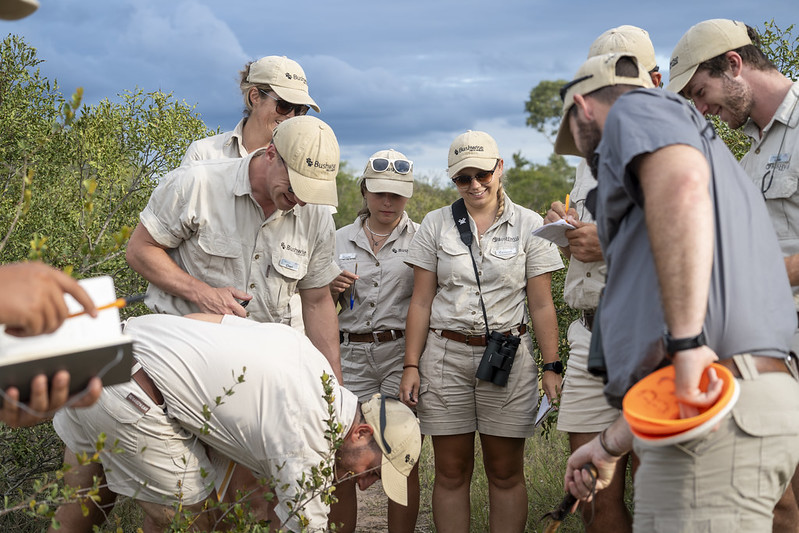
    We all set out on the vehicles at 7am to find some tracks (thank you, Colin, for the extra hour in bed), and we were not disappointed. Sam threw us in at the deep end by circling a dozen or so tracks along the road and asked us to write down our answers in silence. After this first test, she explained the characteristics of each track, pointing out what made each of them unique to that animal. Luckily, we were all eager to learn and Sam was very patient, so the tracking stick didn’t need to be brought down on anyone – metaphorically of course. 

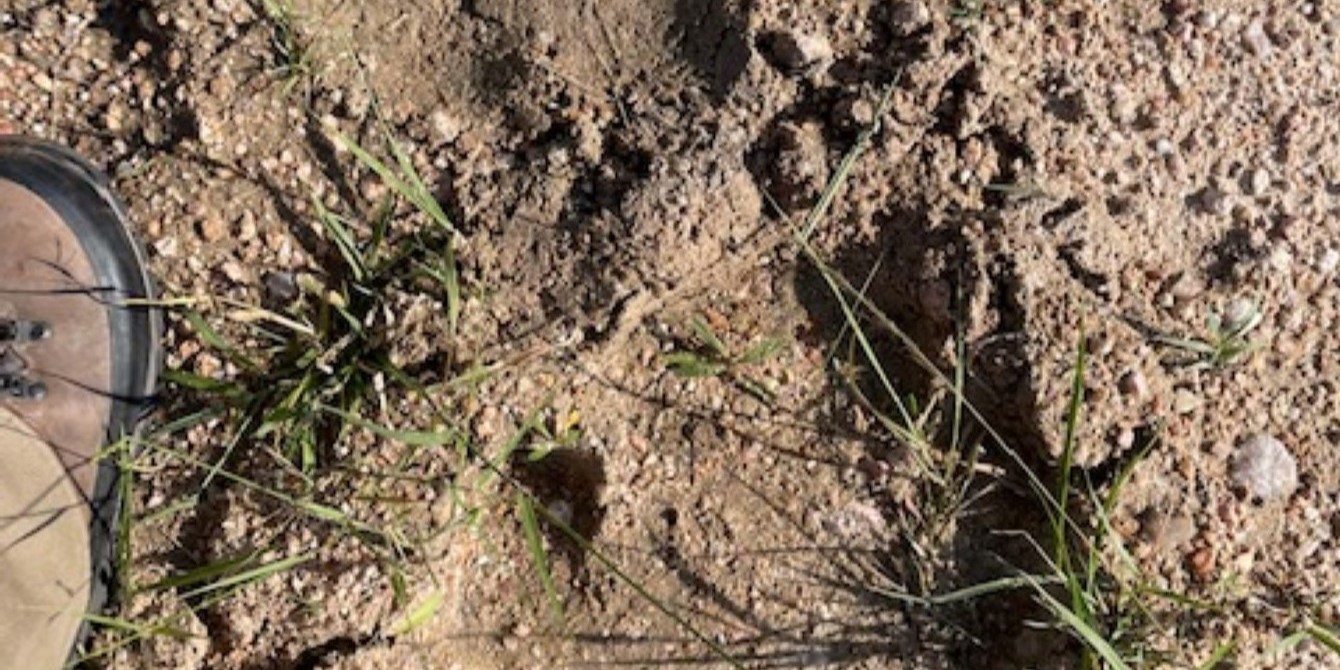
    On Tuesday, we walked to a dried pan which held a myriad of different tracks preserved in the mud, including white rhino, kudu and jackal. In the sandier soil around the remaining pool of water, we found the tracks of three of the Big Five – lion, rhino and buffalo. On Wednesday, we found leopard tracks, completing our Big Five list! 

    Over these three days tracking, Sam also revealed to us the smaller, subtler tracks, such as those of mud wasps building their nests in the ground, lizards dragging their bodies in the morning sun, and a sand grouse having a dust bath. 

    Unforgettable encounters: From rhino scent marking to lion sightings

    image

    On Thursday, my drive group had our turn trailing with Colin and his dog, Koda. We had the excitement of fresh black rhino signs, discovering how pungent rhino scent marking sites can be, and how easily they can disappear into the wooded areas. Saturday was possibly the best day as we took packed lunches out into the part of the concession where we normally don’t venture, but were granted access to on this occasion. 

    On one road we found rhino, elephant, leopard and lion tracks, including a lion scent marking site. The trainers indicated a suitable rhino trail for us to follow, which allowed us to view a beautiful white rhino bull on foot, whilst he watched us from the shade of the surrounding trees. That was a truly special moment. Later that day, we also saw four lions resting in the Timbavati river bed, presumably after having their fill of whatever the vultures were then circling. 

    Enhancing wildlife awareness through trailing experiences

    This first week of the third semester has probably been my favourite so far, and everyone is so grateful to Sam and Colin (and Koda) for spending two weeks teaching us the skill of T&S and trailing. They have such a wealth of knowledge between them, and are truly fantastic teachers — and quite possibly the best tracking instructors in the world (if Sam is reading this). They really have set the bar high so far this semester! But let’s see how our tracking assessment goes…

    To learn more about exciting opportunities in the field of conservation and immersive bush experiences like Maddy describes, join a Bushwise course.

    #wildlife #bushwise #qualification #Exam #training #animals #tracks #apprenticefieldguide #safari #ifga #sightings #tracking #trackandsign #Assessments #guiding #fieldguidecourse #studying

  • Yours in Conservation: A Story by Kutlwano Mahube

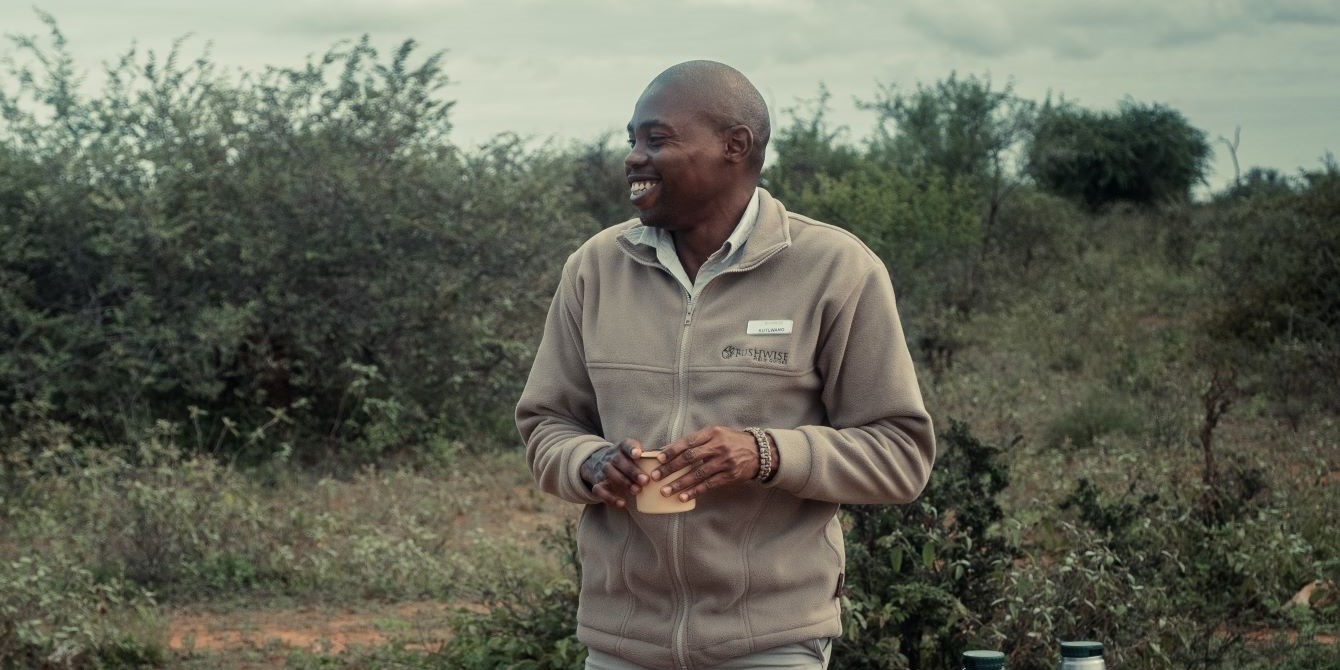
    This blog was written by Kutlwano Mahube, Bushwise Professional Field Guide student.

    5 min read.

    How it all began

    image

    From early as I can remember, I have been surrounded by trees and animals as far as my legs could carry me. See, my father was an administration manager and my mother a tutor at the education centre. They both worked for the North West Parks Board (NWPB), and we were situated at the Pilanesberg National Reserve. We lived in staff house number 7 right inside the reserve! Besides my siblings and a couple of friends, I spent most of my time with my dog Rex taking him on walks or rather runs as he was having a blast chasing after tree squirrels.

    Fast forward. I grew up, went to college to study information and communication technology. I worked as a waiter, barman and an administrator to name a few. During all of this time, I felt like I lacked work outdoors – which, come to think of it, has always been my real passion.

    In 2019, an opportunity presented itself where I applied at Mankwe Game Trackers to become a Field Guide through a training initiative with aha, Tourvest and Bushwise. To cut the long story short, and of course after the Covid epidemic, I was finally selected as one of the candidates to come to the province of Limpopo to study for six months. Once I am done with my studies, I will go to  Mankwe Game Trackers to work – which is also in the Pilanesberg National Reserve. Talk about full circle!!!

    Being camp manager

    image

    I was the second last student to get the opportunity to become camp manager – which is to say our six months course was coming to an end. The week started on 8 May with the final theoretical exam on trails as well as rifle handling. This is a broad subject as it entails how you should conduct yourself on bush walks with guests. The rifle handling section covers all aspects from knowing every single part of a rifle to knowing how to handle encountering a charge from a potentially dangerous animal while with guests.

    Later on in the day after brunch, we met up with Collin and Sam Patrick, who are one of the industry leaders with regards to track and sign, and trailing animals. My group and I did trails with Collin for the rest of the week.

    On Tuesday, we were paid a visit from Alex the content guy and Annie from marketing both from Bushwise. I had an interesting chat with Annie in one of our trails sessions about vultures, which is a subject I am quite passionate about. She promised to connect me with an organisation that is involved in helping out with these endangered birds. A lot has to be advocated about these birds which play a vital role in our ecosystem.

    Duties (Delegating)

    The camp manager’s main responsibility really is to be a liaison between the trainers and their students. Everything from academic to personal is communicated from the students and trainers with the camp manager acting as the hub.

    It has been often said by the trainers that the Bushwise Mahlahla students are a pretty chilled group. I can fully agree with that statement after being camp manager. We all get along with one another as well as the trainers with minimal drama. Being camp manager at the Mahlahla campus was a walk in the park with how well we supported each other. Everything ran like clockwork.

    Highlights of this Bushwise course

    image

    EVERYTHING!!! I really enjoyed every moment of this course. The highs as well as the lows because you get to learn from your mistakes. The support from all my friends as well as my fellow colleagues was phenomenal. We are truly one big happy family. Overcoming all the obstacles made the stressful challenges worthwhile. 

    I learned a lot about myself in the process as well. The game drives were exceptional. Learning about all the botany we were surrounded with as well as the role they play in the ecosystem and most importantly, their medicinal uses makes me think there must be a cure for every virus we encounter. The animals – tjoe! Where do I begin, from the Matabele ants to the heaviest land mammal on land, the African elephant, it has been a real treat to indulge myself in experiencing and learning about all these creatures.  

    Start your adventure just like Kutlwano when you join a Bushwise course. One day soon you could begin your wildlife career.

    #wildlife #gameranger #bushwise #qualification #safariguide #Exam #training #guidejobs #tracks #apprenticefieldguide #safari #ifga #fieldguiding #Assessments #guiding #fieldguidecourse #studying

  • Midway through training: Assessments and anticipating placements at Bushwise

    This blog was written by Becky Ladd, Bushwise Professional Field Guide student.

    For the final week of semester three, Edward and I were the camp managers. This brings us to halfway through our six-month training with Bushwise at the Southern African Wildlife College campus. And what an epic three months it has been so far! I do not think any of us can believe that we’re already at the midway point, but they do say that time flies when you’re having fun.

    Mock game drive assessments: A week of pressure and growth

    This week was a very intense week for everyone, with a lot of pressure and stress hanging over the students, as this week saw us doing our mock game drive assessments to prepare us for our actual assessments as soon as we get back from our off week. 

    We each had a 3-hour game drive to complete, with our trainer sitting quietly in the back row completing an assessment form, as opposed to them usually sitting next to us in the front giving us feedback and extra skills and knowledge throughout the drive. 

    Discovering our unique guiding approaches

    image

    This time, it was all down to us! All of us felt the difference in delivering our game drive like this, and we all felt the heat of the hot seat. But it was a great opportunity for each student to see where their strong-points are, and which areas need some extra polishing and revising during the week before our official game drive assessment. 

    Everyone approaches the drive differently – some make a thorough plan and try to stick to it as much as possible; others choose to wing it and see what is found out there in the bush. Either way, now is when we’re really starting to see each person’s unique and individual guiding approach shine through, and it is awesome to see everyone really settling into feeling comfortable in the role of the guide.

    Suspense and excitement: The awaited placement options revealed

    image

    It has reached an incredibly exciting time in the course, as we are starting to hear about which placement options have been selected for us. It has been a suspenseful wait, and we now have many interviews to prepare for before we can say for sure where we will all be spending the next six months of our adventure.  Some students can already start preparing for a stay in South Africa, or even some moves to Namibia, Botswana and possibly even South America! 

    It is going to be so fulfilling to see the friends that we have made go on to achieve some of their biggest dreams in life. Knowing that we have achieved it together, with the help and support of one another, makes it even more gratifying.

    Looking ahead: Advanced rifle handling and trails guiding training

    image

    We still have a very exciting two months ahead of us before our time at the Southern African Wildlife College comes to an end. Next semester, once our assessment drives are out of the way and we can officially call ourselves qualified Apprentice Field Guides (!), we begin our advanced rifle handling training. 

    Rifle handling will involve more exams to ensure we have a thorough understanding of the laws and safety surrounding handling guns and their usage. It will also involve a lot of incredibly fun (and ever-so-slightly nerve-wracking) practical training sessions as we learn how to use rifles to protect ourselves in the bush – something which is incredibly important for those students wanting to move into trails guiding (which I think is a lot of us after the incredible experience we had with Colin Patrick on tracking and trailing this semester!)

    I would like to thank Bushwise for the incredible experiences we have had so far, the overwhelming amount of knowledge and skills the trainers have shared with us, and each and every student I have shared the past three months with – for every student has added something special to make the course as brilliant as it has been. Thanks everyone!

    Embark on an unforgettable wildlife training adventure with Bushwise. Enrol now to gain invaluable skills, immerse yourself in nature, and unlock a world of incredible opportunities.

    #wildlife #AdvancedRifleHandling #bushwise #fieldguide #qualification #safariguide #trailsguide #Exam #training #animals #bestlodges #apprenticefieldguide #safari #ifga #sightings #fieldguiding #tracking #Assessments #gamedrive #guiding #elephant #fieldguidecourse #studying #fieldguides

  • The secrets of being a cheetah

    This blog about cheetahs was written by Bushwise Professional Field Guide student Dominique Minnaar. As part of their training, each student submits a researched blog based on a topic of their choice. Opinions contained in these blogs are the student’s.

    Read time: 4 minutes

    “Acinonyx jubatus”, a diurnal predatory machine designed purely for speed. Commonly known as the ‘cheetah’ – who should not be challenged to a game of poker, and yes, we’ve made all the jokes on our drives! Puns aside, there is actually much more to this mammal than meets the eye.

    Built for speed

    image

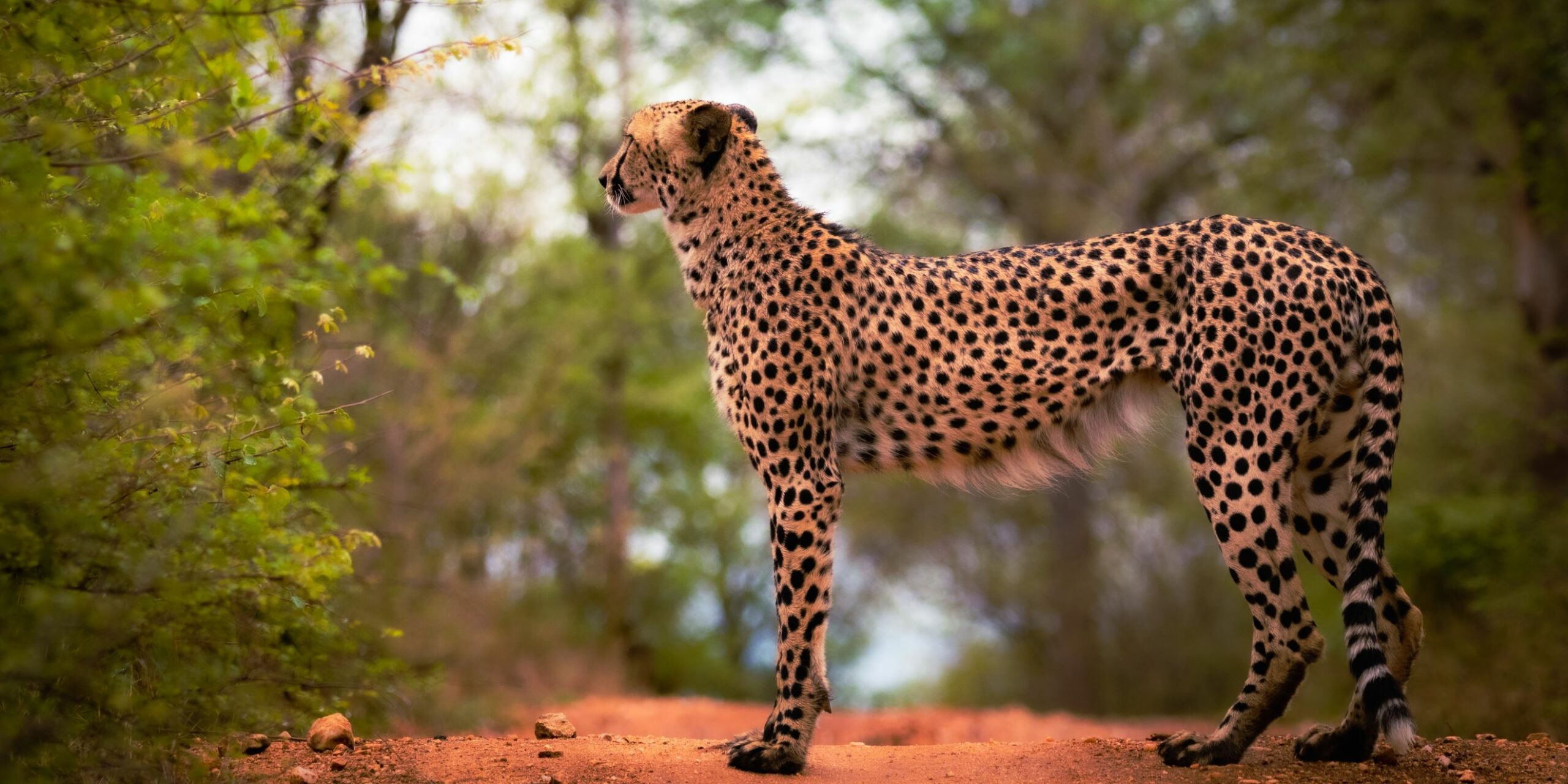
    The cheetah is an animal that is specifically built to master the art of speed, making it stand out in a unique way from Southern Africa’s other popular wild cats. Weighing between 40–60 kg and having a slender frame, gives this predator the ability to reach speeds of about 75–100 km/h during full sprint, making them the fastest land mammals – and no, they didn’t cheat to achieve this. 

    Like any machine, these animals were manufactured with suitable components to boost their capacity for acceleration. Long flexible spines and legs enable the cheetah to take wide strides while running. The tail acts almost like the rudder of a boat or a steering wheel of a car, as it assists the animal in balance, ensuring the cheetah can change direction sharply. The skull and ears are quite small and streamlined, making the head lighter, kind of like an arrow. 

    Have you ever noticed the size of a cheetah’s chest relative to the rest of its body? It sticks out and is noticeably larger than their stomach area. Why? Again, think of a vehicle, where does the engine lie? It has its very own compartment, right? This concept applies to the cheetah as well. 

    A cheetah’s chest accommodates its very own internal powerhouse – the lungs and heart. These organs are enlarged to maximise oxygen intake, increasing the speed at which they can run. The heart’s ability to pump more blood combined with lungs of a higher capacity is perfect for increased oxygen flow. 

    But hang on, it doesn’t stop there 

    image

    These lightning-fast creatures also have bigger nasal cavities and aerodynamic nostrils. Sounds pretty cool, but why is it beneficial? Allow me to clarify. These two characteristics improve the flow of air, also maximising oxygen intake. This is in order to enhance breathing during full sprint and facilitate breathing during suffocation of captured prey. 

    So far so good, however there is a downside to this. Just like any machine, you will always find your pros and cons. Due to the larger nasal cavities, there is reduced space for teeth. As a result, the dentition of a cheetah is much smaller in size compared to other predators.

    Time for hunting tactics

    A cheetah’s astonishing sprint lasts only for a short moment, therefore cheetahs will start a chase only once they are within a 100 metre or so range to their prey. Cheetahs generally hunt in open plains and use tall grass as cover while they stalk their prey. They do not eat immediately, but rather rest first because they are still exhausted from the chase. That is why cheetahs usually target isolated prey and drag them to nearby shade. Otherwise they’ll eat where the prey falls. 

    Unfortunately, this method makes cheetahs prone to easily losing their kills. As mentioned before, cheetahs are diurnal, meaning they hunt during the day. By hunting at times when other carnivores (such as lions) do not hunt, they avoid competition for food, giving cheetahs a higher chance of obtaining a successful kill. 

    image

    Did you know that cheetahs can purr? How’s that for a big house cat? (Seriously though … don’t let that purr fool you. It’s only cute until you realise that these creatures are a little more wild than your average purring feline house pet.) This characteristic makes cheetahs different from other wild cats, like the leopard. That’s one way to differentiate the two! Just don’t get too close to find out … 

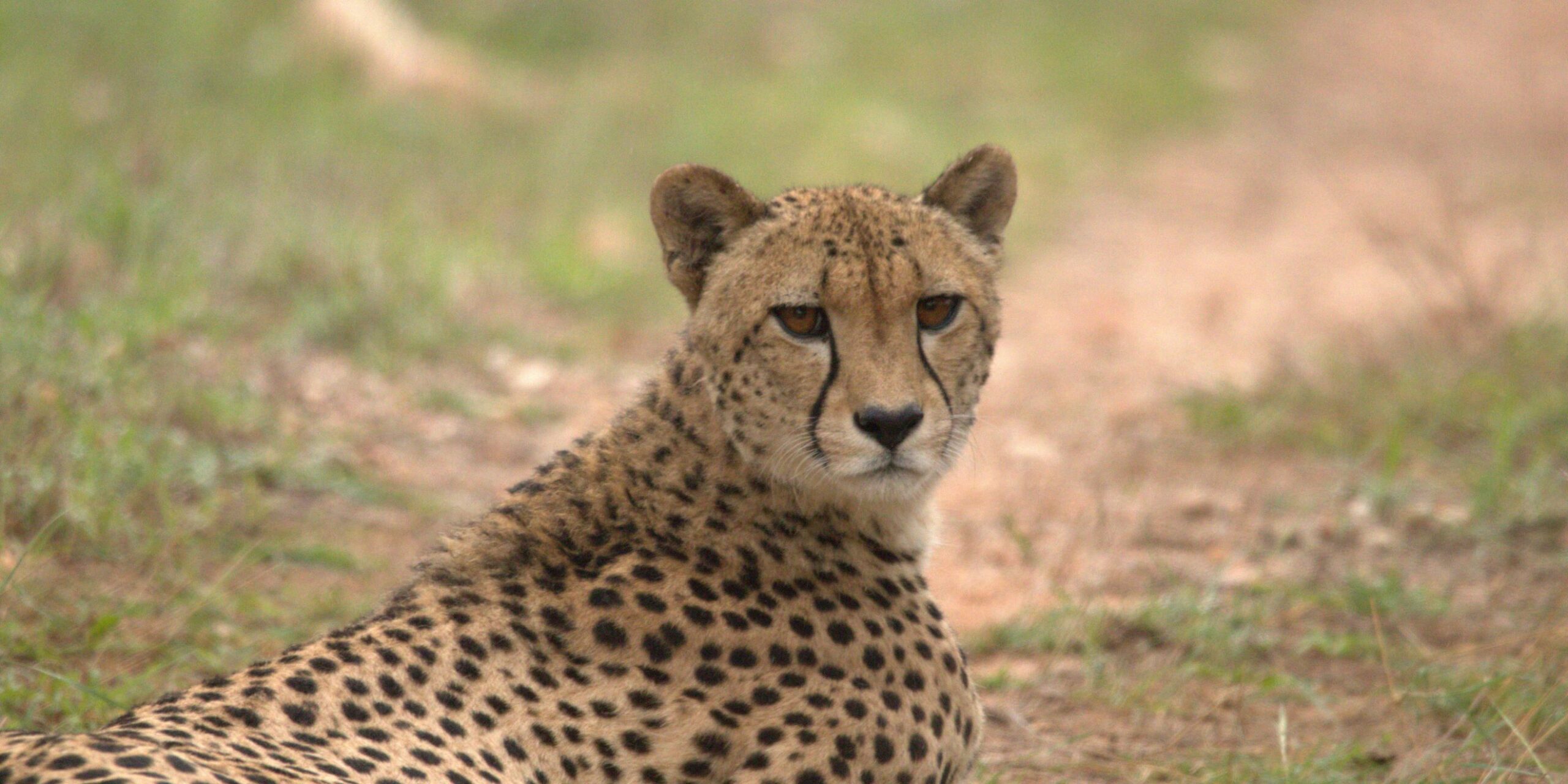
    Cheetahs are painted with distinct black ‘’tear marks’’, running down its face from its eyes. I love this feature because there are so many stories that people come up with about how those marks came to be, which is super fun to share and hear around a campfire at night. 

    Some believe it’s the stains left behind by a mourning mother who lost her cubs. Others say that years ago cheetahs would weep because they were mocked by other predators for being slow and small, which encouraged them to improve their speed, and it’s now a symbol of how they came from the most mocked hunters in the animal kingdom to the fastest, most admired predator. 

    What stories have you heard? 

    It’s absolutely thrilling seeing this incredible animal, my heart raced with excitement the first time I saw them on our game drive! Next time you come across one, I’m certain you will see it through different eyes … unless it was too fast to catch a glimpse of. 

    Love stories about wildlife? Get more by joining our mailing list. Find the sign up sheet at the bottom of this page.

    #safariguide #animals #cheetah #bigcats #endangeredspecies #safarianimals

  • The Extraordinary Experience of Becoming a Qualified Field Guide

    This blog was written by Aedan Kuhl, Bushwise Professional Field Guide student.

    4 min read

    As much as I hate using clichés, coming to Bushwise has truly been a life-changing experience. When I originally found it through doing research, I was very unsure of what I wanted to do with my life, but I knew I had a great passion for animals and wildlife. I thought this course may give me some idea and perspective of what my next step should be. I had no idea what I was getting myself into.

    Born and raised in South Africa

    image

    Although I was born and raised here, I never had many opportunities to really experience the bush in the way I wanted to. I had visited the Kruger National Park a total of five times throughout my life, each time with my family. So a lot of those times my parents had to focus more on keeping myself and my three brothers from squabbling in the back of the car, and as a result, we didn’t get to really immerse ourselves in the beauty of where we were. 

    While I had seen elephants, giraffes and zebras before, it was only after coming to Bushwise that I was lucky enough to have close encounters with wild cheetahs, lions, hippos and even the endangered wild dogs.

    Incredible wildlife sightings

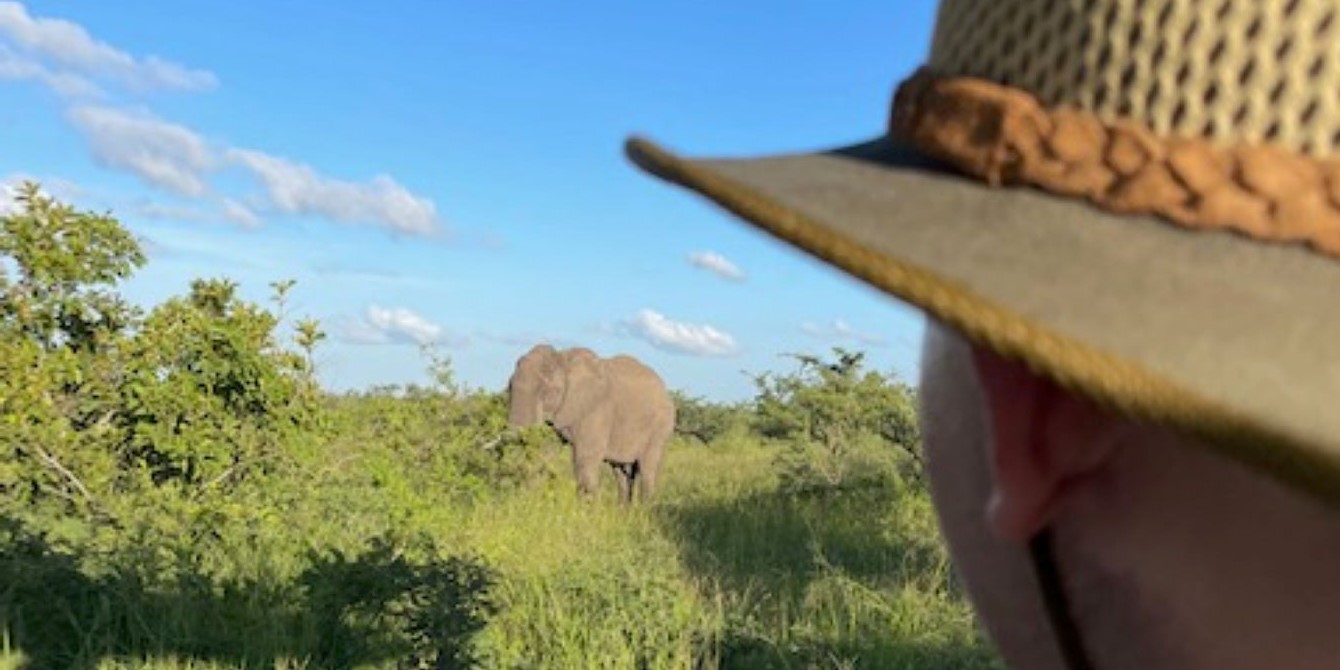
    At the beginning of this semester, I was on a drive with some of my peers and we had a breathtaking encounter with an elephant bull, who walked right up alongside our vehicle, and he was close enough that you could smell him. Even now I get goosebumps just thinking about it. The amazing sightings and situations I’ve been in, from trailing a herd of elephants on foot, to watching the rutting season of the impalas as they chase one another and clash their horns in a fight for dominance, to seeing a mother cheetah and her cubs bounding through the bush and playing together in the long grass. I really feel like I can’t put into words how extraordinary this whole experience has been.

    Coming here, I had little to no background in being around wildlife, aside from volunteering at the Johannesburg Wildlife Hospital where I was fortunate enough to work up close and personally with beautiful pangolins. Being there really opened my eyes up to the terrible atrocities committed against our wonderful wildlife, and I knew then that I wanted to play my part in helping to conserve and prevent these tragedies from happening.

    Learning from knowledgeable trainers

    image

    Oftentimes I walk around our campus on the Southern African Wildlife College and I have to stop and take a moment to truly appreciate where I am, and how incredibly lucky and privileged I am to really be here. When I say this has been a life changing experience, I do genuinely mean it. 

    From coming as a person who really didn’t know much about the bush and the wildlife that inhabit it, it’s been an amazing adventure learning and being trained by our incredibly knowledgeable instructors, one of who previously placed in Safari Guide of the Year, and another who is currently in the top 5 to win the current Field Guide of the Year. To say I am lucky, would be an honest understatement.

    Proud of my fellow students becoming qualified guides

    Just last week, I was camp manager with one of the women I room with. At the time, we were doing our assessment drives in order to become qualified apprentice field guides. To watch my peers and colleagues one by one earn their qualification was such a rewarding experience, and I cannot describe the immense sense of pride I felt celebrating their achievements. Although to say it wasn’t an incredibly nerve-wracking week, would be a lie! At the end of it all though, the relief and excitement we all felt far outweighed the anxiety and nerves that rippled through our group as the week progressed.

    Some days I still can’t believe I’m here. I still can’t believe I am now a qualified Field Guide and a qualified Tracker. I’m currently working towards being qualified in Advanced Rifle Handling, which in itself has been an astounding experience. Having never touched a rifle before coming here, I’m unable to really explain the shock, adrenaline, fear and, most importantly, the exhilaration running through my body when I shot a .375 rifle for the first time.

    Being here is often like being in a waking dream, and I have to pinch myself to prove that it’s actually real. If it is a dream, I hope I never wake up.

    Want to live your wild dreams like Aedan? Apply today to join a Bushwise Professional Field Guide course – your dream is closer than you think!

    #wildlife #bushwise #fieldguide #qualification #Exam #training #animals #apprenticefieldguide #safari #IFGA #sightings #fieldguiding #tracking #endangeredspecies #Assessments #gamedrive #guiding #fieldguidecourse #studying #fieldguides

  • Why do a 6- or 12-month field guide course?

    We often hear this question from prospective students: “Which field guide course should I do?” At Bushwise, we offer multiple in-person courses, with our flagship being our 6- and 12-month Professional Safari Guide course. We also offer other professional courses ranging from 27 days to 3 months.

    Why do you want to do a field guide course?

    This is an essential question to answer for yourself. Are you hoping to enter the safari industry, work in conservation, or simply experience the African bush and learn more about wildlife?

    Do you have plans to go back to your home country or job after you finish, or do you want to stick around and find a permanent guiding position? 

    image

    If you want a career as a field guide, we highly recommend that you join our 6- or 12-month course. The reason? It’s a pivotal move in your career development as you earn essential qualifications and more (up to 8 certificates) and build a huge knowledge base. The 6-month work placement will set you up for success, as you gain real-world experience and develop your professional network. This program also comes with our employment guarantee (an industry exclusive for eligible graduates), access to our Bushwise recruitment program, and contacts through our alumni network.

    If you want to get into conservation, you need an innate curiosity for our natural world and an ability to ask probing questions and find answers. Our 12-month conservation and IFGA guide course will help you develop a strong base of wildlife knowledge, and you’ll gain real-world experience on a placement at a conservation organisation.

    I just want an amazing wildlife experience. If you’re looking for a gap year experience, then this is definitely the best way to immerse yourself in wildlife. But if you want a shorter sabbatical or semester-long experience, it might be worth checking out our 60-day safari guide course. This short course runs multiple times throughout the year, making it a bit easier to fit into a busy schedule than our long course, which only has start dates in January and July. 

    Can you commit months or just weeks to training?

    This might be the easiest question to answer – it really comes down to where you are in life, and whether this course is part of your career development or more of a sabbatical or gap year adventure.

    If you have time and want to make the most of it, then the long course is the way to go. The extra months give you more qualifications, more practical experience, more skills, and more memories. Like any apprenticeship or college programme, the longer you commit, the better prepared and more confident you’ll be when starting your career as a field guide.

    If your time is limited and two months is the most you can commit, then the 60-day short course is your best option. It’s a condensed, immersive programme where every day is packed with learning and hands-on experience. You’ll still come away with valuable skills and meaningful insights – and if you’re curious, you can read more in our article on why this course might be the perfect fit for you.

    image

    What are you hoping to see?

    Life in the bush is not static; it is not constant or predictable. It’s always changing, showing us something new and surprising around every turn. There are days when all you’ll see are birds and insects, but the unique observations you make that give you so insight into the wild world around you that you can’t help but feel in awe.

    When you join a 6- or 12-month course, you’ll experience the full change of seasons in the bush. From witnessing the first growth of spring, to the arrival of baby impala and other herbivores, the denning of wild dogs, changes in the night sky from winter to summer, adaptation of species to shifting weather patterns, and much more. There’s something hugely profound to be said for witnessing nature change over the course of a year. If you have the time to commit, this is definitely the way to go for the most impactful observations.

    What qualifications can you earn?

    This is our longest and most intense training program, which provides you with the essential skills and qualifications you need to enter the industry and so much more. We believe in going “beyond the books” in our training, which means you’ll gain both practical and soft skills to make you the best guide you can be. If you really want to stand out from the crowd with a CV full of qualifications, backed by your personal experience and insight, this is the course for you.

    image

    On the Bushwise Professional Safari Guide course, you can earn:

    1. CATHSSETA Nature Site Guide (NQF2) 

    2. Bushwise Professional Field Guide

    3. SASSETA Firearm Proficiency

    4. Advanced Rifle Handling certificate

    5. Wilderness First Aid certificate

    6. Reptile Handling certificate

    7. CyberTracker Track & Sign and Trailing certifications

    8. NQF4 knowledge

    9. And much more

    Don’t feel like you need all this? See why you should consider our 60-day course instead.

    image

    Other considerations

    Your age when joining a course. If you’re over the age of 39 with family commitments, our 60-day course may be more attractive to you. On our 12-month course, work placements are not guaranteed for students over the age of 39 (due to restrictions in the industry). Older students also sometimes find the shorter course to be easier to fit into their lives, which may be more settled than our younger students who are more often fresh out of high school or college. That’s not to say we don’t have older students doing our long course! Anyone from 18 and above is welcome to apply.

    The kind of visa you need. If you’re coming from abroad, this may be an important consideration. Our longer course requires a study visa for international students. On the 60-day course, for people coming from most countries, you’ll only need a visitor’s visa. This is typically received on arrival in South Africa for 90 days. Chat with our enrollment team to learn more.

    It’s your choice! When it comes down to it, choosing the right course for you is really up to you. Take some time to read through the course descriptions, check out our FAQs, watch some testimonials, read some reviews, join a virtual or campus open day, and reach out to our enrolment team. The only person who can make this decision is you, but we’re here to help! No matter which course you choose, it’s going to be a life-changing experience, and we can’t wait to meet you.

    Learn more about our courses here, or sign up for our next Virtual Open Day to ask all your burning questions!

    #wildlife #bushwise #qualification #safariguide #Exam #training #guidejobs #animals #safari #fieldguidetrainer #fieldguiding #fieldguidecourse #studying

  • The great giraffe debate: how many species are there really?

    This blog about giraffes was written by Bushwise Professional Field Guide student Emily Cowling. As part of their training, each student submits a researched blog based on a topic of their choice. Opinions contained in these blogs are the student’s.

    4 min read

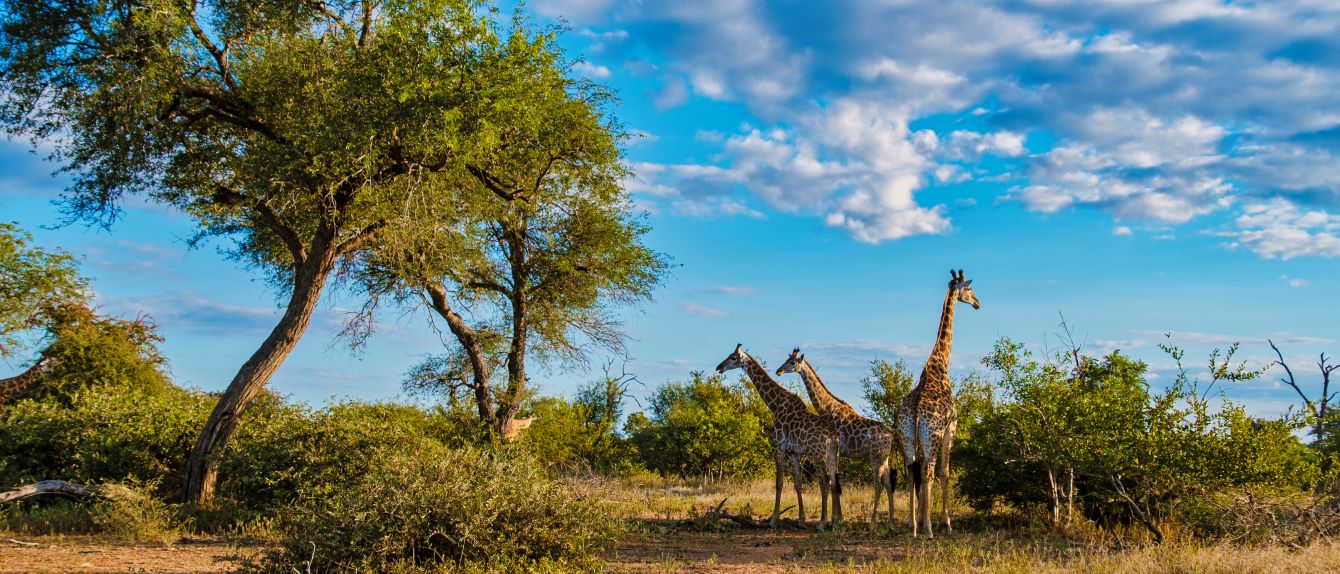
    When it comes to Africa or even the world, there are few animals more iconic than the giraffe. While some minds may spring to elephants or lions, it won’t take long for them to arrive back at the giraffe with its elegant morphology, long sloping neck, beautiful patchwork pattern, and slow, measured walk. 

    However, for anyone who has observed a giraffe galloping, there is no doubt they can look ungainly and as though they may be about to topple over should they corner too fast. And, as the world’s tallest living land animal, this can seem alarming. Giraffes measure in at somewhere between 3.7 and 5.5 metres meaning you might have to stack three people to be eye to eye with a giraffe! 

    One species or four? The ICUN vs Giraffe Conservation Foundation

    image

    But you don’t need to stand eye to eye with a giraffe to identify it. I daresay it is one of the most easily recognisable animals and because of this, you could be forgiven for thinking it is just one species. Yet, is this correct? 

    The answer seems to be neither yes nor no, or perhaps the answer is yes or no depending on who you want to listen to or who you think is most credible. The IUCN is considered a global authority and if you were to ask them, they would tell you that there is just one species of giraffe. Of course, it is worth noting that this was back in 2018 so perhaps things are changing – even if we have yet to hear about it. But despite this being a global authority, not everyone agrees with them. 

    Contrastingly and, confusingly, the Giraffe Conservation Foundation maintains that there are four species, a vast contrast to the ICUN. And then if you were to Google the seemingly simple question, the first answer you would get would give you the same answer as the ICUN. To make this more complicated, if you scroll down and check a few websites, it will quickly become apparent that not everyone agrees. There seems to be a plethora of conflicting opinions. Perhaps in the future, a consensus will be reached but, for now, you will have to pick a side. 

    Giraffe’s patchwork pattern: More than just aesthetics

    image

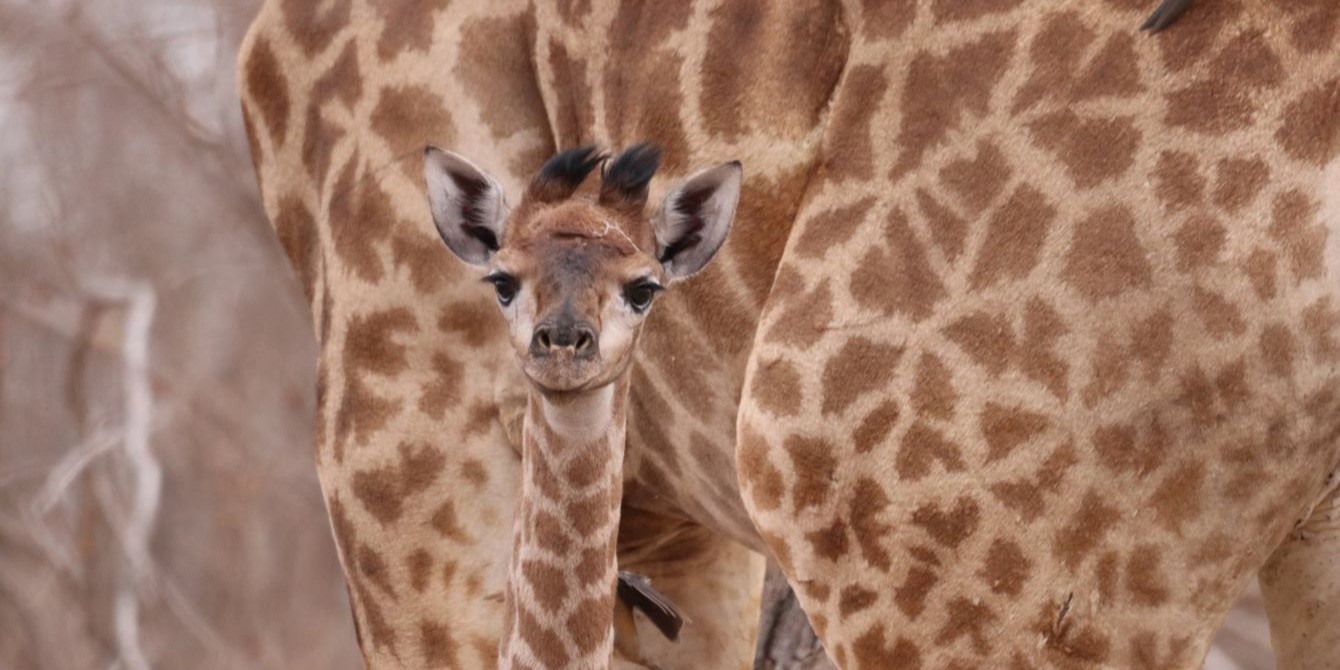
    Getting back to the fact that they are one of the most easily recognisable animals on the planet, one would be remiss not to mention their spots. This patchwork pattern is not there just to be aesthetically pleasing, it is highly functional. As with many other species, it helps them to camouflage by breaking up their outline making them harder to spot. But there is more to it than just camouflage. It also helps to regulate the giraffe’s temperature – under every dark patch is a system of blood vessels, as the blood flows through them they emit heat which helps to keep the body cool. 

    Ossicones: The unique protrusions on a giraffe’s head

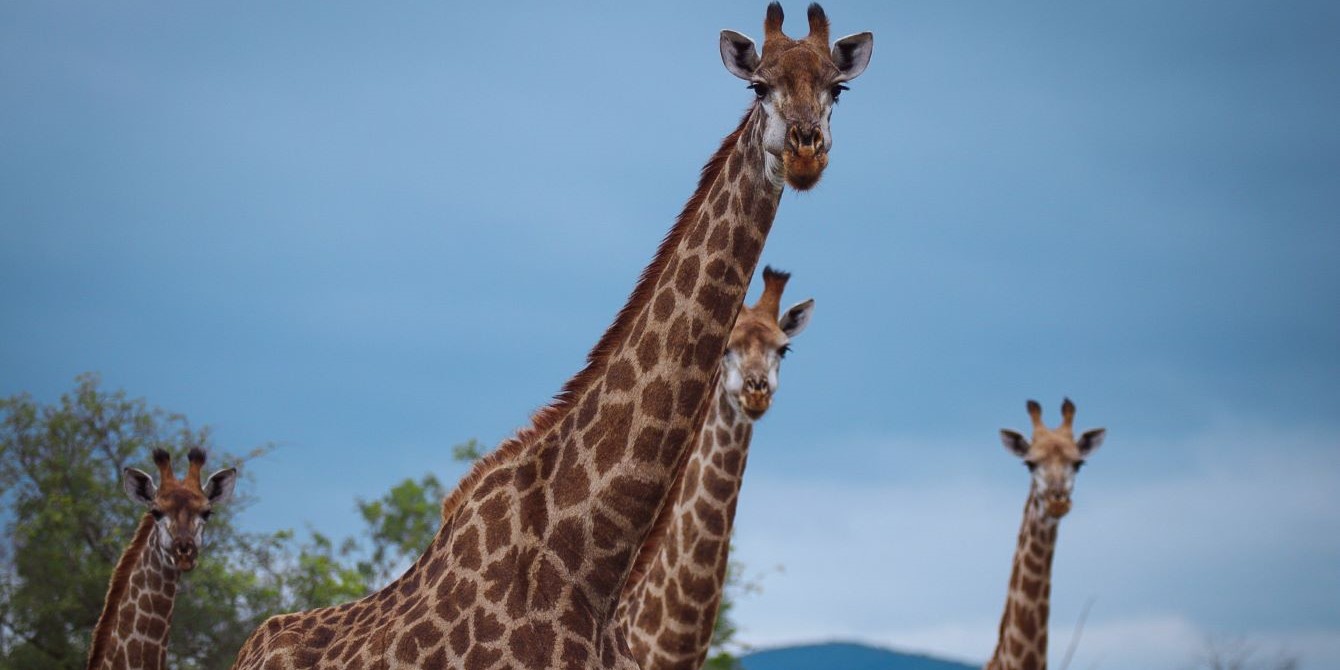
    An equally interesting, but perhaps less obvious feature when one thinks of a giraffe is the protrusions on their heads. Protrusions? Aren’t they just horns like an impala? – most people will ask. A fair assumption but unfortunately not a correct one. These bumps on their heads are not horns in the sense that many African antelopes have horns. They are actually bony protrusions called ‘ossicones’ and these are directly fused to their skull. 

    Myths and legends: The fascinating stories surrounding giraffes

    image

    There is no doubting what fascinating animal giraffes are. So it should come as no surprise that there are dozens of beliefs and myths surrounding them. Many of them revolve around the giraffe’s most amazing and identifiable feature, its long neck. One states that once God had created all of the animals, he spoke to them. As he did, the giraffe stretched high in the air to hear him more clearly, and, as a reward, he was given a long neck to reach the best food on the highest branches.

    Another beautiful story is that when the Earth was created all of the animals were given a purpose, all except the giraffe. The giraffe noticed this and was deeply saddened. He had no skills but because of his height, he was always staring up at the sky. One day, the other animals noticed this, and the giraffe was finally given his purpose. According to the myth, the sun was always getting lost and so the giraffe’s purpose became to guide it, making sure it was never lost again. The giraffe did such a good job that the constellation we know as the Southern Cross was rearranged so that it would always point in the direction of the sun. Long ago this constellation was known as the giraffe. 

    The moral of the story is quite beautiful, everyone has something to set them apart. Everyone is unique, just like each giraffe and their unique patchwork pattern. Want to learn more about giraffes? Join Bushwise to gain a deeper understanding of these incredible creatures and their place in the animal kingdom.

    #lion #wildlife #AdvancedRifleHandling #bushwise #qualification #safariguide #Exam #animals #safari #ifga #sightings #endangeredspecies #gamedrive #fieldguidecourse #studying

  • Slither, crawl, hiss: All about reptiles

    This blog was by Bushwise student Kutlwano Mahube. As part of their training, each student submits a researched blog based on a topic of their choice. Opinions contained in these blogs are the student’s.

    What is a reptile? A reptile is a vertebrate animal of a class that includes snakes, lizards, crocodiles, turtles and tortoises. They are distinguished by having a dry scale skin and typically laying soft-shelled eggs on land.

    Key characteristics of reptiles

    1. They are vertebrates, meaning they have backbones.

    2. Their bodies are completely covered with scales.

    3. They either produce shelled eggs or bear live young.

    4. Most reptiles have a Jacobson’s organ in the roof of their mouth.

    5. They all have at least one lung.

    image

    Interesting facts about reptiles

    1. They evolved from amphibians.

    2. There are three orders of living reptiles in South Africa.

    3. Chelonia (shield) = Tortoises, terrapins and turtles.

    4. Squamata (scaled) = Worm lizards, lizards, skinks and snakes.

    5. Crocodylia = Nile crocodile.

    6. They have scaly skin.

    7. There are very few plant-eating reptiles.

    8. Most have three chambered hearts.

    9. In some reptiles, sex (male or female) is determined by temperature during egg incubation.

    10. They are cold blooded (Ectothermic).

    Difference between Reptiles and Amphibians

    The biggest distinction between reptiles and amphibians is the way in which they are born into the world. Reptiles hatch from tough, hard-shelled eggs. When they are born, they look like smaller versions of their adult selves. They are capable of basking and hunting for food right away. 

    Amphibians come from jelly eggs, although there are some species that reproduce through live birth. These creatures have three stages of development – except newts, which have four. Generally, they lay their eggs in large groups in water, while some lay them in water-filled plants or puddles on leaves throughout the year and others breed at the same time of year in a mass.

    What reptile species do we see in South Africa?

    image

    In South Africa there are roughly 517 described species – which include 151 snakes, 338 lizards, 14 tortoises, six terrapins, five turtles and one species of crocodile.

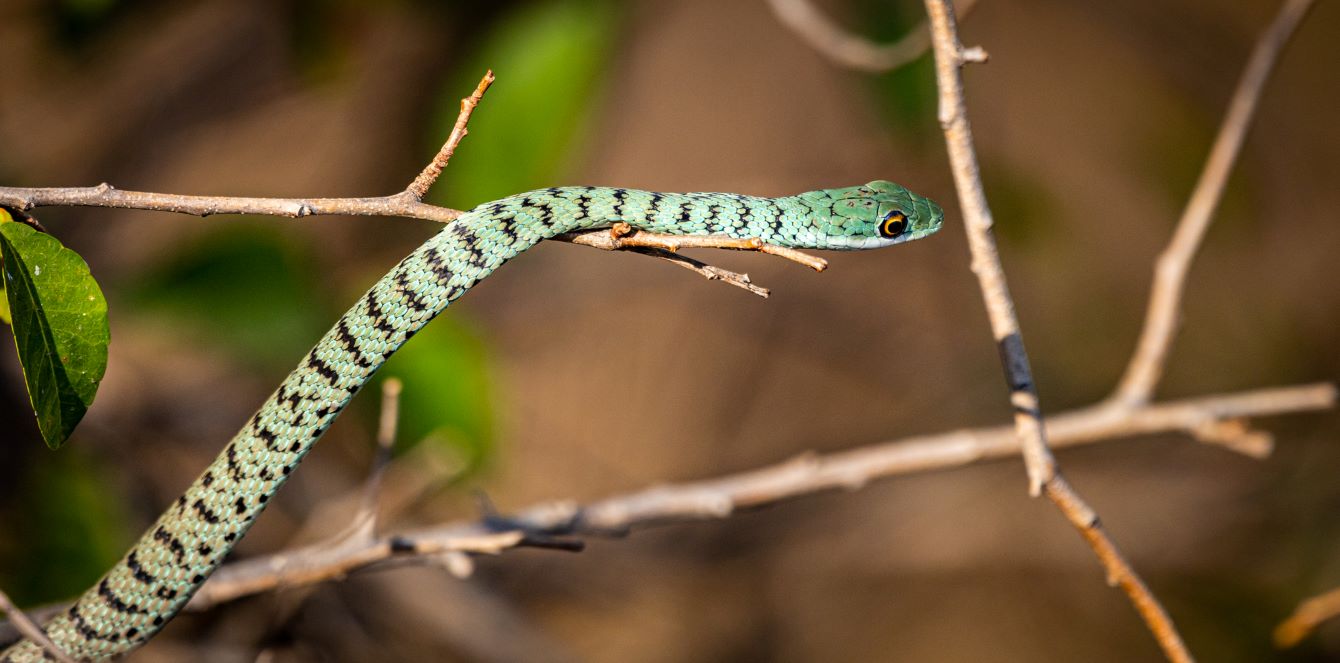
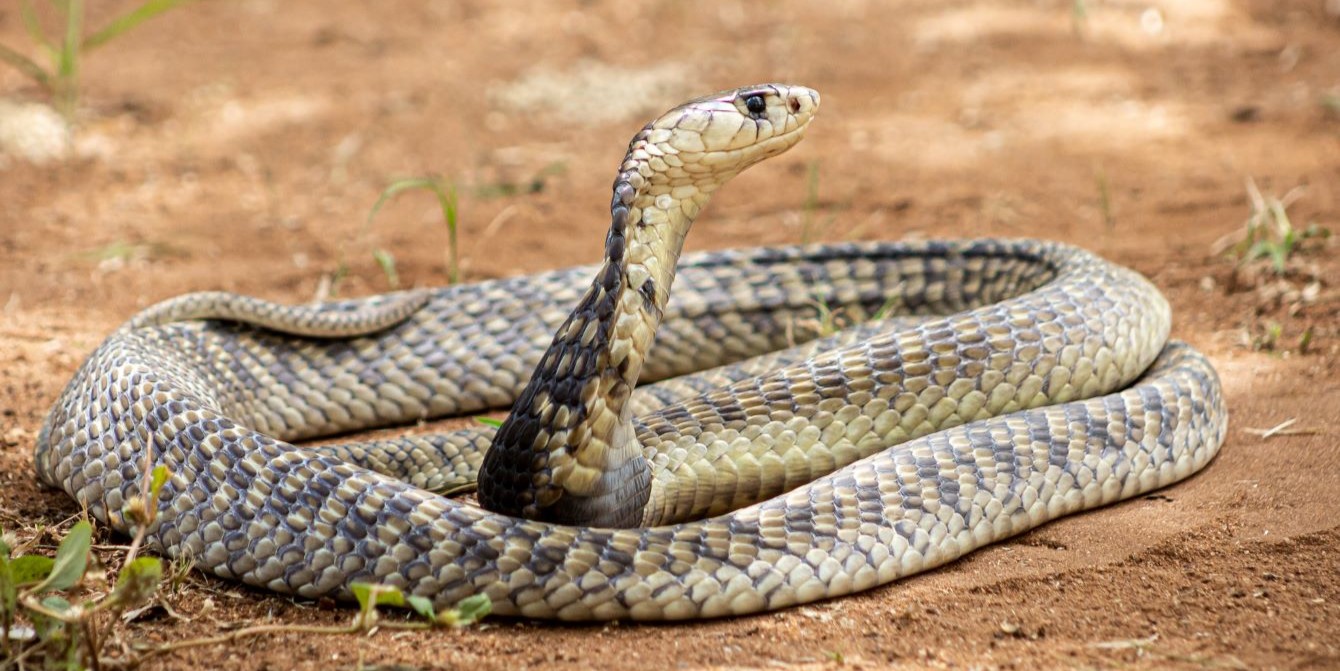
    In the Lowveld, visitors are bound to come across a range of reptiles during their walks through their gardens. Regular sightings here include snakes, ranging from the commonly recorded Mozambique spitting cobra and black mamba to the spotted bush snake and twig snake.

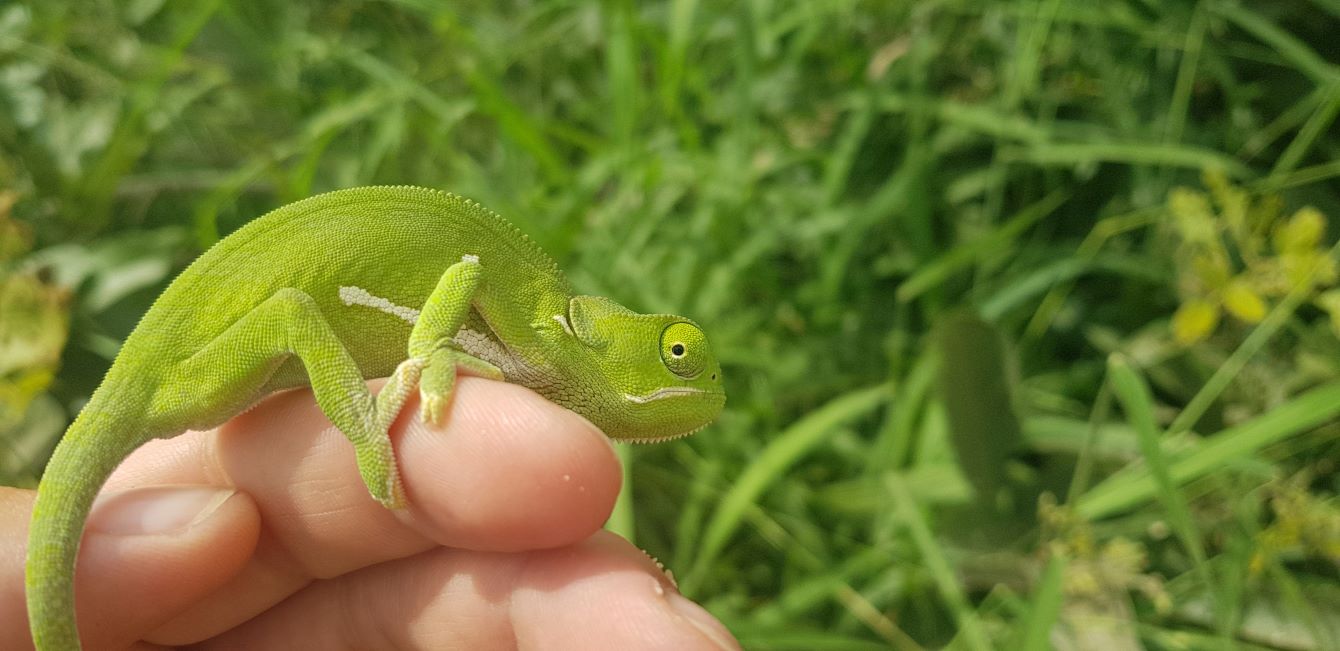
    You can spot swimming tortoises– the leopard tortoise – which is part of Africa’s small five as well. You can also find the slow-moving chameleons with its lightning-fast tongue that is accurate over a relatively long distance.   

    Are there any venomous reptiles?

    Some reptiles, mostly snakes do have venom which they use to subdue and digest their prey. These are the types of venom they possess.

    1. Haemotoxic: This venom causes continued bleeding because it stops blood from coagulating. These snakes have grooved back fangs. One such snake is the boomslang.

    2. Cytotoxic:The venom leads to tissue destruction around the site of the bite, with localised bleeding. The snakes have hollow hinged front fangs. One such snake is the puff adder. 

    3. Neurotoxic: This type of venom affects the nervous system and causes paralysis of the muscle – difficulty in breathing, nausea and vomiting. These snakes have fixed front fangs. One such snake is the rinkhals.

    What role do reptiles play in the ecosystem?

    image

    Reptiles form an important component of the food web in the ecosystem. They fill a critical role both as predator and prey species. Some of the important functions they perform include seed dispersing, controlling insect populations like ants, among other things. Crocodiles also prevent the overpopulation of fish in coastal regions and wetlands, which is pivotal in keeping the aquatic ecosystem healthy and balanced. Antivenom is also developed from taking the venom from snakes processing and modifying it and then turning it into a drug.

    Enjoy this blog? Get interesting stories delivered right to your inbox when you sign up for our newsletter.

    #wildlife #AdvancedRifleHandling #bushwise #qualification #safariguide #Exam #animals #ifga #fieldguiding #tracking #endangeredspecies #guiding #fieldguidecourse #studying