Category: Wildlife insight

  • Sight, sound and seismic communication: the language of elephants

    2 min read

    It’s no secret that elephants are incredibly intelligent animals. They are known for their remarkable empathy, mourning the loss of individuals from their herds and working together to protect vulnerable members. Their social structures are complex, with matriarchs leading the herd and passing down knowledge through generations.

    You may have also heard about their ability to retain information over extended periods of time, storing memories of events, locations, and even the identities of individuals, and recalling them decades later. 

    Unique Communication Methods

    These majestic mammals have unique ways of communicating with one another, not only through sound but also through visual cues, touch, and vibrations carried along the earth’s surface. Their communication is intricate and multi-faceted, reflecting their deep social bonds and cooperative nature.
    image

    Long-Distance Messaging

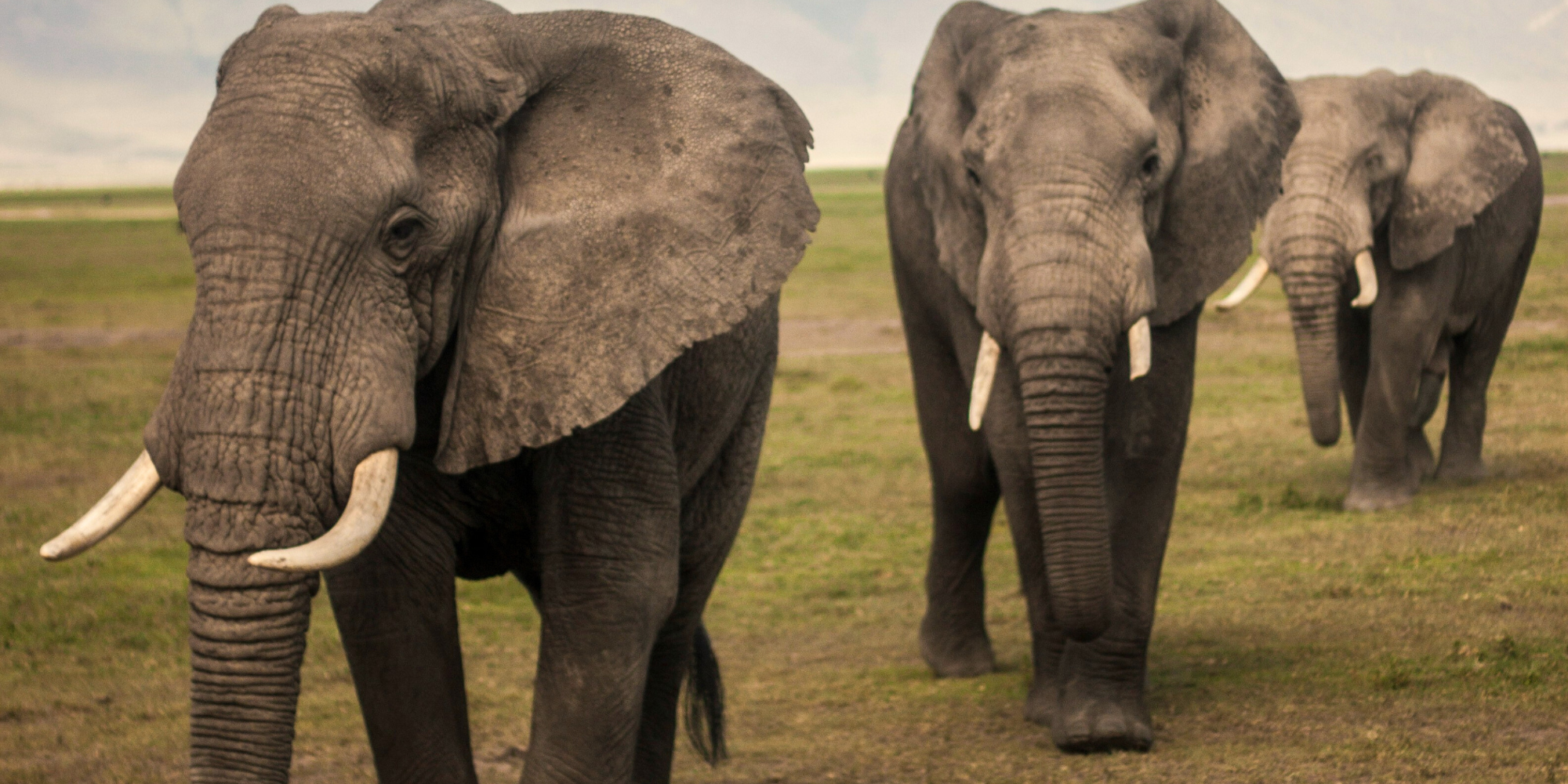
    Elephants can send long-distance messages to each other through a process called seismic communication. These low-frequency rumbles travel across the ground, creating vibrations that are picked up by other elephants through their sensitive feet. These vibrations can reportedly travel over 2 kilometres and allow elephants to communicate over vast distances, even when out of sight of one another. This ability is particularly important in dense forests or open savannahs where herds may be spread out.

    Identifying a Familiar Face

    A recent study showed that elephants actually “call” each other by name when communicating. African elephants in Kenya have been observed calling out to their friends using rumbles and grumbles that are specific to each individual, much like humans use names. This is a rare phenomenon in the animal kingdom.
    image

    Understanding Body Language

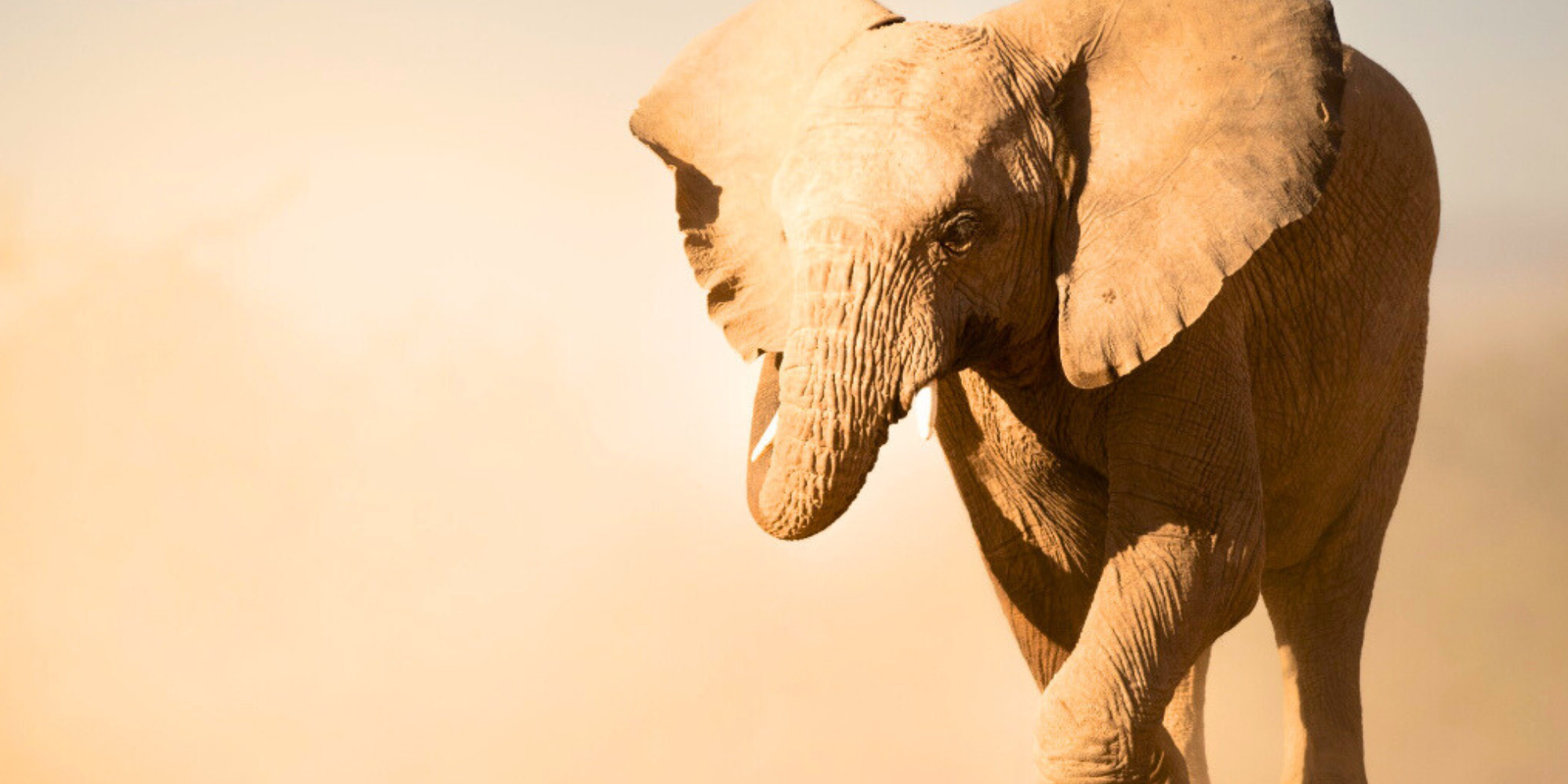
    From curling their trunks to flapping their ears and lifting their tails, elephants use their bodies in numerous ways to communicate messages to members of their herds as well as to other species. These movements can be bold and obvious, or subtle and nuanced, used to display dominance, show aggression, signal arousal, and convey a range of other emotions and intentions. For example, a dominant elephant might spread its ears wide and raise its head high to appear larger, while a submissive one may tuck its tail and lower its head.

    The Importance of Touch

    As highly social creatures, touch is an essential communication tool for elephants. A gentle caress with the trunk can be used to display affection, offer reassurance, or protect a calf, while the rubbing of ears against another individual is often playful in nature. In more aggressive interactions, trunks can be used to slap another individual, while the entire body can serve as a weapon to ram into others. Touch helps reinforce social bonds within the herd and is crucial for maintaining the hierarchy and cooperation among its members.
    image

    The language of elephants is as complex as their social structures. Understanding their communication methods not only deepens our appreciation for these magnificent animals but also highlights the importance of protecting them and their habitats. Every gesture, rumble, and touch tells a story—one that we are only beginning to fully comprehend.

    Fascinated by the world of elephants? Explore Bushwise courses to deepen your understanding of wildlife. Apply now to start your adventure in the bush!
  • Getting To Know The Aardvark

    This blog about aardvarks was written by Kathleen-May Wessels. Special topic blogs are written by Bushwise students during their course, and all facts included are based on their research.

    Read time: 4 mins

    The aardvark is an animal that is often overlooked – which might be because they are very shy and nocturnal. But they are interesting and unique animals. So unique in fact that they are the only animal in their order, Tubulidentata. 

    Built for survival

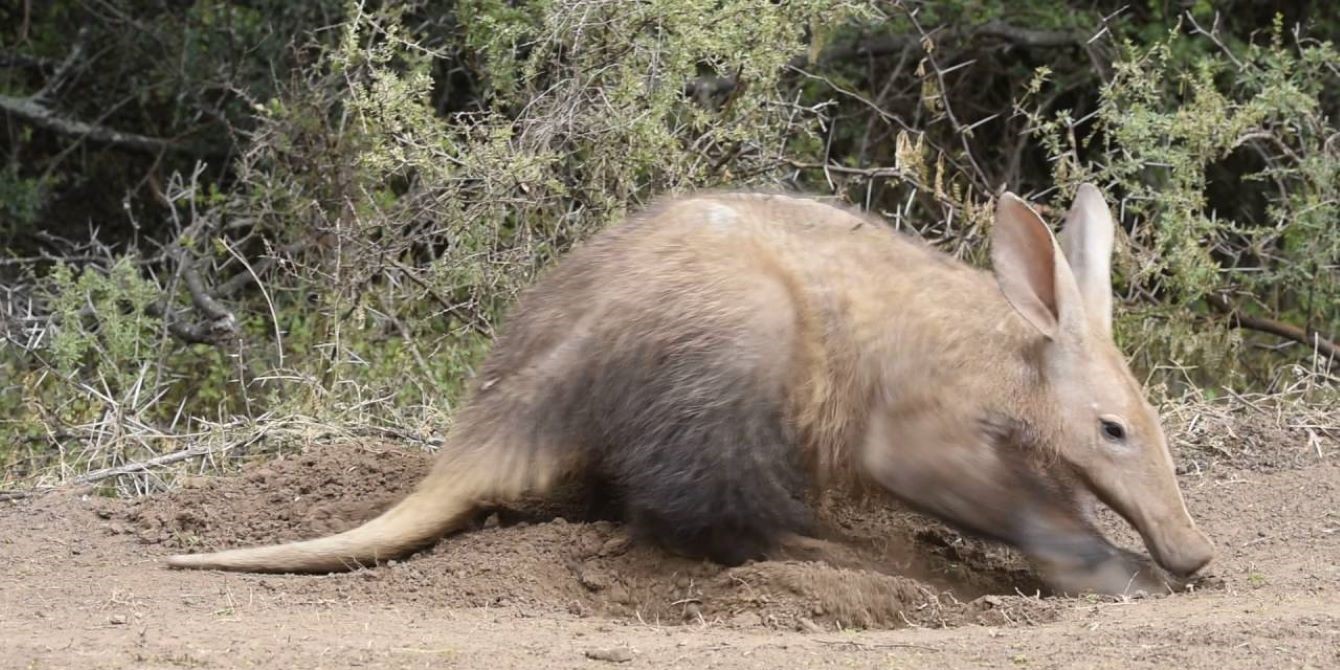
    Aardvarks have poor eyesight and are colour blind. Thankfully, they have a highly developed sense of smell and hearing, which they use to listen and sniff with their pig-like noses flat against the ground in search of ants and termites. Once they find a termite mound, they start to dig. 

    Aardvarks rely heavily on their ability to dig. It is their first line of defence as they use their skills to either flee into the nearest burrow or make a new one in a matter of minutes – which is an impressive sight to see! They dig burrows for shelter and protection and they also dig to find their food. 

    image

    Aardvarks are highly adaptable. They do not need water, so the only requirement for their survival is a food source – which is usually termites or ants. 

    Their fur is usually the colour of the soil that surrounds them, which protects them from predators, and they can protect their ears while digging by folding them backwards. They also hardly ever make a sound, only growling and sniffing.

    The surprising strength of aardvarks 

    Aardvarks have incredible strength. A farmer in the 1980s hit an aardvark with his Toyota Cressida and thought it had died from the impact. So because aardvark meat is considered a delicacy by some, he loaded it into his car. Once he arrived home, he decided to leave the aardvark in his trunk for the night. 

    Through the night, the aardvark regained consciousness, and ripped through the back seat, destroyed the dashboard and forced open the doors to escape! Imagine the incredible strength of this seemingly small shy creature.

    image

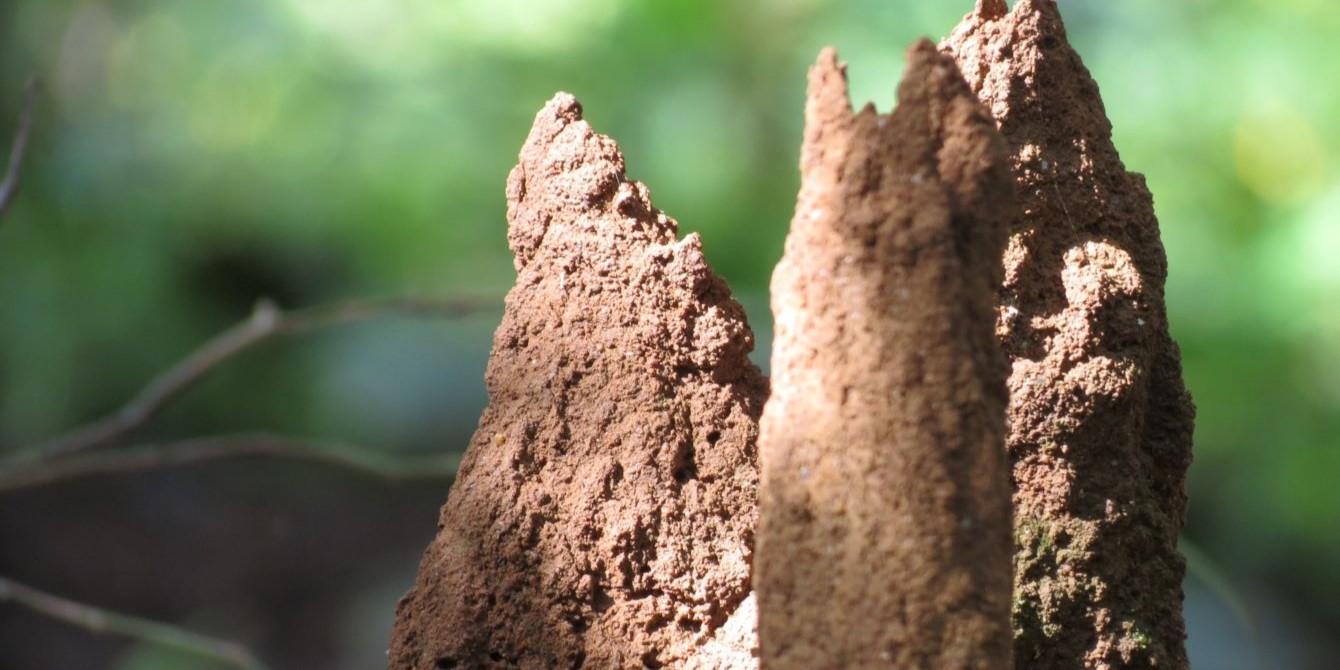
    They use this strength to dig into termite mounds – which you can bend a pickaxe on if you tried the same thing – then stick their saliva covered 30 cm long tongue into the hole and lap up the critters that stick to the wetness of their tongue.

    Although this sounds like the easiest method to get food, it does not always go this well. There are times when they are attacked by soldier ants. The aardvark then has to make a choice – either dig further or cut its losses and run away. Sometimes the aardvark’s response is to rub itself against trees in an attempt to remove the pain.

    Aardvark cucumbers

    Aardvarks are also considered a key species in an ecosystem. They regulate the termite numbers. They also leave behind a lot of empty and abandoned burrows which provide shelter and homes for a number of animals. Warthogs rely on aardvark burrows for shelter. Many other animals and plants need aardvarks too – such as the aardvark cucumber. 

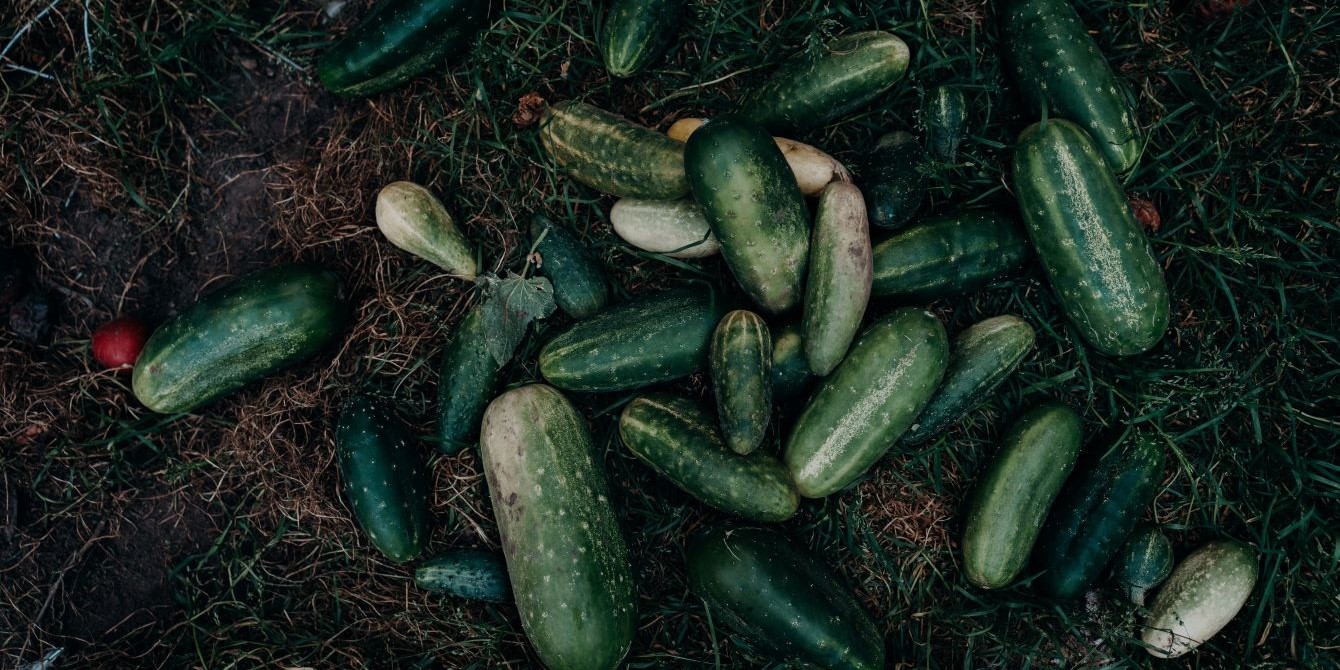
    There is a rather strange symbiotic relationship between the aardvark and the aardvark cucumber. This cucumber grows and ripens underground – a process known as geocarpy. Aardvarks are the only creatures known to eat these cucumbers and love to eat them for their water content. They then deposit the seeds in other locations where the seeds use the nutrients in the feces to grow again. In this way, the cucumber is completely dependent on the aardvark for survival.

    image

    It is very important to learn about these animals as a guide in order to share the amazing impact one creature can have on an ecosystem. It is also important to understand that although aardvarks are tough, their numbers are decreasing because farmers kill them due to the destruction they cause while digging for termites. 

    Without aardvarks, there would be too many termites. Animal species that rely on their burrows will also decrease. It is important that we understand not only the fragility, but also the regenerating ability of nature.

    Experience and learn more of the unusual out here at Bushwise – the next chapter of your adventurous life begins now!

    #wildlife #ifgalevel1exam #bushwise #qualification #safariguide #Exam #ifgaLevel1 #training #animals #safari #ifga #Assessments #guiding #ifgaexam #fieldguidecourse #studying

  • Amphibians Disrupting Our Class On Amphibians

    This blog was written by Ethan Tooch, Bushwise Professional Field Guide student. Each student takes a turn as camp manager, and writing a blog is part of the experience.

    Read time: 4 mins

    When I was told that I was camp manager for the week, I immediately started to stress about all the responsibilities I would suddenly have. I thought of all the potential arguments and little problems I might have to solve, but luckily my stint as camp manager went by without a hitch. 

    In fact, I feel as though I connected even more with my peers and that we all grew closer as a team. I helped out wherever I could because a good leader leads by example and I wanted to be as good a leader as I possibly could. I also enjoy helping wherever I can because some of the best conversations and laughs I’ve had here have been around the wash up area while doing dishes. 

    This week was also our last week with Wayne at Mahlahla before he moved to SAWC, which was quite sad as we have had such a good time with him. Fortunately, we made the most of our last drive with him by dipping our feet in the river and having some fun which was such a cool experience and brought us all even closer. 

    An exciting week of sightings

    It was a lucky week for epic sightings. We were fortunate enough to finally see not one but two different leopards on two different days! The first sighting was only seconds long but still exciting. We took a chance and went to the dam hoping that he might go for a drink, but he never showed up. The second leopard we spotted stuck around long enough for all of us to get some half decent photos. 

    image

    We also got lucky on the way to Nkorho gate with our first spotted hyena which was desperately trying to perform a prison break from Makalali so he could go and cause chaos somewhere else. 

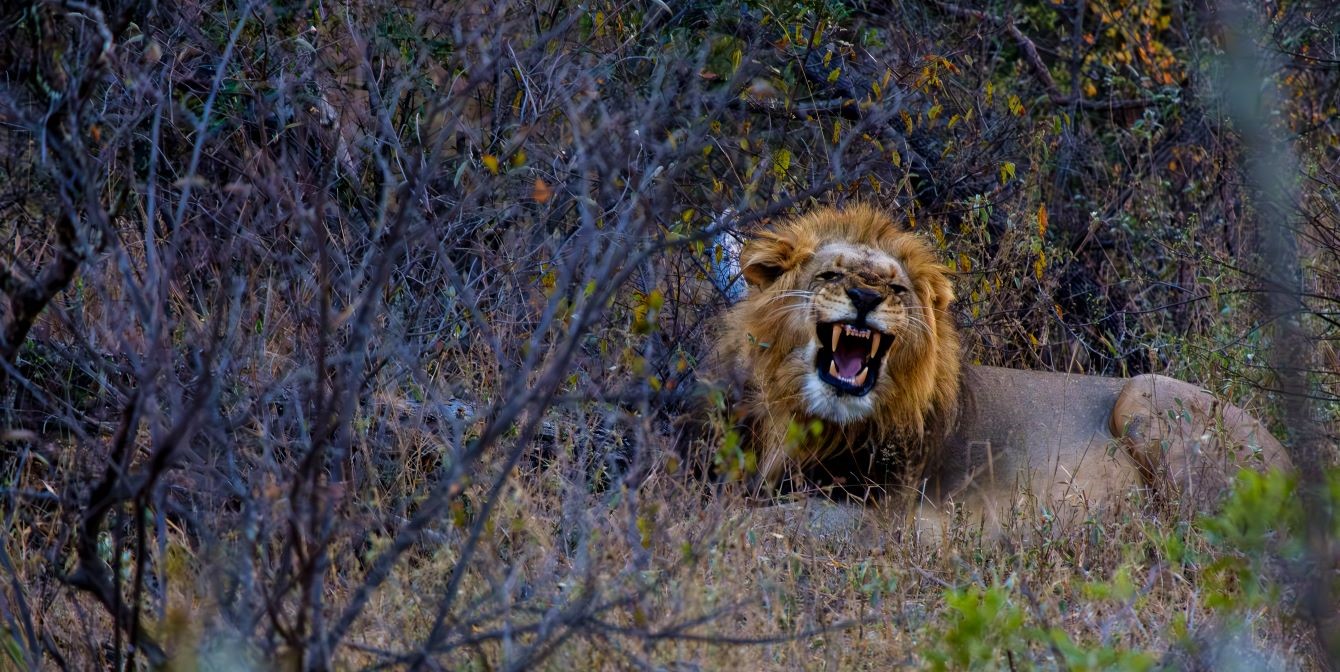
    We were also blessed with our first big male lion right after one of our coffee stops. We were too busy trying to identify a tree when someone shouted that there was a lion sitting there behind it. We were so focused on the tree that we all had tunnel vision and wouldn’t have seen the lion if someone hadn’t got distracted and looked elsewhere. 

    Later in the week, we spotted an even bigger male lion with a huge, dark mane on the way to Main Gate for our morning drive. It was sitting along the fence line in Karongwe and was very photogenic in the beautiful, golden morning light. Unfortunately for the guides from Karongwe, he stopped posing for the cameras and lay down as soon as they arrived on the scene. 

    Fred the foam nest tree frog

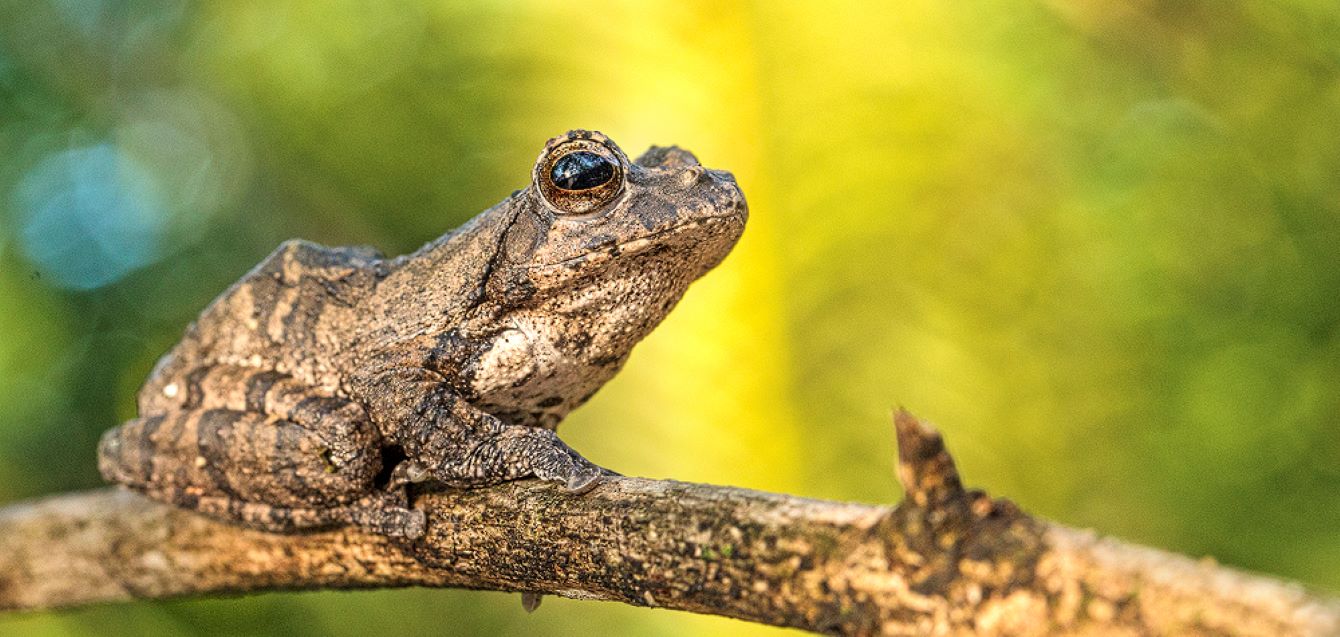
    One funny thing that happened right before our amphibians lecture was when I went to turn on the fan and found our new class resident Fred the foam nest frog. Talk about good timing right before the lecture. 

    image

    Unfortunately, he didn’t stick around long enough for us to use him as a demonstration for frog behaviour as he made a break for it as soon as I went near him and started hopping around the classroom. He was promptly expelled from class in the form of me picking him up and taking him outside to find a new home. This didn’t last long as he was back the next morning. I guess he can stay there as long as he pays rent and doesn’t cause any problems. 

    Embracing our inner crocodiles

    On another note, the sun has finally decided to start heating up a bit so we have been spending a lot more time at the pool. We have figured out that crocodiles have the right idea by getting in the water for a quick dip to cool down and then getting out and basking in the sun. The pool is so cold that we all just jumped in, got straight out before we froze, lay in the baking sun until we were dry and hot again and then jumped right back in to cool off once again. Hopefully I can survive the intense heat because coming from Canada I’m definitely not used to this. 

    Being camp manager made me realise that I have what it takes to lead a team and that I also enjoy doing it. I feel as though the best leaders are the ones that make sure a team is getting along, running as smoothly as possible and know how to have fun while still maintaining professionalism. I may not go into the guiding industry because I am interested in doing conservation work but I know that no matter where I go I can always step up to the plate and lead if I am needed. I’ve always known that I wanted to be out here in the bush and now that I’m here I’m as happy as I’ve ever been. Overall it was a really amazing week that was jam packed with lots of good times and laughter.

    Dreaming of early morning game drives, hot summer days next to the pool and learning all about the South African bush? Join us out here at Bushwise and start living your wildest dreams. 

    #wildlife #IFGAlevel1exam #bushwise #qualification #IFGALevel1 #training #animals #apprenticefieldguide #safari #IFGA #sightings #fieldguiding #endangeredspecies #Assessments #guiding #IFGAexam #fieldguidecourse #studying

  • Getting To Know The Wildebeest

    This blog about wildebeest was written by Ella Dean. Special topic blogs are written by Bushwise students during their course, and all facts included are based on their research.

    Read time: 4 mins

    What IS a wildebeest? 

    Well, they are in fact antelope and part of the Bovidae family, they are grazing herbivores and one of the most abundant antelope in Southern Africa. They can run up to around 80km/h and over 1.5 million wildebeest take part in the great migration each year. They are also a part of Africa’s Ugly 5 – which I believe is totally unfair. 

    So, why do they look so cool? They’re a natural cocktail of anatomical features. Heads that resemble a cow, body and tail of a horse, and the legs of a gazelle. All of these aspects along with strong genetics and blood lines make them one of the most successful mammals in Africa. 

    Blue vs black wildebeest

    As of this moment, there are two different species of wildebeest. The blue wildebeest, Connochaetes taurinus, and the black wildebeest, Connochaetes gnou. There are a couple of notable physical differences that we can observe, mainly their size – black wildebeest are shorter – the shape of the horns – black wildebeest have horns that point outwards which is a sign of their more aggressive nature – and of course the colour of the coat – where their names come from. The blue wildebeest have five official subspecies, while the black currently have no named subspecies. 

    The behavioural differences are slightly more profound. The black wildebeest do not migrate as the blue do, and so are much more territorial. Mature black wildebeest bulls set up their own territories through which female herds often pass. These territories are maintained throughout the year. 

    Protected by laws in South Africa, the black and blue wildebeest cannot be on the same property or reserve. The two species both share similar territories and are genetically close enough to be able to reproduce with one another. However, as the black wildebeest is smaller than the blue wildebeest, black bulls often get chased away from breeding with both black and blue cows, which threatens the survival of the black wildebeest subspecies.


    Golden wildebeest

    image

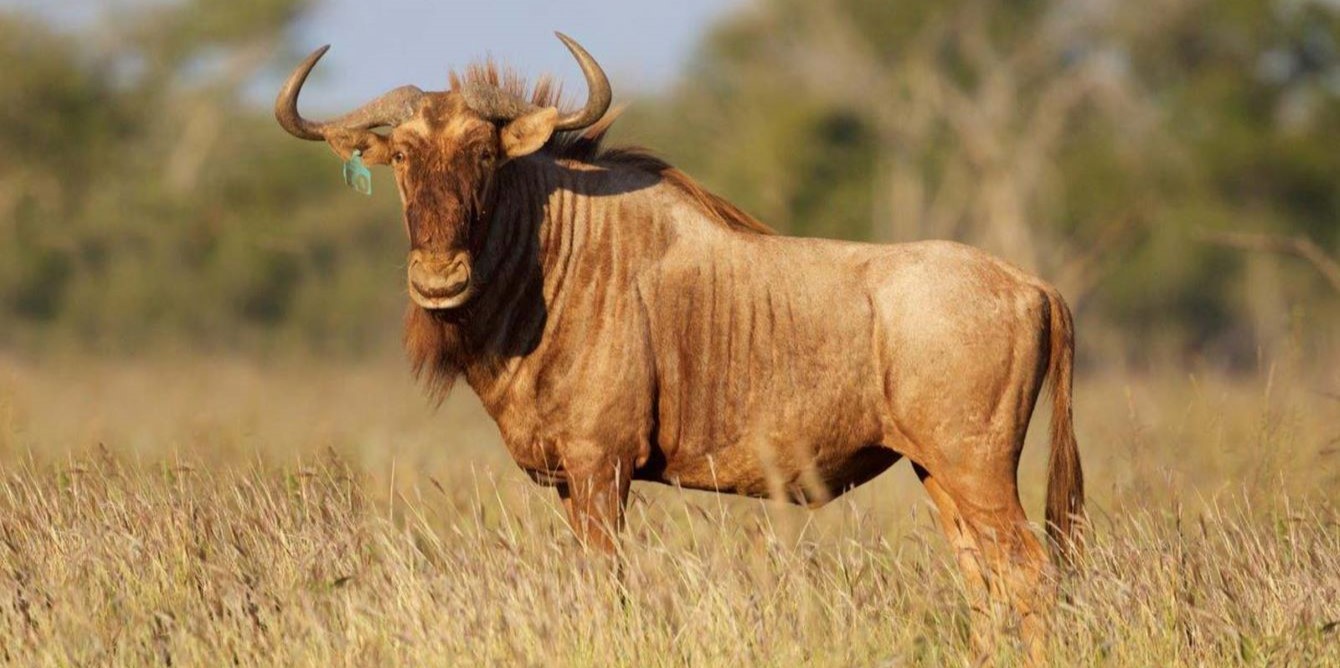
    This is the golden gnu – another native African name for wildebeest. A common misconception is that they are a mix between blue and black wildebeest. It is in fact a genetic morph of the blue wildebeest. 

    The first golden wildebeest bull was captured by Alec Rough in the early 1990s on the game farm Swinburne, in the Limpopo Valley, the area where the majority of Golden Wildebeest originate from. They formed an integral part of the large migratory herds that moved freely from South Africa to Botswana. 

    The Great Migration

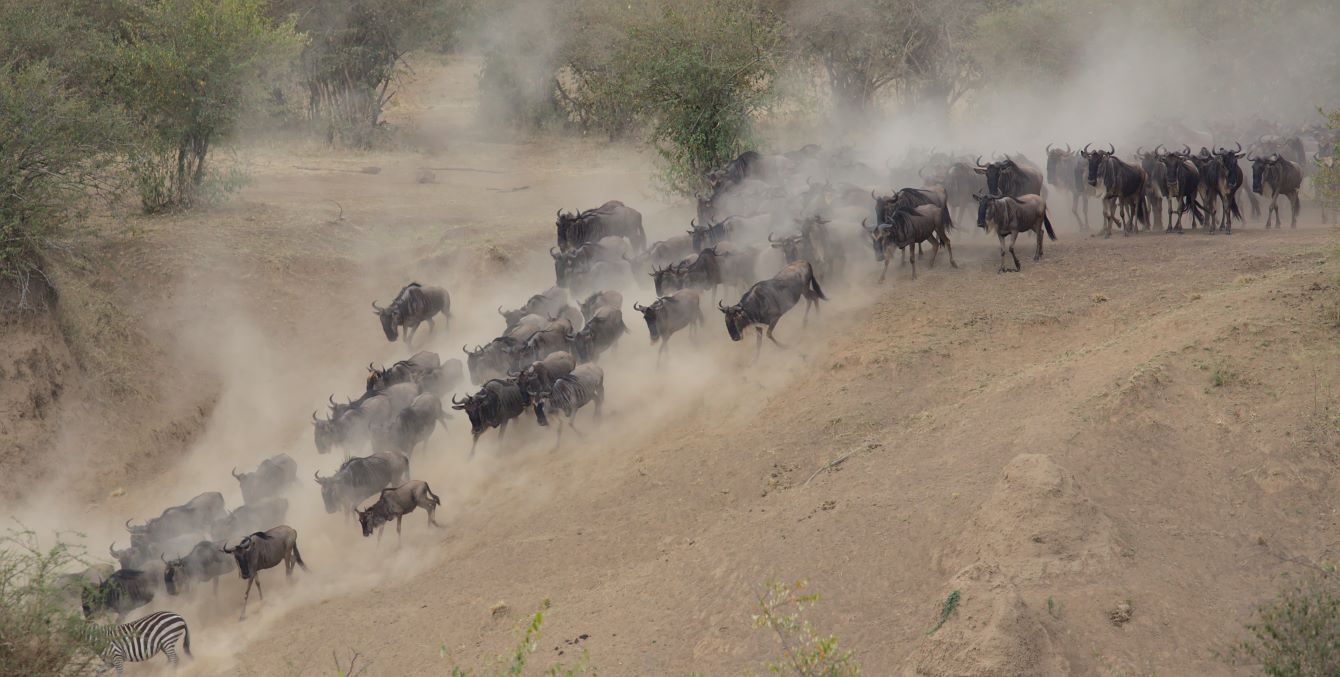
     The blue are part of the Great Migration which I mentioned early. It is the largest overland migration in the world. The herds move in a clockwise direction up from the south of the Serengeti, briefly leaving Tanzania to spend time in the Masai Mara in the north, before heading back to start the journey again. 

    image

    During the migration, it is estimated that about 250,000 wildebeest die every year as a result of predation, drowning, thirst and exhaustion. These animals have only one thing in mind, and that is the finish. They will stop at nothing. This causes many erosive and destructive issues along their course. 

    The science behind a wildebeest’s sneeze 

    Another interesting thing to know about wildebeest is their parasitic relationship with bot flies – more specifically, nasal bot flies. Nasal bot flies are obligate parasites; this means they cannot complete their life cycle without parasitising their hosts. When nasal bot flies inhabit an animal it is known as myiasis – the parasitic infestation of the body of a live animal by fly larvae (maggots) that grow inside the host while feeding on its tissue.

    How do they get inside a wildebeest you might ask.

    So, let’s do a timeline. Bot flies lay their eggs on grass, the wildebeest then eat the grass and pick up the bot fly eggs in their nose. The ova hatch and the larvae migrate throughout the nasal cavity and sinuses, feeding on mucus and debris. Once the larvae complete their growing phase, they migrate back to the nasal cavity where they are sneezed out. And as we may have all noticed, and might have overlooked, wildebeest are often found sneezing and shaking their heads quite a bit. Something you can look out for the next time you see them doing this. 

    The bot flies create lesions in the brain, cardiovascular system, eyes and sinuses. Although this may all seem very dramatic, no serious harm is done to the host in most cases. And so, although this is currently considered a parasitic relationship, with evolution and time, it may soon be considered commensalism instead.  

    So as you can see wildebeest are pretty amazing animals. And they play an important part in the ecosystem and are far more interesting than you might have thought. So next time you see one, take a few minutes to admire these creatures – and look out for their sneezes. 

    Join us out here at Bushwise to learn more unusual and interesting facts about all the creatures – big and really small – that call the South African bush home. 

    #wildlife #IFGAlevel1exam #bushwise #qualification #Exam #IFGALevel1 #training #animals #apprenticefieldguide #safari #IFGA #sightings #endangeredspecies #guiding #IFGAexam #fieldguidecourse #studying

  • Lessons About Courage From The Wild

    This blog about buffalo was written by Leah Deonath. Special topic blogs are written by Bushwise students during their course, and all facts included are based on their research.

    Read time: 4 mins

    Surviving the rinderpest catastrophe

    The year 1889 marked a disastrous event that affected entire populations of both wildlife and people across Africa. The cause was a virus called rinderpest which came from cattle carrying the virus being brought in from India. Wild as well as domestic populations were ruined – with around 90% of all hooved animals dying. This led to famine together with the increase of thickets in grasslands. This in turn created a breeding ground for tsetse flies which in turn brought about an outbreak of sleeping sickness. One of the populations that was severely affected was the African buffalo (Syncerus caffer).

    The African buffalo is a heavy, cattle-like mammal with massive horns. Some people refer to single male buffalo as “dagga boys” and they are known for their strong-willed, stubborn and resilient characteristics. If you could ask a lion how difficult it is to take one down, I’m most certain it would say something along the lines of, “It takes guts to take the buffalo by the horns. Literally.” 

    The tenacious nature of ‘dagga boys’

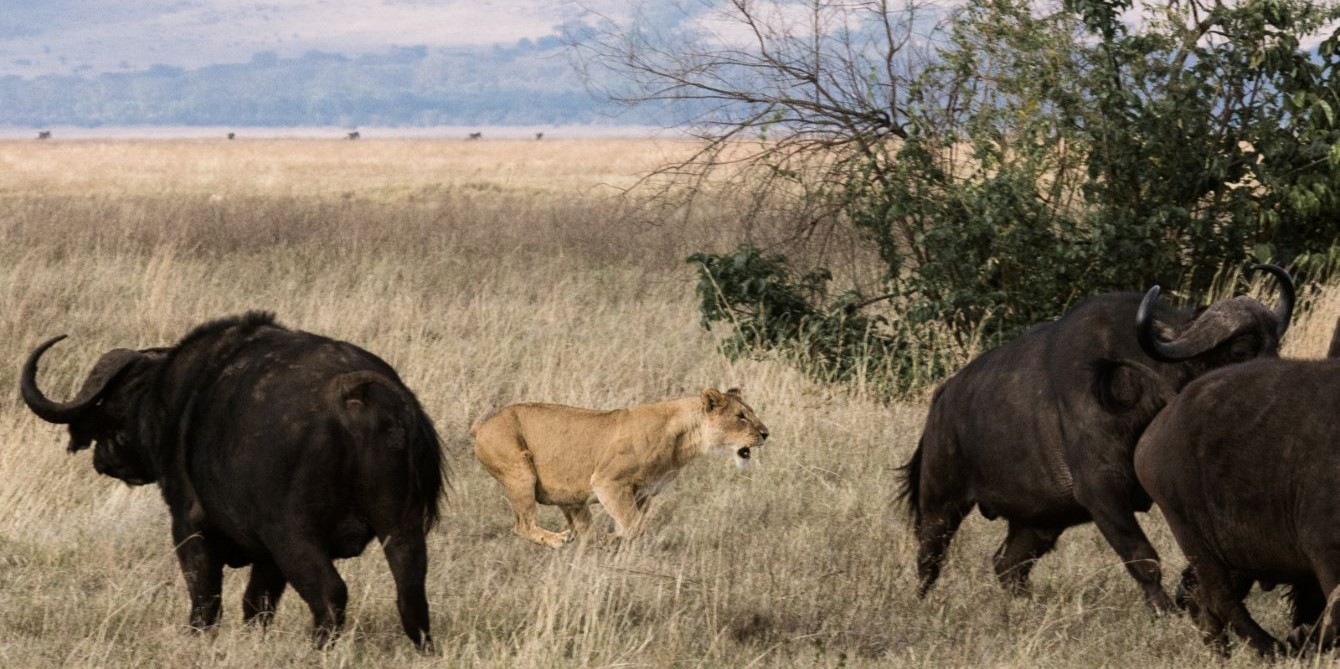
    Whilst working with Wildlife Act on an internship at Hluhluwe-Imfolozi Game Reserve, I remember watching a pride of four male lions trying to take down an old male buffalo. After seeing them fail numerous times, I was amazed by how a single buffalo at such an age was able to dodge and escape the claws of not one but four adolescent lions! 

    image

    Since it was quite late in the evening, we had to leave the next morning, we heard that the old guy took his last breath around 3am. Of course, it was inevitable, however, I still think about how long that buffalo held out. This is why I think of buffaloes in a new light; they don’t go down without a fight. They know that their life is worth fighting for, no matter the odds. 

    Earning the title Black Death

    As a member of Africa’s Big Five, buffaloes remain notorious for their aggressiveness and brutality towards humans. Buffaloes kill more hunters on the Africa than any other animal. Since they have good memories, they can hold a grudge and wait for their opportunity to charge as soon as they get a chance. 

    Writer James Clarke tells the story of how his friend was mauled by a buffalo that had been shot 11 times. As it fell around 8 metres away from them, they assumed it was dead and proceeded to take a picture of the hunt. No one expected the dagga boy to suddenly get up and take his revenge before his own death. 

    It is because of this tenacity and aggression that buffaloes have earned a name for themselves as the Black Death. The highest level of danger is when a buffalo is wounded or cornered, but I still wouldn’t want to bump into even a placid buffalo on foot. 

    Game drive encounters

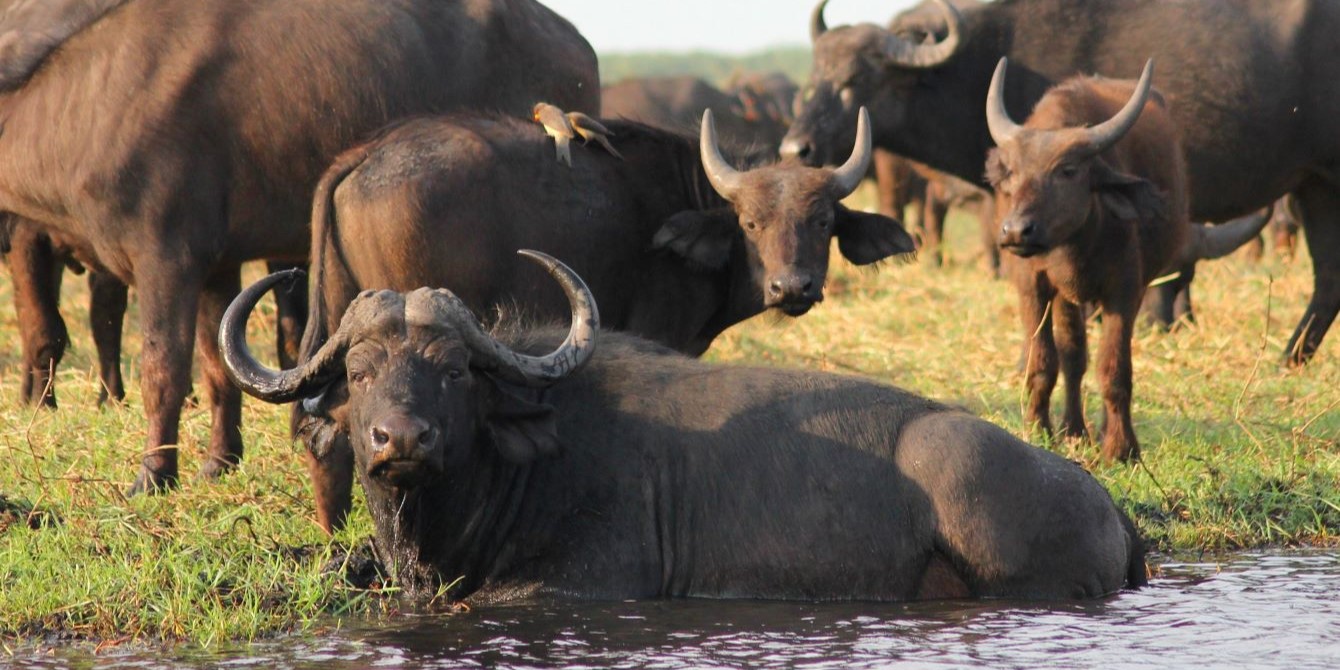
    During my first ever game drive, the first animal I saw was a buffalo wallowing in a muddy pool. Mud baths help protect the skin against the sun and insects as well as cool down during scorching hot days. Buffaloes must drink regularly as they are incredibly dependent on water. They spend a huge amount of their time grazing. A master bull usually overlooks the herd which is led by an old female. Females have smaller, less developed horns compared to males. 

    image

    Buffaloes are loyal animals that can protect, sympathise with and empathise with injured members of their herd. I really admire their devotion to one another, their strength and bravery. Even though buffaloes have a bad reputation, there are certain qualities they possess that are praiseworthy. 

    Thankfully rinderpest was not able to fully eradicate the African buffalo. Not even a deadly virus could take these guys down completely. So next time you may be feeling defeated, think about our dagga boys out in the wild and charge courageously forward anyways. 

    Ready to be inspired by Africa’s resilient wildlife? Join us out here at Bushwise and experience the untamed world for yourself.

    #wildlife #IFGAlevel1exam #bushwise #qualification #trailsguide #Exam #IFGALevel1 #training #animals #safari #IFGA #sightings #fieldguiding #Assessments #gamedrive #guiding #IFGAexam #fieldguidecourse #studying

  • Impala: Far more interesting than you’d think

    This blog about impala was written by Danel Hart. Special topic blogs are written by Bushwise students during their course, and all facts included are based on their research.

    Read time: 3 min

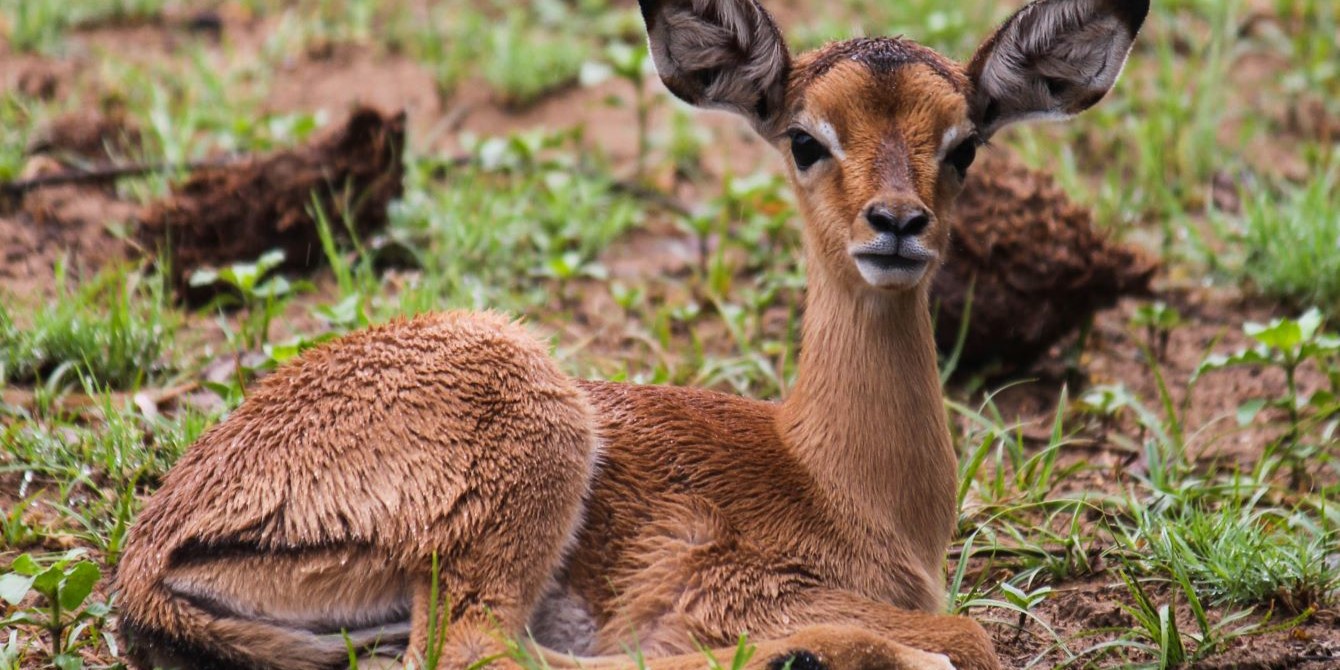
    The savannah biome is home to one of the most common species of antelope in Southern Africa. The name impala in Latin is Aepyceros melampus – which means “antelope with high horn and black feat.” Impalas play a vital role in the ecosystem, especially as they are a major food source for all the predators – such as leopards, lions, cheetahs, hyena, wild dogs, caracal and jackal – roaming around in the savanna biome. 

    Survival skills

    Early in the summer, a lot starts to change. New life begins to appear and because impala – especially newborn impala – are a major part of predatory diets, the bush becomes very active. But not to fear, because there are so many newborn impalas, a large number will survive until adulthood. Their high birth rates are one of the reasons why they are the most successful antelope species in Southern Africa. 

    image

    Another reason why they are so successful is because they are mixed feeders. They mostly eat grass in the summer months and shrubs in the winter months. This allows them to have abundant food sources during the whole year.

    They also use countershading as a way to camouflage from different predators of different sizes. The top of their body is mostly darker than the rest of the body. The darker brown/red colour on their back fades into a lighter colour on their sides and then to a white on their stomach. This is a big advantage for the impala because it helps them to blend into the environment. 

    Impalas have very sharp senses; their sense of smell is acute and their hearing and sight are also very well developed. However, their main defence mechanism is safety in numbers and without that they are very vulnerable. Even with all these acute senses they still rely on each other. 

    Believe it or not an exciting impala sighting

    We had a game drive a week or so ago. We saw an impala ewe on her own. This raised a lot of red flags for us as new guides because this is not normal! This ewe was standing alone next to a bush and she was not eating, she was on high alert. Her ears were up straight, her eyes piercing and scanning through the grass and the bushes. She was constantly backing up into the bush to make sure nothing grabs her from the back. Doing full 180 degree scans of her surroundings. We knew that this ewe must have been separated from the herd during a predator chase. This shows just how vulnerable an impala can be when separated from its herd. As new guides at Bushwise, we used this as our time to investigate and learn about the behaviour of impalas when there are predators around. 

    image

    We chose to drive up the road past the impala that was standing alone. We heard a couple of alarm calls from birds while making our way up that road. About 700m away, we found the rest of the impala herd sticking close together and every single impala in that herd of about 40 was on high alert. As we passed, one of the impalas sounded an alarm call and all of them scattered into the bushes in a matter of seconds. The next day other students called in a lion sighting in that same area. This must have been the thing that had scared the impalas we saw.  

    Even though impalas are a common sighting, they are far from boring. Uncover the captivating world of the savanna biome with us at Bushwise! Delve into the intriguing dynamics of the bush firsthand and experience the wonders waiting to be explored.

    #wildlife #bushwise #qualification #Exam #training #animals #safari #ifga #sightings #fieldguiding #guiding #fieldguidecourse #studying #fieldguides

  • Silence of the Hyenas

    This blog about hyenas was written by Anthea Hall. Special topic blogs are written by Bushwise students during their course, and all facts included are based on their research.

    Read time: 4 mins

    Hyenas. Creepy? I’d say so. 

    Have you ever wondered how hyenas can just creep up on you without you even knowing they are there? Well do I have a story for you. 

    image

    A short lived career as a lookout

    When I was about 13 years old, I went to stay at Hluhluwe-Umfolozi – a Big Five game reserve that contains only unfenced camps – with my family. We were staying in a rustic cottage with a nice big deck. The only problem was that the braai was situated off the deck, which meant that someone had to be the lookout when we wanted to braai. 

    Now I had – and still have – a healthy respect and maybe even a little fear of hyenas, so I was not too keen on being lookout. But of course by the time we needed to braai, my brother and mother had gone off on their own mission, so I was left to be the lookout for my father. 

    I sucked it up, gave myself a little pep talk, grabbed my torch and off we went. I could only stand just outside the door to the deck as that was as far as I could encourage myself to go, but that was far enough. My father went to the braai and I started my duty as lookout. 

    I shone the torch in front of me, there were no hyenas to be seen. I was getting confident. This wasn’t too bad. I kept looking around and I couldn’t see anything. But as soon as I shone the torch behind me, there, staring at me with his head on the deck, was the biggest hyena I had ever seen. Granted I was 13 so everything looked big to me, but I still got the fright of my life and ran inside. That was the end of my lookout career for that holiday. 

    Going beyond the Lion King stereotype

    A lot of people don’t like hyenas. This could be because of the way that the media represents them – like in the Lion King where the hyenas are the bad guys and are associated with death and destruction. 

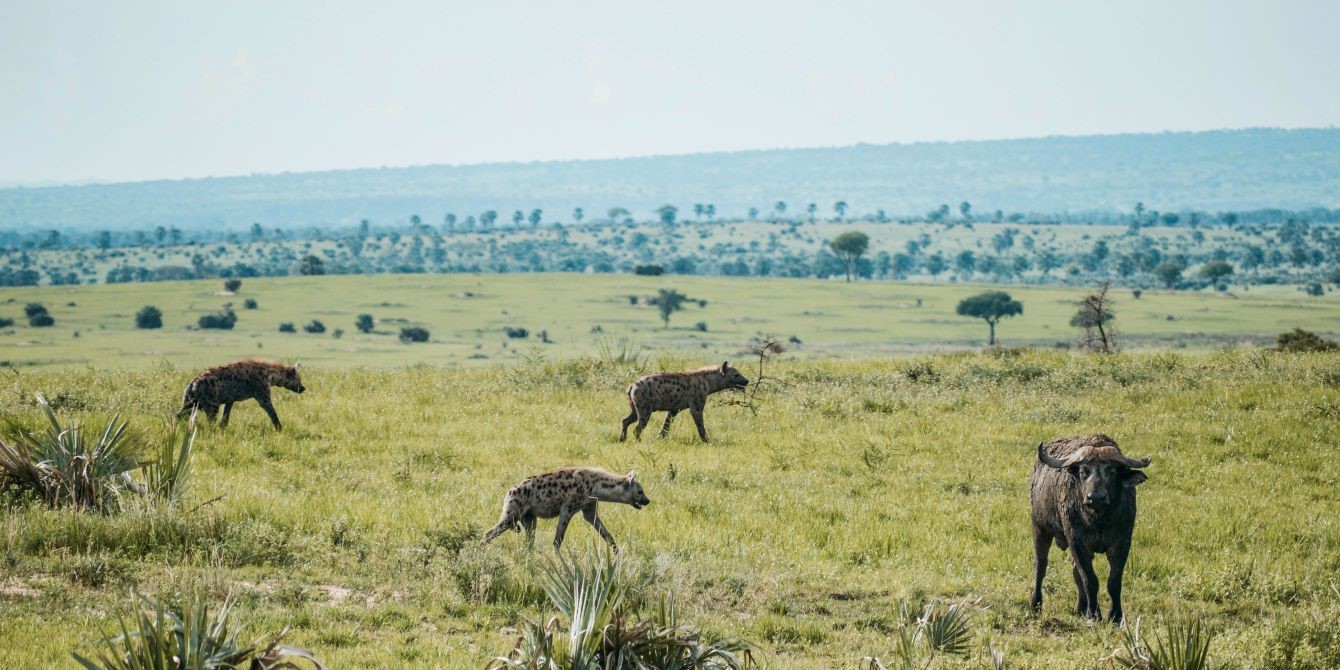
    But in actual fact, hyenas are highly intelligent creatures – who even monitor vulture activity to locate their next meal. They have strict social hierarchies which allow them to hunt effectively in a pack to take down difficult prey. 

    image

    Hyenas are way ahead of lions when it comes to locating carcasses because of their advanced sense of smell which allows them to smell a carcass up to 4 kilometers away – which is why they can smell your braai. They also have really good hearing and can hear an animal being killed as far as 10 kilometers away. 

    There is a common misconception that hyenas are only scavengers and don’t hunt, but that is not completely true. They hunt as much as 73% of their food, but prefer not to waste energy on hunting when they can feed on carcasses instead. 

    That being said, hyenas play a vital role in eradicating decomposing carcasses. This not only prevents the spread of disease, but it also recycles valuable nutrients needed by plants to grow. Hyenas have incredibly powerful jaws and strong stomachs that allow them to break down all parts of the body except hair. This allows them to find nourishment from what other predators deem valueless.

    Night and day

    Hyenas are mostly nocturnal animals. This means that while they can be seen during the day, they will appear to be cautious of people and harmless, but as soon as night falls, they become self-confident animals and are incredibly bold. This is partly because they have a highly developed sense of smell and hearing, and excellent night vision which allows them to locate food with incredible accuracy – such as a braai 4 kilometers away!

    And because hyenas are opportunistic, they aren’t afraid to steal a piece of boerewors from the braai when they find it– even if it is on fire. This is quite funny to see because they let out a yelp and a giggle – which tells me the prize was well worth the pain. 

    I think hyenas should be given more credit for the roles they play in our environment and the vast array of skills that they have when it comes to hunting and scavenging. They are such unique and complex creatures and there is still so much we have yet to discover about them. Even though I still see them as creepy, through coming to Bushwise I have developed a newfound respect for these animals and their mysterious way of life. 

    Itching to get out there and experience the mysteries and magic of the Africa bushveld for yourself? Join us out here at Bushwise where the sounds of hyenas laughing and lions roaring will be the soundtrack of your new adventurous life. 

    #wildlife #bushwise #qualification #Exam #training #animals #apprenticefieldguide #hyena #safari #ifga #sightings #fieldguiding #Assessments #guiding #ifga #fieldguidecourse #studying

  • The Marula Tree – The Tree Of Life

    This blog about marula trees was written by Aldo Louw. Special topic blogs are written by Bushwise students during their course, and all facts included are based on their research.

    Read time: 3 mins

    An African sunset, sipping on an Amarula liqueur somewhere in the beautiful breathtaking bush on a game reserve in South Africa. This might be the picture that pops into your mind when the name marula is mentioned. But there is so much more about this tree than the memorable Amarula liqueur that is made from the tree’s fruit. 

    Beyond Amarula 

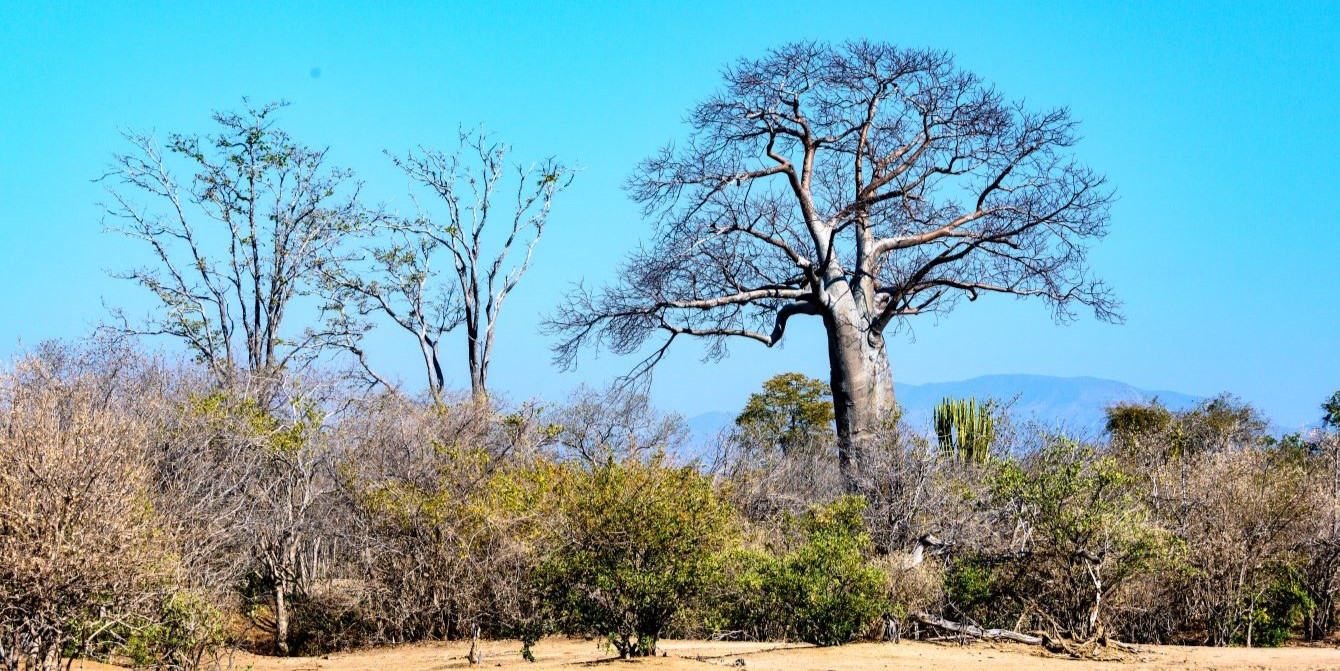
    The marula tree stands 18m tall and the bark is a greyish colour. On the young branches, the bark has a smooth appearance, while on the older branches it appears to be flaky in patches. 

    The leaves are unevenly compounded with 7 to 13 pairs of leaflets plus a terminal one that is near the end of each branch. Even though the young trees are frost-sensitive, marula trees are drought-resistant and one of the fastest growing trees in South Africa , growing up to 1.5 m per year. 

    These trees can be found in the Lowveld and Kruger National Park. They prefer to grow in the savanna or bushveld. Tall grass, baobabs and fever trees can be found growing close to them. 

    image

    Cultural significance and traditional beliefs

    This beautiful tree’s history extends back to more or less 10,000 years and there is evidence that even then the fruit and nut-like kernels were an important food source. The tree has a specific sex (deciduous and also dioecious) which led to many traditional African beliefs about the tree. One such belief is that using the powder of the bark or the flowers to make a tea from either the male or female tree influences the gender of the baby you will have. 

    Versatile uses

    The marula tree is quite a useful tree as it has so many uses. The most obvious – apart from the tasty liquor – being that it can act as both a shelter and a food provider for animals and humans alike. But let’s take a look at some of the more interesting uses for this tree:

    1. The inner bark off the tree can be used to make a decent rope, the light reddish brown wood makes lovely furniture and the skin of the fruit can even be burnt to use as a substitute for coffee and snuff. 

    2. The flowers are 50 to 80mm long sprays with sexes on separate trees. 

    3. Apart from the Amarula liqueur, the fruit is also used to make a semi-sweet wine, beer and even jams and jelly. 

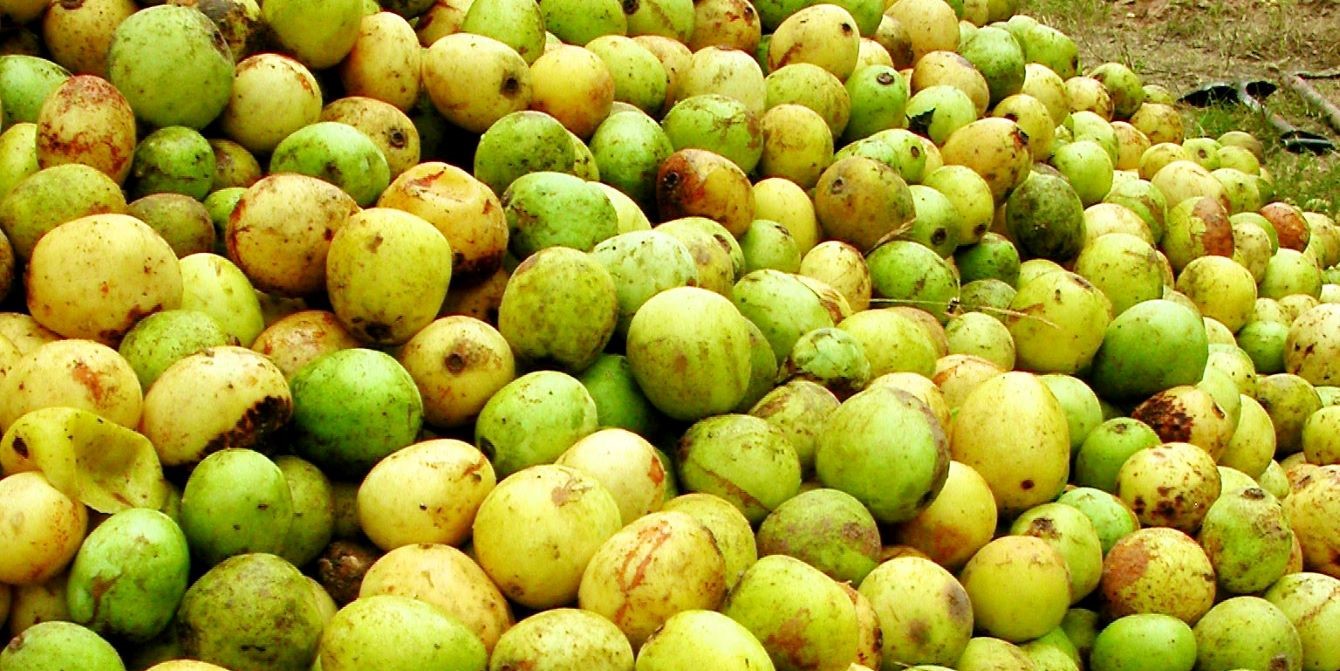
    4. This led to a very funny story of elephants and baboons getting drunk when eating the marula fruit which has fermented while lying on the ground. This was proven to be a myth by scientists, therefore no elephants or baboons will soon be seen walking funny and experiencing a hangover. 

    image
    1. The fruit are yellow and fleshy with a large stone and ripens from January to March. It has 4 times more vitamin C than an orange and is a good source of calcium, magnesium, phosphorus and potassium. 

    2. The seed from the fruit consists of 2-3 nuts that are rich in oil and protein, that can be eaten either raw or roasted. 

    3. The oil from the nuts makes an excellent skin treatment. 

    4. Cattle and game benefit from the leaves, bark and fruit. 

    5. A tea can be made with the bark from the tree to treat diarrhoea. 

    6. Chewing the leaves can reduce heartburn. 

    7. Using the bark in a brandy tincture can help as a preventative for malaria. 

    8. The inner bark has antihistaminic properties and can be used against insect bites or even those hairy caterpillars that can burn you when accidentally gets in contact with your skin. 

    9. An extract from the leaves works wonders for abscesses and burns. 

    The marula tree is the ultimate multi-tasker in the African wilderness. From giving animals and humans a place to live and find a snack, to dishing out remedies for stuff like tummy troubles and insect bites, this tree does it all. No wonder it’s called the “Tree of Life.” So, next time you sip on that Amarula drink, remember, there’s a whole lot more to this tree than meets the eye.

    Deepen your appreciation for the natural wonders of South Africa’s wilderness by joining us out there at Bushwise Field Guides.

    #bushwise #qualification #Exam #safari #ifga #fieldguiding #Assessments #guiding #fieldguidecourse #studying

  • Understanding the savannah biome

    This blog about the savannah biome was written by Rachel Ogle, while completing her Bushwise Professional Field Guide course. Facts and insights contained in this blog are based on student research.

    The savannah – home of the iconic big five and sunsets to die for – all in all one of the most incredible places on Earth. “A biome is a broad ecological spatial unit representing major life zones of large natural areas, and defined mainly by vegetation structure, climate as well as major large-scale disturbance factors (eg. fire)”. This is the definition of a biome in the IFGA learner manual. There are nine distinct biomes in South Africa, the largest one of the nine is the savannah biome.

    How is the savannah biome different from the other biomes found in South Africa?

    image

    In total, there are nine distinct biomes in South Africa. The biomes are the:

    1. Fynbos Biome

    2. Succulent Karoo Biome

    3. Desert Biome

    4. Forest Biome

    5. Nama Karoo Biome

    6. Grassland Biome

    7. Albany Thicket Biome

    8. Indian Ocean Coastal Belt 

    9. Savannah Biome

    Each biome can have many bioregions, the savannah has six in total. The Savannah Biome is truly unlike any other, sometimes you may not even realise that you have entered it due to the fact that it is quite diverse in terms of vegetation, climate, soil type and even terrain. This is also the reason why such a large amount of organisms and features (both biotic and abiotic) are able to inhabit this area. 

    The Savannah Biome has many types of vegetation consisting mostly of tall trees and an abundance of bushes, and during the dry seasons, most of the vegetation dries up and adapts to the environment. This is what makes the biome so unique, its ability to prosper even in the most dire conditions. 

    What is the savannah? And where is it found?

    image

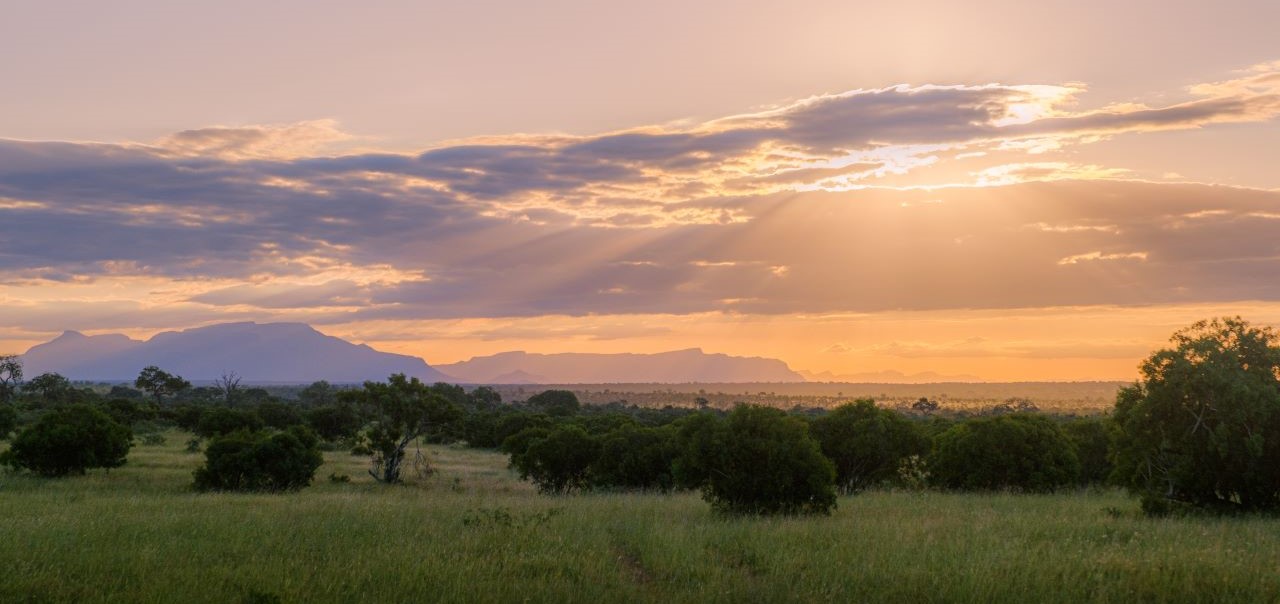
    The savannah is a shrubby grassland with somewhat of a light canopy of trees (where the vegetation is more tropical). The savannah has two different seasons, one very dry season in the winter, and a very wet season during the summer between December and February. Each bioregion is different. For instance, the Central Bushveld Bioregion has a very high number of vegetation types. Whereas the Kalahari Duneveld Bioregion has a very low level of vegetation; in fact, some would say it has the least vegetation units in regard to the rest of the bioregions. The six bioregions are the Central Bushveld Bioregion, the Mopane Bioregion, the Lowveld Bioregion, the Sub-Escarpment Bioregion, the Eastern Kalahari Bushveld Bioregion and the Kalahari Duneveld Bioregion. 

    When we think of the savannah we often think of the Serengeti, or one of the other vast plains of Africa that we often see on Nat Geo Wild, but what we don’t often acknowledge is that the savannah occurs not only in Africa but also in South America, Australia and even a small part of India.

    What species can you find in the savannah?

    The savannah has a wide range of species due to the sheer diversity of the environment. Everything in the environment from geology, soils, climate, vegetation and landscape features. These are the things that tell you what species you are able to find in an area. You can find mammals, amphibians, birds, arthropods, birds, trees and grasses. Some flagship species of the savannah are both the black and white rhino, plain grass frog, baboon spider, ground hornbill and marula trees.

    Why is it important as a guide to know the savannah?

    image

    It is important to know the environment you work in, not only because it is your job to specialise and share the knowledge of the land, animals and how they all work together in “the circle of life”. But also for safety and educational reasons. So considering the fact that most guiding happens in the savannah, it would definitely be a smart move to not only know, but keep on educating oneself on the Savannah Biome.

    Love learning about our natural landscape and the role each species plays in the environment? Consider joining a Bushwise online course to learn more!

    #southafrica #bushwise #biomes #apprenticefieldguide #safari #africa #fieldguiding #savannah #guiding #studying

  • Unveiling the Fascinating World of Warthogs

    A blog about all things warthog, by Bushwise Professional Field Guide student Emma King. Researching and writing a blog about a conservation topic or species of animal is part of Bushwise student training.

    Before we hop into what warthogs are and their many fantastic facts, let me tell you about the very funny story which my topic stems from. My family has many crazy stories concerning animals that happened to us throughout the years, but the one that always makes people laugh the most is when my little brother, who was 3 years old at the time, ran up to a baby warthog at Moholoholo Rehabilitation Centre and pulled its upright tail. The centre was unhappy to say the least and so were my parents but the more you think about it the funnier the story gets. 

    Now that’s enough storytelling, let’s talk about why you are really here and that is to get to know and understand this spunky and wonderful animal. 

    What is a warthog, or should I say who is Pumba?

    image

    A warthog (Phacochoerus sundevallii – southern Africa; Phacochoerus Africanus – west and north Africa ) is a small grey herbivorous mammal who can live to the ripe old age of 15 years in the wild. 

    Their cuteness factor increases when they go down onto their front hooves. They permanently have a look that says ‘don’t mess with me’ primarily due to their upturned tusks and their stocky stance. They are actually quite intelligent but often stop mid run as if they forgot what they were doing. 

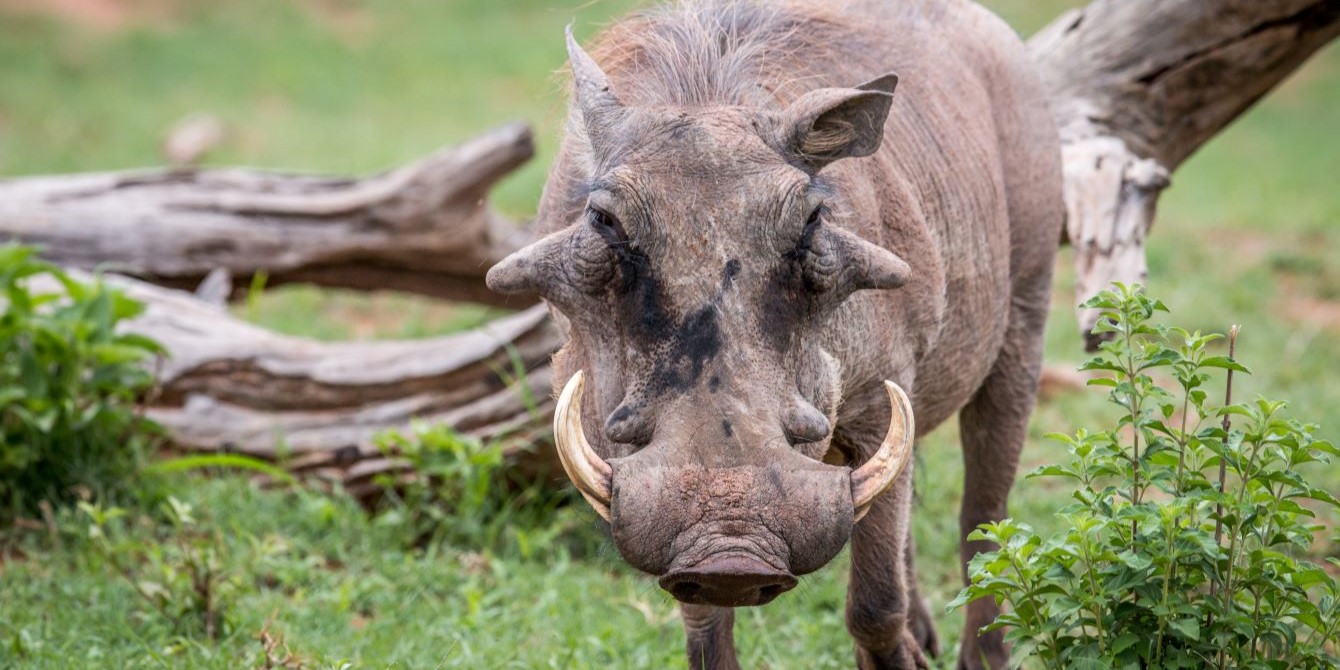
    Their heads are flat and covered in warts, hence their name. They have large nostrils and they typically squeal, snort and grunt. They are hooved animals whose tracks average 8.5 cm in length when it comes to the forefoot and 7.5 cm with the hind foot. A warthog has very little hair with only a mane down their spine and a tuft of hair at the end of their straight tail. The bristle-like hair varies between black, brown and yellow.

    These adorable but unpredictable characters thrive in open grasslands, woodlands, vleis and floodplains across Africa but also occur in the desert parts of Kenya, Ethiopia and Somalia. The subspecies of this desert dwelling warthog is Phacochoerus Aeliani. 

    When watching warthogs, you will see that they are social animals that stay in a family group. The group is usually made up of one mature boar with one to two females (sows) and their piglets. The group usually only stays in this social environment for no more than two years. Males do break away into temporary bachelor herds.

    Why do warthogs have tusks?

    image

    Warthogs use their tusks for fighting, defending and digging. The tusks are enlarged canine teeth. They have two pairs of tusks, a lower pair and a longer upper pair. Their tusks can grow to a length of around 25 cm and are made of ivory, the same material that elephant’s tusks are made of. Ivory is known for being very strong which helps them keep their tusks intact, well more-or-less, during fighting.

    ‘Warts and all’ as the old saying goes …

    The warts are like haphazard-shaped balls made of bone and cartilage. That’s why these warts are used for protection during fights – and to store fat. 

    What about baby warthogs? 

    image

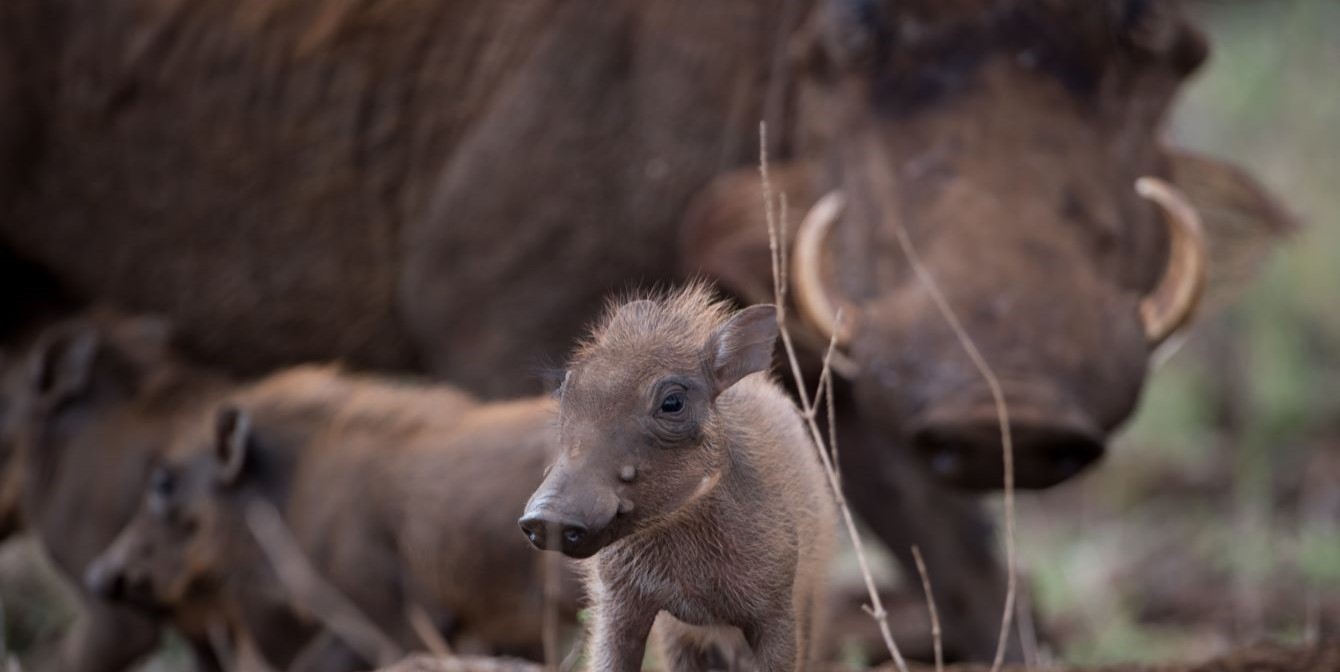
    Baby warthogs are called piglets. A sow usually gives birth to two to three piglets but can have more in one litter. Mom protects her piglets by chasing them into their den or a burrow and reverses in after them so that the threat encounters her tusks first. 

    More interesting facts about warthogs:

    1. The boar has more prominent warts than the sow, but beauty is in the eye of the beholder. 

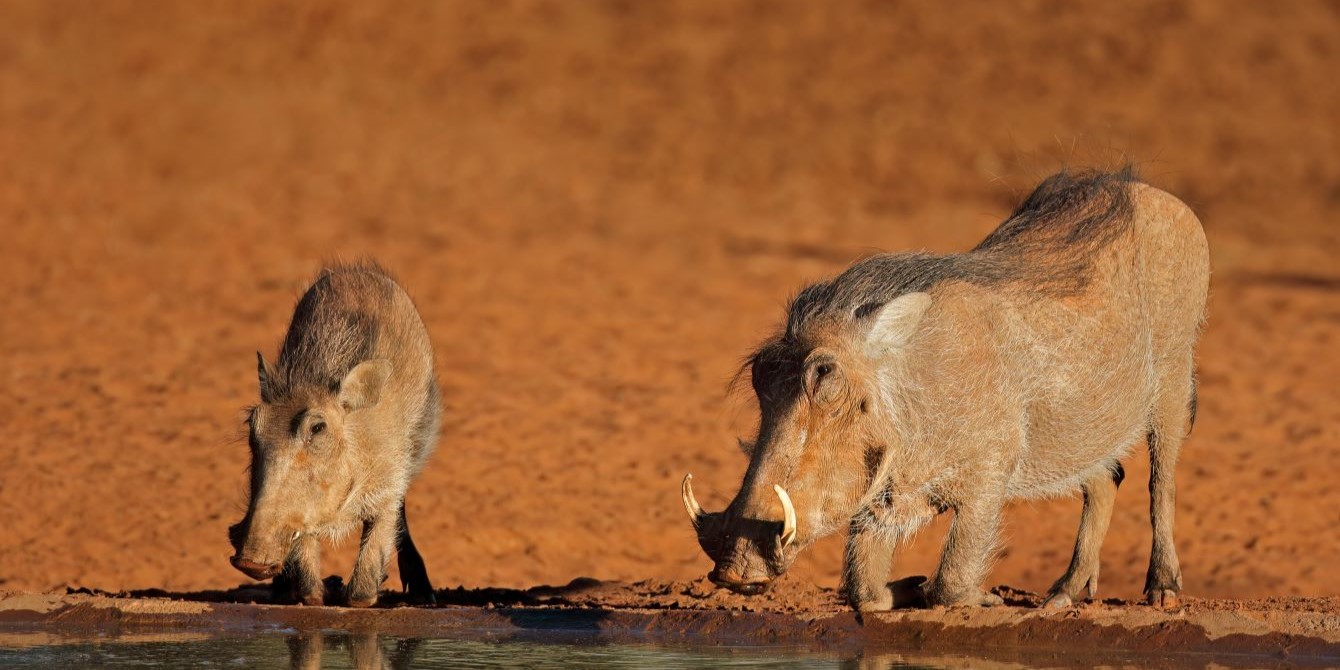
    2. A warthog has knee pads as it often kneels on the ground to eat, this is because its short and muscular neck cannot get its head low enough to the ground to eat while standing – and here I thought they were doing yoga. 

    3. Warthogs are great foster parents and sows are known to foster and nurse piglets if they have lost their own. 

    4. They love to be groomed! Warthogs allow vervet monkeys, banded mongooses and birds to groom them and remove insects. 

    5. They love rolling in mud.

    6. They are very fast! Warthogs can reach up to 48 km/h. This helps them make a quick getaway from predators or charge you at a heck of a speed. They run with their tails straight up. 

    Warthog or bushpig? 

    image

    Warthogs and bushpigs differ in that they are found in different habitats. The bush pig’s tusks are shorter and less visible, and bushpigs are omnivorous whereas warthogs are herbivorous. The bushpig lives in more dense habitats than the warthog.

    The bushpig has a coat of coarse hair that is reddish to dark brown, sometimes black. They do have yellowish hair on their legs, lower jaw and which sometimes extends past the lower jaw.

    I don’t know about you but I think that warthogs are pretty cool animals! Want to learn more about them? Consider joining a Bushwise course and making wildlife and conservation your career!

    #wildlife #AdvancedRifleHandling #bushwise #qualification #safariguide #Exam #animals #apprenticefieldguide #safari #IFGA #sightings #fieldguiding #Assessments #guiding #fieldguidecourse #studying