Category: Wildlife insight

  • The impact of drought and rain cycles in the Lowveld

    This blog on the impact of drought and rain cycles in the Lowveld was originally published in 2017 by Gerhard van Niekerk.

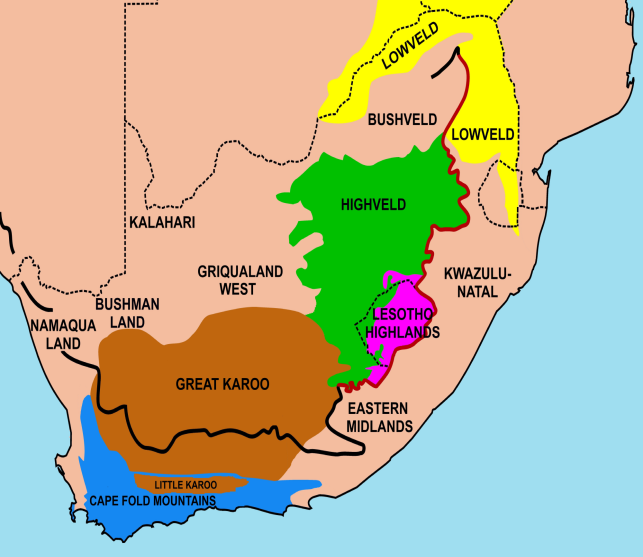
    Location of the Lowveld

    The Lowveld is an area that lies within two provinces of South Africa, Limpopo and Mpumalanga provinces. It is called the Lowveld due to its low altitude in the north eastern tip of South Africa. The altitudes range from around 300-600m above sea level.
    image

    Image from Wikimedia

    The local weather system yields a subtropical climate with hot, humid summers and mild, dry winters. Day temperatures of above 35° in summer are nothing strange to the local inhabitants.

    The Lowveld is exposed to great variations in the amount of rainfall received in any one year. The reason for the low rainfall in the Lowveld and its variability lie in the position of the region relative to the main weather-generating circulation systems. The latitude of the Central Lowveld coincides with a zone of dry, descending air.

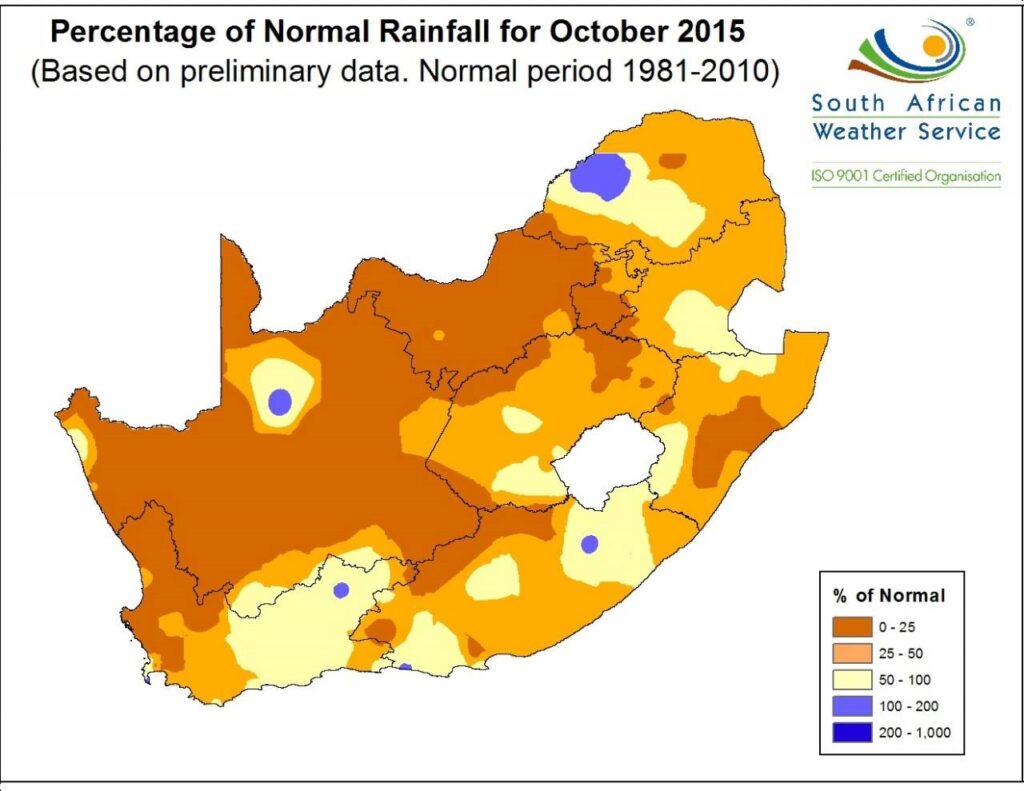
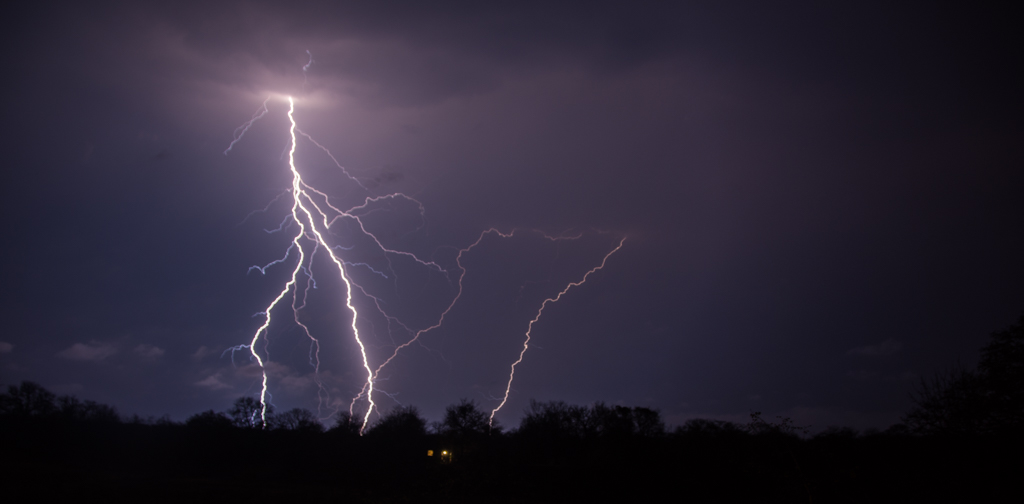
    This means lots of sunshine and warm temperatures but only a little rain. It is only when the tropical circulation shifts southwards in the summer months that the high pressure cells can be pushed aside, sucking moist air from over the Indian ocean and sometimes leading to spectacular thunderstorms. October to April is generally regarded as summer months. Research on the rainfall patterns in the Kruger National Park over the last 100 years indicates a cyclical tendency in rainfall volumes, with 10 years of above average rainfall typically followed by ten years of below average precipitation.
    image

    Image from WeatherSA

    The average rainfall is around 500mm per annum. Rain usually falls between October and March, with a peak in December and January. On average there are thunderstorms for only 25 days of the year. The past 10 years are regarded by many as one of the most intense droughts experienced in the past 30 years or so. A drought could generally be defined that when an area in South Africa receives less than 75% of its normal rainfall, it is considered to be experiencing a meteorological drought. BUT it can be safely assumed that a shortfall of 20% from normal rainfall will cause crop and water shortfalls in these regions accompanied by social and economic hardship.

    HOW THE DROUGHT AND THESE RAINFALL PATTERNS AFFECT THE LOWVELD

    Climate acts with geology as a critical determinant of the ecological potential of a landscape. The climate of the Lowveld follows a trend from wetter and cooler weather in the south and west to drier and hotter in the areas of the north and east. These trends cut across the diverse geological belts to provide a wide variety of habitats, accounting for the great variety in the vegetation and wildlife in the region.

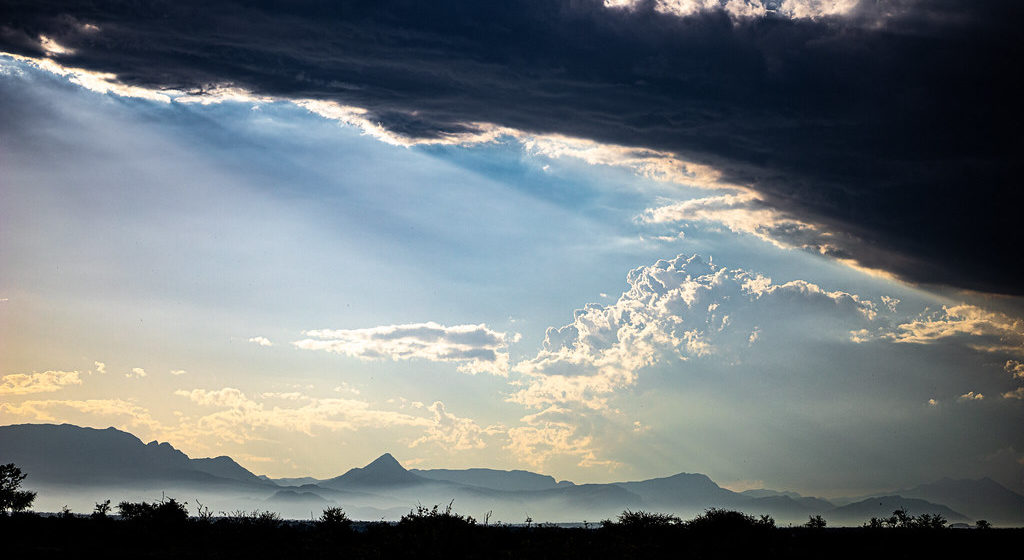
    The wind usually blows from the South, South East, usually under 12.6km/hr. The strongest winds of around 30km/h usually blow in October. From August to October this wind sometimes swings to blow from the north; this is usually a hot dry wind.
    image

    The consequence of rain cycles in the Lowveld being confined to six months of the year is that most crops can only be grown during this period. Similarly, the recharging of water resources is also confined to these crucial six months. When the seasonal rainfall is seriously below normal, crop yields are poor and ground and dam water levels fall dangerously low. Should these conditions occur in swift succession, as in the periods from 1964 to 1970, 1991 to 1995 and again from 2002 to 2005, there is insufficient time for natural resources and the economy to recover from each rainfall-deficit period.

    The effect of abnormally high temperatures is an increase in evapotranspiration as well as stress on plants whilst further depleting surface-water reserves through evaporation.

    A knock for the Agricultural Industry

    The most serious impact, other than dwindling water supplies, is the effect on staple crops and, ultimately, commercial crops. In 1992/1993, undoubtedly one of the most widespread droughts of the last 45 years, maize had to be imported to South Africa . The knock-on effect of crop failure could be seen in the population drift from rural areas into the cities, farm labour lay-offs and farm closures as well as an increasing indebtedness in the agricultural sector.

    Veld Fires

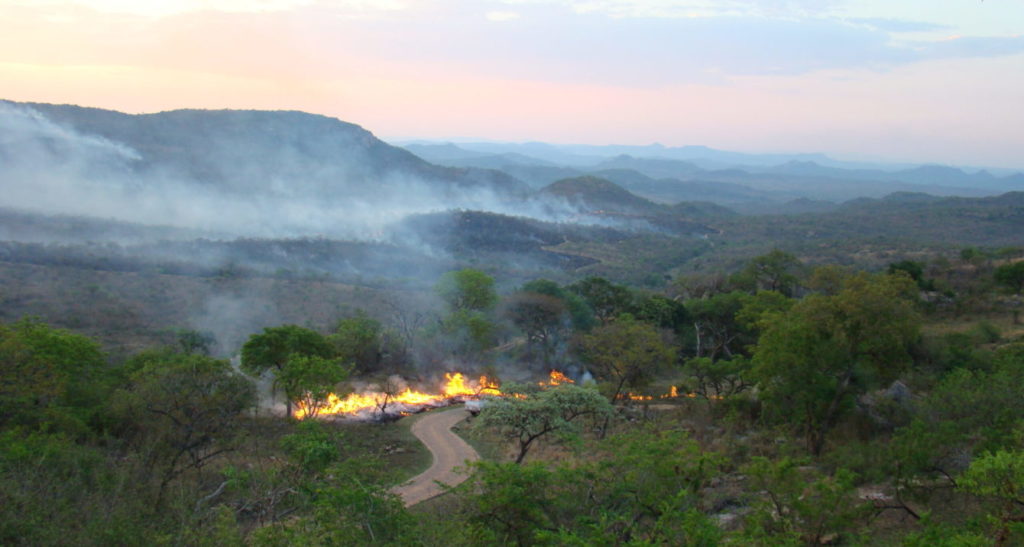
    Other serious impacts brought about by drought are the devastating veld fires which destroy large areas of grazing at a time when grass is in short supply. Commercial timber and orchards are also prone to damage at such times. In 1992 there were several huge fires which destroyed thousands of hectares of grassland. In one of the worst events, during August, at least nine people perished. In 1994, a combination of unusually strong winds and very dry conditions saw large areas of grazing and timber destroyed. Six people died in one such fire in July of that year. Again, in July of 2002, Mpumalanga was devastated by fires that destroyed 24,000 ha of pasture and left four people dead and damages amounting to more than R32 million.
    image

    Soya, sorghum, groundnuts and sunflower crops have also been affected, which has negatively impacted South Africa’s food security. While South Africa usually exports maize South Africa will have to import roughly 5 to 6 million tons of maize (half white and half yellow) to meet its internal demand.

    THE FIRST RAINS

    What a delightful sight it is when one sees, smells and feel the first of the rain cycles in the Lowveld after prolonged periods of drought. Not only does it bring the water but a very welcome relieve for especially the farmers and it also creates an elevated spirit amongst the people of the area. Not to even mention the plants and animals!
    image

    Author: Gerhard van Niekerk

    #fire #impact #lowveld #rain #wind #drought #weather
  • African wild dogs: the painted carnivore

    Writing and photos by Annie DuPre, Bushwise Copywriter, currently pursuing her master’s in conservation studying African wild dogs on Kruger’s western boundary. 

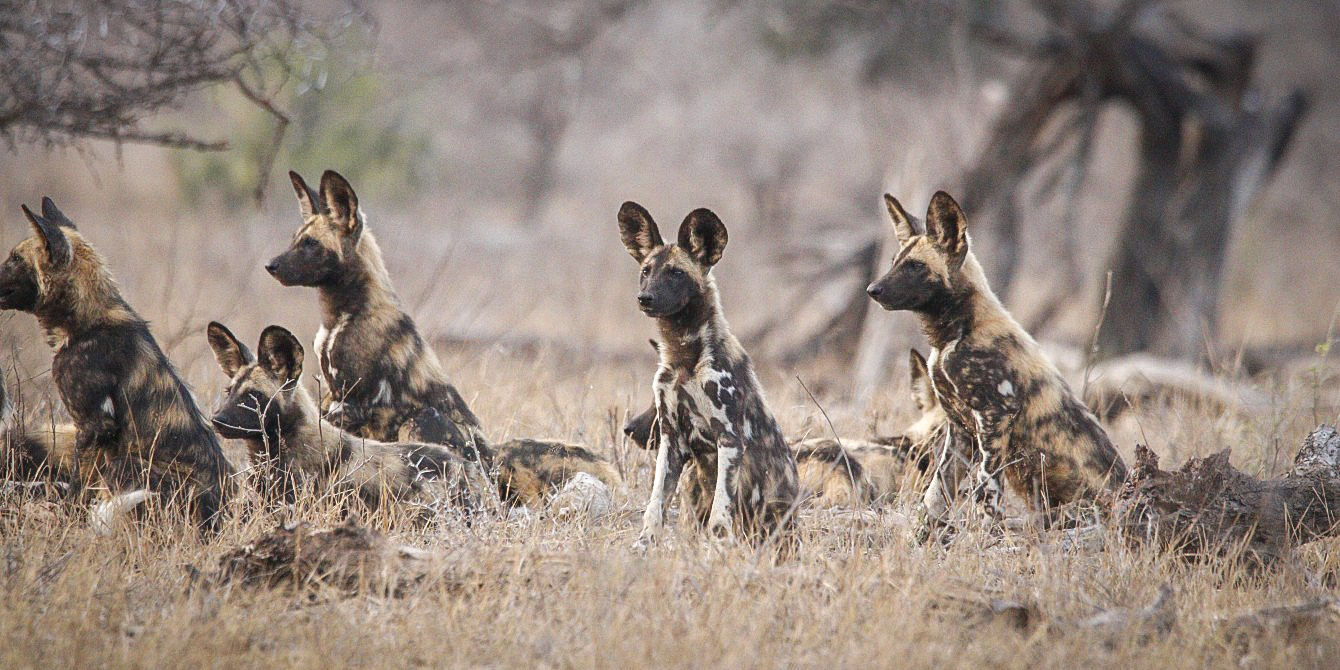
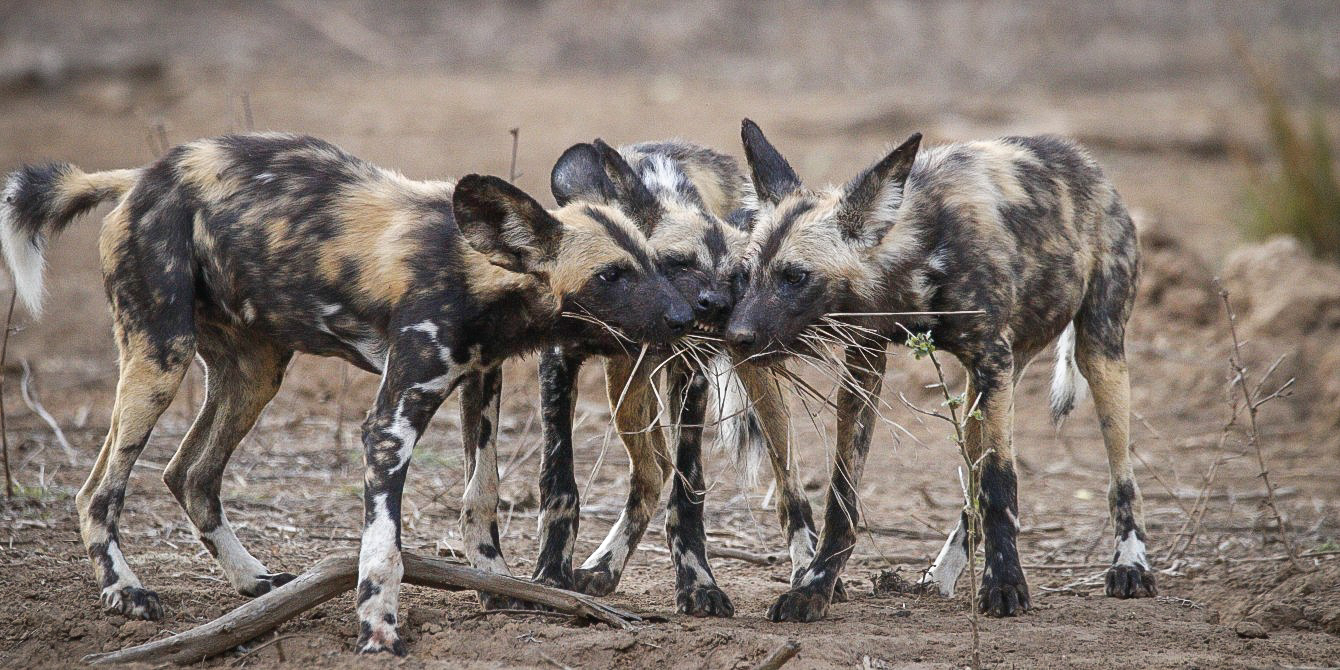
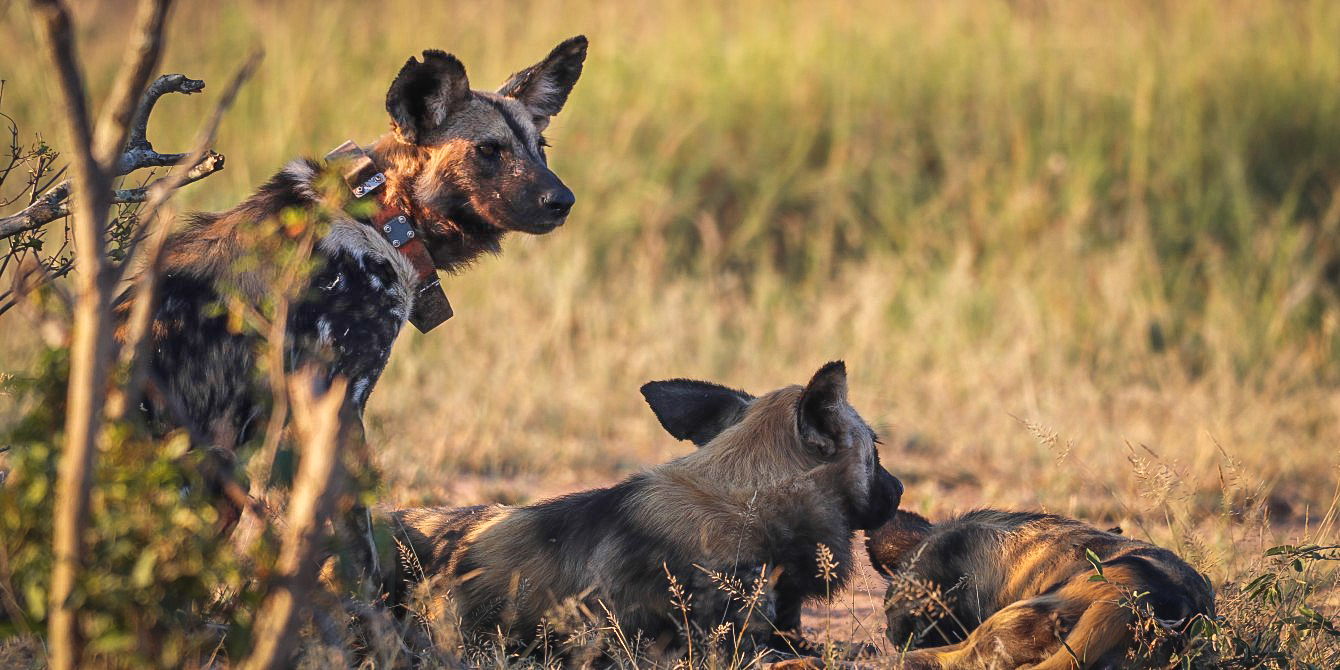
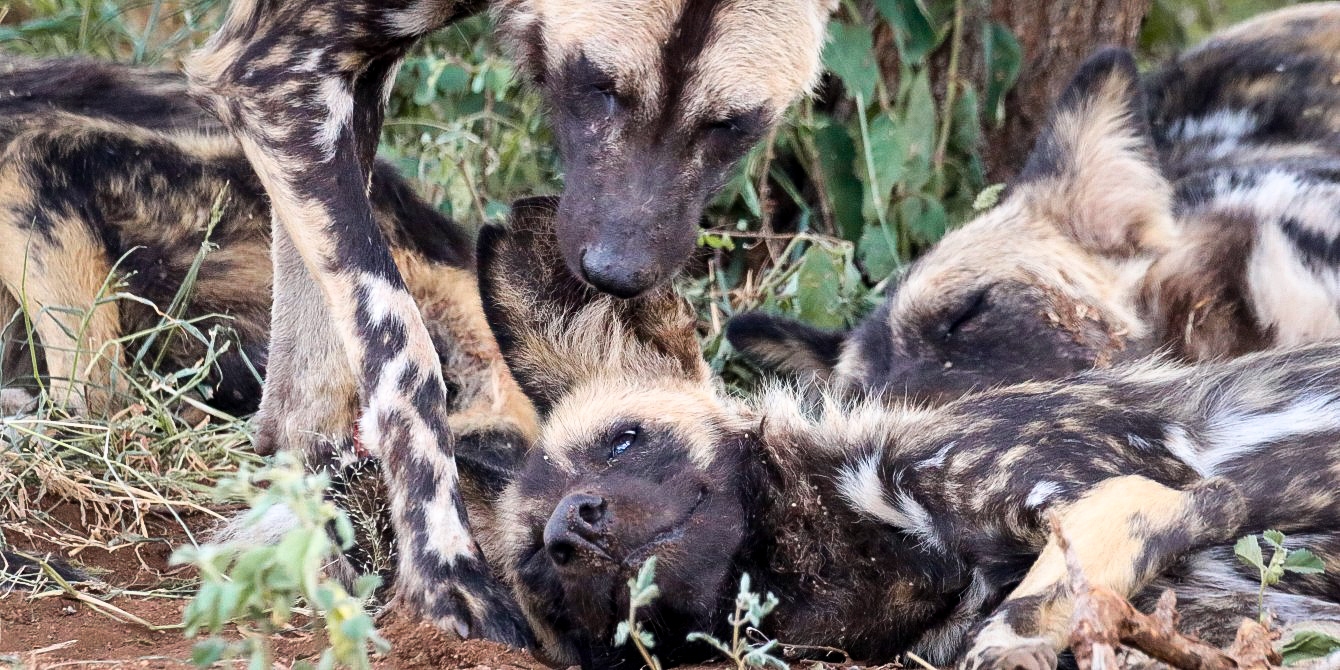
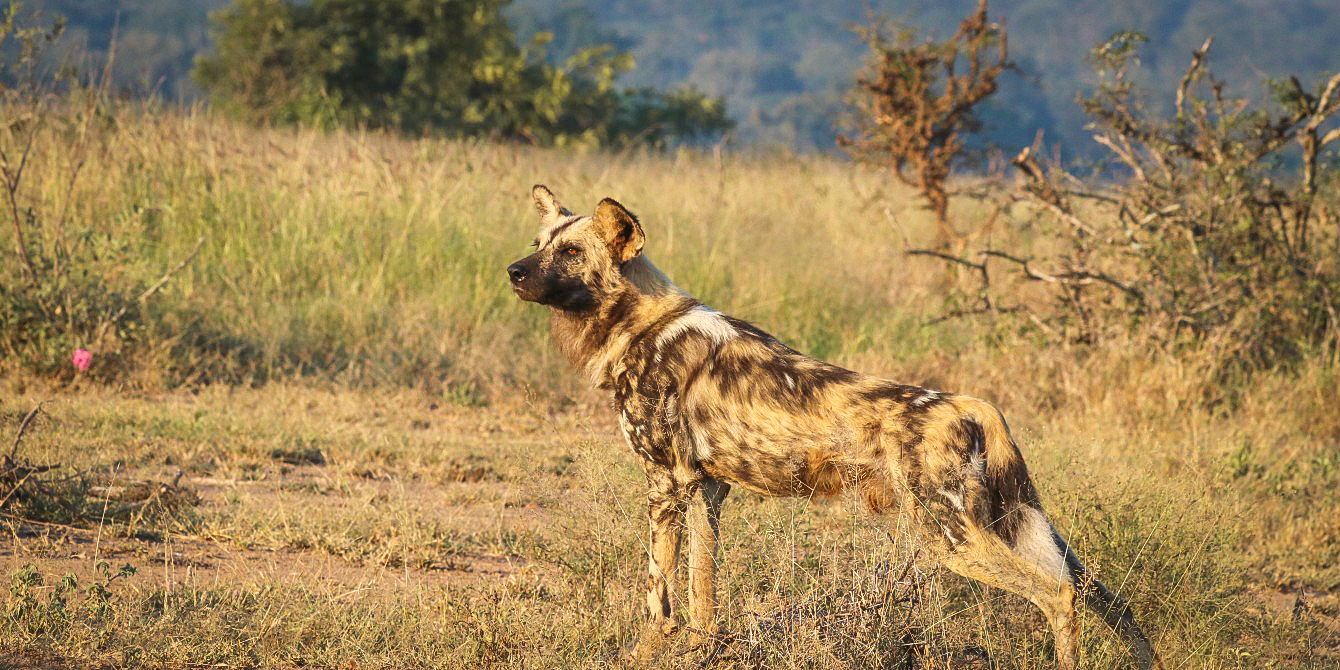
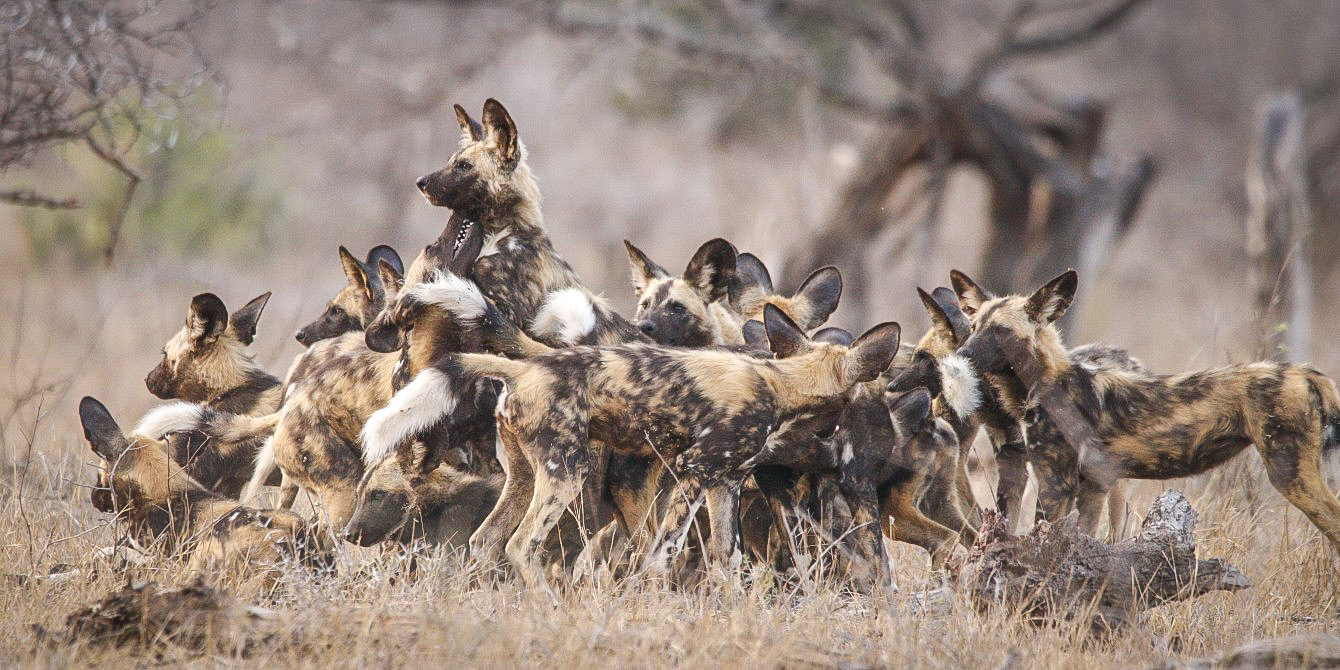
    It’s denning season for African wild dogs in South Africa. Not far from our Bushwise campuses, in the Greater Kruger National Park, little colourful pups are starting to emerge from their dens. This is a significant time for this species, particularly as there are just 550 left in South Africa.

    image

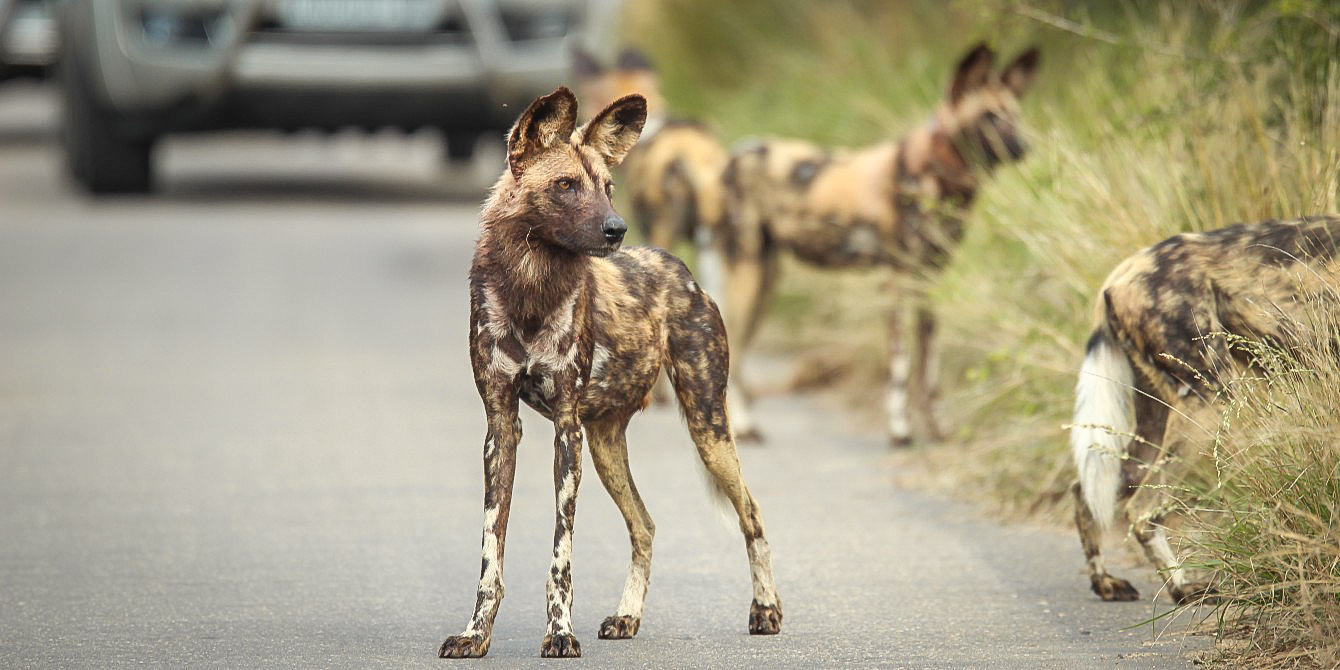
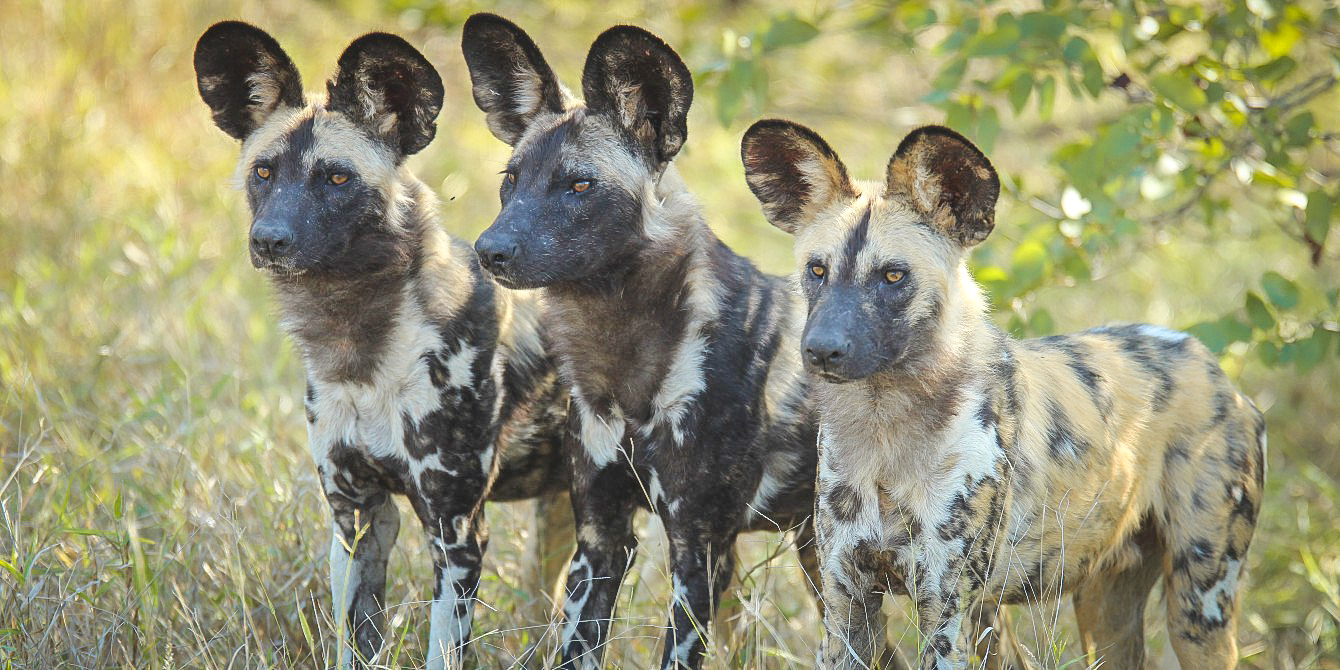
    Wild dogs, also called painted wolves, are one of the most endangered carnivores on the continent, second only to the Ethiopian wolf. Once widespread throughout Africa, they are now found in fewer than half of the countries where they once roamed. The global population is estimated at just 6,600 individuals (adults and yearlings). 

    image

    When is the wild dog denning season?

    The wild dog denning season in South Africa overlaps with the dry season, usually between mid-June to mid-September. During this period wild dogs give birth in dens, typically within excavated aardvark burrows in termite mounds. There are of course exceptions to every rule in the animal world. For example, in 2021 a pack waited until October to den in Balule Nature Reserve

    image

    Why are wild dogs endangered?

    Causes of mortality of wild dogs include direct persecution, habitat loss, disease, low prey availability and predation (such as by lions). With such low numbers, conservation of this iconic species is essential. Every individual counts, contributes to genetic diversity and helps sustain local populations. 

    One female wild dog in Kruger truly understood this assignment, once giving birth to a record 21 pups in one litter!

    image

    One of the greatest causes of mortality for wild dog pups is predation by lions. Wild dogs are medium-sized carnivores at just 18-28kg, while lions can weigh up to 190kg. The reason lions kill wild dogs is still being studied, but most likely has to do with predator competition. At the Kempiana campus, Bushwise students witnessed an interaction between these two species, which shows just how intimidating lions can be to wild dogs.

    image

    Lions pose such a high risk to wild dogs that they are avoided whenever possible. During the denning season, wild dogs search for den sites far from areas of high lion density. This often means they must travel greater distances to find food. 

    image

    What is being done to protect wild dogs?

    Protected areas often buttress human settlements and agricultural lands. Humans and animals do coexist peacefully in many areas, but there are still conflicts. Wild dogs are highly prone to getting stuck in snares set for bushmeat poaching, which can be lethal. 

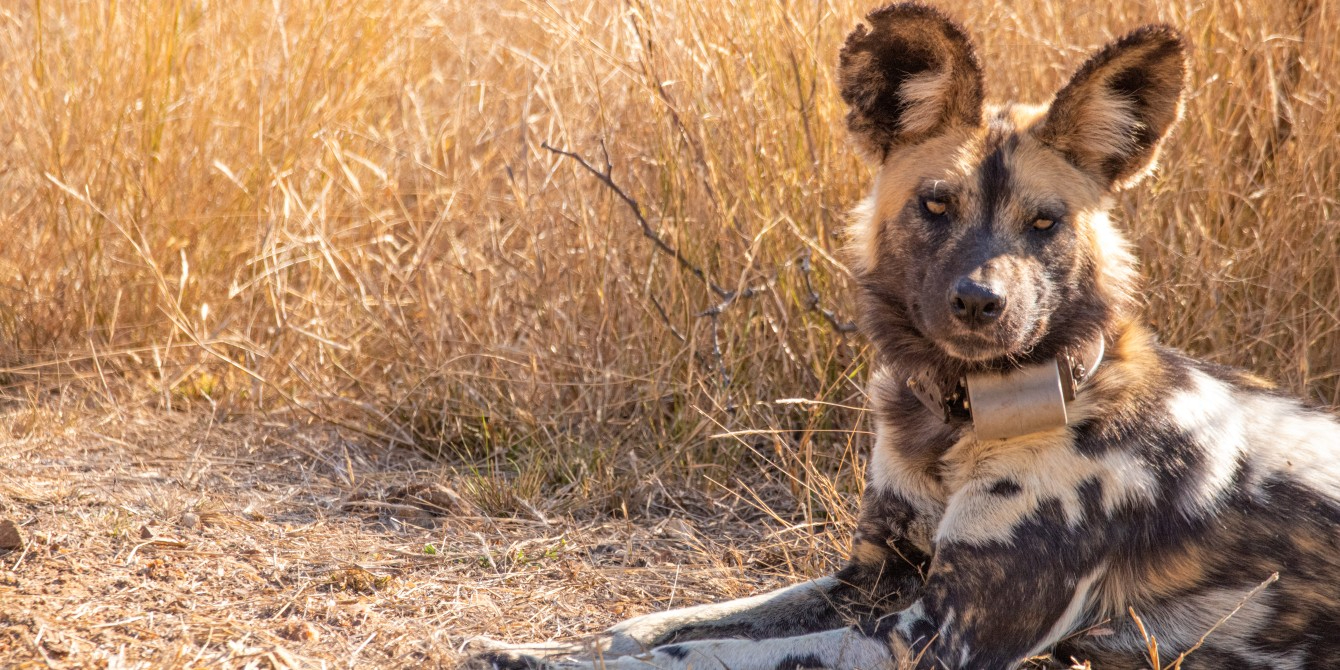
    To combat this, organisations like Wildlife ACT and the Endangered Wildlife Trust monitor the movement of wild dogs using radio collars and telemetry. This conservation and scientific research will help us better understand wild dog movements, dynamics and threats.

    image

    Wild dogs are also extremely resilient. Their social bonds mean they will care for their sick and injured, even nursing them back to health from the brink. Many incredible stories have been documented showing wild dogs feeding injured adults that have had snares removed from their legs, waist or even neck. Through care provided by their pack mates, these dogs can survive apparently lethal injuries. 

    image

    In the past, a wild dog sighting in a game reserve might not have attracted much interest. This is changing as more and more people mark this species as a “must see” on safari. The Endangered Wildlife Trust works with tourists to monitor the wild dog population. By submitting their photos of individual dogs, visitors can help contribute to the wild dog (and cheetah) census each year. Citizen scientists play an important role in conservation efforts this way.

    image

    Bushwise students have been extremely lucky to see wild dogs on some courses. Both our Mahlahla and Kempiana campuses are adjacent to wild dog home ranges. Seeing wild dogs is always a special experience, especially considering their rarity.

    image

    There is so much to say about wild dogs, that a simple blog post is never enough! We love studying this incredible species at Bushwise – especially when we can see them in person. On Bushwise courses we discuss endangered species, their role in the ecosystem, and what conservationists are doing to protect them. 

    Are you passionate about wild dogs or other wildlife? Field guides play a very important role in educating the public on these critical issues. Apply today to join a Bushwise course and find out how you too can make a difference in protecting these incredible animals. 

    #gameranger #bushwise #fieldguide #safariguide #trailsguide #animals #tracks #safari #fieldguidetrainer #wilddogs #fieldguiding #gamedrive #guiding #fieldguidecourse #fieldguides

  • How do birds get their colour?

    A question many of us have asked ourselves at some point in time: How do birds get their colour? Bushwise trainer Wayne Lubbe brings his expertise to explain why we see those vibrant colours.

    Feathers have made it possible for birds to take to the air efficiently and successfully, enabling species to spread globally. The colour of certain birds has captivated us adding a bit of colour to our daily lives. And it’s not only people who can appreciate these colours. Birds can see in colour too – some birds can even see into the ultraviolet spectrum. This is why colour is incredibly important for birds as it allows them to seek out specific food or to attract a suitable mate.

    Feathers are quite unique in terms of their colour, shape, density and structure, and have developed to insulate, camouflage and protect a bird from the many elements of their environments.

    image

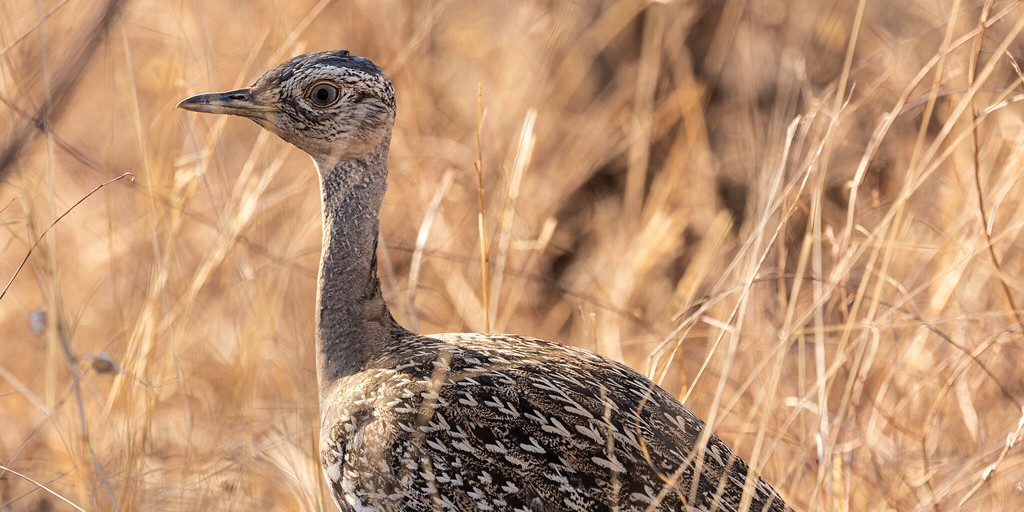
    For example, not all birds are brightly coloured; many ground nesting birds – such as korhaans, francolins and spurfowls – have evolved cryptically camouflaged feather patterns that help them blend in with their shrub and bushy environment.  
    There are two main ingredients that are essential in the making of colour. The first is pigment – of which there are three main types – and the second is keratin. 

    The first pigment is called melanin, and it produces black, deep brown or grey colours. Melanin is also extraordinarily strong and is thus often reserved for the flight feathers. White feathers are caused by a lack of pigmentation and are much weaker than black feathers due to the lack of melanin. This might explain why many predominantly white bird species have entirely black or black-tipped feathers in their wings such as with the southern pied babblers. The wing feathers are exposed to the greatest wear and are required to be stronger than regular feathers.

    image

    The second group of pigments are called carotenoids. Carotenoids are the pigments found in vegetables – such as carrots and corn – and produce red, orange and yellow feathers. Carotenoids are produced by plants, so when birds ingest either plant matter or something that has eaten a plant, they also ingest the carotenoids that circulate through the bloodstream and to the feather follicles producing the colours in their feathers. The pink colour of flamingos, for example, is derived from carotenoids found in the crustaceans and algae that the birds feed on in the water.
    The third group of pigments is known as unique pigments, as they are found in only a handful of bird species. For example, the red pigment (often called turacin) is found in many turaco species and the green pigment (turacoverdin) is found in many of the same turaco species such as the Knysna or purple-crested turaco.

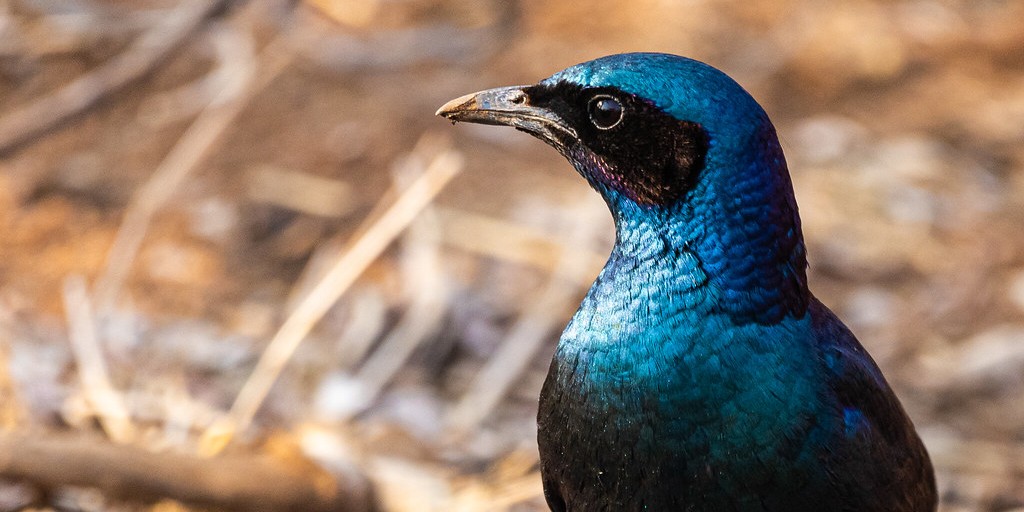
    The other main ingredient in making colours is keratin, which is the tough protein of which feathers are made (like our hair and fingernails) It also covers birds’ bills, feet and legs. Keratin is responsible for the iridescent colouring of many bird species. The brilliant colours tend to change depending on the bird’s orientation to sunlight. The colour of these feathers is not a result of pigments, but rather the reflection and refraction of coloured wavelengths of light. When the bird or the observer moves it appears as though the colour changes, which is due to the angle of the reflection changing. 
    image

    Keratin produces colour in two main ways: by layering and by scattering. Layering colours are produced when translucent keratin reflects short wavelengths of colours like blues, violets, purples and greens. The other colours are absorbed by an underlying melanin (black) layer. The ways in which the keratin of the feathers is layered will dictate the colour of the iridescence. Examples of layered colouring include the iridescence of glossy starlings, glossy ibis and the wing patches of many duck species.

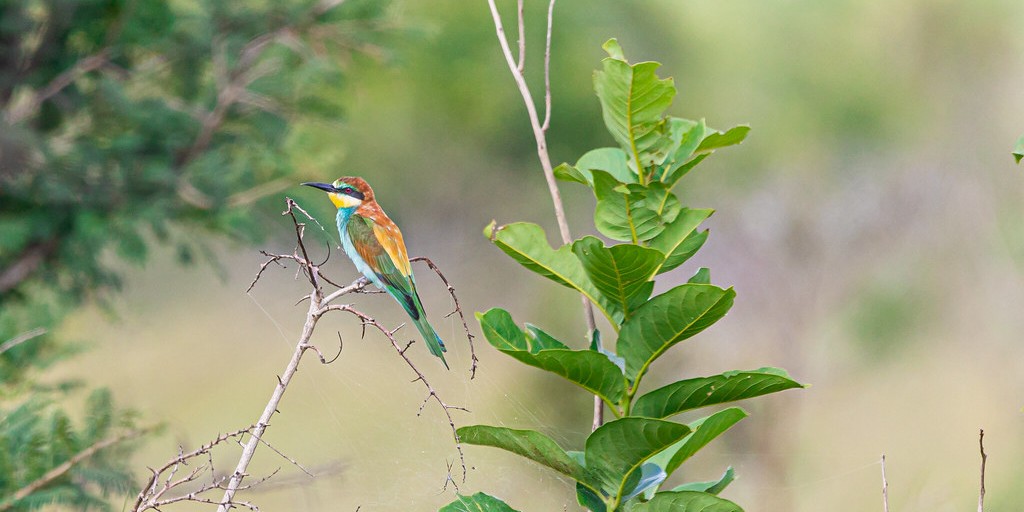
    Scattering is produced when the keratin of feathers is combined with tiny air pockets within the structure of the feathers themselves. These air pockets and the dispersed keratin scatter blue and green light and produce the shimmering colours of birds like kingfishers, rollers and bee-eaters.

    Flock to the next Bushwise course to learn even more about birds and other animals. If you have a passion for nature and wildlife, you have a home with Bushwise. Apply today!

    #gameranger #Birding #safariguide #animals #apprenticefieldguide #sightings #fieldguiding #gamedrive #guiding

  • Animal social structures – solitary or gregarious?

    In this blog, Nico (trainer with Bushwise and finalist for Safari Guide of the Year 2022) describes animal social structures. Discussing animal groupings, animal behaviour and animal dynamics is all part of being a successful guide. As a guide trainer, it’s important to have the skills to pass this information on to your students. 

    Nico has demonstrated a strong ability to teach and lead as a Bushwise trainer. He stands alongside a strong group of trainers and staff, with a combined over 100 years of experience in this industry. Here he talks about animal social structures, looking specifically at two popular big cat species.

    Animal social structures

    image

    As the world starts to return to a semi-normal life, there are a couple of things we as a human species can take away from the COVID-19 pandemic. The most important thing I have taken away from the past two years is that we are a very social species. A lot of people around the world struggled with the lockdowns and really struggled when forced to isolate, effectively forcing humans to become solitary. 

    We crave social interaction for our well-being and when left to ourselves there is a real threat of depression. We have seen this in the latest statistics of depression around the globe. Being a social species has also helped us to be one of the most successful species on earth by working together.

    In the natural world, life has continued as normal, with animals even moving into areas closer to human habitation. But looking at the different animal social structures, some species rely a lot on their social structure by working together for their success rather than their well-being. 

    image

    Some species live a solitary life and some are gregarious (live in groups). This will have an effect on how certain species obtain food, mate and what territory they occupy. We tend to think that animals that live a gregarious life should be more successful, but this is not always the case. Some of the most successful species on earth live a solitary life.

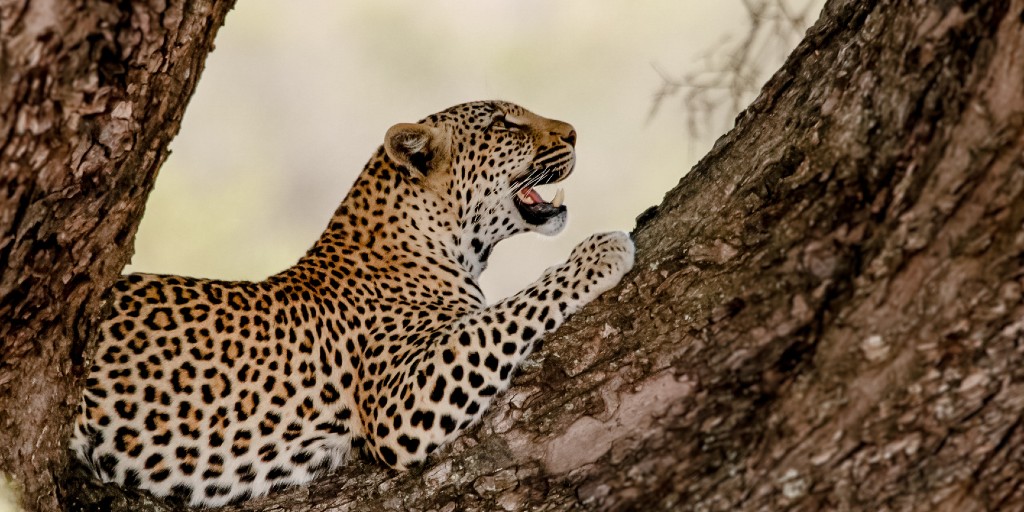
    Take leopards, for example. They occur on almost every continent on the planet, making them the most successful big cat on earth. But how does being solitary contribute to the success of this species? If we focus on leopards found in Africa, we can look at what makes this species so successful. 

    First, we can look at the diet of a leopard. They have an extremely wide range of prey species, from something as small as a beetle to an antelope three times their size. Second, we can look at their body structure and how they hunt. They are built for stealth and very short bursts of speed. They will hide away and try to get as close as they possibly can to their prey.  Taking into account the above two points, this cat is able to occupy almost any type of habitat – from the coastal areas of South Africa to the very arid areas of Namibia, and even the highest mountain ranges.

    image

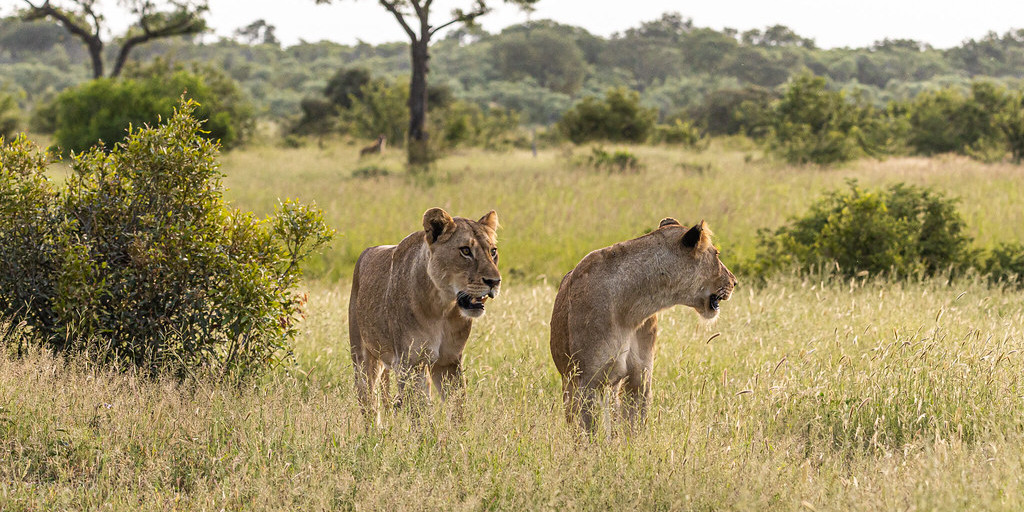
    An example of a gregarious animal is a lion, another big cat in Africa,  and probably the most well known and most feared predator on earth. It is not only their size, but also because they are the only big cats that work together as a family group that makes lions an apex predator. Lions in some regions of Africa will take down the largest of land mammals, the African elephant. Being social allows them to do this and adds great value to population control. They can live in groups from four to 21 animals, and in some places prides as big as 30 lions have been recorded. Having this many members in a group does come with challenges, with the biggest being food.

    If we look at these two different species, we can see how some aspects of each help them be successful in some way or another. The one problem with being social in the animal kingdom is the amount of food needed to survive in a certain area/habitat. Being solitary, you do not have to compete directly with members of the same group for food. However, being social means you have safety in numbers and can work together to be successful, whereas when you are solitary you are on your own.

    What social structure applies to Bushwise students?

    image

    As a field guide, it’s important to understand animal social structures. This knowledge will make you a better guide, as you’re better able to interpret animal activity, explain why an animal is doing something in a certain way and share insights with your guests. As Nico points out, this applies not only to wildlife, but also humans. 

    On a Bushwise course, students are gregarious. They learn together, support each other, take turns completing essential camp tasks and look out for one another. But they’re also independent. They’re leaders in their own right, and have unique skills and talents that make them strong guides. At Bushwise, we aim to create some of the best safari guides out there by supporting each student in their development, whether they are social or solitary creatures! 

    Interested in learning about animal group dynamics, animal behaviour, and seeing this in action? Join a Bushwise course and start gaining wildlife knowledge!

    #gameranger #bushwise #safariguide #apprenticefieldguide #safari #fieldguidetrainer #fieldguiding #endangeredspecies #cybertracker #gamedrive #fieldguidecourse

  • Fauna and flora, one species at a time

    Bushwise student Petri Oberholster shares how he’s learning to identify the nearly endless species of fauna and flora you’ll see in the Lowveld.

    Camp manager blogs are written by our current students who each get a chance to lead and manage a group (of their fellow students) for a period of one week.

    When I initially arrived at the Bushwise campus, I wasn’t sure what to expect or what practical skills and knowledge was required to become a field guide. However, soon after we went on our first instructor-guided game drive, it became evident that I needed a lot of knowledge of fauna and flora as well as their complex ecosystems.

    image

    As someone who grew up in the city, I didn’t necessarily recognise the subtle complexities that can be appreciated with adequate knowledge and training. I realised that there was so much to learn about tracks, botany, geology, birds, mammals and ecosystems. At first the amount of knowledge I had to gain felt overwhelming. 

    However, as I spent more time out in the bush practising and learning with the instructors, I soon realised that little by little I was learning to identify the different plants, tracks and animals. This process started by taking little steps at a time and focusing on detail. I soon realised that it was far better to start with one species and focus on each of its characteristics, than just to learn about everything in general.

    During our time at Bushwise we are assessed on each of both fauna and flora (animals and plants). For flora, there are various characteristics that one can use for their identification. The ones I like to focus on include leaf form and structure, bark, branches and flowers. 

    image

    Different characteristics and behaviour can also be applied to discern between various different species of fauna. We also focused on the identification of amphibians, mammals, reptiles, fish, birds and arthropods.

    In the process of learning all these characteristics, a whole new world opened up to me and I started to notice and appreciate nature more. I could suddenly identify the specific butterfly species that would fly past me on my walk to class in the afternoon. I could even use the tracks that were left on the path during our morning and afternoon drive to identify what animal had left them. 

    Recently, I’ve learned to identify the tracks of an African civet, a genet and a leopard. I also now know the marks left by an Eastern olive toad. I’ve begun to notice more than just a blur of trees, shrubs and grass while on a drive – I started to differentiate between each tree, shrub and grass, and pay attention to their role in the ecosystem and how they are utilised by local communities. Each has its own uses from medical to spiritual, not just shaping the land but also the culture and traditions of the local communities.

    image

    When my first practical mock assessment (game drive) started, I had the opportunity to test the knowledge I’d gained during my theoretical and practical training. When I identified different plant species, I could finally put my hours of studying to practical use. With relative ease I was able to distinguish between certain plants, like a sickle bush and false thorn, or zebrawood and silver raisin. At the end of the game drive, I really felt that all of the time and effort I spent in the bush was paying off – I had gained an immense amount of knowledge in just a few months.

    Our next big assessment required us to identify animals – including mammals, reptiles, fish, arthropods and amphibians – by sight and sound. The weekend before the assessment, I prepared by looking at tons of different images, studying them and their unique characteristics in detail and furthering the knowledge I had gained in the field. I played the sounds over and over so that I could identify different mammals and amphibians on sound alone.

    image

    I will always remember the early morning drives past the pan where frog calls were clearly audible and how I would try to memorise and identify the different sounds. The same applies to the mammals, I used the same technique to remember their calls during our game drives when I would practise identifying them in their natural environment.

    As the assessment started, all the practice again paid off. Each sound I had meticulously studied and practised was decipherable and each image they showed was easy to identify. I finally knew that all that time in the field was worth it.

    What if you too could identify fauna and flora just by listening to their sounds or looking at their leaves? Apply today and join Bushwise to learn all this and more.

    #gameranger #bushwise #qualification #safariguide #apprenticefieldguide #safari #cybertracker #trackandsign #fieldguidecourse

  • South African plants and cultural beliefs

    South Africa is home to a huge variety of plant life, with many plants holding important cultural, medicinal and spiritual values. Bushwise trainer Francois Theron explores the role of South African plants and why this knowledge is important for safari guides.

    South Africa is exceptionally rich in plant diversity and accounts for more than 20,000 species – that’s 10% of all plants found on the planet! Not only do we have incredibly high plant biodiversity, we also have great cultural diversity. South African plants are used by many people in their everyday lives for food, medicine, shelter and other necessities.

    Ethnobotany is the study of how different cultures use indigenous plants. People have been using plants for thousands of years all over the world, but in recent decades people have increasingly started moving from rural places into urban areas.

    image

    We see this across Africa, where people have access to modern healthcare systems and have moved from subsistence farming to cash crop farming. These changes in sociocultural lifestyles have impacted the indigenous knowledge of traditional and medical uses of plants.

    In South Africa, over 2,000 plant species have been recorded as used in traditional medicine. There is still a lot left to be documented about these plants and their uses. Although we live in a modern era with medical care being freely available, there is a growing interest in natural and traditional medicines. 

    Some of the most common South African plant-derived medicines that we learn about on a Bushwise course include quinine, morphine, codeine, aspirin, atropine and reserpine, to name just a few. Other discoveries include anti-cancer drugs like taxol and vincristine that come from the plant Catharanthus roseus, commonly known as the Madagascar periwinkle. 

    image

    South Africa is a major contributor to world medicine. We supply aloes, which are sold commercially for stomach problems, and buchu, which is used to treat inflammation and fight kidney and liver ailments. Another plant sold commercially is devil’s claw (Harpagophytum procumbens), which is used in Germany as supportive therapy for degenerative disorders of the locomotor system.

    In a more traditional application, the baobab tree, an iconic African tree, played an important role in the meetings of kings and elders. They would only hold meetings under the baobab tree as they believed the tree’s spirit would guide them in decision making. Another tree that plays an important role in religion is the sacred fig (Ficus religiosa). In Hinduism, Buddhism and Jainism, this tree is the tree of knowledge. In Judaism and Chistianity, it is the tree of good and evil.

    image

    Another common and popular tree is the marula. Few people know that this tree has protected species status in South Africa – due in large part to the important role it plays in local communities. Because marula trees are either male or female (the term for this is dioecious), it was commonly believed that drinking an infusion of the bark of the male or female tree could influence whether your baby would be a boy or a girl.

    In addition, weddings were traditionally performed beneath the expansive canopy of large marulas. Its fruit was even used to prepare the beer that was consumed at these weddings!

    For the field guide and prospective apprentice field guides, it’s of utmost importance to be able to identify these South African plant and tree species. Safari guides must also know their cultural importance and traditional and medicinal use. This knowledge can be used to educate visitors to the African continent and discuss the critical role plants play in our environment, history and culture. 

    image

    With over 20,000 species, the opportunities for discussion and engaging on the role of plants in South Africa can go on and on. It is our obligation as field guides, safari guides and trail guides to learn and understand these beliefs. We should share this knowledge with people visiting the bush,  so they understand the beauty and cultural diversity that this great country thrives on. 

    Does ethnobotany interest you? Part of our Bushwise IFGA Safari Guide course is learning about South African plant species. Apply today and learn more!

    #southafrica #bushwise #fieldguide #safariguide #training #apprenticefieldguide #safari #fieldguidetrainer #kruger #southafricanplants #fieldguidecourse

  • Elephants: the big feisty giants

    Elephants have the power to amaze and mesmerise. Bushwise student Oryx Nauwelaers shares his experience with getting to know these gentle giants even better. 

    Camp manager blogs are written by our current students who each get a chance to lead and manage a group (of their fellow students) for a period of one week.

    Growing up I was the stereotypical kid who liked lions and leopards, and never paid much attention to other animals. But after joining Bushwise, that changed very quickly.

    Now I know what you’re thinking: “Who names their kid Oryx?” If it makes you feel any better, my sister is called Nyala. My family has always been very keen on the bush. So much so that I consider it a second home. Nature always succeeded in keeping me calm and helping me clear my mind. That’s actually one of the reasons I decided to join the course.

    It soon became very clear that there is so much more to safari than rushing from lions to leopards to hyenas. Don’t get me wrong, they are all great sightings. But there had to be more, right? That is when elephants piqued my interest.

    image

    I didn’t achieve this interest on my own – we often stayed and watched them. In the beginning the trainers always told us to cup our ears with our hands and just listen to them. Hearing them eat, shake a marula, and communicate. A smile started to form on my face and a new interest was born. 

    The trainers at Bushwise are very good at sparking new interest in people and I have to admit, I strongly underestimated how difficult it is to be a field guide. Hearing countless field guides speak and tell stories about nature in such a fluent and interesting way. Thinking to myself, “How hard can it be?” But when it was my time to shine, I just froze. Words didn’t make sense and my mind was scattered. After this my respect for field guides skyrocketed and I told myself I was going to do better!

    Soon it was my turn to be camp manager. Receiving my first guest, I gave a quick tour of the campus before going on our first official bush walk. It was a new experience for all of us and it is very different from sitting in a game vehicle. We all realised we were much more vulnerable and because of that had to be extremely cautious and follow strict rules.

    image

    When you are walking through the bush, you truly get the full nature experience. The walk was from campus to a nearby waterhole and took around three hours to complete. During the walk we had a total of four elephant encounters, each one getting better and better. Seeing these magnificent giants from up close, on foot, was a whole new experience that we’ll never forget. Some of them were curious, some of them were scared, but most, even after sensing our presence, remained calm and unbothered. 

    At the end of the walk we came across a breeding herd that was a bit too close for comfort. As we watched the other elephants drink from the waterhole while slowly making our way back to campus, the brave male bulls kept all of us in their sight. 

    The next day we encountered an elephant bull in musth. With the wind blowing in our direction, let’s just say it did not smell like roses.

    image

    There are a lot of potentially dangerous things that can happen during a bushwalk. Because of this all of us have to learn how to handle a rifle. The group was split into two – one half beginning with track and sign and the other half with rifle handling.

    As someone who had never handled a rifle before it was quite a scary experience at first. Once you have the rifle in your hands, adrenaline starts pumping through your veins and you have to prevent your body from moving while trying to hit the target as perfectly as possible. In the end I managed to only miss one shot, and nearly got a bullseye, which made my day.

    All in all, being a camp manager was not so different from a normal day on campus, and I hope that I get to see more of those big feisty giants.

    Do you dream of elephants? Apply now and join the next class of Bushwise IFGA Safari Guide students!

    #gameranger #bushwise #fieldguide #qualification #safariguide #safari #fieldguidetrainer #fieldguiding #cybertracker #trackandsign #gamedrive #elephant #fieldguidecourse #studying #fieldguides

  • Lions on a kill – and incredible pride dynamics

    Lions provide great opportunities to study group behaviour. In this blog, Bushwise student Charlie Beardall shares his recent experience observing lions near campus.

    Camp manager blogs are written by our current students who each get a chance to lead and manage a group (of their fellow students) for a period of one week.

    How would you react if you were relaxing in the pool and received this message from your trainer: “Lions about 75 metres off the road … be at the car park in 5 mins”?

    It was a late Sunday afternoon, the sun was burning, and some of us had just jumped in the pool when that message from trainer Ben came through. A few minutes and several burning calf muscles later, the vehicle was full of students and we were off to see the lions. Excitement levels were high. We drove not two minutes, swung around the corner of the plains and there right in front of us – a pride of lions on a kill!

    image

    Outside of an example to the sheer unpredictability of student life out here, I thought this would be a good opportunity to talk about the dynamics of a pride of lions – and especially in this case – talk about what happens when the juvenile males grow to sexual maturity.

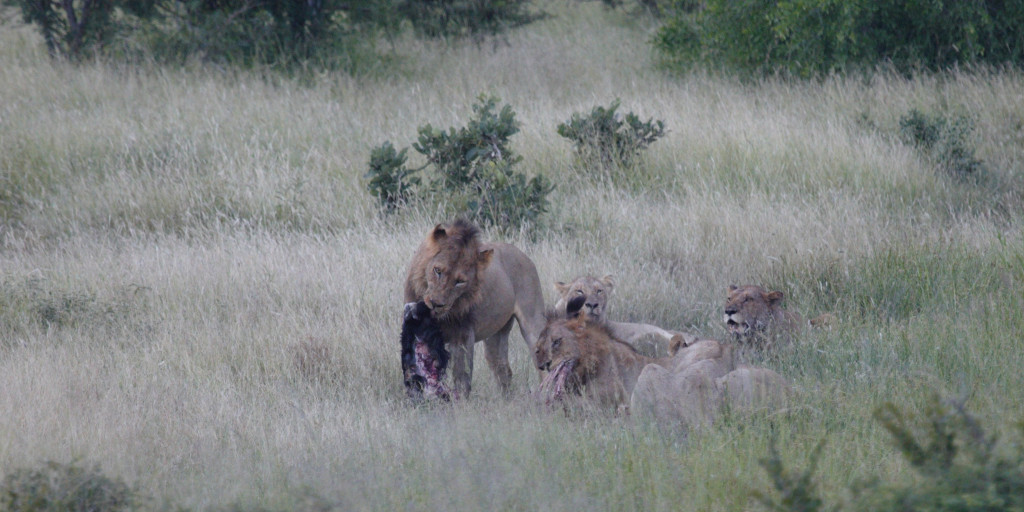
    The pride was made up of two dominant males, two juvenile males, and five females. At the time we arrived, and as you can see from the photo, the two dominant males were on the kill.

    For me this was fascinating, I have never seen a pride of lions on a kill before so had no idea what to expect. It was clear from the off the two dominant males were not tolerant of sharing their prize meal.

    One of the juvenile males, who we estimated was around two years of age, came in for a closer look and quickly received a short, sharp, snap of a growl. The youngster quickly backed off, tail between his legs, maybe oblivious to the wider consequences of his actions.

    image

    We stayed with the lions until the sun set and our own dinner called. What a sighting to break up the day and clear our minds before the next day’s test!

    The following day, after a morning of tests and lectures, we were desperate to see if the lions were still there. We know lions have a tendency to rest and digest for quite some time after a large meal, especially when they can sleep for up to 20 hours of the day!

    On the road up to the plains, we spotted one of our juvenile males, but something was different.

    The juvenile looked almost lost, confused, and incredibly skittish. Any noise – from a bird shouting an alarm call to the sound of a vehicle driving past – his head was bolt upright and ears pricked.

    We soon came to the realisation that this male lion was all by himself and the rest of the pride was nowhere to be seen. This sparked a conversation on the vehicle around the eviction event of juvenile males who are coming of age.

    image

    We understand the reasons why dominant male lions tolerate the juvenile males – more muscle and claws to take down the larger prey to feed the pride, as well as an extra set of razor-sharp teeth to defend against rival males. However, at around the 2.5 to 3.5 year mark, these juveniles start to become sexually active. And when the name of the game out here is to spread your genetics, this does not sit well with the dominant males, even if these juveniles are family.

    In an attempt to drive home the message that it is time to leave the pride and start anew in a foreign land, the dominant males start to become aggressive towards the juveniles. This is a dangerous time for juvenile male lions – unfamiliar terrain, surrounding enemies, a lack of skill and experience. They are simply thrown out into the harsh environment and forced to survive for themselves.

    Back to the lone juvenile male spotted along the side of the road. Although we can’t say for sure, I think we can assume this juvenile had been kicked out of the pride. The silver lining, however, is this could be the start of a new, powerful coalition of brothers – the beginning of a new legacy.

    image

    To sum up, lions on a kill is something I will never forget. The sounds, the tension, the fact that there was a pride of lions right in front of me. Watching that juvenile male by himself is something I will never forget. The tightness in his body, the loneliness.

    And also how this sighting came about. Life out here on campus and in the South African bush is so unpredictable. It’s wonderful to wake up every morning to the genuine thought, “Well what’s today got in store for me?” It’s a fantastic feeling and I’m hooked on it!

    If you apply today, pretty soon you too could be waking up feeling inspired just like Charlie. Keen to make a fresh start? Let’s get going.

    #lion #gameranger #bushwise #fieldguide #qualification #safariguide #apprenticefieldguide #safari # #guiding #fieldguidecourse #fieldguides

  • Ethics and ethology: let’s talk about elephants

    In this photo blog, Bushwise Videographer and Photographer Louise Pavid discusses animal behaviour and guiding ethics.

    One of the most important tools in any field guide’s arsenal is a good grounding in the discipline of ethology – the study of animal behaviour.

    image

    While nature enthusiasts enjoy beautiful imagery of animals going about their daily business in peace, most of us will have all seen photos or videos depicting animals doing things that might scare us (like damaging property or charging a vehicle). But what if I told you that many of these incidents could have been avoided?

    image

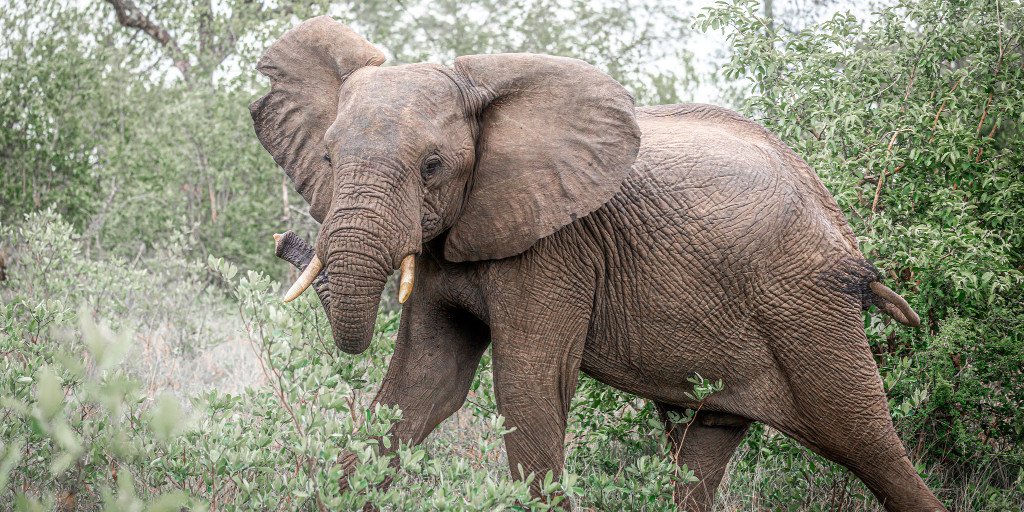
    This is where having an understanding of animal behaviour comes into play. When an elephant holds its head up high with its ears stiff and held out, when it shows rigidness in its body language and has an erect, straightened tail with secretions coming from the temporal glands on either side of its face – that’s a pretty good indication that that particular elephant is stressed and probably not in the mood to deal with you.

    Crowding this elephant or infringing on its comfort zone could likely lead to an unpleasant encounter. Be this in the form of a warning charge, or worse. I don’t like the use of the term “mock charge” because believe me, the animal is not mocking you, it is being serious, it’s warning you to stay away.

    This type of animal behaviour combined with vocalisations – such as trumpeting – is a definite red flag and you should not enter into a sighting. Rather offer the elephant the space it needs to move away, leaving both of you unscathed. This is what we call ethical guiding on the basis of understanding animal behaviour.

    image

    But why are ethics important when dealing with wild animals, aside from the obvious safety implications for you and your guests? Well, it’s about the animal’s safety and well-being as much as it is about our own. Working in and visiting these landscapes constitutes a step out of the modernised human realm and back into the home of Earth’s wild creatures.

    It’s fair to say they were here first and we need to respect that, despite having evolved with the animals over millions of years within these landscapes. But, in the past 10,000 years or so we have slowly begun to migrate away from this primitive, instinct-driven lifestyle as our brains have developed to the point of creating complex tools, building permanent shelters and developing more advanced social structures.

    image

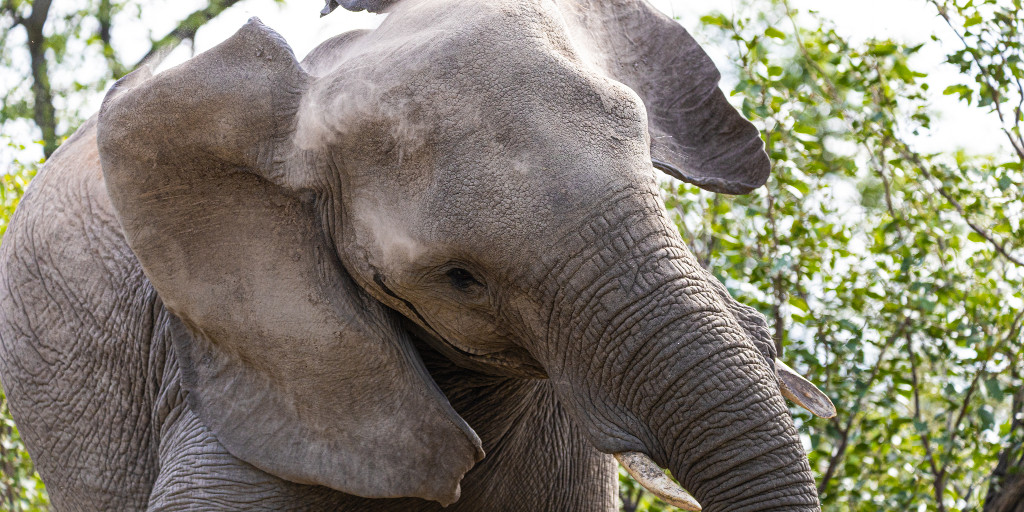
    Essentially, the modern human brain is forgetting our ancestral beginnings. Perhaps this is why many people today will tell you that an elephant flapping its ears is a sign of aggression, when in actual fact it is a method of thermoregulation (a means to keep a consistent and favourable internal body temperature). This is where navigating animal behaviour while upholding ethical guiding practices is crucial.

    image

    Elephants provide a great example to understand animal behaviour. There are several reasons for this. Elephants are often the most feared animal on safari by virtue of being the Earth’s largest terrestrial mammal. Understanding their patterns of behaviour is imperative to peaceful and positive encounters.

    Elephants are sensitive and have similar emotional development and intelligence to our own. I think that’s why so many people are so drawn to them. But just like us, elephants are capable of having bad moods, becoming aggravated from stress in their environment, or stressed due to other herd members’ poor behaviour or rambunctious bulls in musth.

    image

    By understanding their behaviour and practising good ethics while on safari (be it a guided or self-drive experience) it’s not too difficult to observe, analyse, and understand the behaviour of an elephant. Once you get the basics of the body language down you can effectively and ethically avoid negative interactions simply by respecting the animal’s space.

    image

    Ultimately it comes down to experience in the bush. The more time you spend with these animals in the wild the more familiar you become with their behaviour, and likewise, the more familiar they become with your human behaviour.

    That being said, even if you are not a fully-fledged field guide, simply reading up on animal behaviour before entering a wild landscape can reduce the risk of negative encounters and provide you with an overall better experience in nature.

    Learn more about animal behaviour and ethical guiding. Apply today and join the next Bushwise IFGA Safari Guide course.

    Did this blog speak to you? Have you always wanted to work with animals – but aren’t sure how?

    Get started with jobs working with animals.

    #gameranger #bushwise #fieldguide #safariguide #animalbehaviour #apprenticefieldguide #safari #fieldguidetrainer #sightings #animalbehavior #elephants #gamedrive #elephant #fieldguidecourse

  • Extremely rare, highly threatened, and insanely cute: meet the pangolin

    BY: Annie DuPre, CATHSSETA NQF2, Apprentice Trails Guide and Bushwise Conceptual Copywriter

    Ask any field guide about the most elusive creatures in the bush: endangered pangolins will be right at the top of the list. Talk to guests about their experiences on safari and what animals they’ve always wanted to see: a pangolin will be one of them. For those who have been lucky enough to see them in the wild, pangolin encounters will likely be one of their most cherished memories.

    And yet pangolins are one of the most threatened and trafficked animals in the world. They’re disappearing at an alarming rate, and because they’re so elusive it’s almost impossible to measure the impact of these threats.

    If you look at images or videos of pangolins going about their peaceful and tranquil lives, it’s impossible to imagine anyone poaching them. Yet poaching is a real issue –  and a very complicated one.

    So, in honour of World Pangolin Day (20 February), the team at Bushwise Field Guides wants to look closely at what makes pangolins special, why they’re threatened, and what is being done to save them.

    image

    Photo by Adam Tusk via Flickr

    What are pangolins?

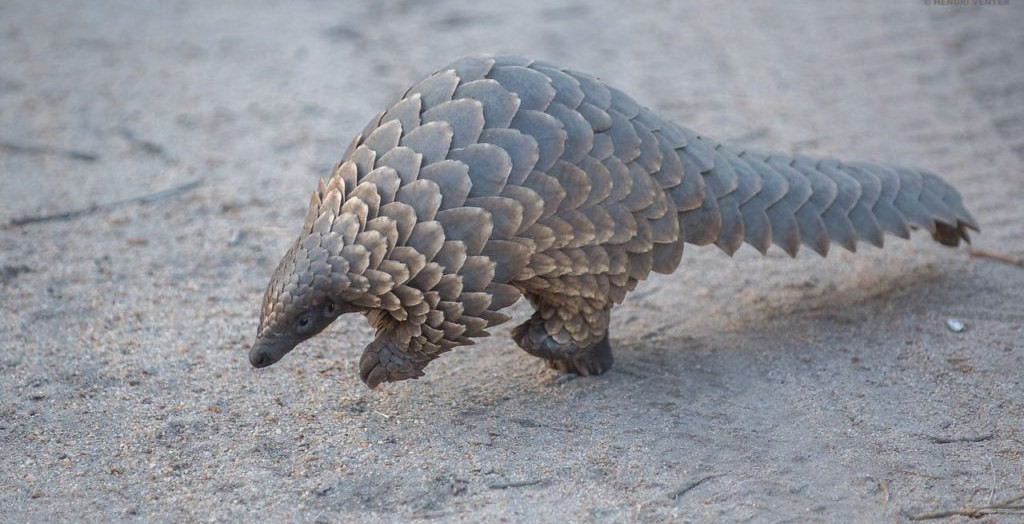
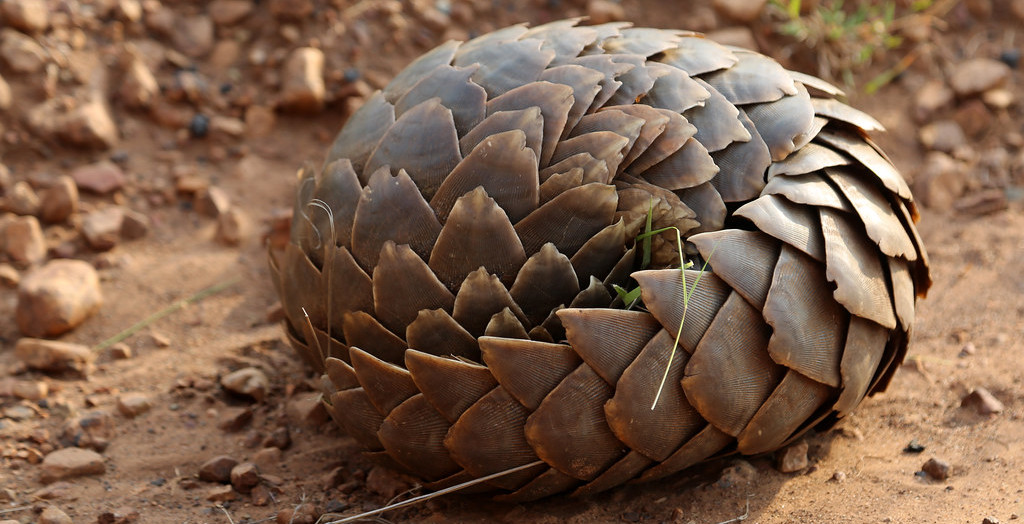
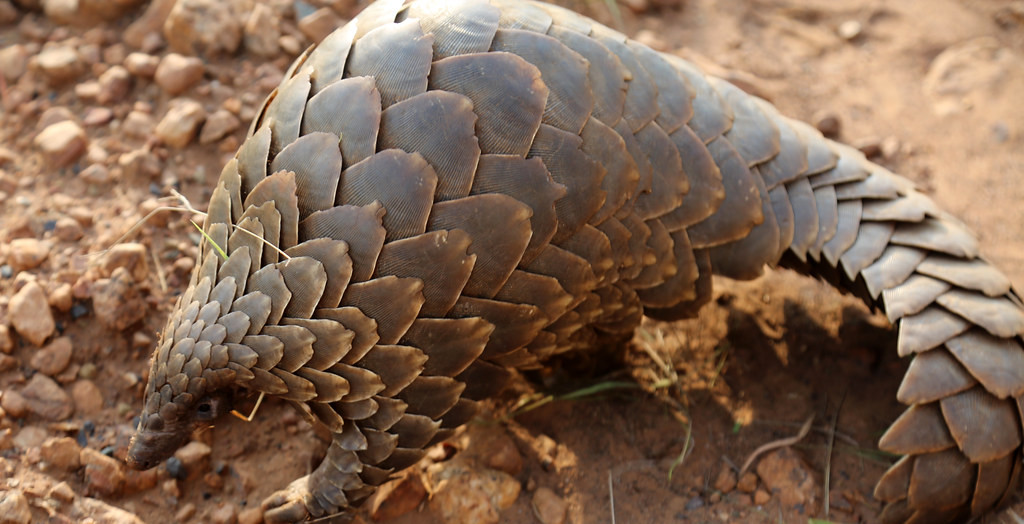
    Pangolins are scaled insectivorous mammals – in fact, they’re the only scaled mammal currently in existence! They use their scales to protect their soft bodies from threats, curling themselves up into a tight ball when threatened. Although they are usually very docile and shy creatures, they also have sharp tails that can be used in defence.

    There are eight species of pangolin found in Asia and Africa, with all species protected under national and international laws. All are listed as endangered or vulnerable and decreasing. In South Africa, where Bushwise Field Guides operates, there is just one species – the Temminck’s ground pangolin.Where foundNameIUCN Red List categoryAsiaChinese pangolinCritically endangeredAsiaIndian pangolinEndangeredAsiaPhilippine pangolinCritically endangeredAsiaSunda pangolinCritically endangeredAfricaBlack-bellied pangolinVulnerableAfricaGiant pangolinEndangeredAfricaTemminck’s pangolinVulnerable (decreasing)AfricaWhite-bellied pangolinEndangered

    Table adapted from the IUCN SSN Pangolin Specialist Group

    Many people call pangolins “scaly anteaters.” At first glance they certainly have similar physical characteristics to anteaters. Pangolins use their sticky tongue to grab ants and termites out of the ground and from foliage. Their tongues can grow longer than their body length! They are truly unique and fascinating creatures, and that alone is reason enough to protect them.

    image

    Photo by Flowcomm via Flickr

    The Temminck’s pangolins that are found in South Africa tend to prefer savannah, grassland, and woodland habitats. They can live for an estimated 15-20 years in the wild and are predominantly solitary (although you might find some adorable videos of babies with their mom – where they ride on her back to get around!)

    Because pangolins are largely nocturnal and secretive, it’s extremely rare that you’ll see one on a game drive. While some of our trainers have been lucky enough to see one or two in their lifetime, many guides go through their entire career without ever seeing one.

    Despite their rarity and elusive nature, pangolins are poached heavily and tons of scales are discovered every year. The measure of this impact is not yet known.

    What threats do pangolins face?

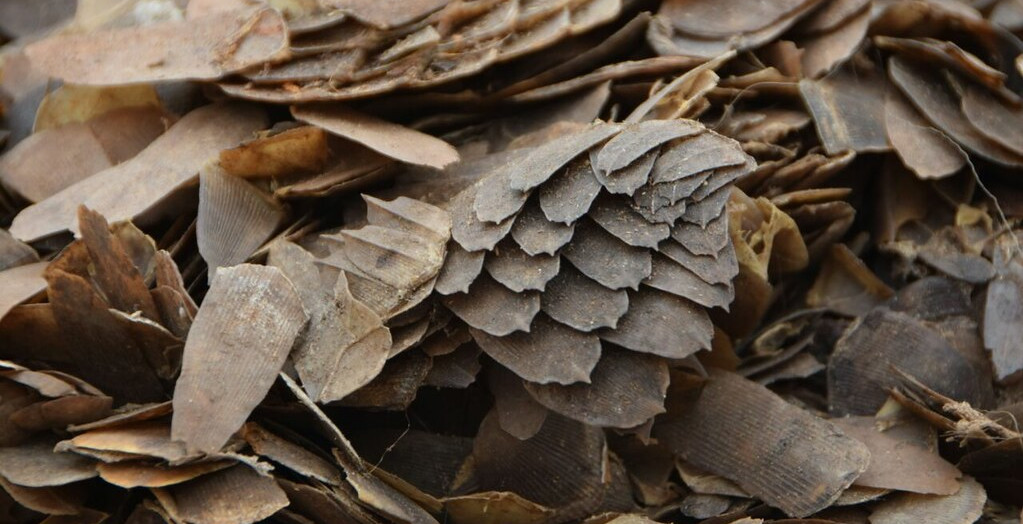
    Pangolins are largely poached for local consumption and international trade. The two main uses of pangolins are scales for pseudo-medicinal purposes, and meat sold as a delicacy. Like rhino horns, pangolin scales are made of keratin, similar to fingernails and hair, and therefore have no actual medicinal or healing properties.

    Although trade in pangolins has been internationally restricted by CITES (the Convention on the International Trade in Endangered Species of Flora and Fauna) since as early as 1995, illegal trade continues – and is the greatest threat to pangolin survival. According to an extensive study, nearly 900,000 pangolins were trafficked between 2000 and 2019.

    image

    Photo by U.S. Fish and Wildlife

    As the populations of Asian pangolins declined, there was a shift in the market and greater pressure was put on African pangolin species. This saw an increase in illegal trafficking out of Africa, as pangolins were exported to mainly Asian countries. In addition to poaching, pangolins face other threats such as habitat loss and encroachment.

    Why should we protect pangolins?

    The destruction of one species can have catastrophic effects on the other members of an ecosystem. In some areas of the world pangolins are known “as guardians of the forest” as they eat termites, preventing further destruction and maintaining a balanced ecosystem.

    At Bushwise Field Guides we love this imagery – and absolutely believe in the importance of protecting pangolins to maintain that balance.

    What is currently being done to save pangolins?

    Public efforts to protect pangolins are gaining traction around the world as more and more people are beginning to recognise this unique animal – and understand its value goes well beyond its meat and scales. There are even some unique advertising campaigns (like this one featuring Jackie Chan) developed by the organisations WildAid and The Nature Conservancy, which aim to change people’s perception of pangolins.

    image

    Photo by Flowcomm via Flickr

    There are a few amazing organisations working to save pangolins around the world, whether through research, activism, education, or on-the-ground action. These include the Pangolin Crisis Fund, African Pangolin Working Group, IUCN Pangolin Specialist Group, World Wildlife Fund, The Nature Conservancy, WildAid, and many more. Here in South Africa, local anti-poaching organisations also prioritise pangolins, alongside other species.

    Beyond supporting organisations like those listed above, individuals can make a difference in other ways. People working in conservation or interacting with tourists, such as safari guides, should be knowledgeable about pangolins and share their insights. As guides we have a powerful tool in our belt – knowledge – and educating visitors on the value of wildlife, such as pangolins, can go a long way in protecting species.

    So, this World Pangolin Day, take time to share information on pangolins, promote their protection, and learn a little bit more about this incredible species!

    Do you want to learn more about endangered species and become a guardian of nature? Apply today and start taking steps towards your career in field guiding.

    Did this blog speak to you? Have you always wanted to work with animals – but aren’t sure how? Get started with jobs working with animals.

    #pangolin #fieldguide #worldpangolinday #apprenticefieldguide #fieldguidetrainer #endangeredspecies #gamedrive #fieldguidecourse