Tag: #fieldguide

  • A guide to the Common String-of-Stars

    On a late-summer morning in the lowveld, you might spot a patch of delicate white flowers curling along sandy paths, almost like a string of tiny stars. Stop and look closely – this is the common string-of-stars, Heliotropium steudneri, a modest but fascinating plant that often goes unnoticed!

    The common string-of-stars is a perennial herb or subshrub, usually 60–100 cm tall. It’s woody at the base, with softly hairy stems and narrow, alternate leaves. Its signature feature is the coiled, elongated clusters of small, star-shaped flowers that slowly unfurl as they bloom. From a distance, it may seem unremarkable, but up close, the pattern and symmetry of each flower spike show just how beautifully adapted this plant is to its environment.

    This species is widely distributed across eastern and southern Africa, from Eritrea and Ethiopia down to South Africa, and even across the Red Sea into Yemen and Oman. It thrives in open, sandy soils, dry bushveld, and shrublands, often appearing in disturbed areas or along roadsides. After seasonal rains, it bursts into flower, adding subtle life and colour to otherwise dry landscapes.

    From a conservation and ecological perspective, the common string-of-stars is a pioneer species. It often colonises sandy, disturbed soils first, stabilising the ground and creating opportunities for other plants to establish. For wildlife, its flowers provide nectar for insects, supporting pollinator networks that ripple through the ecosystem. In this way, even a small plant like the string-of-stars contributes to the larger web of life on a reserve.
    For Bushwise students and safari guides, recognising flower species isn’t about identification alone – it’s really about understanding the veld. Knowing which plants signal recovery, which provide resources for insects, and which require careful handling is part of developing the observational skills that make a guide truly exceptional. It’s also a reminder that every element, from the tiniest flower to the largest tree, plays a role in the ecosystem’s health.
    Next time you walk a trail or drive a sandy road, take a moment to spot the coiled white spikes of Heliotropium steudneri. Pause, study its flowers, notice how they catch the light – and think about the quiet but essential role it plays in the bush. It won’t dominate your photographs or headlines, but it’s one of those species that teaches patience, observation, and respect for the African bush.
    If you want to learn about the small wonders of the African bush, Bushwise Wildlife Courses  give you hands-on experience identifying plants, tracking wildlife, and understanding ecosystems from the ground up.
  • Spotted hyenas and how hydration shapes their survival

    This blog was written by Koketso Barongwa Sekome, a Bushwise Professional Safari Guide student. Each student takes a turn as camp manager, and writing a blog is part of the experience.

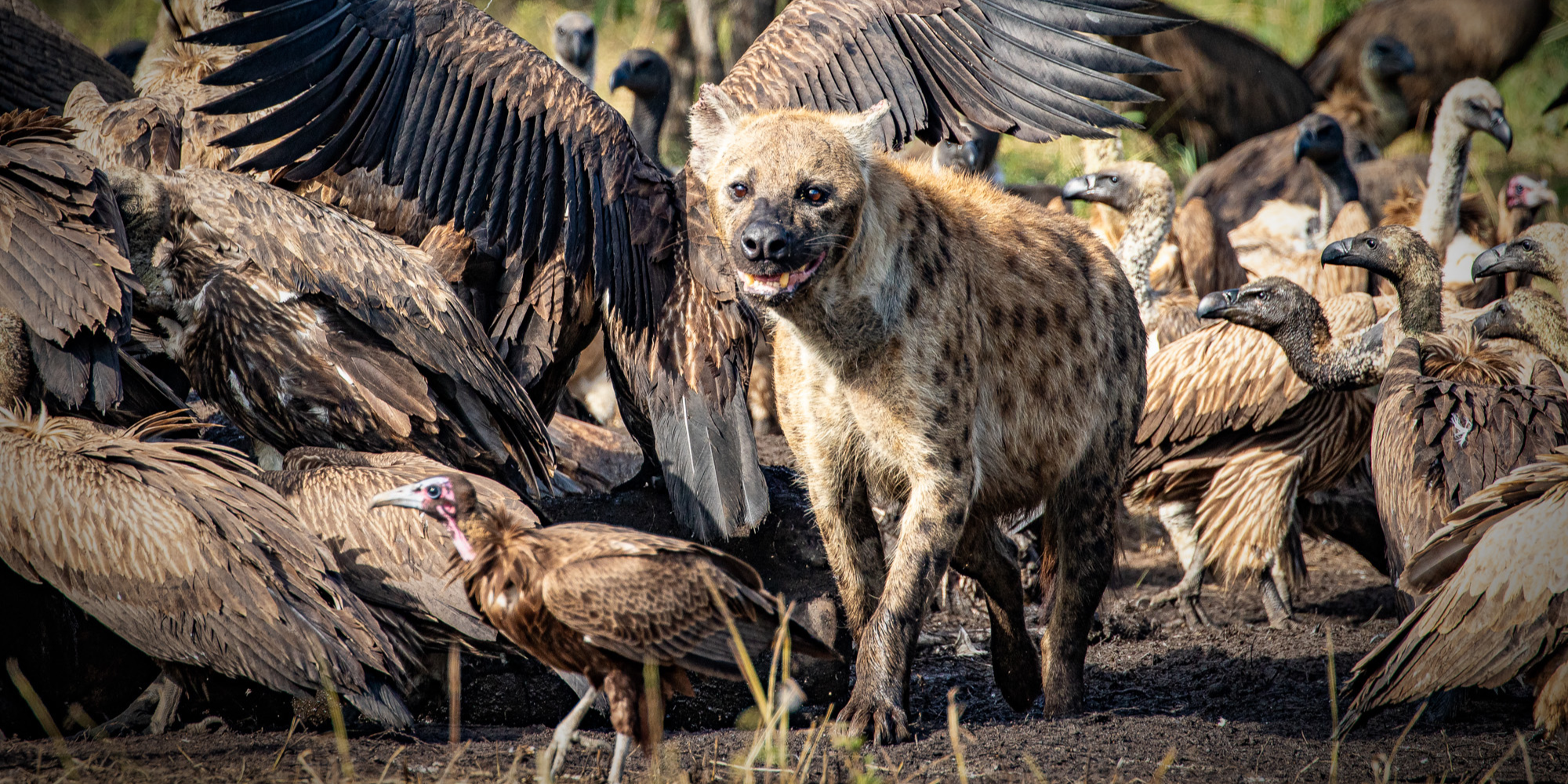
    Across Africa’s open plains, the sound of a spotted hyena’s call cuts through the night. These animals are clever, complex, and highly adaptable, but even the most resourceful creatures need one thing to survive: water.

    image

    In the bush, where dry seasons can stretch for months, water plays a surprisingly big role in shaping hyena behaviour and survival. It helps them regulate body temperature, digest food, heal from injuries, and keep their coats in good condition. It also influences where they live, how they hunt, and how their clans interact.

    Spotted hyenas get most of their water from their prey. The blood and soft tissues of animals they hunt or scavenge contain enough moisture to sustain them for several days. When water is easy to find, they’ll drink often and use rivers, dams, or pans to cool off in the heat. In dry conditions, they can go a week or more without drinking, depending almost entirely on prey fluids for hydration.

    Hyenas are often drawn to waterholes – not just to drink, but to cool down, socialise, and hunt. Water sources attract herbivores, and where there are prey animals, predators are never far behind. Researchers have even seen hyenas submerging carcasses in water to hide them from other scavengers and return later for a second meal.

    image

    Areas with reliable water tend to support more hyenas. That’s partly because water brings in more prey, but also because it provides central meeting points for clans. Hyenas use these spots to interact, reinforce social bonds, and communicate through scent marking and vocalisations. When drought hits and waterholes dry up, these important gathering places disappear, and clan territories may spread wider as they search for food and hydration.

    To cope with the heat, hyenas adjust their routines. They’re mostly active at night, when temperatures are cooler and less energy is lost to the sun. During the day, they’ll rest in the shade or in shallow pools of water. Their bodies are well adapted to conserving moisture, and their kidneys are efficient at holding onto water even in arid environments.

    Water shapes every part of a spotted hyena’s life – from hunting to social structure to territory size. Protecting natural water sources like rivers, pans, and wetlands helps ensure not only the survival of hyenas but also the balance of the broader ecosystem they’re part of. When water thrives, so does everything else around it.

    image

    If learning about the natural world excites you, imagine studying it in person. Join Bushwise to explore Africa’s wildlife up close, understand the behaviours that keep ecosystems in balance, and take the first step towards a career in field guiding, wildlife tourism, or conservation.

  • African vs Cape Buffalo: What’s the Difference, Really?

    Spend a little time around safari chatter and you’ll hear people use the words African buffalo and Cape buffalo like they mean the same thing. It’s an easy mix-up – after all, they look pretty similar, they’re both part of Africa’s famous Big Five, and they both have that same “don’t mess with me” stare. But there is a difference.

    image

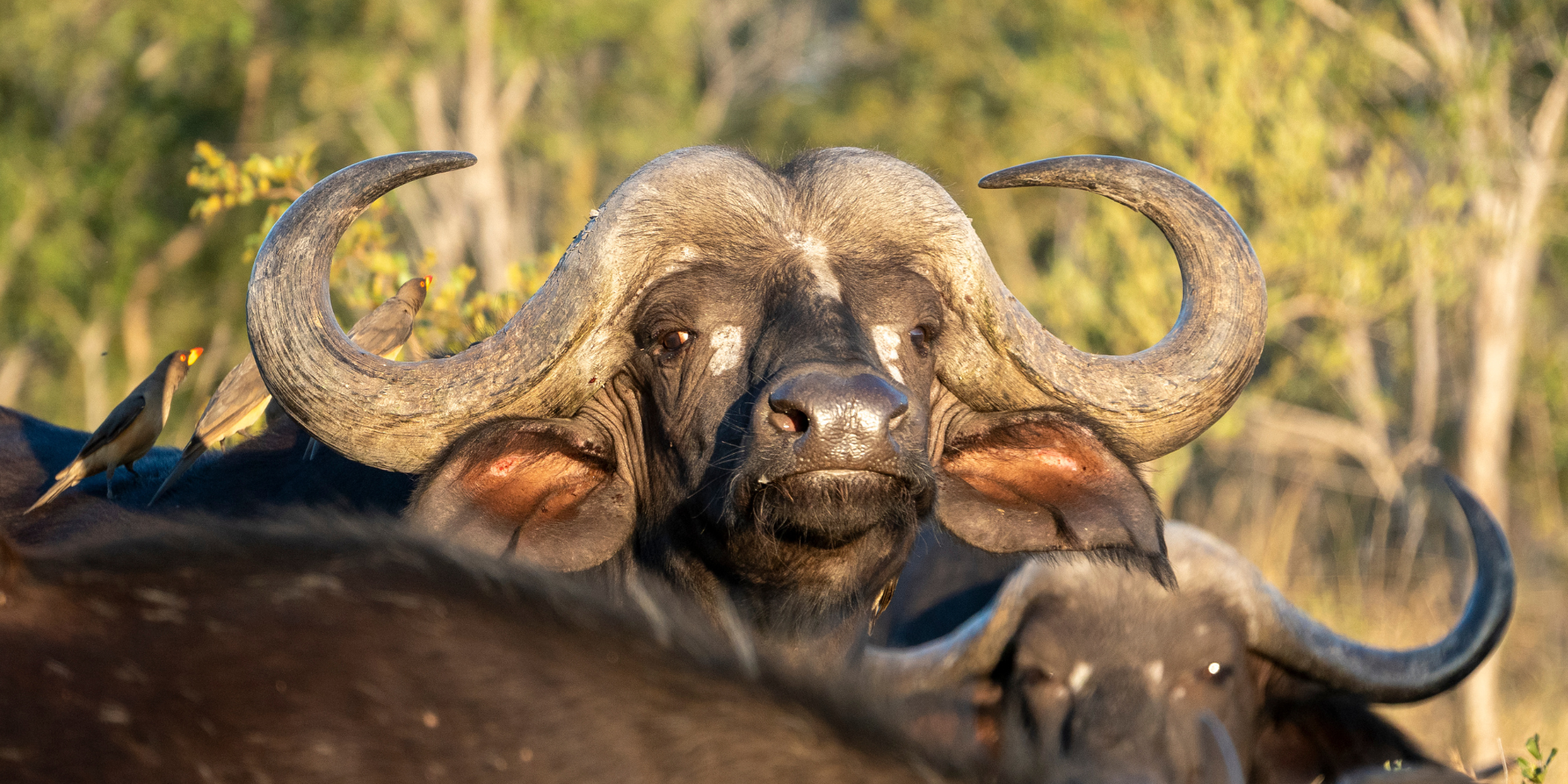
    Let’s start with the basics. The African buffalo (Syncerus caffer) is the umbrella species – the big picture term. Within that species, there are a few recognised subspecies found across the continent. The Cape buffalo (Syncerus caffer caffer) is just one of them. It’s the largest, most common, and the one most people think of when they picture a buffalo charging through the bush. So when you hear someone say “African buffalo,” they might be referring to any of the continent’s buffalo types. But when they say “Cape buffalo,” they’re talking about a very specific one – the southern heavyweight.

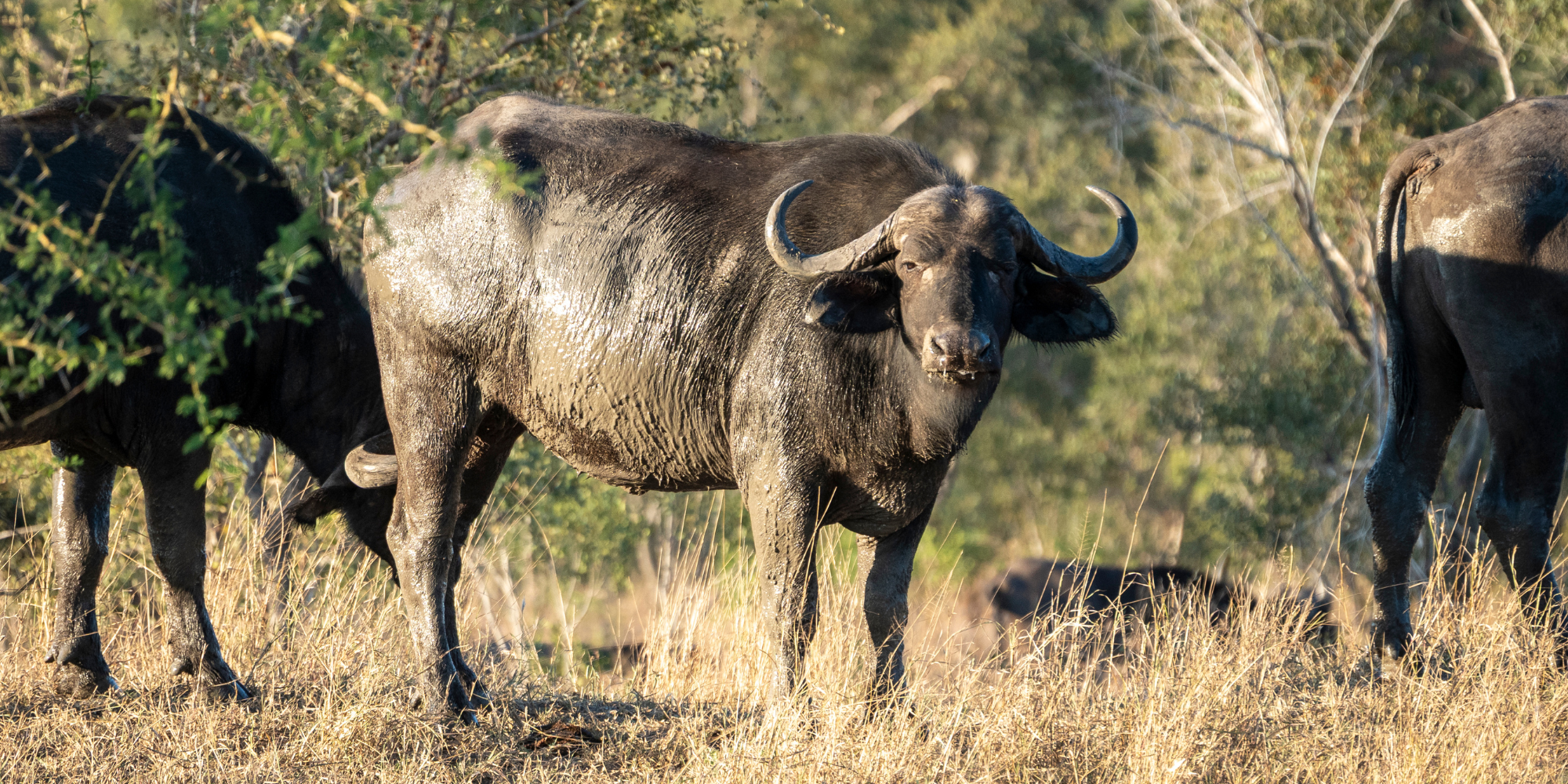
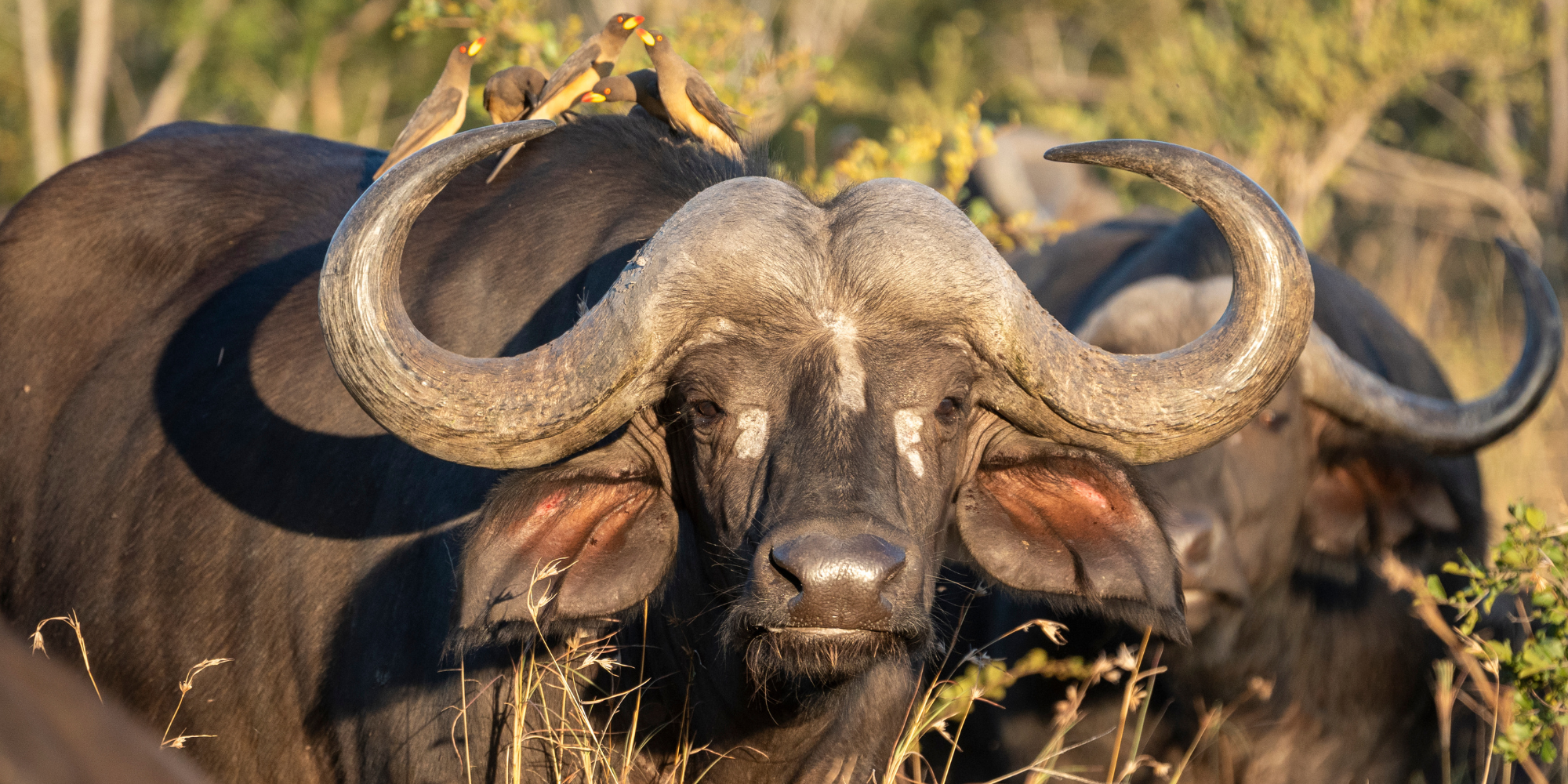
    Cape buffalo are the ones you’ll see in southern and East Africa: South Africa, Botswana, Zimbabwe, Tanzania, and Kenya. They’re large, muscular, and dark in colour, often almost black, with thick, curved horns that meet in the middle of their heads to form that solid “boss”. They tend to move in large herds, sometimes hundreds strong, and are known for their unpredictable, stand-your-ground attitude. That’s what earned them their reputation and their place among the Big Five.

    image

    Head further north or into central and western Africa, and you’ll meet the Cape buffalo’s smaller cousins. The forest buffalo (Syncerus caffer nanus), for instance, lives in the dense rainforests of Central and West Africa. It’s reddish-brown, smaller, and far more secretive than the Cape buffalo. Instead of wide open grasslands, it moves quietly through the undergrowth, more shy than showy. There are also a couple of intermediate subspecies, like the Sudan buffalo and Nile buffalo, which have traits that sit somewhere between the forest and Cape types, depending on where they live.

    So, to sum it up simply:

    • The African buffalo is the species as a whole.
    • The Cape buffalo is one subspecies – the biggest, darkest, and most widely seen on safari in southern Africa.
    • The forest buffalo and others are smaller, redder, and adapted to different environments further north in Africa.

    Every Cape buffalo is an African buffalo, but not every African buffalo is a Cape buffalo.

    image

    And what about water buffalo? You can read more about how they differ from the African buffalo here.

  • The Lowveld of South Africa: A look at its fauna and flora

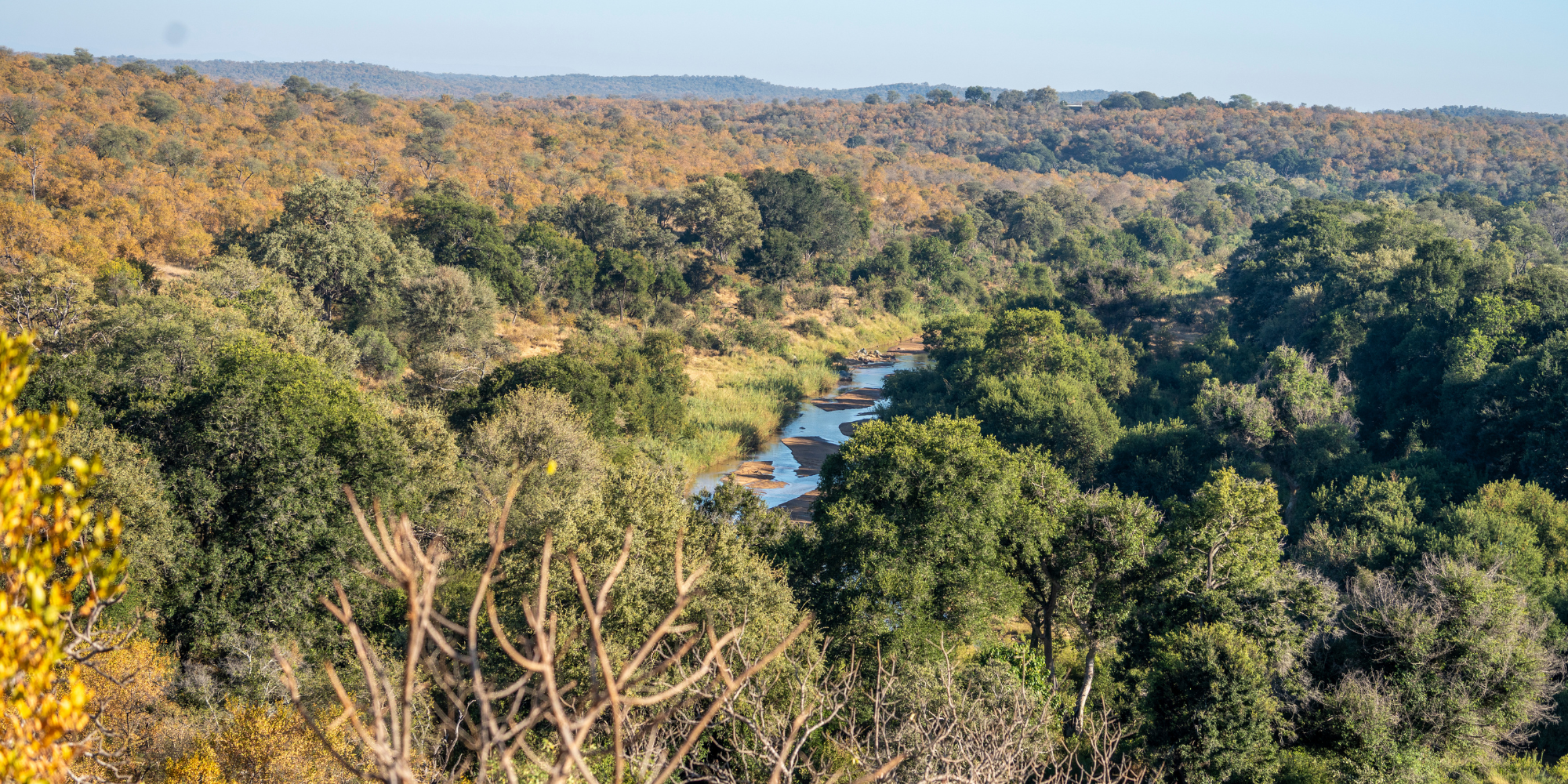
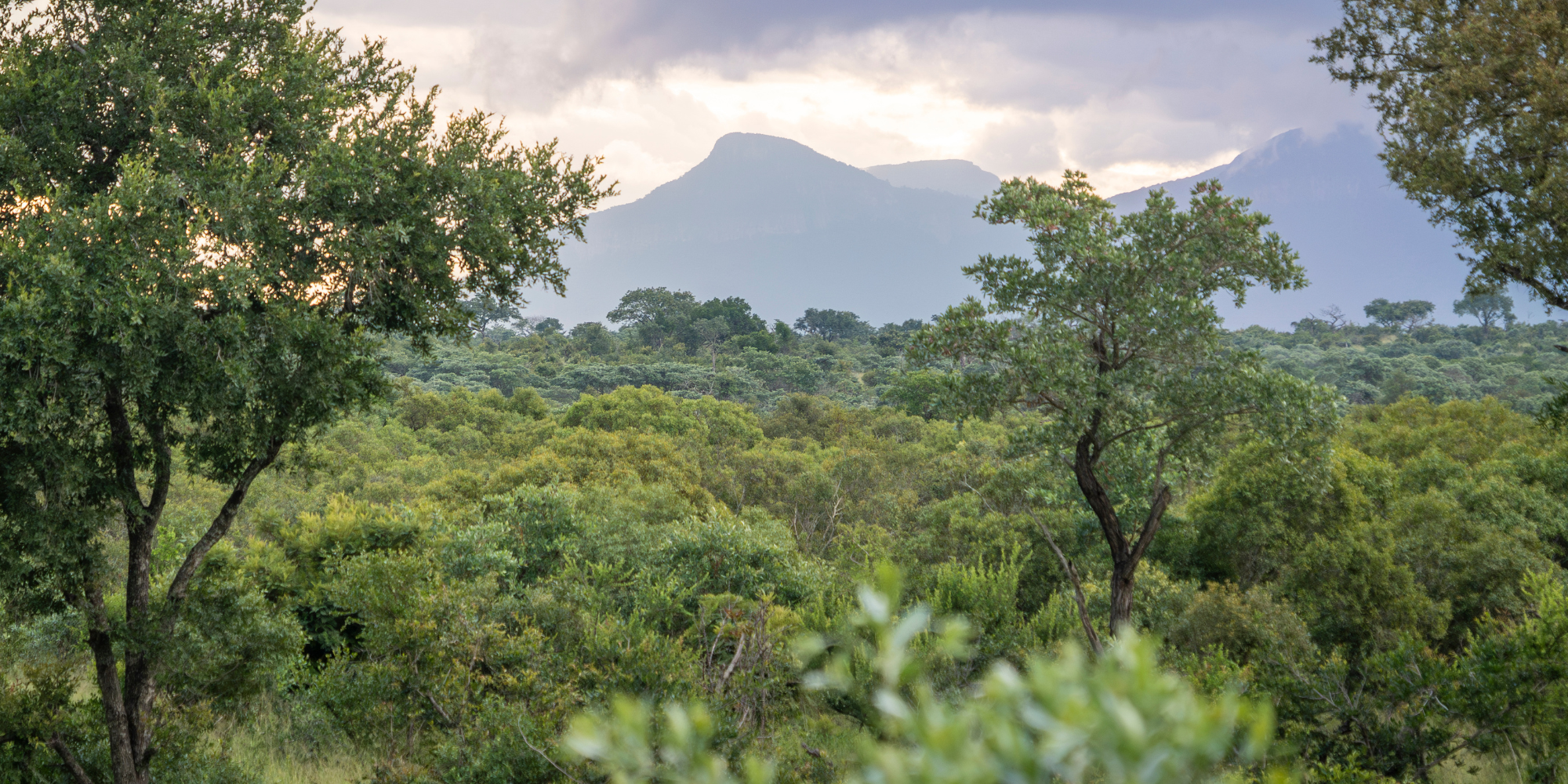
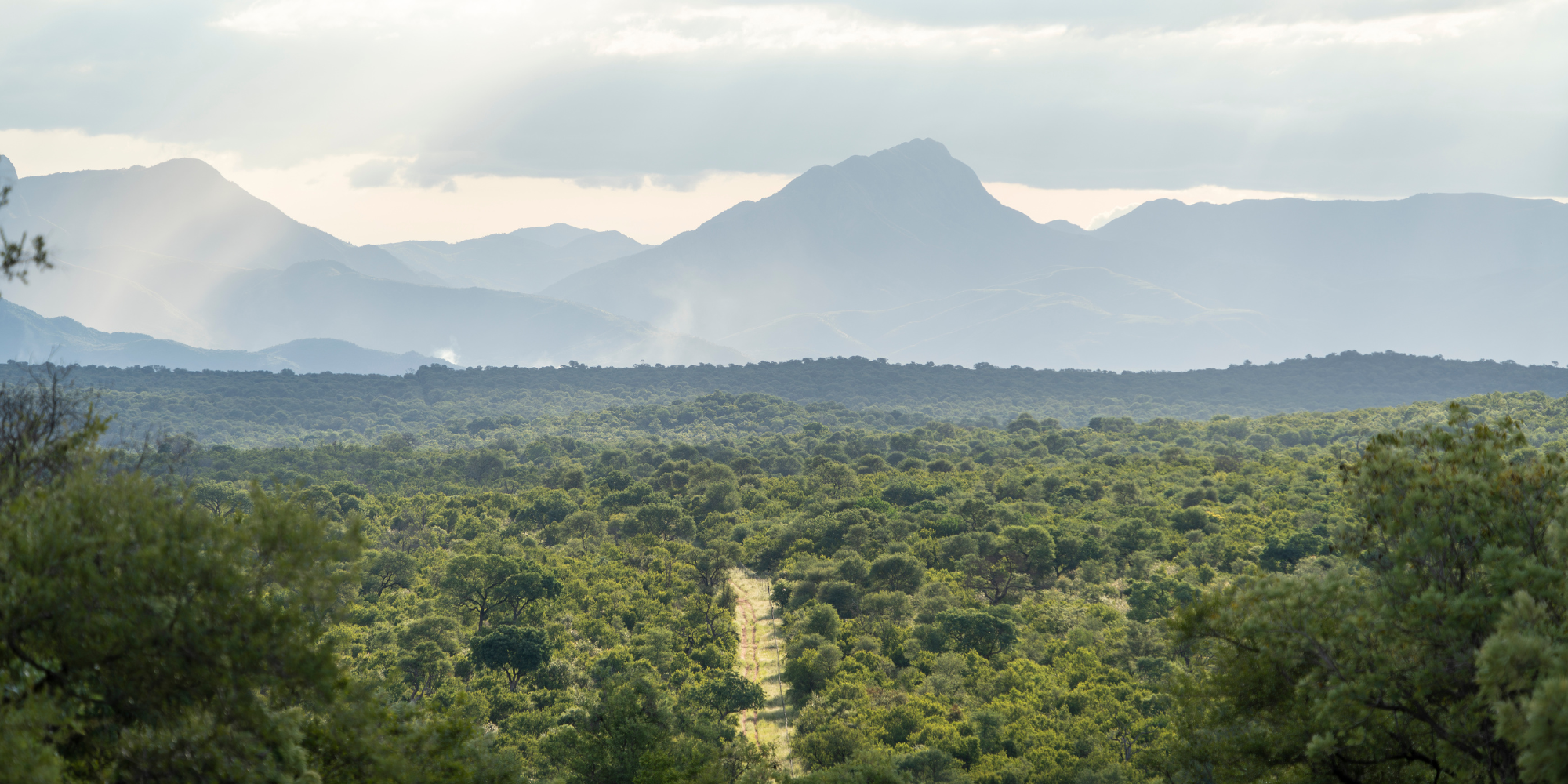
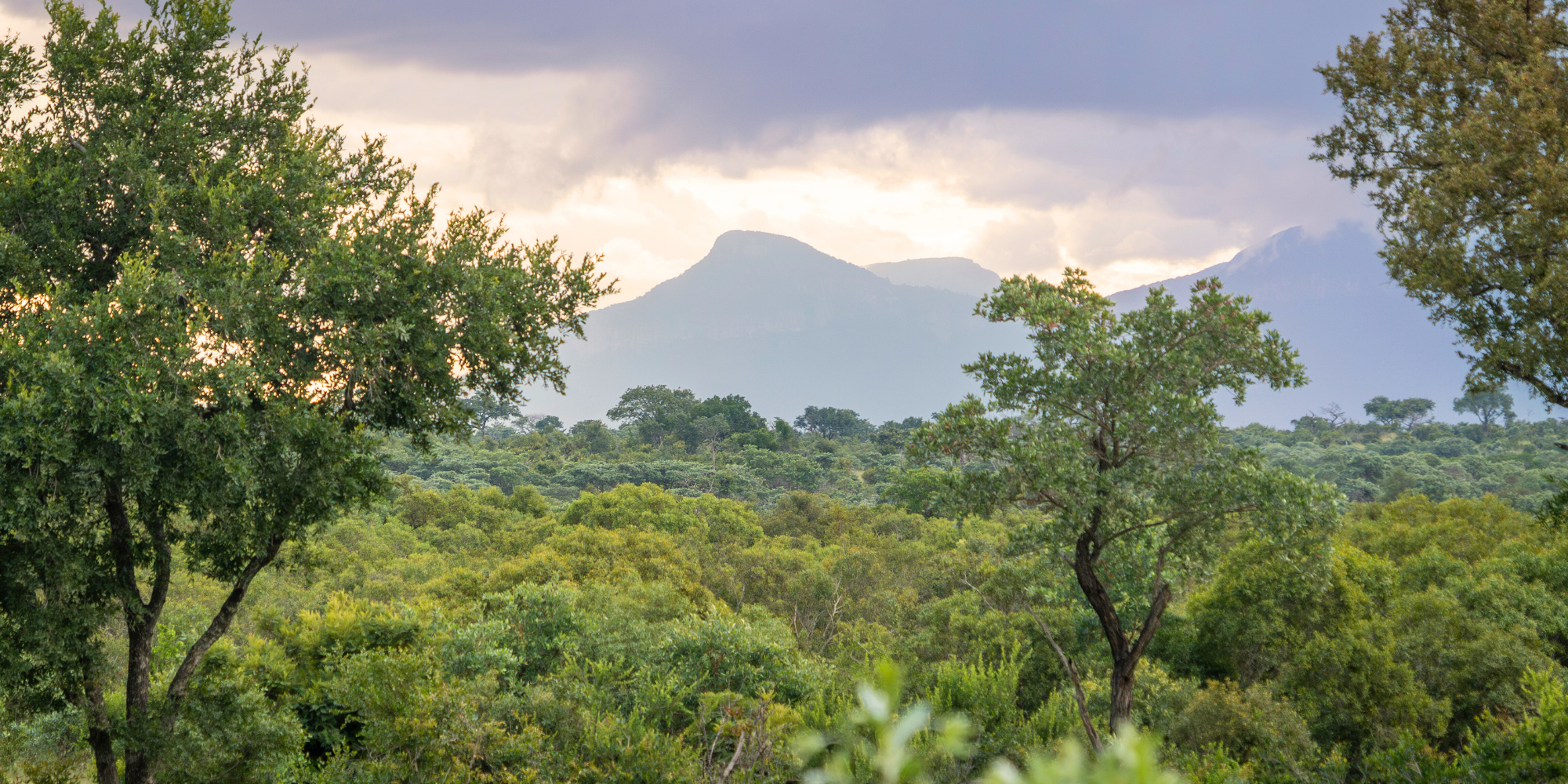
    The Lowveld is the low-lying, subtropical region of north-eastern South Africa, mostly below 1 000 metres. It is known for its warm climate, open bushveld, and rich wildlife. Many people think of this area as the “classic African landscape” because of its broad valleys, rivers, and variety of plants and animals.

    image

    The climate of the Lowveld is a key factor in shaping its vegetation and wildlife. Summers are hot and wet, with most rain falling between October and April. The rest of the year is warm and dry. This pattern affects when plants grow and when animals breed or move. Soil type and elevation also influence which species are found in different areas.

    Vegetation in the Lowveld includes open woodlands and savannahs with a mix of trees, shrubs, and grasses. Mopane woodland, common in parts of Limpopo, is dominated by the mopane tree, which supports many insects and browsing animals. Other areas feature acacia or thorn bushveld, fever trees, baobabs, and forest along rivers. This mix of plant types creates many different habitats for animals.

    image

    The wildlife of the Lowveld is closely linked to its plants. The region supports large herbivores and predators, including the Big Five, as well as smaller mammals and specialist species. Birds are common in areas with water and varied vegetation. Wetlands, rivers, and different types of woodland each attract their own bird species. The range of habitats is one reason the Lowveld is so rich in wildlife.

    Different parts of the Lowveld have different species because of variations in climate, soil, and water. Temperature and rainfall can change quickly across the region, especially near escarpments and rivers. Soil types affect which plants can grow, with some soils supporting moisture-loving species and others supporting drought-tolerant trees like mopane. Permanent rivers and pans provide water for animals and attract migratory birds. Past land use, fire, and grazing also shape the landscape and the species it can support.

    image

    The Lowveld is a region of diversity. Bird-rich thickets sit beside open grasslands, mopane woodlands surround pans that attract elephants, and rivers provide life for many animals. Protecting these areas requires conserving rivers, managing fire carefully, and allowing grazing that does not harm native plants.

    For guides, naturalists, and travellers, the Lowveld offers an opportunity to see how plants and animals are connected. By observing the trees, grasses, and water sources, it is possible to understand why each part of the Lowveld supports different communities of life.

    If you want to experience the Lowveld and its species first-hand, view Bushwise’s professional wildlife courses and start your journey in South Africa’s remarkable bush.

  • Understanding and protecting Africa’s elusive leopards

    This blog was written by Tia Bell, a Bushwise Professional Safari Guide student. Each student takes a turn as camp manager, and writing a blog is part of the experience.

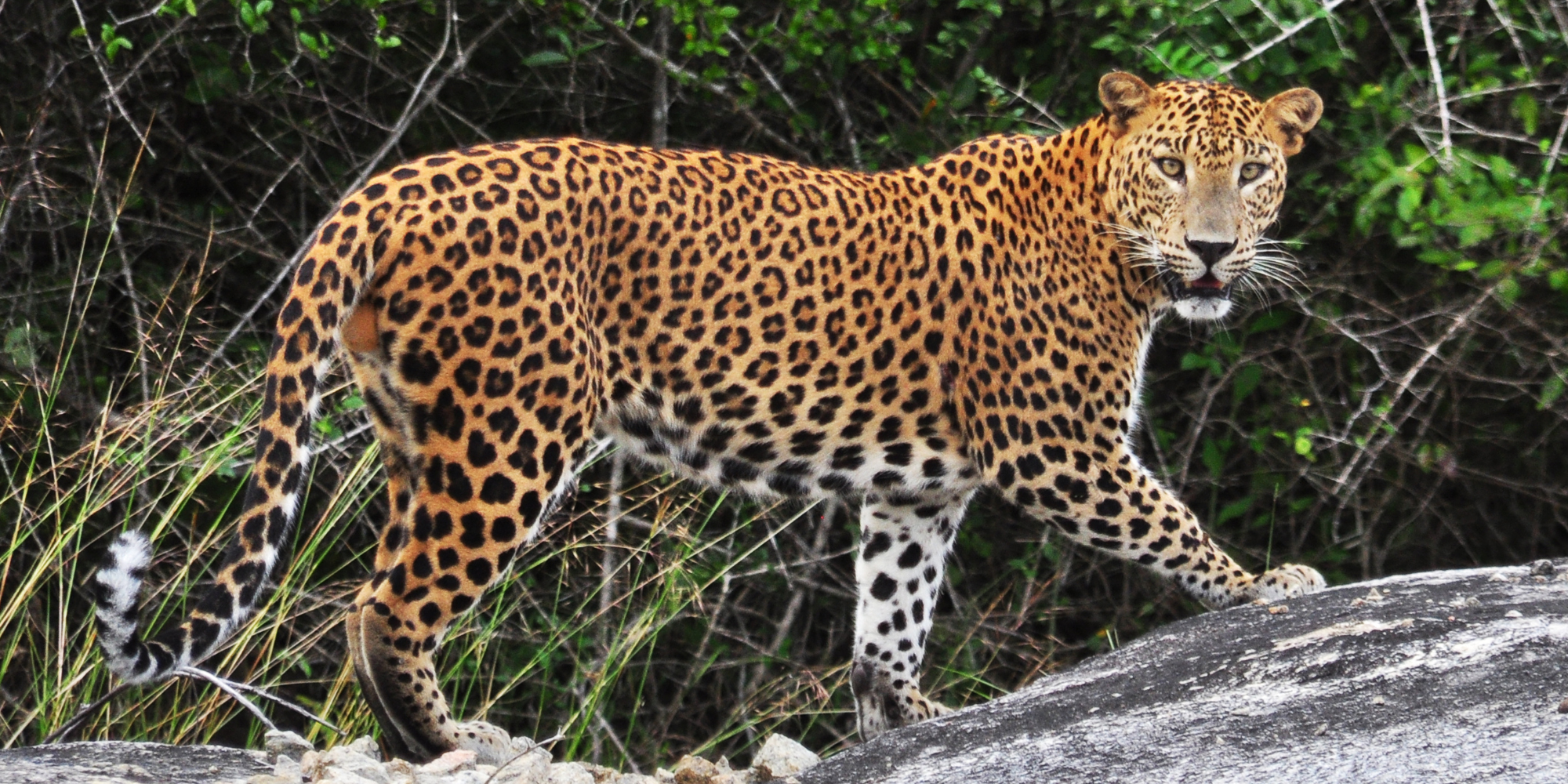
    The leopard is one of Africa’s most mysterious and graceful creatures. Powerful, stealthy, and beautifully patterned, it’s an apex predator and one of the Big Five, a true sign of a healthy ecosystem. But despite being such a master of survival, leopards are facing more threats than ever. Human activity is shrinking their world, and without our help, these incredible cats could disappear from places they’ve lived for generations.

    image

    Leopards are the ultimate experts in staying out of sight. Mostly solitary and active at night, they rely on camouflage and patience to hunt. They don’t sprint after their prey like cheetahs—they stalk quietly, wait for the perfect moment, and then strike with speed and precision. Hunting isn’t easy, and even the most skilled leopard doesn’t succeed every time.

    Competition is tough. Lions, hyenas, and even some scavenging birds are always trying to steal a leopard’s hard-earned meal. To protect their food, leopards often drag it up into trees, sometimes prey as heavy as they are. It’s a brilliant survival trick, keeping their dinner safe from other predators while showing off just how strong and adaptable they are.

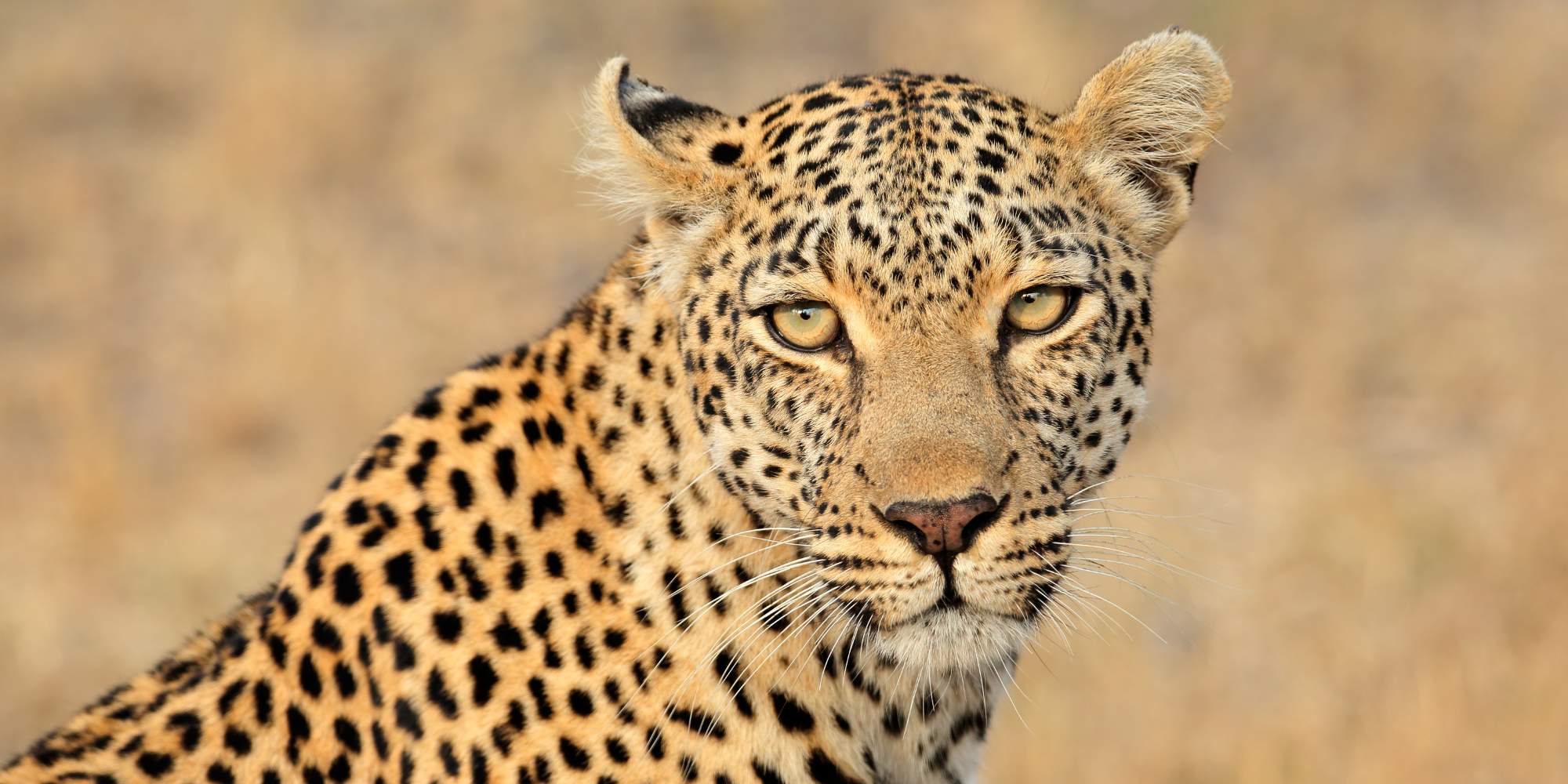
    Life as a leopard is mostly a solo adventure. They only come together briefly to mate, and after that, the female takes care of the cubs alone. Usually, she raises two or three little ones, teaching them how to survive in the wild until they’re ready to go off on their own. Scientists are even exploring whether the spots on a leopard—their unique rosette patterns—might tell us something about family connections. That’s still early research, but it could help with tracking and protecting them.

    image

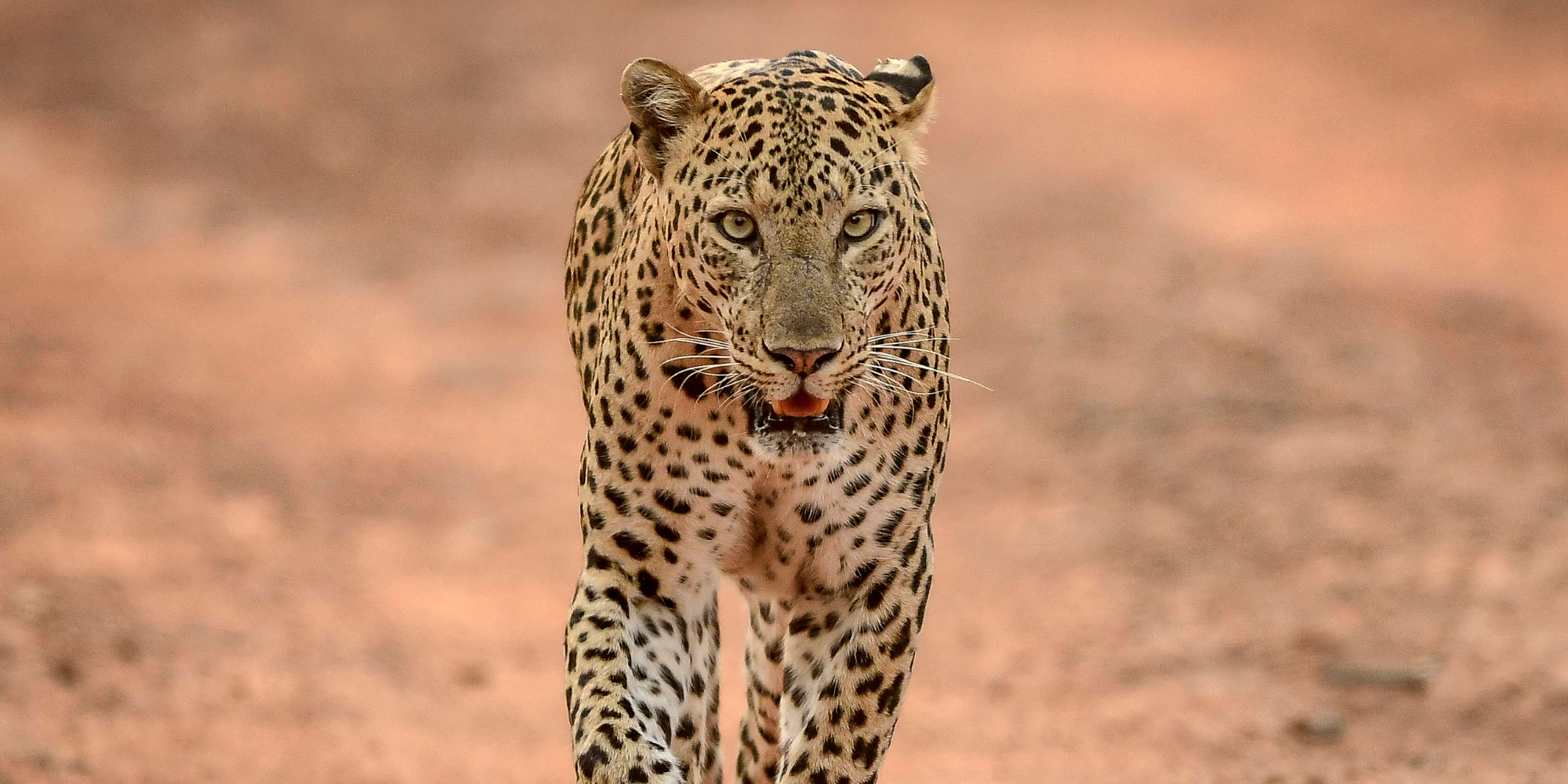
    Even though they’re at the top of the food chain, leopards are considered vulnerable on the IUCN Red List. Human pressures are the main threat. Farmland and development break up their habitats, poachers and trophy hunters reduce their numbers, and conflict with livestock often ends badly for the cats. Protecting leopards isn’t just about saving one species; it’s about keeping ecosystems balanced and healthy.

    The good news is that conservation can work, especially when communities are involved. Educating people about leopards, helping them coexist safely, and showing the benefits of protecting wildlife can make a real difference. It’s a team effort: people, science, and nature working together.
    image

    Leopards may move silently through the bush, but they’re not invisible in importance. Their survival is tied to the health of their environment and the communities around them. By understanding them, protecting them, and giving local people a stake in their future, we can make sure these shadows of strength continue to roam Africa’s wild places and that we don’t lose the beauty, mystery, and vital role they play in our world.

    Want to see African wildlife up close and make a real difference? Bushwise offers a wide range of professional wildlife programs where you can get hands-on, learn from experts, and help conserve these amazing animals.

  • The ultimate Bushwise packing guide

    Wondering what to pack for your Bushwise course? Student Emma Dalmeijer, an IFGA Professional Safari Guide student, shares her experience (and a few lessons learned) about what really works in the African bush – from vellies and khaki shorts to rain jackets you might never use.

    Before arriving at Bushwise, I stood in front of my wardrobe, wondering what on earth to bring. I had never been to Africa before, so I had little idea of what to expect. In the end, I chose what seemed sensible: a pair of mountain shoes from a local outdoor store, one pair of zip-off pants, some denim shorts, a few old shirts, a rain jacket, and, for headwear, a cap and some headbands.

    image

    My plan was simple – comfortable, practical, and multi-functional clothing.

    However, when I arrived in South Africa, I quickly realised that dressing for the bush is something of a science in itself.

    The shoe dilemma

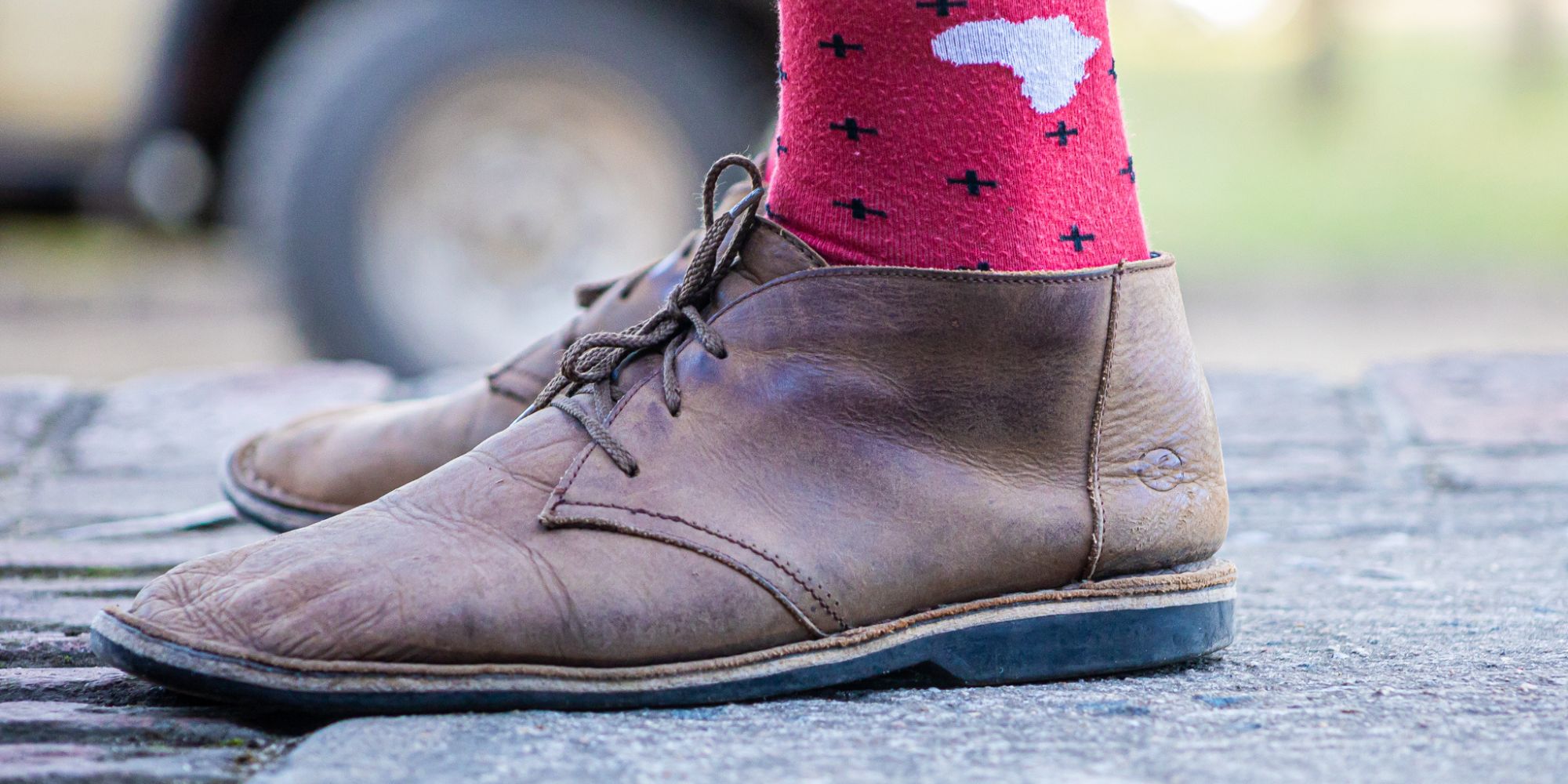
    On my first morning on campus, I stepped out in my sturdy mountain shoes — only to have another student say, “Your feet will be so hot! We’re buying vellies in town.”

    (Vellies are a shoew worn by almost all South Africans, usually made from leather)

    image

    At first, I didn’t think much of it. My shoes were perfectly fine… during winter, at least. But when summer arrived, the inside of those shoes became almost unbearable. That’s when I decided to try a pair of vellies.

    I immediately understood why South Africans rely on them. They’re breathable, lightweight, and quiet, making them ideal for tracking animals without leaving heavy footprints in the sand. My mountain shoes didn’t stand a chance against them!

    That said, my personal favourite footwear remains flip-flops, or “plakkies”, as they’re called here. Every South African seems to live in them, and I now understand why.

    image

    Shorts that mean business

    My zip-off pants seemed like a clever idea at the time, until I met the thorny vegetation of South Africa. Every branch I brushed past caught onto the material, leaving small holes behind.

    Fortunately, Bushwise provides a professional uniform. The khaki shorts are made of durable, comfortable fabric, and the pockets are spacious, making it easy to carry everything needed for a bush walk.

    Compared to the tiny pockets on the shorts I brought from home, these were a revelation.

    Shirts and rainstorms

    When it came to shirts, my tank tops and T-shirts served me fairly well. However, most students preferred the traditional safari-style button-up shirts with roll-up sleeves and ventilation panels. Personally, I kept things simple, though I could see the appeal of those designs.

    The real surprise came during the rainy season. Coming from the Netherlands, I assumed my rain jacket would be indispensable. But when the rains arrived, I watched the South Africans walk out in shorts, plakkies, and T-shirts as though nothing had changed. Apparently, rainwear isn’t a necessity here!

    image

    Hats and sunglasses

    One absolute essential is a hat. My old baseball cap works perfectly well, though around camp you’ll see everything from bucket hats to wide-brimmed safari styles. As long as it shades your face and eyes, it does the job.

    Sunglasses, surprisingly, are less critical than I expected, and a good hat provides most of the protection you need.

    Tools of the trade

    Clothing aside, one of the most useful items I brought was my Swiss Army knife. I’ve always liked multi-tools, but here I discovered the South African equivalent – the Leatherman.

    It does everything a Swiss knife can, but with the added benefit of strong pliers, which turn out to be incredibly handy. South Africans swear by them, and I can see why. They’re practical, durable, and,  if I’m honest,  rather impressive to have on hand. Naturally, I had to get one for myself.

    image

    The ultimate bush outfit

    After a few months at Bushwise, I’ve perfected my go-to outfit, and it’s quite simple: a pair of vellies, the toughest khaki shorts you can find, a light button-up shirt, a Leatherman, and a reliable hat. Stick to neutral, earthy tones, and you’ll blend right into the environment.

    Want to experience the African bush for yourself? Bushwise offers a range of wildlife courses, ranging from a few days to a year! 

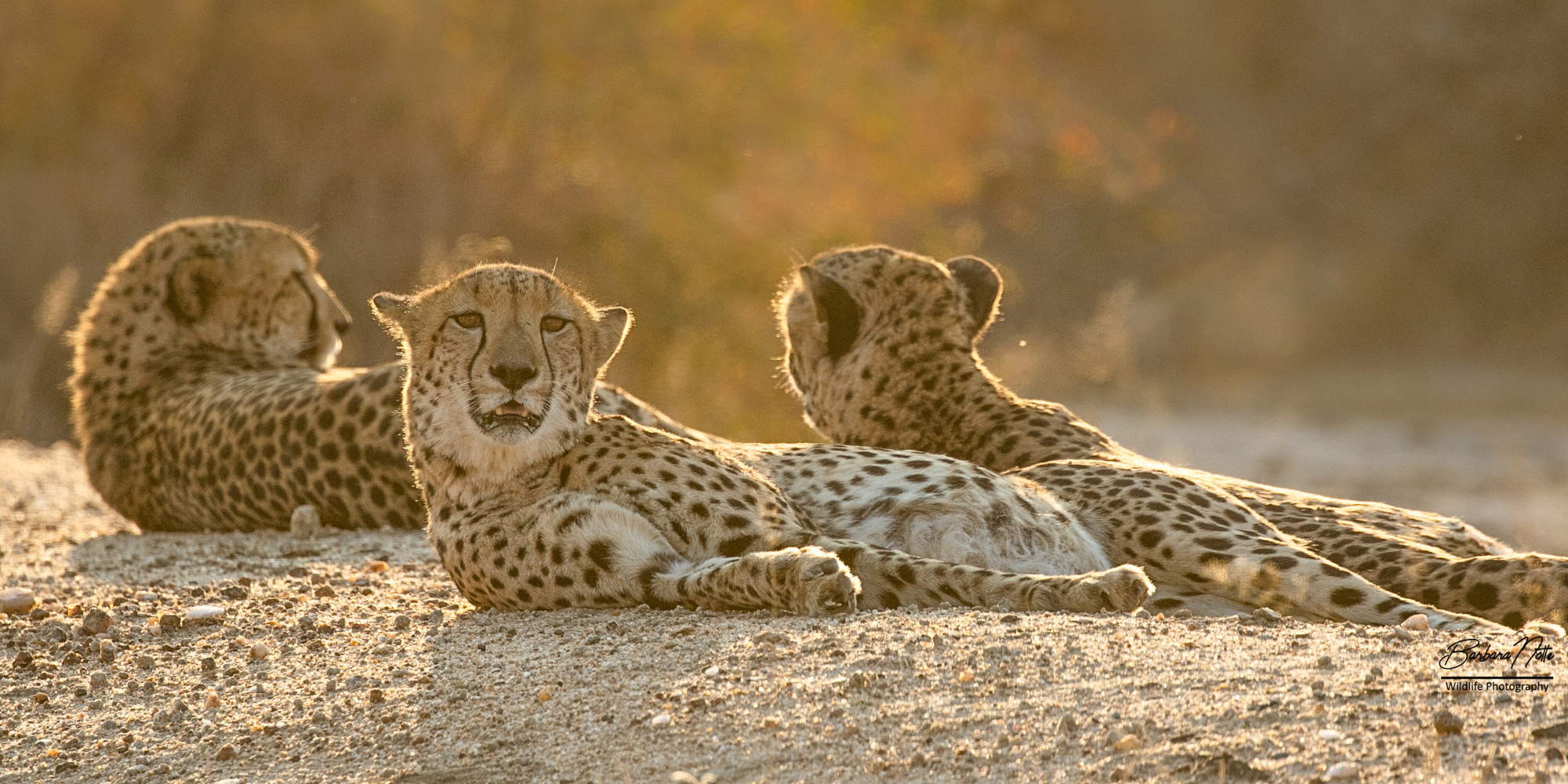
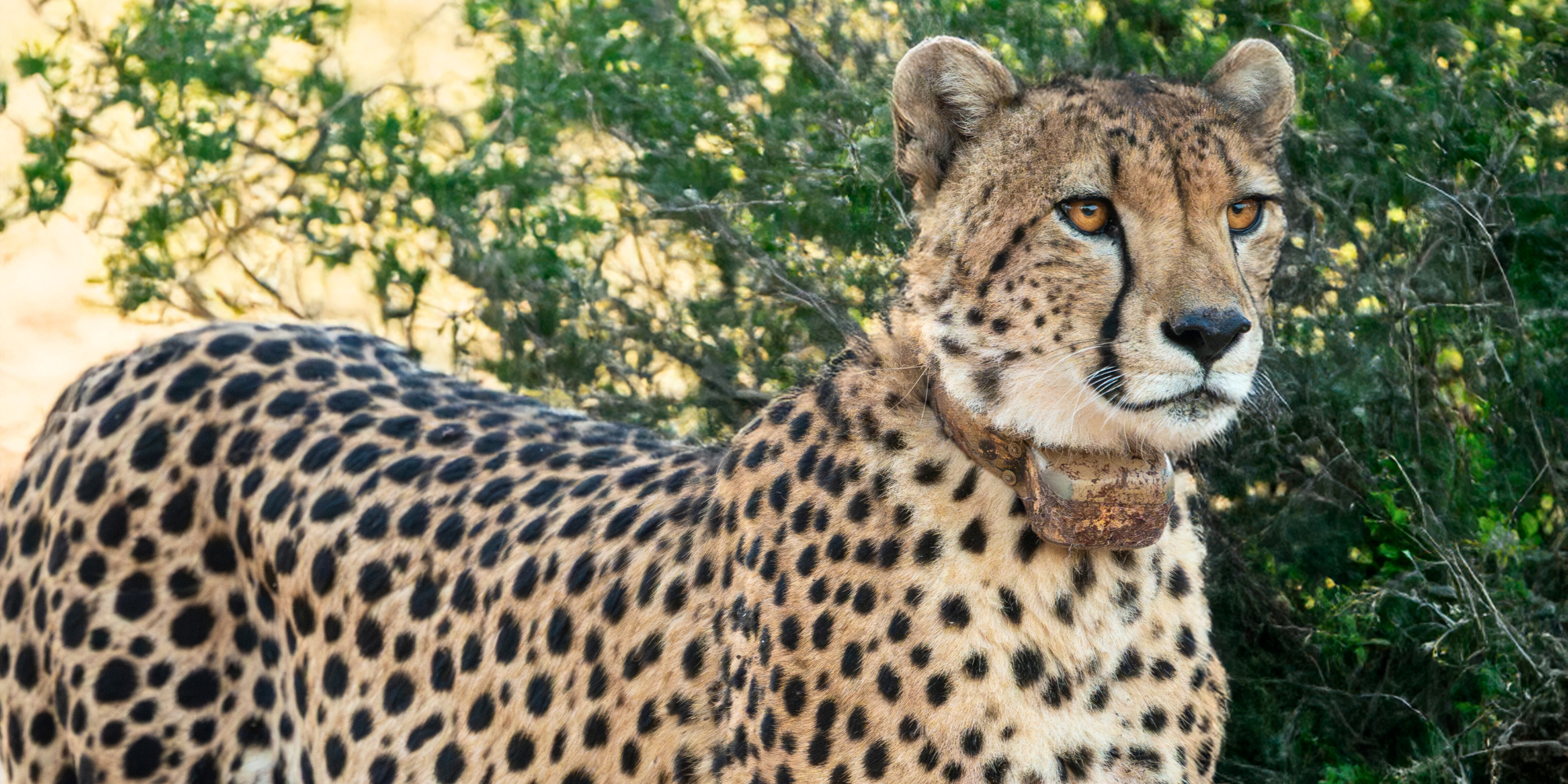
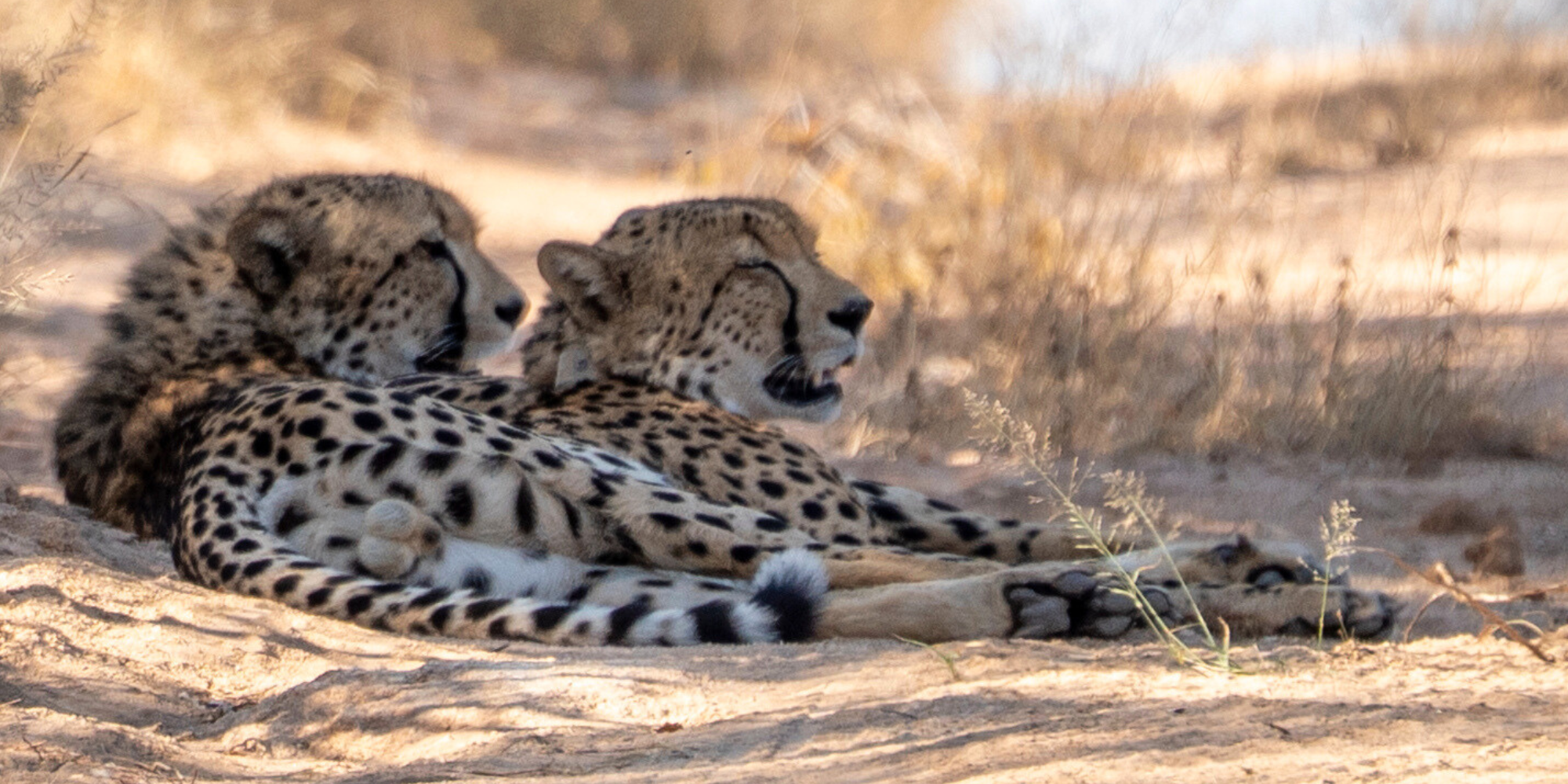
  • Why Cheetahs Belong to Acinonyx, Not Panthera

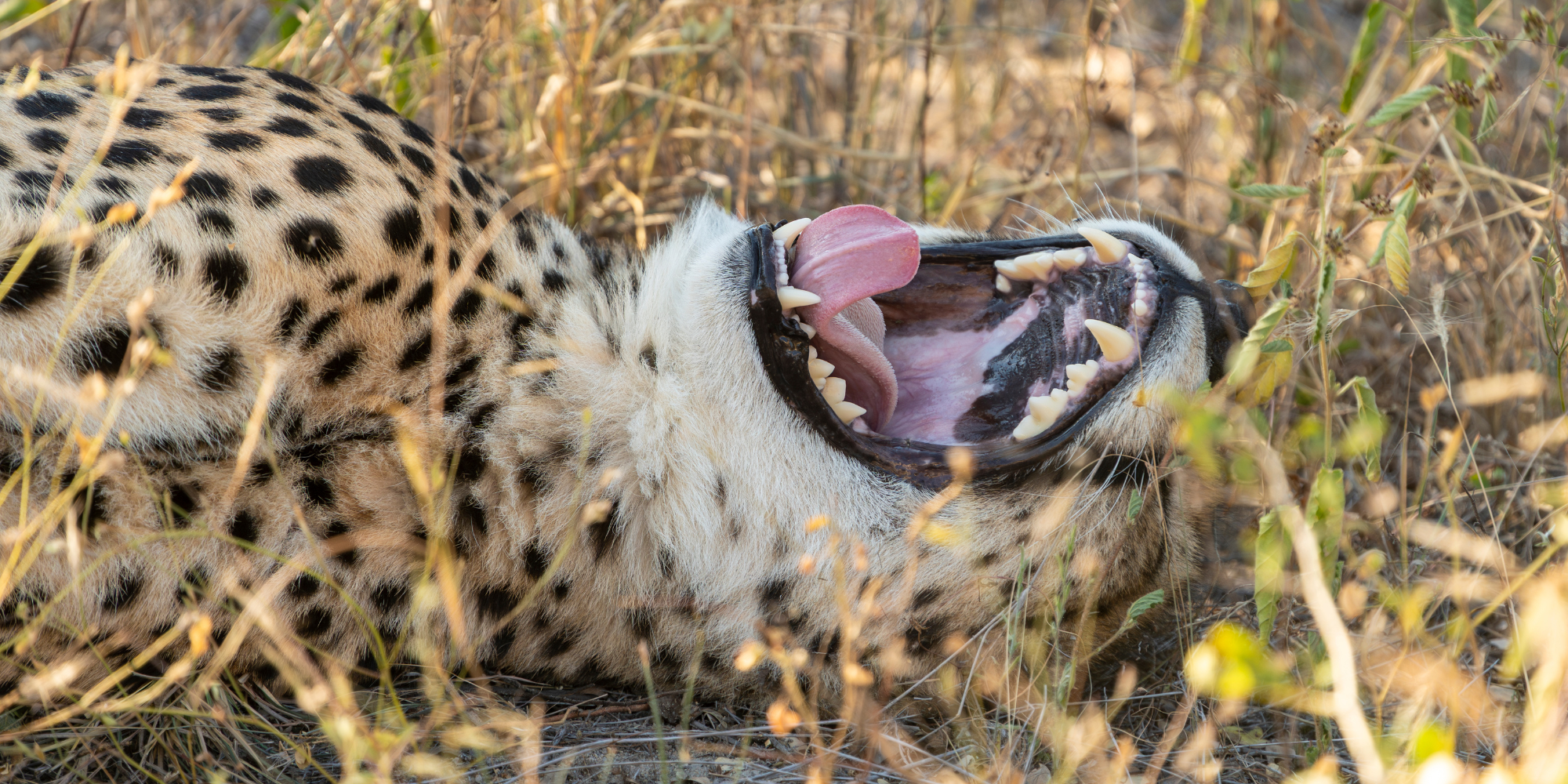
    Cheetahs are often lumped in with other big cats, but the reality is that they have very little in common with lions, leopards, and jaguars. What may look like a close relationship is mostly superficial. Under the surface, cheetahs follow their own evolutionary path, with unique adaptations that set them apart in almost every way. Genetic studies confirm that they split from the Panthera lineage millions of years ago and have been on their own branch of the cat family ever since, evolving features optimised for one particular purpose: running.

    image

    One of the clearest differences is in their voice. Lions, tigers, leopards, and jaguars can roar because of a specialised larynx with an elastic ligament that amplifies deep sounds. Cheetahs lack this structure and cannot roar. Instead, they purr, chirp, yowl, and make bird-like trills. These sounds are used for communication, especially between mothers and cubs, but a deep, resonant roar is impossible for them.

    Claws provide another stark contrast. Panthera cats have fully retractable claws, which they keep sheathed until needed for climbing or capturing prey. Cheetahs have semi-retractable claws that stay partially exposed, giving them traction like natural cleats. Their paws are narrow with hard pads and raised ridges, all contributing to exceptional grip during high-speed sprints. This design, combined with a lightweight frame, allows cheetahs to accelerate from zero to nearly 100 kilometres per hour in just a few seconds.

    image

    Their skeletal structure reinforces this specialisation. The spine is highly flexible and acts like a spring, extending and contracting with each stride. Their shoulder blades are unattached to the collarbone, allowing their front legs maximum reach. Long, slender limbs, a narrow waist, and lean musculature all maximise stride length and frequency. The small head and large nasal passages improve oxygen intake during sprints. Unlike lions that rely on strength or leopards that rely on stealth and power, cheetahs rely on explosive bursts of speed and precise timing to catch prey.

    The coat of a cheetah is also distinctive, with 2,000 odd solid black spots breaking up their outline in grasslands, providing camouflage during stalking. Cheetah cubs also have a unique appearance with a silvery-grey mantle of longer fur along their backs, which helps conceal them from predators during the early months of life.

    image

    Their social behaviour sets them apart further. Female cheetahs are largely solitary, except when raising cubs, while males may form small coalitions, usually composed of brothers. They rarely climb trees or hoist kills like leopards, and hunt primarily during the day to reduce competition with larger nocturnal predators, relying on speed rather than brute strength.

    Cheetahs are a study in efficiency and focus. They demonstrate that being different from your family does not mean being inferior. Their design prioritises speed, endurance, and survival, making them one of the most remarkable predators in the animal kingdom.

    image

    Next time you’re lucky enough to see a cheetah, take notice of the semi-retractable claws, the long, spring-like stride, and the chirps that punctuate their hunt. Every detail is a sign of a species that belongs to a genus all its own, not a lion, not a leopard, not a jaguar, but something entirely exceptional.

    If you want to experience wildlife like the cheetah firsthand, explore Bushwise’s wildlife courses and learn from experienced guides in the African bush.

  • Living my dream under the African sun – My field guide journey

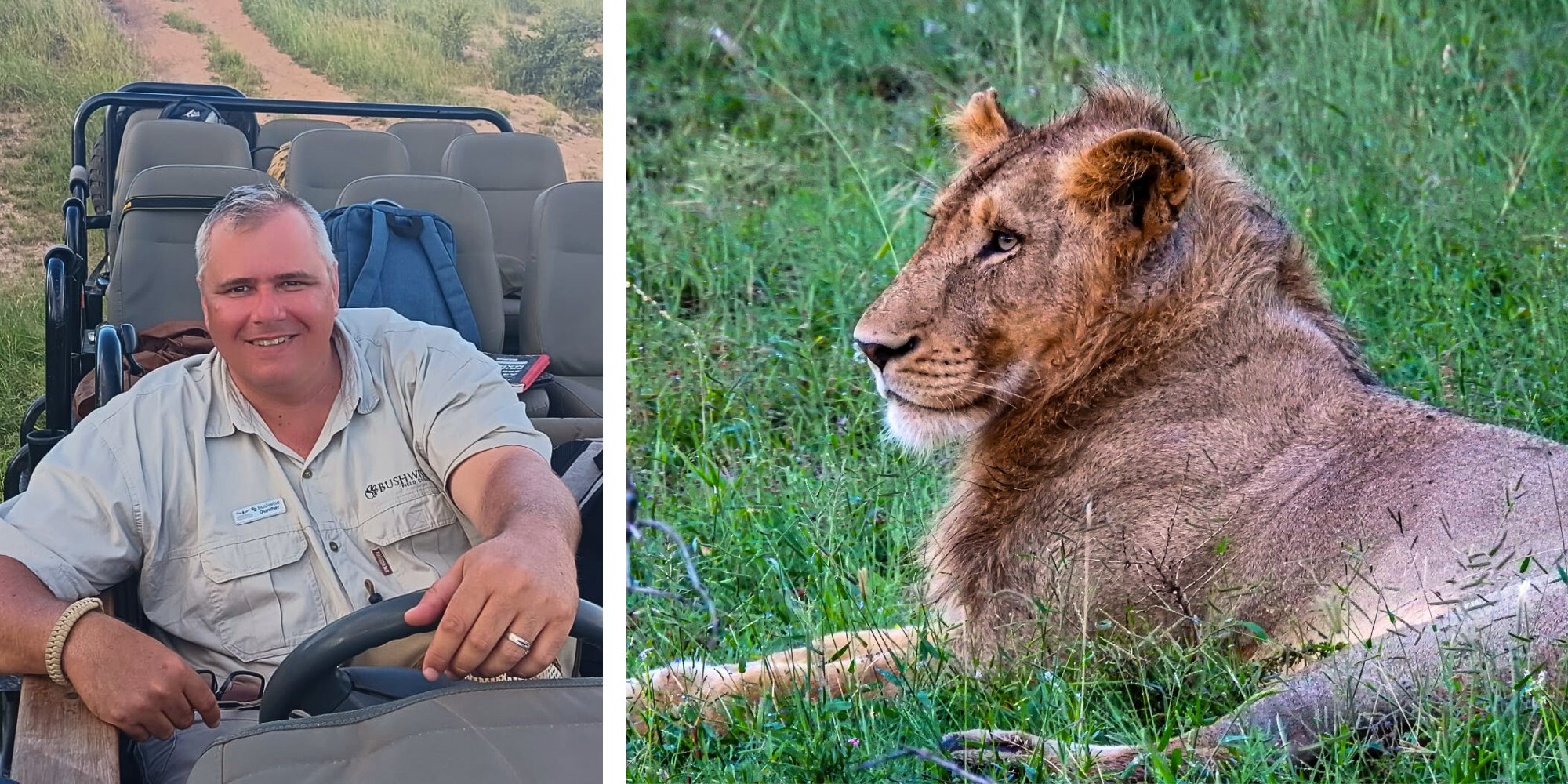
    This blog was written by Gunther Bauer, a Bushwise Professional Safari Guide student. Each student takes a turn as camp manager, and writing a blog is part of the experience.

    From a young age, my parents nurtured in me a deep love and respect for the natural world. Whenever we had the chance, we would pack up and head to Kruger National Park — camping, exploring, and soaking up everything the park had to offer.

    We’d leave home in the early hours of the morning, always aiming to reach the gate by sunrise. Most of our trips started in Phalaborwa, where we’d check in and watch the first golden rays break over the bushveld. Our destination was usually Letaba or Shingwedzi rest camps, where we’d set up camp for eight unforgettable days. And, of course, no trip ever began without a little family game: each of us would choose the animal we thought we’d see first.

    image

    It was during one of these family holidays, when I was 12 years old, that everything changed for me. I attended a presentation by a herpetologist volunteering as an Honorary Ranger at the Elephant Hall in Letaba. After the talk, I stayed behind to chat with him. His passion was contagious, and right then and there, I knew  I wanted a future connected to nature. But life had other plans.

    After school, I was offered a management position at the restaurant where I’d worked as a waiter. What was supposed to be a temporary detour became a 25-year career in the food and beverage industry. I worked my way up to Operations Manager and held that role for ten years.

    Eventually, I hit a ceiling. I’d achieved everything I could in that field, and I knew it was time for a change. Two years later, after much reflection, that little boy inside me, the one who sat mesmerised in Letaba rest camp, reminded me of his dream. With the encouragement of my beautiful wife and son, I took a leap of faith and enrolled at Bushwise. That decision changed everything.

    image

    Now, four months into the IFGA Professional Safari Guide Course (6/12 months), I still can’t quite believe that I wake up to the African bush and its sunrises every single day. It’s been challenging and incredibly rewarding as my knowledge has grown exponentially since day one.

    While there have been countless memorable moments, what I value most are our trainers. Their passion for guiding and willingness to share their knowledge is something truly special. To anyone considering this path, soak up every bit of wisdom your trainers offer.

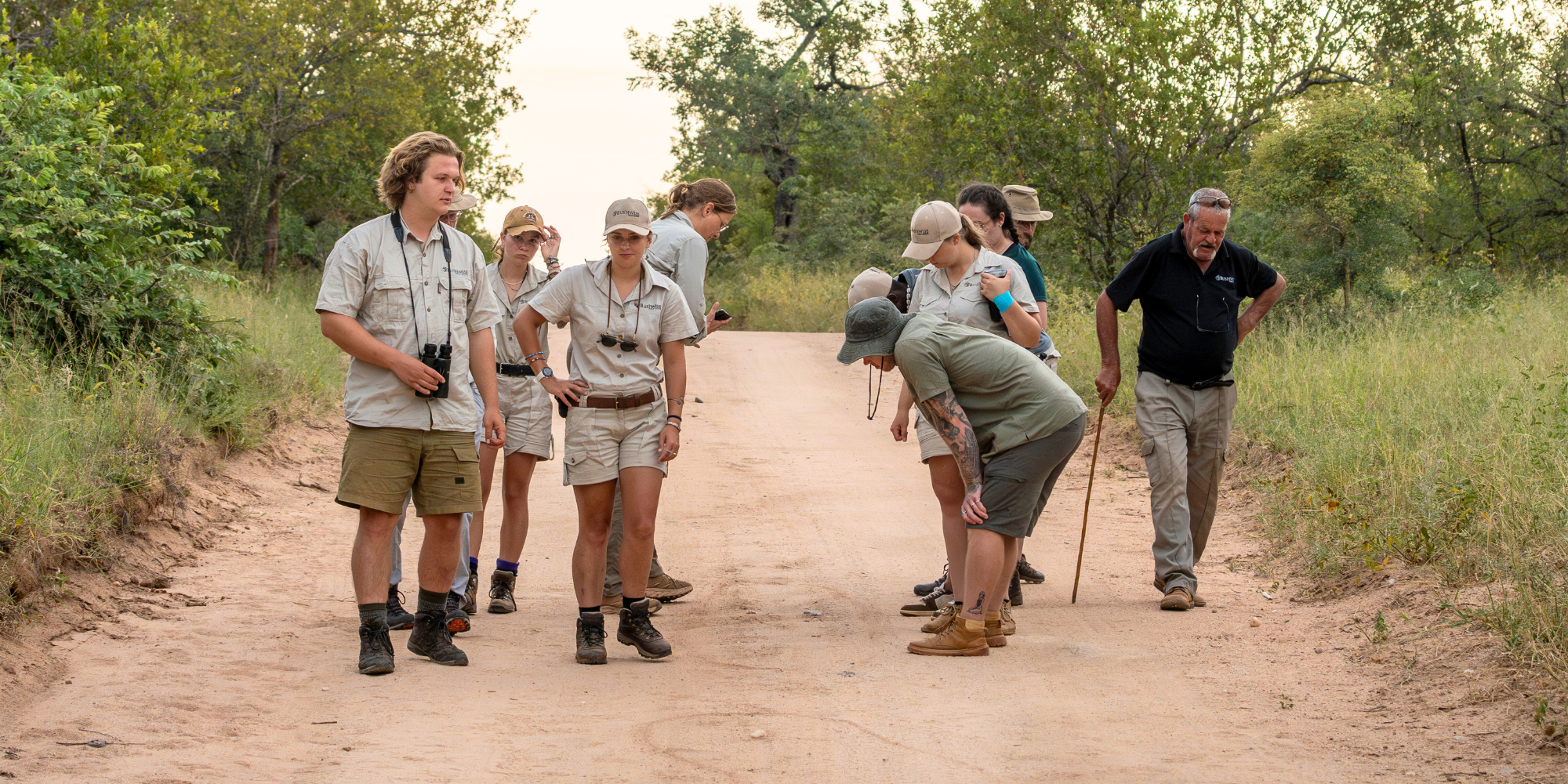
    One of my favourite things about training here is the unpredictability of each day. One moment, you’re having a quiet drive, identifying trees and grasses, and the next, you’re stumbling upon a giraffe carcass with lions nearby or tracking elephant herds. The freedom of stepping off the vehicle and following lion tracks down a dusty path is indescribable. My highlight so far? Learning to read tracks and truly understand animal behaviour. It’s like deciphering stories left behind in the sand.

    image

    Every day consists of early mornings spent packing my gear and savouring a quiet coffee, followed by 5:30 am game drives, incredible wildlife sightings, daily lectures, and afternoons chasing sunsets, and the best part is, I get to do it all again the next day.

    It really does feel like I’m living my dream out here under the African sun, and I’m excited to see where my journey takes me once I complete the course.

    image

    Ready to reignite your childhood love for nature and turn it into a career? Explore Bushwise’s courses and take the first step!

  • The secret life of giraffes – Facts about Africa’s tallest animal

    This blog was written by Runé Jansen van Vuuren, a Bushwise Professional Safari Guide student. Each student takes a turn as camp manager, and writing a blog is part of the experience.

    When thinking of Africa’s iconic wildlife, the first thing that usually comes to mind is the Big Five. But few people pause to appreciate the other extraordinary animals that call this vast and varied continent home, like the giraffe. This majestic creature is the tallest hoofed land mammal on Earth, and it’s no wonder giraffes have captured the hearts of wildlife lovers and travellers alike. With their towering necks, distinctive spotted coats and calm nature, giraffes are truly remarkable.

    image

    A giraffe’s height is nothing short of impressive. Males can reach a staggering 5.48 metres (18 feet), while females are generally a little shorter, growing up to around 4.26 metres (14 feet). Their long, sturdy legs – each about 1.82 metres (6 feet) in length – provide the strength and balance needed to support their size.

    Of course, it’s the neck that steals the show. A giraffe’s neck can stretch up to an incredible 3 metres, yet they have the same number of neck vertebrae as humans – just seven. Despite this impressive anatomy, giraffes face a rather awkward challenge when it comes to drinking water. Their necks are too short to reach the ground on their own, so they must bend their legs in a strange, splayed position to lower their heads. Thankfully, giraffes don’t need to drink all that often. They can go for weeks without water, absorbing most of their hydration from the leaves and plants they feed on.

    image

    Giraffes are sociable animals and live in loose, ever-changing groups known as “towers” or, occasionally, “journeys”. Unlike many herd animals, giraffes don’t follow a strict hierarchy. Instead, they interact in a calm, easy-going way. Group sizes can range from just a few individuals to over 20, and the makeup of the group can shift regularly. Female giraffes often form smaller, more stable groups, particularly when raising calves. Males, on the other hand, tend to roam more widely and are commonly seen in bachelor groups, especially during the mating season when they compete for dominance and the right to breed.

    Beyond their striking appearance and social habits, giraffes play a vital role in the health of their environment. As browsers, they help manage the growth of trees and shrubs by feeding on them, preventing certain species from becoming overgrown. This helps maintain a balanced and diverse ecosystem, benefiting countless other species. In a way, giraffes are the quiet gardeners of the savannah. They are also an important part of the food chain, particularly for predators like lions. While their sheer size offers some protection, calves are particularly vulnerable to predation.

    image

    The giraffe’s unique adaptations, peaceful social lives and ecological importance make them a treasured part of Africa’s wild landscapes. Sadly, some giraffe subspecies – such as the Rothschild’s giraffe – are listed as vulnerable, with their numbers declining due to habitat loss and other human pressures. However, thanks to the efforts of conservation organisations working to protect their habitats and raise awareness, there is hope. These initiatives are helping to ensure that giraffes – with their graceful silhouettes and gentle demeanours – continue to roam Africa’s wild areas for generations to come.

  • The humble dung beetle: Nature’s unsung hero

    This blog was written by Cari van Eeden, a Bushwise Professional Safari Guide student. Each student takes a turn as camp manager, and writing a blog is part of the experience.

    “It seems to me that the natural world is the greatest source of excitement, the

    greatest source of visual beauty, the greatest source of intellectual interest. It is the

    greatest source of so much in life that makes life worth living.” – David

    Attenborough.

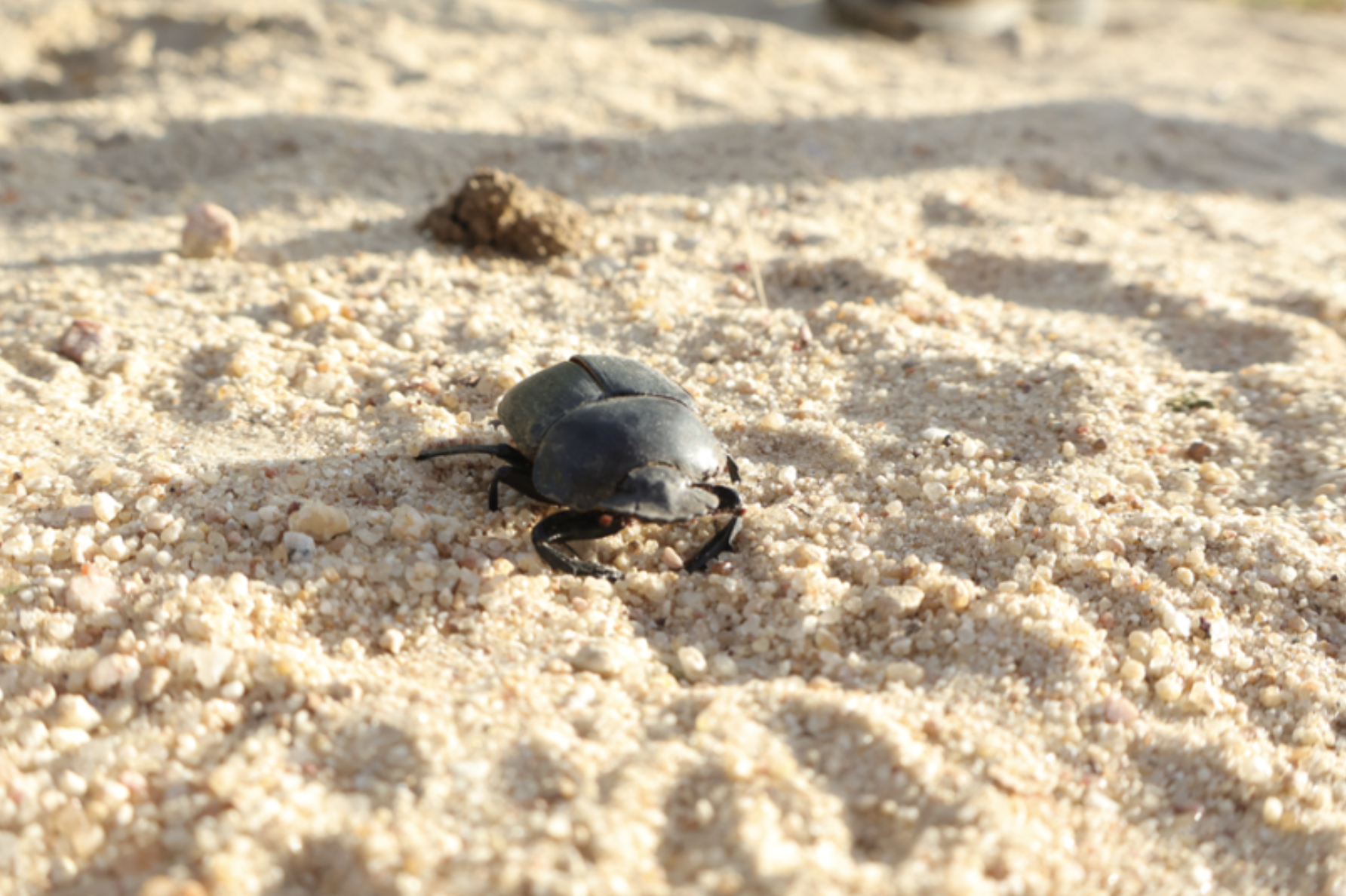
    Dung beetles, known across the world, often go unnoticed. However, during my time at Bushwise, I learned just how crucial they are to the environment.

    image

    The crucial role of dung beetles

    Dung beetles are vital to maintaining a healthy ecosystem. During the summer months, they play an essential role by burying dung, which, as it decomposes, returns nutrients to the soil. This process improves soil structure and supports plant health. Additionally, they help control pests like flies, which can spread disease. By moving dung, they also assist in seed dispersal, unknowingly giving plants a helping hand.

    Dung beetles: The silent workers

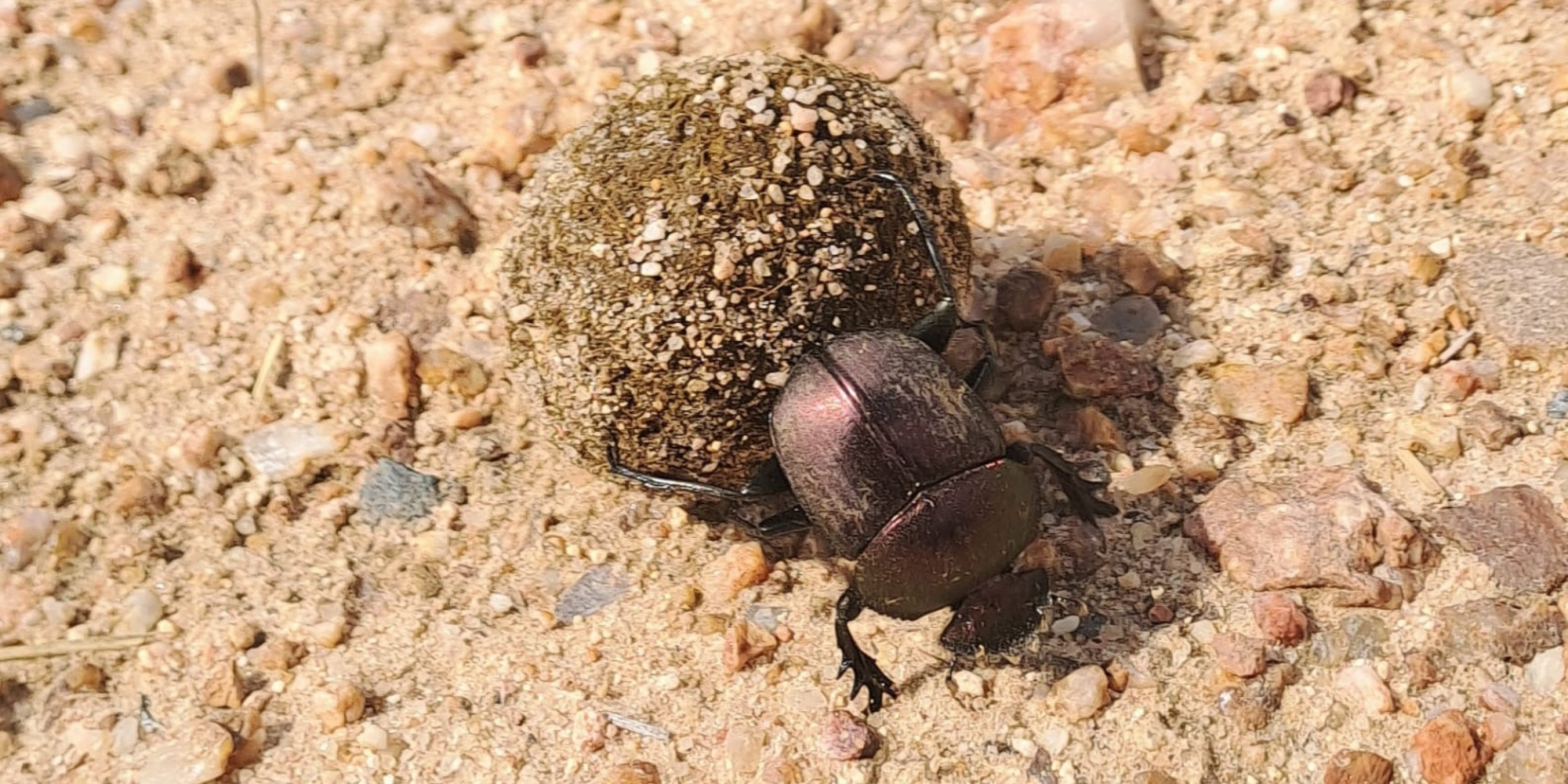
    There are four categories of dung beetles. One group, known as telecoprids, is particularly interesting. These beetles roll balls of dung away from the dung pile, then bury them in soft soil. This not only helps the nutrient cycle but also plays a large role in the biodiversity and beauty of our surroundings. As field guides in training, we quickly recognise how valuable these creatures are, so we make it a point to drive around them while they’re busy at work. It’s also important for us to share the significance of their work with guests during future safaris.

    image

    The fascinating dung ball

    So, why the dung ball? Dung balls serve two primary purposes. They are either used as a food ball, providing nourishment, or as a brood ball, where females lay their eggs. Sometimes, both. 

    Brood balls are fascinating. Often, one beetle clings to the ball while the other pushes it along with its hind legs. The male does most of the heavy lifting, rolling the ball far from the dung pile. Once he finds soft soil, they both dig and bury the ball, allowing the female to lay her eggs inside. This is a perfect example of teamwork in action. The ball ultimately serves as both a food source and a home for the developing larvae. It’s incredible to think that such a small creature can push 50-80 times its body weight.

    Other interesting dung beetles

    There’s also a group of dung beetles called endocoprids. These beetles don’t roll dung but instead dig tunnels beneath the dung piles. Then, there are the paracoprids, who skip the rolling and tunnelling altogether. Instead, they hop onto the dung and lay their eggs right there, though this method comes with the risk of being trampled by larger animals.

    Lastly, the kleptocoprids are beetles that steal dung balls from other beetles, often after a fierce struggle.

    image

    What we can learn from the dung beetle

    Facts aside, these remarkable insects offer valuable lessons: Firstly, there are many ways to achieve the same goal, so avoid comparison. Secondly, never underestimate the power of the “smallest” among us. And lastly, you are often stronger than you realise.

    Ready to learn more about nature’s incredible creatures firsthand?  Explore our wildlife courses to begin your journey into field guiding.