Author: Bushwise

  • My origins in film and wildlife photography

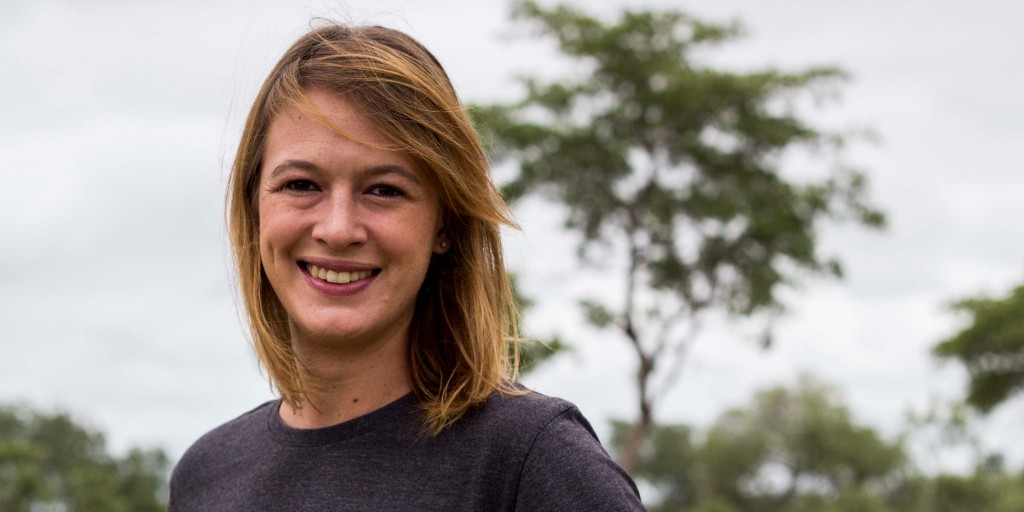
    Bushwise’s Louise Pavid shares her passion for safari and wildlife through photography and videography. In this post, she tells us how this fascination all started – and where it’s taken her.

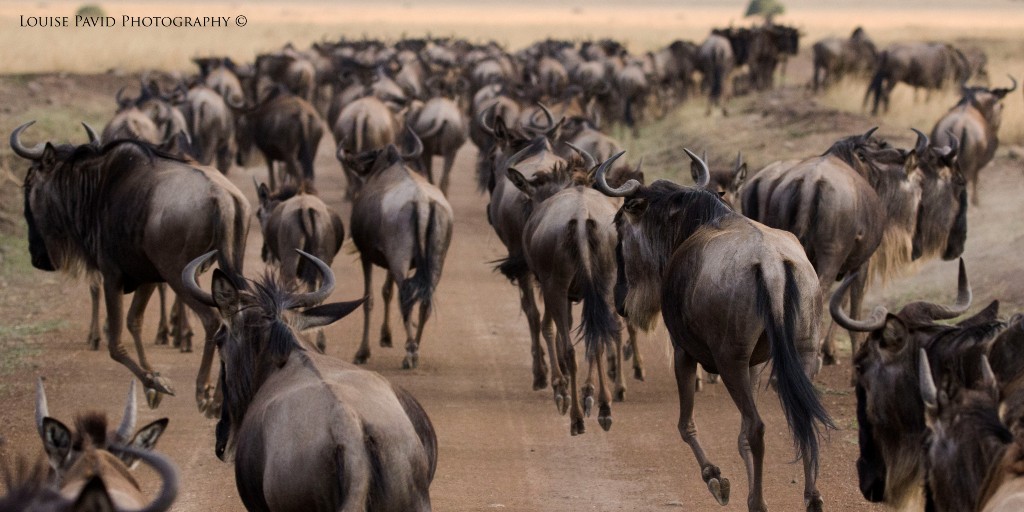
    When I was a young and naïve eight year old I answered the same question most eight year olds answer: “What do you want to be when you grow up?” I think anyone reading this will have similar memories along with memories of the outrageous occupations only eight year olds can come up with. “I’m going to be an astronaut!” “I’m going to be a doggy doctor!” “I’m going to be a dinosaur!” What was my answer? you ask. “I’m going to go to the Masai Mara and film the Great Migration for National Geographic!” I was quite specific about my goals, even at age eight.
    image

    Of course my parents smiled at me, gave me a hug and told me that I could be or achieve anything I wanted. Obviously they were encouraging me to be ambitious and to think for myself about my future, but I don’t think they ever believed it would actually happen.
    image

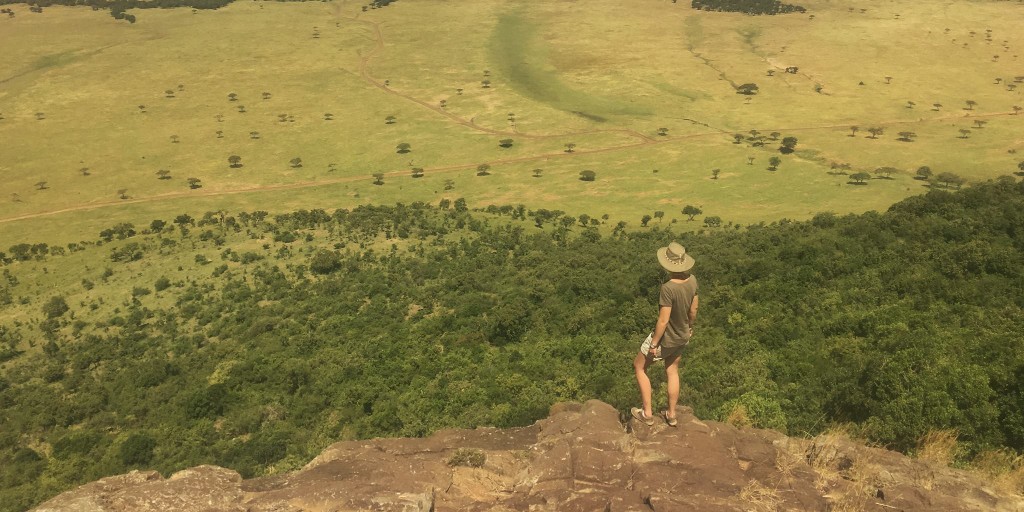
    Photo by Jamie Paterson

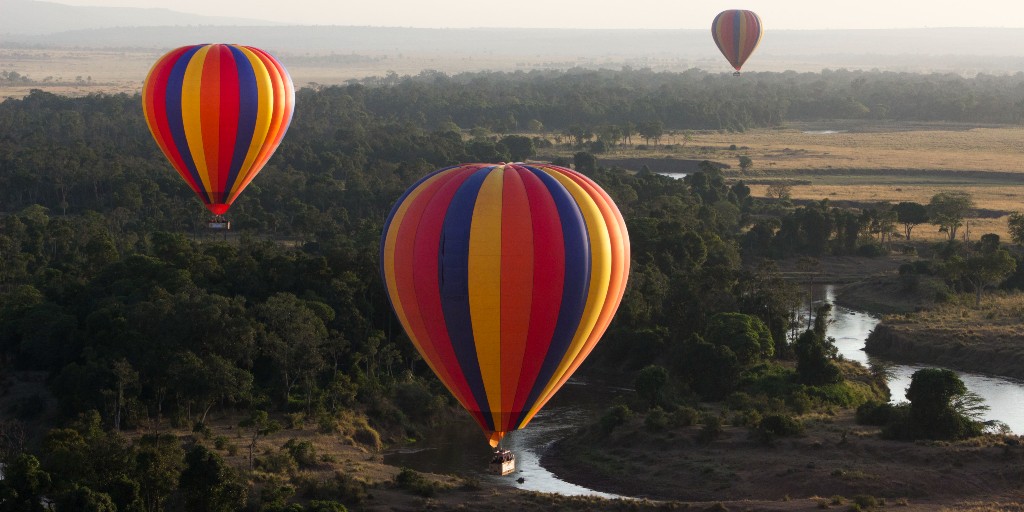
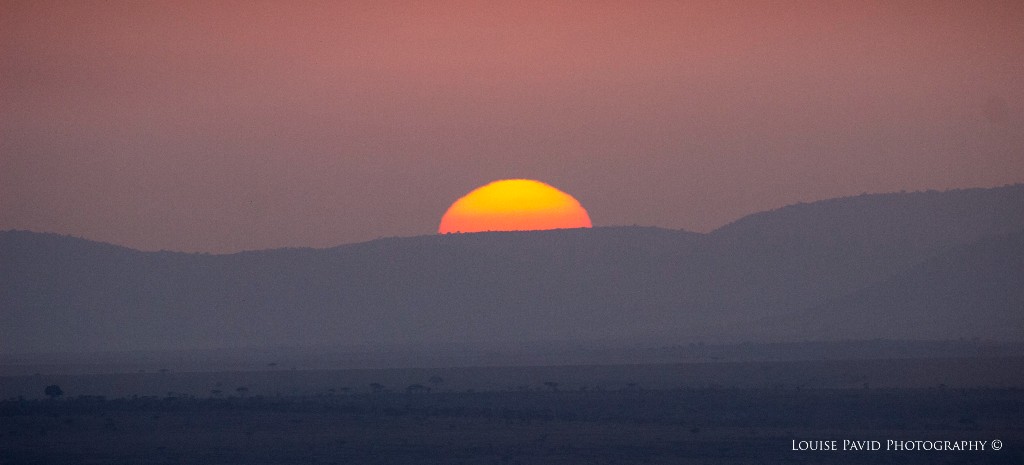
    Fast forward 20 years and there I was, standing on the edge of the Oloololo escarpment. The sun rose over the incomprehensible vastness of east Africa’s Great Rift Valley. The red-flushed verdant ocean swelled and ebbed as the wind rippled through the red oat grass. The very grass wildebeest, zebra and Thomson’s gazelle travel 1,900 kilometres annually to feed on. It was like waking up in Disney’s The Lion King every day. And the best part was, I was there working on a live safari TV show for National Geographic WILD.
    image

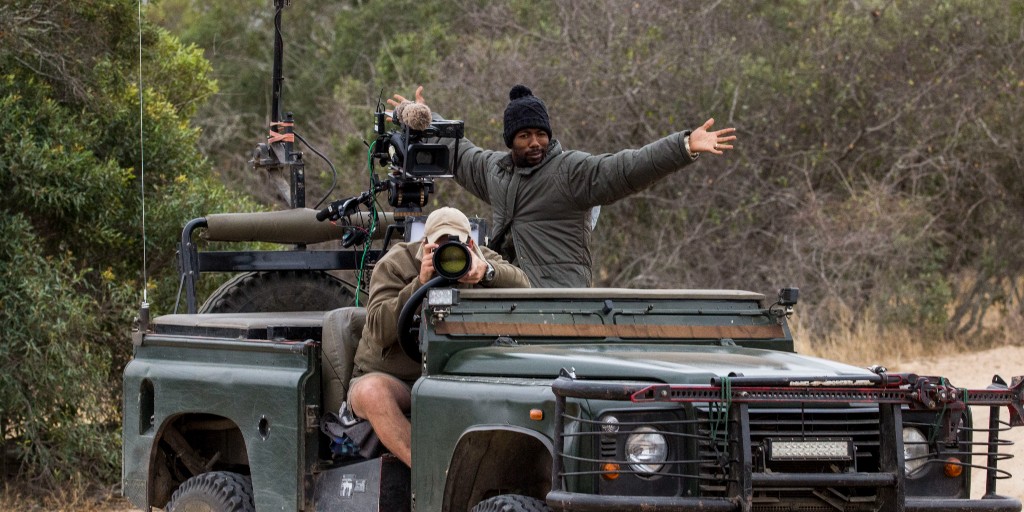
    But this is not the start of my story, this happened somewhere in the middle of my journey with a wildlife TV production company that pioneered the live safari show format. Instead, my story begins somewhere far removed from Africa’s wilderness. It begins in the basement of a house in Johannesburg’s northern suburbs. 
    image

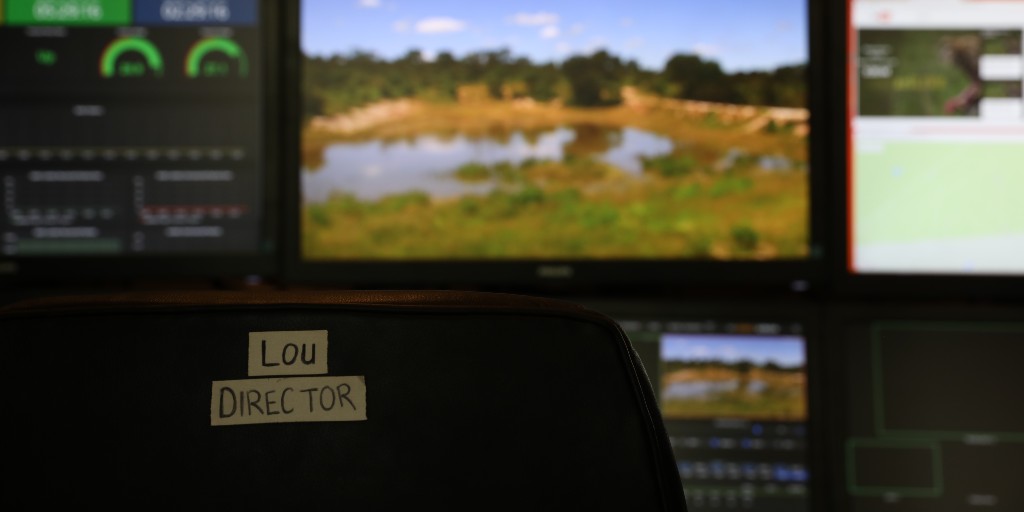
    I was three months out of university, Film and Media degree clutched in hand, ready to go out there and take the entertainment industry by storm! But I needed to start somewhere right? And one day I saw a very small classified ad on the internet. “Content Manager needed to help improve the quality of a live wildlife show set in a game reserve in South Africa. Send your applications to…etc” or at least it read something like that.  
    image

    I applied, I interviewed and I got the job! My first real job, my first real step into a career. Essentially what I needed to do was arrive at the basement at about 5:30am, watch the live safari show for three hours, make notes and give feedback to the field guide presenters, live broadcast directors and creative camera operators. Three months in and the top brass decided it was time for me and my content managing colleagues (of which there were two) to move to the bush, permanently. Needless to say, I never looked back.
    image

    I had somehow accidentally found my calling in wildlife. I’ve always loved the wild, I’ve always loved the animals of Africa, going on safari or family trips to the Kruger. But it wasn’t until I set foot in a reserve as an employee, and not as a guest, that I realised this was going to be my career lifestyle of choice.

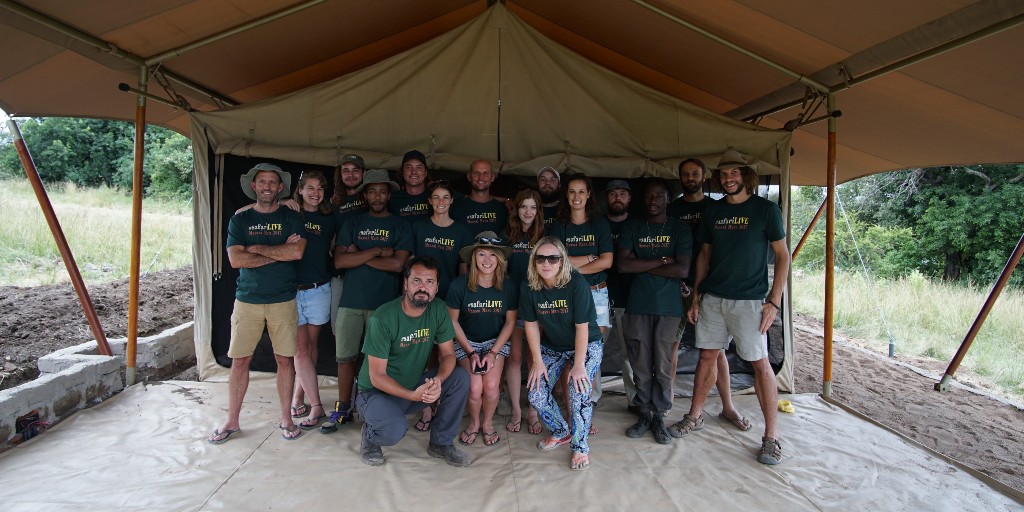
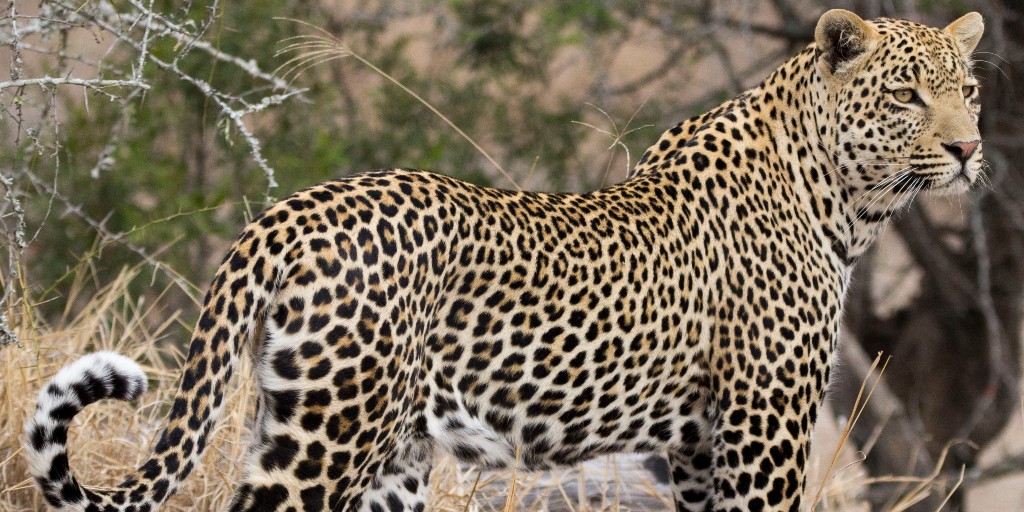
    The following five years were an adventure of epic proportions. We walked near lions, leopards, elephants, buffalos, rhinos, hippos and even wild dogs on foot with nothing but a stick for protection. We watched kills, we watched births, we saw new generations and said sad goodbyes to leopard legends. We worked hard and played harder, we were invincible. I found a family there, in that place that will always be my true home.
    image

    It was here where my own love of wildlife photography and film was born. I saw first hand how speaking about the various animal characters we encountered changed people’s perceptions and impressed just how important it is for us to protect our natural landscapes. I was inspired by my guiding colleagues and blown away by their photography artworks, likewise the talented camera operators whose filming skill easily matched up to those responsible for cinematic masterpieces like BBC’s Planet Earth. So I picked up my camera and started playing.
    image

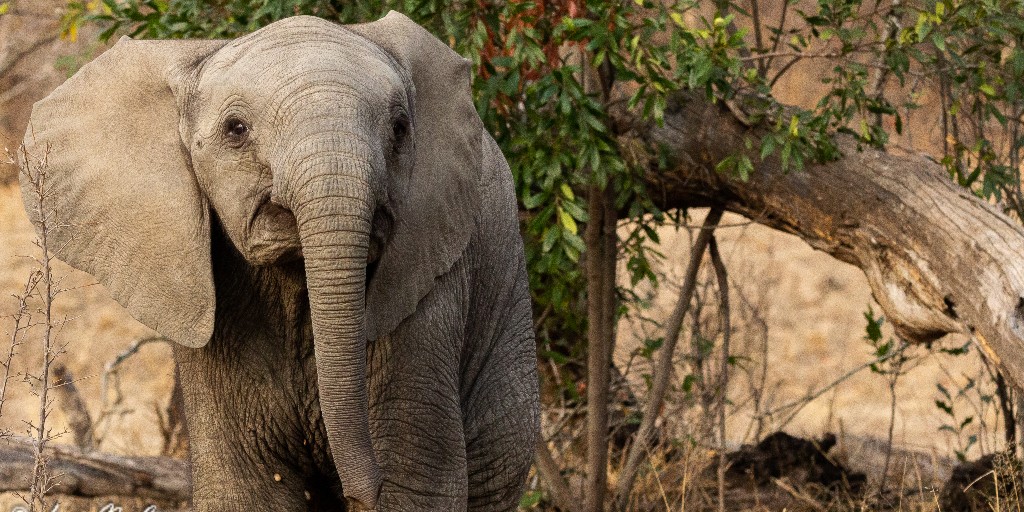
    Snapping shots of elusive leopards, handsome nyalas and prehistoric crocodiles elicited a love of stills. I loved tinkering with my images, seeing what details I could enhance, using editing software and getting the image to a point where I was not only happy, but more importantly the image told the story I was wanting to share. I am by no means the greatest wildlife photographer out there and am quite happy to accept that I will never be the best. I’m okay with this because it gives me something to work towards, a skill to keep honing. 
    image

    Coming to Bushwise has pushed this development even further. Prior to starting, I found that I loved wildlife photography but had never given much thought to human photography. I’ve found snapping away at Bushwise and taking our social media followers on an adventurous journey with our students to be just as rewarding and in a way more fulfilling. More fulfilling because I know the work I do here actively creates opportunities for others to think about what they are passionate about, what they want to spend their lives doing as a career and where they can go to get the best start in a career working with wildlife.
    image

    Coming to Bushwise has taught me that there is more reward in training the next generation of wildlife custodians, conservationists, field guides, wildlife photographers and filmmakers. Using my art I am able to inspire and uplift in much the same way as I was inspired and uplifted. The feeling I get when students come to me with their images and videos, asking advice on how to improve them satiates a part of my brain’s reward centre I didn’t even know I had. I feel good every single day knowing that I am helping to make a difference, that I am benefitting both people and the planet, and that I get to share these experiences of the wild in a way that motivates ever more people to seek careers outdoors and in nature. 

    Do you love taking photos and videos of wildlife too? You could gain these skills and learn social media tools through the Bushwise IFGA Safari Guide course. Apply today!

    #wildlife #bushwise #wildlifephotography #photography #apprenticefieldguide #safari #sightings #fieldguiding #naturephotography #fieldguidecourse
  • Advanced rifle handling with Bushwise

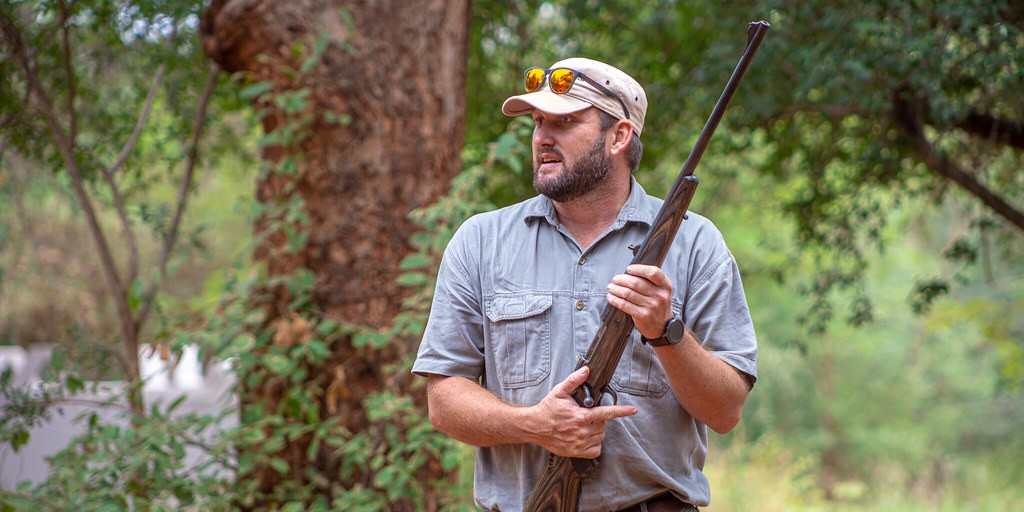
    Bushwise trainer Darryn Murray describes advanced rifle handling training scenarios and safety. ARH is an important part of becoming a trails guide.

    “The name is Bond, James Bond….”

    Hopefully we have all heard this line at least once in our lives? 

    “James Bond, licence to kill…”

    Well, when field guides are trained to use a rifle in order to conduct guided bush walks, we teach them the exact opposite! The first few rules that are taught include walk as though you are unarmed, don’t have the mentality of “Oh well, I have a rifle I can get myself out of any situation,” and lastly “you DO NOT have a licence to kill”.

    image

    Photo by Louise Pavid

    In our advanced rifle handling (ARH) procedures and training, guiding students are taught how to use a rifle safely and competently, but most importantly, ONLY ever as a last resort.

    Before being on a firing range with rifles and ammunition, students must pass written assessments and show that they fully comprehend the use and safety of this equipment. It is a big responsibility to carry a rifle in the bush, so it is essential that students have the necessary knowledge before undergoing practical training.

    Each of the practical exercises will be explained below, along with an explanation as to why these specific ones are chosen.

    Exercise 1: Blindfolded loading and unloading

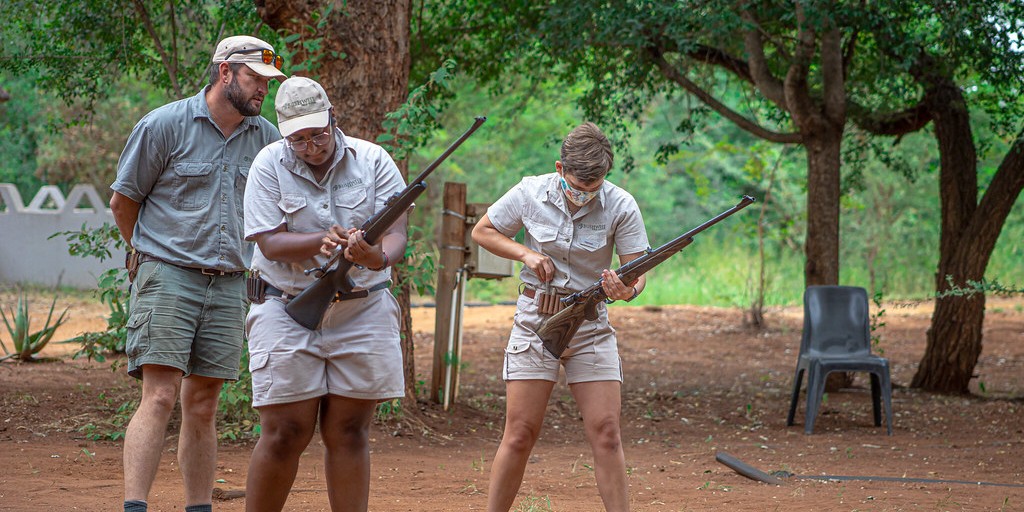
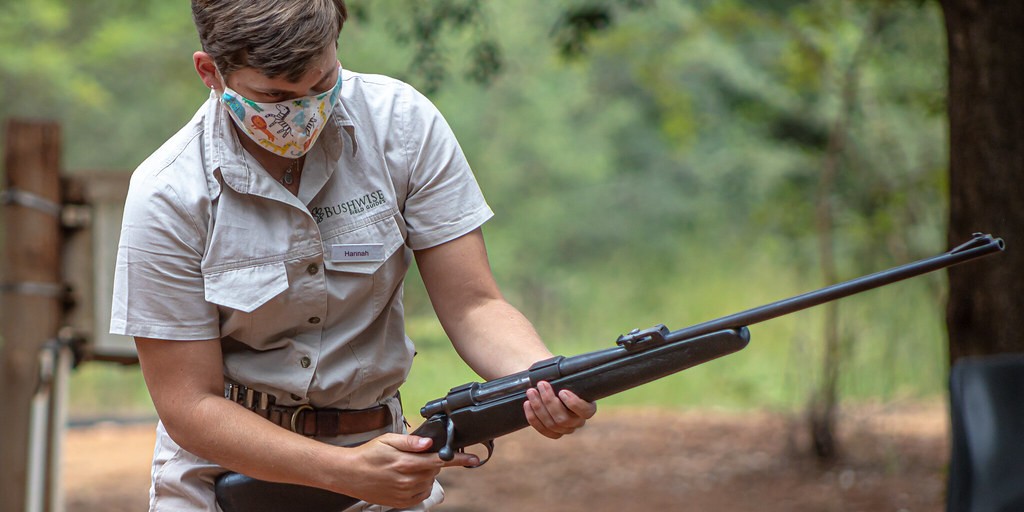
    The students are trained to load and unload their rifle with a blindfold covering their eyes. They have an allotted time of 14 seconds to load three dummy (non-live) rounds of ammunition into a bolt action .375 calibre rifle (or larger). The timer then stops and they are instructed to unload the weapon, check and then declare the weapon safe to the range officer, all while being blindfolded.

    image

    Photo by Leonard Doors

    The reason we start this way is to teach the students that they need to be able to load the weapon without looking to see where the ammunition is. In a dangerous situation, there isn’t enough time to look anywhere else but at the danger in front of you.

    As a guest you would be comforted knowing your guide is trained to react quickly and efficiently, without fumbling for ammunition or taking time to load the rifle.

    Exercise 2: Grouping/accuracy 

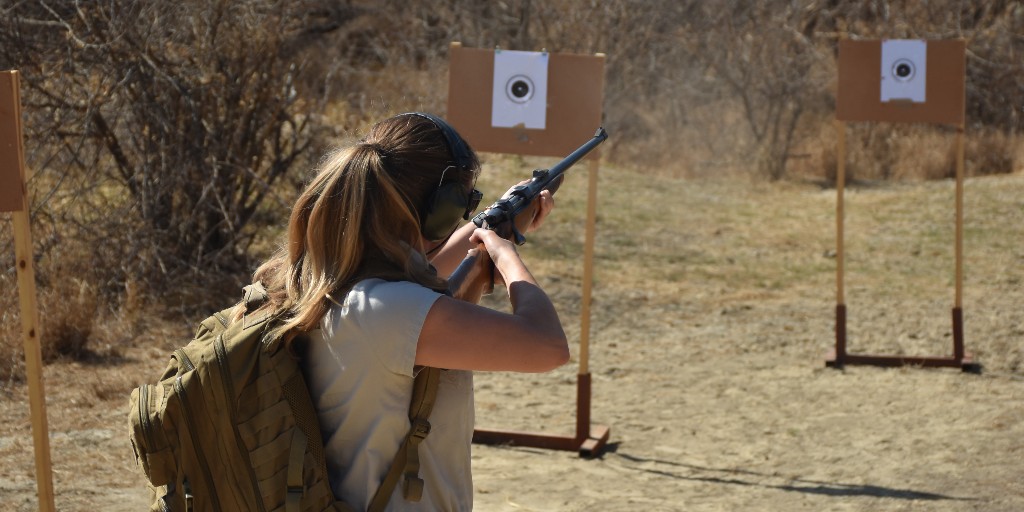
    The second exercise begins with the student being handed live ammunition by a qualified range officer for the first time during the assessment. The instruction is to fire five rounds at a stationary target 12 metres away. This doesn’t sound very far but nerves and pressure are always a tricky thing to deal with on assessment day. The target that the student is aiming at is roughly the size of a CD (10-12cm diameter). 

    This is done firstly to see if the student is able to fire a weapon, and secondly to see the accuracy of the shooting on a target. This exercise is not timed. I’d like to emphasise that this is all done in a safe range with highly trained and experienced instructors. Safety is a priority for field guide training in all aspects of their curriculum and especially with rifles.

    Exercise 3: Distance

    image

    Photo by Louise Pavid

    The third exercise is to fire three shots at three different targets, one at 12 metres, one at eight metres and one at 4 metres. This exercise is timed as well as scored according to the points that the student receives for each shot at the three distances.

    The reasoning behind this exercise is to simulate having to reload and fire at targets accurately in a pressure situation, but also to simulate having to shoot at a target that is approaching the shooter.

    Exercise 4: Immediate action drill

    The immediate action drill begins with the range officer loading two live rounds and a dummy round, in any order, into the student’s rifle magazine and placing it in a safe carry condition. Safety carry means that the rifle cannot be fired – if the trigger is squeezed, nothing will happen, as there is no cartridge in the chamber. 

    The student begins the exercise by chambering and firing three rounds. When the dummy round is fired there is a soft clicking sound. At this point the student has to canter the rifle 900 from their shoulder, to safely eject the round onto the ground and continue with the exercise. Once the first three rounds have been fired, the student reloads three more rounds into their magazine, and fires one more to complete the activity.

    This exercise is put in place to simulate a malfunction with the rifle or ammunition while out in the field. It teaches the student to clear the problem and carry on as one would when out in the bush in order to protect their guests.

    Exercise 5: Buffalo targets

    image

    Photo by Leonard Doors

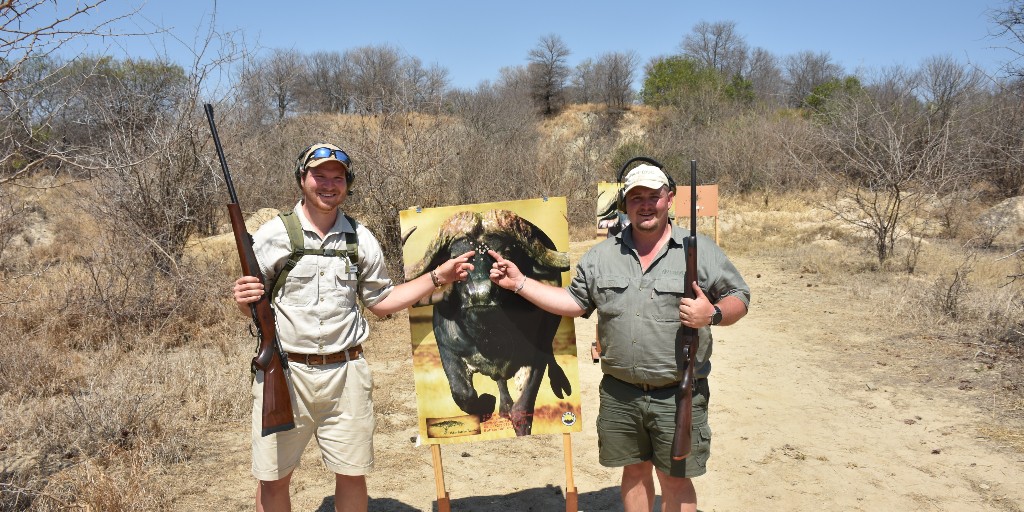
    The second to last drill is two life-size buffalo targets placed at eight metres and four metres. The student has three rounds in their magazine. On the command “fire”, they have to fire a round at each of the targets, hitting an area roughly the size of a CD on the forehead of the paper buffalo targets.

    This drill is not only about accuracy and speed, but also about the time constraint of eight seconds and the two scoring shots which will determine a pass or fail. The reason behind this drill is to teach the student to fire at different distances, in a short space of time on a “lifelike” target.

    Exercise 6: Lion charge

    For the last exercise in the assessment, the student simulates walking with guests behind them as though doing a bushwalk. The life-size lion target with a scoring zone on the head is set up on a sled and attached to a motorised pulley system.

    As the student approaches the pulley system, the range officer starts the motor and the lion comes “charging”. The student needs to react quickly, shout “LION CHARGE” and fire the only live round in their magazine at the target when it is approximately five metres away. The rest of the exercise is completed with dummy rounds. The student fires a second shot as insurance, reloads two dummy rounds to fill the magazine again, the third shot is the coup-de-grace, before checking the corneal reflex, declaring that the animal is dead, putting the rifle back into a safe carry state and leading the guests out of the area.

    image

    Photo by Louise Pavid

    This is the most realistic scenario of the whole process. All the other scenarios lead up to this in terms of difficulty, pressure and nerves. The target approaches at roughly 10 metres-per-second, giving the student little time to think, but just to let instinct take over and do what they have been trained to do.

    None of the different exercises the students go through is to turn them into James Bond. The whole idea of the advanced rifle handling training is to make sure the guide and their guests are prepared should something go wrong while on a bush walk. Guides should never have the attitude of “I have a rifle so I can just shoot my way out of any situation” – it is very much the old adage of rather to have it and not need it, than to need it and not to have it!

    As part of the Bushwise IFGA Safari Guide course, students participate in advanced rifle handling theory and preparation for their Apprentice Trails Guide qualification. Apply now and start your new career journey.

    #AdvancedRifleHandling #gameranger #bushwise #safariguide #trailsguide #shootingrange #rifletraining #apprenticefieldguide #safari #fieldguidetrainer #tracking #trackandsign #gamedrive #ARH

  • Tuning in to the natural world

    The natural world is all around us – and we play an important role in protecting it. Bushwise student Joshua Stacey shares his experience immersing himself in nature.

    Camp manager blogs are written by our current students who each get a chance to lead and manage a group (of their fellow students) for a period of one week.

    No matter which direction you look in the bush, if you look hard enough for long enough, there is always something to be seen. It could be the head of a giraffe poking up above the tree line in the distance or a nesting bird, camouflaged in the fork of a branch just a few feet from the vehicle. 

    image

    Photo by Joshua Stacey

    The difficulty comes when you can’t look everywhere all of the time, as something interesting is bound to be missed. I learnt this very quickly on our first game drives and accepted it, but as we have all progressed and trained our eyes, less and less seems to slip through the net. 

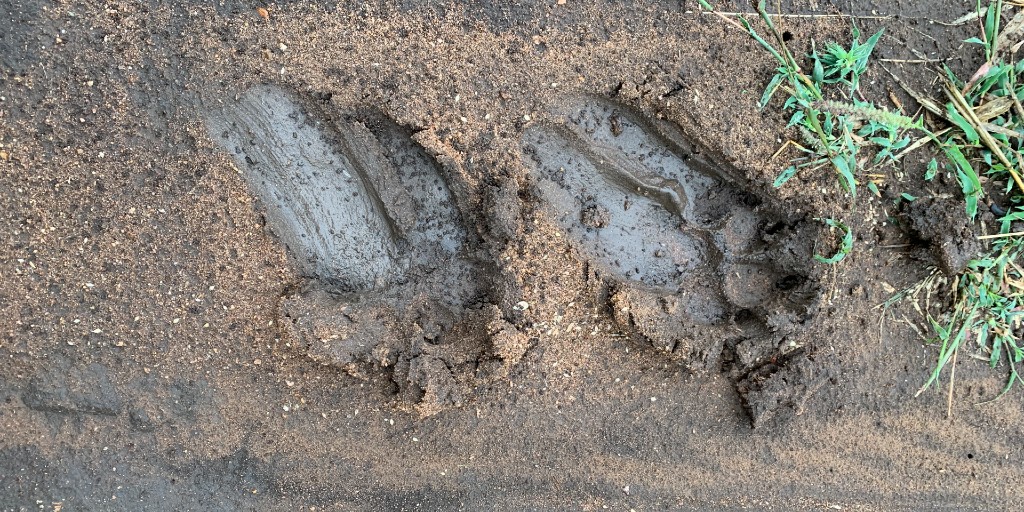
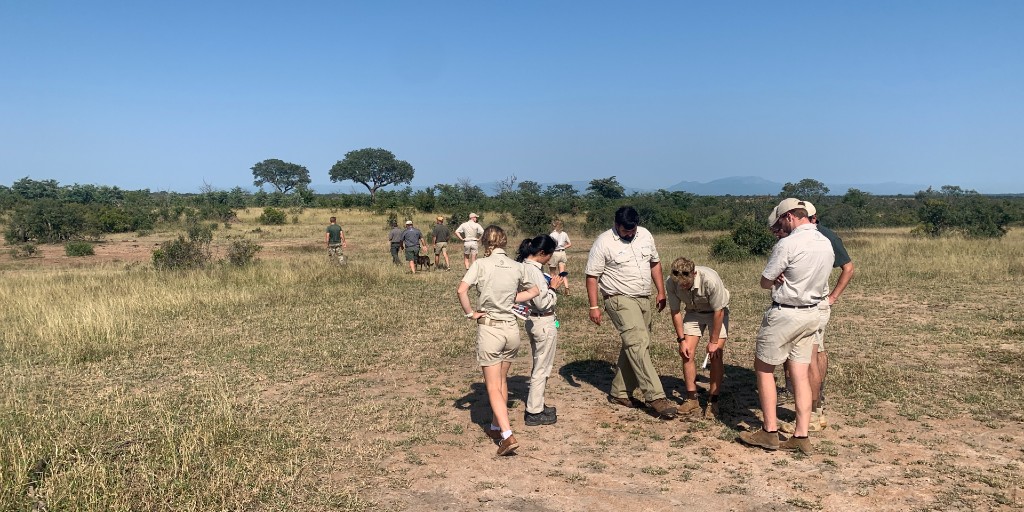
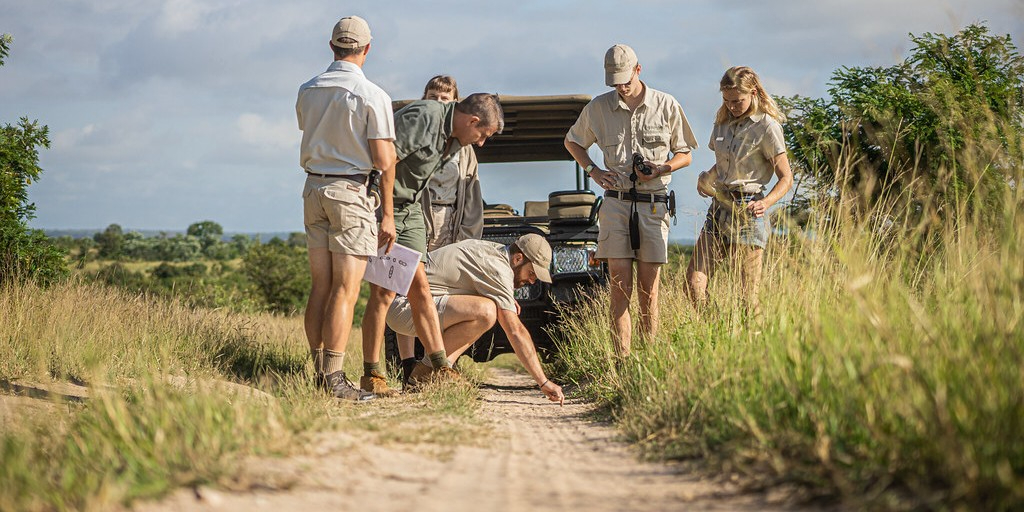
    This semester we spent a week with Colin Patrick, a local tracking legend, learning how to recognise tracks, describe their characteristics and shapes, how wide or rounded they were and a plethora of other signs in the bush – with the hope of getting a track and sign qualification after completing the end-of-week assessment. In other words, we spent a week staring at the ground. 

    image

    Photo by Joshua Stacey

    It was great to get out a bit more on foot, walk along the water’s edge at pans and dams, exploring dried up riverbeds we hadn’t yet seen, learning from such a pro. Finding tracks of aardvark and African wild cat – which are rare species we knew were probably here, but now had proof of – was a thrill. The week itself was a journey of rapid improvement and growing confidence, like many other weeks at my time at Bushwise. I was getting truly immersed in the natural world. 

    It occurred to me that during that week, my eyes were always pointed down, craning my neck closer and closer to the ground, trying to catch the outline of something that I had been told was “there”. Everybody else was doing the same – I would stand up straight to ease the pain in my neck and see the others also had their eyes glued to the floor. I am sure somebody was keeping watch, but it felt like anything could approach us undetected as we were so engrossed in the tracks in the sand. 

    image

    Photo by Joshua Stacey

    Aside from what could have been approaching, what were we missing in the sky above? It is one thing trying to identify a species of bird sitting still on a perch, but a different thing altogether trying to identify a silhouette in the sky from below. When I first arrived in South Africa in January, I didn’t think it was possible for me to be looking at a bird in flight, judging its flight pattern, the shape of its tail, the angle of its head and then accurately narrowing down the options to what it could be.

    Like track and sign, being able to identify a bird in flight from below comes from doing it over and over – and goes from being a frustrating game to a fun one. This applies to whichever direction you look. When you try to tune into the bush, and what is going on around you all the time, you observe things you would not have seen before. The more time you spend looking, the more pieces of the puzzle fall into place. 

    Above all, being on the Bushwise field guiding course has been a journey of personal development, in terms of knowledge and confidence in that knowledge. 

    image

    Photo by Joshua Stacey

    I have always had a keen interest in the natural world which has been fed by watching nature documentaries. But when you watch a documentary on TV or visit a place for a short time, you don’t get a sense of the bigger picture – the whole ecosystem and each small component.

    Like most people, I used to enjoy sitting in the comfort of my home and soaking up the action of a lion hunt, or a flamboyant courting bird.  Now with all the knowledge I’ve gained, I consider the special moments that somebody felt while tuning into their surroundings in the months and years they had to wait to film those moments.  

    By the way, I achieved a track and sign level 2 qualification, another proud moment from my time at Bushwise that I once thought was beyond me.

    Have you ever immersed yourself in the natural world? Apply today and soon you too could be living wild.

    #gameranger #bushwise #safariguide #apprenticefieldguide #safari #cybertracker #trackandsign #gamedrive #fieldguides

  • Adventure on course in the African bush

    Bushwise student Marlene Botha takes us on an adventure in the African bush alongside her fellow students.

    Camp manager blogs are written by our current students who each get a chance to lead and manage a group (of their fellow students) for a period of one week.

    And so another very eventful semester at Bushwise Mahlahla Campus comes to an end. Between game drives, two weeks of studying, learning about hospitality, competency, and track and sign, we have experienced (and grown) so much in the past five weeks.

    I will never forget arriving on campus for the very first time, not knowing what to expect but being extremely excited about what was to come. I remember the anticipation and nerves I felt when meeting all the people I would be spending the next six months of my adventure with, not yet knowing that we would become such a close-knit family. Going on our first game drive and having our first drinks (phuza) stop and now laughing about how we forgot our snacks on that first drive.

    Compared to where we are now, the theory component to becoming a level 1 field guide (apprentice field guide) – and beyond excited to be back in the bush on the game viewers, learning and laughing. 

    image

    Despite spending many hours sitting in the classroom, you can easily tell that we are passionate about the bushveld. Every break is spent identifying bird calls. All of us swarm out of the classroom when we see sable antelopes on campus. We walk to and from the classroom with our heads down to identify different animal tracks. Not to mention driving around campus in our own vehicle trying to spot the mysterious leopard. 

    As we have become more experienced, we’ve spent time talking about how we miss the madness of our first game drives and all the jokes and memories made on them. I have really enjoyed the phuza stops and rusks every morning, and the afternoon sunsets with coffee or Oros (in some cases coffee accidentally mixed with Oros). 

    We have also met a few interesting creatures living around our rooms, like Gregory the rainbow skink that gives you a fright every time you come around the corner by rustling the leaves under the trees. There’s also the dynamic duo Jenny and Joshua, two bats who live just outside our roof.

    image

    A lot of nights are spent around the fire in the boma area, where I usually find my roommate’s head pointed straight up at the sky, trying to identify different constellations of stars.

    Our week was also filled with a bit of adventure when we did an EAP (emergency action plan). This is similar to when you plan a fire exit plan at your house, school, or office, in order to be properly prepared when something happens in the future . Our bacon and toast breakfast was left behind and forgotten as well as some of the people’s plakkies (flip flop shoes) as we ran across the bridge to assist where we were needed.

    Despite some emotions running high, we were able to successfully complete the EAP (for context – imagine the fire alarm going off at school during a drill, and you and the other students rushing out the door to your meeting place). 

    image

    So far, this course has exceeded all of my expectations and is one of the best decisions I have ever made. I get to wake up every morning with the sounds of the bushveld around me, and I get to share this adventure with incredible people. I am beyond lucky to spend day in and day out enjoying the wildlife and going on game drives – simply being in the middle of the bush. 

    After a well-deserved week off and some much-needed rest, I am grateful and happy to have had the chance to spend my first week back as acting camp manager. I am beyond excited to see what the rest of the third semester has in store for us and the memories that will be made in the next three weeks.

    Are you keen on adventures in the African bush? Apply today and start your career journey!

    #gameranger #bushwise #safariguide #apprenticefieldguide #safari #fieldguidetrainer #adventure #fieldguidecourse
  • K9 unit: what conservation dogs can do

    K9 units play an essential role in anti-poaching, wildlife detection, human tracking, and conservation efforts in the Greater Kruger National Park. Bushwise videographer and photographer Louise Pavid tells us about the Bushwise experience meeting these important dogs!

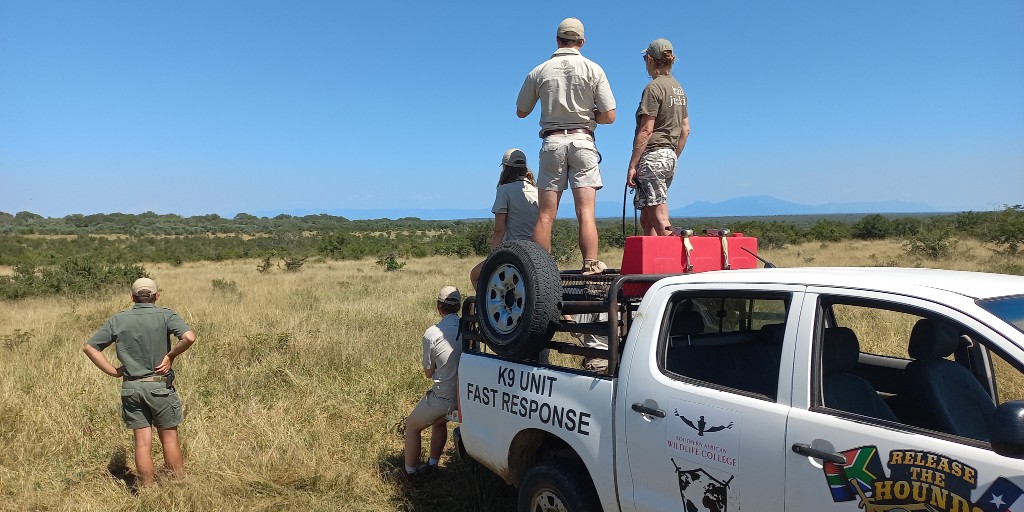
    When you think of the African bush, you think of the sounds of the wild: lions roaring, hippos grunting, hyenas whooping and a myriad of insects and amphibians singing their sweet songs of love. But when you’re at the Southern African Wildlife College (SAWC), there are other sounds that might be added to the mix. Like the sounds of the hounds!

    image

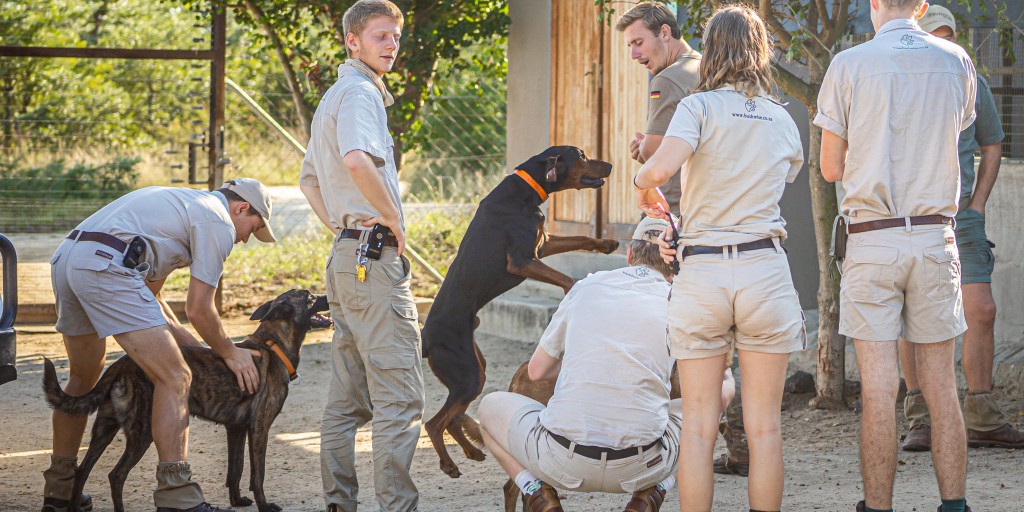
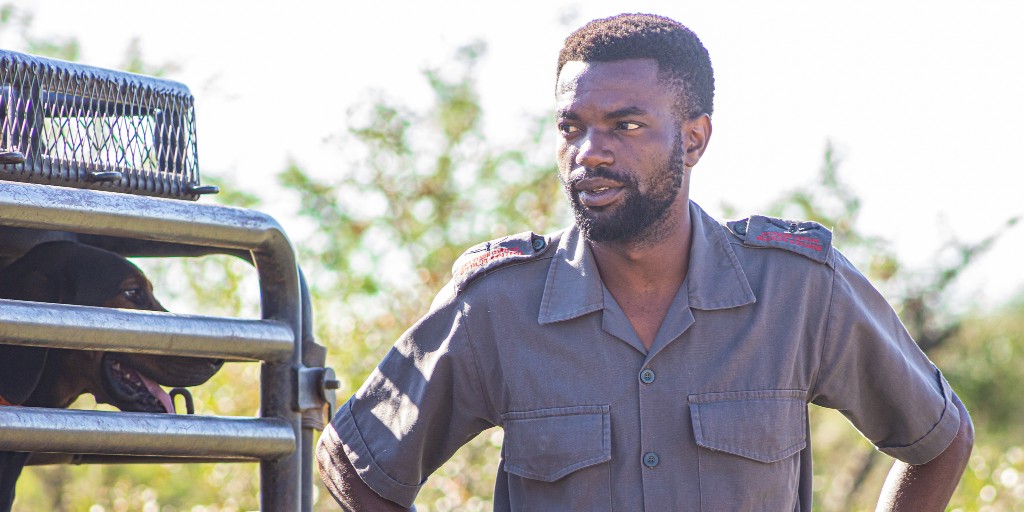
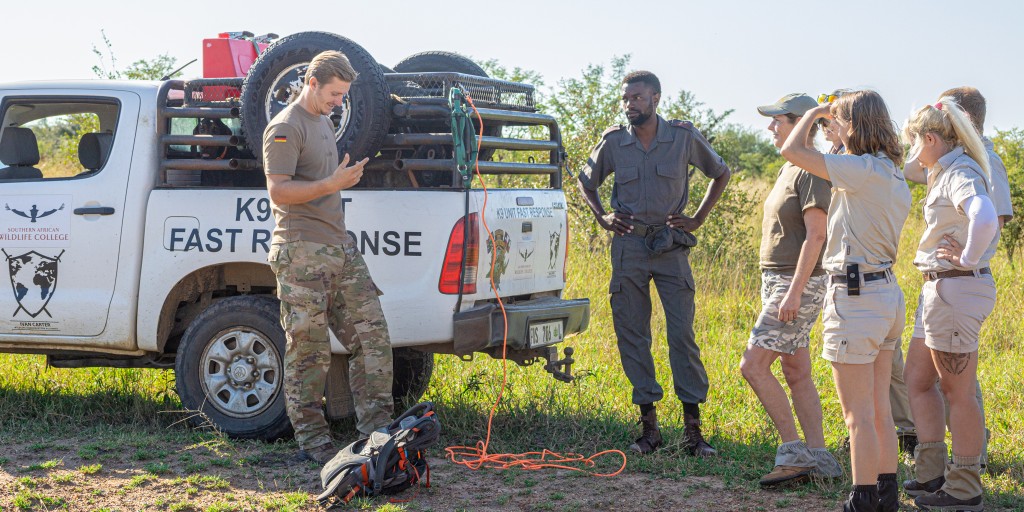
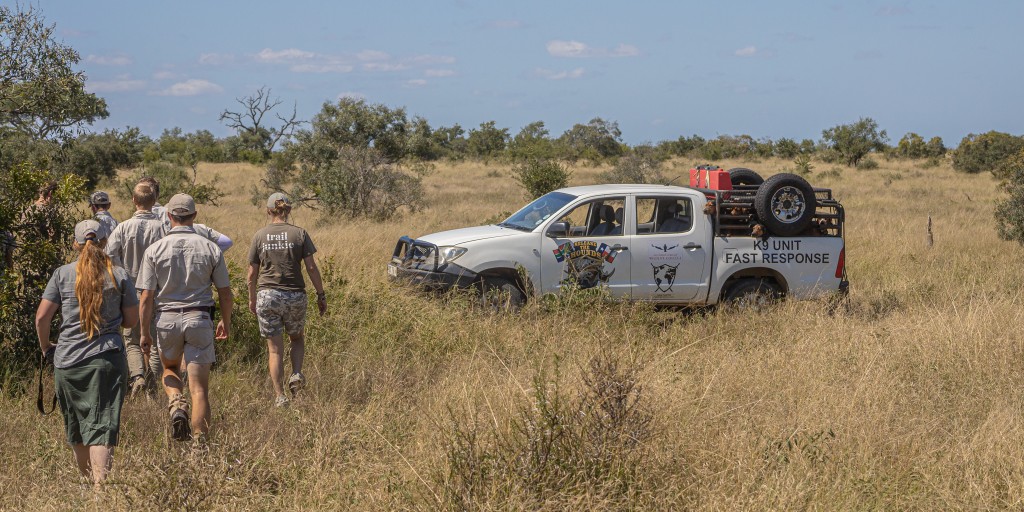
    SAWC is home to the anti-poaching “Fast Response K9 Unit,” which serves the entire Greater Kruger area. This area spans over 3,440 square kilometres and contains the iconic African wildlife that tourists and conservationists travel from all over the world to see. 

    image

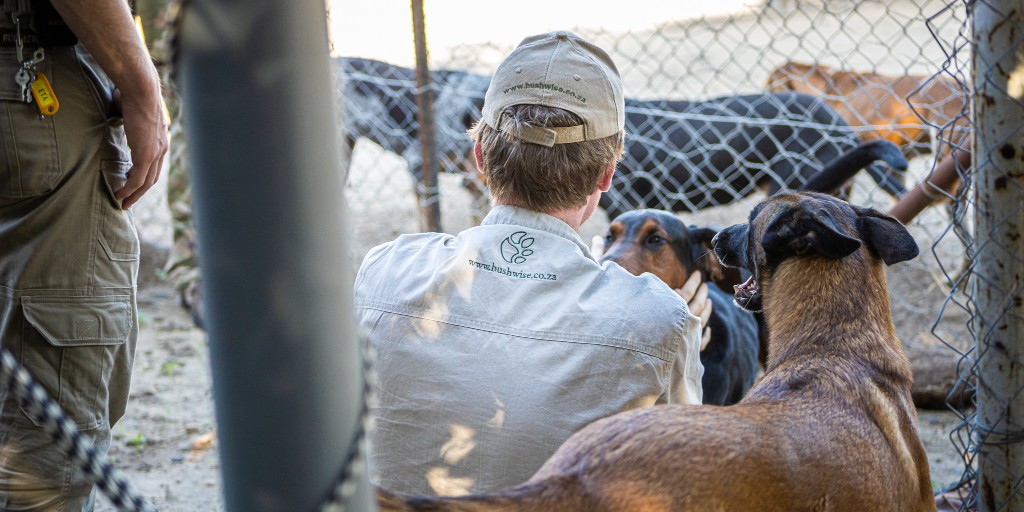
    These highly trained canines are part of protecting the charismatic wildlife that has captured the imaginations of people for centuries. Their intelligence and physical ability sets them apart from their domesticated brethren. Like most working dogs, they are highly trained and well looked after. In fact, they are taken such good care of that each dog has their own (impressive) food budget!

    image

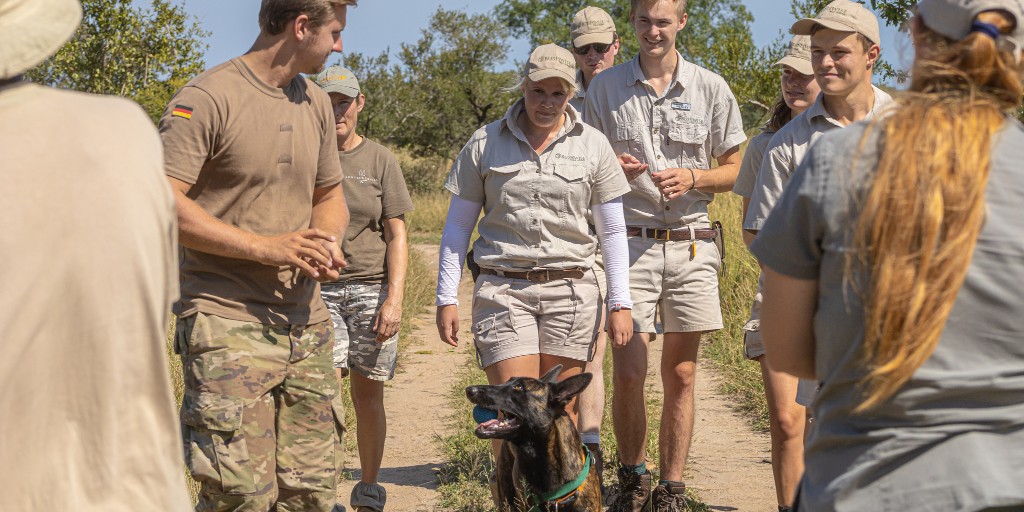
    Bushwise Field Guide students were recently treated to an unbelievable experience – we spent the morning with the K9 Unit as they participated in expert training under the supervision of their amazing handlers. Being able to witness and be a part of something like this is a privilege I never thought I’d be fortunate enough to experience.

    image

    The day started with a short drive to the kennels where the dogs are housed when not working or training. We were shown around and introduced to the dogs in the facility. Once we were all thoroughly sniffed and woofed at, we set out into the reserve for the real fun stuff.

    image

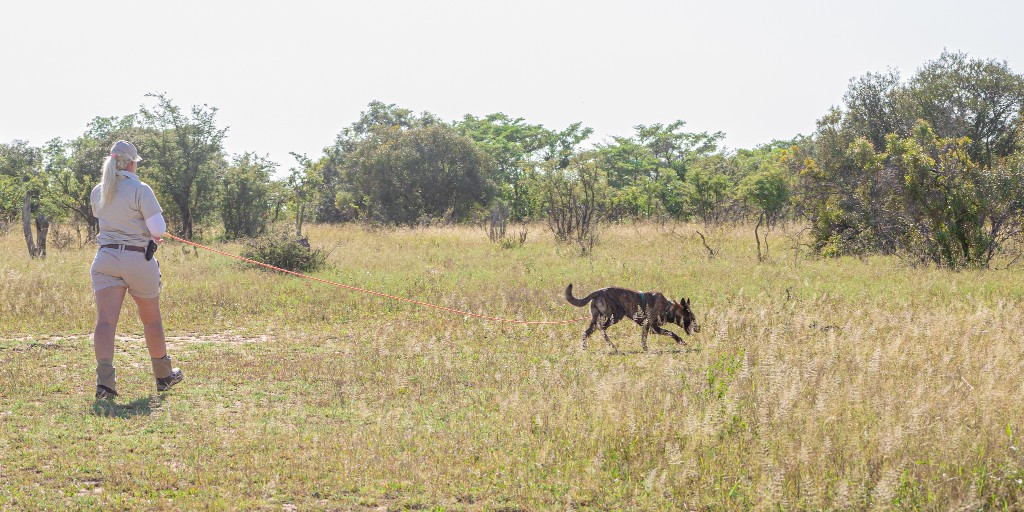
    After a short chat with the handlers about what to expect while working with the dogs, we were split into two groups. One group walked ahead and left a “scent trail” for the dogs to follow. Exactly 10 minutes later the dogs were hot on their heels!

    image

    What we thought might be a brisk, but not too strenuous, stroll turned into what seemed like a never-ending run. I am not a runner, I do not like running and I believe that running should be reserved exclusively for life or death situations. Which, to be fair, is often the case with anti-poaching. About 15 minutes later the dogs had located their quarry and it was time for a short break before the next training exercise.

    image

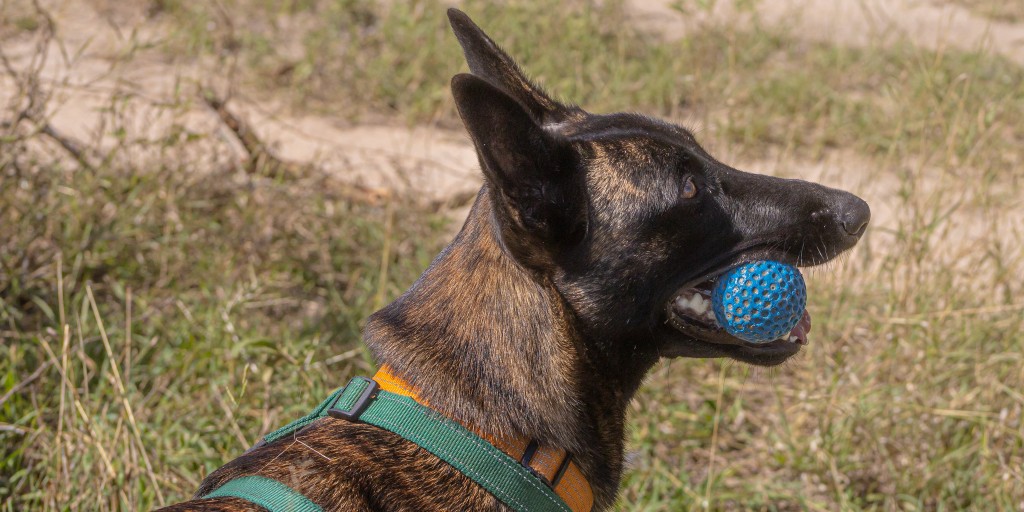
    Up next was the scent training exercise. Tristan, the human “leader of the pack” explained to us that the scent dogs are specifically trained to detect rhino horn, ivory, and pangolin scales. He then walked behind a thicket and hid the prize that his dog, a beautiful Malinois named Torah, would need to find. It took Torah no more than 20 seconds to find her ball, filled with the scent of one of the above-mentioned endangered species. Tristan then performed the same exercise, but this time with the students. The students gave up after a minute, hurling wild accusations at Tristan, claiming he never hid anything for them to find. Tristan laughed it off, gave Torah the “soek” (meaning seek in Afrikaans) command and within 10 seconds she came bounding back, ball in teeth and filled with pride.

    image

    We then attended one more exercise, one that truly depicts the capabilities of the free tracking (off leash) dogs, which have proved to be a game changer when tracking down poachers. These dogs, once on the scent, can track at speeds much faster than humans, and over harsh bush terrain.

    The pack tracking exercise took place right outside the campus gate. Across the valley Tristan pointed out the individuals the pack would be following. All we could see were a few hats floating through the grass more than a kilometre away. We were informed that the trail being left was 1.2 kilometres long and he asked if we could time how long it would take for the dogs to catch up to and find the pretend poachers.

    image

    The pack of six was released by six field guiding students. Within 80 seconds, we had confirmation that the dogs had found and trapped their quarry in a large marula tree. 80 SECONDS! It took the dog handlers about 15 minutes to lay the track and find a good spot to hide. The dogs accomplished their goal in 1 minute and 20 seconds – their ability to track, trail and find is almost beyond comprehension! 

    image

    That concluded our day with the dogs and what a day it was! Being fortunate enough to have exposure to this type of conservation operation is invaluable to a field guiding student. Not only does it highlight the effort that goes into protecting these natural landscapes, it also gives insight into the various career paths a well trained field guide can branch out into.

    Did you know that field guides can go into all kinds of careers, like working with a K9 unit in the Greater Kruger? Apply today and jump start your conservation career.

    #gameranger #bushwise #fieldguide #k9 #safariguide #k9unit #antipoaching #apprenticefieldguide #canine #safari #fieldguiding #tracking #cybertracker #trackandsign #gamedrive #studying #fieldguides

  • The growl of the leopard

    BY: Annie DuPre, CATHSSETA NQF2, Apprentice Trails Guide and Bushwise Copywriter

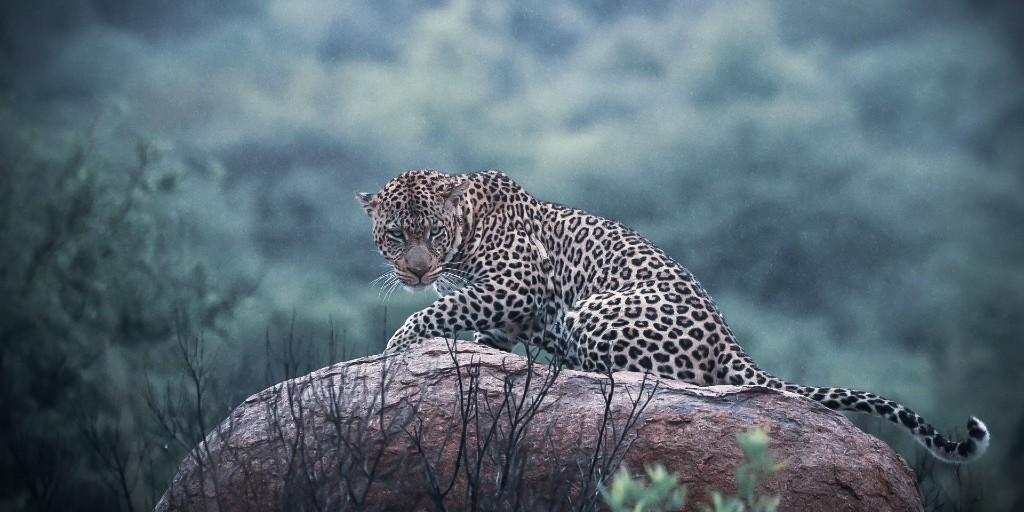
    The first growl was so faint, I thought it was the wind. 

    I rolled over in my sleeping bag, trying to block out the sound. 

    The second growl was clear.

    I bolted upright in my tent, listening carefully, trying to distinguish that uniquely cat-like sound from the rustling leaves and cracking branches taking strain from the wind. 

    There it was again. Definitely a cat. Probably a leopard.

    “Brad – are you awake?”

    I heard his non-committal grunt. 

    “Brad – there’s a big cat out there.”

    We both unzipped our tents and stepped into the moonlit night, looking past the electric fence that kept us separated from the African bushveld. I could just see Brad shaking himself awake, reaching for the torch he kept on a table outside his tent. I made my way towards him, hyperaware that a two-metre fence was all that stood between us and one of the most dangerous carnivores in the world. 

    The leopard growled again – I picked up my pace.

    Reaching Brad’s side, I stared ahead into the darkness, following the glow of his torch as we scanned for our feline visitor. 

    “There,” Brad gestured with the light. Two eyes illuminated in the rays, glowing red and staring into our souls. The leopard couldn’t have been more than 20 metres away. Knowing that a leopard can bolt at nearly 60kph – well – it wouldn’t take long for this one to be on us. Thank goodness for fences.

    “Something must have aggravated him,” whispered Brad.

    Our resident male leopard, whose tracks we saw wandering past camp nearly every morning, certainly looked a bit aggravated tonight. I tried to comfort myself that he wasn’t growling at us, asleep inside our tents, just a few moments ago. Surely there was something else going on. 

    Brad and I settled into our camp chairs and watched the leopard. He paced for a minute or so, before turning his back on us and continuing his nightly ritual. And with his departure, it was time to head back to my tent, and reflect on how I, an American girl from Texas, found myself in the African wilderness, at night, facing down a leopard.

    image

    From policy to conservation

    I moved to South Africa in 2015. At the time, having just finished my Masters in Global Policy Studies, I was out to change the world one policy brief at a time. I soon found that hours behind a computer screen, studying political leaders and analysing legislation, just wasn’t my dream. In fact, I was miserable. 

    I’ll join ranks with everyone who has ever been on a safari to say this: African wildlife is mesmerising. Being in an open-air game viewer, driving through the bush and spotting animals, is the best thing in the world. Seeing lions, leopards, hyenas, elephants, giraffes, and hundreds of birds you’ve never seen before, is enough to convert even the least outdoors-friendly person into a lover of wildlife. 

    So one day I asked myself the question that all Bushwise students at one time asked themselves: “Could I become a safari guide?” I imagined myself behind the wheel of a safari vehicle (I didn’t even know how to drive a manual), cruising down dirt tracks, showing guests the landscape, spotting elusive animals, observing wildlife behaviour, and making lifelong memories in the African bush. I started researching ways to make this hypothetical vision a reality. 

    image

    Sometimes dreams stay just that: dreams. You wake up one morning and splash water on your face and tell yourself to embrace reality. It’s a ridiculous idea, Annie, one that can’t really come true. At the time in a place where I was comfortable. I was in a relationship and living and working in Johannesburg. From the outside it certainly looked like I should stay put, not disrupt the status quo. 

    So what did I do? I signed up for a field guiding course and I didn’t look back. 

    As a foreigner, joining a field guide (or safari guide) training course is not only an incredible career move. It’s also one of the most eye-opening experiences you’ll ever have. You’ll be exposed to things that challenge your way of thinking, the way you understand the world, and the things you prioritise. You’ll study with people from all over the planet, who help you grow in transformative ways. You’ll find a whole new value in nature and wildlife. You’ll become a spokesperson for animals, defending those who have no voice. 

    And you’ll want to share your knowledge with others – not just to educate them, but to connect with them – to show them how we play an essential role in protecting our one and only planet. You’ll have an overwhelming desire to protect species – from the tiniest insects to the largest elephants. Our ecosystems thrive in balance. We humans often throw that balance off, and it’s our role to bring it back to centre. 

    image

    Training to become a field guide will change your life. And you don’t have to actually work as a guide for this to be true. I’m an example of that myself. I did not use my training in a traditional sense. I never worked at a lodge. Instead of guiding, I went to work for a conservation organisation. And then another. And now, I work for Bushwise Field Guides as a senior copywriter, while pursuing a Masters of Science in Conservation. 

    I’m continuing my dream of living a life connected to wildlife. It’s possible for you, too – all you have to do is make the leap. Pretty soon a leopard’s growl, or a lion’s roar, or an elephant’s trumpet, could be waking you up. 

    Are you keen to change your life and study to become a field guide? Apply today – it’s the first step in your career journey.

    Did this blog speak to you? Have you always wanted to work with animals – but aren’t sure how? Get started with jobs working with animals.

    #bushwise #fieldguide #safariguide #leopard #apprenticefieldguide #safari #fieldguidetrainer #wilddogs #tracking #cybertracker #fieldguidecourse
  • Off-roading in the bush – and in life

    Leaving the fast-paced life of the German autobahn behind, Bushwise student Marc Weber discusses slowing down and off-roading in the African bush. 

    Camp manager blogs are written by our current students who each get a chance to lead and manage a group (of their fellow students) for a period of one week.

    As a stereotypical German, I enjoy driving on the autobahn with the goal of reaching my destination as fast as possible. I adapted this behaviour beyond the road and into my everyday life. I sped through my studies and quickly landed a good job with a nice income. But after finally reaching that goal, I realised that even though I had a well-paid job, I didn’t even like the street of life I was driving on.

    image

    This awareness made me change lanes, which ultimately led me to a game farm in Namibia where I experienced my first safari. There I learned that the Swahili word safari means “journey”, which reminded me of a famous quote by Confucius. He once said that one’s path is not about the destination, but about the journey and experiences along the way.

    Although my final destination is yet unclear, my path is currently winding through the field guide course with Bushwise in South Africa. Through theoretical lectures I am learning about the miracles of nature, to best understand what’s happening around me and to be able to share that consciousness with future guests. This knowledge is directly put to the test during daily game drives in the bush. These off-roading drives are unpredictable as you never know what you might happen upon.

    image

    For this reason, it is important to be equipped with a broad knowledge about the flora and fauna as well as the animal life specific to this region. Beyond this, it is crucial to be ready for any unexpected occurrences, such as dealing with a flat tyre with lions nearby, or giving first aid to a guest with a snake or insect bite. Specialists regularly visit Bushwise to give guest lectures, further strengthening the foundation of knowledge which the future field guides will require out in the bush. 

    In addition to the lectures and game drives, students are each required at one time during the course to be camp managers. During my week as a camp manager, we had 4×4 and off-roading theoretical lessons in addition to our regular lessons. This was directly followed by practical application in the field. My instinct to drive and get to my destination as quickly as possible was of no use here. We were taught how to stop a vehicle in the case of a sighting so that all the guests can be participants and observers. We also learned safety procedures, such as how to tow a stranded vehicle. These lessons allow the field guides to maneuver guests safely through the bush, even in places where there are no roads to follow.

    image

    Roads are only present because someone has driven them in advance. First and foremost, this means somebody physically drove there before, creating the road itself. But furthermore, more and more people chose that path. Which in nature can make things more predictable because wildlife can adapt to the roads, with high chances of them avoiding the streets and the loud game viewers in favour or being undisturbed. In my opinion, one of the best sightings we had (two cheetah brothers) wasn´t in the car driving on the usual roads, but during a trail walk in the bush.

    And just as when off-roading, in life you never know what to expect – again it’s about the journey and the experience itself. You see that sometimes the obvious streets are just the paths most people took. It does not necessarily make this the right one for you. Learn that even if you’re stuck there’s always a way out, but admit that sometimes you will need help from others. 

    Therefore, enjoy the journey as it’s happening, without worrying about the destination. And be adventurous enough to not use the worn-out streets, because sometimes the best sightings are off the road. 

    Slow down and enjoy the journey like Marc. Apply today and start your career journey on the road less traveled.

    #bushwise #fieldguide #safariguide #apprenticefieldguide #safari #fieldguidetrainer #tracking #cybertracker #trackandsign #fieldguidecourse #studying #fieldguides
  • Lions on a kill – and incredible pride dynamics

    Lions provide great opportunities to study group behaviour. In this blog, Bushwise student Charlie Beardall shares his recent experience observing lions near campus.

    Camp manager blogs are written by our current students who each get a chance to lead and manage a group (of their fellow students) for a period of one week.

    How would you react if you were relaxing in the pool and received this message from your trainer: “Lions about 75 metres off the road … be at the car park in 5 mins”?

    It was a late Sunday afternoon, the sun was burning, and some of us had just jumped in the pool when that message from trainer Ben came through. A few minutes and several burning calf muscles later, the vehicle was full of students and we were off to see the lions. Excitement levels were high. We drove not two minutes, swung around the corner of the plains and there right in front of us – a pride of lions on a kill!

    image

    Outside of an example to the sheer unpredictability of student life out here, I thought this would be a good opportunity to talk about the dynamics of a pride of lions – and especially in this case – talk about what happens when the juvenile males grow to sexual maturity.

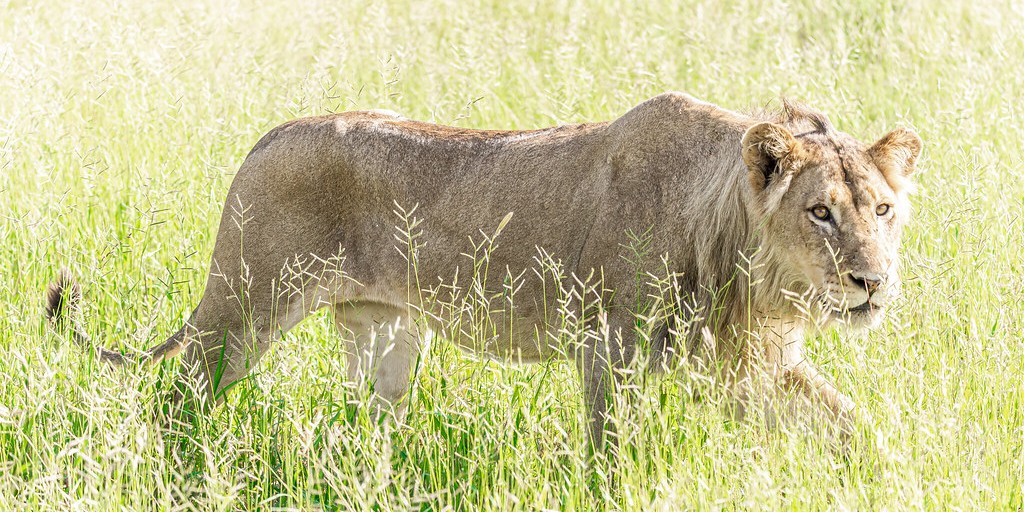
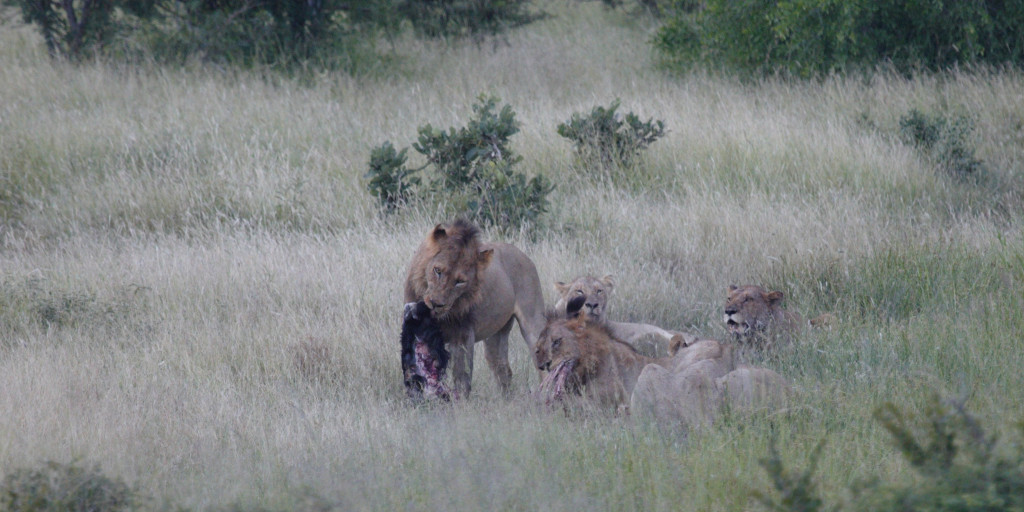
    The pride was made up of two dominant males, two juvenile males, and five females. At the time we arrived, and as you can see from the photo, the two dominant males were on the kill.

    For me this was fascinating, I have never seen a pride of lions on a kill before so had no idea what to expect. It was clear from the off the two dominant males were not tolerant of sharing their prize meal.

    One of the juvenile males, who we estimated was around two years of age, came in for a closer look and quickly received a short, sharp, snap of a growl. The youngster quickly backed off, tail between his legs, maybe oblivious to the wider consequences of his actions.

    image

    We stayed with the lions until the sun set and our own dinner called. What a sighting to break up the day and clear our minds before the next day’s test!

    The following day, after a morning of tests and lectures, we were desperate to see if the lions were still there. We know lions have a tendency to rest and digest for quite some time after a large meal, especially when they can sleep for up to 20 hours of the day!

    On the road up to the plains, we spotted one of our juvenile males, but something was different.

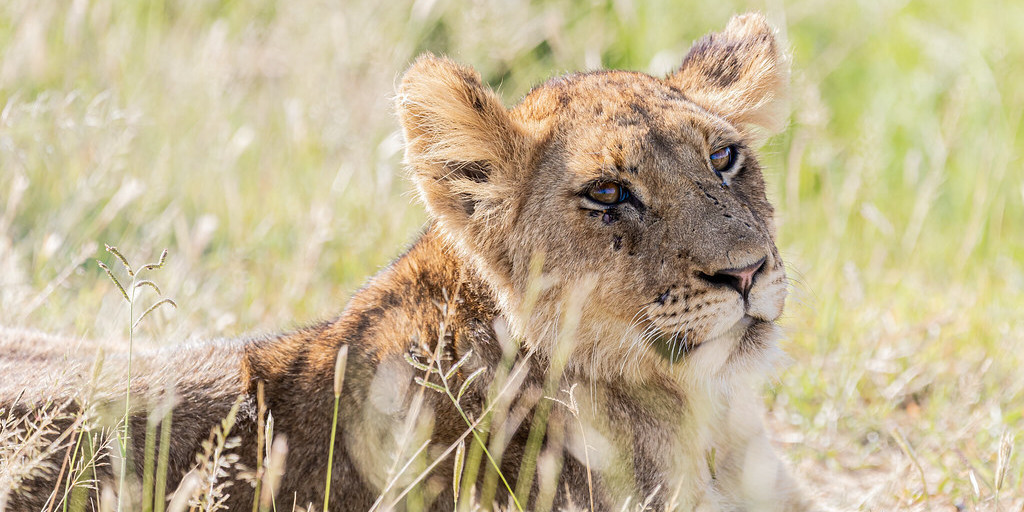
    The juvenile looked almost lost, confused, and incredibly skittish. Any noise – from a bird shouting an alarm call to the sound of a vehicle driving past – his head was bolt upright and ears pricked.

    We soon came to the realisation that this male lion was all by himself and the rest of the pride was nowhere to be seen. This sparked a conversation on the vehicle around the eviction event of juvenile males who are coming of age.

    image

    We understand the reasons why dominant male lions tolerate the juvenile males – more muscle and claws to take down the larger prey to feed the pride, as well as an extra set of razor-sharp teeth to defend against rival males. However, at around the 2.5 to 3.5 year mark, these juveniles start to become sexually active. And when the name of the game out here is to spread your genetics, this does not sit well with the dominant males, even if these juveniles are family.

    In an attempt to drive home the message that it is time to leave the pride and start anew in a foreign land, the dominant males start to become aggressive towards the juveniles. This is a dangerous time for juvenile male lions – unfamiliar terrain, surrounding enemies, a lack of skill and experience. They are simply thrown out into the harsh environment and forced to survive for themselves.

    Back to the lone juvenile male spotted along the side of the road. Although we can’t say for sure, I think we can assume this juvenile had been kicked out of the pride. The silver lining, however, is this could be the start of a new, powerful coalition of brothers – the beginning of a new legacy.

    image

    To sum up, lions on a kill is something I will never forget. The sounds, the tension, the fact that there was a pride of lions right in front of me. Watching that juvenile male by himself is something I will never forget. The tightness in his body, the loneliness.

    And also how this sighting came about. Life out here on campus and in the South African bush is so unpredictable. It’s wonderful to wake up every morning to the genuine thought, “Well what’s today got in store for me?” It’s a fantastic feeling and I’m hooked on it!

    If you apply today, pretty soon you too could be waking up feeling inspired just like Charlie. Keen to make a fresh start? Let’s get going.

    #lion #gameranger #bushwise #fieldguide #qualification #safariguide #apprenticefieldguide #safari # #guiding #fieldguidecourse #fieldguides
  • Sleepout: night watch in the African bush

    BY: Franco Hay

    Camp manager blogs are written by our current students who each get a chance to lead and manage a group (of their fellow students) for a period of one week.

    One of the main reasons I joined Bushwise and came to the bush was to escape the constant rush of the modern technology-driven world – and to reconnect with myself through the medium of nature.

    image

    Growing up I was very fortunate to have many avenues where I could enjoy the outdoors. From yearly holidays in the Kruger to playing in our garden during the week. Unfortunately, as I got older the constant immersion in nature slowly turned into an uncommon occurrence. As schoolwork and socialising became more important, time for silence and self-reflection disappeared. Until one day I turned around and realised that I couldn’t remember the last time I was truly quiet.

    I came to Bushwise intending to slow down and embrace silence. Unfortunately, it is not always that easy. Brand-new friends and learning soon dominated my time. Since I enjoyed the work so much and got along with the new friends so easily, I almost forgot that I had another goal for my time here. Luckily, after a few weeks, an opportunity arose that would force my hand – sleepout.

    image

    When I heard we would need to keep watch during the night on sleepout, I knew this was my chance to sit in true silence for a few hours – and I couldn’t wait. The moment the schedule was opened I volunteered for the watch, from 2 AM to 4 AM. This has always been my favourite part of the night. When it feels like the entire world is taking a big breath before dawn. The only few hours of the day when almost all people are asleep. The two hours where I would accomplish my goal – a goal I had become too scared to attempt.

    On a Thursday afternoon we packed our bags and headed out to the evening’s campsite. By 10 PM I was asleep. Just before 2 AM, I was awakened for my shift. Ten minutes later I was sitting with a cup of coffee in one hand and a spotlight in the other. You would assume that I would immediately be ecstatic to sit on my own in silence, like I had wanted to do for so long. However, sometimes if you have avoided doing something for long enough, just the thought of it can make you uncomfortable.

    image

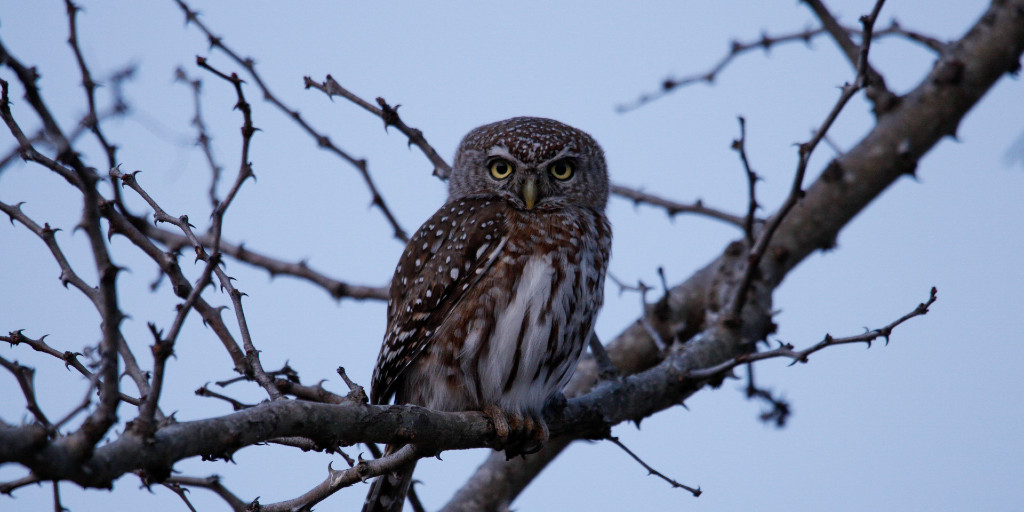
    So there I sat, and rather than enjoying the peace and tranquility, it was making me uncomfortable. I gave it five minutes, and then ten. But the silence was still too much for me. I was ready to go and wake somebody up to keep me company – until a pearl-spotted owlet started calling in the distance. My discomfort shattered like a mirror that had been hit by a rock, and I started to enjoy the sounds of nature around me. I could focus and do some self-reflection, with only the occasional sound to remind me where I was, and what I had decided to devote the rest of my life to.

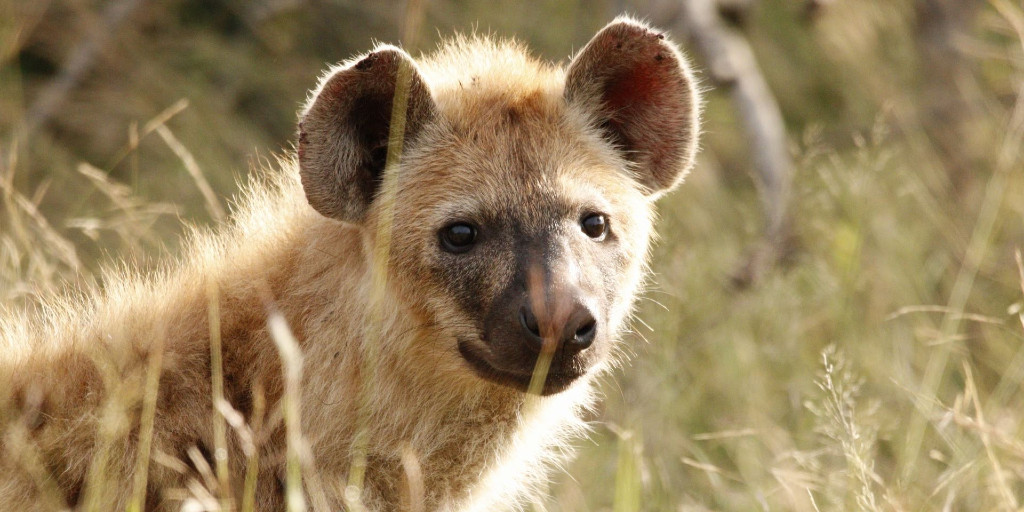
    However, the night on sleepout was not yet done with me. About an hour into my shift, when I started to relax and find myself again, I heard a sound that reminded me that nature is not only peace and silence, but also adrenaline. The sound was that of a hyena laughing – a hyena very close to the campsite. With only our spotlights and the moon for light, the three of us on watch duty started searching our sections of grass for the hyena. We knew we were safe and that it was only curious about the foreign smells in its home, but knowing something and believing it can be very different things. Over the next hour, we saw the hyena multiple times as it walked around the campsite investigating us.

    image

    I often forget how different it is seeing nature from the back of a safari truck compared to sitting in the middle of the bush, on sleepout, without anything to offer a false sense of security. However, interacting with nature on such a personal level is also the moment that I feel most alive.

    Does the idea of reconnecting with nature resonate with you? Would you like to have an experience similar to Franco? Apply today and soon this could be your story.

    #fieldguide #sleepout #apprenticefieldguide #hyena

  • World Wetlands Day 2022: Wetlands Action for People and Nature

    BY: Annie DuPre, CATHSSETA NQF2, Apprentice Trails Guide and Bushwise Conceptual Copywriter

    Each year on 2 February, the world celebrates World Wetland Day. In this article we take a look at the importance of wetlands around the world, with an emphasis on South Africa. 

    World Wetlands Day is a celebration of all things wetland. From their vibrant blue waters, to green grasses and sedges, to enormous bird diversity, to mammals, amphibians and reptiles, wetlands host a bounty of vibrant life. At Bushwise Field Guides, we’re excited to celebrate under this year’s theme: “Wetlands action for people and nature.”

    Peatlands, marshes, swamps, bogs, vleis, fens and pans – wetlands play a vital role on our planet. They support a diverse range of plant and animal life, and play a critical role in human survival as well. Yet they’re disappearing three times faster than forests.
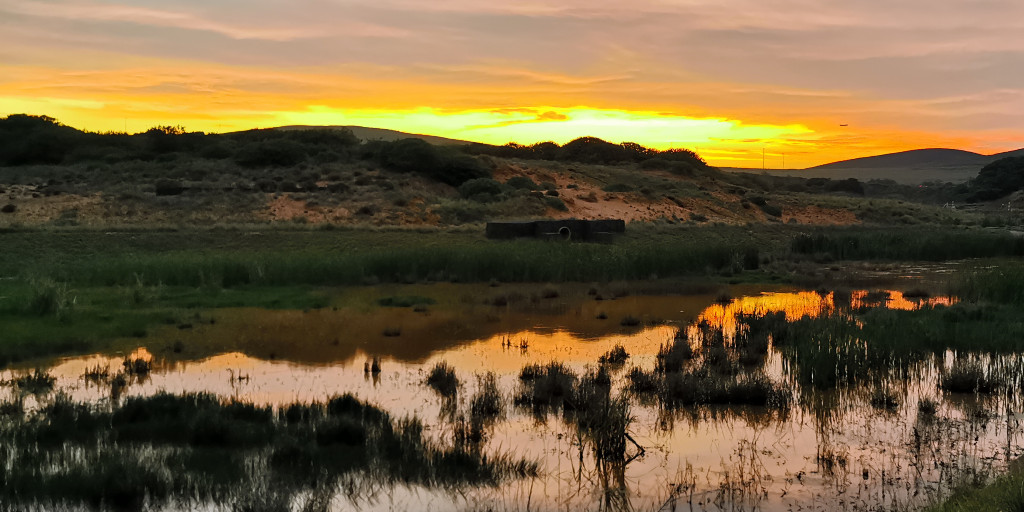
    What makes wetlands so important, why should we protect them, and how can we celebrate on World Wetlands Day?

    image

    Photo by Annie DuPre

    What is a wetland?

    In the simplest of terms, wetlands are parts of our landscape that are defined by the presence of water. Whether year-round or seasonal, water presence affects the soil and therefore the types of plants and animals that inhabit these spaces.
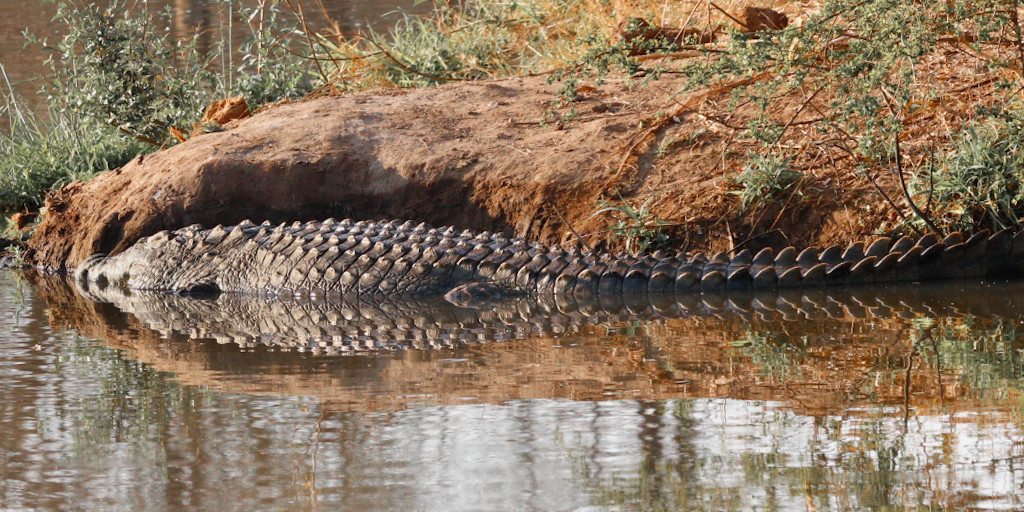
    The presence of water in wetlands influences most if not all of it’s biodiversity (diversity of animal and plant life). The prolonged presence of water has a direct effect on the development of the soil, which then affects the plants and animals that live there. For example, specially adapted plants, that prefer very wet conditions, can be found in wetlands.
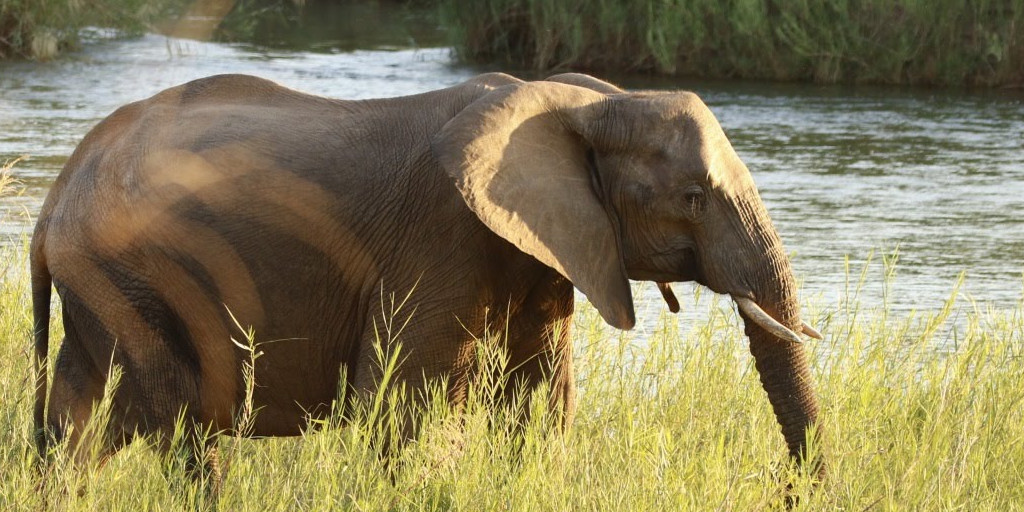
    The role of wetlands on our planet

    Wetlands aren’t just important for soil, plants and animals – they’re also important for people! Wetlands form boundaries that protect settlements from flooding. Where water would otherwise overflow into towns and communities, wetlands act as a sponge collecting the water. They also limit the effects of water pollution and can provide plant materials that are used for shelters and other products.

    image

    Photo by Annie DuPre

    Another important role of wetlands is in water security. When they’re able to do their job right, wetland catchments can effectively filter and direct water into our rivers, dams, and groundwater sources. This should maintain healthy and reliable water sources for people living near wetlands. This is especially important in times of drought and variable rainfall.

    Wetlands also play a role in carbon sequestration, or the capture and storage of atmospheric carbon dioxide. This is significant for climate change mitigation, which is another reason it’s so important for us to protect wetlands!

    Wetlands in South Africa

    South Africa has incredible biodiversity, which is something Bushwise students learn all about through the Bushwise IFGA Safari Guide course. Wetlands play an important role in sustaining life throughout the country, across many of South Africa’s nine biomes (areas characterised by their vegetation, soil, climate, and wildlife).

    image

    Photo by Annie DuPre

    In the South African province of Limpopo, where Bushwise Field Guides operates its training campuses, there are a few notable wetlands. These are part of the 27 Ramsar sites in South Africa, or wetlands of international importance.

    The first is the Makuleke wilderness area, which lies on the border of South Africa, Mozambique, and Zimbabwe in Kruger National Park. This wetland was the first Ramsar site in the world to be owned and managed by a community. The second is Nylsvley Nature Reserve, a 70km long floodplain that plays host to up to 80,000 birds in the rainy season! Talk about a birder’s paradise.

    Throughout Limpopo, you can find other pockets of ecosystems that fit the description of a wetland, especially the pans and vleis that fill up during rainy times. These areas play an important role, not only for wetland-adapted species, but also as a source of water for other animals.

    If you head a bit further south in South Africa you’ll find the wetland region of Mpumalanga, with its sedge and reed marshes. These fragile ecosystems pop up throughout South Africa, making them a crucial part of our country’s biodiversity.

    Many conservation organisations in South Africa, such as BirdlifeZA and the Endangered Wildlife Trust, have specialised programs that focus on wetland protection, identification, and public awareness. This specific type of conservation is extremely important for the security of our country’s incredible wetlands.

    What animals call wetlands home?

    Wetlands are important destinations for migratory bird species as well as year-round populations. In some of South Africa’s wetlands, you can find upwards of 300-400 different species! Many of these are endangered, threatened, vulnerable, or endemic species.

    image

    Photo by Louise Pavid

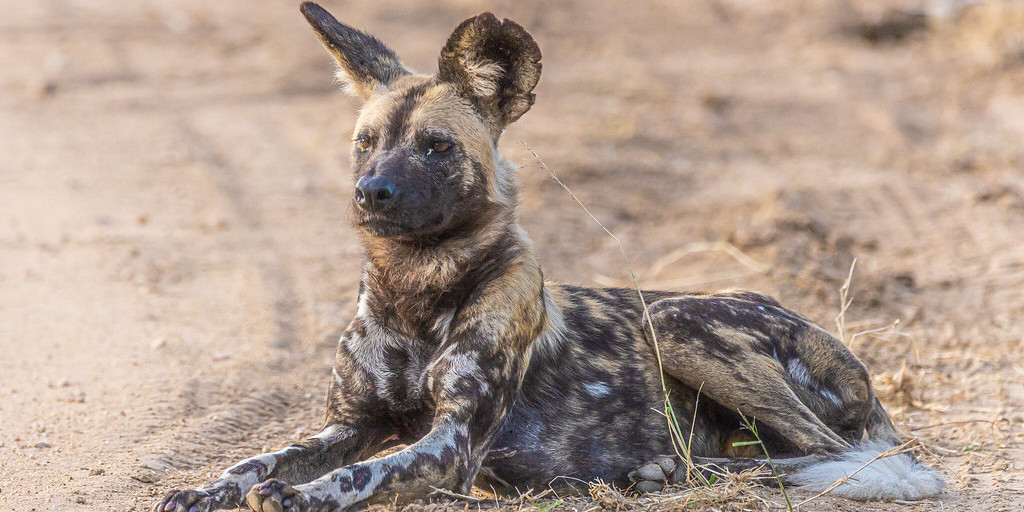
    Inland wetlands in South Africa, such as Makuleke, host large mammal species such as elephant, rhino, wildebeest and eland. You could also find lions, leopards, African wild dogs, and other predators. Amphibians and water-adapted reptiles, insects, and other mammals can be found here.

    Coastal wetlands, such as iSimangaliso Wetland Park, are unique in their biodiversity and landscape. Here, you’ll find marine mammals such as southern right whales, humpback dolphins, bottlenose dolphins, and many more.

    What is World Wetlands Day, and why does it matter?

    To recognise the importance of wetlands on our planet, the Ramsar Convention on Wetlands of International Importance, or Convention on Wetlands, was established in 1971. Since 1997, the World Wetlands Day has been celebrated on 2 February with themes approved by the Convention. These themes add to the excitement around celebrating this important habitat and encouraging action.

    This year’s theme is “Wetlands action for people and nature,” to highlight the necessity of actions to ensure conservation.

    How Bushwise will celebrate in 2022

    image

    Photo by Louise Pavid

    Bushwise students, alumni and staff will be able to celebrate World Wetland Day 2022 by visiting their local dam, marsh, vlei, bog, or other wetland and taking some time to appreciate the biodiversity there. We encourage everyone to take time to clean up their local wetland by simply picking up litter you find in the area. Every little action counts!

    Are you passionate about conserving our local wetlands and other natural resources? Perhaps it’s time to change your career and start a Bushwise IFGA Safari Guiding course. Apply today!