Author: Bushwise Student

  • Finding Joy in the Rain: How a Gloomy Week Led to Birding Discoveries

    This blog about was written by Ziphozonke Zwane, Bushwise Professional Field Guide student. Each week, Bushwise students take turns as camp manager to experience what it’s like to run a lodge or a team. Writing a blog is part of that process.

    3 min read

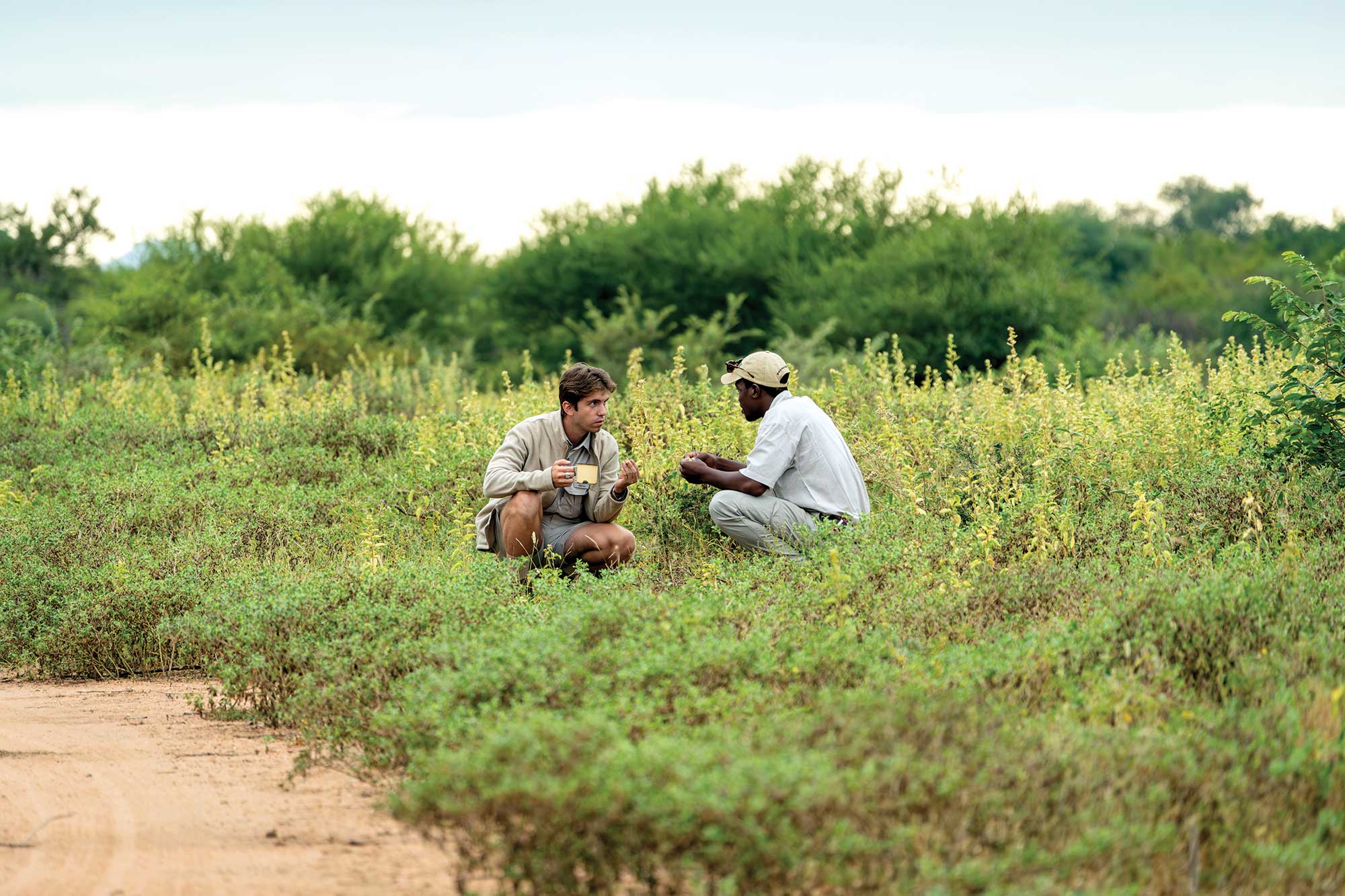
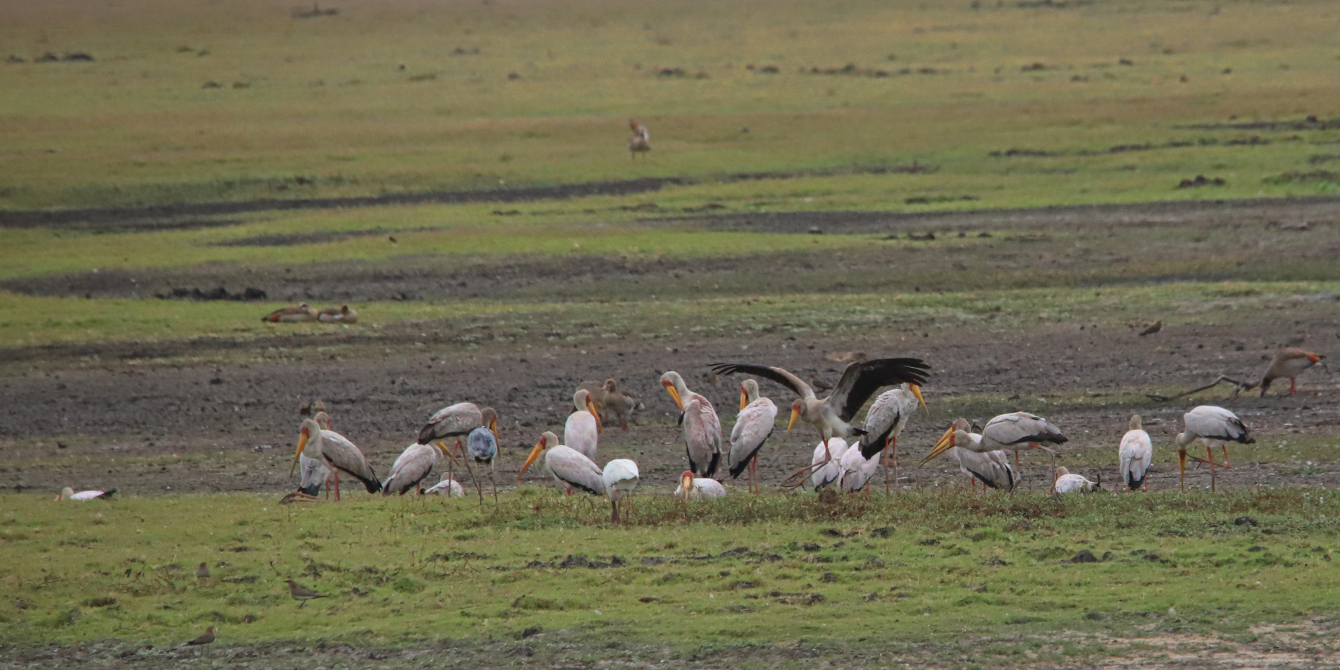
    This week was so gloomy and the rain worked against us, causing numerous drives to be postponed. Due to the fact we had grown accustomed to the game driving routine, we students were not thrilled about this. Taking drives on the main road helped us with both the break in routine and to become birders. We were ecstatic with how many birds we could see in such a brief drive. We learnt several new bird sounds through this activity, which heightened our sense of hearing. We were encouraged to identify the birds we typically see in the region at this time of year. 
    image

    The activity generated contentious issues around the classification of birds. It forced us to start examining the characteristics that distinguished one bird from another, such as the bearded and Bennett’s woodpeckers. We all grew more confident with our bird identification as a result of this.

    The beauty and discovery in birding

    When I first moved here, I never imagined that I would end up loving birding as much as I now do. I used to think that all birds looked alike. I never paid a lot of attention to them. I never understood why people liked birds. Now I know why. Who knew that Kwa-Zulu Natal, where I’m from, is one of every birder’s dream destinations? Especially Durban which is home to a sizable bird population.
    image

    Botany has been a difficult subject to study because – like birds – grass and trees can occasionally resemble one another, particularly when looking at the Vachellia tree species. When we examine our landscape here in the Greater Kruger National Park, it is amazing to observe how various trees flourish in specific soils and how trees compete for sunlight in order to survive in the ecosystem. 

    The fact that the savanna biome can produce such a wide range of tree and grass species is equally astounding. People need to spend more time in nature to observe how it can heal itself using pioneer grass and tree species. I’m delighted to report that by the end of the week’s lectures, we were able to start distinguishing the many tree species.

    I’ve learnt so much, so quickly

    I’m learning a lot from this course, including how to notice detail and use more of my senses. Did you know that you need to encourage your audience to use more of their senses in order to engage them? 

    Being here has opened my eyes to how little I know about the bush back home. My relationship with nature as a whole has improved since I arrived. Who would have thought that the tiniest insects like the dung beetle could be so crucial to maintaining the ecosystem? It’s true what they say—dynamite really does come in small packages.
    image

    The road here wasn’t always an easy one

    The road here was not an easy one because sometimes I miss home and become home sick. But here on campus we are like this small family here with one similar goal – so every day is getting easier. I can’t believe how I’m starting to engage with the other students now, even if it’s not one of my strongest suits. Although it would be a stretch to claim I’m now at ease, it is remarkable! The group activities have helped me emerge from my shell. Even my mother was astonished since she had never imagined me in a situation where I would need to engage with others.

    Overall, we had a difficult but successful week. I faced a dilemma involving virtual guiding, which forced me to think differently for a change. It was intriguing to observe how many different aspects of an animal might be discussed with only a single, straightforward image. I’m undoubtedly looking forward to the upcoming weeks. Salutations to the upcoming field guides.

    Learn more about nature, and yourself – become a strong leader and an accomplished field guide with Bushwise. Apply today!

    #Birding #bushwise #safariguide #birds #apprenticefieldguide #safari #ifga #fieldguiding #tracking #trackandsign #guiding
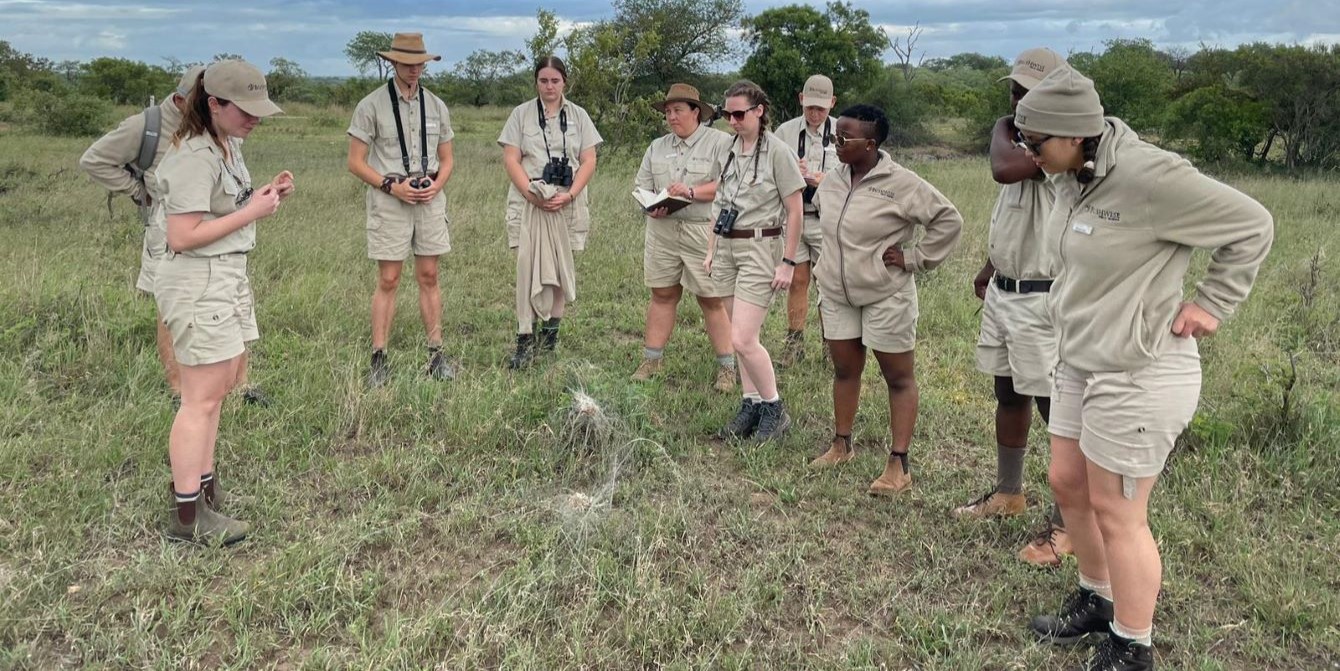
  • A week in the wild: being camp manager at Bushwise

    This blog was written by Darian de Bruin, Bushwise Professional Field Guide student. Each week, Bushwise students take turns as camp manager to experience what it’s like to run a lodge or a team. Writing a blog is part of that process.

    4 min read

    Arriving back at Bushwise on Sunday with my car full of students who I picked up from O.R Tambo. We were all excited to be back and couldn’t wait to see our newly made friends again. 

    We started off Monday morning with lectures about amphibians, fish and arthropods. After Monday, we carried on with the week schedule as normal with drives. Tuesday afternoon was my turn to drive and give a guided experience to my fellow students. I was feeling so many emotions – the nerves were getting to me, but I was also really excited to start the drive. 

    Practicing my grass identification skills

    image

    During my drive, Mr Pines gave me a challenge to ID 10 different grasses. Unfortunately, I only reached nine, but he was still very impressed because we only looked for grasses in one spot. I was lucky enough to experience one of the Big 5 – a pride of lions. Unfortunately, the sighting was very short because there were already three vehicles at the sighting, but I really enjoyed stopping and talking about the lions for the brief time we were with them.

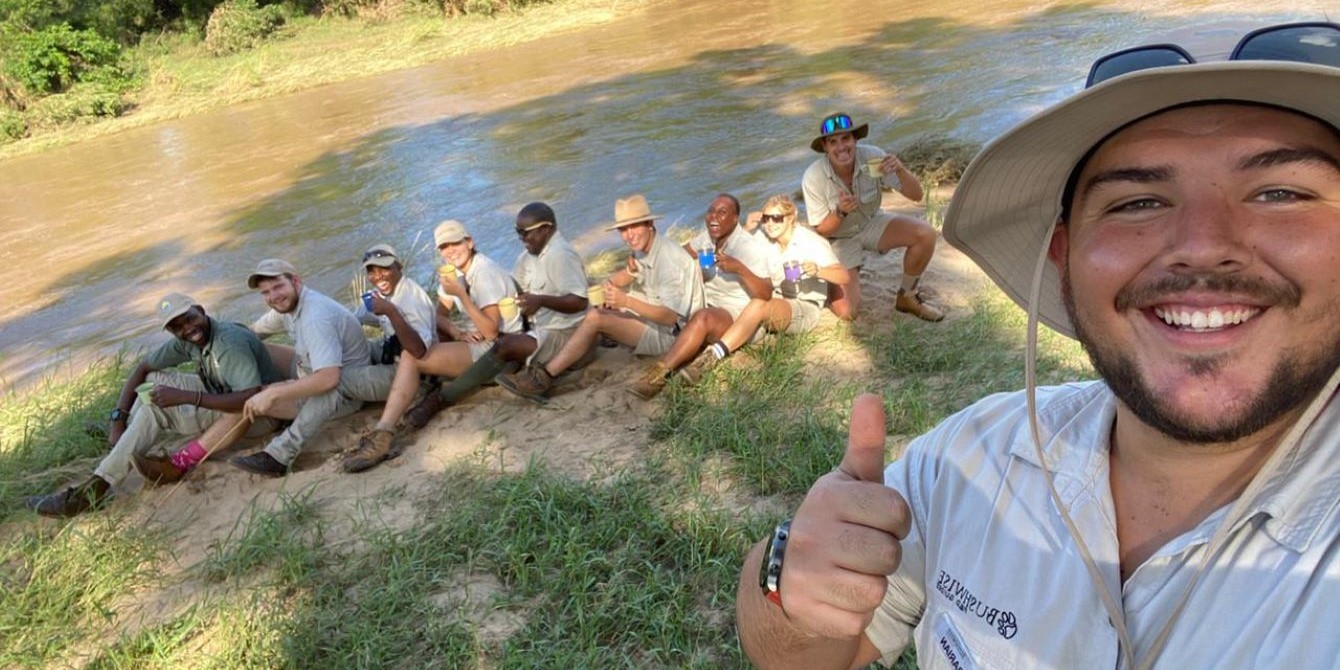
    Wednesday morning we were all ready for the drive. About 15 minutes after arriving at Makalali, a cold rain hit us – but the rain didn’t stop us and we carried on with our drive. We stopped for a coffee break when it stopped raining. This would have been a good idea, but once Brandon had finished setting up, the clouds decided it was time for us to get soaked. 

    Having coffee in the rain was a pleasant experience because in a way you have bottomless coffee with the rain filling your cup up the whole time. The rain didn’t stop, so we ended up not going on a drive in the afternoon. Instead, we spent the afternoon with Mr Pines doing revision of the work we had covered on Monday. 

    Photography lessons and wet game drives

    image

    Thursday morning at 5 o’clock I woke up and looked at the weather to see if we were going to go for a drive, but yet again it was raining. We ended up having our photography class in the morning. After brunch, we had a study day and photography competition. We are yet to know who won. I really enjoyed the photography course and learning more about my camera. On Friday, it was raining again and we ended up doing a lecture on mammals.

    My week as camp manager has taught me a lot about responsibilities around camp – from communication to doing simple little tasks. I believe that being a camp manager has made me more confident and prepared me to be able to take on the task as head guide one day. I am very grateful for the opportunity as it has opened my eyes to the responsibilities I will one day need to fulfil. 

    From business to field guiding

    image

    Becoming a field guide has only been a dream of mine for about two years. Before that, I was studying business principles and relations, but I was not enjoying it and looking to change my path. I came across field guiding when my dad’s best friend suggested field guiding as I spent all my spare time in the bush. 

    I immediately fell in love with the idea and my dream was born. Last year, I did a part-time nature conservation course. Then I discovered Bushwise and could not wait to join. I’m currently on the course and I’m absolutely loving it and learning so much more than I could imagine. I cannot wait to start guiding and informing guests about the importance of the bush.

    Take a lesson from Darian’s book: if you aren’t enjoying your career, considering trying something totally new! Learn all about the Bushwise courses that can take you there.

    #wildlife #AdvancedRifleHandling #bushwise #fieldguide #qualification #safariguide #Exam #training #animals #apprenticefieldguide #safari #ifga #sightings #fieldguiding #Assessments #gamedrive #guiding #fieldguidecourse #studying #fieldguides

  • A scrub hare isn’t a bunny! And other interesting scrub hare facts

    This blog was written by Naledi Letshwiti, currently a Bushwise Professional Safari Guide student. The information contained in this blog is based entirely on Naledi’s research.

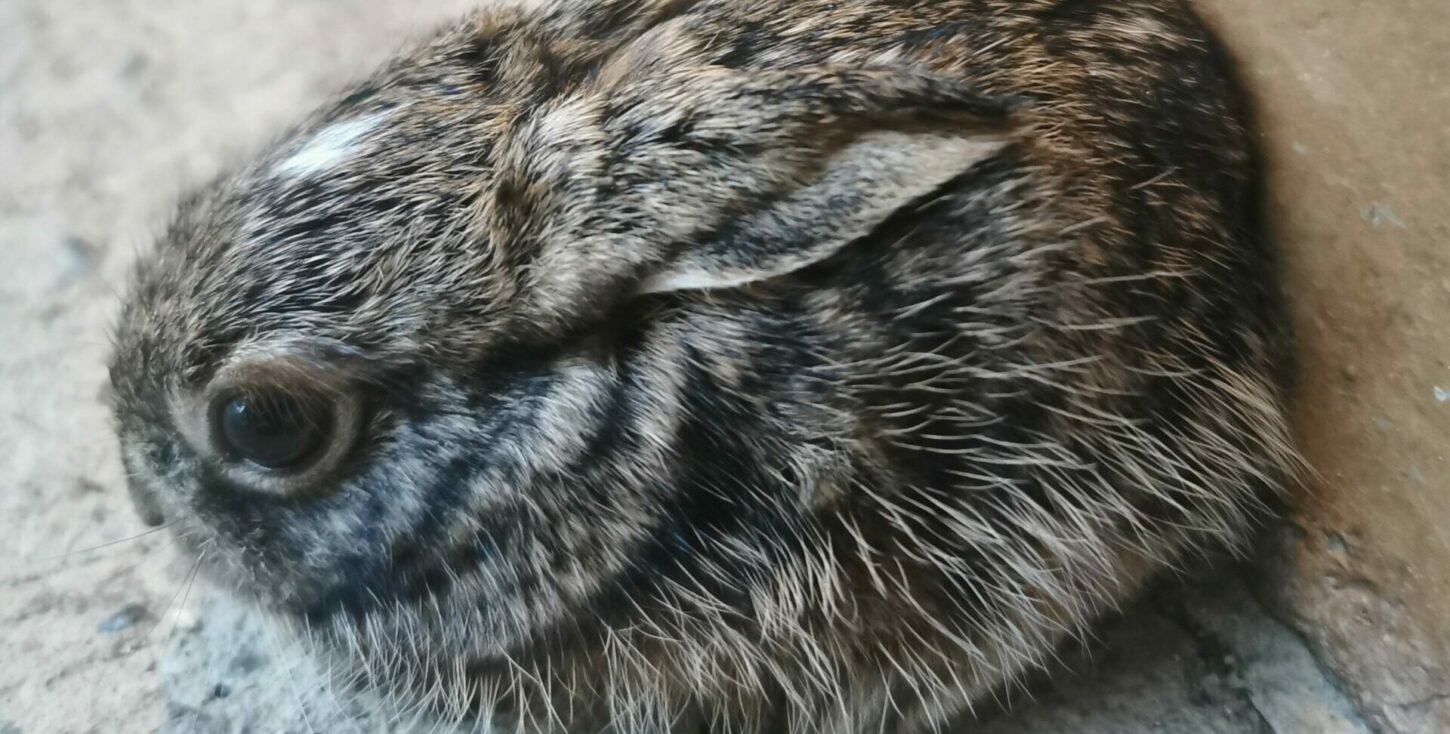
    Because scrub hares are cute and furry, many people mistaken these beautiful bunnies as a normal rabbit but they are not. Scrub hares have greyish upper parts and very long ears. They have long strong back legs and large hind feet with hair in between the pads. Their grizzled grey back with flecks of black on its coat helps the hare to camouflage itself during the day.

    Even though these scrub hares and rabbits belong to the same family – Leporidae – they are not the same and differ a lot. Scrub hares are much larger in size than rabbits and their ears and hind legs are longer as well. Scrub hares live alone or in pairs in above- ground nests, whereas rabbits often live together in groups of up to 20 in underground tunnels known as warrens.

    Are scrub hares active during the day or night?

    image

    Scrub hares are nocturnal, although they can be seen on overcast days. They do not live in burrows but live in hollows pressed by their bodies under bushes. These hares enjoy habitats with open grasslands and thickets with patches of grass land in between. They use these long-grass areas to hide during the day and to build a shelter, called a form, used for shelter for their young.

    They are very good at hiding from predators during the day and often create a small dent in the ground and lie flat motionless, with their ears tucked back to their shoulders. By doing so, it makes it harder for predators to detect them due to their colouration that blends with scrubland and vegetation.

    What do you call a scrub hare baby?

    Baby scrub hares are called leverets. These hares are born precocial – meaning they are fully furred, eyes are open and can already move around moments after being born. They therefore have the ability to escape from predators minutes after being born. This is important as the young ones don’t get much parental care from their mothers. If danger approaches, the mother will run off leaving the young to care for itself. A mother will care for her babies until they are about a month old, then leave them to fend for themselves.

     A scrub hare’s lifespan is about 8 years, not usually more than that, and can weigh up to 2-3 kilograms with males being slightly smaller than females.

    The funny thing about scrub hare poop…

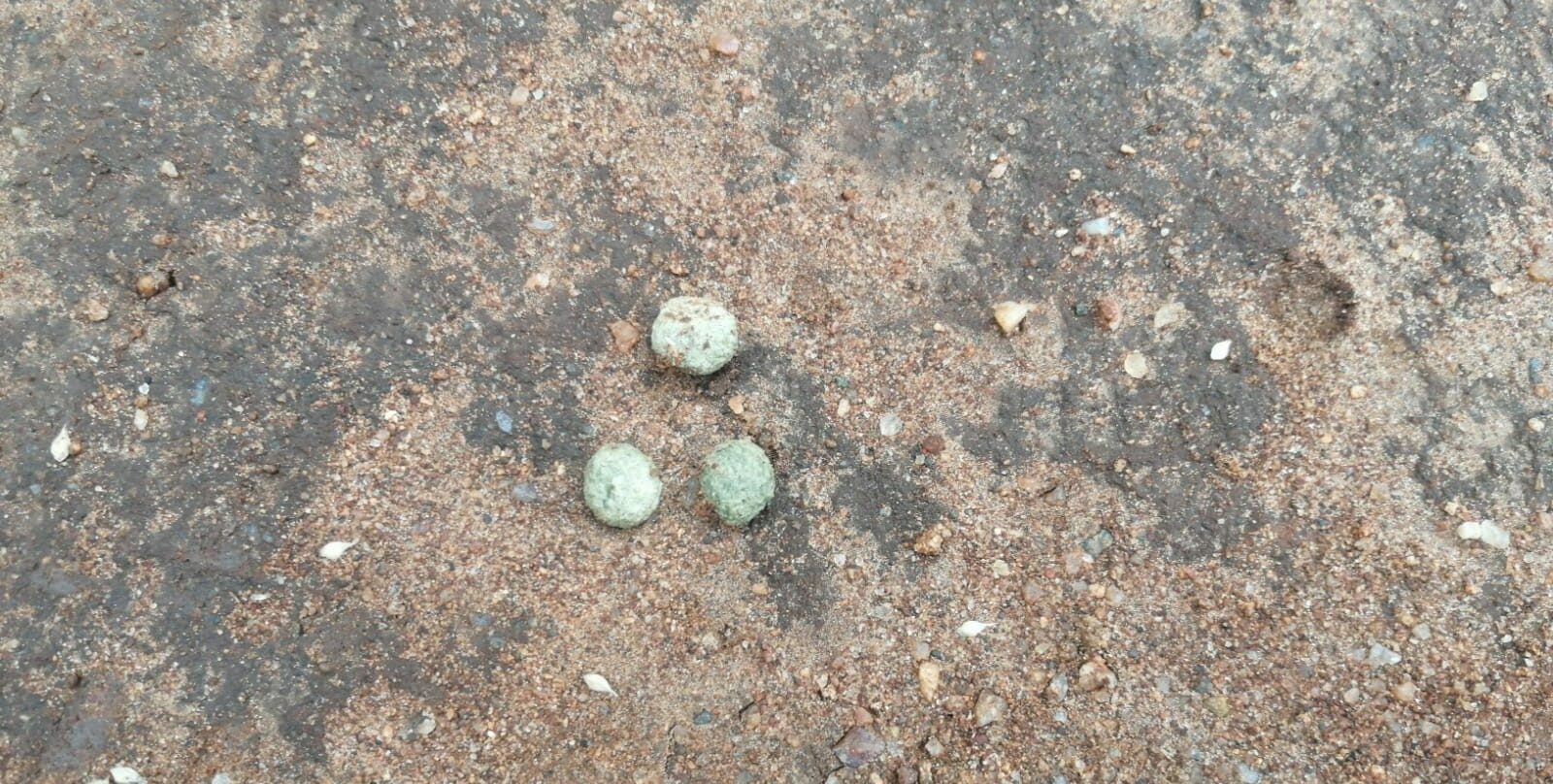
    These amazing grazers feed on green vegetation that makes their droppings pale green to yellow, oval shaped pellets measuring at approximately 12 mm in length. However, they actually process their dung twice. After initially defecating, they turn around and eat it, then it comes out again after all nutrients are absorbed. This strange habit is called coprophagia

    image

    How fast can a scrub hare run?

    Scrub hares are renowned for running in front of cars at night, zigzagging as they run. This zigzagging run is presumed to be a way of avoiding capture. They are incredibly fast with an average speed of 60-70 kilometres per hour. That is very beneficial for them because they might escape from unseen obstacles or challenges such as a predatory attack.

    In conclusion every life is very important – be it a plant, animal, insect or human – as they all play a crucial role in the ecosystem. So take care of and respect nature.  

    Did you learn something new about scrub hares? From mammals big to small and everything in between, learn about it all on a Bushwise course.

    #wildlife #AdvancedRifleHandling #bushwise #qualification #safariguide #Exam #training #animals #safari #sightings #fieldguiding #endangeredspecies #guiding #fieldguidecourse #studying #fieldguides

  • The real life magic of magic guarri

    This blog is by Bushwise Professional Safari Guide student Molly Swan. As part of their training, each student submits a researched blog based on a topic of their choice. 

    3 min read

    South Africa is known to many as a place to visit to see stunning animals such as elephants, rhinos, lions and cheetahs. But if you look closer, you can see and learn so much more. As you immerse yourself, you start to feel calm and revived and you start to ask, why do I feel this way and why does nature have this effect on people? 

    Those who are spiritual find a deep connection here in the bush and some refer to it as magical. Healing medicinal properties and sacred cultural beliefs stare you right in the face in the form of trees, plants and flowers.

    The magic guarri tree

    image

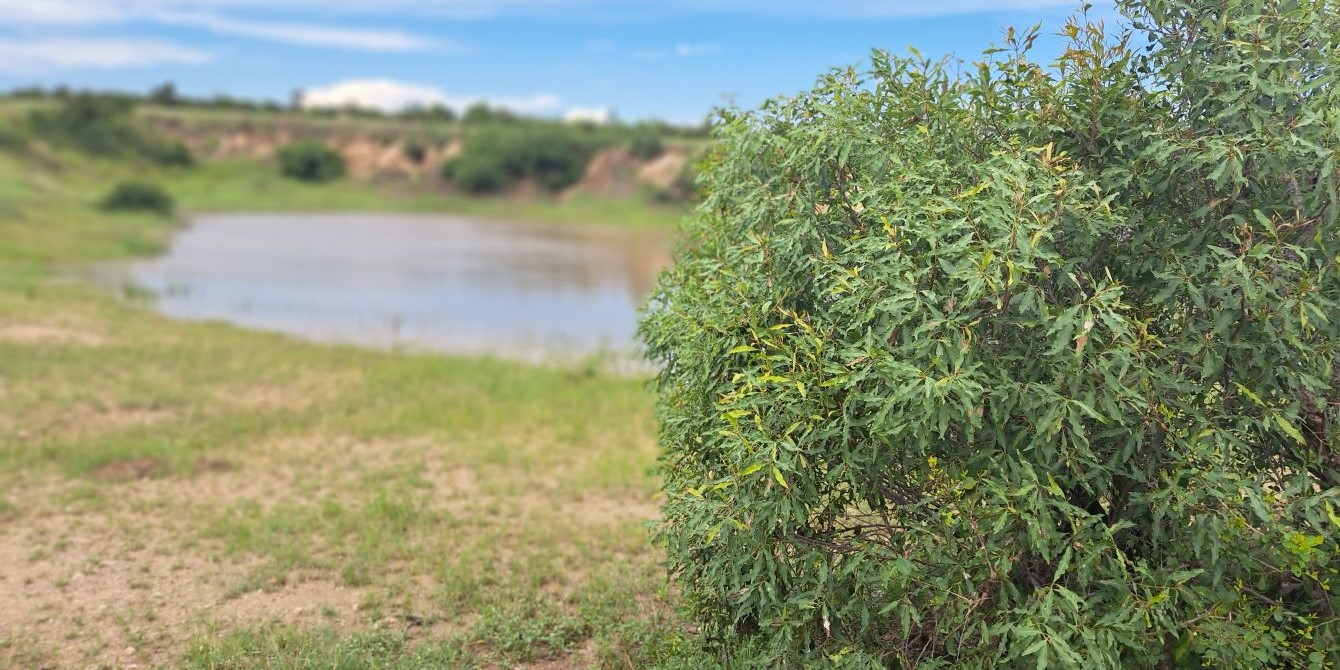
    The magic guarri tree is found all over the bushveld and holds many secrets in its sacred and medicinal ways. Its scientific name is Euclea divinorum. Euclea comes from the Greek word for ‘famous’ (referring to the fine wood) and divinorum is a reference to the medicinal diviners in Africa.

    You will often find it alongside thorn bushes, and it does not discriminate with soil type which is why you can spot so many along thickets. You will know it’s a magic guarri because of its dense shrub shape, its pronounced wavy leaves and clusters of berry shaped fruit. The bark also has a greyish-greenish appearance that is lighter than other varieties. 

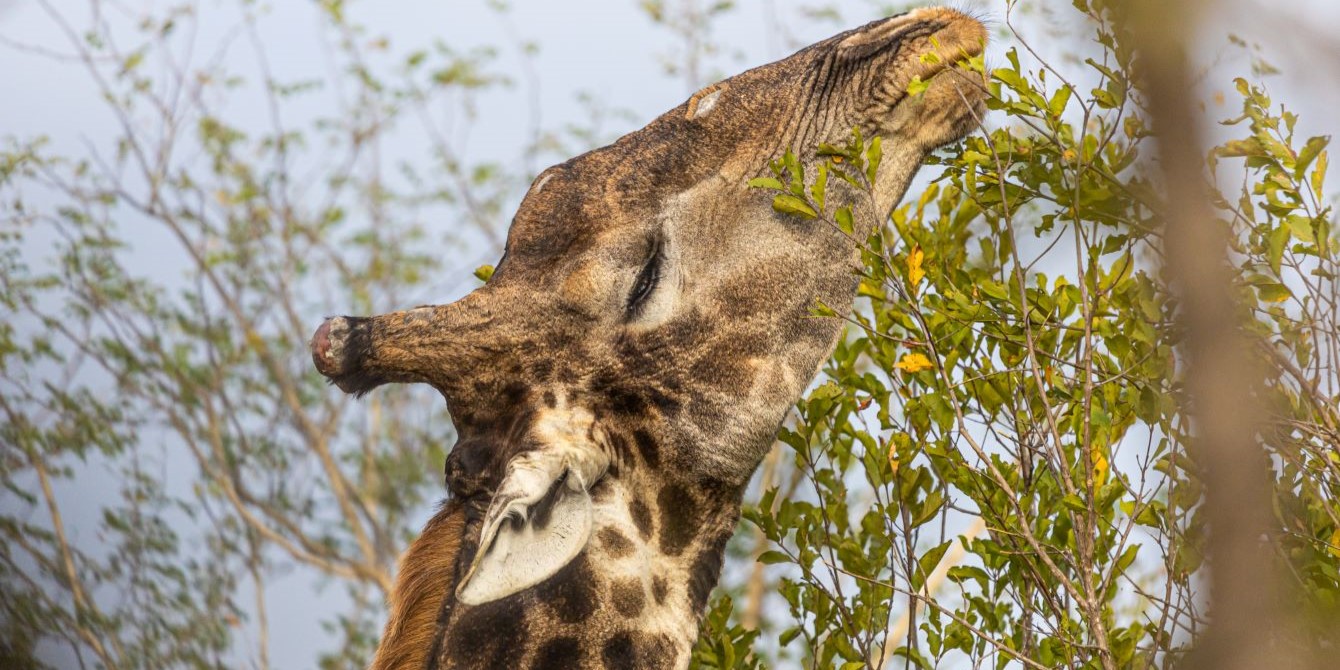
    Birds and kudu enjoy snacking on the guarri tree, but most other animals stay clear of this one due to its unpleasant taste.

    But why is it called the magic guarri? 

    image

    The Zulu culture believes that if you chop down the entire plant their whole kraal – an enclosed shelter for huts or cattle – will be destroyed. In other cultures, they will hang a piece of the branch at the entrance of their homes to repel witches and evil spirits. It is also believed that if you carry a piece of the plant with you, it will bring you good luck, and it might even help you find that special animal you have come all the way to South Africa to see. 

    Making an infusion or powder from the roots of the tree, the guarri is said to have many medicinal properties. These include but are not limited to treatment for headache and toothaches, constipation, diarrhoea, convulsions, and infertility. It can also relieve abdominal pains and pains during pregnancy.

    Practical uses of guarri

    image

    One of the most creative ways you can use the guarri is by using it as a toothbrush. Scrape away the outer bark of the branch and expose the green. Then place the branch in your mouth and start chewing, you will then notice the ends start to separate into nature’s own toothbrush. Of course, if nature provides a toothbrush, it must also provide toothpaste? Indeed, it does! From the ash of the leadwood tree – which is now a protected tree.

    The roots are also used in other creative ways such as using the dark brown dye for basket ware, brewing beer and even lipstick. The fruit from the tree makes a beautiful purple dye. Because the wood is hard and somewhat heavy, it used to be used to make fence posts, mine props, hoes and railway sleepers. 

    The magic doesn’t stop here. If a fire breaks out and there is no fire truck nearby, you can use one of the guarri’s branches with leaves on it to beat out the fire. This works because of the shiny, waxy coating on the leaves that do not fall off easily. It looks similar to a broom when in action. 

    There are indeed three other types of guarri that we have seen here in the Lowveld: common (Euclea undulata), blue (Euclea crispa) and Karoo (Euclea ovata). Just as beautiful but perhaps not as ‘magical’. 

    So next time you are in the bush look for the magic guarri and see what luck it brings you!

    #wildlife #ifgaguide #bushwise #qualification #safariguide #Exam #training #animals #apprenticefieldguide #safari #sightings #fieldguiding #tracking #endangeredspecies #guiding #ifga #fieldguidecourse #studying

  • Antelope – What makes Kruger run

    This blog was written by Bushwise student Reuben Genders, as part of his Professional Safari Guide course. All research was compiled by Reuben. 

    4 min read

    Kruger National Park is a massive park – one of the biggest in Africa and one of the most famous ones. This is due to the vast amount of wildlife in the park with biodiversity like no other place on Earth. One type of animal that is a massive presence is antelope. 

    Types of antelope found in Kruger National Park

    image

    There are estimated to be 21 antelope species in Kruger – including:

    1. Kudu

    2. Impala

    3. Wildebeest

    4. Eland

    5. Sable 

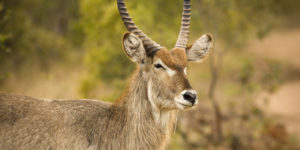
    6. Waterbuck

    7. Tsessebe

    All found in the different habitats of Kruger, all playing a role in the balance of the biodiversity.

    What makes antelopes unique?

    Antelopes are known for their curving horns and beautiful coats. They are agile and fast creatures with an acute sense of smell and sound. They are often found in small herds, although some species – like impala – can have herds that reach over a hundred antelope. As grazers and browsers, antelope are the gardeners of the park keeping the park’s terrain in check through their feeding patterns.

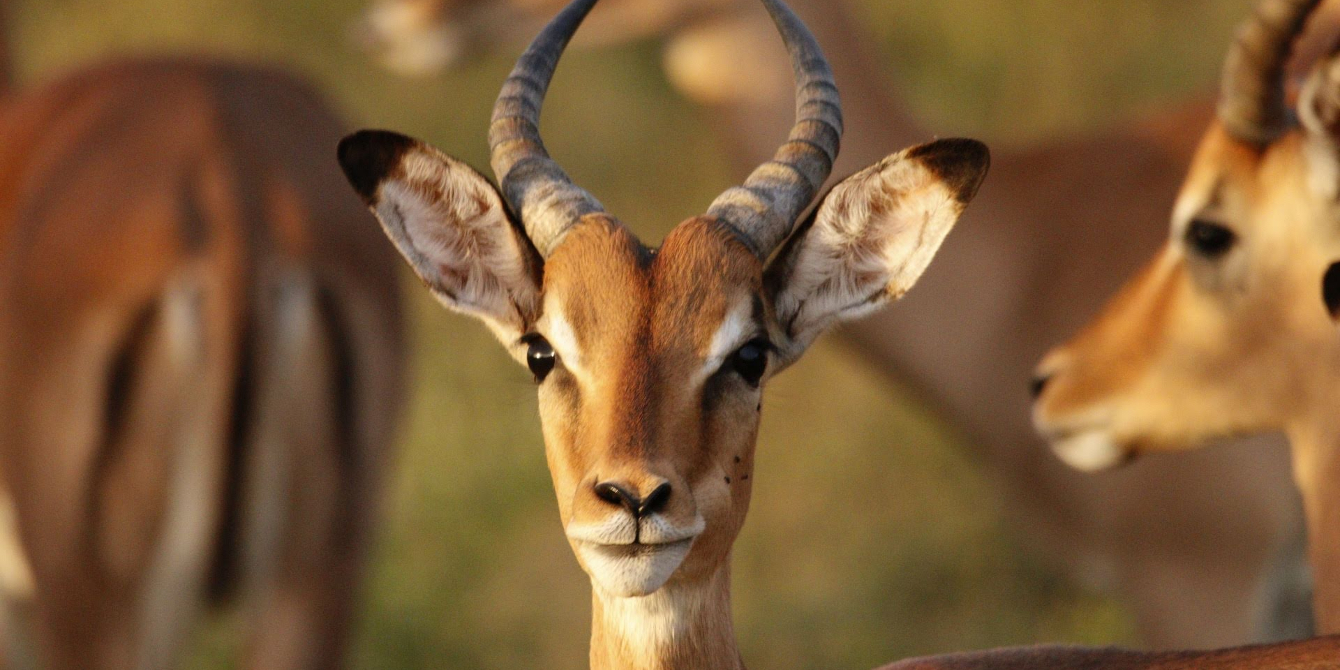
    An antelope that contributes the most to Kruger and is the favourite meal of many carnivores is the impala. The impala – also known as the “happy meal of the bush” because of the black M on its rear – is easily the most common large animal in the park. Its adaptation to the lowveld is second to none and there are over 13,000 adult impalas in Kruger. Impalas are found in two herds: a breeding herd is a harem which consists of ewes, lambs and one ram; and a bachelor herd which consists of rams only. 

    image

    Impalas raise the hair on their body to trap air close to their skin. This helps insulate their body heat which keeps them warm in cold environments. Impalas also have black glands called metatarsal glands on their ankles that are unique to the species. Its actual function is still under debate, but it is believed that when impalas are dispersed the gland gives off a scent that helps the herd regroup.

    My favourite antelope…

    My favourite antelope found in Kruger is the nyala. They are often found in the thicket in small herds. There is great sexual dimorphism (meaning visual distinction between sexes) between male and female nyalas. Females are chestnut in colour with white stripes along their back and males have a brilliant grey coat with many white markings and yellow legs that look like socks. Nyalas are the friendliest of antelope, and it is believed in some cultures that nyalas were humans in past lives.

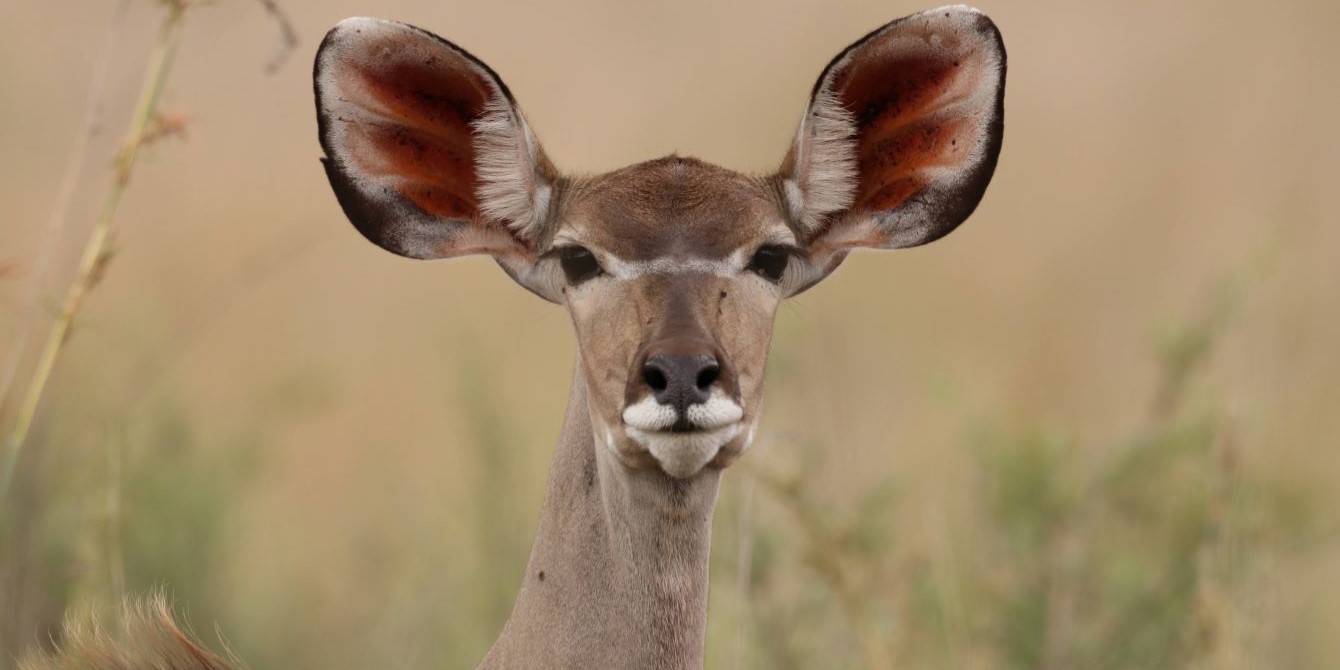
    When people think of antelope in Kruger, one of the first to pop up is the kudu. They are majestic antelopes that always catch your eye. Known as the grey ghost of the bush, kudu are extremely athletic and can jump up to 3.5 metres up in the air. The males typically have spectacular, spiralling horns that reach sizes of up to 1.8 metres long. They are the second largest antelope in southern Africa and tend to live in groups of half a dozen in the thickets.

    image

    The largest antelope you will find in Kruger is the eland. They are grey in colour with small, twisted horns and can weigh up to 800kg. Despite their size, they are athletic jumpers and can easily clear fences of 2 metres. It is rare to see an eland in the park as there are only 300 in the whole park.

    Antelope play a vital role in the Kruger National Park as the main food source for most large carnivores in the reserve such as the big cats and wild dogs. Without antelope, there would be no wild dogs, lions, cheetah or leopards in Kruger National Park. They are animals that often get overlooked in favour of the Big 5. 

    However, if people stopped and watched these animals, they would notice how amazing and elegant they are, and how perfectly adapted they are to their environment. So next time you go to Kruger and get upset that you only saw antelope, be grateful that those antelope were there and enjoy the experience.

    Antelopes come in all shapes and sizes – so do field guides. Are you interested in making the wilderness your classroom? Join a Bushwise course and you can!

    #wildlife #AdvancedRifleHandling #bushwise #qualification #Exam #ifga #animals #safari #ifgaguide #sightings #Assessments #gamedrive #guiding #ifgaexam #fieldguidecourse #studying

  • Exploring the Night Sky near Kruger National Park: Uncovering the Legends of the Southern Skies

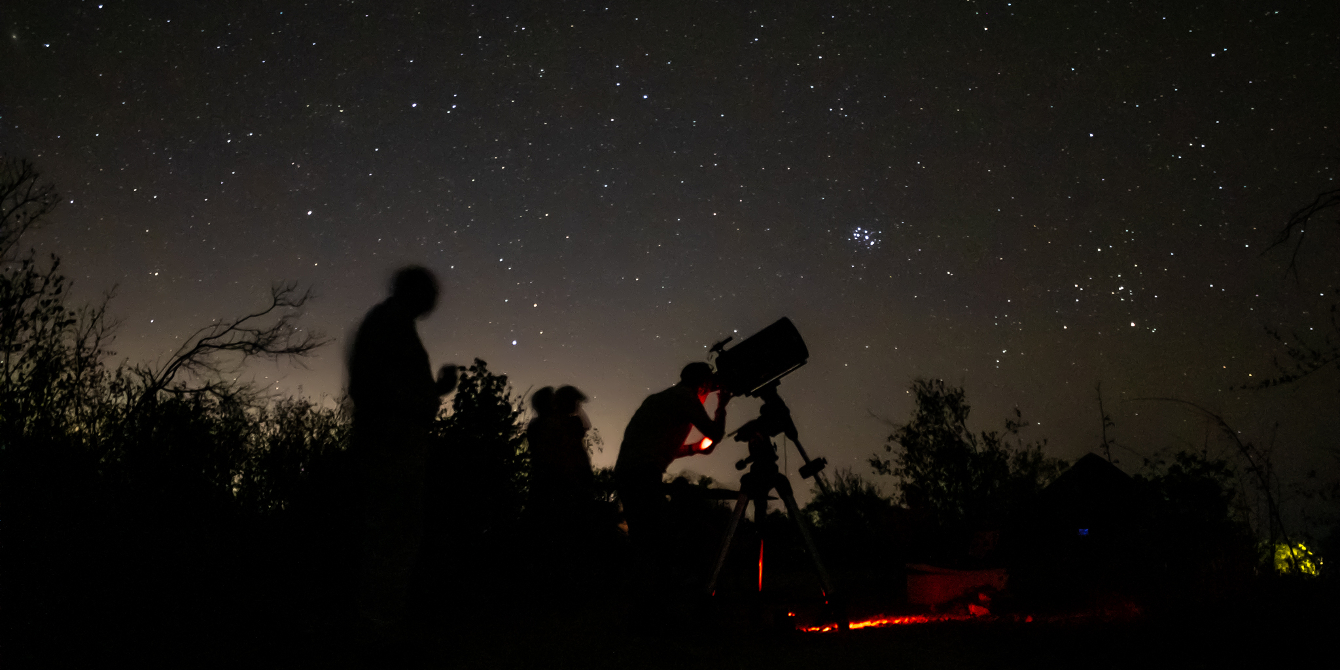
    As a newcomer to the Southern Hemisphere, the night sky above South Africa was so different from what I was used to. The stars were brighter and more vivid, and the constellations more intricate. I was initially intimidated by its complexity, but eventually I came to find it comforting. It was a reminder that, despite being so far away from home, I was connected to something greater than myself.

    4 min read

    What the Night Sky near Kruger Looks Like

    image

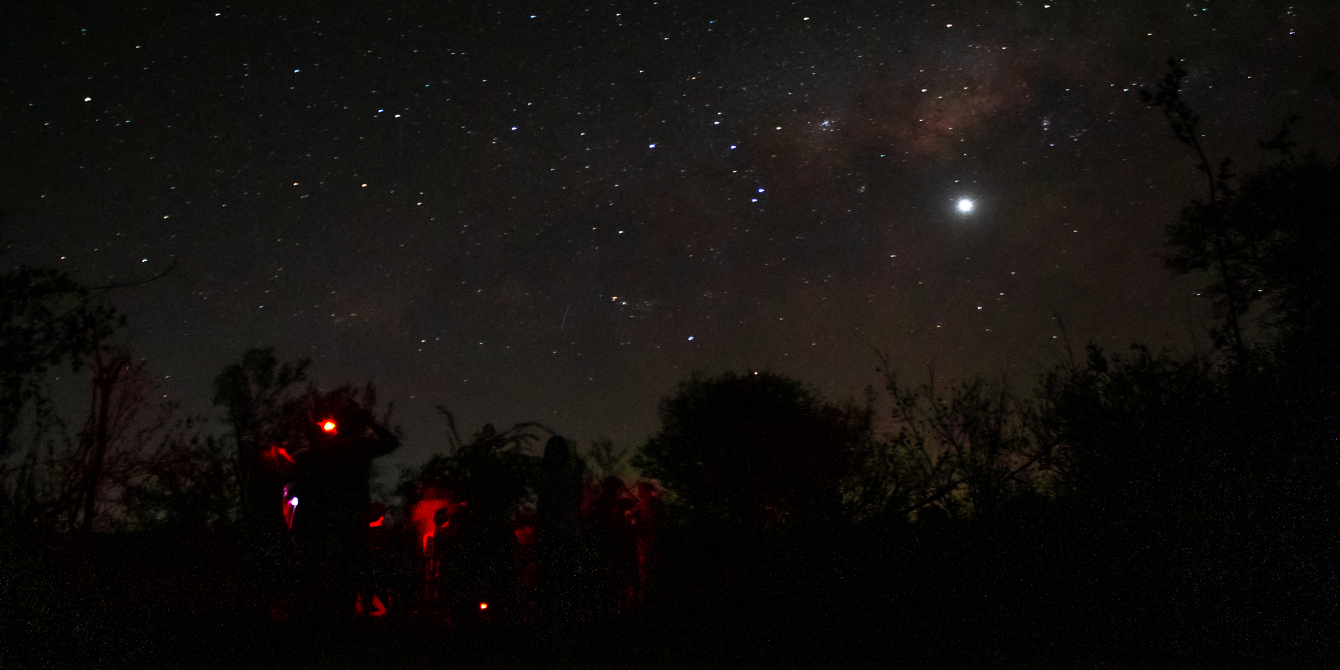
    The night sky near the Kruger National Park is incredibly vivid. In the winter months, it’s filled with a blanket of stars that stretch across the horizon. The Milky Way is clearly visible, a blanket of bright stars twinkling against the dark sky. 

    During the summer months, the sky is still filled with stars, though they appear to be a bit more scattered. The Milky Way is still visible, but the stars appear more concentrated in the middle of the sky.

    Constellations seen in the southern hemisphere

    The constellations you can find in the southern hemisphere include: 

    1. Crux (Southern Cross) 

    2. Orion 

    3. Centaurus 

    4. Scorpius 

    5. Canis Major

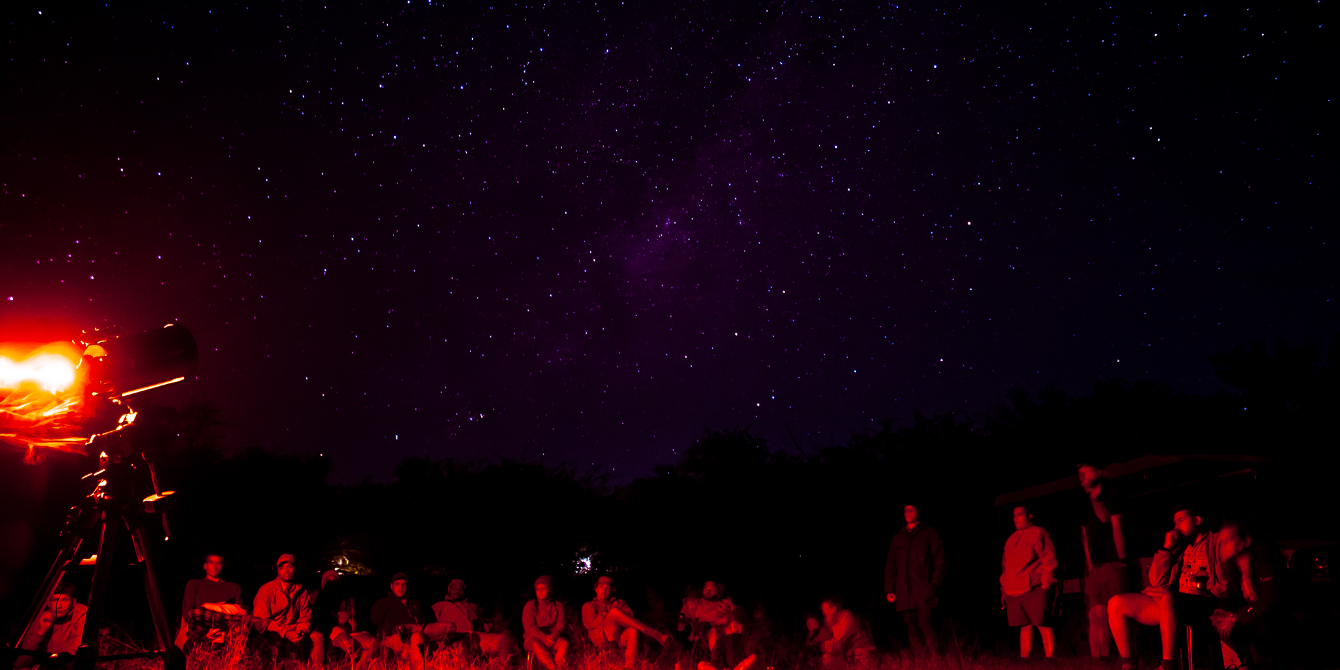
    Why am I so interested in the night sky? Because I’m on a 6-month field guide training course with Bushwise, and one of our modules is astronomy! We’ve learnt about the stars and I’ve been amazed by all the stories I’ve heard about the constellations. I want to share a few of my favourites with you here.

    Exploring local folklore

    image

    The Zulu people have a story about the seven stars of the Pleiades star cluster, also known as the Seven Sisters. According to their legend, the stars were seven sisters who were so beautiful that their father put them in the night sky so that everyone could admire them. They are said to represent the spirits of the deceased who are looking after the living. To this day, people still look to the stars for guidance and comfort.

    I’ve been especially intrigued by the stories behind the constellations of Orion and Centaurus. According to ancient Greek mythology, Orion was a giant hunter who was placed in the night sky after his death. Centaurus, on the other hand, is a constellation of two stars, Alpha and Beta Centaurus, and is said to represent a centaur from Greek mythology. 

    I’ve also heard the Sepedi story of the Milky Way. There was once a young woman whose beloved was stolen away by the gods. She was so heartbroken that she wept and her tears created the Milky Way. This is just a small fragment of the myths around stars and constellations here in the southern hemisphere. 

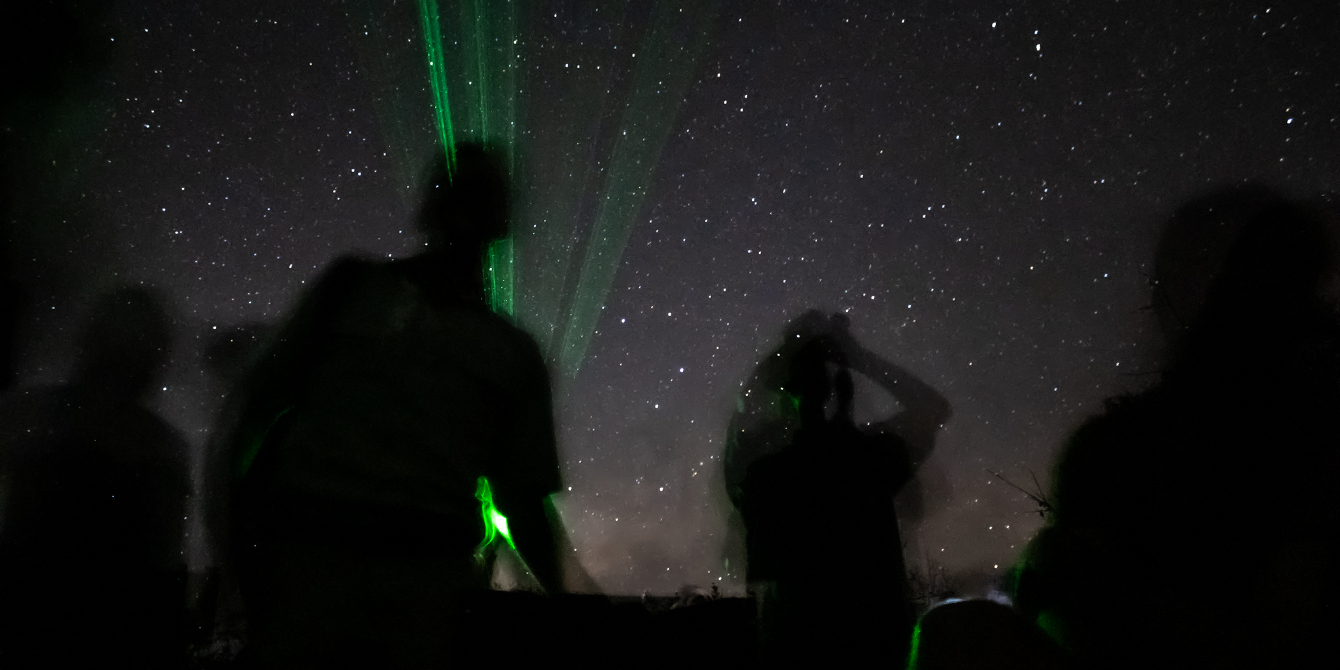
    I’ve found there’s so much depth and beauty in these beliefs! It makes going on a night safari that much more fascinating. It’s also really fun to use one of those red light pointers to scan the sky and discuss constellations.

    The night sky and navigation

    image

    People living around the Kruger National Park have been using the night sky to navigate for centuries. They used the stars to help them identify their location and direction, and to find their way in the dark. This skill was passed down through generations and is still used by locals today. 

    Another thing about navigation that’s totally fascinating is the way dung beetles use the night sky. Scientists have found that these little creatures use the light of the Milky Way to orient themselves when they are rolling their balls of dung. It’s amazing to think that something so small can use starlight in this way. 

    The wonders of the night sky 

    image

    I’m amazed by the night sky here in the bush. No matter how many times I look up, I’m always blown away by its beauty and complexity. I’m in awe of how the stars have served as a source of inspiration and comfort to so many cultures, and how they still hold powerful meaning today. 

    It’s incredible to think that the stars I see in the night sky near the Kruger National Park have been seen by generations before me. As I look up, I feel connected to the past and the future, to the stories of those who have gone before, and to the generations yet to come. I am filled with a sense of wonder and awe, knowing that I am part of something so much greater than myself.

    Learning about the stars with Bushwise has been a rewarding experience. The instructors make the material easy to understand, and listening to them is always enjoyable. I’m always engaged and interested in the material, and it’s been a great way to discover more about the night sky near the Kruger National Park and to connect with the stories that we’ll carry on.

    Are you curious to learn more about the southern sky? Join Bushwise to gain a deeper understanding of the stories behind the stars and constellations.

    Words by Bushwise writer, images by Louise Pavid

    #wildlife #bushwise #fieldguide #stars #safariguide #sleepout #safari #sightings #fieldguiding #trackandsign #fieldguides

  • Africa’s iconic Big 5

    This blog about the Big 5 was written by Ricardo Strydom, a Bushwise student on our Professional Safari Guide course. As part of their training, students research a topic and submit a blog.

    3 min read

    Here in Africa there is a group of five animals referred to as the Big Five. These animals include lions, leopards, African buffalo, African elephants and rhinos. The term originally comes from the 19th century when trophy hunters identified these five animals as being the most dangerous and difficult to hunt on foot. 

    Today the phrase is more commonly used by the safari and game viewing industry as some of the five most exciting animals to see while in the area where they roam. So now rather than shooting with guns, the main priority for tourists is to shoot them with their cameras.

    The mighty lion

    image

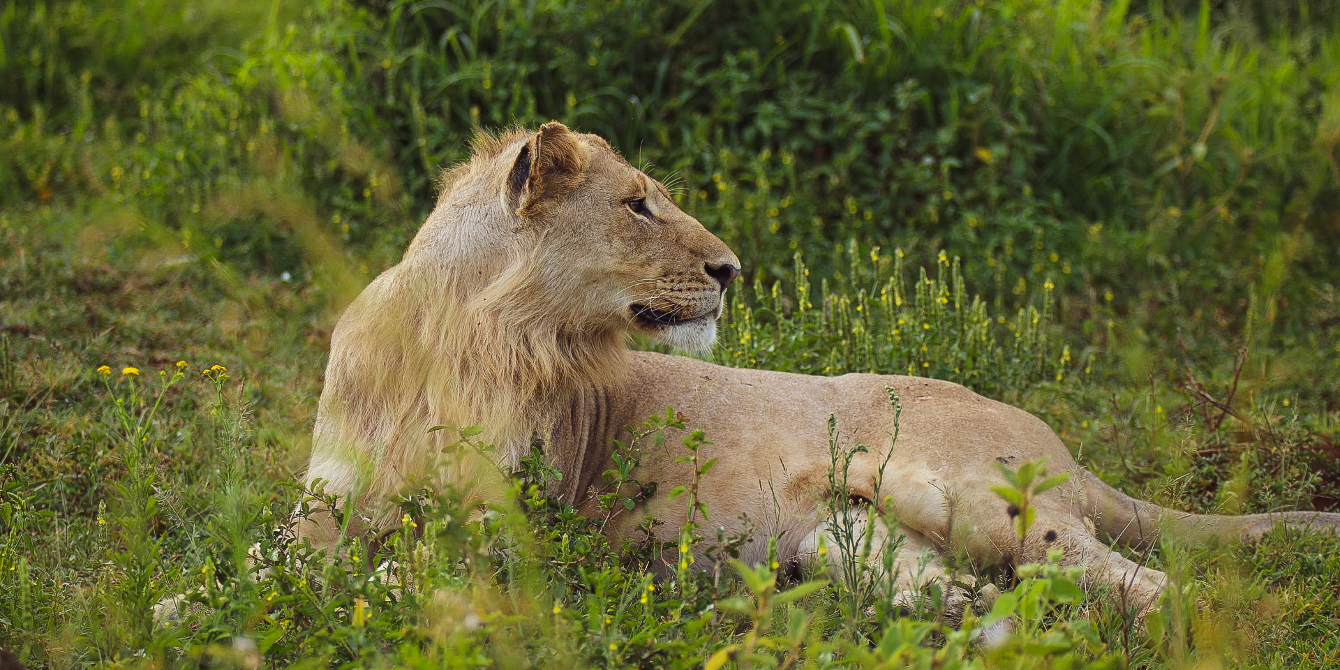
    Lions (Panthera leo) are found in India and in most savanna and grassland ecosystems throughout the continent of Africa. Male lions are iconic for their impressive manes. They will often roam separate from the females and cubs patrolling and protecting the borders of their territory. Female lions are the primary hunters and will provide food for the pride. 

    There are an estimated 23,000 lions left in the wild due to a drastic reduction in rangeland – that’s a 75% decline in the last 50 years.

    The secretive leopard

    image

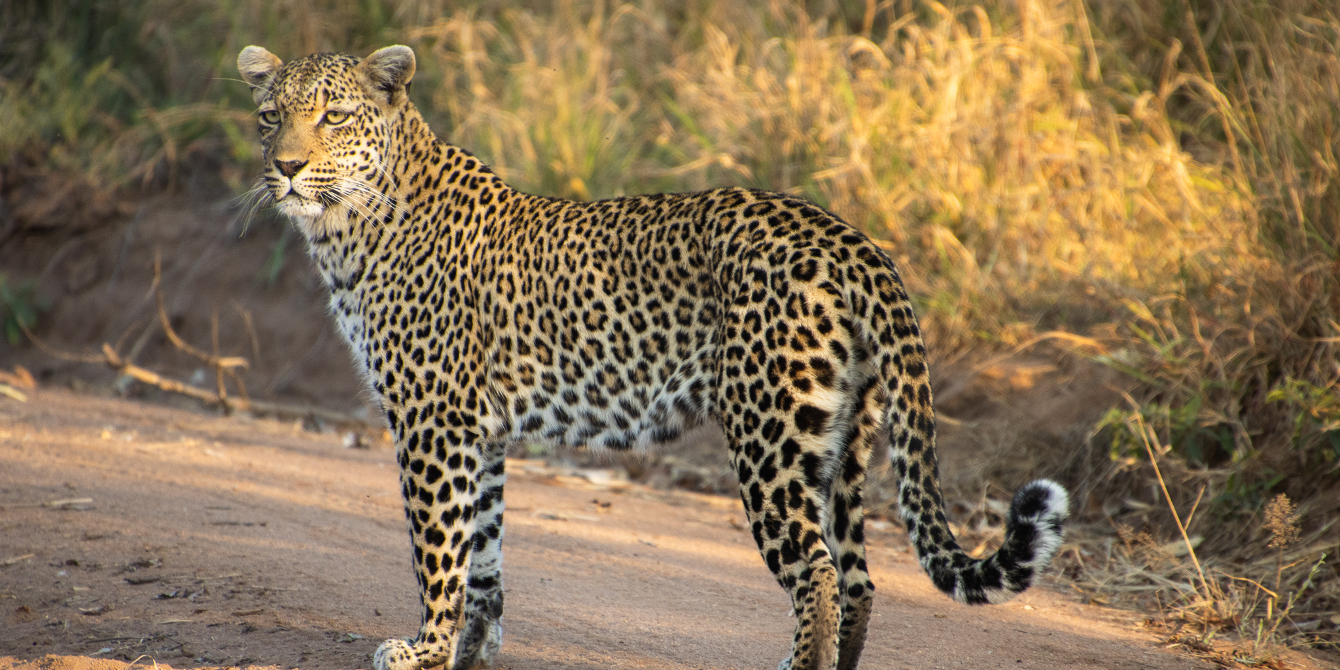
    Leopards (Panthera pardus) are another large feline cat in the group. They are known for their beautiful rosette spotted coats and can often be found relaxing in trees – their spots help them blend in with the leaves. They are solitary creatures Unlike lions, leopards are solitary creatures and only come together to mate.

    They are nocturnal and will spend their nights hunting. Once they have caught their prey, they will often pull their prey up into a tree to eat it so as to keep it away from tricky hyaenas who may try to steal it. They are classified as vulnerable and decreasing.

    The intimidating buffalo

    image

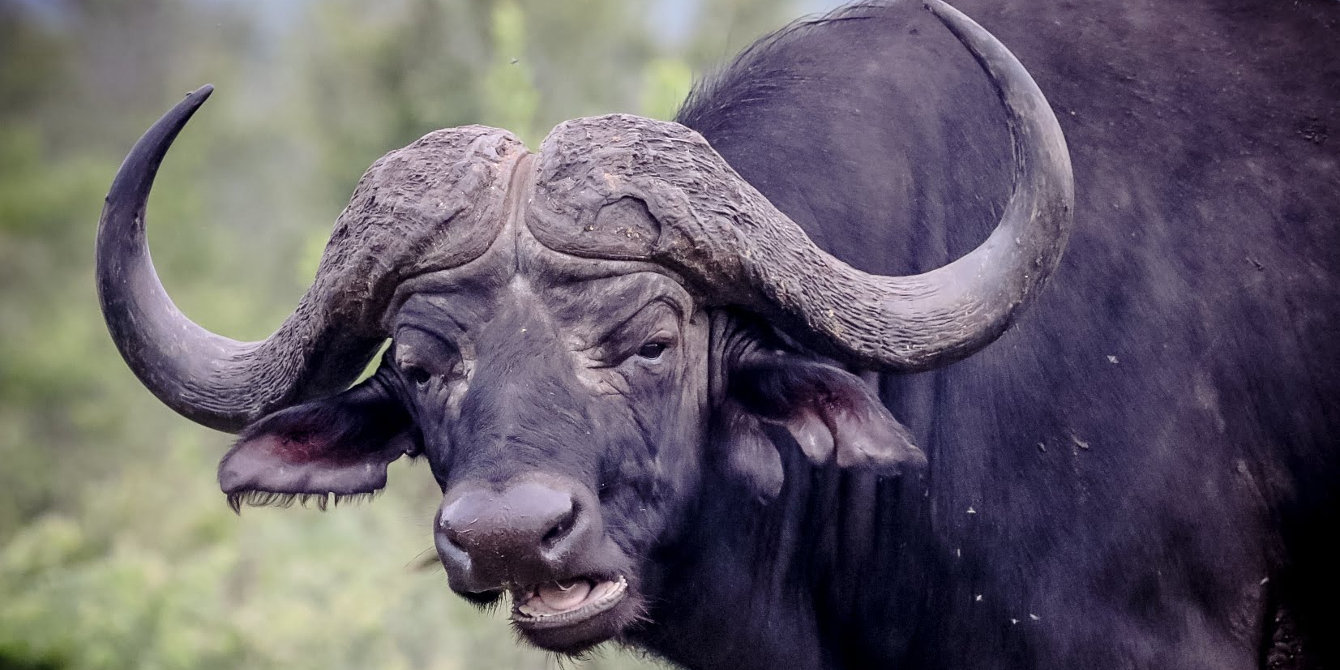
    African buffalo (Syncerus caffer) have been determined as the most dangerous of the big five. This may be surprising given that they are bovids – meaning they’re related to everyday cattle. When buffalo are injured, they will become aggressive and circle around to counterattack whatever injured them, which often results in death. 

    When they charge, unlike a lion who will roar or an elephant that will trumpet and flap its ears, they will remain still and then charge with no discrimination for what stands in their way. Buffalo are classified as near threatened, so currently risks to them are less than the other members of the Big 5. 

    The wise elephant

    image

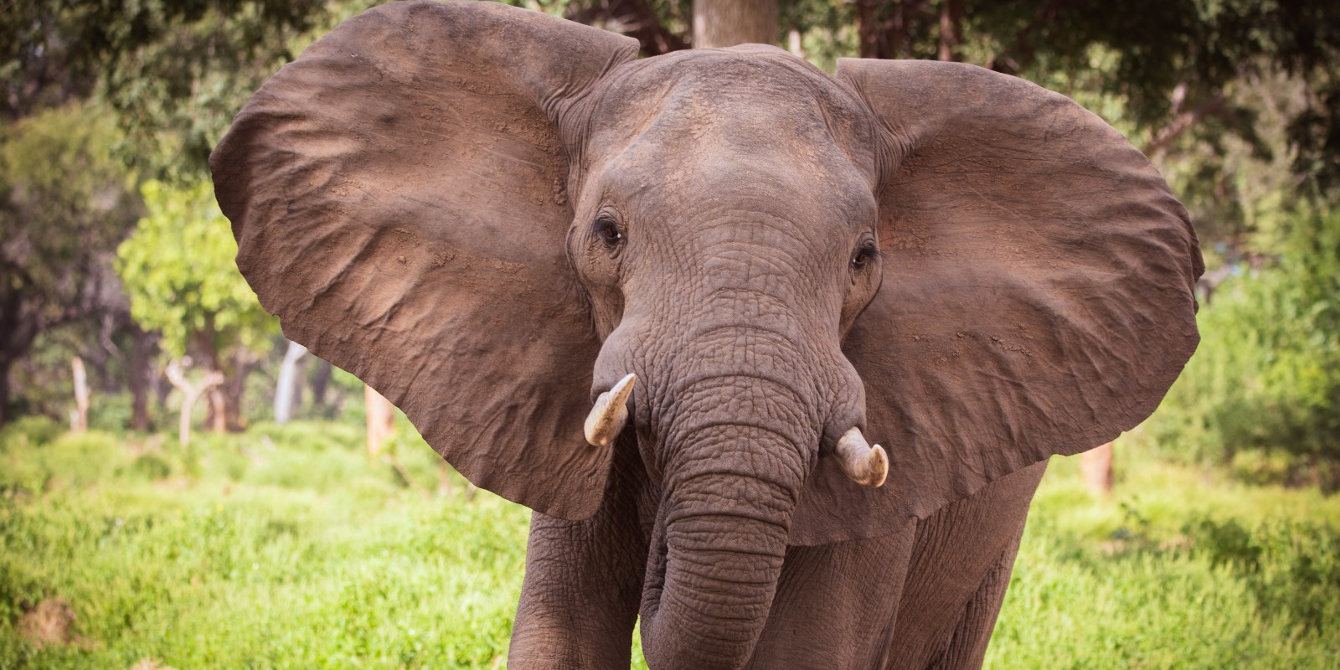
    Then there is of course the biggest land mammal in the world, the African elephant. The danger the African elephant poses is obvious due to its sheer size. There have been several cases of elephants trampling people or charging at vehicles. But this is not the natural behaviour as elephants are rather laid back and relaxed. 

    We all know the saying, “an elephant never forgets” and when people do an elephant harm or their family they will remember and their behaviour towards people might change. Elephant herds are led by a female which is called a matriarch. Male bulls will either be solitary or roam in bachelor herds meeting up with females occasionally at watering holes or to mate.

    The prehistoric rhino

    image

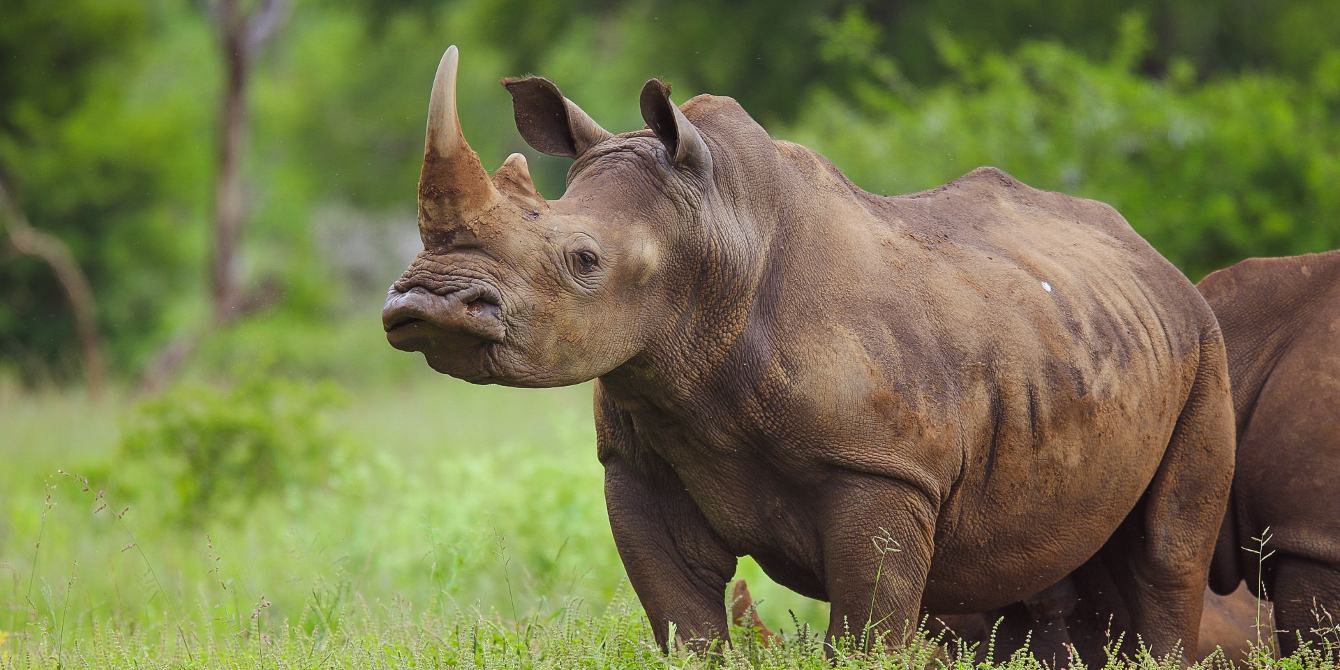
    Last but definitely not least is the rhino. We get two types of rhino in Africa, the blackand the white rhino. The black rhino is a browser with a hooked lip. It is known as being more solitary and aggressive. The white rhino is bigger and is a grazer with a wide mouth to graze. Poaching has put rhinos on the endangered list. While rhinos are poached for the medicinal value of their horns, the horn is made up of keratin – similar to our fingernails or hair – and thus has no proven medicinal value.

    Honourable mention: hippo

    Another dangerous animal not included in the big 5 but that deserves an honourable mention is the hippo. Hippos are the African animal that kill the most people. Even though they are herbivores, a hippo encountered on foot could possibly be a fatal experience especially when encountered with a calf.

    See the Big 5 in person on a Bushwise course. Check out our wildlife courses here!

    Words by Ricardo Strydom, photos by Annie DuPre

    #wildlife #gameranger #Birding #bushwise #fieldguide #qualification #safariguide #trailsguide #training #animals #safari #ifga #sightings #fieldguiding #tracking #endangeredspecies #guiding #ifgaexam #elephant #fieldguidecourse #studying

  • From cattle herder to field guide

    Camp manager blogs are written by our current students who each get a chance to lead and manage a group (of their fellow students) for a period of one week. This blog is by Slon Khoza.

    3 min read

    I’m from a village close to the Kruger National Park in Mpumalanga. I grew up as a goat and cattle herder, and I used to walk along the fence line of Kruger a lot, which gave me the opportunity to see many interesting animals. 

    We never went into Kruger because it wasn’t easy for us. I once got an opportunity to go to Timbavati with an eco-school who took us on a game drive. That’s where my interest in conservation began and I wanted to become a field guide. 

    Following my passion for conservation

    image

    I worked for Conservation South Africa for three years and learned a lot during this time. Then one day I saw a post for a scholarship from the Southern African Wildlife College and Bushwise and I knew I had to apply. And much to my amazement, I got selected for an interview session and after a long journey I made it! 

    I started doing a course online with the Wildlife College, before joining Bushwise in person for training. I finally got a chance to take people on game drives, explore the natural environment with them, and share my knowledge about the bush. At the beginning I had doubts about whether I would be able to make it or not. But through the Bushwise course I have gained the confidence and knowledge to guide people, who have been happy with the information I shared with them.

    The role of amazing trainers and mentors

    image

    The training facilities, support resources and mentorship of our trainers are all of a high standard. They are always willing to help when you’re struggling. For example, I was struggling with a module on birds, and the dedicated trainers helped me. 

    At first when I looked at the night sky, I was only able to identify the moon. With all the stars and constellations, I felt like I was looking at one big entity. Now, I am able to identify, point out and name most of the stars and planets.

    The staff, trainers and students at Bushwise have become like a family to me. They are so supportive and we work well as a group – which is great because it shows that we’re all able to work well with people from different backgrounds and cultures. 

    Being camp manager

    image

    Bushwise has a schedule that they use to make sure every student has a week to be camp manager. At the beginning I didn’t understand why because I had never been a manager of anything. So I wondered, how are we going to do this? But as time went on, I saw that the role wasn’t as difficult as I thought. 

    My week as a camp manager was during a week of CATHSSETA NQF 2assessments. During your week, you must make sure that everything goes well and if there are any challenges, you have to resolve them.  I remember one morning we had to wait for our assessor to arrive at reception. I didn’t know what to do or what to offer, but thankfully we have a good trainer and he advised me to prepare a hot box to make things look professional and so that’s what I did. 

    When the assessor arrived, I offered him a hot coffee. He was so happy and reminded me of a chatting bird – a green woodhoopoe. After this I felt much better in my camp manager role and think it was a great experience.

    Does this blog speak to you? You can become a field guide, just like Slon. Start your journey in field guide training.

    #AdvancedRifleHandling #animals #bushwise

  • Big bird week on a nature conservation course

    This blog was written by Bushwise student Jacques du Toit, in October 2022 when the students participated in a Bushwise big birding competition. 

    3 min read

    This week was “Bird Week”, a refreshing change in scenery from our usual schedule throughout the semesters thus far. 

    image

    On Monday we were briefed on the rules, regulations and schedule of Bird Week. We were split up into two groups, A and B and had an equal chance to find as many different bird species as possible in areas which included the SAWC concession, Manyeleti Reserve and Marieskop State Forest. 

    Species had to be confirmed by the trainer onboard, and at least two participants had to have seen or heard the species. Sight of the bird or a clear and concise call of a species constituted a confirmed species. The group who had the most species at the end of Thursday’s activities would be declared winner, and the prize would be the winning group were to be hosted by the losing group at a braai on Saturday night.

    image

    Tuesday the competition started with Group A going to Manyeleti Reserve – our campus’ reserve – and Group B trawling SAWC concession for as many bird species as possible. Because it was the first day, it was really easy to discover unlogged species, and the most common species was found and excitedly logged as a find. 

    The intensity of the competition began to show at the end of the day when both groups tried to find out how many the other had logged. Battle lines were drawn, allegiances formed and friendships tested.

    Wednesday saw the two groups switch areas, Group A around campus and Group B went to Manyaleti. Finding new species to log became more difficult, but with a little more patience and perseverance, the harder to find birds were seen or heard and duly logged. 

    image

    It was a pleasant change to experience a new reserve, as we all had been conducting our game drives, trails and wildlife tracking around SAWC concession for the past three months and we needed some variety. Competition amongst the groups reached new heights and innovative approaches were used to try to get information from the opposing group.

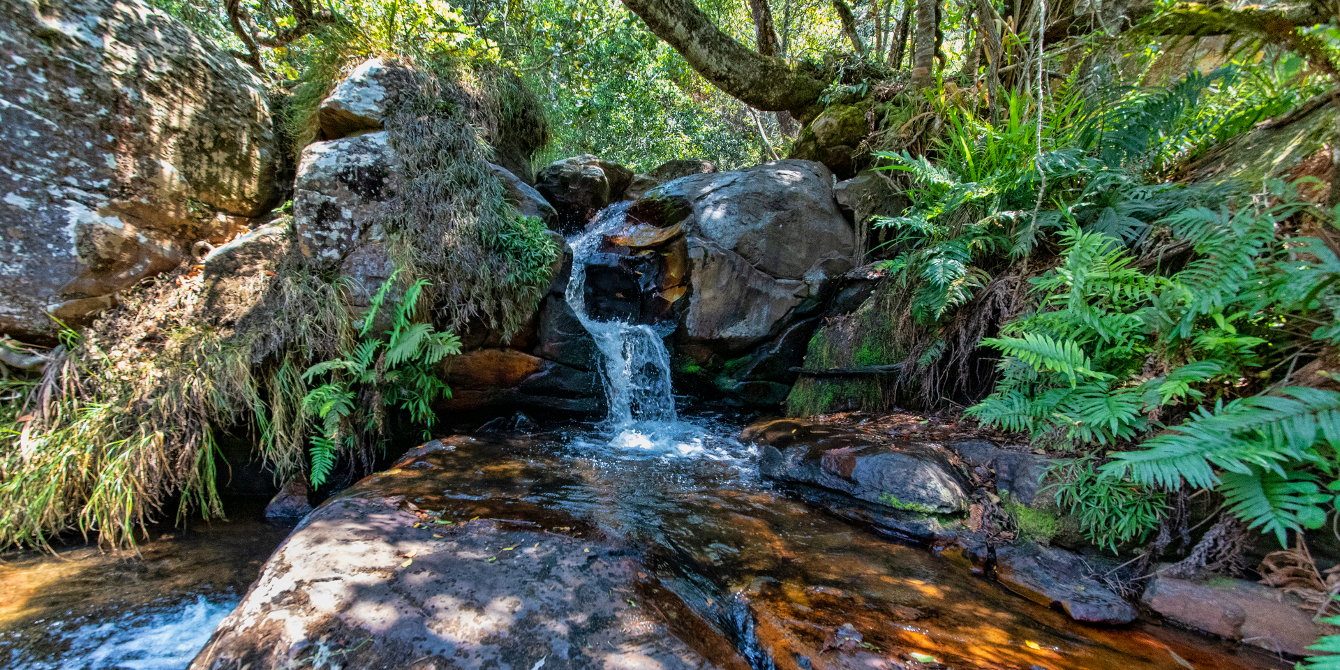
    Thursday was special for all involved. Both groups departed for Marieskop State Forest. This hidden gem had a lasting impact on all students and trainers too. The forest itself was beautiful and an interesting change in biomes. We had become so used to the savannah plains around our campus that when we entered the forest-like biome the first time the excitement and awe in all of our faces was unmistakable.

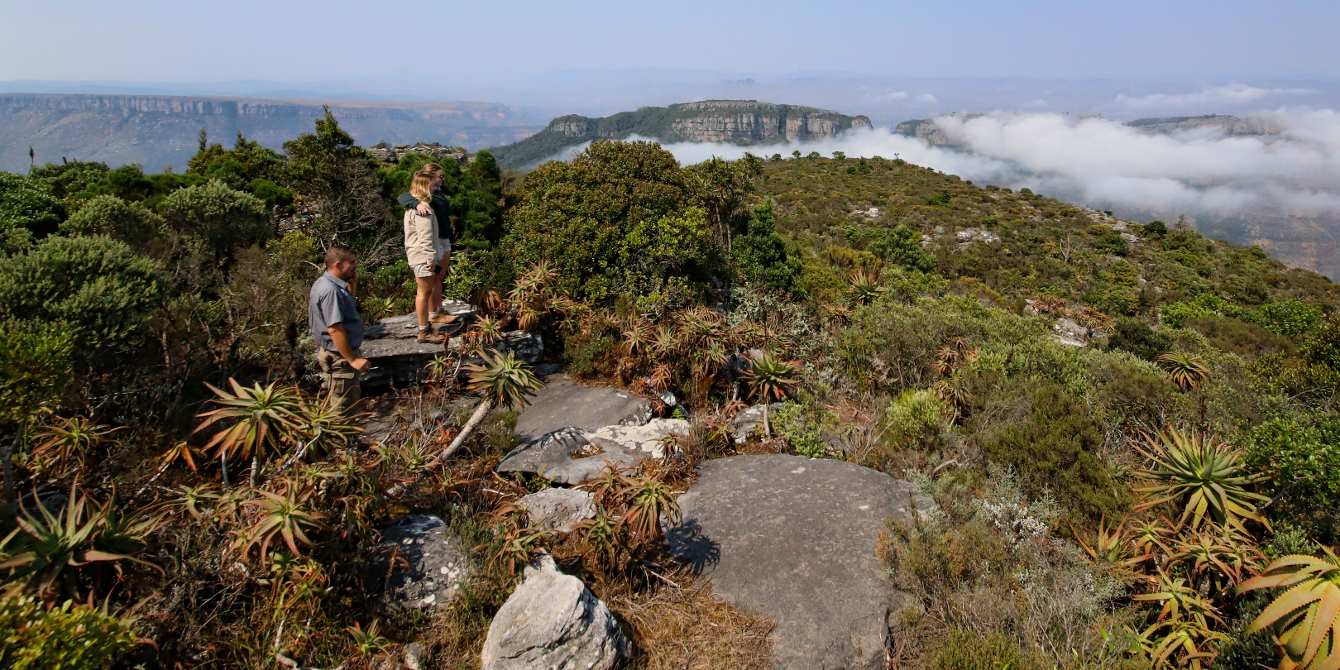
    From a birding point of view, this presented new opportunities to log new species. But the most tremendous moment came after we painstakingly ascended a mountain gravel road and were greeted with breathtaking views from on top of the mountain. 

    image

    The weather graced us with partial cloud cover below us – which led to astonishing scenic views from the top of the world. For a few precious moments all previous rivalries and competitors took a back seat as we all enjoyed the freshest air.

    Friday was the day of results. Group A took the win finding 168 species over Group B’s 157. Combined there were over 190 different species discovered. We then had a mock test for the upcoming bird test the following day.

    Saturday started with the much feared test. Unfortunately, the winners didn’t get their prize as the braai was cancelled due to bad weather. 

    image

    On a personal note, at the start of this week my birding knowledge was less than desirable. But after seeing how excited both students and trainers got during the week with recording their found species and the competition that arose from this, I began to understand the joy of birding. I’ve gained tremendous knowledge on birds, but I still need to improve if I want to catch up to my peers’ levels!

    Whether you’re an avid avian enthusiast or a budding birder, a nature conservation course with Bushwise is a great way to further your knowledge! Apply today and join Bushwise.

    #wildlife #ifgaguide #Birding #bushwise #qualification #training #animals #apprenticefieldguide #safari #ifga #sightings #fieldguiding #tracking #trackandsign #guiding #ifgaexam #fieldguidecourse #studying
  • Elusive species of the Lowveld Part 2: Secretive cats

    This is the second blog in a series of two about elusive species of the Lowveld (read the first one here). It was written by Bushwise students, Menina Nightingale and Jocene de Kock as part of a special research project during their Professional Safari Guide course. All information contained in this blog is from Menina and Jocene’s research.

    3 min read

    In this blog about elusive species, we look at some of the smaller secretive cats and cat-like creatures that make up a large part of the “Secret 7” – servals, genets and civets. Let’s learn more about these elusive and intriguing species!

    Elusive cats

    image

    When you think of elusive cats (and cat-like mammals) the first that always comes to mind is, of course, a leopard. This big cat is a sighting that many tourists might revisit South Africa just to tick off a sightings list. Forming a big part of the Big 5 – this elusive cat has become an extremely exciting sighting on a game drive. 

    But in some of the private reserves, it isn’t necessarily hard to spot one of these majestic animals (with the assistance of a well-knowing field guide!). Despite this, it is always fun, and arguably even more rare to bump into one of the more secretive small cats (and cat-like mammals) that roam the bushveld – civets, genets and servals.

    Civets 

    image

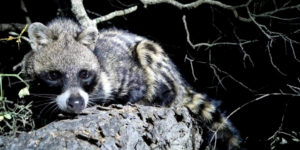
    Civets are relatively common inhabitants of the bushveld. Often you will see their tracks and signs, but less often will you catch a glimpse of one of these sly cats. On a drive, you will likely come across their perfectly round little paw prints crossing the sandy roads and you might even come across one of their ‘civitrys’ – where they will come and defecate regularly to mark their territory.


    The main reason they are so hard to see is they are strictly nocturnal. They largely spend their time up in trees resting during the day to keep out of harm’s way. Being relatively small, high in the canopy and very dark in colour a daylight sighting of one of these is nearly impossible. A more likely time to catch a glimpse of one is in the evening as the sun is setting where they will descend from trees and begin the search for food, feeding largely on insects, insect eggs and sometimes even frogs.

    Genets

    image

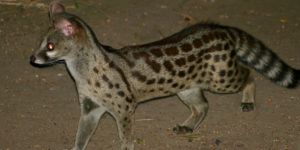
    Although genets very often hang around campsites or lodges, and like most of the other smaller predators, are largely nocturnal, it’s not always easy to find these small spotty animals. These shy little cat-like mammals are very hard to spot particularly during the day. In daylight hours they will spend their time sleeping in aardvark burrows, hollowed out tree stumps or even in rabbit burrows. Similar to a civet they will emerge after dark to hunt using their partially retractable claws to catch rodents, birds, bats, snakes and scorpions! Once out on a hunt, they are more active and the chance of seeing one isn’t impossible on a night drive. 

    Servals 

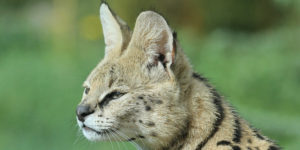
    These cats, whilst nocturnal hunters, can emerge during daylight hours often seen in long grass where they can blend in nicely. They are a beautiful cat to spot with long slender bodies, tall legs and large dome-like ears. Servals can travel up to 60 km in a night and very seldom stay in the same area, so populations at one time in an area are never very concentrated. 

    Servals are almost harder to spot than a genet due to the large distances they travel. Unlike genets, servals  don’t scavenge near lodges or camps; they are much more secretive even at night when hunting. They are stealthy hunters and make use of an effective pounce technique using their strong springy legs which allow them to reach heights of 3.6 metres in one pounce. This is what earned the title of most efficient hunter of all the cats! Spotting one in action would be a thrilling sight to see. 

    Keep your eyes open and keep looking for elusive species!

    image

    Perhaps it is the mystery of what these strange creatures get up to in the dead of night, or perhaps it is because they are rarely seen that makes them such an exciting spot on a game drive. Seeing one of these elusive little animals is definitely worth some bragging rights amongst wildlife enthusiasts – and even guides and trackers. 

    You could be on a night drive, watching a serval stalk through the bushes, very soon! Join a Bushwise course and make your career all about wildlife. Apply today.

    #wildlife #ifgaguide #AdvancedRifleHandling #bushwise #fieldguide #qualification #Exam #ifgaexam #leopard #training #animals #apprenticefieldguide #safari #IFGA #sightings #wilddogs #fieldguiding #endangeredspecies #Assessments #gamedrive #guiding #fieldguidecourse #studying