Author: Bushwise Student

  • Advanced Rifle Handling Training: My Experience at Bushwise

    This blog about advanced rifle handling was written by Charlotte Nicolson, Bushwise Professional Field Guide student.

    After a demanding third semester filled with the nerves of our final practical drive, I thought it would all be downhill from here. That thought instantly disappeared with the first sound of a rifle. 

    From Theory to Practice: Learning the Basics of Rifle Handling
    image

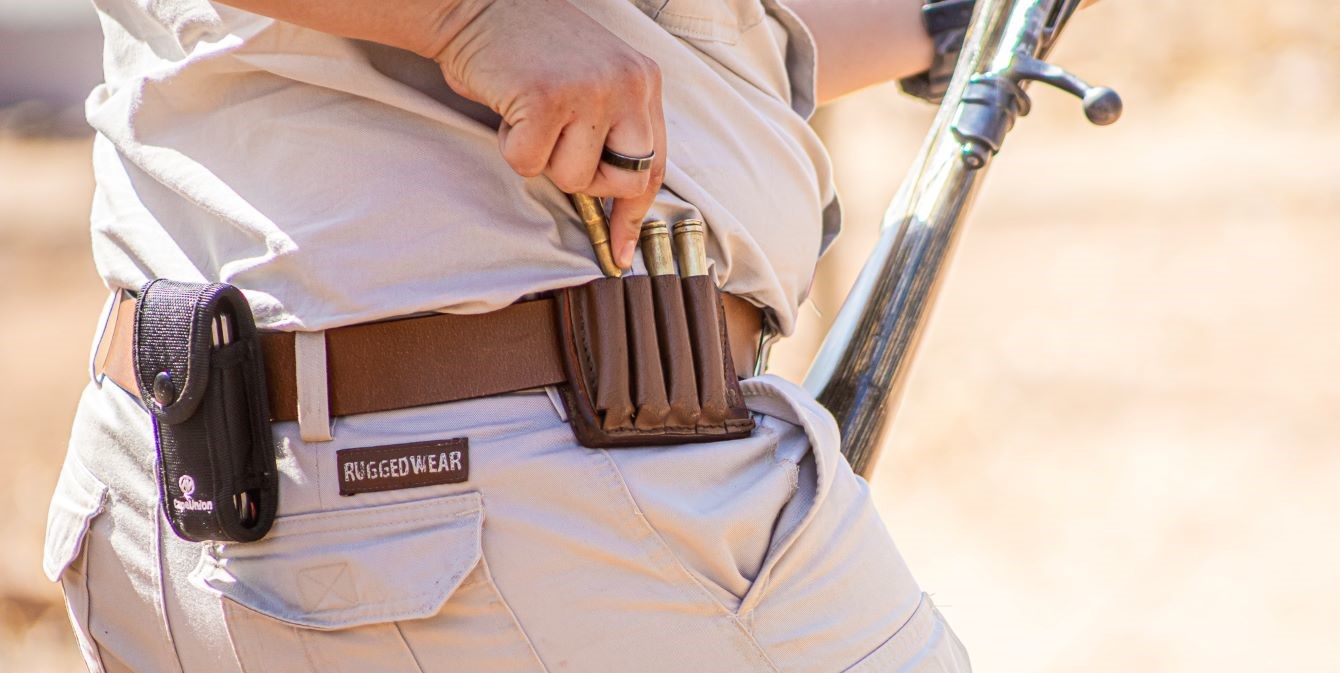
    This week was Advanced Rifle Handling training or ARH. Before the course started, whenever someone from home asked about my course, I would slip into the conversation that I was going to be doing advanced rifle training . Needless to say, when the week finally arrived, I was super excited! We studied for our theory test during our off week. On our second day back at campus, we headed off to Tzaneen to get our basic rifle handling certificate – which allows us to then begin our advanced rifle handling on campus. 

    It’s April now in Limpopo which means the temperature is dropping, and this year is particularly cold. On our drives to Tzaneen, I wore three jerseys, a beanie, a scarf and I even climbed into my bright blue sleeping bag and zipped it all the way up so that it covered my head. Each day we stopped off at Mugg & Bean where some of us got coffee or hot chocolate – by far my favourite part of the morning. Just when my fingers can’t bend anymore and I think they have frozen, a hot chocolate in one hand and a bit of a biscuit in the other seems to solve my problems. 

    After the theory tests, we started with the .22, which is similar to a pellet gun. Even so, when I picked it up for the first time, my hands were shaking. We shot ten bullets with the .22 and then moved to the .223. This time there was a bit of a bang, but it felt good to take the first baby steps.

    A Different Kind of Range: Bushwise ARH Training
    image

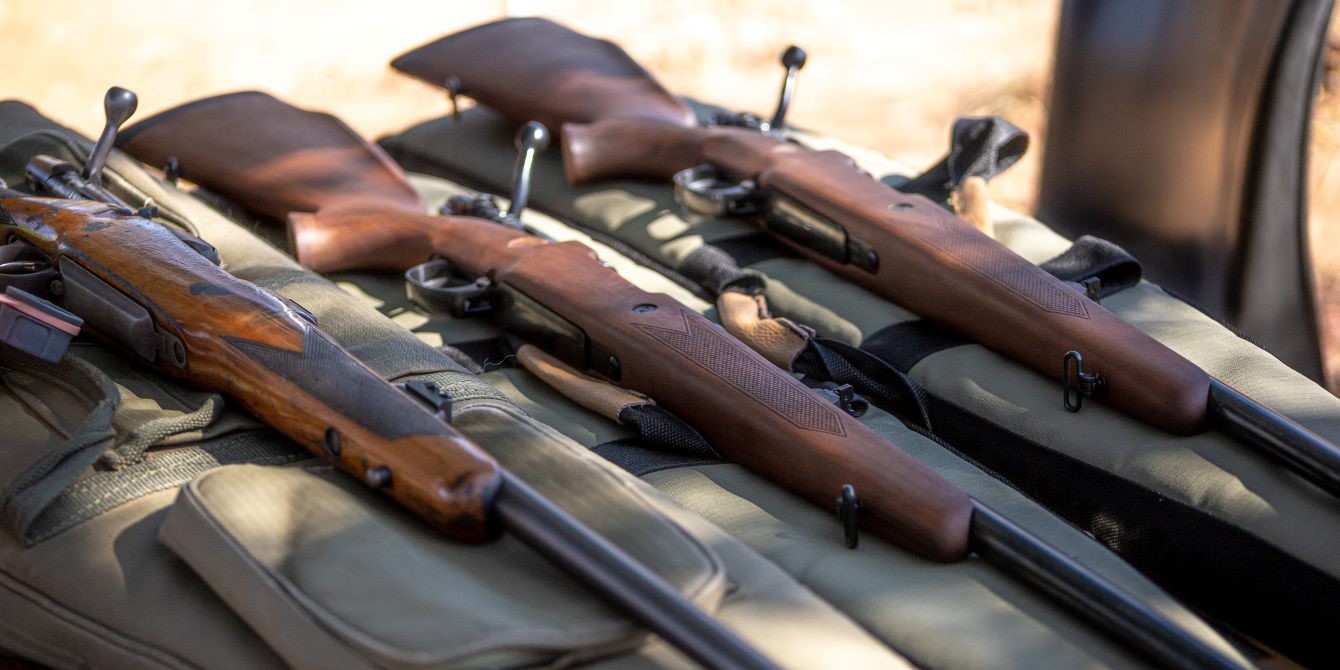
    On Thursday, we started with our proper Bushwise ARH training. The Bushwise range works a bit differently to the indoor range at Tzaneen, and looks a bit different too. 

    As camp manager I had to make sure we had everything we needed to set up. This was done by filling the Cruiser with targets, boxes, gazebos, poles and lots of other things – I didn’t know how they would all fit in until they did. We drove the cruiser to the top of the campus where we set up. I also had to make sure there were hot boxes prepared each day with tea and coffee. 

    We started off with dry handlining the rifles to practice loading and unloading, getting our stance right and working towards doing it all with some speed without having any actual live ammunition inside. By Friday, we were ready for some real action. 
    image

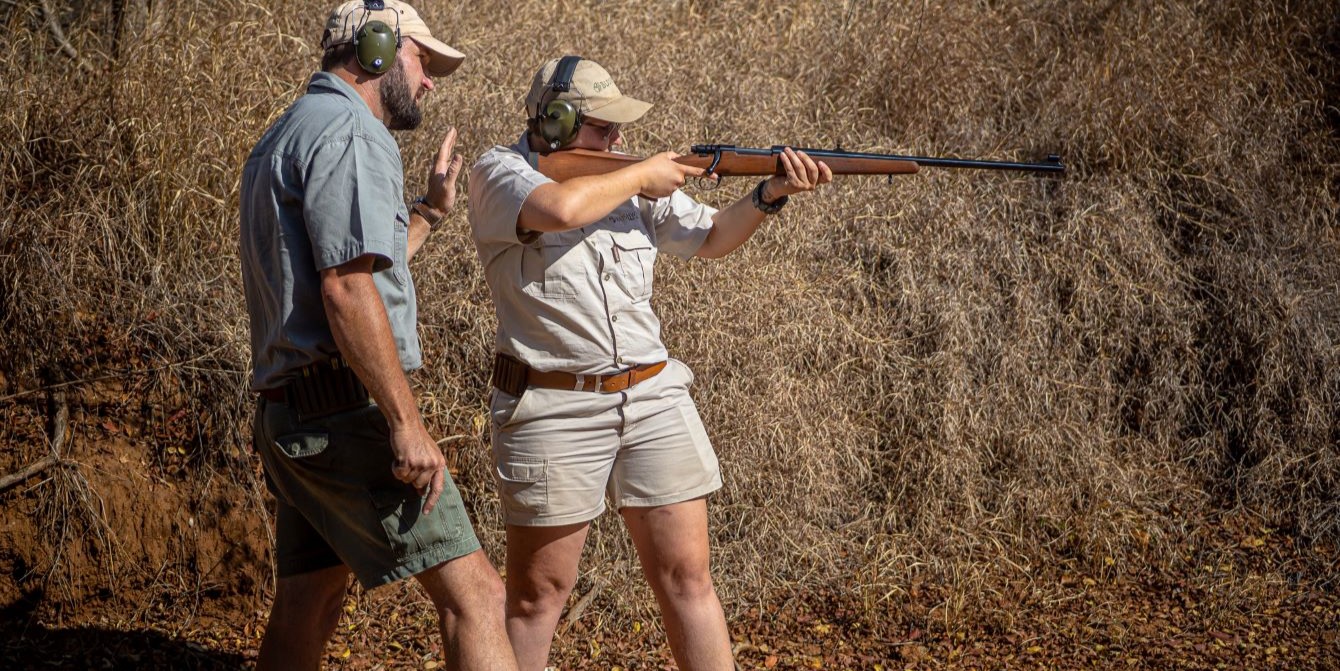
    The first time we loaded the .375 with live ammunition we had to shoot five shots onto a paper target, standing 12m away. We each had one of the trainers standing behind us in case the recoil knocked us off our feet and to make sure we were handling the rifle safely at all times. 

    We started each day at 7:30am and ended the day around 5:00pm with a lunch break from 11–12:30. Each day was extremely tiring and yet extremely exciting. The adrenaline that runs through everyone when it was their turn to pick up the rifle and use it was very evident. At one point, I could hear my heart beating in my ear protection muffs and could feel my heart beating in my head. By the end of the week, we were all ready for a day off. 

    My Camp Manager Week: Balancing Responsibilities and Learning

    I loved my camp manager week, despite having to tell people to do their duties or clean up after themselves. It was a week full of being grateful that I chose this path, a week of laughing and a few tears but overall, I learned a lot and would do it over again if I could. 

    Would you like to learn advanced rifle handling like Charlotte? Join the next Bushwise Professional Field Guide course and you will!

    #wildlife #AdvancedRifleHandling #bushwise #qualification #Exam #training #apprenticefieldguide #fieldguiding #Assessments #fieldguidecourse #studying #fieldguides
  • Following in the footsteps of a matriarch

    This blog was written by Molly Swan, Bushwise Professional Field Guide student. 

    Autumn morning in the bushveld

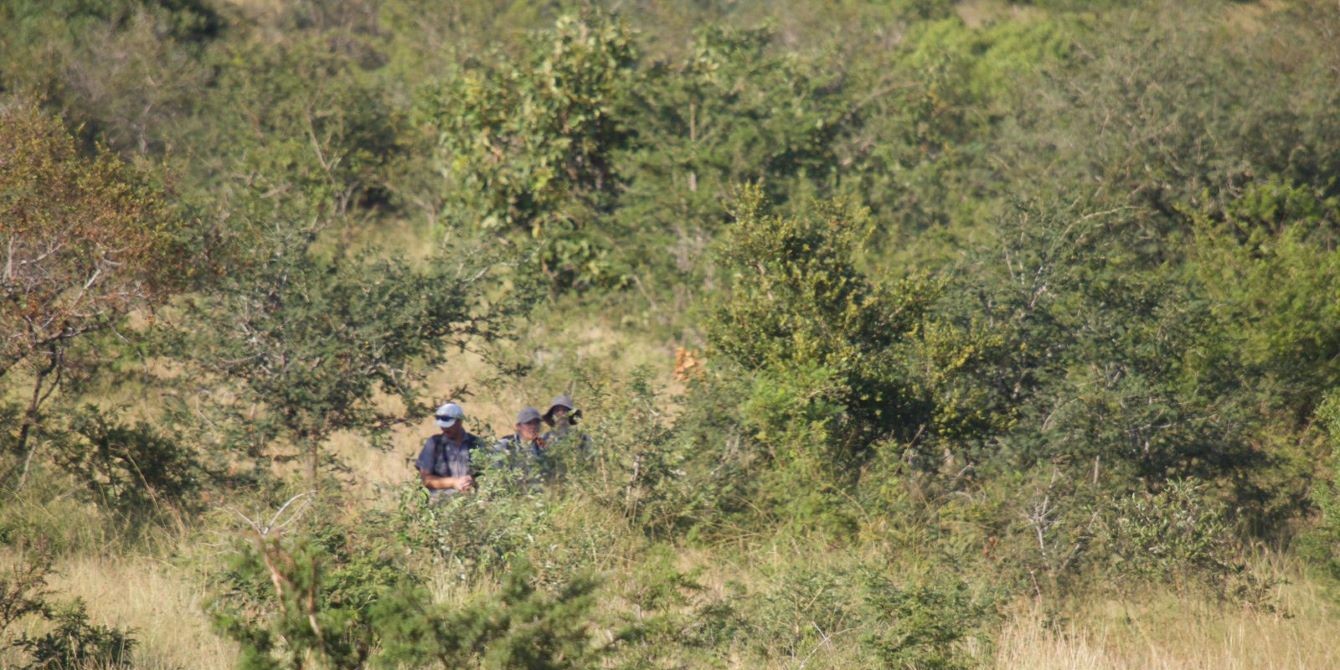
    Venturing out on a beautiful autumn morning about to discover what is behind the thickets of the savanna bushveld. The clouds have moved off and the wind is softly blowing the slowly browning grass. Zebra, impala and blue wildebeest graze in the distance. 

    There is word a herd of elephants are foraging in the nearby drainage line, an area where trees and grasses are full of nutrients. Two of us follow behind our guide/trainer – who is brimming with knowledge, rifle in hand. 

    Tracking elephants in the savanna

    image

    We head south completely undetected, silent, walking in a single file line. The wind is blowing in a westerly direction, so we enter on the east side of the drainage line to disguise our human scent. Nearing the drainage line, we see butterflies, blue waxbills, fork-tailed drongos and the last signs of summer’s wildflowers. We trample over anise seed and release its awakening aroma. 

    As we push through branches of sickle bush, flaky bark thorn and magic guarri trees, a male impala’s face appears around a false thorn. He watches us cautiously. He is very curious about why we are there. Other males gather behind him frozen in their place but not too frightened to run off. This small bachelor herd may be unlucky this upcoming breeding season seeing that they have not already claimed a herd of females of their own. 

    Walking in the wild

    Continuing a few meters further, we stop to listen for the sounds of the magnificent elephant herd. We hear sounds of feeding, branches breaking and the deep vibrational rumble of the matriarch leading the herd to their next destination. We are close – and we’re only twenty minutes into our walk. 

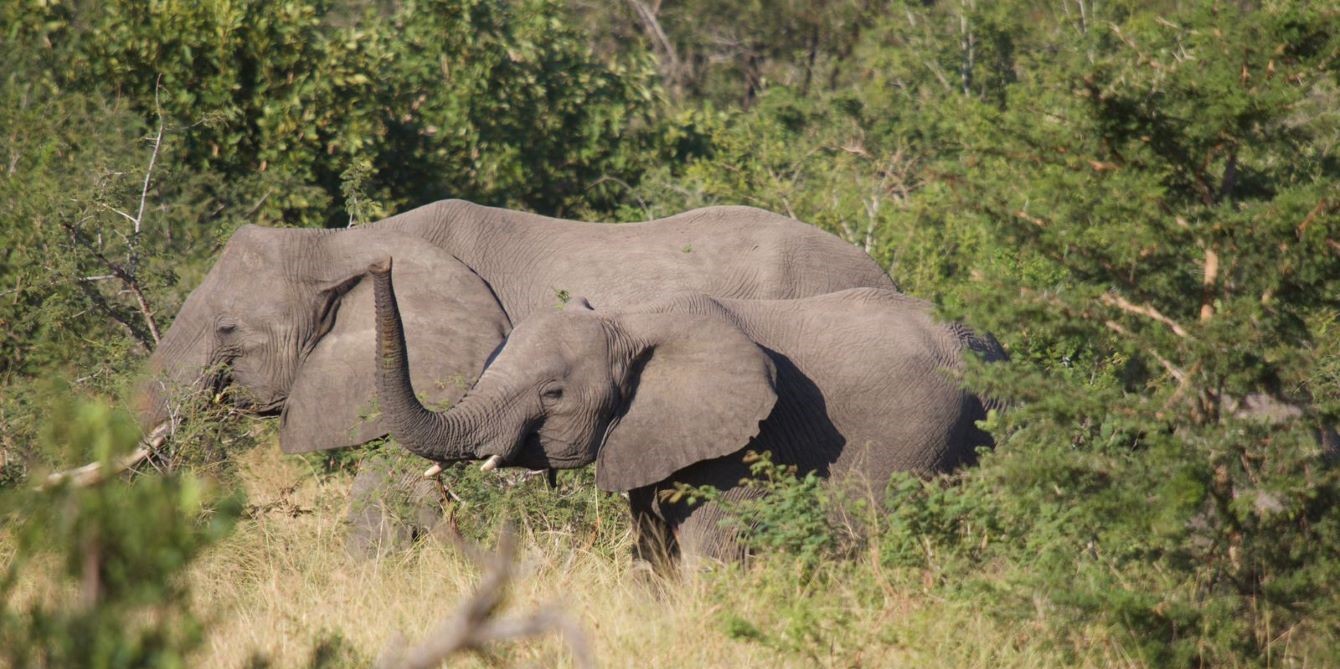
    Moving at a slower speed, we walk in each other’s footsteps until we spot them. A young herd of about fifteen. Using their strong trunks, they are feeding on grasses tearing them out of the sodium filled soils to balance out their diet. Their trunks are very versatile and flexible. The 60,000 muscles in their trunk make picking up any object as easy as picking up a marble with two fingers. 

    The savanna provides for the herd

    image

    The savanna offers plenty of vegetation for the family herd to feed on. They stay close together feeding and only moving as fast as the little ones can keep up. In segments they move east towards our direction. The wind stays in our favour as we sneak through the thickets staying ahead of their next move. We use termite mounds to get a better aerial view of our surroundings, a technique often used by other mammals. 

    Not only do we need to be aware of the herd’s location, but we also need to keep in mind that at any moment we could stumble across a pride of lions or a solitary bull elephant. Although we remain close, we completely lose sight of them behind the thick bush, but we hear them and can smell their musk. 

    Occasional sounds of trumpeting come through bringing smiles across our faces. Could it be a mother putting her calf in its place, a disagreement between two adults or a playful jubilee? We will never fully get in the minds of these intelligent creatures. 

    A herd that grazes together

    The herd continues to move, staying close together. They will continue to graze most of the day and even through the night only able to digest about 40% of what they eat. We continue to watch their behaviour and predict their next move. They are headed across one of the dirt roads, a chance to get a perfect view. 

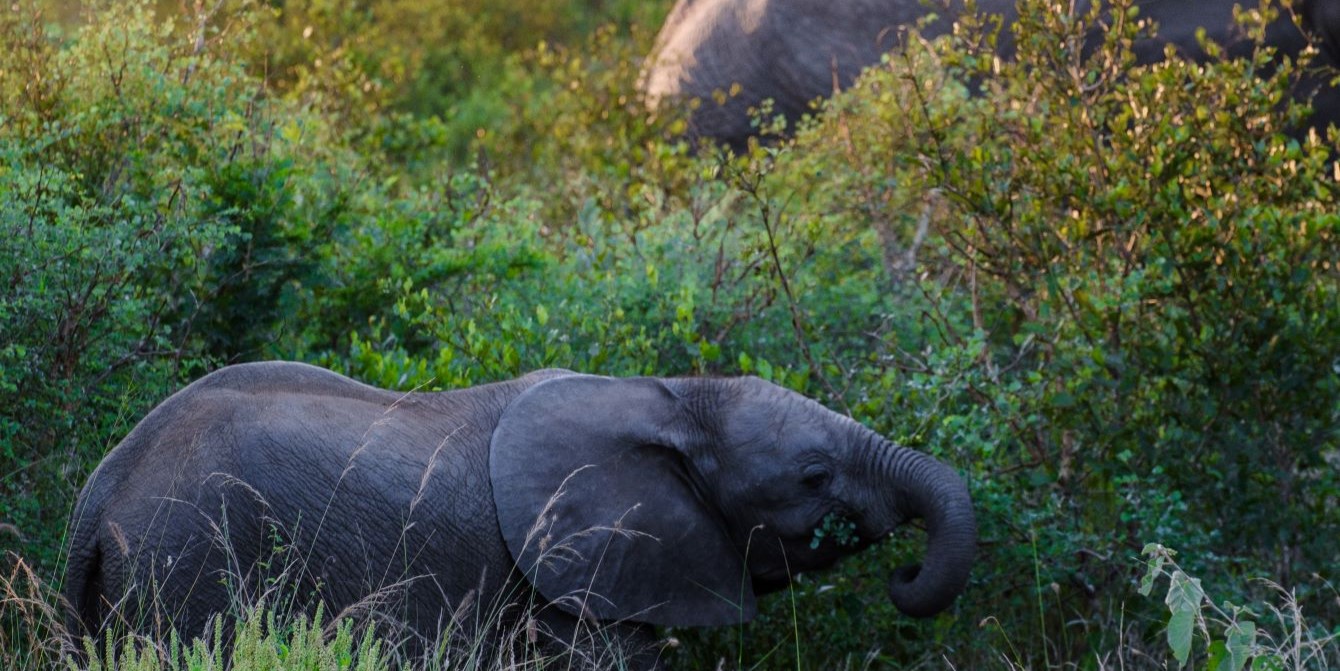
    As they move across into the sun, we can see the deep wrinkles in their thick skin mimicking the bark of an old tree. The family herd stays close together moving quickly through the open. The matriarch has the important task of keeping the herd safe, especially since the females have had some new births during the last rainy season. Some are at the age where they are beginning to graze and learning how to use their trunks and tusks but still receiving milk from their mothers. 

    The copious amounts of rainfall during the summer months will also be an advantage making it easier for the matriarch to find a water source to quench their thirst after many hours of feeding. The young calves will have short distances to travel for water this winter. 

    We are not alone

    image

    This family is strong and healthy. We predict they are headed towards a nearby watering hole. As we make our way across broken branches, golden orb spider webs and burrowing holes, we discover fresh elephant and buffalo tracks. We are not alone. The sandy soils allow nature to tell its story from hours before which lets us know what came before us. It is possible we may be found or stumble across an unforgiving hippo, so we stay alert and walk every step with intention. 

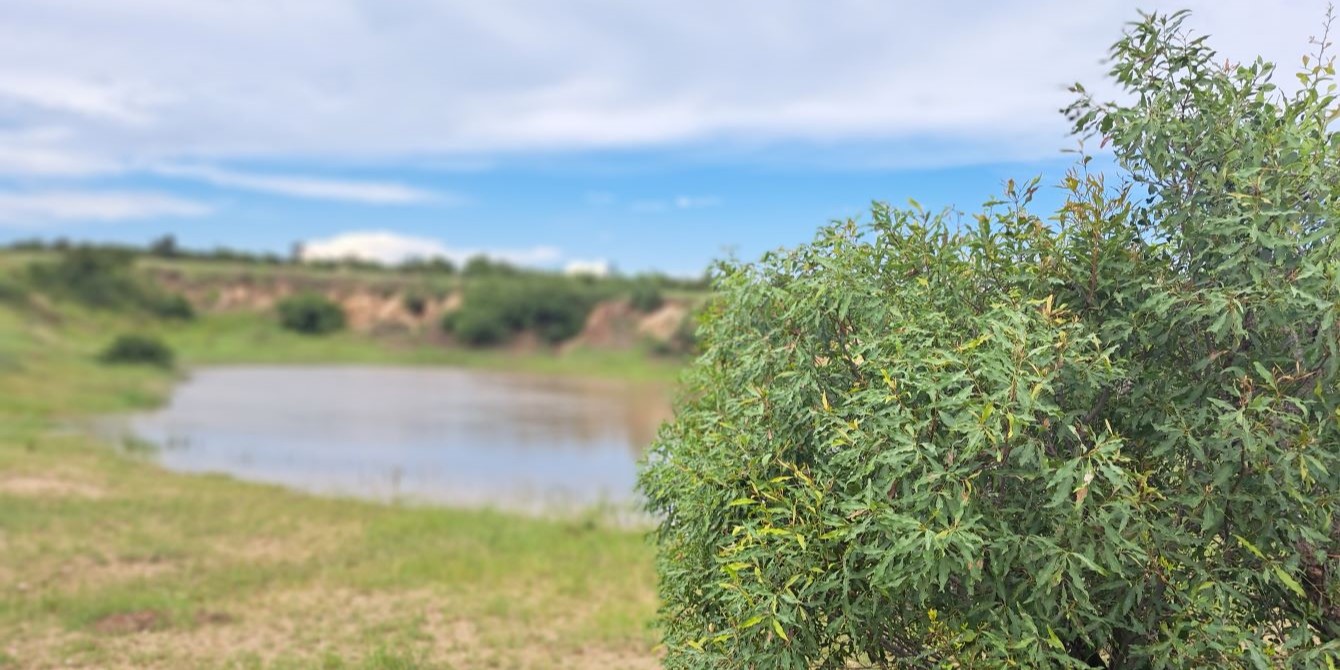
    The watering hole is full and will become a retreat for many animals this winter. Its high edges make it a welcomed spot for many southern foam nest tree frogs and weaver nests. The hippo has moved off to another area. We get to the highest elevation and watch as the herd is coming our way as predicted. 

    Just as we start to feel confident that they are coming to have a drink and possibly get the chance to witness the little ones play in the water, they stop to continue grazing, vanishing back into the drainage line into the lush foliage. The young calves have an advantage this time of year since the trees are full of leaves which shelter them from any curious predators. The shade will also keep them cool while they feed, which could be why the matriarch is making the choice to stay away from the open. 

    Other animals join the show

    Flying above us is a stunning grey heron circling around looking for its prey. Terrapins soak up the morning sun along the ancient rock walls. The sounds of water thick-knee, blacksmith lapwing and lilac breasted rollers fill the air. We wait for their next move like a game of chess in the shade of a magic guarri tree. 

    We receive word that two more elephants are moving into the area from the opposite direction. How will the herd respond to their arrival and how should we position ourselves to witness such an event? As we wait, six white back vultures circle in the blue sky above us. They are waiting for something exciting, anxious to inhale their next meal – but nothing is around so they quickly fly off. 

    The herd of elephants reappear and make their way towards us. We hesitate being aware we need to keep distance between us but also that there is not much cover around us. We must make a quick decision; do we stay hidden or make ourselves known while showing them we are not a threat. 

    Grateful for this experience

    Staying low, we decide to back away slowly with purpose. They have spotted us as we predicted but do not see us as a threat since we are creating distance. What a beautiful moment to be on foot with these magnificent, intelligent creatures. A humbling moment very few get to experience. 

    As they move off into the distance, we make our way back to camp. My heart is full, and the bush seems even more beautiful. As we approach camp, we are followed by a harem of zebras with two young ones. What an absolute privilege this morning has been. My soul has been bathed in the lush thickets and my heart is full of the elephants’ spirit. 

    Did you enjoy this blog? Read more like it by subscribing to our newsletter, scroll to the bottom of this page to find the form.

    #wildlife #bushwise #qualification #trailsguide #Exam #training #animals #tracks #safari #ifga #sightings #fieldguiding #tracking #endangeredspecies #trackandsign #Assessments #guiding #elephant #fieldguidecourse #studying

  • Discover the Traditional Uses of Euclea: Magic Guarri and More

    This blog about guarri plants was written by Bushwise Professional Field Guide student Bridget Malepe. As part of their training, each student submits a researched blog based on a topic of their choice. Opinions contained in these blogs are the student’s.

    We have different species of guarri trees in the Lowveld – namely the magic guarri, Natal guarri, common guarri and blue guarri. I will only mention the ones I grew up knowing from my village – the magic and the Natal guarri. 

    Magic guarri (Euclea divinorum) 

    The genus name Euclea comes from Greek mythology, where the goddess Eukleia was the personification of good repute and glory. The specific name divinorum is in reference to the plants used by sangomas in the parts of Africa. 

    It is an evergreen small shrub that grows mainly in drainage lines and sodic areas. The bark is smooth and gray, but it cracks when the tree gets older. The tree bears clustered berries seasonally which are favoured by birds. The leaves are not favoured by most animals as they have an unpleasant smell, but you may find kudu feeding in it mainly in dry seasons. 

    Traditional remedies with guarri

    The use of the plant is widely used in traditional remedies hence the divinorum part of the Latin name alludes to this trait too. Decoction of the roots can be used on babies to treat the depressed fontanel, while the infusion can treat infertility, pregnancy pains, abdominal pains, bilharzia, toothache and earache. 

    An ointment prepared from the crushed dried roots materials is rubbed over the body to control convulsions or powder added to soft porridge can treat diarrhea. 

    Growing up fetching water from the Olifants River, we used to put some of the branches on the surface of the bucket to act as a lid to prevent the water from splashing out. The guarri can be used to put out fire in the bush. It is also used by trackers as it takes time to dry out due to the waxy coating on the leaves, so that when animals brush through it they disturb the water, giving an indication of how recently they went by. 

    Creative uses of guarri branches

    image

    The branches are also used in often creative ways such as a toothbrush, paint brush and water detector. To create a toothbrush you must break the branch, peel the bark, chew the end until the fibers separate and then use it to brush your teeth with the ashes of a leadwood willow tree as a toothpaste.

    Back in the days guarri branches were used to detect water. To do this, you would break off a Y-shaped branch, with the shorter parts in each hand and the tail facing outwards. The tail will dip downward if there’s any water underground while surveying. 

    Growing up we used to collect the berries from the tree and put them in a plastic bread bag. We’d seal the bag, crush the berries, open a small hole in a corner and drink the juice. We also used to make extra cash for ourselves by collecting berries for a family that made beer out of the berries. 

    Of all its many uses, the guarri is not used for the most obvious – firewood. This is because it is believed that the tree has supernatural powers. Some tribes believe that when you hang a bit of the guarri branch on your doorstep it works as a lucky charm and wards off evil spirits and witches. 

    Natal guarri (Euclea natalensis)

    The Natal guarri also occurs in my guiding area. It may be confused with magic guarri but the leaves of the Natal guarri are hairy and less wavy. It grows in full or partial shade with fertile soil and moderate to good water. The fruits are more edible than the magic’s. 

    Just like the magic guarri, the Natal guarri is used as medicine. The decoction of the bark and the roots can treat worms, stomach disorders, toothache, chest pains, urinary tract infection and abnormal skin growth. It can also be used as a toothbrush. 

    I grew up knowing these trees and I witnessed most of its uses. I learnt to appreciate them. It’s so fascinating that one plant can do so many things. 

    Did you know there were so many uses for guarri? Learn all about medicinal plants and their connection to local cultures when you experience a Bushwise course.

    #bushwise #fieldguide #qualification #Exam #training #apprenticefieldguide #ifga #fieldguiding #fieldguidecourse #studying #fieldguides
  • An Exciting Week on Campus: From Baby Snakes to Rare Servals

    This blog was written by Oscar Wehen, Bushwise Professional Field Guide student. Each week, students take turns as camp manager to experience what it’s like to run a lodge or a team. Writing a blog is part of that process.

    5 min read

    This week on campus has been one of the most exciting weeks so far. Although we had more stress than ever due to the test we had on Saturday, it was still a lot of fun. 

    Monday: Game Drives and Birding Sessions

    image

    On Monday, Group B was on game drive in Manyeleti Game Reserve because we were limited to only the main road in our game reserve. The other two groups went on a little birding and botany session with the vehicles on our concession, and I was in one of them.

    The groups not going to Manyeleti were very jealous – even if Group B didn’t find any amazing sightings. There has been a lot of rain in the last three weeks – which has meant a lot of us were struggling with drying our laundry. But luckily during our birding and botany session, Matt and I were able to move a tree off of the road which got us our laundry being tumble dried as a reward.

    From Monday morning on to the rest of the week, every afternoon was set aside for revision, especially for those who needed a high percentage for the second Bushwise exam on Saturday. The trainers made this revision session mandatory for me – which I was a bit annoyed about at first, but after the first revision session I was very relieved and found it easy to listen and learn.

    Mamba… I mean… baby brown house snake

    image

    The next day was very similar to Monday but it began with some excitement. One of my neighbours was screaming out of his tent “there’s a baby black mamba in our tent!” With me laying in bed at 4:30am having the responsibility as camp manager to call our trainers for any serious emergencies, I was running to their tent to tell them not to get close and calm down. 

    The best and most funny moment of this situation was when all of us realised 20 seconds later that the little black mamba was actually a baby brown house snake which is probably one of the most harmless snakes in South Africa.

    A Rare Serval Sighting in Manyeleti Game Reserve

    Wednesday was one of the best days for me as our group was going to Manyeleti Game Reserveand Ashton – one of the other neighbours and one of my best friends in the camp – was our guide on that drive. Although the weather wasn’t promising that morning, I was still very optimistic that we would see something very interesting. 

    Ashton started the game drive by finding us all some lion tracks which was even more promising but eventually we had to drive away from the way they were going. I was a bit confused why we would change the direction from where the lions were going to, to where the lions came from but Ashton told us that he spoke to the other guides in that area and they all said that the lions are invisible in that one block so it made sense.

    Other than the lion tracks, we didn’t see much activity in the bush. After one and a half hours we had our coffee break. Everyone was ready for some coffee, and we all enjoyed the morning sounds of the bush. After the coffee break, we were all talking about our bird lists and how many birds we have seen from the start of the course and no one was really looking out to spot animals.

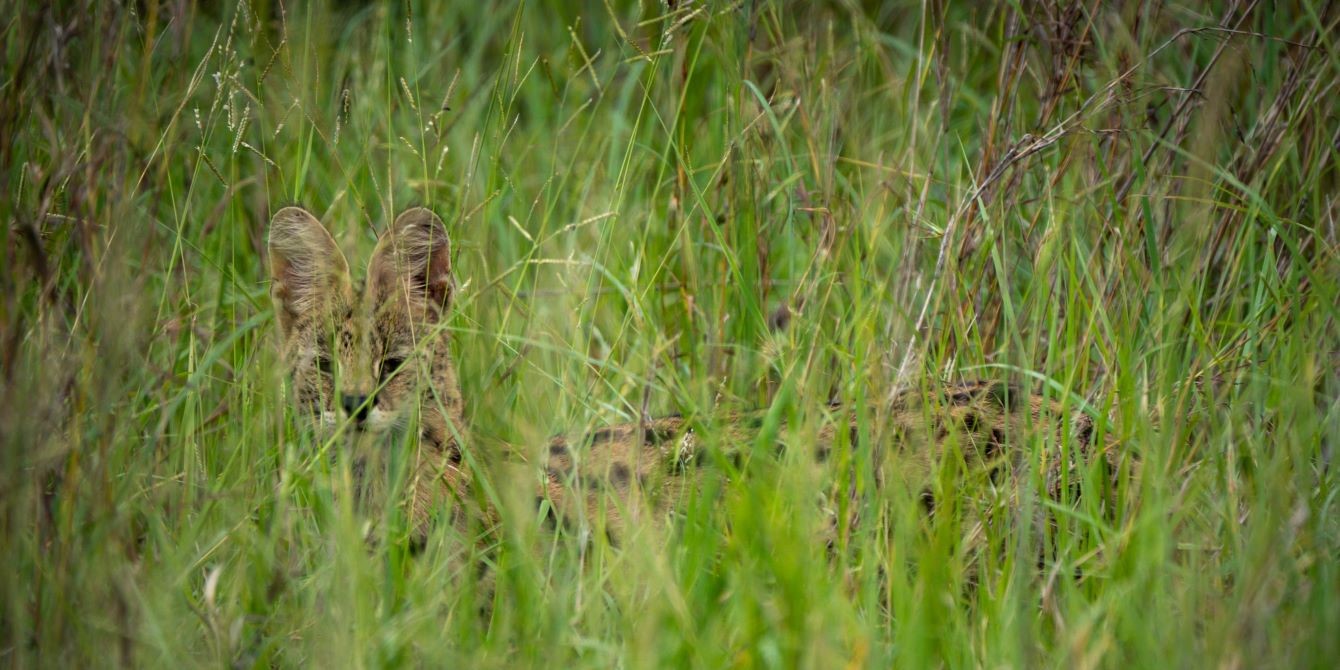
    Then something caught my eyesight next to the road and I was immediately shouting “Stop! Stop!” Fred, our trainer on that game drive, was driving and he was going pretty fast so he stopped approximately 30 metres later. Remembering that moment I was thinking about what could be what caught my eyesight and I realised that I saw a serval standing there and so I said to Fred to go back fast because I saw a serval.

    The rarest sighting of my life

    image

    No one in that car believed me, but when we went back, there it stood in the same place that I spotted it facing us and in complete “freeze mode”. Everyone was shaking and we were out of words. We enjoyed that sighting for at least five minutes with the serval walking next to our car, not skittish at all. 

    That is probably the rarest sighting I have ever seen, especially because it was there for such a long time. When I was six years old, it was my first time in South Africa and all I ever wanted to see was big and small cats of Africa’s wilderness so this was a dream come true.

    Coming back from that game drive our whole car was filled with adrenaline and when we told the other students what we had experienced, we realised how jealous they were but we couldn’t stop talking about that moment. Eventually, we had to get back to study and calm ourselves down to stay focused while studying. It took me three days to calm down after that sighting. It took the longest time for me probably because I was the one who spotted it and I felt like I was seeing a ghost.

    Then the rest of the week the only thing we did was study, eat and sleep. Looking back on this week I’d like to repeat that amount of excitement, learning effort and luck every other week of my life. 

    Maybe it’s possible for every week to be this exciting! Truthfully, anything could be possible on a Bushwise course.

    #wildlife #AdvancedRifleHandling #bushwise #qualification #Exam #animals #safari #ifga #sightings #endangeredspecies #guiding #fieldguidecourse #studying

  • Discovering the striped world of zebras: Facts about their adaptations, behaviour and ecology

    This blog about zebras was written by Bushwise Professional Field Guide student Thato Kgosi. As part of their training, each student submits a researched blog based on a topic of their choice. Opinions contained in these blogs are the student’s.

    4 min read

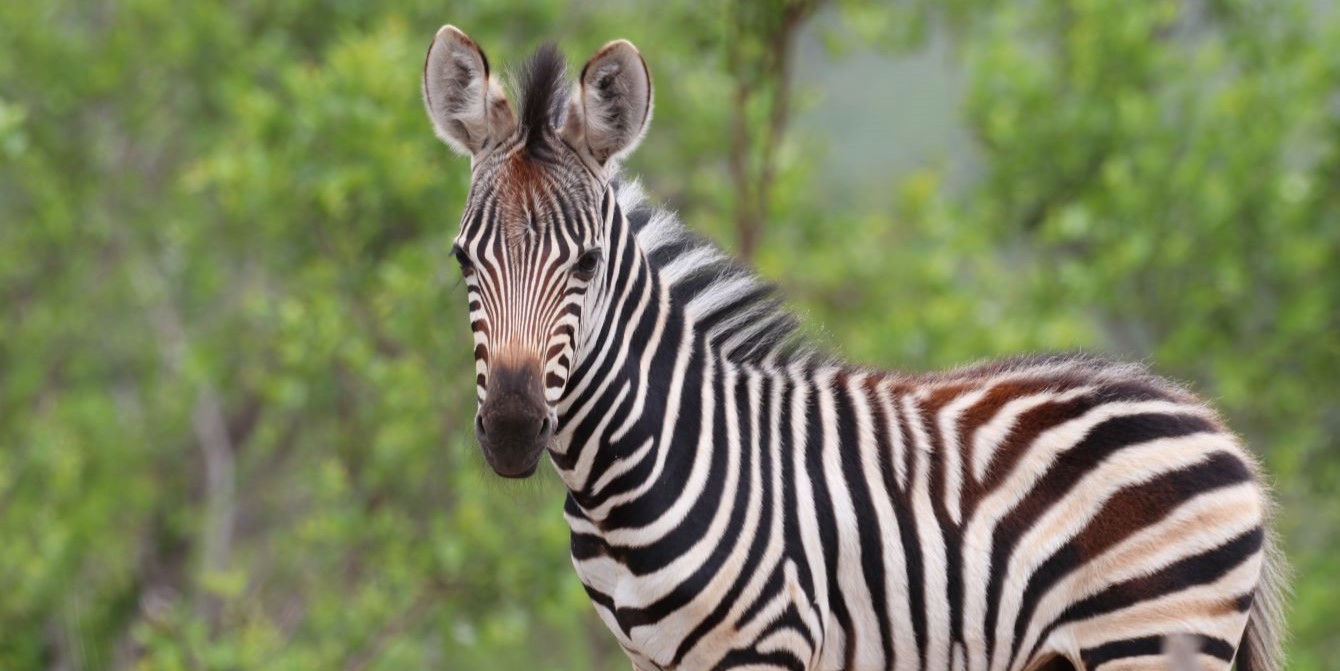
    Zebras are distinctive African equines with black and white striped coats. There are three living species: the plains zebra (which we see here in the Lowveld), Grevy’s zebra and the mountain zebra. As a member of the equus family, zebras are most closely related to horses and donkeys. 

    Zebras main protection against heat comes from their stripes. The contrast between black which soaks up sunlight and white which reflects it, helps them to remain cool. In fact, all absorb around 30% of the sun’s rays and their patterns dispel the rest. Their stripes also provide extra camouflage on very hot days, enabling them to blend into the distorted, shimmering landscape so predators can’t see them from a distance. 

    image

    Some stats about zebras:

    1. Height : 1,35 metres 

    2. Weight: 320 kilograms 

    3. Lifespan: 20 years

    4. Habitat & distribution: Open woodland, scrub & grass. 

    5. Home rage: 110–220 kilometres

    6. Gestation: One year (360–390 days)

    7. Number of young: Single foal

    8. Food: Grazers, occasional browsers

    9. Zebra droppings are similar in shape to, but much smaller than, horse droppings

    White and black or black and white?

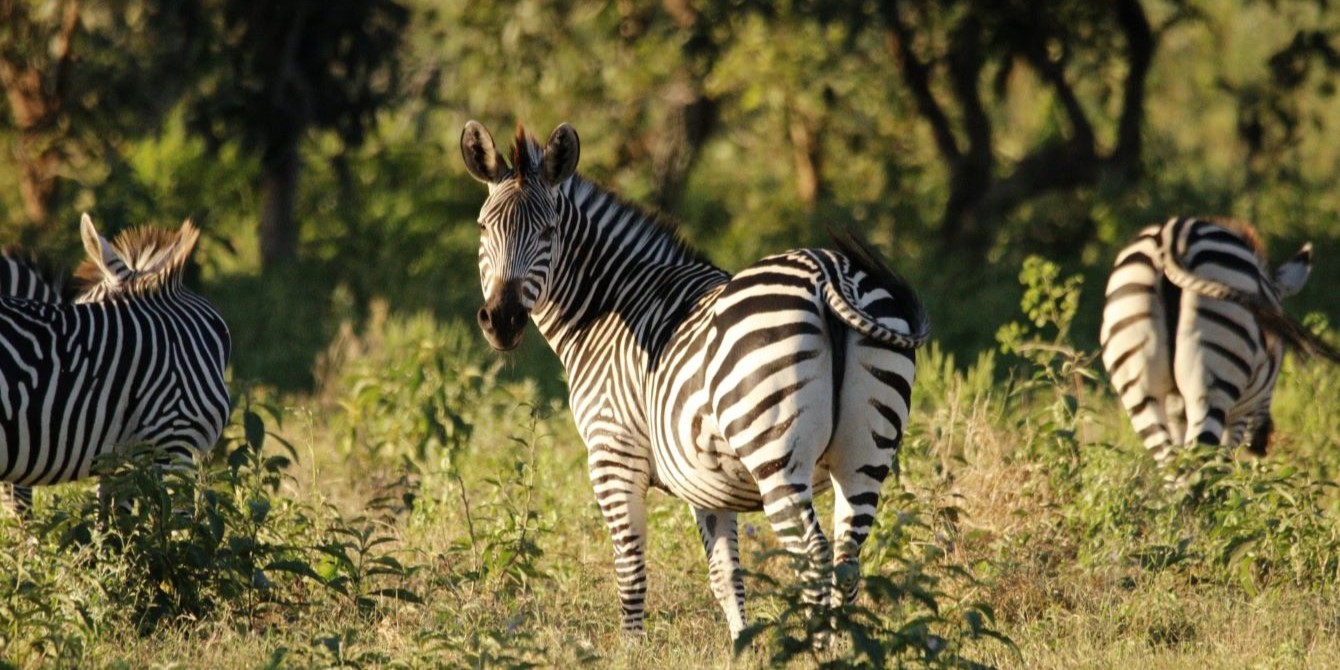
    Each zebra has a unique stripe pattern, a barcode, or fingerprint so to speak. When a young zebra is born, the mare will screen her foal from any other zebra until her own stripe patterns have imprinted on the youngster, ensuring recognition. The plains zebra has characteristic “shadow stripes” between the black and white stripes of the rump which gives the body a dirty chestnut colour. 

    The tail of the zebra plays an important role in swatting flies. To differentiate between male and female zebras, there are distinguishing features such as a thin black stripe from the legs to the tail for the males and a wider black wedge for the females. Both sexes have black muzzles containing a flexible upper lip which is used to pull grass towards their incisors and bite it off.

    What do zebras eat?

    image

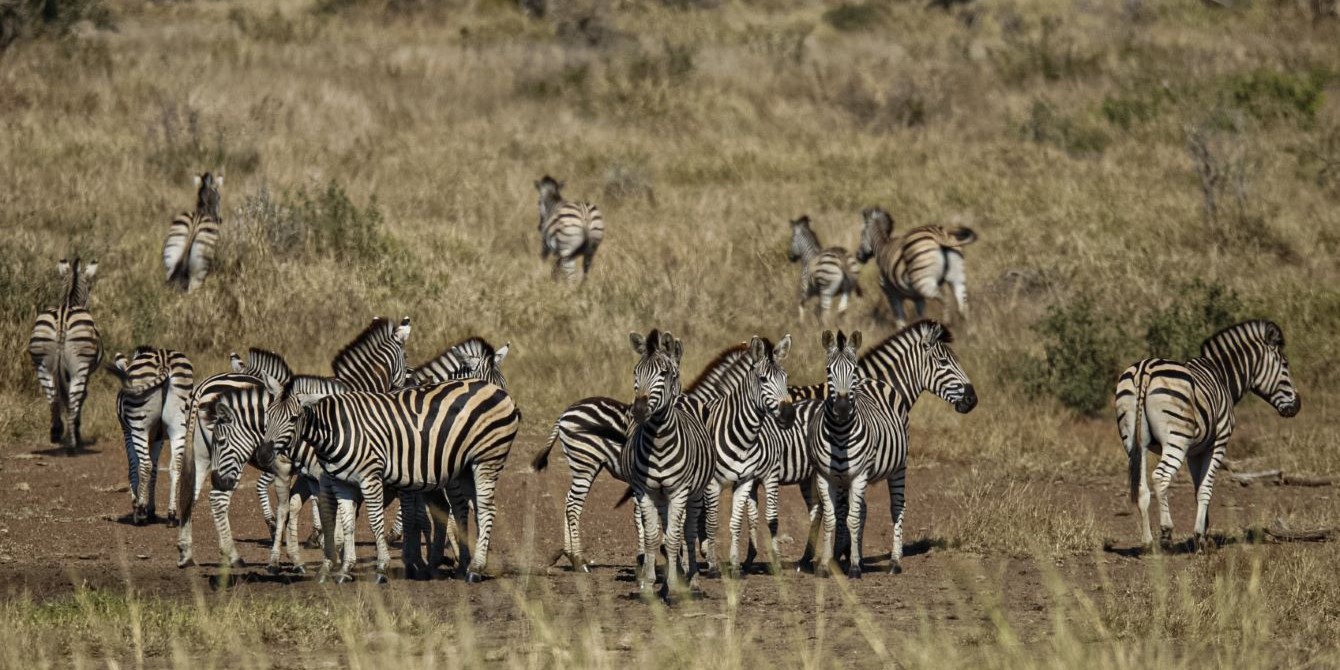
    Zebras are unselective bulk feeders. Eating a lot of fibre means they require a regular supply of water to facilitate digestion. Zebras must drink daily and are seldom further than 10 kilometres from water. Zebras are picky when it comes to drinking water and will take the time to make sure they are drinking clean water. This need for clean water causes them to migrate to new areas when their current water source is not suitable. As they do not have a set territory, different groups of zebras will come together in spots that are ideal for grazing and drinking water.

    Zebras are renowned for their ability to graze on the grassy landscape while being watchful for potential threats. They have a heightened sense of smell, sight and hearing which makes them aware of their surroundings. They tend to feast on short, green grass that sprouts after a fire or after rainfall, but can also manage with tall, coarse vegetation. The grassland succession process involves the taller grass being cropped down to a length more suitable for the needs of wildebeest and other antelopes, which the zebras are often found in close proximity to due to their expertise in detecting predators.

    Zebras are hind-gut fermenters. Lacking the four-chambered stomach of a ruminant, zebras pile all their often fibrous food into one gut which digests via fermentation. The breakdown  of cellulose is less effective than with a ruminant but they can digest large amounts of food faster. Large quantities of gas are released as a byproduct and this inflates their bellies so that they always  look fat and healthy. This is also the cause of the flatulence experienced when zebras take fright and run away.

    What noise do zebras make?

    image

    A zebra’s bray is very similar to a donkey’s bray. It starts at a low  growling sound and builds into something that sounds like a high squeal. When alarmed, zebras make a high pitched and repeated “kwa-ha-ha”, an iconic call of African bushveld. 

    Zebras are dust-bathers and frequently roll in loose dirt, probably to do with parasite control and thermoregulation. Interesting facts about zebras: Zebras sweat to keep their bodies cool when it’s hot. They have a special protein that helps move the sweat away from their skin faster. Zebras are often hunted by lions, which are their biggest predator..

    These are just some of the fascinating facts about zebras that you’ll learn on a Bushwise course. Find the right course for you!

    #wildlife #AdvancedRifleHandling #bushwise #qualification #Exam #training #animals #safari #ifga #sightings #fieldguiding #tracking #fieldguidecourse #studying #fieldguides
  • A Long Time Coming: My move from the UK to South Africa

    This blog was written by UK student Alex Denney, on our Bushwise Professional Field Guide course. Each week, Bushwise students take turns as camp manager to experience what it’s like to run a lodge or a team. Writing a blog is part of that process.

    4 min read

    My Bushwise journey starts all the way back in 2011 

    image

    I’m from the UK and back then I was just about to sit my A-Levels and decide what degree I wanted to do at university. I had been torn between the idea of an Astrophysics or a Zoology degree as I am fascinated by both these subjects. However, when I realised Astrophysics wasn’t just looking through a telescope but in fact it was pretty much pure math, I decided on Zoology, and to investigate my passions within that topic such as wildlife, conservation, and the natural world. 

    During my degree search I investigated the type of careers it could lead to and during one extensive google search I happened to click on the Bushwise website. I was immediately intrigued; I had visited South Africa the year before as part of a volunteer trip to work on a Brown Hyena conservation project and had fallen in love with the landscapes and wildlife. I always knew I was going to go back one day, and now here was a webpage telling me about a company that could train me to work in the bush of South Africa, I was hooked. 

    At this point I was already set on going to university so I decided I would join Bushwise afterwards, so I bookmarked the Bushwise homepage and went about the rest of my day. Little did I know that there it would sit at the top of my bookmark bar for almost ten years! 

    Destined to always be a daydream?

    image

    I never forgot about it however, it was always there whenever I turned my computer on, and always in the back of my mind. So much so that barely a few months into dating the person who would become my life partner, I told her about it and how amazing it would be. She was unsure at first, after all she had done a degree in law not some wildlife or zoology course like me, but after many years together travelling the world and doing odd jobs here and there, we decided that Bushwise was where we wanted to be. 

    Fast forward to late 2020 and we had finally got enough funds together to go. We had an exciting video call with Kim, the Bushwise recruiter, where she explained all the finer details to us and what to expect when we arrived and pretty much straight after that we booked on and paid our deposits. We decided to Join Bushwise in 2023 to give us more time to save up some extra money to live on, but this was it, it was real, we were finally going to live and work in the African bush! 

    Finally it’s my reality

    image

    Here in the present as I write this, we are going through our third week at Bushwise. We have been spoilt with sightings and the natural beauty of the Kruger area is just mind blowing. When the sun sets it goes down behind the Drakensberg mountains which leads to some fantastic sunsets. Life on the campus is great fun, we are the largest group Bushwise has had, 30 students! So, there is always plenty of stuff going on.

    The role of camp manager isn’t too strenuous, the only hard part is having to get up extra early to unlock the kitchen and turn the kettle on so there is hot water for everyone’s coffee. With 30 sleepy students waking up at 5am it would be an absolute disaster if there was no coffee!

    At the moment a lot of our time is spent revising and going over our notes from the lectures and modules in the textbooks, this isn’t a holiday after all but a full-on course to get us qualified and into a career, and on Saturday we have our first Bushwise exam. However, we do still have plenty of downtime to relax and enjoy this experience. 

    Not your typical office!

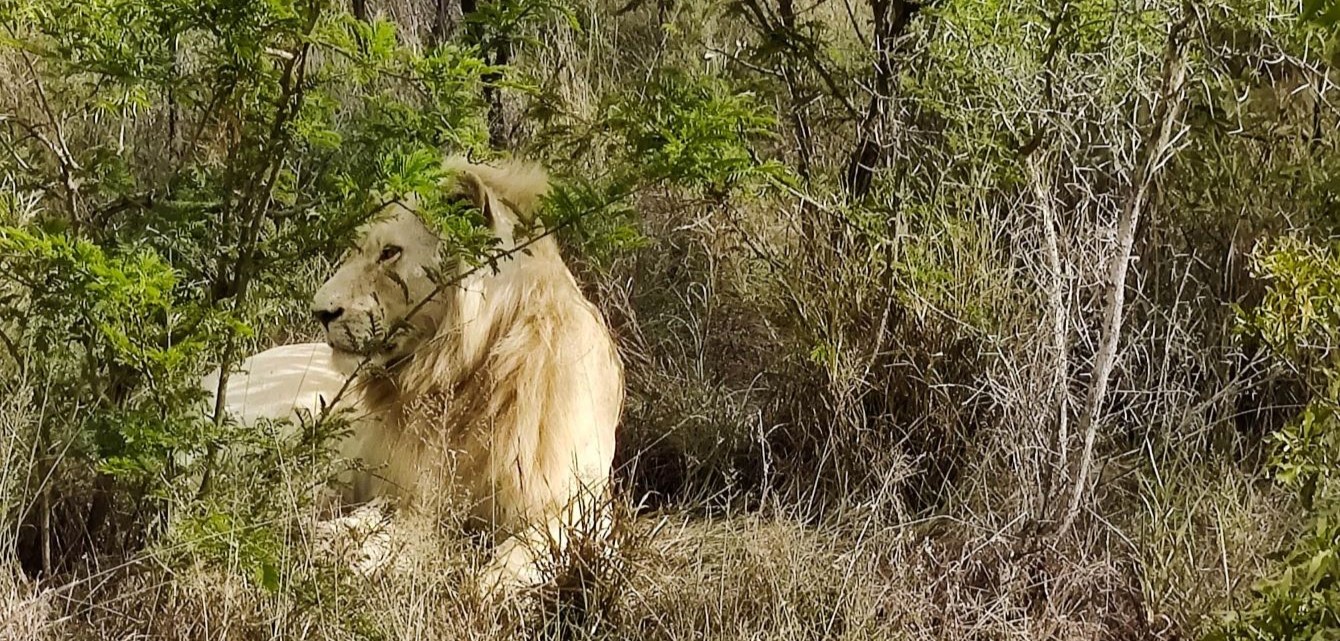
    To be honest though you can hardly call it working when we are going on game drives twice a day where we get to spend time with three young male lions including an incredibly rare white lion, watch a pair of cheetahs stalking a herd of impala, see an elephant taking a mud bath, and have a pack of 17 wild dogs run around our vehicles. This definitely beats sitting in an office and staring at a computer screen with a mountain of paperwork. 

    So far, I’m enjoying every minute of my time here at Bushwise and I’m sure I will enjoy every minute to come. I still can’t quite believe I am actually finally here after so long, but I wouldn’t want to be anywhere else. 

    No matter where you’re from or what your background is, you can do a Bushwise course. Learn about the different wildlife jobs you could follow.

    #wildlife #bushwise #fieldguide #qualification #safariguide #guidejobs #animals #apprenticefieldguide #hyena #safari #ifga #sightings #fieldguiding #endangeredspecies #guiding #fieldguidecourse #studying #fieldguides
  • Animal scavengers in the African bush

    This blog was written by Bushwise Professional Field Guide student Campbell Baker. As part of their training, each student submits a researched blog based on a topic of their choice. Opinions contained in these blogs are the student’s.

    3 min read

    What’s a scavenger? 

    A scavenger is an animal that feeds on carrion, dead plant material or refuse. Scavengers have always had a bad reputation. Often viewed as the villains of the wild. But by nature all carnivores are opportunistic feeders, ready to eat any meat available, and it’s a stroke of luck to find food where the hard work of hunting has already been done for them. Scavengers have perfected this strategy, and have been able to be successful in their tough world. 

    South Africa – and more specifically the Kruger National Park – has many scavenger species, the most famous being hyenas, vultures, jackals and marabou storks. 

    I’ve found that hyenas are the most underappreciated and disliked of South Africa’s carnivores. But if you were to look at the perfect evolution and adaptations for a scavenger – a hyena is what you would end up with! Perfect with jaws and neck muscles that make light work of meat and bones. Contrary to popular belief, up to 90% of a hyena’s diet consists of animals that they have hunted themselves.

    A valued vulture hierarchy

    image

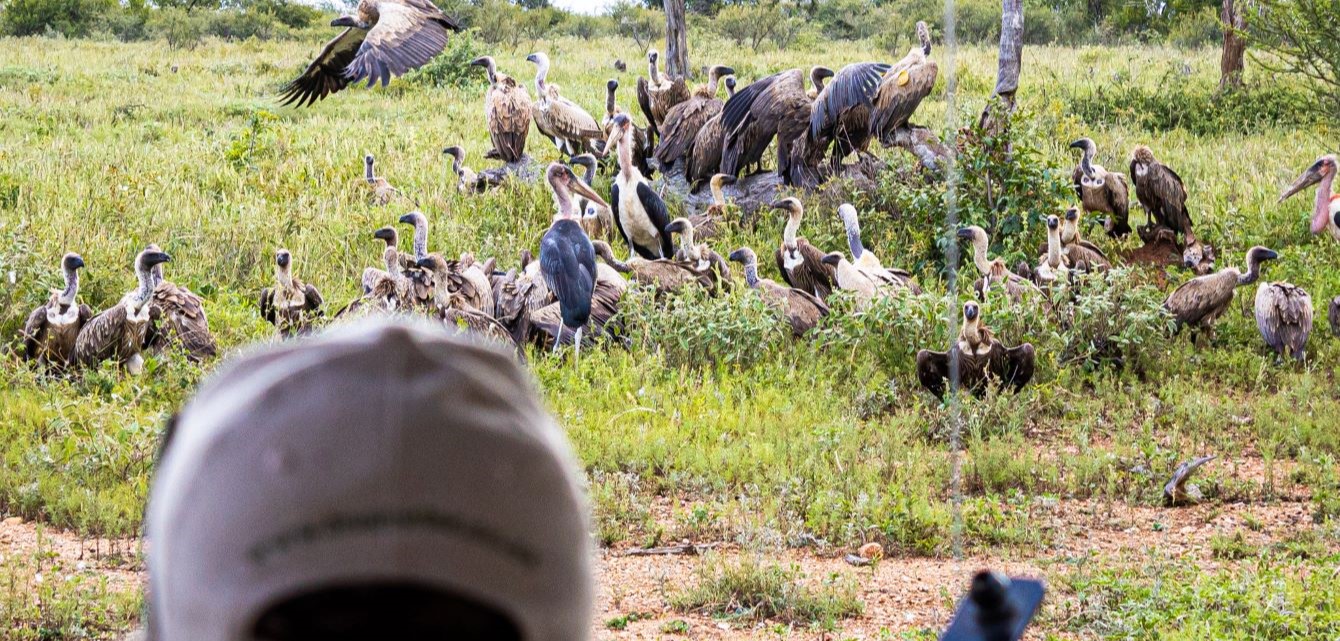
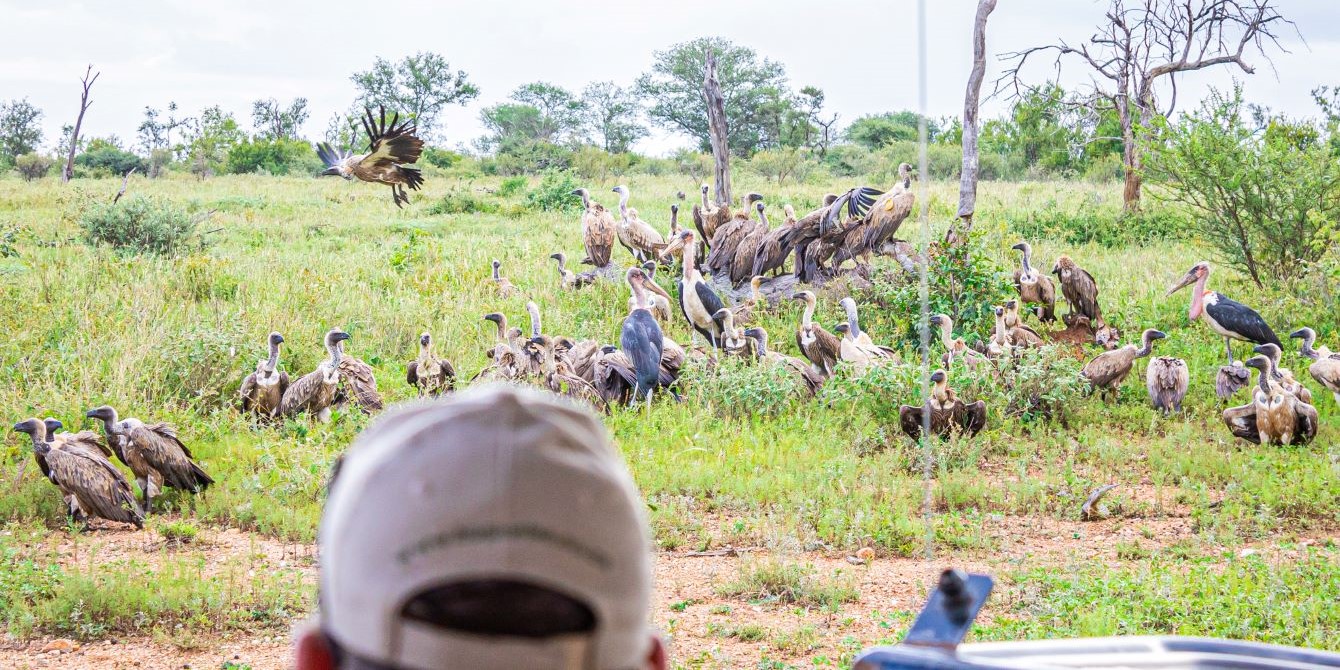
    Vultures are primarily scavengers and almost never prey on live animals. One of the only times vultures will kill an animal is if the animal is either very sick or wounded. Vultures do not have talons or beaks that have been well adapted for killing prey; their strong beaks have rather been adapted for tearing. The bald head is a common feature of most vultures, and it doesn’t occur by mistake. An absence of feathers on their heads allows vultures to feed and put their heads into carcasses without feathers getting matted by blood.

    At abandoned carcasses, there is a known hierarchy. Hyenas are at the front of the queue, followed by other mammalian scavengers – like jackals – and then vultures. Even between vultures and other scavenging birds of prey, there is a hierarchical order. This order is usually based on strength of beak and size. Beak strength is important in the vulture social order as some vultures do not have the beak strength to get through thick animal hides. 

    The role of invertebrates in scavenging 

    image

    Although vertebrate scavengers are efficient and effective, about 10% of medium to large carcasses are undiscovered or unused by vertebrate scavengers, and an even higher percentage in areas where hunting is prevalent. These carcasses and the remaining matter of other carcasses are consumed by insects and arthropods. The aptly named carrion beetle is the most well-known for this behaviour, but all omnivorous and carnivorous invertebrates feed on carrion and carcasses.

    Scavengers are more important to an ecosystem than many think. Not only do they keep the habitat and landscape clean of carcasses and even the bones of animals, but they also break down organic matter and recycle them back into the ecosystem aiding the nutrient cycle.

    Without scavengers, the decomposition of animals would be much slower in the wild, and carcasses would become a breeding ground for wildlife diseases. And an increase in wildlife diseases could reduce the  animal population rapidly.

    Even scavengers are at risk

    image

    Even though scavengers are a vital link in the natural world, somewhere between 400–800 vultures are poached each year around the Kruger National Park. Vulture populations cannot deal with these yearly losses. These vultures are often killed by means of poisoning of carcasses, which not only kills vultures but any other scavenger that happens upon the carcass.

    I believe scavengers are both beautiful and fascinating. Now more than ever the scavengers of Southern Africa need to be protected and appreciated for their vital role within the ecosystem and the Kruger National Park.

    Do stories like this interest you? Learn more by subscribing to our newsletter or checking out our other blogs!

    #wildlife #bushwise #qualification #Exam #animals #hyena #safari #ifga #sightings #fieldguiding #endangeredspecies #Assessments #gamedrive #guiding #fieldguidecourse #studying

  • A German student’s experience at Bushwise

    This blog was written by Ben Franklyn Mertens, a German student doing the Bushwise Professional Field Guide course. Each week, Bushwise students take turns as camp manager to experience what it’s like to run a lodge or a team. Writing a blog is part of that process.

    3 min read

    My name is Ben Franklyn Mertens and I’m 30 years old. Compared to the rest of the students on the campus, I am probably one of the oldest. Since I finished high school, my big question has been “what do I want to do with my life?” 

    I tried out a lot of ideas, including being a fashion designer, running a couple of start up gastro shops, a photographer and even going into real estate. All of this didn’t really fulfil me. But due to chance and opportunity, I was able to come back to Africa again and again. And through that I developed a love for the African bush and nature.

    My love for the African bush

    image

    I chose Bushwise to rekindle and nurture that love. It combines all the things I like best: photography, meeting people from around the world, wildlife and nature. I’m a boy from a big city in Germany. But at heart, I’m a bushbaby that has found his place in the bush where my heart belongs. 

    Being camp manager this week certainly has had its ups and downs. Due to rainy weather conditions, we were limited in our ability to drive on the concession roads and sometimes we could not go out at all. So we finished the remaining modules — including birds, mammals, ethology and reptiles —in one day (which seems like a lot, and believe me it was!!). But it had the advantage of allowing us to study the modules in greater depth before the upcoming big Bushwise exam. I saw this as my opportunity to motivate the other students and lift their spirits with fun games and study sessions – which we call bird parties

    Game drives in Manyeleti

    image

    We were spoiled to the max being able to do some of our drives on the neighbouring concession at Manyeleti, in order to utilise our driving/guiding skills. Seeing the faces of the people in my group driving out in a completely unknown area was my highlight of the week. The pure joy and excitement compared to the rest of the week when we were unable to explore was a delight. 

    At Manyeleti, we were really lucky to have a sighting of an elephant bull. I was in the passenger seat, and it was good to trust someone else being the guide in this situation. We drove closer, but still respected his space. Once he started noticing us, he acknowledged us, and his curiosity got the better of him. We noted that his presence was calm and relaxed. Even for such a large gentle giant, his footsteps were cautious and silent in the vastness of the bush. It seemed as if this small mountain moved slowly towards us. Eventually he moved past us, giving us and himself some space while always keeping an eye on us. The calm and quiet of this sighting was so special and a blessing to all present. It is moments like these that will stay etched in our memories.

    This is where I belong

    image

    Even after being here for only two months, being around the instructors and fellow students has reinforced my feelings that this is the right future for me. I want to be a knowledgeable and accomplished guide. I want to be able to amuse and enrich my client’s visits with knowledge about the bush. Show them the small things in our environment that a normal visitor does not notice. 

    My aim – our aim – is to educate clients and guests as best as we can in the short time they are with us and hopefully with luck, help them feel the same way that we do about the bush.

    Learn how you too can become a field guide with a purpose, by joining a Bushwise course. Apply today!

    #wildlife #bushwise #fieldguide #qualification #safariguide #trailsguide #Exam #training #guidejobs #animals #safari #ifga #sightings #fieldguiding #tracking #Assessments #gamedrive #guiding #fieldguidecourse #studying #fieldguides
  • Cheetah – The Fascinating, Ferocious Feline

    This blog was by Bushwise Professional Field Guide student Aeden Kuhl. As part of their training, each student submits a researched blog based on a topic of their choice. Opinions contained in these blogs are the student’s.

    5 min read

    You might know it as ingulule, duma, jagluiperd – or, simply, cheetah. The word cheetah is actually derived from the Hindi word chita, meaning “spotted one”. The scientific name is Acinonyx jubatusthe. Acinonyx is most likely derived from merging two Greek words; akinitos meaning motionless, and onyx meaning nail, in reference to the cheetah’s semi-retractable claws. 

    What makes this speedy cat stand out from other species?

    image

    When people think of big cats, the animals that often come to mind are lions, tigers, leopards and cheetahs. However, this isn’t entirely correct, as the cheetah is the lone living member of the genus Acinonyx, whereas the other cats mentioned are members of the genus Panthera. The main difference between these genera is the ability to roar; cheetahs lack the floating bone known as the hyoid, which means they are incapable of roaring and instead are known to purr contentedly, or make chirping sounds between a mother and her cubs.

    Another minor-yet-noticeable difference between these cats are their claws – cheetahs are one of only four cat species that have semi-retractable claws, which help in high-speed pursuits as they offer extra traction and grip when moving at such accelerated speeds.

    How fast can cheetahs really run?

    image

    The sleek, graceful frame of a cheetah is quite literally built for speed, with small heads, long slim legs and flat rib cages, their slender forms minimise wind resistance and lend themselves to being as aerodynamic as possible. Aside from this, they have loose shoulder blades that can store and release energy almost like a spring, and their long tails often act as a rudder, helping to steer and allowing for sharp turns at breakneck speeds. Even their internal organs are made with speed in mind, as their large nostrils and enlarged lungs and heart grant them the ability to pump oxygen more efficiently, ensuring the ferocious feline doesn’t run out of breath while chasing down its prey.

    To date, the fastest speed achieved by a cheetah was by a nimble female by the name of Sarah at the Cincinnati Zoo in Ohio in 2012. Sarah was recorded during a 100-metre sprint doing a top speed of 98 kilometres per hour, flying through the 100-metre dash in a whopping 5,95 seconds – nearly 4 seconds faster than that of Usain Bolt’s 100 metre world record sprint, and more than double his top speed!

    What’s the difference between cheetahs and leopards?

    image

    In the past, cheetahs were often referred to as the ‘hunting leopard’ by nobles, because they could be tamed and used for a sport known as coursing. Knowing this, along with the fact that both cheetahs and leopards are spotted big cats, it’s understandable why these two felines are often confused.

    As mentioned above, cheetahs are built for speed, having sleek and slender bodies while sacrificing much of their muscle mass to be as swift and agile as possible. This means cheetahs often only weigh as much as 72 kilograms; whereas leopards are bulky, robust cats. Although cheetahs stand taller at the shoulder, leopards often weigh in as much as 100 kilograms.

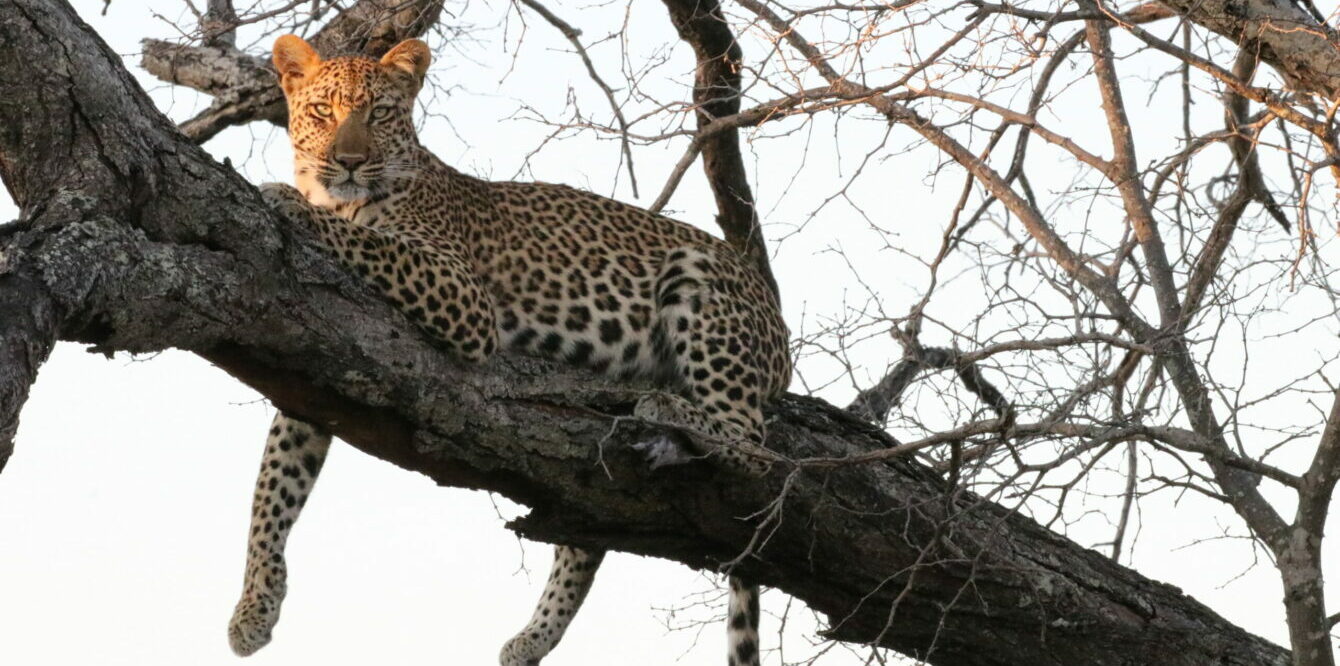
    Since leopards are such burly beasts, they can easily stalk and ambush their prey, pouncing on them from the long grass before carrying them up onto branches to protect their kill from any scavengers. Cheetahs make use of their speedy stature when hunting, either dashing after their prey until they tire them out, or swiping at their legs, intentionally tripping them up before delivering the final blow of a bite to the neck. Once they’ve made the kill, they need to eat as quickly as possible as they have neither the energy nor the body strength to fight off any prowling predators or scavengers.

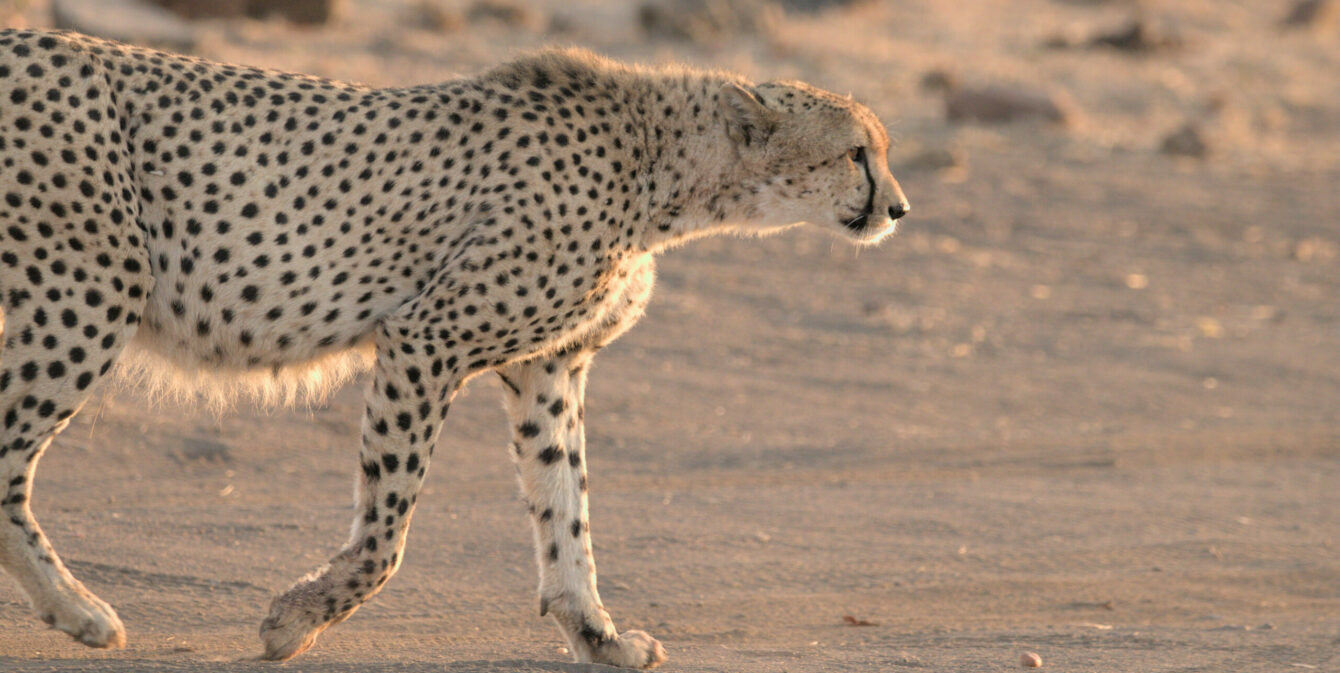
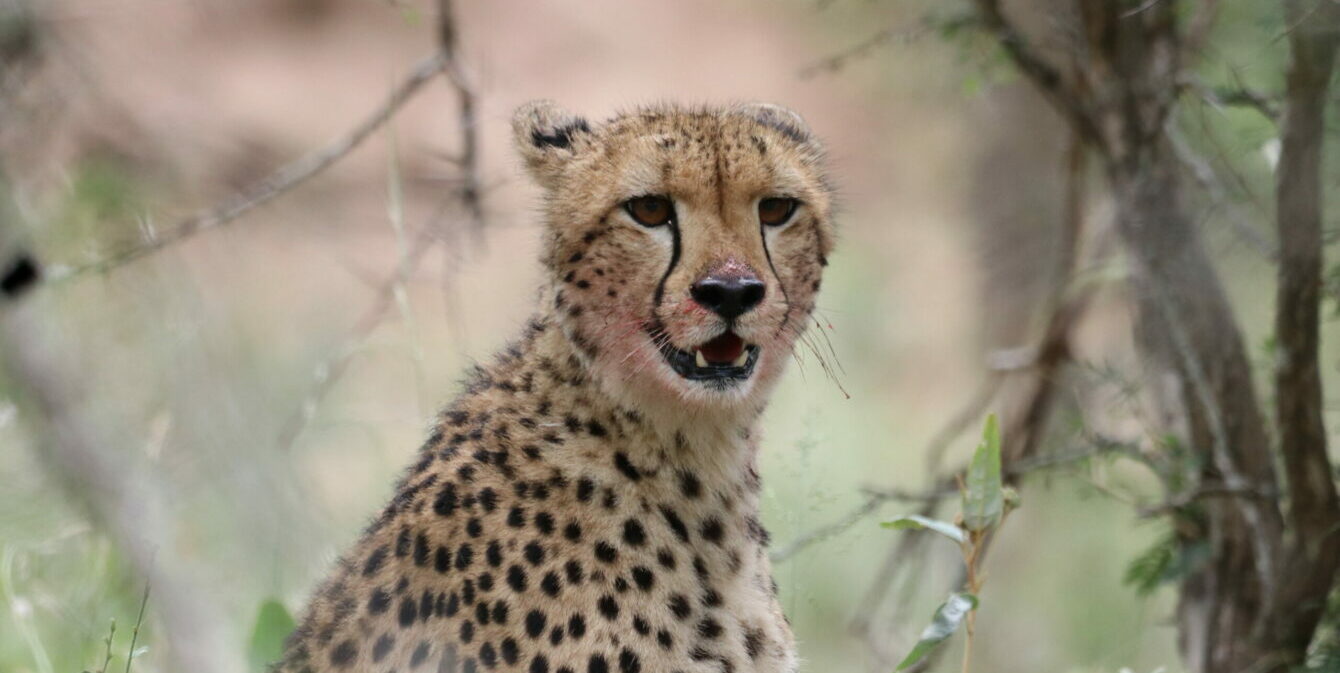
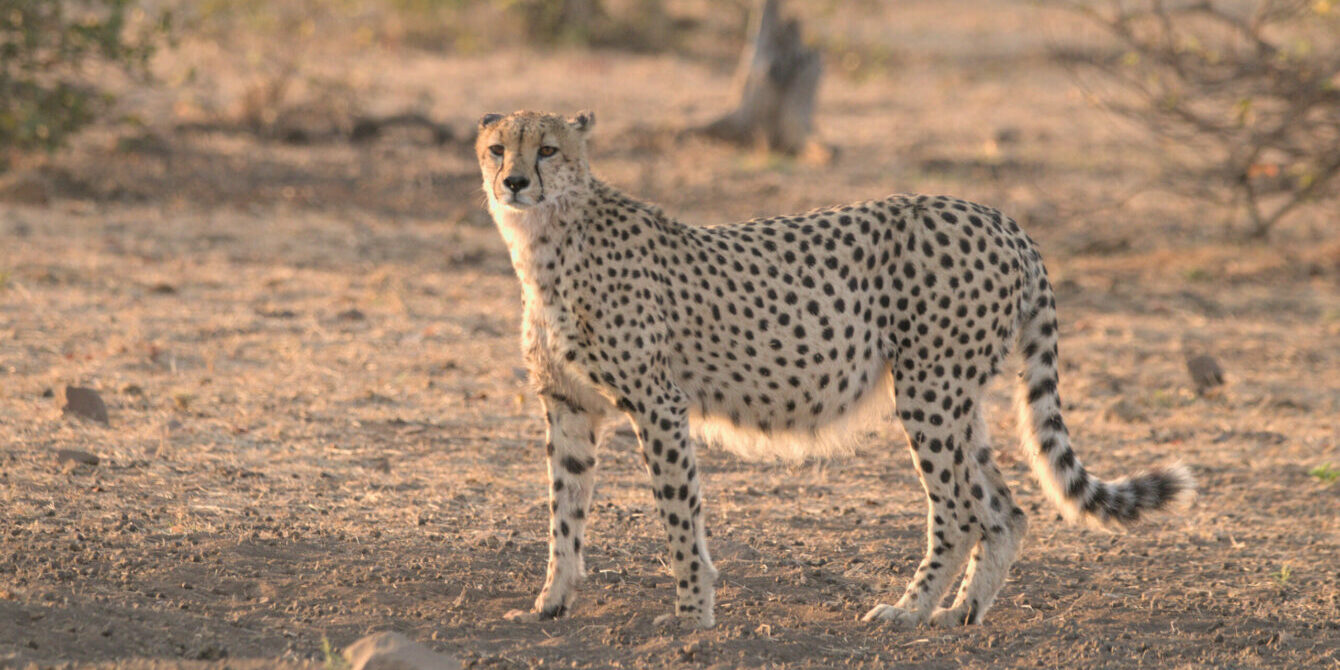
    From a distance, leopards and cheetahs are easily mistaken, as neither are particularly big and both are covered in spots. On closer inspection however, telling them apart is fairly straightforward. The spots on cheetahs are typically uniform and solid, where leopard spots are not spots at all – instead they are known as ‘rosettes’, due to the resemblance they bear to roses. These rosettes are irregular in size and shape, and can be found splotched across the body and face of leopards. The face of cheetahs is also distinctly different in that the spots previously mentioned do not cover their face, but rather they have recognisable black ‘tear lines’ stretching from the inner corner of their eyes down to the corners of their mouths. These marks are known as “malar stripes”, and are thought to help absorb sunlight and reduce any glare into the cheetah’s eyes whilst hunting. Speaking of eyes, the eyes of these two cats are also notably different, with leopards having bright green or bright blue eyes, and cheetahs having rich, golden-amber coloured eyes.

    How endangered are cheetahs, and why?

    image

    Cheetahs have teetered on the brink of extinction and, fortunately, bounced back several times over the last few decades, however the population of wild cheetahs has shown a steady decline over the years. According to the Red List of Threatened Species created by the International Union for Conservation, cheetahs are currently assessed as being a Vulnerable Species, with barely more than 6,500 mature individuals worldwide. As of 2022, there was a projected population size reduction of 37% between 2017 and 2032 – which is more than 2,400 cheetahs lost over a period of 15 years! This number is hugely consequential considering how few cheetahs we have left in the world.

    The main factors endangering cheetahs today are unfortunately caused mostly by humans. The destruction of habitat and diminishing prey are all a direct result of human population growth, as the more people there are in the world, the more space we occupy, which leaves less and less natural areas for wildlife – such as cheetahs – to inhabit. On top of this loss of natural territory, the growing demand for illegal pets all around the world means that cheetah cubs are trafficked out of Africa at an estimated rate of 300 cubs per year.

    Aside from human encroachment and greed, cheetahs face problems within their own populations in terms of breeding and reproduction, as they have a relatively low rate of reproductive success. Having such a diminished population size also leads to circumstances of inbreeding, which greatly reduces the size of the gene pool and in turn leads to other problems like harmful mutations or decreased genetic variability.

    Alongside this, since cheetahs are so slight in comparison to other predators roaming the plains, they’re often at a disadvantage in terms of hunting, and will easily lose a kill if they come face-to-face with stronger predators. Their cubs are also easy prey for hyenas or lions, adding to the difficulty they encounter when it comes to successful breeding.

    With so many issues facing cheetahs of today, it’s crucial that awareness is raised and spread to prevent this majestic creature from ending up as merely a display in the extinct animals section of museums.

    Love cheetahs like Aedan? Learn all about them, and even see them for yourself, on a Bushwise course. Apply today!

    #bigcat #wildlife #safariguide #wildcat #ifga #guidejobs #wildanimal #cheetah #safari #gamedrive #fieldguides

  • Baobab: The mighty and iconic upside-down tree.

    This blog was written by Bushwise Professional Field Guide student Elea Gourgousse. As part of their training, each student submits a researched blog based on a topic of their choice. Opinions contained in these blogs are the student’s.

    5 min read

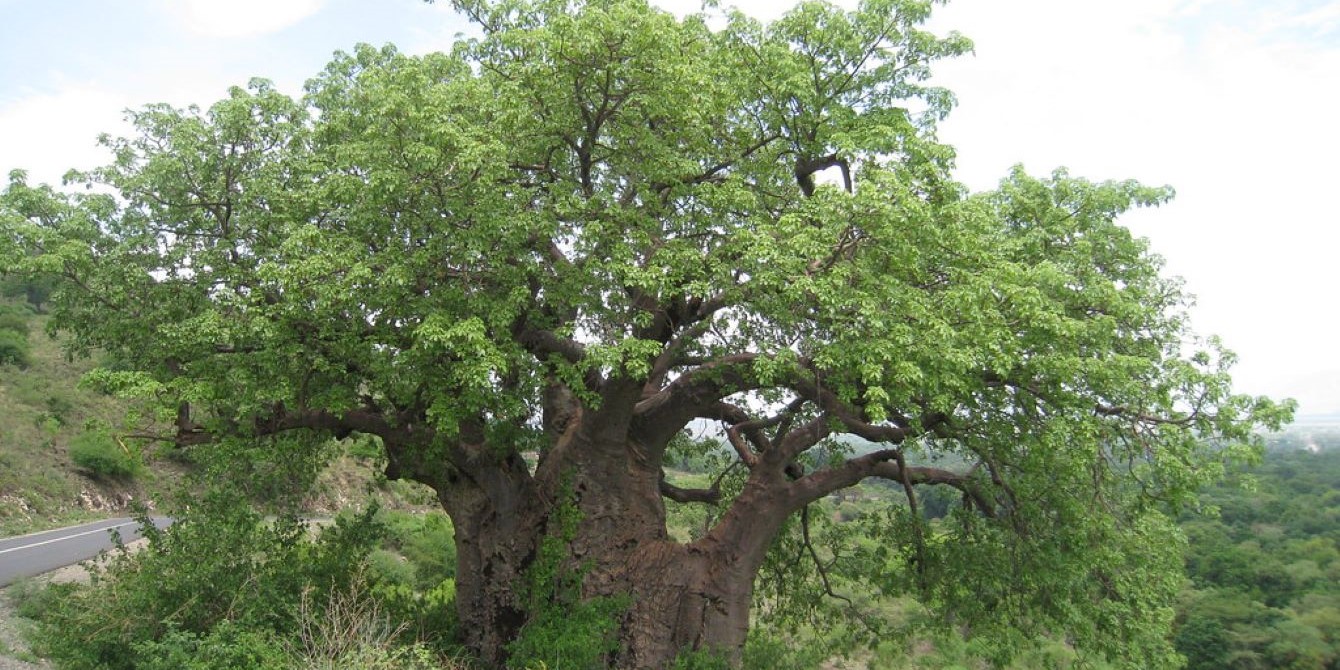
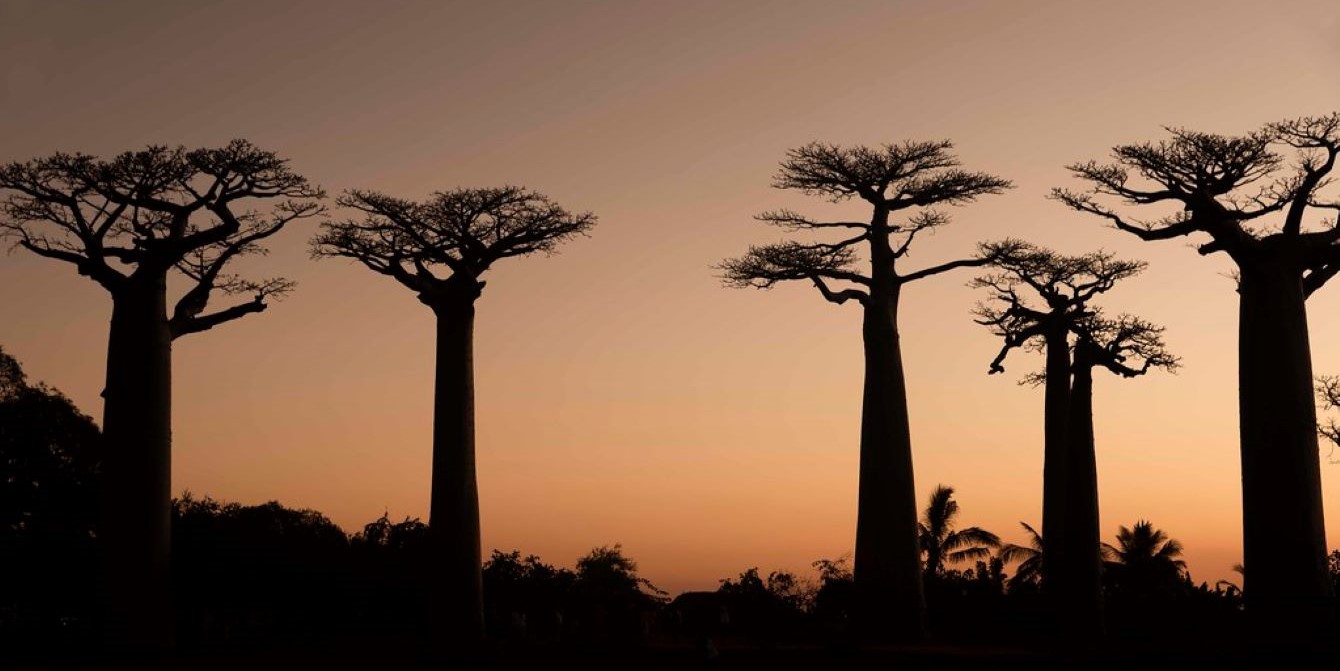
    The iconic baobabs are trees like no other. A thick trunk rises to support thin branches. They are deciduous, which means during the dry season, their bare branches look like a gnarled root system, and make these trees look as if the tree was growing upside down.

    Why are baobabs important? 

    The baobab is a key species in an ecosystem. They play a key role in helping to keep soil conditions humid and also promote nutrient recycling. They also prevent soil erosion. And the baobab is an important source of food, water and shelter for various birds, reptiles and insects. 

    A mature baobab tree will create its own ecosystem. For example, monkeys and warthogs are fond of fruit and seed pods, birds can make a home in the cavity of the bark or make their nests in the huge branches. Bush babies and fruit bats will drink baobab nectar. And other wildlife like elephants sometimes eat the spongy baobab bark, which provides moisture during times of drought.

    After a long walk through the summer’s heat, this tree will be your best friend. You find shade and a drink – as the cavities in the tree act as reservoirs for rainwater. The seeds within the fruit from the tree can also be sucked to relieve thirst. And who knows, if you stop for a drink, you might even get lucky and spot something exciting. 

    Where can you see baobab trees?

    image

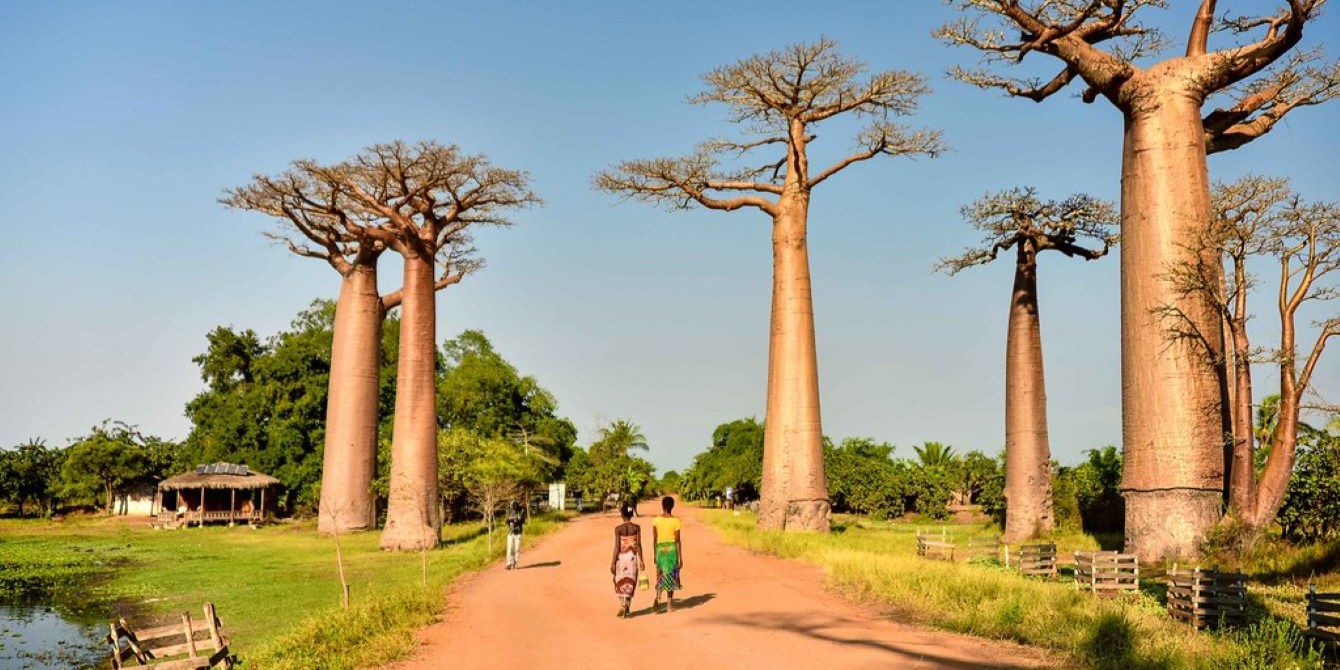
    There are nine different species of baobab trees. One is from Australia, six from Madagascar and two species are native to mainland Africa. All these species are situated in low-lying, arid regions. 

    In Africa, you find baobabs growing above hot, dry shrublands. In Madagascar, baobabs are pioneers of the dry deciduous forests in the western side of the island. In Australia, they live in open savanna woodlands. All these regions go through a short wet season and long, hot, dry season. Most trees would not survive in these conditions, but baobabs can grow.

    What beliefs exist about baobabs?

    The baobab is surrounded by many superstitions. Here are some of my favourites:

    1. Many cultures believe that an evil spirit lives in the tree’s white flowers. If anyone plucks these white flowers, the evil spirit will cause a lion to them.

    2. In Zambian culture, women are not allowed to eat baobab fruit during the beer-brewing process, as it is believed that this will cause the beer to go bad.

    3. Baobabs are considered to be a fertility tree.

    4. For the East African people, it is believed that Resa, the lord of rain, stays in the top branches of an enormous baobab in order to support the sky.

    5. And my favourite is a Bushman legend. In the beginning, the creator decided to hand out seeds and plants to the animals of the world for them to cultivate. The baobab was issued to the hyena, but because she was upset about being last in the queue, she decided to plant it upside-down.

    Nutritional uses of baobab: 

    1. People can eat almost each part of this tree, including roots and small sprouts. 

    2. The baobab’s fruit has a citrus flavour and is enjoyed by monkeys and humans. 

    3. The leaves can be boiled and used as spinach, and even the flowers are edible. 

    4. You can mix water and powdered fruit pulp to create a refreshing drink. Some people snack on roasted seeds or use them to brew a coffee-like drink. The pulp can be used in juices to add flavour. The pulp is rich in vitamin C – about 10 times that of oranges

    5. Baobab seed powder is sprinkled on food for added nutrients and as a natural preservative.

    image

    Medicinal uses of baobab: 

    1. Traditional beliefs said the baobab have been used to treat almost any disease including malaria, tuberculosis, fever, microbial infections and dysentery. 

    2. The leaves and fruit pulp can be used to stimulate the immune system and fight against fever. 

    3. It is said to have a lot of healing properties : antimicrobial, anti-inflammatory, antimalarial, antidiarrheal and antiviral. 

    4. The leaves can also be useful for treating anaemia and asthma.

    Others uses of baobab: 

    1. The hollow bark of the baobab tree can provide homes for a lot of animals like reptiles, insects and birds. Foliage sometimes can be eaten as fodder for livestock.  

    2. The bark is harvested extensively for its fibrous qualities. Strips can be rolled into a tough yarn and used in many different ways such as sacks, fishing nets and also clothes. 

    3. Bushmen also used the bark to create traps.

    4. The twine is also used occasionally for the strings of musical instruments. Its wood is used for fuel and timber. 

    The landowners of The Sunland Baobab decided to build a pub inside the hollow centre of this tree. It was around to be 22 metres tall and 47 metres in girth. The landowners decided to close the pub to prevent soil erosion around the tree and The Sunland Baobab unfortunately died in 2017.

    Are they protected or endangered? 

    image

    In 1941, the baobab was included in the list of protected trees by the Forest Act in South Africa. However, the six Madagascar baobab species are both on the IUCN Red List, three as endangered and three as near threatened. The African and Australian species are not assessed but may become a problem without surveillance.

    Global climate change may be playing a role in the loss of these trees. A rapid increase in baobab deaths in southern Africa have been noted. Of the world’s 13 largest baobabs, 9 have collapsed and died. For such ancient trees, their death and breakdown is remarkably rapid. Baobab trees simply crumple into a pile of papery fibre when they die. If a hot fire passes through, it would probably remove any evidence of the tree’s existence. This devastating loss reminds us of the impact of climate change on biodiversity.

    Through this Bushwise course I’ve learnt more about the value of such incredible species. We should protect and conserve these beautiful trees. We can also find a beautiful individual at the gate of our campus!

    #wildlife #bushwise #fieldguide #qualification #safariguide #Exam #training #safari #ifga #sightings #fieldguiding #tracking #Assessments #guiding #fieldguidecourse #studying #fieldguides