Author: Marketing Team

  • The boy, a lion and a snake

    This blog was written by Nicol Maree, a Bushwise student at our Mahlahla campus. Camp Manager blogs are written by students who each manage camp for one week during their course. Students are encouraged to be creative and write about their experience as a story. Nicol certainly took this task to heart with his original blog!

    3 min read
    image

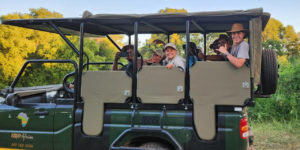
    Part 1: The road trip

    Our story starts on 3 January, with a boy from Cape Town preparing for a journey. Crossing borders and facing fears, his destination Limpopo… to be more specific Bushwise – the best training facility known to man. But little did he know, he was in for one memorable first week as camp manager. 

    Let’s start at the beginning. The road trip started by saying goodbye to family and his two fur babies and getting ready to drive 1,800km. His first destination was Bloemfontein, then Johannesburg and then finally after many hours on the road, one or two truck stops and many angry people coming from holiday, he landed at Bushwise. 

    Upon arriving at Bushwise he was met with friendly faces and a warm handshake here and there. With a shiny nametag, he was prepared to get to work and learn about the bush and all the beauty it has to offer – after all, he had come too far to turn back now. The three days started off slow and it consisted of mainly getting used to his new environment and getting to know the new faces of his classmates and educators. 
    image

    Part 2: King of the jungle

    As an old friend used to say, “There can only be one king of the jungle and it’s not you”. After settling in the young boy became good friends with a fellow classmate. Together, they would stay up late studying and crushing their daily goals, and till this day they remain a formidable team! 

    One evening while studying the two Bushwise learners took a 10 min break gazing at the stars when the silence was interrupted by a sound which the boy had never heard. 

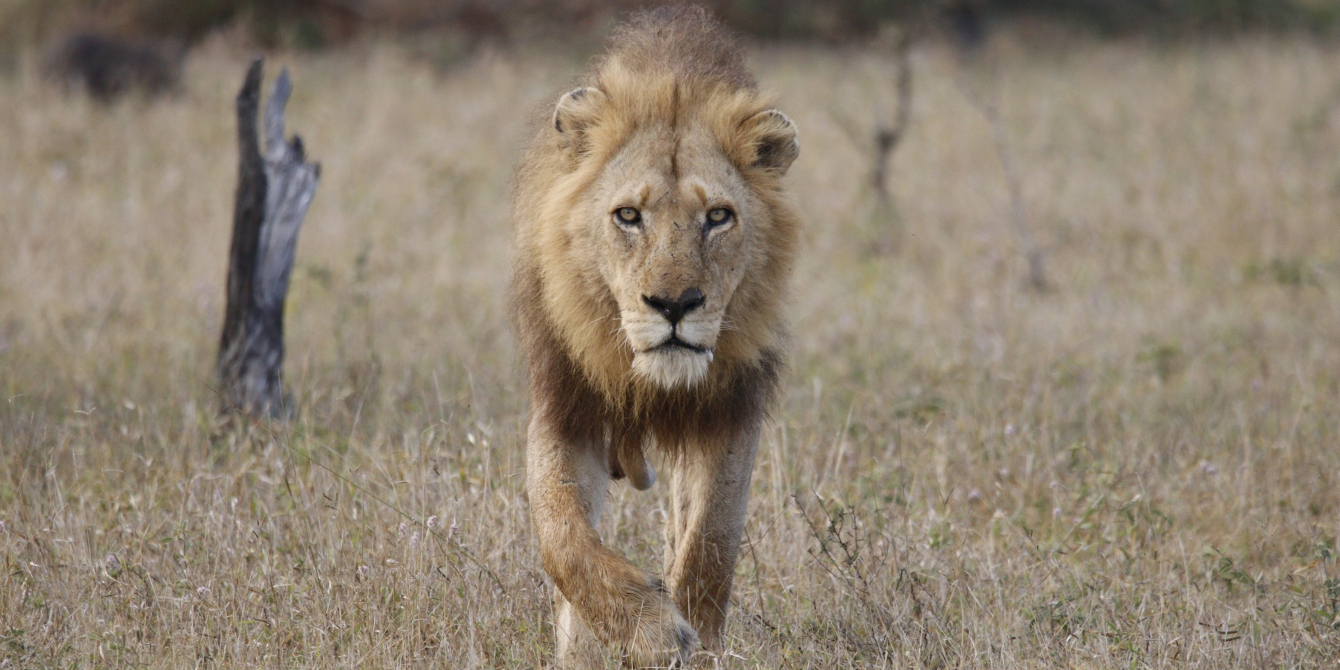
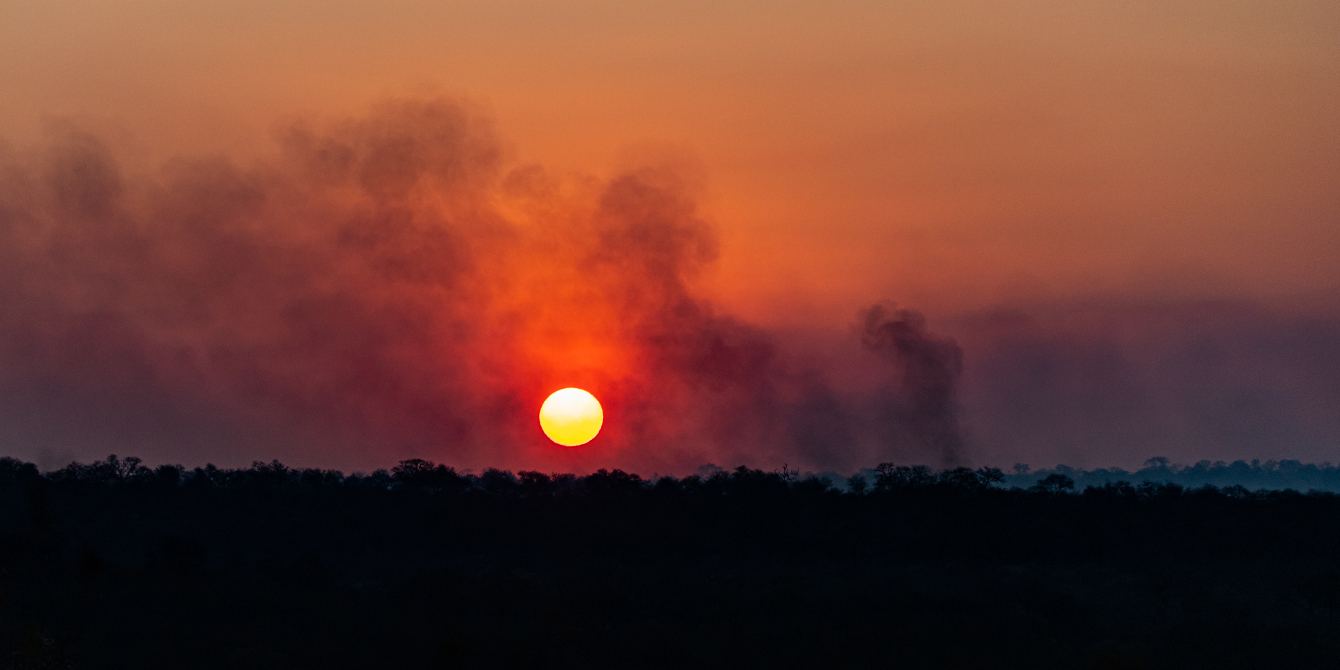
    Lions in the distance at Makalali Game Reserve had given a roar, a roar so loud the earth had shaken and now every animal in the bush knew the king was upset. ‘Upset about what?’ the boy thought to himself… was it perhaps the heat? Or the fact that he was also feeling a little bit lonely? Oh well, it doesn’t really matter because he is still king! 

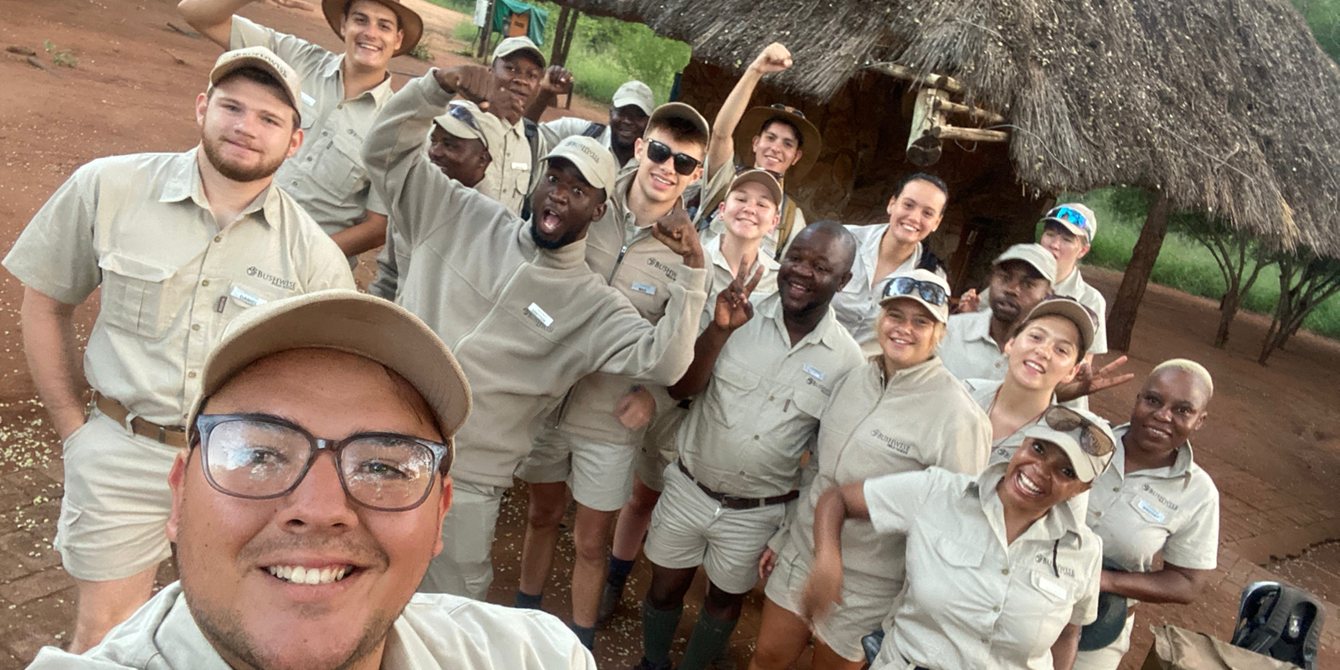
    To be a king sounds quite nice, the boy thought, and knew that was his goal. What makes a good king? To lead of course and that was exactly what the boy did with a new title to his already new nametag – the title of camp manager!
    image

    Part 3: Camp Manager (aka Class Captain)

    With the reminder of the king of the jungle sitting fresh in the back of his mind, the boy began his daily duties. 

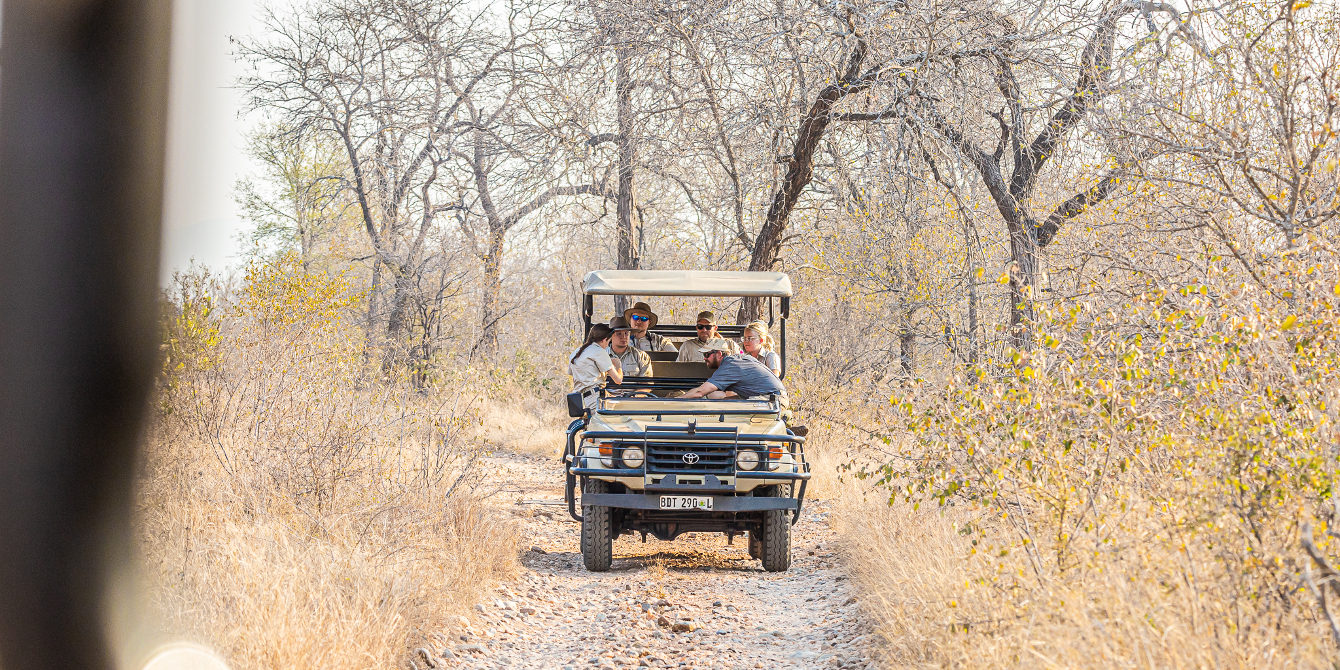
    Half a week into his journey as camp manager, things started to turn for the better. The boy got the chance to drive a safari vehicle and not just for practice – but in a real game reserve. With this golden opportunity, the boy along with nine other students set out to find the infamous king who had given him inspiration.

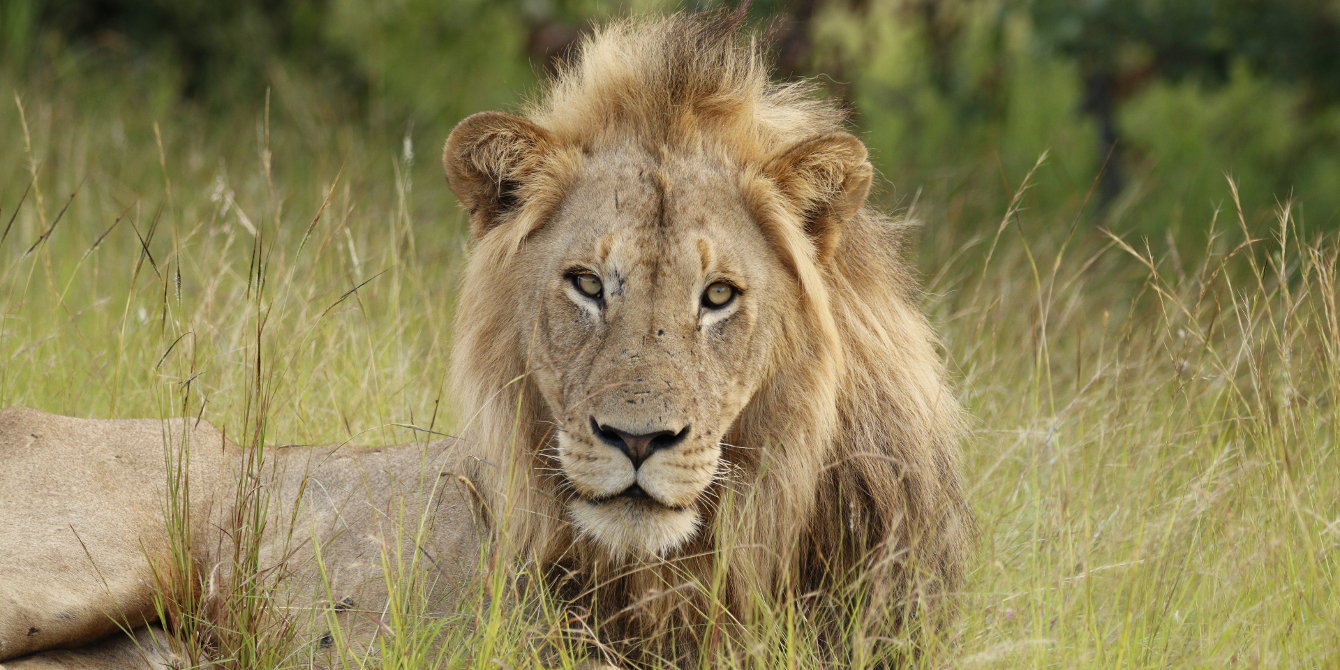
    There it was, lying in the tall grass, the legend was true! The lion had waited for the boy. The Bushwise students finally came face to face with the king – well from a safe distance in the safari vehicle. 
    image

    Part 4: Man vs Beast

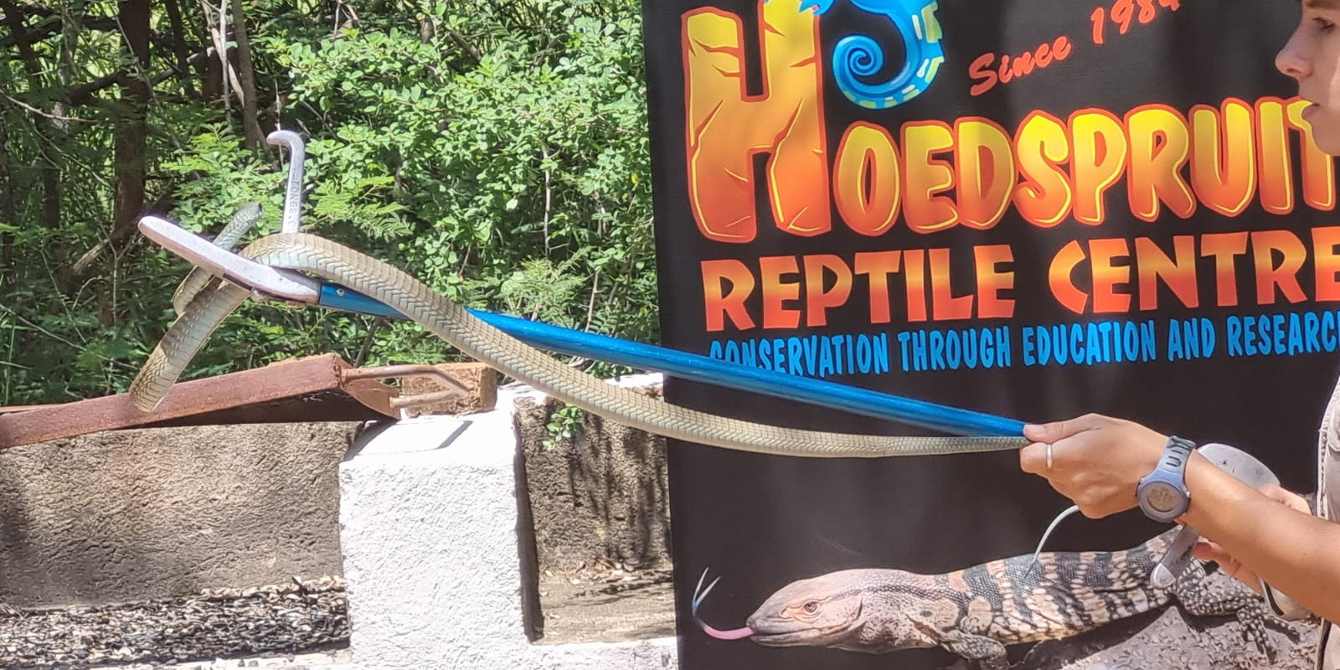
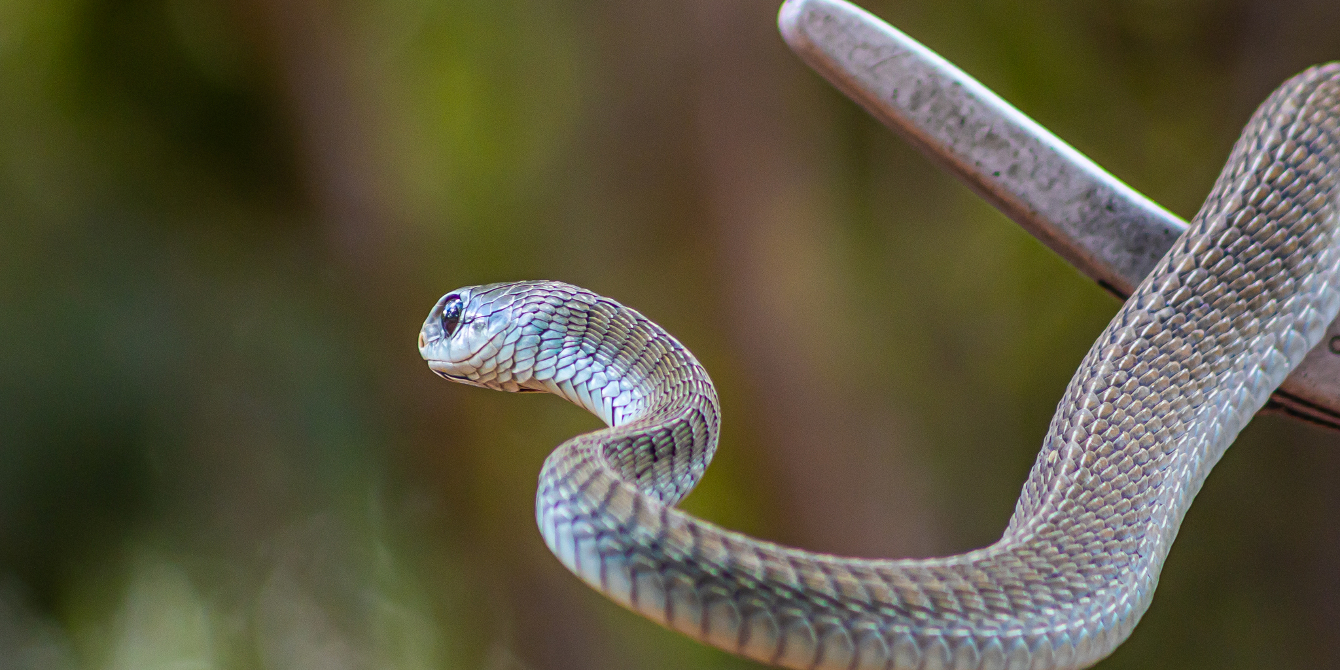
    Little did the boy know that the animal kingdom had another battle lined up back at camp. This time it was a snake, courtesy of the Hoedspruit Reptile centre*. An exciting, yet chilling experience awaited the students. 

    *Note from the Bushwise team: this was when the students were visited by the Hoedspruit Reptile Centre for their reptile handling and orientation. No snakes and definitely no humans were harmed during this process!

    After quite an eventful week, the boy rested to regain his energy. But he will continue to channel the king’s energy as inspiration as he hands over the title of camp manager to a new leader, ready to face their own fears!

    This is all in a week’s work when you’re studying with Bushwise. Interested in having an amazing time while becoming a safari guide? Apply today!

    #lion #wildlife #ifgaguide #gameranger #bushwise #qualification #safariguide #trailsguide #Exam #training #animals #tracks #apprenticefieldguide #safari #ifga #sightings #fieldguiding #tracking #trackandsign #Assessments #gamedrive #guiding #ifgaexam #fieldguidecourse #studying #fieldguides
  • Nightlife on a field guiding course

    Camp manager blogs are written by our current students who each get a chance to lead and manage a group (of their fellow students) for a period of one week. This blog is by Josh Judd.

    3 min read

    During my tenure as camp manager, my thoughts were distracted from time to time by the topic or subject of this blog, which I knew I would need to write . 

    image

    The logical or easy option would’ve been to discuss the incredible track & sign/trailing courses that we completed with Collin Patrick, his daughter Samantha and their master tracker, Coda. This would’ve led me down a path of explaining the intricacies and attention to detail which are required to excel within this area of guiding. 

    My second thought process entailed writing about some of the photos taken off our camera trap which has been on an ever more entertaining roundabout trip throughout campus and the Makalali Private Nature Reserve with each new locality perceived to be better than its previous localit. We tried to capture some of the incredible animals that are found within this special locality in the foothills of the northern Drakensberg Mountain range. 

    After debating the previous two thoughts, I decided to settle on a topic which I’ve felt has not received the credit that it deserves, nightlife on a field guide course. 

    Nightlife on course

    image

    The only free time we really get in the bush is in the evenings once we have finished our delicious dinner cooked by our very own masterchef Rose. Once we have wolfed down dinner we often finish our evening off by going on a night drive on the public road around the reserves in order to explore the wonders of the bush at night. There is nothing quite like living in an area with multiple reserves next to each other; it makes the drives extremely interesting and always gives us a story or two to tell the following morning. 

    When the sun sets and our diurnal critters rest their weary heads after a long day of browsing, grazing and general antics the night brings with it more elusive animals that wake up when the sun sets and start getting ready for their evening of busyness. Who doesn’t love to bump into an African civet making its way on its nightly route to forage and hunt down various insects and the odd arachnid! 

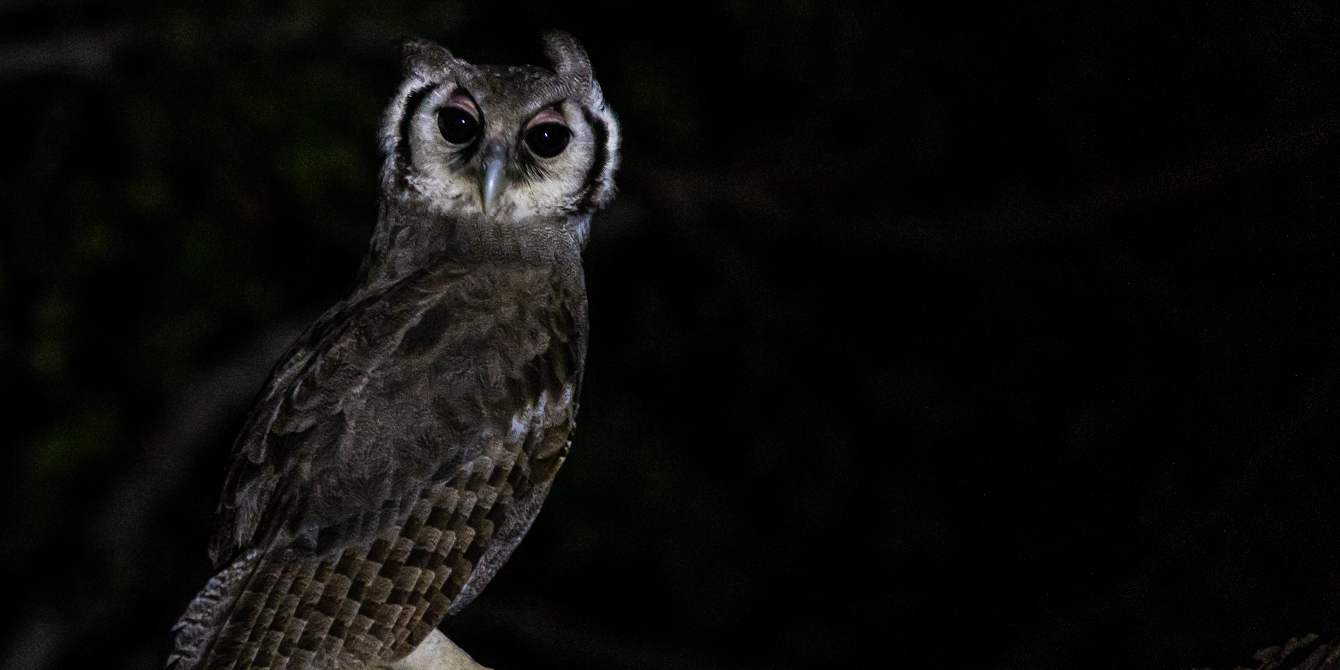
    The wise old spotted eagle owl sits as still as a statue on his post waiting for an unsuspecting rodent or small mouse to come sneaking around looking for food, only to become dinner himself as our beautiful nocturnal owl swallows it whole with one large gulp! 

    Snakes in the Lowveld

    image

    With the rains starting to come down, we couldn’t have been more excited to jump into the car to go looking for all things reptile. As we made our way down the dirt road, I spotted it, the awesome silhouette of a puff adder. What an incredible snake! It is crazy to think that this spectacular beast that was moving ever so slowly over the road is actually one of the fastest striking snakes in the world. With the rains, we were fortunate enough to find seven amazing species of snake in the two days. 

    To add some perspective to how incredible these night drives have been, I would like to pose a question to you. Would you say we have had more incredible sightings within the reserves or outside the reserves on a normal dirt road on our nightly drives? 

    image

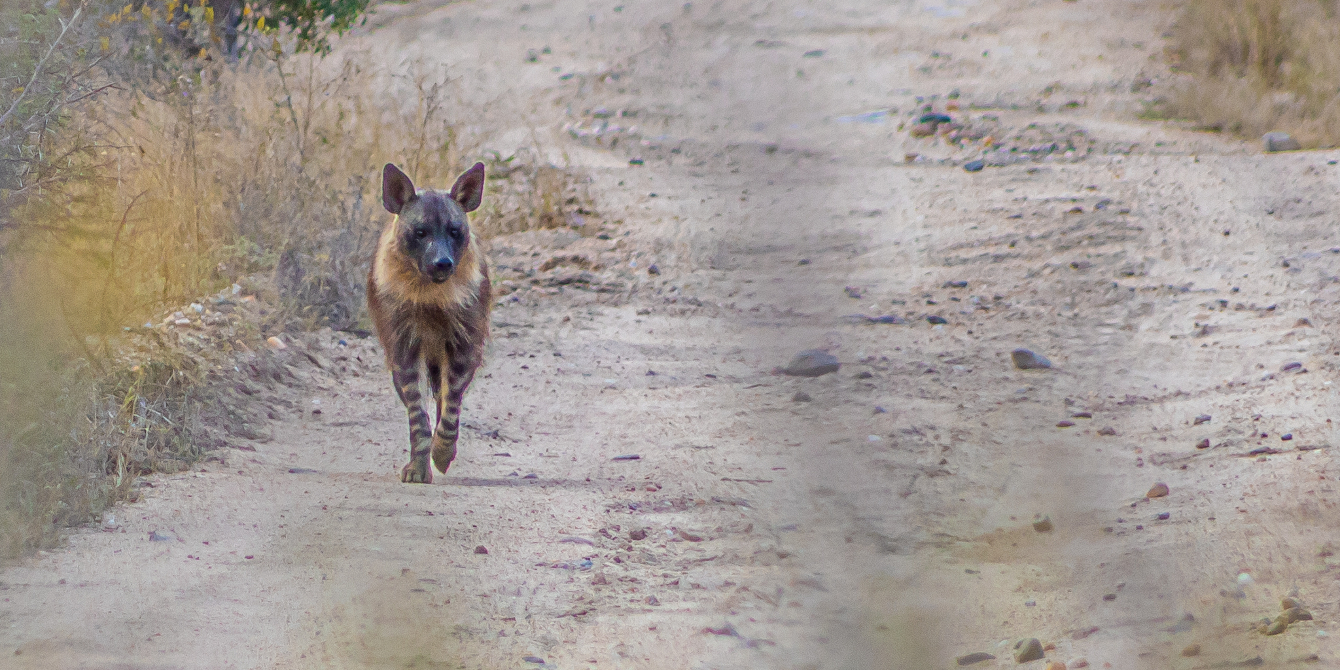
    Whilst it may seem impossible to beat the incredible 4m long monster African rock python we were privileged to see within Makalali Game Reserve or watching two cheetahs unceremoniously being asked as kindly to leave their zebra kill by a brown hyena at Shlereni Dam, there was something very special about being able to drive at 10pm at night on some occasions through these wild areas. 

    Empirically speaking for those statistically inclined, we saw more male lion, leopard, African civet, cheetah, sable and roan antelope, white tailed mongoose, potentially one Meller’s mongoose, rhino and even pangolin during our night drives than what we saw in the reserves. On that note, I’m off to bed, goodnight!

    From day drives to nightlife on a field guiding course, you could experience it all with Bushwise. Make your career a wild one and apply today.

    #wildlife #gameranger #bushwise #fieldguide #qualification #safariguide #ifgaguide #training #guidejobs #animals #safari #ifga #sightings #fieldguiding #tracking #endangeredspecies #gamedrive #guiding #ifgaexam #elephant #fieldguidecourse #studying #fieldguides
  • Snapshot of Chobe National Park and the Central Kalahari Game Reserve

    From Chobe National Park with the highest concentration of wild elephants in the world, to the Central Kalahari and its seemingly endless desert, Botswana is a safari-lover’s dream. These two destinations will expose you to diverse Botswana environments, with Chobe in the northeast alongside the iconic Okavango Delta and the Central Kalahari deep in the country’s central desert landscape.

    3 min read

    About Central Kalahari Game Reserve

    image

    The Central Kalahari Game Reserve (CKGR) is massive. It’s hard to overstate its size; this national park covers nearly 53,000 square kilometres (20,400 square miles) and is 10% of Botswana’s total land area. It’s also remote and relatively difficult to get to, which means visitation is lower than other wildlife reserves in southern Africa. 

    The CKGR is largely desert, but it also comprises grasslands, scrublands and savannah biomes. Animals found here include lion, cheetah, wild dog, oryx, hyena, elephant, springbok and more. You know those pictures of wide-open spaces filled with thousands of grazing herbivores? That’s what you can hope to see in the CKGR. If you’re looking for a remote and secluded safari experience, the Central Kalahari is an excellent bet.

    Weather in Central Kalahari Game Reserve

    image

    As the Central Kalahari is a desert environment, it experiences two main seasons: dry and wet. The dry season runs from April to October, with the coolest months being in June and July (the southern hemisphere’s winter). Winter nights can be quite chilly, even dropping below freezing. By the end of the dry season, however, the heat is really cranking and temperatures can be as high as 40°C/100°F or more.

    The wet season runs from November to March, bringing much needed rainfall to a dry and brittle landscape. The common weather in the wet season is afternoon thunderstorms with short rain showers. It remains hot throughout this season until the rains stop in April, averaging 32°C/90°F in the late afternoon. 

    When should I visit the Central Kalahari?

    image

    If you want to see wildlife, January to April is the best time of the year to visit the CKGR. This is when the rainy season brings green growth to central Botswana. The valleys become lush and attract hundreds of herbivores like oryx, springbok, wildebeest, zebra and giraffe. It’s also the time of year when babies are born, which means an increase in predator activity around these herds. 

    We do recommend driving in a convoy of at least two or three vehicles, because the mud in the CKGR is notorious. It’s a good idea to take a 4×4 course or at least be well-versed in how to tow a vehicle out of mud!

    About Chobe National Park

    image

    Chobe National Park stretches from just past the Okavango Delta up to Botswana’s borders with Zambia, Zimbabwe, and Namibia’s Caprivi Strip. It consists of four major areas: 

    1. Ngwenzumba Pans

    2. Linyanti Region

    3. Savuti Region

    4. Chobe Riverfront

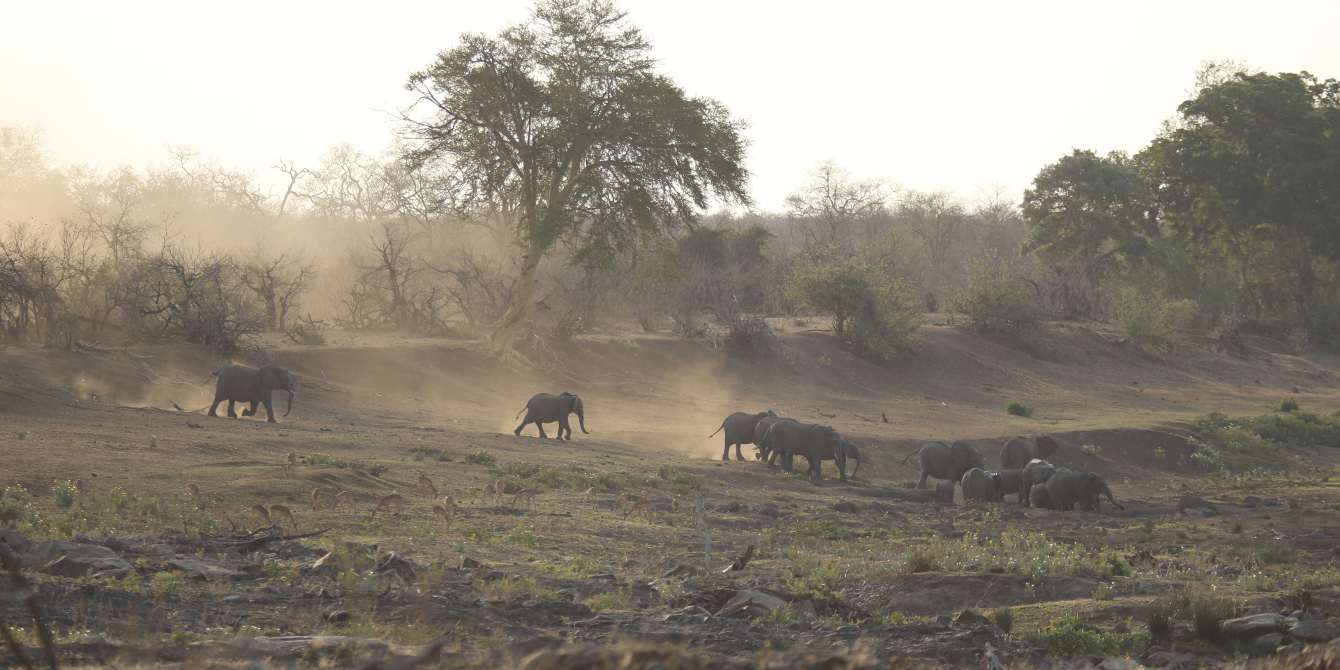
    The northern boundary of Chobe is the Chobe River, which attracts its huge elephant population. Botswana is actually home to a third of the world’s wild elephants – approximately 120,000 individuals live here – most of whom travel through Chobe. It’s not uncommon to see herds of hundreds of elephants in this part of the world.

    image

    Birding and wildlife viewing in Chobe are second to none. The river attracts migrant species and huge collections of herbivores, which are closely followed by predators like lions, wild dogs and leopards. There are a number of campsites within the park run by the parks board or community trusts, as well as 5-star lodges. Chobe is most commonly accessed from Kasane or Maun, both of which have airports.

    When should I visit Chobe?

    image

    Chobe has a similar wet and dry season to Central Kalahari, with the wettest months being December to March. This is a great time of year to visit and take advantage of quieter roads and reduced rates on accommodation. It’s also a birder’s paradise with many migratory species visiting. It will be wet so be sure you’re prepared with the right kind of vehicle (or go with a guide). 

    The best time of year for game viewing is May to November, which coincides with the dry season. At this time of year, animals make their way to the Chobe River or Savuti region to quench their thirst. Here you can see large herds of elephants and buffalo. If you want to avoid rains entirely and don’t mind colder evenings, May to July is a great time to visit – but it’s also quite busy! No matter what time of year you choose, there’s always something incredible to see in Chobe. 

    Do you love wildlife and visiting national parks? What if you could work in a place like Central Kalahari Game Reserve or Chobe National Park? Make your dream a reality by joining a Bushwise course. You can become a field guide in just 60 days!

    Words and photos by Annie DuPre

    #lion #wildlife #gameranger #bushwise #fieldguide #safariguide #guidejobs #animals #safari #fieldguidetrainer #sightings #wilddogs #fieldguiding #tracking #endangeredspecies #gamedrive #guiding #elephant #fieldguides

  • THE SMALL THE SHY AND THE UGLY

    This blog was written by Kerry Ross and Joshua Judd, who did their Bushwise Professional Safari Guide course at our Mahlahla Campus. The information contained in this blog is based on Kerry and Josh’s own research.

    4 min read

    The small, the shy and the ugly

    Sounds like the title of a classic Western right? Not this time, but I do think of a really cliché high school grouping system when I think of these unorthodox groups of animals. You all know about the Big 5 – the popular kids. Today we are going to dive a little deeper into the lesser known nature groups, namely the Small 5, the Shy 5 and the Ugly 5.

    The Small 5

    image

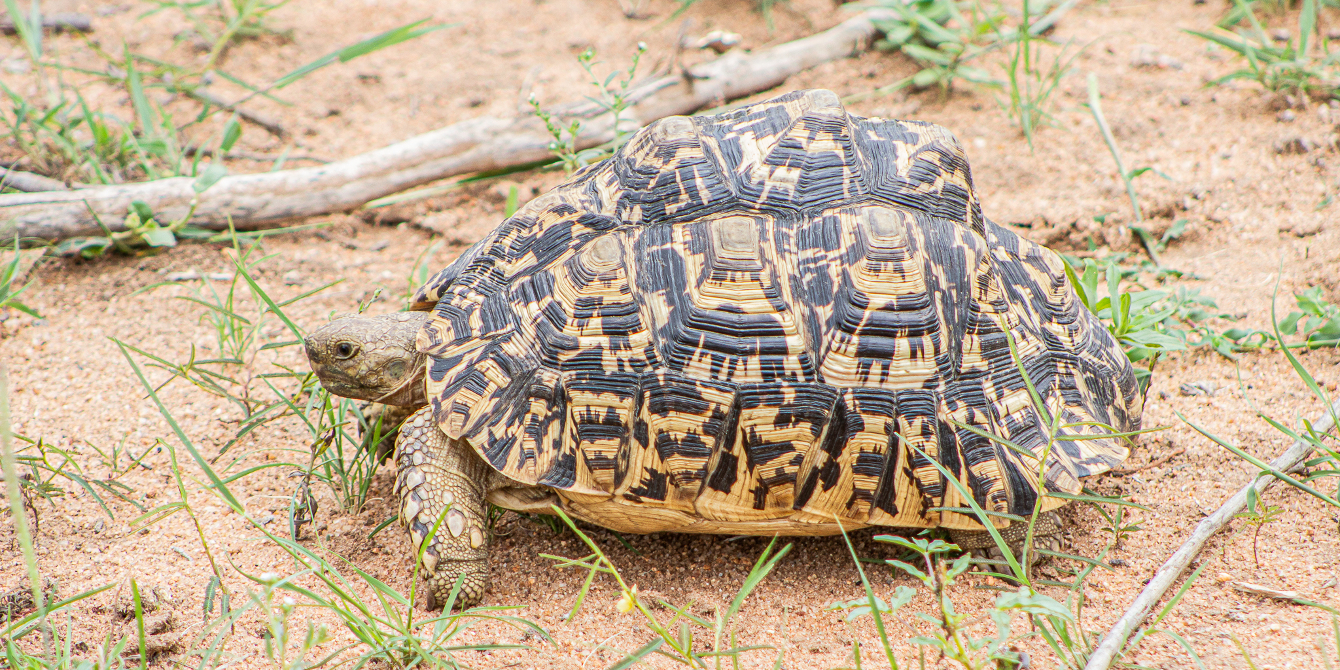
    In all seriousness though, the Small 5 are too adorable. Thrown together due to their relationship in name to the Big 5, the elephant shrew, rhino beetle, leopard tortoise, red-billed buffalo weaver and the mighty antlion may not be anywhere near their various counterparts in size, but they certainly are as effective in their respective environments at survival. 

    Take the elephant shrew, his trunk-like long nose is the reason he was named after his counterpart, the African elephant. His nose is designed to enable this little creature to clear pathways together with its paws in order to lure insects to eat. 

    I think we would be remiss if we did not mention the mighty antlion – what a mighty little critter. He certainly cannot roar, but wow can he hunt! You might have come across his cone-shaped pit many times in your gardens. Once another ant gets stuck in the pit, it cannot climb out, and as it struggles to, the movement of the sand shifts the prey down the cone. Once the ant comes to a halt in the centre of the hole, the antlion pounces and collects his spoils.

    The Shy 5

    image

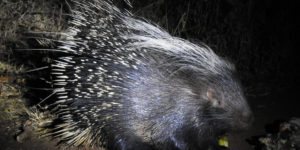
    Next we move onto the Shy 5. As beautiful as they are elusive, these five secretive animals are sought after by many nature enthusiasts the world over. Let me introduce you to these lovely animals: the meerkat, aardvark, porcupine, aardwolf and bat-eared fox. All of our animals are nocturnal except one. 

    We have only been blessed enough to find meerkat and porcupine. Still in the search of the elusive aardvark, aardwolf and bat-eared fox. Do not get me wrong just because we have not managed to get a glimpse of the aardvark, we bear witness to the evidence he leaves behind after he uses his powerful claws to dig two feet into a termite mound in 15 seconds! Now that is lightning fast excavation. 

    In doing this he also plays a huge part in creating homes for other burrow dwelling animals such as warthogs and mongooses, even the African Shelduck uses these burrows to lay it’s eggs in! Once the Aardvark has dug his tunnel into the termite mound he uses his extra long tongue to get into the termite tunnels and eat his preferred evening meal.

    The Ugly 5

    image

    Last but most certainly not least no cliché high school movie would be complete without the loners. These loners are grouped together because, well, as the name suggests they are just plain ugly, but also secretly some of our favourites! 

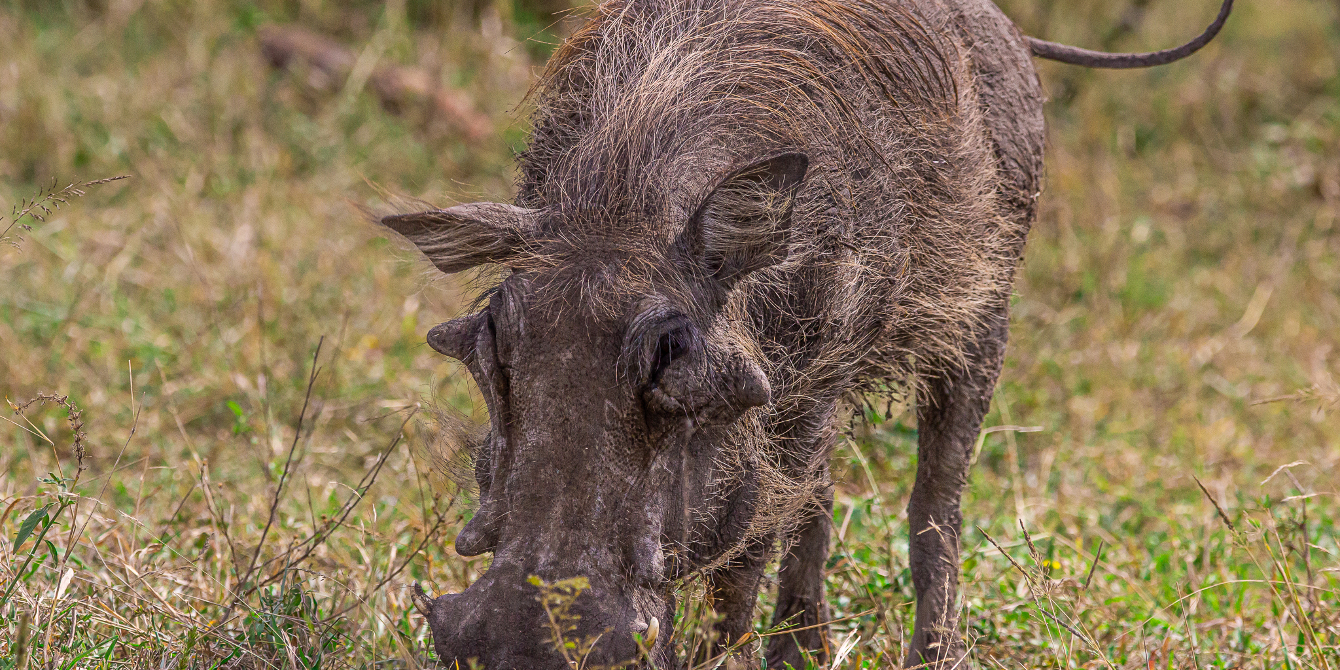
    The Ugly 5 consists of five animals that certainly will by no means be winning any beauty contests but all offer something totally unique which really just makes us love them more! Hyaena, warthog, marabou stork, vulture and wildebeest. 

    image

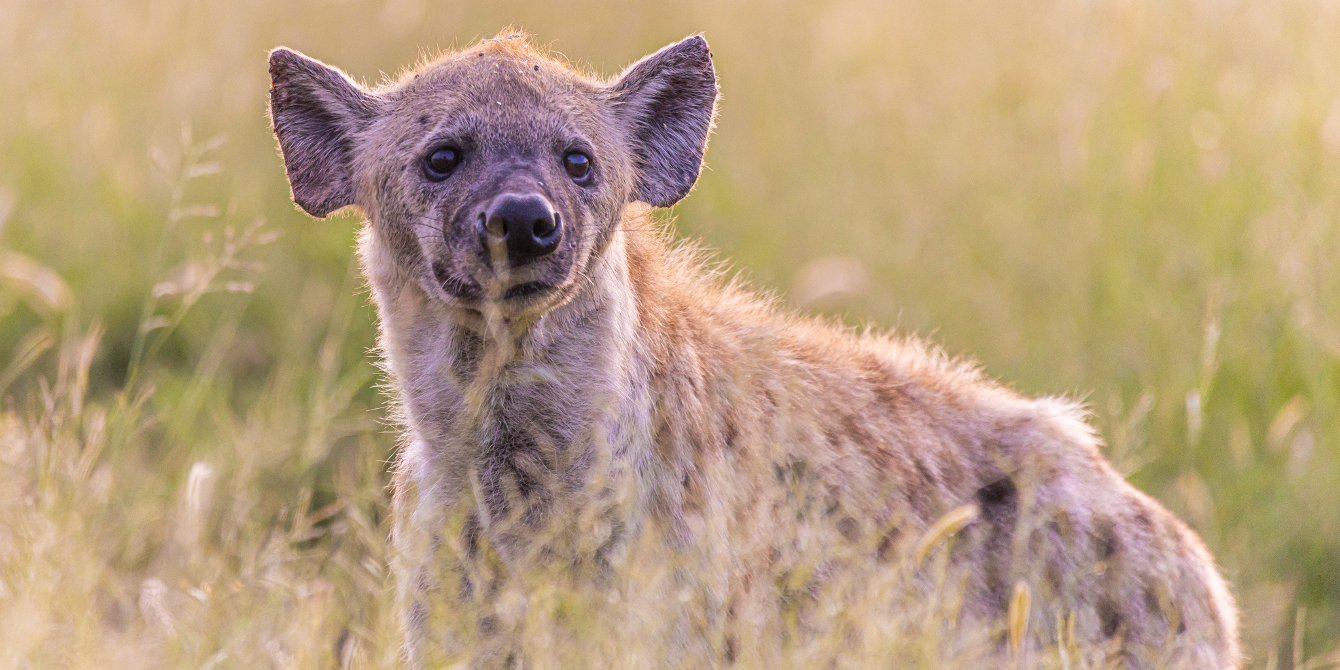
    Let’s dive right into our favourite of the group, the spotted hyena. A scavenger by nature with a very strange stance this group of giggling animals are actually more closely related to cats than dogs – strange but true!) What we love most about our spotted friends is their epic jaw power. Jaw power is measured in PSI and the hyena’s PSI comes in at 1100! To put that into perspective, lions have a PSI of around 650. This epic jaw power enables them to crush through most bones without too much of a problem. 

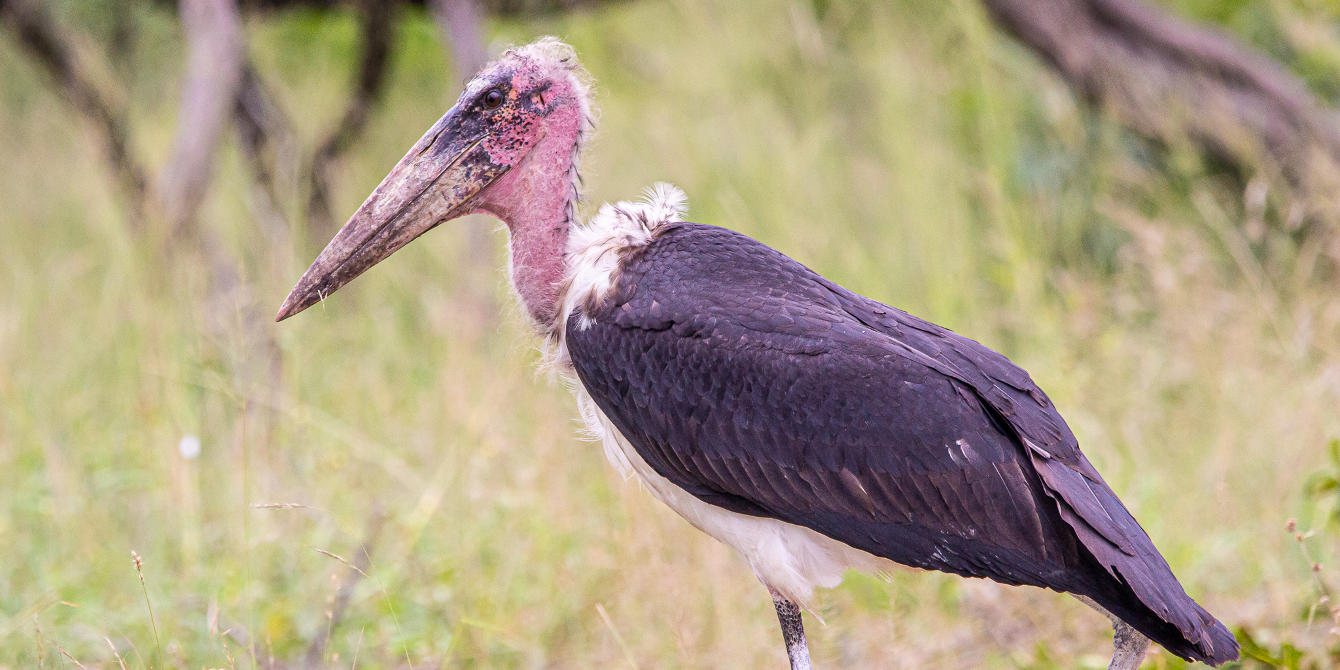
    As we are both avid birders we just want to take a closer look at our beautiful bird on this list, the marabou stork. Now if we were giving away a prize for the ugliest bird I have seen in South Africa, the Marabou stork would be in first position no questions asked. 

    image

    Now what on Earth is that thing under his beak? It is a sac but this sac is special, he uses it during courtship rituals. It connects directly to his left nostril and allows him to produce a guttural croaking sound. 

    So if you get a chance to come to Africa on safari, look past the Big 5 and towards our more overlooked, equally as special creatures that make up this entire ecosystem!

    Learn more about all of these amazing creatures on a Bushwise course.

    #wildlife #gameranger #bushwise #fieldguide #trailsguide #guidejobs #animals #apprenticefieldguide #hyena #safari #sightings #wilddogs #fieldguiding #endangeredspecies #gamedrive #guiding #fieldguidecourse #fieldguides

  • Snapshot of Victoria Falls National Park

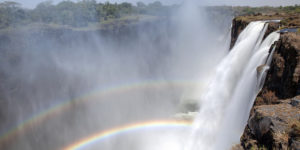
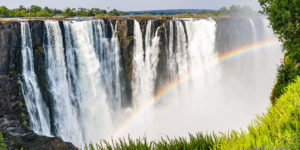
    Victoria Falls National Park is home to one of our planet’s most impressive waterfalls, which is also one of the Seven Natural Wonders of the World: Victoria Falls. With incredible height and width, Victoria Falls is the largest single sheet of moving water. 

    It’s truly a sight to behold – whether you’re looking towards it from the Zimbabwe side, or standing above it on the Zambia side. Let’s learn more about this world wonder.

    3 min read

    In which country is Victoria Falls National Park? 

    image

    Victoria Falls National Park is part of a larger transnational park, spanning the boundary of Zimbabwe and Zambia along the Zambezi River. Victoria Falls National Park is actually on the Zimbabwe side, while Mosi-oa-Tunya National Park is its counterpart in Zambia. The main attraction, which brings nearly a million tourists a year, is of course the waterfall itself.

    At 1.7km – just over one mile – across and 60-100m tall, Victoria Falls is the world’s largest sheet of falling water. For context, it’s twice as wide and twice as deep as Niagara Falls. Every minute Victoria Falls can churn out up to 500 million litres (132 million gallons) of water!

    Throughout Zimbabwe and Zambia, Victoria Falls is called by its Lozi or Kololo name: “Mosi-ao-Tunya”, which means “smoke that thunders”. This name comes from the billowing steam that rises from the falls, which can be seen up to 20km away on a clear day when the river is at its most powerful. This water spray is also responsible for the unique rainforest ecosystem immediately around the falls.

    Things to do at Victoria Falls National Park

    image

    Viewing the impressive waterfall is certainly the most popular activity at Victoria Falls National Park. This can be done from one of two unique vantage points: on the Zimbabwe side in Victoria Falls National Park, or above the falls in Zambia in the Mosi-oa-Tunya National Park. There are hiking trails on either side of the river, which get you to excellent vantage points. 

    The famous Devil’s Pools are on the Zambia side, offering a breath-taking and adrenaline-pumping opportunity to sit in the river immediately above the falls. Or, if you’re looking for an extravagance, you can also take a helicopter tour above the river!

    What wildlife can I see at Victoria Falls?

    image

    Immediately around the falls, the lush tropical rainforest is a key attraction for myriad bird species. As many as 470 different species have been recorded at the falls and in the neighbouring game reserves. Keep an eye out for unique and rare species like Pel’s fishing owls, Miombo pied barbets and African finfoots.

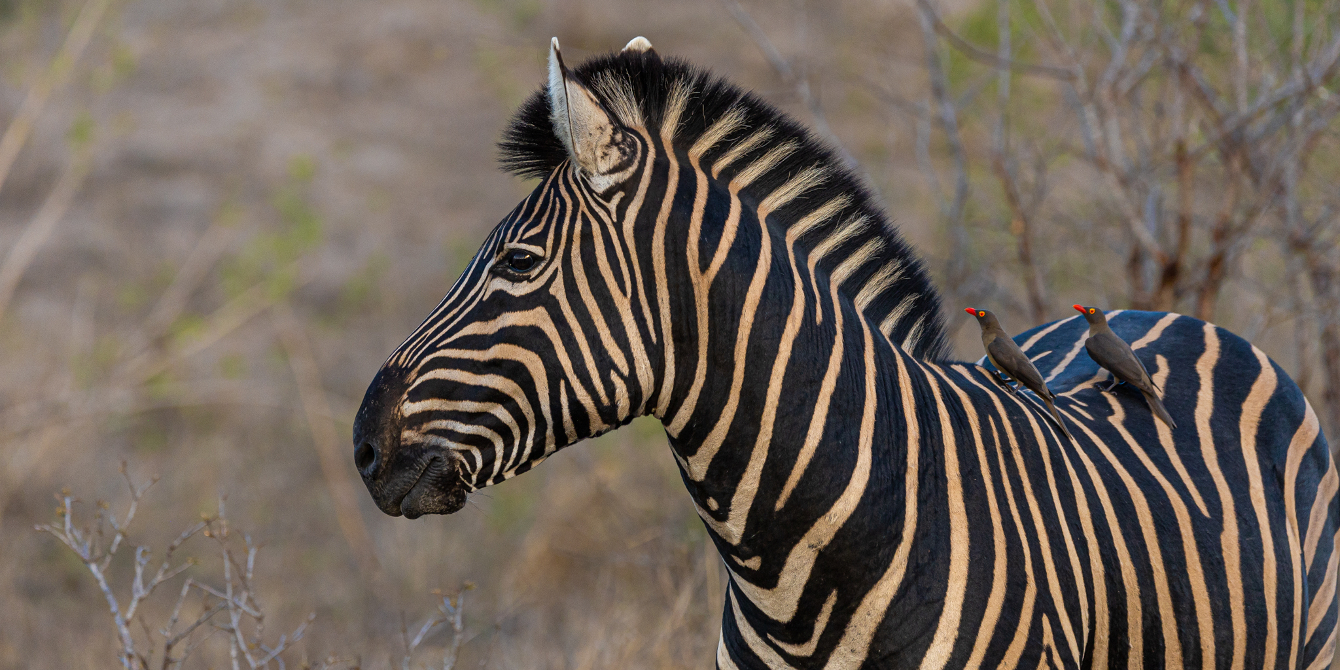
    Mammals spotted regularly include klipspringers, hippos, elephants, zebras, lions, leopards and wildebeest. The national parks around the falls – Victoria Falls National Park, Mosi-oa-Tunya National Park and Zambezi National Park – are ideal destinations for safaris and wildlife viewing. Or if you’d prefer to stay closer, you can sometimes even see animals like warthogs, buck and giraffes directly from your hotel!

    Accommodation at Victoria Falls National Park

    There are dozens of hotels and lodges to stay at when visiting Victoria National Falls. Whether you’re looking for something relaxed and family-friendly, or romantic for a honeymoon escape, there’s accommodation for you. Some of the most popular include: 

    1. The Royal Livingstone Hotel for luxury and comfort (Zambia)

    2. The Royal Chundu for families and romance (Zambia)

    3. Mpala Jena Camp for honeymoons (Zimbabwe)

    4. Elephant Camp for bush adventures (Zimbabwe)

    Imagine working somewhere like Victoria Falls

    The dream career is within reach with Bushwise. Become a qualified safari guide and you could end up working in a conservation or safari job, at a place like Victoria Falls. 

    #bushwise #fieldguide #sightings

  • On the trail: wildlife sightings on foot

    This blog was written by Francois Theron, Header Trainer at our SAWC Campus near the Kruger National Park. Francois is especially passionate about animal track and sign, and trailing wildlife on foot. Let’s learn more from his expertise!

    3 min read

    Track & sign and trailing: what’s it all about?

    image

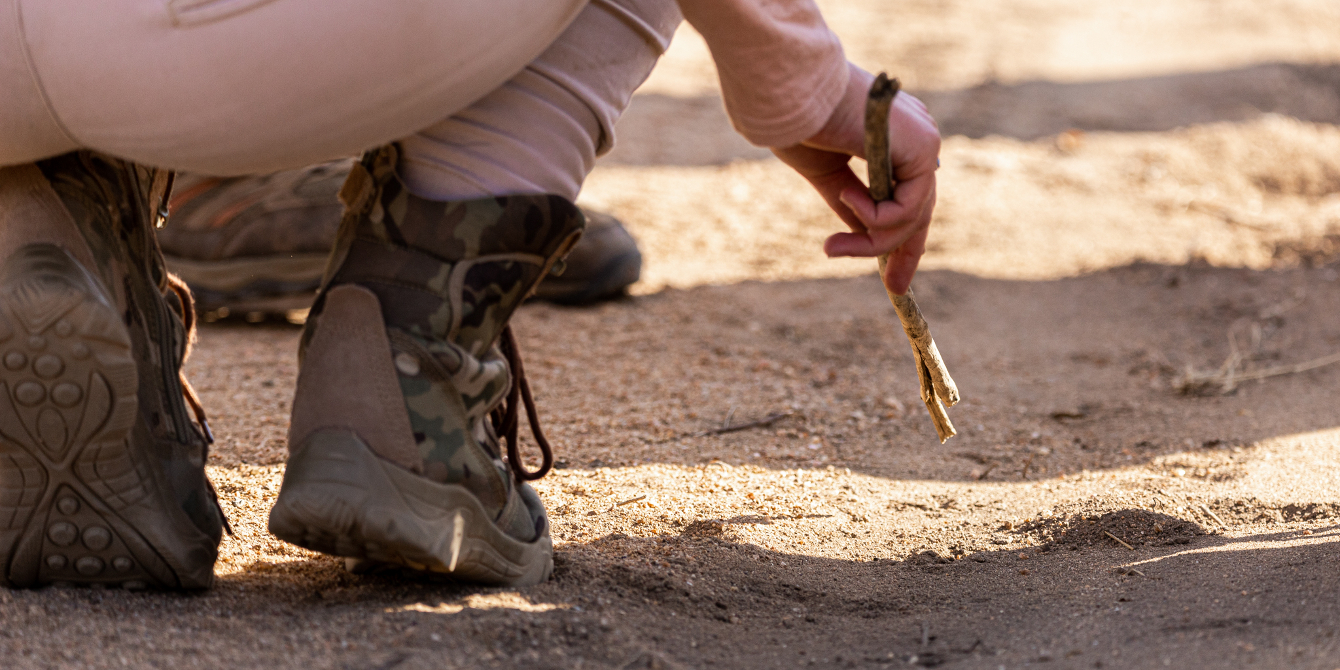
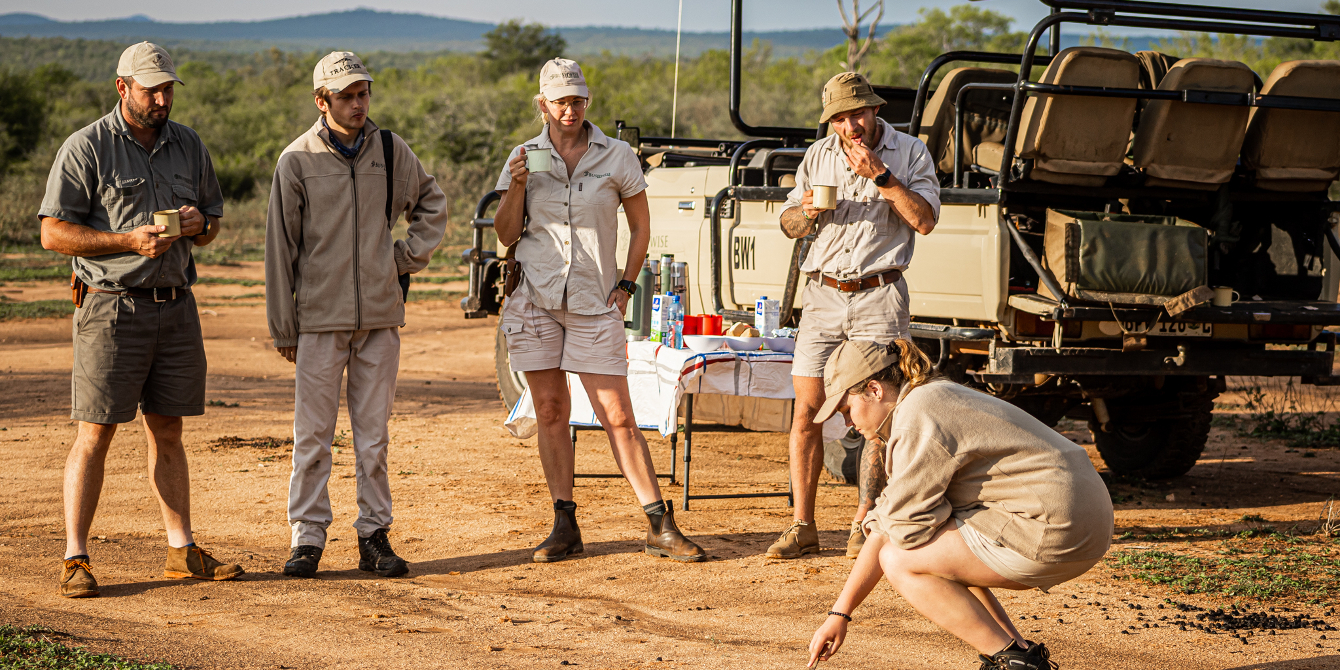
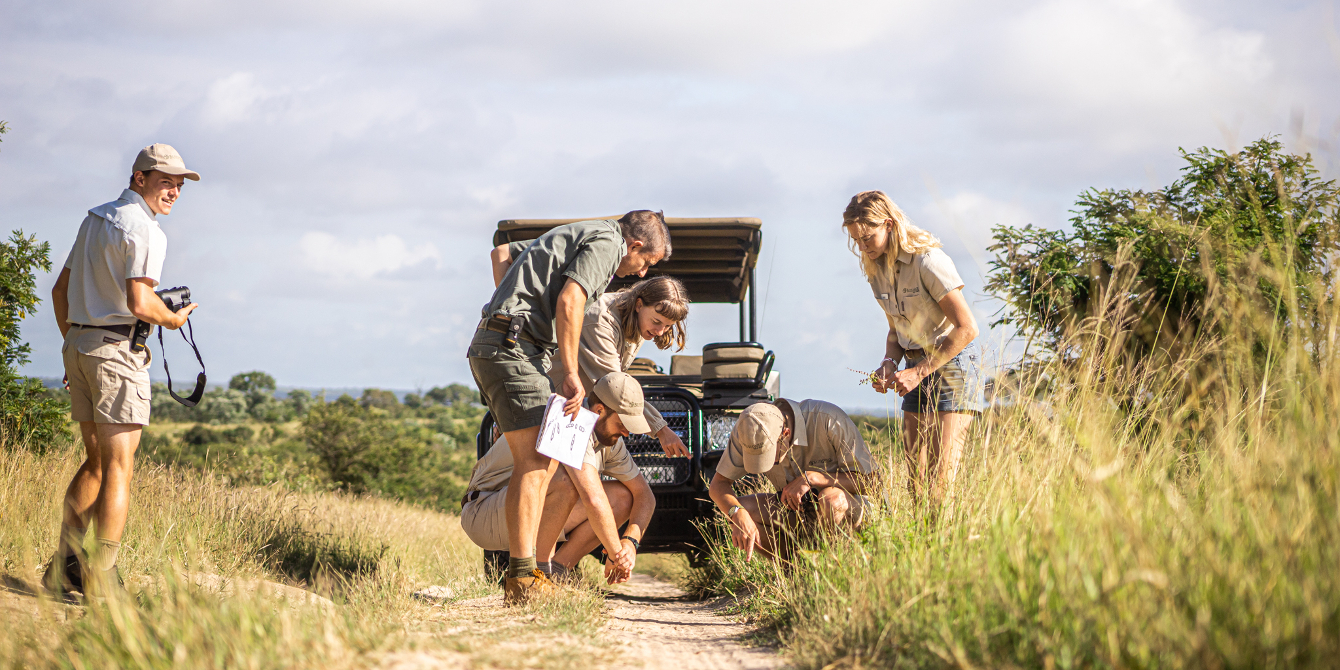
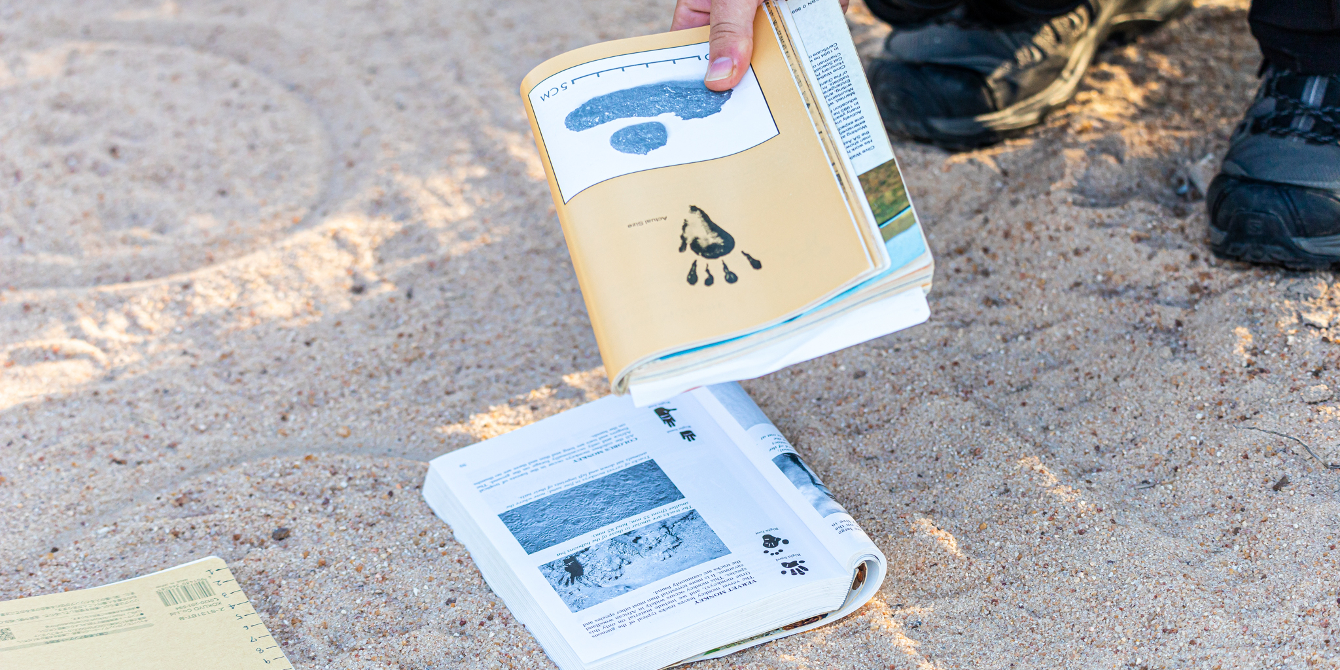
    On each Bushwise course, our students are exposed to the art of tracking. We train them in track and sign (understanding how to interpret messages left behind by animals) and trailing (following an animal’s tracks to try and find it without disturbing it). 

    These skills are truly a form of art. It’s the ability not only to correctly identify a track, but also to successfully follow that track. It’s something that you cannot learn in books or by listening to someone else explaining how to do it, you have to physically go out in the bush and do it yourself. And with tracking – like many other things in life – it’s where you learn more from your mistakes than from your successes. 

    For a period of about two weeks, Bushwise teaches its students the foundation of tracking and trailing. Some of them will show the natural ability for the art of tracking. We teach them how to successfully track an animal and how to handle a potentially dangerous situation once the animal has been tracked. 

    image

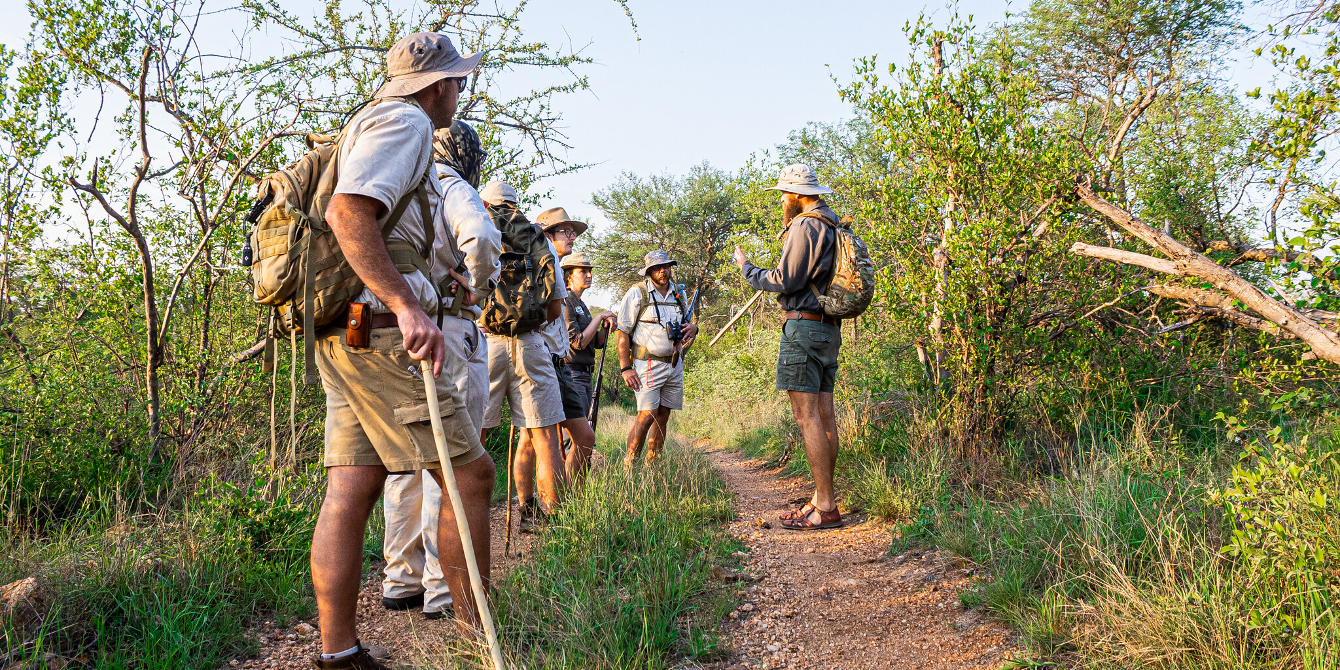
    At Bushwise we physically take the students out on mentored trails to teach the importance of not disturbing the animals in their natural environment, and how to safely walk their guests through the bush. These mentored trails will give students the opportunity to log both hours on foot and dangerous encounters – which count towards completing their Trails Guide qualification. 

    It also means that when Bushwise alumni approach dangerous game on foot, they will be mentored to a level where they instinctively start taking things like the direction of the sun and wind, the animal group structure and the animal’s activities into consideration while trailing. 

    image

    So, what does it mean to go on a trail? Well firstly to become a trails guide you will have to be mentored on trails on how to approach potentially dangerous game and if you do approach them or walk your guests into sighting, how to do it safely and with as little disturbance as possible to the animal. The main aim is to view the potentially dangerous animal without disturbing that animal’s natural behaviour and give your guests that feeling of viewing dangerous game on foot. 

    For me, going out on trail instead of an open vehicle safari creates a feeling of being more exposed to the bush and that you connect with the natural environment on a different level. You start noticing more sounds and seeing smaller things that you would have not noticed on a vehicle bound safari. This opens your senses, and your natural instincts slowly start coming back. 

    image

    Although trails guides are required to carry rifles in areas where you will find potentially dangerous animals, this is only as a very last precautionary measure. The trails guide’s abilities to read the bush and interpret early warning signals of dangerous game is vitally important. 

    This is where your skills of identifying tracks, bird calls that might indicate the presence of dangerous animals, feeding signs left behind by animals, smells etc. come into play. These all give you the advantage of track and encounter animals successfully and safely. 

    Want to learn how to track an animal successfully in the African bushveld? Join a Bushwise course and this could be part of your career!

    #wildlife #AdvancedRifleHandling #gameranger #bushwise #fieldguide #safariguide #trailsguide #training #animals #tracks #apprenticefieldguide #safari #fieldguidetrainer #fieldguiding #tracking #endangeredspecies #trackandsign #gamedrive #guiding #fieldguidecourse #studying #fieldguides
  • Unusual questions people ask on safari

    This blog was written by Wayne Lubbe, Bushwise trainer at our Mahlahla campus, who has had his fair share of surprising questions from safari guests!

    3 min read

    As a field guide you have the privilege of waking up to new adventures and the beautiful African sunrise every morning. You also spend time with guests from all walks of life and you have just a few precious moments to educate them about nature. Sometimes guests ask interesting questions. Here are a few examples.

    Are giraffes or hippos in the Big Five?

    image

    Most guests are interested in seeing the iconic African Big Five, but there are many guests that do not know what animals are on this list. Looking at a giraffe or a hippo, you could easily include both animals into the Big Five list just because of their size, but they are not included.

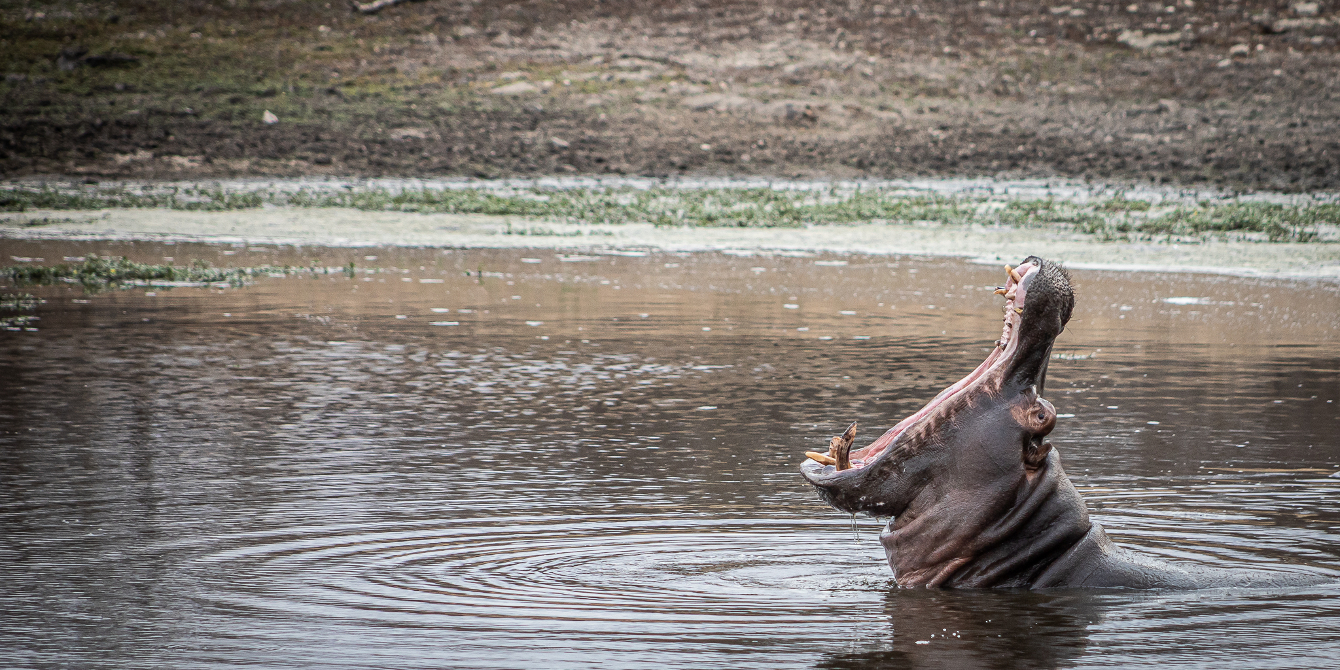
    The Big Five originated from the five most dangerous animals to hunt in the old conventional ways of hunting. Even though hippos still kill many people in Africa each year, they are not included on this list. This is because to hunt a hippo would be easy as they are in or around water making them an easy target for most hunters.

    Do hippos eat fish? 

    image

    Guests are usually surprised to hear that a hippo is a grass eater and that they only consume a little bit of meat when there is an opportunity to do so (like when there is a dead animal close to the water). They do not hunt and kill animals themselves, especially not fish. 

    Hippos are known to travel vast distances at night to feed on grass and they can be quite fussy when choosing the quality of grass they eat. This is why they are referred to as selective bulk grazers. 

    Sometimes, people will get too close to the water because they need to get drinking water or cross the river. If there is a hippo nearby, it can cause  a conflict between very territorial hippos and humans. Hippos cause an estimated 500 human deaths annually (as compared to only 24 for lions). 

    Do elephants get drunk from eating marula fruits?

    image

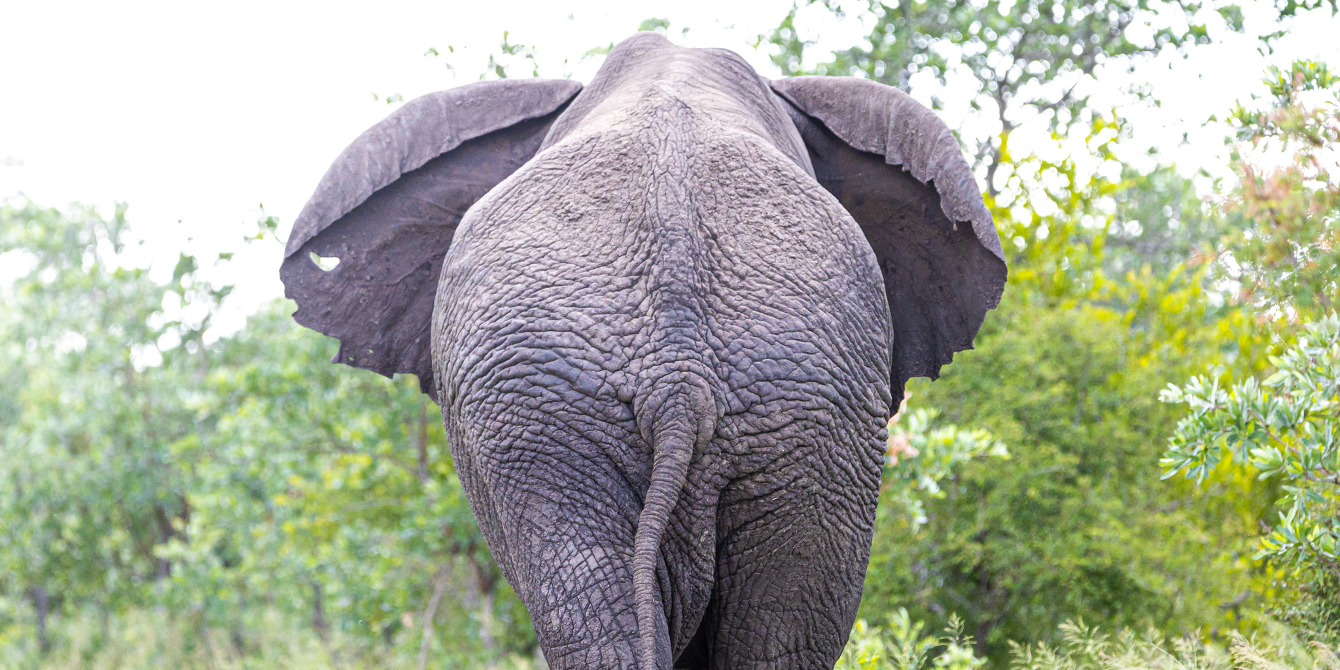
    Elephants have weak digestion and only digest around 40% of their food. The amount of marula fruits an elephant feeds on and the short amount of time the fruit spends inside the elephant’s stomach just does not have any effect on the elephants.

    The average elephant would have to consume around 55 litres of marula juice or about 1,500 fermented marulas for any alcohol to take effect! This myth actually became common after the movie “The gods must be crazy” was released in the 1980s. 

    I have personally seen baboons feeding on marula fruit and shortly afterwards becoming restless and excited giving the false impression that they are intoxicated from the fermented fruit. The baboons are in fact just showing the effects of the high sugar content of the fruit.

    Do vultures really kill sheep, goats and lambs?

    image

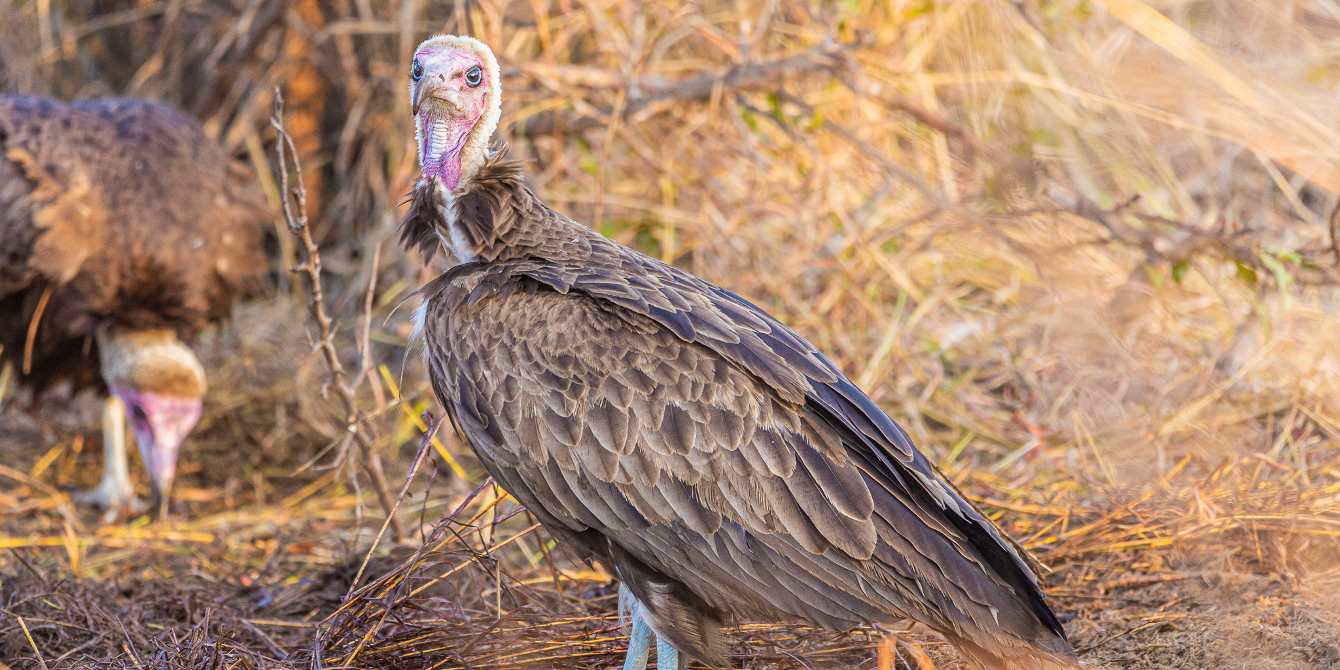
    This is another question that guests ask from time to time and a belief that has been around for years. The bearded vulture is even referred to as a “lammergeier” which translated means “lamb catcher.” The bearded vulture is in fact a scavenger that eats bones from both fresh and old carcasses and rarely kills its own prey. 

    Vultures are scavengers that rarely kill animals and they play a vital part as recyclers, keeping the spread of diseases in control in the ecosystem. A high number of vultures in an area is a sign of a healthy ecosystem. Removing them from the natural environment would lead to a detrimental collapse of the ecosystem and increase of certain illnesses directly affecting us. 

    Learn from knowledgeable experts like Wayne on a Bushwise course.

    #lion #wildlife #AdvancedRifleHandling #gameranger #Birding #bushwise #fieldguide #safariguide #trailsguide #animals #guests #safari #fieldguidetrainer #sightings #fieldguiding #endangeredspecies #gamedrive #guiding #elephant #fieldguidecourse #studying #fieldguides
  • Through the viewfinder: wildlife photography

    This blog was written by Skye Ludbrook, Bushwise student at our Mahlahla campus. Skye has a keen interest in photography and is currently completing the IFGA Safari Guide Course 6/12 Months.

    3 min read

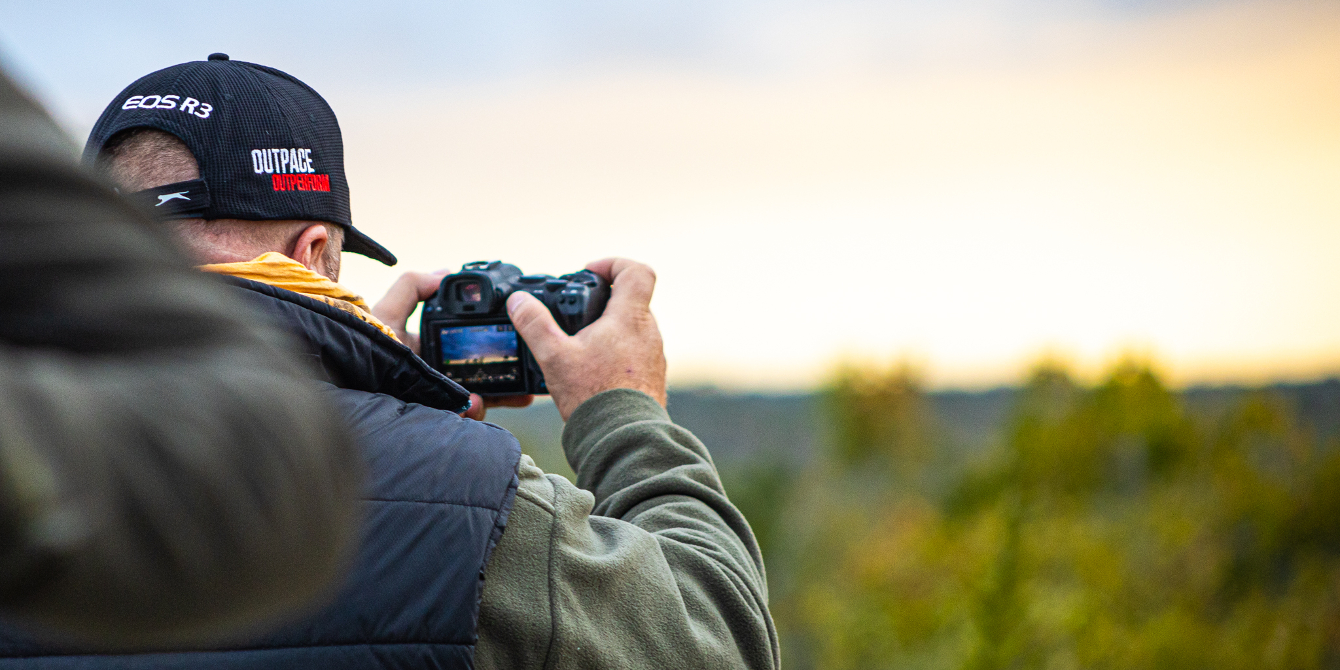
    Looking through the viewfinder on your camera is an incredible ability. It replicates taking a split second out of a moment and viewing it from a completely different perspective.

    The power of a camera

    image

    Wildlife and nature itself are overwhelming things to experience. Seeing how all the branches of life work together to create a sensational whole and being able to feel that sensation through a picture is beautiful. When making use of the artistic medium, you open up many doors in terms of making your game drive the best possible experience.

    Photography is a particularly important part of my life. It allows me to express emotions and experience through a visual source. When I look through my viewfinder I find an open space where I can encourage my creative side. Creativity is a vital aspect that all people should have in their lives.

    Wildlife photography in particular, is an exceptional way of sharing information to people all over the world. As a guide one of our roles is to play a part in the conservation of the natural environment. I feel that photography is the best way to reach out about conservation.

    image

    Not only can you revisit that experience, but you also feel this sense of extreme focus. Taking photos of the environment around you allows you to feel abundantly engaged with what surrounds you and your experience. Over time those pictures will hopefully spark a focus on moments in your life that you never really focused on.

    As a guide it is important to try and know a little bit about all the aspects that come with the job. Having an understanding of photography is one of them as it will increase the quality of your drive for both you and most importantly your guests.

    Why photography is a useful guiding skill

    image

    By knowing how photography works, you can be both a guide to people starting out as wildlife photographers and most importantly to your guests who are trying to capture memories of their life changing experience.

    You’ll be able to tell your guests what the best composition is for the image they want to take. You can guide them on the shutter speed (how fast or slow the shutter on your camera closes), the aperture they should set (the amount of focus the photo will show), and the ISO that should be used (this is dependent on the lighting you are in).

    Throughout your guiding career, you’ll learn and gain more experience. This time spent learning and growing your photographic skills will reflect positively on your photo outcomes and help you impart some of these skills to your guests.

    image

    By enriching their skills, you create an overall positive experience for them which they will carry with them for the rest of their lives. I look forward to seeing smiles on my future guests’ faces when they take an image they love.

    Capturing moments to last a lifetime

    image

    Wildlife photography can be as simple as sharing content you captured of amazing sightings or as important as sharing information about animals that are in danger and need saving. Our society absorbs information primarily through visual content. Using my abilities and passion for photography and the natural environment around me, motivates me to use it to my advantage.

    I love capturing moments and being able to share them with the inquisitive people that make up the world, and I hope you find your spark to make a difference through your viewfinder. If you need a little extra inspiration, consider applying for a Bushwise course and take your wildlife photography to the next level.

    Words by Skye Ludbrook, photos by Louise Pavid

    #lion #wildlife #gameranger #Birding #bushwise #fieldguide #safariguide #Exam #training #guidejobs #animals #apprenticefieldguide #safari #fieldguiding #gamedrive #guiding #fieldguidecourse #studying #fieldguides
  • I never thought I’d become a field guide

    Updated: Sep 10, 2025

    This blog was written by a current Bushwise student.

    3 min read

    My name is Queeneth Seepano, born and bred in Welverdiend, Mpumalanga. I am a person who is passionate about wildlife. But growing up I was an indoor person and I didn’t like being around nature, so I thought I would never want to be part of conservation.

    That all changed when I was selected in 2019 for the Bridging Course at the Southern African Wildlife College (SAWC), a partner of Bushwise Field Guides. It exposed me to a lot that I didn’t know about and it led to my interest in conservation.

    My first step into conservation

    image

    For a year, I was part of the RISE (Rural Initiatives for a Sustainable Environment) department at the SAWC. I worked as a coach in the ‘Coaching Conservation’ program, for kids in grades 5, 6 and 7 at a few primary schools.

    As a coach in this program, my eyes were opened and I saw how these communities, mostly the young kids, didn’t know much about the animals being protected or their importance in our daily lives. And I saw a reflection of myself when I was in school.

    It was a good feeling to educate these kids about conservation so they can grow up with a conservation-minded mentality. In that year, I was also exposed to guiding the kids around the Kempiana area. I fell in love with being out in the bush, especially the part where I was able to share my knowledge with these kids.

    Applying to join Bushwise

    image

    I then realised it was something I wanted to do for a living – sharing my knowledge with people, and helping them experience and enjoy nature.

    I didn’t have a qualification then, until I saw the scholarship posted at the college, wanting candidates to join Bushwise and the SAWC in their field guide training collaboration. At first, I was nervous to apply, but after my supervisor encouraged me, I did.

    I passed my interviews and started with the online learning course where only four of the six candidates would be chosen. I was lucky enough to be chosen by Bushwise. It was my happiest day ever when I received their email. Tears of joy were rolling down my cheeks.

    I joined Bushwise on 8 July 2022, where I am now completing my course as a field guide. Over the past three months, I have gained so much more knowledge.

    One of my best experiences so far

    image

    A highlight of my time with Bushwise was the week in September when I was camp manager. It was a very busy week and quite tiring as we were learning about track and sign and trailing with Colin and Samantha Patrick. It was a very educational week for all of us. I was in group A who learnt track and sign with Samantha.

    Samantha made it easy for us to understand and see the differences between different tracks. I am still so amazed at how much we didn’t know about tracks. During that week, we thought we saw civet tracks, but they were actually jackal tracks. So Samantha showed us how we could differentiate between them.

    image

    Being out and examining tracks all week prepared us for our assessments. The little tracks like squirrels, mongooses, genets, you name them really drove us crazy. Even the impala, bushbuck, steenbok and duiker tracks twisted our brains into knots.

    But I am glad to say that at the end of this week, we all got our levels in track and sign. It was a very great week, I had fun. As camp manager I am very proud of my fellow students for making it through this week.

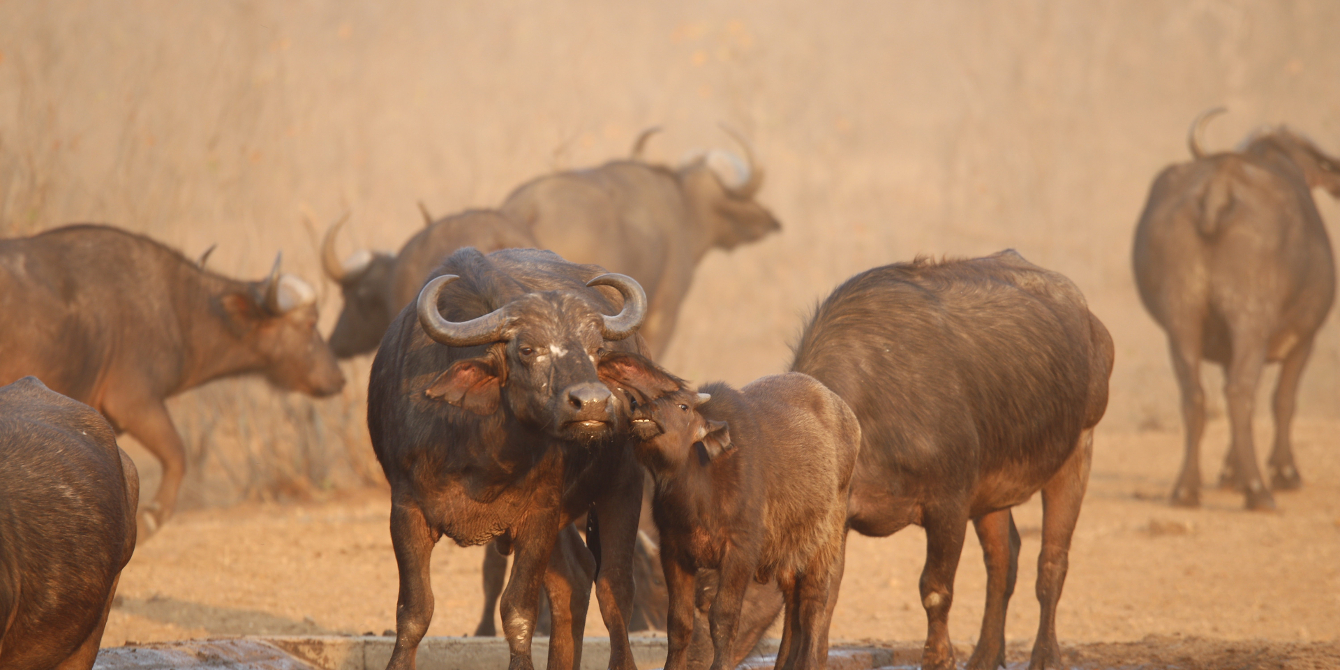
    It was a great week as we were able to see the pack of wild dogs, a herd of buffalo and pride of lions right outside the reception which is not far from the campus. It was a very amazing week all in all.

    What a journey it’s been

    image

    I must say Bushwise does push you to your limits to help you create a better version of yourself and prepare you for the real world. I am very happy with the efforts of everyone at Bushwise and all experiences I’ve been exposed to.

    Learn more about track and sign on our IFGA Safari Guide Course 6/12 Months.

    Words by Queeneth Seepano and photos by Louise Pavid and Queeneth.

    #AdvancedRifleHandling #bushwise #fieldguide #qualification #safariguide #Exam #training #animals #apprenticefieldguide #safari #fieldguidetrainer #fieldguiding #gamedrive #guiding #fieldguidecourse #studying #fieldguides
  • Rest and relaxation in the African bush

    There’s nothing like rest and relaxation in the African bush, especially when it’s hard earned! Bushwise student Zack de Klerk became camp manager just as the students went on an off-week (break between semesters). This was an excellent opportunity to see what campus is like when it’s quiet…

    4 min read

    Camp manager on an off week

    For me, being the camp manager was quite interesting as my week overlapped with our time off. On the same day that I became camp manager, it was my turn to be group leader as well as do the afternoon game drive. 

    image

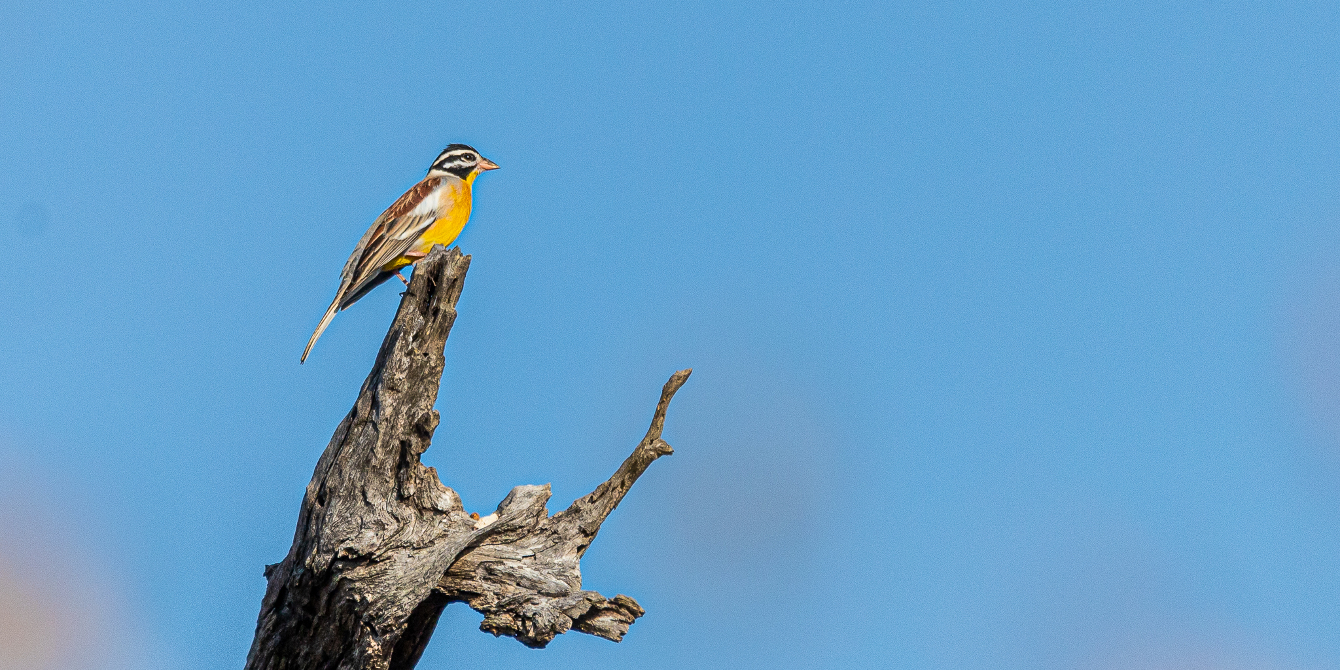
    The game drive was quite fun and I was able to improve a bit on my guiding. We don’t always see a lot of animals on our drives – we definitely see birds – and the people in my game drive group help me a lot to improve my bird call knowledge. 
    Bird calls and town trips

    I was only camp manager for four days and then it was our first off week and time for some rest and relaxation in the African bush. I decided not to go home and stay on campus for the off week with Shannon, Saki, Kerry and Josh. 

    On Monday, we all went to Hoedspruit to get some pizza and groceries for the week. We also did some birding on the way there. And then on Tuesday morning, all of them left to go to Kruger National Park for the rest of the week.

    image

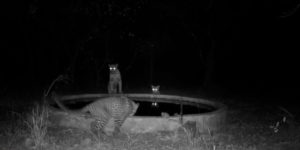
    While being alone on campus, the bush really seemed to become more alive. I didn’t really go out of my rooms early in the mornings or after sunset because I was a bit afraid that Miss Whiskers (the name we gave the female leopard that’s on campus with us) would be outside walking around our rooms like she did a few weeks before. With me being the only one on campus, I didn’t want to run into her during the night. 

    I heard her for three nights in a row (Tuesday , Wednesday and Thursday) around 11pm and then again at 4am. It was one of the most amazing experiences of my life. 

    Listening for Miss Whiskers

    image

    During the days on campus, I enjoyed some much-needed rest. With no one here, the Nyalas came quite close to me and the dwarf mongooses as well (they even stole  some of my eggs when I left to go to the bathroom – sneaky things!). 

    After the off week, I went back to being the camp manager and tried my best to keep everything running.

    image

    I set up a little rope rack for the dishcloths so that they can dry properly after being used. And I noticed that after people used the coffee station, they left it in a complete mess soI had to have a talk with everyone at dinner one night about it. It didn’t get better though because no one took it seriously. So every time I walked past the coffee station, I just quickly cleaned it up. 

    Other than that my last few days of being camp manager went quite smoothly and there weren’t any problems. At the end of it, I was quite glad to switch from dish  duties to classroom duties because that usually takes the longest and I do struggle with washing pots – I won’t leave my team to do it on their own though. 

    Being camp manager is an important role

    image

    I wish we could be camp managers more than once so I could get a better understanding of how to handle certain situations and feel a bit more prepared to take control in the situation rather than just listening/following someone else’s orders. I still think it’s a good thing to be able to follow someone’s orders though. And I honestly can’t wait for the rest of the course. I’m just so happy that I’m here and able to be doing this.

    Sometimes you don’t even have to leave campus to have an amazing experience at Bushwise. Whether you’re enjoying a little rest and relaxation in the African bush, or driving a game viewer in a Big 5 reserve, it’s all part of your training. Apply today and live your wild life!

    Words by Zach de Klerk, photos by Louise Pavid (except the camera trap image)

    #wildlife #gameranger #Birding #bushwise #fieldguide #qualification #trailsguide #leopard #training #guidejobs #animals #apprenticefieldguide #fieldguiding #tracking #endangeredspecies #trackandsign #gamedrive #guiding #fieldguidecourse #fieldguides