Author: Marketing Team

  • What does it really mean to be camp manager?

    This blog was written by Dominique Minnaar, Bushwise Professional Field Guide student. Each week, Bushwise students take turns as camp manager to experience what it’s like to run a lodge or a team. Writing a blog is part of that process.

    4 min read

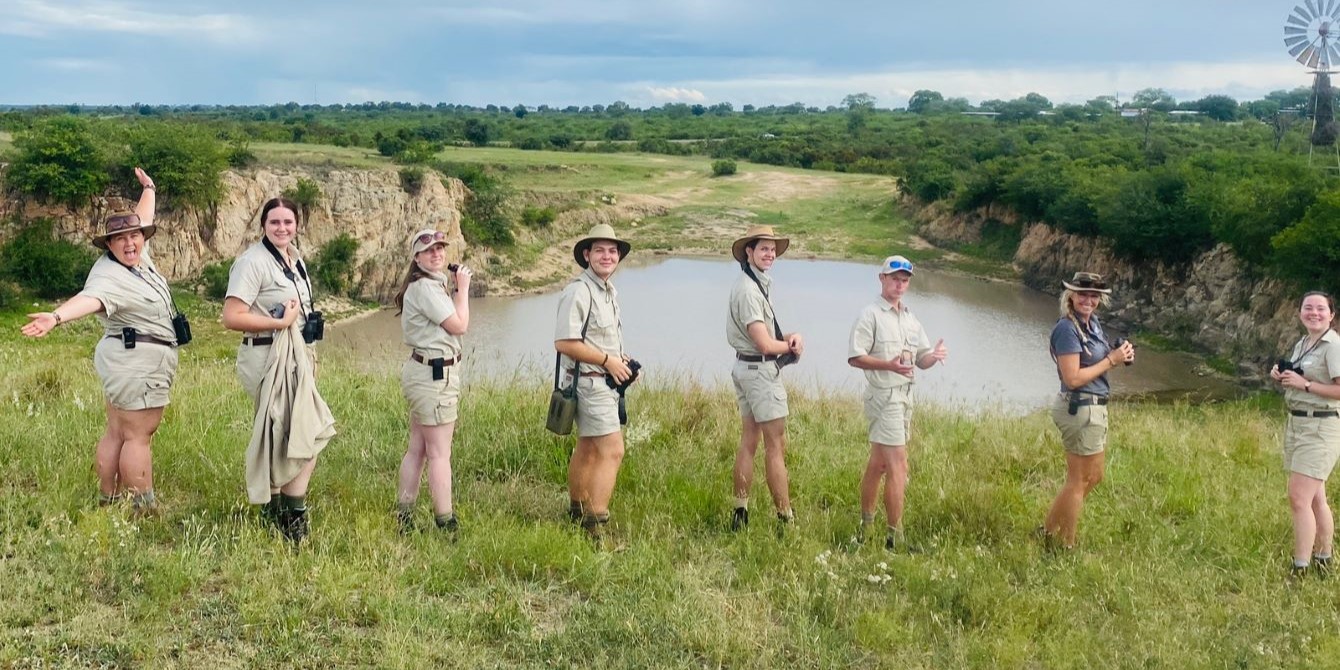
    For those of you who are curious about what it’s like to have the duty of being the person who keeps things orderly, then this is the blog for you. On campus, each student is given the opportunity to feel a sense of leadership by owning the title of camp manager for one whole week. However, every leader is responsible for not only their own actions, but the actions of others around them too. 

    Personally, I felt that being camp manager is quite a busy role. There is so much to consider and you have to pay attention to smaller details that no one else usually would. Fortunately, I shared my duty as camp manager with another student. When managing campus, you yourself must take initiative and plan how to solve problems that come up. Of course, I am still a student, therefore if there’s anything I don’t have the ability or authority to control, then it’s my duty to report those issues to my trainers. 

    My duties as Camp Manager 
    image
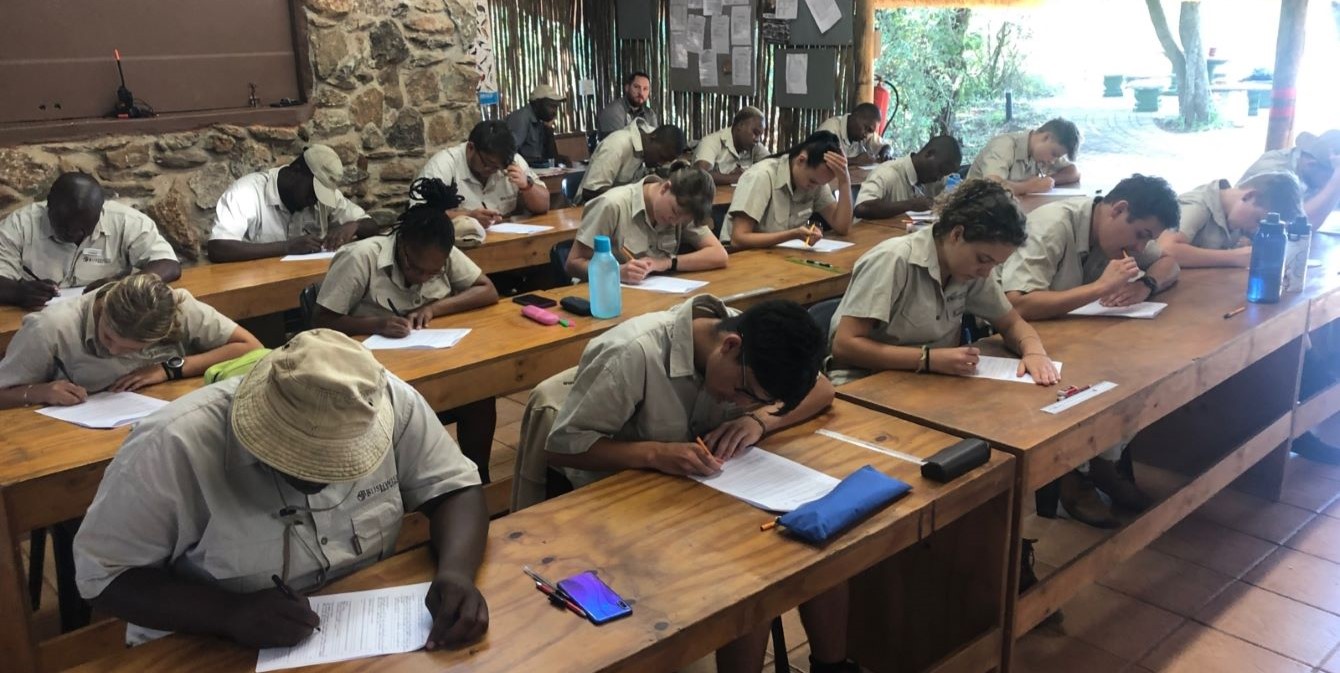
    1. Communicating with my trainers and sharing their instructions with my fellow camp mates. I had to ensure that everyone on campus was aware of what the schedule for the day entailed. 

    2. Monitoring cleanliness and duties. I had to keep an eye out on my campmates to make sure that they were all doing their part in helping out around campus. I too had to do my part in keeping camp spotless. Together, everyone would work in teams sweeping the class, emptying bins or washing dishes. 

    3. Checking that all the lights were switched off every night – I did this very quickly because I didn’t want to accidentally encounter our hyena friends in the black abyss of the night!)

    4. Checking that soaps in bathrooms were restocked. 

    5. Reporting broken or malfunctioning things to Phillip, our trusty handy-man.

    6. Supporting my campmates. My way of showing support was by asking them how they felt each day, getting back to them on any sort of injuries they had and by offering my help with what they needed.

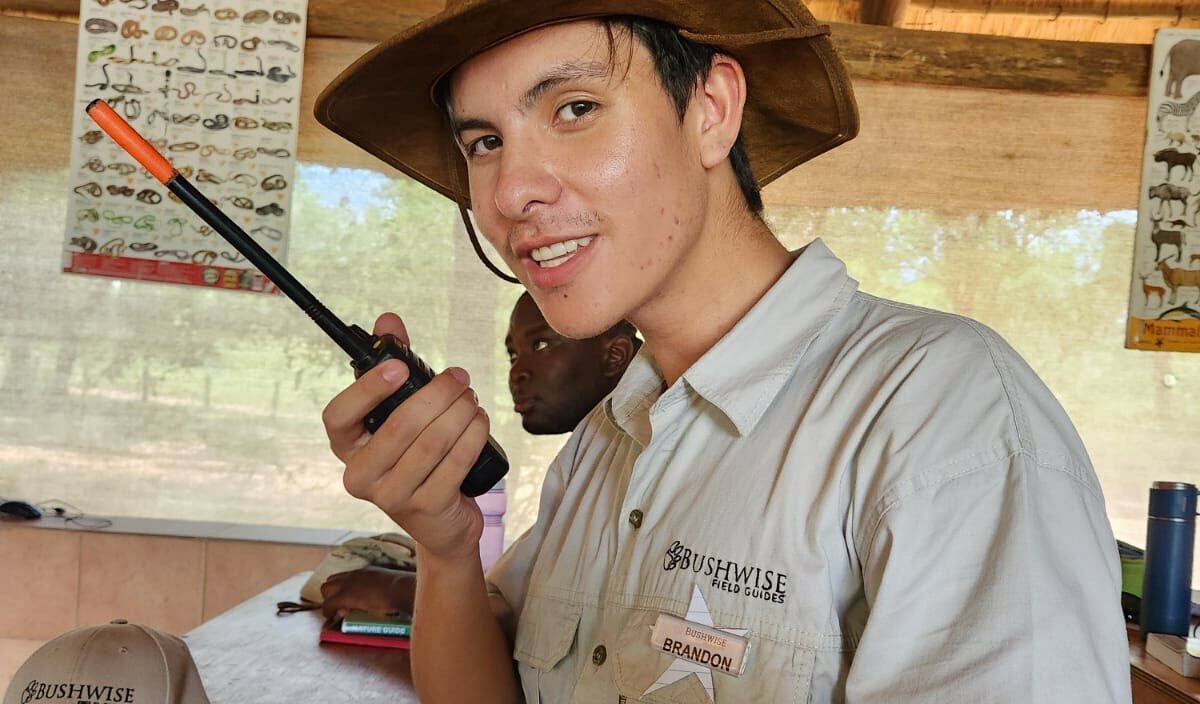
    7. Handling the radio! It was super cool to carry it around. I felt like I was in a spy or military movie every time I said ‘’copy that’’. Sometimes I got a bit playful and flipped through the channels to do a count down and imitate the noise of an explosion! However, I knew that it was strictly used on game drives, or otherwise in emergencies. (It’s good to have fun but as guides, we must remember to balance it with professionalism and recognise the appropriateness.) 

    A busy week at Bushwise
    image

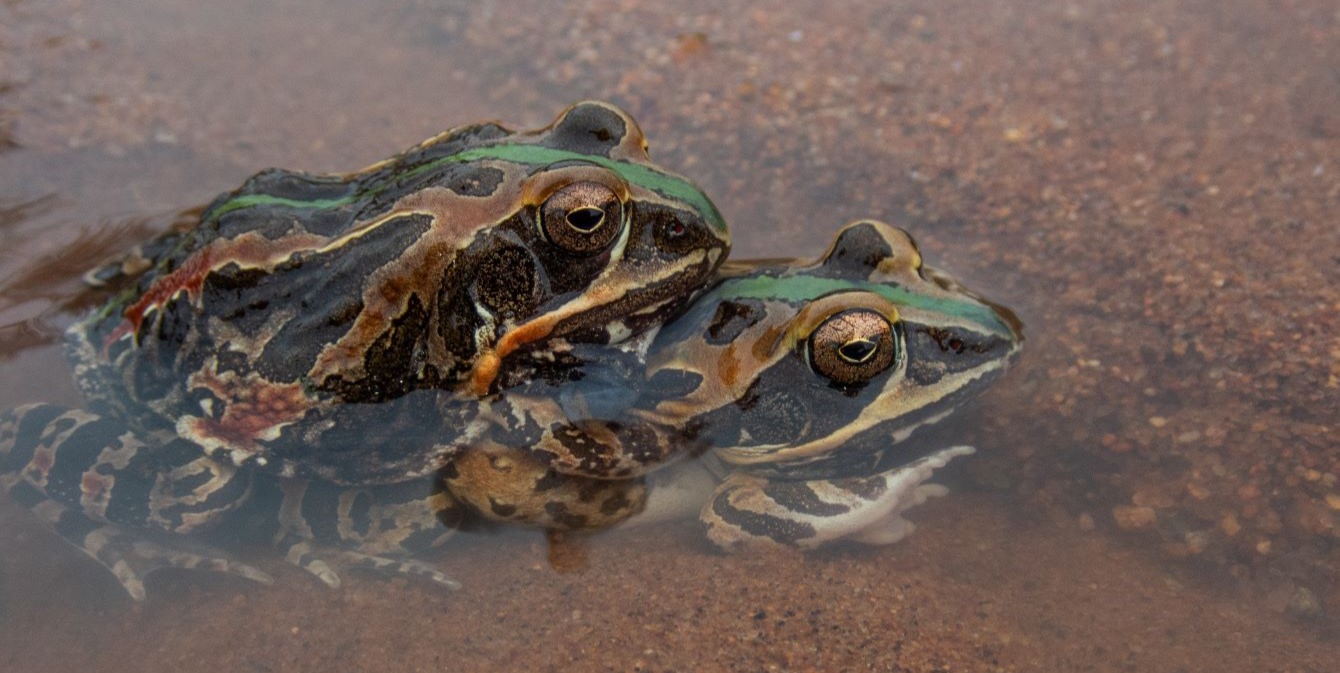
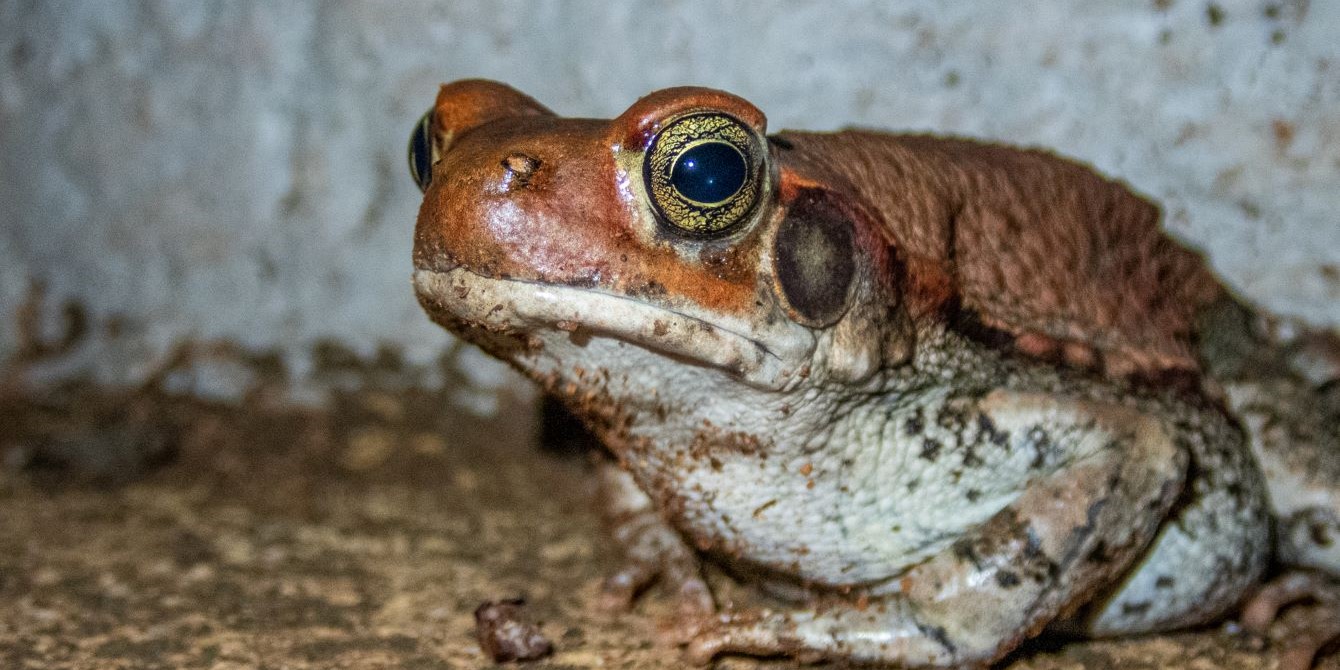
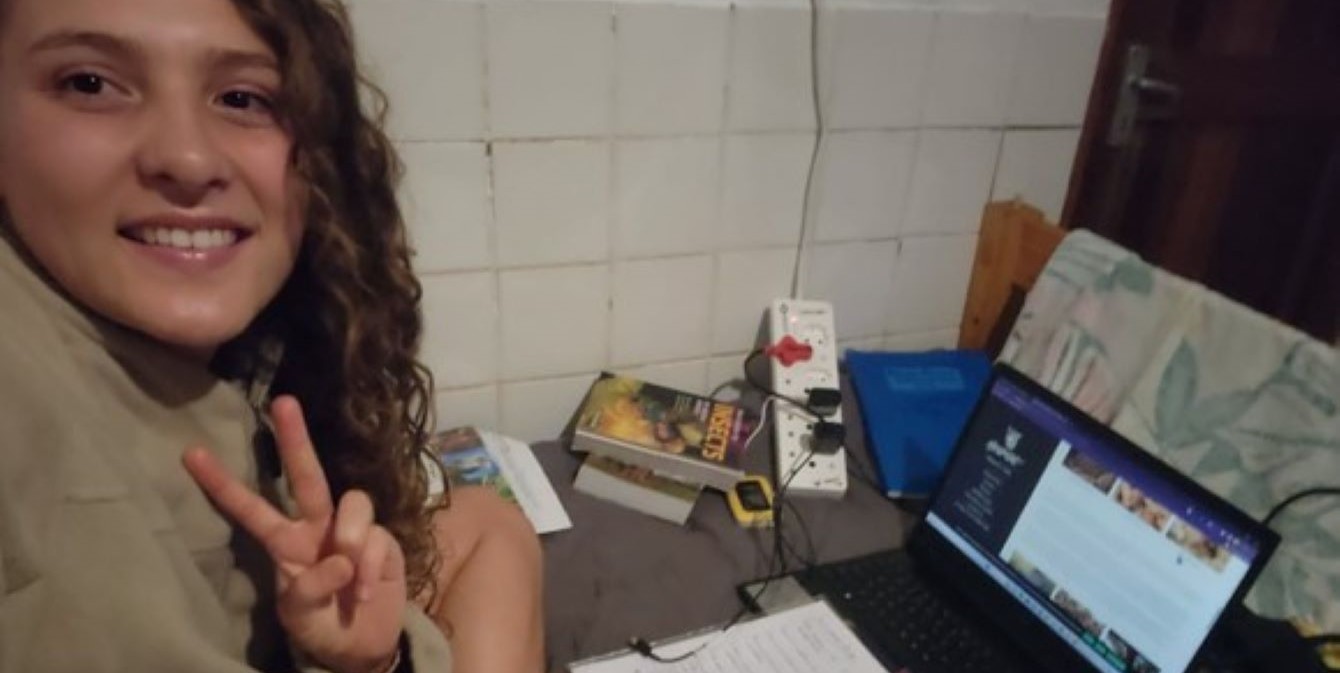
    This week was jam-packed! We went on multiple drives and covered amphibians, arthropods and fish. I can definitely say that my time management skills were put to the test. Being camp manager taught me a bunch of stuff. It showed me how to be assertive and improved my communication skills. 

    I learnt that one should not be afraid when making decisions, but should rather be prepared for the outcomes of those decisions. You need to plan and be attentive to every detail, as those are the things that actually have the biggest impact. Leadership skills and teamwork played a massive part in camp management, which helped me out of my shell and be more open-minded to other people’s ideas. 

    Because I had to pay more attention to my surroundings, the simple and fun interactions of people around me became much clearer. One memory from this week that sticks out is when my trainer and two of my friends had a race. I heard shouting and laughing as their loud stomps came hurrying down the road all the way to class…I loved that. 

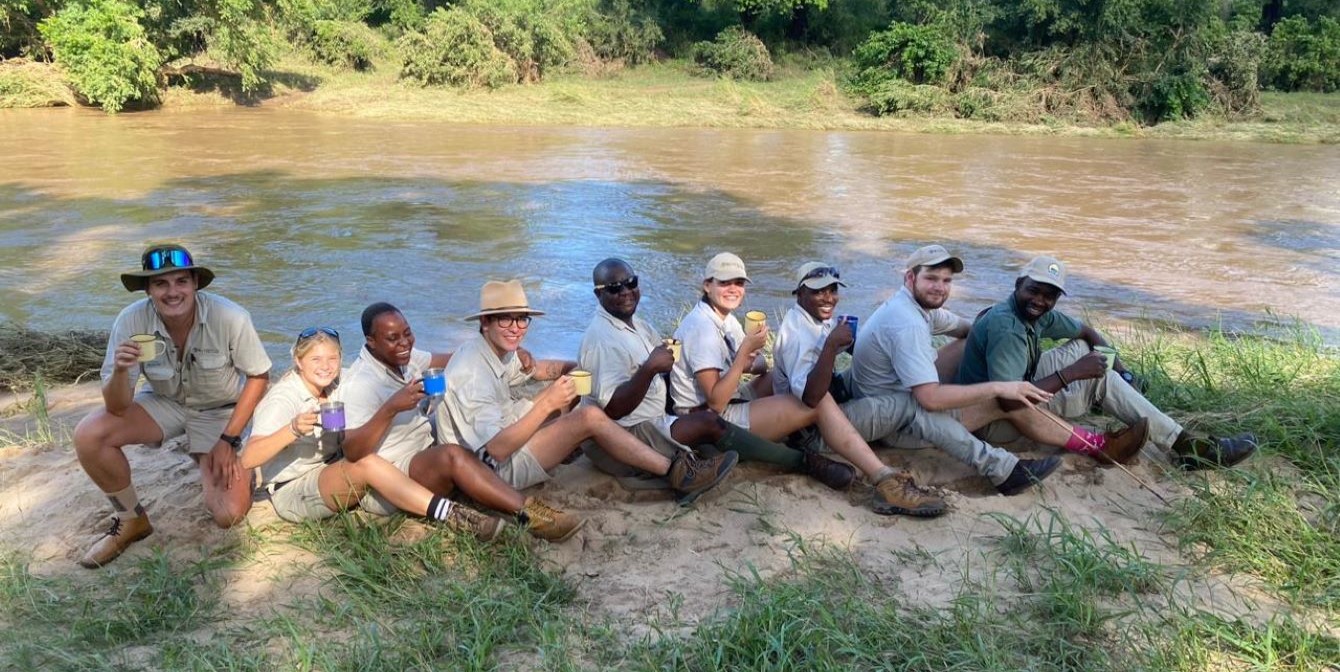
    This experience gave me new confidence
    image

    I’m naturally a reserved person, so this course has shown me that it is good to share yourself and thoughts with others. I saw this especially during my role as camp manager. 

    All that I have been exposed to has given me the confidence that I will need to become highly knowledgeable and skilled. The reason why I came to Bushwise is because it holds a wide variety of interests of mine that I have had since childhood. I am thrilled to know that I am learning tons of new and wonderful things about what I love – and as an added bonus I am learning about who I am as an individual. I can’t wait to use what I have learnt for whatever adventures lie ahead!

    Enjoy reading about Bushwise student experiences? Find more on our blog page.

    #wildlife #AdvancedRifleHandling #bushwise #qualification #safariguide #Exam #training #animals #safari #ifga #sightings #fieldguiding #tracking #endangeredspecies #guiding #fieldguidecourse #studying
  • The good, the bad, and the Bushwise

    This blog was written by Bushwise student Brandon Leong. Each week, students take turns as camp manager to experience what it’s like to run a lodge or a team. Writing a blog is part of that process.

    3 min read

    It was Monday, February 20. The week before was long and hard, with rain pouring from every direction. I spent the weekend preparing myself for what was to come. The day finally came when I had to saddle up and say yippee ki-yay! I found my predecessors and applied all the lessons I learnt from them as I took over the role of camp manager. As I received the radio, I felt the responsibility rush over me like a sudden gust of wind on an open plain.

    There’s a new sheriff in town

    image

    So, there I stood, radio in hand. Looking at those around me before declaring: “There’s a new sheriff in town!” The camp knew that everything would be alright under my watch, and all was calm. Everything was running smoothly until a critical moment came. News of some outlaw by the name “Cyclone Freddy”, whirling its way towards us via the Indian Ocean, came to my attention and I knew that I had my work cut out for me. My fellow students and camp dwellers were the top priority and so I tried my very best to keep the morale high. We managed to reach the end of the theory part of this Bushwise rodeo, which was a milestone worthy of celebration. 

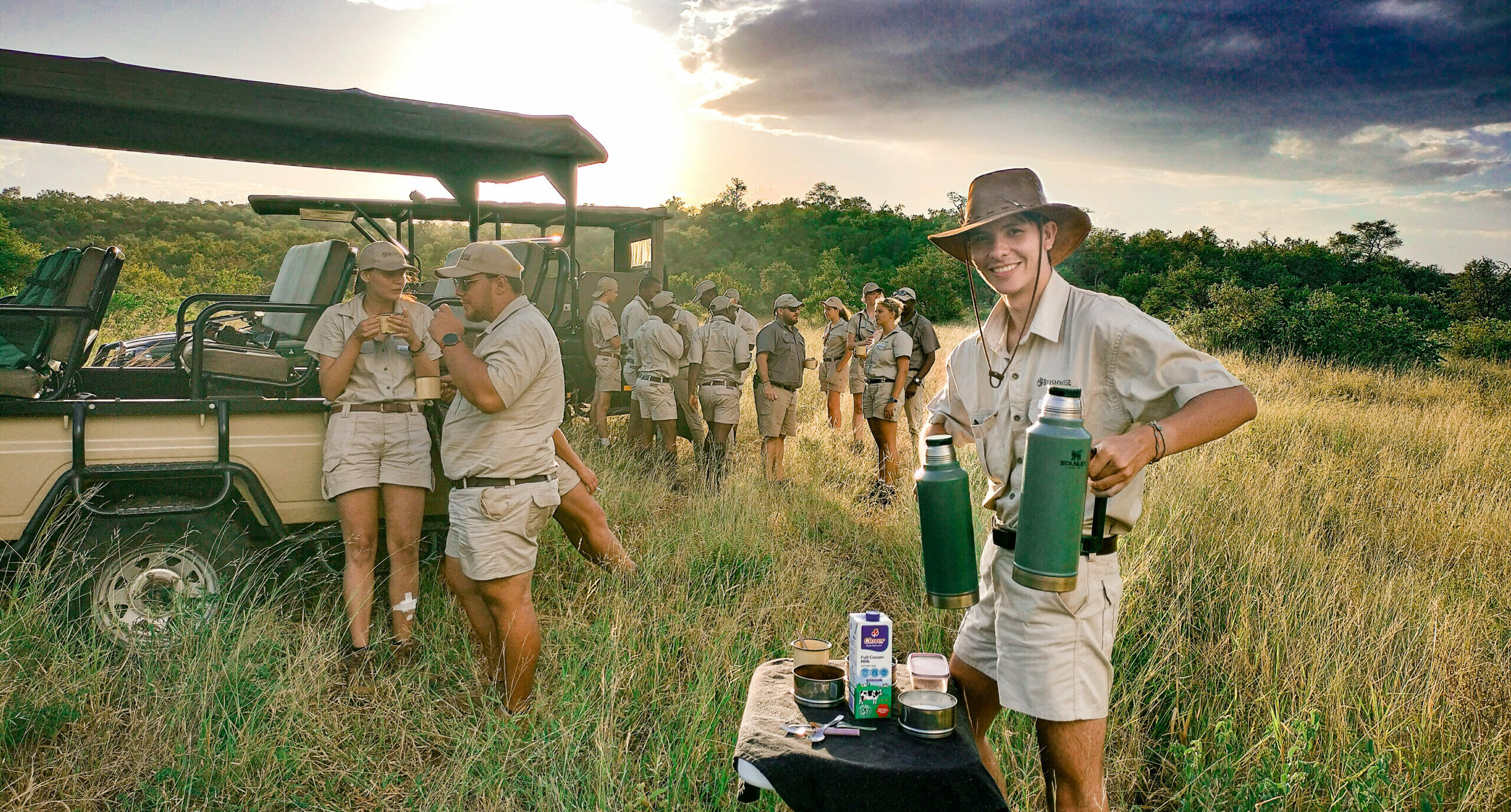
    We continued drives early in the mornings and afternoons on our metal steeds – the Mahindra and Land Cruiser – venturing out into the bush to find ourselves some critters and majestic beasts. We took it in turns to hone our guiding skills and intuition in the field.

    My turn came and I had to give my “guests” something to remember. I had spent nights hitting the books, gaining knowledge of the environment that I hoped would serve me well. Seeing the smiles on their faces after the drive was a reward in and of itself. The pride I felt watching each one of us grow not just as guides but as people warmed my heart.

    The threat of Cyclone Freddy still lingered in the air but help came in as we received a delivery of sandbags that I allocated to each of the rooms. The camp had to band together now more than ever to fill the bags in preparation for what might still come. The feeling of comradery amongst this group of field guides was inspiring. 

    The adventure of a lifetime

    image

    Since starting my journey of becoming a field guide, I’ve unknowingly stumbled into the adventure of a lifetime! What I thought would be a course about mammals, birds, plants and bugs, quickly became an experience that revealed hidden strengths about myself. Parts of my personality have begun to blossom and grow. My confidence has reached new heights

    Becoming camp manager is usually a rather stressful situation as you are the one the camp depends on for everything. However, diamonds form under pressure and while comfort zones are comfortable places with familiar feelings, nothing new ever grows there. Stepping up into a leadership role was always something I’ve wanted to do and being given the opportunity to do that and find out what I am really made of has been life changing. 

    My only hope is that all of those that come after me look back and use my experiences to inform their duties. And I hope they grow as much as I did in this wild and exciting environment we have come to call home.

    Grab life by the horns like Brandon, when you join a Bushwise course. Have the experience of a lifetime while gaining new skills and having incredible experiences. Apply today!

    #bushwise #qualification #safariguide #trailsguide #training #safari #ifga #fieldguiding #gamedrive #guiding #fieldguidecourse

  • Mr Hippopotamus and curious little Phenyo

    This creative blog was written by Elzette Bam, Bushwise Professional Field Guide student. As part of their training, students write a researched blog based on a topic of their choice. 

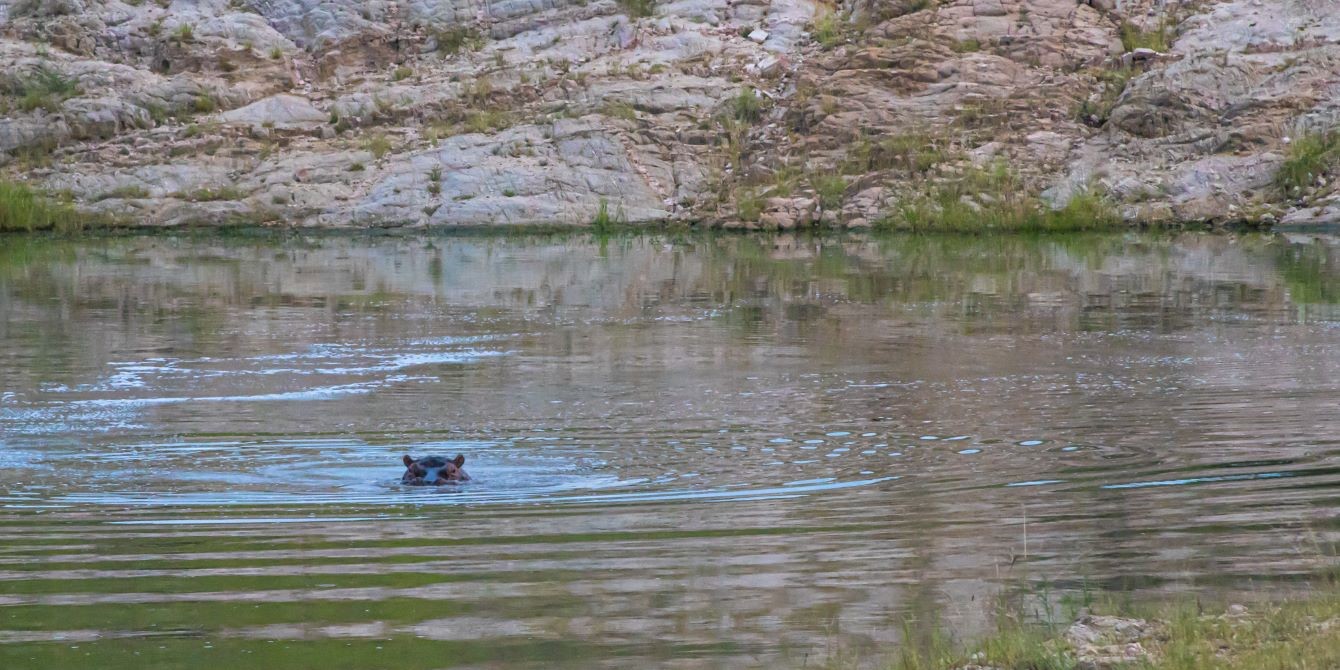
    On a day that wasn’t particularly hot or cold, where peace is usually found in the balance, a certain hippo wasn’t having a peaceful time. That is because he was being bothered by a small curious human.

    Everyday the small human would pester the hippo with questions regarding his species. He tried to ignore this tiny annoyance but underestimated its persistence. So to get rid of this human, he decided to indulge in its tedious questions. 

    image

    “Mr Hippopotamus, what does your name mean?” asked Phenyo.

    The ignorance of humanity surprises me more and more everyday, thought the hippo.

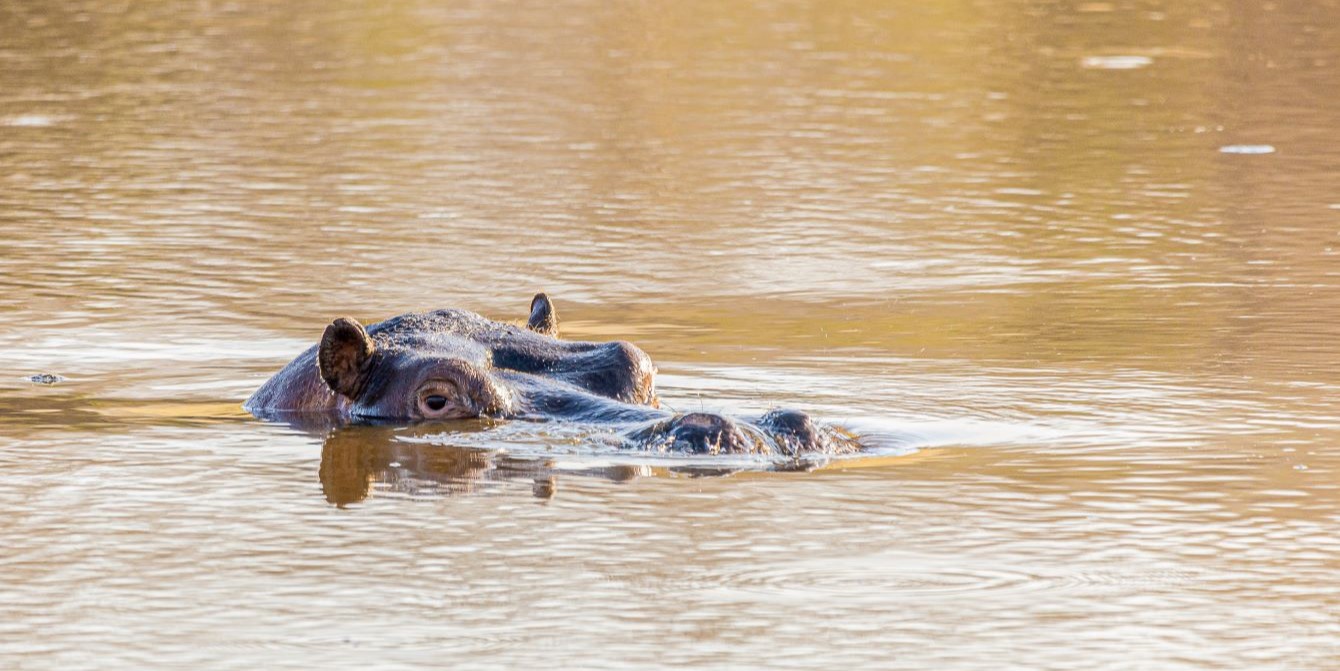
    “Listen well human, for I will only indulge in your foolishness once. My name is Greek and it means ‘river horse’. The direct English translation is ‘horse’ (hippo) of the ‘river’ (potamus)”, explained Mr Hippopotamus.

    “Wow! Mr Hippopotamus. You’re as big as a horse! Does that mean you’re the largest animal?” exclaimed Phenyo. 

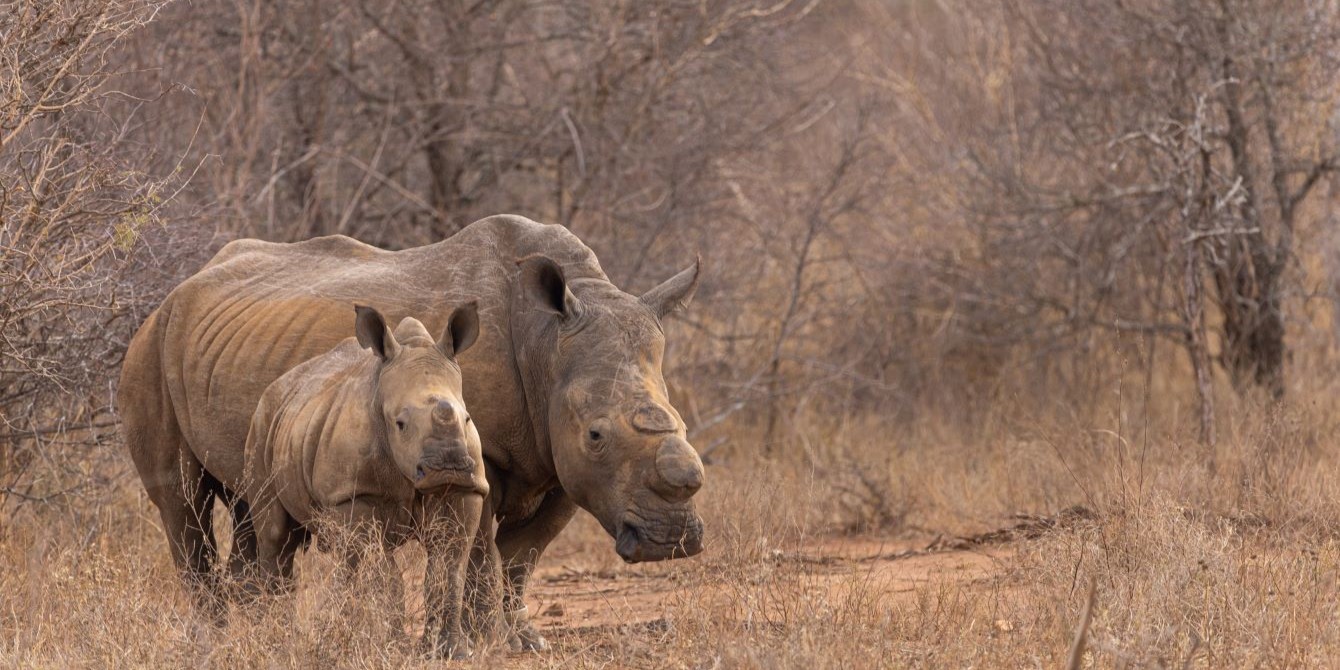
    “No tiny human that status belongs to my grey brethren – the elephant and the wide rhino”, Mr Hippopotamus reflected.

    “Wide rhino? Isn’t it called white rhino?” asked a confused Phenyo. 

    image

    “Yes, they are now mistakenly known as white rhino because the British humans didn’t know how to listen. The story goes that the white rhino got its name from the Dutch name, wijd renoster – which means ‘wide rhinoceros’ and refers to the wide upper lip. But because the British humans heard ‘white’ the wrong name stuck”, explained Mr Hippopotamus.

    “Oh no! Poor rhinos. Do you eat the same thing white rhinos and elephants do?” asked Phenyo curiously. 

    “I do, tiny human. We are known as grazers which means we enjoy eating grasses . But during drought if I have no other option, I eat elephant dung if I have to”, said Mr Hippopotamus. 

    image

    “Elephant dung!” exclaimed Phenyo in disgust. “Doesn’t it taste nasty?” 

    “It is not about whether the dung tastes good or not. The digestive systems of elephants are not very effective so there is still lots of nutritional value in their dung which I can then use if there isn’t a lot of food”, explained Mr Hippopotamus. 

    “Oh I see,” said Phenyo. “I wish I could be a good swimmer like you Mr Hippopotamus. I would travel the world!” he announced.

     “Well tiny human, I don’t really swim. I actually walk on the bottom of rivers and lakes. I can stay submerged for up to five minutes”, said Mr Hippopotamus. 

    “I once heard something interesting about you, Mr Hippopotamus! Do you really sweat blood? Do you exercise so hard that you sweat blood?” asked Phenyo. 

    “No, little human. I have no sweat glands. My skin is very sensitive to sunburn, and if I stay out in the sun too long, my skin can crack and bleed – which may attract the attention of predators. So I have special glands that secrete an oily substance that can help protect me from the sun. This oil is colourless at first, but changes to reddish-orange when it gets exposed to the sun”, explained Mr Hippopotamus.

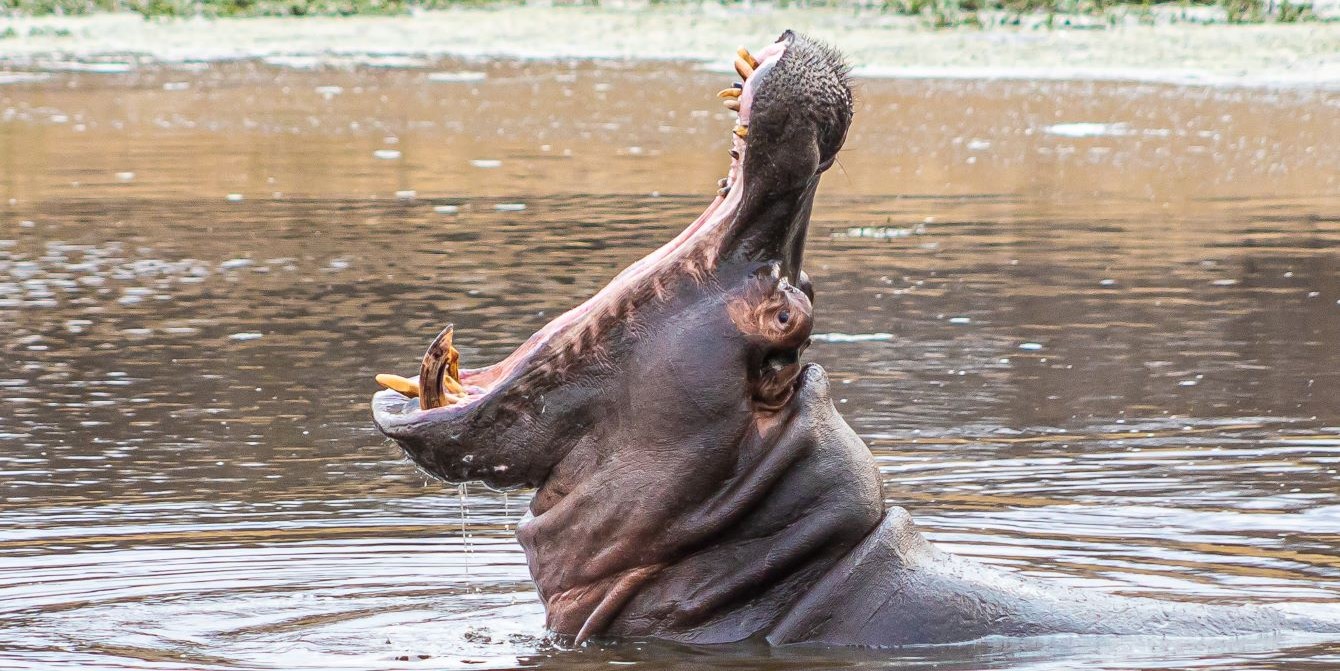
    “I see”, said Phenyo. “Mr Hippopotamus, are you tired? Why are you yawning like that?” asked Phenyo worried. 

    image

    “I am not yawning because I am tired. I am yawning to warn and intimidate my potential enemies”, said Mr Hippopotamus menacingly. 

     “Oh”, gulped Phenyo. “But why are you yawning towards me?” asked Phenyo, who was suddenly very frightened. 

    “I am growing tired of your presence, human. I think I have quenched your burning curiosity enough. If you do not wish to perish today, I advise you to retire to your village”, threatened Mr Hippopotamus.  

    “Alright, alright, just one more question and then I will leave”, Phenyo said quickly. “Why are you not part of the Big 5?” 

    “Ahh now that is the most interesting question you’ve asked. While danger is considered part of the Big 5 and my kind do harm more people than any of the Big 5, we aren’t on the list because apparently we’re not as difficult to hunt”, explained Mr Hippopotamus.

    Satisfied, the small human returned to his village where he could once again chat with the Bushwise students. A certain hippo finds peace in the quiet of its natural environment once more.

    Storytelling is an essential part of becoming a world-class field guide. Learn how to tell stories like Elzette on a Bushwise course!

    #wildlife #bushwise #fieldguide #qualification #safariguide #Exam #training #animals #safari #ifga #sightings #fieldguiding #tracking #endangeredspecies #guiding #fieldguidecourse #studying #fieldguides
  • “Thuma Mina” – Send Me

    This blog was written by Braedon Saunders, Bushwise Professional Safari Guide student. Each week, Bushwise students take turns as camp manager to experience what it’s like to run a lodge or a team. Writing a blog is part of that process.

    A piece of my journey

    My name is Braedon Saunders, and this is a piece of my journey. The story of a KwaZulu-Natal born boy who made his way to Kruger National Park as a young man with a dream – to live a life that matters, to be the change he wants to see, and most importantly to do it through his passion for the bush. I never wanted a desk job, the thought of doing the same thing every day scared the life out of me. In the bush every day is a new adventure, a different experience and a more beautiful sunset, what more could I wish for.

    image

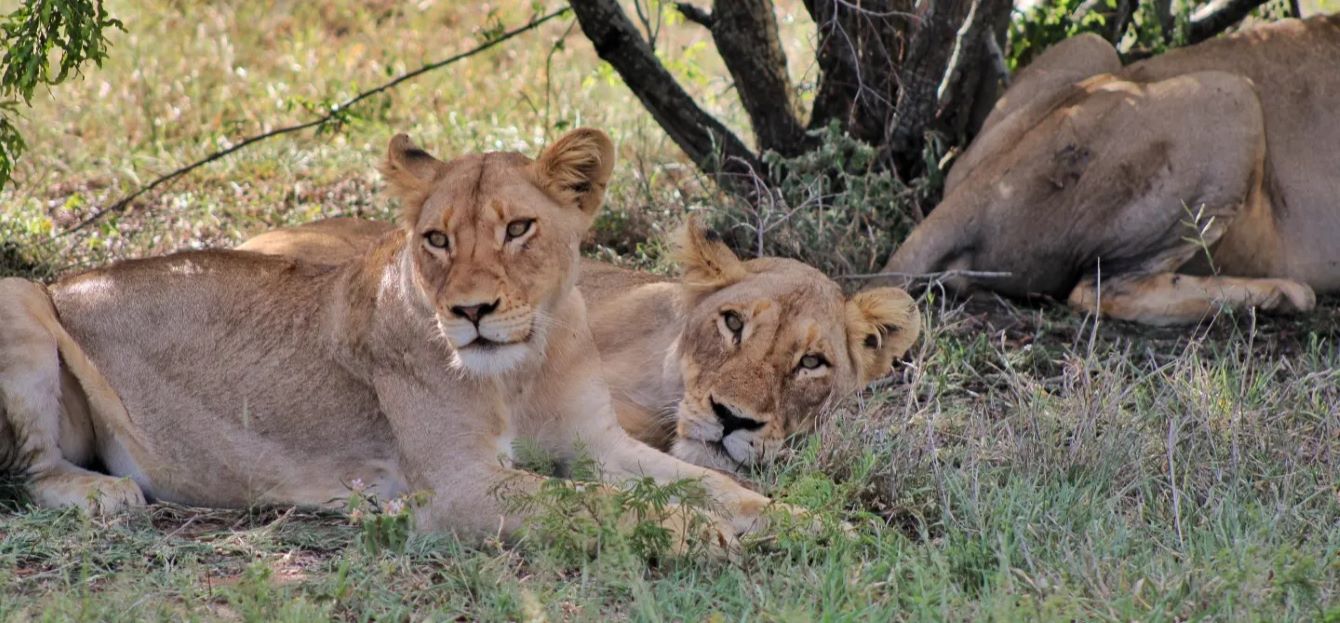
    The week began as every week does on a Monday morning, except this Monday morning was a game drive in the Lowveld. We set off eager and ready to discover our passions in a whole new way, the way we always dreamed. So, it began with a beautiful sighting of lions – 4 females, an old male and one young male. The stuff out of a fairy tale. These golden coloured hunters brought smiles and a sense of amazement to all present, and to think it was only the start.

    Being camp manager is a privilege

    Managing the camp for my fellow students sounded like a challenge, but little did I know what a privilege it would be. I was fortunate enough to manage the camp during our first game drive week. This meant that I had to wake up at around 4-4:30 every morning to ensure that the hot boxes were prepared, and the kitchen remained tidy and locked. Leading friends can be challenging as you form a bond with people who you then have to lead, however you quickly find a balance between leadership and management. I like to think I was more of a camp leader than a camp manager.

    image

    Soon enough it was my turn to drive – my first time driving a Toyota Land Cruiser and my first time in the Kruger National Park. It was truly an experience I will never forget. The smells of the plants and animals, the sounds of bird and animal calls, and the sun beating down on your face as you prepare yourself for the adventure of a lifetime.

    On our game drives that week we got to see beautiful cheetahs, lions and elephants. Three animals many people have never had the privilege of seeing, and we saw all three in three drives. There truly is nowhere like Africa.

    Surrounded by wildlife

    At the end of the day, you realise what a true privilege and honour it is to be surrounded by such beautiful wild animals – it is an experience like no other. From early morning drives to late night fence walks, I have been privileged to lead the camp for a week. Fulfilling the responsibilities expected of me was initially a challenge, but today I look back on it as a privilege. 

    image

    Thursday morning I had the chance to experience my first big five sighting as the driver on a game drive – we spotted two elephant bulls. Looking at these gentle giants is a humbling and thrilling moment. The dry mud on their backs showing a massive difference between the silvery grey skin and this dark brown tinge was a sight to behold in the sunlight.

    This is my story, one of nature, adventure, love and passion. The only question I have is will you be next? We all have a dream and a passion; the hardest step is always the first. Take that first step into your dreams.

    Thuma mina – send me.

    Thuma mina means “send me” in isiZulu, one of the national languages in South Africa. It is also the name of a popular and inspirational song here. Perhaps that is why Braedon chose it for the title of his blog – as it has served as some inspiration for him while he starts his field guide journey.

    #lion #wildlife #AdvancedRifleHandling #bushwise #fieldguide #qualification #safariguide #Exam #training #safari #sightings #Assessments #gamedrive #guiding #fieldguidecourse #studying #fieldguides
  • Getting involved in conservation work

    3 min read

    Starting a career in conservation can be a fulfilling and exciting journey for those with a passion for wildlife and the environment. From wildlife research to park management and conservation education, the opportunities within the conservation industry are vast and varied. 

    Here at Bushwise, we have seen many people take the first step towards their dream careers in conservation through our field guide training programs – but what are the other ways to get involved with conservation? Let’s find out.

    What qualifications do you need for conservation?

    One of the key steps towards a career in conservation is to gain the necessary education and training. This could come in the form of a degree in biology, environmental science or wildlife management. Many aspiring conservationists choose to study environmental science or similar subjects in college, learning about the natural world and the various threats facing wildlife and their habitats. 

    After graduation, there are a variety of paths one can take to enter the conservation field. Some choose to work for a conservation organisation, conducting research and monitoring species populations in the field. Others may work for government agencies, helping to implement conservation policies and regulations. Still others may choose to enter academia, teaching the next generation of conservationists and conducting cutting-edge research to better understand the environment and its challenges.

    What if I didn’t study conservation – can I still work in the industry?

    image

    Even if you didn’t start with a degree in conservation or biology, there are many practical training courses available. Field guide courses, such as the ones offered by Bushwise, provide hands-on experience in the field, as well as in-depth knowledge of the natural world and its conservation. Many of our students have gone on to successful careers in conservation, both in their home countries and abroad.

    Ten popular careers in conservation

    1. Conservation biologist

    2. Wildlife biologist

    3. Ecologist

    4. Park ranger

    5. Environmental educator

    6. Safari guide

    7. Conservation manager

    8. Zookeeper

    9. Environmental scientist

    10. Conservation field researcher

    Another great way to get involved in conservation work is to volunteer. Many organisations offer volunteer opportunities, ranging from park maintenance and wildlife monitoring, to community education and outreach. These programs not only provide valuable experience, but also offer a chance to give back to the environment and help conserve the world’s wildlife for future generations.

    Working in conservation can be a rewarding and challenging career, but it is also crucial for the survival of many species and ecosystems. The challenges facing conservation today are complex and multifaceted, from climate change to habitat destruction and poaching of endangered species. Conservationists play a crucial role in protecting wildlife, preserving habitats, and educating people about the importance of conservation.

    How can I get involved in conservation work?

    image

    The best way to get involved in conservation is to start by exploring your own interests and passions. What kind of work do you find most fulfilling? Do you prefer working in the field, or would you rather work with communities and educate people about conservation? Once you have a clear idea of what you want to do, you can then start exploring the various training and educational opportunities available.

    At Bushwise Field Guides, we offer a unique way for individuals to enter the conservation industry – through our safari guide training programs. Our courses are based in the Greater Kruger National Park and Greater Makalali Game Reserve, and provide students with an immersive experience in the African wilderness. Through hands-on training and practical experience, our students gain a deep understanding of the natural world and the challenges facing conservation today.

    Regardless of the specific path chosen, a career in conservation offers the opportunity to make a real difference in the world, working to protect and preserve the natural world for future generations. 

    Whether you choose to work in the field conducting research, behind the wheel of a game viewer leading guided safaris, in an office advocating for conservation policies, or as an educator inspiring others to join the cause, there are a multitude of ways to get involved and make a positive impact in the world of conservation. The future of wildlife and the environment depends on it.

    By enrolling in a practical training program like the ones offered by Bushwise, you’re taking the first step towards a career in conservation. Learn more about conservation jobs here.

    #wildlife #AdvancedRifleHandling #gameranger #bushwise #fieldguide #safariguide #training #guidejobs #animals #safari #fieldguidetrainer #fieldguiding #tracking #endangeredspecies #gamedrive #guiding #studying #fieldguides

  • Going on an African safari

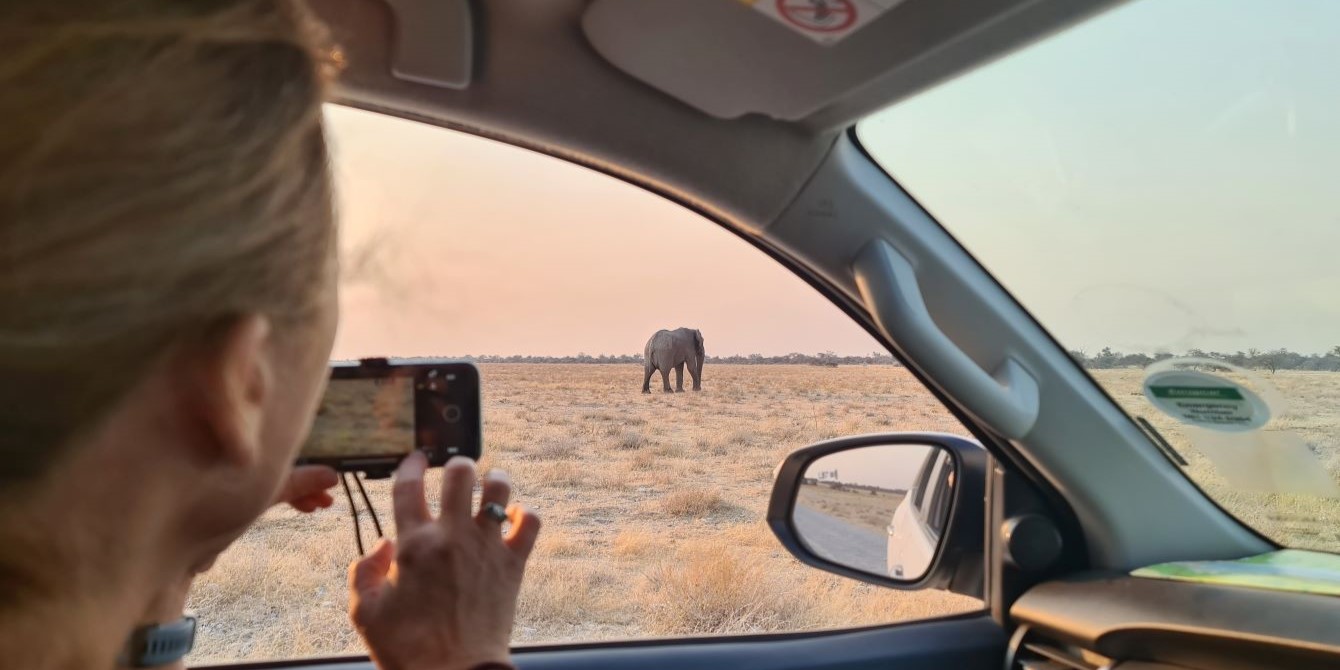
    Embarking on a safari adventure is a bucket list experience for many, and for good reason. The opportunity to see some of the world’s most incredible animals in their natural habitat is truly unforgettable! However, for those who are new to the world of safari, it can be overwhelming to know where to start. 

    4 min read

    As an avid lover of nature and wildlife, I had always dreamed of going on an African safari. And after months of research and planning, I finally made my dream a reality by embarking on a journey to the Serengeti for the Great Migration! It was an unforgettable experience that I would highly recommend to anyone considering a safari.

    But before I get ahead of myself, let me take a step back and share the planning process I went through. 

    Choosing a safari destination

    image

    First, I had to decide where to go on my maiden safari voyage. The options are endless, with stunning national parks and wildlife reserves all over Africa. It really depends on what you’re hoping to see, what time of year you’re going and what your budget is. 

    Popular safari destinations

    1. Maasai Mara National Reserve, Kenya

    2. Serengeti National Park, Tanzania

    3. Mana Pools National Park, Zimbabwe

    4. Mala Mala Game Reserve, South Africa

    5. South Luangwa National Park, Zambia

    6. Ngorongoro Crater, Tanzania

    7. Kruger National Park, South Africa

    8. Chobe National Park, Botswana

    9. Etosha National Park, Namibia

    10. Amboseli National Park, Kenya

    I ultimately chose the Serengeti for the Great Migration, but I also considered other options like the Maasai Mara in Kenya, the Ngorongoro Crater in Tanzania and the South Luangwa National Park in Zambia. Each of these locations offers unique wildlife viewing opportunities.

    Once I had a general idea of where I wanted to go, I had to consider the time of year. This is important because different times of year offer different migration patterns, weather conditions and animal sightings. For example, the Great Migration in the Serengeti occurs from late May to early July, and from late October to early November. I chose to go in July, when the wildebeest were crossing the Mara River and there was a higher chance of seeing predators like lions and hyenas.

    You can’t plan any trip without considering your budget and travel style. Do you want a luxury safari with all the bells and whistles, or do you prefer a more budget-friendly option? I chose a mid-range option that offered comfortable accommodations and knowledgeable guides, while still allowing me to stay within my budget. 

    I also decided early on that I would prioritise having an excellent safari guide, even if it cost me a bit more, as I really believe the guides make all the difference on safari!

    Deciding what to pack for a safari

    image

    Next, I had to think about what to pack. This was a bit challenging, as I wanted to make sure I had everything I needed for a comfortable and safe experience, but I also didn’t want to overpack and have to lug around heavy bags. And don’t forget, sometimes you’ll be on small aeroplanes that only allow soft bags (no roller bags), so you need to consider how to really minimise your weight! 

    I did some research and found that safari outfits are typically light and neutral in colour to blend in with the environment. This helps to decrease the chance that animals with colour vision will see us. I also made sure to pack sunscreen, insect repellent, a hat and a good camera.

    An excellent safari guide? It’s a no-brainer!

    The importance of a good safari guide cannot be overstated. A guide with extensive knowledge of the area, wildlife and local culture can greatly enhance your experience and make it even more memorable. I made sure to find a guide who was experienced, knowledgeable, and had great reviews. It was worth the extra effort to ensure that I had a great guide who would help me make the most of my time in the African bush.

    Finally, safety and security are always a concern when travelling, and Africa is no exception. I did my research and made sure to choose a reputable tour company that had strong safety and security measures in place. Travelling all the way across the world, I wanted to be sure I was in safe hands. I also made sure to follow all recommended travel precautions, such as getting vaccinated and having comprehensive travel insurance.

    Have fun planning your African safari

    image

    Overall, planning an African safari for the first time can seem daunting, but with proper research and preparation, it can be an unforgettable and life-changing experience! It certainly was for me. From the stunning scenery and incredible wildlife encounters, to the cultural immersion and personal growth opportunities, a safari is truly a once-in-a-lifetime adventure. 

    So no matter where you choose to go for your first safari experience, make sure to plan your trip with care and consideration. Then sit back (in your game vehicle), relax and let the magic of the African bush unfold before you!

    Learn more about how to plan for your first African safari using our comprehensive guide, found here. 

    #lion #wildlife #AdvancedRifleHandling #gameranger #bushwise #fieldguide #safariguide #leopard #training #animals #hyena #safari #fieldguidetrainer #sightings #fieldguiding #tracking #endangeredspecies #gamedrive #guiding #elephant #studying #fieldguides

  • Aardvarks in the African Savanna

    Explore the mystery and beauty of aardvarks with this blog by Bushwise student Zander Kok, who wrote this blog based on his own research. Learn about their habits, behavior and role in the African savanna ecosystem, and gain a new appreciation for these unique creatures.

    3 min read

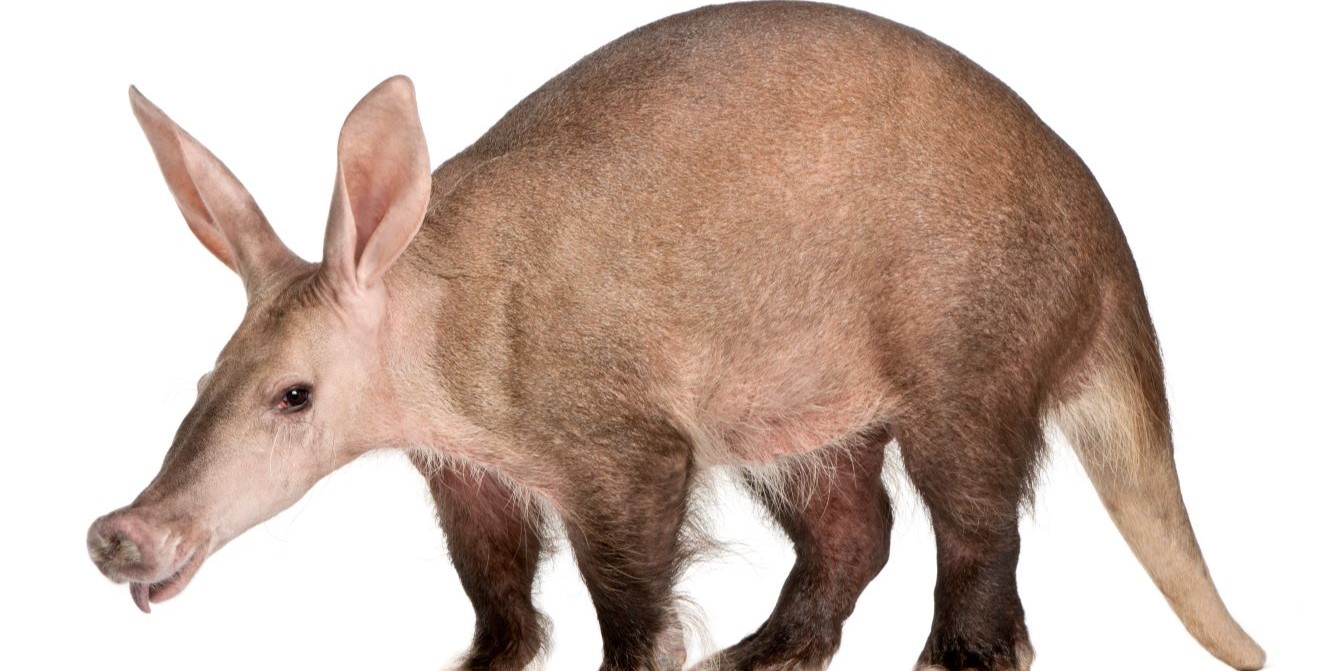
    Because they are nocturnal and rarely seen in daytime, an Aardvark is a very special and rare animal to see in the wild. In the winter months they get active before sunset because termites are less mobile in those months. So, it is an easy way for them to get a meal. 

    An aardvark is a medium-sized animal that uses its claws to burrow into the ground. It has a pig-like snout and its tail looks almost rat-like. No other animal is related to the aardvark. It has short front legs with hoofed claws that it uses to burrow holes with, while its back is arched.  

    Where did the aardvark get its name?

    image

    The aardvark got its name because its species is known for digging large burrows. The word ”aard” is the Afrikaans word for earth, and the second part of its name “vark” is the Afrikaans word for pig because of its appearance and its pig-like snout. 

    Aardvarks sometimes make a growling or sniffing sound. If an Aardvark is in captivity, then they do not make any noise, but they are always loud when digging. 

    Male and females can be told apart by some colour differences. Females have a lighter tail, sometimes it almost looks white, while males are darker. They weigh 40-70 kg (130-180 lbs) and are about 60 cm (24 inches) tall. They can be up to almost two metres (6 feet) long, with their tails making up about a third of this. 

    What do aardvarks eat?

    The aardvark is known for eating termites and ants in the dry season. Aardvarks have also been found with pulp seeds and sweet melons in their stomach. They also sometimes eat cucumbers. The cucumbers that Aardvarks eat are known as the African cucumber and can be found in the woodlands of South Africa, Namibia, Botswana and Zimbabwe. 

    The aardvark uses its long claws to burrow into termite hills and then uses its long protractile tongue – which is covered in thick, sticky saliva – to trap its prey. Aardvarks actually have a distinctive smell due to this diet. This is because termites spray a foul-smelling chemical substance as a form of defense, which gets on the aardvarks and makes them a bit stinky!

    Where do aardvarks live?

    image

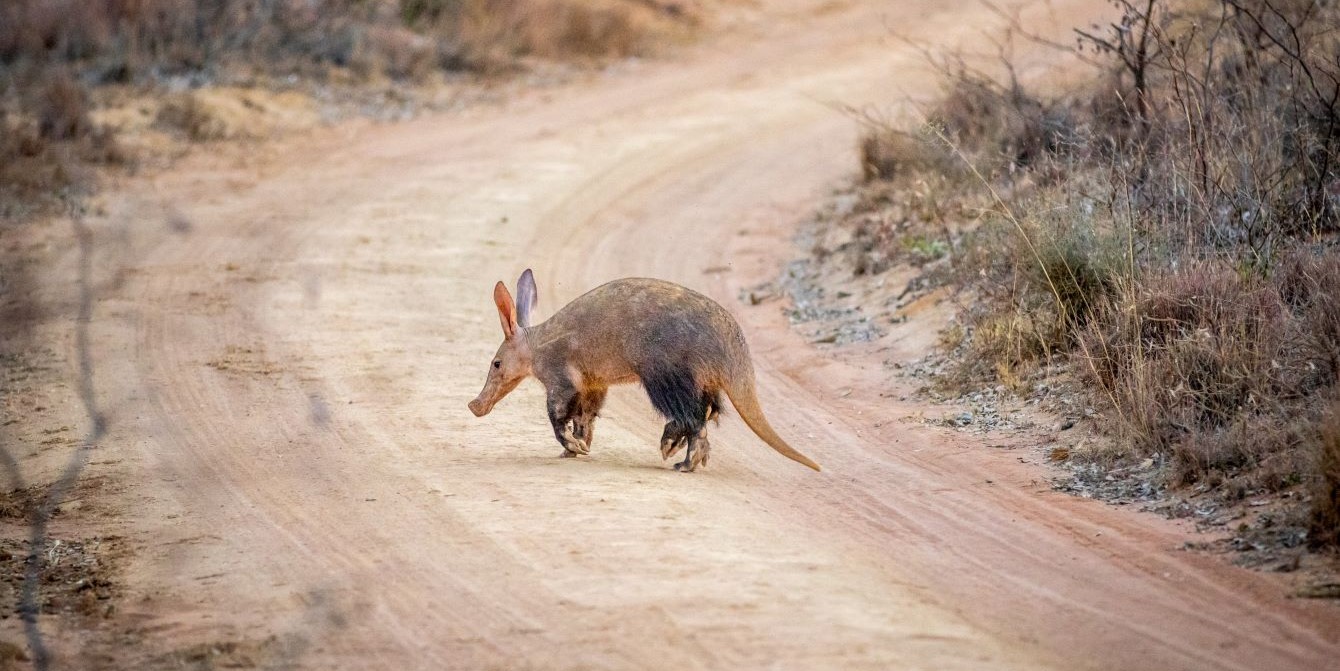
    Aardvarks live in Sub-Saharan Africa, and they prefer open bushveld and savannah areas. Aardvarks spend most of their day sleeping in their burrow holes underground. An aardvark’s home range is between 2-5 square kilometres. Aardvarks are really rare to see. The best chance to see one of them would be on a night drive in open terrain in the South African winter season. 

    If you go on a night drive in open areas, look for termite hills. The aardvark mostly feeds at night and moves around 2-15 kilometres in five to ten hours looking for food. If it finds a nice nest to feed on, it will feed there for many hours. 

    The aardvark’s mating season starts in July and lasts until September. A female aardvark’s gestation period is approximately 7 months.Young aardvark will stay with their mother until they are able to dig holes on their own which normally happens when they are 7 months old. 

    What hunts aardvarks?

    The aardvark has a few natural enemies – including honey badgers, dogs and all bigger predators. The young are sometimes caught by pythons and hyaenas, and lions sometimes try to dig them up. 

    Unfortunately, the greatest danger that the aardvark faces is humans. They are killed in some places for meat and their hide can be used like leather. The hide was historically used by people from the Voortrekker days to make ox straps. They may also be targeted because they dig under fences and dam walls. Aardvarks are not considered endangered at the moment, but their total numbers are vulnerable and in some areas they have gone extinct. 

    Learn about unusual, rare, and endangered animals on a Bushwise Professional Safari Guide or Safari Guide course. Find out more and apply today!

    #wildlife #bushwise #qualification #safariguide #Exam #training #animals #safari #sightings #Assessments #gamedrive #fieldguidecourse #studying

  • Passion, wildlife and my favourite creature on Earth – the porcupine

    This blog is by Edward Chauke, Professional Safari Guide candidate studying under the exciting new partnership between Bushwise and Tourvest Group.

    3 min read

    Mixed feelings, great memories and passion. I’m looking back at how the beautiful journey started – just to learn the information that I have been selected for or I have been offered a lifetime opportunity to become a field guide, it is something that I still remember very well like it happened yesterday. 

    A trip down memory lane

    image

    My dream of becoming a field guide started in 2019. Then Covid-19 came and we had to wait almost three years! Considering the fact that we had to wait almost three years shows how passionate I am with my dream of becoming a field guide one day. 

    The waiting game wasn’t pleasant at all, it was just a matter of keeping my enthusiasm. But the support that I get back home, I regard as a pillar of my strength and it helps me keep going even though it looks impossible. 

    My dream has come true

    Here I am today, my dream has come true. I can’t wait to see myself taking guest to a game reserve to share my knowledge with them. One of my personal attributes is as a storyteller and an entertainer, which I feel like is great aspect in the guiding industry.

    The Bushwise Mahlahla campus near Hoedspruit is where  the training is currently taking place. A wonderful experience of wildlife, since the beginning of the year to now. So far so good and not much to worry about in terms of acclimatising to the weather, because it’s almost the same as my hometown Hazyview where I was born and bred.  

    image

    Since day one it’s been such a wonderful experience and exciting moment of my life! All the lessons that I have been learned so far have been fantastic and very helpful to me. Especially on changing my mind set to view the nature in different perspective.  I’ve started to have huge respect for the natural environment and wildlife. I imagine walking down the street and starting to hear birds call, and pause a bit to try to identify which birds is that one… woah that’s an awesome moment, which was not a case before my  journey started here at Bushwise Mahlahla Campus. 

    Camp manager for the week

    Recently I have been assigned with the task of Camp Manager. At first it looks easy, until you realise that with this duty comes responsibilities. Especially if you take fact that I have to make sure that everything works properly and all the students and staff are happy. To achieve that I have to wake up early and sleep late. Day by day, my duration as Camp Manager came to an end. I handed over all the camp manager’s equipment to my successor with pride and dignity – mission accomplished!

    As I conclude, I’ll share a nice story about my neighbour who keeps on visiting me every evening…

    A porcupine for a neighbour

    image

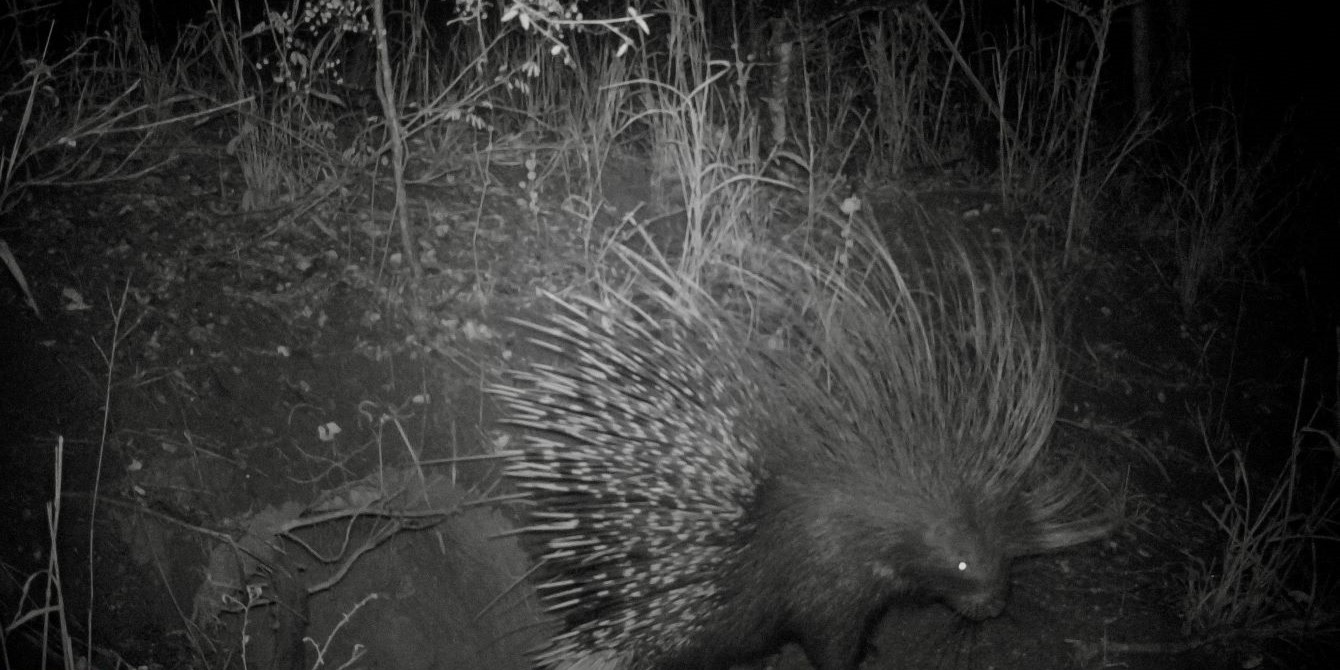
    Every late evening, I have a visitor – a porcupine – come next to my house to look for food around the dust bins. They hunt their food most at night which makes them to be nocturnal animals. Her physical appearance is really unique, especially with her quills. Being in a neighbourhood with this porcupine has pushed me to start to need to know more about them, which will be great knowledge to share with guests in future!

    Keen to live out your dreams becoming a field guide – perhaps with a sneaky porcupine as a neighbour – just like Edward? Find inspiration in all that surrounds you on a Bushwise course or a career in wildlife.

    #wildlife #AdvancedRifleHandling #bushwise #fieldguide #qualification #safariguide #Exam #training #animals #safari #IFGA #sightings #fieldguiding #tracking #endangeredspecies #gamedrive #guiding #fieldguidecourse #studying #IFGAGuide
  • Joining Bushwise as a couple

    This blog was written by Emily Cowling, who’s attending Bushwise along with her partner Alexander Denney. As a couple, they’re training to become field guides before entering this exciting industry! Read about what inspired them to make this journey together.

    4 min read

    It was close to ten years ago when I first heard the word ‘Bushwise’, and it was being said to me by the person I had recently started dating. 

    “Bushwise, what’s that?” I asked, never expecting the answer to be so interesting and so exciting. A chance for adventure, a chance to meet people from all around the world, a chance to get new skills, and a chance to help change the world for the better. 

    It sounded thrilling and although we wanted to leave immediately, we knew it was not possible. We were penniless young students working our way towards our degrees. The dream was put into a box and quickly began to gather dust. 

    Our wildest adventure yet

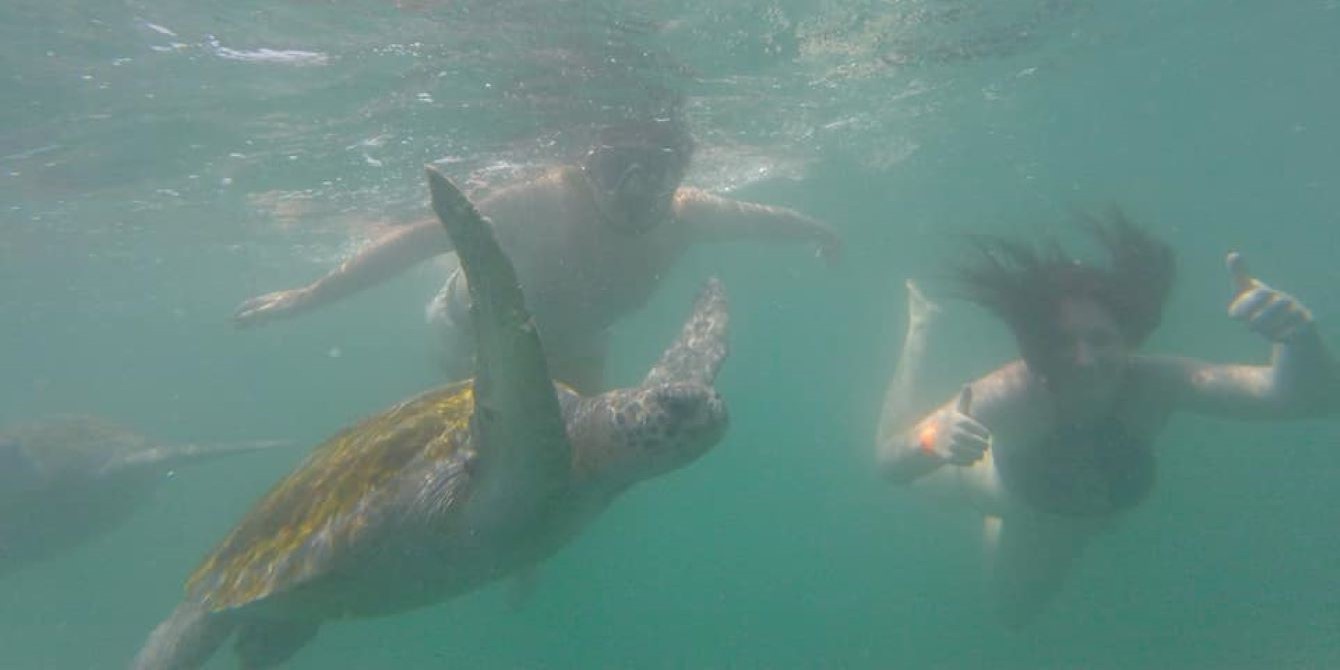
    image

    Seven years later, the topic arose again. It had cropped up now and then throughout our years together but never in a realistic or achievable way. But this time, now over two years ago, we finally began to see the dream as a possibility and it began to take shape. 

    Despite the excitement and possibilities, I had some reservations. The main one was the fact that it seemed as though if I pursued this dream, I would then have to be apart from the person that I had barely spent a night away from in the past ten years, my other half, my best friend. Even if we went together, I imagined we would have to stay in separate tents, maybe even separate campuses, and then when attending placements, spend a full 6 months apart. I didn’t even know if we would both get accepted which opened up the possibility of spending a year on different continents. There was no denying that the idea filled me with dread but we both really wanted to do it so we went ahead and sent an inquiry. 

    Barely a day later, we received a response and all of our earlier reservations flew out of the window. We could attend as a couple, we could be housed together and, most importantly, we could be placed together on our placement. 

    But could we do Bushwise together?

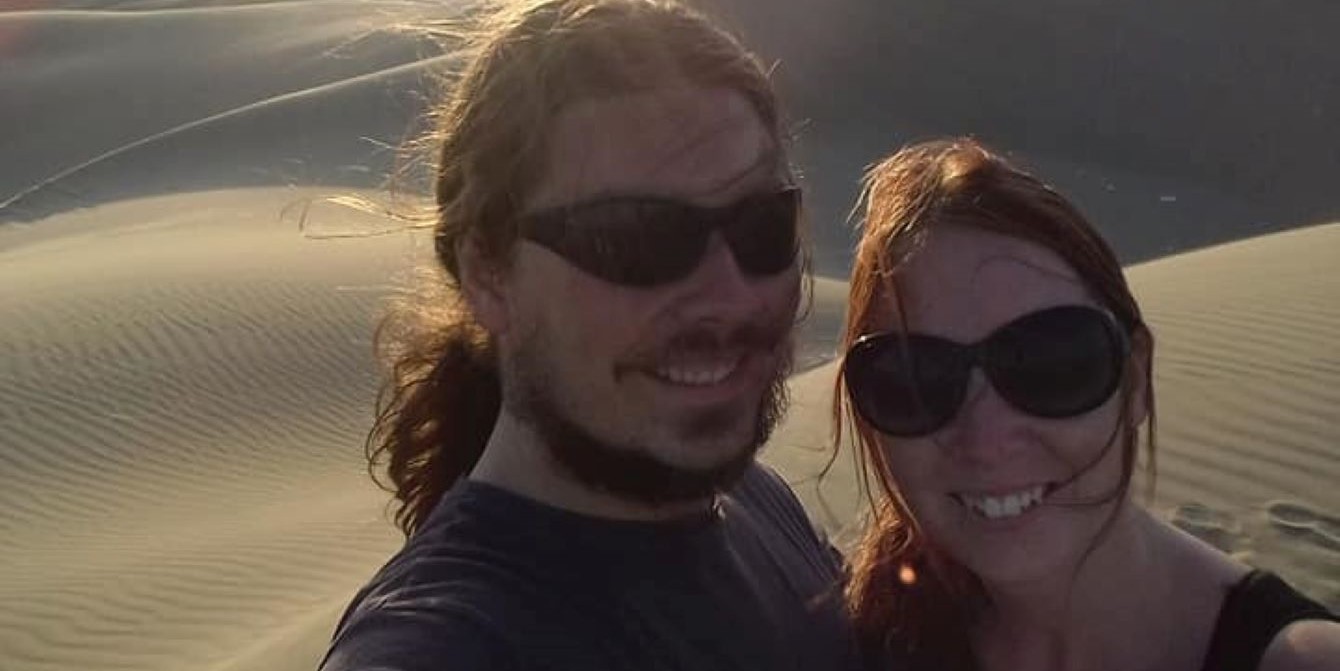
    image

    A week later we had booked! We were going to Bushwise, albeit in two years’ time. It didn’t matter to us, the dream was on the horizon, and we were going to be doing it together. 

    The time flew by in a flash and two weeks ago, we arrived in South Africa, hand in hand, nervous but encouraged by each other. Despite the gruelling trip, we were here, together, and life in the bush began. 

    I had feared that maybe all of the things I was told about us being allowed to stay together may have been half-truths or even lies to get us here, but this couldn’t have been farther from the truth. 

    From the start, we were treated as a unit as well as individuals, an odd thing to say considering these are antonyms. What I mean is we were housed together, placed next to each other in the classroom, and often spoken about as if we were one entity. And yet, we were also individuals in the sense that we were given separate tasks, sent on different game drives and, generally given some space to be apart, a definite positive in that it allowed us time away from each other should any tiffs arise. It also allowed us to meet back up at the end of the day, excited to see each other and discuss all of the different things we had seen and learned. 

    The best decision we could have made!

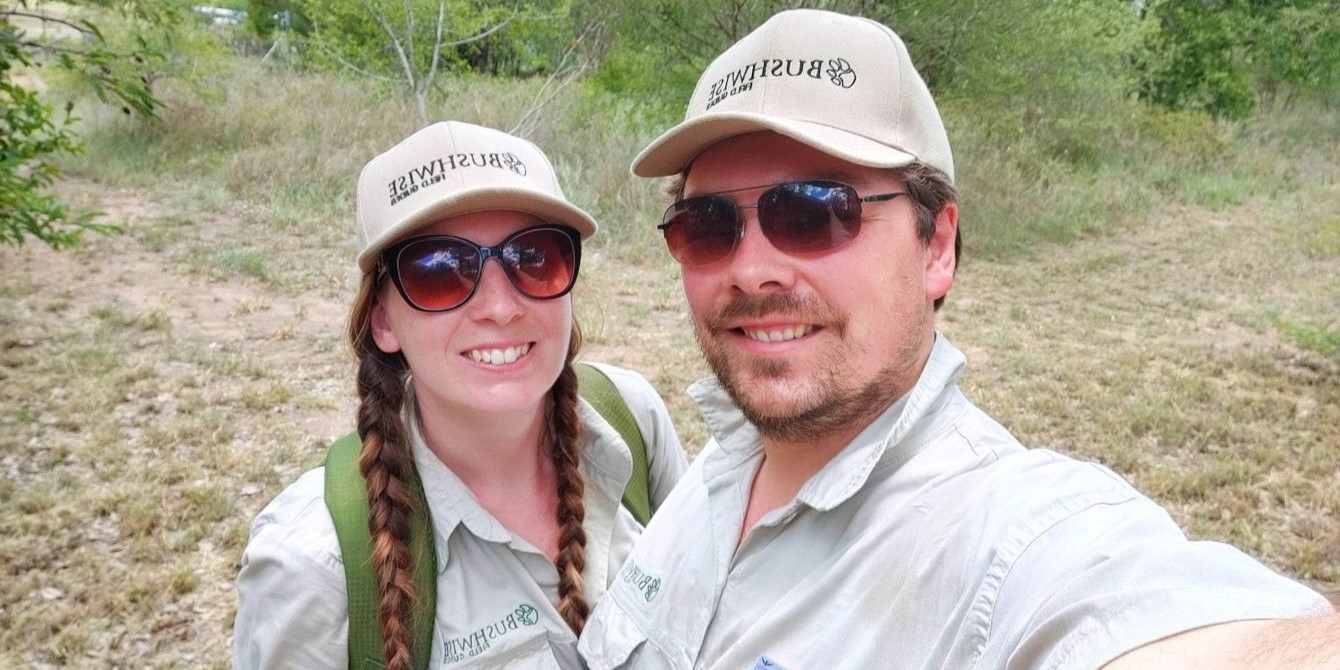
    image

    The opportunity to be here with my partner has been nothing short of amazing, living a dream together. I have a best friend, a study partner, a person to cry on when things get tough, and a general sounding board. 

    To anyone considering whether or not this experience could be done with a partner, I would say absolutely but perhaps with one caveat. It isn’t an experience to enter lightly. And maybe not one to begin with a new partner or someone you don’t know if you can live with because you will be spending a lot of time together and sometimes under many different pressures. It is something to consider. 

    For me, living out my dream with the person I love has made the experience even better. Spending the evening chatting about the exciting new things that we learned, finding interesting ways to study, meeting new people at every mealtime, and watching the stars every night before settling down together to listen to the sounds of the bush. What could be better than that? 

    Did you know you can book a Bushwise course with your partner? Imagine having this life-changing experience together! Contact us to find out more. 

    #wildlife #AdvancedRifleHandling #bushwise #qualification #safariguide #Exam #training #guidejobs #animals #ifga #fieldguiding #endangeredspecies #guiding #IFGAguide #fieldguidecourse #studying
  • This blog is toad-ally awesome

    This blog about toads in the Lowveld was written by Bushwise student Brandon Leong.

    3 min read

    Toad-ay I explored the wonderful world of our amphibious friends and there were a number of things that really hopped out at me! There is just one small problem with that fact though which is that toads don’t actually hop! That would be the frog, whom they are often mistaken for. And this is just one of quite a few differences between these two amphibians.

    What’s the difference between frogs and toads?

    image

    For the longest time, I thought that frogs and toads were the same thing. That maybe they were simply called frogs in some parts of the world and toads in others. But here is a brain twister for you: All toads are frogs but not all frogs are toads! The reason for this is because they both fall into the same scientific order of Anura. It gets a little deeper as “true toads” are classified into the family known as “Bufonidae”. I never stopped to consider just how different these two amphibians were from one another.

    Let’s start with the obvious, their appearances. Frogs tend to look wet and smooth. Their bodies are covered with all sorts of wonderful colors.

    Toads are the complete opposite! They have dry thick skin that usually has bumps on it. These bumps are glands that secrete a smelly and foul-tasting fluid. Toads are usually brown – which makes figuring out who’s who a whole lot easier!

    The next big leap into differentiating the two is their movement. Toads actually prefer to walk around with their little legs as opposed to their moist friends – although they can hop small distances when they feel like it. Frogs are more equipped to hop and swim, and even do little cannon balls right into your swimming pool. 

    If you are anything like me, you would like to think you could find toads with little mushroom hats riding around in go-karts with plumbers, but that’s more of a distant dream. In reality, they like to live in woodland areas as well as damp environments like garden ponds, where they lay their eggs during breeding season. 

    What’s in a toad’s diet?

    image

    When toads get hungry, they have a number of options in the great buffet of the wild. They find sustenance in a carnivorous diet consisting of crickets, flies, spiders, grubs, mice, rats, rodents and wait for it…OTHER TOADS AND FROGS. Pretty much anything that moves and can fit in their mouths. They have excellent sense of taste and may even spit out something that they do not find to be too delicious

    As I mentioned earlier, toads actually have a pretty nifty defense mechanism. They secrete a toxin that looks like a white milk from their bumpy skin glands. The milk tastes disgusting to any predators that may want to have a go at some “toad in the hole”. (I had a dog once that learnt the hard way that toads don’t taste very nice.) But in the animal kingdom taste is not everything and some animals do not mind the toxins. Animals such as snakes and birds of prey find them rather delicious and an important part of their diet!

    Talking about eating toads reminds me of a book I read a few months back called, “Eat The Frog First” which is a fitting title for toads as they taste TERRIBLE to humans too ! So if you were forced to eat a toad, at what time of the day would you do it? First thing in the morning is ideal, that way you won’t be dreading having to eat a toad all day! That’s something to think about. (NB: I don’t recommend eating a toad).

    Toads are toad-ally awesome. I hope we can all sleep better at night now knowing more about toads.

    The Lowveld isn’t just mammals and birds – learn about all the other amazing creatures, like toads, on a Bushwise Professional Safari Guide course.

    #wildlife #bushwise #qualification #training #animals #IFGA #sightings #tracking #endangeredspecies #guiding #fieldguidecourse #studying