Author: Marketing Team

  • My amazing wildlife sightings as camp manager

    Bushwise student Ricardo shares his experience as camp manager and all the amazing wildlife sightings from the week.

    Read time: 3 min
    image

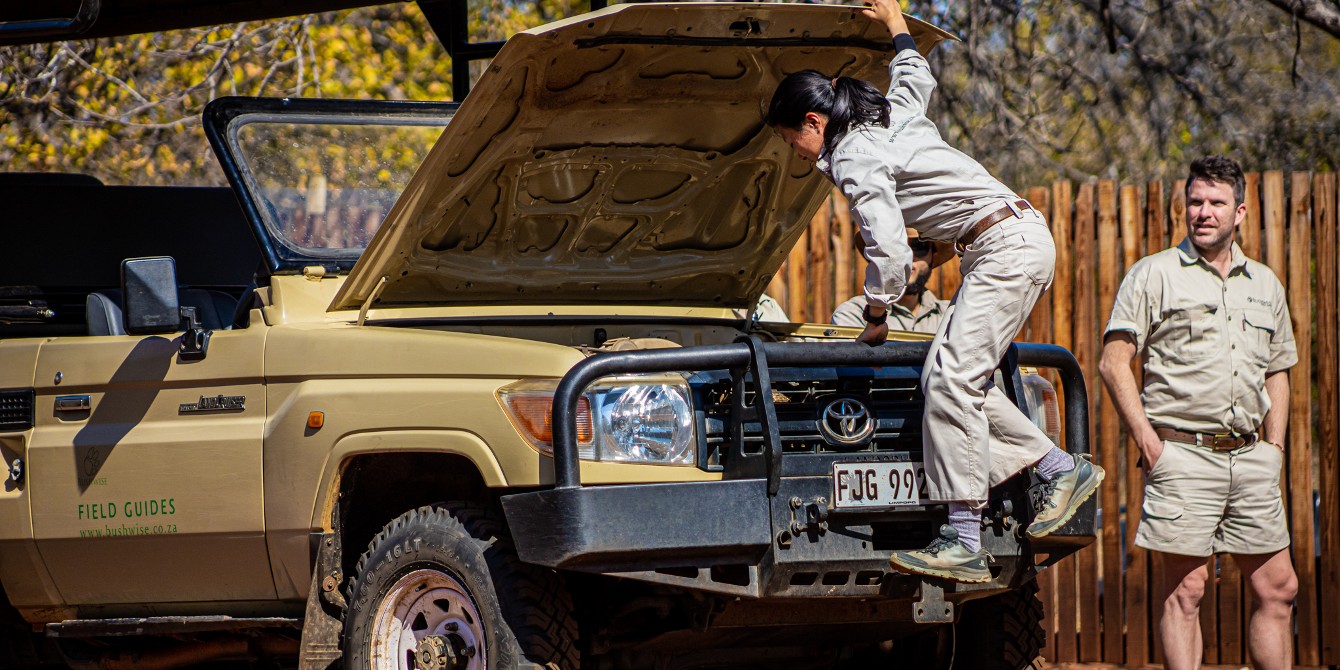
    I took over the camp manager position from Trevor this week. He was a great camp manager. For example, he got up early every morning before anyone else and kept watch while they were busy in the kitchen so he could lock up. 

    Everyone has different leadership styles. Mine is a little different because I have a background in accounting. As my week as camp manager fell during an exam week, I realised delegation would be essential to keeping my stress levels low.
    image

    So, in the evenings I’d look at a list of all people who are going to lead a game drive the following morning and I would give the key to the most responsible person to open the kitchen up – which meant I got to get a little more sleep. 
    image

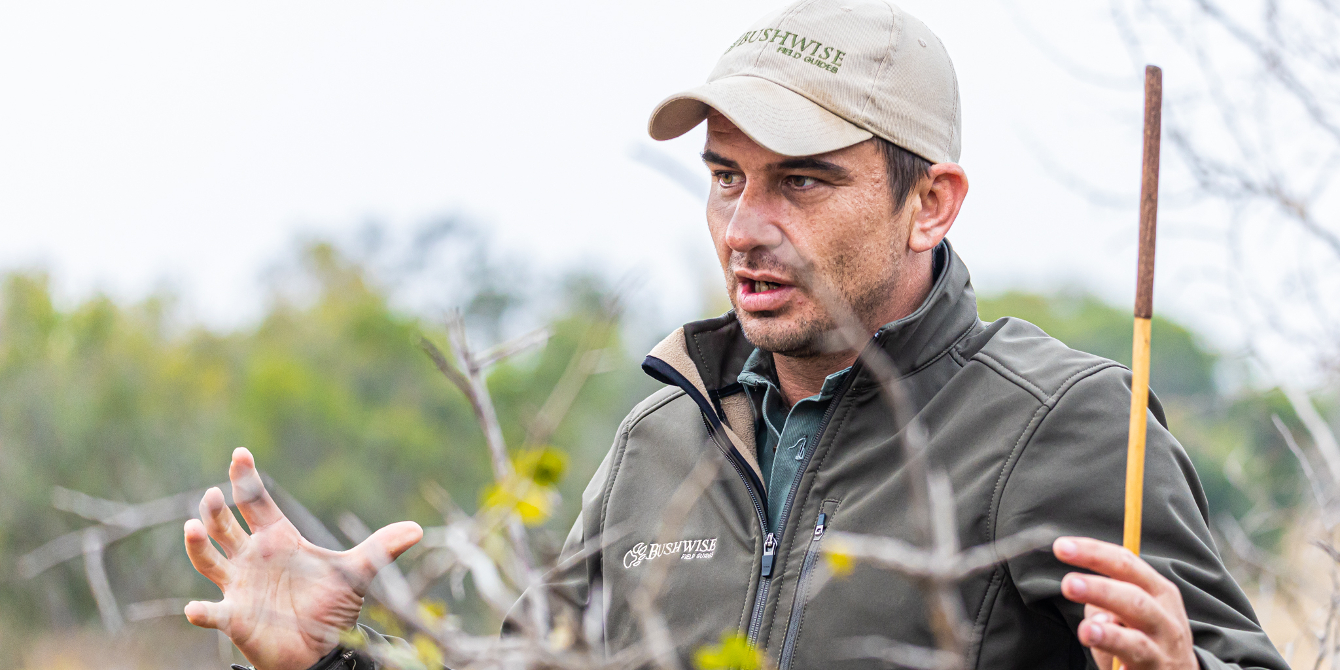
    Over the last week we have had two game drives a day at 6:30 every morning and 15:00 every afternoon, during this time we have seen some amazing wildlife sightings. While this is happening, we were given so much new information about everything from trees, grasses, birds, mammals, reptiles and even amphibians. 

    This information would normally be an overload of new information, but the way the trainers explained everything to us made everything entertaining and interesting. 
    image

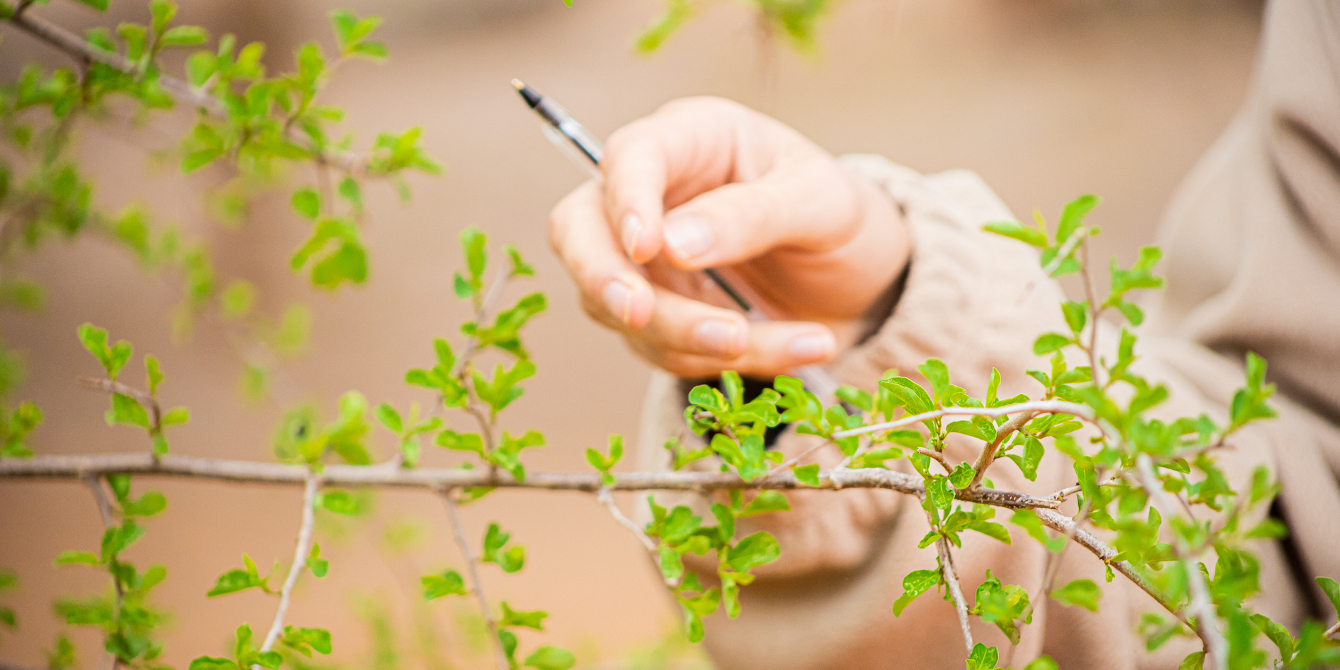
    For example, leadwood would make amazing firewood for a braai (which we call hardekole in Afrikaans) because it can burn for days, but we learnt it’s illegal to cut down since it’s a protected tree. 

    Other protected trees in our area include marula due to traditional beliefs and apple leaf (appelblaar) trees due to folklore belief that it creates bad luck when cut down and will cause a rift in your family.
    image

    Two of my favourite trees I’ve learned about so far are jackal-berry and magic guarri. The jackal-berry can be used to brew beer, used in porridge, and the wood is even great for kitchen utensils and canoes. 

    The magic guarri leaves can be used to put out fires, stems when cut and frayed could be used as paint and toothbrushes – and when desperate you could use the ash of leadwood as toothpaste. A traditional belief of magic guarri is that the branches are used to find water using a method called divining.
    image

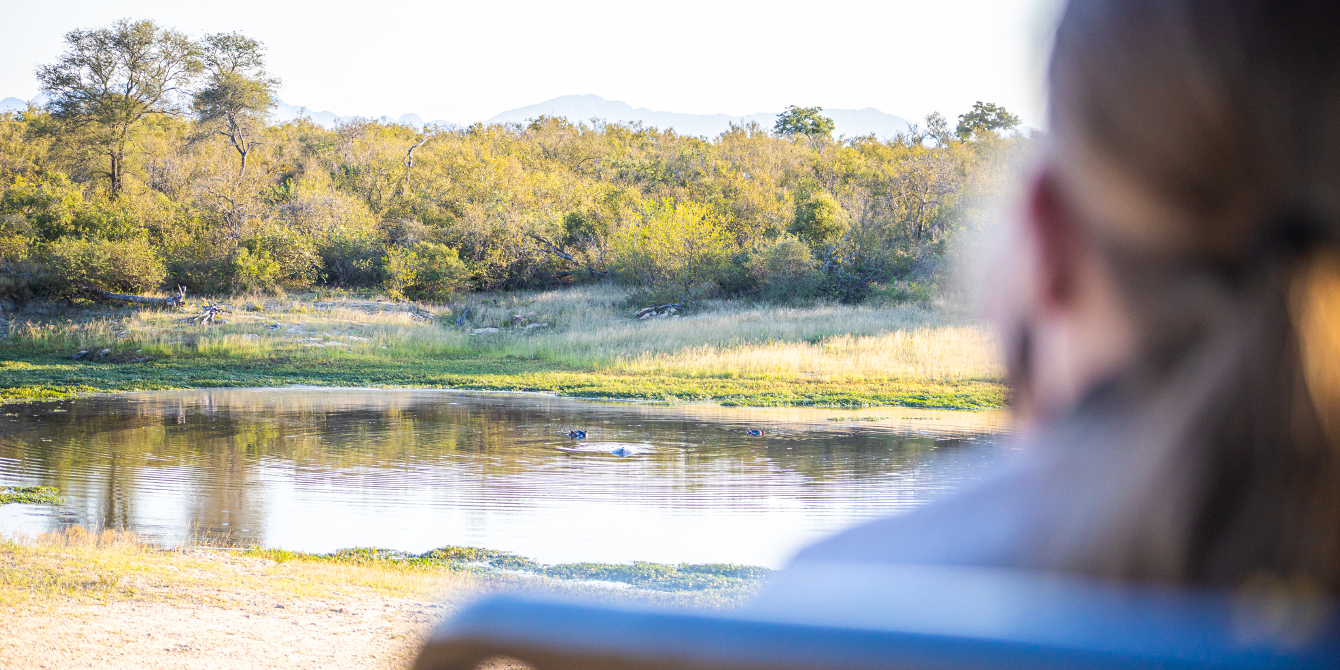
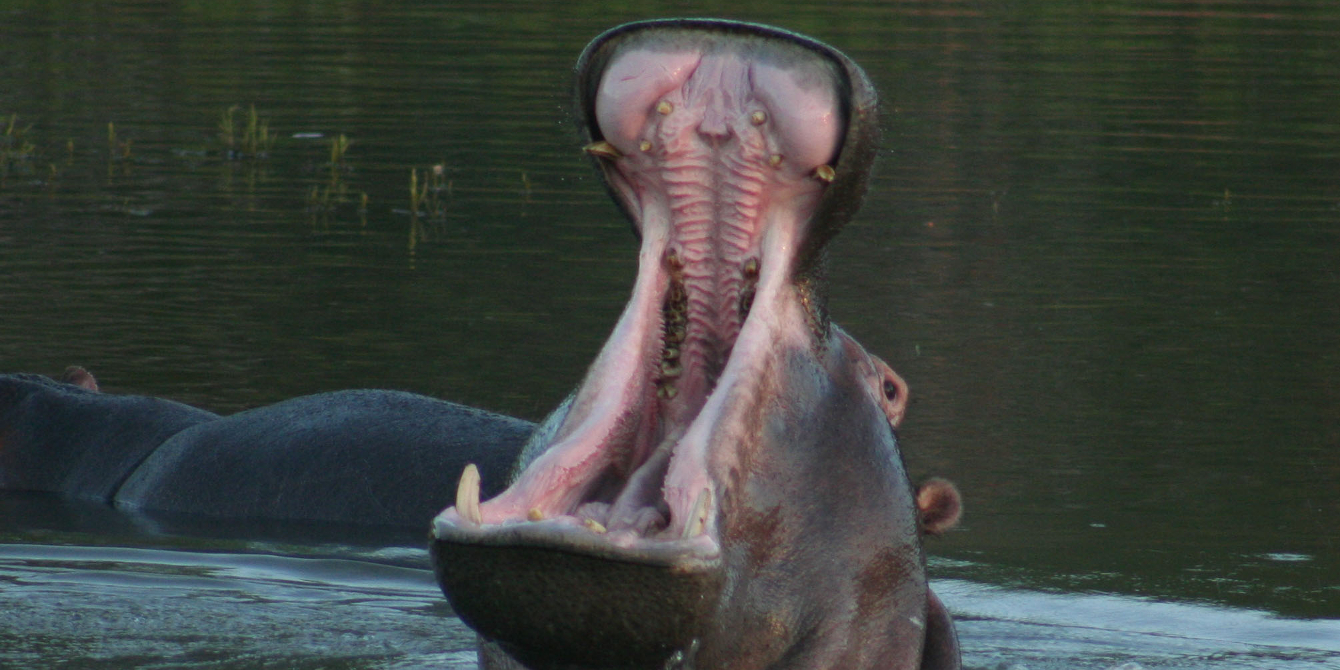
    But enough about trees. On one of our drives, we had one of our amazing wildlife sightings – a hippo with its calf. They have to give birth in water shallow enough for the baby to be able to pop its head up for breath. The calf can only hold their breath for up to a minute while adults can hold theirs for up to five minutes. 

    The name ‘hippopotamus’ comes from ancient Greek meaning river horse – which is very suitable as they can reach speeds of 35km/h! That’s very fast for such a gargantuan animal. 
    image

    It is also reported that the hippos are the most dangerous animal in Africa. That’s one of the reasons they are considered a dangerous game when on land. Personally, I believe crocodile attacks are underreported. But overall the lesson is enjoy the sighting, but don’t get too close to the water.

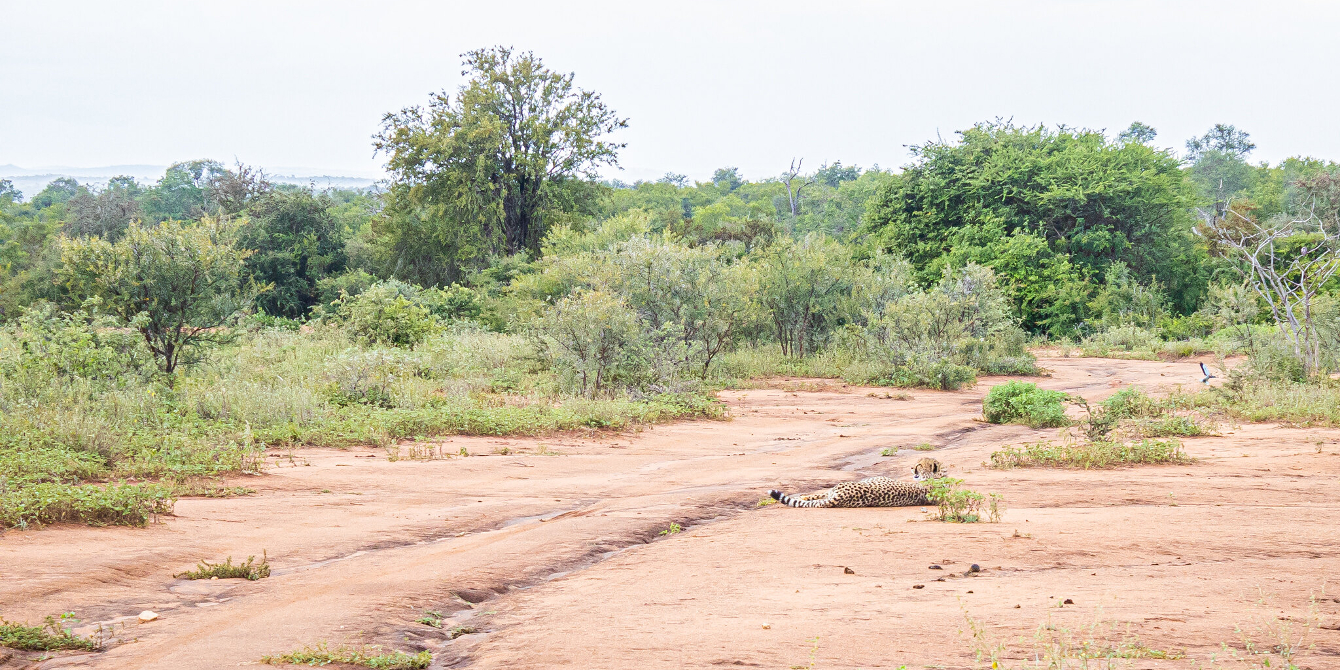
    The sighting I enjoyed the most has to be the pair of male cheetahs we saw lying in the grass while a hyena approached them. After the hyena went walking off, our head trainer took us out on foot to get a better view of these amazing cats while still maintaining a respectful and considerate distance.
    image

    My time at Bushwise has really been amazing so far and I’ve really enjoyed being camp manager. The trainers are exceptional, they’re incredibly knowledgeable and have great story telling skills. For me Bushwise is the best.

    Amazing wildlife sightings are just part of the experience on a Bushwise field guide course. This could be you – apply today!

    BY: Ricardo Strydom, photos by Louise Pavid and GVI Limpopo

    #bushwise #fieldguide #safariguide #training #guidejobs #animals #apprenticefieldguide #safari #fieldguidetrainer #sightings #fieldguiding #guiding #fieldguidecourse #fieldguides
  • Training in the bush

    If you want to become an ultimate field guide, then you need some training in the bush!

    Read time: 5 min

    Francois Theron is the head trainer at Bushwise’s campus in the Greater Kruger National Park, where we train field guide students alongside the Southern African Wildlife College. Back in 2004 when Francois trained to become a guide, things were a little bit different than they are today. In this blog, he talks about the value of practical training for today’s guides.

    New emphasis on training in the bush

    image

    Field guiding today has become extremely competitive. Back in the day, lodges might have given guides a broken-down land rover and a large calibre rifle and sent them on their way to conduct a safari. Training in the bush took a different tone when you were expected to learn on your feet.

    I completed my field guide training eighteen years ago and started my career at a small intimate rustic bush camp in the Timbavati game reserve, which forms part of the Greater Kruger Park. I was excited beyond belief I was issued a uniform and off I went on my first game drive! 

    Things were different two decades ago…

    image

    I will never forget the excitement and expectations I had for myself stepping into this career, there was so much out there that I wanted to know. Having the opportunity to learn and train in the bush, alongside trackers and guides that have been in the industry for several years was beyond my wildest expectations.

    When I started my training as a field guide, the courses were much shorter and there were far less legal requirements and qualifications one had to adhere to and obtain. This might sound all good and well, but I soon realised that my training was not quite where it should be for a young person doing this kind of job. 

    What you really need is practical training in the bush, to learn and be an effective guide.

    The value of practical bush training

    image

    The misconception of just jumping into an open game viewing vehicle and looking for animals, and being handed a rifle and looking very impressive doing walking trails soon became a wake up call for me. 

    I quickly realised that there are so much more out there than the big animals we are looking for. Guests started asking questions about birds, trees, grasses, insects – things I still had much to learn about. Eighteen years later, having years of experience in the bush and specialist qualifications in vehicle-based guiding, trails and birding, my training has not ended yet. 

    There is always more out there to learn and experience; I now see how classroom-based theory and practical bush training is so important for young guides entering the industry.

    Training in the bush: my first solo walk

    image

    Nearly two decades later I still remember my first solo bush walk like it was yesterday. I gathered my group and did my trail briefing and off we went along the river sharing my knowledge and love for the bush looking at hippos and birds calling in the riverine, I was in my element! 

    We started making our way back to the lodge when we encountered a big elephant bull making his way up the river bank. At this stage, he was completely unaware of our presence and we waited patiently for him to pass by without disturbing him or making our presence known to him. 

    For some reason, however, he picked up on us and turned and started walking straight towards where we were sitting. I hoped he would stop and smell and be satisfied that we were no threat to him like inquisitive elephant bulls quite often do, unfortunately I was not that lucky. 

    A bit too close for comfort

    image

    As a newly qualified trails guide, one must obtain numerous dangerous game encounters hours on foot before you are allowed to do walks on your own, but it was at this stage that I truly felt that these hours and encounters that I have obtained with a trail mentor was not enough to have prepared me for this moment. 

    The elephant continued towards us and stopped, smelled and gave us a proper mock charge and then turned around and walked away as I had hoped he would have done much earlier. For the guests, this was an absolute thrill – and to a certain extent it was for me too – but when you have the responsibility of other people’s safety and wellbeing in your hands, this was a bit nerve racking as a young and not so experienced guide. 

    A reminder of the value of field experience

    image

    Looking back on this experience, it’s quite the reminder of a guide’s responsibilities to their guests. Physical training in the bush is the most important aspect whether you want to become a vehicle base guide, trails guide, both or even go into other aspects of nature conservation! 

    Having mentors to train and get you up to a level that you are competent and comfortable enough to handle any dangerous situation out in the field is what we’re all about at Bushwise. Our trainers have thousands of hours experience vehicle based and on foot and we train not only in theory but in practice. 

    Putting theory into practice

    image

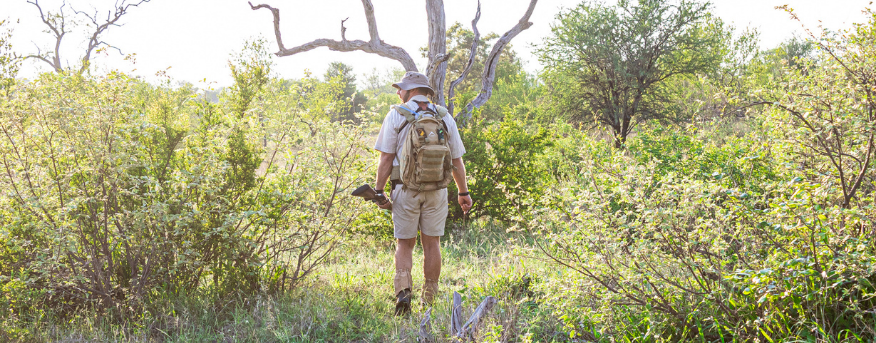
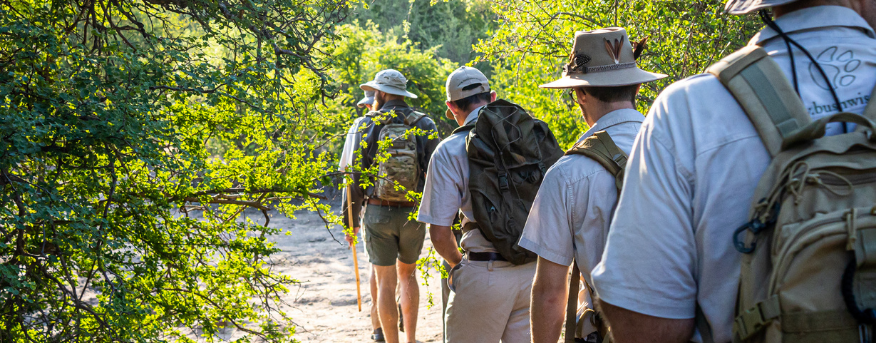
    From game drives to bush walks to shooting and tracking animals, we train safari guides at Bushwise to be ethical, safe and stand out from the crowd.

    Living and training in the bush has been the best and most rewarding career choice I have made and there has not been a single day that I regret any of it. Training students in the African bush is truly amazing. 

    For students from all over the globe experiencing the safari industry, practical bush training is a once in a lifetime experience – one you could experience by joining a Bushwise course.

    BY: Francois Theron, images by Louise Pavid

    #bushwise #fieldguide #safariguide #training #animals #apprenticefieldguide #safari #fieldguidetrainer #sightings #fieldguiding #endangeredspecies #gamedrive #elephant #fieldguidecourse #fieldguides
  • A 5,000-star safari camping experience

    Sleepout on a Bushwise course, a rustic safari camping experience, is something you’ll remember your whole life. Trainer Darryn Murray shares what it’s like to sleep in the bush under the African stars.

    Have you ever stayed in a 5-star rated lodge or hotel? Some may have even been fortunate enough to stay in the more recently crowned 6- or 7-star rated hotels around the world. While those are great places to stay I’m sure, they have nothing on spending a night sleeping under the stars of the African sky!

    image

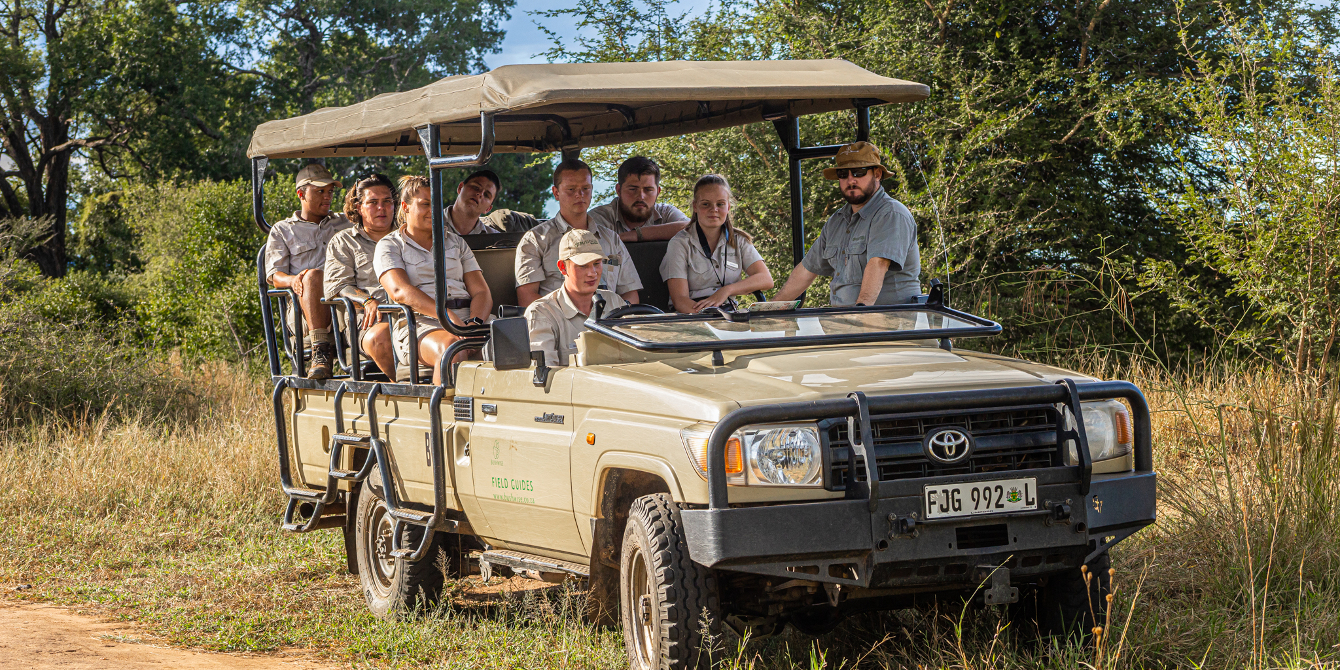
    At 3pm, the game viewers are packed and ready to go, the students board with the bare essentials for a night sleeping in the African bush under a blanket of stars.

    A sleep out in the African bush is a highlight for all involved, the students and trainers alike leave behind the comfort of their beds, rooms with ablutions and WiFi.

    image

    Everyone packs one bag to take with them, including a sleeping bag, pillow, torch and a few basic luxuries – these could include a safari camping chair if you have one. We take food, water, a kettle to boil water for the all important sunrise cup of coffee, and firewood with us for our adventurous night under the stars.

    Once a suitable area has been found for the night, the game viewing vehicles are parked strategically to be used as lookout points later on in the evening – more on this in a moment. An area within the game vehicles is designated as a sleeping area, where everyone is responsible for setting up their own sleeping arrangements. A kitchen area is set up nearby where the fire will be. 

    image

    Once all of the setup has been done, a roster for “security duty” has to be drawn up, the students group themselves into threes for an hour at a time, each sitting on the strategically placed game viewing vehicles that we mentioned earlier. They are armed with a powerful torch and it is their responsibility to watch out for any animals that would potentially like to join the group for dinner – or the leftovers in the early hours of the morning, before handing over to the next group at the end of their shift. This gives everyone a fair opportunity to sleep and be on security detail for the evening.

    image

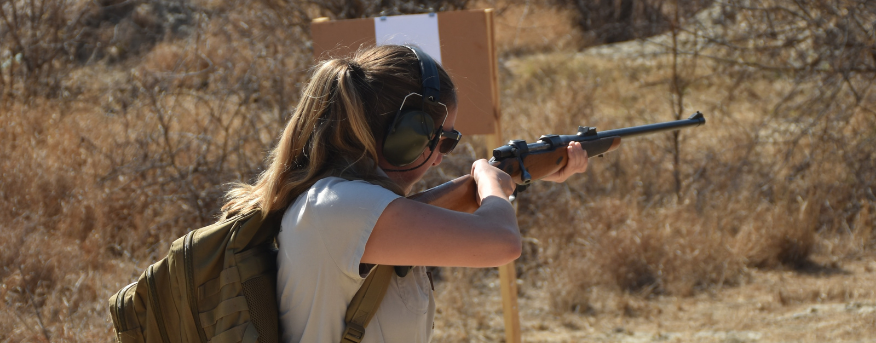
    A trainer is on hand just next to each vehicle armed with his rifle. This is important, as should any dangerous animals approach the group throughout the night, the trainers are there to protect the group. Carrying a rifle is an essential part of being a field guide on foot – more on this in our discussion of advanced rifle handling

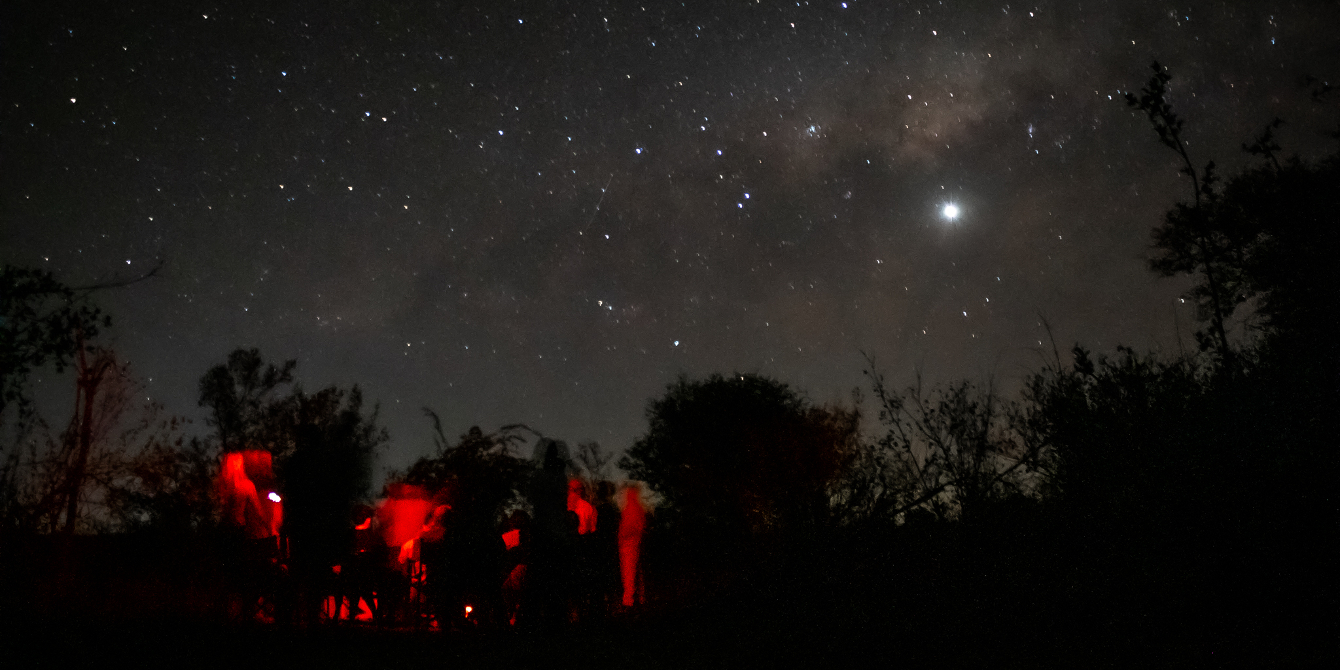
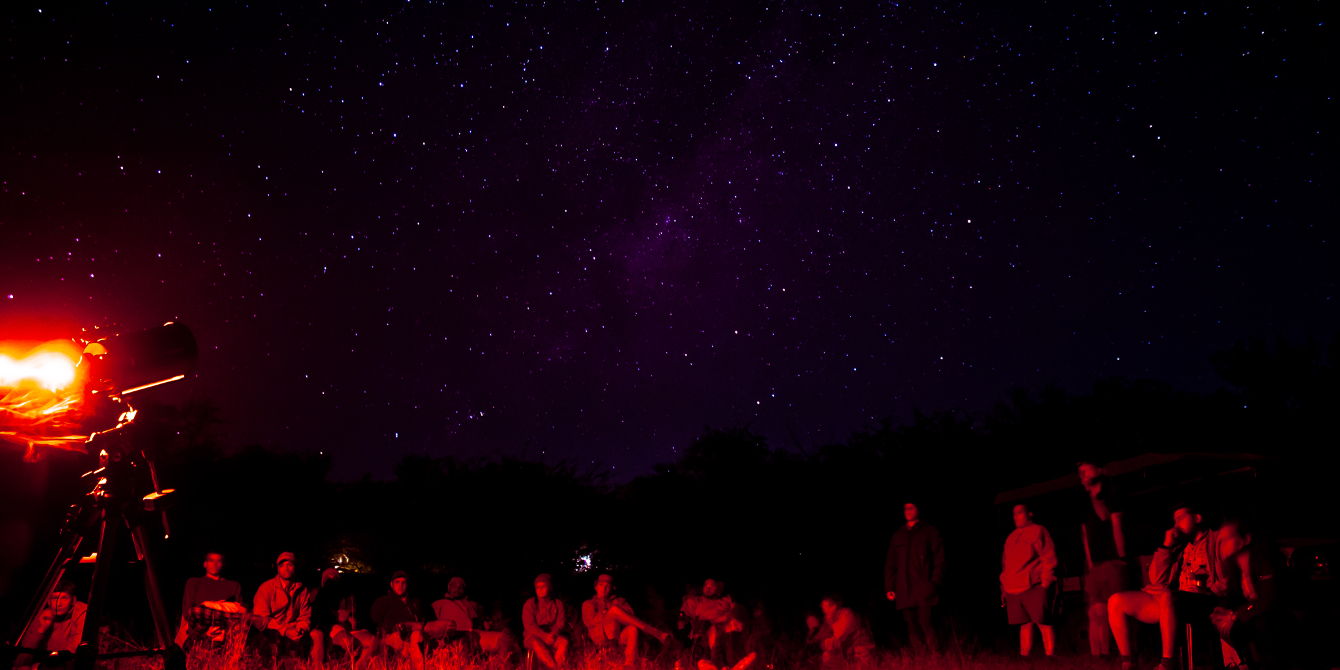
    But back to our safari camping experience. As the light fades everyone sits together like a scene from a movie around the fire. We watch the sun set and minute by minute more stars appear in the sky, inevitably there is a trainer with a laser pointer on hand to show the students some of the prominent stars, constellations and planets in the southern skies, we can see thousands of stars with the naked eye – making this the best star rated sleep you will ever have.

    image

    As it gets closer to the start of “security duty” and bed time, students start telling stories around the fire of past experiences, jokes and always a good scary story or two just before everyone retires for the night.

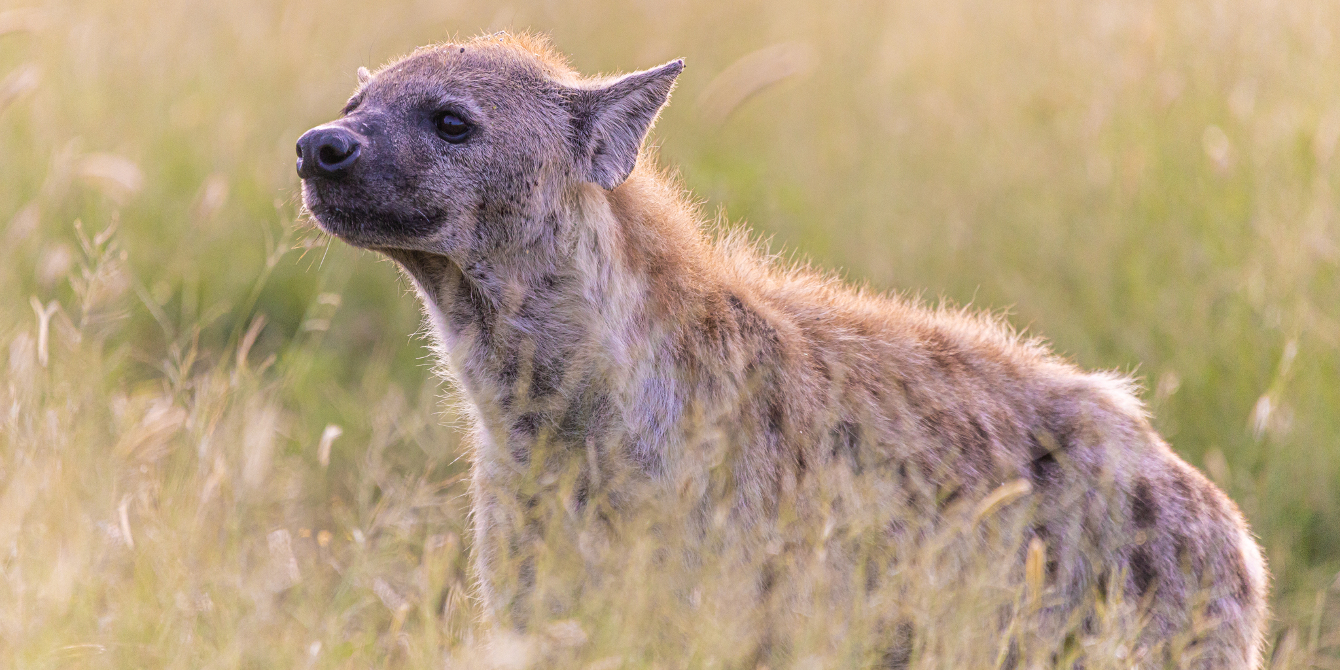
    In the case of an eventless night, all involved get a decent night’s sleep – some decide to stay up all through the night and watch the fire, listen to the sounds of the bush, keep each other company or provide coffee before and after their friends’ security watch. If an animal gets a little too close to the group, the trainers are always around for protection. Usually after a hyena has come wandering towards the group, regardless of the hour, everyone is awake and huddled around the fire.

    image

    As we sit listening to the crackling of the fire, the sun rises, some well rested, some rather tired students get up to get themselves and others the sunrise coffee before we start packing up. 

    By 7am the packing up and cleanup is in full swing, the area has to be left the way we found it the day before, all the equipment, leftover food, students and trainers are all piled back onto the vehicles and returned safely to camp. Unpacking of the vehicles back at base usually happens at lightning speed, the students then all disappear to their beds to get in a few more hours of sleep before lunch.

    image

    A safari camping night, or sleep out, is all part of our IFGA Safari Guide course. Apply today and spend many nights under the stars in the African bushveld.

    #AdvancedRifleHandling #Birding #bushwise #stars #qualification #safariguide #sleepout #training #guidejobs #animals #astronomy #apprenticefieldguide #hyena #safari #sightings #endangeredspecies #Assessments #guiding #studying

  • Tips and tricks from a Bushwise student

    As we begin the next Bushwise IFGA Safari Guide course, alumnus Gareth Jones has some words of wisdom as a Bushwise student. Let’s hear his tips and tricks to make the most of your time at Bushwise.

    BY Gareth Jones

    Like students before me, I’m astounded by how quickly the time passes when you’re out in the sunny African bush. No single day is ever the same. At the end of the course, I thought it best to write up some key tips from a “pro” so that any future students can get the most out of their time here!

    image

    Tip 1: Relax, you’ll learn so much more than you thought you could

    Before becoming a Bushwise student, I’d never really gone out into the bush and my knowledge of wildlife consisted entirely of the usual suspects – lion, giraffe, elephant, zebra, and a few bits and pieces picked up via the odd David Attenborough documentary playing on the TV. 

    image

    If just six months ago you’d have asked me to identify birds by sight and sound, I don’t think I’d have gotten even a single right answer. At first the number of different species seemed incredibly daunting, yet within just a few months, I now feel confident to identify nearly all the usual suspects you’d see while out on a game drive. 

    Whilst out in the bush, you get more than enough time to prepare – and chances are you’ll pick things up pretty quickly just from being immersed in the environment around campus. However, I would recommend teaching yourself just one or two calls a night. This way you can fly through things and the slides and sounds exams will be a walk in the park.

    image

    Tip 2: Explore your surroundings

    Luckily for students, during the day we’re usually given some free time to do as we please. Whether splashing around in the pool, using the campus gym or taking a relaxed walk around the fenceline, you find yourself surrounded by copious amounts of wildlife whether it be botany, birds and, in extremely lucky situations, mammals! 

    From woodpeckers to the local elephant population, there will always be new sights and sounds to spot with each one providing a learning opportunity and the ability to grow as a guide.

    image

    Tip 3: Take notes

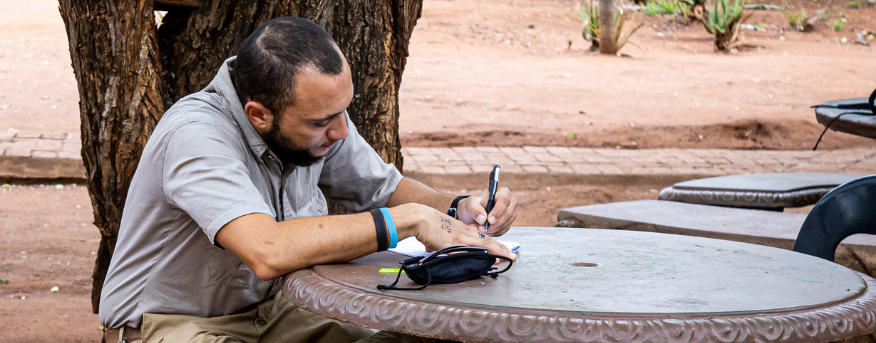
    The trainers here at Bushwise have many years of invaluable experience guiding out in the bush. This is why I’d think it’s key to take a small notepad out on drives and walks so you’re able to record any interesting tidbits! 

    As a Bushwise student, I’d recommend filling up your notepads with all these tidbits so that you can start to incorporate what you have learnt into your own drives. Whether for jotting down interesting facts you can pass onto guests or gleaming key tips from industry professionals, the notepad is my most valuable tool when out in the bush or around camp.

    image

    Tip 4: Enjoy the little things

    Whilst on campus, it’s easy to get the idea that your time here will go on forever, unfortunately you quickly realise this isn’t the case. Many students here on campus have taken to writing a small diary or taking a few pictures every day. Despite feeling like a lifetime, your time here will feel indescribably small so make sure you make the most of it! 

    Fortunately for those students studying at the Southern African Wildlife College, the Kruger National Park is only a short 10 minute drive making for an amazing weekend destination for all those who want to explore, year long passes are available for purchase to all those who enter the Kruger national park with them paying for themselves after only a few visits.

    image

    So relax, take notes, explore and most importantly enjoy yourselves! For anyone who wants to go the extra mile there are plenty of extra courses in the nearby area such as venomous snake handling – including Mozambique Spitting Cobras and Black Mambas – and a trailing course for anyone that wants to follow in Colin Patrick’s – a globally renowned tracker that we were fortunate enough to be trained by – footprints after catching the tracking bug.

    As our new course begins at Bushwise, we are already preparing for our January 2023 intake. Apply today to jump-start your field guiding career!

    #bushwise #fieldguide #qualification #safariguide #training #apprenticefieldguide #safari #fieldguiding #Assessments #gamedrive #guiding #fieldguidecourse #studying

  • Lions and hyenas and wild dogs – oh my!

    BY: Amelia Buckley

    Camp manager blogs are written by our current students who each get a chance to lead and manage a group of their fellow students for a period of one week.

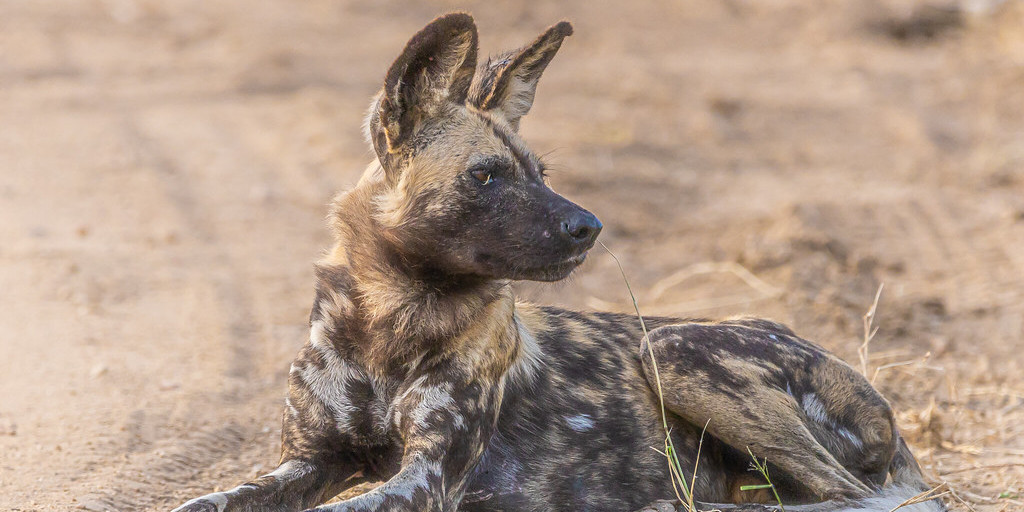
    This week with Bushwise we were treated to an unbelievable sighting in the Greater Kruger – an interaction between three of Africa’s apex predators: a pack of wild dogs, a clan of spotted hyenas, and a pride of lions.

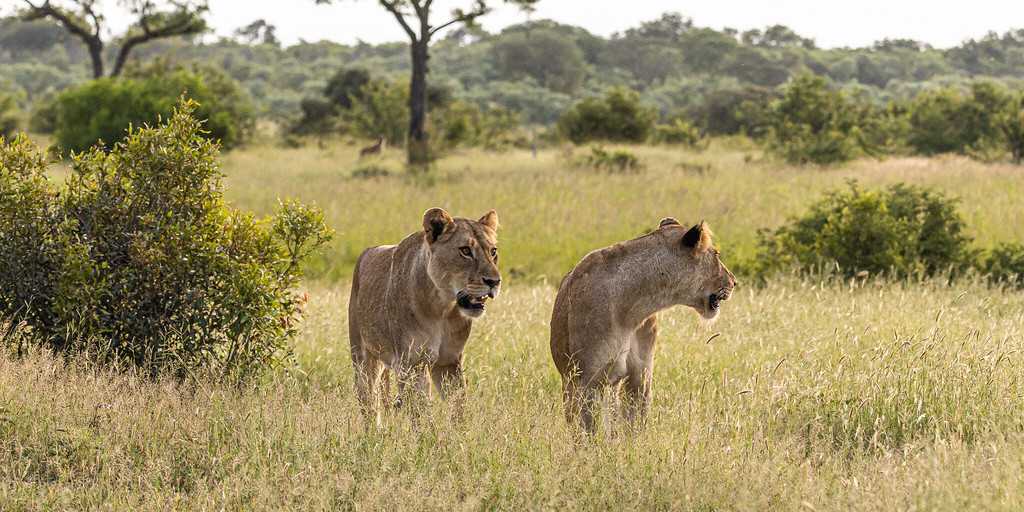
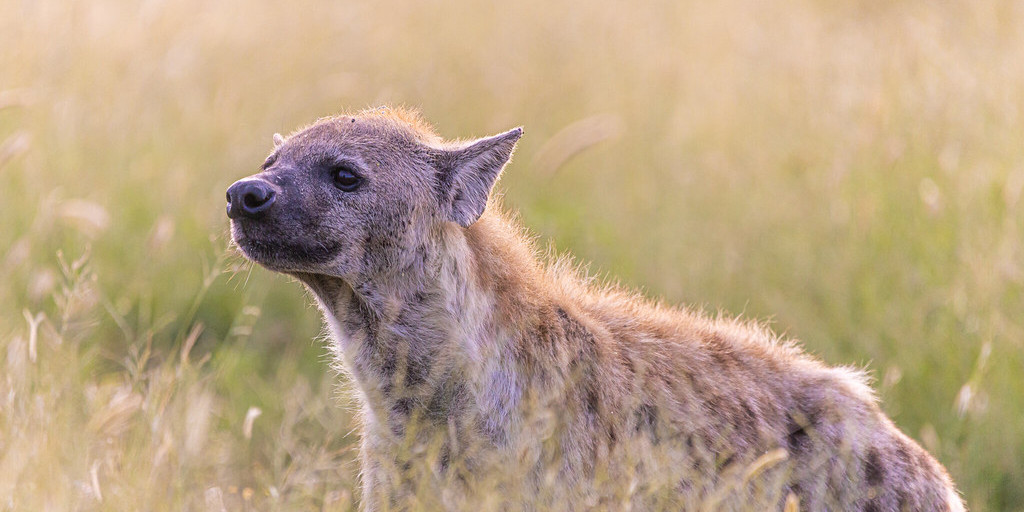
    Towards the end of a typical afternoon game drive we were heading back to campus when we suddenly spotted the heads of two lionesses on the move, with a spotted hyena trotting nearby. We were all super excited, as having hyenas near a pride of lions was bound to be interesting.

    image

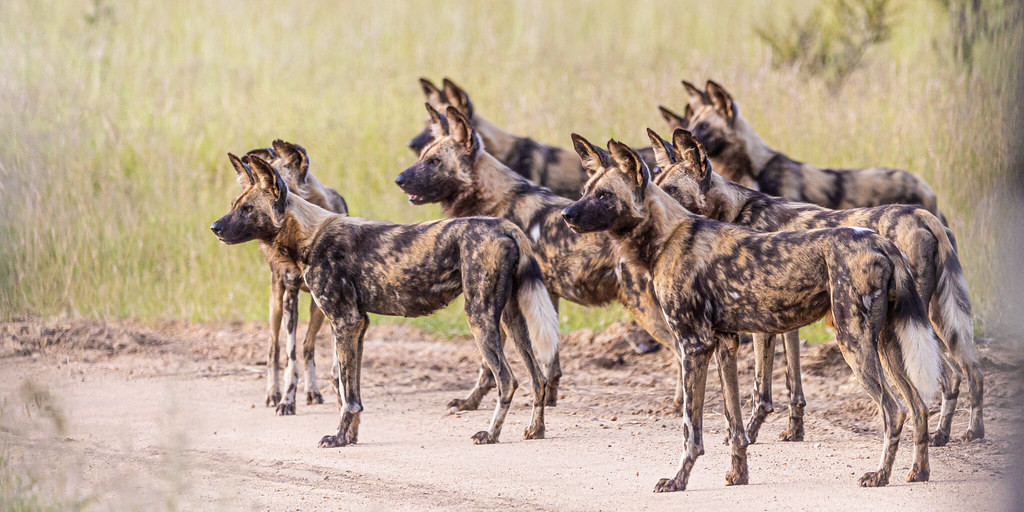
    We continued down the road, aiming to get a better view from around the corner. But when we turned the corner we came to an abrupt halt. There on the road in front of us were not the lions we expected – but a pack of wild dogs relaxing on the road! We couldn’t believe it. Wild dogs are one of the rarest and most endangered carnivores in Africa and are famously difficult to spot. And yet, there in front of us was a pack of 17.

    We pulled up to the left of the wild dogs, giving them plenty of space, and sat and watched them. We were all speechless with excitement, not quite believing our eyes. Suddenly one of the dogs stood up and the rest followed, and they started to walk down the road towards us. Holding our breath, we sat still in the car as the whole pack passed by – just a few metres from the car. After they disappeared around the corner we turned the vehicle around and followed them.

    image

    When we found them again they had stopped walking and were looking out over the bush. We then realised that coming down the road behind us was one of the hyenas we spotted earlier. As it got closer, one of the wild dogs broke off from the pack and ran towards it. In response, the hyena immediately turned around and ran back into the bush, clearly not wanting to pick a flight with the pack.

    A few moments later we hear the hyena reacting to loud growling coming from the lions we had seen earlier. We realised the clueless hyena must have run straight into the pride of lions and been told off for coming too close!

    We stayed with the wild dogs for a bit longer and they seemed to be settling down again. We then decided to head back towards the lions to see if we could see what had happened between them and the hyenas. As we rounded the corner, we spotted one of the lionesses standing on the road.

    image

    We parked alongside the road and silently watched as the rest of the pride came out from the grass to join the lioness. The whole pride then proceeded to walk down the road towards us.

    I have never been so close to a lion – obviously from the safety of our vehicle and maintaining a respectful distance. It is an incredible feeling to be so close to an apex predator. A lion is bigger than you would imagine and they have a very memorable smell! The pride walked past, close to the game viewer. As they walked they turned their heads towards us and it felt like they were staring right into our eyes.

    They continued around the corner behind us and we quickly turned the car around. We knew the lions were heading towards the pack of wild dogs and would be coming up to them in a matter of seconds.

    image

    The pack of wild dogs suddenly jumped out of the grass onto the road. They were on high alert looking around – they knew something was coming. Then, from down the road, the lioness leading the pride spotted them. She began to chase them (lions are much larger and will attack wild dogs) and the pack scattered in two directions, running off into the long grass and alarm calling. The lioness stopped and looked back at her pride, who came trotting up to her. All the while the hyenas were calling out excitedly in the distance.

    As the sun began to set on another incredible day at Bushwise, the lions wandered off down the road and the bush quieted down. Already late for our dinner back at campus, we paused for a quick look at the beautiful sunset before heading back. All of us were in awe of what just happened – and too shocked to speak.

    image

    To see a pack of wild dogs is incredible in itself, but to see them first interact with a couple of stalking hyenas, and then hear a pride of lions scare off the hyenas before chasing the wild dogs (all in one sighting) was incredible – and an experience that I will remember forever.

    The relationship between these three apex predators is interesting. Hyenas are highly successful hunters, despite the common misconception that they only scavenge off others. All three species compete for similar resources – be it food or habitat. Lions killing wild dogs or hyenas is not uncommon. Wild dogs are the smallest and most endangered of the three species, making them the most at risk. To observe these predators interacting in real life, from so close a position, was one of the highlights of my time at Bushwise so far.

    Do you want to observe incredible predator interactions for yourself, like Amelia? Apply today and join the next cohort of Bushwise Field Guide students!

    #gameranger #fieldguide #lions #apprenticefieldguide #wilddogs #hyenas #gamedrive #fieldguidecourse

  • Transforming into a safari guide

    BY: Sanette Jonker

    One of our Bushwise IFGA Safari Guide course students looks back on her experience and discusses the lessons that she will take forward in her new career.

    There were two weeks left for us on campus, a place that had become home.

    As the first good rains fell in the Lowveld and the bush changed, I couldn’t help but think of our journey and how we too were transformed – we had blossomed as the trees had blossomed and filled with knowledge as the dams had filled with water.

    image

    In mid-December, we had the ultimate test of what we had learnt at Bushwise: our theory exams and practical evaluations. Our trainers’ hours and hours of pouring out knowledge, and students’ hours and hours of absorbing it, had finally arrived.

    It was the week of Final practical drives, proving that we were worth the badge and had the knowledge to be field guides.

    By the time the practical drives came, we had all written our Bushwise exams and had just a few practical evaluations remaining.

    You could feel the tension in camp-like pressure mounting before a thunderstorm. 

    Students were frantically deciding on routes, washing vehicles late in the evening and early mornings, preparing snacks and ensuring we remembered everything we were taught over the course.

    image

    We all love nature, that is why we chose to do the Bushwise IFGA Safari Guide Course. But there is so much more to guiding than driving a vehicle and finding animals. You have to remember that everything you do has a consequence. 

    One of the first things we must consider and be aware of when we are in the bush is safety and respect. Safety and respect for ourselves, our peers, our guests and mother nature. 

    It is a great honour and responsibility to be able to guide in a Big 5 area, and this comes with rigorous training and evaluations.

    For example, when we were trained in Advanced Rifle Handling and Viewing Potentially Dangerous Animals (ARH and VPDA), we learnt the importance of animal comfort zones. We were also taught the basics of animal behaviour to better understand when it is safe and ethical to approach a sighting without altering the animal’s behaviour. It is equally important to know when to leave the animal alone. 

    image

    Safety – for both you and the animal – is paramount. 

    This was instilled in us, as well as the respect for the animals’ space and comfort. You cannot conduct either ARH or VPDA if you do not practice safety and respect. That is why so much of our training focused on learning more about wild animal behaviour, how to avoid getting yourself into an unfavourable situation and how to safely extract yourself from such situations.

    Honestly, the course and this journey was a ride and a half! I truly believe that each one of us now calls the bushveld home.

    Is home a place? In my mind it is a feeling!

    As we go forth into the field guiding industry, I hope we continue to learn and thrive in this place we love.

    Do you want to feel at home in the South African bush like Sanette? Apply today to jump start your field guiding career.

  • Wander the wild: bushwalk

    BY: Louise Pavid

    The images in this article were taken pre-COVID-19.

    image

    Being on foot in the wild touches a primal, ancestral and seemingly forgotten part of our human genetics. In today’s modern, fast-paced and instantly gratified lifestyle, it’s easy to neglect the places we come from. It’s easy for us to say that we invade the animals’ home when on safari, but conveniently deny that Homo sapiens were born in the wild too.

    image

    The totally immersed and connected spirit between modern human and pristine wilderness becomes almost overwhelming in the vulnerability of on-foot wanders with nothing but the clothes on your back and a litre of water. This connection not only humbles you, but sharpens your senses, opens your mind and invigorates your body.

    image

    The light touch of humid air, the warm embrace of sunny skies, and the niggling scratches of sticks and thickets are nature’s touch. Resounding bird calls, the crunch of soil under your feet and the breaking branches of surrounding trees add audible clarity and quieten down busy minds. Shifting movements, flashing colours and cascading landscapes sharpen your vision and bring attention to easily unnoticed details in the wild.

    image

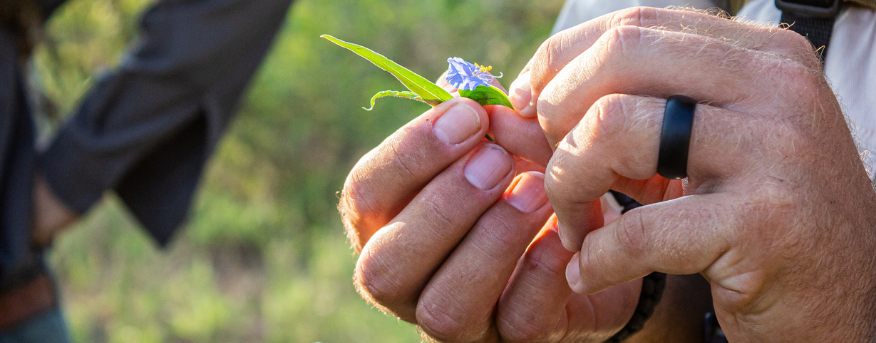
    The gifts of nature spill from a myriad of natural wonders. Blue commelina flowers not only delight our eyes, but provide relief from irritation. The clear and healing liquid produced by the flower has been used for centuries as nature’s eye drops. Before pharmaceuticals, there was only the wilderness and all its secrets laid bare for us to discover.

    image

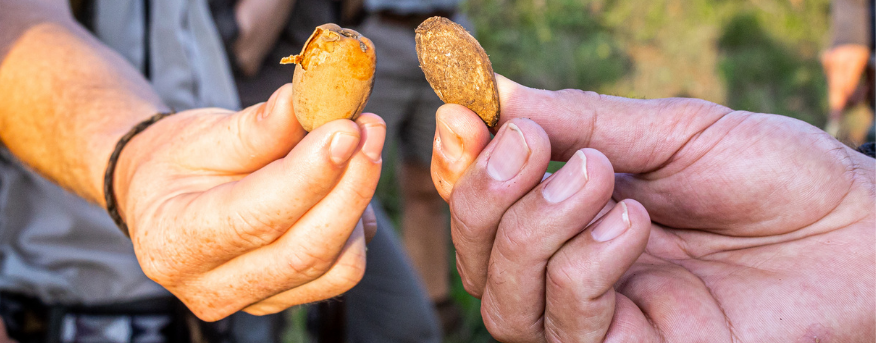
    The wild provides resources in ways that aren’t always obvious. Torchwood seeds are what sparked the iconic tree’s name. The oil contained within them burns long and slow. The flames bring with them safety, warmth and light, which are necessary for a night out in the wild.

    image

    Discovering the undiscovered is made possible only when you can take a closer look at what’s happening underfoot. Mushrooms flourish in hidden spaces, connected by a vast subterranean network called the mycorrhizal. Mycelium are the tendrilous threads of this network that reach out underground. This network is similar to the complex neural network of animals, and is the Earth’s nervous system that all plant life depends on for survival.

  • It’s the small things that bring the wild to life

    BY: Louise Pavid

    image

    Chasing the big five is always the number one priority for most bushveld newcomers. The thrill of spotting a leopard or having an elephant stand within metres of you is prized above all else. Yet, it’s often the case that the smaller things are what makes an experience in the wild most memorable.

    image

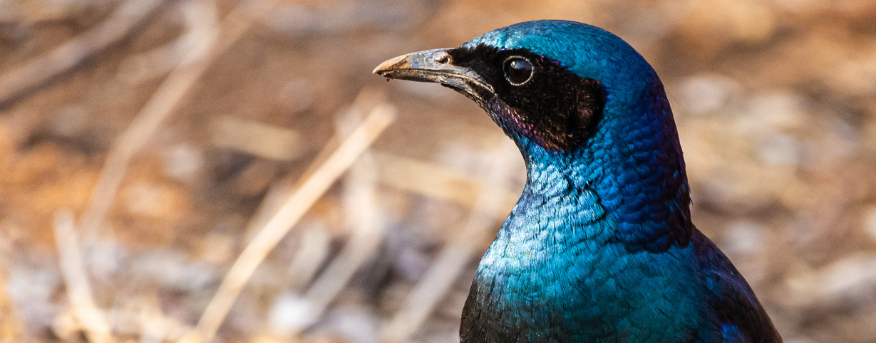
    There is staggering beauty and intricacy in the wild that is often overlooked in the pursuit of more iconic mammals. The iridescence of a Burchell’s starling’s feathers as they gleam in the light, brought on, not by pigment, but by layers of protein keratin stacked together in such a way that it delivers a sort of optical illusion that surpasses any human imagination and enters the realm of nature’s ingenious patterns and designs.

    image

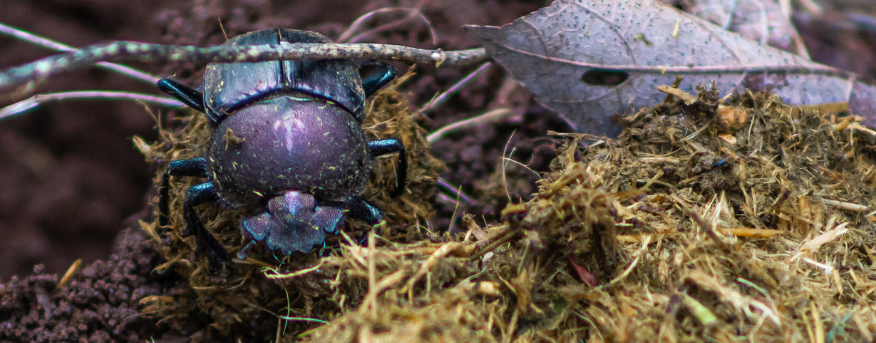
    Iconic insects inhabit their own ecological niches, playing vital roles in the maintenance of healthy, natural landscapes and delighting us in their behaviour. Rolling balls of fresh dung, fastidiously built and moved by dung beetles, not only provide an essential cleaning service, but also keep the constant rotation of Earth’s nutrient cycle.

    image

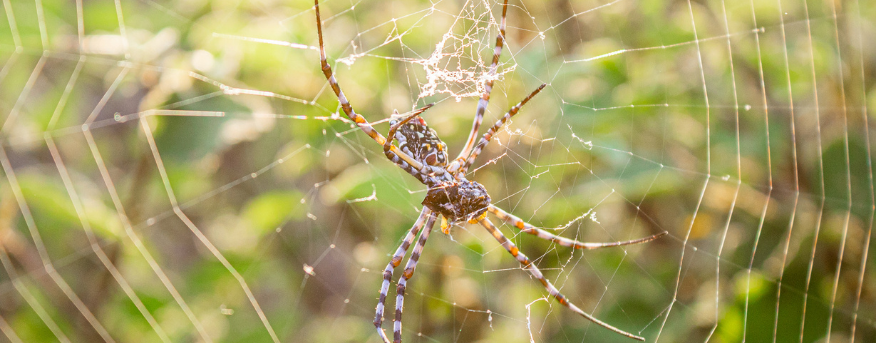
    An eight-legged beauty cast in a vast matrix of silken scaffolds. Garden orb-web spiders are intricately decorated with red, yellow and black as a warning of toxicity. Beauty in the wild is not meaningless. Her markings caution against eating her – it will be regretful! Despite her colourful warnings, her bite is not dangerous to humans.

    image

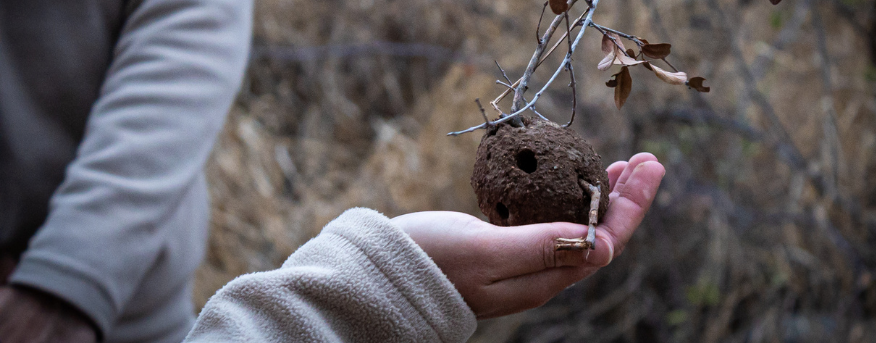
    Animal architecture is not driven by learning, but rather instinct. Potter wasps are ancestrally and genetically hard-wired to build perfect spheres out of mud to house offspring they will never meet. Precise, calculated construction provides safety for larvae. And paralysed caterpillars are built into this muddy tomb to serve as live, fresh feeding until the new wasp breaks free, ready to repeat the cycle.

    image

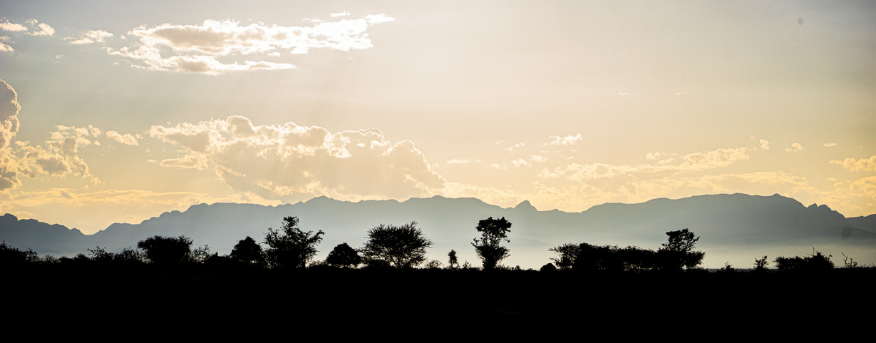
    It’s one thing to appreciate the smaller things, but it would be a mistake to neglect the venue that plays host to all things wild. The landscape of South Africa’s Lowveld is veiled in verdant beauty and defended by the buttresses of the Drakensberg mountains. The sheer scale of the landscape in its entirety boggles the mind and defies the capacity of what can be imagined. You don’t need a pride of lions to be captivated and awe-inspired –, all you need to do is look around.

  • A Bushwise trainer’s note to graduating students

    Some images in this article were taken pre-COVID-19.

    BY: Francois Theron

    This blog was written by Francois, one of our trainers. Here, Francois shares his advice to the students as they near the end of their Bushwise course.

    As the end of the course approaches, with assessments and theory examinations now behind, the students can start to breathe a little easier. I think that many, if not all, of the students will agree with me when I say that there’s tremendously hard work involved in becoming a field guide! 

    image

    Besides the theory component, students also have to learn practical skills like identifying birds by their calls and animals by their tracks. The list of a field guide’s duties goes on, but after spending more than a decade in the industry, what really makes the work so rewarding for me is how many things there are to still learn about here in the bush.

    Looking back to nearly sixteen years ago when I was in the same shoes as our current students, completing examinations, assessments, walking hours, tracking and going on so many other adventures I was fortunate enough to experience, I can’t help to feel envious. 

    image

    When I first became a field guide, the uncertainty and lack of confidence I felt was overwhelming. But, with the right mentorship and training, that soon became something of the past, and I hope the Bushwise students feel the same support from us.

    From the very start of the course, the students and staff clicked and developed a great relationship. Evenings spent braaing (barbecuing) around enormous fires, unforgettable sightings and plenty of laughter around camp truly made this course stand out and I want to thank each student for an unforgettable experience. 

    It took a lot of effort throughout the course to get to where they are now. From all the lectures, botany walks, game drives and classroom sessions, the students have finally entered the final stage of becoming apprentice field guides. And, this is only the beginning of a long and prosperous career with more opportunities to learn and further themselves in the industry. 

    image

    Whether it’s becoming qualified trails guides or bird specialists, the possibilities from here are endless for those willing to continue to put in the hard work to become epic guides and enjoy life in the bush.
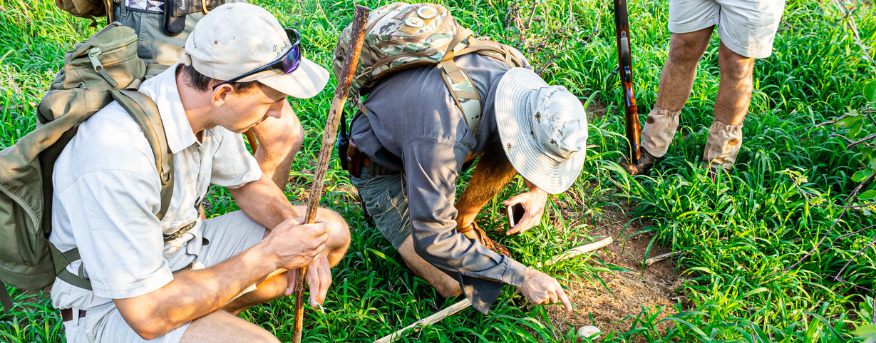
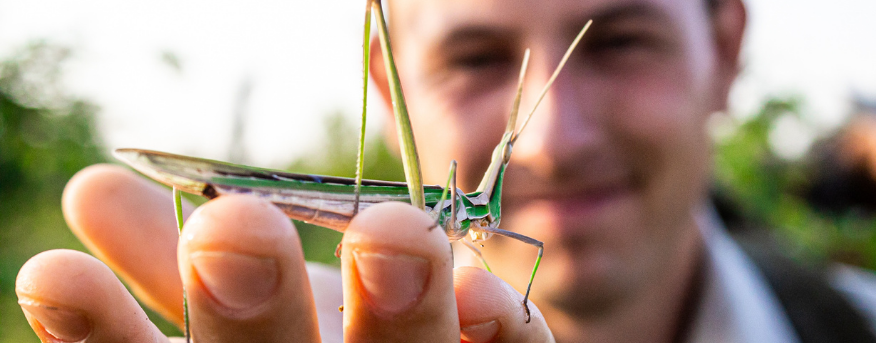
    No matter where you end up in the industry, it’s important to always bear in mind that as a field guide, you will end up meeting people from all over the world and it’ll be in your hands to educate them about wildlife. Field guides are wildlife ambassadors and it’s our duty to protect wildlife ethically and do what’s best to preserve our natural heritage for those still to come.
    If guiding is your passion and you love nature, join a Bushwise course now.

  • Surrounded

    Photo by: Brendan Davis

    BY: Jack Hutchinson

    This blog was written by Jack, a graduate and trainer at Bushwise.

    Lately, I’ve been pushing myself to get more encounters and walking hours that I need to wrap up the requirements for the SKS DG trails guide qualifications. I only need  46 more encounters to reach the required 600! 

    It’ll be a huge weight off my shoulders, so I’ve made sure to manage my time carefully and do extra walks along the Mohlabetsi River (located in the Greater Kruger National Park) during the day. 

    image

    The Greenfire Game Lodge where we operate, doesn’t have any other water source besides the river. Here, you can spot elephant, rhino, and buffalo. During the past few dry months, there have only been a few points of surface water in the river, so the elephants would dig up the water underground. 
    On one of my recent walks, I parked my cruiser at the Mhisi Lodge and walked south along the embankment. I was pleasantly surprised by the amount of elephants that were roaming the area. I saw them everywhere! I even had to go off-track, away from the river, to move around them and continue my walk. 

    image

    Even though I’m trying to get more encounters, I only walked up to a certain place in the river –  a large water point. I was pleased to find a breeding herd of buffalo, and a herd of elephants sleeping in the shade. 

    I maintained a safe distance from the animals to avoid spooking them. I couldn’t walk on the western side of the river because of the lodge and the vast amounts of elephants. The eastern side was a little less busy, so I managed to move around the buffalo and elephants without disturbing them. 

    image

    Photo by: Carl Louis Steenkamp

    I found another group of elephants and rhinos, and decided to sit on a rocky outcrop and observe them. The wind wasn’t great, but I had a good and safe vantage point. From time to time, the elephants would raise their trunks, probably smelling my scent.  

    I was getting ready to walk back to the vehicle when I noticed the buffalo herd moving towards the rhinos and elephants. I’m not sure if it was my scent traveling down to them, but the animals moved pretty quickly up the embankment. 

    The area was surrounded by buffalo, elephants, and rhino, and there was nowhere for me to retreat without disturbing any of the animals. So, I sat there, got comfortable and enjoyed the view of the animals drinking, digging up the sand and interacting with each other. 

    image

    Baby elephants were playing in the mud and sand, young bull elephants were pushing each other around the river; the rhino males were charming the females with their squeaking; and the buffalo were bellowing and mooing. All of this happening about 50 metres below me!
    I sat up there for a good hour or so before everything started to calm down. The rhinos moved further west away from the river, and the elephants went on the eastern embankment to feed. This gave me an opportunity to leave the area quietly. 

    Become a field guide and be surrounded by nature and its creatures every day.