Category: Course updates

  • Bushwise and the SAWC welcome two new scholarship recipients from local communities

    In June 2022, Bushwise and the Southern African Wildlife College (the SAWC) welcomed the first group of scholarship recipients under our new collaboration. In January 2023, two new field guide candidates arrived on campus. Let’s hear their stories and how they realised this was the career they always wanted! 

    3 min read

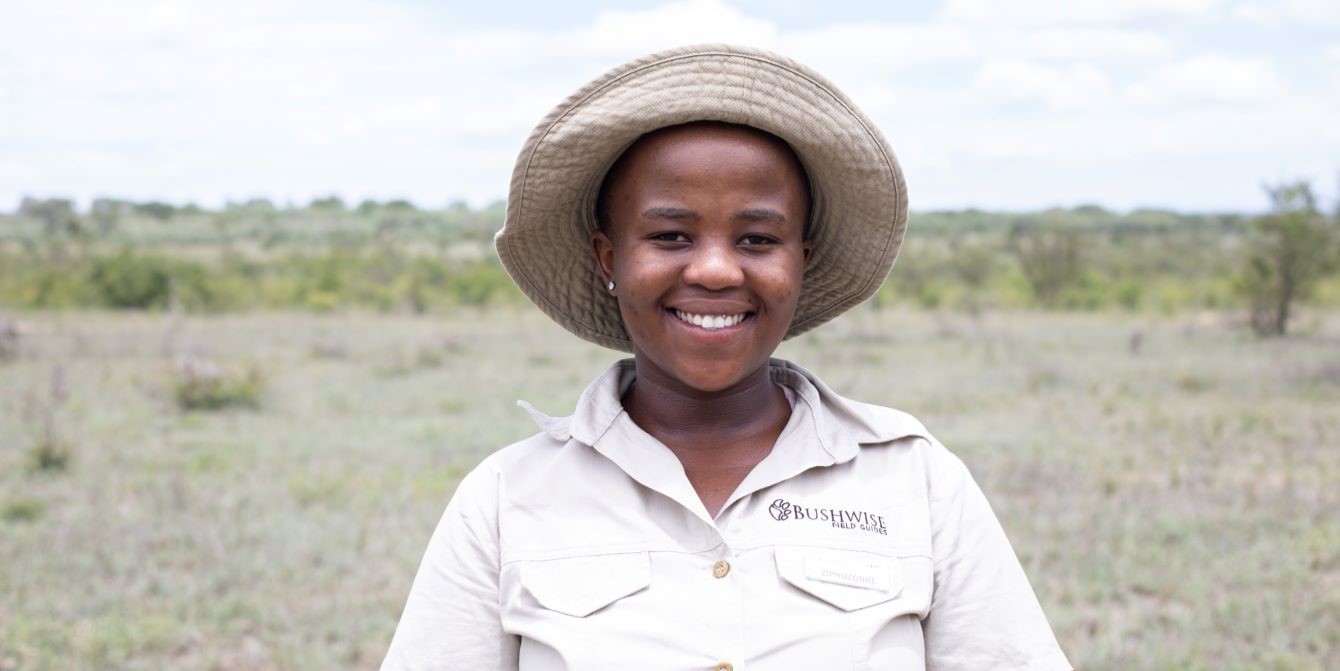
    Ziphozonke Zwane

    image

    Born in 1998, Ziphozonke comes from Ladysmith in KwaZulu Natal. Ziphozonke is passionate about wildlife and sees herself as a dedicated and hardworking individual. 

    “I am eager to learn all there is about wildlife and hope that this experience with Bushwise helps kickstart my career.  I believe that in life you have to start somewhere. I started with the Southern African Wildlife College where I completed a short course in Responsible Resource Use and was encouraged to find out more about their other course offerings. That led me to apply for the Bushwise training, and I hope this helps kickstart my career. I believe hard work and diligence pays off.”

    When asked why she wants to become a field guide, Ziphozonke said, “I wanted a place where I will be constantly learning new things everyday and be able to meet different kinds of people each day. I also love that field guiding can teach you about everything in nature. I’d rather be outside than indoors in some office!” 

    “I love the outdoors and am a keen hiker and jogger but also believe in giving back to the community and assisting and educating where I can.” She added, “Apart from becoming a guide, I would also like to engage in wildlife research if given the opportunity.”

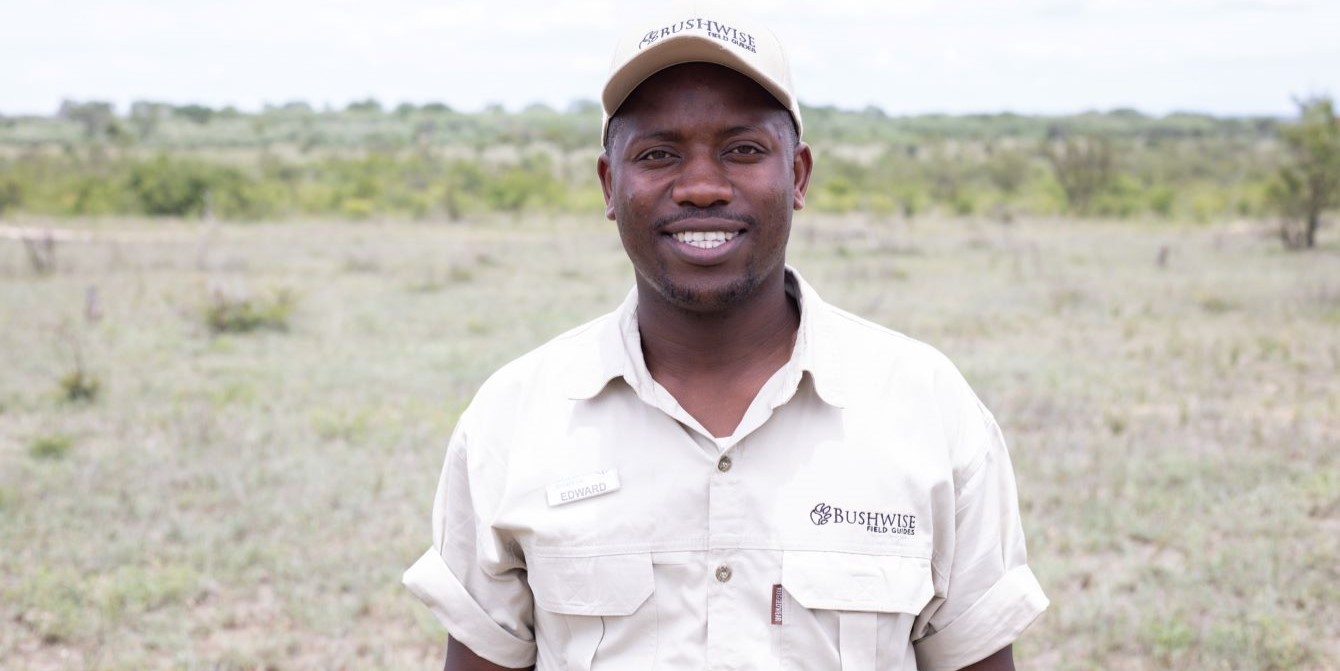
    Edward Papado Tivana

    image

    Edward is a 27-year-old male from Timbavati Village in Acornhoek. He finished his Grade 12 studies at Masingatana High School in 2014 and then went on to do a Diploma in Office Computing. He has been waiting a long time for an opportunity to study as a guide after working at Blyde Canyon Safaris, Mariepskop View and Sable Tours as a Driver.

    He says he is a hard worker having come from a family of 10 and being raised by his mother, a single parent, after his father passed away. Edward’s father worked in Kruger National Park, which is part of what inspires him to want a career in ecotourism and conservation. He wants to become a guide so that he can help change people’s perceptions so that they want to help protect our natural environment. 

    “If you can change one person’s thinking or inform them better, it means that you can actually change lots of people’s thinking or inform a lot more people about nature and wildlife. Guiding gives you this opportunity as everyone loves to share their experiences after having been on a game drive.”

    For so long now he has been hoping for an opportunity to study field guiding, and the opportunity finally arrived with Bushwise and the SAWC. “I love to tell stories so I think I will be a good guide sharing information about nature and the animals tourists see. I want to work my way up as a professional guide so that I can become a head guide. I also want to bring community members together so that I can tell them the importance of conserving our nature,” he added. 

    A bright future ahead of them

    image

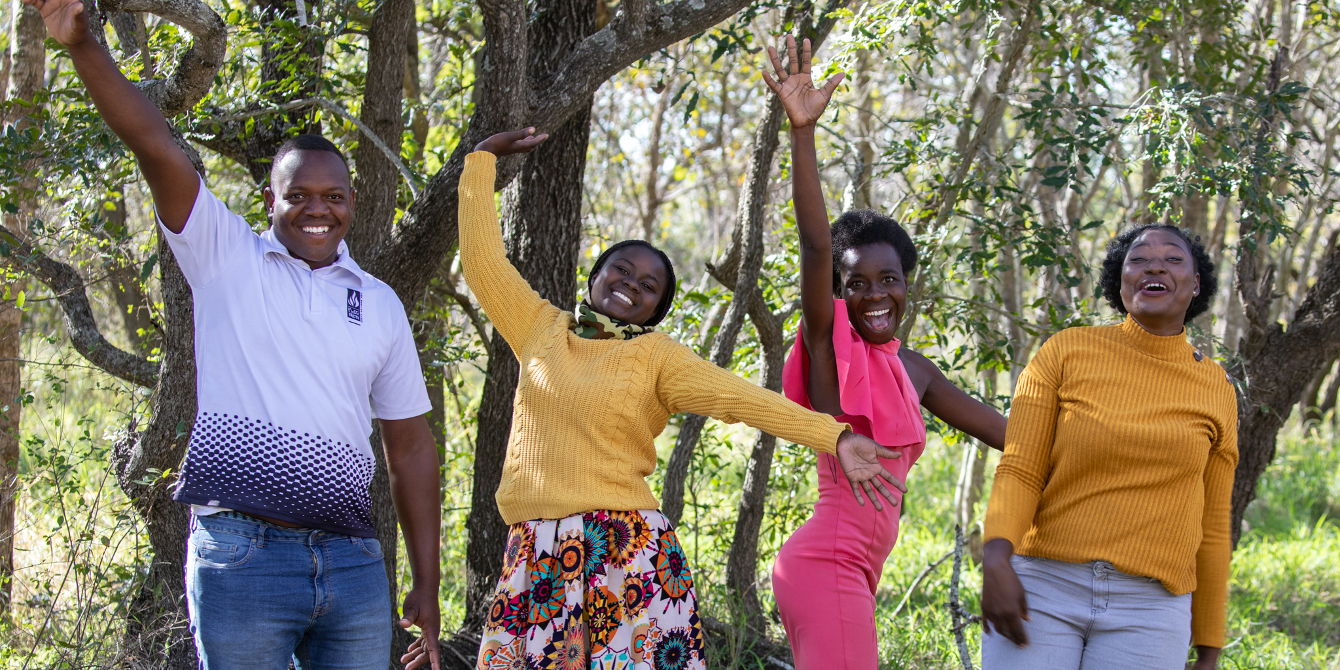
    We’re so proud to have Ziphozonke and Edward with us this year. They both have a strong drive to learn and make a difference in the world. Ziphozonke’s eagerness to learn and her passion for the outdoors, and Edward’s love of storytelling and desire to educate the community about nature, will certainly make them valuable additions to the field of wildlife conservation! 

    We look forward to following their journeys and seeing how their experiences with us shape their future careers. To keep up with Edward and Ziphozonke, follow us on Instagram, Facebook and LinkedIn.

    Thank you to the SAWC for the photos and quotes.

    #wildlife #AdvancedRifleHandling #gameranger #bushwise #fieldguide #qualification #safariguide #training #guidejobs #safari #fieldguidetrainer #fieldguiding #tracking #gamedrive #guiding #fieldguidecourse #studying #fieldguides

  • What I enjoy most about being a field guide trainer

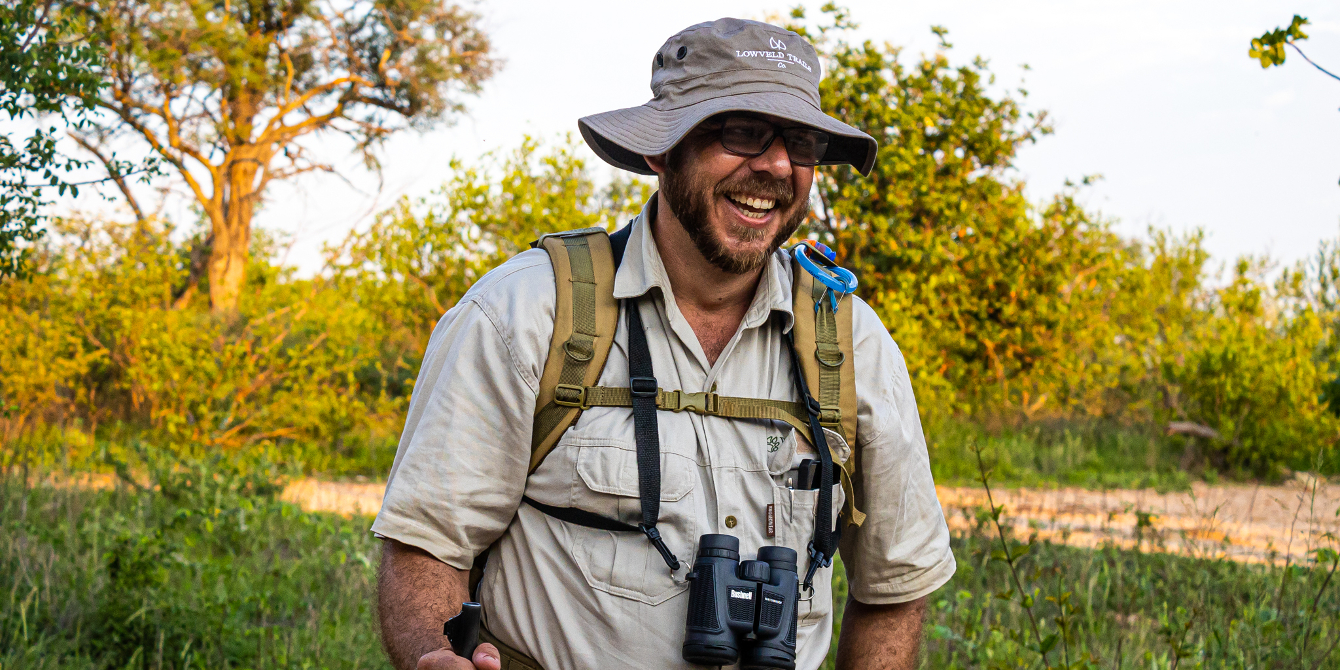
    What is it like to be a Bushwise trainer? In this blog Wayne Lubbe shares his experience with teaching and learning from aspiring field guides.

    3 min read

    We’re always learning

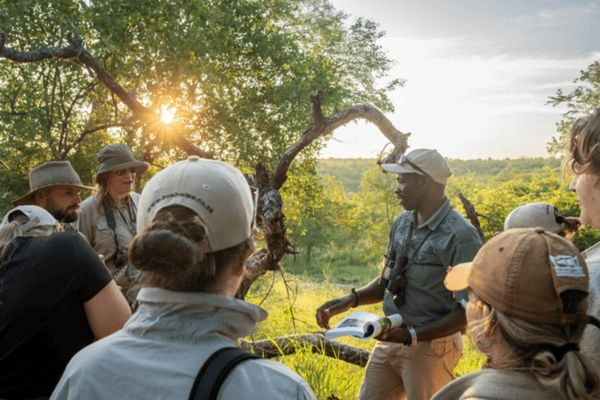
    There are many challenges that come with being in charge of future field guides’ training. One thing I find challenging, but also extremely satisfying, is that even we trainers will never know everything. The opportunity to constantly learn and experience new things in the bush is always a plus. It’s also important to teach young students to always be open and take in as much as they can within the time that they spend with Bushwise. 

    image

    For me, the most important thing is to teach upcoming field guides to be entertaining, informative and to create memorable nature experiences to their respective future guests that they will have the privilege of guiding around this beautiful country of ours.

    Interpreting the natural world

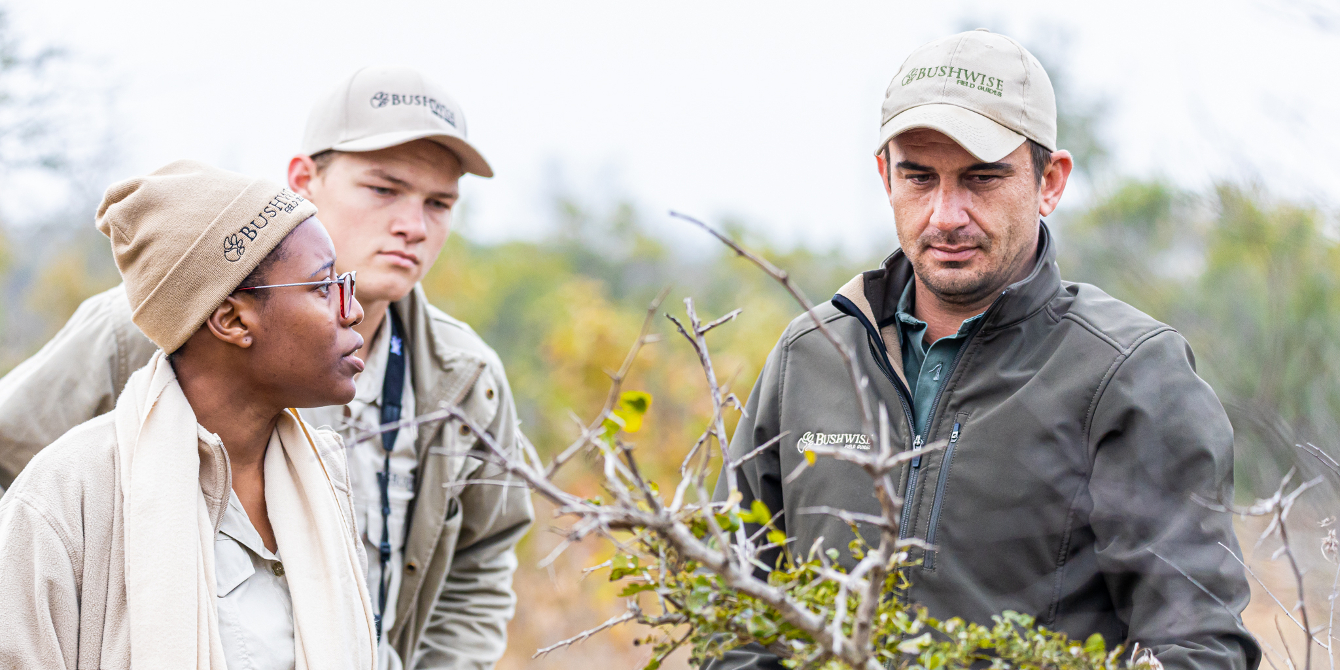
    The aims of nature guiding are to reveal and expose people to the natural heritage, history, folklore and the beauty of the country. Field guides need to create awareness of the complexities of the natural environment by sharing factual knowledge and meaningful interpretation of the events taking place around them. 

    For us as trainers, we are trying to be the best examples of what a good nature guide is and to share our passion, knowledge and above all respect for the environment and wildlife. As students become field guides they will have a responsibility towards their clients, but an equal if not greater responsibility towards the natural environment. 

    image

    With the methods and skills thatI have developed over the years in the industry I try to develop not only an understanding of each subject we cover, but to demonstrate the interdependence of all aspects within the ecosystem and how everything is essentially linked together. It is important that you as a guide supply an overall understanding of the “bigger picture”.  And if we can successfully help the students to create that experience, then I am utterly grateful.

    Teaching is a privilege

    When I see the growth of each student not only within this exciting field, but also within themselves then I am happy. I enjoy helping someone’s dream become a reality.

    Trainers have the privilege of being part of people’s journeys and sending out future custodians of nature into such a wonderful occupation. Being a teacher and trainer does not stop after a lecture or when the time is up in the classroom, the reality is that you are the older brother to some, the shoulder to cry on when things aren’t going great and the person to give advice when needed. 

    image

    The bonds you form with students become lifelong bonds of kinship. This is not just a job for me, but rather an investment in the future of an individual. I am proud to be a part of such a journey and I am proud to be a part of Bushwise that sets some of the highest standards in the field guiding industry.

    Learn from our world-class field guide trainers like Wayne when you join a Bushwise course. Apply today.

    #lodges #wildlife #AdvancedRifleHandling #gameranger #bushwise #fieldguide #safariguide #trailsguide #guidejobs #animals #safari #fieldguidetrainer #sightings #fieldguiding #endangeredspecies #gamedrive #guiding #fieldguides

  • The best way to become a field guide

    So you want to become a qualified field guide? Fantastic! This career is challenging, fascinating, and incredibly rewarding. In this article, we’ll help you understand how you can start a career as a field guide – also known as nature site guide or safari guide. Let’s start with IFGA, which is the cornerstone of Bushwise’s field guide training courses.

    What is IFGA?

    IFGA stands for the International Field Guide Association. IFGA defines professional standards for the world’s leading wildlife and safari guides. It was created by and for guides across the globe to establish stronger standards and higher expectations for qualified guides. Bushwise is the exclusive IFGA training provider in southern Africa.

    How can I become a qualified IFGA guide?

    Guides can become IFGA qualified in two ways:

    1. For new guide candidates, by earning their qualifications with an IFGA-certified training provider. For example by joining our 60-day Safari Guide course or our 6- and 12-month International Field Guide course.

    2. For existing guides, an IFGA-certified assessor can conduct an assessment onsite or at their training campus.

    Bushwise is the exclusive southern African IFGA-certified training provider, and our trainers are IGFA assessors. Our IFGA courses will allow you to become a CATHSSETA qualified nature site guide and offer the opportunity to work internationally as a guide.

    What is CATHSSETA?

    CATHSSETA stands for the Culture, Arts, Tourism, Hospitality and Sport, Sector Education Training Authority. This body governs professional qualifications in the mentioned industries, including in field guiding.

    Bushwise curriculum for field guide training is aligned with the IFGA standards and Bushwise is accredited with CATHSSETA. This combination means Bushwise offers the most internationally-applicable field guide training, which is also nationally recognised in South Africa.

    What is NDT?

    NDT is South Africa’s National Department of Tourism. CATHSSETA Nature Site Guide (NQF2) is the basic qualification which everyone needs in order to register with NDT as a legal guide. This is your entry-level qualification which will then allow you to apply for work as a nature guide.

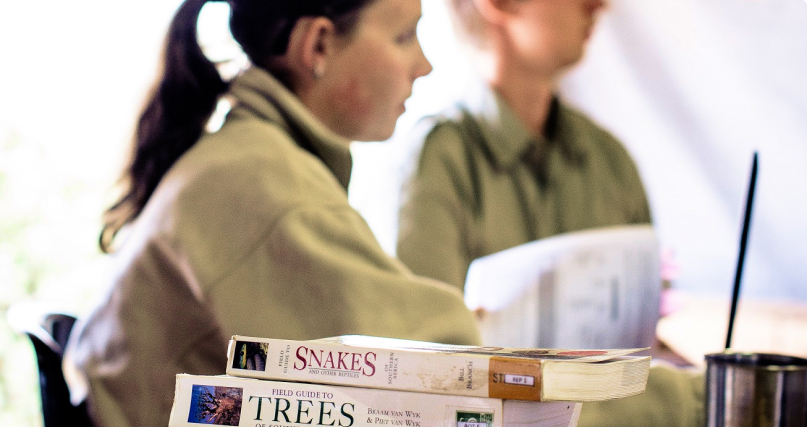
    These books will prepare you to be able to write the NQF2 theory. All the modules are covered by the one exam, each exam varies.

    1. Your pack will include a logbook and an information book about IFGA and the different IFGA qualifications.

    2. NQF2 study material which is a training manual consisting of many different modules (including taxonomy, insects, birds, grasses, trees etc.)

    3. A guiding skills manual on guiding etiquette and a workbook used together with the training manual to help you study.

    What is covered in the Bushwise field guide course?

    image

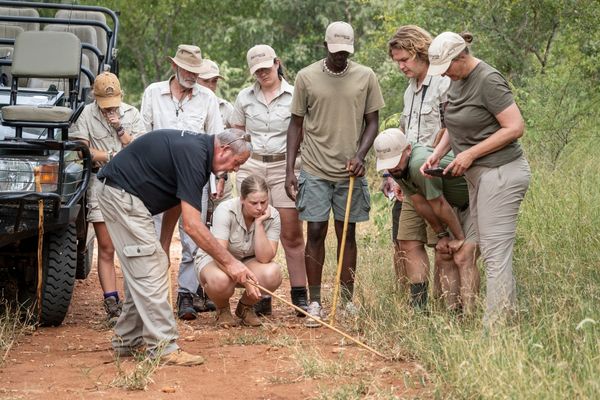
    Our in-person courses cover the following topic areas and more, in addition to significant time in the field getting practical experience. Topics include:

    Guiding and Hospitality

    To excel as a guide, you must master the subtleties of hospitality, guest hosting, experience planning, and tourism fundamentals. Acquire the soft skills necessary to offer your guests an exceptional experience.

    Flora and Fauna Identification

    From the smallest insect to the largest elephant, and from ferns to towering trees, discover what makes various species of flora (plants) and fauna (animals) distinctive. Develop a deep appreciation and understanding of biodiversity and the vital roles each species plays within an ecosystem.

    Animal Behavior

    Why does a lion roar? How do impalas communicate? What does it mean when an elephant flaps its ears? Ethology, the study of animal behavior, helps us comprehend the reasons behind animal actions. Enhance your storytelling skills by interpreting animal behaviors for your guests in real-time.

    Viewing Potentially Dangerous Game

    In our field, it is crucial to identify warning signals from potentially dangerous animals and know how to respond safely and appropriately to ensure the protection of your guests, the animals, and yourself. Training emphasizes respect and strong guiding ethics when dealing with dangerous game.

    Vehicle Skills & 4×4 Driving

    Vehicle-based game drives are a cornerstone of field guiding. We provide training on vehicle mechanics and safety, including proper 4×4 and off-road driving techniques. A manual license and driving experience are required. Participants over 21 must obtain their PrDP to transport guests.

    Advanced Rifle Handling

    Learn to handle a rifle safely and competently, with an emphasis on using it only as a last resort. Rifle handling is part of your training to become a trails guide and covers rifle and ammunition theory and practice. Successful participants will receive a SASSETA certificate.

    Track & Sign and Trailing

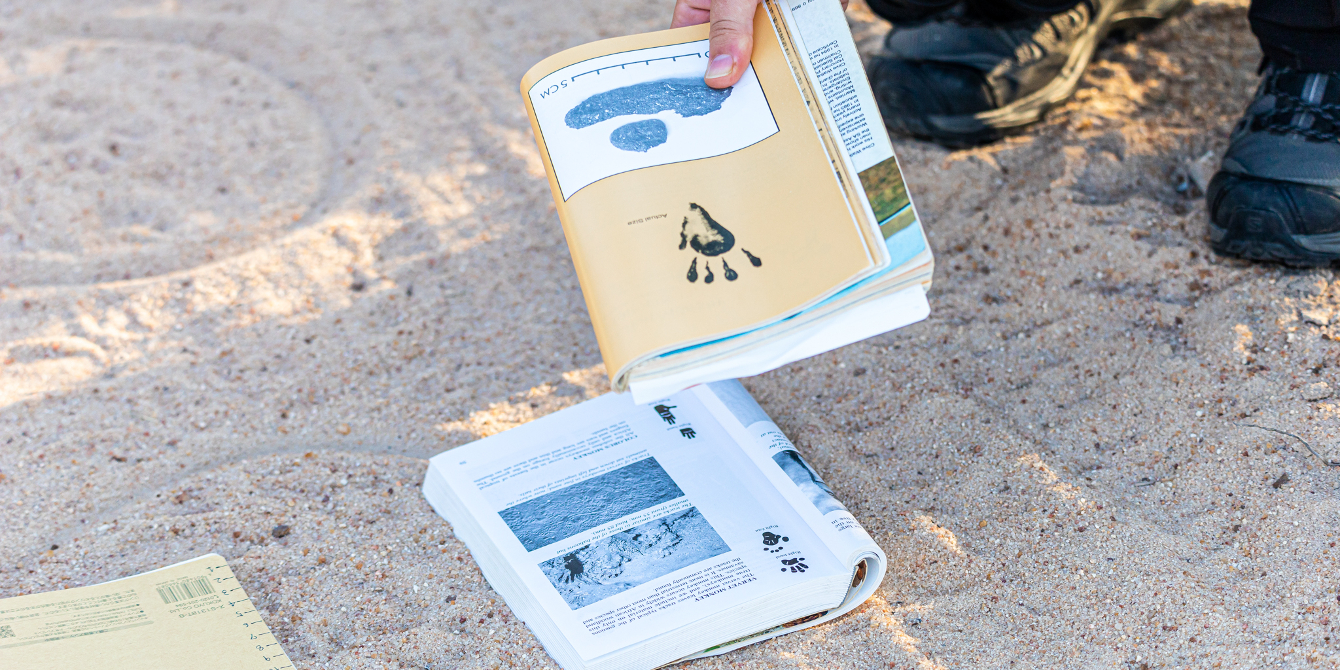
    Experience the thrill of interpreting the “bush newspaper” by examining animal tracks and understanding the stories they tell. Learn to identify various tracks and signs, follow animal footprints, and decode the messages left behind.

    Additional Modules

    Our curriculum aligns with IFGA, CATHSSETA, SASSETA, CyberTracker, and other institutions. Additional modules cover subjects such as wilderness first aid, reptile handling, survival and navigation, conservation management, habitat rehabilitation, and more.

    image

    In order to obtain any of the CATHSSETA qualifications (ie, Nature Site Guide NQF2), you will need to complete a written theory exam as well as then complete a practical assessment/exam.  You cannot obtain any CATHSSETA qualification without doing this. Both components are included in your Bushwise course.

    Practical Assessment:

    The practical assessment is NOT the same as practical work experience. You do not need to have any prior practical working experience in order to do the practical assessment. You will, however, need to have a broad knowledge of the area in which you are going to be conducting your practical assessment.

    Before being practically assessed/examined for any level:

    • You need to be affiliated with an accredited training provider like Bushwise.

    • You will need to have a valid first-aid certificate

    • You will need to have handed in your workbook to the assessor/training provider

    The assessment is only one day and it consists of taking the assessor on a guided nature experience, in a limited geographical area (either with or without paying clients). If you are not on a course with an accredited training provider, then your practical assessment/exam should be done either in the area you are currently working in or the area that you will be considering working in, as it is a site-specific assessment. Remember, our IFGA and CATHSSETA accredited assessors can assist with this assessment as well – learn more here. If you are not on a course with an endorsed training provider, you will need to contact the assessor directly to organise your assessment (Bushwise can also assist with this).

    #1 Option: Study in the bush!

    Your first option in obtaining your field guide qualification is to go on a course with a CATHSSETA accredited training provider (like us!). By attending a course you not only attend daily lectures to assist you for the theory exam, but you will also gain a lot of practical knowledge regarding all the different aspects of the bush, which will be beneficial for your practical exam, as well as providing you with some experience.

    You will also be trained by experienced staff with working backgrounds and knowledge on what is expected of a nature guide, working at a lodge, who will be taking paying guests on a guided experience within the bush. The Bushwise trainers combined have over 100 years of working experience.

    #2 Option: Joining an online field guiding course!

    If you don’t have time to join an in-person course, you can also consider beginning your training through an online program. Bushwise offers three online courses, the longest of which (at just 12 weeks) gives you the basis you need to pass the CATHSSETA NQF2 theory exam.

    Because real trainers (experts in their field) run the online courses, and there are other student from around the world with you, you’ll have fascinating interactions as you learn all about nature and wildlife. The flagship online course we offer is the Bushwise Field Guiding Online course. This is also included in your preparation for either of our in-person courses.

    Once qualified, what are your options? 

    Once you have completed both theory and practical you will qualify as a CATHSSETA Nature Site Guide (NQF2).  This entitles you to legally guide in the SITE in which you were declared competent to guide (i.e. where you did your practical). A site is a game reserve, national park, or nature reserve for example.  As a site guide, you cannot conduct a guided experience throughout a province or over the entire country.   You are restricted to the sites in which you have been declared competent to guide in.   

    CATHSSETA and Bushwise will provide you with your certificate and a letter which will enable you to register with NDT (National Dept. of Tourism). This is who you must be registered with in order to guide legally.

    Bushwise is accredited with CATHSSETA (culture, arts, tourism, hospitality and sports sector education and training authority). Once you are fully qualified, we will load your achievements onto the CATHSSETA database. Once we have done this, it can take anytime from 3 – 6 months before certification from them, and this is also dependent upon if we have received all the required documentation from you (certified ID/passport and highest education).

    What else is required once I have my qualification in order to work as a Field Guide?

    You will need a valid Level 1 First Aid certificate. This covers basics such as shock treatment, CPR, basic sprains, burns, wounds, bleeding and bandaging etc.) is needed before any CATHSSETA certificates will be issued.  You do not need to have this prior to joining, but you will need to get it either during study or once study is completed before you will be issued with your certificate.

    Some training providers include this in their course, the first aid training provider must be registered with the Department of Labour. You will also not be able to register with NDT without a valid first aid certificate and the international first aid is not accepted by NDT.

    image

     Bushwise has built a reputation as a leading training provider in the safari industry based on our exam pass rate average, employment rates and level of professional and high-quality training. We offer one of the most comprehensive courses available.

    The course has been designed to develop highly skilled professionals in the exciting industry of field guiding. The aim of the course is to provide a well-rounded and specialised education and the training is specifically intended to provide the vocational skills and qualifications required by employers in South Africa and the wider Southern Africa region.

    #apprenticefieldguide #ifga #fieldguide #fieldguiding
  • Announcing our new IFGA Safari Guide Short Course 2 Months

    Have you always dreamt of becoming a field guide, but feel restricted by time and money? We’re excited to share the news – we’ve just launched our IFGA Safari Guide Short Course 2 Months! Live and work in the African bush, training with the best of the best to become a safari guide in just two months. 

    This course includes both theory and practical training and assessments. No previous wildlife or guiding experience is required. Plus, attend this course on a South African visitor’s visa – no study visa needed.

    This new course is a great way to earn your CATHSSETA Field Guide qualification in a shorter time frame than our IFGA Safari Guide Course 6/12 Months, but with the same quality and expertise offered by Bushwise. 

    So what does the new IFGA Safari Guide Short Course 2 Months entail? Let’s take a look!

    Earn your CATHSSETA qualification and more

    image

    As the job market continues to get more competitive, we want to ensure our graduates stand out. That’s why we go above and beyond in the qualifications we offer. In just two months, you can earn the essential qualifications and more that you need to enter the competitive ecotourism and conservation industries, including:

    1. CATHSSETA Nature Site Guide (NQF2)

    2. IFGA Safari Guide Certificate

    3. Cybertracker Track and Sign qualification

    4. Wilderness First Aid

    5. Reptile Handling

    You’ll become a fully qualified safari guide, ready to enter this competitive industry as a Bushwise graduate.

    Who’s this safari guide course for?

    image

    It’s great for anyone who’s ever considered a career in conservation or ecotourism. Or anyone who’s always wanted to spend time immersed in nature, learning about wildlife. This course is ideal for students who don’t have six months or a year to study on our IFGA Safari Guide Course 6/12 Months, but still want to become a qualified guide. 

    We also welcome international participants who are looking for a unique and immersive African safari experience. In fact, many of our courses are a 40-60 split between international and local participants. 

    What does a day on this course look like?

    image

    A typical day will start with coffee and rusks, followed by a morning game drive or walk. You’ll then have brunch in our communal dining area, followed by a lecture and then an afternoon activity. Dinner is either in the dining area again, or around an open fire (or braai). You might have a little down time, but as this is an abbreviated course we try not to slow down!

    You’ll spend all 60 days learning in the classroom and doing practical exercises in the bush, to ensure you get the most out of your training. An average day could look like this:

    1. 05:30–07:00 Meet in the kitchen for tea/coffee rusks, cereal and fruit, before departing for the morning activity, either a walk or a drive.

    2. 11:00 Brunch.

    3. 12:00 Classroom-based lectures or activities.

    4. 15:00 Afternoon activity, either a walk or a drive.

    Where is the course held?

    image

    We have two campuses in South Africa within a short drive of Kruger National Park. Our first campus is our Mahlahla camp, located opposite the Greater Makalali Private Game Reserve. Our second campus is operated in collaboration with the Southern African Wildlife College at their Kempiana campus in the Greater Kruger region.

    The South African bushveld is known for its rich biodiversity and will offer you every challenge and opportunity to excel as a field guide.

    What jobs will I qualify for after this safari guide course?

    image

    Having a CATHSSETA and Bushwise qualification behind your name is a highly valuable addition to your CV. Whether you’re looking to become a field guide or something else, this course will give you a competitive advantage. 

    Some of our students go on to work in the industry as safari guides, either here or abroad, and some of them go on to do something completely different. You could become a:

    1. field guide/safari guide

    2. trails guide

    3. game ranger

    4. park ranger

    5. game warden

    6. ecologist

    7. conservationist

    … and more. Learn more about safari jobs and conservation careers and find your dream job!

    So are you ready to launch your wild career? Chat with our friendly enrolment team today, or start your application.

    #wildlife #bushwise #qualification #safariguide #apprenticefieldguide #safari #fieldguiding #cybertracker #fieldguidecourse #fieldguides
  • Field guide courses and going from NQF2 to NQF4

    We get a lot of questions about field guide qualifications. From IFGA to NQF2, NQF4, CATHSSETA, NDT… the acronyms go on and on! How do I go from NQF2 to NQF4? What is included in a field guide course? We know it can seem confusing, so we put together this simplified guide to help you navigate the process.

    4 min read

    What is a field guide course? 

    image

    A field guide course in South Africa is typically an in-person training program of anything from 30 days to three years, depending on the training provider. Throughout this time, students are provided with the knowledge and practical skills they need to successfully guide in their ecosystem or habitat. Subject matter ranges from bird identification to rifle handling, 4×4 driving, animal behaviour, dangerous game encounters, planning a guided experience and more.

    More comprehensive programs, like the International Field Guide Association (IFGA), will also prepare you to guide in other locations and even internationally. Bushwise is the exclusive IFGA training provider in southern Africa and is also accredited by CATHSSETA, detailed below.

    What is CATHSSETA?

    Field guide qualifications in South Africa are governed by CATHSSETA (Culture, Art, Tourism, Hospitality, and Sport Sector Education and Training Authority). CATHSSETA-accredited training providers, like Bushwise, provide training programs for students to become qualified field guides.

    At Bushwise, we offer multiple field guide courses, both online and in-person. On our in-person courses allow you to earn an IFGA standard and CATHSSETA Nature Site Guide NQF2 qualification. On our online courses, you can gain the theoretical knowledge you need for these qualifications. Here are our major courses:

    1. IFGA Safari Guide Short Course 2 Months

    2. IFGA Safari Guide Course 6/12 Months

    3. Bushwise Nature Enthusiast online course

    4. Bushwise Field Guiding online course

    Completing an in-person course is one of the best ways to become a field guide, and Bushwise is committed to helping its students navigate the qualifications process easily. 

    How long is a field guide course? 

    image

    Our in-person Bushwise courses vary from two months to one year in length. In both of these courses you can qualify as an IFGA and CATHSSETA Nature Site Guide (NQF2), but our longer course includes additional qualifications and certifications. 

    How many field guide levels are there? 

    To understand the CATHSSETA Nature Site Guide levels, it helps to understand the most common acronyms you’re likely to encounter. 

    1. CATHSSETA = Culture, Arts, Tourism, Hospitality and Sport Sector Training Authority 

    2. NQF = National Qualifications Framework

    3. NDT = National Department of Tourism

    Different field guide levels are equivalent to different NQF levels in CATHSSETA. Under other government authorities, your education level will earn a specific NQF level. For our sake, we need to know what NQF2 and NQF4 are, as these are the levels assigned to field guide qualifications:

    1. CATHSSETA Nature Site Guide NQF2 = the first level of field guide qualification, which you can earn through an accredited training provider like Bushwise.

    2. CATHSSETA Nature Site Guide NQF4 = the second level of field guide qualification, which requires you to work or gain experience in the industry.

    How do I go from Nature Site Guide NQF2 to NQF4?

    image

    We get this question a lot! As stated earlier, you can qualify as a CATHSSETA NQF2 Nature Site Guide with a CATHSSETA-accredited training provider like Bushwise. But, you can only become NQF4 certified by gaining work experience and passing further exams. 

    To become a qualified NQF4 field guide, you must accumulate a minimum of one year of practical active guiding experience as an NQF2 field guide. Up to half of this can be non-guiding experience, like mentored guiding, anti-poaching, and wildlife monitoring.

    Once you feel you have the necessary skills and knowledge, you can apply to write your NQF4 exams and complete the practical assessment. If you pass both and have a valid first aid certificate, you can then register as a Nature Site Guide (NQF4). Find out more here.

    Where can I do my NQF4 exam?

    image

    Nature Site Guide exams must be proctored and moderated by accredited institutions, like Bushwise. Contact us to learn more about how to proceed.

    How do I become IFGA qualified?

    As stated earlier, Bushwise uses the International Field Guide Association (IFGA) standards for our CATHSSETA-accredited field guide training programs. These standards set high expectations for the quality of guides we produce, giving them a strong foundation to guide anywhere in the world.

    There are two essential steps to becoming qualified:

    1. You need to pass the IFGA theory exam

    2. You need to do your practical assessment with an IFGA-endorsed assessor

    We hope this has been helpful as you navigate the field guide qualifications process. If you have additional questions, please reach out to our friendly enrolment team! We can get you on the right track for your wildlife career.

    #NQF4 #fieldguide #safariguide #IFGA #safariguide #NQF2 #IFGAcourse #safari #fieldguiding #fieldguidecourse
  • Training as a nature guide in the African bush

    Nature guide, nature site guide, field guide or safari guide. You might have heard these terms used interchangeably before. In South Africa, these are all terms used for people who lead guided experiences in the African wilderness. 

    image

    Safari guides are most often associated with iconic African wildlife, like lions and elephants. 

    But with the same national qualification – NQF2 Nature Site Guide – someone could lead camping tours in South Africa’s vast interior landscapes, or take people on guided hikes through our tropical coastal forests. It just depends on where you’re qualified to guide and the kind of program you studied through.

    Nature guiding has many different applications across South Africa, as long as you’re appropriately qualified. So what does it take to become a nature guide? What’s nature guide training all about and how can Bushwise get you there? Let’s learn.

    What is a nature guide?

    image

    Nature guides are ambassadors of the natural world. They facilitate human-nature interaction through guided tours, whether in a game viewer, on foot, on horseback or even on bicycle. 

    In South Africa, a nature guide or field guide is someone who is certified to lead tours in a specific area (like Kruger National Park or a private game reserve). They have qualifications under CATHSSETA (explained below) and often another accredited training provider, like Bushwise.

    What is CATHSSETA?

    image

    CATHSSETA is the Culture, Art, Tourism, Hospitality, and Sport Sector Education and Training Authority. It is one of the 21 SETAs established under South Africa’s Skills Development Act, specifically to define and recognise qualifications in these industries. 

    When you become a nature guide, you receive a certificate from CATHSSETA recognising your qualifications (Bushwise can help with this process). This certificate is a national document, but you will still need permission from regional authorities to guide in a specific area. 

    Understanding all of this can be a bit overwhelming – luckily when you do a course with Bushwise, we help make it easier to manage!

    How do I become a nature guide?

    image

    If you’ve found this page while searching for information on nature guides and field guides, then you’re in luck. Bushwise is a world-class training provider of field guides in southern Africa. 

    We operate near the Greater Kruger National Park in South Africa, where you can earn your CATHSSETA NQF2 Nature Site Guide qualification. 

    These qualifications are essential if you’re going to become a field guide in the African bush!

    image

    Join nature guide training with Bushwise by signing up for our IFGA Safari Guide Course 6/12 Months. This is a 6- or 12-month training course that will give you all the theory and practical experience and knowledge you need to pass your exams. 

    Just like preparing to enter any other career or industry, you must work hard to succeed, and Bushwise helps get you there. 

    What does a field guide do?

    image

    The most traditional experience of a field guide looks a little something like this. You’ll wake up every day before sunrise to prepare to take your guests on safari. You’ll meet them for coffee and snacks before heading out on a game drive, bush walk or other guided experience. 

    Over three or four hours you’ll share your knowledge with your guests, imparting wisdom through stories, interpreting animal behaviour, or simply discussing our natural world as you observe animals going about their daily lives. 

    This is an extremely rewarding experience as you’ll see things many people never see in their whole lives!

    image

    After the morning activity, you take the guests back to the lodge and spend the bulk of the day completing your other responsibilities – whether that’s taking guests to the airport, running errands, leading special activities, or taking care of administrative tasks. 

    In the afternoon, you’ll lead another activity, either with the same guests or new arrivals. This process repeats each day for the duration of your work period. Most guides working for lodges in the Greater Kruger will work for a few weeks, then have a week or two off. 

    image

    Being a field guide, nature guide or safari guide is a unique and rewarding career. 

    If this sounds like something you’d love to do – consider applying through Bushwise for nature guide training. Launch your field guide career, today!

    Did this blog speak to you? Have you always wanted to work with animals – but aren’t sure how? Get started with jobs working with animals.

    #gameranger #bushwise #fieldguide #trailsguide #guidejobs #animals #fieldguidetrainer #sightings #fieldguiding #gamedrive #guiding #fieldguidecourse #fieldguides
  • The best way to become a qualified field guide

    So you want to become a field guide in South Africa (or further abroad). You might have read that there are a few different avenues you can follow to reach your goal. In this blog, we outline some of the most common ways to become a safari guide, and our recommendations to start your wild career!

    Read time: 5 min

    How do I become a qualified field guide?

    image

    If you want to become a certified field guide (also called safari guide or nature guide) in southern Africa, one of the best and most well-respected ways to do this is by completing a CATHSSETA Nature Site Guide NQF2 qualification through an accredited training provider (like Bushwise). You must pass both written (theory) and practical exams to qualify.

    There are two common ways to earn your CATHSSETA qualification. The first is a full-time training program where you live and study in the bush, learning from experts and trainers who really know the material. At Bushwise, our courses are driven by the International Field Guide Association (IFGA) standards and CATHSSETA requirements. With IFGA, the qualification goes even further than South Africa, providing you with a base to become a guide anywhere in the world. Learn more about IFGA here.

    The second way to become qualified is to self-study and write the exam in your own time, either by following an online course or reading the books and doing research on your own. Beyond the online course, this option requires an in-person assessment by a qualified training provider, like Bushwise.

    image

    While either option can get you your field guide qualification, it’s essential that you don’t undervalue the significance of proper field experience. To be a successful field guide, you’ll need skills like 4×4 driving, track and sign, birding, first aid, PrDp, and much more. 

    What does CATHSSETA stand for?

    CATHSSETA (Culture, Art, Tourism, Hospitality, and Sport Sector Education and Training Authority) is one of the 21 SETAs in South Africa. The SETAs were established in 2001 to facilitate skills development in their relevant sectors.

    image

    The major functions and responsibilities of CATHSSETA are:

    1. Develop and implement a skills plan for the sector, and prioritise skills development.

    2. Support the NQF implementation.

    3. Conduct and undertake quality assurance.

    4. Disburse levies.

    5. Report to the Minister of Higher Education and Training.

    Through our training programs and curriculum, Bushwise follows the guidelines and standards as set out by CATHSSETA. When you qualify as a field guide with Bushwise, we register you with CATHSSETA.

    What does it mean to be an IFGA guide?

    image

    With the IFGA name by your qualification, you’re telling future employers that your field guide education was gold standard. This is because IFGA sets a high bar for skills and experience of qualified guides. If a guide has the letters IFG by their name, it means they were successfully accepted into – and passed – the most selective guide training program in the world.

    What’s the difference between NQF2 and NQF4?

    image

    The acronyms NQF2 and NQF4 come from the National Qualifications Framework (NQF). This is a national system in South Africa that recognises education levels – across all industries. In field guiding, NQF2 applies to the first level of Nature Site Guiding (also called field guiding in the industry) while NQF4 is the second level. At the moment, there are only NQF2 and NQF4 qualifications for field guiding by CATHSSETA.

    Can you study field guiding online?

    You might be hesitant to jump right into a 6- or 12-month training course to become a qualified field guide. That’s okay! We completely understand – and it is possible to start your field guide career from the comfort of your own home. Bushwise offers three different online courses to get you started.

    Our online field guide course will get you started with the knowledge you need to become a qualified guide. With this head start, you’ll be well on your way to becoming a professional in the field guiding industry.

    Once you’ve finished the online course you can sign up for our 60-day Safari Guide course to get your essential field experience, do your practical assessment and complete your certification. 

    Interested in becoming a qualified field guide? Join a Bushwise course today and launch your wild career.

    #AdvancedRifleHandling #gameranger #bushwise #fieldguide #safariguide #Exam #training #fieldguidetrainer #ifga #fieldguiding #fieldguidecourse #studying
  • What is a field guide? About field guide books

    What is a field guide? So you’re interested in guide books. Let’s look at the main features of a field guide book and where you can find them.

    Read time: 4 mins

    image

    Here at Bushwise, we train field guides – people who are passionate about nature and want to become ambassadors of the natural world. 

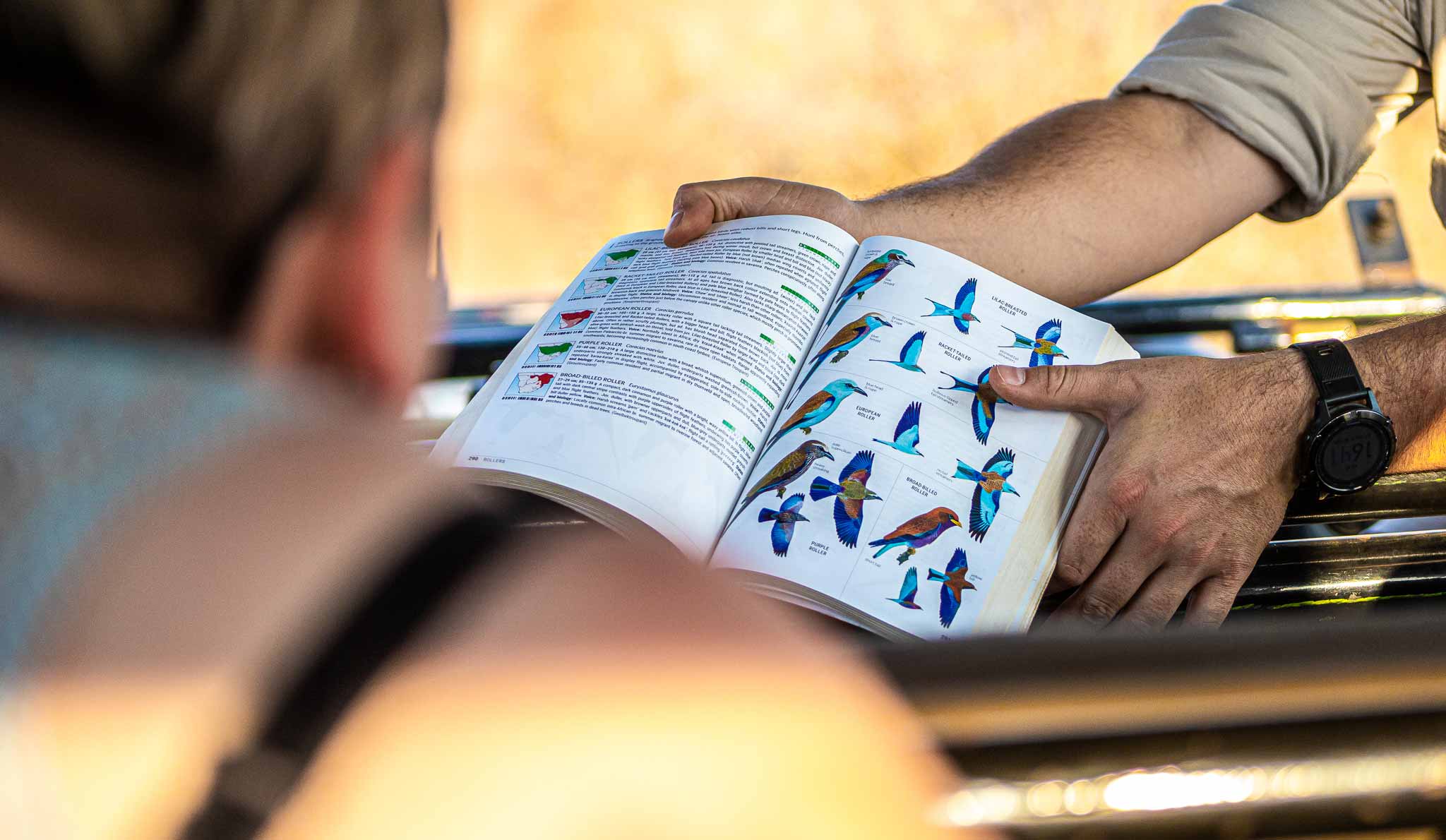
    But a field guide could also be a guide book, such as a guide to fynbos or regional birds. These books provide incredible detail into plants and animals, helping you identify them and learn more about them. 

    In this blog we’re focusing on the book version. 

    What is a field guide?

    image

    Around the world, this term has different meanings. Here in South Africa, it means  nature guide – someone who interprets the natural world for their guests, typically in national parks, game reserves and other protected areas. 

    In the UK and the US, as well as many other countries, the term field guide often refers to a guide book. A person could go to a bookstore or online shop and order a guide book on a specific species or species group, whether plant or animal. 

    Why it’s called a field guide

    image

    The idea is that you’d carry this book with you whenever you’re “in the field” and use it as a reference. 

    So, the book should guide you as you explore and understand the different species you see. Therefore, the book guides you in the field. It is a field guide.

    The most common ones cover things like trees, wildflowers, birds, amphibians, fish, mammals and insects. You might also get a region-specific book for a specific biome or ecosystem. Such books might simply be called “field guide to the wildlife of…” or something similar.

    What are the main features of a field guide?

    image

    The best field guides will include a clear organisation system, whether alphabetical or taxonomic or otherwise. Then, each species page(s) should ideally have:

    1. detailed description of each species

    2. images that help you distinguish it from others

    3. regional map or other visualisation for habitat and status

    4. calls (usually phonetic – and usually just for birds)

    5. breeding details, diet, and other information

    Obviously this will vary depending on the type of book and publisher. 

    image

    You can also now find these books published as apps. A popular example in southern Africa is birding apps, such as Roberts or Sasol. These types of apps include interactive maps, audio recordings of bird calls and tools to compare similar species. 

    You can also keep track of the species you see, which is a fun way to turn wildlife sightings into an interactive game!

    How do I find a field guide? 

    image

    Wherever you find books! Most bookshops will have a section on nature or wildlife. Simply search for the subject matter you’re interested in. They might have multiple options depending on the region or species group. 

    We recommend you try a few different field guides to see what you enjoy the most. For example, I prefer wildflower field guides that categorise flowers by colour instead of by species grouping. It just seems more straightforward to me, but your preference could be different!

    What is a field guide person?

    image

    A field or safari guide is a trained person who conducts a guided experience for guests in a natural environment, often in a game viewer or on foot. 

    You’re interested in field guide books. You’re interested in nature. Have you ever thought about making a career out of it? That’s where Bushwise Field Guides comes in.

    Through Bushwise, not only can you absorb more knowledge about wildlife and nature – you can become a qualified guide yourself

  • Paving the road for industry transformation: Bushwise and the Southern African Wildlife College

    In January this year, Bushwise and the Southern African Wildlife College launched an exciting new collaboration. With a shared goal of positive transformation in the field guiding industry, our two organisations are helping to pave the way for more accessible and inclusive career paths for aspiring guides.

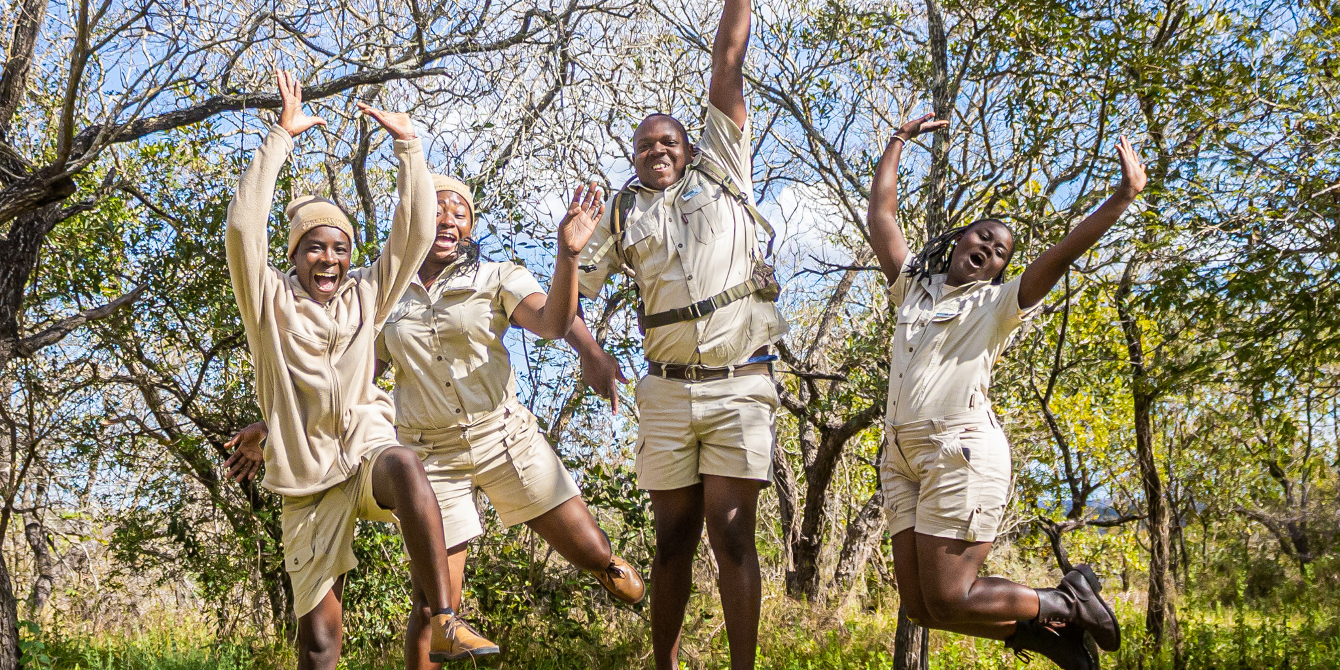
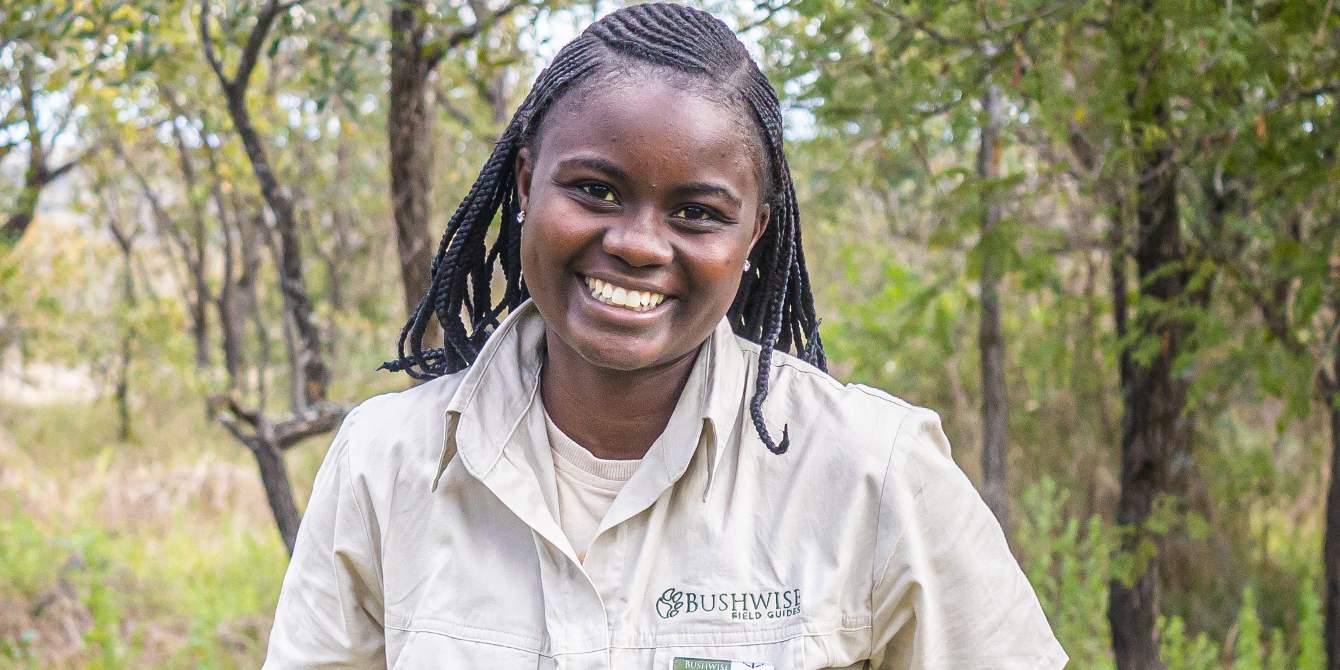
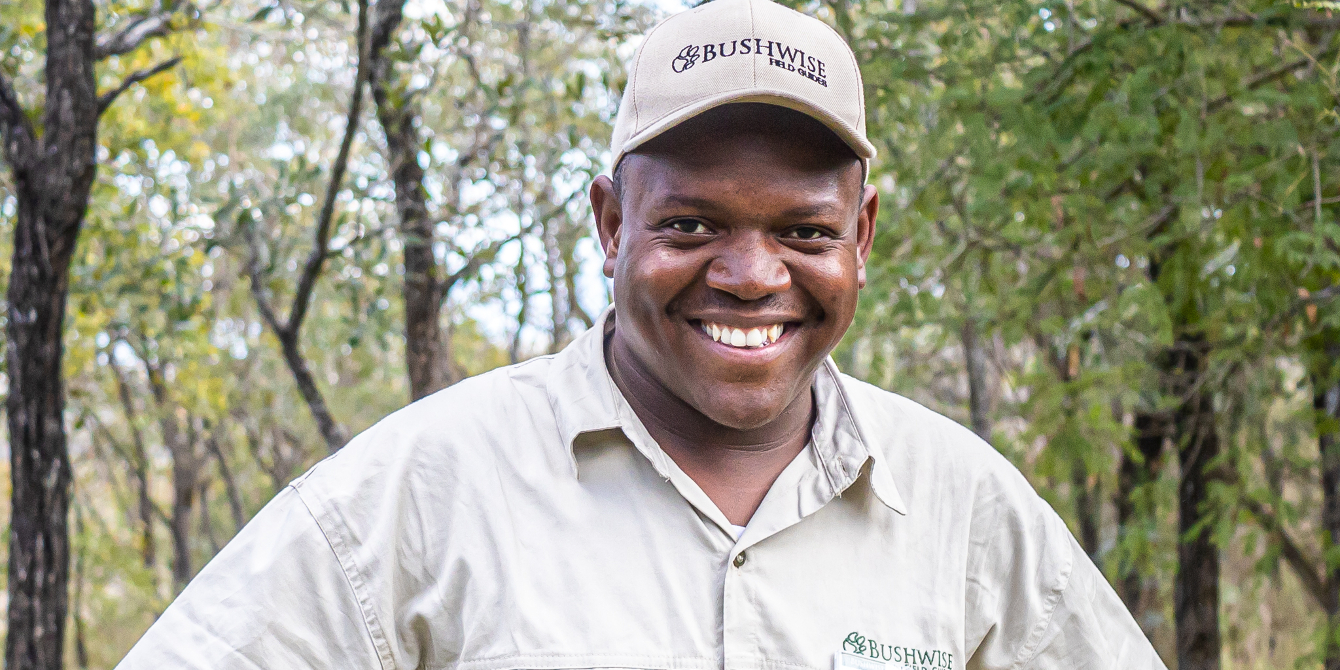
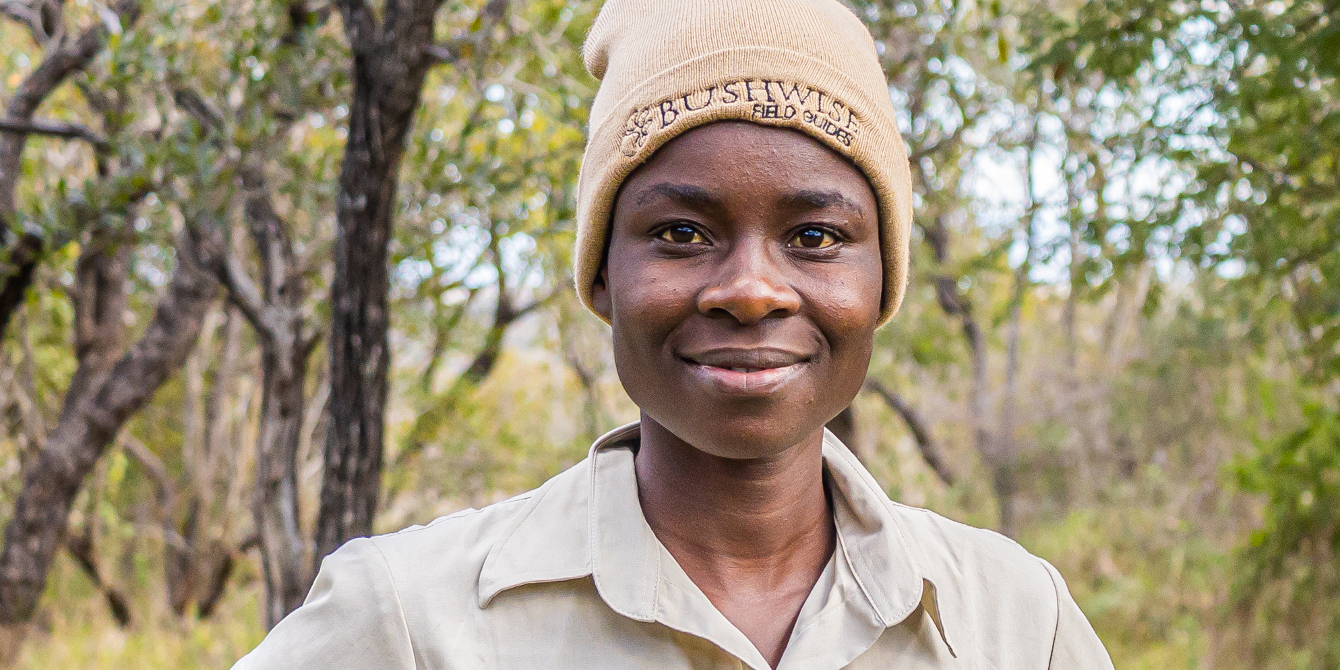
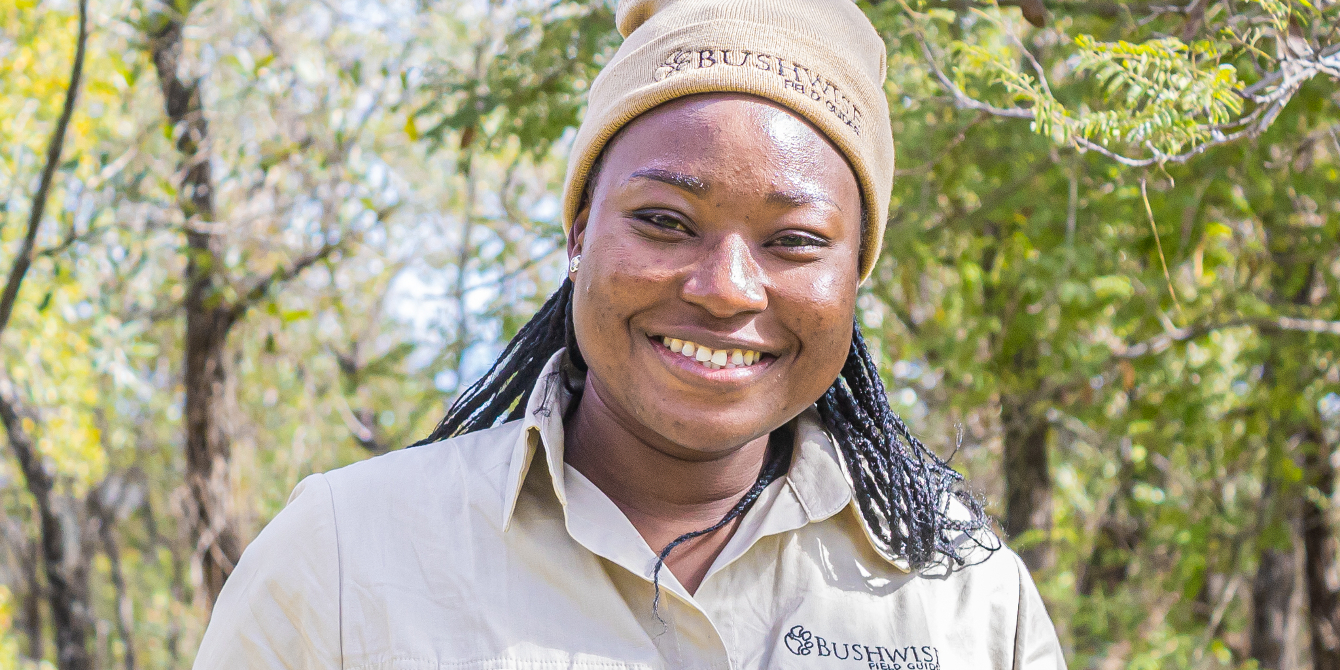
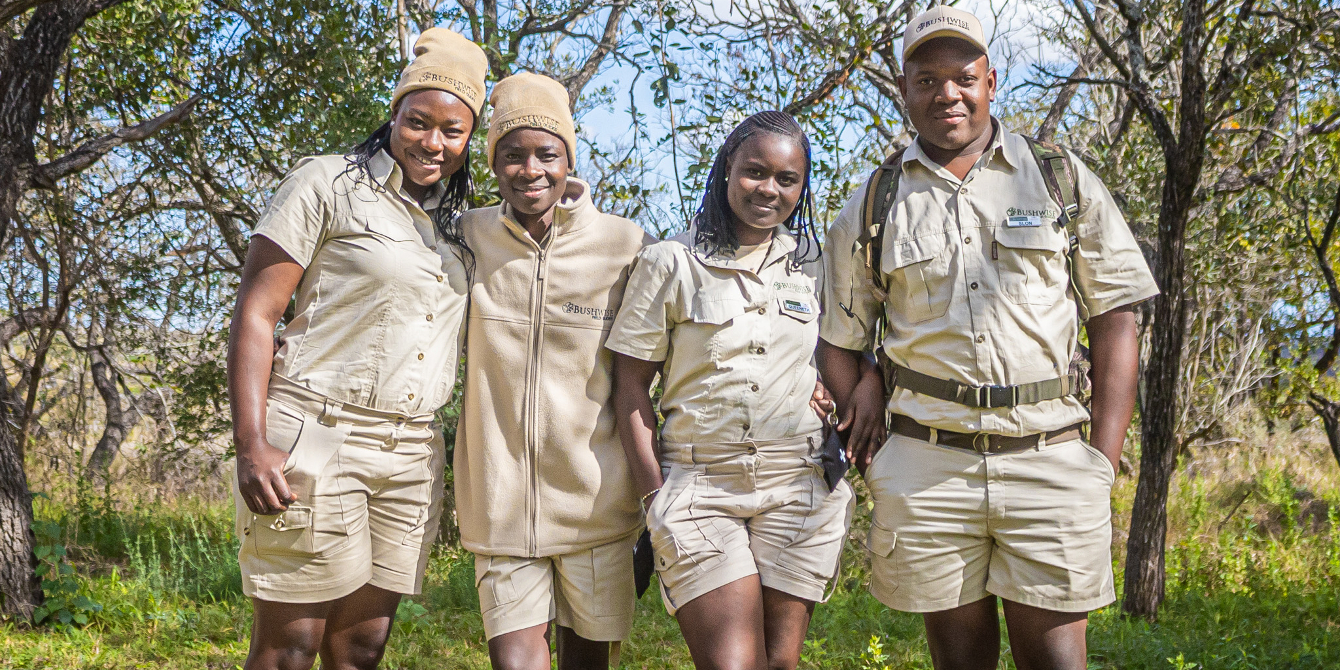
    At the heart of this transformation is a call to create more local employment opportunities by training candidates from communities around Kruger National Park. We are excited to introduce four students who are currently on full scholarships, sponsored through this collaboration. Please join us in welcoming Queeneth Seepano, Slon Khoza, Thinnah Mbombi and Siphiwe Khoza!

    image

    Let’s get to know these future field guides a little bit better. Slon, Queeneth, Thinnah and Siphiwe were part of the SAWC’s Youth Access Bridging Course. They were selected to continue their training as Apprentice Field Guides, under the expert guidance of Bushwise and the Southern African Wildlife College. At the end of this training, selected individuals may go on to become assistant or junior trainers.

    In their first week on course, we asked all the field guide students the following questions: “Why do you want to become a field guide?” and “Why are you doing this course?” Let’s see what our four featured students had to say…

    image

    Queeneth (Welverdiend, Mpumalanga): “This is a great honour for me – I’m very excited. I am a nature lover. Being out in the bush with wildlife really cools me down. I’m doing this course with the hope that someday I will be a field guide, a professional one and a birder. This is a step for me to reach the level that will qualify me to be a trainer one day.”

    image

    Slon (Welverdiend, Mpumalanga): “I am proud to be selected for this course. I want to be a teacher in conservation, to meet people from different cultures, traditions, countries and places. I find field guiding to be a foundation to pave my career, that is why I chose to do this.”

    image

    Thinnah (Giyani, Limpopo): “This course means a lot to me because it gives me a chance to conserve nature. I come from a village where there is a game reserve and I grew up around nature most of the time. I learnt a lot about nature and conserving it – being given a chance to become a field guide means a lot to me.”

    image

    Siphiwe (Welverdiend, Mpumalanga): “I come from a village with unity. A village where we still believe in the use of natural resources. I have a passion for wildlife and I want to be out in the bush – exploring and gathering information to share with my guests and my community. I believe I can change their perception, which can help in the sustainable use of natural resources, to be preserved for future conservation.”

    image

    As excited as our students are for this opportunity, we’re even more excited to see them grow as field guides. 

    Through this collaboration between Bushwise and the Southern African Wildlife College, we’re bolstered in our determination to transform the field guiding industry. We hope to see an increase in field guides coming from local communities, bringing with them valuable local knowledge and experience. 

    image

    Our major goal is to provide sustainable opportunities to participants’ families and contribute to diversity in the industry. Together, we’re training future ambassadors of the natural world to become world-class field guides. 

    We’re excited to see how the Bushwise and the Southern African Wildlife College collaboration will impact the guiding industry. Follow Bushwise and check our blogs regularly to see what Slon, Thinnah, Siphiwe and Queeneth get up to on campus over the next six months!

    Words by Annie DuPre, photos by Louise Pavid and the SAWC

    #bushwise #fieldguide #safariguide #guidejobs #apprenticefieldguide #safari #fieldguiding #Assessments #fieldguidecourse #studying #fieldguides
  • Photo blog: a Lowveld welcome to our new Bushwise students

    The beginning of each new Bushwise course fills the Lowveld air with anticipation and excitement. Not only for the newest intake of field guiding hopefuls, but also for us, the Bushwise staff.

    image

    Before the new batch of students arrive, we know a little about them – their names, where they’re from, and a bit about their backgrounds. But we don’t know the types of people they are, or the types of guide they will become. We just know they have one thing in common (with each other and with us) – they love nature and want to spend time in the bush.

    image

    We are as excited as our new students are. Despite having spent years knocking about the bush there is very little that doesn’t excite us about it. The prospect of sharing our knowledge, experience, skills and stories with the new students reminds us why we do this in the first place.

    image

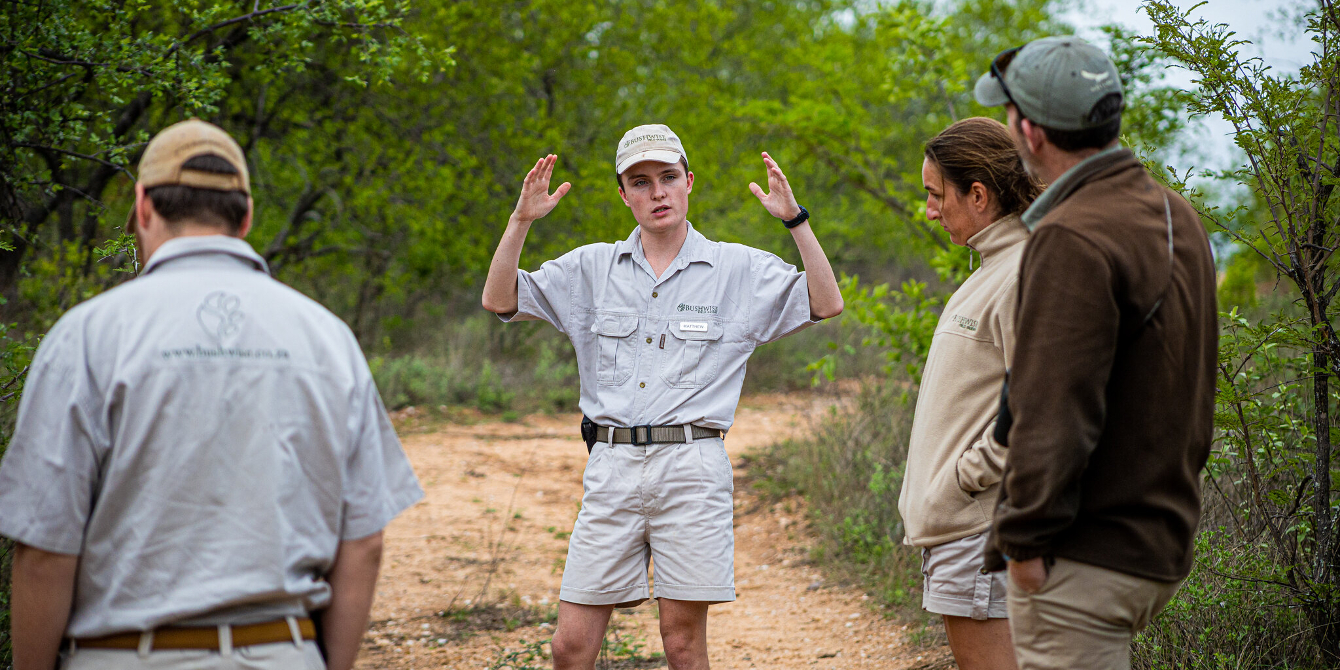
    In the first few days of every course, we naturally have some admin to take care of. Aside from the induction and welcome there are a few housekeeping rules we cover to make sure everyone fully understands what they’ve got themselves into. 

    The most important of these is the safety briefing. For many of our students, this will be the longest they’ve been away from home, fully immersed in the Lowveld environment that doesn’t bend, flex or forgive when it comes to the laws of nature.

    image

    Once the basics are covered we move on to the next important task – ensuring all the students are capable of driving the safari vehicles. For many, this can be intimidating. 

    The sight of a two-tonne Landcruiser and the realisation that the vehicle has not one, but two gear shift knobs can often result in a few minor panic attacks. “How on earth do you expect me to drive this thing?!”

    image

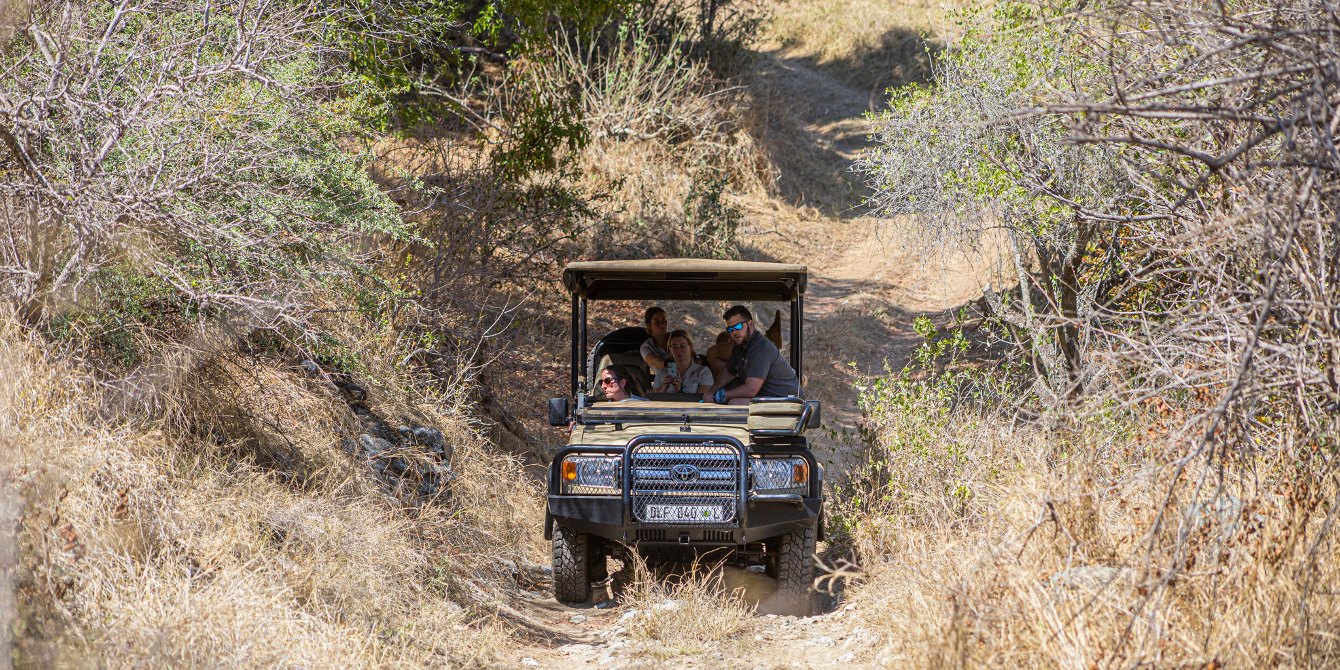
    After the driving assessments are complete those worries are put to rest – it’s just a car after all. A car just like any other, with the added bonus of the option to engage four-wheel drive mode for those steep, rocky roads or thrilling off-road adventures in the Lowveld!

    image

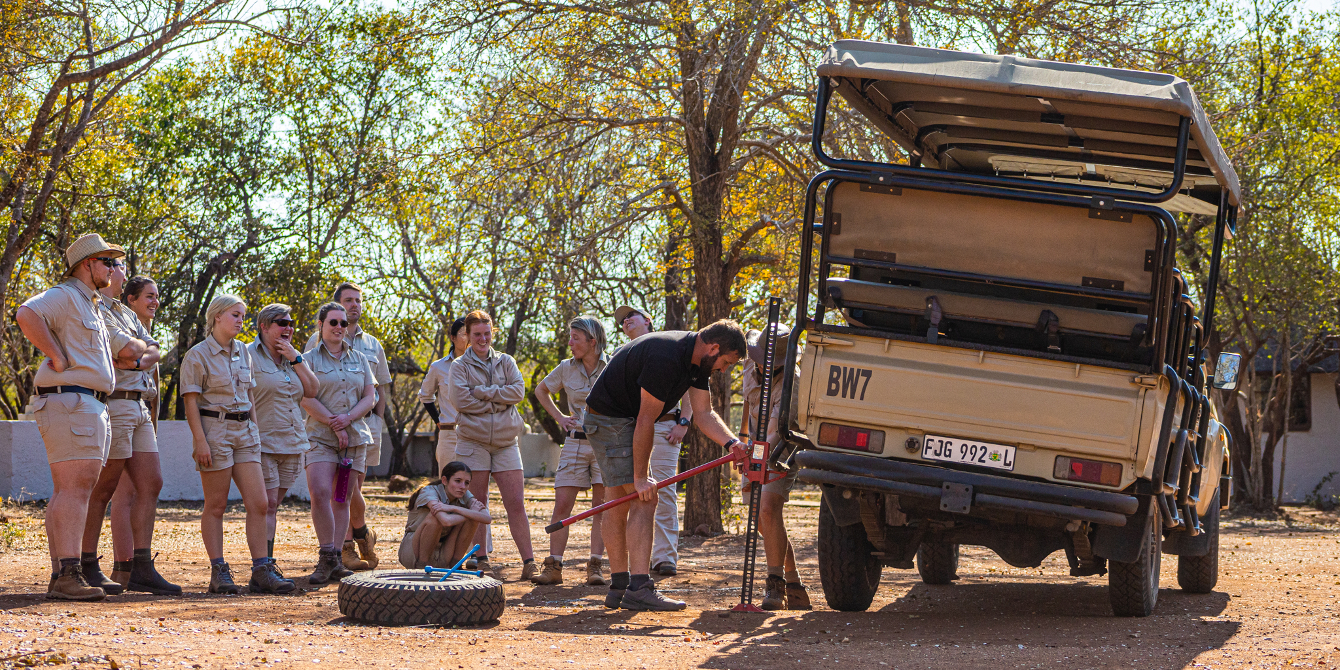
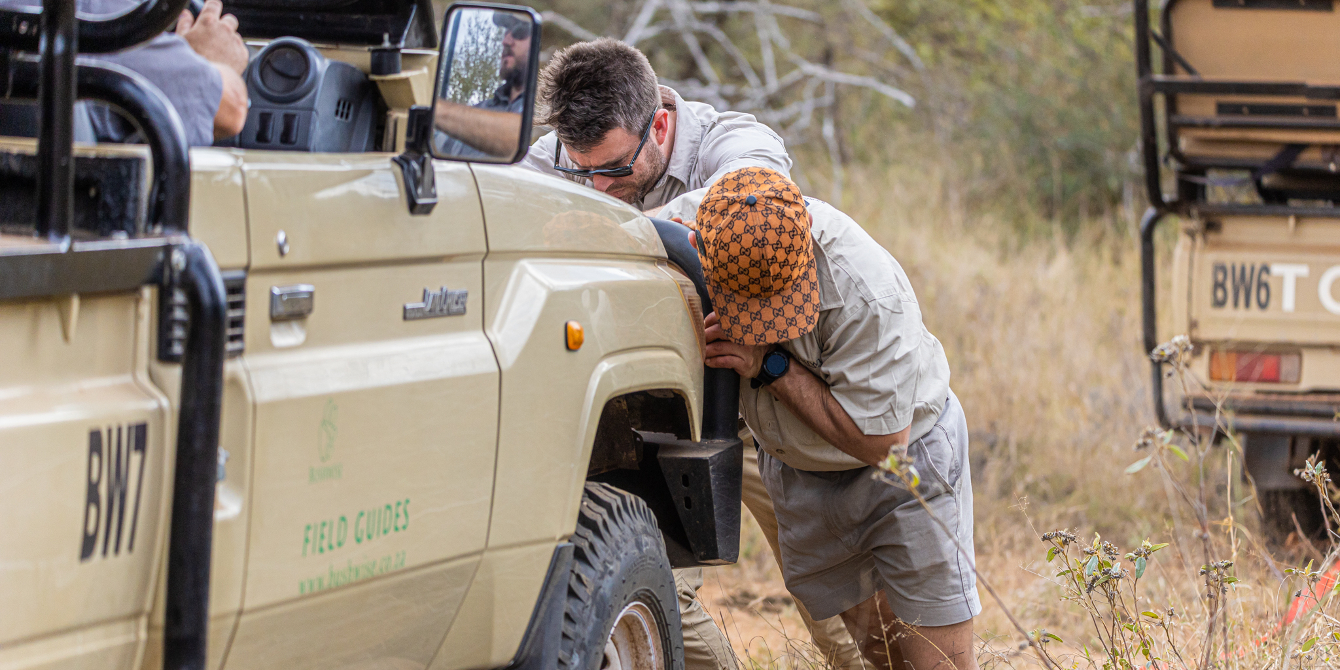
    Ok, now we’ve learnt that we can actually drive the car and it’s not that scary after all. But, what happens if we’re out and one of Africa’s very inconvenient thorns happens to pierce one of the tyres? Enter the high-lift jack, the industry standard tool for changing the 30kg+ tyres on a Landcruiser or Land Rover. 

    image

    The high-lift jack is possibly one of the most dangerous tools of the trade if you don’t know how to use it properly. As with every other piece of equipment used on the course, when it comes to safety we take this training very seriously.  We spent a full afternoon under the African sun, rolling around in the red dust learning how to properly and safely change a tyre in the wild.

    image

    With all the safety admin done and dusted we finally reached the moment our students had been so eagerly anticipating – their very first game drive in the reserve. 

    image

    The word “excitement” doesn’t even come close to describing the electricity coursing among the students as we prepared the vehicles on a crisp winter’s morning. If we were capable of bottling that electricity, we might just find a solution to the power supply problem!

    The first drive in the Lowveld was an adventure, to say the least. We heard leopards calling and chased after them, sadly yielding no result. We stopped for coffee at the river, removed an elephant roadblock in the form of a knob thorn tree (a couple of our students learnt the hard way that yes, knob thorn trees do in fact, have thorns on them). We even went on a little bit of a rescue mission. 

    image

    The smiles, laughter and wide-eyed curiosity grew with each passing minute. As staff, our hearts filled with pride, joy and certainty that by the time this new group of students reaches their graduation in December, we’re going to be injecting the safari tourism and conservation industries with passionate, dedicated professionals who are all wild about the wild!

    We’re so excited to welcome our newest class of Bushwise IFGA Safari Guide students. Are you ready to start your career journey with Bushwise?

    Words and images by: Louise Pavid

    #AdvancedRifleHandling #gameranger #bushwise #fieldguide #safariguide #training #guidejobs #apprenticefieldguide #safari #fieldguidetrainer #fieldguiding #tracking #trackandsign #gamedrive #guiding #fieldguidecourse #fieldguides