Category: Course updates

  • Safari in Africa: sightings that last a lifetime

    This blog was written by Darryn, one of the Bushwise trainers. Here, Darryn reflects on his incredible experiences working in the bush, including two unforgettable memories on safari. 

    BY: Darryn Murray

    Since I started my guiding career 11 years ago, I have heard guests make remarks such as, “You have the greatest job in the world” and “Your office is SO much better than sitting behind a desk in New York, London, Dubai etc.” But one of my personal favourites has always been, “You are so lucky, you get paid in sunrises and sunsets, in the greatest place on Earth on a daily basis.”

    The last quote has stuck with me because I don’t believe field guides appreciate often enough how fortunate they are to be where they are. Yes, yes, I know what you’re thinking: we get up so early, we go to bed so late, we work in places where the temperature regularly reaches well over 40 degrees Celsius. However, these are small prices to pay for the things we get to see.
    image

    Photo by Louise Pavid

    I often refer to what I do as more than a passion, but rather a paid long-term holiday. What do I mean? My explanation goes something along the lines of this…

    Most of the people we see at the lodges and camps are only able to come and experience this once – whether due to financial constraints (because let’s face it, it’s not a cheap holiday) or it being a “keeping up with the Joneses” experience where the fear of missing out was just too great. There are some guests that return, either to the same lodge or try various different lodges. These are the ones that were bitten by “the Safari Bug.”

    Yes, that’s a real thing, and no, I don’t mean a mosquito or other insects that we get here during the hot and rainy summer months – but rather the urge to keep coming back over and over again. These are often the lucky ones that get to experience some of the greatest sightings they (and sometimes even the safari guide) have ever seen.

    I will share two brief accounts of such sightings that sit very fondly in my memory.
    image

    Photo by Darryn Murray

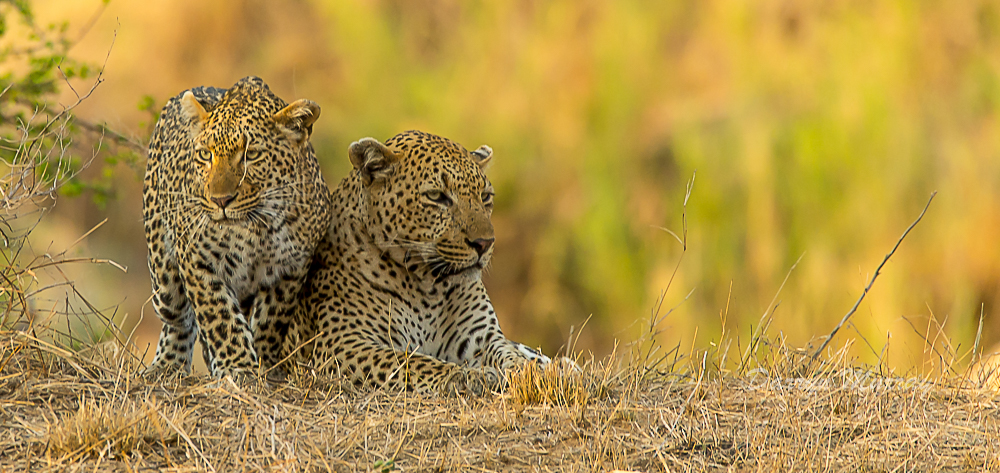
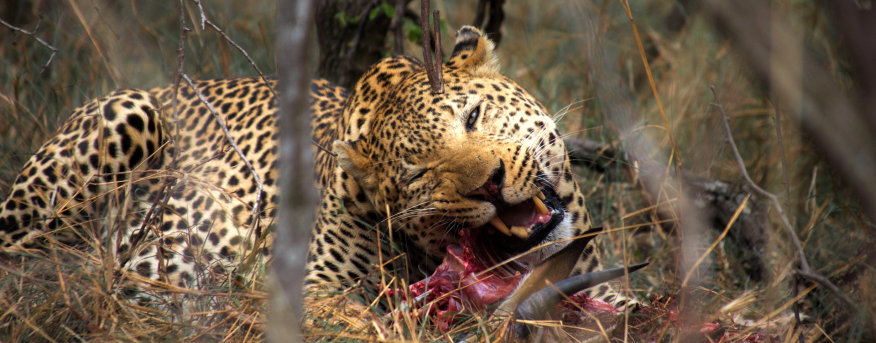
    The first happened several years ago when I was guiding in Kruger National Park. I was allocated a couple who I was told had been on safari SEVERAL times all over Africa! Upon arrival, they began regaling me with tales of their safari experiences in Botswana, Kenya, Tanzania and quite a few other places, impressively. The only item left on their bucket list was spotting the ever elusive leopard – 35 years of going on safaris and that was the one thing that had eluded them.

    We set off with the hope of finding a young female leopard that we had seen earlier in the morning – we struck out! We followed tracks for a male, to no avail! By the second afternoon I could see the guests were beginning to get rather antsy. It was at this point my tracker looked back at me and uttered the words they had been waiting so long to hear: “There is the leopard, in the river bed.”
    image

    Photo by Darryn Murray

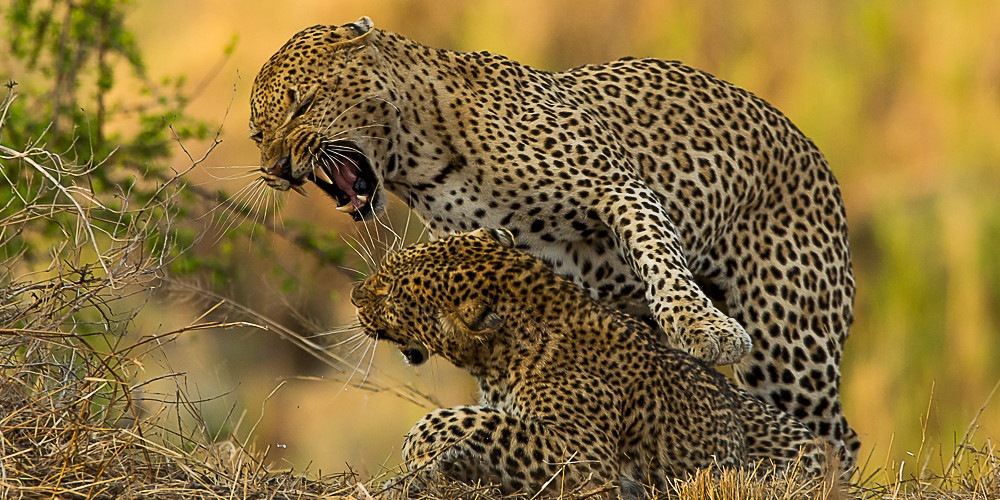
    We were the only car there for the first 20 minutes and they took hundreds, if not thousands, of pictures, videos and selfies with the cat, now sitting a little more than 30 metres away from the car. They were both so excited. But then something happened that I had, up until then, only seen on TV.

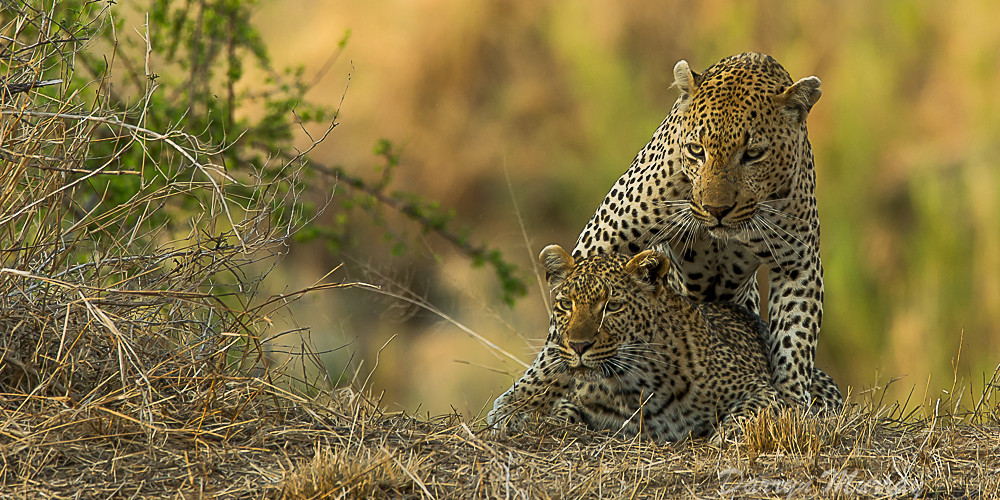
    A male leopard walked out from the river bed out of our field of view and came to lie down next to her. We now had two!

    That was when it happened: the female was ready to mate. The mating happened right before our eyes and nobody said a word! I don’t think we spoke for a good ten minutes afterwards either, it was just cameras clicking wildly.

    That was their first sighting (mine too) of mating leopards. We drove away, stopped to have sundowners, and I still don’t think anybody had said a word. When we were able to speak again, everyone was talking at a thousand miles an hour about how amazing the sighting was.

    This is an image I took and sent to the guests, which they framed and put up on the wall at home in the UK for all their friends to see.
    image

    Photo by Darryn Murray

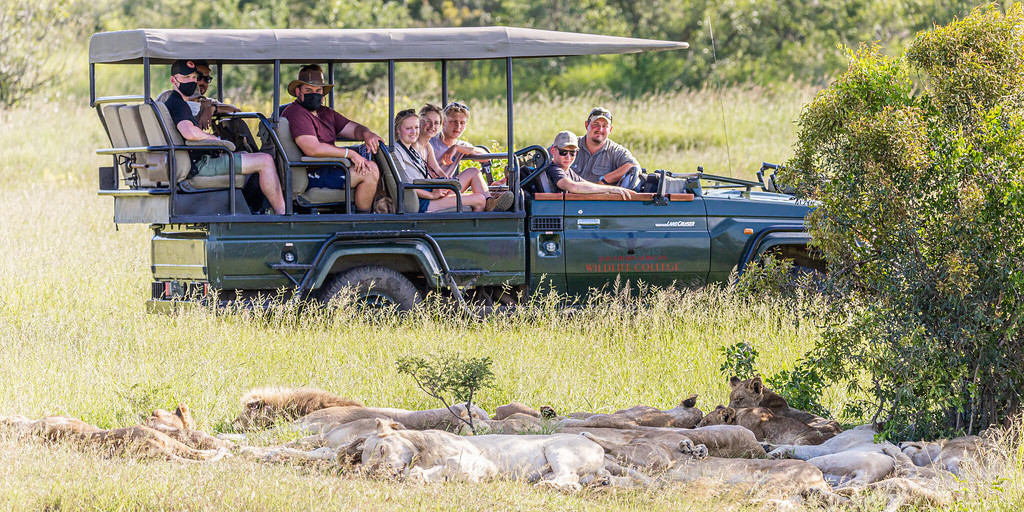
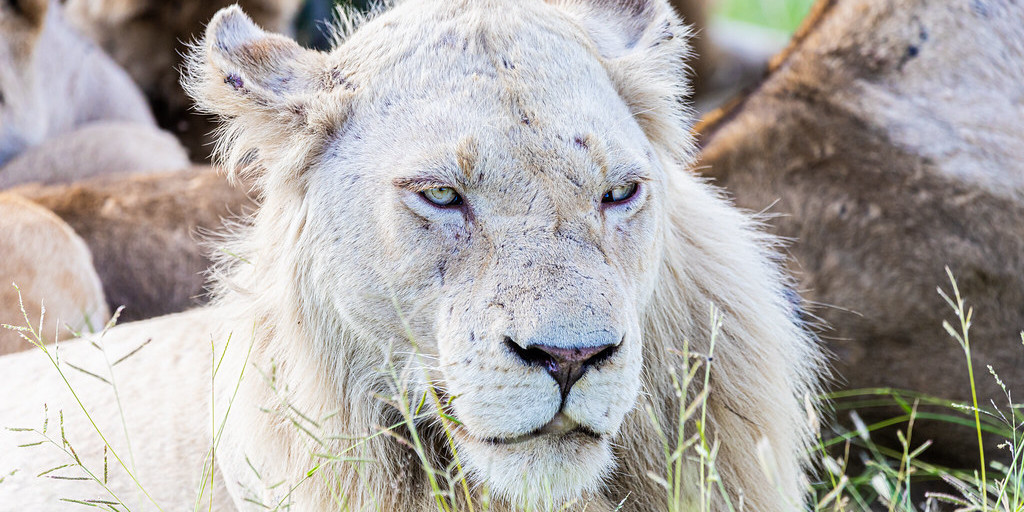
    The second event happened only a few weeks ago. We are very fortunate at The Southern African Wildlife Collage as we share an area with the famous Birmingham Pride of lions. 

    We had the whole pride lying next to a waterhole and the vehicle was abuzz with camera clicks, excited laughter, chatter and giggles, but one student caught my eye – she had tears rolling down her cheeks. When I asked if she was OK, she looked up, smiled, and said that this was the greatest day of her life. She had heard of the white lions of the Birmingham Pride but didn’t in her wildest dreams think she would be fortunate enough to see them in person. And here they were, not 15 metres away!
    image

    Photo by Louise Pavid

    It’s moments like these that make the early mornings and sweltering hot days on safari worth it – the look on a guest’s face when they see what they have travelled halfway around the world for is absolutely priceless. Don’t get me wrong – the sunsets are pretty cool too, but there is nothing quite like a tear of joy and excitement.

    Do you want to start making memories that last a lifetime, the way Darryn has? Apply today and pretty soon the bush could be your office!

    #lion #bushwise #fieldguide #apprenticefieldguide #safari #sightings #fieldguiding #gamedrive #fieldguidecourse
  • Track and sign: art or science?

    Following the track and sign portion of the Bushwise IFGA Safari Guide course, Louise Pavid tells us a bit more about the art and science of tracking.

    Writing and Photos By: Louise Pavid, Bushwise Photographer and Videographer

    Being able to identify and follow animal tracks has long been regarded as a mysterious ability that only those with the truest connection to nature are able to call upon. But how mysterious is this ability, really?

    image

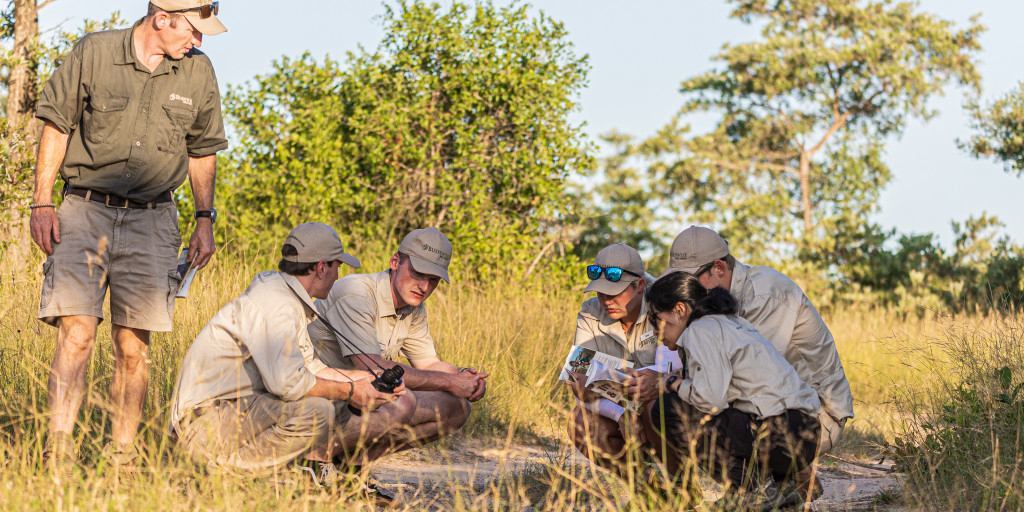
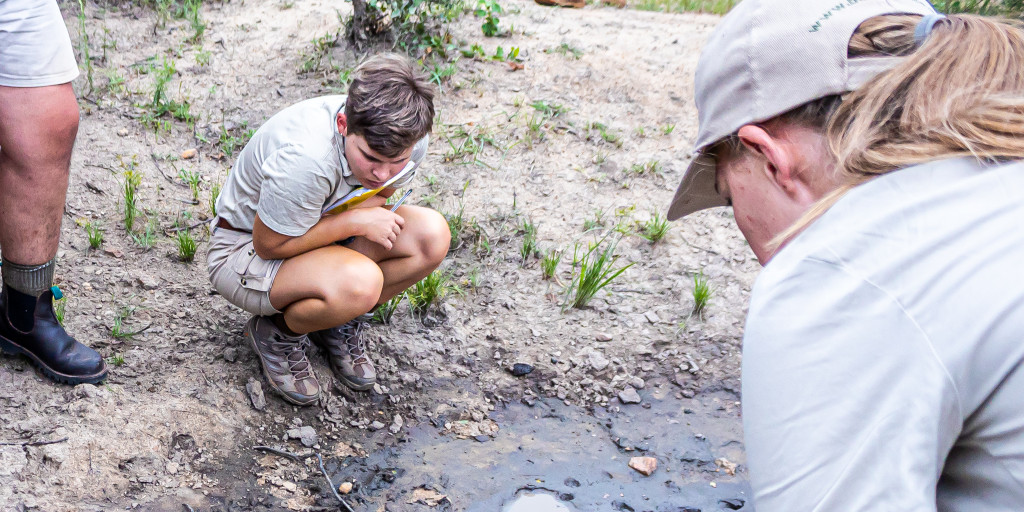
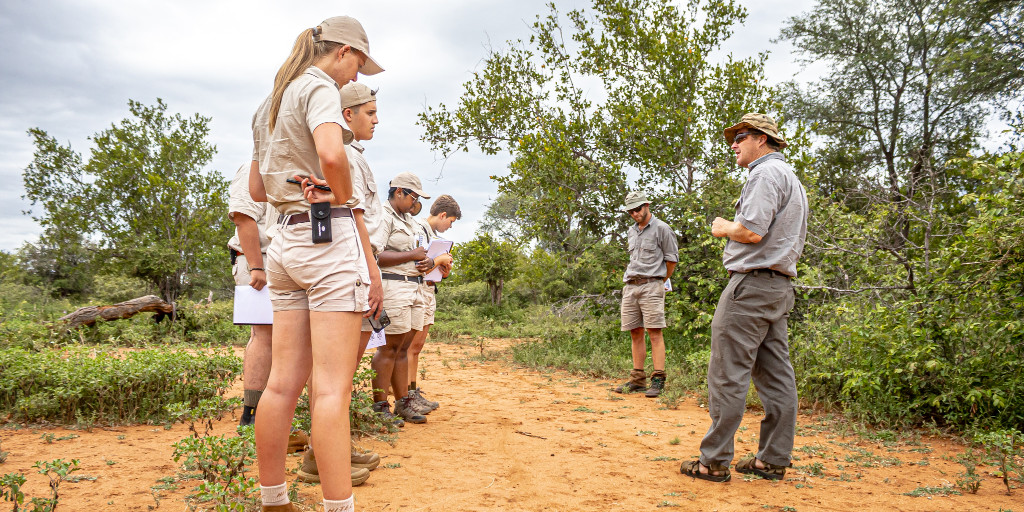
    During the Bushwise IFGA Safari Guide course, students spend two weeks on skills development and intense Track and Sign training with Colin Patrick Training. Colin has over 20 years of conservation experience and has been involved with both the ecotourism and security industries. When I speak of the security industry I specifically mean anti-poaching and tactical (human) tracking.

    image

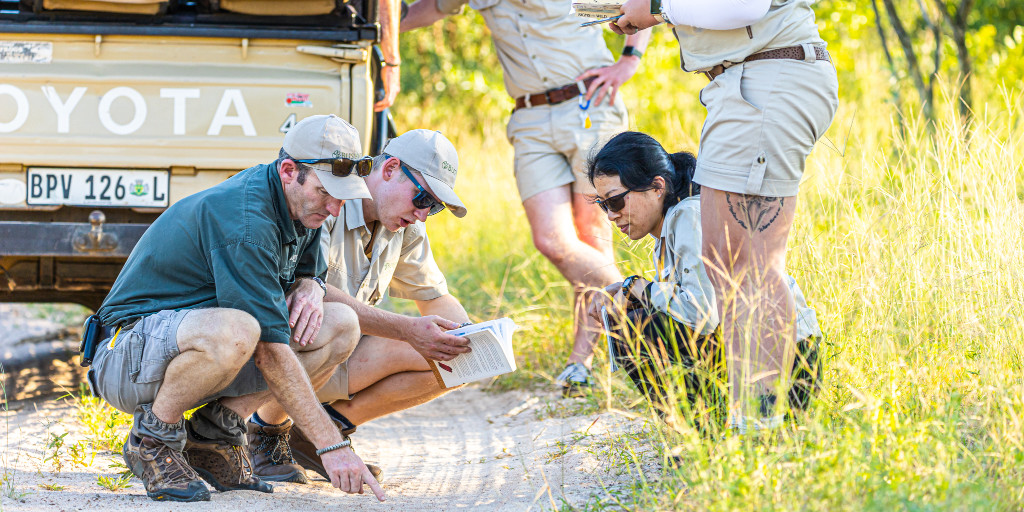
    Finding animals by using their tracks is only a part of the process. Knowing how to identify a track as belonging to a lion or leopard is a very small part of actually finding that lion or leopard. For field guides, it can be a highly appreciated and necessary skill, especially if you’d like to show your guests the iconic leopard they’ve travelled all the way to Africa to see on safari.

    image

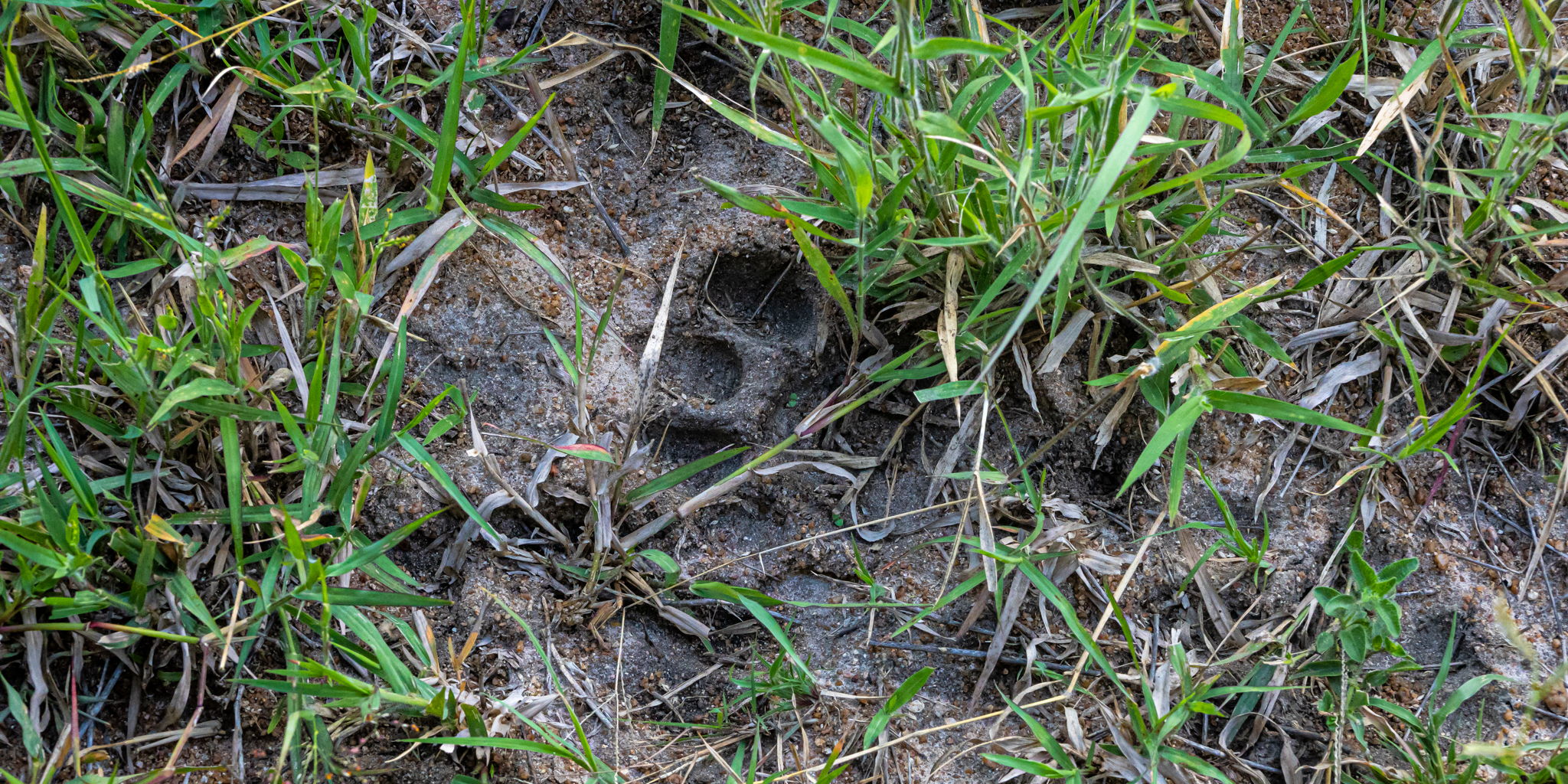
    As Colin puts it, “Tracking is logic.” This refers to the mental process employed to gather information, conduct analyses, and make decisions about a particular scuff mark in the sand. A track is just that, a track. It either is or it isn’t. Tracks don’t lie – they reveal the secret stories of the wild, and to understand them we need to learn their language.

    image

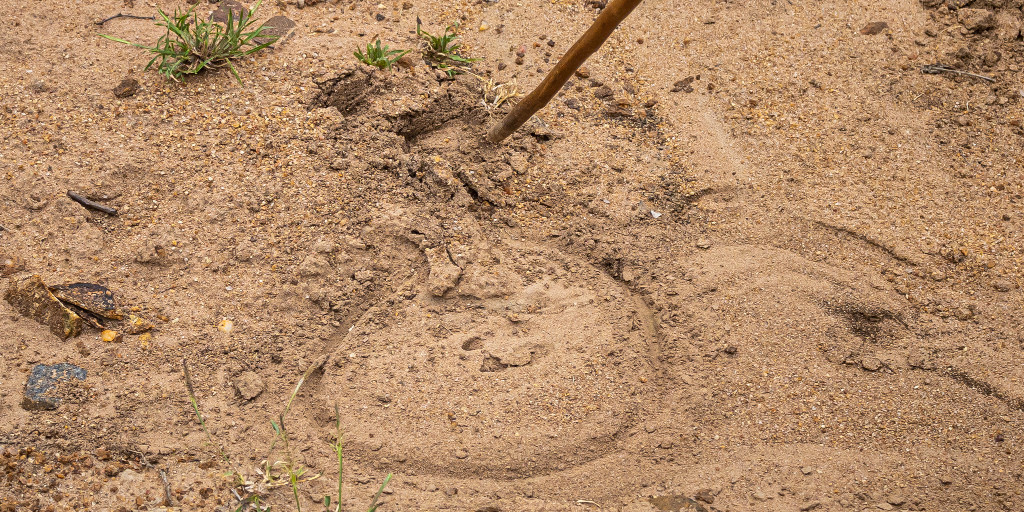
    To the experienced tracker, a quick glance can tell them whether a track is that of an impala or a wildebeest. Having the knowledge and skill to tell them apart at first glance is where the hard work and study comes in. The rest is up to experience.

    image

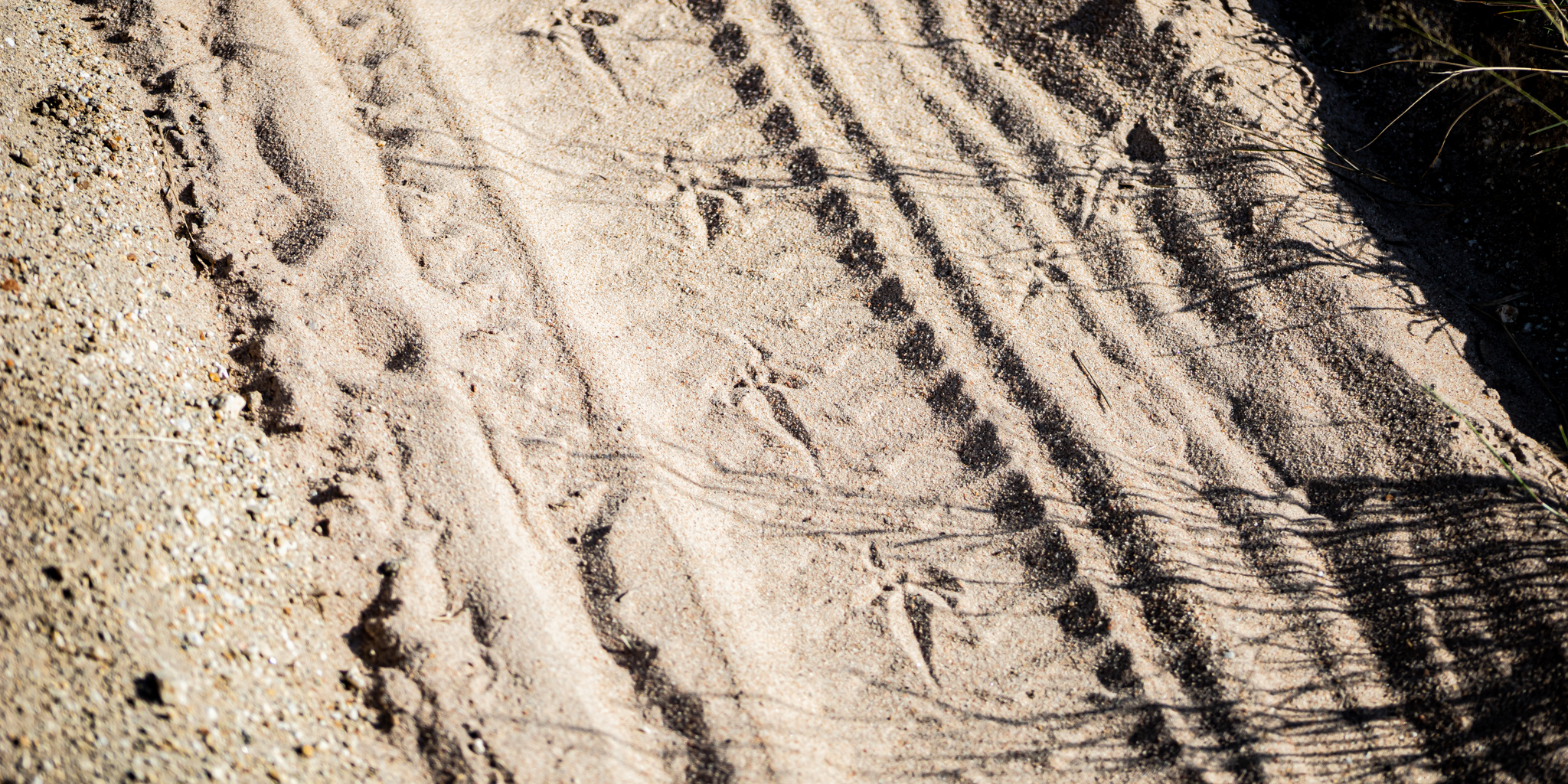
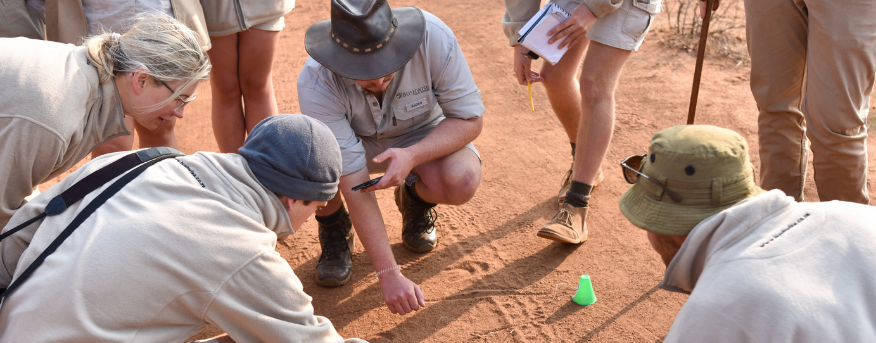
    Needless to say, the “art” of track and sign comes down to learning what various tracks look like in different forms – the language of the tracks. There are a few basic tools we can use to make this easier. First is the light. Is the light working with you or against you? Can you position yourself better to make the light work better for you? Second is determining the direction of the track. Which way was the animal moving? Third is knowing the details of the track, what animal actually left it behind, and how can you prove that it belongs to a specific animal? Last is understanding the bigger picture. What is the context of the track, where is it in the habitat, what other tracks are around or on top of it? How can the greater context tell you a story?

    image

    We all have the ability to learn. No matter how much experience you have or how long you have lived and worked in the bush, there is something new to see every single day. There is not one person on this planet that can tell you everything about the natural environment – there is just too much to learn! But the art of tracking is not quite as mysterious as it may seem.

    image

    To put it simply, tracking starts with observing a few things that can lead you in the right direction. It’s important to remember that identifying a track is a very different story from trailing (following) the animal that left the track. As I continue to learn, I hope to soon share that experience with you. Until then, much more study needs to be employed to even scratch the surface of interpreting the stories of wildlife from the various scratches, patches, and prints left in African dust.

    Have you ever seen a track in the sand, and wondered who left it behind? Apply to the Bushwise IFGA Safari Guide course to gain this powerful knowledge!

    #bushwise #fieldguide #safariguide #apprenticefieldguide #safari #tracking #cybertracker #trackandsign #fieldguidecourse #fieldguides
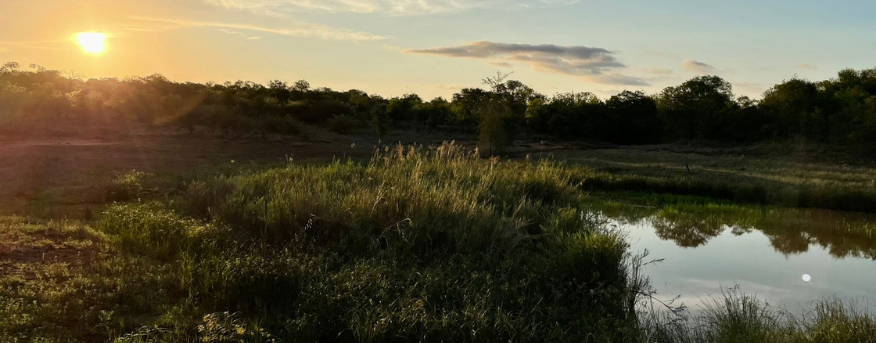
  • World Wetlands Day 2022: Wetlands Action for People and Nature

    BY: Annie DuPre, CATHSSETA NQF2, Apprentice Trails Guide and Bushwise Conceptual Copywriter

    Each year on 2 February, the world celebrates World Wetland Day. In this article we take a look at the importance of wetlands around the world, with an emphasis on South Africa. 

    World Wetlands Day is a celebration of all things wetland. From their vibrant blue waters, to green grasses and sedges, to enormous bird diversity, to mammals, amphibians and reptiles, wetlands host a bounty of vibrant life. At Bushwise Field Guides, we’re excited to celebrate under this year’s theme: “Wetlands action for people and nature.”

    Peatlands, marshes, swamps, bogs, vleis, fens and pans – wetlands play a vital role on our planet. They support a diverse range of plant and animal life, and play a critical role in human survival as well. Yet they’re disappearing three times faster than forests.

    What makes wetlands so important, why should we protect them, and how can we celebrate on World Wetlands Day?

    image

    Photo by Annie DuPre

    What is a wetland?

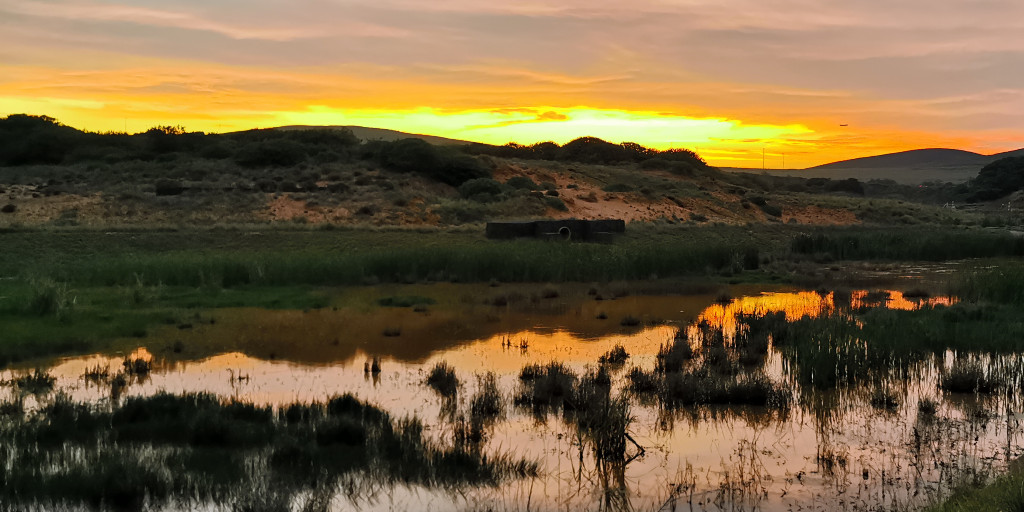
    In the simplest of terms, wetlands are parts of our landscape that are defined by the presence of water. Whether year-round or seasonal, water presence affects the soil and therefore the types of plants and animals that inhabit these spaces.

    The presence of water in wetlands influences most if not all of it’s biodiversity (diversity of animal and plant life). The prolonged presence of water has a direct effect on the development of the soil, which then affects the plants and animals that live there. For example, specially adapted plants, that prefer very wet conditions, can be found in wetlands.

    The role of wetlands on our planet

    Wetlands aren’t just important for soil, plants and animals – they’re also important for people! Wetlands form boundaries that protect settlements from flooding. Where water would otherwise overflow into towns and communities, wetlands act as a sponge collecting the water. They also limit the effects of water pollution and can provide plant materials that are used for shelters and other products.

    image

    Photo by Annie DuPre

    Another important role of wetlands is in water security. When they’re able to do their job right, wetland catchments can effectively filter and direct water into our rivers, dams, and groundwater sources. This should maintain healthy and reliable water sources for people living near wetlands. This is especially important in times of drought and variable rainfall.

    Wetlands also play a role in carbon sequestration, or the capture and storage of atmospheric carbon dioxide. This is significant for climate change mitigation, which is another reason it’s so important for us to protect wetlands!

    Wetlands in South Africa

    South Africa has incredible biodiversity, which is something Bushwise students learn all about through the Bushwise IFGA Safari Guide course. Wetlands play an important role in sustaining life throughout the country, across many of South Africa’s nine biomes (areas characterised by their vegetation, soil, climate, and wildlife).

    image

    Photo by Annie DuPre

    In the South African province of Limpopo, where Bushwise Field Guides operates its training campuses, there are a few notable wetlands. These are part of the 27 Ramsar sites in South Africa, or wetlands of international importance.

    The first is the Makuleke wilderness area, which lies on the border of South Africa, Mozambique, and Zimbabwe in Kruger National Park. This wetland was the first Ramsar site in the world to be owned and managed by a community. The second is Nylsvley Nature Reserve, a 70km long floodplain that plays host to up to 80,000 birds in the rainy season! Talk about a birder’s paradise.

    Throughout Limpopo, you can find other pockets of ecosystems that fit the description of a wetland, especially the pans and vleis that fill up during rainy times. These areas play an important role, not only for wetland-adapted species, but also as a source of water for other animals.

    If you head a bit further south in South Africa you’ll find the wetland region of Mpumalanga, with its sedge and reed marshes. These fragile ecosystems pop up throughout South Africa, making them a crucial part of our country’s biodiversity.

    Many conservation organisations in South Africa, such as BirdlifeZA and the Endangered Wildlife Trust, have specialised programs that focus on wetland protection, identification, and public awareness. This specific type of conservation is extremely important for the security of our country’s incredible wetlands.

    What animals call wetlands home?

    Wetlands are important destinations for migratory bird species as well as year-round populations. In some of South Africa’s wetlands, you can find upwards of 300-400 different species! Many of these are endangered, threatened, vulnerable, or endemic species.

    image

    Photo by Louise Pavid

    Inland wetlands in South Africa, such as Makuleke, host large mammal species such as elephant, rhino, wildebeest and eland. You could also find lions, leopards, African wild dogs, and other predators. Amphibians and water-adapted reptiles, insects, and other mammals can be found here.

    Coastal wetlands, such as iSimangaliso Wetland Park, are unique in their biodiversity and landscape. Here, you’ll find marine mammals such as southern right whales, humpback dolphins, bottlenose dolphins, and many more.

    What is World Wetlands Day, and why does it matter?

    To recognise the importance of wetlands on our planet, the Ramsar Convention on Wetlands of International Importance, or Convention on Wetlands, was established in 1971. Since 1997, the World Wetlands Day has been celebrated on 2 February with themes approved by the Convention. These themes add to the excitement around celebrating this important habitat and encouraging action.

    This year’s theme is “Wetlands action for people and nature,” to highlight the necessity of actions to ensure conservation.

    How Bushwise will celebrate in 2022

    image

    Photo by Louise Pavid

    Bushwise students, alumni and staff will be able to celebrate World Wetland Day 2022 by visiting their local dam, marsh, vlei, bog, or other wetland and taking some time to appreciate the biodiversity there. We encourage everyone to take time to clean up their local wetland by simply picking up litter you find in the area. Every little action counts!

    Are you passionate about conserving our local wetlands and other natural resources? Perhaps it’s time to change your career and start a Bushwise IFGA Safari Guiding course. Apply today!

  • Hitting the ground running

    Some images in this article were taken pre-COVID-19. 

    BY: Suvania Govender

    Camp manager blogs are written by our current students who each get a chance to lead and manage a group (of their fellow students) for a period of one week.

    In just two short weeks, the lives of 16 enthusiastic nature lovers have been irreversibly changed. We arrived at the Bushwise Mahlahla campus, the place we would call home for the next six months, on a hot Friday afternoon, eager to see what awaits us and to meet the people with whom we would share this extraordinary journey.

    In the Bushwise Field Guide course, I fully expected to meet like-minded people who I could get on with. What I did not expect, however, was just how easily and naturally the bond between us would form.

    image

    As the first few days passed and the magic of the bushveld engulfed us, we very quickly became our own little family of sorts. Together, we were ready to take on whatever was in store for us… and there was a lot in store.

    I could say we began to settle into a routine, but as I have quickly learned, you can never truly have a set routine when living in the bush! Anything can (and will) change in a moment’s notice. In short, life in the bush means constantly expecting the unexpected.

    Side note, this is also the reason why you will see every true bush person with their signature Leatherman at hand, prepared for anything and everything.

    image

    This “expect the unexpected” lifestyle wasted no time in teaching us the ways of the bush. From excellent sightings of mammals, birds, reptiles, and other animals, we’ve been going nonstop since our arrival. We’ve learned about trees, grasses, game viewer maintenance, camp duties, and much more. It has already been the experience of a lifetime, that none of us are likely to forget any time soon.

    A story that I will never forget, and that I will be telling around bonfires for the rest of my life, took place on the third day of student game drives. We were wrapping up an afternoon drive and heading back towards camp for supper. Mealtimes were undoubtedly everyone’s favourite time of day, thanks to camp Masterchef Iris, so we were very eager to get back in time.

    We decided to take a river crossing that would be the shortest way home, but the river had other plans for us. As can happen on river crossings, one of our tires became stuck in the soft sand, just on the edge of the riverbank. Even with the nine of us on the game viewer pushing as hard as we could, we still could not budge the vehicle, so it was time to call for backup.

    There we stood on the banks of the river, muddy and with adrenaline coursing through us, telling stories while waiting for backup to arrive. While it might have seemed scary, we knew everything would be fine, and completely trusted our trainers and fellow students to help us out. I can honestly say that that moment is one that will be with me forever.

    We finally saw the approach of rescuers in the other game vehicle. Together, with 16 students and two trainers, we had enough manpower to get the vehicle moving out of its stuck position. With one great push we were out of the river and on the other side.

    Wet and hungry, but in the highest of spirits, we drove back to camp with the first of many jaw-dropping bonfire stories in our back pockets.

    image

    This story is just one of the best things that has happened in the first weeks of training. It has been an exciting start to the journey to becoming certified through Bushwise Field Guides. With momentum like this, it is impossible to guess the kinds of stories I will have at the end of this course.

    Every morning at Bushwise I wake up grateful for this amazing, one in a million opportunity I have been given. Every night I go to sleep in awe of the absolute glory of the bush and all that comes with it, including the incredible people I get to share it with. These two weeks have been some of the most incredible days of my life, I truly cannot wait to see what the rest of this journey has in store for me!

    Do you want to have incredible life-changing experiences like Suvania? Apply today and join one of our future Bushwise IFGA Safari Guide courses and start making memories.

  • A Nature Nerd’s Paradise

    By: Callum Evans

    Callum, a Bushwise graduate, looks back on all the weird and wonderful, small and elusive animals he spotted during his time with Bushwise Field Guides.

    When I arrived at Bushwise for the Bushwise IFGA Safari Guide course, I was prepared to see a decent amount of animals and plants. But during my time there, I was completely blown away by the sheer diversity of life that I encountered. 

    With the Greater Kruger National Park being famous for large and iconic mammal species, smaller life can be overlooked. From butterflies to frogs to birds, the bushveld really is a nature nerd’s paradise. 

    Birds in paradise

    image

    Photo by: Callum Evans

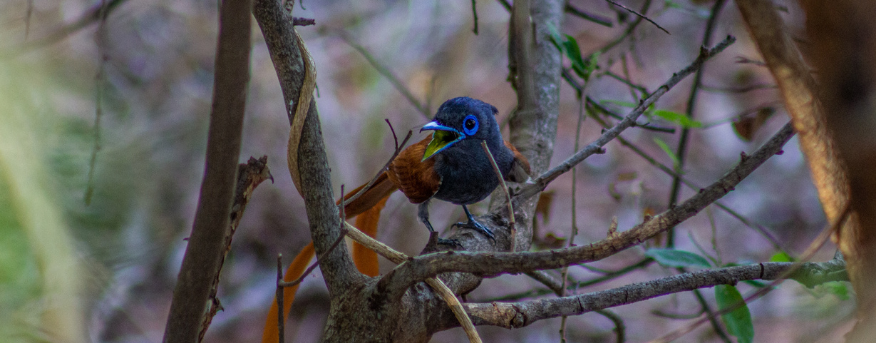
    As a keen birder, I was very excited to look for birds in this area and it definitely exceeded my expectations. Within five months I recorded 180 bird species. This included 15 I had never seen before, like yellow-bellied greenbuls, Retz’s helmet-shrikes and ashy flycatcher. 

    Perhaps the most exciting part about birding is the chance to find a bird party, with multiple species moving together feeding off the same food source. Here you’ll see chinspot batis, southern black tit, black-backed puffback, long-billed crombec and red-billed hornbill.

    The large iconic birds like a saddle-billed stork, martial eagle, bateleur, and white-backed vulture are always thrilling to see. I was also lucky enough to spot southern ground hornbill and kori bustard in Kruger. 

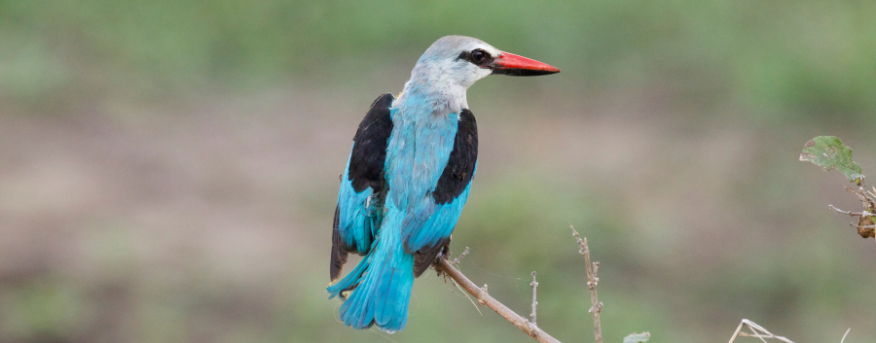
    In December, the migrant species arrived, including broad-billed rollers, violet-backed starlings, Levaillant’s cuckoo, European bee-eaters, and red-chested and diderik cuckoos. Then the iconic woodland kingfisher joined the summer symphony.

    Chorus of frogs

    image

    Photo by: Callum Evans

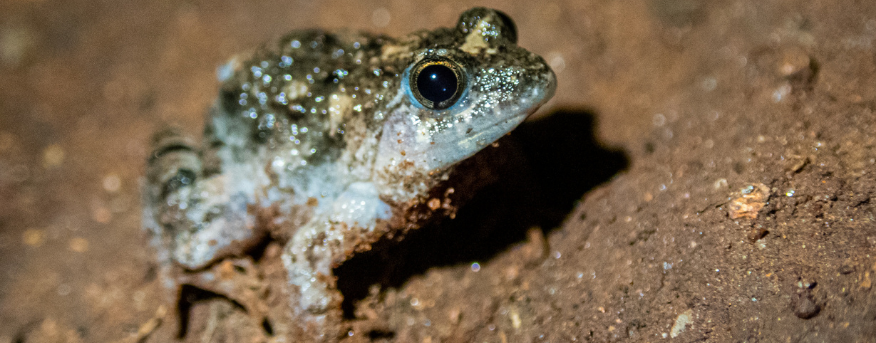
    Frogs fast became a passion of mine thanks to Bushwise Field Guides. Throughout the Field Guide Training course, southern foam nest frogs and red toads were regular visitors to our rooms. Then the rains brought some really exciting new frogs and soon, the dam came alive with a cacophony of different species. 

    Bushveld rain frogs moved through campus at night and the reeds were dominated by brown-backed tree-frogs and broad-banded grass frogs. The tiny bubbling kassina was harder to spot but its call was very distinctive nonetheless. I even spotted an African bullfrog near campus. Ornate frogs were breeding and banded rubber frogs emerged.

    Elusive reptiles

    It was harder to spot the reptile species here. However, slowly but surely, I was able to see a number of species, especially the striped and rainbow skinks, and the Turner’s thick-toed and Wahlberg’s geckos. 

    image

    Photo by: Callum Evans

    Small bushveld and spotted sand lizards were very skittish, shooting away as soon as we approached. The larger species of lizard, like rock monitors, were more visible with the rains. Water monitors prefered to hide around water sources and giant plated lizards could at times be seen basking on rocky outcrops. 

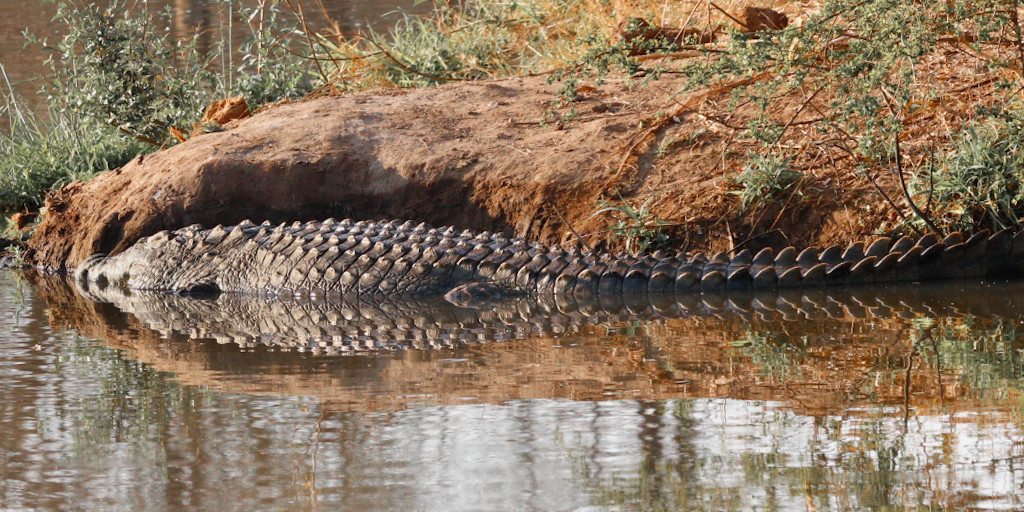
    The rains also triggered leopard tortoises to start moving around, while marsh terrapins are present in almost every body of water. Nile crocodiles were perhaps the most easily seen reptile, while snakes were the hardest to see. 

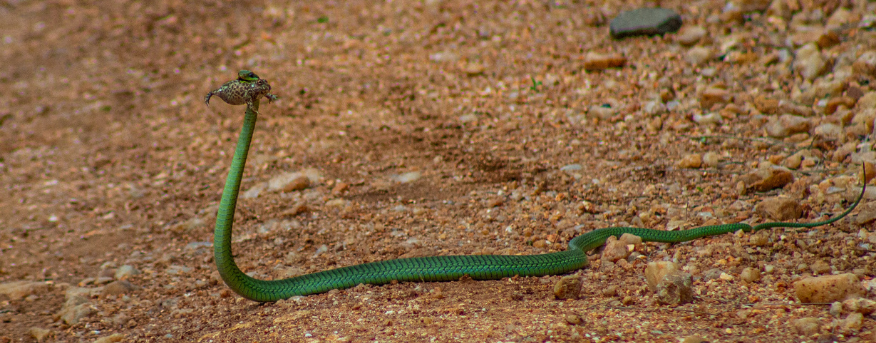
    I personally only encountered four snake species in the area. This included two Mozambique spitting cobras, two small puff adders and a tiny stiletto snake. I was also extremely lucky to watch a large boomslang catch and swallow an ornate frog. 

    Insects and arthropods abound

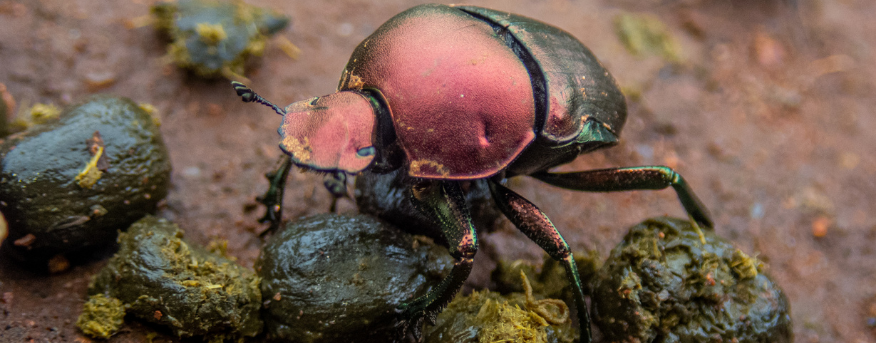
    Out of all the animals, it is the insects and other arthropods that truly make an ecosystem work. In particular, after the rains, beetles could be found everywhere. Giant longhorns and ground beetles walked all over the place, especially at night. As the course went on, more and more dung beetles appeared. 
    image

    Photo by: Callum Evans

    Perhaps the most bizarre one I saw was an ant’s guest beetle, with large and bizarrely structured antennae shaped like broad feathers. Millipedes were some of the most easily seen arthropods, while the centipedes tended to be more elusive. 

    Even in winter, there were plenty of insects to be seen. Butterflies, like the yellow pansy, blue pansy, African monarch and guineafowl could be seen easily throughout the year. Columns of Matabele ants and harvester termites could be heard at night.

    Spiders are ever present in the bushveld, whether it is the unobtrusive wall spiders or water spiders, or the golden orb web spiders in their impressive webs. The homes of community nest spiders adorn many of the trees in the area and the burrows of golden baboon spiders can be easily seen on the ground. 

    A few nights, scorpions made their presence known. I spotted three species: an olive lesser thicktail, a Jones burrowing scorpion, and a shiny burrowing scorpion. 

    My favourite arachnid was the tiny velvet mite. They are bright red with a dense coat of hair and are only seen directly after a heavy downpour.

    Mammals come out to play

    image

    Photo by: Callum Evans

    Of course, the high numbers of mammals in this region complete the picture. I was lucky to see dozens of species of mammals, from a Mauritian tomb bat to elephants. 

    The Greater Kruger National Park offers a great chance to see large numbers of mammals moving through a spacious and relatively continuous system. 

    I saw large groups of grazing mammals in the open savannas, most notably zebra and wildebeest. Big herds of impala, as well as kudu, nyala, and waterbuck would often congregate along riverine areas. I also witnessed some rarer antelope species in the Lowveld, including sable, klipspringer and a Sharpe’s grysbok. 

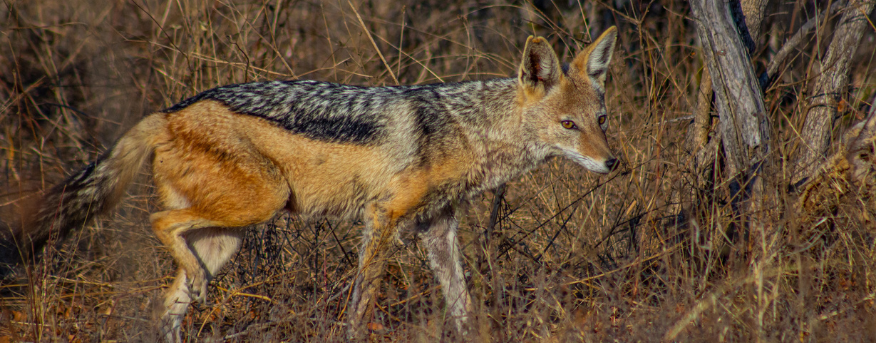
    Wherever large numbers of herbivores occur, there will always be predators. The Kruger region has some of the highest densities of large predators, especially big cats, in Africa. I saw lions, cheetahs, and leopards on a number of occasions. I also had some really memorable sightings of spotted hyena and black-backed jackal, including seeing the young of both species. 

    image

    Photo by: Callum Evans

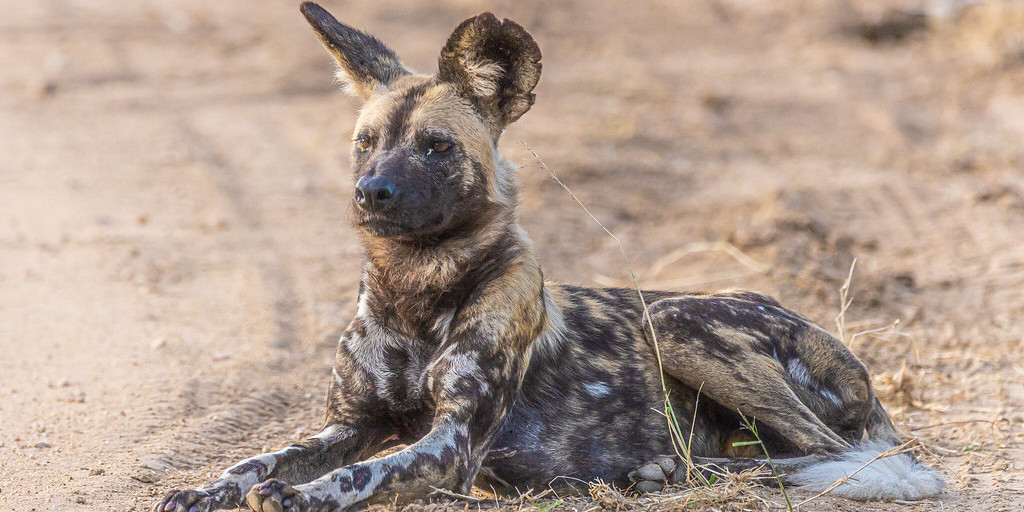
    Some of the rarer nocturnal species I saw include African wild cat, honey badger, civet, porcupine and thick-tailed bushbaby. Perhaps my most memorable mammal sighting on the course was encountering a pack of African wild dogs in the Kruger and getting to spend over an hour and a half observing them. 
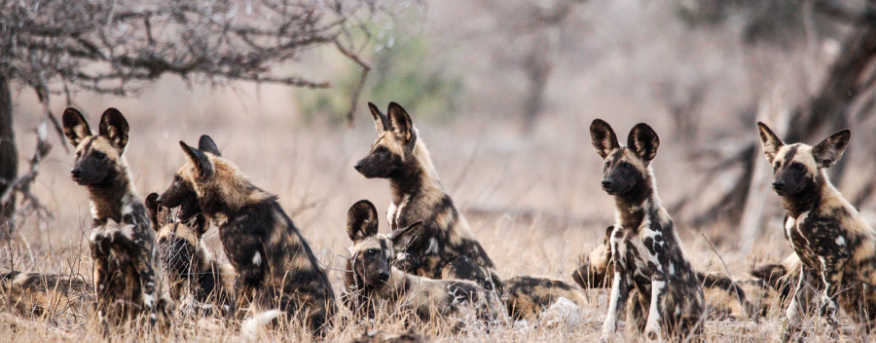
    These sightings were all incredibly special. I count myself very fortunate to have seen these interesting, beautiful and at times bizarre creatures while I was at Bushwise. It really was a special journey learning about the amazing biodiversity that the Lowveld holds.

    Do you want to experience Lowveld wildlife like Callum has? Apply today to join one of our Bushwise Field Guide courses and kick-start your guiding career.

  • Transforming into a safari guide

    BY: Sanette Jonker

    One of our Bushwise IFGA Safari Guide course students looks back on her experience and discusses the lessons that she will take forward in her new career.
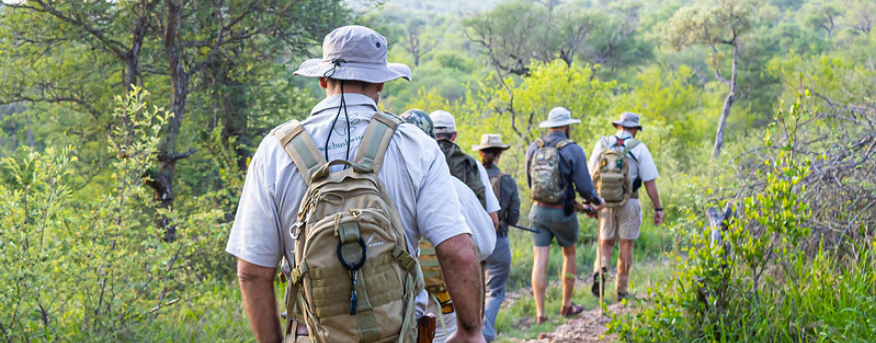
    There were two weeks left for us on campus, a place that had become home.

    As the first good rains fell in the Lowveld and the bush changed, I couldn’t help but think of our journey and how we too were transformed – we had blossomed as the trees had blossomed and filled with knowledge as the dams had filled with water.

    image

    In mid-December, we had the ultimate test of what we had learnt at Bushwise: our theory exams and practical evaluations. Our trainers’ hours and hours of pouring out knowledge, and students’ hours and hours of absorbing it, had finally arrived.

    It was the week of Final practical drives, proving that we were worth the badge and had the knowledge to be field guides.

    By the time the practical drives came, we had all written our Bushwise exams and had just a few practical evaluations remaining.

    You could feel the tension in camp-like pressure mounting before a thunderstorm. 

    Students were frantically deciding on routes, washing vehicles late in the evening and early mornings, preparing snacks and ensuring we remembered everything we were taught over the course.

    image

    We all love nature, that is why we chose to do the Bushwise IFGA Safari Guide Course. But there is so much more to guiding than driving a vehicle and finding animals. You have to remember that everything you do has a consequence. 

    One of the first things we must consider and be aware of when we are in the bush is safety and respect. Safety and respect for ourselves, our peers, our guests and mother nature. 

    It is a great honour and responsibility to be able to guide in a Big 5 area, and this comes with rigorous training and evaluations.

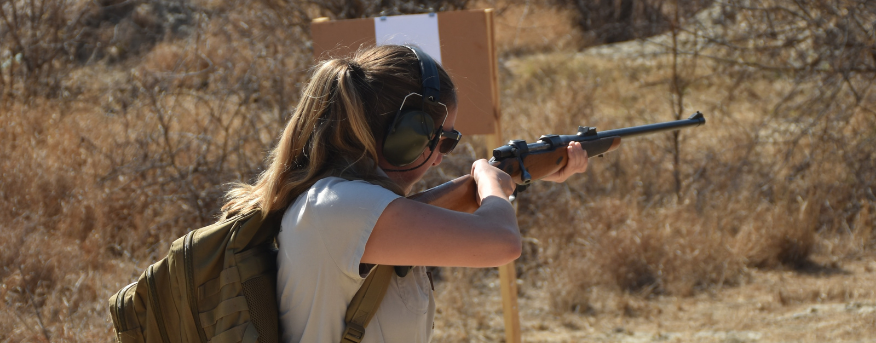
    For example, when we were trained in Advanced Rifle Handling and Viewing Potentially Dangerous Animals (ARH and VPDA), we learnt the importance of animal comfort zones. We were also taught the basics of animal behaviour to better understand when it is safe and ethical to approach a sighting without altering the animal’s behaviour. It is equally important to know when to leave the animal alone. 

    image

    Safety – for both you and the animal – is paramount. 

    This was instilled in us, as well as the respect for the animals’ space and comfort. You cannot conduct either ARH or VPDA if you do not practice safety and respect. That is why so much of our training focused on learning more about wild animal behaviour, how to avoid getting yourself into an unfavourable situation and how to safely extract yourself from such situations.

    Honestly, the course and this journey was a ride and a half! I truly believe that each one of us now calls the bushveld home.
    Is home a place? In my mind it is a feeling!

    As we go forth into the field guiding industry, I hope we continue to learn and thrive in this place we love.

    Do you want to feel at home in the South African bush like Sanette? Apply today to jump start your field guiding career.

  • Unplug and unwind: why escaping to nature is the ideal way to reset in the new year

    Some images in this article were taken pre-COVID-19. 

    BY: Annie DuPre

    Sometimes, you have to unplug to recharge. The world around us is busier, noisier, and more stressful than ever before, and with the holidays in full swing, we can often feel overwhelmed. 

    At Bushwise, students know how important it is to examine their role in the natural world. By joining one of our in-country courses, they leave the bustling world behind to immerse themselves in fresh air and untouched bushveld. 
    image
    This choice is beneficial on so many levels – there’s plenty of research to show how nature plays a critical role in maintaining our emotional, physical and psychological well-being. 

    The arrival of a new year gives us a chance to refresh and reinvigorate ourselves – so how will you take advantage of this opportunity to disconnect and reconnect?

    Wild spaces in your backyard

    You don’t necessarily need to travel the world to find your wild escape – you can find it right in your backyard. One of the easiest and most accessible ways to unwind and develop your connection to nature is to simply walk outside and sit on the grass, under a tree, or by a river. 

    image

    Leave technology behind for a few minutes and find a quiet space to soak in the natural world around you. Even better, observe the plants and animals that exist right in your own space. You might be surprised at how much diversity you can find back home. 

    The best part about going outside, wherever you are, is that there are plenty of ways to experience nature! From walking your dog around your neighbourhood to tracking lions in the Lowveld, the possibilities are endless!

    But, why is it that nature inspires feelings of peace and calm that reinvigorates us? Let’s take a closer look. 

    What research tells us about nature and our well-being

    image

    Being outside typically means getting fresh air and exercise. These two things are critical for our physical health, which has positive effects on our mental and emotional well-being too. Let’s find out how.

    The importance of staying connected

    The term “connectedness” describes the ideal relationship between humans and the natural world. So, the way we connect to nature determines its impact on our health. 

    A strong level of connectedness means feeling an emotional attachment to your natural surroundings. This attachment allows you to deepen your experiences outdoors and receive the full benefits of this relationship. 

    Like any relationship, maintaining healthy connectedness takes work. You need to dedicate time to be outside to allow your senses to absorb the sounds, feelings, and smells of nature. We often lose sight of this in the demands of modern life and days can speed by with almost no time spent outdoors. 

    This is certainly something to aim for in a new year’s resolution: taking time each day to be in nature and develop your connectedness.

    image

    Nature makes us happier

    Research also shows that people who are connected to nature tend to be more positive and calm. There are even studies that suggest that increased time in nature contributes to lowering anxiety and depression. In fact, nature is considered an antidote for stress.

    Another benefit of being a nature-enthusiast? You can develop positive social bonds through your interest in nature. Join local hiking groups, go birding with friends, or take a wildlife course

    Take a break from technology

    There are plenty of warnings about the hazards of being glued to your phone or PC. Too much screen time can cause sleep problems, neck and back problems, and even stress and anxiety. Most recommendations say to avoid looking at your phone 30 minutes or more before you go to sleep. This allows you to wind down your mind and get a good night’s rest. 

    What if I can’t get outside?

    image

    Not everyone has the benefit of access to outdoor spaces. There are plenty of reasons that you could be stuck inside, but that doesn’t mean you can’t benefit from nature. 

    Writing poems or daydreaming about the great outdoors can have similar effects. Research also shows that watching nature documentaries can be beneficial for your mental health. 

    There are tons of world-class documentaries on wildlife, from BBC’s Planet Earth to Netflix’s Dancing with the Birds, to Disney Plus’ Secrets of the Whales, and more. 

    You may also be able to find live safari broadcasts! A few companies throughout Africa offer the opportunity to be transported straight to the bushveld from the comfort of your home.

    Following your favourite safari guides and lodges on Instagram is another great way to keep in touch with the bush when you’re stuck inside! 

    Going even further: disconnecting to reconnect

    image

    One of the ultimate ways to develop your connectedness with nature, and fully immerse yourself in the experience, is to complete a wildlife course. 

    If you have a passion for nature and see yourself developing a career in the industry, joining a course is the best way to disconnect, reconnect, and set off on your dream job. It’s also the best way to kick-start the new year! 

    The Bushwise Professional Safari Guide Course is perhaps one of the best ways to connect to nature. Spend 23 or 50 weeks in the wild, each day devoted to learning more about animals, plants, and everything else that makes up an ecosystem. You’ll quickly learn that humans are just one part of a much bigger process.

    And, you’ll give yourself a technology-cleanse – a period of time where you won’t be checking your phone for emails or texts, simply because there isn’t always wifi and cell signal is limited!

    Are you keen to develop your connectedness even further? Sign up today for one of our 2022 courses and immerse yourself in nature.

  • December in the Lowveld: how the bush decorates for the holidays

    BY: Annie DuPre

    In the northern hemisphere, the cold December weather arrives and brings snow, winter coats, and warm beverages. On the opposite side of the world, here in the Lowveld of South Africa, Bushwise students are donning shorts and sandals, and trying not to sweat through their clothes on game drives! 

    December is a magical time of year. We relax, enjoy seasonally-themed food and drink, and exchange gifts. No matter how you celebrate, this time of year typically means a break from work, time with loved ones, and if you’re lucky, a bit of holiday. 

    image

    But, the holiday season means something different in the wilderness. Lions don’t gather together to swap gifts. There are no baby elephants waiting by the chimney to see Santa. And magpie shrikes don’t light the menorah. 

    However, there is definitely a palpable change in the bush during this time of year! The seasons are shifting, bringing visible changes in local flora and fauna. 

    So, how does the bush celebrate the holidays? 

    November showers bring holiday flowers

    image

    November and December sees the return of summer rain here in the Lowveld. Afternoon thunderstorms and long, sustained showers soak the savannah and grassland, bringing much-needed nutrients to the vegetation. 

    Shrubs, bushes and trees that have been practically dormant throughout winter suddenly start to sprout green leaves, and flowering plants burst forth with bright colours and patterns. 

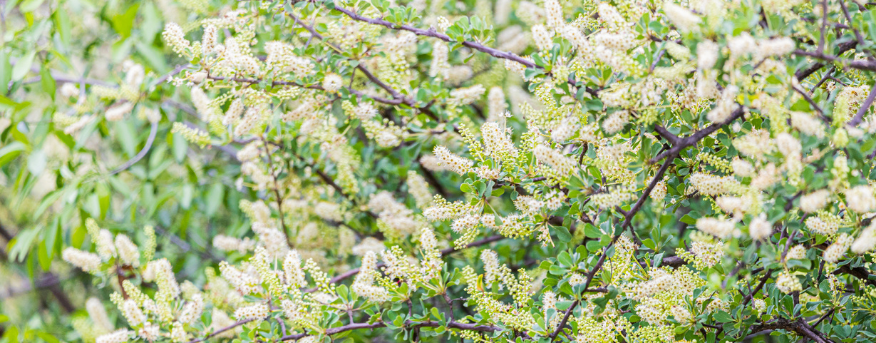
    One flowering plant is sickle bush, a thorny shrub that quickly encroaches, often causing a tremendous headache for farmers and property owners. But, the flowers of the sickle bush are quite beautiful. True to the shrub’s other common names, the Chinese lantern or Kalahari Christmas tree, its flowers look like little ornaments adorning its branches. 

    There are many other trees and plants that flower at this time, including numerous wild flowers that pop up as if from nowhere, dotting the bush with multi-coloured blossoms. 

    image

    Purple pod terminalia and silver cluster leaf trees sprout thousands of tiny cream-coloured fragrant flowers. String of stars has cascading white flowers that look almost like twinkling lights blanketing the ground. Other flowering plants include candy stripe lilies, wild basil and aniseed, blue haze, lion’s eye hibiscus, African violets, and many more.  

    Returning home for the holidays

    Along with the rain and change in temperature, comes the return of many migratory bird species. The majority of these species are insect- or seed-eaters, so they return to southern Africa to feed. Think of this as coming home for the holidays for the up to 4.5 billion individuals that flock from their breeding grounds in Europe and Asia. 

    European bee-eaters, with their vibrant, turquoise-blue bellies and chestnut heads, have massive seasonal gatherings of 20-100 individuals. They’re like colourful decorations flying through the sky and roosting in trees. 

    image

    A popular sign of the season is the return of the woodland kingfisher. Its call rings out through the bush, almost like carol singers echoing their song. Guides often bet on when this vocal bird will return to the Lowveld. Of course they aren’t the only species to sing their song this time of year. Diederik cuckoos, red-chested cuckoos, green-backed camaropteras and African hoopoes join the chorus of birds ringing in the holiday season.

    Arrival of new additions

    This is also the time of year when many prey species give birth, bringing new life into the Lowveld. Impala give birth at around the same time in November and December. They do this because there’s safety in numbers, and because there’s typically plenty of food and water to go around. 

    Other species, like wildebeest and blesbok, also deliver their babies this time of year. If you pay a visit to the Greater Kruger over the holidays, you won’t be able to stop yourself from cooing over the adorable baby antelope sprinting back and forth around the adults. 

    image

    Photo by: Annie DuPre

    But, prey species aren’t the only ones with young over the holiday period. African wild dogs give birth between May and June, and keep their young ones in the den until around October. By December, the pups are typically mobile with their pack, and if you’re lucky, you’ll catch a glimpse of this highly social predator!

    Many other species, both prey and predator, will give birth throughout the year. So you may still get lucky and see many different kinds of cubs, lambs, piglets, or calves over the holiday period.

    The holiday tourism rush

    Things are a bit different this year, but typically, the festive season invites a wave of tourists to safari lodges throughout southern Africa. There’s certainly something novel about spending Christmas in summer weather, especially if you’re from the northern hemisphere. 

    Game drives and bush walks are exceptionally hot this time of year. It’s even more festive to pack extra sundowners for your afternoon drive, or to find a bird hide near a dam to relax and enjoy the sights. 

    image

    What’s better than appreciating wildlife and nature with your friends and family? That’s the kind of holiday Bushwise guides love to celebrate!

    If you can’t be with us here in the bush this holiday, take time to walk outside and see how nature is celebrating, wherever you are. 

    And, with 2022 just around the corner, now’s the perfect time to book your bush adventure. There are just a few spots left in our January intake for the Professional Safari Guide Course. What better way to celebrate the holidays than by rewarding yourself with a career move of a lifetime? 

    Don’t wait for the next holiday season, apply for your Bush adventure now!

  • A week with lions and leopards

    BY: David Miles

    Camp manager blogs are written by our current students who each get a chance to lead and manage a group (of their fellow students) for a period of one week.

    I enjoyed being camp manager during an eventful week! The week started with game drives and practical observation tests. We learned about animal feeding signs, as well as local trees and shrubs. 

    image

    On Tuesday, we had game drives in the morning and afternoon, practising for our practical game drives. 

    During a practical drive on Wednesday morning, we observed a herd of elephants and had an amazing lion sighting following a tip from the guests at the connecting reserve who had spotted the lions just hours before they were scheduled to leave for the airport!

    My favourite subject is probably tracking because I love how you can connect guests to nature. Tracking during a game drive gets the guests involved in the natural experience and helps build a real-life understanding of animal behaviour.

    image

    This image was taken pre-COVID-19. 

    On Thursday, we had the long-awaited assessment on mammals, amphibians, and arthropods, which tested our ability to recognise different species from photos and sound recordings. The rest of the students and I had been talking about this test for a long time, and we studied hard to learn to identify birds based on their calls, and other animals like mammals based on their features. 

    Despite all the hard work, we all enjoyed the experience of the test and I think all the studying we did for it will really help us when leading game drives in the future.

    After the test, the students got to go on a trip to town to get some supplies. On the way back from town, we saw a leopard with an impala kill less than 25 metres from our vehicle. It was a fantastic sight!

    image

    We went on interesting bush walks on Friday morning and afternoon, focusing on identifying birds by sound for the bird exam we had coming up in a few days’ time. Oxpeckers, rollers and kingfishers were our group of students’ personal favourites. 

    During our walk, we came across a giraffe that had been killed by lions. We had been tracking these lions from the river for a few kilometres, so this was an exciting discovery! 

    It was a week I’m sure none of us will ever forget. 

    Spend time in the African safari and get to share your story like David. Join a Bushwise course.

  • Feeling alive on game drives

    Some images in this article were taken pre-COVID-19. 

    image

    The wild has beckoned adventurers, explorers and nature enthusiasts for hundreds, if not thousands, of years. The thrill of never knowing what lies around the next corner, under the next tree or behind the next bush entices us to always push further.

    image

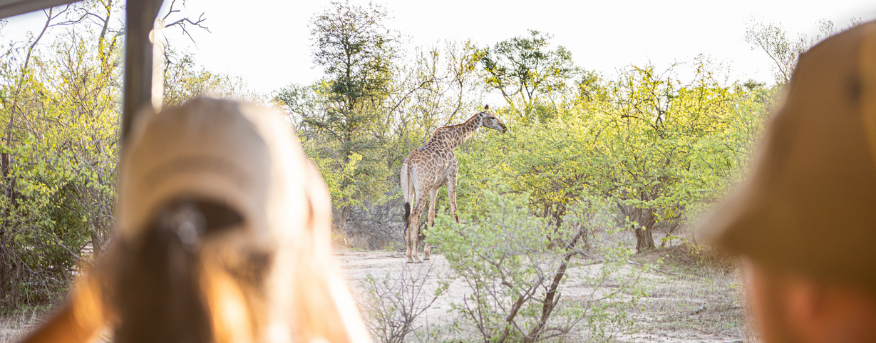
    Going on game drives in a totally wild and completely natural landscape can be likened to the awe-inspiring scenes from Jurassic Park. Strange footprints and telltale signs of animals lie all around us. All you need to do is take a closer look at the ground to know exactly what’s out and about.

    image

    Photo by: Donald Fraser

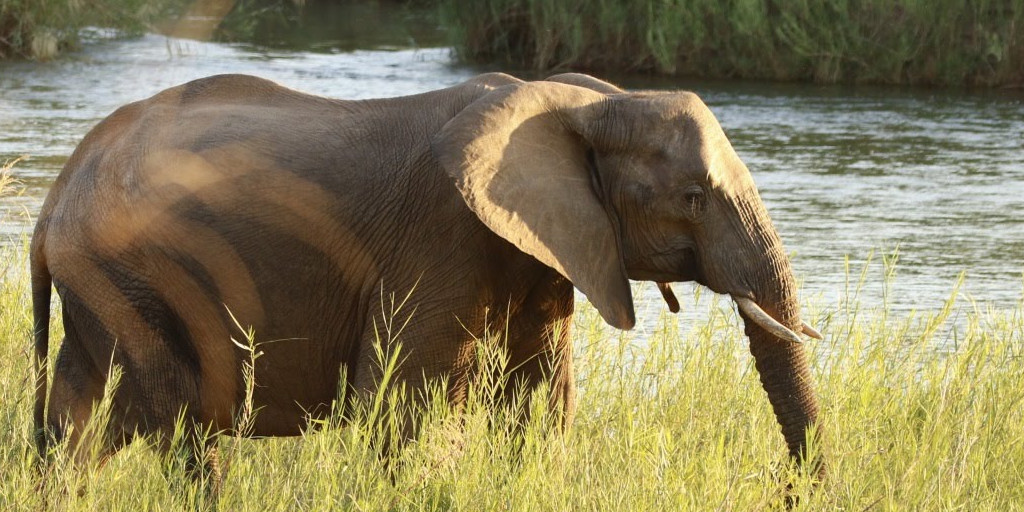
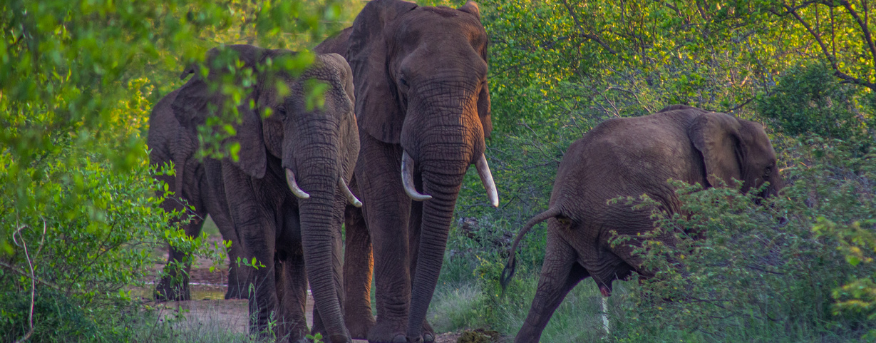
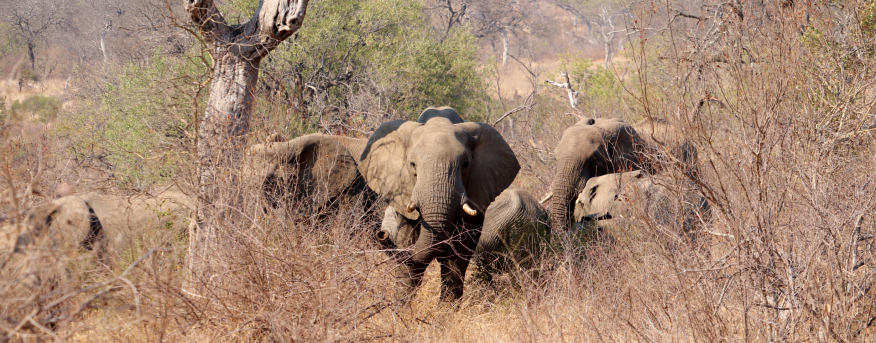
    Africa’s megafauna are by far the most sought after when it comes to experiencing African wildlife. The peace and humility you experience when surrounded by the world’s largest land mammal is a connection to the natural world that is almost tangible in its intensity. The tolerance of savannah elephants is graceful and forgiving when they allow you into their space.

    image

    Over the course of the past six to seven decades, animals have become habituated to the presence of game drive vehicles and modern humans within their ecological domains. Ethical guiding and encounters have played a huge role in developing safe and comfortable environments for these iconic mammals, where we are able to experience intimate and close-quarter encounters with them for conservation research, without stressing or aggravating the animals in any way.

    image

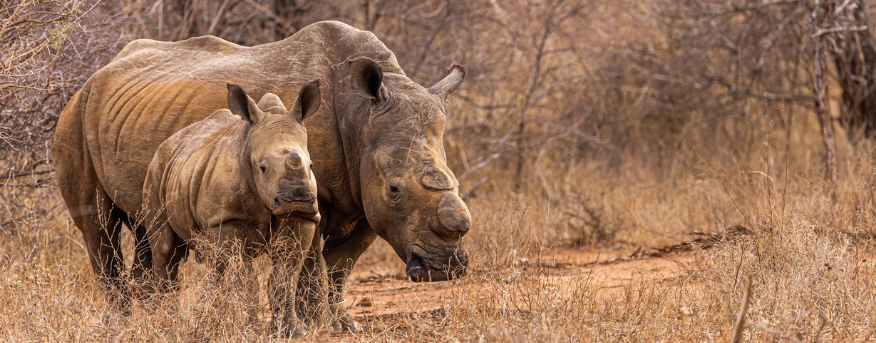
    We are beyond privileged to be able to experience the wilderness in such a connected and immersive way. Viewing animals without disrupting their natural behaviour leads to a more insightful and deeper understanding of just how similar we are. A mother’s love and care for her offspring is as obvious to rhinos as it is to humans.

    image

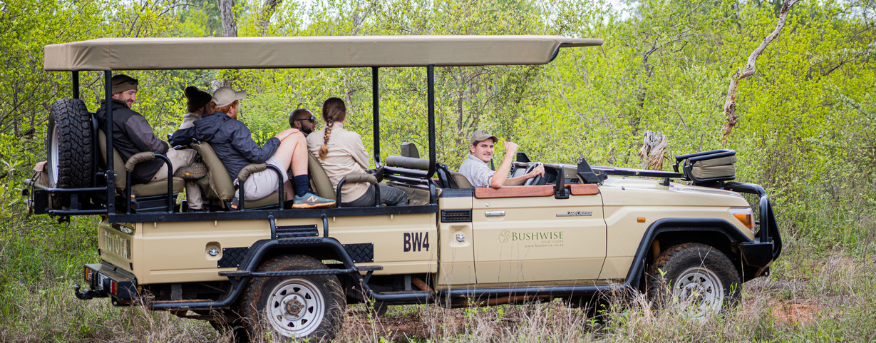
    However, animals aren’t the only part of what makes game drives exciting. Human connection and camaraderie are linked by one commonality – a shared love and passion for something. When you and everyone else on the vehicle are bonded by the same rooted respect and love for wildlife, the relationship between you as the guide and your guests will flourish as much as the plants and animals do!

    image

    Ultimately, going on a professional-led game drive is not only about looking at animals. It’s about an immersive, connected understanding of the natural world that exists around us.