Category: Course updates

  • A 5,000-star safari camping experience

    Sleepout on a Bushwise course, a rustic safari camping experience, is something you’ll remember your whole life. Trainer Darryn Murray shares what it’s like to sleep in the bush under the African stars.

    Have you ever stayed in a 5-star rated lodge or hotel? Some may have even been fortunate enough to stay in the more recently crowned 6- or 7-star rated hotels around the world. While those are great places to stay I’m sure, they have nothing on spending a night sleeping under the stars of the African sky!
    image

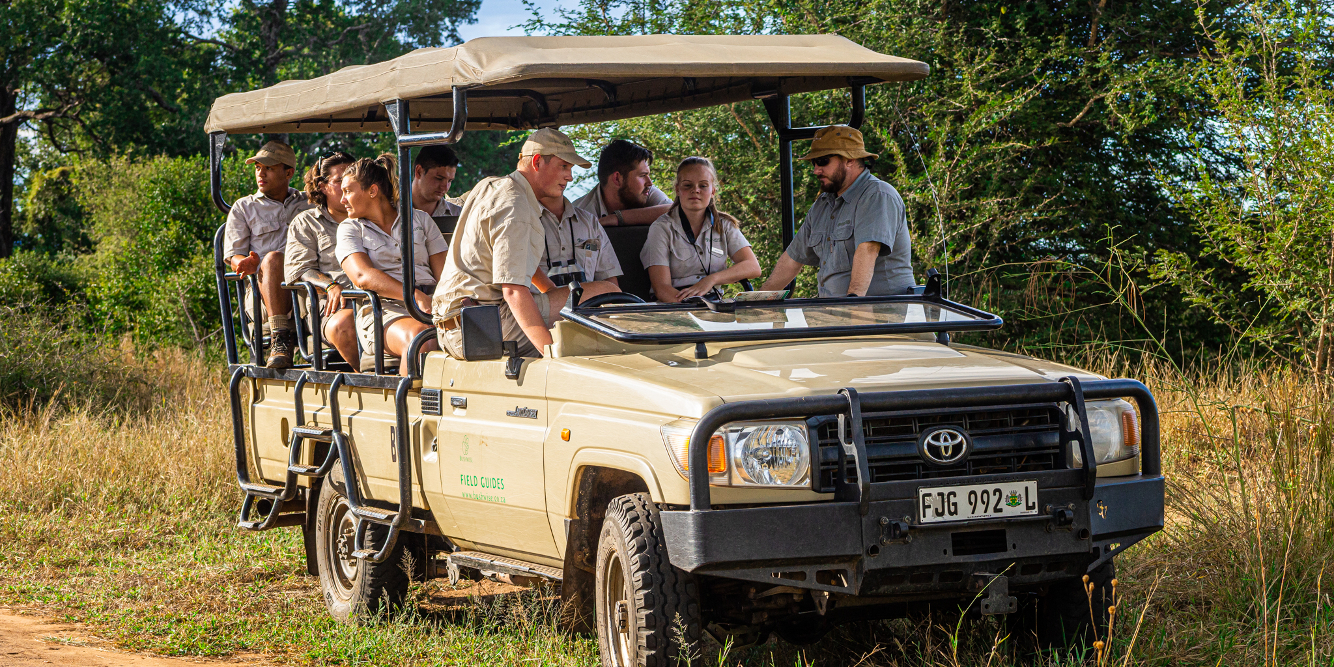
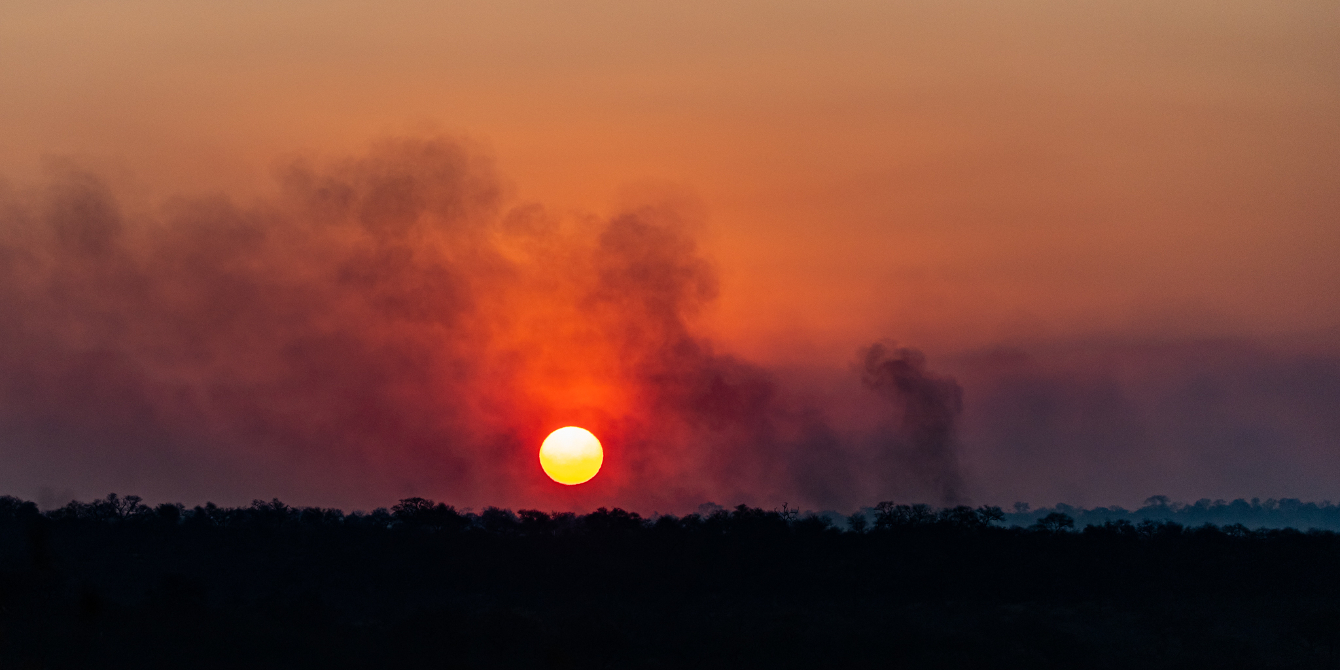
    At 3pm, the game viewers are packed and ready to go, the students board with the bare essentials for a night sleeping in the African bush under a blanket of stars.

    A sleep out in the African bush is a highlight for all involved, the students and trainers alike leave behind the comfort of their beds, rooms with ablutions and WiFi.
    image

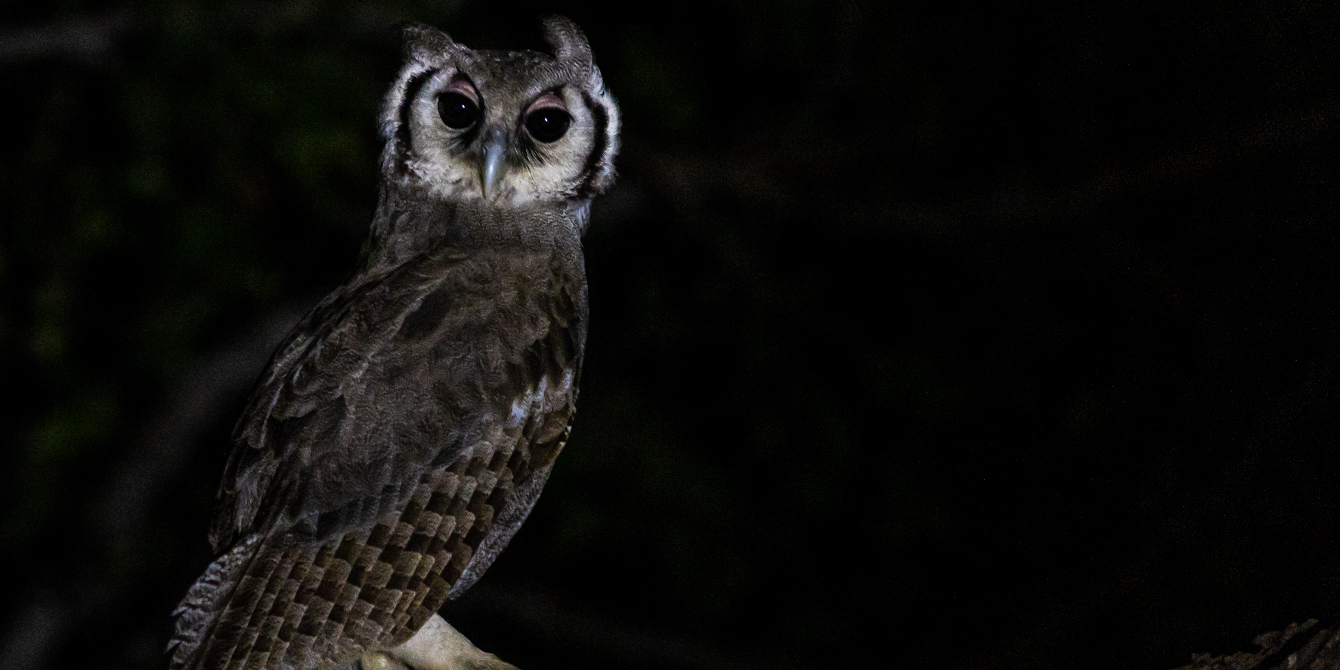
    Everyone packs one bag to take with them, including a sleeping bag, pillow, torch and a few basic luxuries – these could include a safari camping chair if you have one. We take food, water, a kettle to boil water for the all important sunrise cup of coffee, and firewood with us for our adventurous night under the stars.

    Once a suitable area has been found for the night, the game viewing vehicles are parked strategically to be used as lookout points later on in the evening – more on this in a moment. An area within the game vehicles is designated as a sleeping area, where everyone is responsible for setting up their own sleeping arrangements. A kitchen area is set up nearby where the fire will be. 
    image

    Once all of the setup has been done, a roster for “security duty” has to be drawn up, the students group themselves into threes for an hour at a time, each sitting on the strategically placed game viewing vehicles that we mentioned earlier. They are armed with a powerful torch and it is their responsibility to watch out for any animals that would potentially like to join the group for dinner – or the leftovers in the early hours of the morning, before handing over to the next group at the end of their shift. This gives everyone a fair opportunity to sleep and be on security detail for the evening.
    image

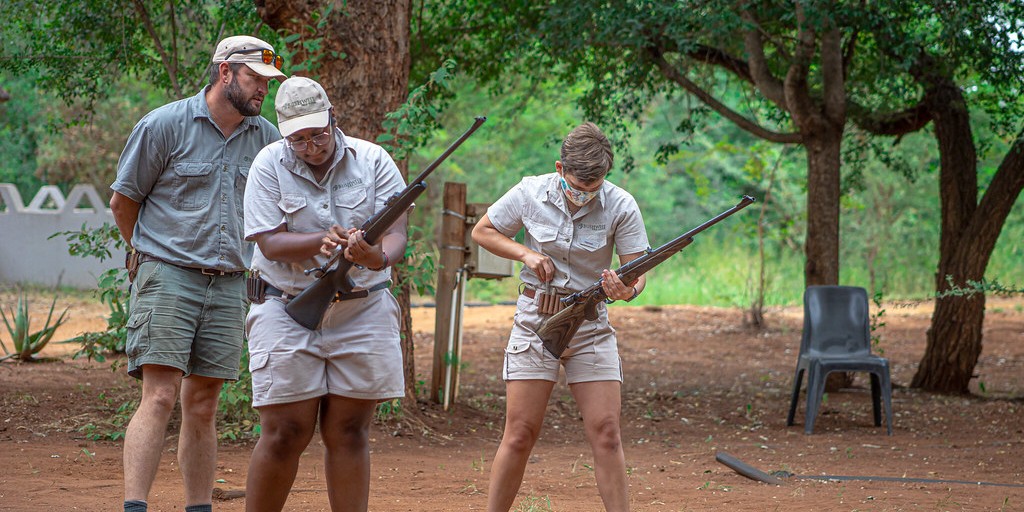
    A trainer is on hand just next to each vehicle armed with his rifle. This is important, as should any dangerous animals approach the group throughout the night, the trainers are there to protect the group. Carrying a rifle is an essential part of being a field guide on foot – more on this in our discussion of advanced rifle handling

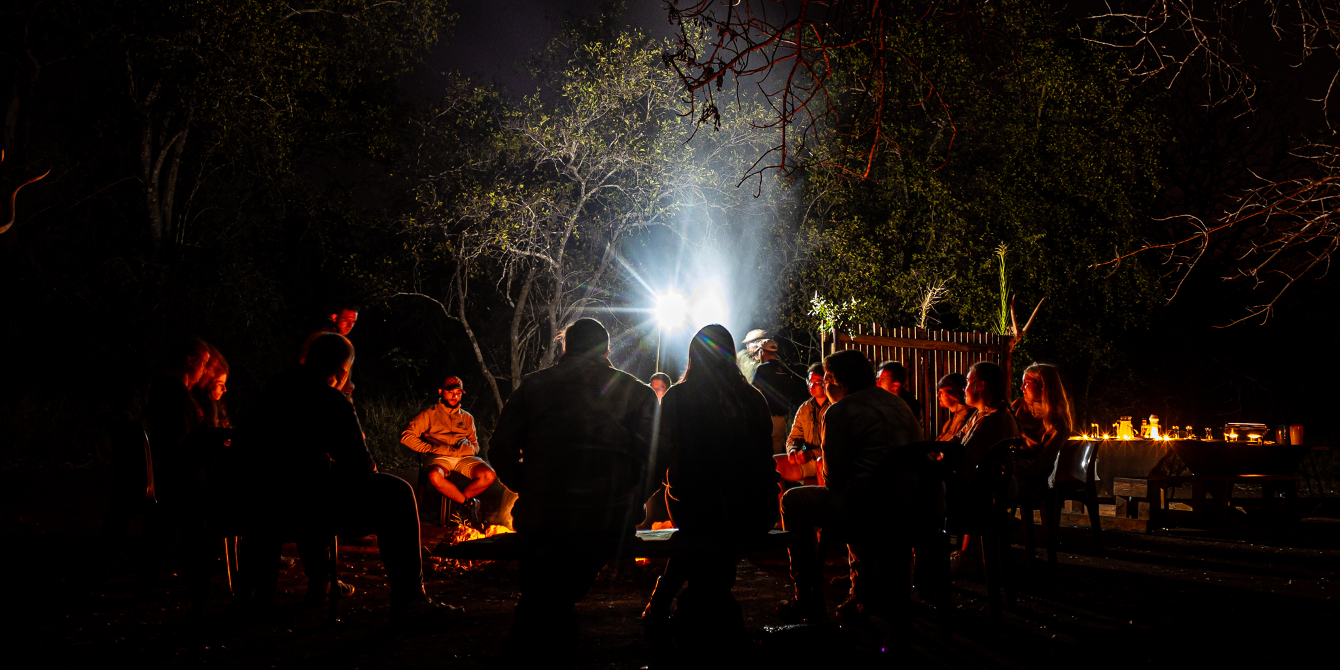
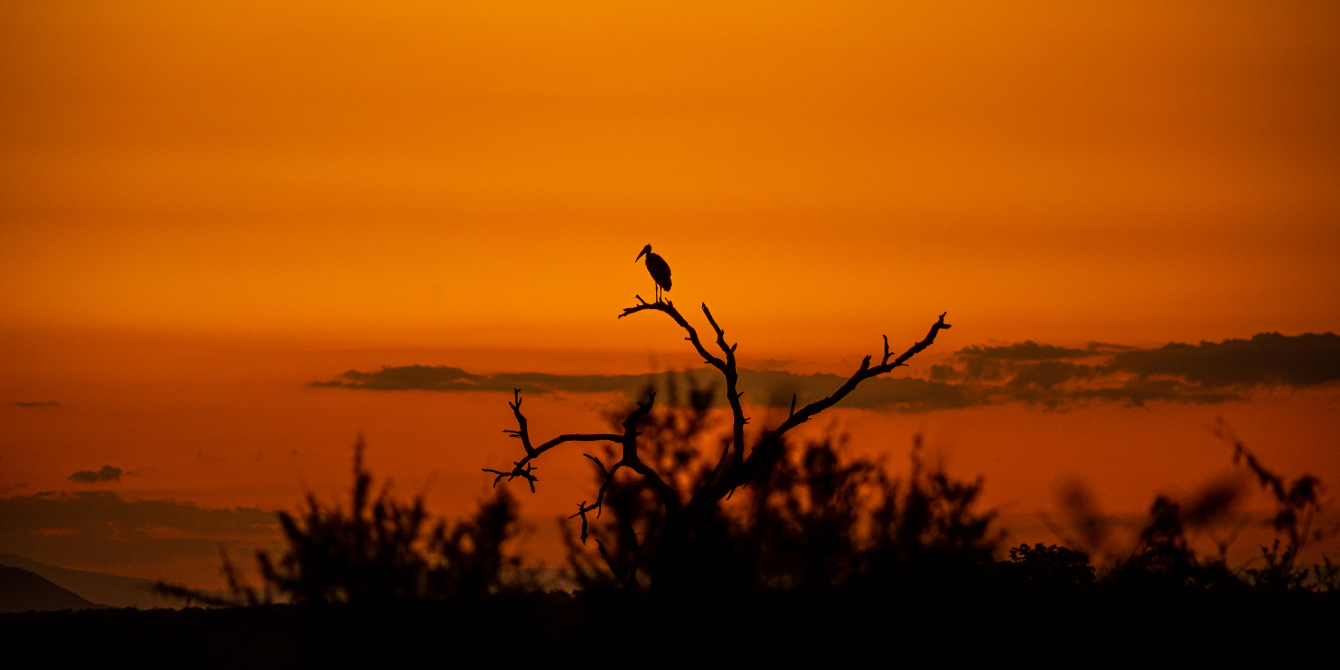
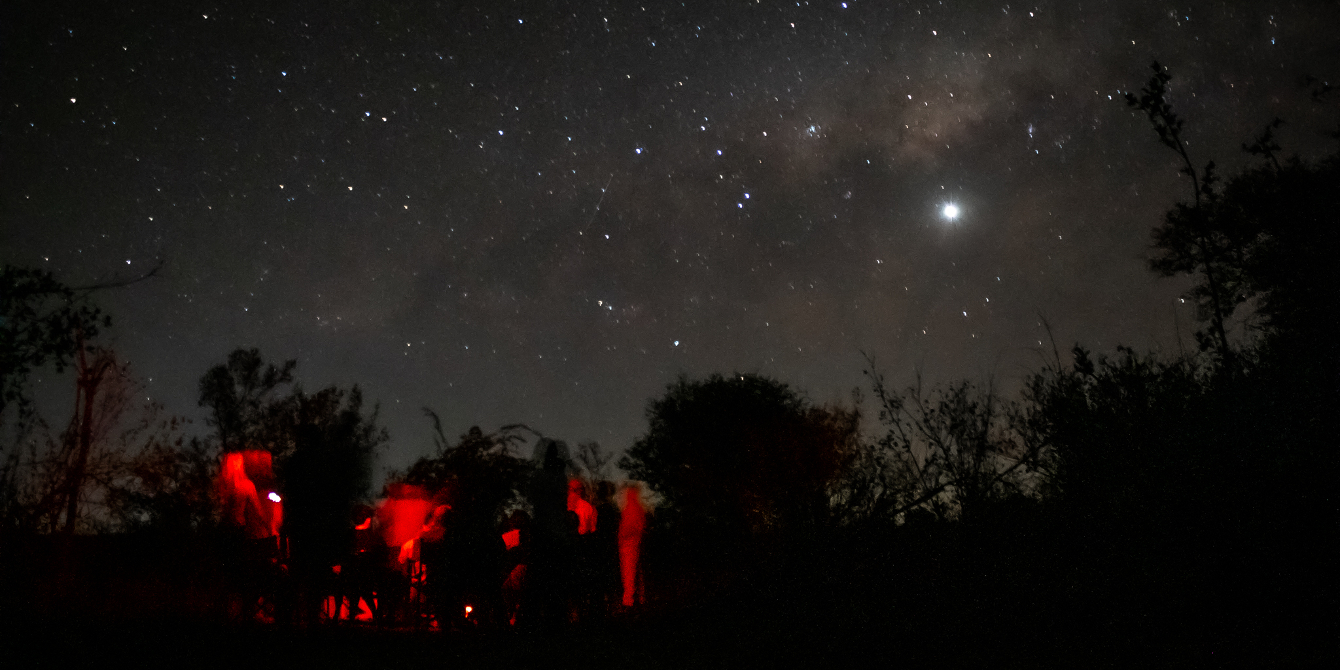
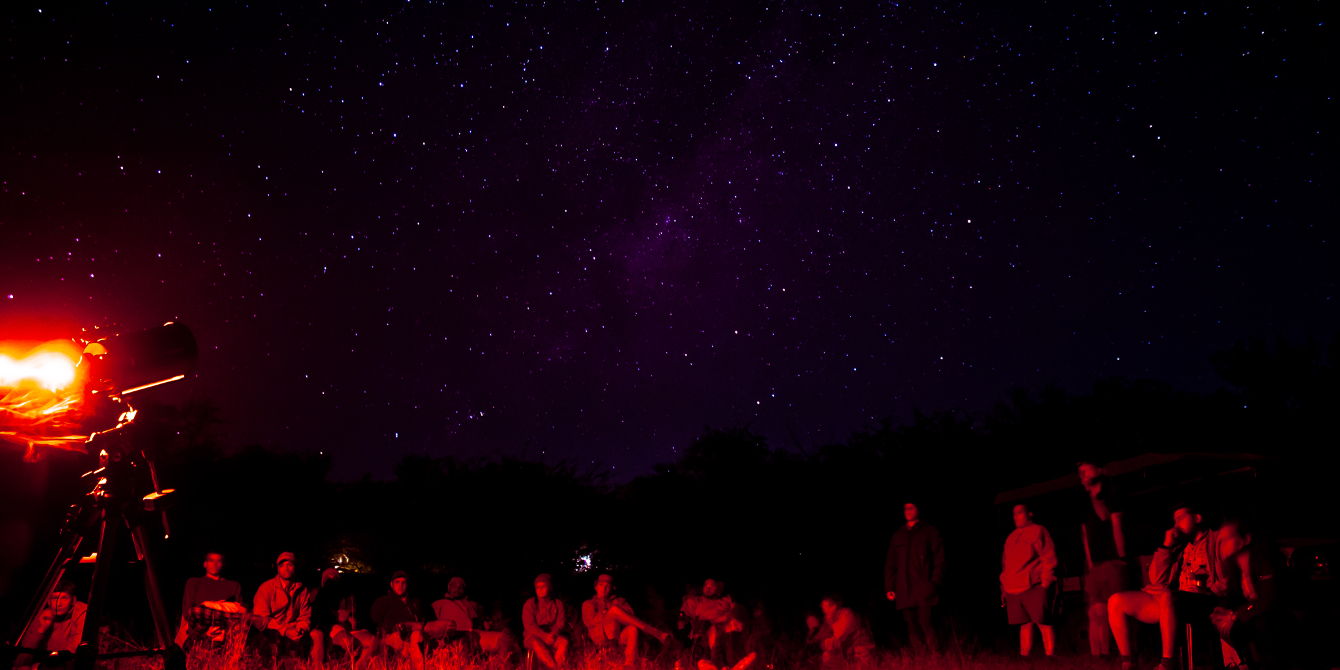
    But back to our safari camping experience. As the light fades everyone sits together like a scene from a movie around the fire. We watch the sun set and minute by minute more stars appear in the sky, inevitably there is a trainer with a laser pointer on hand to show the students some of the prominent stars, constellations and planets in the southern skies, we can see thousands of stars with the naked eye – making this the best star rated sleep you will ever have.
    image

    As it gets closer to the start of “security duty” and bed time, students start telling stories around the fire of past experiences, jokes and always a good scary story or two just before everyone retires for the night.

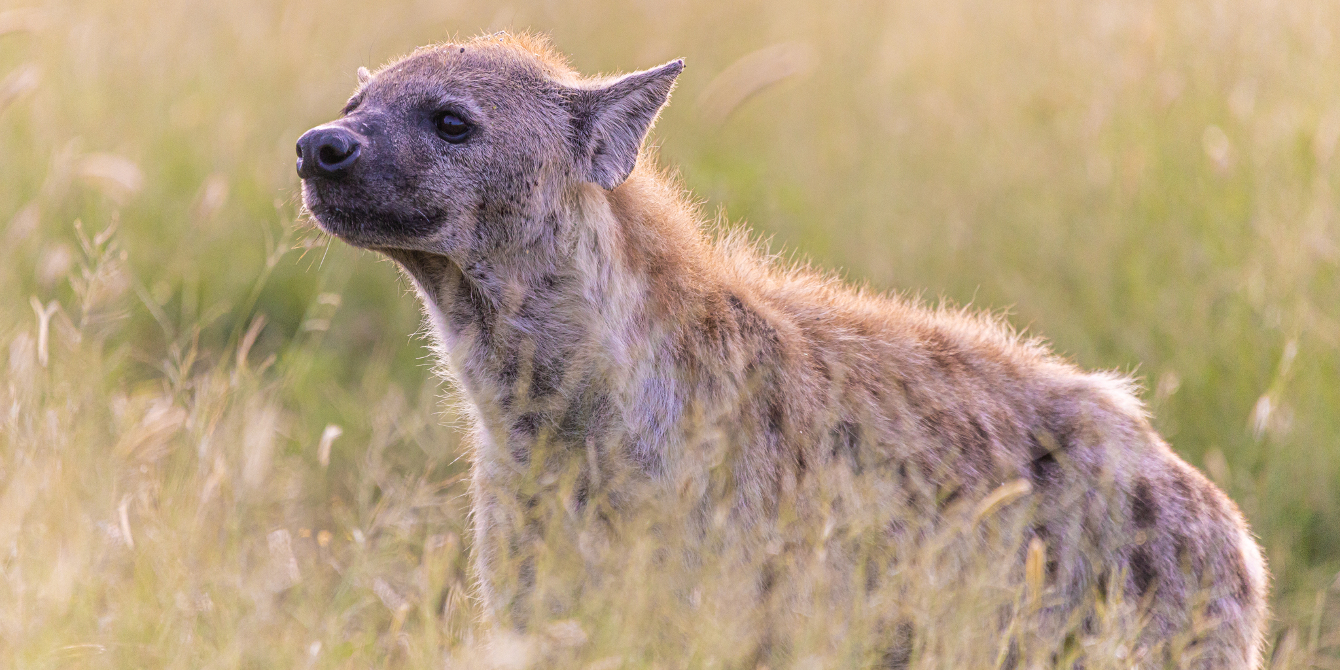
    In the case of an eventless night, all involved get a decent night’s sleep – some decide to stay up all through the night and watch the fire, listen to the sounds of the bush, keep each other company or provide coffee before and after their friends’ security watch. If an animal gets a little too close to the group, the trainers are always around for protection. Usually after a hyena has come wandering towards the group, regardless of the hour, everyone is awake and huddled around the fire.
    image

    As we sit listening to the crackling of the fire, the sun rises, some well rested, some rather tired students get up to get themselves and others the sunrise coffee before we start packing up. 

    By 7am the packing up and cleanup is in full swing, the area has to be left the way we found it the day before, all the equipment, leftover food, students and trainers are all piled back onto the vehicles and returned safely to camp. Unpacking of the vehicles back at base usually happens at lightning speed, the students then all disappear to their beds to get in a few more hours of sleep before lunch.
    image

    A safari camping night, or sleep out, is all part of our IFGA Safari Guide course. Apply today and spend many nights under the stars in the African bushveld.

    #AdvancedRifleHandling #Birding #bushwise #stars #qualification #safariguide #sleepout #training #guidejobs #animals #astronomy #apprenticefieldguide #hyena #safari #sightings #endangeredspecies #Assessments #guiding #studying
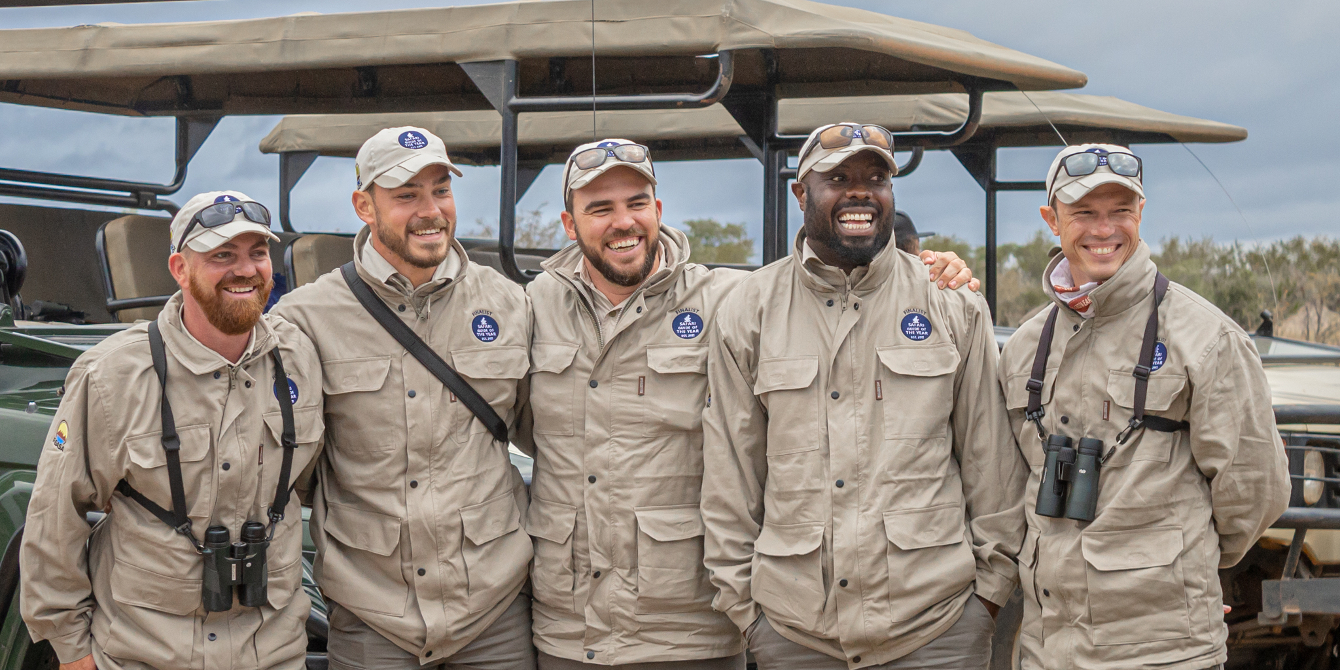
  • Winners of Safari Guide of the Year 2022

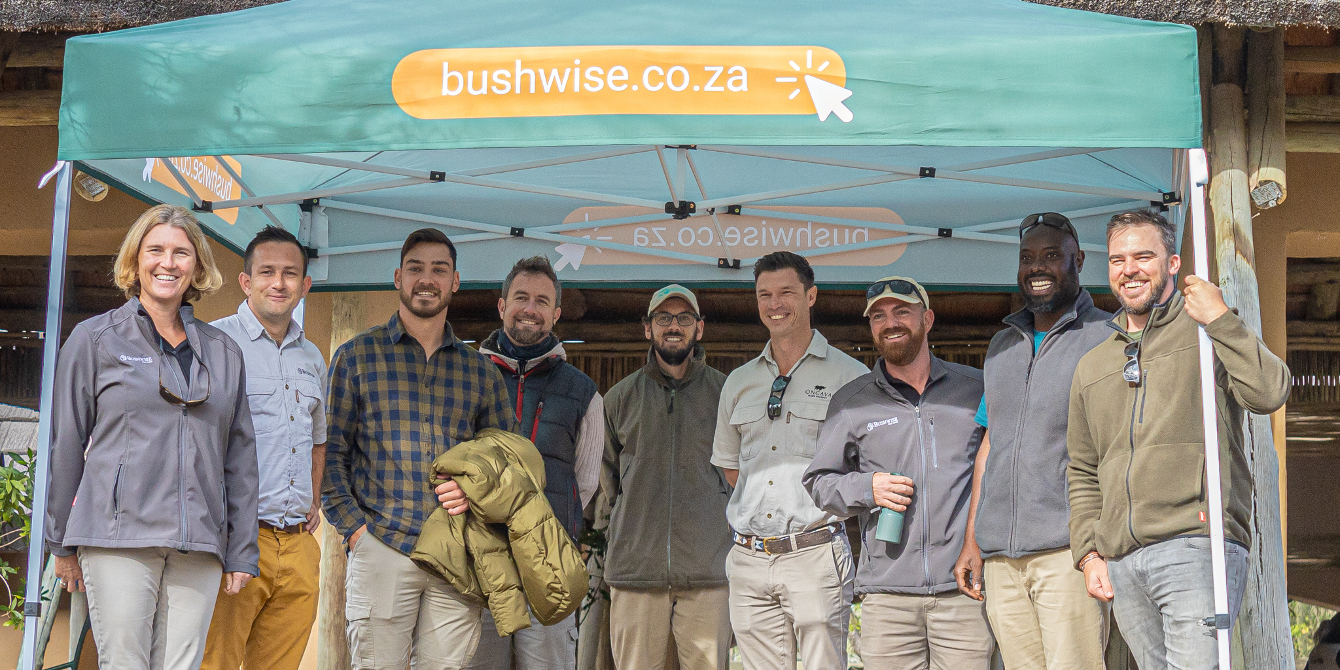
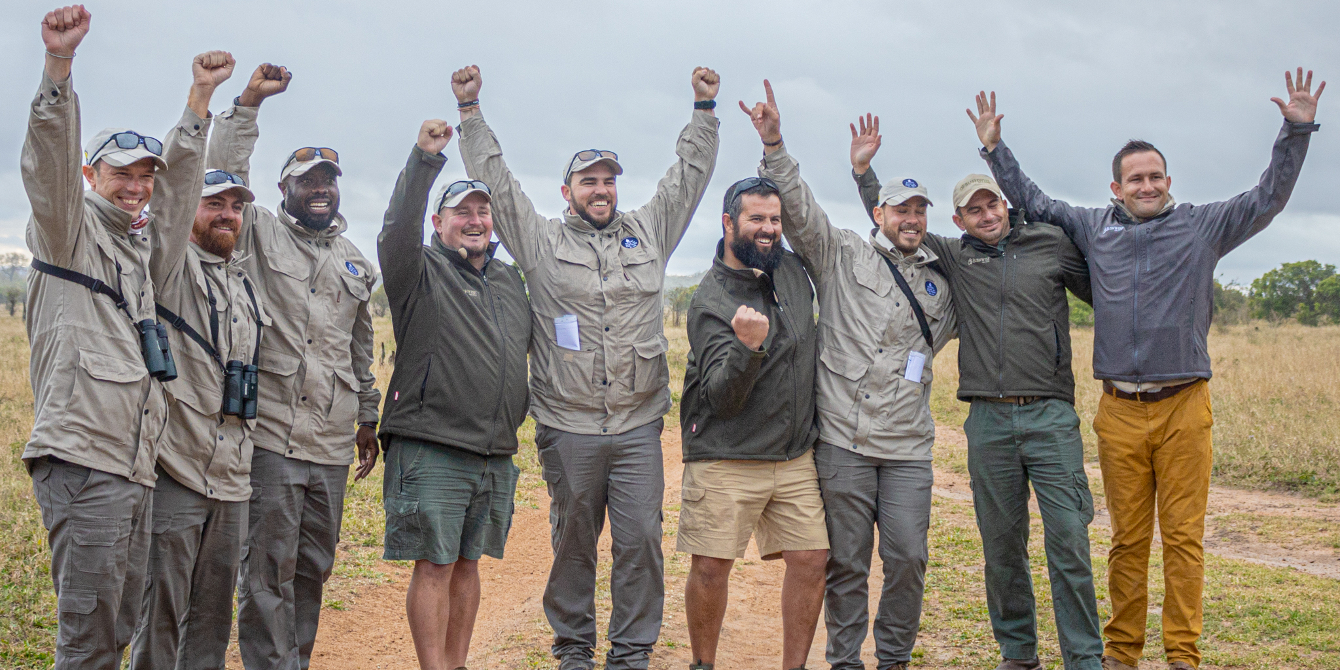
    The Safari Guide of the Year 2022 competition was nothing short of spectacular. The five finalists spent the week showing off their skills in multiple events, from advanced rifle handling to bush walks, game drives, and track and sign. It was the ultimate show of skills and knowledge in the guiding industry, and Bushwise was thrilled to be the host sponsor. The finalists were:

    1. Liam Henderson, the Homestead in Nambiti Game Reserve Reserve

    2. Cameron Pearce, Ongava Game Reserve in Namibia

    3. Nico Brits, Bushwise Trainer at our Mahlahla campus

    4. Solomon Ndlovu, Singita in the Kruger National Park

    5. Ruvan Grobler, Lion Sands in the Sabi Sabi Game Reserve

    image

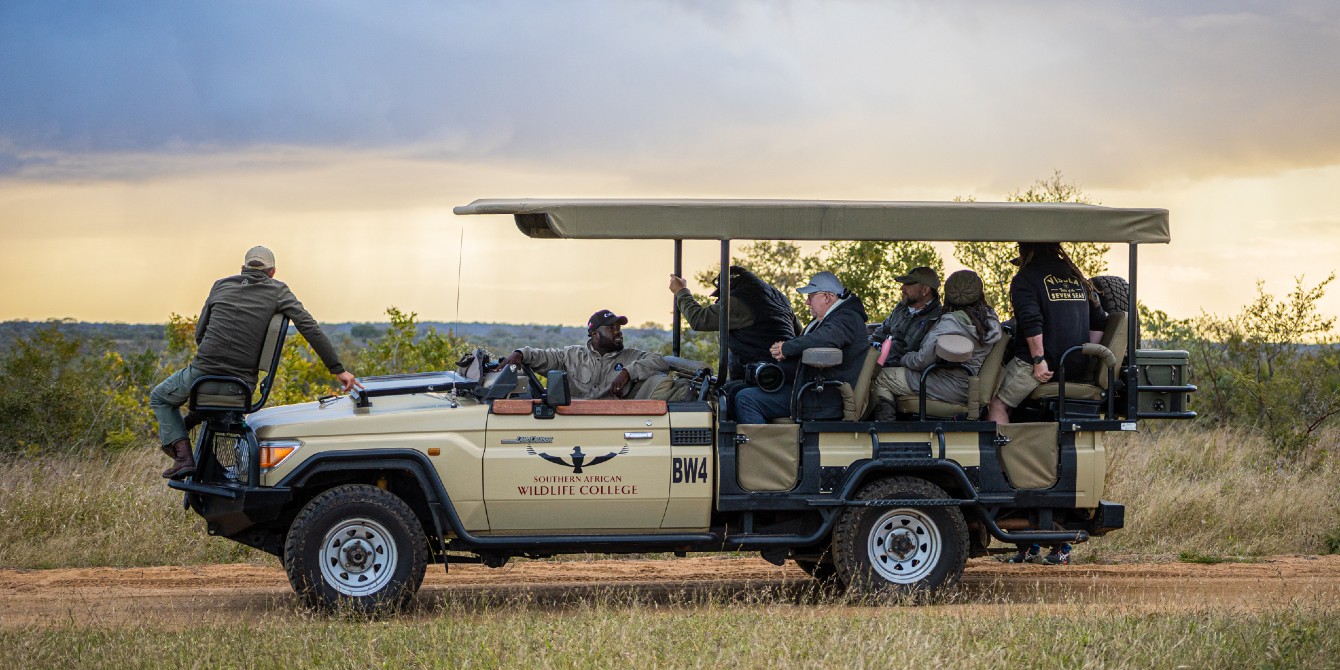
    The week started with contestants, sponsors, judges and media arriving at our Kempiana campus at the Southern African Wildlife College (SAWC). Bushwise was proud to host this prestigious event back in the home of field guiding, the Greater Kruger National Park. This was also an excellent opportunity for us to show off our newest campus, where we train field guides in collaboration with SAWC.

    Guests, judges, sponsors and other leaders in the safari industry were present to cheer the competitors on, while waiting with bated breath to see who would come out the winner overall, and in the individual categories. 

    image

    One thing that stood out for all attendees of this event: it wasn’t just about the competition, it was equally about the camaraderie and friendship shown between the finalists. 

    Whenever there was a moment to relax between activities, you could find the five contenders huddled in a circle, laughing and swapping stories. Their shared passion for the bush, love of wildlife, and years of experience brought them close together throughout the week. 

    image

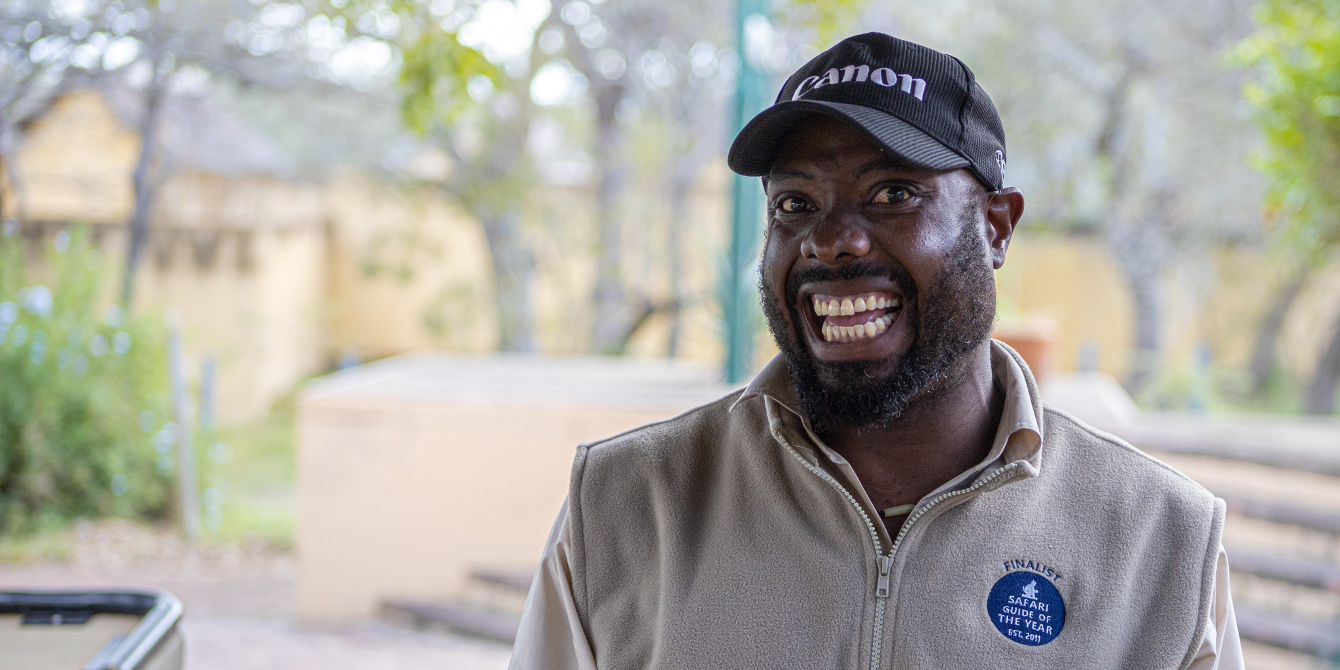
    But still – someone had to win! Without further ado, we present the overall winner of Safari Guide of the Year 2022: Cameron Pearce. Cameron was the overall winner of Safari Guide of the Year 2022. He also won in the categories of Guided Walk, Track and Sign, Birding and Storytelling. 

    image

    Nico Brits won the categories of Hospitality and Best on Camera. Throughout the week, Nico paid close attention to every guests’ needs, taking utmost care to ensure that each person felt welcome and cared for. When he was interviewed live on WildEarth, he did an excellent job of engaging with and entertaining the audience!

    image

    Ruvan Grobler won the Photography category. During his evaluation drive, he did an incredible job of angling the vehicle for photos, stopping smoothly and exceeding many other requirements for a photographic safari. 

    image

    Solomon Ndlovu took the award for Advanced Rifle Handling. His shooting was quite impressive – hitting an exact spot multiple times on one target. When he would finish an exercise, the excitement in the crowd was palpable. 

    image

    Liam Henderson took home the best in Game Drive category. Liam navigated the reserve professionally, incorporating many elements of the ecosystem into his discussions,  interpreting animal behaviour and sharing excellent sightings with his guests.

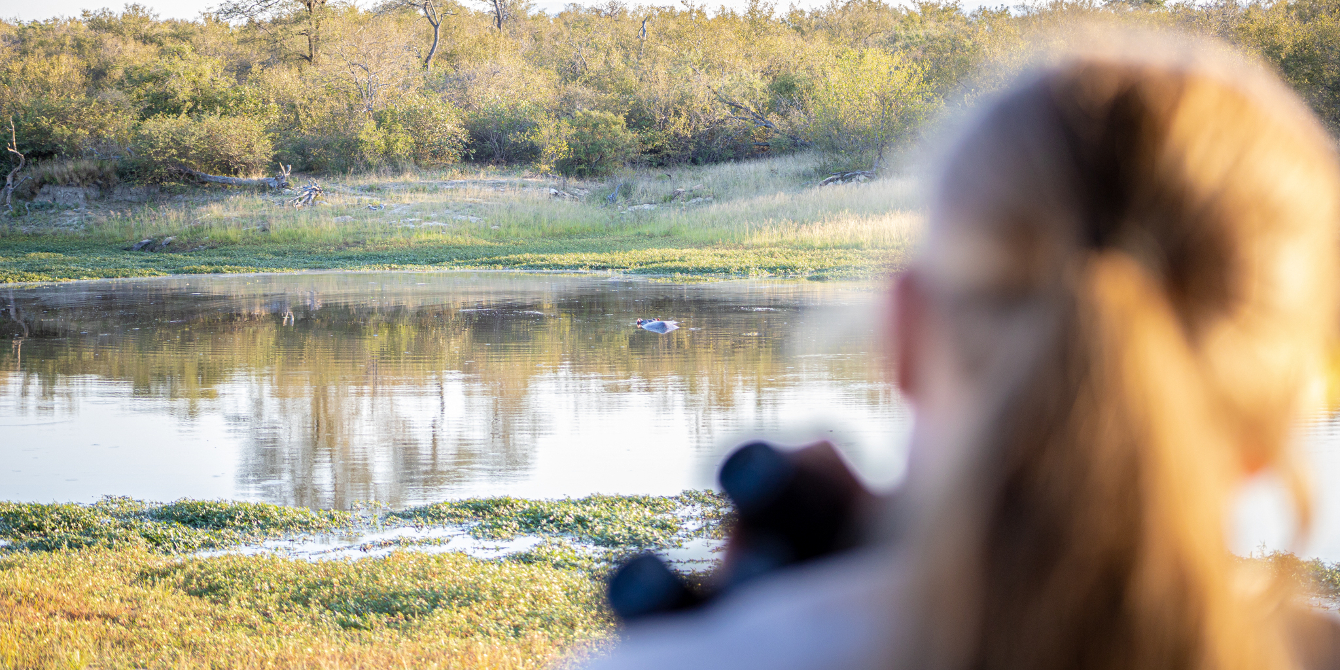
    The wildlife played ball with us this week with some truly incredible sightings. When it came to interpreting animal behaviour, the finalists had more than enough opportunity to show off their knowledge!

    image

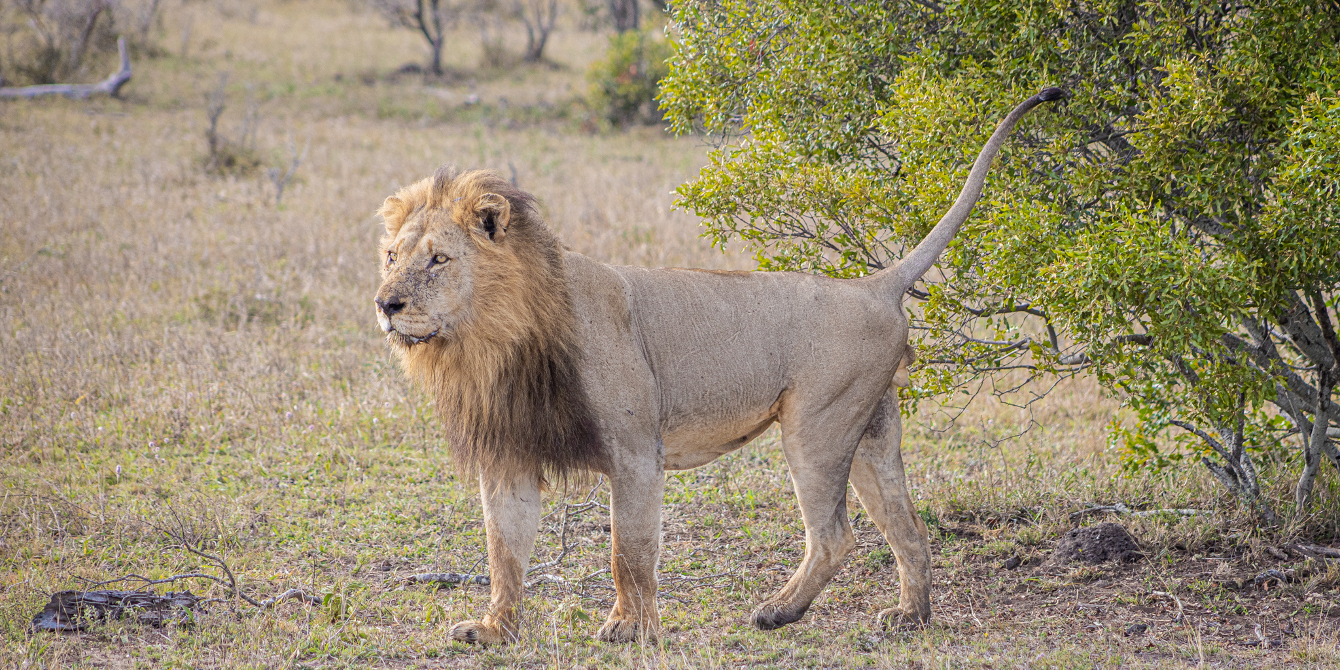
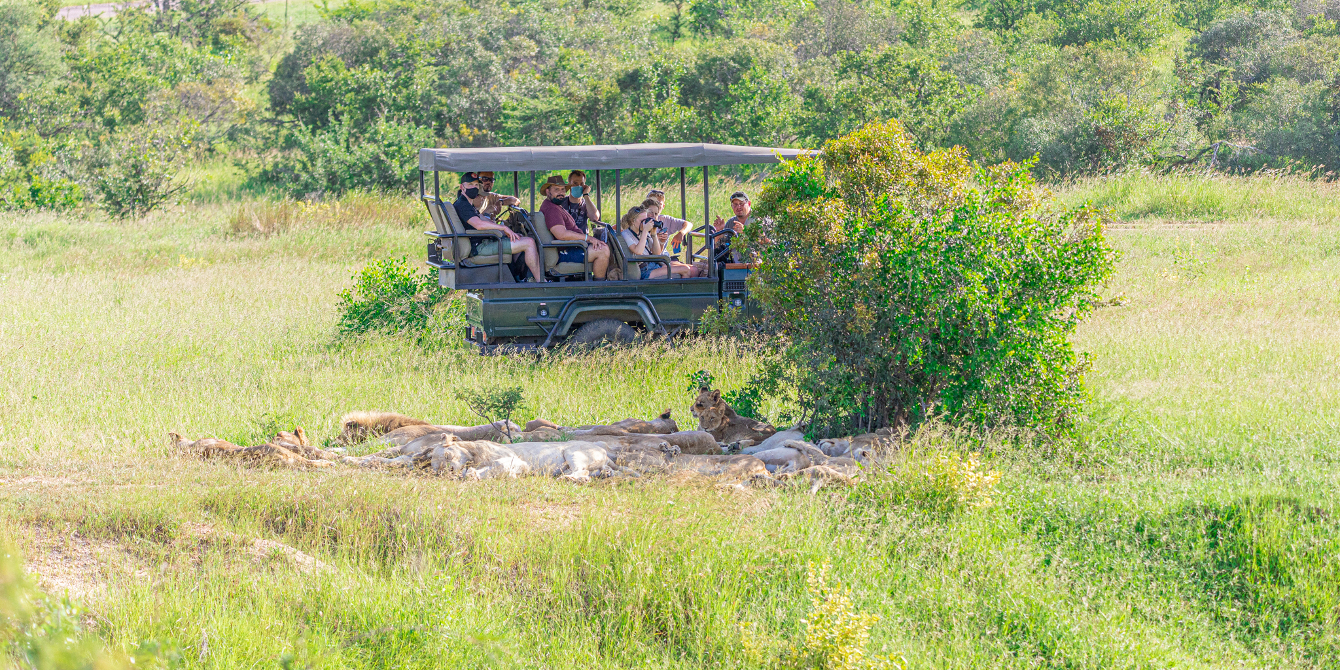
    On one game drive, we were even treated to double male lion sightings. But it wasn’t just about the big game – birdlife was also plentiful. On the guided walks, the finalists were also able to discuss some really interesting animal activity, such as an aardvark excavation.

    The final evening of the event was a bittersweet moment, as guests, judges, sponsors and finalists alike had made lifelong friendships throughout the week. As the countdown to next year’s event begins, we at Bushwise would like to extend a heartfelt thanks to everyone involved in Safari Guide of the Year 2022. 

    image

    To Michelle du Plessis, Mike Karontonis, the SAWC, WildEarth, RuggedWear, Sapmok, CanonRSA, AccidentAngels, Kruger2Canyon, and all individual sponsors who joined us: thank you for making SGOTY 2022 so memorable. 

    A special thank you as well to the Deputy Minister of Tourism, Mr Fish Mahlalela, who honoured us with his presence at this significant event. You can watch the SGOTY 2022 awards ceremony on the WildEarth YouTube channel.

    There are big and exciting things happening at Bushwise. To keep up with the excitement, follow us on Instagram, Facebook, TikTok, and YouTube.

    BY: Annie DuPre, photography by Louise Pavid

    #lion #lodges #AdvancedRifleHandling #gameranger #bushwise #fieldguide #qualification #safariguide #trailsguide #animals #guests #bestlodges #tracks #apprenticefieldguide #safari #fieldguidetrainer #fieldguiding #tracking #trackandsign #Assessments #guiding #fieldguidecourse #fieldguides

  • Celebrating the newest class of Bushwise graduates

    We’re taking a moment to celebrate our Bushwise graduates – a group of incredible individuals who have just completed their six-month Professional Field Guide course. As they head on to the next stage of their career, Bushwise’s Louise Pavid bids them farewell with this thoughtful story.

    Six short months ago, 34 fresh new faces arrived to take on a training experience designed to give them the best head start to their careers in wildlife.

    image

    Needless to say, the adventure that awaited them is one they won’t soon forget! It included iconic African animals, first aid training, snake handling, expert 4×4 training, advanced rifle handling and so much more!

    The first semester kicked off with all the basics, an introduction to field guiding, the basics of vehicle checks and of course orienting around the wilderness that surrounds the two beautiful campuses.

    image

    Once the basics were done and dusted, the students then got a chance in the hot seat, and by hot seat I mean driver’s seat. It’s one thing to enjoy a safari experience from the high-tiered benches of a game viewer, it’s quite another to be the one responsible for delivering that experience.

    And so the weeks sped by as our students practised their guiding, learnt about all things great and small, from lions to lapwings, no literal or figurative stone was left unturned or unexplored. As the students’ knowledge grew, so did their passion for wildlife and their bonds of friendship and support.

    image

    One thing is for sure, giving up everything you’ve known to live with a bunch of strangers in the wild for six months while training to take on your future career takes courage. It’s also, almost, a given that no matter who you are or where you are from, having a common interest and desire to achieve something brings people together.

    By the fourth and fifth semesters, everyone was ready to take on their assessments, both practical and theoretical.

    image

    It’s fair to say that once our students completed all aspects of their training there was a large and collective sigh of relief. Not in a bad way. More in a “we’re finally where we want to be and have earned ourselves a little break before embarking on our career” kind of way. The buzz of excitement was tangible as everyone arrived at the beautiful Blue Mountain Restaurant for their graduation celebration.

    image

    The students arrived in their graduation best, grinning from ear to ear. The staff’s warm smiles reflected the common sense of nostalgia that envelopes us all when celebrating the achievements and the final day of our students’ time with us at Bushwise.

    image

    Head trainers Vaughan and Francois stood proudly as they handed out certificates to each student, recognising the hard work and dedication that went into their training and qualifications. Sophie, co-founder and director of Bushwise, gave an impactful speech about the important work the once students, now field guides, will go on to do in the safari, ecotourism and conservation industries.

    image

    We celebrated our top academic achievers and our amazing allrounders. We raised glasses, clapped our hands and danced the day away. Eventually the time came to say goodbye, we shuffled to our respective vehicles and made our way back to campus to finish off a night of celebration around the fire.

    image

    The following morning was full of tearful farewells, long hugs and supportive words of encouragement as everyone finally set off on their different career paths. No matter what direction a Bushwise graduate takes once their course is complete, it’s safe to say that lifelong friendships, experiences and fond memories will live on in the work and dedication of each of our alumni as they forge their pathway in their career with wildlife.  

    As the January-June 2022 class of Bushwise field guides graduate, we wish them the best of luck in the next stage in their journey. Are you ready to follow their footsteps? Apply today!

    #bushwise #fieldguide #qualification #trailsguide #training #fieldguidetrainer #fieldguiding #fieldguidecourse #studying #fieldguides
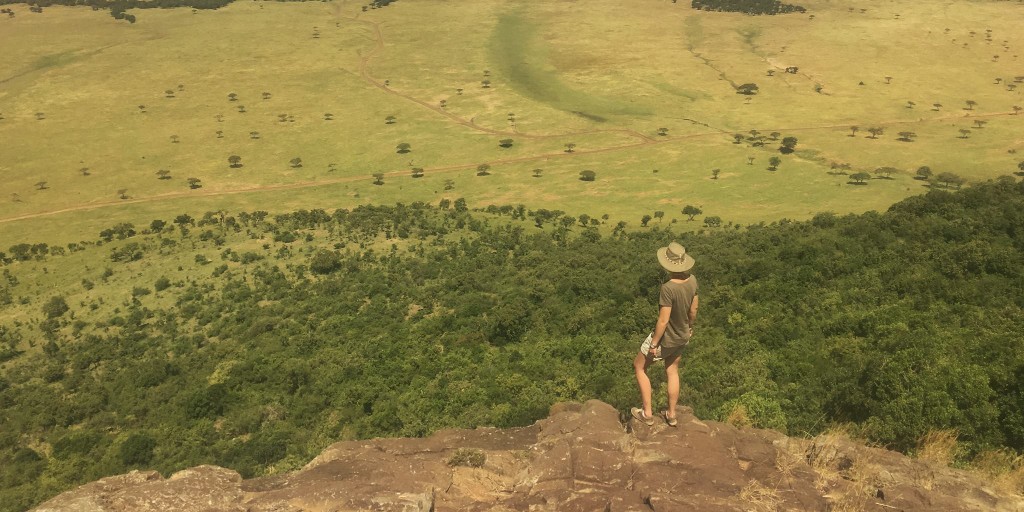
  • Learning the language of the bush: Cybertracker track and sign

    Track and sign with Cybertracker is a valuable and wonderful part of Bushwise IFGA Safari Guide training. Bushwise students learn valuable skills that help them interpret the footprints and other marks they see in the bush. Anti-poaching units, such as K9 units, also use these tactics when working in the field. Trainer Darryn Murray tells us more.

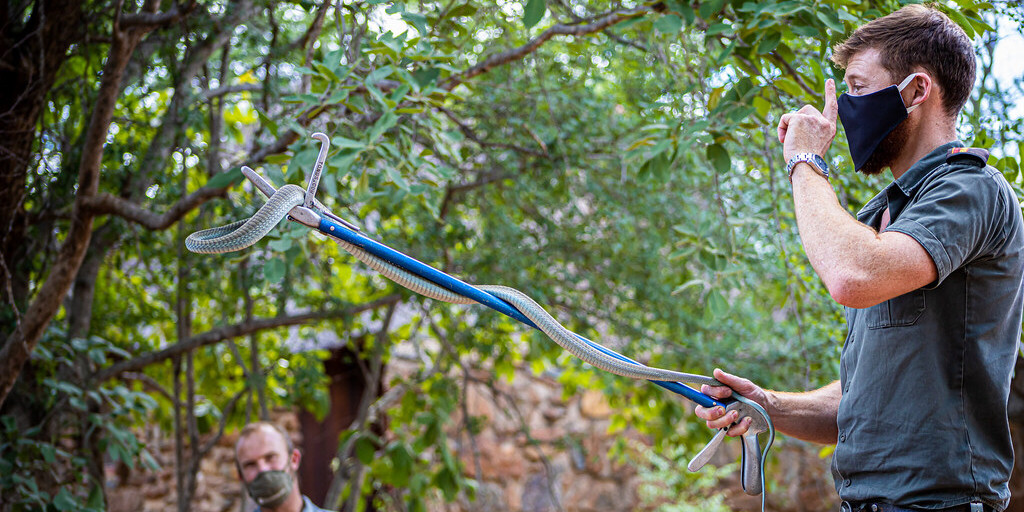
    Who would have thought that during a Bushwise course one of the most competitive and exciting parts of the course would involve staring at the ground? During the IFGA Safari Guide Course 6/12 Months, our students have the privilege of spending time under the expert mentorship of Colin, Tristan and Samantha Patrick as well as a special experience with Johan Van Straten from the K9 unit (anti-poaching and detection dogs, and their handlers).

    image

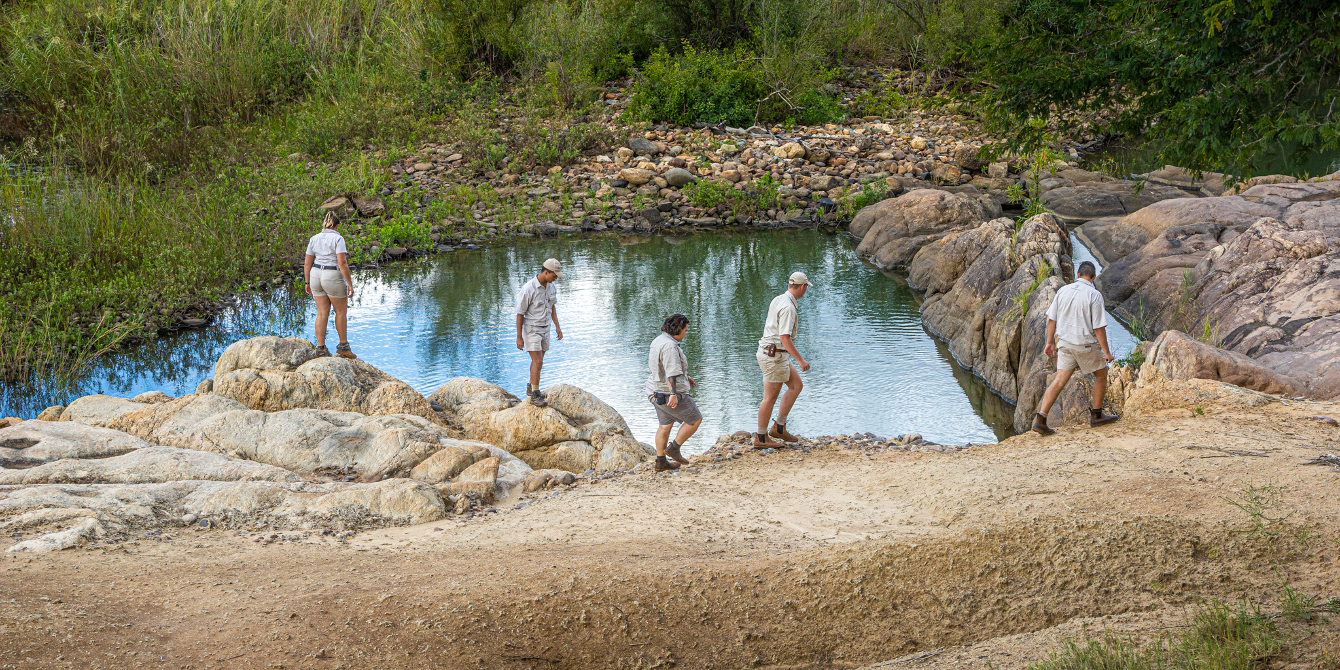
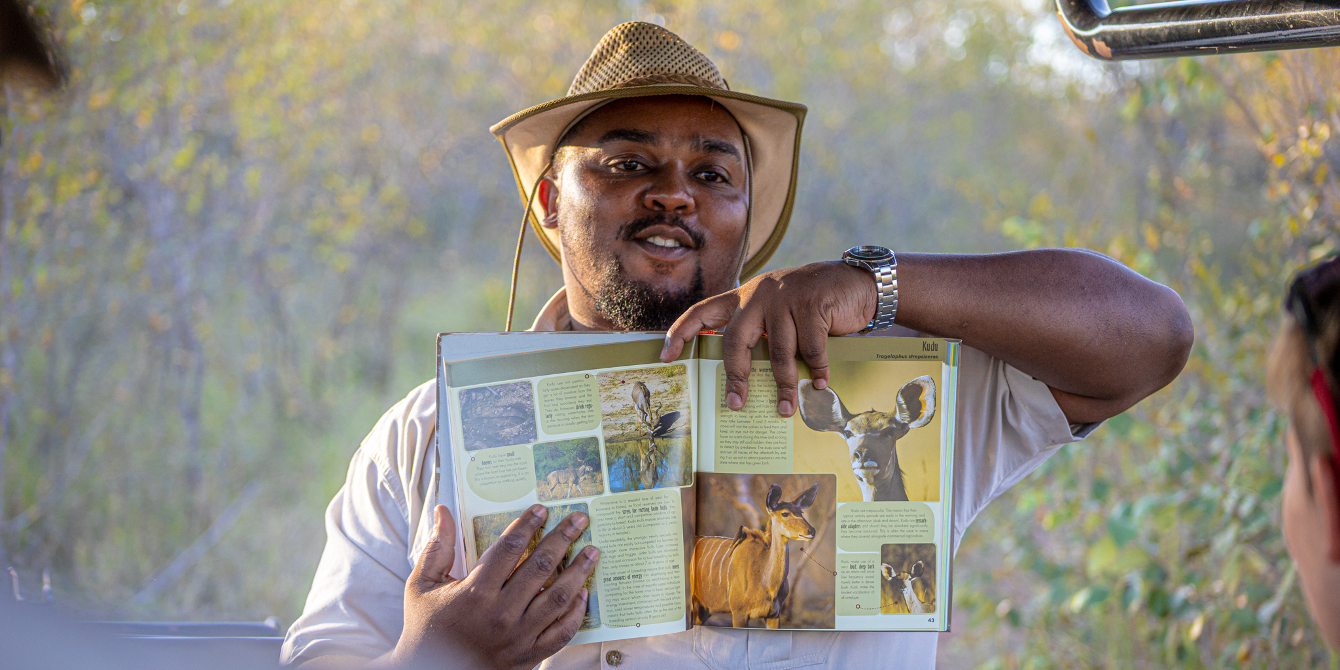
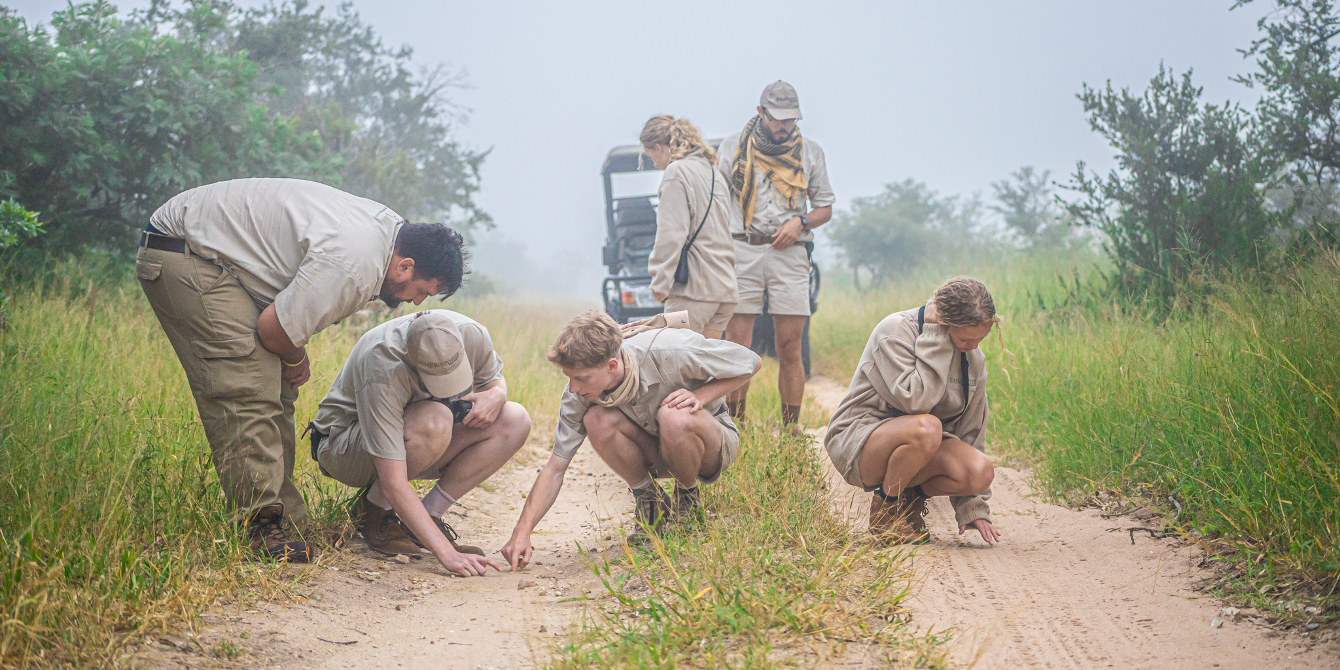
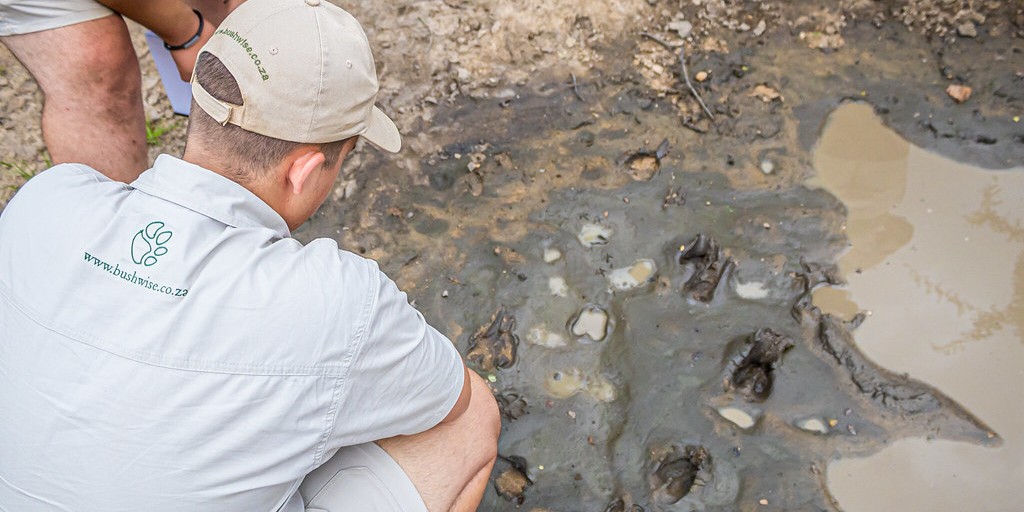
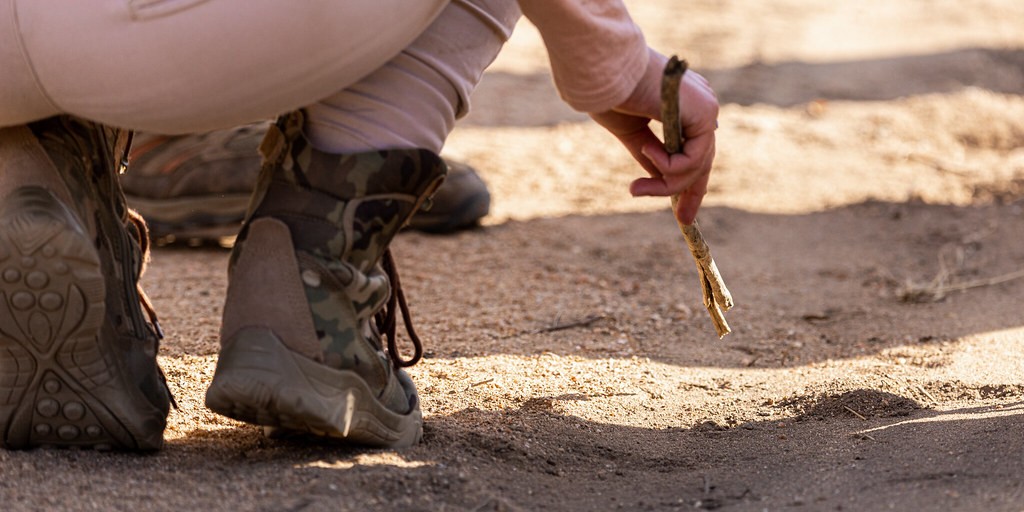
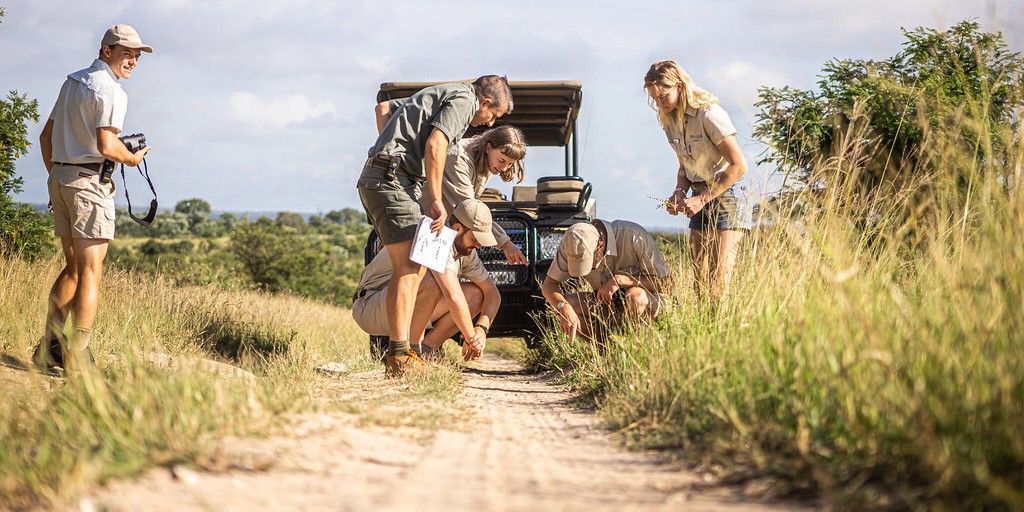
    Being able to understand the various tracks and signs in the bush is a vital part of a field guide’s job. This includes knowing how recent a track was made, which foot left the mark, and what species of animal it was, and why it was in that area at that time. These are just a few of the things that field guide students learn during their week of track and sign training.

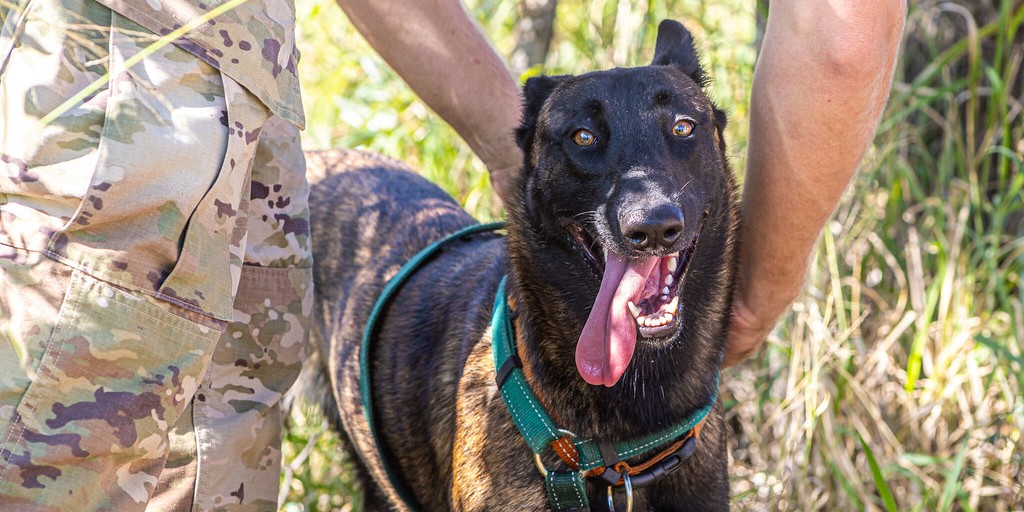
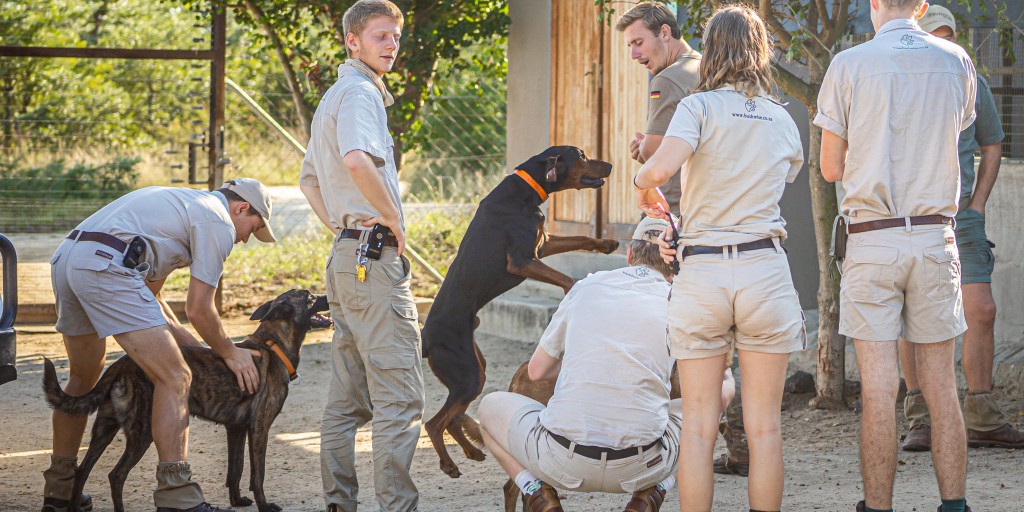
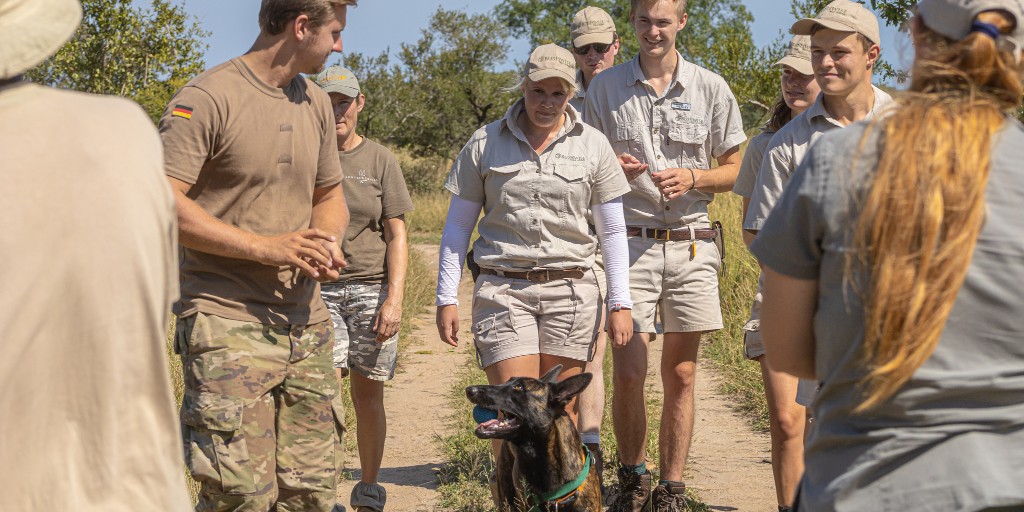
    Tracking is equally important in protecting wildlife. This can be seen in detection and anti-poaching dogs, often called K9 units. During a recent Bushwise course, the local K9 unit put on a special training exercise and display to show the students how they use tracking on a daily basis to help to protect the wildlife that is found in various nature reserves around the country. The demonstration began with a scent test for the dogs, where they sniffed out several different items that the anti-poaching unit would be looking for during their time in the bush, including rhino horn, elephant ivory, ammunition and pangolin scales.

    image

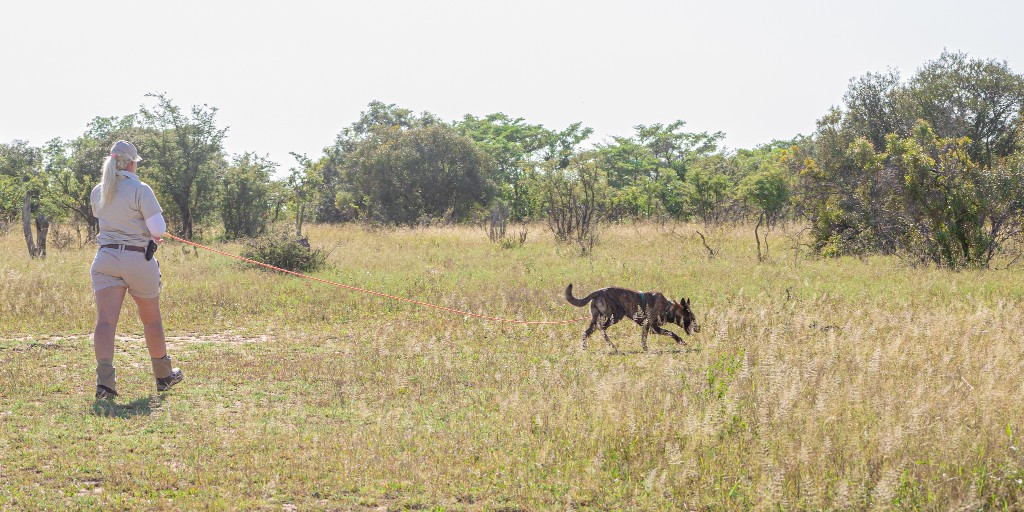
    The next demonstration showed how these skilled dogs can follow the scent of poachers through natural areas. The students were split into groups with the K9 unit and given different roles; some were “suspects”, some were “handlers” and others were part of the “response team” that followed closely behind the handlers to apprehend the suspects. All of this was done by setting up a scenario whereby a scent trail was laid for the dogs to follow and the students had to follow and find each other by using the dogs under the guidance of the K9 unit team.

    The final demonstration that we had the privilege of watching was the pack hounds, a team of six dogs that are equipped with GPS collars. These specific dogs are used for long distance and high speed pursuits of suspects. A trail was laid out for the dogs, roughly 2-3km in length, and then the dogs were released to follow the scent. The speed at which they moved was amazing to watch, they very quickly covered the distance and apprehended the “suspect” who was a member of the K9 unit, hiding in a tree. The students were in awe as they watched the entire operation take place before them.

    image

    Back on campus, the students prepared for their Cybertracker track and sign assessments. The assessment process is done over two days at the end of the week and follows the Cybertracker Track & Sign assessment process. Colin Patrick, the qualified assessor, joins students in the field and looks for tracks and signs left by animals. He identifies 50 total “questions”, circles them, leaves a numbered cone next to the circle, and then calls students to have a look and identify them. The questions are of varying difficulties. At the end of the assessment, the marks are worked out and the track and sign badges are handed out.

    If a student achieved between…

    70 – 79% they received a Track & Sign I Badge

    80 – 89% they received a Track & Sign II Badge

    90 – 99% they received a Track & Sign III Badge

    100% they received a Track & Sign Professional Badge

    image

    One of the most important things students completing one of these assessments must remember – whether they receive a badge or not – is that this is not the end of the road, they can redo the course with any Cybertracker evaluator at any point in their career. That’s one of the exciting things about field guide training – it’s a lifelong learning experience, you’re never really finished and you never know everything!

    “Tracking is not about the destination, but rather about the journey.” – Colin Patrick

    Does track and sign interest you? Join a Bushwise course and you could be learning how to read animal signs and interpret the wild world around you.

    #gameranger #bushwise #qualification #safariguide #apprenticefieldguide #fieldguidetrainer #fieldguiding #tracking #cybertracker #trackandsign #gamedrive

  • Field guide jobs and career paths: where do I go from here?

    If there’s one thing we know about field guides, it’s that there’s no “one size fits all” field guide job. You might think, but a field guide is a field guide, right? Not quite! 

    When a student joins any Bushwise course, they bring with them a diversity of backgrounds, experiences and goals for the future. Not everyone will go straight into a traditional field guide role after graduation. Some will, of course, but for the others – there are endless options available. 

    In this article, we outline some of the career paths previous field guide students have taken. Take a look – you might find that someone else’s experience is similar to yours. Stay with us until the end to see a list of conservation and wildlife careers!

    The mid-career breaker

    image

    Perhaps you’ve followed a more traditional career path. You graduated from school, got a job or entered into an apprenticeship and slowly worked your way up. Lots of hard work and hours of skills development got you to the position you’re in now, but you aren’t satisfied. Or, you’re feeling a bit burnt out and you need a change of scenery.

    It’s not unusual for a Bushwise student to be a bit older – we’ve had students in their 40s, 50s, and even 60s join a course. While sometimes it’s for a sabbatical or a career break, occasionally people really do decide to completely change their careers. We’ve met students from all over the world who have a burning passion for African wildlife and they just can’t stay away!

    image

    Ildiko is from the Netherlands. She was in her 30s when she first visited South Africa in 2002, on safari with her family at Addo Elephant Park and Singita. She fell in love with the bush right away. Now 51, Ildiko is tired of spending time in an office working as an events and operations manager – she wants to spend her life in the Lowveld, surrounded by beautiful nature and like-minded people with similar interests. Ildiko recently joined Bushwise and Colin Patrick Training for track and sign assessment. Part of her heart belongs in Southern Africa and she’s determined to be in the bush as much as possible!

    The forever nature enthusiast 

    image

    If there’s one thing that truly unites all field guide students, it’s their love of nature. Sometimes that’s all it takes for a person to sign up for a course. Growing up they watched David Attenborough, Steve Irwin, and other wildlife documentaries, and developed a deep love for nature. Their shelves are filled with colourful books about wildlife, travel memoirs, bird identification guides, and novels featuring animals. Wherever they live, they get outside as often as possible and tend to find insects and reptiles just as exciting as big mammals. 

    Forever nature enthusiasts are creative about incorporating nature into their careers. Even if they don’t become field guides, they’ll work outside somehow, or they’ll find breaks in work to attend field guide courses or multi-day trails in national parks. 

    image

    Georgia is originally from Devon, England. She was working in entertainment TV production and wanted to gain more practical wildlife experience, as she made her move toward science and nature film making. She came to South Africa in 2019 for a field guide course. She absorbed information like a sponge and absolutely loved the African bush. After she qualified as an apprentice field guide, Georgia went back to the UK to continue working in film production. She’s currently working on an environmental impact film and gets back to Africa every chance she can get.

    The gap year student

    image

    Around the world, the term “gap year” means different things. People go backpacking in Europe, join research projects (like sea turtle conservation in Thailand), spend time volunteering, or learn a new language. For some new graduates, the opportunity to train and become a safari guide is an excellent way to spend six months or a year after they’re fresh out of school. 

    If you’ve just graduated from college (or even high school), a Bushwise field guide course can also be a way to gain valuable skills and knowledge that transfer to a job back home. In the USA, for example, there are world-class national parks that are always looking for top-brass talent to join their teams. Positions might include park rangers, tour guides, naturalists, wildlife guides and more. 

    In 2016, Mark finished his university degree in communications and was working a seasonal job at a summer camp in New Hampshire. He’d never been to Africa before, but loved African wildlife. Through internet searches he came across a field guiding course and, on a whim, signed up. He figured there was no better time to try something completely new. Over a few months, he gained multiple certifications, made lifelong friends, and developed some impressive tracking skills. Through his experience he made work connections and secured himself a job with a conservation organisation back home in the USA. 

    The career field guide or trails guide

    image

    Perhaps the most likely scenario on this list is the individual who’s looking to turn field guiding into their career. Whether it’s for the long term or short term, they want a field guide job. They want to drive that game viewer, work at a lodge, or take guests on bush walks in Big Five territory. They’ve arrived on campus ready to start their life-long learning in this unique industry. 

    The most traditional path for a field guide is to work your way up from apprentice field guide to field guide to IFGA field guide. Additional specialisations, known as SKS (special knowledge and skills) can also be earned, such as wildflower or regional bird SKS. Trails guides follow a similar path, moving from apprentice trails guide (previously back-up trails guide), to trails guide, to SKS dangerous game. We speak a little more about this career journey in our recent blog post.

    At Bushwise we’ve had hundreds of students join our courses who went on to find jobs across the conservation landscape. We often share their experiences, and you can find some wonderful success stories on our alumni page on our website

    Other career possibilities

    image

    Where else might a field guide course take you? Here are some more examples of real jobs in conservation and wildlife you could get after becoming a field guide.

    **This is just a snapshot of the possibilities, and some of these careers require additional training or education**

    1. Nature/wildlife photographer or videographer

    2. Ecologist

    3. Conservation researcher

    4. Field guide trainer or assessor

    5. Forest service/parks service ranger

    6. Policy or advocacy officer

    7. Environmental impact assessor

    8. Wildlife biologist

    9. School outreach or volunteer program coordinator

    10. Researcher (field work or lab based)

    11. Lodge management/front of house

    12. Anti-poaching unit member or K9 dog handler

    13. Wildlife veterinarian/vet assistant

    14. Zookeeper

    15. Freelance field/trails guide

    16. Wildlife educator

    17. Marine guide

    18. Environmental lawyer

    19. Wildlife field technician

    20. Communications officer

    21. Science officer

    22. GIS technician

    23. Social media or digital marketing manager

    24. Reserve warden

    25. Helicopter pilot

    26. Hiking/cycling/kayaking guide

    27. Wildlife trade officer

    28. Reserve security manager

    29. Endangered species monitor

    30. Working with animals

    Do any of these careers resonate with you? You could be on your way to a field guide job or other career in wildlife or conservation. Apply today and join the next Bushwise IFGA Safari Guide Course.

    #fieldguidecareer #gameranger #bushwise #safariguide #trailsguide #animals #apprenticefieldguide #safari #fieldguidetrainer #fieldguidejob #cybertracker #fieldguidecourse

  • My origins in film and wildlife photography

    Bushwise’s Louise Pavid shares her passion for safari and wildlife through photography and videography. In this post, she tells us how this fascination all started – and where it’s taken her.

    When I was a young and naïve eight year old I answered the same question most eight year olds answer: “What do you want to be when you grow up?” I think anyone reading this will have similar memories along with memories of the outrageous occupations only eight year olds can come up with. “I’m going to be an astronaut!” “I’m going to be a doggy doctor!” “I’m going to be a dinosaur!” What was my answer? you ask. “I’m going to go to the Masai Mara and film the Great Migration for National Geographic!” I was quite specific about my goals, even at age eight.

    image

    Of course my parents smiled at me, gave me a hug and told me that I could be or achieve anything I wanted. Obviously they were encouraging me to be ambitious and to think for myself about my future, but I don’t think they ever believed it would actually happen.

    image

    Photo by Jamie Paterson

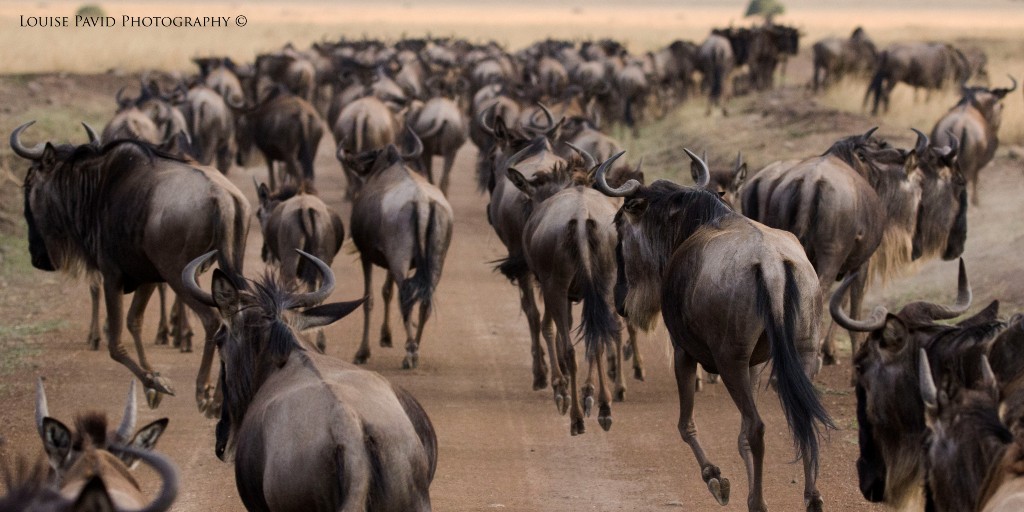
    Fast forward 20 years and there I was, standing on the edge of the Oloololo escarpment. The sun rose over the incomprehensible vastness of east Africa’s Great Rift Valley. The red-flushed verdant ocean swelled and ebbed as the wind rippled through the red oat grass. The very grass wildebeest, zebra and Thomson’s gazelle travel 1,900 kilometres annually to feed on. It was like waking up in Disney’s The Lion King every day. And the best part was, I was there working on a live safari TV show for National Geographic WILD.

    image

    But this is not the start of my story, this happened somewhere in the middle of my journey with a wildlife TV production company that pioneered the live safari show format. Instead, my story begins somewhere far removed from Africa’s wilderness. It begins in the basement of a house in Johannesburg’s northern suburbs. 

    image

    I was three months out of university, Film and Media degree clutched in hand, ready to go out there and take the entertainment industry by storm! But I needed to start somewhere right? And one day I saw a very small classified ad on the internet. “Content Manager needed to help improve the quality of a live wildlife show set in a game reserve in South Africa. Send your applications to…etc” or at least it read something like that.  

    image

    I applied, I interviewed and I got the job! My first real job, my first real step into a career. Essentially what I needed to do was arrive at the basement at about 5:30am, watch the live safari show for three hours, make notes and give feedback to the field guide presenters, live broadcast directors and creative camera operators. Three months in and the top brass decided it was time for me and my content managing colleagues (of which there were two) to move to the bush, permanently. Needless to say, I never looked back.

    image

    I had somehow accidentally found my calling in wildlife. I’ve always loved the wild, I’ve always loved the animals of Africa, going on safari or family trips to the Kruger. But it wasn’t until I set foot in a reserve as an employee, and not as a guest, that I realised this was going to be my career lifestyle of choice.

    The following five years were an adventure of epic proportions. We walked near lions, leopards, elephants, buffalos, rhinos, hippos and even wild dogs on foot with nothing but a stick for protection. We watched kills, we watched births, we saw new generations and said sad goodbyes to leopard legends. We worked hard and played harder, we were invincible. I found a family there, in that place that will always be my true home.

    image

    It was here where my own love of wildlife photography and film was born. I saw first hand how speaking about the various animal characters we encountered changed people’s perceptions and impressed just how important it is for us to protect our natural landscapes. I was inspired by my guiding colleagues and blown away by their photography artworks, likewise the talented camera operators whose filming skill easily matched up to those responsible for cinematic masterpieces like BBC’s Planet Earth. So I picked up my camera and started playing.

    image

    Snapping shots of elusive leopards, handsome nyalas and prehistoric crocodiles elicited a love of stills. I loved tinkering with my images, seeing what details I could enhance, using editing software and getting the image to a point where I was not only happy, but more importantly the image told the story I was wanting to share. I am by no means the greatest wildlife photographer out there and am quite happy to accept that I will never be the best. I’m okay with this because it gives me something to work towards, a skill to keep honing. 

    image

    Coming to Bushwise has pushed this development even further. Prior to starting, I found that I loved wildlife photography but had never given much thought to human photography. I’ve found snapping away at Bushwise and taking our social media followers on an adventurous journey with our students to be just as rewarding and in a way more fulfilling. More fulfilling because I know the work I do here actively creates opportunities for others to think about what they are passionate about, what they want to spend their lives doing as a career and where they can go to get the best start in a career working with wildlife.

    image

    Coming to Bushwise has taught me that there is more reward in training the next generation of wildlife custodians, conservationists, field guides, wildlife photographers and filmmakers. Using my art I am able to inspire and uplift in much the same way as I was inspired and uplifted. The feeling I get when students come to me with their images and videos, asking advice on how to improve them satiates a part of my brain’s reward centre I didn’t even know I had. I feel good every single day knowing that I am helping to make a difference, that I am benefitting both people and the planet, and that I get to share these experiences of the wild in a way that motivates ever more people to seek careers outdoors and in nature. 

    Do you love taking photos and videos of wildlife too? You could gain these skills and learn social media tools through the Bushwise IFGA Safari Guide course. Apply today!

    #wildlife #bushwise #wildlifephotography #photography #apprenticefieldguide #safari #sightings #fieldguiding #naturephotography #fieldguidecourse

  • Advanced rifle handling with Bushwise

    Bushwise trainer Darryn Murray describes advanced rifle handling training scenarios and safety. ARH is an important part of becoming a trails guide.

    “The name is Bond, James Bond….”

    Hopefully we have all heard this line at least once in our lives? 

    “James Bond, licence to kill…”

    Well, when field guides are trained to use a rifle in order to conduct guided bush walks, we teach them the exact opposite! The first few rules that are taught include walk as though you are unarmed, don’t have the mentality of “Oh well, I have a rifle I can get myself out of any situation,” and lastly “you DO NOT have a licence to kill”.

    image

    Photo by Louise Pavid

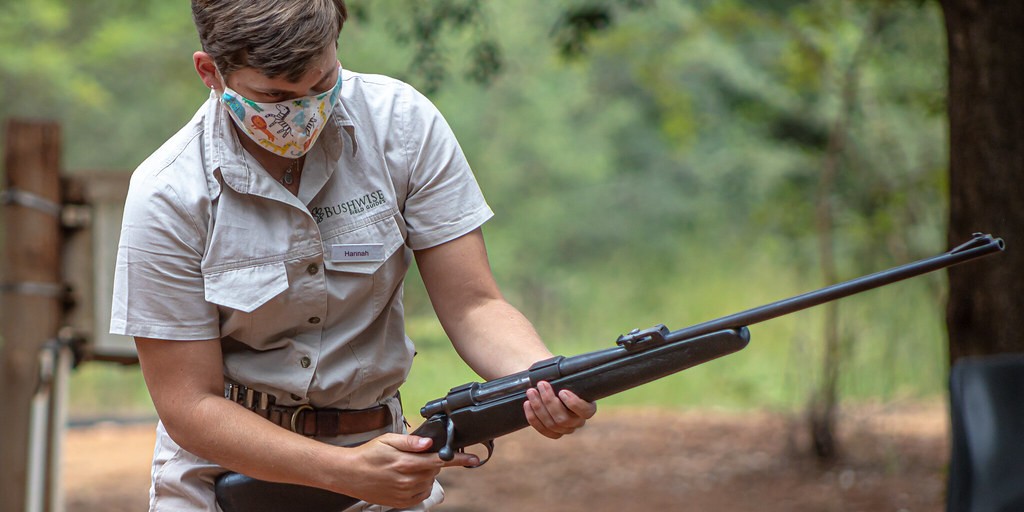
    In our advanced rifle handling (ARH) procedures and training, guiding students are taught how to use a rifle safely and competently, but most importantly, ONLY ever as a last resort.

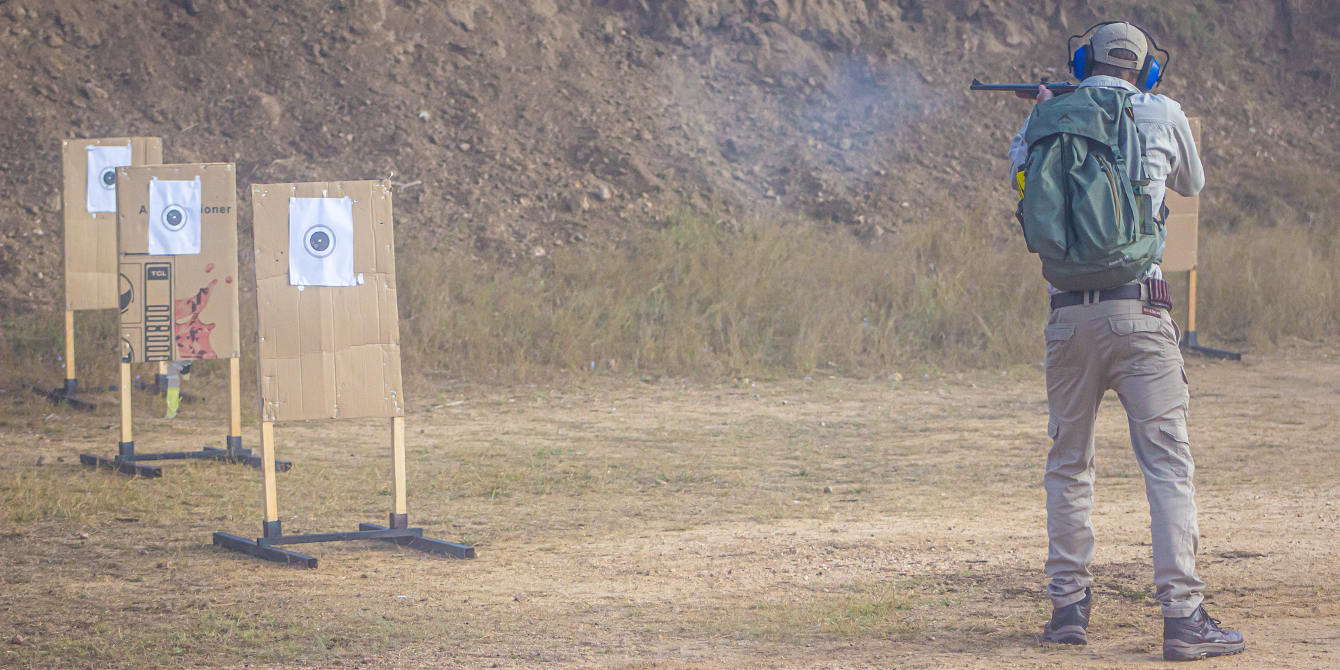
    Before being on a firing range with rifles and ammunition, students must pass written assessments and show that they fully comprehend the use and safety of this equipment. It is a big responsibility to carry a rifle in the bush, so it is essential that students have the necessary knowledge before undergoing practical training.

    Each of the practical exercises will be explained below, along with an explanation as to why these specific ones are chosen.

    Exercise 1: Blindfolded loading and unloading

    The students are trained to load and unload their rifle with a blindfold covering their eyes. They have an allotted time of 14 seconds to load three dummy (non-live) rounds of ammunition into a bolt action .375 calibre rifle (or larger). The timer then stops and they are instructed to unload the weapon, check and then declare the weapon safe to the range officer, all while being blindfolded.

    image

    Photo by Leonard Doors

    The reason we start this way is to teach the students that they need to be able to load the weapon without looking to see where the ammunition is. In a dangerous situation, there isn’t enough time to look anywhere else but at the danger in front of you.

    As a guest you would be comforted knowing your guide is trained to react quickly and efficiently, without fumbling for ammunition or taking time to load the rifle.

    Exercise 2: Grouping/accuracy 

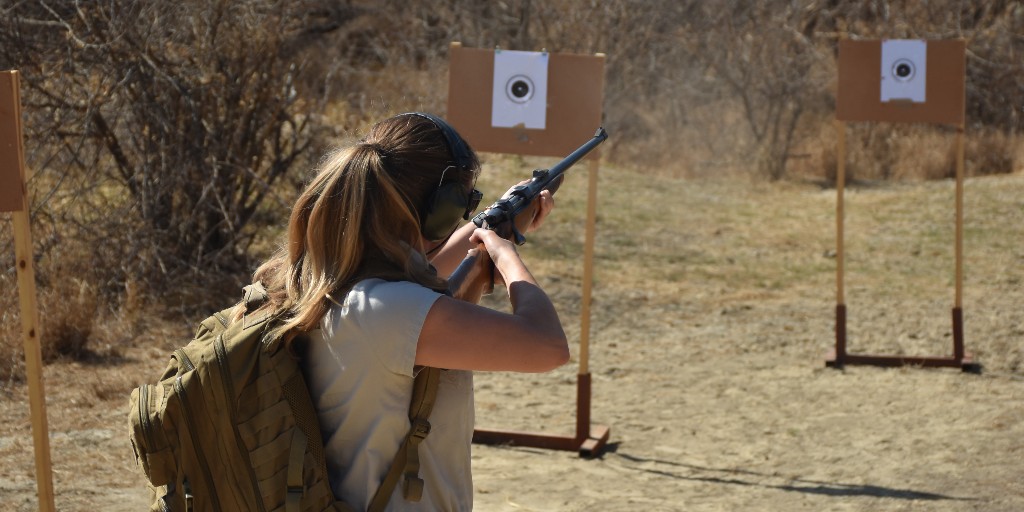
    The second exercise begins with the student being handed live ammunition by a qualified range officer for the first time during the assessment. The instruction is to fire five rounds at a stationary target 12 metres away. This doesn’t sound very far but nerves and pressure are always a tricky thing to deal with on assessment day. The target that the student is aiming at is roughly the size of a CD (10-12cm diameter). 

    This is done firstly to see if the student is able to fire a weapon, and secondly to see the accuracy of the shooting on a target. This exercise is not timed. I’d like to emphasise that this is all done in a safe range with highly trained and experienced instructors. Safety is a priority for field guide training in all aspects of their curriculum and especially with rifles.

    Exercise 3: Distance

    image

    Photo by Louise Pavid

    The third exercise is to fire three shots at three different targets, one at 12 metres, one at eight metres and one at 4 metres. This exercise is timed as well as scored according to the points that the student receives for each shot at the three distances.

    The reasoning behind this exercise is to simulate having to reload and fire at targets accurately in a pressure situation, but also to simulate having to shoot at a target that is approaching the shooter.

    Exercise 4: Immediate action drill

    The immediate action drill begins with the range officer loading two live rounds and a dummy round, in any order, into the student’s rifle magazine and placing it in a safe carry condition. Safety carry means that the rifle cannot be fired – if the trigger is squeezed, nothing will happen, as there is no cartridge in the chamber. 

    The student begins the exercise by chambering and firing three rounds. When the dummy round is fired there is a soft clicking sound. At this point the student has to canter the rifle 900 from their shoulder, to safely eject the round onto the ground and continue with the exercise. Once the first three rounds have been fired, the student reloads three more rounds into their magazine, and fires one more to complete the activity.

    This exercise is put in place to simulate a malfunction with the rifle or ammunition while out in the field. It teaches the student to clear the problem and carry on as one would when out in the bush in order to protect their guests.

    Exercise 5: Buffalo targets

    image

    Photo by Leonard Doors

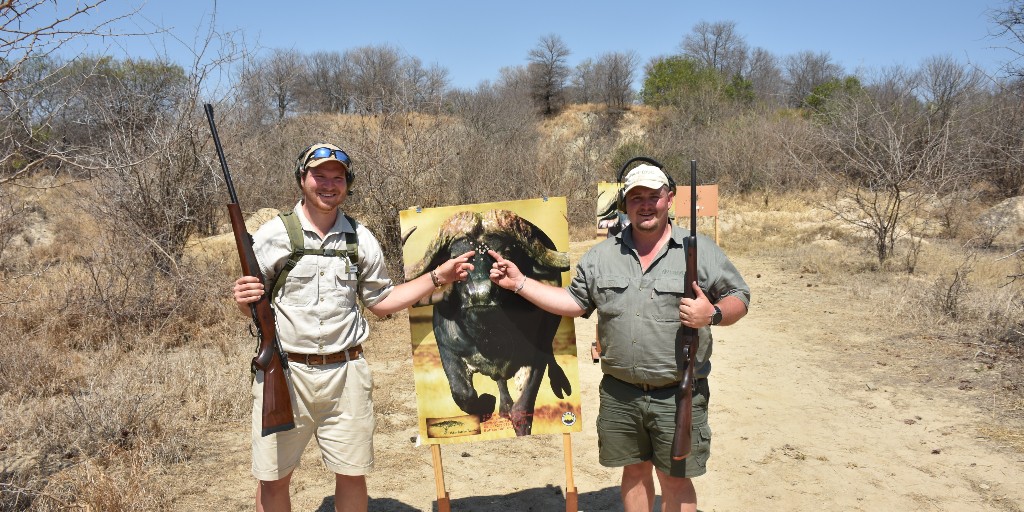
    The second to last drill is two life-size buffalo targets placed at eight metres and four metres. The student has three rounds in their magazine. On the command “fire”, they have to fire a round at each of the targets, hitting an area roughly the size of a CD on the forehead of the paper buffalo targets.

    This drill is not only about accuracy and speed, but also about the time constraint of eight seconds and the two scoring shots which will determine a pass or fail. The reason behind this drill is to teach the student to fire at different distances, in a short space of time on a “lifelike” target.

    Exercise 6: Lion charge

    For the last exercise in the assessment, the student simulates walking with guests behind them as though doing a bushwalk. The life-size lion target with a scoring zone on the head is set up on a sled and attached to a motorised pulley system.

    As the student approaches the pulley system, the range officer starts the motor and the lion comes “charging”. The student needs to react quickly, shout “LION CHARGE” and fire the only live round in their magazine at the target when it is approximately five metres away. The rest of the exercise is completed with dummy rounds. The student fires a second shot as insurance, reloads two dummy rounds to fill the magazine again, the third shot is the coup-de-grace, before checking the corneal reflex, declaring that the animal is dead, putting the rifle back into a safe carry state and leading the guests out of the area.

    image

    Photo by Louise Pavid

    This is the most realistic scenario of the whole process. All the other scenarios lead up to this in terms of difficulty, pressure and nerves. The target approaches at roughly 10 metres-per-second, giving the student little time to think, but just to let instinct take over and do what they have been trained to do.

    None of the different exercises the students go through is to turn them into James Bond. The whole idea of the advanced rifle handling training is to make sure the guide and their guests are prepared should something go wrong while on a bush walk. Guides should never have the attitude of “I have a rifle so I can just shoot my way out of any situation” – it is very much the old adage of rather to have it and not need it, than to need it and not to have it!

    As part of the Bushwise IFGA Safari Guide course, students participate in advanced rifle handling theory and preparation for their Apprentice Trails Guide qualification. Apply now and start your new career journey.

    #AdvancedRifleHandling #gameranger #bushwise #safariguide #trailsguide #shootingrange #rifletraining #apprenticefieldguide #safari #fieldguidetrainer #tracking #trackandsign #gamedrive #ARH

  • K9 unit: what conservation dogs can do

    K9 units play an essential role in anti-poaching, wildlife detection, human tracking, and conservation efforts in the Greater Kruger National Park. Bushwise videographer and photographer Louise Pavid tells us about the Bushwise experience meeting these important dogs!

    When you think of the African bush, you think of the sounds of the wild: lions roaring, hippos grunting, hyenas whooping and a myriad of insects and amphibians singing their sweet songs of love. But when you’re at the Southern African Wildlife College (SAWC), there are other sounds that might be added to the mix. Like the sounds of the hounds!

    image

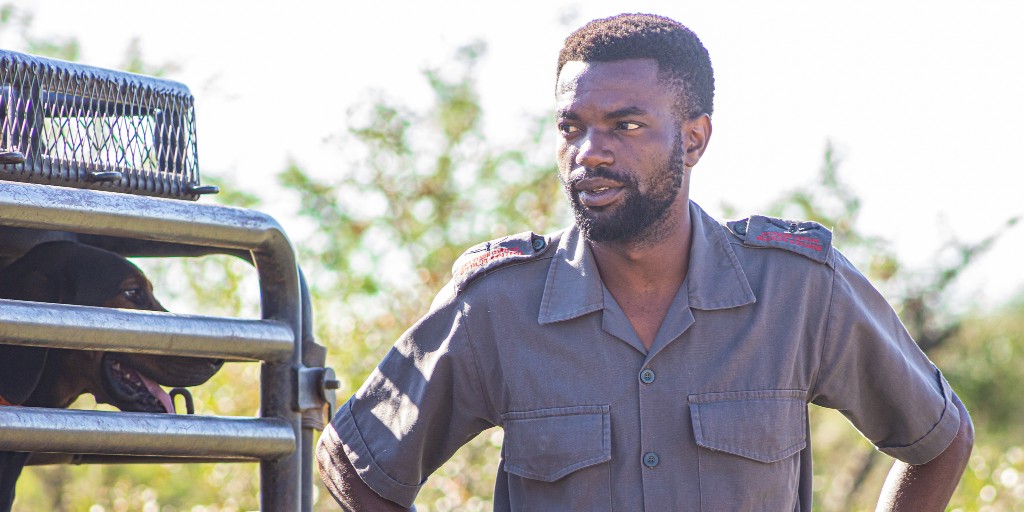
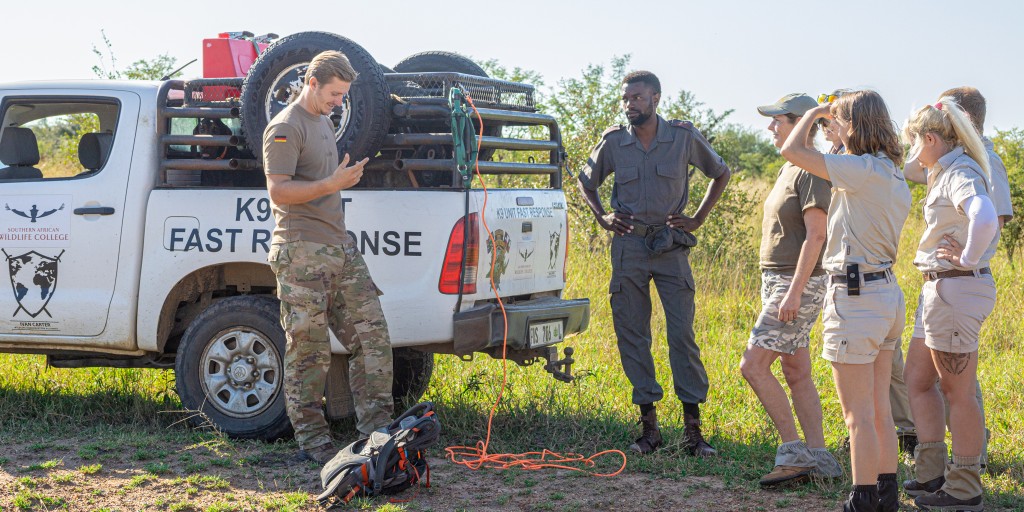
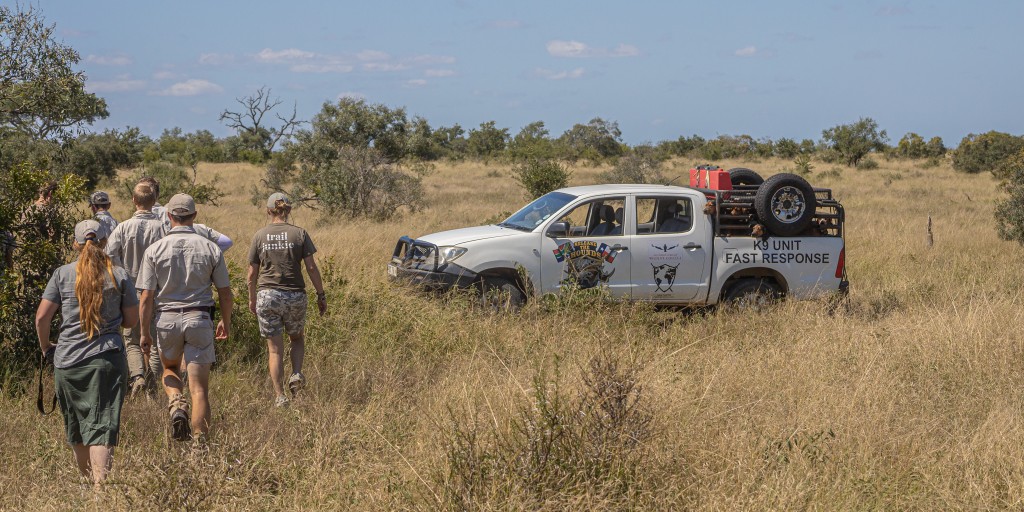
    SAWC is home to the anti-poaching “Fast Response K9 Unit,” which serves the entire Greater Kruger area. This area spans over 3,440 square kilometres and contains the iconic African wildlife that tourists and conservationists travel from all over the world to see. 

    image

    These highly trained canines are part of protecting the charismatic wildlife that has captured the imaginations of people for centuries. Their intelligence and physical ability sets them apart from their domesticated brethren. Like most working dogs, they are highly trained and well looked after. In fact, they are taken such good care of that each dog has their own (impressive) food budget!

    image

    Bushwise Field Guide students were recently treated to an unbelievable experience – we spent the morning with the K9 Unit as they participated in expert training under the supervision of their amazing handlers. Being able to witness and be a part of something like this is a privilege I never thought I’d be fortunate enough to experience.

    image

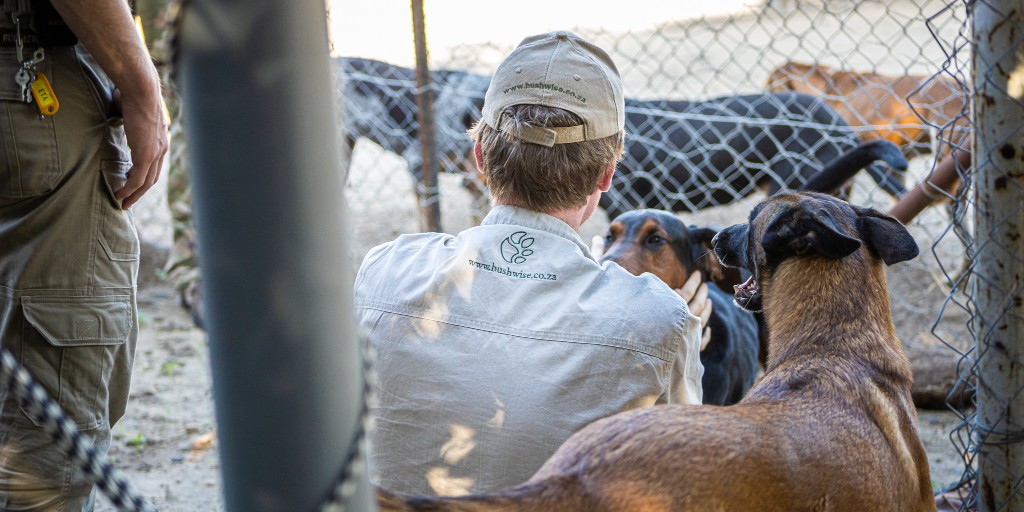
    The day started with a short drive to the kennels where the dogs are housed when not working or training. We were shown around and introduced to the dogs in the facility. Once we were all thoroughly sniffed and woofed at, we set out into the reserve for the real fun stuff.

    image

    After a short chat with the handlers about what to expect while working with the dogs, we were split into two groups. One group walked ahead and left a “scent trail” for the dogs to follow. Exactly 10 minutes later the dogs were hot on their heels!

    image

    What we thought might be a brisk, but not too strenuous, stroll turned into what seemed like a never-ending run. I am not a runner, I do not like running and I believe that running should be reserved exclusively for life or death situations. Which, to be fair, is often the case with anti-poaching. About 15 minutes later the dogs had located their quarry and it was time for a short break before the next training exercise.

    image

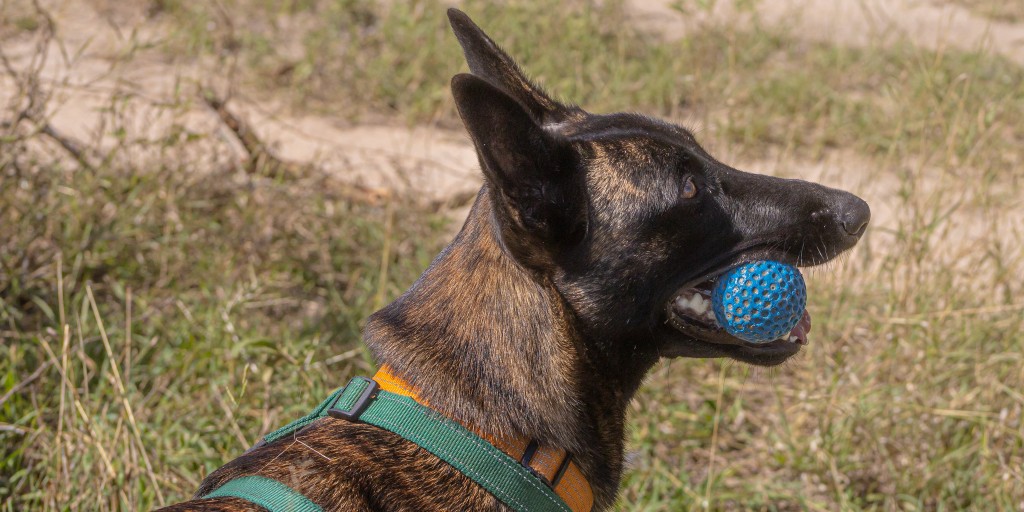
    Up next was the scent training exercise. Tristan, the human “leader of the pack” explained to us that the scent dogs are specifically trained to detect rhino horn, ivory, and pangolin scales. He then walked behind a thicket and hid the prize that his dog, a beautiful Malinois named Torah, would need to find. It took Torah no more than 20 seconds to find her ball, filled with the scent of one of the above-mentioned endangered species. Tristan then performed the same exercise, but this time with the students. The students gave up after a minute, hurling wild accusations at Tristan, claiming he never hid anything for them to find. Tristan laughed it off, gave Torah the “soek” (meaning seek in Afrikaans) command and within 10 seconds she came bounding back, ball in teeth and filled with pride.

    image

    We then attended one more exercise, one that truly depicts the capabilities of the free tracking (off leash) dogs, which have proved to be a game changer when tracking down poachers. These dogs, once on the scent, can track at speeds much faster than humans, and over harsh bush terrain.

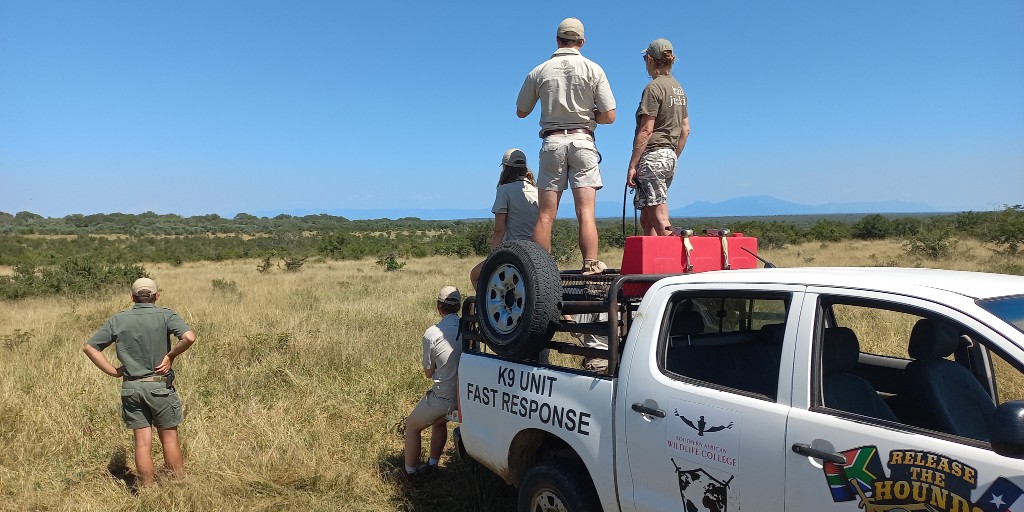
    The pack tracking exercise took place right outside the campus gate. Across the valley Tristan pointed out the individuals the pack would be following. All we could see were a few hats floating through the grass more than a kilometre away. We were informed that the trail being left was 1.2 kilometres long and he asked if we could time how long it would take for the dogs to catch up to and find the pretend poachers.

    image

    The pack of six was released by six field guiding students. Within 80 seconds, we had confirmation that the dogs had found and trapped their quarry in a large marula tree. 80 SECONDS! It took the dog handlers about 15 minutes to lay the track and find a good spot to hide. The dogs accomplished their goal in 1 minute and 20 seconds – their ability to track, trail and find is almost beyond comprehension! 

    image

    That concluded our day with the dogs and what a day it was! Being fortunate enough to have exposure to this type of conservation operation is invaluable to a field guiding student. Not only does it highlight the effort that goes into protecting these natural landscapes, it also gives insight into the various career paths a well trained field guide can branch out into.

    Did you know that field guides can go into all kinds of careers, like working with a K9 unit in the Greater Kruger? Apply today and jump start your conservation career.

    #gameranger #bushwise #fieldguide #k9 #safariguide #k9unit #antipoaching #apprenticefieldguide #canine #safari #fieldguiding #tracking #cybertracker #trackandsign #gamedrive #studying #fieldguides
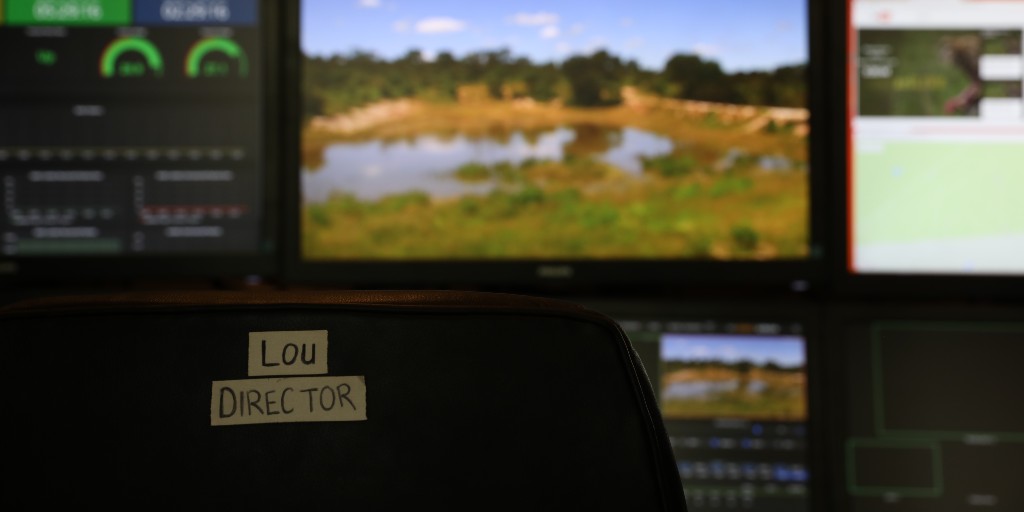
  • The growl of the leopard

    BY: Annie DuPre, CATHSSETA NQF2, Apprentice Trails Guide and Bushwise Copywriter

    The first growl was so faint, I thought it was the wind. 

    I rolled over in my sleeping bag, trying to block out the sound. 

    The second growl was clear.

    I bolted upright in my tent, listening carefully, trying to distinguish that uniquely cat-like sound from the rustling leaves and cracking branches taking strain from the wind. 

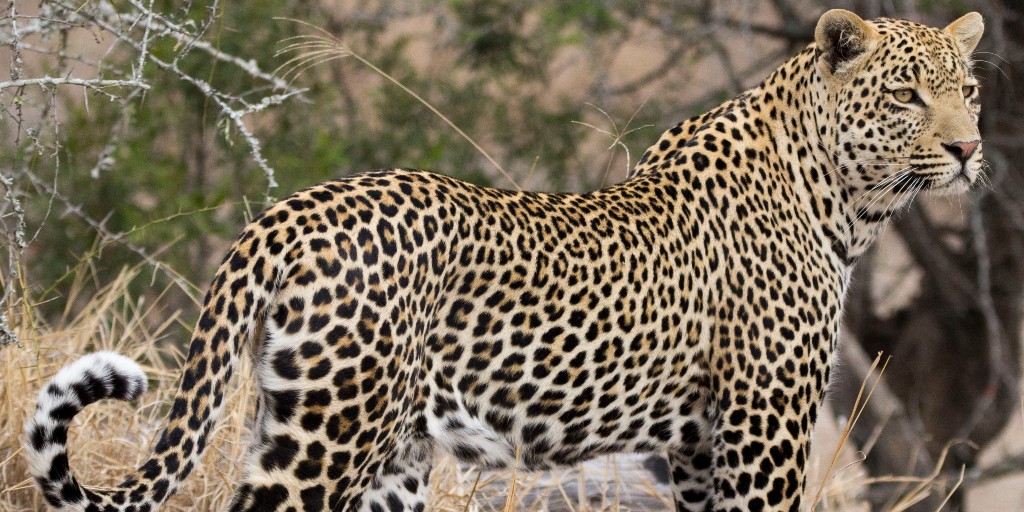
    There it was again. Definitely a cat. Probably a leopard.

    “Brad – are you awake?”

    I heard his non-committal grunt. 

    “Brad – there’s a big cat out there.”

    We both unzipped our tents and stepped into the moonlit night, looking past the electric fence that kept us separated from the African bushveld. I could just see Brad shaking himself awake, reaching for the torch he kept on a table outside his tent. I made my way towards him, hyperaware that a two-metre fence was all that stood between us and one of the most dangerous carnivores in the world. 

    The leopard growled again – I picked up my pace.

    Reaching Brad’s side, I stared ahead into the darkness, following the glow of his torch as we scanned for our feline visitor. 

    “There,” Brad gestured with the light. Two eyes illuminated in the rays, glowing red and staring into our souls. The leopard couldn’t have been more than 20 metres away. Knowing that a leopard can bolt at nearly 60kph – well – it wouldn’t take long for this one to be on us. Thank goodness for fences.

    “Something must have aggravated him,” whispered Brad.

    Our resident male leopard, whose tracks we saw wandering past camp nearly every morning, certainly looked a bit aggravated tonight. I tried to comfort myself that he wasn’t growling at us, asleep inside our tents, just a few moments ago. Surely there was something else going on. 

    Brad and I settled into our camp chairs and watched the leopard. He paced for a minute or so, before turning his back on us and continuing his nightly ritual. And with his departure, it was time to head back to my tent, and reflect on how I, an American girl from Texas, found myself in the African wilderness, at night, facing down a leopard.

    image

    From policy to conservation

    I moved to South Africa in 2015. At the time, having just finished my Masters in Global Policy Studies, I was out to change the world one policy brief at a time. I soon found that hours behind a computer screen, studying political leaders and analysing legislation, just wasn’t my dream. In fact, I was miserable. 
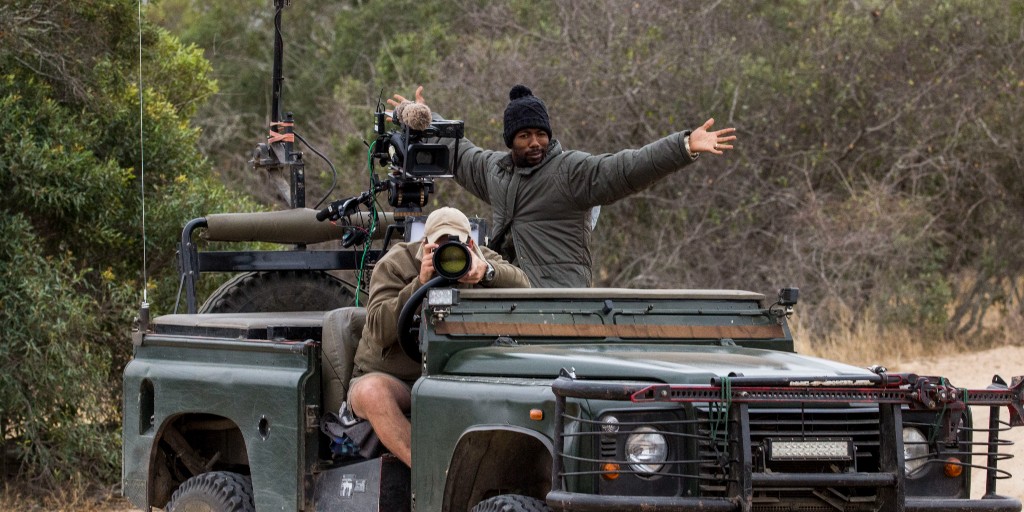
    I’ll join ranks with everyone who has ever been on a safari to say this: African wildlife is mesmerising. Being in an open-air game viewer, driving through the bush and spotting animals, is the best thing in the world. Seeing lions, leopards, hyenas, elephants, giraffes, and hundreds of birds you’ve never seen before, is enough to convert even the least outdoors-friendly person into a lover of wildlife. 

    So one day I asked myself the question that all Bushwise students at one time asked themselves: “Could I become a safari guide?” I imagined myself behind the wheel of a safari vehicle (I didn’t even know how to drive a manual), cruising down dirt tracks, showing guests the landscape, spotting elusive animals, observing wildlife behaviour, and making lifelong memories in the African bush. I started researching ways to make this hypothetical vision a reality. 

    image

    Sometimes dreams stay just that: dreams. You wake up one morning and splash water on your face and tell yourself to embrace reality. It’s a ridiculous idea, Annie, one that can’t really come true. At the time in a place where I was comfortable. I was in a relationship and living and working in Johannesburg. From the outside it certainly looked like I should stay put, not disrupt the status quo. 

    So what did I do? I signed up for a field guiding course and I didn’t look back. 

    As a foreigner, joining a field guide (or safari guide) training course is not only an incredible career move. It’s also one of the most eye-opening experiences you’ll ever have. You’ll be exposed to things that challenge your way of thinking, the way you understand the world, and the things you prioritise. You’ll study with people from all over the planet, who help you grow in transformative ways. You’ll find a whole new value in nature and wildlife. You’ll become a spokesperson for animals, defending those who have no voice. 

    And you’ll want to share your knowledge with others – not just to educate them, but to connect with them – to show them how we play an essential role in protecting our one and only planet. You’ll have an overwhelming desire to protect species – from the tiniest insects to the largest elephants. Our ecosystems thrive in balance. We humans often throw that balance off, and it’s our role to bring it back to centre. 

    image

    Training to become a field guide will change your life. And you don’t have to actually work as a guide for this to be true. I’m an example of that myself. I did not use my training in a traditional sense. I never worked at a lodge. Instead of guiding, I went to work for a conservation organisation. And then another. And now, I work for Bushwise Field Guides as a senior copywriter, while pursuing a Masters of Science in Conservation. 

    I’m continuing my dream of living a life connected to wildlife. It’s possible for you, too – all you have to do is make the leap. Pretty soon a leopard’s growl, or a lion’s roar, or an elephant’s trumpet, could be waking you up. 

    Are you keen to change your life and study to become a field guide? Apply today – it’s the first step in your career journey.

    Did this blog speak to you? Have you always wanted to work with animals – but aren’t sure how? Get started with jobs working with animals.

    #bushwise #fieldguide #safariguide #leopard #apprenticefieldguide #safari #fieldguidetrainer #wilddogs #tracking #cybertracker #fieldguidecourse

  • Why I want to be a field guide: what inspires Bushwise students

    By: Annie DuPre and the current Bushwise field guide students

    We asked Bushwise students: “Why do you want to be a field guide?” Their answers were as diverse as they were similar. What follows is a combination of their responses, unified into one story which showcases their joint passion for conservation, the desire to make a difference, and a love of nature.

    Finding my path

    I’ve always known I was destined to work in the field of conservation. I’ve gone through many stages in my life, school and work, but realised I wasn’t yet on the right path. It’s fair to say the idea of becoming a field guide had been simmering in my brain for a couple of years, but it seemed so crazy. My heart always belonged in nature – to be free and to just live. That was when I found Bushwise.

    Childhood inspiration

    Since I was little I’ve loved being in nature. Playing outside, looking for bugs under rocks, and trying to find different species. Being in nature and seeing and hearing animals is just amazing. The bush has always been my safe haven, a place to experience nature at its finest. Nature has always felt like one of the only places where I could “breathe.”

    image

    Photo by: Louise Pavid

    As I grew older and spent more time indoors, TV and YouTube filled the void of my nature-loving thirst. I would watch Steve Irwin, National Geographic, the Sunday Safari, David Attenborough, and Animal Planet. I’ve been inspired by them for as long as I can remember. They sparked an interest in conservation and furthered my love for nature, even when I was sitting in my room studying or working.
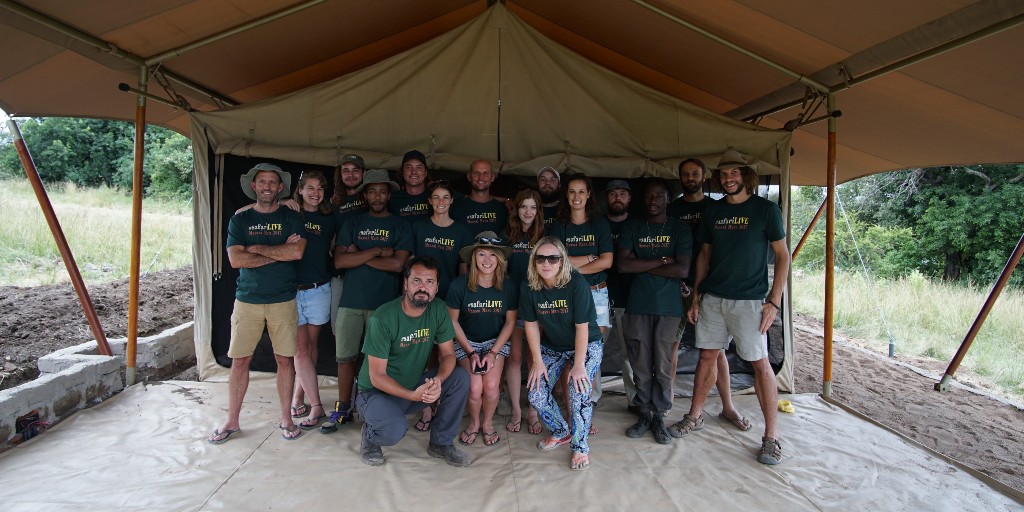
    Needing a change of pace
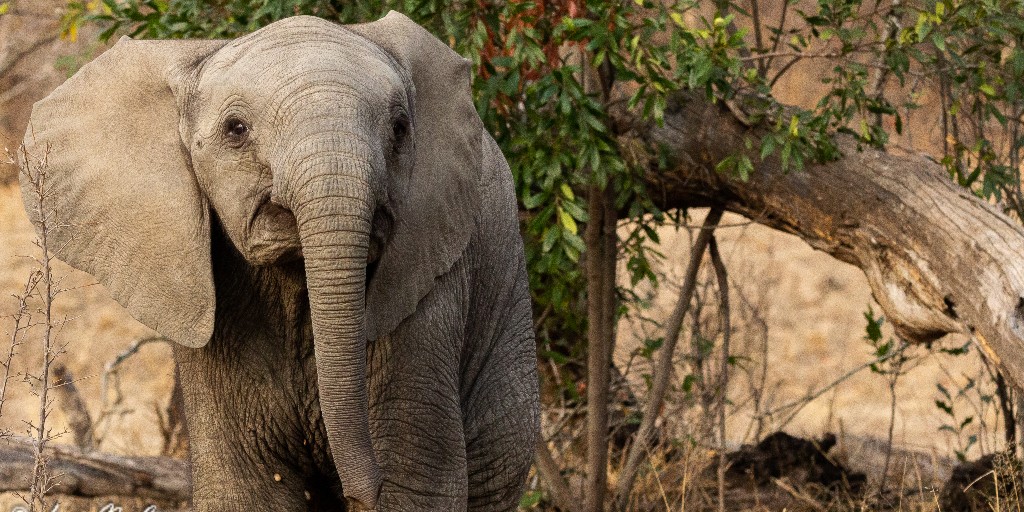
    I’ve never been a “sit behind a desk” kind of person. During lockdown in 2020, I found myself questioning my current career trajectory. I wasn’t satisfied that my life was headed in the direction I wanted. Did I really want to be stuck in an office? I decided to search for the real reason  why I was put on this earth.
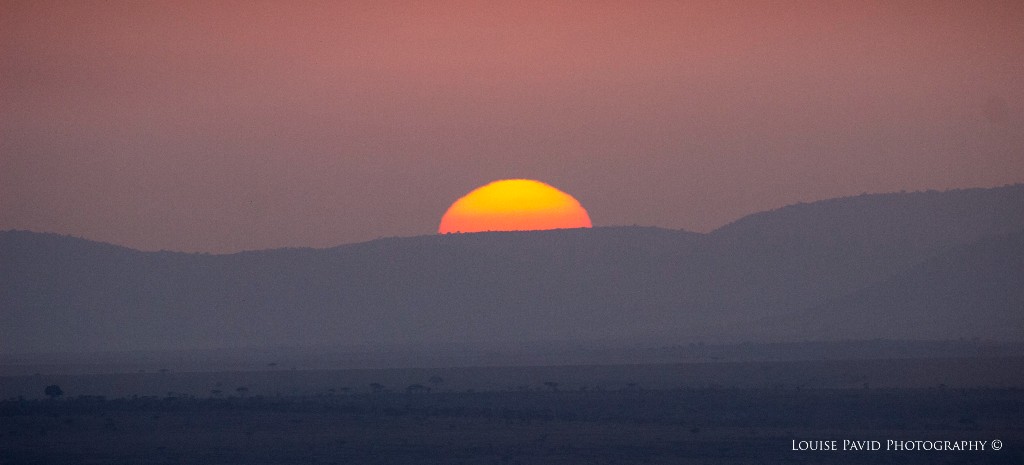
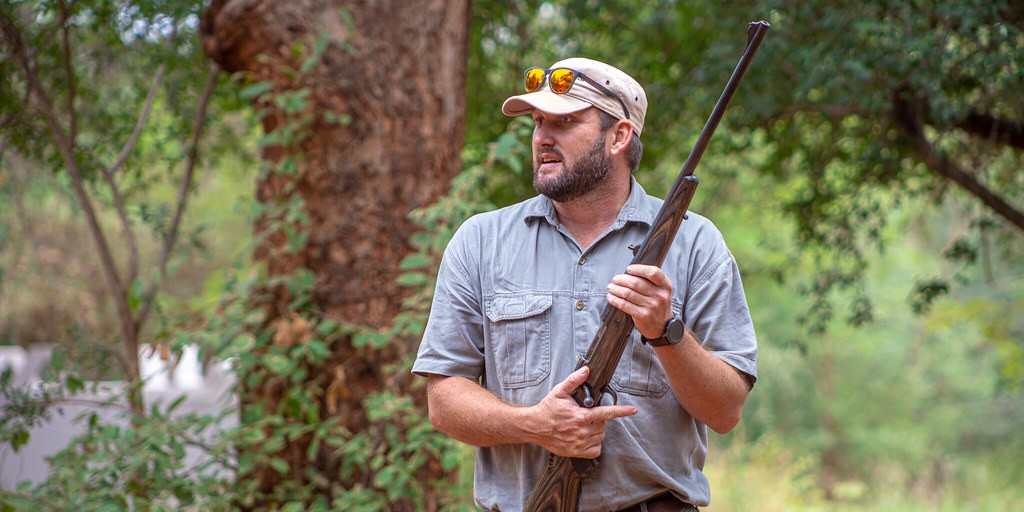
    I’ve always imagined myself working in the bush. I never knew what I would do, but I knew the bush was for me. I would rather spend the rest of my life in the fresh air than stuck in a town. Coming to the bush was like entering a whole new world. Every single day is different with more stories. Every single day is more special and unique

    Passion for conservation

    image

    Photo by: Louise Pavid

    I have always had a strong drive for conservation. I knew I should take the opportunity to learn more about nature and wildlife so one day I could teach other people about the beauty of the outdoors. Conservation of nature was my main aim, but I understood that in order to have more knowledge, I needed to start by learning from the point of view of a field guide.

    Ultimately, I want to be a field guide because I love nature. I love to learn and I hope to help people see what amazing things we have in the natural world. Through being a field guide I hope to make a positive impact on peoples’ lives – helping them fall even more in love with nature by helping them understand it better.

    Wanting to make a difference

    image

    Photo by: Louise Pavid

    In my career I want to make some sort of difference in this world. I want my work to inspire a passion for wildlife and conservation in my guests. I want to show people how vulnerable wildlife is and share my knowledge about the amazing animals we have in the southern parts of Africa. I want to be a voice for the voiceless and stand up for those who can’t stand up for themselves.

    I decided on field guiding because not only can I learn more about wildlife, but I can also teach, inform, and share that knowledge with people around me. Guides can instil in guests a deeper appreciation of nature and conservation. I want to be able to share my knowledge and build experiences for guests, allowing them to create similar joyful memories they can look back on. The ability to open peoples’ eyes and let them embrace the euphoria nature has to offer sounds like a perfect job for me.

    I want to do something with my life that makes me happy. I want to be fulfilled in my career. I love the bush, I love being outdoors. I love the sights, the smells, the sounds. Every day is an adventure. It is my happy place. By becoming a field guide, I can have a full-time job doing something that I am extremely passionate about. To be somewhere I love was the obvious answer – to return to nature, my happy place, and stay!

    What I love most about this experience

    image

    Photo by: Louise Pavid

    Every morning I wake up to the birds tweeting and chirping. I then close my eyes and listen to all the animals around me. I am living a life that many dream of but may never have the chance to pursue. I love sharing my experiences and knowledge with people, and learning from them in the process.

    Not many people get the opportunity to be woken by the sound of a laughing hyena or the roar of a lion. Being quiet and silent in nature, surrounded by wildlife – this is where communication takes place without any words. I feel most alive living among lions and listening to the hyenas “whooping” at night.

    I’ve asked myself a lot why I want to become a field guide – and now I know this is something I was meant to do. So here I am, chasing a lifelong dream, hoping that this will finally make me feel like I belong, and that I am making a difference in preserving this beautiful place we call home. I am already sure that this is where I want to be for the rest of my life. My only wish is that I can love nature as much as she deserves.

    Why Bushwise Field Guides?

    image

    Photo by: Annie DuPre

    Bushwise is an institution that will build on my formal knowledge and equip me with the skills and experience I need to make a difference in this world. My goal is to create a love for the bush with all my guests, to encourage them to look after all that nature has to offer, and to conserve this wildlife for future generations. Bushwise will be my stepping stone in achieving this goal.

    So you asked, “Why do you want to be a field guide?” The answer is easy: It’s in my blood!

    Thank you to all the Bushwise students who contributed to this story: Amelia, Ben, Brody, Charlie, Danelle, Divan, Elmar, Franco, Gareth, Hannah, Heindre, Janine, Jaundre, Jordan, Joshua, Kelly, Kieth, Laura, Lauren, Leigh, Luke, Marc, Marlene, Matthew, Oryx, Petri, Rian, Saki, Suvania , Tasia, Tiaan, Wana, and Wes.

    Does this story speak to you? Have you always wanted to become a field guide, but hesitated to take a plunge? Apply today and fulfil your dream!

    Did this blog speak to you? Have you always wanted to work with animals – but aren’t sure how? Get started with jobs working with animals.

    #gameranger #bushwise #fieldguide #apprenticefieldguide #safari #fieldguiding #fieldguidecourse