Category: Course updates

  • Conservation and Field Guiding

    What is considered as the Main Objectives of conservation?

    1. To Conserve essential ecological processes and life support.( e.g. forests for  O² and CO2)

    2. The Sustainable use of species and ecosystems,

    3. To Ensure genetic and bio-diversity.

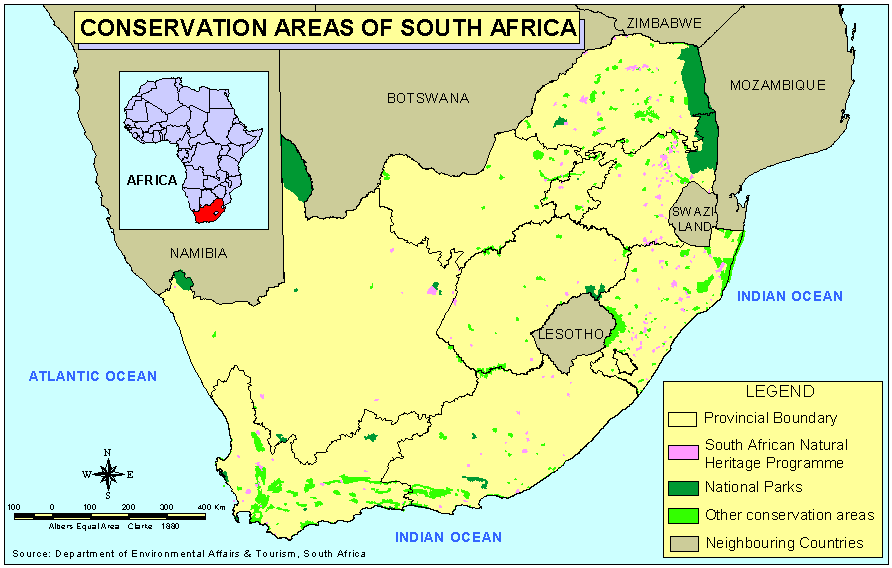
    What is the current status of conservation areas in South Africa?

    Currently about 6 % of the land surface is under protection. This means that around 7, 9 million hectares of terrestrial land are protected. Also 2, 2% of marine areas are protected which is 2 million hectares.
    image

    How did the idea of conservation areas evolve?

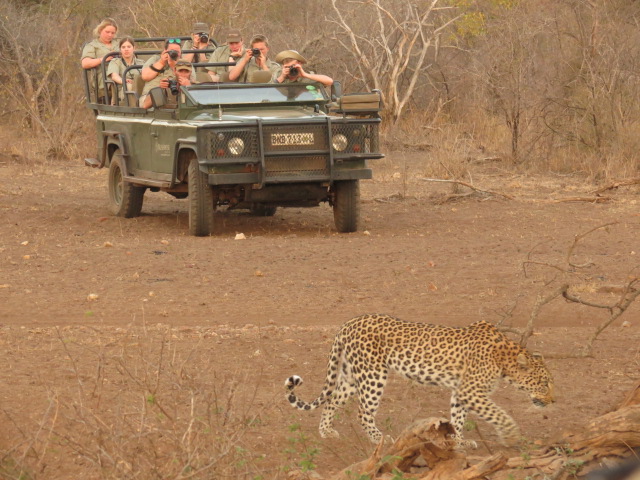
    It is believed that originally noblemen and royalties created exclusive areas for their own pleasure to either hunt or view game as an exclusive and noble leisure activity.

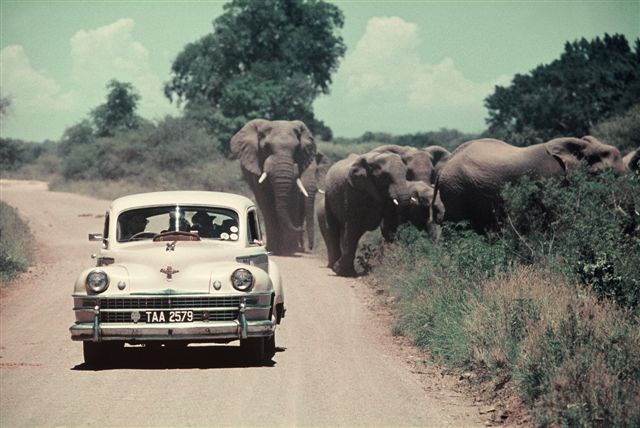
    But when we look at the current usage of the word “safari” it describes the leisure activities of explorers, scientists, tourists or hunters coming to Africa for different reasons. There is a debate to the origins of the word safari but is probably derived from either the Swahili word “safari” or Arabic word “safari”. It is generally accepted that this word refers to a long journey or grand tour.
    image

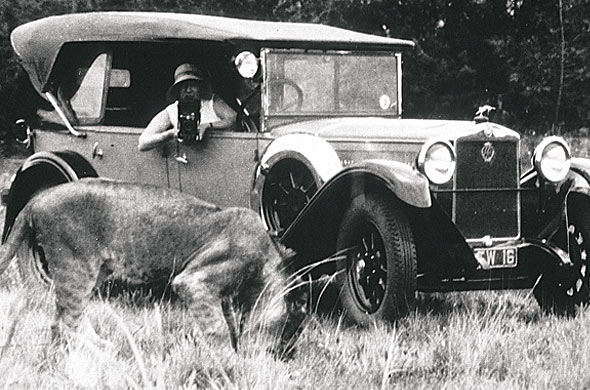
    Historically some of the reasons for these extended tours or safaris, were initially for travel to the trade routes in Africa, scientific studies and sport or trophy hunting purposes.

    Ironically the idea of conservation areas also originated from the same men who killed these animals. This was when the realised the devastation and the risk of species going extinct.

    As early as 1897 there were already areas in South Africa that were declared as no hunting zones or “prohibited hunting areas”. These areas were the embryos that later developed into much larger protected sanctuaries .Probably the most renown one was the establishment of the Kruger National park in 1926.

    These early developments in conservation together with much improved ways of travel resulted in a very extensive collection and a wide variety of conservation areas or establishments in South Africa.

    These could be listed as follows:

    1. Trans -frontier parks

    2. Biosphere reserves

    3. National Parks

    4. Provincial Parks

    5. Regional parks

    6. Private game reserves

    7. Marine protected areas

    8. Special nature reserves

    9. Aquariums

    10. Botanical gardens

    11. Zoological gardens

    12. World heritage sites

    13. Forest reserves

    14. Game breeding programmes

    15. Game farms

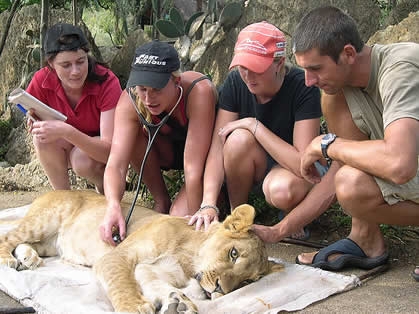
    16. Endangered species and rehabilitation programmes
    image

    South Africa has come quite a long way to where we are today and more than 10 million tourists visit South Africa on an annual basis. The term Eco – Tourism has also taken foothold in the tourism or Safari industry and this is a sign that conservation of the ecosystems are considered when embarking on the epic African safaris that millions of people dream of.

    It is here on SAFARI with their guests that the field guides have a role to play in the conservation of these protected areas.

    1. Here are some of the reasons why is it important for a FIELD Guide to understand Basic Conservation.

    2. To be able to educate guests about sustainable conservation,

    3. To be able to create and understanding of holistic ecology and in doing so encourage guests to participate in conservation matters and initiatives.

    4. To create a responsibility toward reducing the impact of humans on our natural environment.

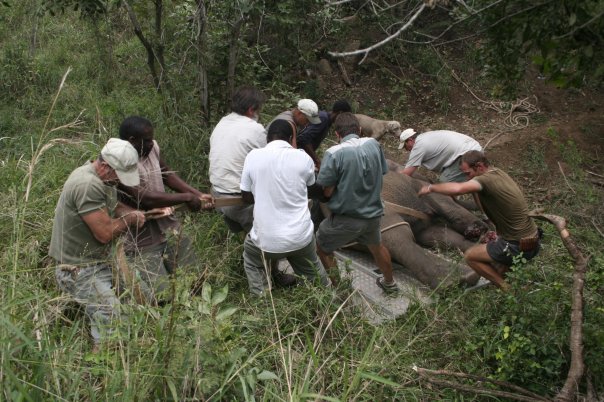
    It may come as a surprise to many people that field guides are not the glamorous and rugged RANGERS as they are often referred to. Game rangers are directly involved in the management of the wildlife and ecology of game reserves and are not involved with guests at all. Field guides on the other end are involved with taking guests out in game viewing vehicles or on foot into natural areas to not only show them the fauna and flora of the country but to also educate them in the ecological and conservation processes.
    image

    As mentioned above in the reasons why is it important for a FIELD Guide to understand Basic Conservation, field guides are supposed to act as mediators, educators and facilitators in the natural environment. Therefore they do not have a direct role in conservation in the true sense of the word but an indirect role as mentioned here above.

    Field guides can also do this by setting the example by getting actively involved in conservation matters in their area of operation or in any other way possible. By doing so they may inspire their guests to also get involved.

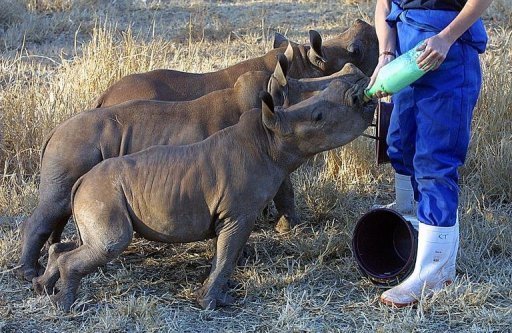
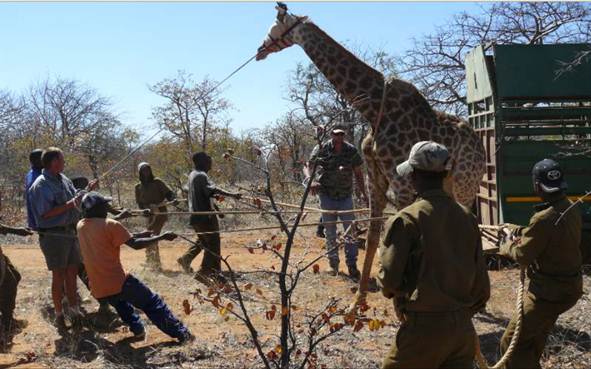
    In my view there is too much emphasis placed on the anti-poaching theme as a conservation initiative especially ANTI-RHINO POACHING. I believe that to protect and conserve our natural environment a more holistic approach should be taken. There are many other organisms under threat due to poaching. Here follows just some of those.

    1. Baboon & Monkeys

    2. Blesbok, Bontebok, Zebra, Bushbuck, Nyala, Oribi, Reedbuck, Greysbok, Hartebeest, Duiker, Steenbok, Damara Dik-Dik, Eland, Impala & Gemsbok

    3. Bushpig & Warthog

    4. Buffalo

    5. Hippo

    6. Hyena & Jackal

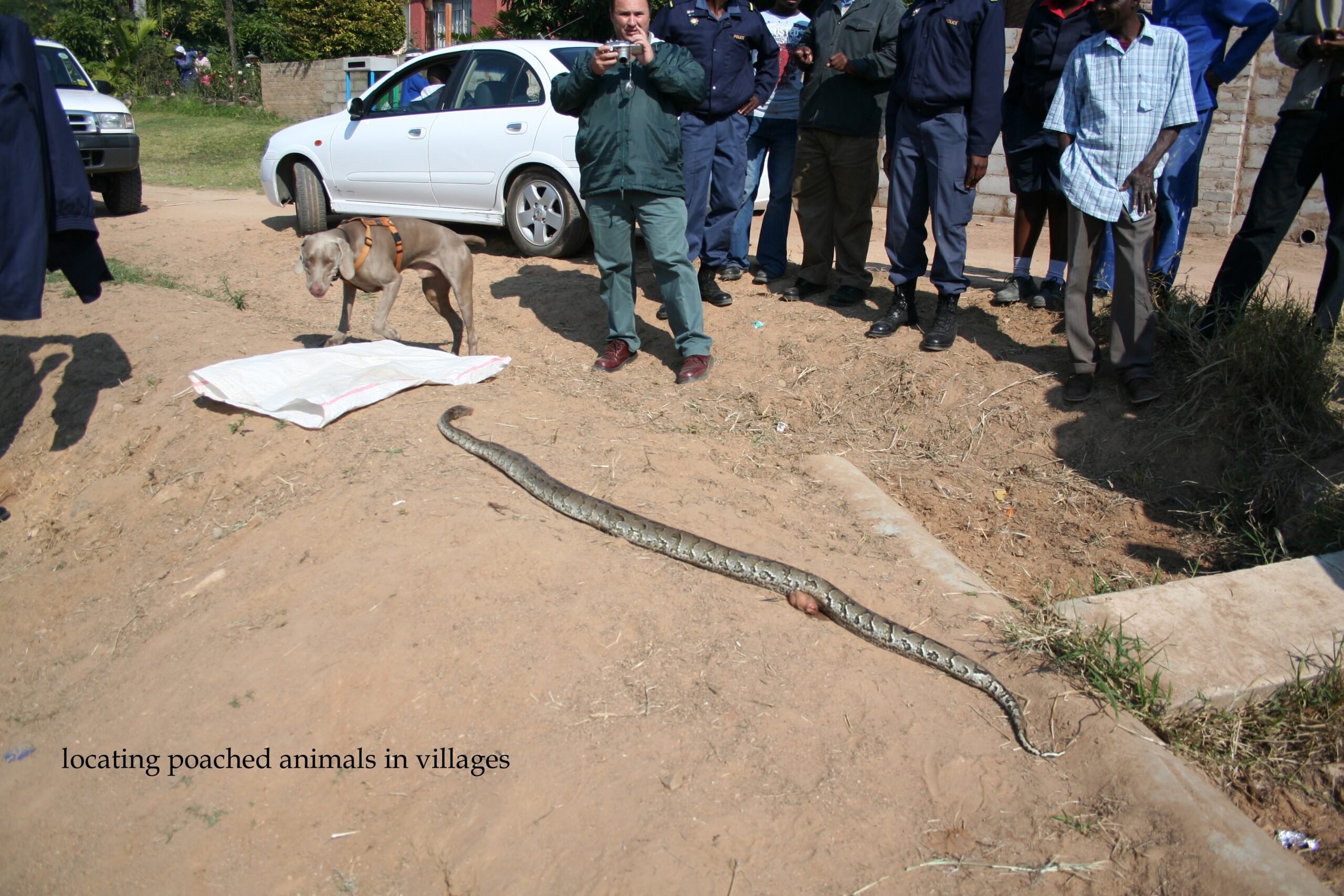
    7. African Rock Pytons, tortoises, chameleons, rock & water monitor lizzards & crocodiles

    8. Aardvark & Pangolin

    9. Vultures, Eagles & Ostriches

    10. General birds

    11. Mongoose & Porcupines

    12. Lions, cheetah & Leopards

    Although the media has really gotten on to the sensation behind the rhino poaching, a vast array of other species is being poached on a daily basis. Any person, who understands the basics of ecology and the important role of each organism in the system, will know that this is actually a serious issue. A serious issue that collectively exceeds the threat of only 1 species under siege!
    image

    More than 50% of Rural South Africans still make use of traditional medicine and visit their traditional healers frequently whether it is in conjunction with modern medicine or not. We are talking about millions of people!! There are even very popular muti markets on the streets of various large cities in South Africa e.g. Durban and Johannesburg just to name a few. Where does this muti come from? Definitely not falling from the skies or delivered by the gods!!!
    image

    Muti are also not only made from animal matter. A lot of plant species are also under threat because of the muti trade. Also remember that most of these millions of people need wood for their energy and heat requirements. Where do they get these from?

    Then we have not even started to look at the illegal PET TRADE or Poaching of Marine life!

    As you can see a more HOLISTIC anti-poaching approach is also needed and the world should also be made aware of these other FLORA and Fauna that are under threat. Not only rhinos.

    In conclusion

    Field guides are collectively dealing with millions of tourists. If these guides are trained properly and are monitored properly, they should be able to have a major positive influence on conservation worldwide.

    As a seasoned field guide and guide trainer myself, I regret to state that I personally do not believe that this is actually happening out in the field. This is not only due to the current inadequate training framework on this topic but also due to a lack of quality control, mentorship and management at the lodges that employ these guides.

    A new at training programmes and proper quality control at lodges is needed to be able to uplift and improve the current awareness of conservation matters in the field guiding industry.

    In my opinion and experience, the majority of current field guides are only focusing on the game viewing aspects of the safaris and very little is done to create an awareness of the importance of sustainable safaris and holistic conservation during safaris in South Africa.

    Read more about Bushwise ethical field guiding courses.
    image

    Blog written by Gerhard Van Niekerk

    Reference and sources list:

    Conservation Areas of South Africa

    https://www.sustainabletourismalliance.net/wp-content/uploads/2012/11/Tswalu-1024×682.jpg —–Photo credit by Amakhala Game Reserve, Eastern Cape, South Africa

    https://cdn.c.photoshelter.com/img-get2/I0000nuElWCwqsCs/fit=1000×750/Scott-B-Smith-Kruger-National-Park-South-Africa-Elephant.jpg

    https://s-media-cache-ak0.pinimg.com/736x/f8/9f/48/f89f485739d6a92ab840fd9abb40a23a.jpg

    https://s-media-cache-ak0.pinimg.com/originals/3d/df/3a/3ddf3a32c2a339d6279ad73dd0225b26.jpg

    Willem Wikkelspies and Piet Pompies.

    Managing tourism in South Africa – R George

    Introduction to South Africa – Grant Hine

    South African Tourism agency

    National department of tourism

    Department of environmental affairs and tourism.
  • Viewing potentially dangerous animals on foot

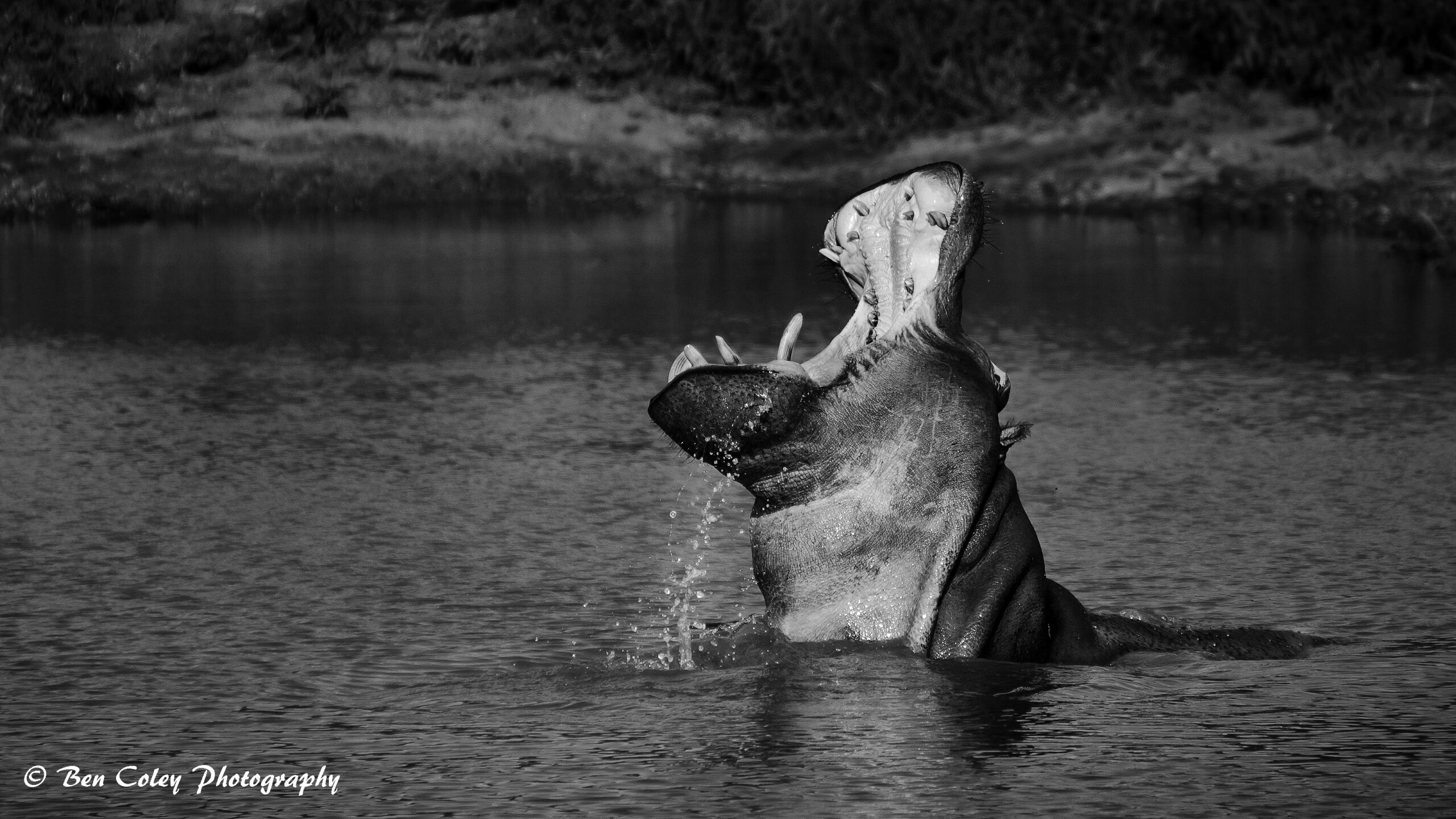
    After completing the final FGASA theory and practical assessments, the focus for the last week of this semester has been on Trails Guide training and VDPA (Viewing Potentially Dangerous Game) – normally classed as the Big 5 and the famously belligerent hippo.

    image

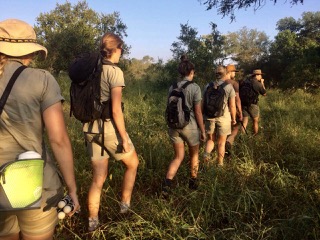
    When people visit South Africa to come on safari, they are sometimes lucky enough to view game on foot. This is what ‘trails’ is defined as. An ethical trails guide has the ability and privilege of being able to open a whole new world to their guests. Encounters on foot not only get the adrenaline pumping but also bring people closer to nature, which very often creates a more positive attitude towards conservation as a whole.

    image

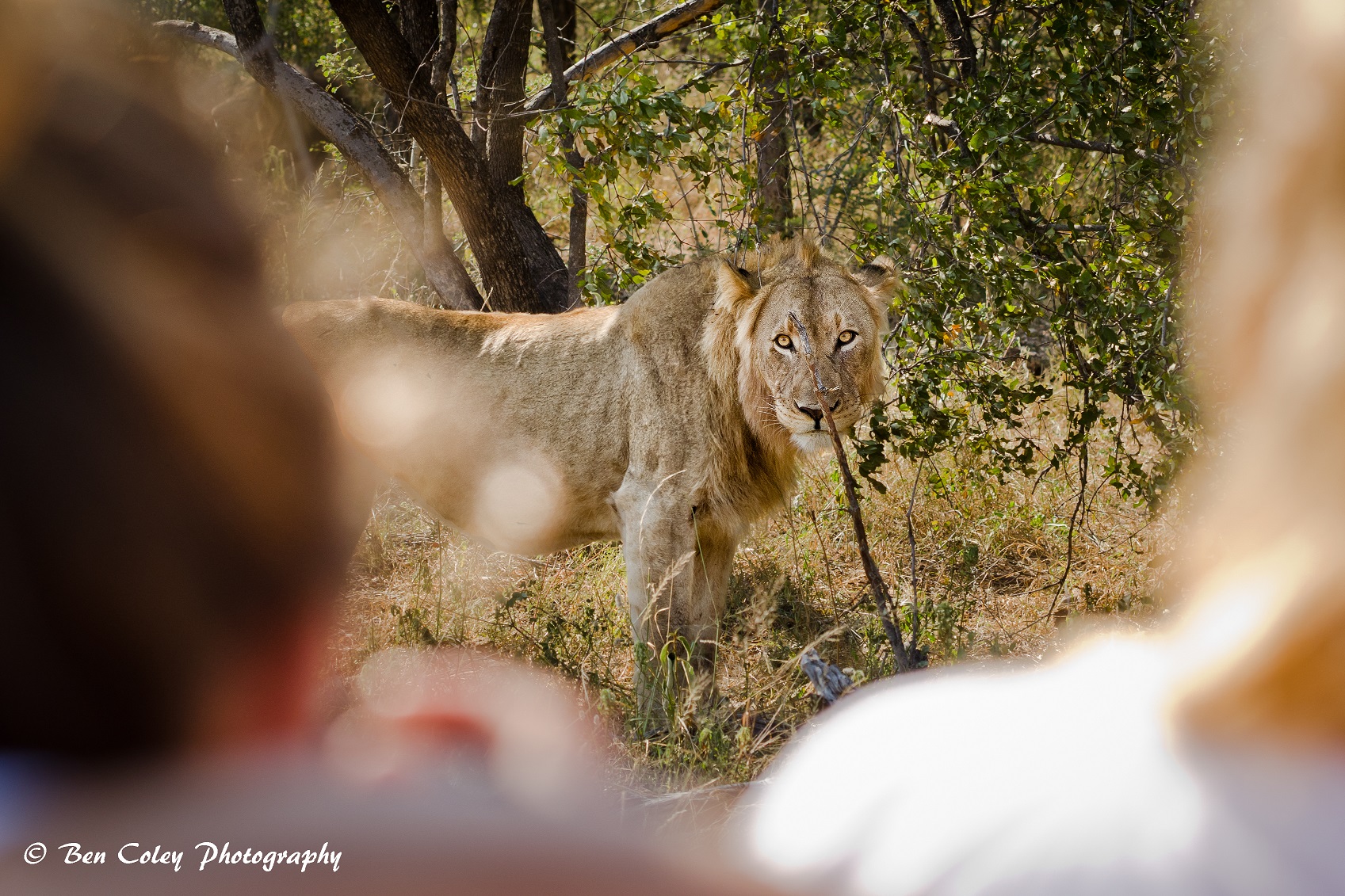
    This past week students have had the opportunity to be exposed to some amazing encounters under the mentorship of our experienced trainers, with many hours of tracking through the bush rewarding us with general game, mating lions and (sometimes too!) excitable elephants on foot.

    image

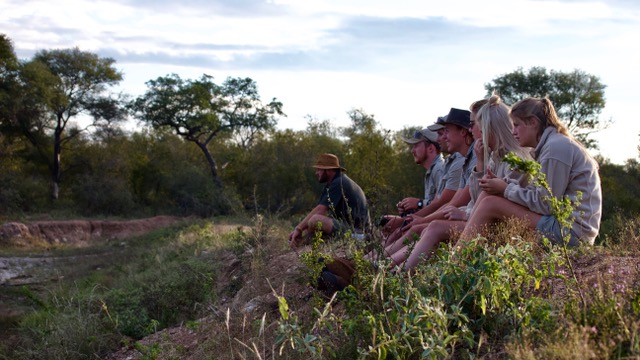
    A highlight for everyone was a wonderful evening spent watching the sun go down over Shlareni Dam, briefly spotting a leopard at the far end and a couple of graceful giraffes before darkness claimed. The real excitement however started once the stars came out, with hyena prowling a couple of metres from where we all sat crossed legged on the ground, and a huge herd of elephants coming down to drink just beyond. Two of the young bulls gave an impressive display of their enormous strength on the far bank, tussling with their tusks as a practice for the dominance fights they will do as fully mature elephants. It was unbelievably special sitting in the starlight hearing and watching these Goliath’s little-experienced behaviour.

    While many people spend a lifetime saving in order to experience the South African bush, Bushwise students are privileged to soon get even more practical experience to do this ‘job’ on their 6 month work placement. Our time here at Bushwise is soon coming to an end, but an amazing life in the bush is only just beginning….

    Blog by AD van Zyl

    Find out more about Bushwise Courses.

    image
  • Top ‘Bush holiday’ picks from the Bushwise Team

    Most people think us ‘bush people’ are quite strange, choosing to spend our off time on other game reserves or wilderness areas. This includes lodge staff, guides, managers and land owners already spending their working days on game reserves. You will never hear this phrase often from the likes of us – Oh, I am going to Johannesburg on holiday!’

    ‘Don’t you ever get tired of the bush’ is the question that comes to mind when we tell our friends and family we will be spending our off week or leave in Kruger National Park. The truth is that the bush & wildlife is our passion and when you have this deep passion, a need to explore and experience different wilderness areas, it comes easily and without hesitation. The more remote the better!

    We are spoilt for choice in Southern Africa. From Coastal areas to inland sanctuaries, each offering a multitude and variety of birdlife, biomes, eco-systems, fauna & flora.

    Namibia – A place of Wonder, Kim’s choice – ‘I have been fortunate enough to have visited most Game Reserves in South Africa as well as visit other countries such as Swaziland, Lesotho, Mozambique, Namibia, Botswana, Zimbabwe & Malawi.

    The most special place for me is Namibia. You feel so insignificant in such wide open and untouched spaces. The desert is memorising and for me a very spiritual place. Star gazing on the dunes, with the sea below you in Henties Bay is something I will never forget. Not one night went by without me seeing a shooting star. Etosha Game Reserve has amazing game viewing, with the animals congregating around the rivers and water holes. I will definitely be back!’

    image
    image

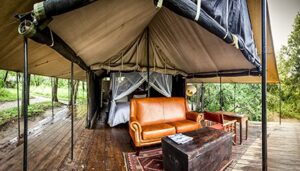
    Vaughan’s top choice is Honeyguide Tented Safari Camps. ‘In my opinion it offers the same quality as Sabi sands, has far less traffic and has more diversity to offer on drives. You can visit Honeyguide throughout the year. You would need a higher budget for this lodge but I would suggest that one save’s up in order to treat your family to a weekend at Mantobeni Safari Camp.

    image

    Honey Guide

    Gerhard’s enjoys visiting Mkuze in Kwa Zulu Natal – ‘This reserve has amazing waterholes and proper hides where game viewing is epic. Another pic for him is Manyane Restcamp in the Pilansberg game Reserve, North West province.  This is for more of an economical conscious traveller who prefers camping or has an adventurous camper. It provides great game viewing opportunities. Madikwe is also very beautiful and have many lodges to choose from but this is more on the expensive side.’

    Mkuze

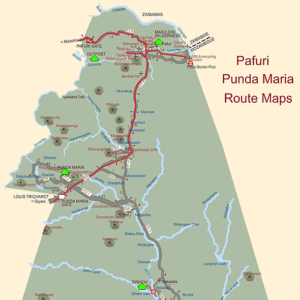
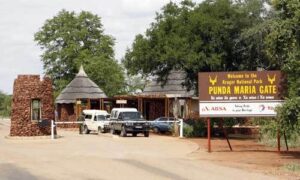
    Ben suggests Punda Maria, where anytime is amazing. ‘Due to the fact that in today’s touristic and capitalist world, the southern, more accessible parts of Kruger are becoming increasingly crowded and it is hard to avoid other traffic.  The point of going to the park for me is to not chase sightings of high profile animals but to lose oneself in one of the largest conservation areas in the world.  Not only does the far north of Kruger offer peace, quiet and solitude but it is also home to some of the most stunning scenery in the park.  Towering baobabs follow your progress as you drive the deserted roads and as a birder, the north is home to a magnificent variety of species, many of which cannot be found anywhere else in South Africa!  Keep your eyes peeled for specials such as Variable Sunbird, Racket Tailed Roller, Black Throated Wattle Eye and Pels Fishing Owl!!’

    image
    image

    Sharin & Trevor would recommend the surrounding areas of Hoedspruit. This area in itself is a great bush holiday destination and very close to the campus. So during off weeks it would not be far for students to travel.

    ‘There are so much to do and the best time to visit is all year round as both winter & summer months offer different views to the landscape. Students can visit all the top bush destinations around Hoedspruit for example:

    * Game Drives on private reserves or visit our top lodges around Hoedspruit, you are also in close proximity to Kruger National Park and stay over or go for the day.

    * Moholoholo Rehab Center or Hoedspruit Wildlife Endangered Centre

    * Blyde River Canyon & sight-seeing around the Canyon’

    image

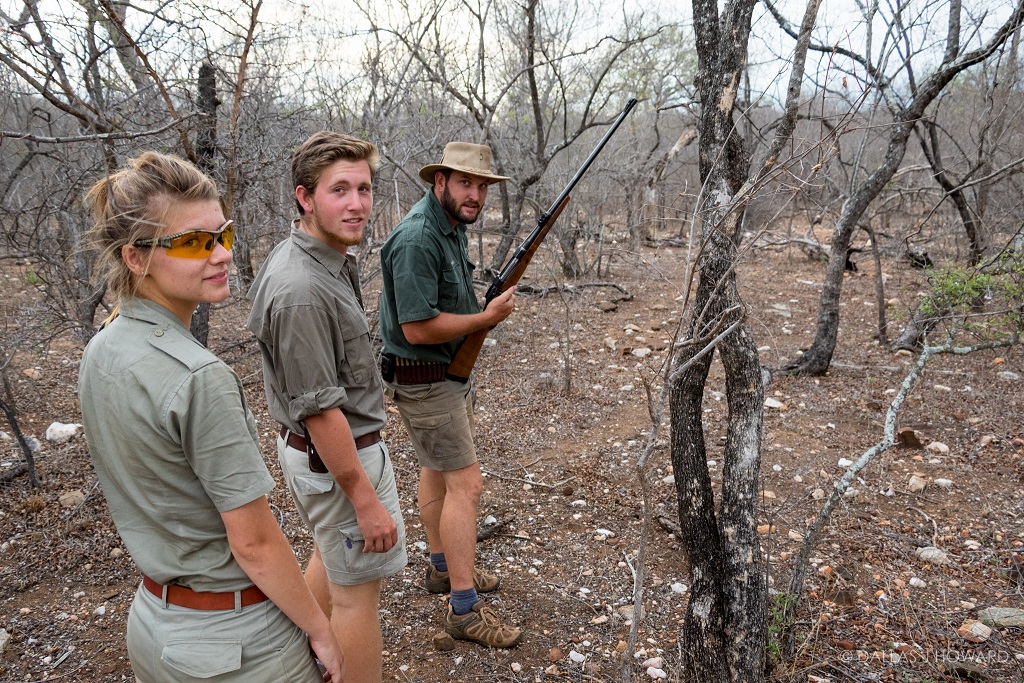
    Nick’s top pic is Kgalagadi Trans frontier National Park – ‘It is evident by its increasing popularity, is one of the most beautiful places in South Africa. The harsh environment, extreme temperatures and contrasting landscapes make you feel alive. With very hot and dry summers and icy cold winter nights, Kgalagadi is a unique experience every time. In addition to the spectacular landscapes and wide open spaces, Kgalagadi rarely disappoints when it comes to spectacular big cat sightings. If your wanting a unique holiday experience, a taste of true wilderness, once in a lifetime animal sightings and star filled nights under clear night skies, a campsite in Kgalagadi is a good place to start.’

    Picture by Dallas Howard

    Picture by Dallas Howard

    So good luck with your planning and we hope that if you chose to visit any of these special places that they resonate with you the same way it does for us!

    Happy Travel,

    Kim & Bushwise Team

  • The History of the Lowveld

    The area known as the Lowveld is the lowland area, below 500 metres in altitude along South Africa’s’ northern border with Botswana and Zimbabwe with the famed Kruger National Park comprising half of it. It also comprises sections of Limpopo Province that extend down to the east of the Drakensberg escarpment, through Mpumalanga and then into eastern Swaziland, joining the border of Mozambique to the East and the Drakensberg to the West.

    image

    Although rather poor in water resources, mighty rivers rise along the face of the escarpment which flow swiftly to the Indian ocean via Mozambique, rivers such as the Sabie and the Crocodile rivers which merge with the Komati in the South, and in the North, the Oliphant’s and letaba rivers which join up with the Limpopo river, giving rise to thriving towns – Tzaneen, Phalaborwa, Sabie, Graskop, White river, Komatipoort and Barberton to name but a few. Today a rich agricultural environment of tropical fruits as well as huge timber forests, yet still an area of sweeping grasslands, indigenous forests, rolling mountains and natural beauty.

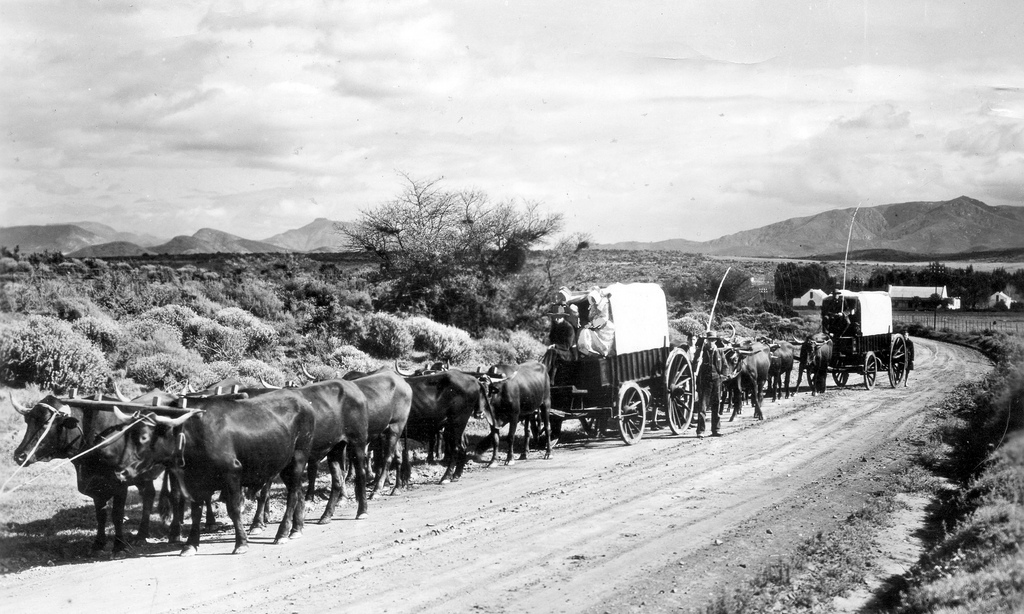
    Yet it is this stretch of country that is rich with legends, myths, rumour and romance, not unlike the frontier days of the old “Wild west” made famous by stories by JT Edson and louis Lamour, the old dime novel American cowboy authors of yesteryear! It tells of men and women of all races, mostly Boer, Briton and Hollander, toiling against almost overwhelming odds; some for the sheer love of adventure, others for financial gain, some with the desire to share the word of Christianity, yet all collectively contributing to the rich tapestry of the Lowveld. Picture tribal warfare, trekking Boers, gold reefs ready for the taking, big game hunters, tricksters, con-artists, thieves, disease and sickness such as malaria, blackwater fever and nagana and I believe the reader will have a pretty fair idea of the hardships endured by these early pioneers!

    Now this will probably conjure up the names of well-known individuals such Sir Percy Fitzpatrick, James Stevenson-Hamilton, Harry Wolhuter, TV Bulpin, Courteney Selous, Jock of the Bushveld, places such as Crook’s corner, Baobab Hill, Steinecker’s post to name but a few, so the writer thought to make mention of lesser known (although as important) role players in this kaleidoscope of events that make up the History of the Lowveld.

    image
    image

    To start off, cultural and historical sites occur throughout the region including Early, Middle and late stone age as well as iron age sites. Radio carbon dating on pottery shards found in the Wolkberg mountains near Tzaneen, were found to be similar to pottery found in East Africa, which in its ‘own is quite amazing, however, seed traces in these shards provides evidence that South Africa is one of the sites of oldest food cultivation. In addition to this, yet it still remains a mystery, is that the Lowveld is the original home of the entire Worlds ‘cotton!

    Woven cotton preserved in a silver jar, dating back to 3000BC was found in Pakistan, and upon studies by Sir Joseph Hutchinson, a British biologist, the linting gene that enables cotton to be spun could only have originated from the wild species that grows in the Lowveld! Humans thus carried cotton up Africa over to India and across to Peru-yet cotton never became a crop of importance at its ‘birthplace!                                                                                                                      Ref: David Hilton-Baber

    This as already mentioned remains a mystery since this took place before recorded history, thus it could have been the San people who occupied caves near Ohrigstad (and others scattered across the Lowveld) many millennia ago, or as a result of Negroid tribes arriving on the scene some 1500 years ago in successive waves from Central Africa consequently displacing the San.

    These newcomers brought with them the knowledge of iron smelting, often also working gold, if only for ornamental purposes, practising simple agriculture, but also tending sheep, goats and cattle. Roughly 1400AD, a second massive wave of Bantu-speaking people migrated from the North, bringing with them huge populations and huge herds with more sophisticated iron-smelting technology. This however heralded the beginning of multiple tribal clashes (The Mfecane, which was a widespread period of chaos and warfare amongst the indigenous ethnic communities in Southern Africa from around 1815 to 1840) which dominated the scene in the Lowveld for many years to come.

    This in turn saw the rise and fall of several Kingdoms, notably that of the Pedi Kingdom under the rule of Thulare, who lived a peaceful existence until being crushed by the Matabele under the reign of Mzilikazi. The then scattered remnants of the Pedi Kingdom often times resorted to cattle raiding and skirmishes with both Boers and British troops ultimately contributing to the instability of the Lowveld area, and despite being heroic warriors, lost the battle against progress.

    Quote -unquote, the Pedi were a major stumbling block to British rule and had been:’… a potent symbol of the possibility of continued African resistance to colonial claims to the land and demands for labour and tax!

    The Balubedi, at this time also came into being, and were considered direct descendants of the powerful royal house of Monomatapa. Monomatapa was rumoured to be the area of untold wealth from whence King Solomon obtained all his gold and diamonds and lent weight to the myth of the land of the Ophir, and, the legend of Ophir which is that King Solomon was to receive his treasure every three years.

    I have included the Balubedi since their belief system is based around their queen, Queen Modjadji, or the Rain Queen, and deserves mention in this tapestry of the Lowveld. She is recognised as the only traditional ruling Queen in Southern Africa and rules from her present day royal kraal in ga-Modjadji, formerly known as Duiwelskloof in Limpopo. Historically she was known as an extremely powerful magician with the ability to bring rain to her friends and drought to her enemies, respected and feared for centuries by many. Not a single King would knowingly incur her wrath-even King Shaka would send top emissaries to request her blessings. So strong is their tradition, that she may not marry, and only a suitor may be chosen for her by the royal council when she decides to have a child. She is chosen for her role only by the ghost of her predecessor, her destined end being death at her own hand by means of ritual suicide in order that she may rule by divine right.

    1835 saw the start of the Great Trek, which saw more than 10,000 Boers leaving the Cape Colony with their families to move north. Plagued by problems such as exorbitant taxes, conflict with the Xhosa on the Eastern frontiers, and a hearty dislike for the English colonial authorities, made the decision to seek fertile lands and to establish their own country for want of a word, all the more important. Under the leadership of Andries Potgieter, Andries Pretorius and Louis Trichardt these early pioneers made their way northwards, with the Lowveld being among the areas where they settled. In retrospect, the complexities and setbacks encountered (as most will know) by the Boers, were largely due to the quarrelsome nature of their leaders! If only they had discovered gold first, it would have sorted out most of the differences I believe!!

    In closing, no tales of the Lowveld can be complete without including the role of missionaries in the fabric of this collage’. Alexander Merensky and his co-founder Karl-Heinrich Grutzner, both from the Berlin Missionary Society started their first mission station north of the Vaal river. Due to the local tribesmen unfortunately continually plundering and raiding the station, the two missionaries obtained permission from the ba-Pedi (see above-Pedi Kingdom) to move the station to a more hospitable location named Botshabelo – translated meaning “place of refuge”. A blacksmith shop, a workshop to build and repair wagons and a mill were established, thus empowering the local community and members of the congregation to learn critical skills.

    image

    Other European mission stations also deserve mention such as Mission Suisse, Mission Vaudoise who have gone on to become known as Tsonga Presbyterian Church and the Evangelical Presbyterian Church, and in more recent times, increased missionary activities by the Catholic, Anglican and Dutch Reformed Missionaries. We owe a great deal to the current and earlier efforts of these missionaries who have for almost 3 centuries since the arrival of European settlers in South Africa, provided education and assistance to the less fortunate.

    Despite leaving out hundreds of colourful characters and events that are worthy of inclusion in this blog, the writer must at some point retire as this would become a narration worthy of a book signing! Hopefully I have cast a different perspective on this wonderful part of the country, and would welcome any discussions or chats telephonically or via e-mail.

    Check out Bushwise here.

    Yours in Guiding

    Trevor Myburgh

  • Rifles, bullets, targets and lots of practice!

    After a busy last week with tracking, this last week has been a bit more relaxing with no lectures. Instead it was dedicated to completing our SASSETA certificate, which is necessary to have to be assessed in Advanced Rifle Handling (ARH).

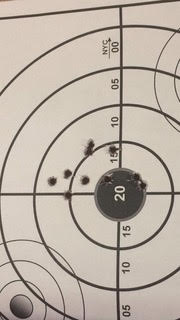
    The group was split in two, with half of the students going to Tzaneen Monday-Tuesday, and the rest Wednesday -Thursday. In Tzaneen we went to the training facilities where we had to do the last theoretical rifle tests as well as the practical shooting. Doing the practical shooting we were assessed one by one. For the self-defence assessment we had to show that we could load a rifle (calibre .22) in a safe way, shoot five rounds, reload and shoot five more. In the assessment for business purposes we should load six rounds. The purpose of this was to prepare us for ammunition that doesn’t fire. Five out of six rounds were shot, the last one had to be loaded into the chamber but ejected instead of fired.

    image

    In all we had to get 20 shots unto the targets to pass. For me it was the first time shooting a rifle so was a bit nervous. But it all went well. Everybody passed and are now ready to start practicing for ARH.

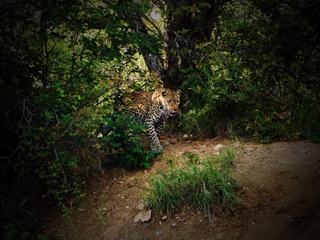
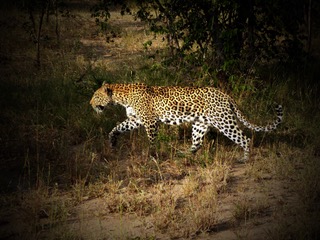
    The half that stayed behind did practical game drives, the last practice before mock assessments. During the drives there was some great encounters. Elephant close by, male lion running after giraffes, and the highlight for me was definitely the leopard sighting! She came down to a small dam for a drink, and then she walked off into the bush. We followed her for a bit and were lucky to have her walking by right in front of the vehicle into the bushes.

    image
    image

    Friday the group was again split in two. The international students who are doing placement went to Polokwane to get their traffic number so they can register for their drivers license.

    The students left behind got to do a walking trail, which is always a great experience. This time one group encountered some giraffes and the other saw the tails of mating lions.

    image

    In the evening we got the option to do a night drive at Makalali and what an experience that was. We stopped in the middle of a clearing looking at stars with hyenas walking right next to the vehicle. We also bumped into a herd of elephants where all lights on the vehicle was turned off  an all we could hear was elephants making their way through the bush pushing over trees.

    Because there were no lectures doing the week, Saturday was a full off day with no tests.

    Written by Malene Jepsen

    image

    Photos by, Malene Jepsen, Sam Hankss and Jess Talbot

  • As slow as possible but as fast as necessary

    This week was another jam packed week of learning, this time it was focused on 4×4 driving however we still enjoyed several game drives with some amazing sightings including cheetah. The week started off stormy, with over 72mm of rain one night which filled the normally dry riverbeds with a flowing river, making our week very interesting!!

    We started our week by learning the inner workings of off-road vehicles, the different types of cars and the differences between 4×4 and 4DW. Our practical sessions started with learning when to use low range, the diff-lock and how to do reverse stall starts. These are very important because it is a safe way to start a car on a hill. As the river was flowing we got the opportunity to learn how to drive river crossings and how not to get stuck; as slow possible but as fast as necessary.

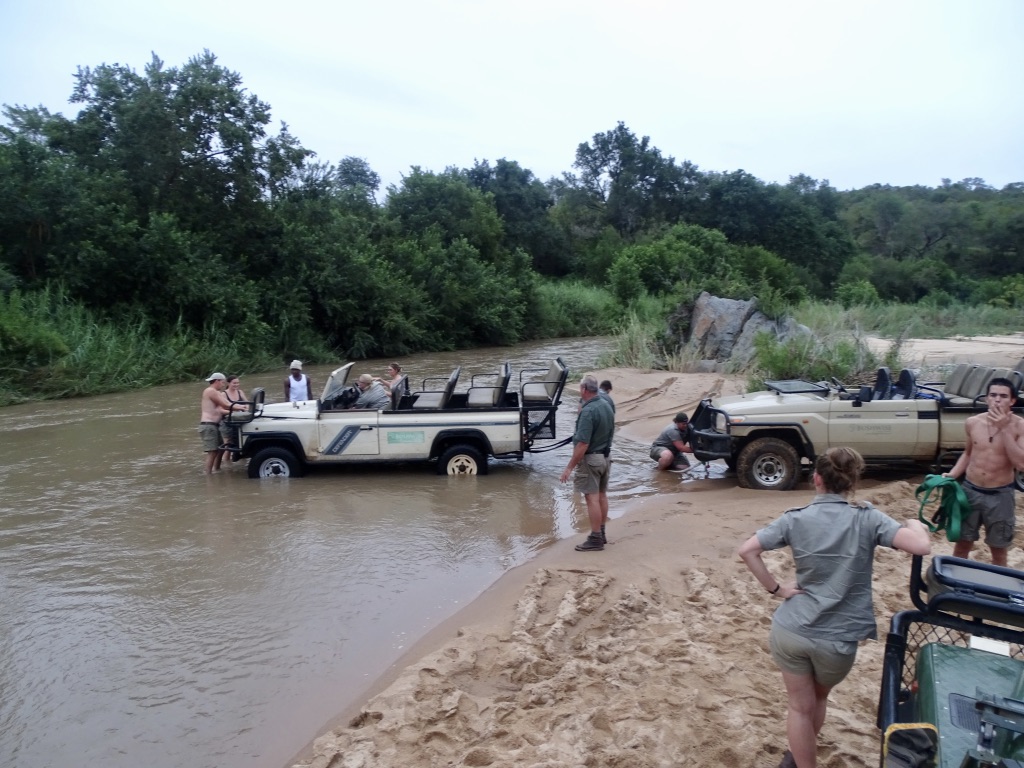
    Vehicle recovery is an important and useful skill in the guiding world and this week we all got the chance to recover vehicles that were well and truly stuck in the Makhutsi River. All three groups had very memorable experiences that I’m sure we will never forget.

    image

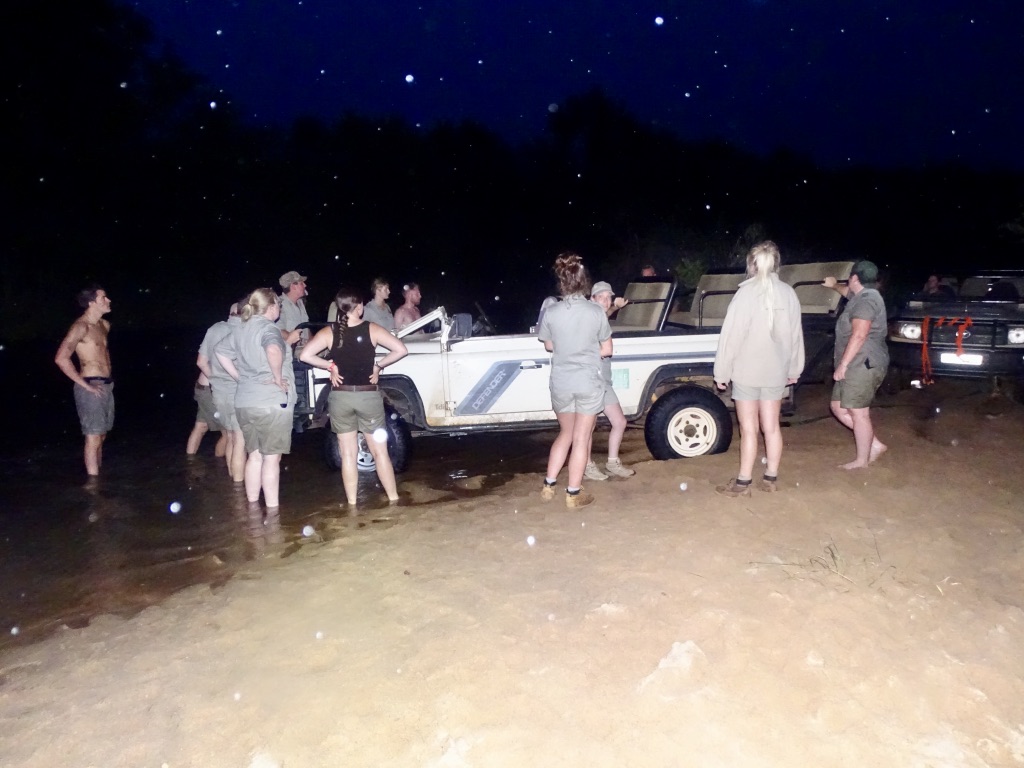
    On Thursday the plan was to get a vehicle stuck in the river and then for us to pull it out, however our task was not made easy by the fact the river level had risen from the previous day. The Landover got stuck as planned but then started to sink more and soon the front seats were in the water as well as the exhausts. By the time all the equipment was secure and ready to be pulled out with the land cruiser, the engine would not start so the job was made harder with much pushing and with great effort we managed to pull the land rover mostly out of the river. This was not the end of the story though, as the land rover did not want to go any further.

    After many attempts and long after the sun had set, a second vehicle was brought in to help pull it out. With a last ditch attempt with 2 vehicles pulling and the rest of us pushing we managed to pull the land rover free and out of the river. We then had to tow the broken land rover back to the campus in the dark. Thankfully it did start in the morning after spending the night drying out!!

    Have amazing experiences like this one when you join Bushwise for a wildlife course!

    image

    Blog by Annabelle Ward

    image

    Pictures contributions by Annabelle Ward and Jenni Smith

  • Get to know the Bushwise trainers

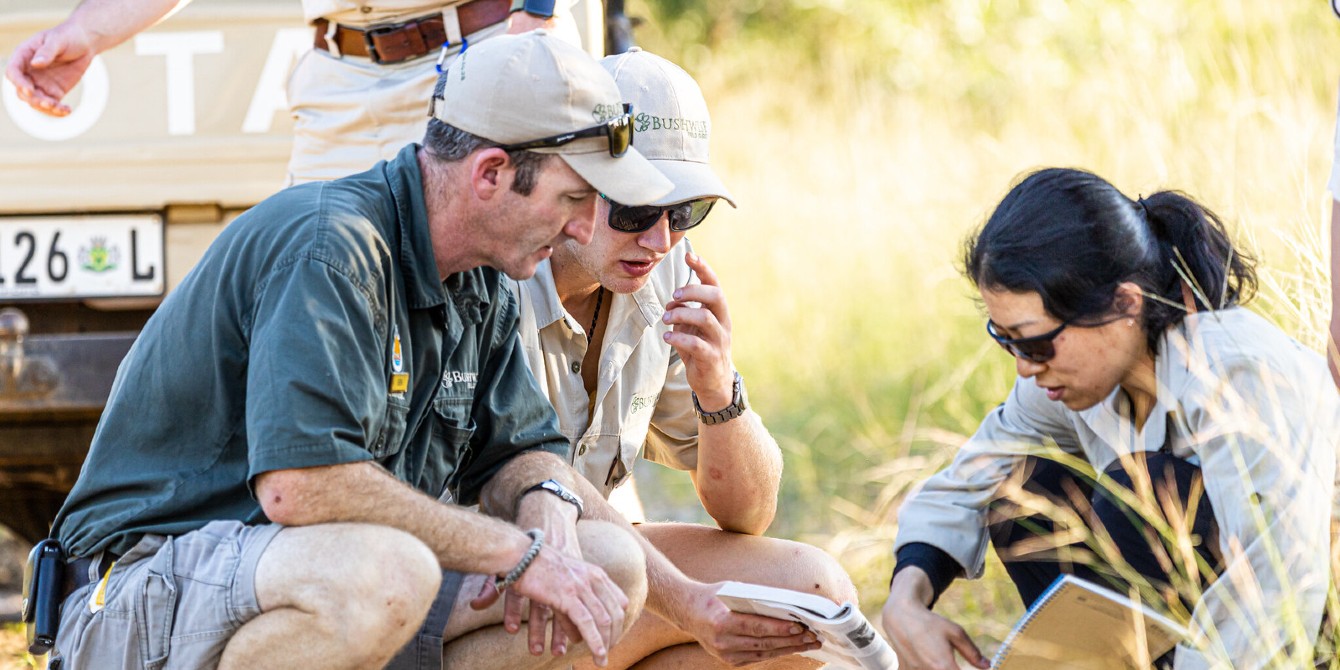
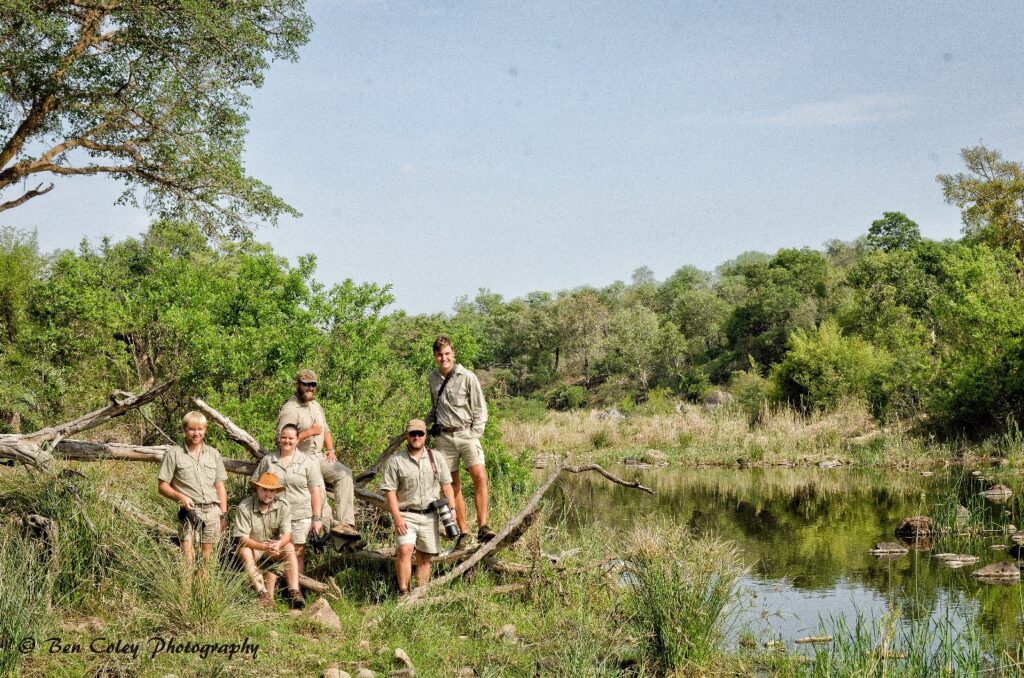
    Having trained and worked as guides within the Lodge industry, our current trainers have built a name for themselves and have a good reputation in the small and close nit industry. It is well known that our trainers are professional, passionate and knowledgeable and collectively have over 40 years of combined experience that enabled Bushwise Field Guides to be the Leaders in the training of aspirant field guides.

    Ben Coley, our Head Trainer knew from a young age that he was destined to work with African animals. Whilst his friends were happy playing football in the inevitable English rain, he was quite happy listening to legend that is David Attenborough discuss the migratory habits of wildebeest and the like!

    Eventually he could follow his childhood dream and boarded a plane to visit Africa for the first time as a student of Bushwise field guides in 2007. Upon graduation, he was immersed into the guiding world and fell in love with the African bush.

    Over the next 8 years he was fortunate enough to work at some of the top lodges in the country and even a year in Tanzania, experiencing some of the best game viewing that Africa had to offer. What he learnt more than anything else was that sharing these experiences was the most rewarding part of the job. To be a part of someone’s life changing experience is a special moment. As well as the responsibility of educating the next generation in the importance of the natural world and the role we can all play in its protection.

    Over the years, he developed a passion for birds and astronomy to go along with what has been described by many as his leopard obsession!

    Fast forward 10 years and as a level 3 lead trails guide he now loves to share the knowledge and experience he has gained with like-minded individuals looking to embark on a similar path as he once did.

    image

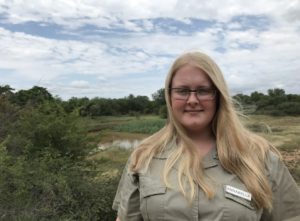
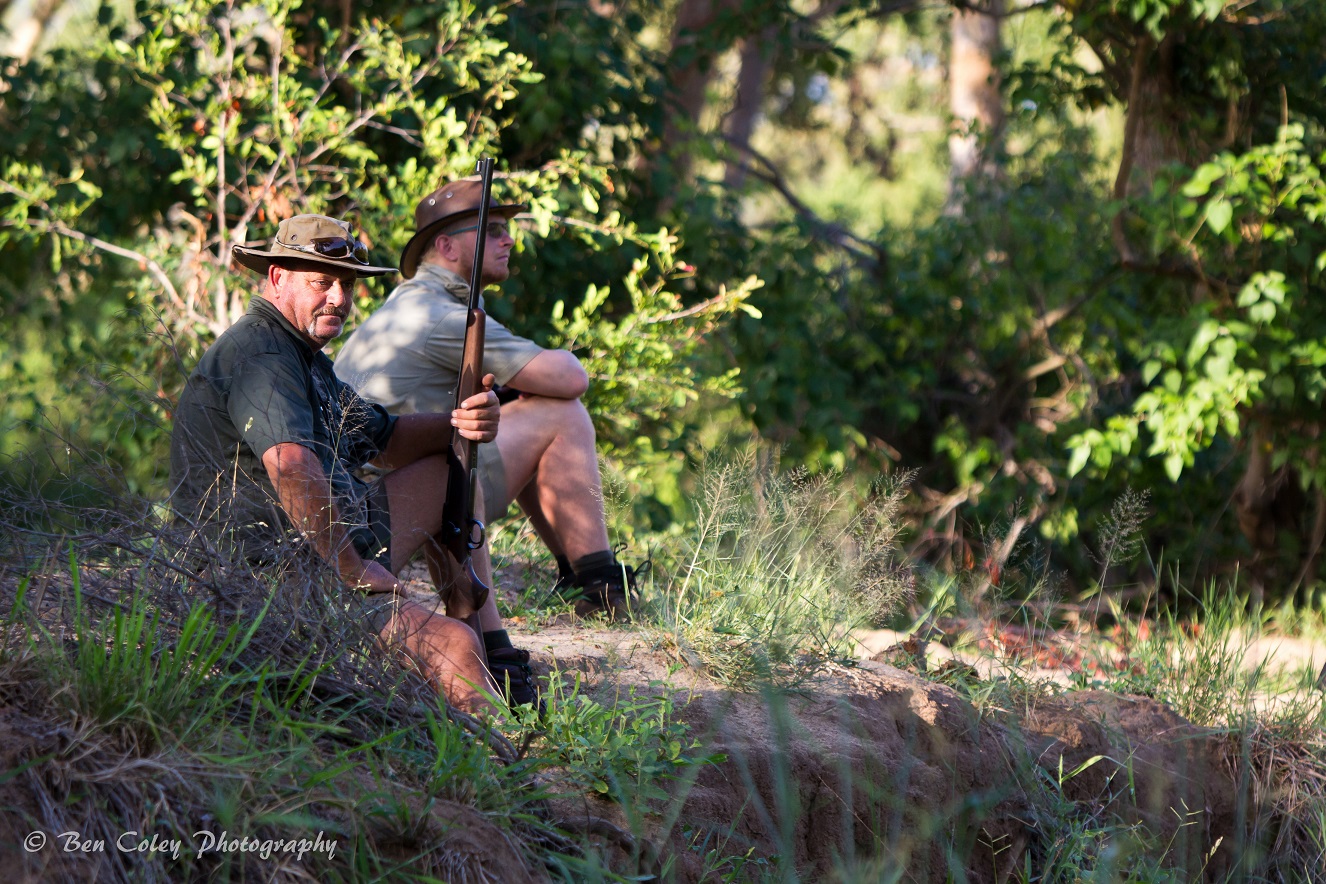
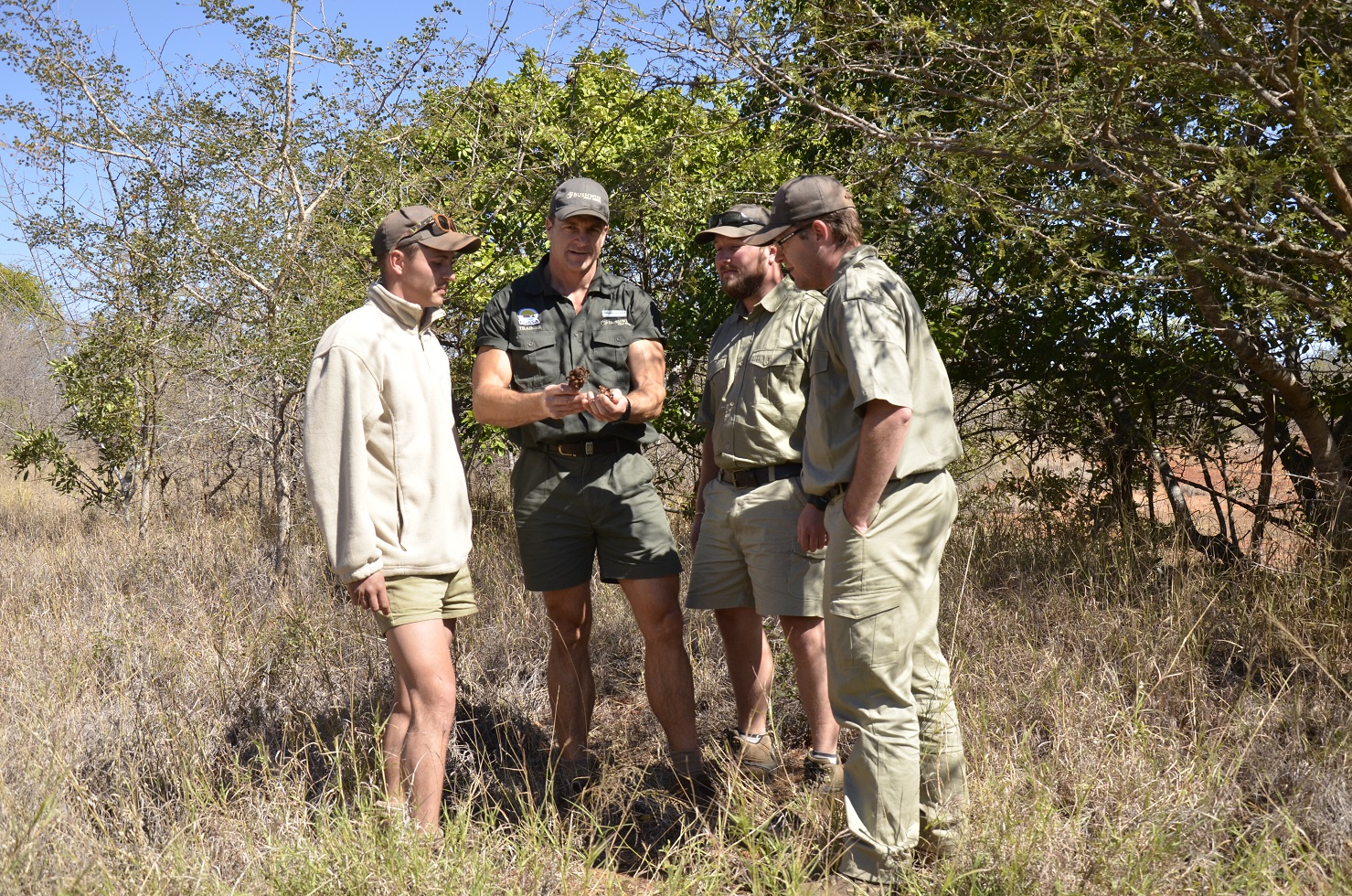
    Trevor Myburgh, our Senior Trainer, having enough of the corporate world and his materialistic existence, decided to make a lifestyle change and completed a Field guiding course like the one that Bushwise offers and became hooked on the outdoor way of life. Starting out as a junior guide in the Waterberg area, Trevor began exploring various other avenues within the guiding industry to become an all-rounder insofar as working amongst other positions, as an overland tour guide, Senior and Head ranger at well-known 5* Lodges, completing a stint heading up an Anti-poaching unit, managing a couple of Lodges, as well as spending time as a reserve manager in the Lowveld area. With these skill sets and experiences, he decided he would like to impart these to aspirant Field Guides, and when the position for a Trainer at Bushwise Field Guides presented itself, Trevor grabbed the opportunity with both hands, and has never looked back since.

    image

    Vaughan Jessnitz, has been part of the tourism industry for the last 10 years, guiding and managing camps throughout South Africa, although focusing more on the Greater Kruger National Park. Alongside his career he is also involved in various conservation and research projects specializing in entomology and bio-diversity mapping throughout South Africa. He started working for legend lodges as a field guide, followed by a few camps as head ranger and ended up running a small luxury safari camp in the greater Kruger. Alongside his career in the lodge industry he is also involved in various conservation and research projects specializing in entomology and bio-diversity mapping throughout South Africa. Vaughan joined Bushwise in 2016 and is enjoying every moment of teaching students and sharing his vast knowledge.

    In 2002 he was awarded the Derik Grey Award for his research project focusing on using certain species of butterflies and beetles as biological indicators, and represented South Africa at the SIIRS conferences in Stockholm Sweden. Since then he has made many contributions towards insect research and has a deep passion for entomology.

    image

    Gerhard van Niekerk, decided that after around 16 years in the corporate rat race that he wanted to get out of it. Dealing with financial and insurance contracts no longer floated his boat. He remembered that as a young boy he wanted to become a game warden or wildlife manager, however he couldn’t just leave his job and financial commitments to follow a full-time diploma or degree. This is when he came across field guiding training courses and the possibility to do it part time and then he could do practical sessions over weekends. This worked out perfectly for him and 1 year later he passed his Level 1 Guiding course with distinction.

    During that year, he realised that not only would he love guiding guests in natural environments but he also realised that training would be his goal in this industry. He set out to do his trails guiding course and got that qualification behind him. He then worked as a freelance trails guide in various parks to eventually get his lead guide qualification. He knew he had to get at least level 2 with 5 years of guiding experience before he could start teaching so he had his goals laid out to follow for a few years.

    After attaining his FGASA level 2 and has 5 years of guiding experience, he was lucky enough to find a vacancy at a very well established training institution in the Lowveld. He trained guides there for 2 years after which an opportunity presented itself at Bushwise which he accepted gladly.

    image

    And so, our team goes on to inspire, teach and mentor our students while realizing their dreams. Ultimately the greatest feeling of pride for the Bushwise Trainers is seeing the growth of the students when they arrive at the start of the course, to then becoming full-fledged guides who go on to develop their guiding & wildlife careers even further. Knowing that we had a small part to play in their life as guides makes our jobs definitely worth it!

    Meet our growing team here.

  • What time of the year is best to visit South Africa?

    Often referred to as “Sunny South Africa”, this phrase is has proved to be true for South Africa. In general South Africa has some of the more agreeable weather in the world. South Africa is a large and diverse country with a climate that varies from region to region and has various things to offer in terms of landscape and natural wonders.

    For many travellers to this vast and diverse continent, wildlife is the major attraction.

    But where to go………

    Wildlife safaris are often very high on the agenda, followed by the Garden Route, Cape Town, the whales of the south coast , the flowers of Namaqualand, the Drakensberg Mountains and of course the hundreds of kilometres of beach destinations to choose from. There are some adventures in South Africa that can only be experienced at specific times of year. For example, if you want to experience the world-famous Namaqualand daisies, then September (our spring) is the time to visit. The famous Sardine Run, a unique phenomenon when millions of sardines travel up the east coast of South Africa causing a feeding frenzy that attracts thousands of sharks, dolphins, whales, birds and other ocean predators, occurs between May and July.

    South African season calendar

    The seasons fall in the year as follows:

    Spring – September & October

    Summer – November to February

    Autumn – March & April

    Winter – June – August

    Winter is best! Here’s why!

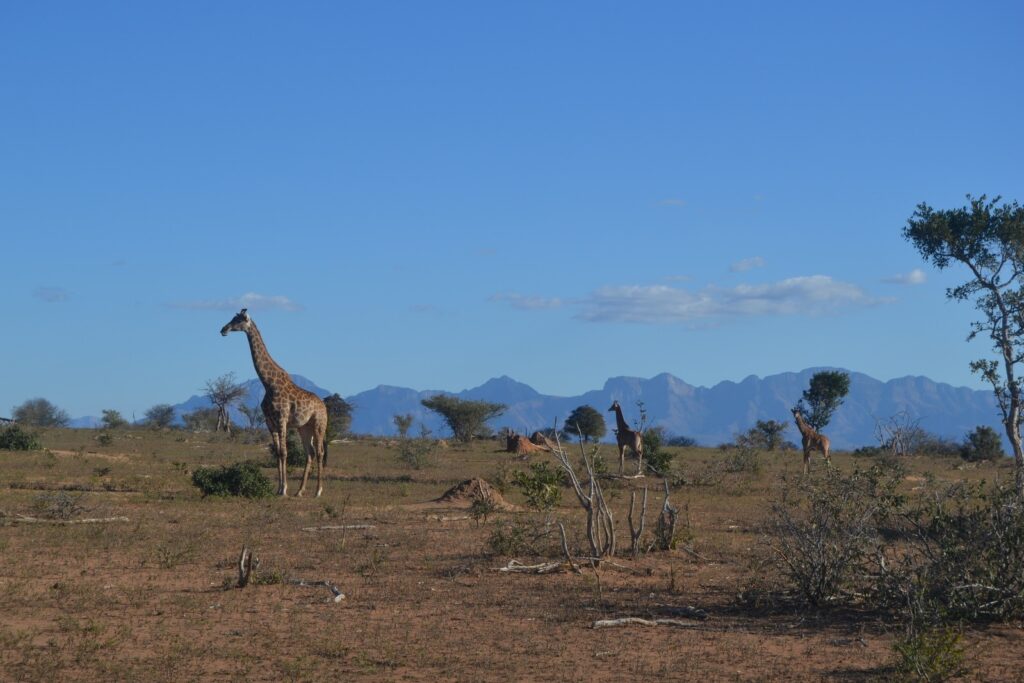
    The drier winter months between May and October is the best time for superb game viewing on a game drive in Kruger National Park, Madikwe, Pilanesberg and KwaZulu-Natal.

    image
    1. Animals are concentrated around water sources and are easier to spot in the thinned-out bush. This is also the low season for tourism.
    2. During this time the mornings and nights are cooler to quite cold during June & July.

    3. May and September are wonderful because it is less cold and, especially in September, the rain will come bringing with it colourful and diverse wildflowers.

    4. The wildlife viewing is excellent, this is because the wildlife is easier to spot because there is less vegetation and animals gather around rivers and waterholes.

    5. There is little to no rain, the skies are clear, most days are sunny and there are fewer mosquitos.

    6. This is the low season and parks are not crowded, except for Kruger during school holidays.

    Don’t despair, Summer & Spring also has its perks…

    1. The summer months (often referred to as the green season), is the best time to see the African bush at its greenest with bursting river banks and dams.

    2. The birdlife is at its best, with allot of migratory birds visiting

    3. It will be calving season for many of the antelope species. Nothing cuter than baby Impala’s pouncing around.

    4. The sunsets during this time of year can be a riot of pinks and reds and the air is generally very clean.

    image

    The negative side to being on safari during the green season is that fact the bush is thick and therefore visibility can at times be limited. Another factor to consider is that surface water scattered all over the bush, causes game movements to become less predictable, in that there is now no reason for animals to go and drink at the traditional permanent water holes and rivers as they would have done in the dry season. Let’s not forget the temperature which can reach into the 40’s.

    What about the Cape & other regions?

    Autumn, winter and spring are also ideal times to visit the Northern Cape’s wonderful national parks with their black-maned lions, and is a good time to enjoy animal tracking adventures with the Kalahari Bushmen. During summer months, temperatures here can get unbearably hot.

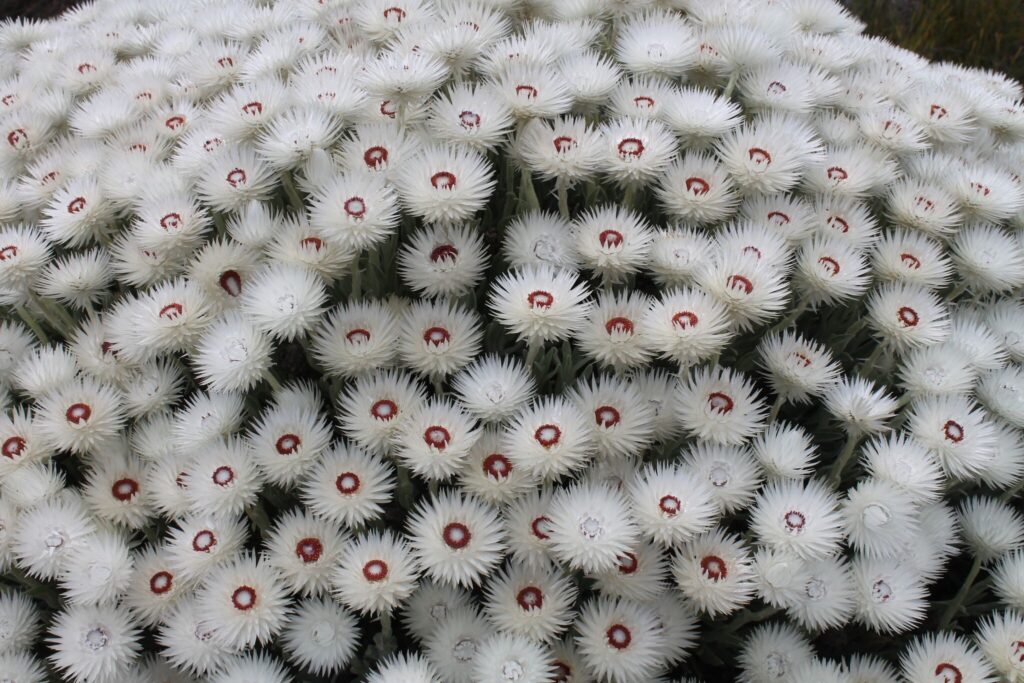
    As for the Namaqua National Park – an arid semi-desert landscape with mountains, roads, rocks and shrubs. In spring the transformation of this landscape is completely transformed by a blanket of beautiful flowers.

    image

    The world’s smallest tortoise, the speckled padloper (padloper means ‘path walker’), is found in Namaqualand. From horizon to horizon, orange daisies take over the Namaqua National Park in spring. It’s a sight so beautiful and unique, it’ll take your breath away.

    The timing of the flowers and how many will bloom changes every year but its guaranteed that sometime between August and the beginning of October the dusty land will spring to life. It’s also rich in bulb flora and over 1000 of the estimated 3500 plant species that occur here are found nowhere else in the world.

    World renowned Drakensburg Mountains

    Hiking in the Drakensberg Mountains is also great all year round. Do be aware that in winter, night temperatures can drop below freezing, and snow can sometimes be found in the higher reaches. During the summer months, afternoon thunderstorms are a frequent occurrence. You can visit cascading waterfalls and crystal clear streams in summer with an array insects, birds and small mammals.

    Wetland & Marine reserves

    A very special slice of Africa, the iSimangaliso Wetland Park St offers Eco tourists some of the most diverse wildlife and outdoor experiences imaginable.  Besides Lake St Lucia – a unique, 38 000 ha expanse of lake, islands and estuary – the park incorporates an astonishing variety of habitats ranging from the Ubombo mountains to grasslands, forests, wetlands, mangroves and vegetated dunes, with magnificent beaches and coral reefs.

    You can dive on coral reefs or walk for miles along golden beaches; explore great dunes and wander through magical coastal forests; roam across grassy plains as the wind carries the whistling calls of reedbuck on the alert, go fishing or take a boat cruise on Lake St Lucia.

    image

    So, no matter what area you go to, you will no doubt find something special and memorable which will make you wanting to come back, again, again and again………Keen to learn more about South Africa’s natural landscapes? Join a course with Bushwise, today!

    Bush greeting,

    Kim & The Bushwise Team

  • Smoke but no fire……

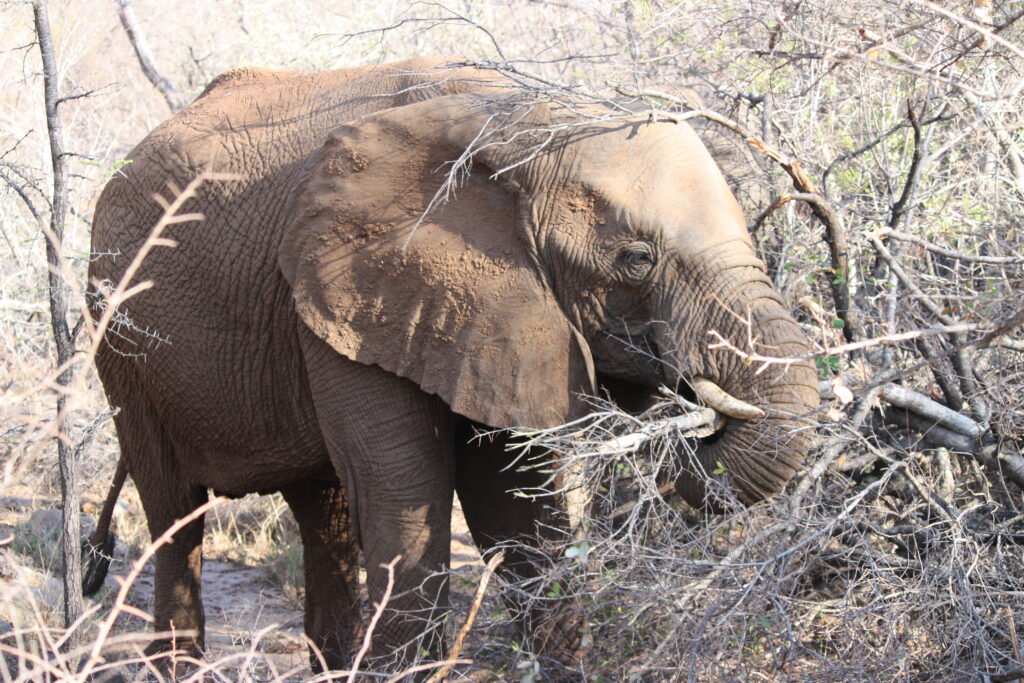
    What a treat it is to begin the week by observing the giants of the savanna feeding. While this is a commonplace experience for us here on Makalali Game Reserve, we never forget how privileged we are. It’s pretty amazing to think that elephants need to consume 5-6% of their body weight in plant matter each day in order to maintain condition. This translates as a big elephant bull easily consuming 300kg daily.

    image

    Observing their feeding behaviour was easy for the students, but identifying the tree and grass species the elephants were feeding on, justifiably proved a little more difficult. We are currently in the middle of a severe drought here in the Lowveld, and to top this off, we are also at the end of the dry season. These factors combined mean we have very few trees with leaves and no grass at all. However our expert trainers still ensured the students were introduced to numerous trees during our Botany & Biomes Week, although grasses remain a challenge for now.

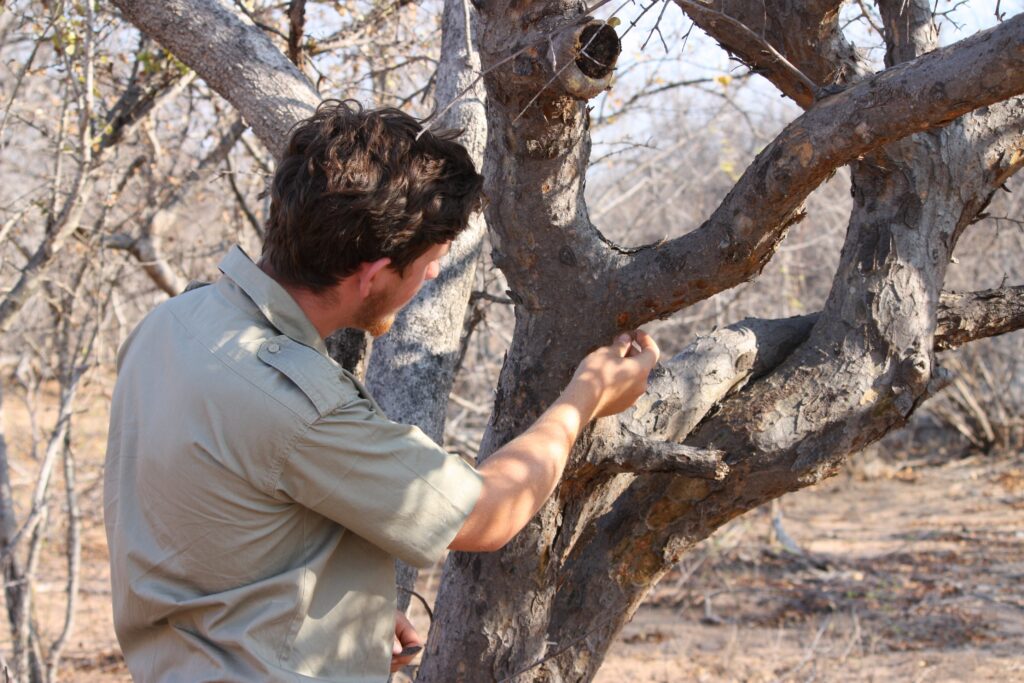
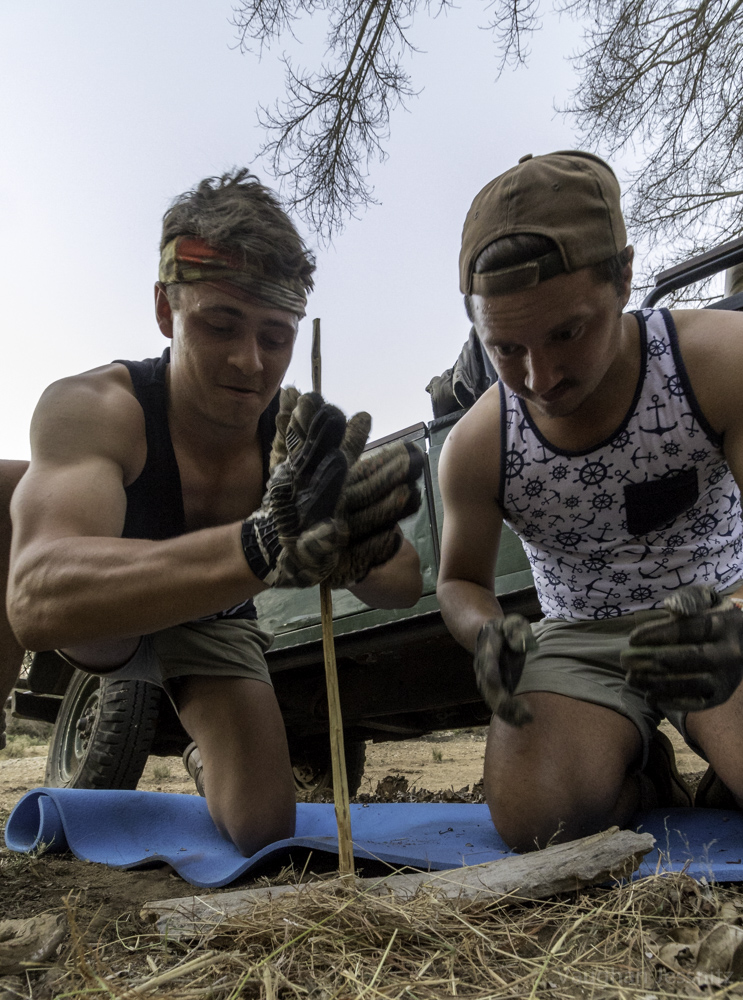
    Students were also made aware of the many interesting traditional uses and beliefs connected to each tree e.g. the Tall Firethorn Tree was a popular choice of the Bushmen for making fire by friction. Simple…………or is it? While the botanical name Commiphora pyracanthoides subsp. glandilosa (pyro being the Greek word for fire) was a mouthful for some, the Afrikaans name – Kanniedood, meaning can’t die – was more manageable and of great interest.  Old time farmers favoured the branches of these trees as fence posts because they are so light in weight and are easily cut. However, after only a week or two of planting these posts, branches started to show new growth, hence the name Kanniedood.

    image

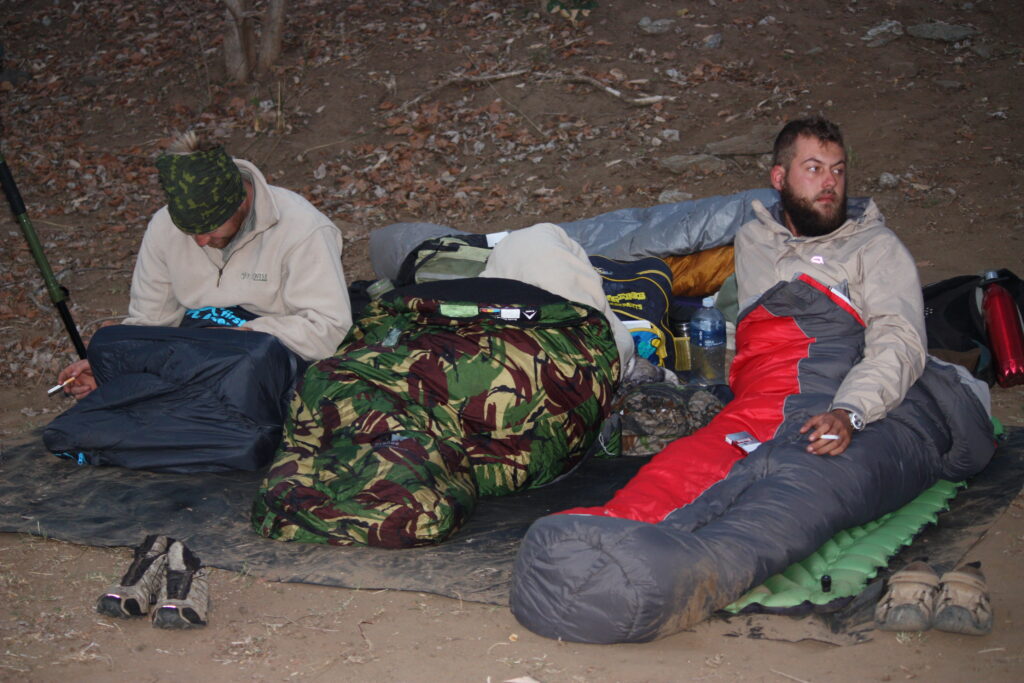
    Full of gusto and self-belief, students made sure to take some Kanniedood wood with them on our sleepout and create fire by friction. It wasn’t long before there was smoke and lots of hope. But smoke and hope weren’t enough to produce a flame and a newfound respect was born for our primitive ancestors and Bushmen. We were faced with two choices, continue in vain and risk being without food and heat for the night or graciously give in and produce matches or a lighter……………Food went down well and we were nice and toastie in our sleeping bags ready to sleep under the stars for the night.

    image

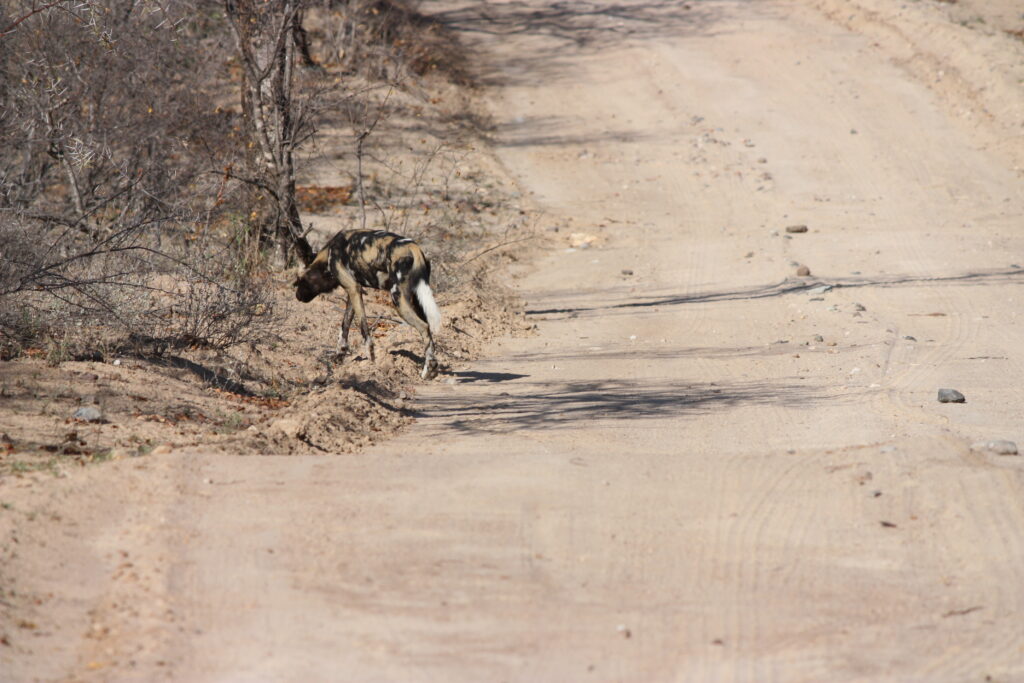
    Whilst trying to sleep, a lion was keen to remind us that he is still king. His roars echoed every now and then from the hillside into our souls, while the distant laughter of the spotted hyena distracted us from the king on other occasions. Also competing for attention was a leopard, whose rasping sound was drowned by the blunt grunting of hippos not too far away. By some, the lion, hyena, leopard and hippo are viewed as having more gravitas than the imperiled African wild dogs, but not by us. The highlight of our adventure-packed week was without doubt watching a pack of Painted Wolves proudly show off its patchy-pelted puppies to us. Our excitement was truly palpable.

    image
    image

    Finally, we wish all students good luck in their Botany & Biomes test this past Saturday and hope they now know the difference between a spine and a thorn…

    Until next week,

    Gerhard & the Bushwise Team

  • Is there a place for Technology on game drives?

    Technology, guides and Game drives

    When planning a safari to Africa there are numerous things you may wish to take with you, from sun cream (essential) to khaki shorts and wide brimmed hats. However, in our tech savvy world, the need to integrate technology with all that we do can make the experience more interactive. As such a safari experience can easily be enhanced by taking along the right gadgets for the ride and using the right Apps. As a guest though, do you really want your guide to also be using his smart phone and apps? Each lodge may have their own policy regarding this but if this helps our connection to the bush and a better understanding of it……why not?

    Seems as though everyone has a smart phone these days, including kids that know how to use them better than their parents. They can come in very handy when abroad through their ability to cross language barriers and offer access to information at the push of a button or rather touch of a screen.

    Some awesome APPS……

    The night sky in Africa is always a sight to behold and the remote darkness allows you to fully appreciate it. With a mass of stars and constellations to see as well as planets, apps like Google Sky Map for android and Star Walk for iPhone can assist. Others include Star Walk or Stellarium… the live feed also comes complete with diagrams, assisting you to see the various constellations and as you move your phone across the night skies these change to show you which constellations they are.

    image

    There is also a wide variety of wildlife related apps that can be very useful in the field. Two of the most popular for birding are The Sasol and Roberts bird guides, which can be more useful than a text book and saves you carrying around a heavy book. They offer good quality photos and have the bird calls available. For guides, the calls can be used on drives or walks as a demonstration for your guest and to assist people in identifying birds by their calls, but it’s important to remember, guiding ethics as well as the policy of the reserve. BirdLaser, is an amazing app that helps you keep track of your birds lists in various areas, countries, reserves, parks and conservation areas. You can boast to your bird watching friends and keep track of the number of rare and endangered birds you have seen.

    Similarly the eGuide to Mammlas of Southern Africa can make for a great companion when people need to identify the many mammals of Southern Africa and offers more insight into the animals.

    image

    When it comes to tree’s, the Tree ID (eTrees of Southern Africa) can also be very helpful and a great way to look up and remember specific species. As a guide you can show your guests pictures and explain their medicinal properties with references.

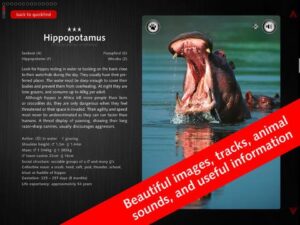
    Game Drive is an amazing app to learn about southern African animals while on safari. Developed as an interactive tool to get the most out of a visit to a game reserve, the app includes animal tracks, quizzes, a checklist, animal comparisons, game drive tips, animal sounds (of the animals that make sounds), as well as beautiful images of African mammals and birds.

    The obvious and classical additions………

    1. Binoculars – One of the must have pieces of safari tech is a decent pair of binoculars. You may find yourself just metres away from an amazing sighting and to get close up views of these animals can enhance the sighting. It’s here that a good pair of binoculars can really make a difference. These are also fantastic for birding and stargazing.

    2. Camera – These days most people are using their smart phones to take photos. However, for those serious wildlife photographers you can save your incredible safari moments and capture them with an extraordinary picture. When on game drive there will be daily game drives that present the opportunity to take some beautiful wildlife shots. For some guides who have taken a particular interest in Wildlife Photography, it can add to their range of skills and employability but giving lodges content for the website, blogs and social media platforms. Not only this but their photos can turn into a profitable hobby by selling prints in the lodge curio shops or going blogs and write ups for various magazines. They also have a better understanding of what their ‘photography’ guests need and what their requirements are.

    Unexpected options……..

    1. Night Vision Binoculars or Monoculars – If you are into night drives and prefer to see the more primal side of the African Bush, a good pair of Night Vision Binoculars or Monoculars can give you this ‘new view’. Not only will you get a great view of the game you can do so without disturbing nocturnal animals with spotlights.

    For guides looking for an extra advantage!

    1. Trail Cameras – If you want to know what’s happening around camp when you are not out on drive you or use this for live streaming on your website, a trail camera can provide the answers and keep you up to speed with animal movements. Equipped with a motion sensor and capable of taking stills and video, a trail camera can capture the hidden wildlife interactions that would otherwise go unseen should humans be active in the area.

    2. Laser Pointer – a concentrated beam of light that enables a guide to point of out specific stars or features, such as Omega Centauri or the Andromeda Galaxy. However, as with all things, one must be ethical and safe when using this equipment because such is the strength of the beam it can easily blind someone if accidentally shined in their eyes.  The beam on a standard laser pointer can reach in excess of 10kms and there have been issues with people shining them at airplanes, thus disturbing pilots, and are no illegal in some countries.

    3. An ultra violet torch is a great aid on a summer’s night as all scorpions’ glows with a fluorescent yellow/green light when exposed to the beam. This is an invaluable tool to help find some of these nocturnal masters of disguise!  No one really knows why they glow like this but the various theories include intra-species communication, an advanced form of aposematic colouration and mate attraction.
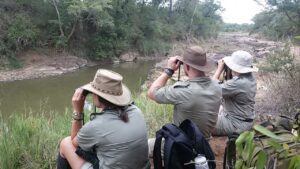
    Both can be picked up at any outdoor/camping shop for a very reasonable price!

    image

    While a safari is very much about getting back to nature, integrating a little bit of technology into the mix can add a fun new dimension that can truly enhance the safari experience.

    However, with the access to technology comes a certain amount of responsibility, as has become evident in the Kruger National Park over the past few months. Sightings apps have become very popular to assist people in finding out what sightings there have been in the park and where. This has in some instances led to overcrowding at sightings and people making use of the information to speed from sighting to sighting. The response from the South African National Parks is to look into potentially banning the use of these apps, as the bad behaviour of a few have had a negative impact for many, including the Parks Board other visitors and most importantly the wildlife.

    Remember, time spent in the bush should be a learning experience, it should involve a bit of luck, a bit of intuition and a good guide to get the sightings you hope for, sightings which should never be guaranteed. While technology has created many great opportunities, we need to keep in mind that technology used properly can benefit us all but technology abused will negatively affect us all.

    image

    Find out more about Bushwise Courses.