Category: Course updates

  • Semester one, done and dusted

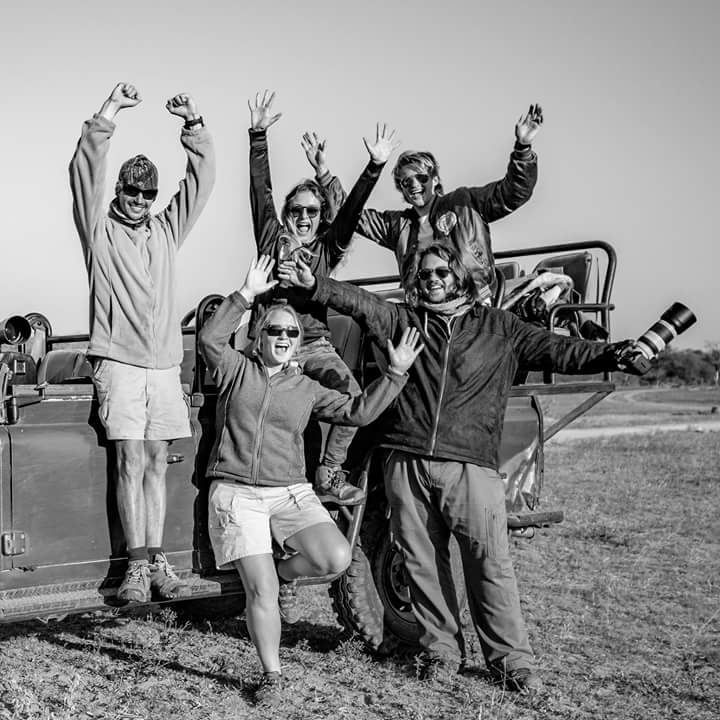
    In the blink of an eye the first semester is over! We have learned a lot  and already made good friends for life.

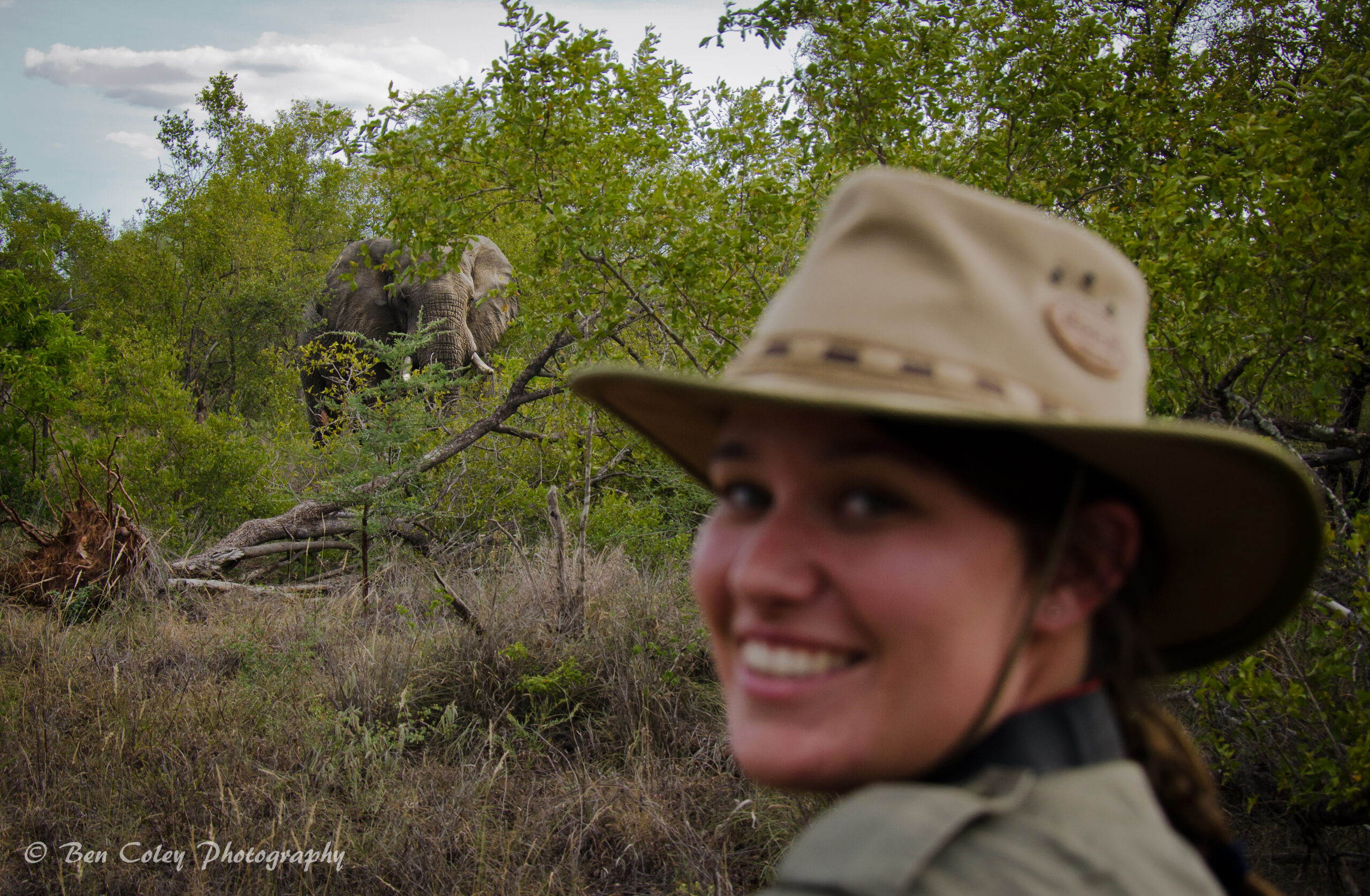
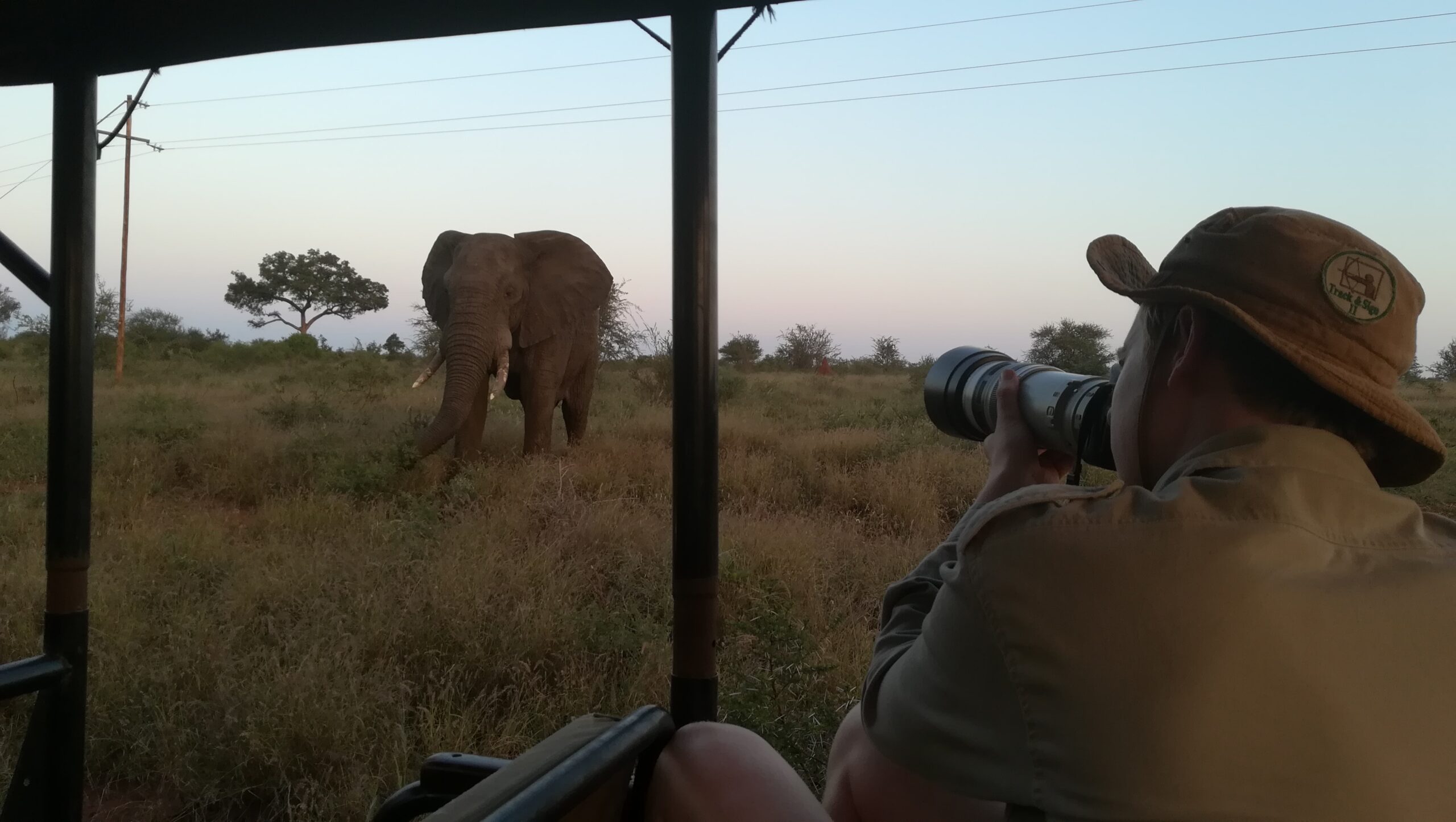
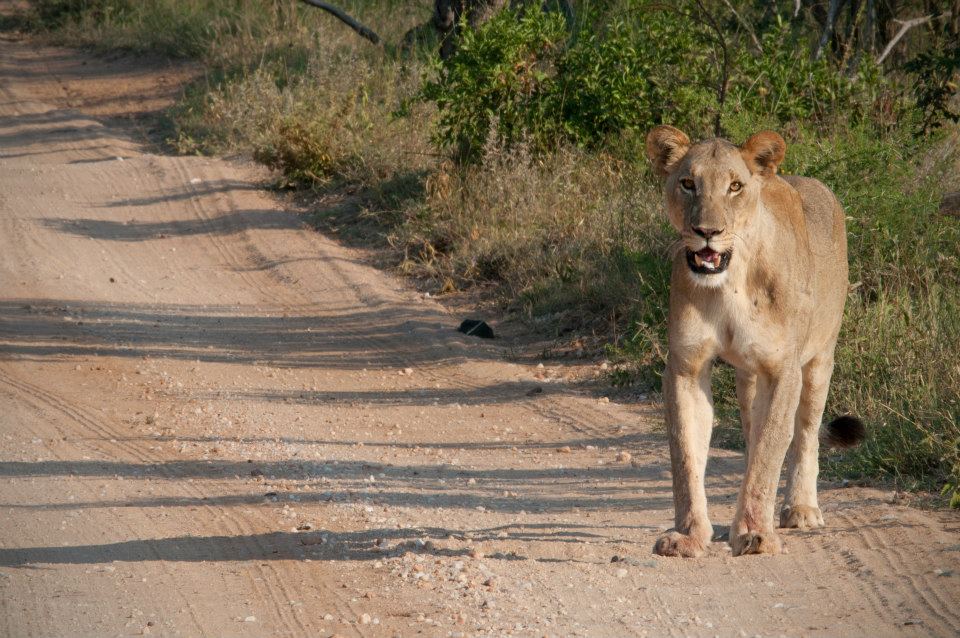
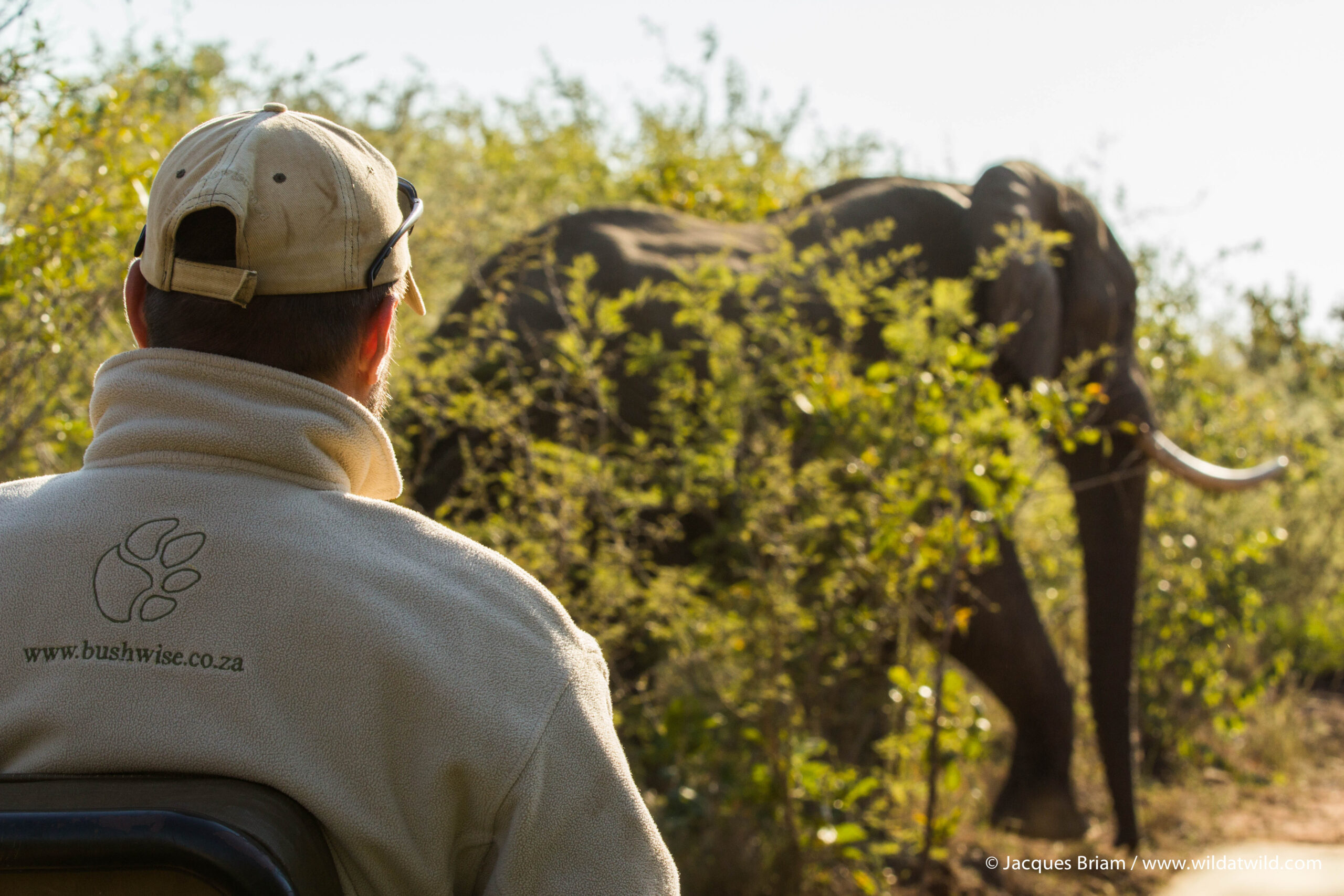
    We had some amazing encounters with some of Africa`s most dangerous animals and also seen some amazing animal behaviour. Some of the encounters were lions roaring just beside the game viewing vehicle, my heart almost sank! An elephant that decided he wants to take a mud bath right in front of us while we had our coffee break and doing some birding. Not one day in the bush is the same you see something new and different every day. Even when you are sitting in the classroom and doing some studying something can come slithering up and surprise you. We had a harmless spotted bush snake that visited us during one of our study sessions.

    image

    Photo by Ellie Schwartz

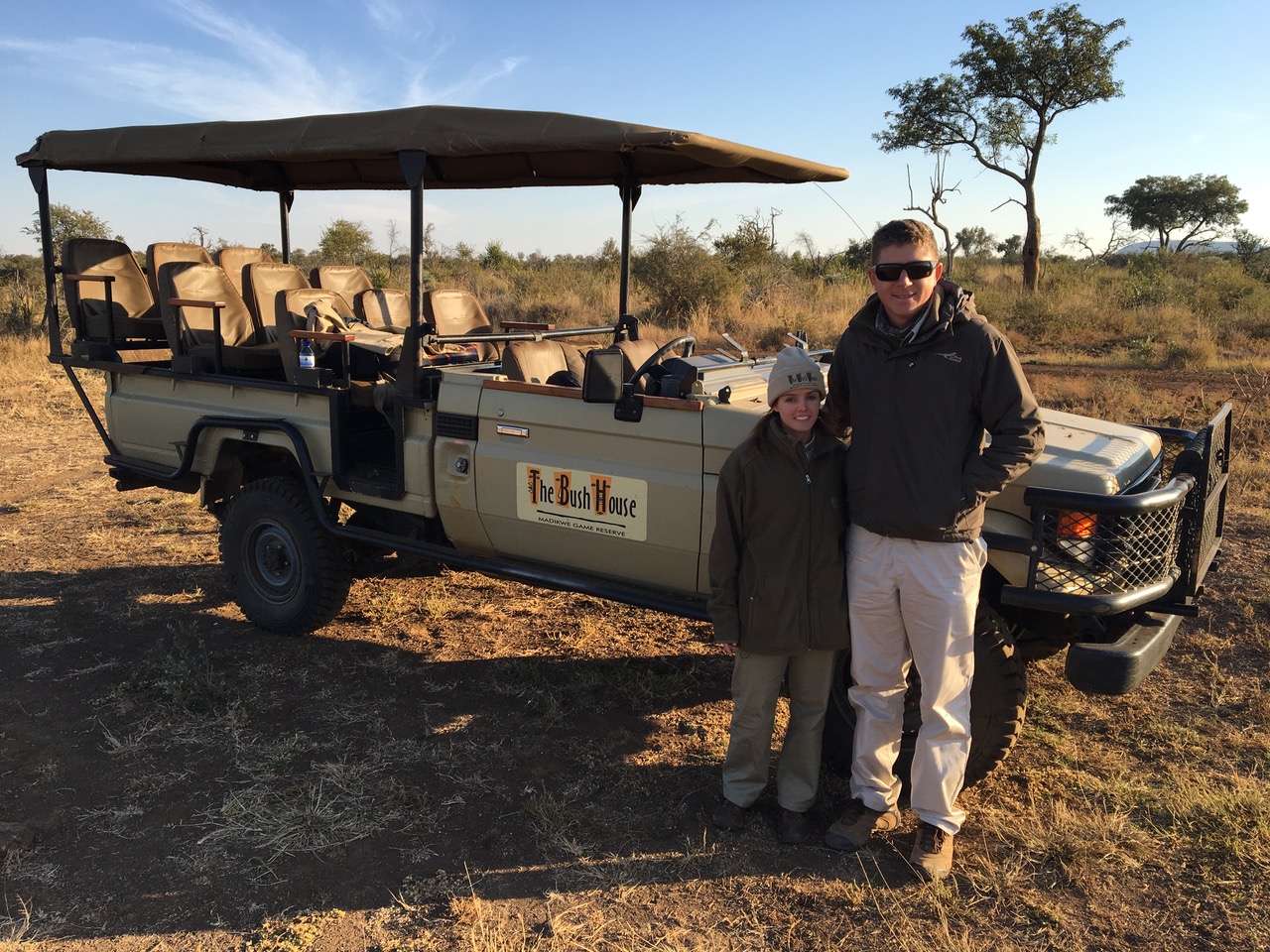
    The trainers are also working very hard to keep us happy on campus and helping us where they can, answering all our questions and helping with our studies. And everybody that is a part of this program is really concerned with the student’s well being. Life on campus and studying to become a field guide is hard work and with this group of students there is never a dull moment! But all this said it is also very rewarding. To be in the bush every day and see what we see and learn all this useful information about plants and animals is just such a huge privilege.

    image

    Photo by Traer Scott

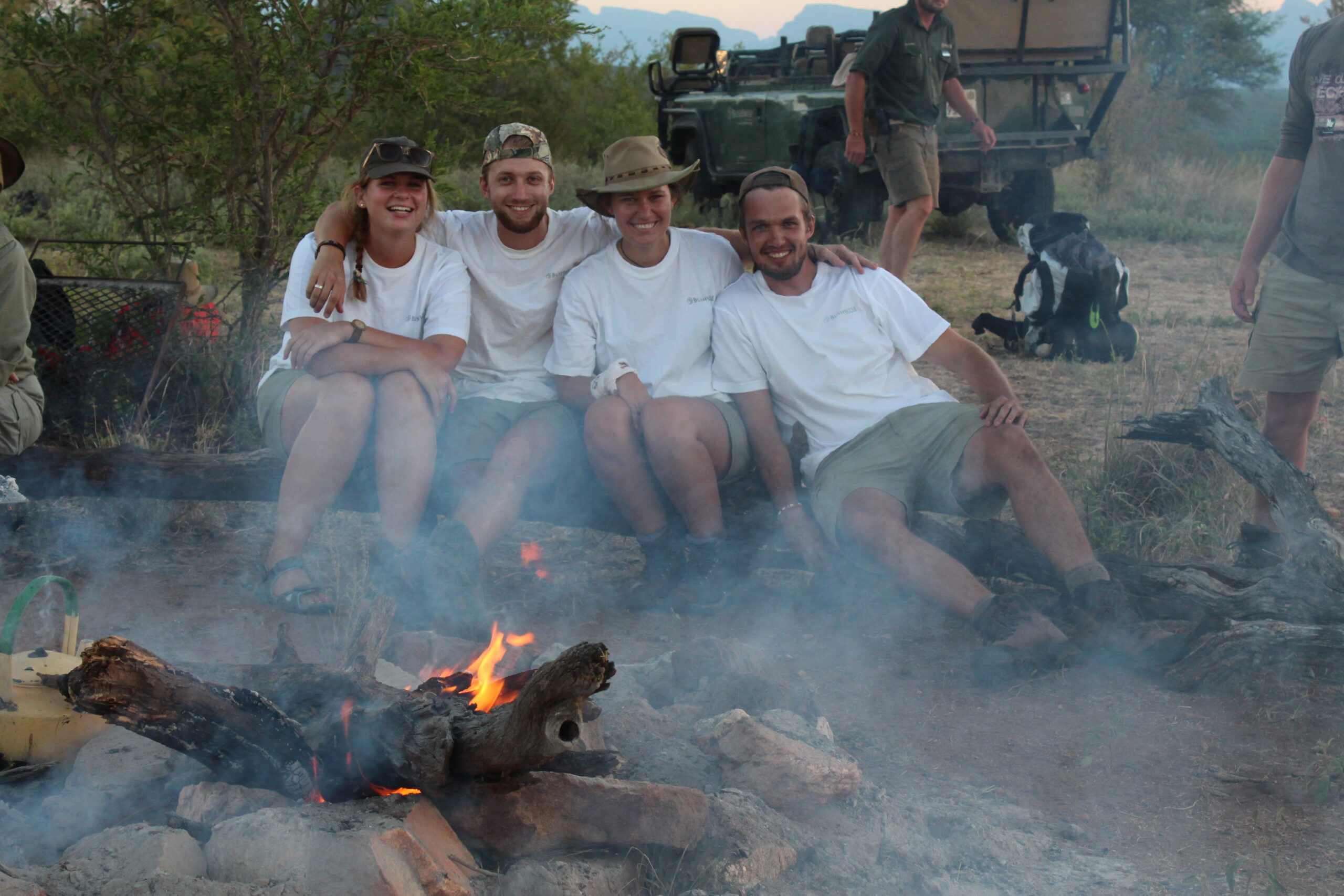
    Its not everybody that can say he/she slept in the bush with nothing but a mattress, sleeping bag and some good company under the stars of Africa. That is a sleepout I will never forget! All you hear at night is the trumpeting of a herd of elephants that wants to know what these humans are doing and laughing of hyena and roaring of a pride of lions in the distance.

    image

    I will say the most important thing that I have learned from Bushwise is that you must not just look at the big things like cheetah, lion, buffalo and so on but look at the smaller things. The smaller things over here is much more interesting for me than all the big mammals. Over here it is actually indeed the small things that makes life worth living and the bigger things are just a bonus.

    image

    Photo by Stefan Prinsloo

    Good luck to all my fellow students for the rest of the course and thank you for making the first semester so wonderful.

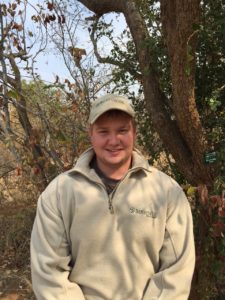
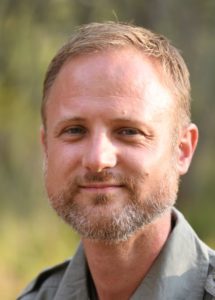
    Blog by Sean Fox

    image

    Photo of Sean Fox

    #course #fieldguide #fieldguiding #training

  • The bird of optimism

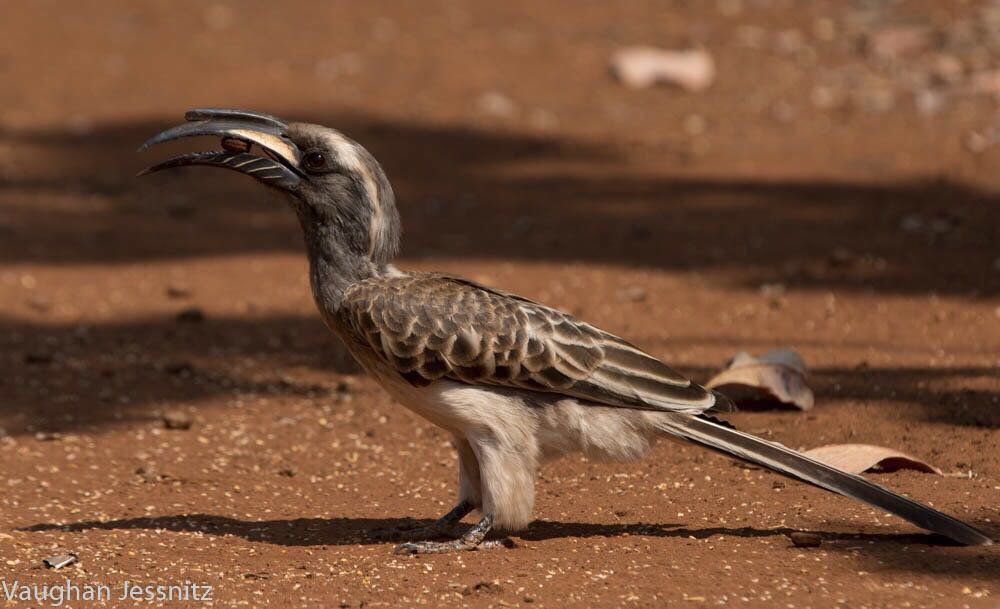
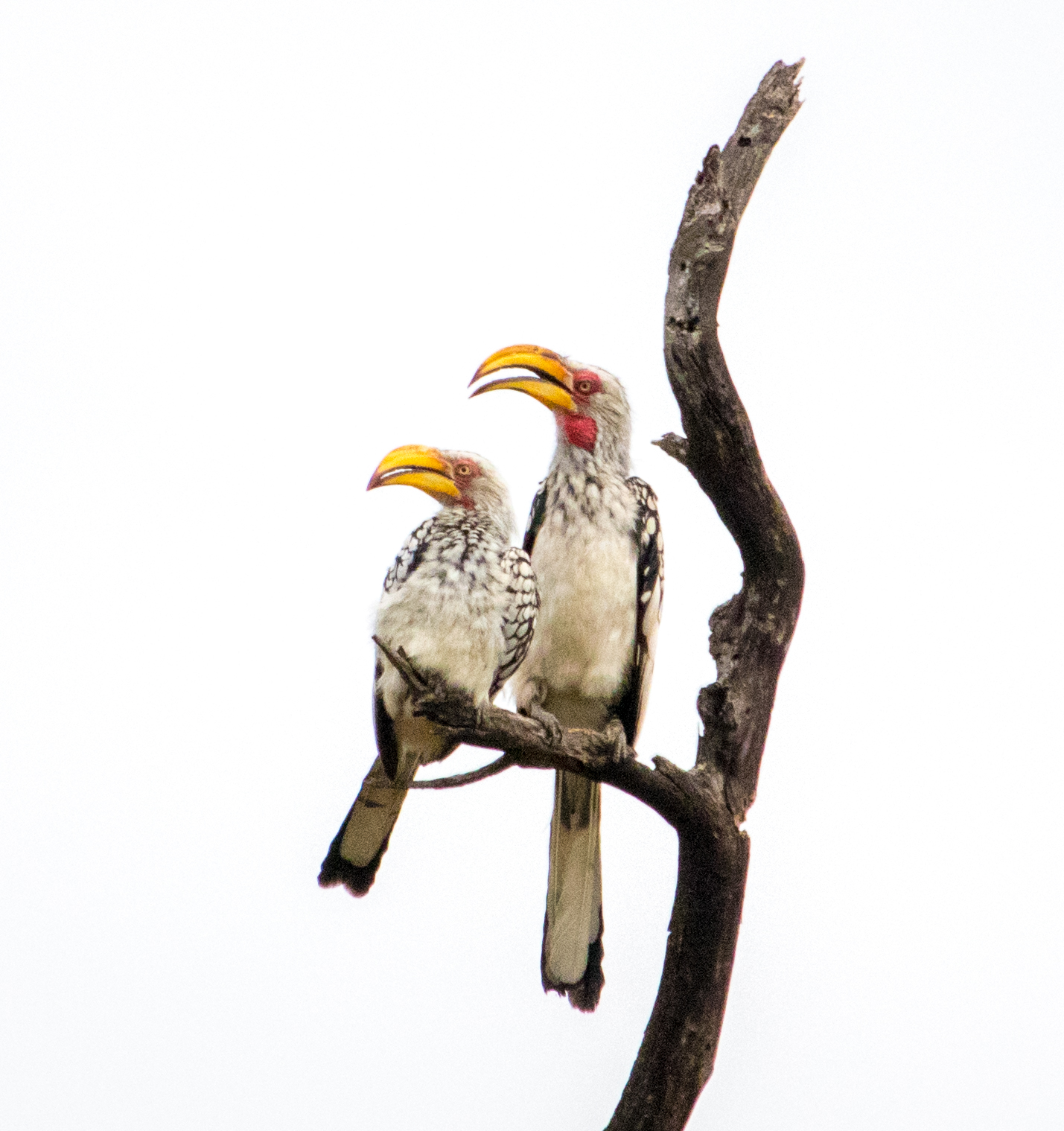
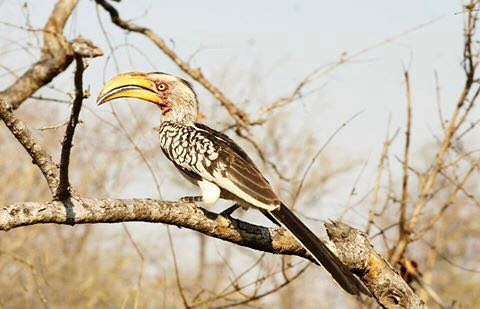
    Ever since Zazu graced our screens in the Lion King even the average toddler around the world is sure to recognize an African Hornbill. Whether its Grey, Yellow-Billed or Red-Billed, this is a bird we see almost daily and, as such, we can find ourselves taking it for granted. However, we should be thankful to Disney for making this bird famous, as long before it made friends with a lion called Simba it has been an important symbol of Africa and has some fascinating behaviours of its own.

    image

    Photo by Vaughan Jessnitz

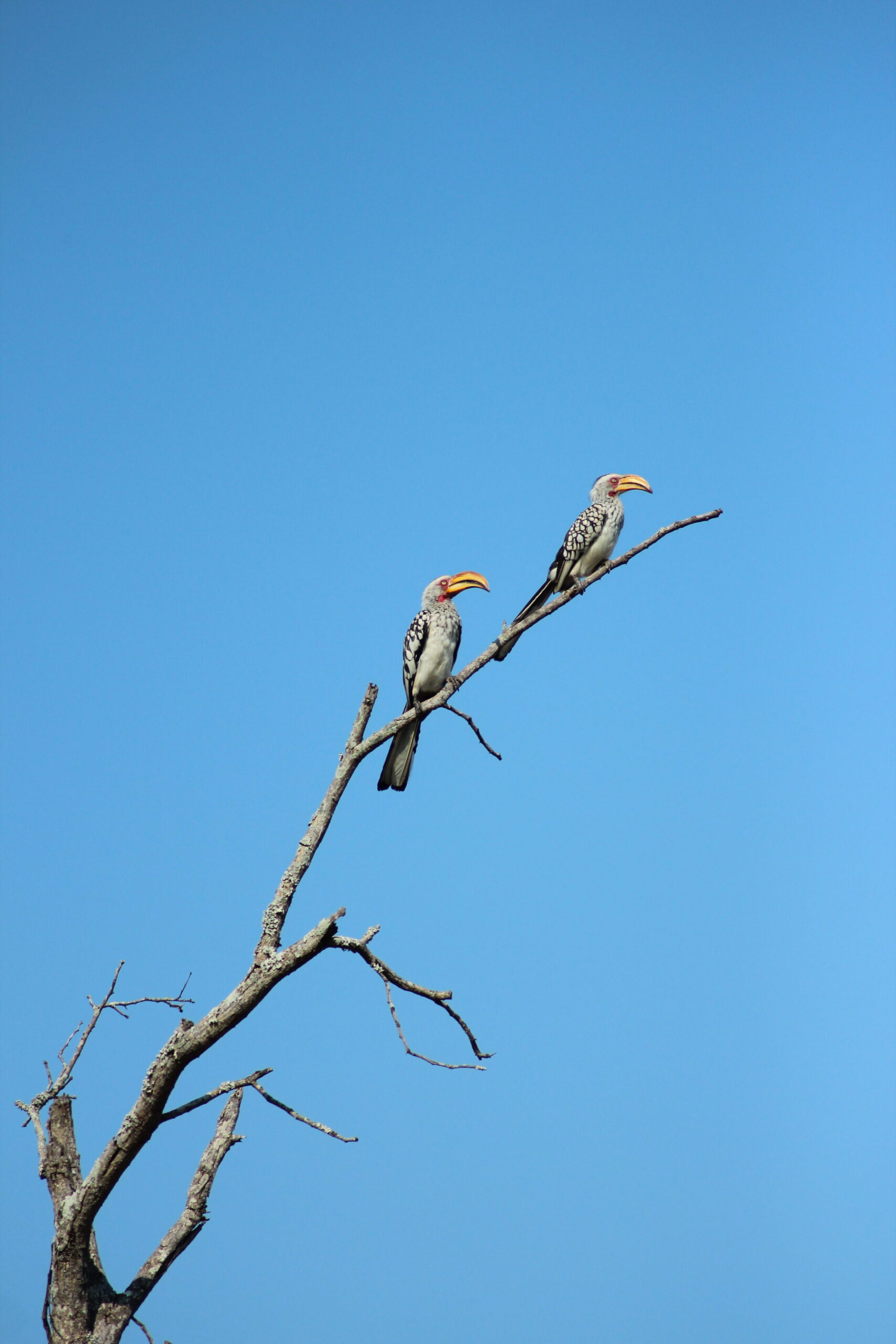
    In Zulu culture the Yellow-Billed Hornbill has long been recognized as the bird of optimism as it’s often seen sitting on the top of tall trees looking towards the endless African sky. Us trainee guides have certainly taken this on board and feel it’s a nice morning reminder to be hopeful about the looming exams ahead!

    image

    Photo by Amy Villis

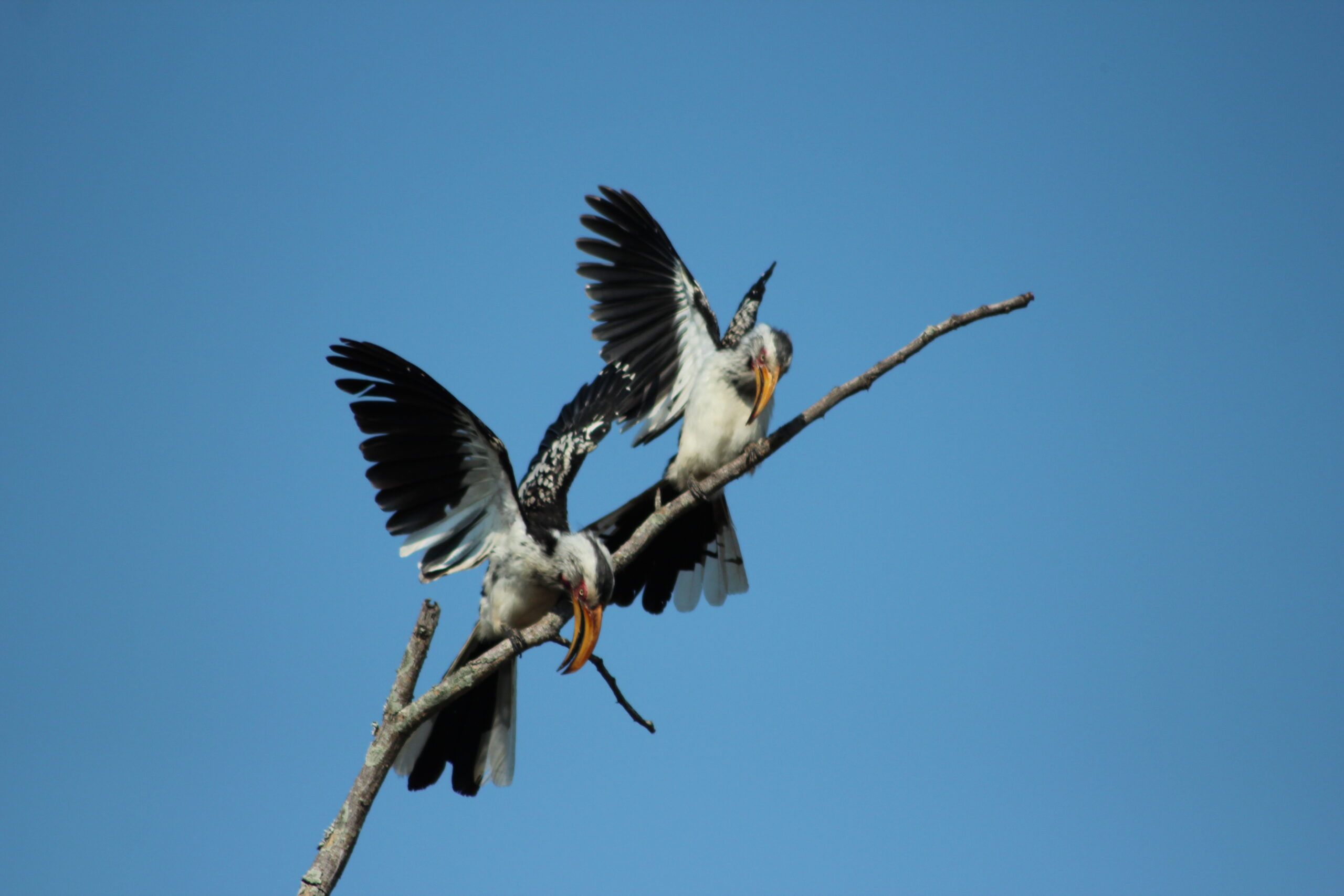
    One of the most endearing traits of the Hornbill is its nesting and breeding behaviour. Hornbills are monogamous birds and perform elaborate courtship displays to build trust between them where they will bow to each other and cluck urgently. The pair will feed together prior to mating and often stop to perform these displays throughout the day.

    image

    Photo by Amy Villis

    Once the birds have found their soul mate the female will find a natural tree cavity and set about doing some home improvements. She will even sacrifice her own tail and flight feathers for the sake of some soft furnishings for her offspring. The male will seal her in with mud leaving a small hole through which he will attentively feed her whilst she cares for the eggs and chicks. She is therefore complete dependent on the male during this time. When the chicks are around half grown the female will break out and the family will remain together for a couple of weeks while the adults feed the chicks together.

    image

    Photo by Sebastiann Kroon

    Another fascinating trait is their mutualistic relationship with dwarf mongooses. They will often forage together and the hornbills will benefit from the insects flushed up by their furry friends. They, in turn, will alarm for raptors which are a danger to the mongooses. Their relationship is so beneficial to both species that the hornbills will wake up the mongooses in the morning by calling down their holes. And in turn the mongooses will sometimes even delay leaving for the day until the hornbills arrive to protect them.

    image

    Photo by Kendal Hanson

    A bird to admire, even when it is trying to steal your morning rusks!

    image

    Blog by Amy Villis – currently doing her placement at Greenfire Lodge

    #Bird #Birding #Hornbill

    Find out how you can learn about these birds at Bushiwse.

  • 10 reasons why Bushwise is the best place to do a Field Guide Course

    Firstly, the main reason to do our course should be to start a career in Field Guiding. A course likes ours is designed for career driven students who are focused on this and therefore willing to invest themselves fully. Not only does our course train students professionally and ethically but the add on skills and qualifications learnt adds to your employability and makes you a better, more experienced entry level guide in this competitive industry.

    1.Job security

    Since 2012, 100% our SA students who graduated were offered permanent positions in the industry and 50 – 70% of the International students have gone on to get permanent job offers.

    We are now looking at giving job security to students by offering a free recruiting service to all students who graduated after the course and to past students looking for new opportunities

    image

    Photo by Ben Coley

    2. Pass rate DOES matter

    We have maintained the highest pass rate in the last 6 YEARS compared to any other long-term training providers in the industry. So, what does this say about us? No matter what your background, your age, your nationality, gender, past knowledge of wildlife or educational background, the students we train receive the best training available in terms of teachers in the field, training material, lectures, practical training and special attention to each and every student. Regular tests assist with retaining information, we touch on all modules throughout the course and the theory and classwork time is backed up by practical training to assist even further with retention of information.

    image

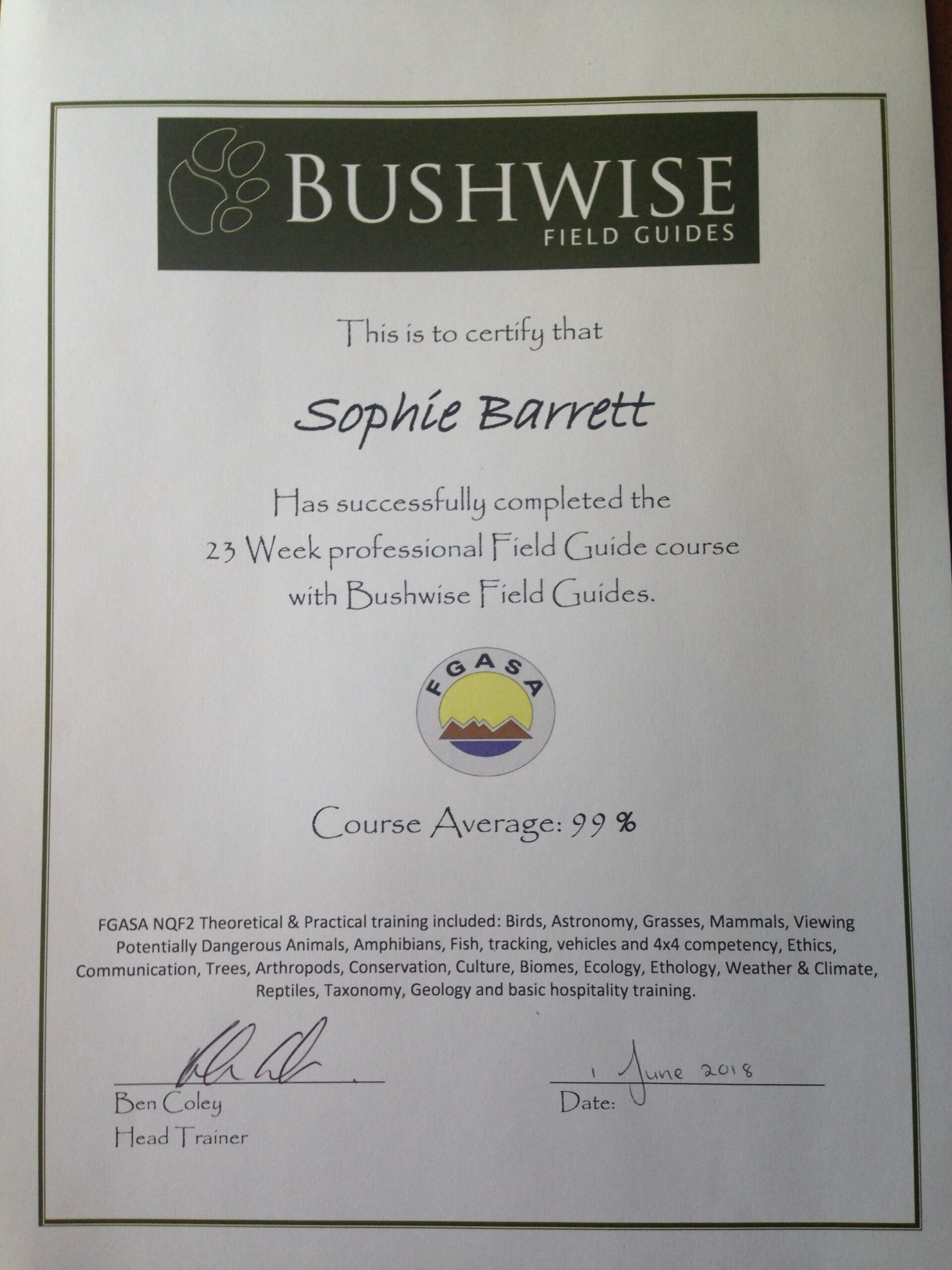
    Top marks for recent student Sophie Barrett

    3. Who are your teachers?

    Just because you were an excellent Field Guide, does not necessarily make you a good mentor or teacher. Collectively our trainers have over 50 years’ experience. To be the best you need to be trained by the best!

    image

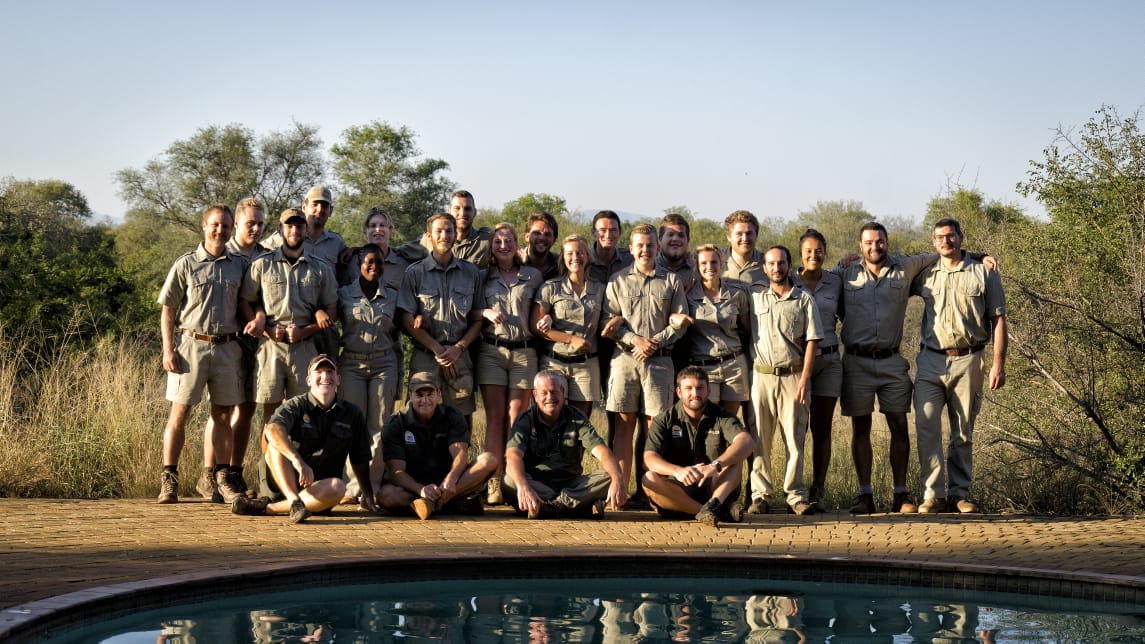
    Class of January 2018

    4. Work in a top lodge

    Many of our students are now working in top lodges in South Africa like Singita, Mala Mala and Lion Sands & others followed Wildlife career paths for National Geographic, Safari Live and many reputable research centres.

    image

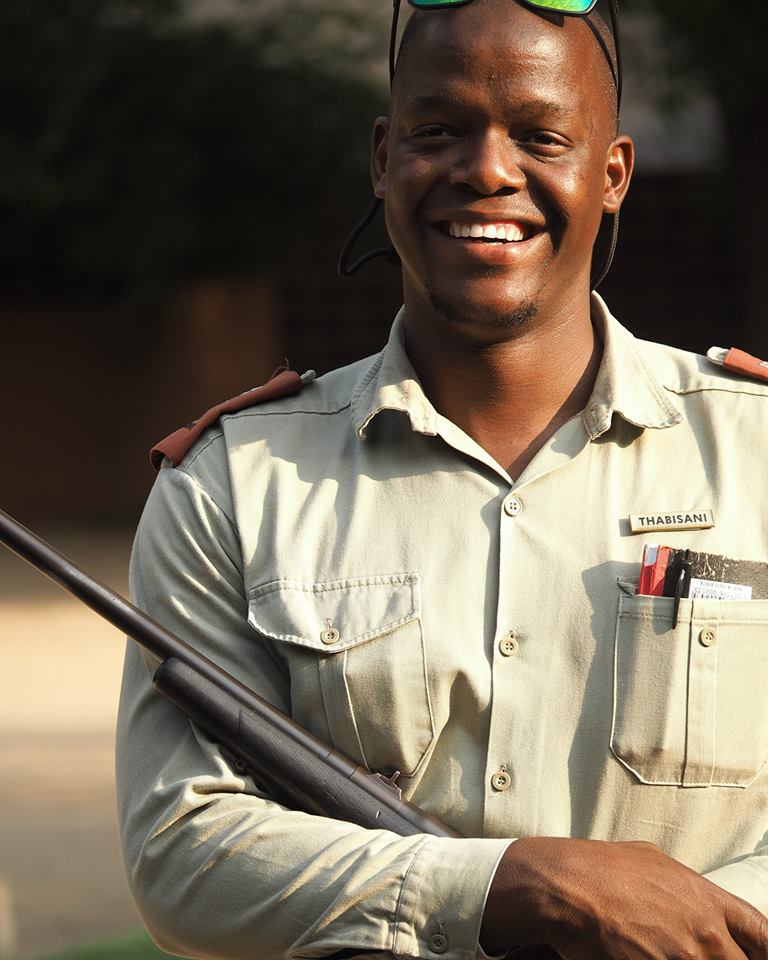
    Photo by Judy G Diver, past student Thabisani Buthelezi now working at Mala Mala

    5. Reputation speaks for itself!

    Over the last 10 years we have built an excellent reputation – many lodges contact us regularly looking for Bushwise students to work at their establishments, as opposed to going through recruitment agencies.

    6. One of the most comprehensive courses you can get

    You can get up to 8 Nationally accredited certificates on the 6-month course

    FGASA Level 1​, First aid level 1 & 2​​, Trails theory​, 4 X 4​ Driving course, Cybertracker​, SASSETA firearm certificates​ & Advanced Rifle Handling​​

    Other valuable certificates & skills learnt: ​Bushwise course certificate, Birding specialist​, Snake handling course​, Photography workshop​, Wine tasting​, Survival skills, Basic mechanics​, Hospitality training, Social media​, astronomy, Navigational & Orientation skills, Principals of Nature Conservation which forms part of our day to day training.

    image

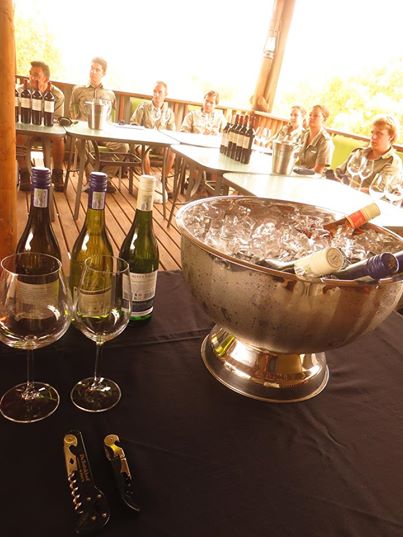
    Wine tasting and food paring

    7. Prime Bushveld surroundings

    We do all our activities on a well know 35,000 HA Game Reserve in the Lowveld, with game such as Elephant, Lion, Leopard, Brown Hyena, Wild dog, Cheetah and more. And the Bushwise campus has comfortable bungalows, a pool which is a necessity for those hot summer months, braai area for socialising and wifi for keeping in touch with friends & family.

    image

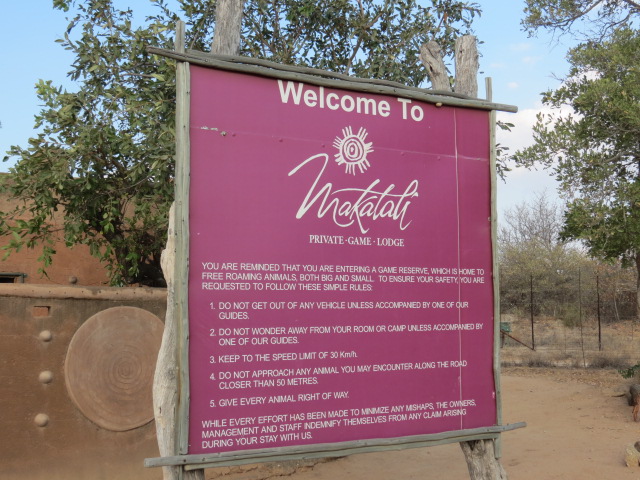
    Makalali Private Game Reserve

    8. Long term = more experience

    Over a 6 month period you will gain valuable practical experience. Each student will get a chance to conduct their own game drives and hone in on their guiding skills. The more practical training you get, the more experienced you will be and in turn the more employable you are.

    9. Work placements

    Most lodges are looking to employ guides with experience. It is sometimes not enough to just do a course and then expect to find a job straight after that. A work placement gives students an opportunity to put what they have been taught on the course to the test. It also gives students a foot in the door and the chance to prove their worth to potential employers. Many of our students were offered permanent positions during this period which is a testament to what a great opportunity a work placement is.

    image

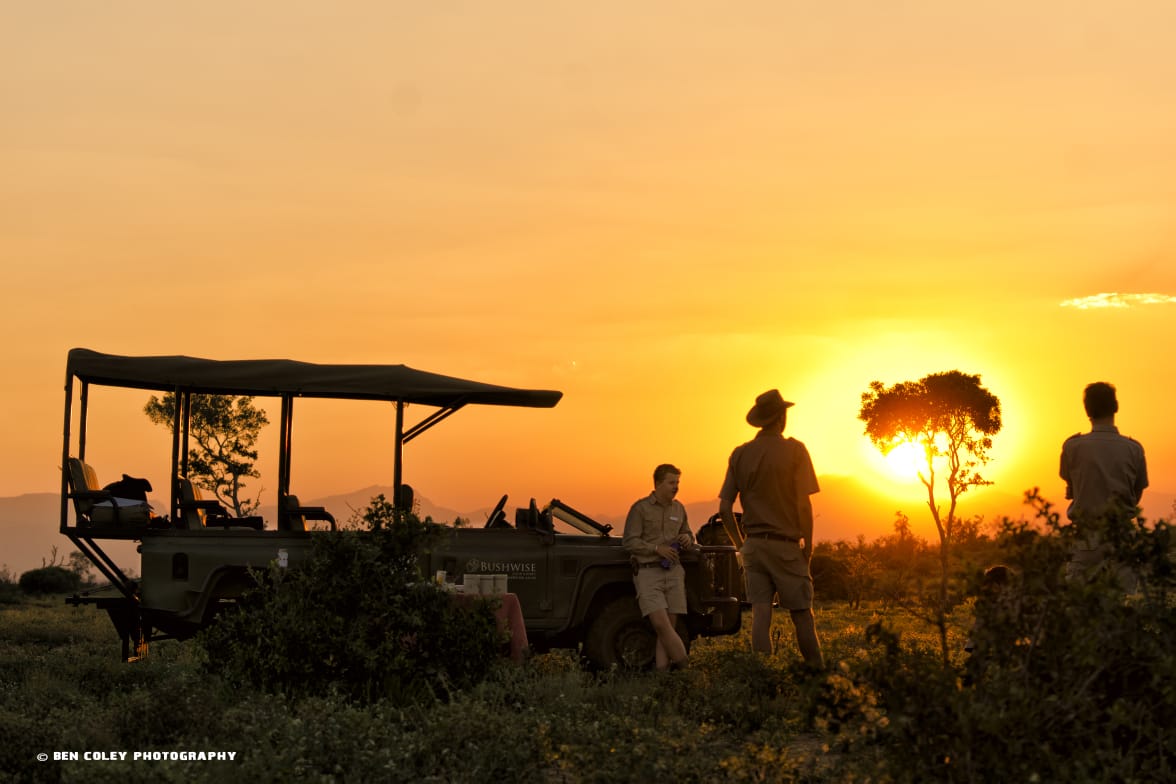
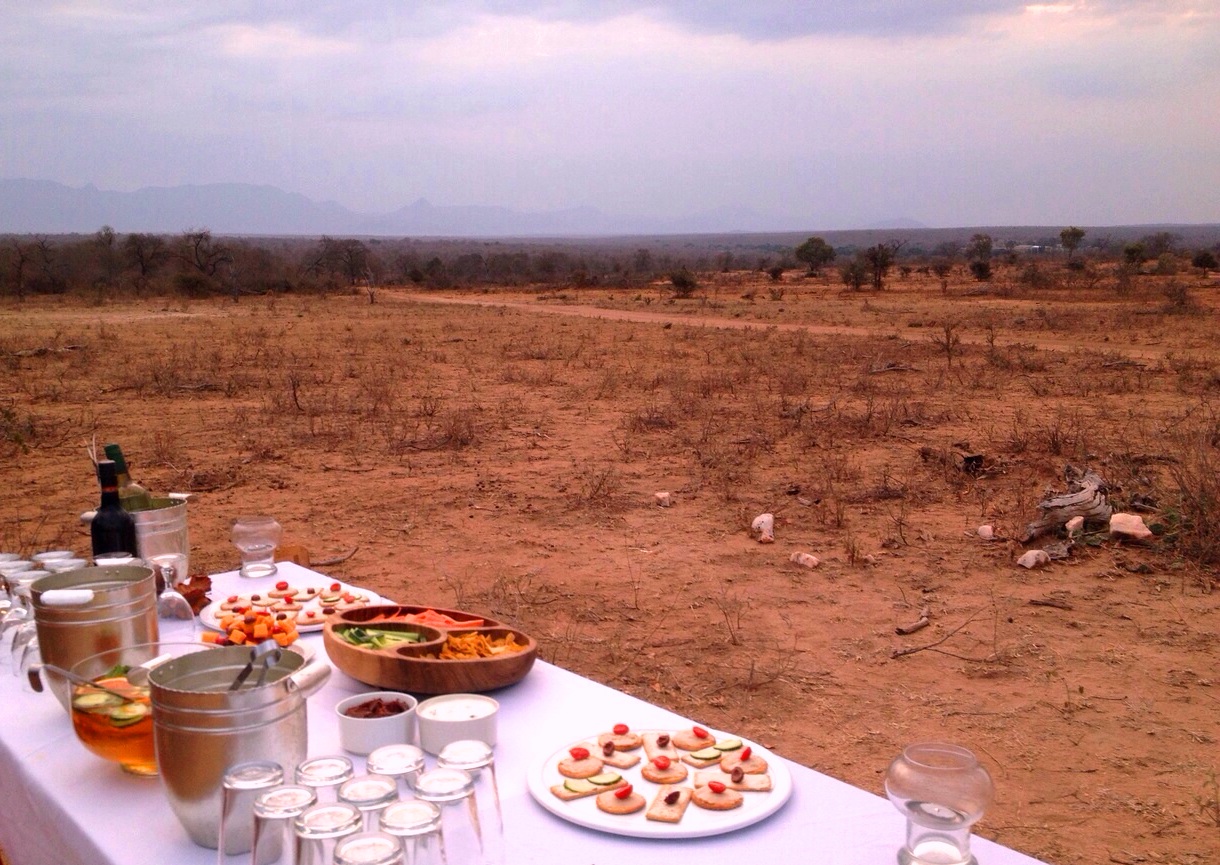
    Game drive sundowners, photo by Ben Coley

    10. Once in a lifetime experience

    On top of everything else, the experiences to be had on this course are amazing. You will have the opportunity to go a game drive nearly every single day bringing you exciting game viewing and sightings that allot of people pay allot of money to experience. You will also meet great liked minded people and form friendships that will last for years to come. In some cases you may meet your life partner ???? The outings in Kruger National Park and very special and the chance to do Sleepouts in Big 5 territory is some that very people are able to experience. It is never to late to change your path through life. Make the change and follow your dreams today!

    Find out more about Bushwise courses.

    image

    Sleepout
  • What to Bring? – from a students perspective

    We have written our field guide exam a few weeks ago, done our assessment drives and, thankfully although not surprisingly, everyone has passed. This time of the course is bittersweet for everyone involved. We are happy to be declared qualified field guides and begin to chase a dream we all share, but at the same time melancholic at the thought that we won’t be seeing the close friends we’ve made on the course again for some time. Most of the students went off on the Back up Trails practical course and a few will be finishing off this Friday.

    Thinking back on the last 20 or so weeks, one remembers a few “ah I should have brought that with” moments. Whilst the Bushwise list is more than adequate for packing, there are a few “luxuries” that might come in handy.

    image

    Here are a few items to bare in mind when packing for the course:

    1. Bluetooth Speaker: This may seem like a bit of a strange addition to the list, however, if I had a buck for every time that someone turned on a speaker on the course, I would have enough money to buy one of those pricy little things. Whether it’s watching a movie on a laptop, or sitting around the fire on a Saturday, a bit of music is always welcome.

    2. Tent: The Kruger National Park is an hour drive away, making it a perfect destination for a weekend trip or even for an off-week’s visit. However, accommodation within the park can be a bit pricy but camping is a much cheaper alternative. In my experience a 4 or 6-man tent works best as it allows for more good people to join you on a trip.

    3. Deck of cards: whilst the course is an intense learning experience, there is some down time. A perfect way to spend this is by playing cards, be it poker or go fish, many afternoons were spent this way.

    4. Hard drive: preferably full of legally downloaded movies… cough… we live in the bush, and with that comes one or two slight limitations. One of these is that the Wi-Fi is slow at best rendering online movie watching an impossibility. However, one can prepare for this by bringing plenty of media with them to the course.

    5. Headphones: personally, I prefer to listen to music when studying and this is best done with a nice pair of headphones. Otherwise this is also great is you just want to switch off for a while and relax!

    6. Warm clothes: as a local I was prepared, but almost the entirety of the international base of students were unprepared for just how cold winter can be in the bush especially when on the back of an open top vehicle travelling to the reserve. Gloves, scarf, balaclava, fleece, thermals and even an electric hot water bottle is recommended.

    7. Gaiters: those funny looking pieces of material that go around your ankles and protect them from grass seeds and ticks. Highly recommended, unless you enjoy the feeling of a thousand grass seeds penetrating your lower leg along with tick bites.

    8. The right attitude: Last but not least is attitude. You are living in close proximity with up to 20 students, being told what to do and when to do it all day, being strictly scheduled, sleep deprived, and having stressful assessments weekly. Don’t misunderstand, it is tough but also 100% worth it. However, if you don’t come to this course with the correct mindset which is one of understanding, empathy, a willingness to learn, and respect for your peers, then you will quickly be alienated from the group and have a long 23 weeks ahead of you.

    image

    Make friends on the course, friends that will probably endure for years and enjoy the experience because it will be over before you know it.

    image

    Good luck and hope you are well prepared and open-minded!

    Jordan Wallace

  • Nearly there

    Another intense week lies behind everyone in the camp, full of Level 1 assessment game drives and Advanced Rifle Handling (ARH) assessments. By now, it is safe to say that all of us successfully passed our assessment drives, to the explicit noteworthiness by our Head Trainer. Well, well done, class of January 2018! The unfortunate truth nonetheless is that practical assessments are only half of the entire effort. This is why everyone’s focus now is on getting past the theoretical part of the Level 1 assessment. Needless to say, but ideally as successful as past the practical one.

    The official agenda of the entire course is close to over which leaves room for spending some quality time on our last mutual game drives. With the South African winter now chilling the morning (and evening) air, our trainers took us on some amazing game drives as a distraction from further studying. Without the time constraints (and pressure) from past assessments, these drives took us to some more remote locations on the reserves we never came to witness before. And all of a sudden everything feels way different than just a couple of weeks ago. One of the students picks up some fresh tracks, others make out the sound of branches cracking in the background and shortly after we easily run into the next exciting sighting.

    image

    Photo by Amy Villis

    And then there is the abrupt realization of the fact that this very Saturday is the last one that everyone on this course will spend together, probably over the (already) routine Saturday evening braai. Some of us might regret this fact, some might just look forward to what lies ahead. But in fact we have come to the end of an extremely interesting and quite challenging 20 plus weeks course.

    Most of the students are close to start the optional second half of the program, namely a six-month-placement either in the lodging industry or with a research placement. After going through their individual interview process, the majority of placement students will be staying in the Bushveld area, with some going to places as far as the Waterberg region. The rest of the class will either be taking on a job within the industry straight away or heading home towards Europe.

    image

    Photo by Ben Coley

    I once heard that it is highly recommended to finish an essay (or whatever kind of text) with a quote, most notably since there is always someone else who is able to express the essence of it in a more fancy, more spot-on or maybe more humorous way. Well, that is probably even true. However, I simply hope you guys have found / will find what you have been looking for by coming here.

    Blog by Philipp Reick

    image

    Philipp Reick

    #AdvancedRifleHandling #ARH #Assessments

  • What makes an Excellent Field Guide

    Before I give my opinion on this, let us just have a brief look at what field guiding actually is all about.

    You have probably seen those open game viewers that drive around in game reserves with a bunch of people in the back? Well, they have a driver on board that is acting as their guide for the duration of their stay at the Lodge, rest camp or Hotel.

    These guides are then supposed to act as a link between what they experience out in the natural environment and their guests. This is done though facilitating and interpreting in a way that the guests would not have experienced without the presence of the guide. This is to be done in a way that is enjoyable for the guests and in a way that will also educate them about the holistic complexities of the natural environment and make them aware about their custodianship and to decrease or limit the impact humans have on the environment. This process should also include the culture,folklore and history of the area.

    image

    Photo by Sean Cawood

    All of this should be done with SAFETY as the underlying controlling factor.

    Well, I agree that that all is a mouthful and achieving that will only be  possible in a perfect world. It seems you need a special degree to do all of that but becoming a qualified and legal field guide can take as little as 2 months or as much as 2 years.

    So what will make a good field guide in this scenario?

    Firstly the question should actually be : “What makes an excellent, professional and ethical guide ?” Many people can become good guides but not many will become excellent.

    I am sure you will get countless different answers on this so I will give only my opinion in view of my experience in the field guiding industry.

    What is often overlooked by prospective field guides is the fact that they will actually spend most of their time dealing with PEOPLE and not so much time on the environment ,fauna and flora.

    image

    Photo supplied by Ryan Jack

    To be the excellent, professional and ethical field guide you will therefore need to  :

    1. Have a love to be amongst people and to talk to people and share your knowledge and interpretation with them.

    2. Have a natural aptitude to facilitate things in public. This skill can be developed but those needing development will not be as excellent as someone who has it naturally.

    3. Have a caring and respectful attitude towards your guests.

    4. Have a caring, enthusiastic, passionate and respectful attitude towards all aspects of the natural environment.

    5. Choose guiding as a way of life and not occupation.

    6. Be a permanent resident or citizen of the country. People doing a gap or sabbatical year will rarely become the excellent guides I refer to here.

    7. Relevant knowledge and skill and keep adding new knowledge and skills to your guiding repertoire.

    image

    Here are some specific characteristics will also assist in becoming an excellent guide:

    1. Be tolerant

    2. Have patience

    3. Have a good sense of humour

    4. Be a team player

    5. Be open and honest

    Other characteristics that can be developed over time is :

    1. Listening skills

    2. Observation skills

    3. Learn how to entertain people

    4. Improve your organisational skills

    5. Follow through what you say

    image

    In conclusion

    Many of guests have probably had an “African dream” and have had to save allot of money to come and realise their dreams. Field guides hold in their hands the opportunity for their guests to realise these dreams and bring life to their fantasies about Africa.

    Check out Bushwise courses for more.

    Blog by Gerhard van Niekerk

    Other great sources:

    Guiding skills manual – Grant Hine

    The guides guide to guiding- Garth Thompson

    #fieldguide #gamedrive #guests #safari

  • The importance of a work placement

    You have just left your family and friends behind, even potentially relocated to South Africa, to live and breathe the intensive six month training that Bushwise has to offer. Then you make it, you are now a fully qualified FGASA Level 1 Field Guide. It feels amazing the hard work paid off and then you realise you are about to start a six month placement…

    image

    The trainers have spent all that time instilling in you valuable knowledge, the essence of what it is to be a guide and the ethics that will drive you to be the best guide that you can be. During this time they have told you time and time again how they are trying to set you up for the real world and you have nodded and agreed that you understand exactly what they are talking about…but let’s face it you don’t, not really. You have an idea of where you may like to go, some idea of what you want your career and future to look like but have faith in the placement that has been chosen for you. It has been carefully selected for your skill set, your needs and your hopes. But the rest is up to you…

    image

    Experience is something that cannot be bought!

    First and foremost the most important and fundamental point to remember is that your placement gives you the necessary experience to compliment that qualification you earned. Take the time to figure out your strengths and weaknesses, learn from the people who are there to train you, chances are they have been doing this a while, they are there to help you and will have a wealth of knowledge and experience that you can learn from. It is not about the accommodation you have been given or the food that is provided, it is your attitude towards everything in its entirety that counts. If you are looking for an easy nine to five you are in the wrong industry (get out now).  As an entry level newly qualified guide you will be expected to go the extra mile, work those extra hours, offer to do those extra jobs even if you don’t believe that they fall under a “guide’s purview”. Don’t think of it this way, think of it as an opportunity to gain experience in every aspect of the industry from housekeeping, mechanics, lodge management etc. You spend months worrying about exams and exam results, but in the real world these scores become inconsequential because what truly matters is how your guests feel by the end of their stay. This should be the measure and standard that you should be working towards.

    image

    Although not the be all and end all of a placement, there is never any guarantee that at the end of six months that there is a full time position available. You may have given everything that you have, shone more brightly than others yet there is still not a full time job available. However don’t dismay, do not to your own detriment give up, because remember your employer is still going to be giving you a reference as you apply for new endeavors. Your placement will give you the exposure that you need, it is your chance to network, this industry may seem big but its community is small and connected, what you do (or don’t do) in those six months can inform the rest of your career.

    image

    More than meets the eye to placements

    Your placement is instrumental for your future, not just for references and experiences…ultimately it shows you what your own ethics are, helps you figure out the kind of guide you want to be and more importantly above all what kind of guide you are.

    Never stop learning,

    Trevor Myburgh

    #fieldguide #student #entrylevel #work #placement

  • Top 10 Reasons to Become a Field Guide

    Quality of life

    A field guide will never be rich in the financial sense of the word but in terms of life enrichment, there is no better job one can do.  Yes, the hours and long and the conditions hard, but the feeling that it leaves in your heart is one that no money can buy!  There is something spiritual about spending your days among the bush and its inhabitants.  It is impossible to sum up in a few words, but those who love and respect nature will understand what is meant here.  It is a powerful and emotive feeling to know that your actions are not only enriching lives but also helping to protect our dwindling natural wilderness areas.

    image

    Getting to be in the bush for up to 8 hours a day

    Life experience

    The job description of a guide is all encompassing.  There is no role that a guide may not ask to be fulfilled during their cycle and this a great way to get exposure to multiple facets of life and social skills.  Dealing with people in a professional arena is a great way to learn how to survive in the real world should the life of guiding not be your long term plan.  Having to forge relationships over a matter of days, as well as remain professional and look after people’s safety thrusts a lot of responsibility on young guides and this will be invaluable in later life.

    image

    Meeting awesome guests

    Networking

    The world we live in is very much a ‘not what you know, but who you know’ society.  Many guests that visit safari lodges are high profiled business people from all over the world.  Considering a guide’s locale, deep in the African bush, this offers a unique opportunity to forge relationships, be they business or personal, with a myriad of people.  A good guide will make such an impression on their guests that often they will never be forgotten and this can open up wonderful networking opportunities for future opportunities.

    image

    Spontaneity

    Guiding is not for those that like regularity in their lives.  One of the beauties of the field guiding industry is that nothing ever stays the same.  It is about as far from a mundane office job as you can imagine.  Instead of staring into an overpopulated office space every day whilst filing papers, guides explore the natural environment discovering new and exciting things around every corner.  In this day and age people get bored quickly but in the Bush, there is never a dull moment.  You can see nothing in 2 hours 59 minutes and then drive around the corner to find a pride of lions snarling at a leopard and its kill suspended in a tree!  The excitement that nothing is set in stone is like a drug and once you have experienced it, relinquishing it is very hard…

    image

    No Traffic!

    There is nothing more soul destroying than being stuck in traffic.  It is beyond frustrating and those of you that live in cities will understand this better than most.  Despite your office being only 5kms away you need to allow 45mins travel time due to traffic congestion!  What a miserable way to start the day…  Out here, guides have no commute.  Most stay on site due to the early mornings and the worst traffic they encounter is a heard of elephants blocking in the road!!  Traffic has never been such fun!!

    image

    Friends for Life

    Despite most guests staying only on average 2 or 3 nights at a lodge, guides can expect to spend up to 16 hours a day with their group.  This time, without the pressures of normal life to get in the way, is more than sufficient for strong relationships to be formed and as previously mentioned, those guides that excel can expect to forge friendships that will last a lifetime. Invites to visit foreign countries to return the hospitality shown on a safari is common place.  Considering the short time spent with these people, this shows just how powerful a safari can be, and just how important the guide is to their experience!

    image

    Part of a community

    Living and working at a lodge among a team of guides has its ups and downs.  Whenever people are put in such a melting pot there will always be flash points but as a rule, living within this community is a great experience.  You get to spend time with like-minded people and share your knowledge and experiences that only they will fully understand.  How many other people would find the photo you took of a strange looking beetle interesting (most will think you are mad!)  What better way to spend your day than with those that hold the same interested, morals and ethics as yourself.

    image

    Changing people’s lives

    Wielded correctly, guiding can change people’s lives.  For many, a trip to Africa is a chance to reconnect with nature and sooth their soul: to find something that they did not even know they were missing.  Many guests are so overwhelmed by the experience that they are moved to tears!  These memories, despite only 3 days long, will stay with them forever and their stories will passed down through generations.  People are deeply moved by the bush and it can have a profound effect on their lives.   The feeling of freedom and humility in the face of nature can be the push that someone needs to change their life on some level, be it their career path or their outlook on life.  Quite the responsibility for the guide facilitating their stay….but what a rewarding feeling to be able to positively influence strangers.

    image

    Protecting the Natural World

    Perhaps the most important of all these suggested reasons (there are plenty more!) is the feeling that a guide is doing their duty to protect the natural world.  We all know the plights being faced by the multitude of species on this planet thanks to Man’s poor practices, ignorance and selfishness.  Guides should be seen as ambassadors for the environment and set an example to all about how important and special these wilderness areas are to the planet.

    image

    Photo by Nick Newman

    Educating people

    Guides are not only conduits to explain the natural world to guests, but also to educate them in the importance and complexities of nature.  For many guests their main reason to come on safari is to work through their checklist of animals but many do not realise they have an interest in the other facets of nature.  A guide should be able to open their eyes to the small members of our planet and teach about not only their habits and behaviour, but how without many, our ecosystems would just collapse.  Guides educate people to increase their understanding and appreciation for the wild and a great guide has the power to influence these people to become more involved in raising awareness of some of these issues.  We can only change the world one step at time and even something as simple as getting people to turn off unnecessary lights or close the tap whilst brushing their teeth is a step in the right direction.  The Dalai Lama once said “If you think you are too small to make a difference, try sleeping with a mosquito”….

    image

    Find out more about Bushwise courses here.

    Blog by Ben Coley

    #fieldguide #fieldguiding

  • The Luck of the Magic Guarri Tree

    This week we had the same schedule as the week before but the two groups switched activities. The exhaustion had taken its toll on everyone but every single one of us would say it was worth it.  One group spent the week attending rifle competency courses and having a blast in Kruger National Park. Imagine eleven men stuffed in a Quantum on a hot day, filled with laughter and eager eyes, it made for a great trip. They were lucky enough to see a leopard hanging out in a tree and a pride of lions soaking up the sun.  Not a bad way to spend your week!

    image

    Photo by Andrew Thomas

    As for the other group, we spent the week with the incredible Collin Patrick, learning the tips and tricks to tracking African wildlife. Our group was determined to have the best week possible. So everyday we would find a Magic Guarri tree for the leaves. It is said that is brings luck to ones life. You could find every one of us with one of the leaves somewhere tucked into our uniform.

    image

    Photo by Sophie Barrett

    Through out the week we were faced with defeat and at times lost all confidence in our skills. On Wednesday is when the frustration hit the group hard.  We were all looking at bird tracks in the dirt below struggling to identify the species when we heard a faint whistle behind us. We looked up to see one of our trainers pointing at a massive male white rhino grazing in the open area in front of us. It was the first time most of the group was seeing a big 5 animal on foot. To some people it was scary but we had one of our trainers talking us through the entire sighting. The way he was able to calm everyone while this potentially dangerous animal was right in front of us, was really inspiring. Giving the students a great example on how to handle a situation like this when we are the ones guiding. Seeing the rhino gave us the lift we needed to get back into tracking.

    image

    Photo by Sophie Barrett

    On Thursday Collin Patrick introduced us into a different type of tracking. We were learning how to track each other, as if we were poachers. We split into two groups, the ones who were acting as poachers headed into the bush trying to create a trail for the others to follow. As my group was creating a trail we stopped immediately when we heard impala alarm calling. We looked in the direction of the calls to see a leopard skillfully take down one of the impala. The whole event happened so quickly I couldn’t believe my eyes. Our trainer quickly led us to a safe direction where you could even see the awe on his face from what we just witnessed. All of us had giant grins on our face, knowing a sighting like that on foot would probably never happen again.

    image

    Photo by Sophie Barrett

    After the buzz of the two incredible sightings, tracking week was in full throttle. It wasn’t until our assessment started where we all realized how much we knew about tracks.  The experience was one of the most difficult things many of us have done, but when our results were read out and all of us leveled the happiness we felt made everything else worth it. The Magic Guarri stayed true to its reputation!  Through out the week Collin Patrick made jokes about tracking being an addiction. It is now three days after the assessment and I am still dreaming of tracks in the dirt, tracking is most definitely and addiction.

    image

    Photo by Sophie Barrett

    Sometimes it is so easy to get frustrated with yourself here when you are struggling with something like tracking. What we have to keep in mind is six months ago; many of us were worried about paying bills on time or getting stuck in traffic. Now we are worried about not being able to identify a smudge in the dirt. It may sound crazy, but I prefer the dirt. The past two weeks have been the most rewarding experiences yet. Everyday I wake up and I can’t wait to see what I will learn next!

    Find out more about Bushwise courses.

    Blog by Kendal Hanson

    image
  • Under the African sky

    Imagine this…

    Sit back, take a deep breath and imagine yourself sitting in the bush at night, under the African night sky, the glow of the moon and stars lighting up your surroundings. The call of the Spotted Hyena in the background. The feel of a light summer breeze touching your skin. the smell and sound of the camp fire. Now close your eyes and picture it. There is a feeling of awe that fills every person who experiences the African bush. This feeling you cannot describe to others, the only way for people to feel that is to experience it. I am sure that at the start of this week all Bushwise students experienced that indescribable feeling, as we had our first sleep out.

    image

    Photo by Ben Coley

    Sleeping under the African stars, smelling that pure fresh air! I’m sure many will have a good night sleep, so we thought. But in reality, the excitement that built in us of what we were about to experience kept most of us awake until the early hours of the morning.

    image

    The reality

    We didn’t have any tents and there was no fence to keep the animals away from our camp, so we took shifts to keep a look out for any wondering potentially dangerous animals. I mean most people would be kind of concerned, but not us! Many stayed awake and joined others on their shifts to spot the amazing creatures surrounding us. From the early hours of the night we saw and heard a few Spotted Hyenas wondering around our camp, curious to see what we were and what was going on. They kept on circling our camp, sometimes getting a little too close! There was always excitement in the air when a person on watch called out Spotted Hyena! and everyone jumped up to look at this amazing animal.

    Surprise!

    For us the best part came at the early hours of the morning. It was half an hour into our 3am shift, slowly scanning the bush in front of us with our spotlight. We scanned right and the beam of one spot light overlapped with another spot light, as that happened we spotted something moving slowly through the bush! We looked again and suddenly we realized it was a Lioness! Most of us screamed ‘Lion!’ ‘Lion!’ and in a matter of seconds anyone who was still awake came straight to see this beast of a cat. What an amazing sighting and an unforgettable experience!

    image

    Blog by Faisal Al Rifai

    image

    #lion #stars #sleepout #hyena #camp #africansky
    Find out more about Bushwise Courses.