Category: Course updates

  • ‘Guides guide’ to Essential Gear

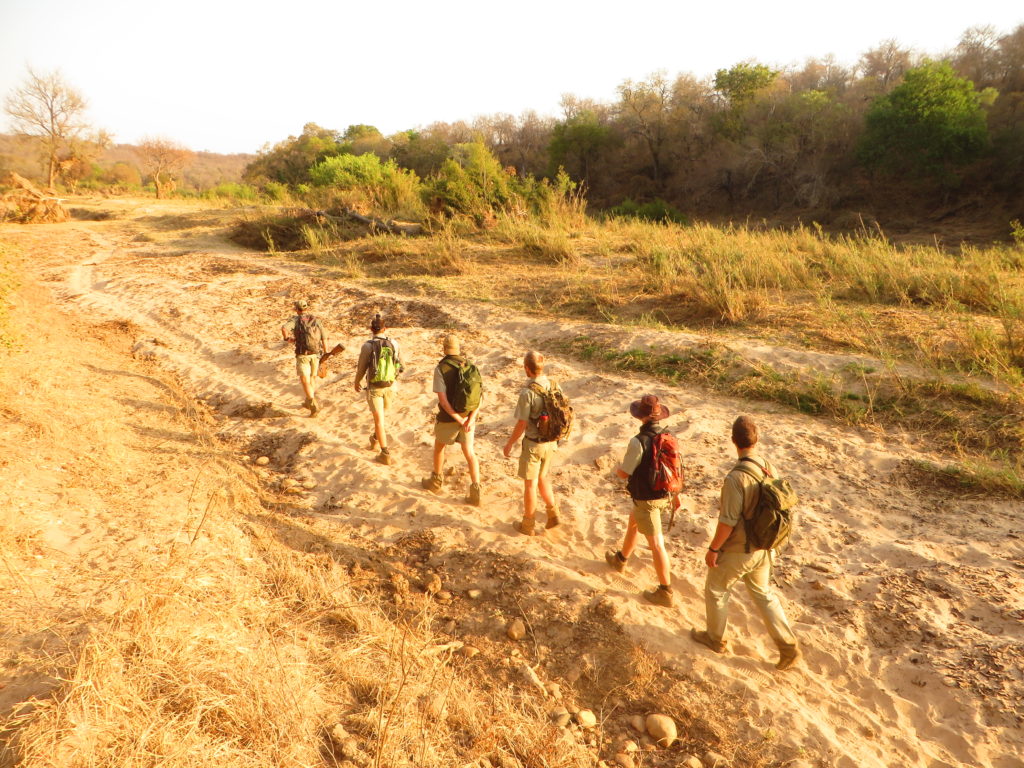
    Since numerous excellent articles have been published regarding the above-mention title, the writer is sharing his personal experiences as to what is or is not a thorough guideline for essential bush gear for Field Guides. Bear in mind that the following is assuming that you are guiding on foot and are not vehicle bound.

    These boots were made for walking

    First and foremost is a stout pair of walking boots that have already been worn in, never start a trail or a bush walk with new shoes unless you enjoy treating blisters! Boots with leather uppers and hand stitched soles are my personal favourite, with Jim Green being the brand I prefer (with a life-long guarantee you cannot go wrong) and secondly, woollen socks are a strong recommendation. Once again to avoid blisters going with woollen socks is the way to avoid blisters. Experience has taught me that poly-cotton or any synthetic material seems to cause friction which produces blisters! Remember, take care of your feet as they are your only means of transport, a lesson learnt the hard way during my military days!

    image

    The trusty back pack

    Apart from the abovementioned, a sturdy 35 litre back pack with a water bladder is of equal importance. Broad shoulder straps are something to look out for since the thin straps dig into your shoulders cutting off blood supply to your arms causing fatigue and pins and needles in your hands and arms.

    In your back pack ensure you have a suitable first aid kit to render aid in the case of minor scratches, scrapes, stings etc. these are available at any pharmacy outlet at reasonable prices or you could choose to make up one using your common sense in terms of available space in your pack and the weight there-of!

    image

    Save yourself from the harsh African sun

    A wide brimmed hat to protect your ears and the back of your neck is a must in the harsh African sun, not forgetting sun screen with a high plus factor. Some prefer wearing only a baseball type of cap, yet I have found this to be inadequate for extended periods out in the bush.

    image

    Be prepared for that late afternoon thunder showers

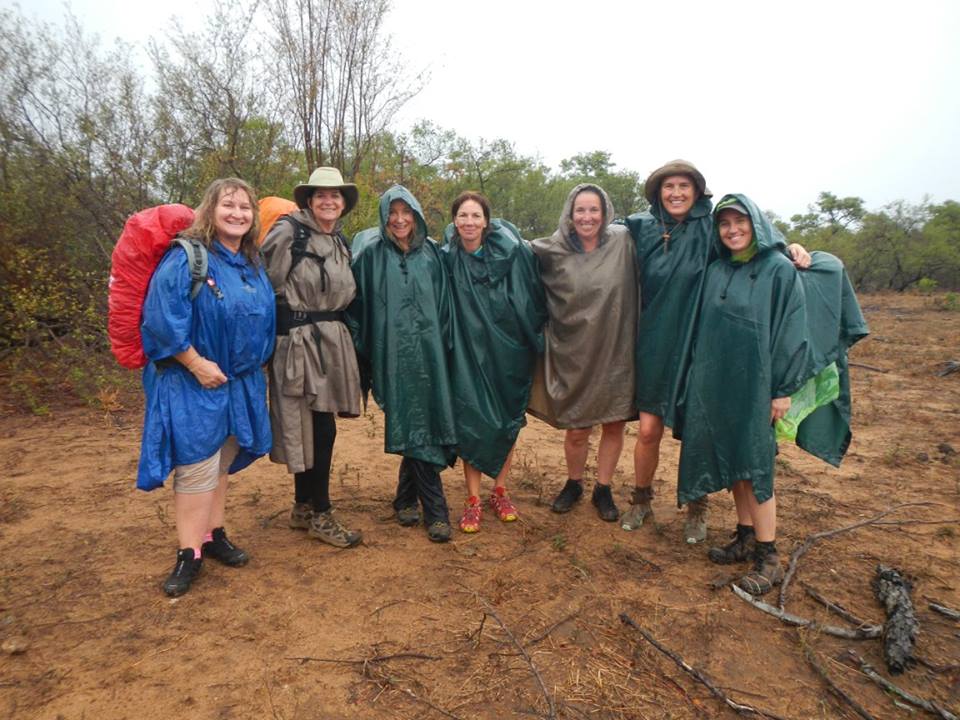
    At the other extreme, a rain poncho is also of importance for obvious reasons! At the very least it can also be used to build a water proof shelter or used as a stretcher if a serious injury has occurred and one needs to be evacuated!

    image

    Blend in

    Clothing of a neutral colour and light weight to dry out quickly if caught in the rain is another strong recommendation, long trousers are the writer’s preference despite the heat of the day, however, shorts and a set of gators for leg protection are an alternative. Try not to use gators of a cloth material as they will hook on thorn trees and thick vegetation which means you will need to replace them constantly!

    The little extras that really help

    Lastly, other “brick a brack” items such as para-cord (to repair broken back packs, replace broken shoe laces etc.) cable ties, zip lock bags for your trash (remember take out what you bring in-no littering!) “white gold” otherwise known as toilet paper also in a zip lock bag for obvious reasons, loo paper is quite difficult to work with when wet! And if you are walking in dangerous game areas with a weapon, the necessary bore-snake and cleaning materials to ensure your weapon is also looked after!

    Hopefully the reader will find some use out of the afore-mentioned and thus “happy Trails” ladies and gentlemen.

    Find out more about Bushwise courses here.

    Author: Trevor Myburgh – Trainer at Bushwise

    #guidegear #boots #backpack #hat #gear #equipment #fieldguides

  • Best places to work as a Field Guide!

    In the competitive industry of field guiding and an endless variety of amazing establishments claiming to be the best and offer the best experiences it pays off to work for some of the best. As a guide it all depends of what you want out of the job and the experience and what your future goals are.

    Bushwise has partnered with so many of these incredible establishments over the years, offering our students the opportunity to do the work placements. List available on our website.

    Guides chose to work at some lodges for the following reasons:

    Reputation

    There are so many amazing lodges in Africa to choose from but a good place to start is by a Lodge’s reputation. Word of mouth from guests, Hospitality awards, International reach and reputation in the industry is so important. To be the best you want to work for the best. Many lodge staff, especially management, have had the privilege to work in various lodges and because of this are able to compare and decide which lodge they felt was the best so when it comes to hiring staff it definitely make a difference what lodge appears on your CV.

    https://www.travelandleisure.com/worlds-best/safari-lodges-in-africa 

    image

    Location & sightings

    Many guides chose lodges based on their location, this could be for personal preferences or wanting to learn about different areas. Fauna & Flora vary in each region, from low-lying coastal zones to mountainous escarpment that separates the coast from the high inland plateau. There are so many variation in climate as well as topography which influences nature. This includes regional areas such as the Highveld & Lowveld. Being able to expand on your knowledge in terms of these biomes makes you a very knowledgeable, flexible and experienced guide and this in term can influence your employability and salary. Sightings are another reason guides may chose a reserve to work on. Sabi Sands is well-known for their leopard sightings while places like Madikwe have rare sightings like Brown Hyena, Red Hartebeest and plenty Wild dog.

    image

    What the lodge offers

    Being able to give your guests as many experiences as possible is a plus and add to their overall experience. So if the lodge you work for offers game drives, as well as Bush Walks and guided tours it is an advantage and can only ad to the opportunity of getting good tips. Some lodges even have unique experiences to offer such as Horse guided safaris & Mountain bike safaris, boating safaris, special birding trips or photographic safaris. This will also add to your repertoire and you are able to gain experiences on each facet of being a field Guide. It will probably also open doors for you to guide in a wide variety lodges throughout Africa.

    image

    Money

    Although this in not the reason most people get into field guiding, at the end of the day there is potential to earn allot from tips. Choosing a busy lodge with a high occupancy will increase your chance of earning more tips as well as choosing a lodge that takes certain nationalities because some are better tippers than others. It will also be up to you as a guide to elevate the guests experience and go above and beyond to work for those tips. I recently heard of an ex Bushwise guide earning R30,000.00 tips in one cycle at a certain lodge in the Sabi Sands….amazing!

    What our trainers say…….

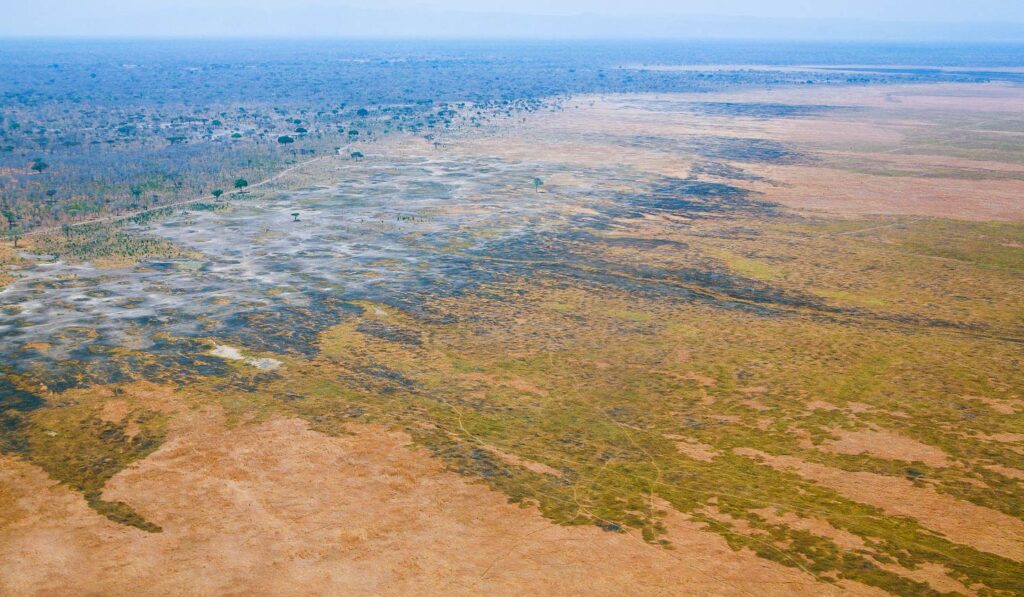
    Ben Coley – The best place for me to work is anywhere in the Greater Kruger area.  The downside is the commercial aspect and thus vehicle density and the potential loss of the ‘wilderness’ feel but a good guide should be able to plan his/her safari accordingly.  These areas have been commercial for many years and thus the animals within them are very relaxed around vehicles and allow for some truly spectacular sightings!  The bio-diversity in this area is also great with most reserves boasting a bird list of over 400 recorded species.  The year I spent guiding in Katavi National Park in Tanzania was also incredible.  Over a million hectares with only 4 tented camps meant for real privacy and submersion in the African bush but the animals were not quite so cooperative!  In perfect world I would like to merge the habituation levels of the Greater Kruger with the true wilderness feel of deepest darkest Tanzania!

    image

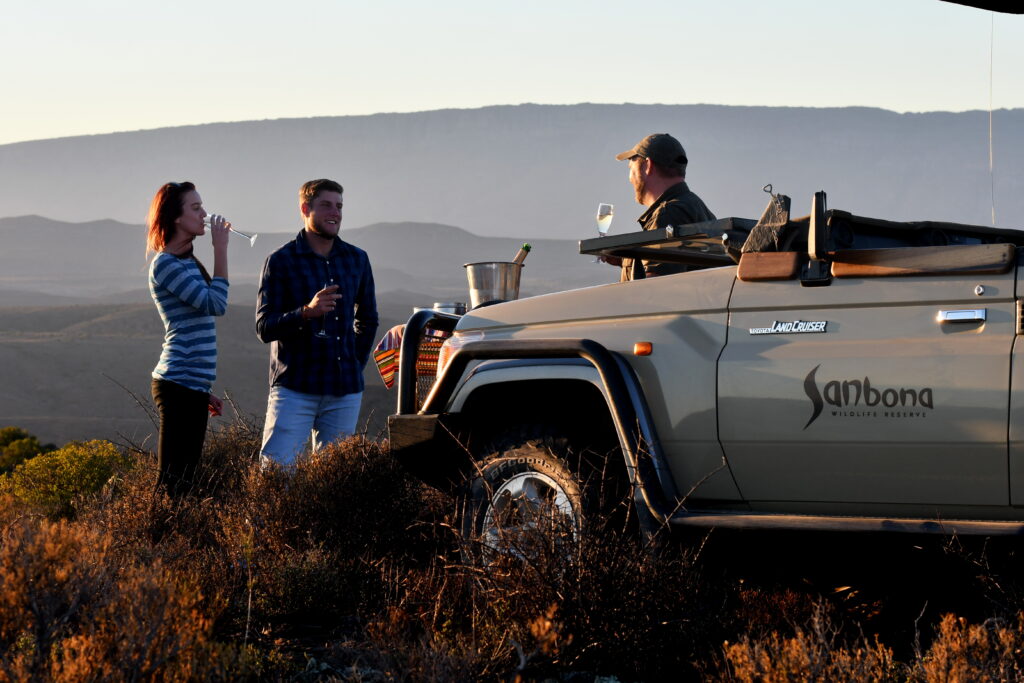
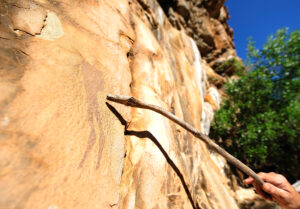
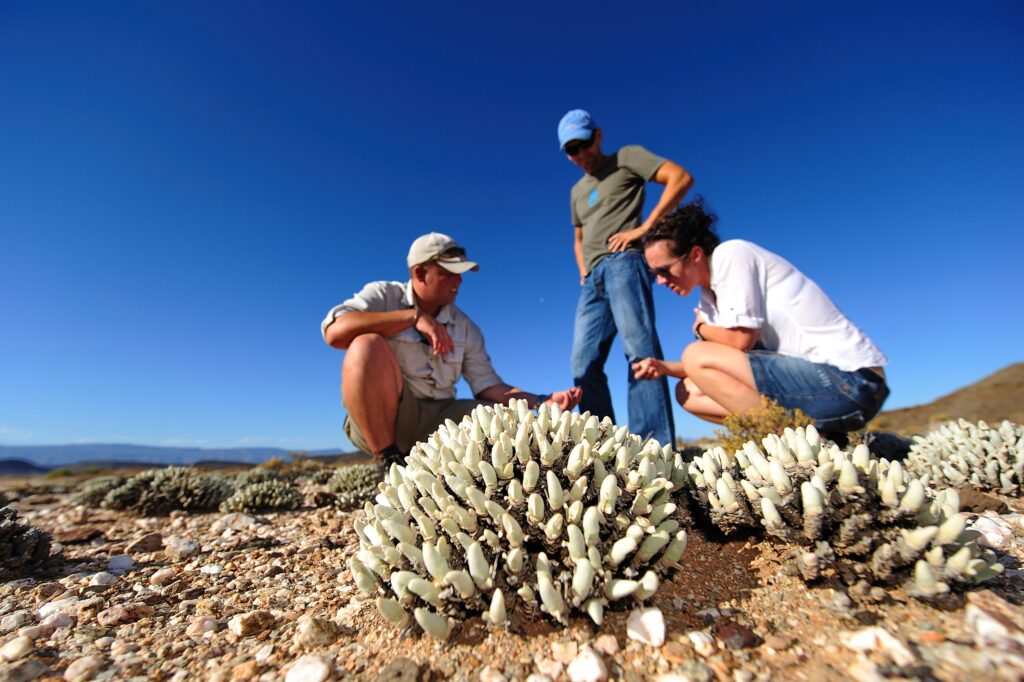
    Trevor Myburgh – For me is the Sanbona Wildlife Reserve – western Cape/Karoo.  A 58000-hectare jewel in the heart of the Karoo, with re-introduced so called Big Five and other plains game including Eland, Gemsbok, Cape Mountain zebra, Blesbuck and huge herds of Springbok spreading as far as the eye can see, not to mention vast open vistas with some of the most breath-taking views one could hope for. Quartz patches stretching for miles, studded with stone crops and other unique dwarf succulents, rock art paintings and centuries old human habitation cave sites waiting to be explored, together with fossil sites regularly being discovered, not forgetting the geological formations that have shaped and moulded the landscape are all reasons why Sanbona came to mind as a top guiding destination.

    image

    Photos courtesy of Sanbona Wildlife Reserve

    Apart from this, the management and staff work together as a well-oiled machine, being so remote and off the beaten track, lends to a family feel environment, with each one of the staff being there for one another, catering for couples with children as a school and day care centre is provided. A brilliant way to ensure low staff turnover and a productive work environment!

    Furthermore, the reserve attracts the seasoned and well-travelled safari goer who have already done the Ferrari safari experience to “tick all the boxes” and are seeking a more relaxed and informative safari experience and thus forces the field guide to become more au fait with the smaller things to interpret.

    image

    Sanbona landscape

    image

    Sanbona Wildlife Reserve, Interiors, Exteriors and Guest Experience

    In short, a rugged, almost desolate place that grows on you and once experienced takes one back to the early days of proper guiding and personal guiding growth.

    image

    Sanbona Wildlife Reserve, Interiors, Exteriors and Guest Experience

    Vaughan Jessnitz – The problem with a fancy lodge doesn’t always = nice working conditions. Each guide will have different opinions with regards to what is important – big tips, others want location, others want good sightings, some for the accommodation and others for being pet friendly or family oriented lodge. My advice is to know your priorities and then search for the right balance.

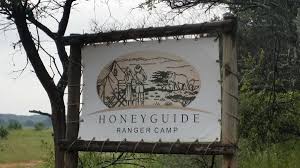
    For me the best place I have worked is Honeyguide Rangers Camp and there are a few reasons why. I had great accommodation, and had freedom to use the company vehicle on my off time to explore and do research which is very important to me, so I had freedom to balance my research with guiding.

    image

    Blog by Kim van Greunen

    #lodges #fieldguide #guidejobs #bestlodges #fieldguiding

  • Amphibians vs Reptiles….

    This week marks the completion of our last modules and theory exams. It was all about Fish, History and Culture, Taxonomy and Conservation. Classroom lectures sparked interactive debates amongst students in regards to conservation and it became a good forum for people to share ideas, personal views and opinions.

    History and Culture taught us more about the previous inhabitants and history of the area in which we are staying which has given us a greater appreciation and understanding of local traditions and beliefs.

    Taxonomy confused some students at first, but eventually we all got our heads around the simple complex in the end.  In brief, Taxonomy is the science of naming, describing and classifying organisms and includes all plants, animals and microorganisms of the world. Using morphological, behavioral, and genetic and biochemical observations, taxonomists identify, describe and arrange species into classifications, including those that are new to science.

    We also now know a hell of a lot more about Fish! Actually it was very interesting learning about how fish play a vital ecological role in our area of operation and also their contribution to population control of mosquito’s thus reducing the spread of Malaria.

    It’s been an exciting and productive week for a lot of people as we have also been preparing for our ARH practical exam (Advanced Rifle Handling). This has involved spending a lot of time down at the shooting range firing both .22 and .375 calibre rifles. Our trainers were very patient with us all and we started off by doing some dry runs, which involved loading and unloading a rifle and practicing some drills. There was even some friendly competition with the speediness of this between the girls and boys. We then got to shoot at some stationary targets.

    Later we progressed to shooting a charging Lion target that moves at a speed of 22 metres per second which only gives you 2 seconds to aim and shoot! For some it was the first time holding a rifle and it has been great to see everyone’s progress from the beginning of the week up to now.

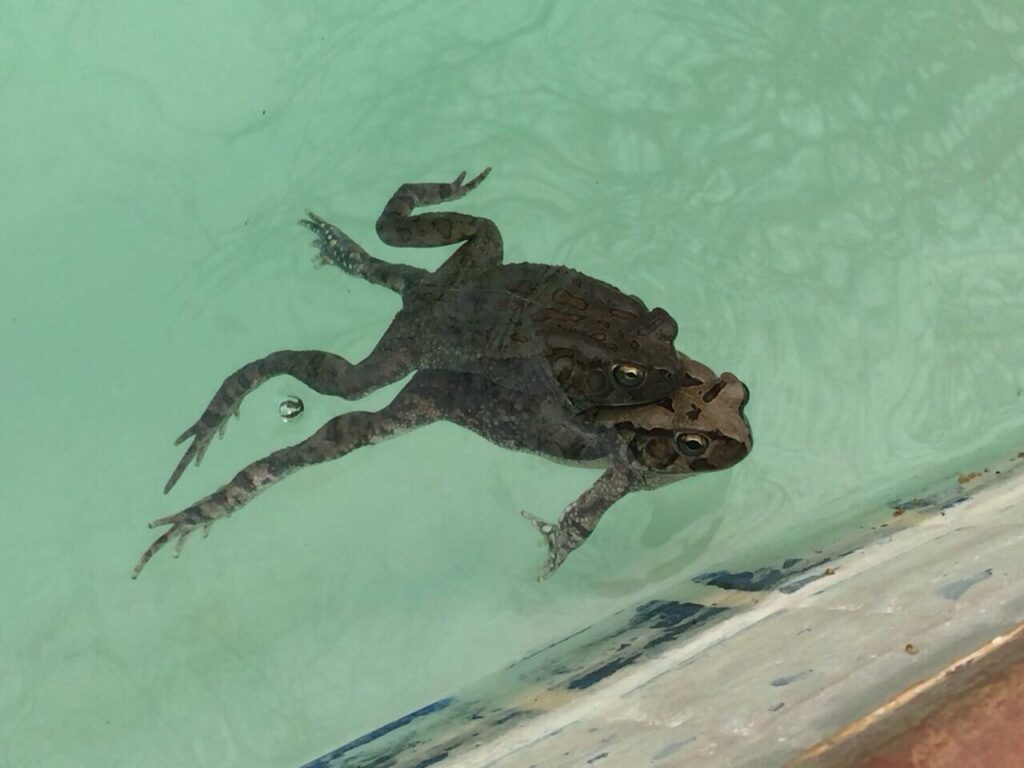
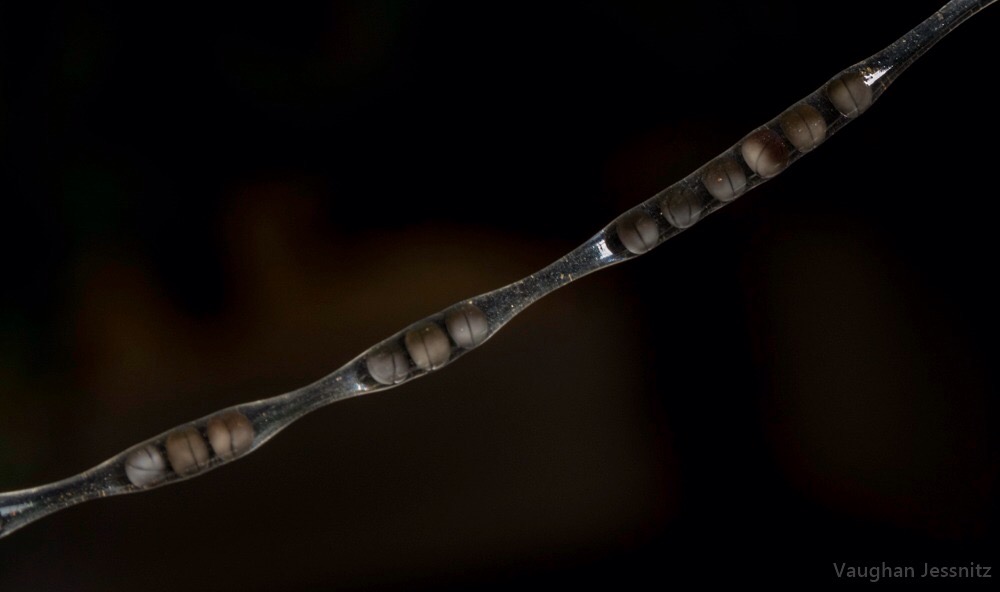
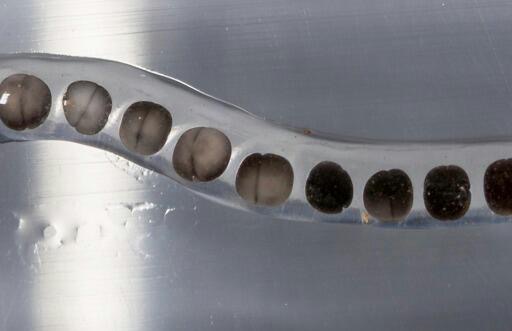
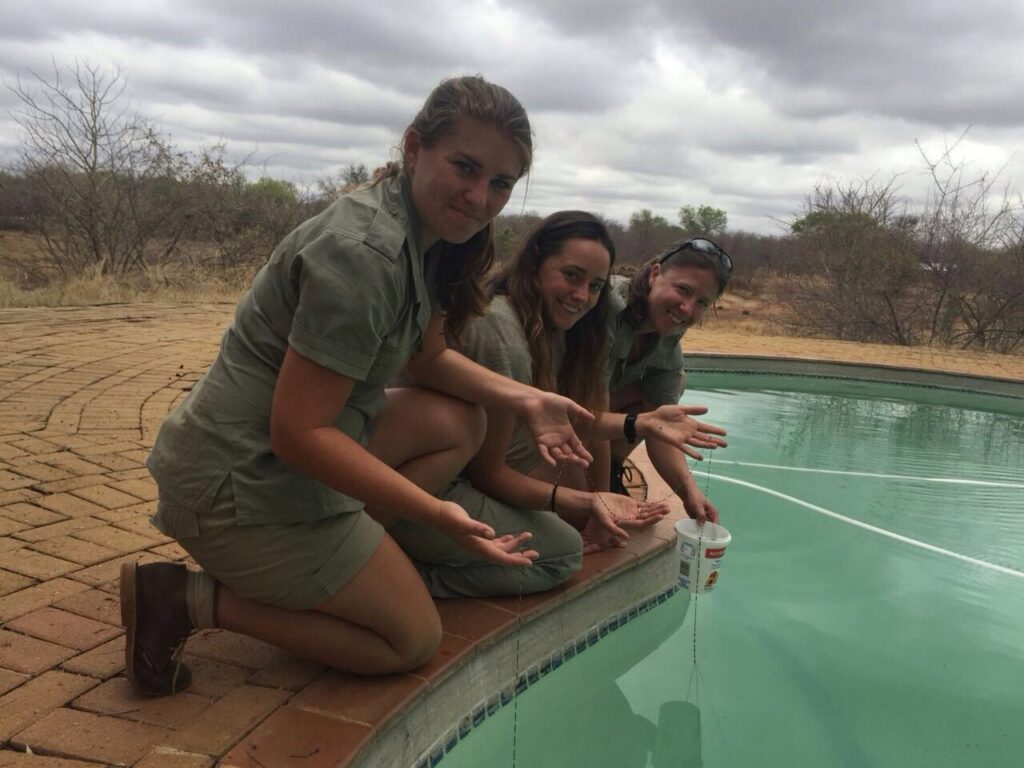
    We also welcomed the first spring rains! Bringing with it the arrival of new season, new life and the many frog species that now like to occupy the dam and swimming pool. A few lucky students got to witness two Eastern Olive Toads preforming aplexus, (2 toads ‘mating’ in the swimming pool) and this has given us an interesting lesson on collecting and observing the development of egg embryo to tadpole metamorphis.

    image
    image
    image
    image
    image

    It has also been a week of relocating a few lucky reptiles!

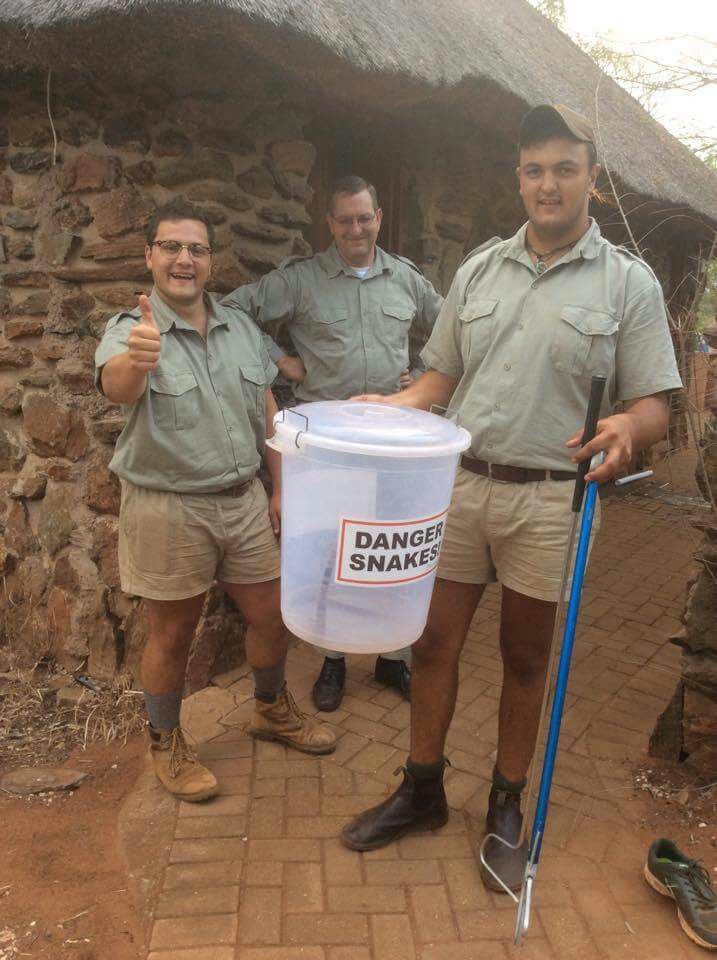
    The first being a Mozambique Spitting Cobra that was residing in camp. It has now been moved safely, just as we have been trained to do with the snake handling course done a few months ago, to an accommodating game reserve down the road far away from human interference.

    image

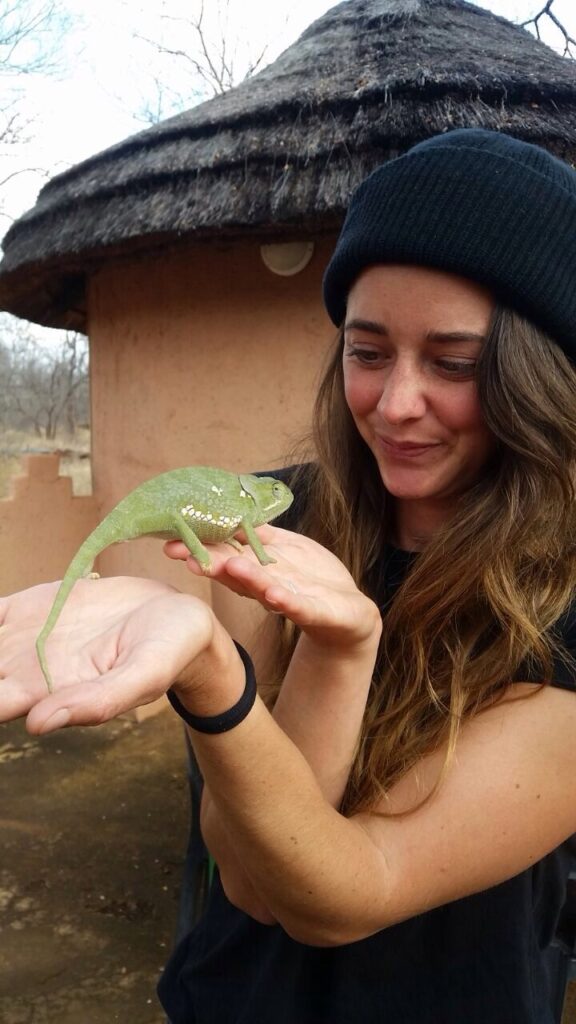
    The next being one very lucky pregnant chameleon that a few students rescued from the road side on their way back from town. She has been relocated to the lovely green garden at camp, hopefully where she will lay her eggs and we may get to see some baby chameleons around camp in the future.

    image

    Blog by Louise Hissey

  • My personal experiences with the Rhino Poaching crisis

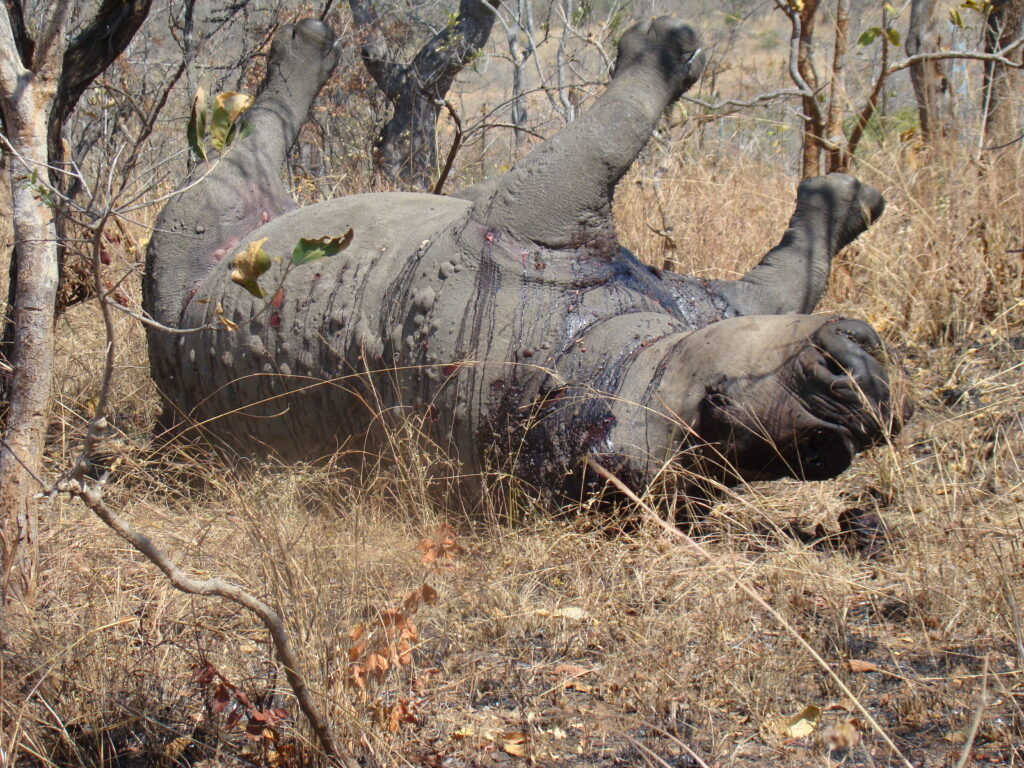
    Wanting to spread awareness on this World Rhino Day, I struggled to come up with something new and something that is not posted every day about Rhino poaching which people actually want to read. Not everyone wants to see gruesome pictures of poached rhinos or get up to date figures on the deaths or any other reminders of how we are losing this battle so I decided to tell my story and what I have experienced first hand being involved with the fight against Rhino poaching.

    From the mid-2000s something changed relating to the demand for rhino horn from Asia, which has placed rhinos throughout Africa increasingly under attack. Since 2008, rhino poaching had skyrocketed year on year. Last year, going over 1,000 deaths.

    image

    I was working at a beautiful mountain lodge bordering the Kruger National Park, on the Southern border near Malelane. It was not a very large reserve but there were a few White Rhino. The biggest issue facing that reserve was meat poaching and snares, we were oblivious to the threat of Rhino poaching and the path that would lead to my boyfriend, Peter, and I in the years to come.  It was here that I first experience the loss of a Rhino due to poaching…….one cannot explain this feeling when seeing such a beautiful, powerful, majestic animal stripped of life and brutalized for pure greed.

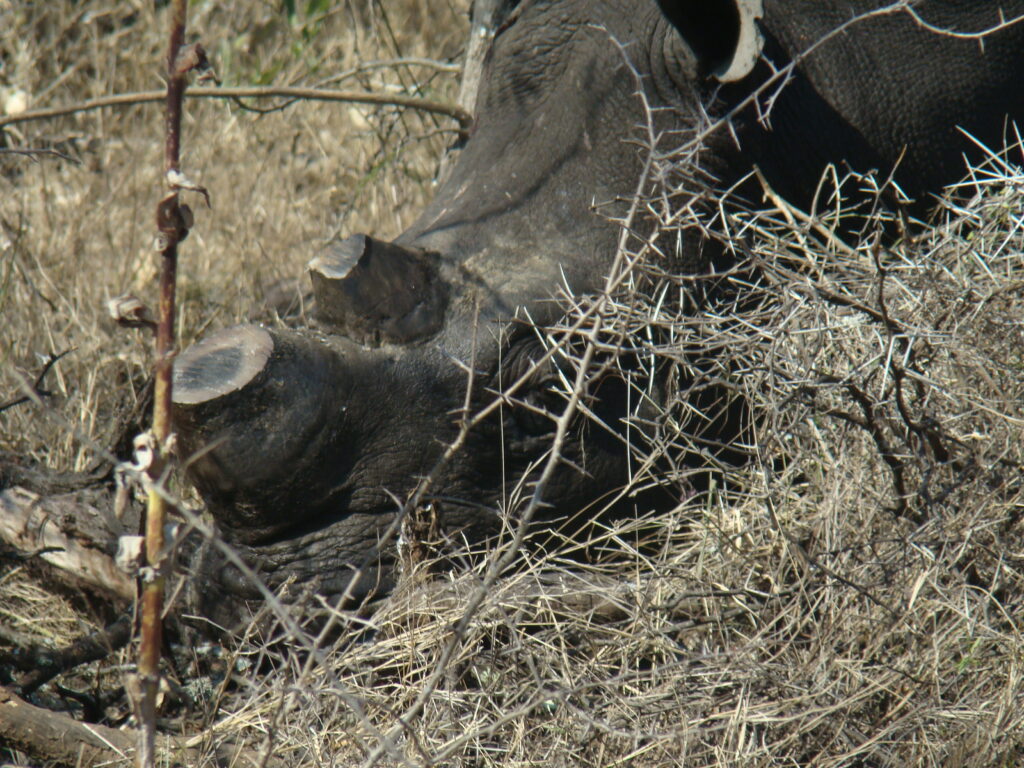
    With bad came the good and I was privileged to be involved with rhino releases and relocation’s as welll as de-horning projects with Peter.

    image

    image

    A friend and past work colleague ventured forth to start an Anti poaching company, specialising in the use of K9’s, to combat this surge and later on convinced Peter and myself to work with him. We joined him in 2012 and little did we know what we would come to face and experience.

    On the black markets in Southeast Asia, rhino horn is reported to be worth more than gold. As a result, widespread poaching has decimated rhino populations around the world, including in South Africa – home to three-quarters of the world’s rhino population. The situation is urgent: if poaching continues at its current rate, it is estimated that rhinos may become extinct within the next 20 years. In some way we wanted to contribute to this cause and help save our Rhinos. I assisted with operational and administrative work while Peter was on the ground.

    image

    I cannot name the reserves we worked on for obvious reasons but what we came to find that the syndicate network it vast and complicated, reaching up to 7 levels. Level 1 being the poacher with the gun, level 2 the person taking the horn, level 3 the person arranging the horn to get to a place where it can be sent off overseas, the receiver, the buyer, the seller and then the user. Rarely has an investigation reached all these levels right to the end. An impact was made where our teams were deployed and contracted to but it was not enough….rhinos were being killed all over SA.

    The money being offered to these people involved it enough to convert or corrupt anyone that is desperate, that is what there is an ever growing threat and cases of ‘inside’ jobs. The biggest successes Peter has made has been through a vast informer networks as well as gathering information from arrested poachers. Linking all this information with other APU’S and the SAPS to form a bigger picture is vital and will help with evidence against then to secure a longer sentence. Staying one step ahead of poachers is necessary so the use of K9’s and technology have been the game changer. South African citizens and private owners of rhinos are also developing a range of increasingly innovative approaches to make rhinos less attractive to poachers, including dehorning as well as newer ideas such as introducing dye or even poison into rhino horns. Peter is still actively involved with on the ground operations, while I now work for Bushwise. Educating the students on this crisis also helps a little and they in turn will educate their guests in the field one day. Spreading awareness is so important…

    image

    Picture by Nick Newman

    Unfortunately, there is no indication that the rhino poaching crisis is coming under control, as rhino deaths continue despite the private & government responses to combat poaching.

    What is the answer? Legalizing and regulating the Rhino horn trade, making the laws against Rhinos poachers stricter or adopting a shoot to kill policy? What will come next……..

    Find out more about Bushwise courses.

    Blog by Kim van Greunen

    image
  • The most fascinating tree in the South African Lowveld

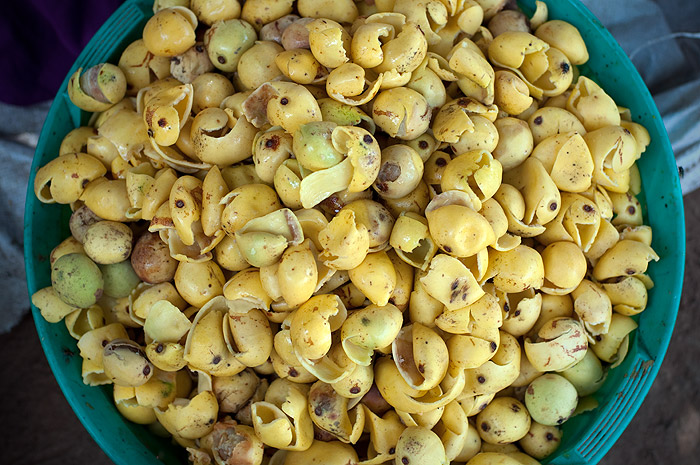
    Legends about the marula abound – from its use as a food source, it’s magical qualities as a healing ingredient, to its virility/fertility properties, and the many uses of its bark, leaves, fruit, nut and kernels. Legends include Feast of First Fruits, The Marriage Tree, Determining Babies’ Sex, Sangoma’s Dice, Fertility Fruit, The Elephant Tree, and Fire Water. In so doing the writer researched and compiled a few interesting not often known legends for the reader’s enjoyment!

    Throughout Southern Africa, the ripening of the marula fruits from December to March is celebrated, and is referred to as the “great harvest” which begins in February/March. This also marks planting season.

    image

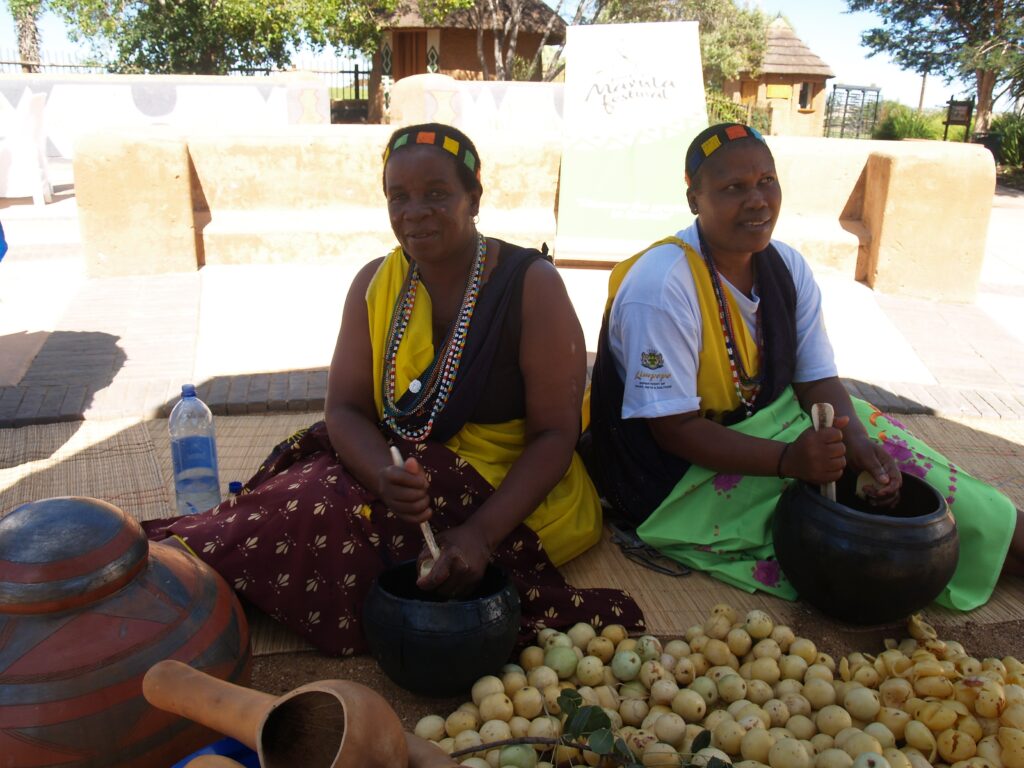
    Feast of First Fruits Festivals are held in the marula fruits’ honour throughout southern Africa, to celebrate the harvest from the fields in February. At the end of the marula harvesting season, women make marula beer, and gather at the chief’s kraal, and sing, present the chief with a calabash full of marula beer. They sing special songs and praises. Everyone can drink beer, and the festival gives people a sense of oneness and togetherness and belonging.

    One-person is responsible for guarding the calabash. Once this person tilts the calabash and the women see the calabash in a skew position, then they must go home. The left-over marula beer is called “hongwe” and is considered too strong for women. So, the men carry on and celebrate the rest of the marula festival.

    image

    The Venda people look at the season as a time of festivity with much time being spent sitting under the shade of the trees, preparing the brew and doing much tasting to ensure “quality control”!

    The Marriage Tree

    A whole range of beliefs is developed around the marula tree; it is known to the Zulu as the “marriage tree,” for it is a symbol of fertility and is used in a cleansing ritual before marriage. As there are separate male and female trees, you will always find them near one another, happily co-existing for a life span of several hundred years, as they must grow next to each other to produce fruit. This translates into the interdependence between male and female which is deeply entrenched into Africa’s ancient fertility rites and thus giving rise to another traditional belief.

    A traditional method of resolving arguments between man and wife would be to tie them to both to a large maroela tree and leave them there until they made friends. It would thus to be wise to argue when the tree is in fruit since if it were to be a drawn-out argument, at least both man and wife had sustenance from the fruits!

    Determining Babies’ Sex

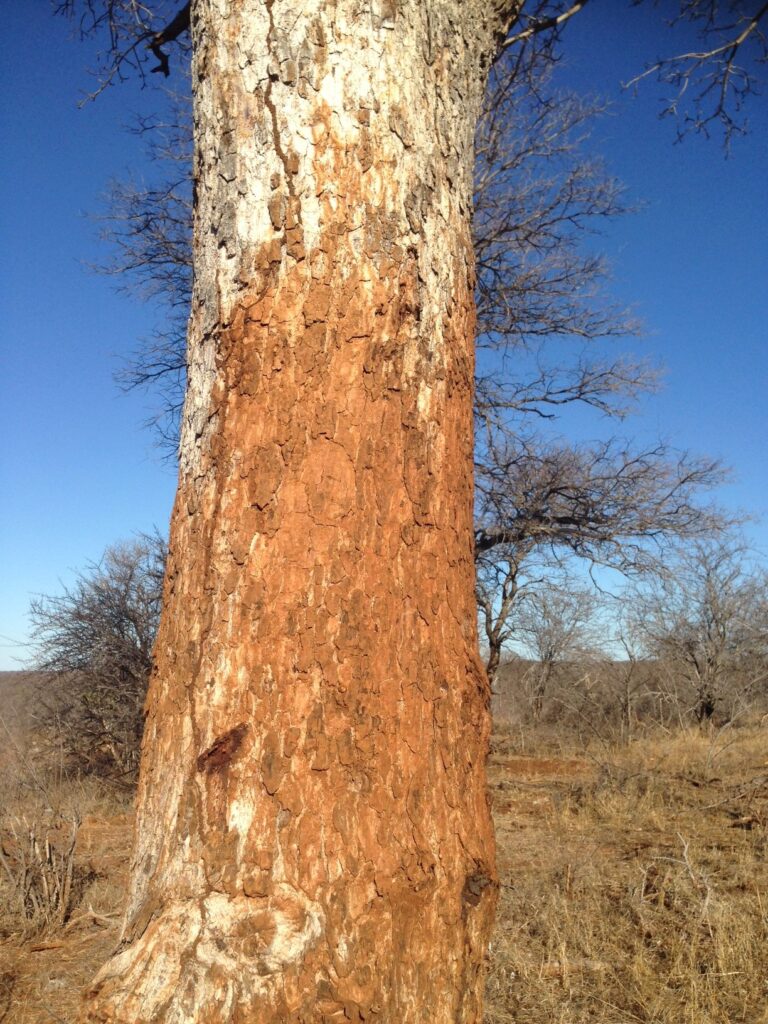
    An infusion of the male or female trees’ bark is believed to help determine the sex of an unborn child. Amongst the Venda, a woman seeking a baby boy will take in an infusion from the bark of the male tree. Or if a girl, from the female tree. If the child is born of the opposite sex than wished for, then he/she is said to be very special in being able to defy the spirits, furthermore, newly-born girls and their mothers are washed on a fire heated by marula twigs so that the baby may be endued with fertility, softness, tenderness and early maturity

    Sangoma’s Dice

    image

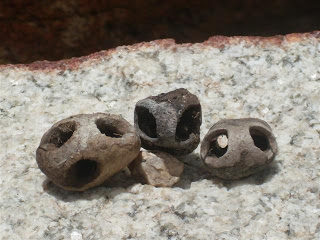
    The marula stone is used as dice by Shangaan diviners, who cast their “bones” to foresee the future or help their clients with a variety of problems or maladies.

    Fertility Fruit

    Local lore has it that by eating the marula fruit women are more likely to become pregnant. It is probably not a coincidence that when migrant men come home to their rural villages and their wives greet them with marula beer, that when they leave in January for work, that many of the women are pregnant!

    The Elephant Tree

    It is well known that the elephant loves the taste of marula fruit, and will go to all lengths to get the fruit during harvest season. Tradition has it that Hare acted kindly towards Elephant during the year of drought, and was rewarded with a tusk. This he planted in his garden, which grew into a beautiful fruit-bearing tree. And so, the elephant gave up his precious tusk, and the Hare could enjoy marula fruit in the time of famine. Forever after, the elephant seeks out its tusk and devours hundreds of kilograms.

    image

    Fire Water

    The overripe fruit of Marula is used to brew a very tasty, potent alcoholic beverage known locally as “Mampoer” in South Africa. It is a local fire water that makes grown men weep. Mampoer was named after chief Mampuru of the ancient Sekukuniland, who favoured this drink.

    image

    A truly remarkable tree !

    Learn more about Bushwise experiences here.

    Blog by Trevor Myburgh

  • Bundu Bashing!!!!

    We returned from a week off eager to get back to Bush life. The break had seen us all venture to a variety of places; Kruger, Pilanesberg, Cape Town, Johannesburg, Durban, Mozambique and even as far as Italy. Having welcomed the break and the chance to recharge, it was surprising how quick we missed camp life and our new Bush family.

    image

    The focus for this week was 4×4 training. Monday morning we welcomed the experts from Nostophobic Adventures and Low Range 4×4 Academy.  The course started with a theory day learning about leaf springs, centre differentials, side shafts and all of the differences between the various vehicle types that we could be driving once working at the Lodges. With a practical assessment on Friday and exam on Saturday we were keen to get behind the wheel and learn fast!

    One group at a time went out to do the practical training with the 4×4, tackling incredibly steep inclines, tyre changes on a sandy hill, and the most fun part – vehicle recovery from a river bed.  The realisation that one day we could get stuck in a river bed in a vehicle full of guests, with crocodiles and hippos for company caused some wide eyes in the group. But after lots of practice recovering the vehicle we were a lot more confident of avoiding that scenario but also if it did happen we would know what to do.  Unfortunately one of the Land Rovers fell casualty by the end of the week but after some TLC from the trainers it lives to fight another day… for now!

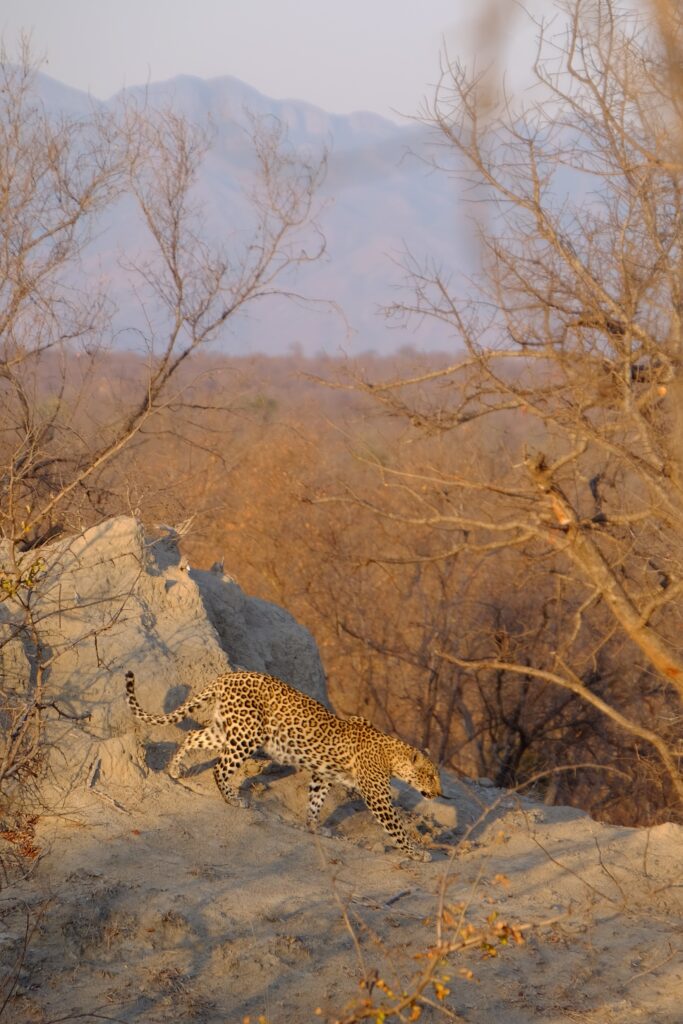
    When not doing practical 4×4 training the other groups continued AM and PM game drives, the excitement of not knowing what you are going to see never waivers.  Within 10 minutes of a drive one group was lucky enough to find a Leopard laying on a hill in the morning sun, once warmed up he went into the bush looking like he was in the mood to find his next meal.

    image

    Picture by Rory Wilson

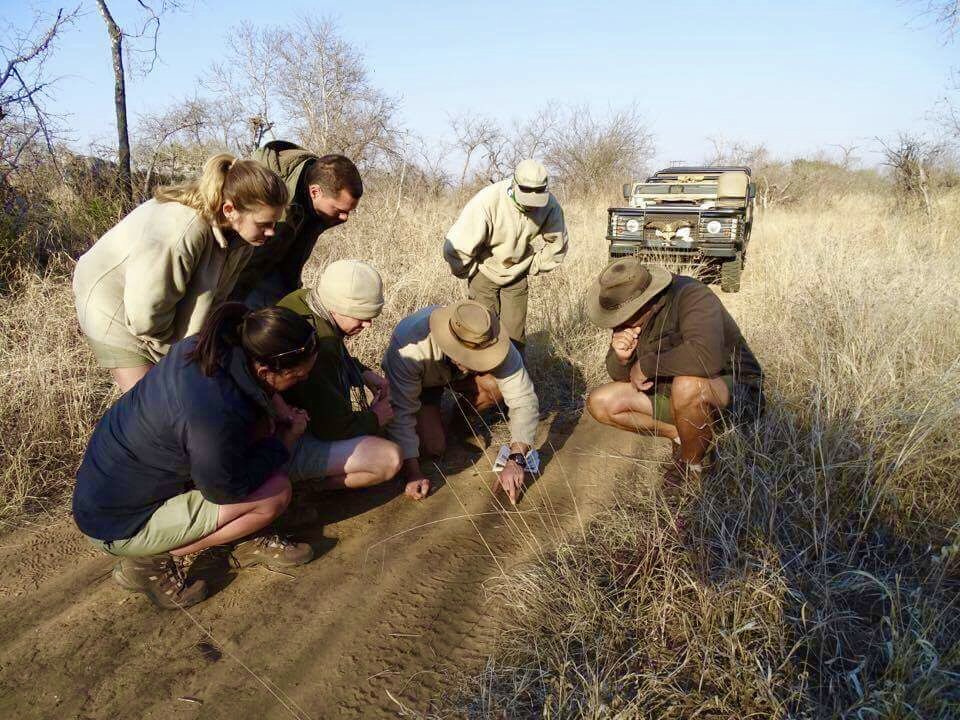
    The particular highlight of the game drives gave a group of students a moment they are sure to never forget.  As we drove around a corner we spotted a fresh male lion track, smiles on faces we were all keen to put our recent tracking training into practice again and set off in hope.  Having a level 4 tracker on board in our trainer (Vaughan) was a huge advantage and we continued in the direction the Lion had headed just before us.  We arrived at a dry dam and our trainer went on foot to investigate which way it had gone once he’d crossed it. After a few minutes of watching Vaughan on the other side of the dam, he walked around a bush and in that moment everything went into slow motion, a loud roar accompanied the sight of the huge dark mane of the adult male lion appear just 5 feet in front of him.  The lion had been asleep on the other side of this bush, out of sight and unbeknown to any of us, but now he was certainly making sure we knew he was there. After a few seconds looking into each other’s eyes, Vaughan calmly backed away from the Lion and walked back to the vehicle. The calm composure and confidence that only a very experienced Field Guide could have, whereas we Students had been sure it was going to be a very different outcome!! Once he was alone again the Lion went back to sleep and out of sight, we couldn’t drive across the dam but were keen to get closer so the only option was to go on foot.  4 of us at a time were led into the bush to get a close up with this majestic predator. At 30 metres away we stopped and crouched down in silence as the lion jumped to a stand to check us out. Adrenalin rushed through us, his breathing sounded so loud and drowned out the sounds of our hearts beating at a huge rate. Those few minutes we spent there will never be forgotten, it was a privilege and a stark reminder that we are the ones visiting their home!

    image

    As the week drew to a close we studied hard for the 4×4 tests, this paid off as every single group member passed the practical and theory.  Week by week our skills and knowledge are rapidly increasing and although we all know that we have a long way to go, there is no better place to be inspired daily and it is a pleasure to watch so many people living their dreams.

    Blog by Catherine Conroy

  • Bushwise bursary student touches base in the Kruger!

    After completing his course with Bushwise Field Guides in December 2016 Ernest, the second of our bursary students’, was invited to attend the and Beyond’s Inkwazi Ranger Training course. It is common knowledge that the course on offer goes through a stringent selection process and although Ernest did not make the final selection, he gained invaluable experience, which together with his skills and knowledge gained at Bushwise Field Guides set him up for the next chapter in his already successful and exciting career path.

    Not to be deterred, Ernest took up a position with a highly successful and well-known Safari tour operator in the Greater Kruger National Park that have been operating in the Kruger National Park since 1998, specializing in this area with safaris into Kruger National Park. We at Bushwise Field Guides are extremely proud of Ernest and his achievements thus far, and thus asked of him to share his thoughts and feelings regarding his dreams and aspirations for the benefit of the reader who is considering a career within the guiding industry.

    image

    “Working out in the bush with different people and cultures from around the world is a dream come true.  Every day in nature brings different challenges and friendships that make every second of it worth it.  I enjoy the personal attention I can provide my guests and passion most of my guests have about the conservation and history of South Africa.”

    “I still love to get involved with the community and with a recent trip driving to Kruger Mpumalanga International Airport after dropping of guests, I came across young African kids from a local village playing soccer outside of Hazyview and I ended up having a fun afternoon with the kids.  To be involved with the youth of South Africa is so rewarding in many ways as they are eager to learn.  It was a truly rewarding day after spending time with these youngsters teaching them about the conservation of South Africa and plant the seed of a future career in some of their minds”

    “To be a field guide or tour guide is in many aspects rewarding and by touching one person’s soul and make all their dreams come true on a “Safari Holiday” is worth every second spend and all the hard work that is going into this type of career.  Early mornings, late nights, 18 hour working days make all the sense in the world if you can be a True guide and be the best with every group of new faces you will get to meet during your career.”

    “If you have a passion for the bush, environment and South Africa, my only advice to young and upcoming field guides is to live your dream and learn as much as you can from everyone.  Always stay humble and never think you know everything.  Being out in the bush surrounded by passionate guests and God’s creation, will make every long day worth the while.  Be true to yourself and you will become a natural guide and enjoy the Field Guiding industry tremendously.”

    image

    Deep and meaningful words Ernest and Thank You for them. We at Bushwise wish you well on your future endeavours, remember always that we are still there as a support to you, we are merely a phone call away, and indeed so do we extend this offer to all our past students!

    Whilst about the Bushwise Bursary student programme, it is fitting that we make mention of Trico Chiloane who is our current bursary student for 2017. Trico is halfway through the course and is forging ahead at a rapid rate. No task too big or too small, no lack of enthusiasm nor effort, Trico is simply applying himself diligently and is progressing most satisfyingly. Soon Trico will be reaping the rewards of his labours, and I the writer cannot wait for his graduation day so that I may be able to inform the reader of his successes in the future. Exciting times indeed.

    That is all for now, until next time,

    Warm Bushveld Greetings

    Trevor Myburgh

    Bushwise Field Guides

    Find out more about Bushwise Courses.

  • Women in Guiding!

    To become a guide, no less a female guide. You need to have a sense of purpose to educate and inspire your guest’s well as have a passion for nature.

    As a Field guide, you would need to be dynamic, passionate, great with people and very knowledgeable. You need to provide a unique guided safari experience to your guests and contribute towards their overall visit. In a traditionally male dominated industry, as a women, you would be expected to go beyond expectations, because I can assure you that your guests probably did not expect a female guide in the first place!

    image

    Sophie Niemann, is a perfect example of how guiding can pave the way to other wildlife based careers. Starting off as a guide and now a Director of Bushwise, her story is inspiring and shows that Field Guiding is not one dimensional and can lead to many other possibilities.

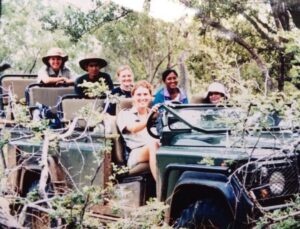
    I was a ‘farm girl’ and grew up in the UK countryside known as the midlands near Worcester. I went on to study zoology at Swansea University and always planned to come to Africa. I had a friend that lived in Zimbabwe and told me about a position available at a lodge outside Harare, so I naively jumped on a plane and came over. Thankfully it all worked out fine. I was then given the opportunity to be interview by CC Africa through a contact and was offered to come on their selection course to become a Field Guide.  I was then trained as a guide and placed at Makalali Lodge which was operated by CC Africa at that time. My aim was to get into research but the right path started off with guiding to order to gain experience and for people to take me seriously. There were very few females guides around that time in the 90’s and CC Africa were one of the pioneers in giving females an opportunity in guiding.
    image

    After guiding I assisted with the set up the Makalali Land and Wildlife Trust with the aim to do research. I was then given the opportunity to do Lion research in the Okavango Delta, Botswana. I was then asked to assist with the setup of GVI Karongwe doing predator research.

    image

    Through my time at GVI I realised there so many passionate young students wanting to get into the guiding and research careers but were struggling to get the qualifications and the training involved. This is how the idea of starting a Field Guiding training school came about. I wanted to provide a comprehensive course that would give them all the necessary skills to become a guide and to follow it up with working experience after the course.

    Back in the 90’s, there were many challenges I faced as a female guide – one was that the perception was that I was not able to carry the guests luggage. Others were that I was not capable of using a firearm or being able to change a flat tyre. Many male guests would challenge me and test me before I eventually proved myself to them. It was also a challenge to be in charge of fellow male colleagues because culturally they do not respond female authority.

    image

    Advice I would offer to future female guides is that they need to be prepared that many perceptions have still not changed. I truly feel that female guides give a different experience to guests from a female perception which I think is more appreciated now then it was in the past. Respect your fellow male colleagues but do not believe for a moment that you are any less capable as a guide.

    Other Inspiring stories from past students – Adeline Lobbes, student in 2011

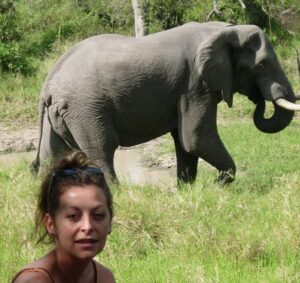
    ​‘I was 34 years old when I first came to South Africa after I had completed 3 years studying tourism. I had already worked for few months in Kenya and Canada, as well as few years in as a Travel agent and then a further 2 years in a Tour operator company based in Paris Called Objectif Nature. They specialized in creating safaris across Africa for wildlife photographers.

    ​​After a trip in South Africa in May 2010 with my TO Objectif Nature I felt in love with the country. I met an amazing Field Guide​on Djuma Private Game Reserve and decided this was the work I wanted to do. When I came back to France I started doing research on the internet and looked into different field guiding schools. I chose Bushwise because it seems that it was the one closer to all my different wishes and never regretted it.

    ​After the course I went to do my work placements for 6 months at Mopaya Safari Lodge. This lodge specialised in French speaking guests. Thereafter then went in Nepal to guide in a Lodge in Bardia National Park where you can see Tigers, Rhinos and Asian bears. I then went back to Africa,​my biggest Love is Africa, and started to work in Kenya for a company called East African Eagle were I created special tours which takes them across Kenya and Tanzania. I have been involved with this for the last 2 years. After this I was also lucky enough to guide in Senegal for 2 years
    image

    ​The biggest challenge I faced as a female Field Guide were mainly to be taken seriously​from the beginning when you first are introduced to your clients. Although some expect you to be a ‘Tom Boy’ I love being feminine and showing it. Most people believe that being feminine and being a good guide is something that doesn’t fit together. The big challenge is that you always have to prove to people that you know how to do the job, that they can trust you, and to remain professional. Knowing how to react in any type of situation is also very important. After a few days with the guests, and you have been able to give them a beautiful guiding experience, they forget their doubts about you and they appreciate you as a Professional Field guide rather than focus on your gender.

    ​I have now established myself as a free-lance guide. I am creating special trips for small groups across Africa (Mainly Senegal, East and Southern Africa)

    ​The best advice I can give to future female guides is don’t be afraid of anything, do the best you can and don’t think for a minute of failure. Just take one step after the other, and in the end you will find success. There is a quote that I would love to share and that is: “People will throw stones at you, don’t throw them back, collect them all and build an empire”​

    image

    Don’t be afraid to you create your own opportunities and be tenacious. Aim to be the best in your field so that nobody can question your ability, regardless of the fact that you a female. Never complain and always remain humble and sincere.  You will have to work far harder and prove to be far more competent in order to be treated as an equal and gain the respect from fellow male guides and trackers. If you show determination, initiative and not let challenges define you then you can be a sort after guide and leader in the industry and inspire other young women wanting to pursue this Field Guiding as a career!’

    Times have changed though and over the last few years more and more female guides can be seen working on some of the best Game Lodges throughout Africa. Over the years at Bushwise Field Guides, more and more female students are applying and then going on the have successful careers in the bush.

    More than 150 females have participated in the Bushwise Field Guide course since 2012.

    Here are some other links to inspiring stories:

    The Girl Guides of Africa: Pioneering Women on Safari

    10 Women Who Changed the Way We See Nature

    Blog by Kim van Greunen

    Find out more about Bushwise Courses.
  • Flying Scrub Hares, Poo Fights and Track and Sign

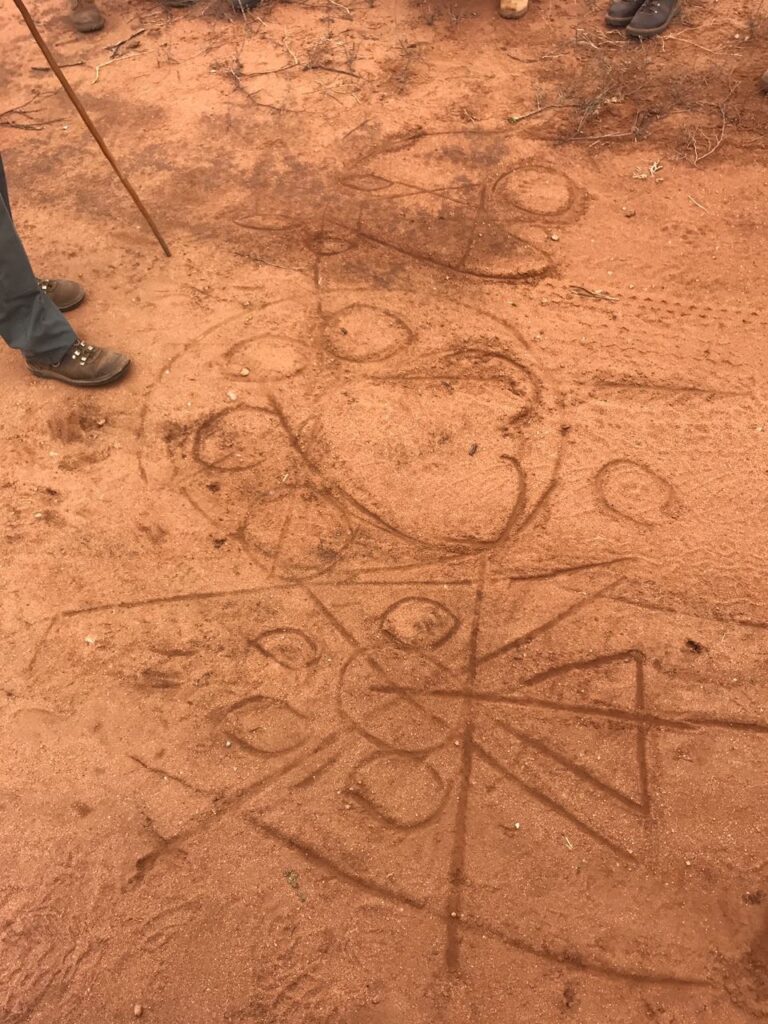
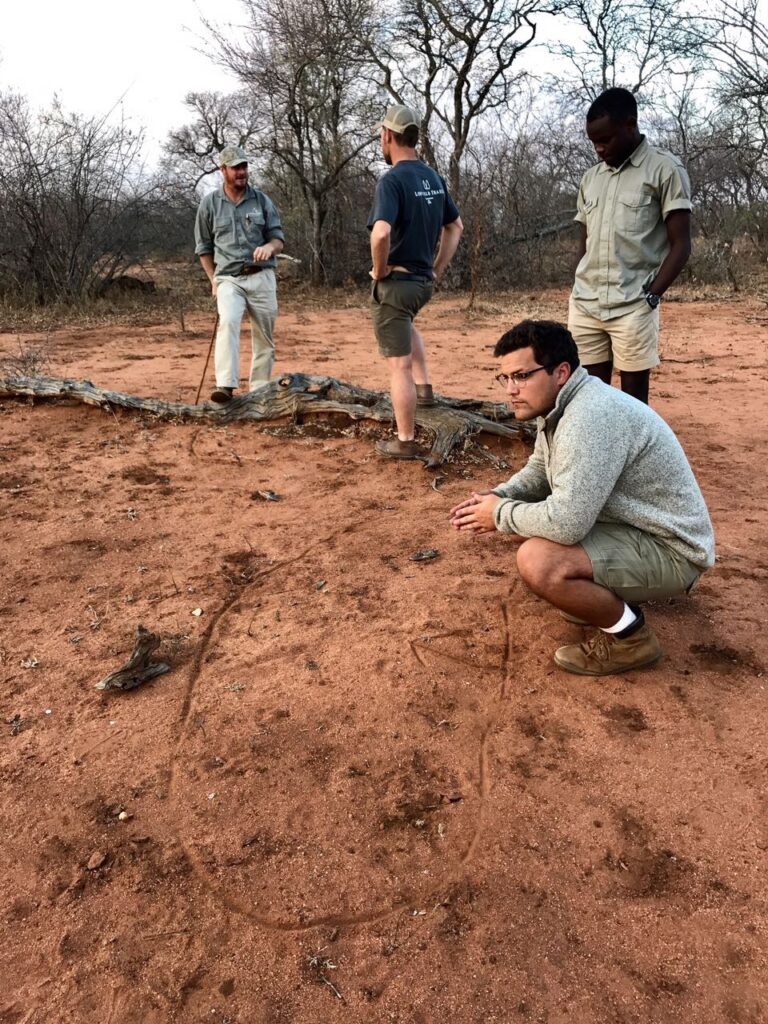
    This week, following a double birthday celebration for two of our fellow Bushwise students over the weekend, we embarked on Track and Sign week with Colin Patrick to train us. Monday started with an introduction session where we each gave Colin a bit of background as to what brought each of us to Bushwise to start with. Everyone was fairly matter of fact about it in the classroom environment but it reminded me of the first braai we had three Mondays prior when every one of us, having known each other for two short days, bared our souls around an open camp fire and explained what motivated each of us to join Bushwise.

    image

    Picture by Catherine Conroy

    At the time our head trainer Ben said that he was looking forward to seeing the difference in the group between that night and at the end of the course. Now Colin was asking us to reflect on it again but in a different light. He gave a poignant talk in which he explained that come Friday when we do our tracking assessment we should not focus on the outcome as a sign of how good (or as humans tend to judge themselves harshly, how poor) our results are at the end. No, instead we should reflect on how far we will have come and how much we will have learned between Monday afternoon when we went out for our first tracking session on the reserve, to Friday when we would be assessed. This made me reflect on our first semester so far and in this moment, it dawned on me that we have all learned so much already. We are a diverse group: 24 people of 7 nationalities, some of us had never set foot in Africa or the Bush before starting at Bushwise, and in three short weeks we’ve covered; Ecology, Geology, First Aid, Botany, Birding Theory, Reptile Orientation, and now Tracking.

    image

    Picture by Ben Coley

    We’ve done 9 game drives (mostly driven by students, some of whom had never driven a manual vehicle and are now navigating bumpy dirt roads in Land Rovers and a Land Cruiser), we’ve had 1 sleep out, learned to change a tyre on our own (that probably weighs the same as some of the individuals in the group), and now Tracking… somewhere in between all of that we’ve also managed to learn to identify 30 birds from sight and sound.

    image

    Picture by Pierre Alain Dupont

    So where do the Flying Scrub Hare and Poo Fights fit in you ask… well, as the saying goes… work hard – play hard, so we’ve also found some time to have some fun and ignite a few fires of passion. We’ve taken to teasing each other about pretty much anything and everything to keep our humour and spirits up during the very full and busy weeks… Poor Thijs will never live down the excitement he showed as he spotted that Scrub Hare bouncing around a short distance away when, as we all turned to check it out, the wily little fella decided to transform itself by magic and take flight… never again will I be able to see a Yellow-Billed Hornbill without calling a Flying Scrub Hare sighting. Daily dung flicking and spitting competitions have become the norm during our much-needed tea breaks (the trainers even join in sometimes) and a few individuals have taken to collecting samples of all newly discovered variety of dung, much to the amusement of the rest of group, but it helps us all learn in the end and that can only be a good thing

    image

    Picture by Pierre Alain Dupont

    So, as we all gathered around the pool at the classroom waiting for our tracking assessment results and the start of the much needed off week, I recognise that we’ve become a family of sorts… only families are this comfortable with poo talk after all!!

    image

    Picture by Pierre Alain Dupont

    Well done and big congratulations to all the students who achieved a tracking level this week, and especially to Vaughn (one of our trainers) for getting that coveted Level 4!!

    image

    Picture by Rory Wilson

    Thank you to all the Bushwise Staff and Trainers, and to Colin Patrick this week, for sharing your passions with us, for your tireless patience and for giving us new perspectives of our world. I hope that my fellow students take time to reflect on the same and recognise the massive progress we’ve all made in such a short space of time, and how much we are helping each other along the way. I can’t wait to see how much we learn and grow over the next semester.

    Blog & featured picture by Sheenagh Lawlor

  • Biomimicry

    Let us start with a simple question: If you had a water leak in your house, would you call a recent graduate with no experience or would you call a seasoned expert? I think we would agree that the latter is the most suited to the role. Simply put this is the crux of biomimicry.

    Mankind has achieved some great feats during its limited time on Earth but have we really tapped into all the skills that are available to us? Great minds such as Newton and Einstein have shaped the way we see the world but their experience is a mere blink of an eye in the history of our blue planet. Humans have been around for 200,000 years. This may seem like an age ago but in comparison to life in general it was yesterday. 3.5 billion years ago, life on Earth began to flourish, and it is this wealth of knowledge that is perhaps the greatest resource available to modern man. How could we possibly compete with this amount of experience!?

    Mankind’s technical know-how and achievements have made our world what is it today, but in the process we have put great strain on our planet’s ability to provide for us. In fact we are quickly raping our home of all that it once was. It is now time to look to nature’s vast experience to better our world. The human brain is a remarkable piece of equipment but it is no match to billions of years of evolution!

    Biomimicry is a relatively new field of engineering that looks to take inspiration from nature to create greener, more efficient and ultimately more sustainable answers to a whole host of problems. Here is a list of some of the more well-known inventions that have been inspired by observing the mechanisms that have shaped Life’s success on planet Earth:

    1. Velcro

    Velcro is used the world over as a fastener of a whole host of objects but its birthplace was not in a laboratory, but rather a field in Switzerland. With the help of a dog… In 1941, Swiss engineer George de Mestral examined the cockleburs that had become entangled in his dog’s fur after a walk and discovered the mechanism of tiny hooks. After a few years of research de Mestral patented is ‘velcro’ strips, and the rest is history.

    2. Gecko Tape

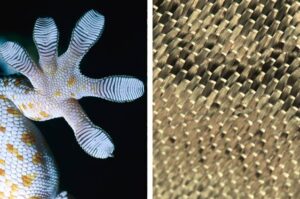
    Who among you has not been frustrated by sticky tape losing its adhesive properties due to the build-up of dust other deposits on its surface? The answer to this irritating problem had been staring engineers in the face for millennia – gecko feet. Each tiny gecko foot has over half a million small hairs that are further sub-divided, giving a massive attachment area that is also fueled by phenomena called van de Waals force and capillary action. The outcome is a man-made material inspired by the gecko’s foot that is not only ultra-‘sticky’ and self-cleaning but also reusable. To put in perspective, a postage stamp sized piece of gecko tape could suspend a car tyre from a ceiling!!

    image

    3. Wind Turbines

    In the search for reusable clean energy sources, wind farms are becoming more and more common place in the world. Despite their clean energy production, they are not overly efficient. One of the big problems is air resistance and drag created by the smooth sails. Humpback whales however can more effortlessly through the water using fins that are lined with tuberculous projections. Studies have shown that these tubercles can reduce drag by up to 35%! This design concept is now being used to increase the efficiency of wind farms and has overwhelming implications in the field of air and water travel.

    4. Shark Skin

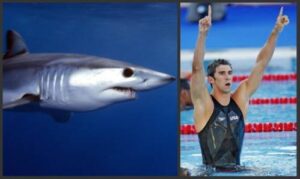
    Sharks have remained unchanged for millions of years. The old adage of ‘if it’s not broken, don’t fix it’ is pertinent here and it is this evolutionary perfection that has led to the development of ‘shark skin’. The structure of a shark’s skin is not only beautifully efficient in terms of streamlining but also prevents bacteria and fungus growing on it. This discovery has seen the invention of shark suits that proved so efficient in swimmers that it has since been banned from competitions. The ability to inhibit bacterial and fungal growth has massive implications in the health sector and veneers have been trialed in hospitals that have massively reduced the spread of bacteria on surfaces. The maritime industry has also benefited by applying this ‘paint’ to the hulls of ships, thus inhibiting organisms from growing on it which in turn means less time and money spent on chemical cleaning.
    image

    5. Bullet Train

    The Shinkansen Bullet Train can reach speeds of over 200mph but as it emerged from a tunnel, it did so with a loud sonic boom because of the air pressure generated. In country with strict laws on noise pollution this provided engineers with a problem. The solution: remodel the nose of the train on the beak of a kingfisher. Not only did this allow the train to cut through the air more aerodynamically, thus reducing the noise, but also increased the train’s speed and efficiency.

    6. Spider Web Glass

    Hundreds of millions of birds are killed every year by flying into windows. Skyscrapers dominate skylines and their massive glass facades are nearly invisible to the myriad of birds that live among us. Spider silk reflects UV light and whilst this can aid in attracting insects, it also allows birds (that can see in the UV spectrum) to avoid becoming entangled in its sticky midst. Engineers have now invented Spider Web Glass as a way to try and protect our avian friends. A network of UV reflecting film is added to the glass that, whilst invisible to the human eye, warns birds of the dangers ahead.
    image

    Blog written by Ben Coley