Author: Bushwise

  • Starting the week off with a bang!

    Camp manager blogs are written by our current students who each get a chance to lead and manage a group (of their fellow students) for a period of one week. This blog is by Jenna Maclachlan.

    3 min read

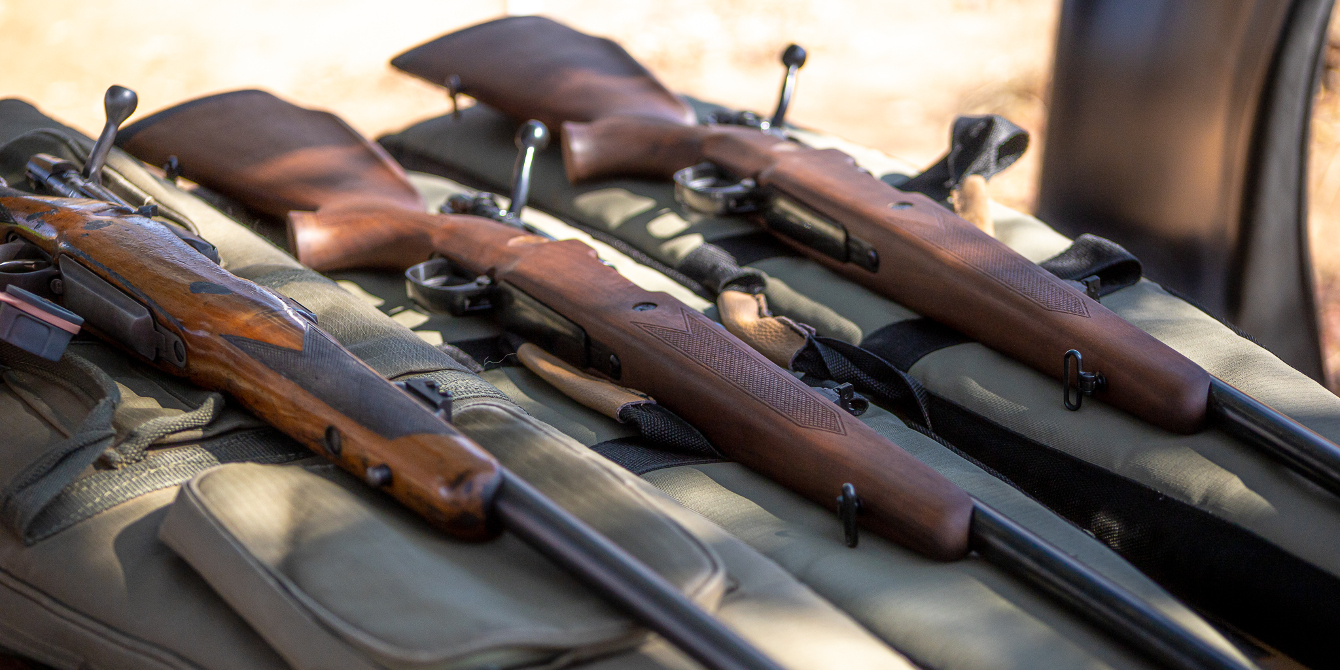
    I recently had the opportunity to be camp manager and it was not a normal week of game drives, it was our advanced rifle handling (ARH) assessment week.

    A week of advanced rifle handling
    image

    The ARH includes five drills: the blindfold reloading test, five rounds in your own time, the speed and accuracy test, the two shooters test and then finally the charging lion test – don’t worry the lion wasn’t real. The drill that I was worried about the most was the charging lion just because it was the last drill, and anything could happen. (For context, the way the lion charge works: there’s a cardboard lion that moves quickly on a pulley towards you, which is activated by the assessor. The idea is to simulate a real lion charge, so we know how we would react under pressure.)

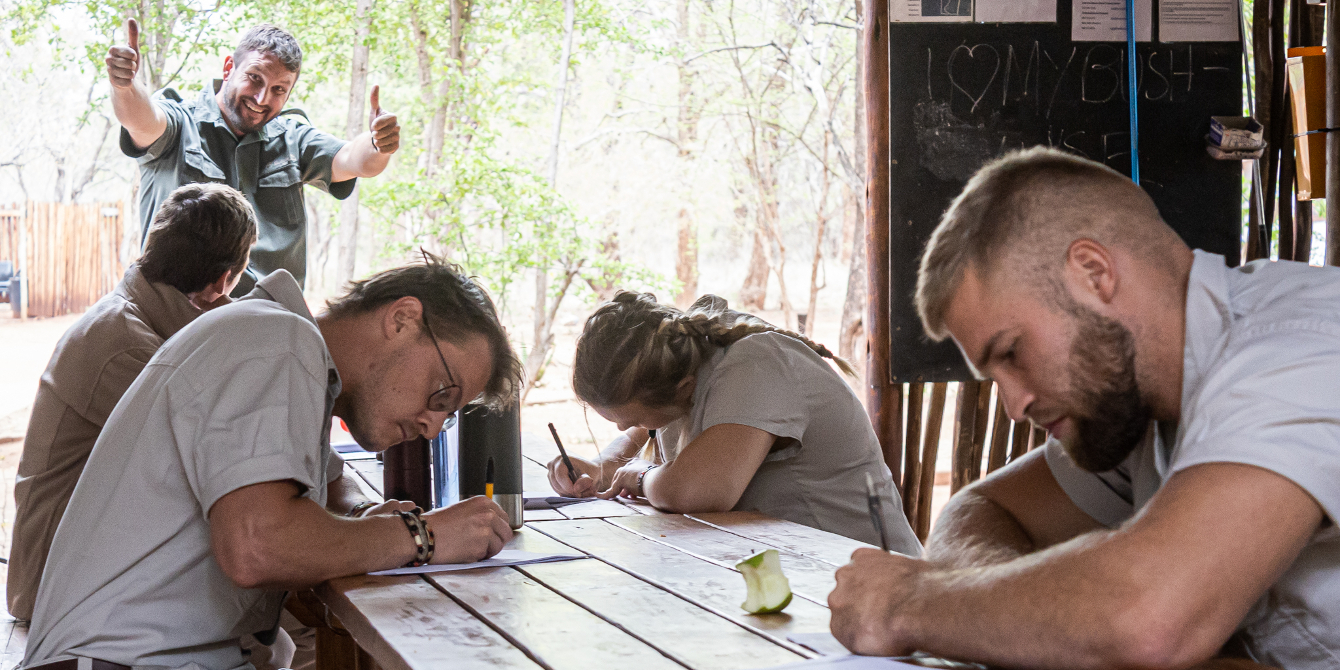
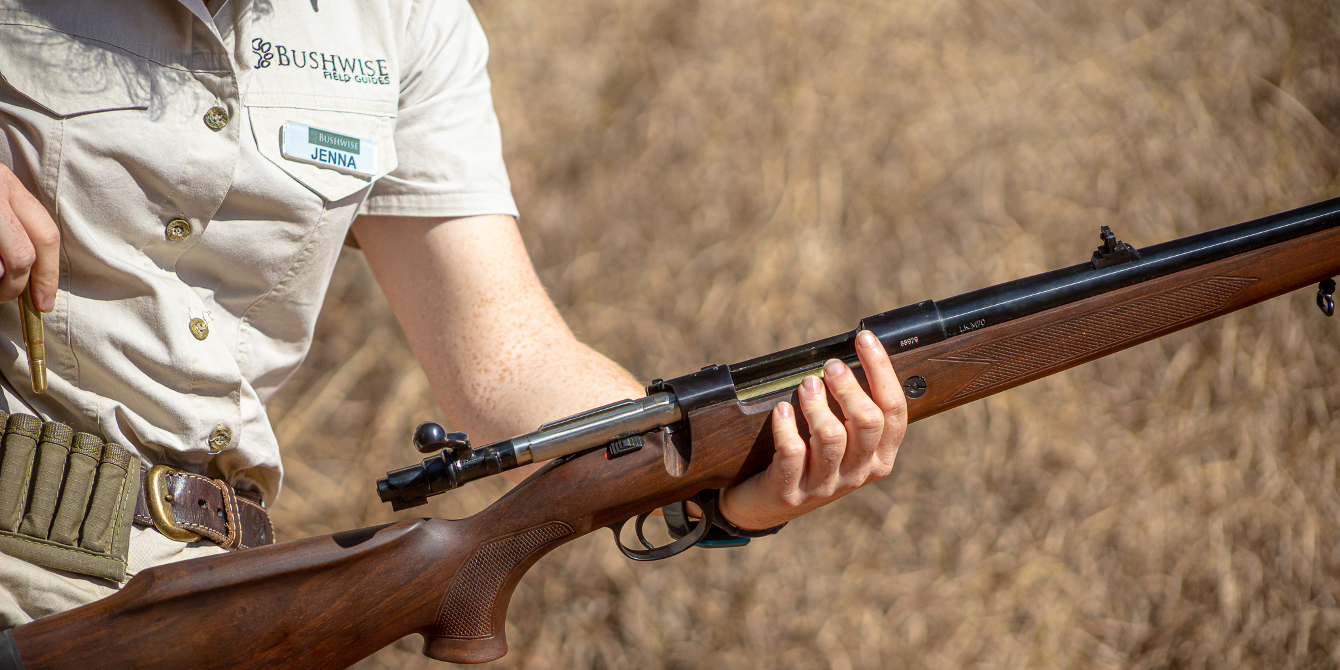
    Before our ARH assessment day, we had plenty of time to practice our shooting. When assessment day arrived, I was a little nervous because of the last lion drill, but I knew I could shoot. With each drill we were all allowed two chances. I had managed to do all the other drills on the first try, but with the lion charge I used my second chance. As I shot, I didn’t know if I had gotten it in the correct area, but when I heard everyone else behind me cheering, I knew that I had hit the target. This meant that I had passed my ARH.

    Earning my ARH certificate
    image

    Having my ARH certificate means I am one step closer to being able to take guests through the bush on a guided walk, as well as log hours and encounters when we do the trails guiding course.

    As the week came to an end so did the semester, which meant another off week. During this off week, I decided to go back home to Durban and visit my family. My mind was in bush mode the whole drive there and back which meant I was still identifying the different animals and birds as I drove.

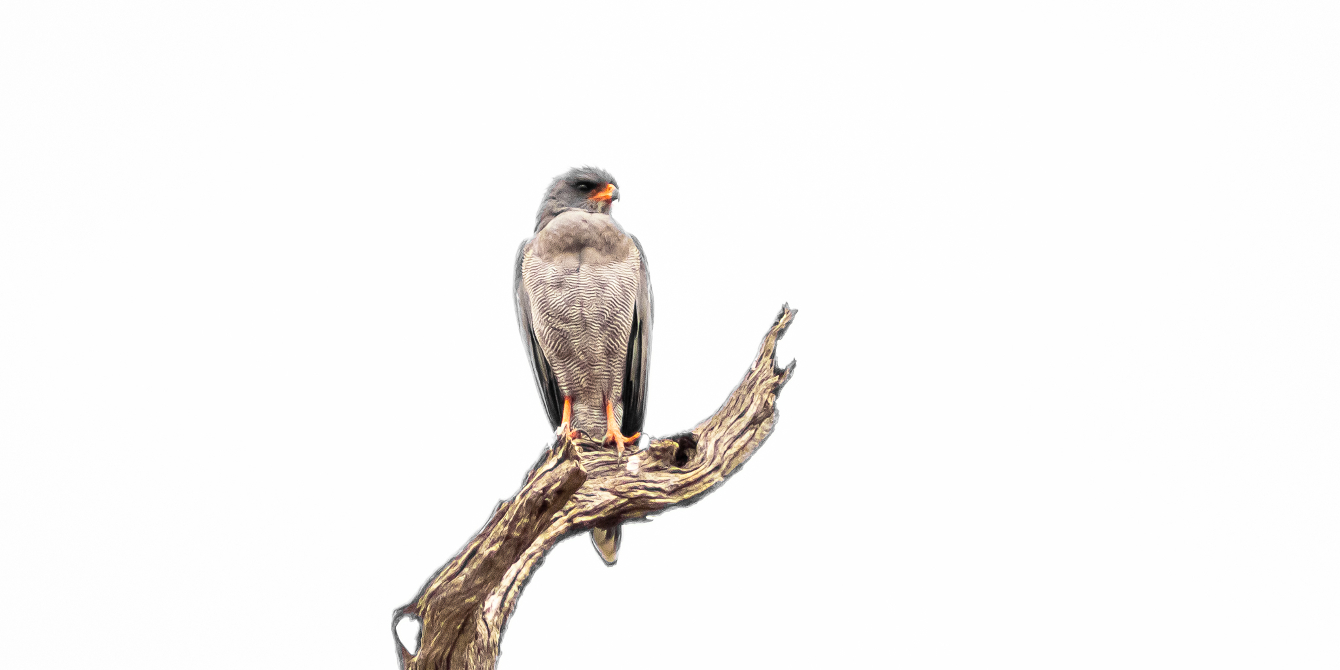
    Once we got back from off week, there was a new task set for us. This new task consisted of a bird slide and sound test. This means that we have to be able to determine a number of birds by their appearance and by their call. But just because we had to learn for a test didn’t mean that we had to sit in a class and study. We also learned out in the bush while on game drives, we call this our mobile classroom. It really does help to have a mobile classroom because it allows us to see and hear everything in real time.

    Amazing sightings during big
    image

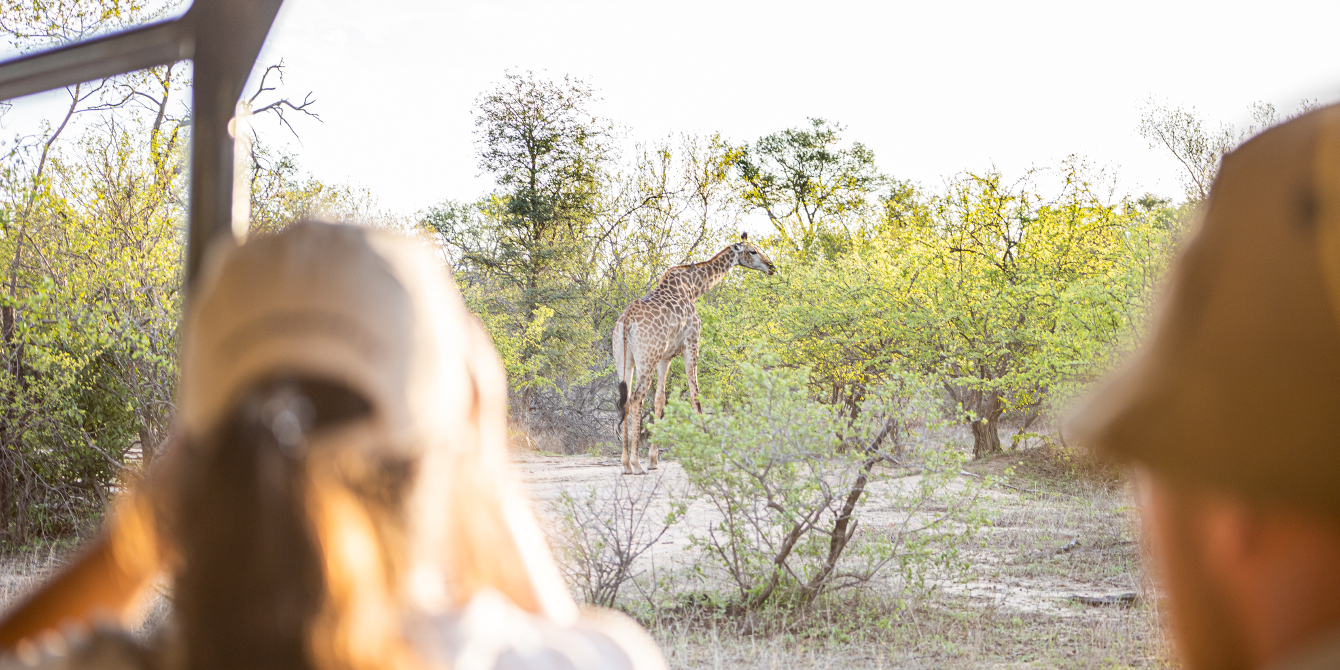
    Although it was birding week, we did have some other cool sightings while we were out on game drive. On the one morning drive, Kyla and I saw the glimpse of a leopard that ran out of the road and into the nearby bushes. At first, I thought I saw a bird that had quickly flown away because all I saw was a black flash. When we went to investigate the area, there were some noticeable leopard tracks where it ran into the bushes. 

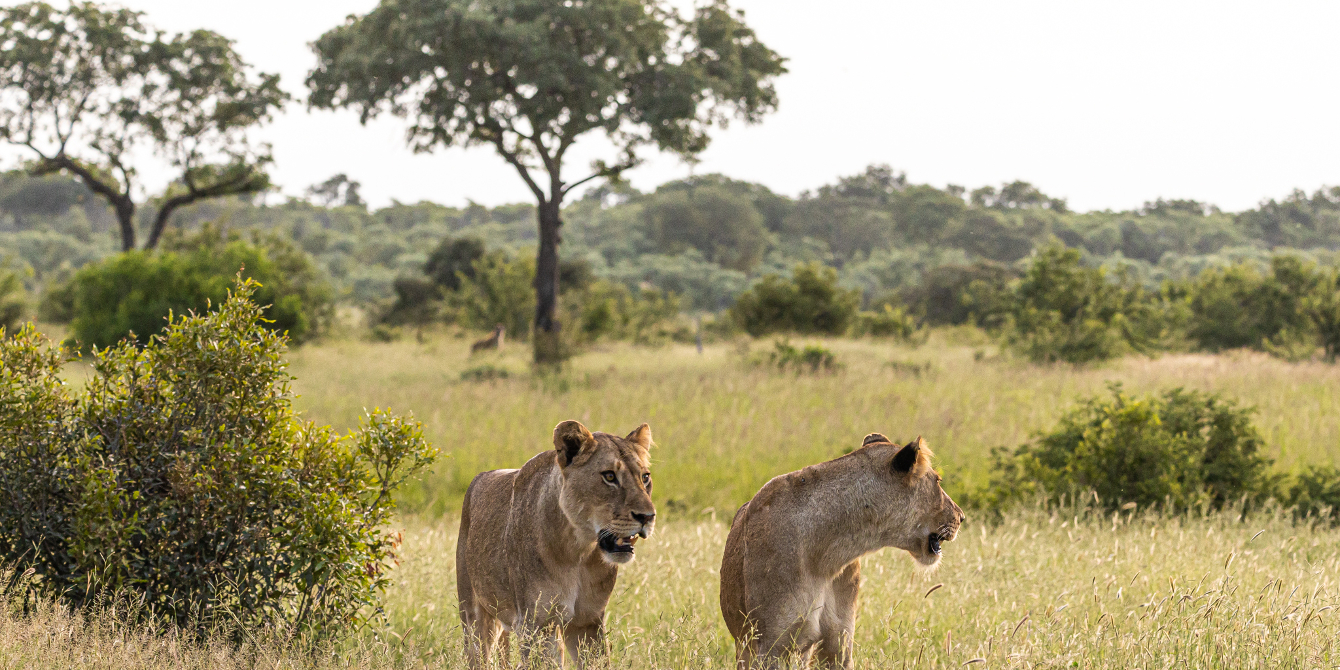
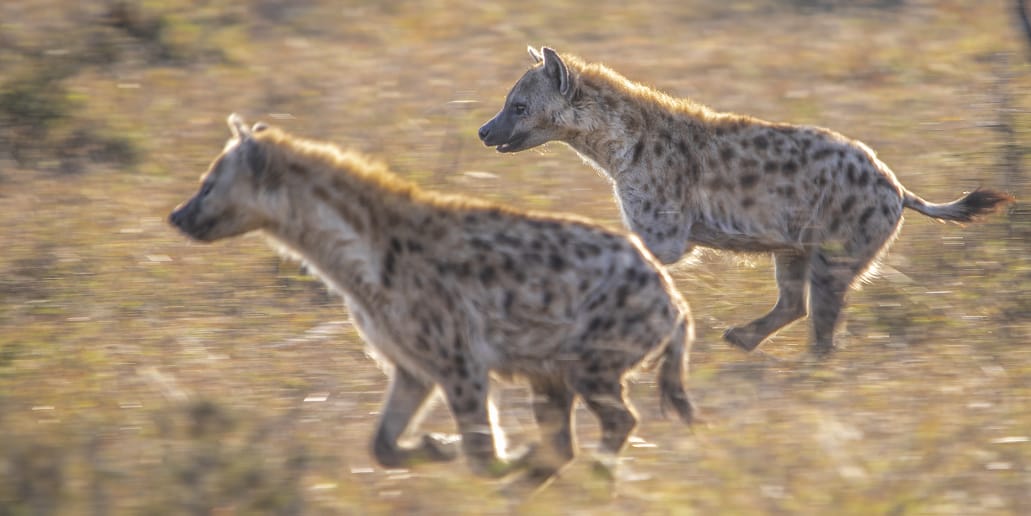
    Later on in the day, while we were on our afternoon drive, we came across two lionesses that seemed to be on a mission. Part way through the drive we decided to have a little bit of fun and Wayne allowed me to drive with Sandra as my “copilot”. While I was driving, we came across a rather big spotted hyena who did not stick around for long as it carried on with its evening stroll. 

    I would say my week as camp manager went rather well, there was a bit of studying involved but there was also lots of fun.

    From birds to leopards, you’ll see it all as a field guide. Start your wild career with Bushwise – apply today.

    #wildlife #AdvancedRifleHandling #Birding #bushwise #qualification #Exam #training #guidejobs #animals #apprenticefieldguide #safari #fieldguiding #tracking #endangeredspecies #gamedrive #elephant #fieldguidecourse
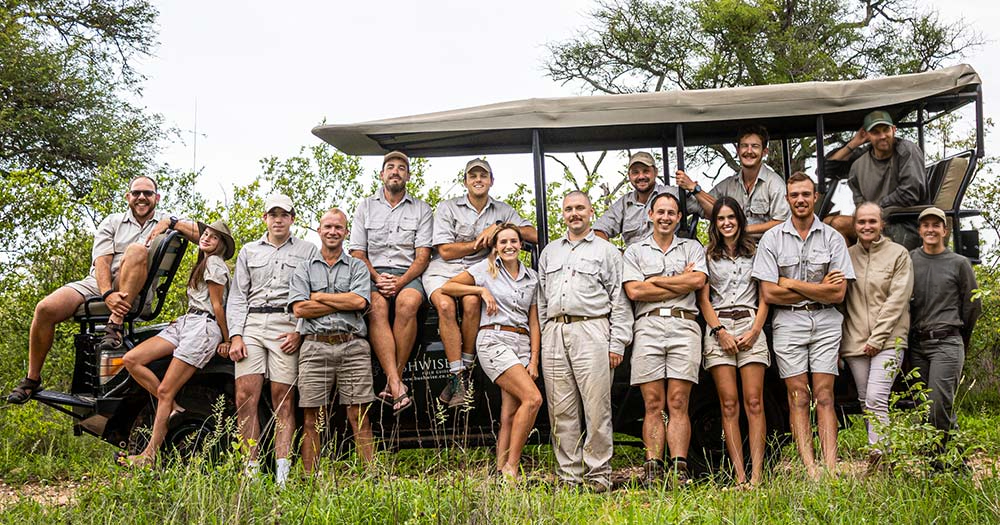
  • Work on a safari in Africa

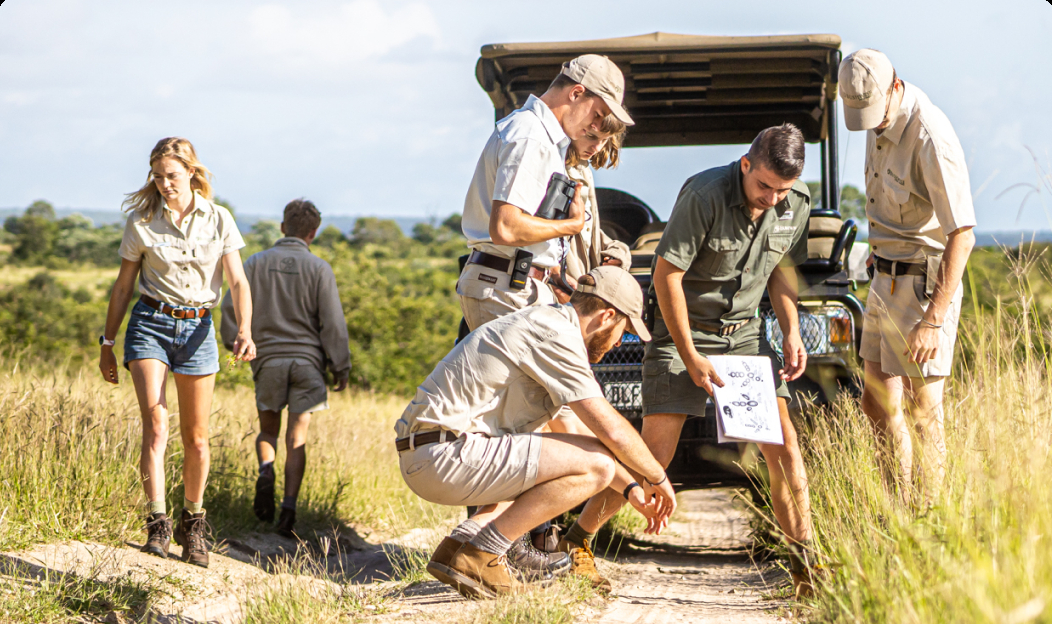
    Going on safari is one of the most incredible, eye-opening experiences a person can have in life. Seeing wild animals in their natural habitats, being awe-struck by the movement of a leopard through the grass, or the interaction between two elephants is the ultimate vacation. But what if it could be more than a vacation? 

    What if you could work on a safari in Africa? 

    image

    Imagine going to work every day, and feeling like you never work a day in your life. If you truly love what you do for a living, this is possible. That’s what it’s like working on a safari in Africa – each day is spent in the bush, observing wildlife, sharing your knowledge with guests, and conducting guided tours. 

    It takes dedication of course, but if you’re passionate about nature, it might just be the career path for you.

    What’s the best safari job?

    image

    The most common job in this industry is safari guide (also called field guide in southern Africa). Safari guides are ambassadors of the natural world. They’re the first point of contact between humans and nature, using their specialised knowledge and training to interpret their surroundings for their guests. 

    What it’s like to work on a safari

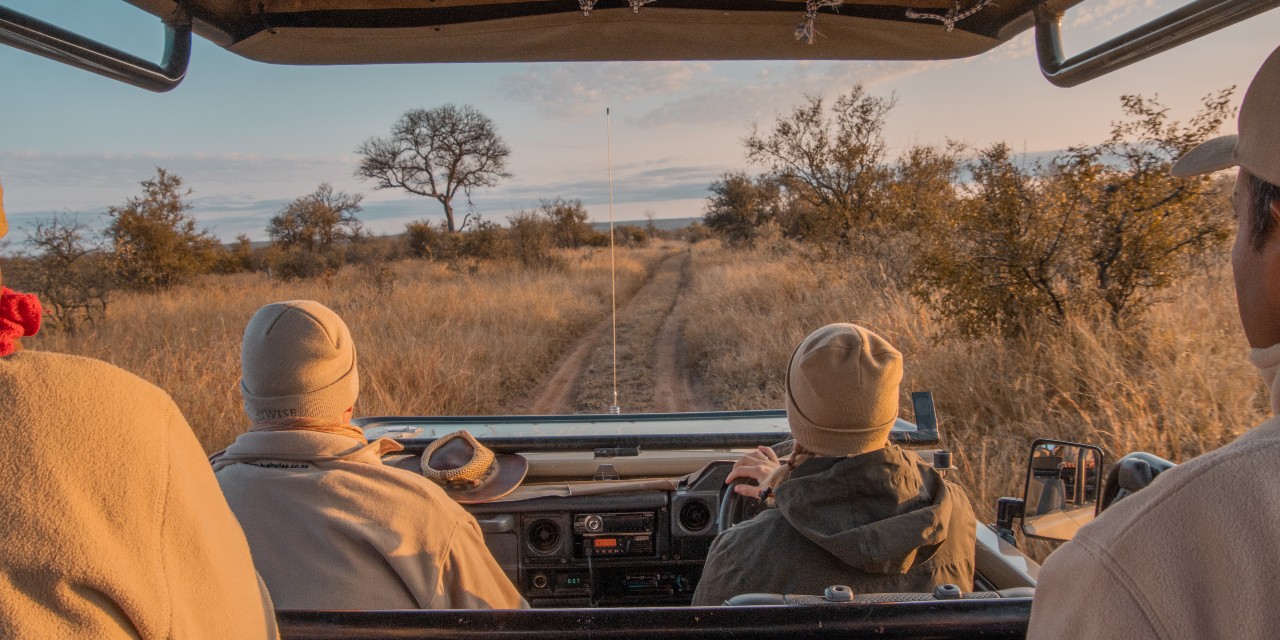
    Wake up every day before the sun rises, and take in the fresh morning air. As the nocturnal animals hide away, the rest of the bush comes alive around you. Birds begin their morning chorus as a soft light illuminates the landscape. 

    image

    Meet your guests at the lodge for coffee and snacks before heading out on a morning activity, usually a game drive. You’ll spend 3-4 hours looking for animals and exploring the reserve. Back at the lodge, your guests will enjoy some downtime while you take care of other duties, like paperwork or transferring guests to and from the airport. 

    By mid afternoon – usually between 3 or 4pm –  head back out for an evening activity. Pause for sundowners by the road, setting up a table with drinks and snacks for your guests. Sunset in the African savannah is beyond compare, with watercolour shades painting the sky and sounds of the bush coming alive. 

    End the day with a night drive back to the lodge, where your guests will freshen up for dinner. Usually you will host them at dinner, enjoying further conversation and storytelling into the night. It’s all in a day’s work as a safari guide!

    How do I become a safari guide? 

    image

    Becoming a safari guide requires a fair bit of studying and training. Most countries have strict licensing and qualification requirements to enter the industry. For example, in South Africa, you must be a qualified Nature Site Guide (NQF2) with CATHSSETA and registered in your guiding region with the National Department of Tourism. 

    The best way to ensure you get all the correct qualifications is to go through an accredited and endorsed training provider, like Bushwise Field Guides.

    Do you want to work on a safari? It’s possible. No matter where you’re from, if you’re 18 years and older, you can train to become a field guide. Apply for a Bushwise course today!

    Did this blog speak to you? Have you always wanted to work with animals – but aren’t sure how? Get started with jobs working with animals.

    #lion #wildlife #AdvancedRifleHandling #gameranger #bushwise #fieldguide #safariguide #trailsguide #training #animals #safari #fieldguidetrainer #sightings #fieldguiding #endangeredspecies #gamedrive #guiding #elephant #fieldguides

  • Tracks and Signs of the Bush

    This blog about track and sign was written by Trevor Hinze, Bushwise Field Guide student. 

    4 min read

    One of the certifications that Bushwise students can earn is CyberTracker Track & Sign and Trailing. This is also often a favourite experience for students, as it teaches you a whole new way of understanding animals! 

    In this blog, I’m going to be discussing a few things:

    1. What are tracks and signs

    2. Why are they important

    3. How to differentiate between tracks

    What are tracks and signs?

    image

    Track and sign is a whole different art form. It is what you see of an animal even when it’s not there. During our track and trailing assessments, Colin Patrick explained it in a very simple way: 

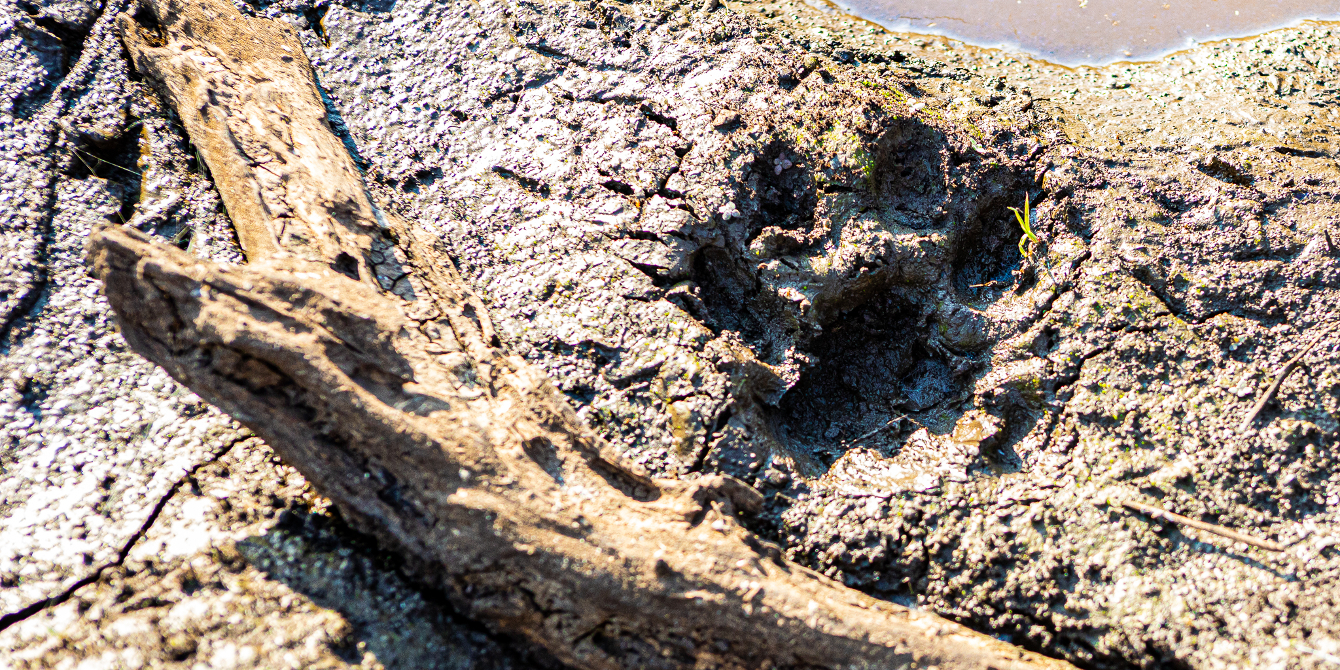
    Tracks are the footprints an animal leaves on the ground. This is usually our key feature in identifying different animals.

    Signs is what an animal leaves behind but which involves an activity such as that elephant leaving behind broken branches. This leads us to our second point:

    Signs tell us what the animal has been doing. An example would be an elephant feeding off a tree. As it feeds it leaves not just tracks, but also branches which it broke off during feeding. Of course the track is a dead giveaway, but what if that elephant was standing on hard ground or there are multiple other elephant tracks in the area. This is where the art form becomes handy.

    Why are they important to us guides?

    image

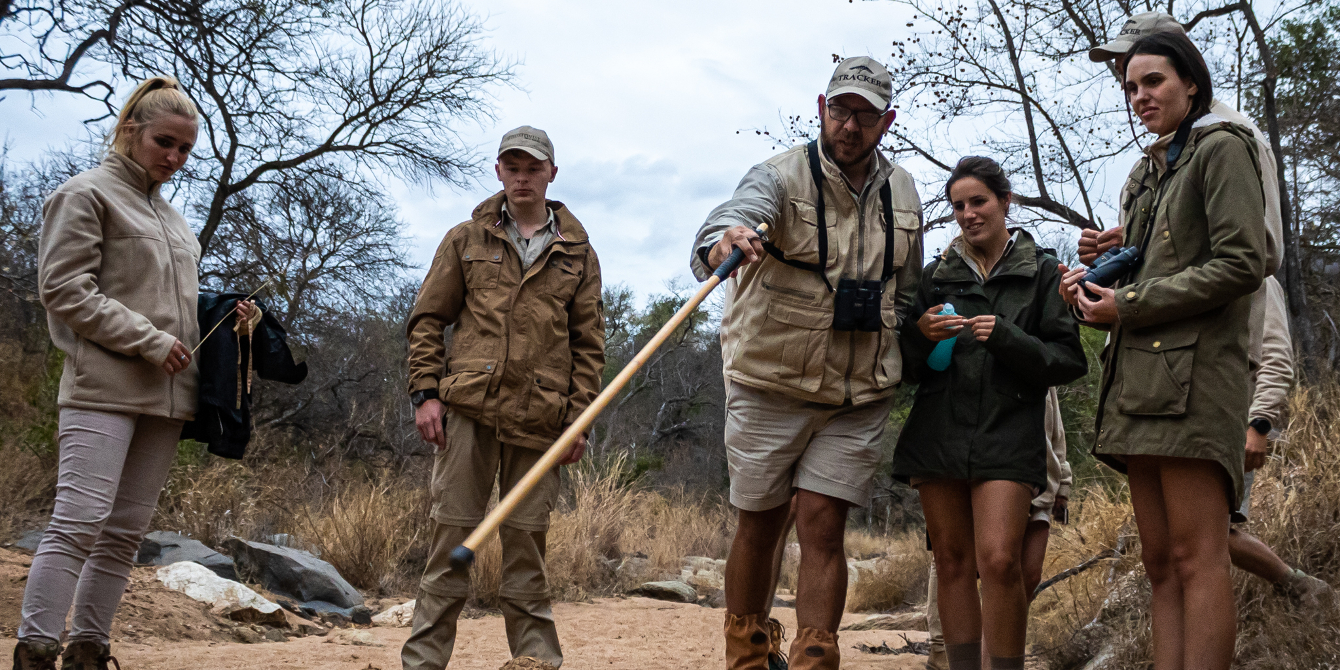
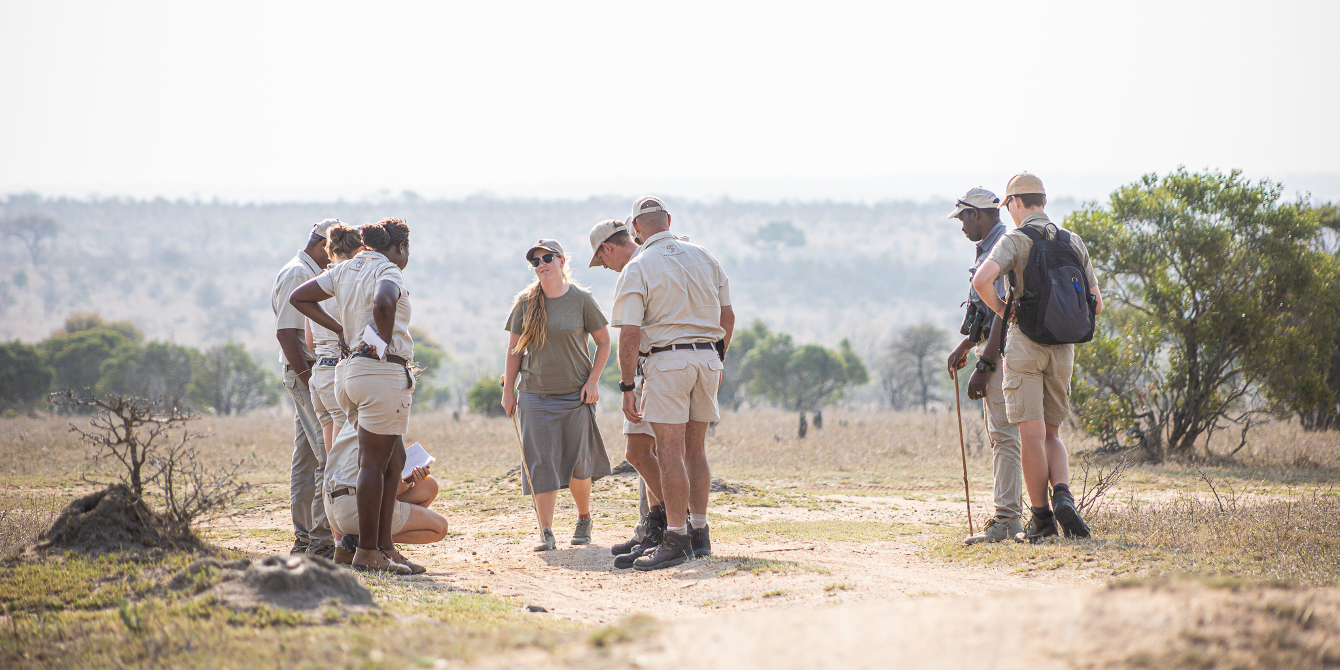
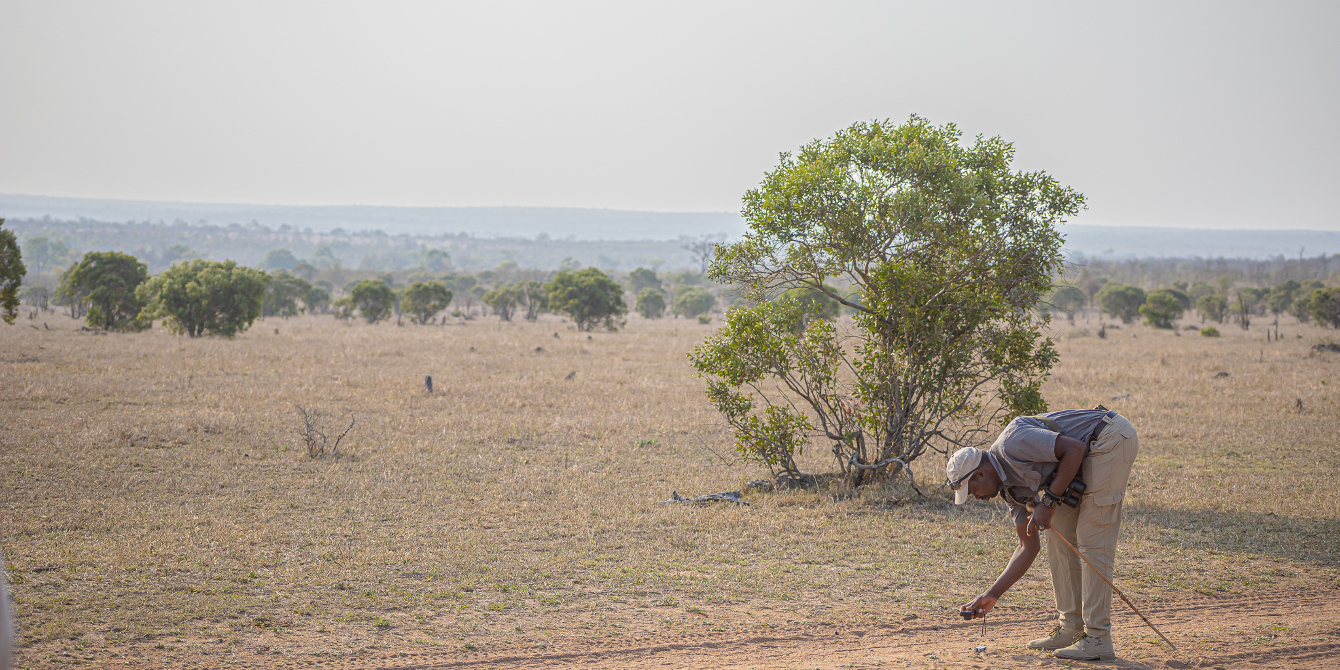
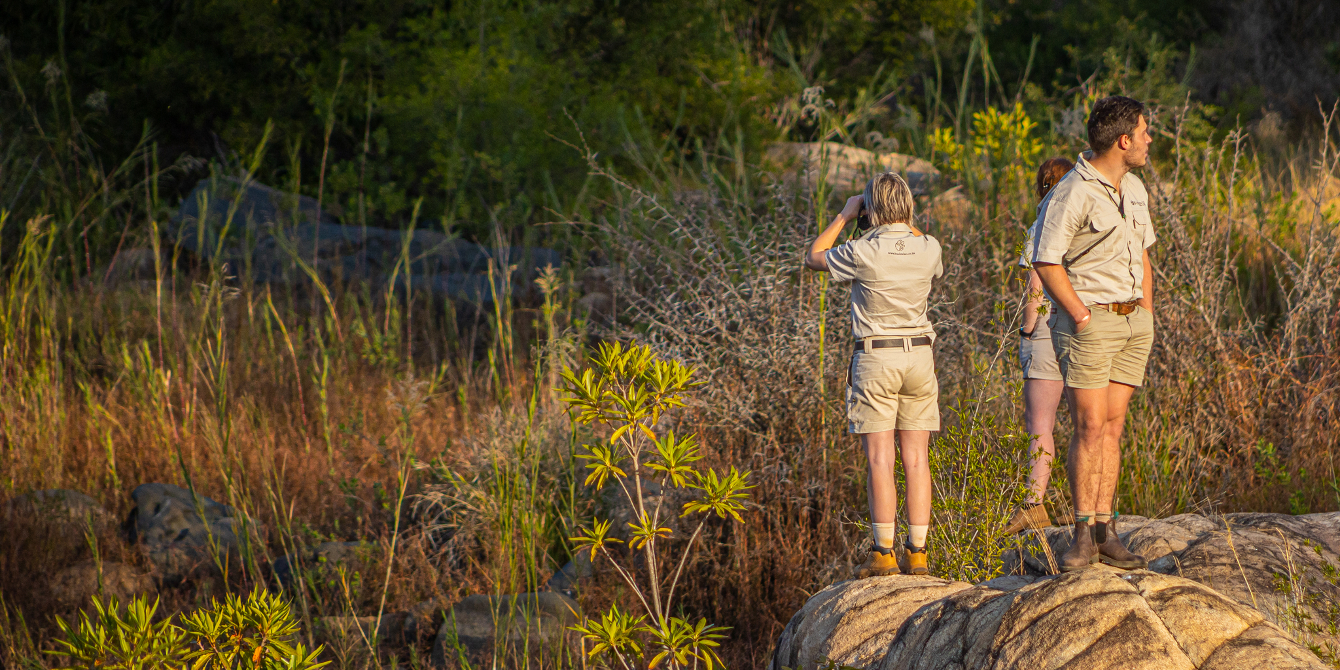
    Wildlife tracking plays a vital role in guiding as it helps to let us find the animal we want, which is what we did during our trailing activities. Trailing is the process of following an animal’s tracks, to hopefully find the animal and observe it (from a safe distance).

    Mind you, trailing is not easy, especially if that animal prefers to live in harsher or thicker environments. Then you might never see a perfectly clear track and you’ll have to start thinking like the animal in order to figure out which route it would have taken. 

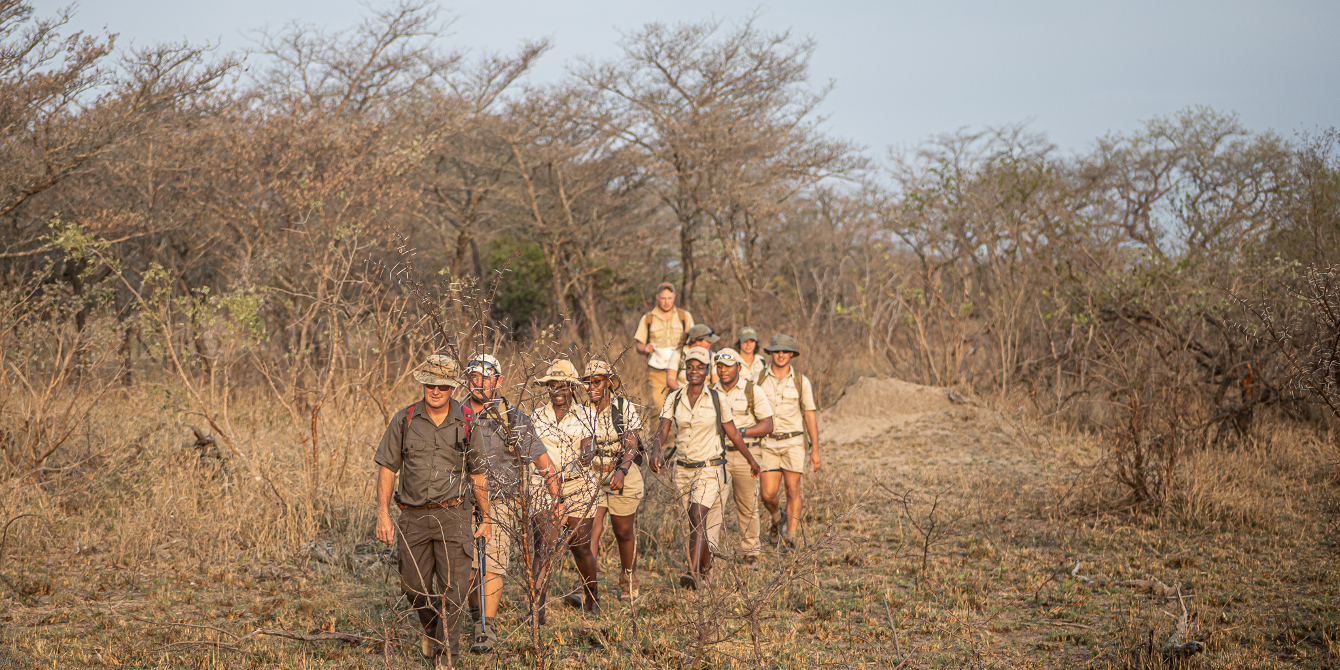
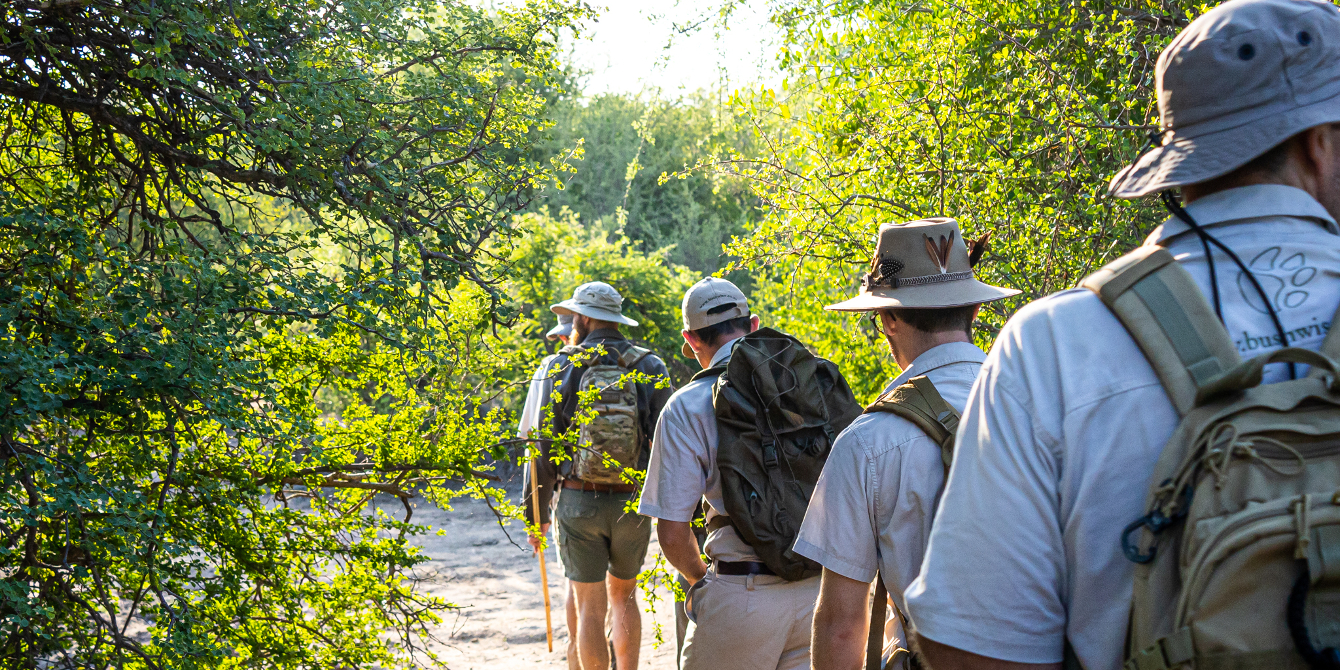
    In our trailing week, our walked at least 2 hours every day in the hot summer sun as we trailed anything from elephant to lion. We found and bumped into a lot of elephants but never saw a rhino. At one stage we even trailed a herd of buffalo and came quite close to them – although they didn’t seem to be bothered at all by our presence. That was an experience that I will remember for a lifetime. 

    How do you differentiate between tracks?

    image

    Sure there is a clear difference between an impala and an elephant, but there is only a slight difference from a kudu to a nyala. The tracks are very similar, but there are a few features that set them apart. This is why ‘identifying features’ are important to us, so that we can distinguish between the different animals that have similar tracks. It could be the X you can draw in a jackal track or the opposite sixes in the blue wildebeest track.

    Some animals are grouped together based on they’re foot structure. This is important because of the number of different animals we have in southern Africa. Animals are adapted to their environments, so they will have different physical attributes depending on where they live. For example, their foot structures differ to better their chances of survival in the biome in which they reside. 

    image

    Take a lion’s paw, which is adapted for the lion to walk as quietly as possible when stalking so that it can successfully hunt. Another example is the blue wildebeest, whose foot structure is adapted for long distance running and speed so that it can endure the great migration which happens in the Serengeti. Some animals such as vervet monkeys and bush babies have specially designed hands and fingers for climbing and clinging onto trees. 

    It’s not just mammals that have different foot structures. Birds and reptiles – except for snakes of course – have foot structures to help them survive. Eagles are predatory birds and therefore have long talons to help them catch prey. Geckos can hang upside down on the ceiling thanks to their foot structure. 

    I received an 89% for our track and sign assessment, which earned me a level 2 track and sign certificate. This will probably not be the last assessment I will do, because I was a mere 1% away from a level 3 certificate! 

    If you’re interested in animal track and sign, a Bushwise course is an excellent way to learn more and earn your certification. Apply today!

    #wildlife #bushwise #fieldguide #trailsguide #Exam #training #animals #tracks #apprenticefieldguide #fieldguiding #tracking #endangeredspecies #trackandsign #Assessments #gamedrive #guiding #fieldguidecourse #fieldguides

  • My experience managing a Bushwise camp

    Each week a Bushwise student acts as camp manager, ensuring that everything runs smoothly around campus. This blog was written by Flora Molepo, a student at our SAWC campus, during her week as camp manager.

    3 min read

    Wild dogs near camp

    image

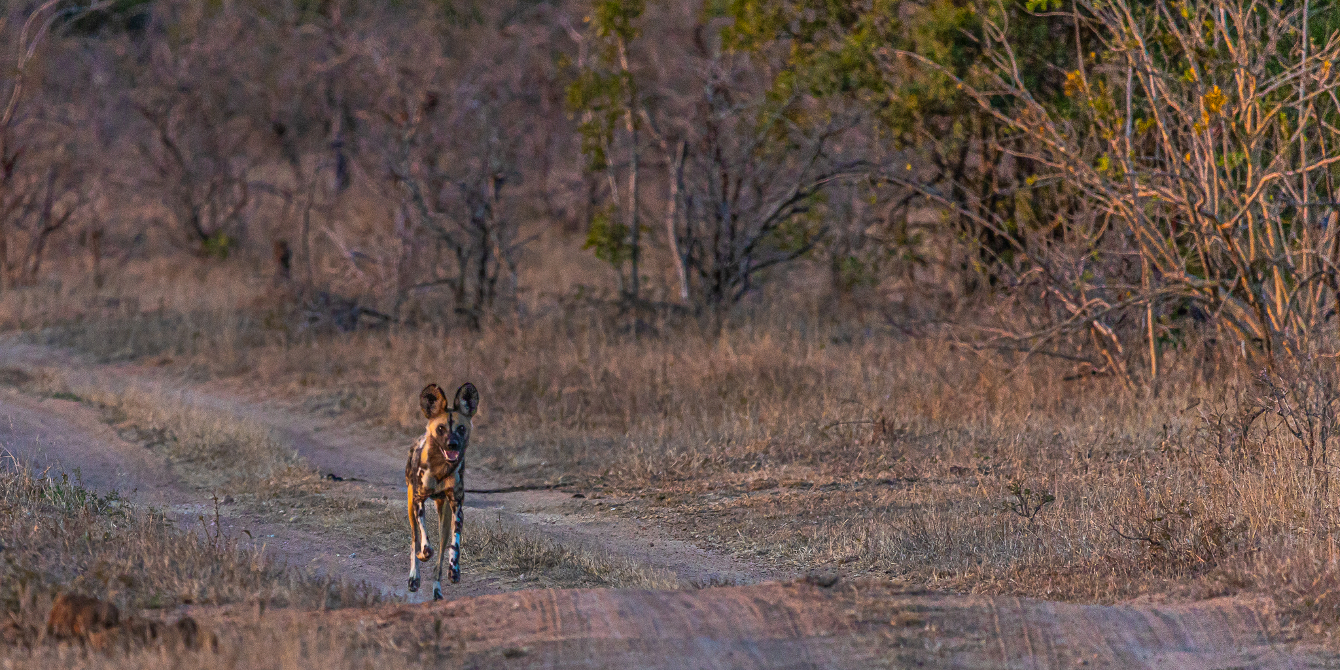
    On Sunday Heidi came racing to tell me that there were wild dogs on an impala kill close to the fence line. I was in the kitchen getting ready to start my camp manager duties when she told me this. I shut the kitchen door and left everything behind as I ran after Heidi because I was so eager to see the wild dogs we had seen on Saturday morning the day before. 

    After learning that the impala had already been destroyed by the wild dogs and that the kill was close to the tents, we realised that we had arrived too late. 

    Wild dogs hunt in packs, covering quite a few kilometres each time they go out. When the dogs catch up to their prey, they’ll grab hold of it and twist it to pull it to the ground. This method is particularly effective when hunting antelope with horns because it reduces the animal’s capacity to defend itself. The prey is then eaten quickly by the dogs, leaving behind the skin, hooves, and big bones. 

    When we arrived on the scene, the impala’s hooves and bones were all that the wild dogs had left behind. Sad we missed them, I returned to my duties as camp manager.

    Gaining skills as camp manager

    image

    Being camp manager this week taught me how to manage problems while meeting people’s needs. Being a manager involves not only assigning duties when they need to be done, but also being trusted with them, completing them and directing others to do the same. 

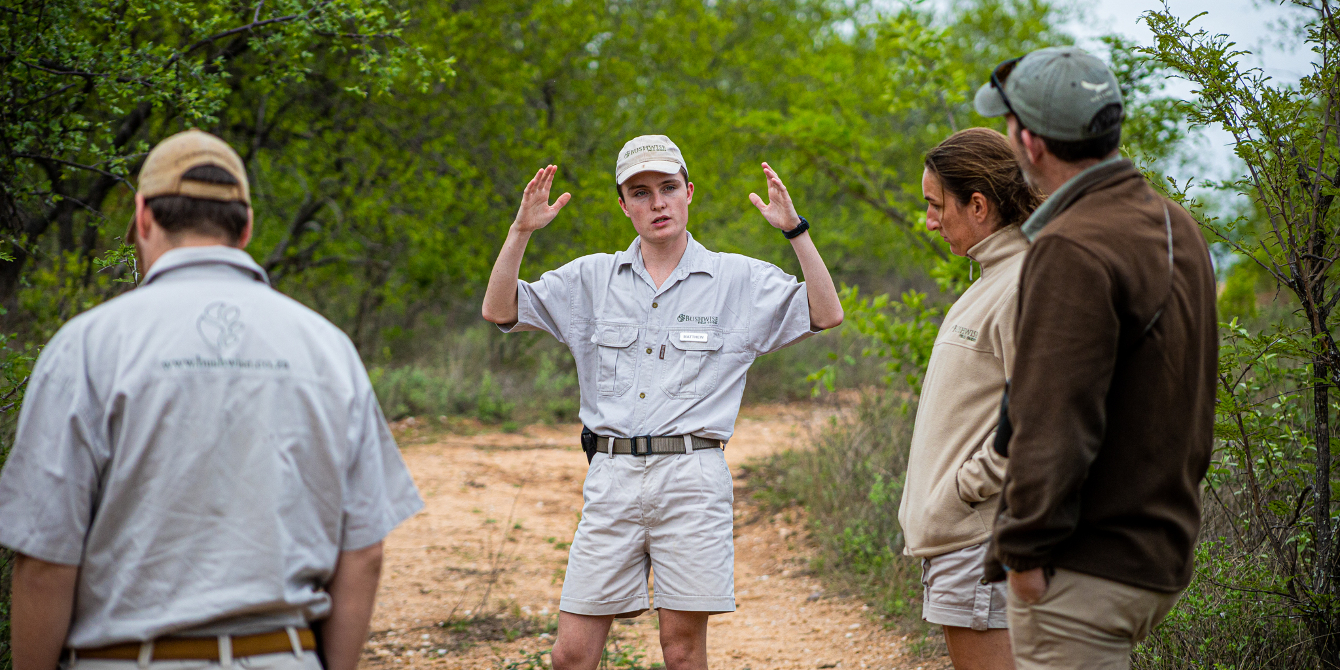
    Colin Patrick and his daughter Samantha Patrick visited us over the previous two weeks . They were leading the track and trailing course, which I found very interesting. This training improved my capacity for observation in the bush, taught me how to locate animals while leading clients, and explained why animal behaviour is crucial when tracking. 

    The importance of problem solving and creative thinking

    image

    In order to offer tea and coffee on our game drives, we have to pack the hotboxes twice daily for morning and afternoon excursions. It was my job as camp manager to make sure that the visitors had coffee and tea, so I produced a list of who would be responsible for cleaning and packing the hot boxes for the day. I assigned the responsibilities in pairs to make it fair and simple for everyone. 

    Of course, I included my name on the list because, as a manager, it’s important to set an example. The guests always had their tea and coffee, but once the milk was forgotten and occasionally the water as well. However, this was not a problem because we took action to fix it. One lesson I took away from this training was to always come up with a plan and, even if it’s challenging, make it work.

    As a Bushwise student, I’ve learned that people are unique in the ways that we perceive the world. Being camp manager this week has taught me to pay closer attention to the needs and desires of others, how to fulfill them, and how to lead others by delegating fairly and respectfully. 

    Being camp manager is a big responsibility, and a great way for Bushwise students to learn what it’s like to be in a leadership position at a lodge. This experience is important as students gain new skills for their future guiding careers. Learn more.

    #wildlife #bushwise #fieldguide #qualification #safariguide #trailsguide #Exam #guidejobs #animals #apprenticefieldguide #safari #sightings #fieldguiding #endangeredspecies #Assessments #gamedrive #fieldguidecourse #studying #fieldguides

  • Kruger National Park: history and wildlife

    This blog was written by Siphiwe Khoza, Bushwise Field Guide student. Siphiwe is one of the scholarship students studying under our collaboration with the Southern African Wildlife College. All information included here is from Siphiwe’s research.

    4 min read

    Where is Kruger National Park?

    image

    The National Park is located in Mpumalanga and Limpopo provinces in South Africa, and in the south of Zimbabwe and west of Mozambique. It is close to two million hectares in size, and it now forms part of the Great Limpopo Transfrontier Park. 

    The Kruger National Park was first established by Paul Kruger in 1898, but it wasn’t until 1927 that it was open to visitors. 

    Kruger National Park is the third largest-protected area in Africa and recognised as a key conservation area for endangered species like black and white rhino, African wild dogs and elephants as well providing habitat for other mammals, fish, birds, reptiles, amphibians and a variety of different plant species.

    Kruger and history

    image

    Kruger National Park has more than 300 archaeological sites of Stone Age humans. Cultural artefacts have been found that show that Homo erectus lived in Kruger National park 500,000 years ago. Thulamela and Masorini – two archaeological sites within Kruger – display this evidence which include San rock art and there are about 100 other sites where you can view these paintings. 

    The Nguni people also lived in the area and their clay pots and graves serve as evidence of their time in the area. They later moved to the neighbouring communities to conserve the Kruger National Park and become what it is today.

    The role of Kruger for local communities

    image

    Kruger National Park plays a big role for the wider South Africa community by creating jobs and business opportunities in the tourism sector. The park also runs empowerment programs such as curio selling projects, contractor development programs and used for educational purposes’ it is a conservation and research centre used to study the animals and wildlife. Kruger National Park contributes millions to South Africa’s GDP including tax revenue which benefits the economy of South Africa.

    According to SANParks, Kruger National park respects the customs, beliefs and peace with people that were moved from the reserve by giving back the resources in a sustainable way. 

    Communities sometimes get free entry or a discount to enter the reserve at the lowest rate, buy animal meat at a discount price and also are given the opportunities to visit the graves of their loved ones and perform their rituals inside the reserve, harvesting marula fruits and medicines from plants in a correct method. 

    Wildlife in Kruger National Park

    image

    Kruger National Park is a home to the Big 5 (lion, leopard, rhino, buffalo and elephant) as well as 100s of different birds’ species, reptiles, amphibians and other mammals. 

    Wildlife needs to be protected and used sustainably for the future generations. Animals play a significant role in the stability of the environment, ecosystem and our lives. Without animals, our existence is impossible.

    Animals and plants are also a major source of medication, which we depend on, and plays an important role to support the web of activity in the functioning ecosystem. Without pollinators, there will be no reproduction of plants, and animals including human beings cannot survive without plants.

    Learning about and experiencing wildlife is entertaining and rewarding, including learning about the history and cultures of different people who lived in Kruger National Park. This attracts many people, including tourists from around the world, to visit the natural environment, which benefits the economy of the country.

    Bushwise campuses are located near the Greater Kruger Region – learn more about our campuses here. 

    Words by Siphiwe Khoza, photos by Louise Pavid

    #lion #wildlife #AdvancedRifleHandling #bushwise #fieldguide #qualification #safariguide #trailsguide #Exam #animals #apprenticefieldguide #safari #sightings #fieldguiding #tracking #endangeredspecies #Assessments #guiding #elephant #fieldguidecourse #studying #fieldguides
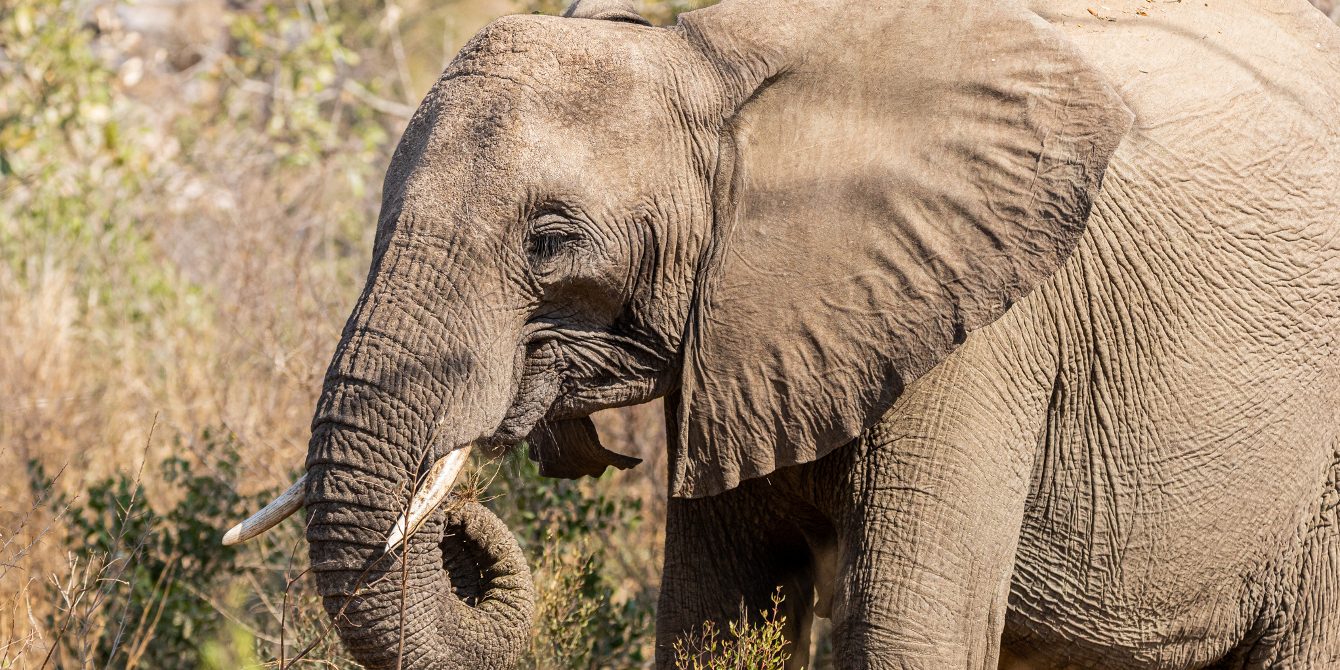
  • Migratory birds in South Africa

    This blog about migratory birds in South Africa was written by student Shannon Scullion, part of our Bushwise Field Guide course.

    4 min read

    One of things that I have always loved about the South African bush is the birdlife. Spotting and identifying birds is one of the major highlights for me at Bushwise and in the bush in general. 

    As a child, my family and I would head to Kruger National Park every Christmas holiday for about 2 weeks of bliss. My dad in particular had an incredible passion and knowledge of birds in South Africa. He taught me that even in the hottest part of the day when everyone else is praying for an unlikely glimpse of a leopard sleeping in a tree or a pride of lions in a dry riverbed, there are always weird and wonderful birds flying around that are often overlooked. 

    Migratory birds returning to South Africa

    image

    There are about 850 species of birds in South Africa, of which about 100 are migratory. These migratory birds spend their lives in a number of ways from travelling between mountain and ground level, to flying throughout the African continent or even across borders and oceans. They only spend some of their time in South Africa, usually in spring and summer. The lengths these birds go to survive and reproduce always leaves me with a sense of disbelief and wonder. 

    Every year, thousands of Palaearctic-African migrants travel to South Africa, coming all the way from Asia and Europe. They begin arriving in August, just in time for spring. Research by National Geographic revealed that up to 4.5 billion birds, representing around 185 species, fly from Europe and Asia in the north to southern Africa and back every year. 

    For birds, migrating is about surviving

    image

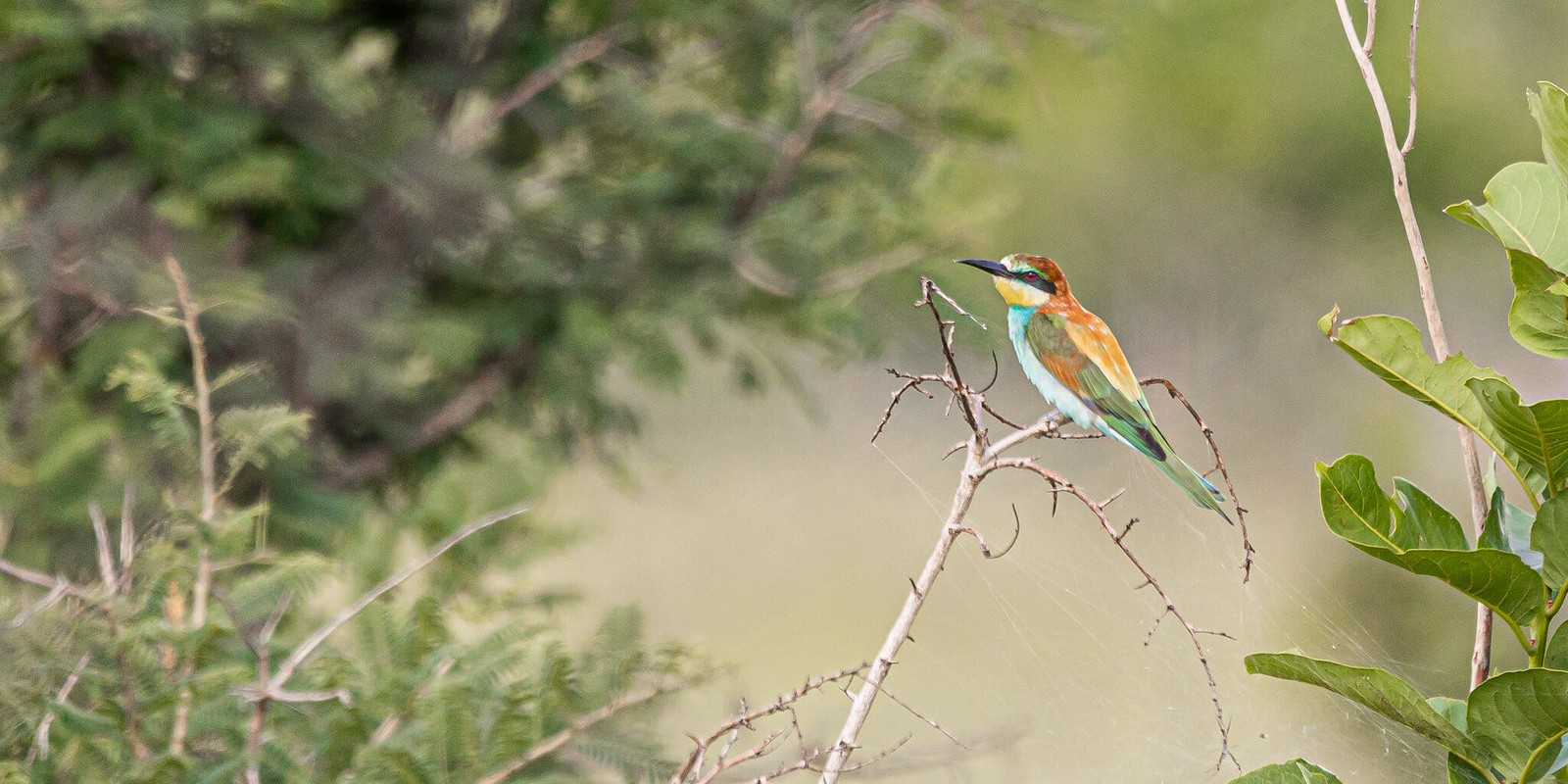
    They travel all this way to improve their chances of survival during seasons when conditions become unfavourable. Most of them are insect- or seed-eaters, travelling thousands of miles as the seasons change to seek out these precious resources. Some of these types of migratory birds we can expect to see in South Africa include numerous waders, steppe eagle, steppe buzzard, white stork, European roller, European bee-eater and barn swallow.

    Another category of migratory birds are the Intra-African migrants, 35 species of which have been recorded in South Africa. These birds will land in South Africa coming from Northern or Central Africa to breed. These migrants are chasing the differing rainfall patterns around Africa, coming to South Africa for the summer rainfall and abundance of food. While they are here, they will spend their time breeding, often returning to the same place as previous years to brood using their unfathomable memories. 

    The return of summer migrants

    image

    I’ve written this blog in October, at the beginning of spring. Some of the intra-African migratory birds that have already returned are the Wahlberg’s eagle, red-chested cuckoo and yellow-billed kite. A monogamous pair of Wahlberg’s eagles will have one to five nesting sites in their territory and will use the same nests for up to 28 years!

    I’m still keeping an eye out for the rest of the birds who we can still expect to see as it continues to heat up here in the Lowveld. These include the African reed warbler, greater striped swallow, African pygmy kingfisher, Diederik cuckoo, southern carmine bee-eater and woodland kingfisher. The one I’m most excited to see is the woodland kingfisher – a stunningly colourful and vocal bird that is our sign that summer has well and truly arrived in the bush. Every year, they announce themselves within a day or two of the 8 November. 

    Migratory birds can travel up to tens of thousands of kilometres on their annual journeys. Their survival is dependent on the availability of well-connected networks and chains of undisturbed habitats along their migration routes. They need these routes to refuel, rest and feed. Sadly, habitat degradation, fragmentation and loss are a huge threat to these birds. 

    Celebrating World Migratory Bird Day

    image

    World Migratory Bird Day is a day that brings awareness and starts the conversation about one of the many reasons we all need to come together to protect and conserve the natural environment. This year’s theme is light pollution, something that also impacts migratory birds’ journeys by disorientating them when they fly at night. 

    So, I will leave you with a request, please be mindful at night and turn all of your lights off so that these incredible travellers can make it safely back to us this year! 

    Learn more about birds, from the endemic and rare to the migratory and exotic, on a Bushwise course.

    #Birding #bushwise #qualification #migratorybirdday #safariguide #training #birds #apprenticefieldguide #fieldguidetrainer #worldmigratorybirdday #birdlife #migratorybirds #fieldguides

  • Announcing our new IFGA Safari Guide Short Course 2 Months

    Have you always dreamt of becoming a field guide, but feel restricted by time and money? We’re excited to share the news – we’ve just launched our IFGA Safari Guide Short Course 2 Months! Live and work in the African bush, training with the best of the best to become a safari guide in just two months. 

    This course includes both theory and practical training and assessments. No previous wildlife or guiding experience is required. Plus, attend this course on a South African visitor’s visa – no study visa needed.

    This new course is a great way to earn your CATHSSETA Field Guide qualification in a shorter time frame than our IFGA Safari Guide Course 6/12 Months, but with the same quality and expertise offered by Bushwise. 

    So what does the new IFGA Safari Guide Short Course 2 Months entail? Let’s take a look!

    Earn your CATHSSETA qualification and more

    image

    As the job market continues to get more competitive, we want to ensure our graduates stand out. That’s why we go above and beyond in the qualifications we offer. In just two months, you can earn the essential qualifications and more that you need to enter the competitive ecotourism and conservation industries, including:

    1. CATHSSETA Nature Site Guide (NQF2)

    2. IFGA Safari Guide Certificate

    3. Cybertracker Track and Sign qualification

    4. Wilderness First Aid

    5. Reptile Handling

    You’ll become a fully qualified safari guide, ready to enter this competitive industry as a Bushwise graduate.

    Who’s this safari guide course for?

    image

    It’s great for anyone who’s ever considered a career in conservation or ecotourism. Or anyone who’s always wanted to spend time immersed in nature, learning about wildlife. This course is ideal for students who don’t have six months or a year to study on our IFGA Safari Guide Course 6/12 Months, but still want to become a qualified guide. 

    We also welcome international participants who are looking for a unique and immersive African safari experience. In fact, many of our courses are a 40-60 split between international and local participants. 

    What does a day on this course look like?

    image

    A typical day will start with coffee and rusks, followed by a morning game drive or walk. You’ll then have brunch in our communal dining area, followed by a lecture and then an afternoon activity. Dinner is either in the dining area again, or around an open fire (or braai). You might have a little down time, but as this is an abbreviated course we try not to slow down!

    You’ll spend all 60 days learning in the classroom and doing practical exercises in the bush, to ensure you get the most out of your training. An average day could look like this:

    1. 05:30–07:00 Meet in the kitchen for tea/coffee rusks, cereal and fruit, before departing for the morning activity, either a walk or a drive.

    2. 11:00 Brunch.

    3. 12:00 Classroom-based lectures or activities.

    4. 15:00 Afternoon activity, either a walk or a drive.

    Where is the course held?

    image

    We have two campuses in South Africa within a short drive of Kruger National Park. Our first campus is our Mahlahla camp, located opposite the Greater Makalali Private Game Reserve. Our second campus is operated in collaboration with the Southern African Wildlife College at their Kempiana campus in the Greater Kruger region.

    The South African bushveld is known for its rich biodiversity and will offer you every challenge and opportunity to excel as a field guide.

    What jobs will I qualify for after this safari guide course?

    image

    Having a CATHSSETA and Bushwise qualification behind your name is a highly valuable addition to your CV. Whether you’re looking to become a field guide or something else, this course will give you a competitive advantage. 

    Some of our students go on to work in the industry as safari guides, either here or abroad, and some of them go on to do something completely different. You could become a:

    1. field guide/safari guide

    2. trails guide

    3. game ranger

    4. park ranger

    5. game warden

    6. ecologist

    7. conservationist

    … and more. Learn more about safari jobs and conservation careers and find your dream job!

    So are you ready to launch your wild career? Chat with our friendly enrolment team today, or start your application.

    #wildlife #bushwise #qualification #safariguide #apprenticefieldguide #safari #fieldguiding #cybertracker #fieldguidecourse #fieldguides

  • Field guide courses and going from NQF2 to NQF4

    We get a lot of questions about field guide qualifications. From IFGA to NQF2, NQF4, CATHSSETA, NDT… the acronyms go on and on! How do I go from NQF2 to NQF4? What is included in a field guide course? We know it can seem confusing, so we put together this simplified guide to help you navigate the process.

    4 min read

    What is a field guide course? 

    image

    A field guide course in South Africa is typically an in-person training program of anything from 30 days to three years, depending on the training provider. Throughout this time, students are provided with the knowledge and practical skills they need to successfully guide in their ecosystem or habitat. Subject matter ranges from bird identification to rifle handling, 4×4 driving, animal behaviour, dangerous game encounters, planning a guided experience and more.

    More comprehensive programs, like the International Field Guide Association (IFGA), will also prepare you to guide in other locations and even internationally. Bushwise is the exclusive IFGA training provider in southern Africa and is also accredited by CATHSSETA, detailed below.

    What is CATHSSETA?

    Field guide qualifications in South Africa are governed by CATHSSETA (Culture, Art, Tourism, Hospitality, and Sport Sector Education and Training Authority). CATHSSETA-accredited training providers, like Bushwise, provide training programs for students to become qualified field guides.

    At Bushwise, we offer multiple field guide courses, both online and in-person. On our in-person courses allow you to earn an IFGA standard and CATHSSETA Nature Site Guide NQF2 qualification. On our online courses, you can gain the theoretical knowledge you need for these qualifications. Here are our major courses:

    1. IFGA Safari Guide Short Course 2 Months

    2. IFGA Safari Guide Course 6/12 Months

    3. Bushwise Nature Enthusiast online course

    4. Bushwise Field Guiding online course

    Completing an in-person course is one of the best ways to become a field guide, and Bushwise is committed to helping its students navigate the qualifications process easily. 

    How long is a field guide course? 

    image

    Our in-person Bushwise courses vary from two months to one year in length. In both of these courses you can qualify as an IFGA and CATHSSETA Nature Site Guide (NQF2), but our longer course includes additional qualifications and certifications. 

    How many field guide levels are there? 

    To understand the CATHSSETA Nature Site Guide levels, it helps to understand the most common acronyms you’re likely to encounter. 

    1. CATHSSETA = Culture, Arts, Tourism, Hospitality and Sport Sector Training Authority 

    2. NQF = National Qualifications Framework

    3. NDT = National Department of Tourism

    Different field guide levels are equivalent to different NQF levels in CATHSSETA. Under other government authorities, your education level will earn a specific NQF level. For our sake, we need to know what NQF2 and NQF4 are, as these are the levels assigned to field guide qualifications:

    1. CATHSSETA Nature Site Guide NQF2 = the first level of field guide qualification, which you can earn through an accredited training provider like Bushwise.

    2. CATHSSETA Nature Site Guide NQF4 = the second level of field guide qualification, which requires you to work or gain experience in the industry.

    How do I go from Nature Site Guide NQF2 to NQF4?

    image

    We get this question a lot! As stated earlier, you can qualify as a CATHSSETA NQF2 Nature Site Guide with a CATHSSETA-accredited training provider like Bushwise. But, you can only become NQF4 certified by gaining work experience and passing further exams. 

    To become a qualified NQF4 field guide, you must accumulate a minimum of one year of practical active guiding experience as an NQF2 field guide. Up to half of this can be non-guiding experience, like mentored guiding, anti-poaching, and wildlife monitoring.

    Once you feel you have the necessary skills and knowledge, you can apply to write your NQF4 exams and complete the practical assessment. If you pass both and have a valid first aid certificate, you can then register as a Nature Site Guide (NQF4). Find out more here.

    Where can I do my NQF4 exam?

    image

    Nature Site Guide exams must be proctored and moderated by accredited institutions, like Bushwise. Contact us to learn more about how to proceed.

    How do I become IFGA qualified?

    As stated earlier, Bushwise uses the International Field Guide Association (IFGA) standards for our CATHSSETA-accredited field guide training programs. These standards set high expectations for the quality of guides we produce, giving them a strong foundation to guide anywhere in the world.

    There are two essential steps to becoming qualified:

    1. You need to pass the IFGA theory exam

    2. You need to do your practical assessment with an IFGA-endorsed assessor

    We hope this has been helpful as you navigate the field guide qualifications process. If you have additional questions, please reach out to our friendly enrolment team! We can get you on the right track for your wildlife career.

    #NQF4 #fieldguide #safariguide #IFGA #safariguide #NQF2 #IFGAcourse #safari #fieldguiding #fieldguidecourse

  • Girls rule the world: women in guiding and nature

    This blog was written by Bushwise student Kerry Ross, as she investigated the powerful role women and females play in conservation and in nature. While on course Kerry has seen the strength of her fellow female students, and the strength of female animals, come to light in many ways.

    Words by Kerry Ross, images by Louise Pavid

    5 min read

    Women guides hitting the target

    image

    I had the privilege of being elected camp manager throughout a very busy week of ARH (Advanced Rifle Handling). Not only did I pick up my first rifle, but I also got to watch every other student go through the training as well. 

    What a fantastic experience and learning opportunity for all. A massive shout out in particular to every young woman who picked up a rifle for the first time, brushed off their fears – and the weight of the mighty .375 – and did brilliantly. 

    Throughout my life, I have heard the stigma that women belong in a certain place, namely “the kitchen while bringing up the kids.” However as a feminist and an advocate for young women the world over, I firmly believe that a woman belongs, well, wherever the heck she wants to be. 

    Growing in skills and confidence

    Nothing proves that theory to me more than simply living with the other young women on this campus. I have watched them over the last three months grow into independent, confident people who are all just trying to be the best versions of themselves while discovering their various niches in this wild industry. 

    I know that by the end of this jam-packed course, they will go on to reach great heights and realise they can do whatever they dream and be whoever they want to be. It fills me with great pride, the likes of which I cannot remember feeling for a very long time. 

    We have been super blessed to be able to go on a number of game drives over the course of the last three semesters. As the course has gone on, I have begun to look deeper into the ever varied roles of women in the animal kingdom, and ladies – between you and me – I think nature is answering that age old question for us all. 

    Female leaders in nature

    image

    From the mighty matriarch African elephant and the mother leopard who raises her cubs on her own to the female soldiers in the Matabele ant tribe, females in nature are so fierce and nurturing!

    On my journey into researching females’ role in nature, I must be honest I got totally and completely sidetracked by the smallest of these women, the humble ant – in particular the warriors of the Matabele ant tribe. 

    Truthfully before I came to Bushwise, I was not the biggest fan of this little creature. In the city, the struggle was very real – how on earth do these tiny six-legged animals get into every crack in the house and slowly but surely become nothing more than a nuisance. The daily battle was real and in the end, I think the score was Kerry – 0 : Every ant species – I lost count after 35. 

    Since really diving into ecology and the importance of every living creature in our ecosystems, I began to look at them very differently. They have now crept into my heart, and now when they come to my room in search of a treat, I will just gently sweep them out. 

    Ladies of the mighty Matabele ants

    image

    Image by Judy Gallagher on Flickr

    When I started reading about this exceptional army of Matabele ants, I simply couldn’t stop. I hope after this blog that other people will also get a different perspective about ants. 

    The Matabele ants were very appropriately named after the Matabele tribe, an African tribe of formidable warriors, who swept through South and Central Africa  between 1836 and 1896  destroying everything in their path. 

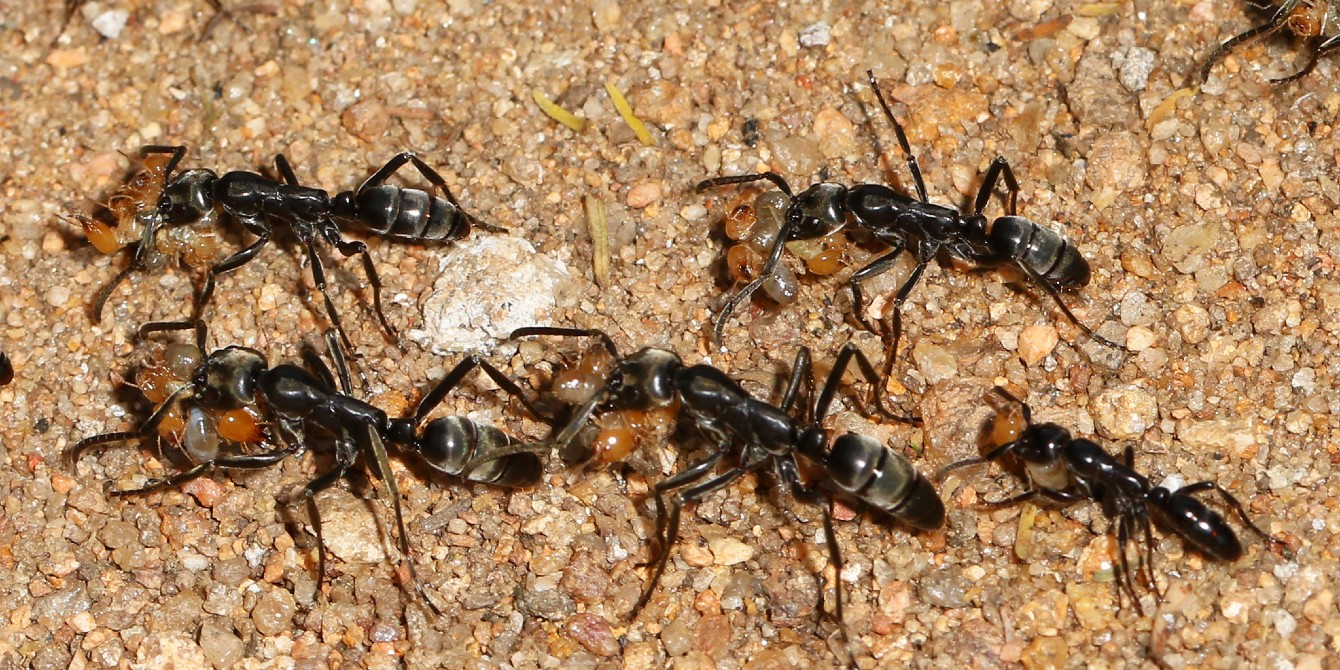
    The Latin name for these ants is Megaponera analis – which translates directly to “lawless wicked ones”, but nothing could be further from the truth. Their colonies can grow in excess of 20 million members and their mission in life is to attack termite colonies, eat the inhabitants, and march back with the heads of their enemies clasped in their pincers. 

    Having witnessed this raid for myself, I can tell you it is a sight to behold. If you take a closer look at each individual Matabele soldier in a line of ants, you’ll notice they are different sizes. This enables them to fit in different size holes in the termite mound, another very clever design by nature. 

    A female scout goes out to find a food source. Once she has located a suitable mound, she lays a pheromone trail back to head-quarters and then a column of soldiers follows the trail to the termite mound. Once every soldier is present, they all rush forward and overwhelm their prey. Although their victory is almost a guarantee, there will be casualties and injuries. These women are the epitome of team players, wounded soldiers are taken back to headquarters where clinging termites are removed and mutilated limbs are amputated. So don’t be surprised if you notice a couple of soldiers with missing limbs when you stop at an army of Matabele ants! 

    image

    How awesome is nature and how amazing are ants! Next time you see a colony of ants, consider the mighty females of the Matabele ant tribe and let them pass peacefully. They truly are amazing little creatures, and I certainly have gained a new respect for every single one of them. They teach us the value of hard work but most importantly the value of teamwork!

    To all the beautiful women reading this, may you be as revered as the mighty African elephant, as nurturing as the mother leopard and as fierce as the mighty females of the Matabele ant tribe. 

    From elephants to ants, learn about it all on a Bushwise course. Apply for free today and go wild in your career. 

    #wildlife #bushwise #fieldguide #qualification #safariguide #Exam #training #guidejobs #animals #tracks #apprenticefieldguide #safari #sightings #fieldguiding #tracking #endangeredspecies #Assessments #gamedrive #guiding #elephant #fieldguidecourse #studying #fieldguides
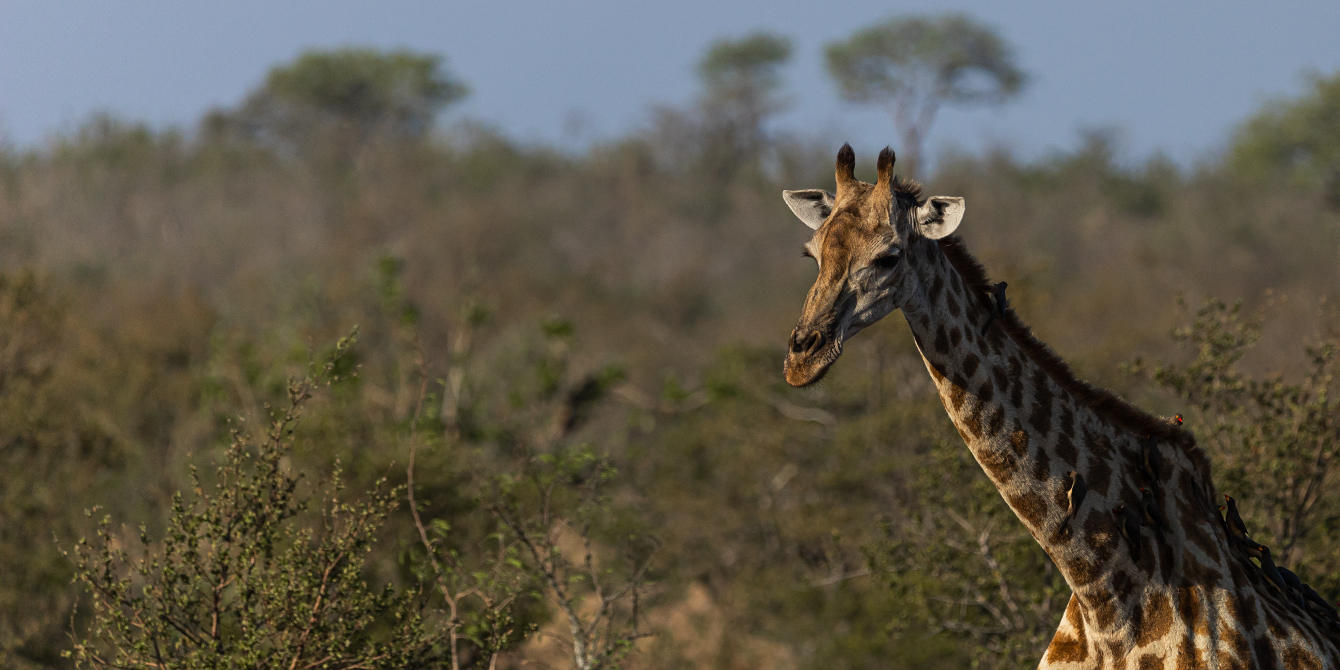
  • Photography: painting with light

    While doing a Bushwise course there are plenty of opportunities to learn and practice the tricks of wildlife photography; this is even a useful skill when hosting guests on safari! Bushwise student Jacques du Toit shares his experience in this blog.
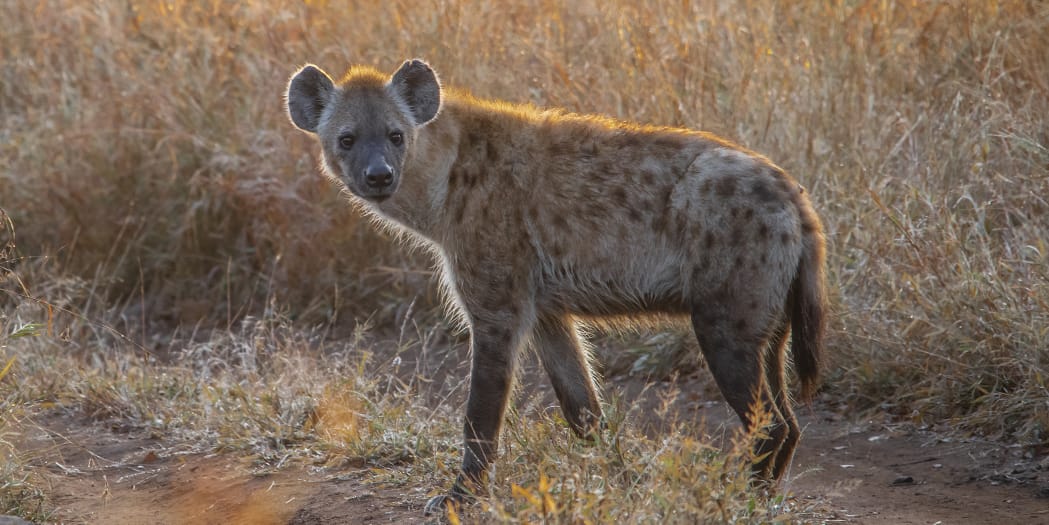
    3 min read

    A picture is worth a thousand words

    image

    “A picture is worth a thousand words” is an expression coined by newspaper editor Tess Flanders in 1911 – he could never have imagined how true these words would be 110 years later. The social media behemoth that steamrolls across every electronic device today would not be as effective had it not been for the advancements in photography. 

    So how can photography improve the game driving and guiding experience? Why is understanding this artform important for guides? And why do I love it immensely?

    My journey with photography

    image

    I’ll start with my love for the art of painting with light (aka photography) and the journey it has set for my life. The earliest memory I have with photography was visiting my grandma’s house when I was a 7-year-old boy, and finding my grandfather’s tiny spy camera from WW2. I ran around their house pretending to be a spy, clicking away on the (filmless) camera, escaping the mundane by looking through that little viewfinder. 

    It was pure joy, but never something that I’d imagined could be a career one day. It was only during my Bachelor of Creative Industries degree that I elected to do a minor in photography, which then led to my career. Seven years onboard cruise ships, operating a high-end premium portrait studio, and I was living the dream. 

    image

    Doing what I love, meeting the most interesting people while travelling the globe. The joy I could bring families and individuals by creating amazing portraits for them was so fulfilling. But I was missing home, not a home, but Mzansi, my land. This is what brought me here to Bushwise and the South African Wildlife College – my dreams of combining my love of photography with my passion for this land and all its wildlife.

    How photography enhances a safari experience

    Game drive experiences are without a doubt improved by photography. Every guest who seeks that African safari adventure wants to not only remember it in their memories, but to also have a visual medium reminder. This can be used to show off or to correctly identify whichever species they encountered at a later stage – birders, I’m looking at you. 

    The lodges also gain “brand recognition” from these photos/videos from the location tag attached to these images. There are photography specialised safari lodges that have caught onto this lucrative market by offering exclusive photo safaris.

    It’s not all about the camera

    image

    At the very least, most guests have a phone to take pictures with, which is why it’s important for any guide to have some idea of photography. In my experience, many guests on vacation with even the slightest interest in photography had expensive photo gear that they’re not sure how to fully utilise. 

    I’ve presented basic and advanced photography seminars on cruise ships, and the guests were very thankful to learn how to properly use their cameras. This helped me build a good relationship with the guests which ultimately gave them a better experience and helped them better capture their special moments. Which  is why I think it’s such an advantage for any guide to have some photography skills on their CV.

    image

    I’m reminded of one of my favourite photography quotes: “a camera didn’t make a great picture any more than a typewriter wrote a great novel”  -Peter Adams. With a little knowledge of photography, a great photograph can come from the most basic camera, if you understand how to paint with light.

    Do you want to learn the tips and tricks of wildlife photography to improve your game drive experience? When you join a Bushwise wildlife course, you’ll also learn about photography in the field! Apply today.

    Words and photographs by Jacques du Toit

    #Birding #trailsguide #wildlifephotography #photography #apprenticefieldguide #fieldguidetrainer #fieldguiding #safarianimals #gamedrive #fieldguidecourse