Author: Bushwise

  • The first step in my wildlife career

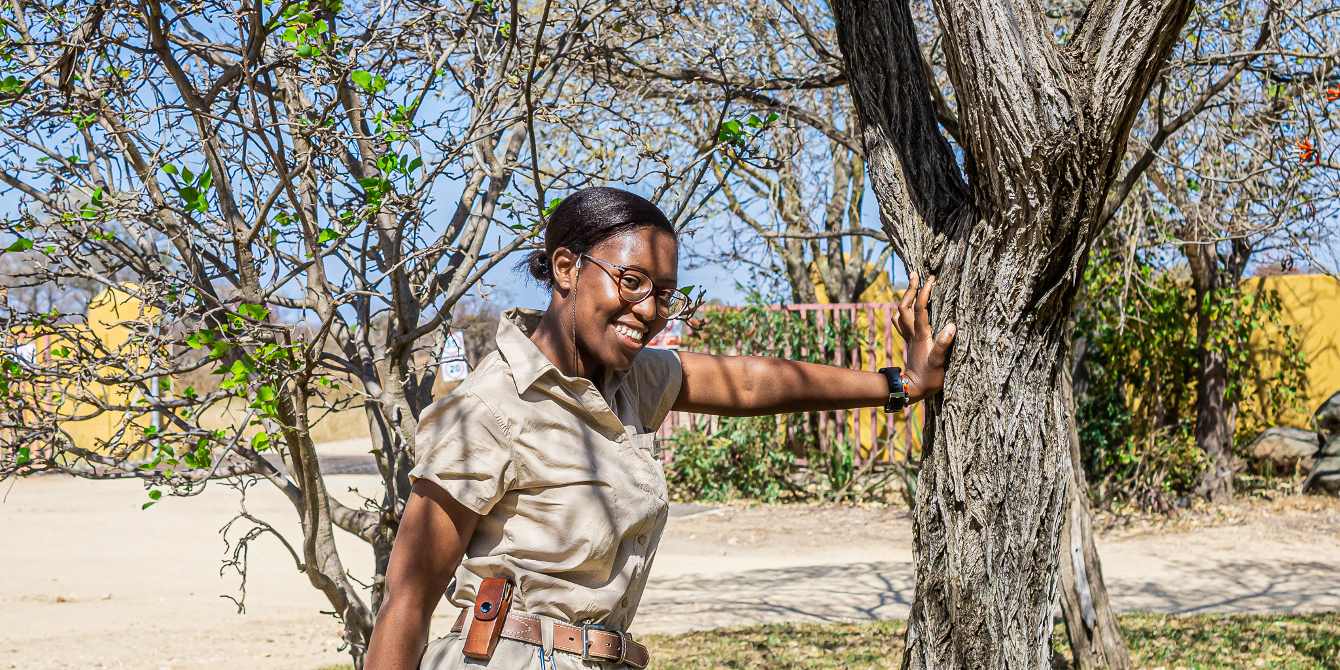
    Siphiwe has just begun her wildlife career. As she looks forward to a promising future, she reflects on where she’s come from and how this experience will shape the guide she’s going to become.

    Read time: 3 min
    image

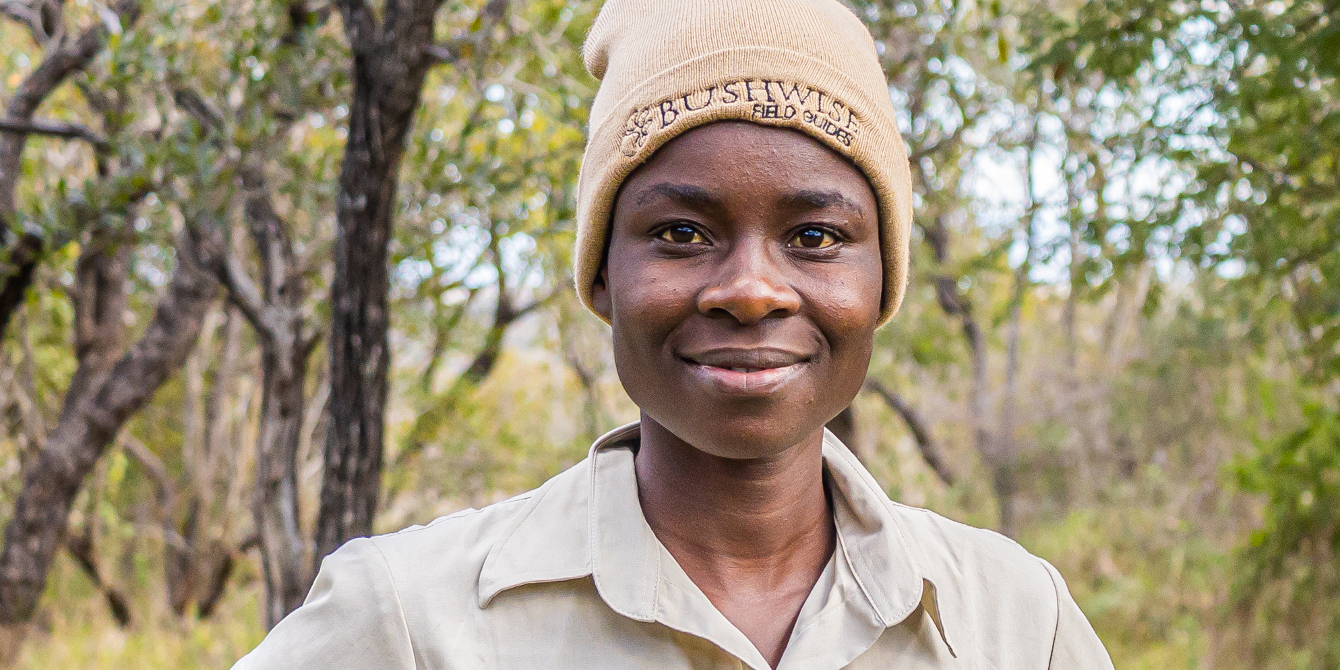
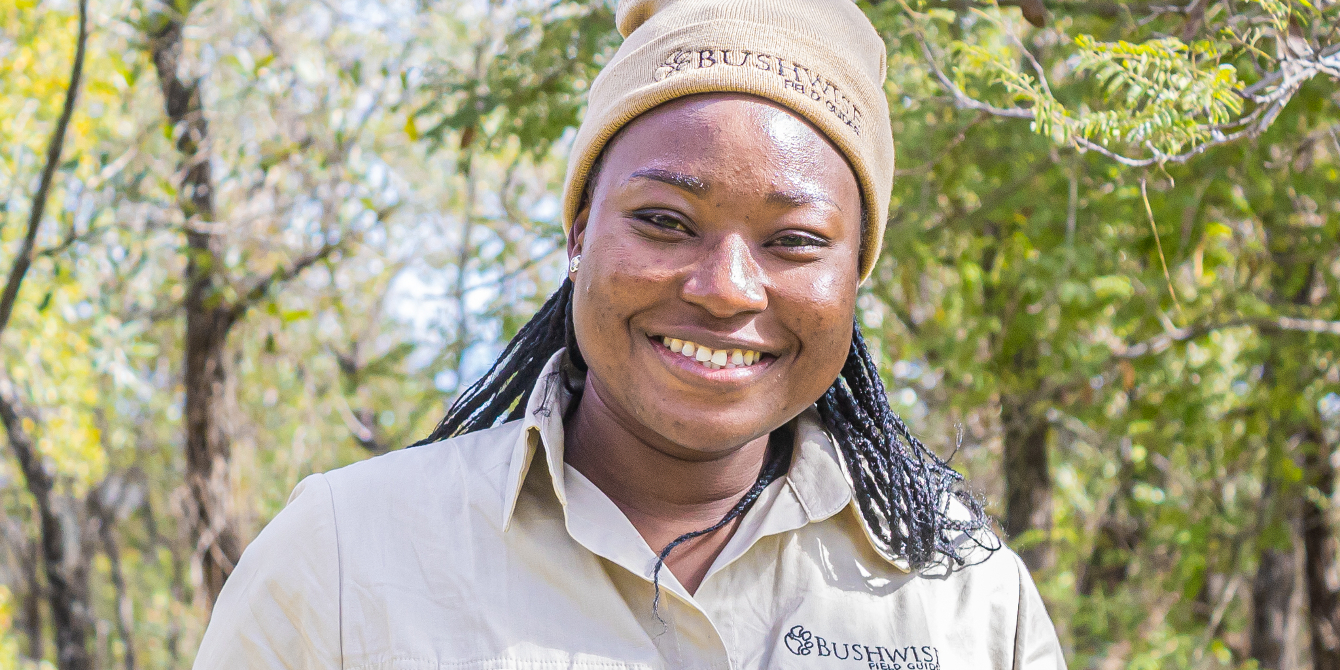
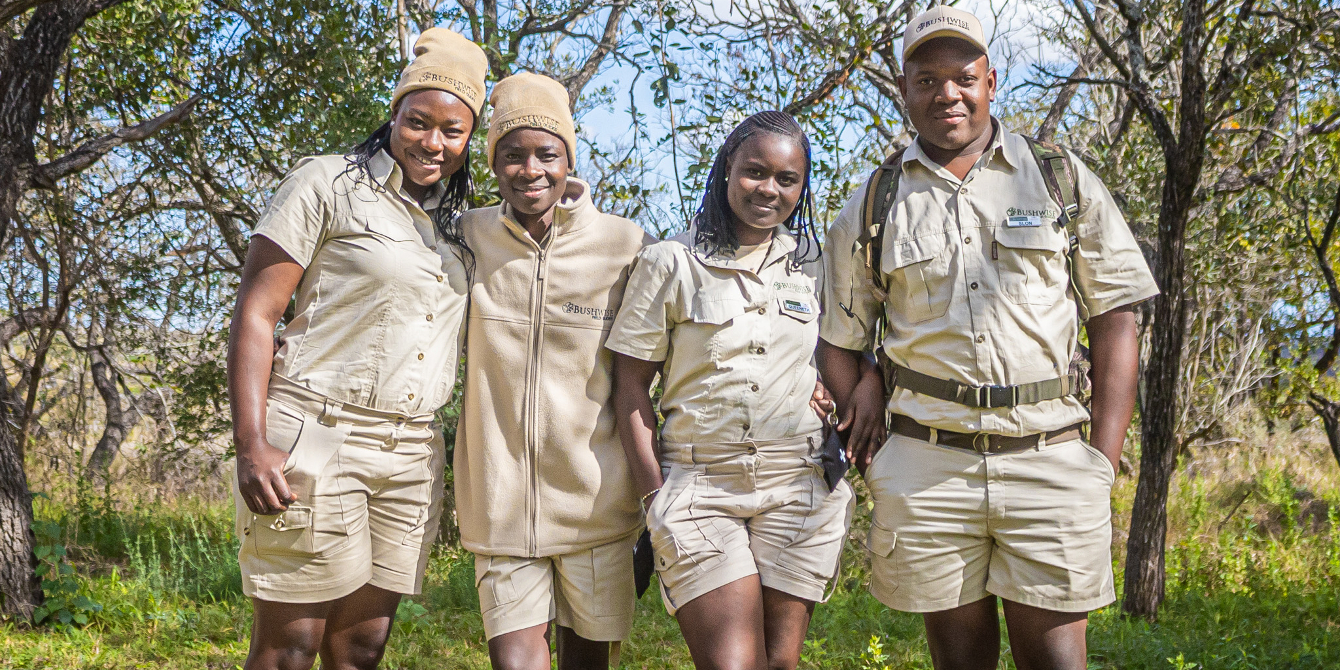
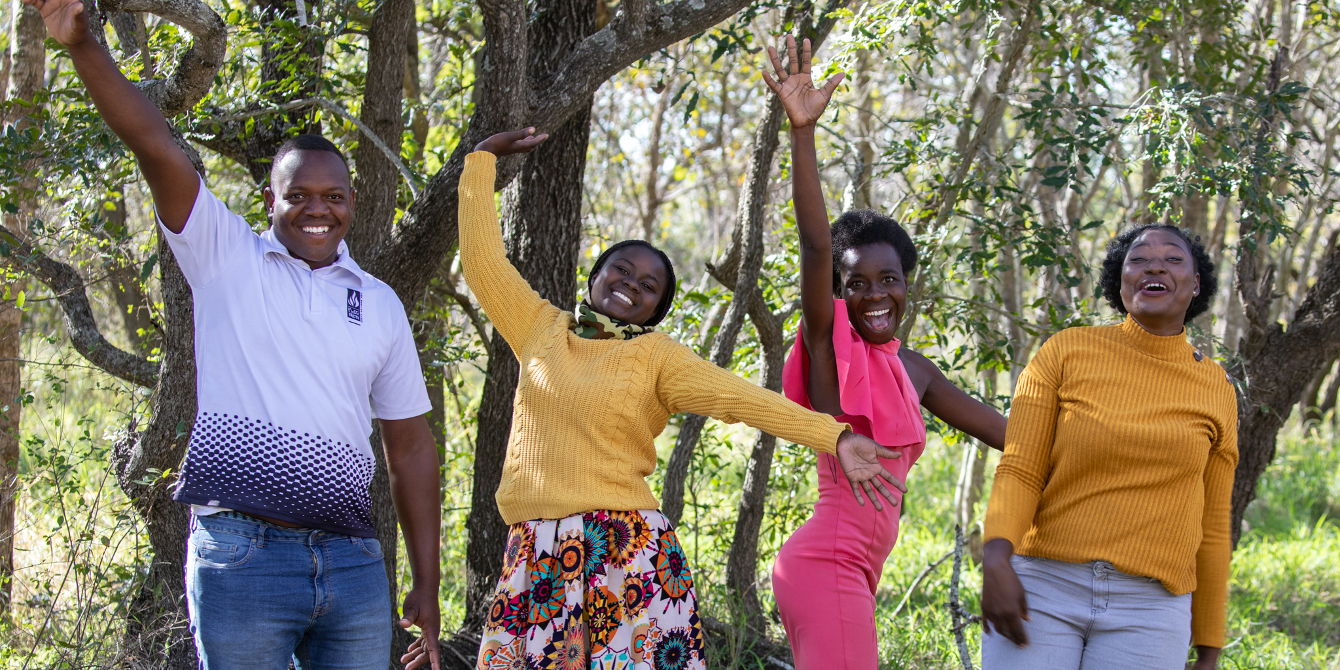
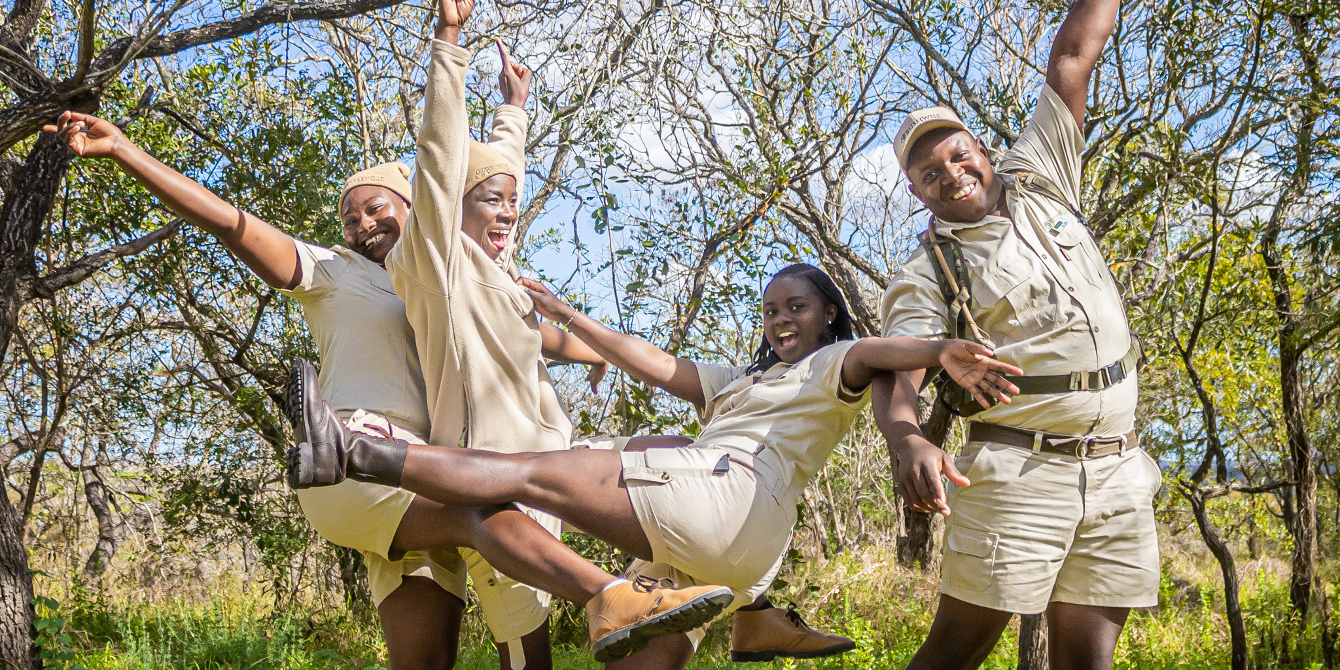
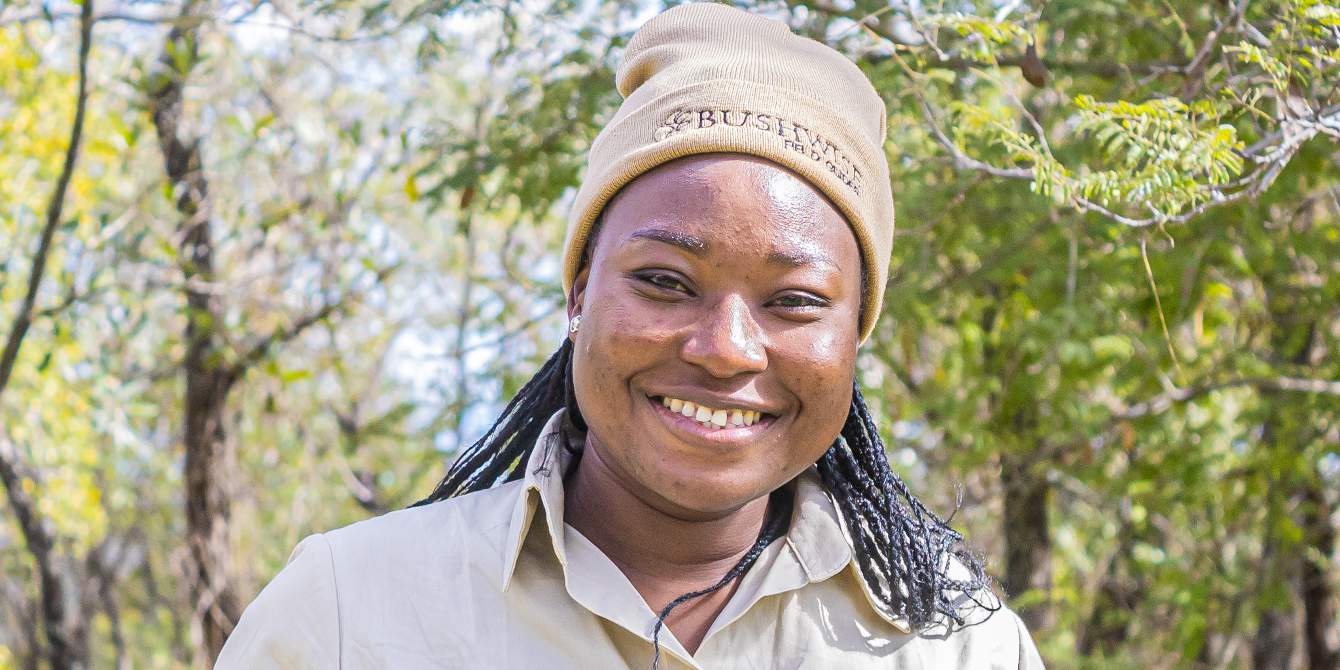
    My name is Siphiwe Khoza, from Welverdiend village in South Africa. I’m one of the lucky four students that were awarded a full scholarship through the new Bushwise and the Southern African Wildlife College collaboration to start our wildlife career. 

    There were 99 applicants, then 18 were selected for the interviews and only four of us made it (myself, Thinnah, Slon and Queeneth). It was not an easy journey, but I finally made it to the end.

    The start of my wildlife career
    image

    I am so excited to be a field guide student and have a career in wildlife. I’ve always wished to study and have more knowledge and experience with wildlife and find employment in the guiding industry, sharing the information with others. 

    There is a lot that I wish to share with the people in my village. I’m gaining more and more knowledge on a daily basis and seeing things differently from how I used to see them. 

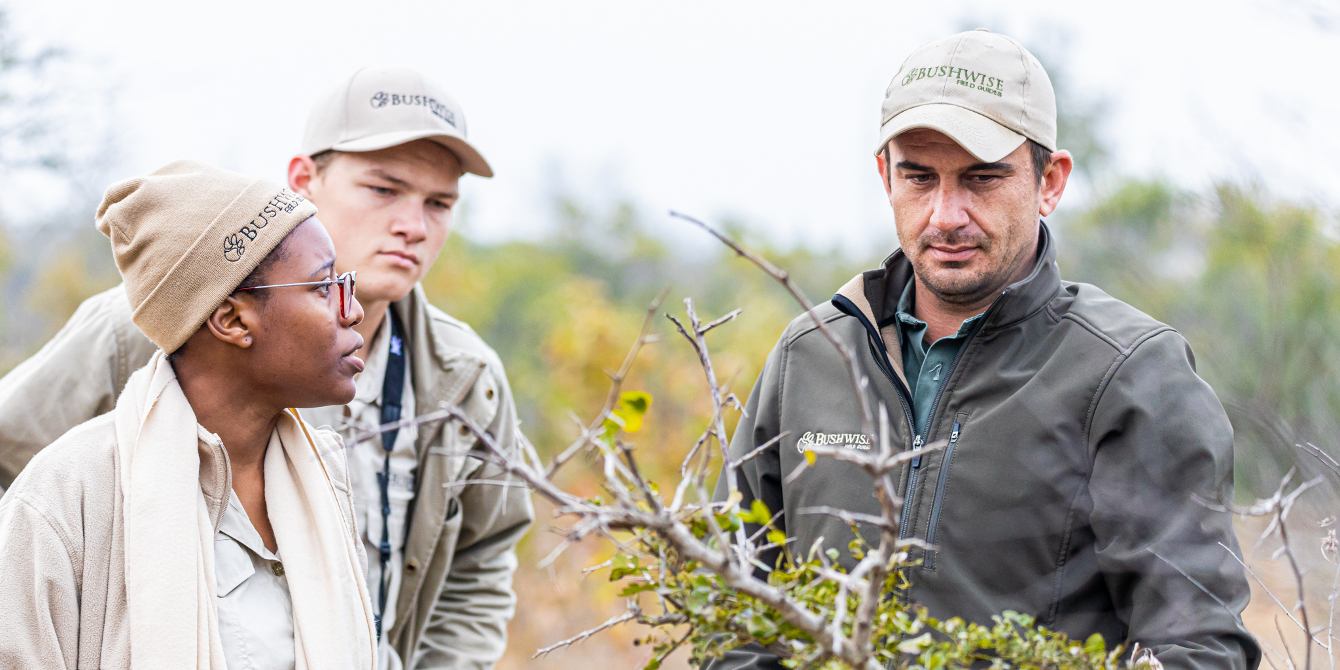
    We have amazing Bushwise trainers who do their job in an outstanding way. It seems quite impossible to train someone who knows nothing about wildlife in the period of six months and then become a pro at the end of the course, ready for a wildlife career. But it is possible with Bushwise trainers.

    Learning more each and every day
    image

    I’m enjoying every second I get to spend here each and every day, from the classroom lessons to the game drives, doing different courses, and meeting new international friends – as the wildlife college accommodates students from all over the world. 

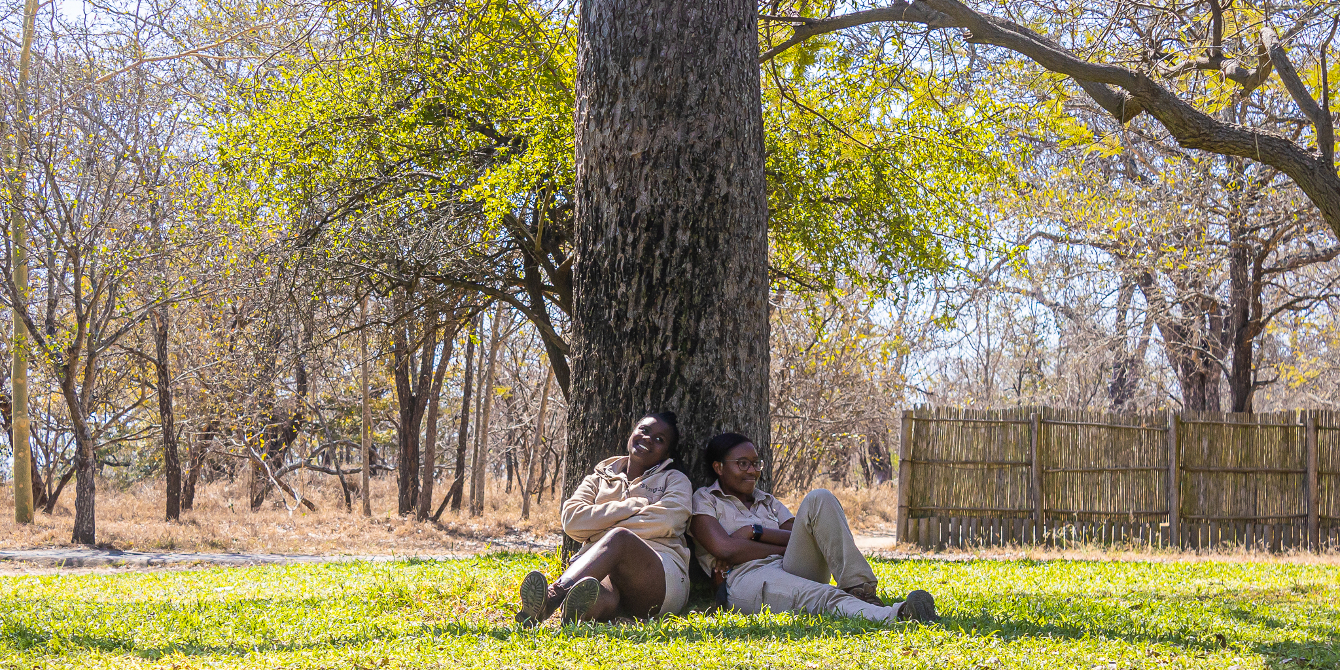
    I have the coolest classmates ever. We have been sharing stories and experiences of our countries and getting to know each other. It is an amazing opportunity for me to get to know people from different backgrounds, as I’m going to work with different people after completing this course.

    Incredible sightings on course
    image

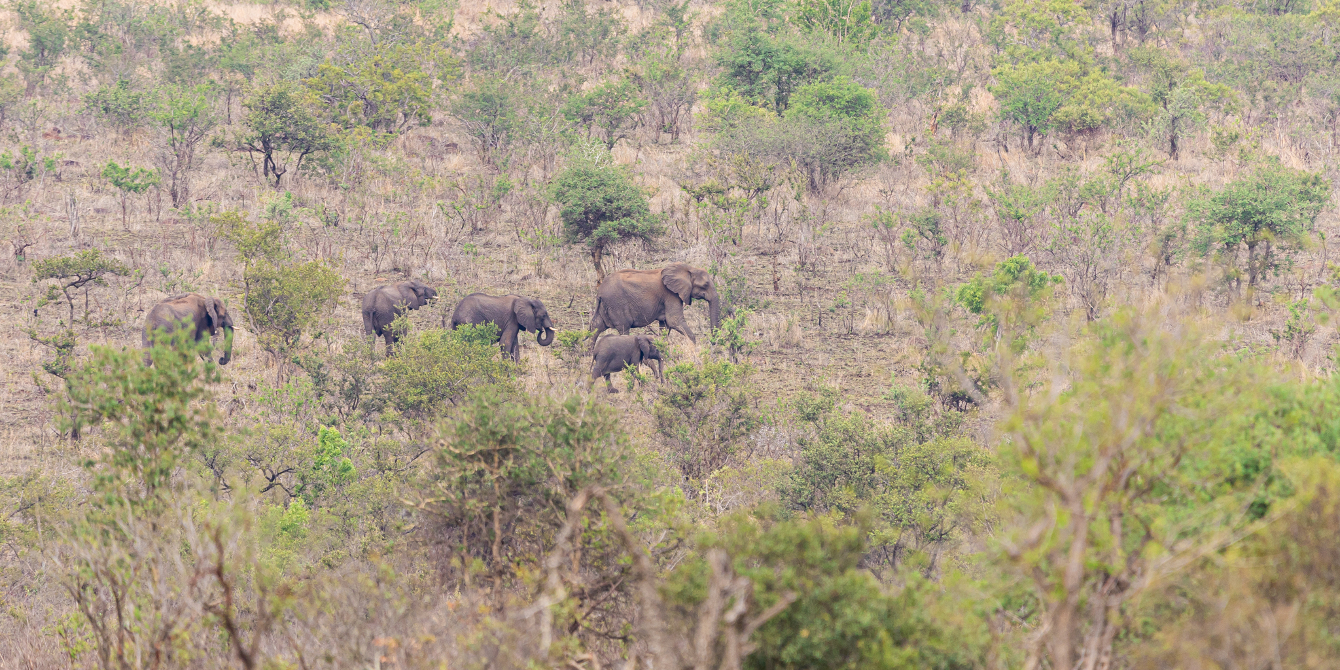
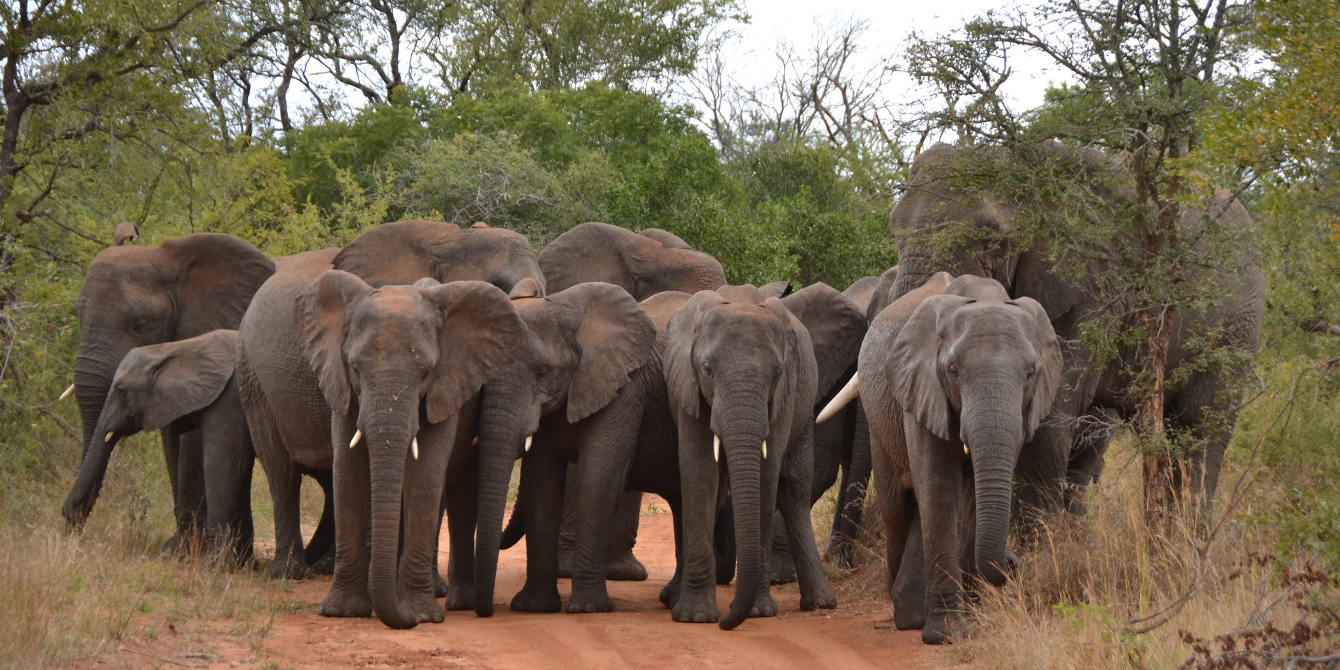
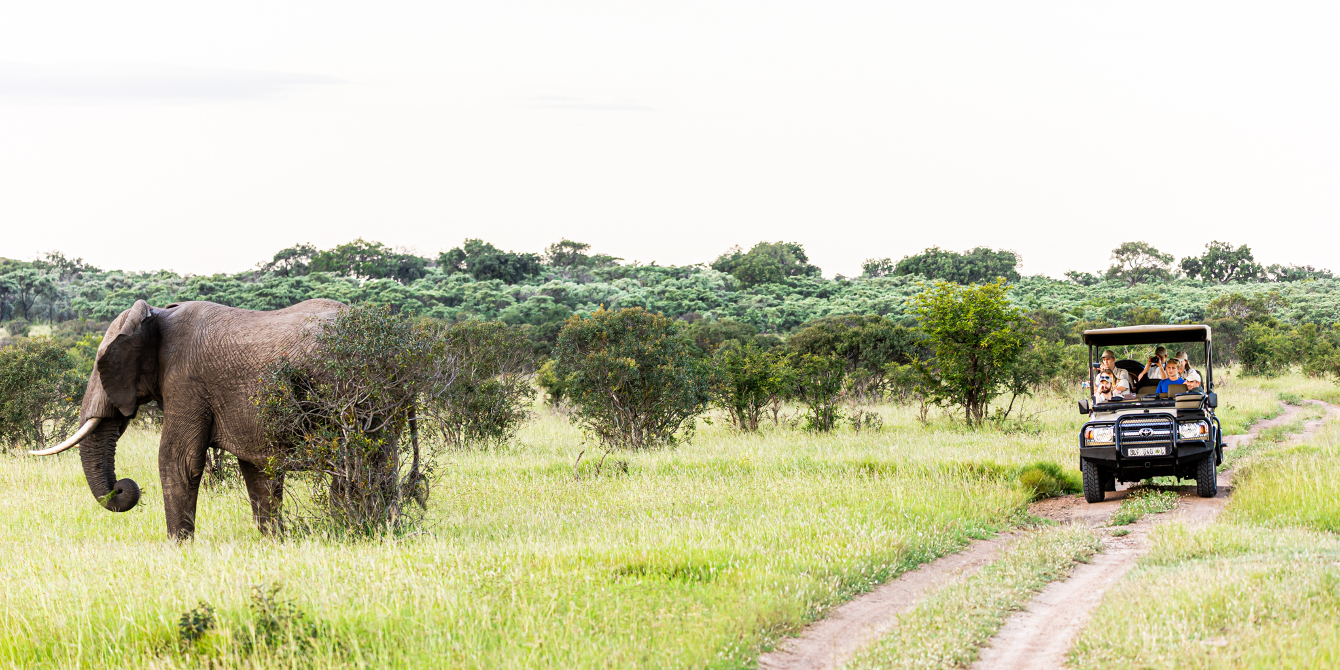
    One of the best sightings we’ve ever had on a game drive was the day we came across a herd of 60 elephants from different age groups. It was the most amazing sighting we’ve ever seen at the water hole, with the matriarch leading the herd and the others following behind, making sure that no member is left behind. 

    It was an amazing experience to see how elephants interact with one another. The same behavior that the herd of elephants does is the same behavior that our trainers do, they ensure that every learner is covered before we move on to the next module. 
    image

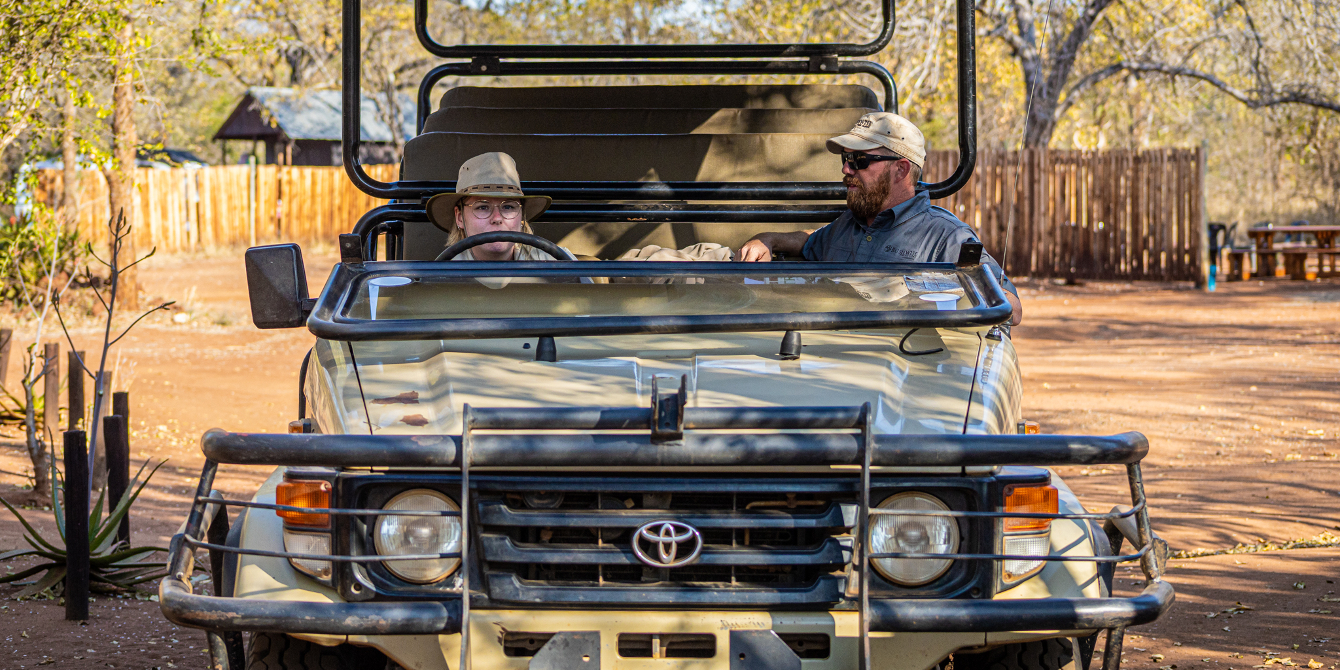
    I remember one day when I was going through a tough personal situation, and I was the one driving that morning for three hours. I couldn’t even do my guiding in a professional way. 

    After the end of each drive, we got feedback from the trainers and fellow students. This is really helpful because it gives us a chance to reflect on our performance and think of how we can get better. 

    Growing in my wildlife career
    image

    After the feedback, it made me realise that life has some ups and downs, it changes like the weather. One day we have cool warm beautiful weather and the next day we have very bad weather, but we have to keep on going no matter how tough situations are.

    I am now a strong woman who is ready to put a smile on my face and do my work with passion and enthusiasm no matter how tough life is. I am going to become a nature guide soon, and life will always have challenges that I have to face and overcome without my clients noticing. 
    image

    All thanks to the Bushwise trainers for bringing back the confidence in me, turning metal into steel, from my weakest point to the strongest – just like a parent preparing a good future for her children.

    I can’t wait to see what the future holds for me after the end of the course with all the knowledge and experience I’m gaining each and every day.

    #Birding #bushwise #fieldguide #qualification #safariguide#training #animals #apprenticefieldguide #safar #fieldguidecourse #studying #fieldguides
  • Why Flora? Understanding plant life.

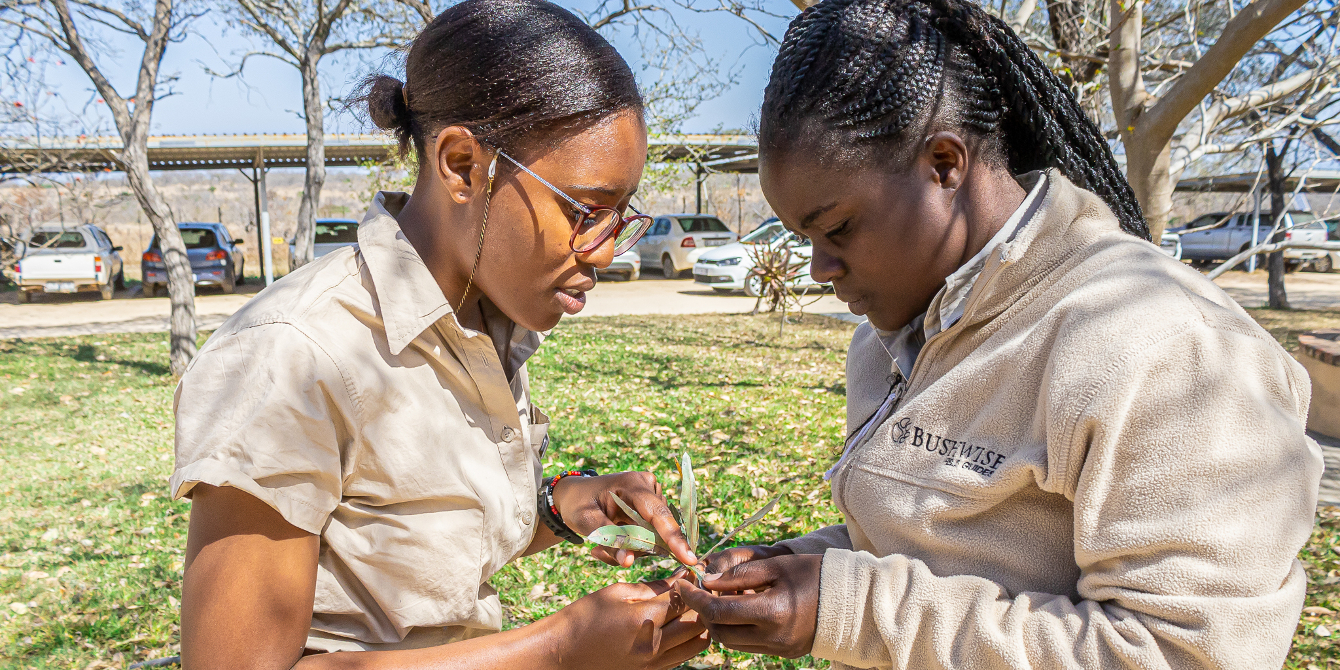
    You might not assume that plants and ancestors go hand in hand. But when your name’s Flora – a traditional Sepedi name passed down through generations – and plants are used at home for medicinal and traditional purposes, plants and ancestry really do go together! 

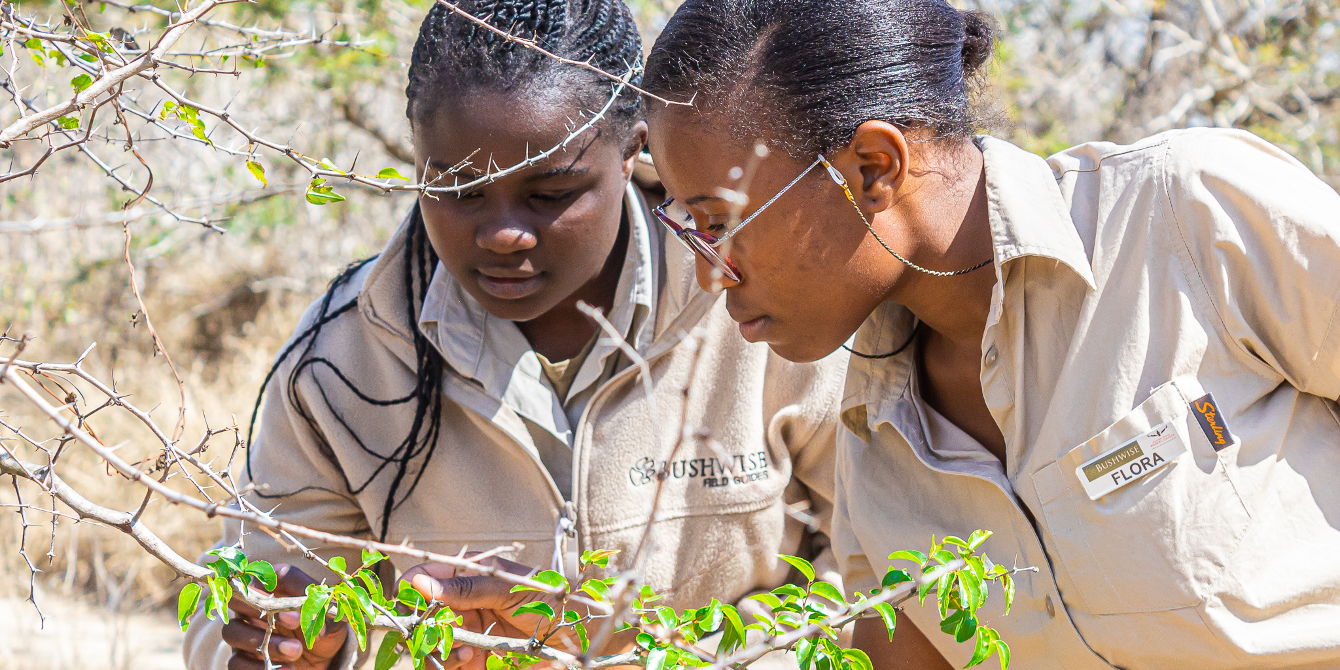
    This blog was written by Queeneth Seepano and Flora Molepo, two Bushwise students with a growing interest in botany.

    Read time: 5 mins

    What is a plant?

    image

    A plant is a chlorophyll-containing organism which produces its own food through the process of photosynthesis, which makes them self-sustaining organisms. Plants provide humans and animals with oxygen, food and everyday used products from paper, chairs to tissues, etc. 

    Yes, I know. Botany – the scientific study of the structure, economic importance, physiology, genetics, ecology and the distribution of plants – can be less interesting because I mean they are just trees, they don’t move. Who would want to learn about something that just stands and does nothing all day?

    All about plant life!

    image

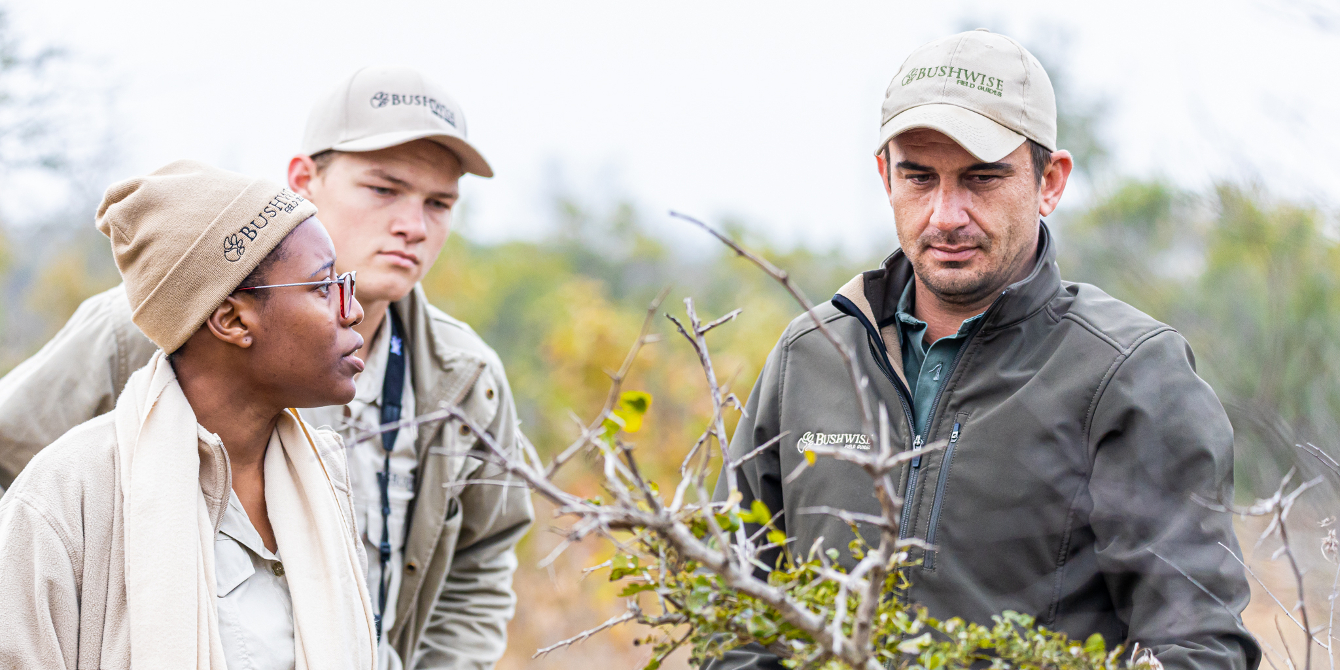
    I had no knowledge about botany or plant life before joining Bushwise Field Guides, but a lot of interest. Bushwise has grown that knowledge and interest. For example, I now have an understanding of the cambium layer, which is the growing part of a tree trunk, to the xylem and phloem, which are used for storing and transporting food, water and nutrients in plants. 

    Incorporating plants is an essential part of our field guide training (it’s one of the many modules we must learn at Bushwise). I was able to incorporate traditional, medicinal uses of specific plants during practical drives. 

    image

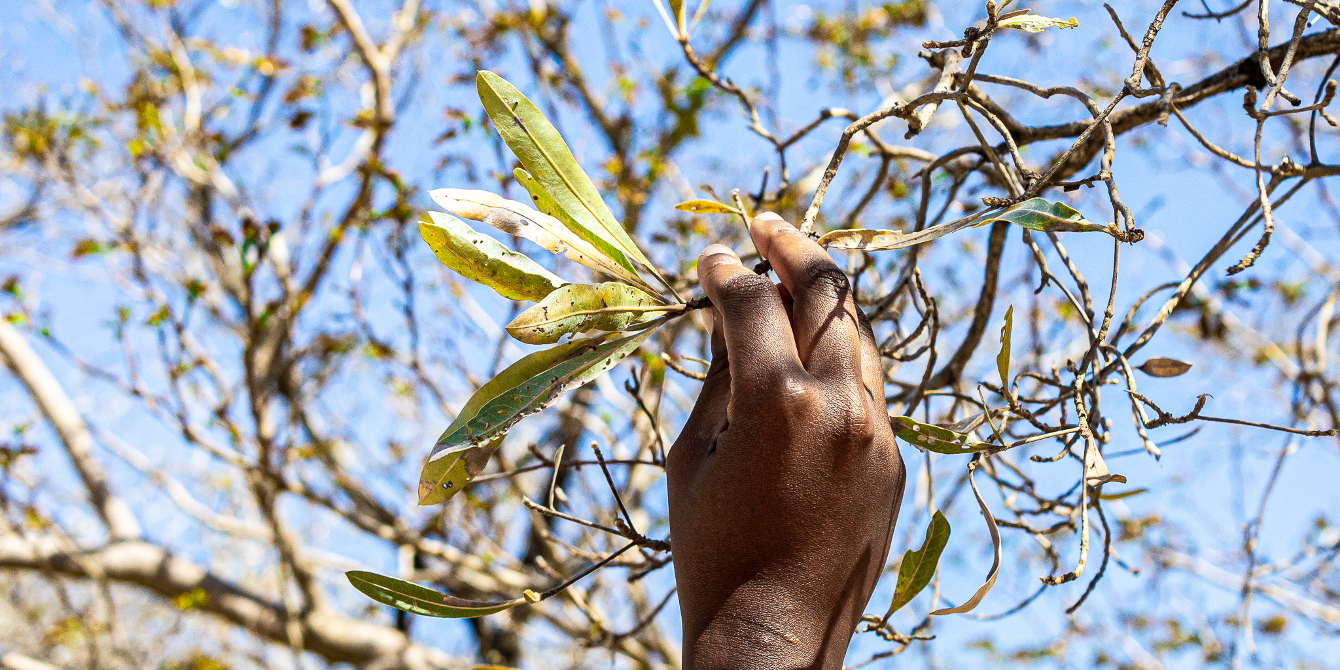
    For example, at one stop I discussed using the silver cluster leaf Terminalia sericea. The leaves and roots are important in traditional medicine mostly in the Tsonga culture, they boil the leaves and the infusion is taken every day to help treat stomach-aches, coughs and diarrhoea. 

    The leaves are then chewed to create a paste for open wounds, the bark can be used as a rope, shoelaces or even a belt. 

    What’s in a name? 

    image

    Flora is a distinctive way of naming someone, but in my culture, Sepedi, Flora is a very common name. It’s a generational given name, passed on by my great-grandmother to my grandmother and now to me. 

    My love of plants began with the name ‘Flora’, but continued to develop as plants were used as medicine and for other traditional uses at home. For example, when I had serious menstrual pains, I boiled the leaves of a local plant – an ancient plant species that has been used by humans for medicinal purposes for hundreds of years. Using it relieved the menstrual pains and I was able to go on with daily activities.

    Traditional beliefs, myths and medicinal uses of our plants

    image

    I believe that trees are one of the most important aspects of our ecosystems. Plants are the source of life on Earth. All living things depend on plant life to make it through the day. We have many different species of plants in the world. 

    South Africa is a very diverse country, with many different tribes and people with different perspectives about plants, also with different cultures, beliefs, myths and medical uses. Each and any culture has its own way of using the plants according to their culture. 

    We all know that plants provide us with oxygen, right? But, that’s not all. Let’s explore the traditional uses of some plants starting with Ziziphus mucronata, buffalo thorn.

    Many uses of buffalo thorn or wag’n bietjie

    image

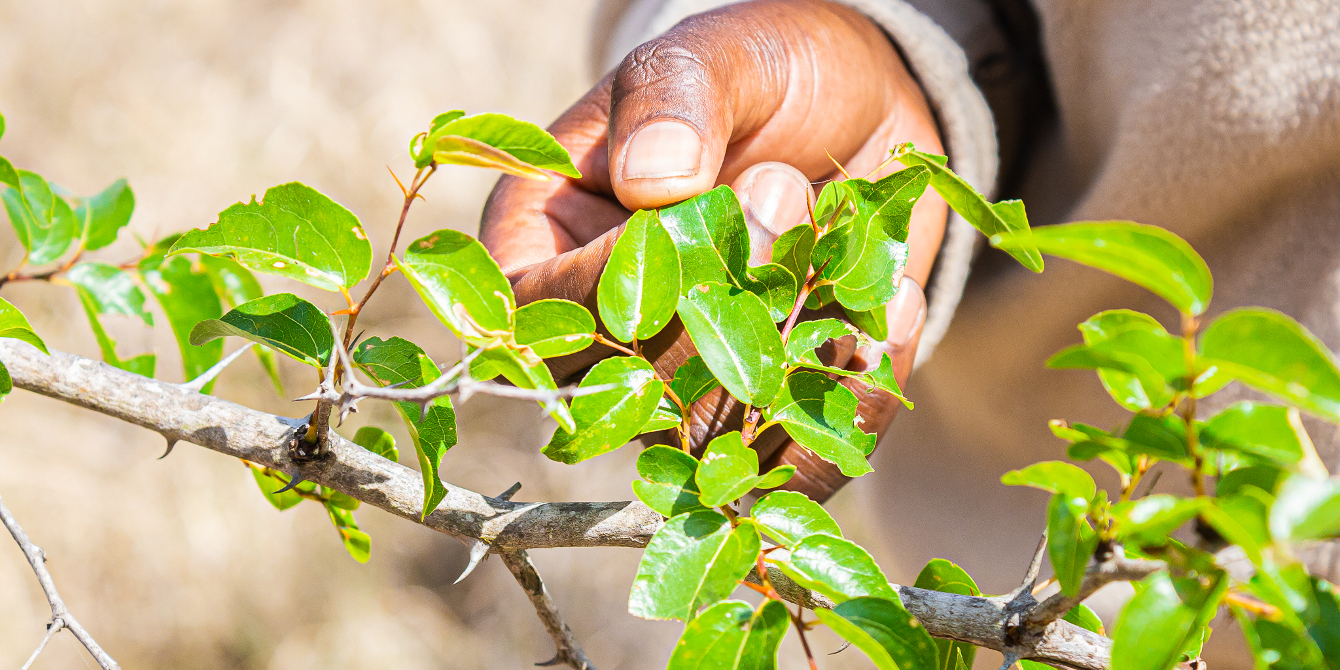
    The buffalo thorn is known locally as wag’n bietjie (wait a minute) in Afrikaans. The buffalo thorn gets this name because the straight thorns on the tree have a really sharp hook on the end (looking a bit like buffalo horns). So when it hooks you, you have to stop and wait to unhook yourself from it. 

    Traditionally the tree is used for many things. As culture and beliefs of certain tribes are different, they all have their own ways of using this tree, either medicinally or culturally. 

    The fruits from these plants are edible for both animals and humans. After eating the fruits, you can take the seeds and crush them into powder, and from that powder you can make porridge. 

    When the tree is starting to have the green new leaves, you can use the leaves as spinach. Depending on how you want them, you can either eat the leaves straight from the tree or you can cook them first.

    Honouring and communicating with our ancestors using plants

    image

    In many cultures here in South Africa we have similar uses of the buffalo thorn branch when it comes to those who have passed away. Our beliefs and myths are what have kept us safe and protected to this day.

    When a member of the family dies and they have passed away far from home – like at the hospital or in a car accident – we use the branch to go to where he/she passed to collect his/her spirit. We believe that the hook thorns represent something in our lives, the hooked thorn shows the past of the person who has died and the straight thorn shows his/her way to the afterlife. 

    image

    The Sclerocarya birrea, the marula tree, is one of the protected trees in South Africa and also one we use in practice. In my belief and culture, we believe our ancestors are always there.

    When we want to communicate with them, we go under this tree, with specific items needed to communicate with them. Like the dead we buried using the buffalo thorn, we are able to communicate with them and tell them all that we ask for under the marula tree.

    image

    Plant life is incredibly culturally and ecologically important. Let’s look after our plants and trees, people!

    Did you know how important plant life is in the functioning of an ecosystem and communicating with ancestors? Learn how everything is connected by joining a Bushwise course

    #bushwise #Exam #training #endangeredspecies #studying

  • Training as a nature guide in the African bush

    Nature guide, nature site guide, field guide or safari guide. You might have heard these terms used interchangeably before. In South Africa, these are all terms used for people who lead guided experiences in the African wilderness. 

    image

    Safari guides are most often associated with iconic African wildlife, like lions and elephants. 

    But with the same national qualification – NQF2 Nature Site Guide – someone could lead camping tours in South Africa’s vast interior landscapes, or take people on guided hikes through our tropical coastal forests. It just depends on where you’re qualified to guide and the kind of program you studied through.

    Nature guiding has many different applications across South Africa, as long as you’re appropriately qualified. So what does it take to become a nature guide? What’s nature guide training all about and how can Bushwise get you there? Let’s learn.

    What is a nature guide?

    image

    Nature guides are ambassadors of the natural world. They facilitate human-nature interaction through guided tours, whether in a game viewer, on foot, on horseback or even on bicycle. 

    In South Africa, a nature guide or field guide is someone who is certified to lead tours in a specific area (like Kruger National Park or a private game reserve). They have qualifications under CATHSSETA (explained below) and often another accredited training provider, like Bushwise.

    What is CATHSSETA?

    image

    CATHSSETA is the Culture, Art, Tourism, Hospitality, and Sport Sector Education and Training Authority. It is one of the 21 SETAs established under South Africa’s Skills Development Act, specifically to define and recognise qualifications in these industries. 

    When you become a nature guide, you receive a certificate from CATHSSETA recognising your qualifications (Bushwise can help with this process). This certificate is a national document, but you will still need permission from regional authorities to guide in a specific area. 

    Understanding all of this can be a bit overwhelming – luckily when you do a course with Bushwise, we help make it easier to manage!

    How do I become a nature guide?

    image

    If you’ve found this page while searching for information on nature guides and field guides, then you’re in luck. Bushwise is a world-class training provider of field guides in southern Africa. 

    We operate near the Greater Kruger National Park in South Africa, where you can earn your CATHSSETA NQF2 Nature Site Guide qualification. 

    These qualifications are essential if you’re going to become a field guide in the African bush!

    image

    Join nature guide training with Bushwise by signing up for our IFGA Safari Guide Course 6/12 Months. This is a 6- or 12-month training course that will give you all the theory and practical experience and knowledge you need to pass your exams. 

    Just like preparing to enter any other career or industry, you must work hard to succeed, and Bushwise helps get you there. 

    What does a field guide do?

    image

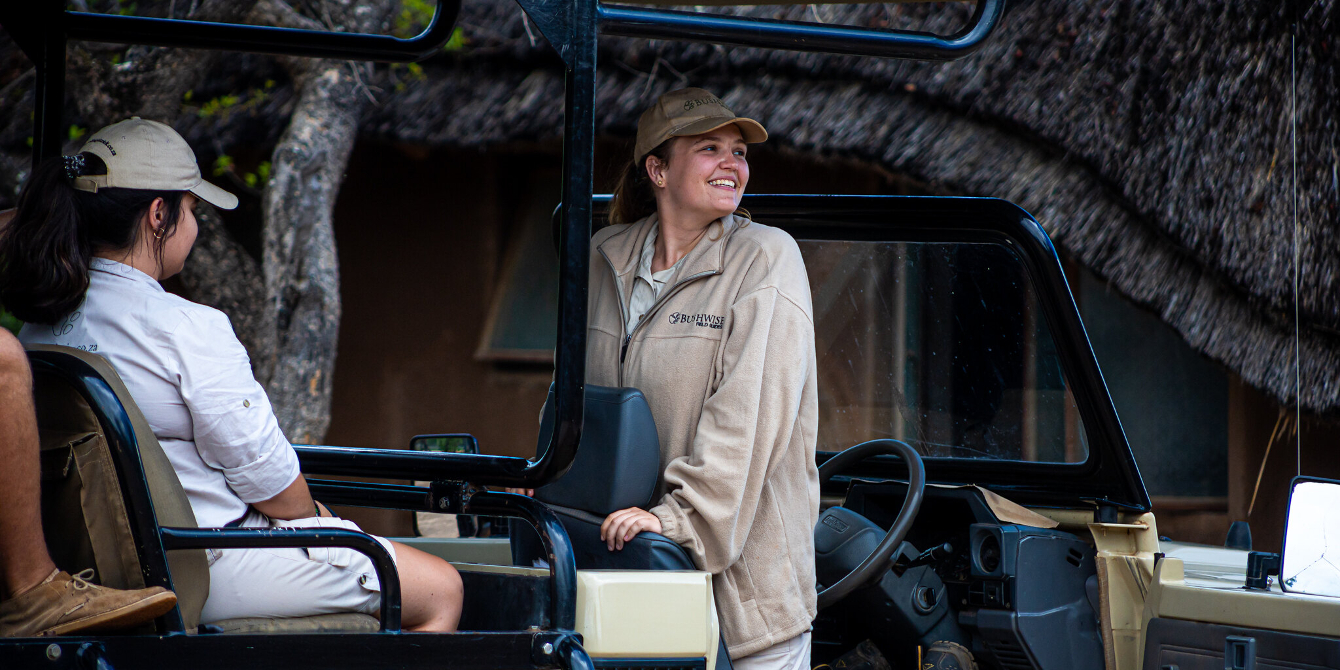
    The most traditional experience of a field guide looks a little something like this. You’ll wake up every day before sunrise to prepare to take your guests on safari. You’ll meet them for coffee and snacks before heading out on a game drive, bush walk or other guided experience. 

    Over three or four hours you’ll share your knowledge with your guests, imparting wisdom through stories, interpreting animal behaviour, or simply discussing our natural world as you observe animals going about their daily lives. 

    This is an extremely rewarding experience as you’ll see things many people never see in their whole lives!

    image

    After the morning activity, you take the guests back to the lodge and spend the bulk of the day completing your other responsibilities – whether that’s taking guests to the airport, running errands, leading special activities, or taking care of administrative tasks. 

    In the afternoon, you’ll lead another activity, either with the same guests or new arrivals. This process repeats each day for the duration of your work period. Most guides working for lodges in the Greater Kruger will work for a few weeks, then have a week or two off. 

    image

    Being a field guide, nature guide or safari guide is a unique and rewarding career. 

    If this sounds like something you’d love to do – consider applying through Bushwise for nature guide training. Launch your field guide career, today!

    Did this blog speak to you? Have you always wanted to work with animals – but aren’t sure how? Get started with jobs working with animals.

    #gameranger #bushwise #fieldguide #trailsguide #guidejobs #animals #fieldguidetrainer #sightings #fieldguiding #gamedrive #guiding #fieldguidecourse #fieldguides

  • The best way to become a qualified field guide

    So you want to become a field guide in South Africa (or further abroad). You might have read that there are a few different avenues you can follow to reach your goal. In this blog, we outline some of the most common ways to become a safari guide, and our recommendations to start your wild career!

    Read time: 5 min

    How do I become a qualified field guide?

    image

    If you want to become a certified field guide (also called safari guide or nature guide) in southern Africa, one of the best and most well-respected ways to do this is by completing a CATHSSETA Nature Site Guide NQF2 qualification through an accredited training provider (like Bushwise). You must pass both written (theory) and practical exams to qualify.

    There are two common ways to earn your CATHSSETA qualification. The first is a full-time training program where you live and study in the bush, learning from experts and trainers who really know the material. At Bushwise, our courses are driven by the International Field Guide Association (IFGA) standards and CATHSSETA requirements. With IFGA, the qualification goes even further than South Africa, providing you with a base to become a guide anywhere in the world. Learn more about IFGA here.

    The second way to become qualified is to self-study and write the exam in your own time, either by following an online course or reading the books and doing research on your own. Beyond the online course, this option requires an in-person assessment by a qualified training provider, like Bushwise.

    image

    While either option can get you your field guide qualification, it’s essential that you don’t undervalue the significance of proper field experience. To be a successful field guide, you’ll need skills like 4×4 driving, track and sign, birding, first aid, PrDp, and much more. 

    What does CATHSSETA stand for?

    CATHSSETA (Culture, Art, Tourism, Hospitality, and Sport Sector Education and Training Authority) is one of the 21 SETAs in South Africa. The SETAs were established in 2001 to facilitate skills development in their relevant sectors.

    image

    The major functions and responsibilities of CATHSSETA are:

    1. Develop and implement a skills plan for the sector, and prioritise skills development.

    2. Support the NQF implementation.

    3. Conduct and undertake quality assurance.

    4. Disburse levies.

    5. Report to the Minister of Higher Education and Training.

    Through our training programs and curriculum, Bushwise follows the guidelines and standards as set out by CATHSSETA. When you qualify as a field guide with Bushwise, we register you with CATHSSETA.

    What does it mean to be an IFGA guide?

    image

    With the IFGA name by your qualification, you’re telling future employers that your field guide education was gold standard. This is because IFGA sets a high bar for skills and experience of qualified guides. If a guide has the letters IFG by their name, it means they were successfully accepted into – and passed – the most selective guide training program in the world.

    What’s the difference between NQF2 and NQF4?

    image

    The acronyms NQF2 and NQF4 come from the National Qualifications Framework (NQF). This is a national system in South Africa that recognises education levels – across all industries. In field guiding, NQF2 applies to the first level of Nature Site Guiding (also called field guiding in the industry) while NQF4 is the second level. At the moment, there are only NQF2 and NQF4 qualifications for field guiding by CATHSSETA.

    Can you study field guiding online?

    You might be hesitant to jump right into a 6- or 12-month training course to become a qualified field guide. That’s okay! We completely understand – and it is possible to start your field guide career from the comfort of your own home. Bushwise offers three different online courses to get you started.

    Our online field guide course will get you started with the knowledge you need to become a qualified guide. With this head start, you’ll be well on your way to becoming a professional in the field guiding industry.

    Once you’ve finished the online course you can sign up for our 60-day Safari Guide course to get your essential field experience, do your practical assessment and complete your certification. 

    Interested in becoming a qualified field guide? Join a Bushwise course today and launch your wild career.

    #AdvancedRifleHandling #gameranger #bushwise #fieldguide #safariguide #Exam #training #fieldguidetrainer #ifga #fieldguiding #fieldguidecourse #studying

  • What is a field guide? About field guide books

    What is a field guide? So you’re interested in guide books. Let’s look at the main features of a field guide book and where you can find them.

    Read time: 4 mins

    image

    Here at Bushwise, we train field guides – people who are passionate about nature and want to become ambassadors of the natural world. 

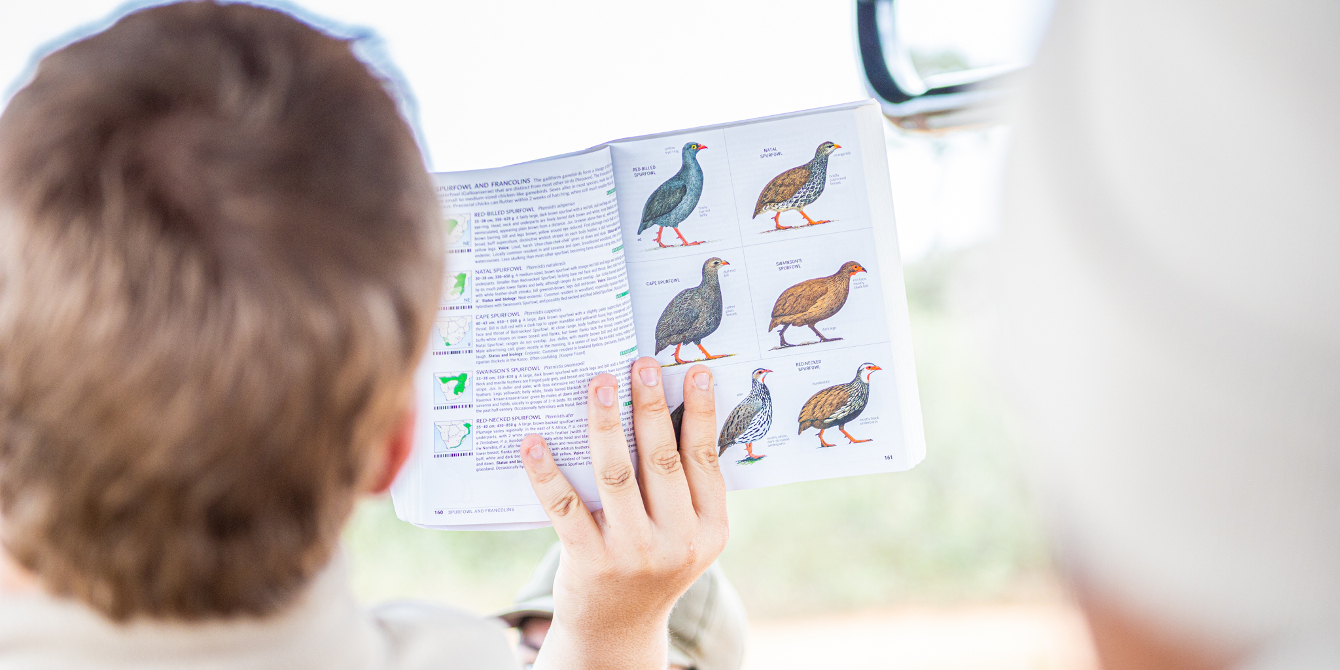
    But a field guide could also be a guide book, such as a guide to fynbos or regional birds. These books provide incredible detail into plants and animals, helping you identify them and learn more about them. 

    In this blog we’re focusing on the book version. 

    What is a field guide?

    image

    Around the world, this term has different meanings. Here in South Africa, it means  nature guide – someone who interprets the natural world for their guests, typically in national parks, game reserves and other protected areas. 

    In the UK and the US, as well as many other countries, the term field guide often refers to a guide book. A person could go to a bookstore or online shop and order a guide book on a specific species or species group, whether plant or animal. 

    Why it’s called a field guide

    image

    The idea is that you’d carry this book with you whenever you’re “in the field” and use it as a reference. 

    So, the book should guide you as you explore and understand the different species you see. Therefore, the book guides you in the field. It is a field guide.

    The most common ones cover things like trees, wildflowers, birds, amphibians, fish, mammals and insects. You might also get a region-specific book for a specific biome or ecosystem. Such books might simply be called “field guide to the wildlife of…” or something similar.

    What are the main features of a field guide?

    image

    The best field guides will include a clear organisation system, whether alphabetical or taxonomic or otherwise. Then, each species page(s) should ideally have:

    1. detailed description of each species

    2. images that help you distinguish it from others

    3. regional map or other visualisation for habitat and status

    4. calls (usually phonetic – and usually just for birds)

    5. breeding details, diet, and other information

    Obviously this will vary depending on the type of book and publisher. 

    image

    You can also now find these books published as apps. A popular example in southern Africa is birding apps, such as Roberts or Sasol. These types of apps include interactive maps, audio recordings of bird calls and tools to compare similar species. 

    You can also keep track of the species you see, which is a fun way to turn wildlife sightings into an interactive game!

    How do I find a field guide? 

    image

    Wherever you find books! Most bookshops will have a section on nature or wildlife. Simply search for the subject matter you’re interested in. They might have multiple options depending on the region or species group. 

    We recommend you try a few different field guides to see what you enjoy the most. For example, I prefer wildflower field guides that categorise flowers by colour instead of by species grouping. It just seems more straightforward to me, but your preference could be different!

    What is a field guide person?

    image

    A field or safari guide is a trained person who conducts a guided experience for guests in a natural environment, often in a game viewer or on foot. 

    You’re interested in field guide books. You’re interested in nature. Have you ever thought about making a career out of it? That’s where Bushwise Field Guides comes in.

    Through Bushwise, not only can you absorb more knowledge about wildlife and nature – you can become a qualified guide yourself

  • What’s the difference between a cheetah and a leopard?

    Do you know how to tell the difference between a cheetah and a leopard? It’s true that they both have spots and are big cats, but there’s a lot more to know about these majestic cats.

    Read time: 5 mins

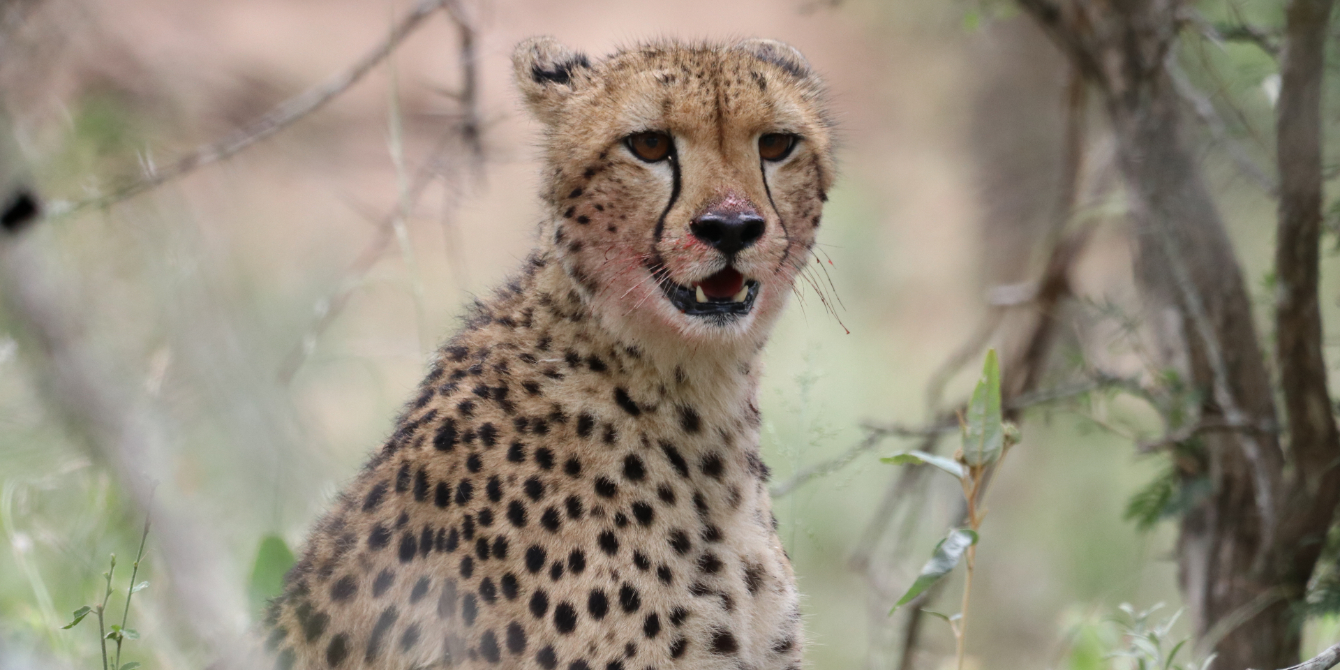
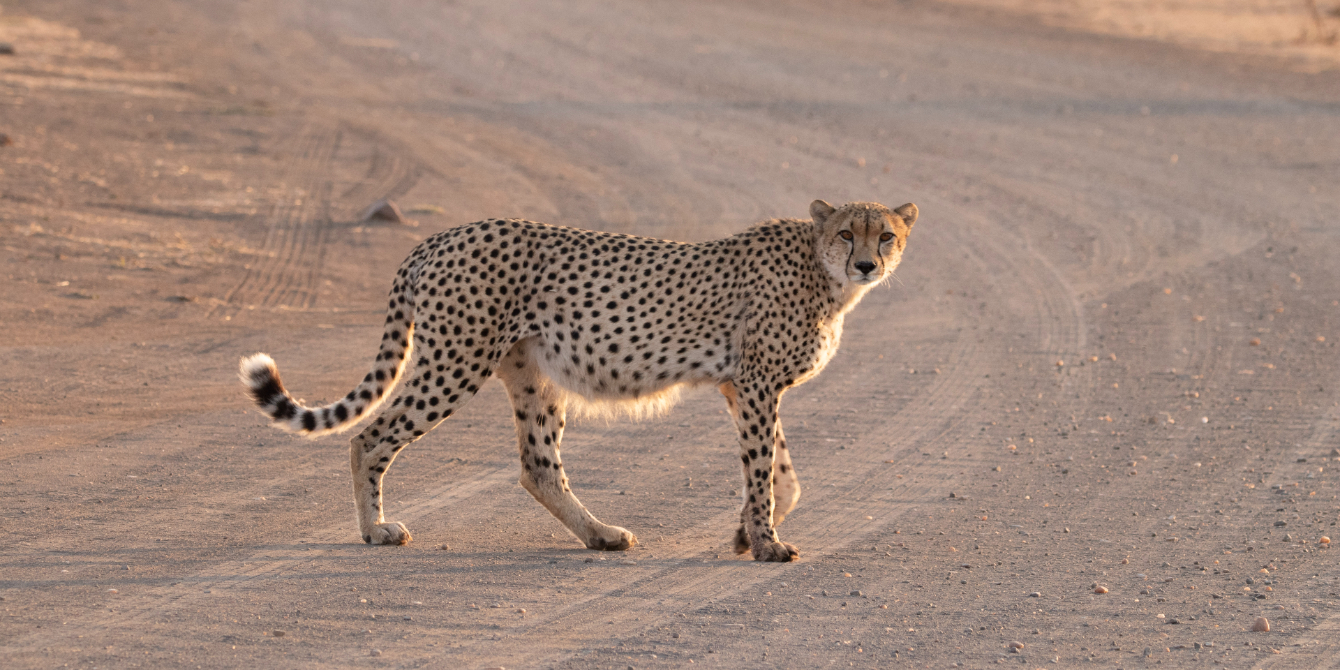
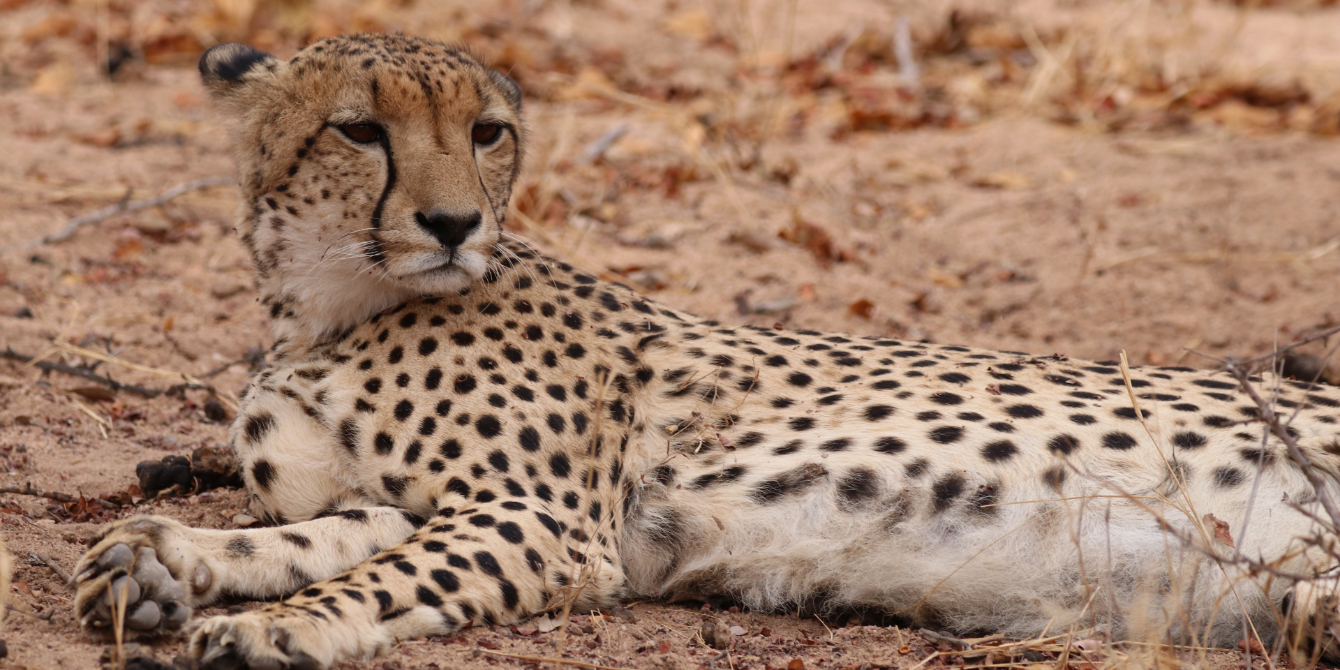
    Cheetahs have some very distinctive features that will catch your eye immediately. If you take a close look at their face, you’ll notice they have black ‘tear’ marks along their nose starting at the inside corner of their eyes. 

    Look for markings around a cheetah’s eyes

    image

    It’s believed that these black lines are there to help reflect sunlight out of the cheetah’s eyes. This is very important as cheetah’s hunt mostly during the day in order to avoid other predators such as the leopard, which hunts at night. A leopard’s eyes are well adapted to night-time hunting as their eyes absorb more light making them successful hunters.

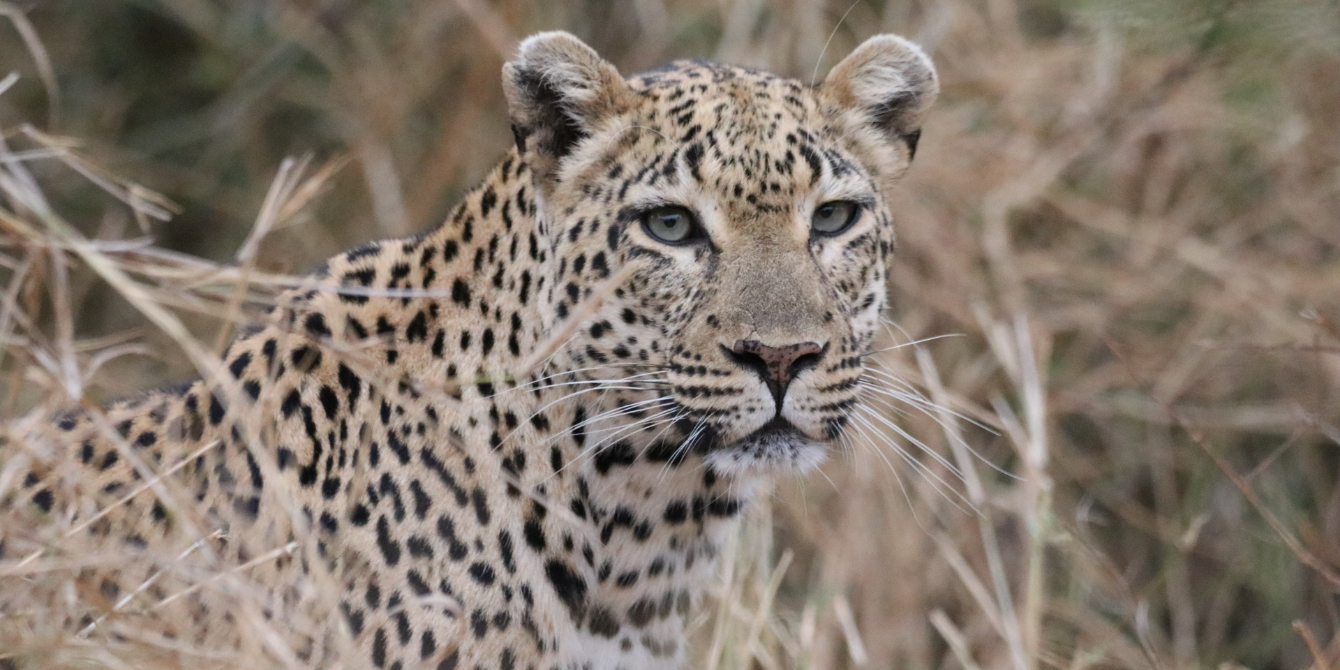
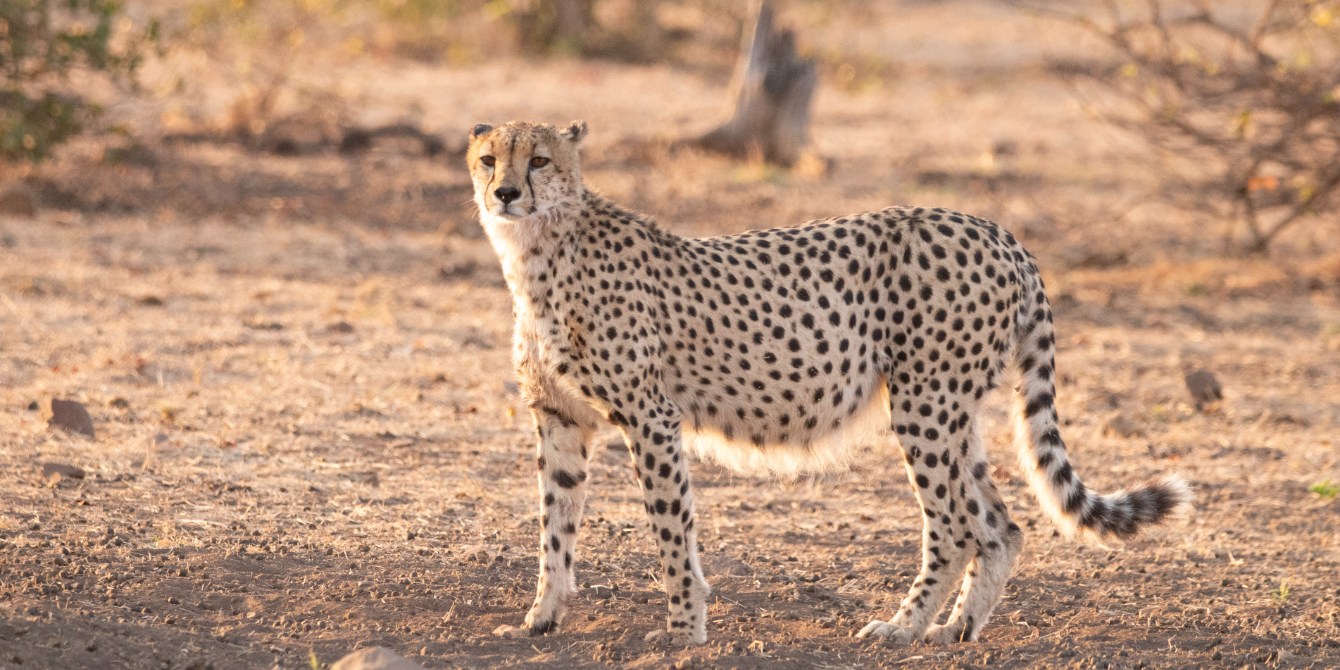
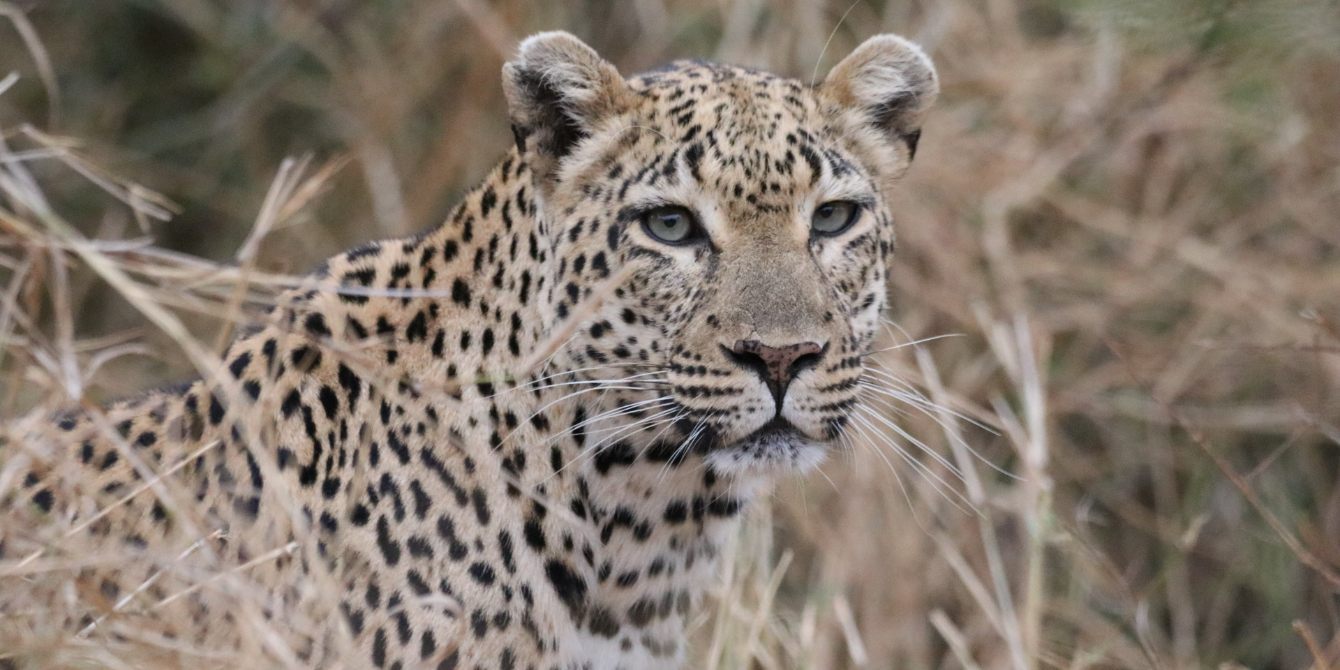
    The patterns on their coats is one way to tell the difference between a cheetah and a leopard. Cheetahs have unbroken, solid black spots which are usually oval or round in shape.  Leopards have rosettes which are rose-like markings with spots on their face and neck. 

    Rosettes on leopards vs spots on a cheetah

    image

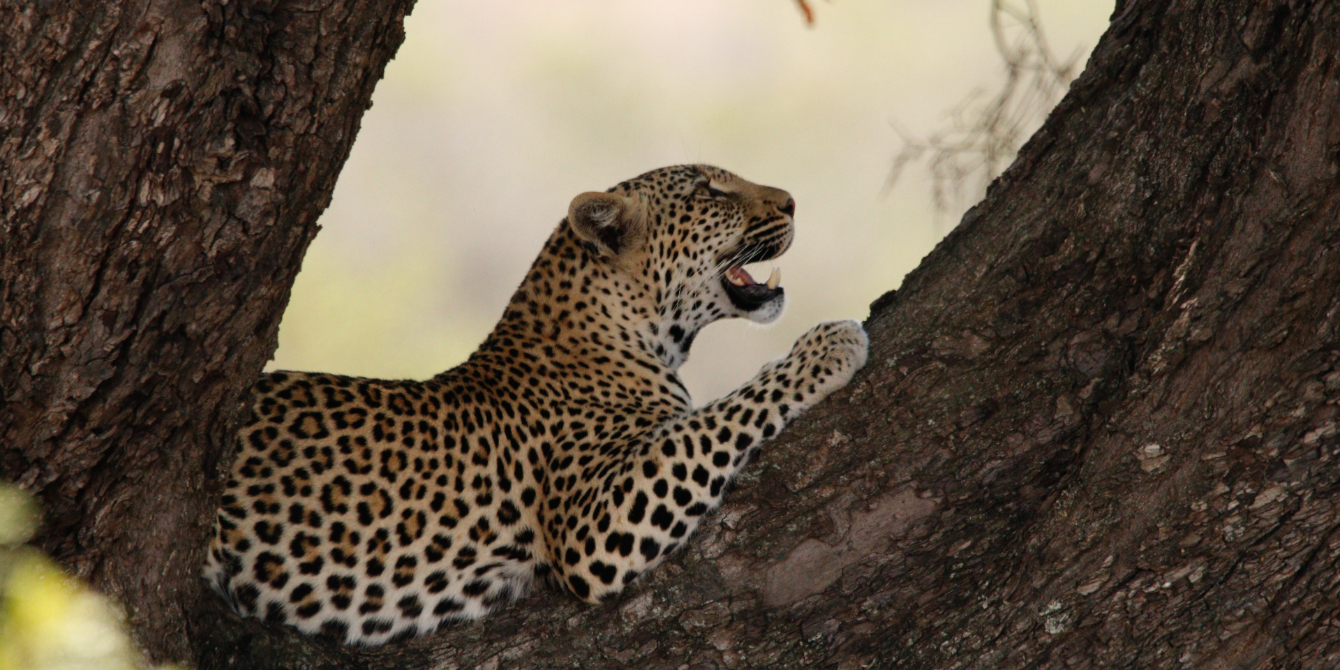
    The spots on a leopard’s neck look as if they have a necklace on. Aside from the different patterns they are also built in unique ways. The cheetah has a small, slender build with long legs and a rudder-like tail – they’re built to run at high speeds. In contrast, the leopard has a short, muscular build. This benefits them when it comes to climbing trees and swimming.

    An interesting fact about cheetahs is that they are the fastest land animals and can run at speeds of up to 100km/h within just three seconds and average about 87km/h while hunting. They cannot maintain these speeds for long as it may cause their brain to overheat. 

    Cheetahs are built for speed and agility

    image

    The leopard is more of an endurance hunter. They usually reach speeds of about 58km/h while hunting, but they maintain these speeds for a longer period while hunting.

    Due to these cats having been built for such different lifestyles, their claws do differ (although you might not want to get close enough to tell the difference between a cheetah and a leopard by looking at their feet!). 

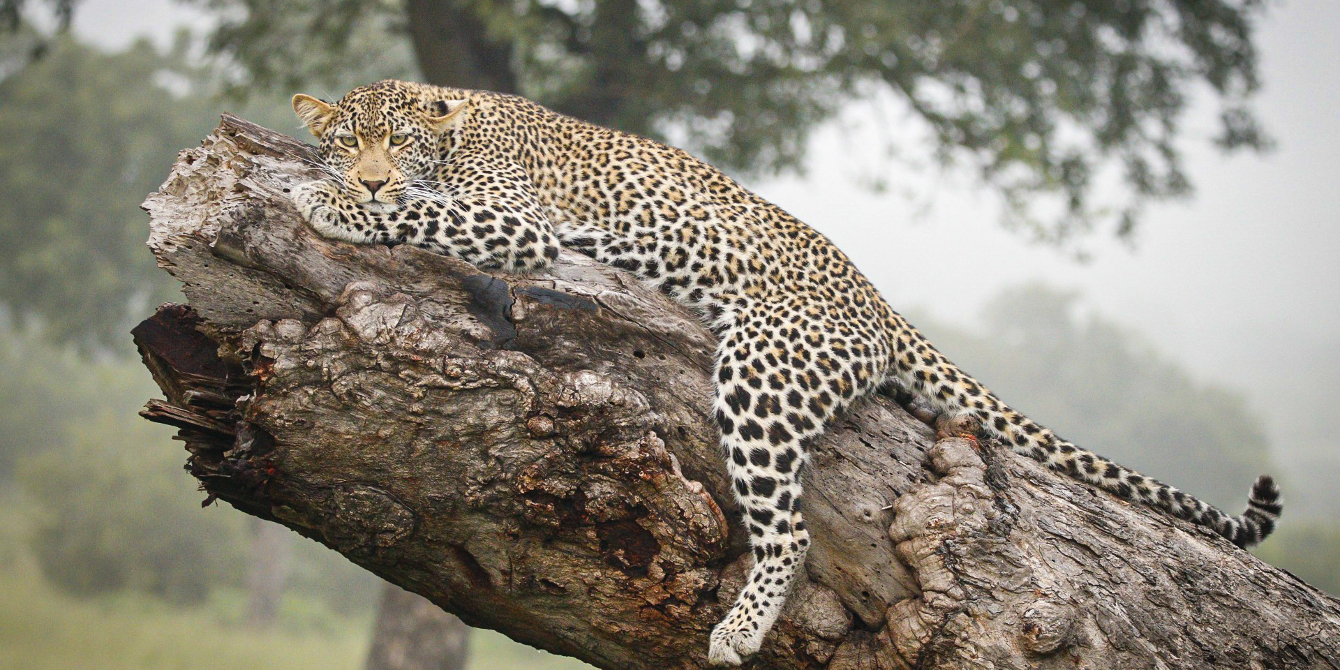
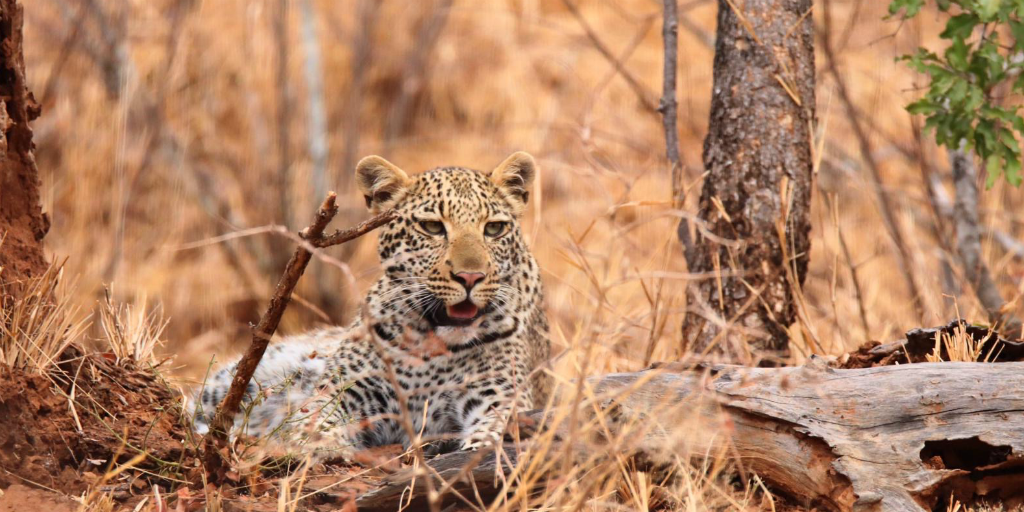
    Like all house cats, the leopard has retractable claws. This is beneficial in taking down prey and climbing trees, which is one distinctive characteristic for the leopard as they are the only big cats that can climb a tree with their prey. 

    Leopards are built to climb trees and stalk prey

    image

    The cheetah has dog-like claws, they are only semi-retractable. This makes them not as sharp as the rest of the cat family as they are not able to fully retract their claws – this is an amazing characteristic as these claws help the cheetah to keep grip when running at high speeds. These are two mesmerising and unique cats.

    Have you ever wondered why the elusive leopard is part of the African Big 5 but the cheetah isn’t? Well, if you think about it, the Big 5 were originally seen as the most dangerous and potentially deadly animals to hunt on foot. It makes sense to think that this bulky, deadly clawed, spotted cat would be one of them. 

    Are cheetahs a part of the Big 5?

    image

    But why not the cheetah? Well, the thing is, cheetahs are more passive cats that tend to avoid situations that could potentially put their own life in danger thus they are less likely to become a problem for hunters. By contrast, the leopard could quickly defend itself against a human, if it felt threatened or cornered. 

    If you think about the type of prey both these cats hunt, it will make more sense. Cheetahs are known for their speed as they do not have the same strength as a leopard when it comes to taking down prey. Though you will find both cats prey on antelope, it is the size that matters in this case.

    What about the prey difference between a cheetah and a leopard?

    image

    A cheetah is more likely to go for the smaller antelope, like impala, springbok or duiker but may also go for rabbits, birds and warthogs. This prey is fast but small so makes their chances of success much higher. 

    The leopard is not prey specific, they will hunt just about anything that makes an easy meal, be it antelope, warthog or even jackals. Their prey is mostly dependent on what they come across due to the type of vegetation they hunt and live in.

    Where do leopards and cheetahs hunt?

    image

    A leopard can hunt on almost any terrain due to their stalking method of catching prey. They are known as elusive which means they can sneak up on any unsuspecting animal and also disappear within a matter of minutes. This as well as their ability to camouflage in most vegetation makes them the ideal hunter. 

    The cheetah does not have the same luck. Due to their high-speed way of chasing down prey, they thrive in open grasslands and bushy areas. This gives them the space they need to reach their speeds and hunt successfully.

    Which is your favourite?

    image

    Next time you go into a game reserve and you come across a beautiful, spotted big cat, will you be able to tell the difference between a cheetah and a leopard? Always remember to look at the type of vegetation that is around as well as their spots and body structure. These are some fun tools to help you surprise many people with your knowledge!

    Interested in learning more interesting facts about wildlife? Make it your career – apply today for a Bushwise course!

    Words by Kirsty Greer, Bushwise student, with photos by Annie DuPre

    #bushwise #fieldguide #leopard #animals #safari #sightings #fieldguiding #endangeredspecies #gamedrive #guiding

  • Leopard facts: how leopards are different from other types of big cats

    Fangs, claws and silky fur – big cats have so much in common. Get to know your big cat facts and understand exactly how leopards are different from other types of big cats.

    The word leopard comes from the Greek word leopardus – a combination of lion (leo) and panther (pardus). This points to the fact that from early on, leopards were considered a mix of two creatures, instead of being seen as their very own breed. 

    image

    But leopards have some striking features that make them stand out from the rest.

    How are leopards different from other types of big cats?

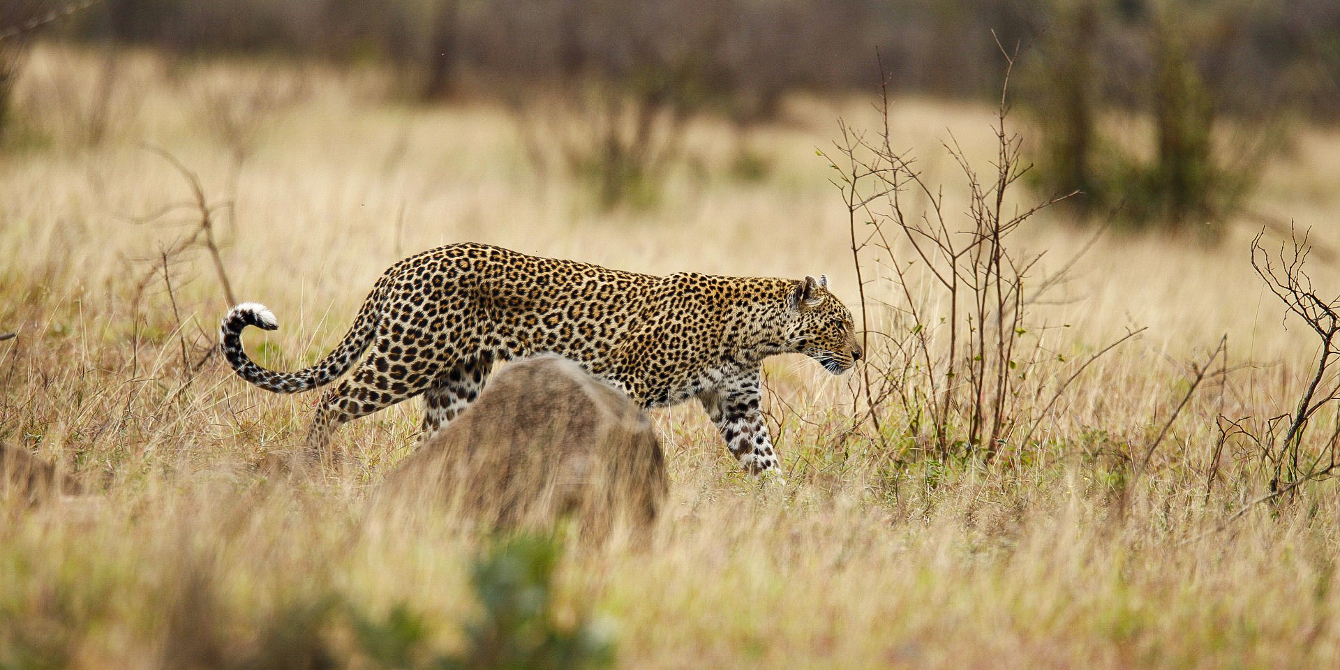
    Most big cats, including leopards, are classified in the genus Panthera. They’re the clawed cats of the wild that are among the biggest of their kind. 

    Without the unmistakable mane of the lion, or streaky stripes of the tiger, the leopard is a member of the big cat family that might not be quite as recognizable throughout the world, unless you’ve been on an African safari.

    But, these facts about leopards show why they’re just as impressive as any other member of the big cat family. Let’s leap into our first leopard fact and find out why leopards are just as deserving of attention as other types of big cats.

    image

    Leopards are the least social members of the big cat family

    Living in a pride – like lions do – isn’t what leopards prefer

    Leopards are considered the most mysterious, and least social of the different types of big cats. They shy away from interacting with other animals, as well as human beings. Because of this, we haven’t seen as much of the leopard’s way of life as we have of the lifestyles of other members of the big cat family.

    Each leopard has its own territory and signals other leopards to stay away by leaving scratch marks on trees, and strategically urinating or defecating in the area to leave a scent signal.

    These signs and signals aren’t just a warning for strangers. Leopards have strict rules that dictate when young leopards should leave their mothers and fend for themselves – usually when the cubs are around two years old. And once a cub has left its mother, she won’t take lightly to it coming back onto her turf.

    This member of the big cat family spends most of its life living alone. But there are two times in a leopard’s lifetime when you’d spot them socialising. 

    1. Leopards come together when they’re ready to mate.

    2. Young leopards will stick with mom until they’re independent, around the age of two.

    Their solitary lifestyle and secretive ways make it easier for this type of big cat to survive in many different environments.

    Leopards can live in many different places all over the world

    image

    Most members of the big cat family are happiest in a very particular type of habitat. Cheetahs and lions choose to chill out in the savannah, and lynxes like the cool climates of the forest. 

    Tigers and jaguars are more widespread across different types of habitats, but the leopard is the most adaptable of the entire big cat family. This type of big cat can live in warm or cold climates, in lush rainforests, arid deserts and almost every other habitat in between. But what makes them so adaptable?

    Well, leopards have quite a few things going for them:

    1. They’re good at acclimatising to different temperatures.

    2. They’re not picky eaters and can make changes to their diets that allow them to thrive in different environments – like swapping antelope for birds or rodents to survive. 

    3. They’re able to climb trees, and this allows them to tuck into their hunting haul away from other predators, upping their survival abilities.

    Despite these differences between leopards and other types of big cats, leopards often get confused with one other member of the big cat family – the cheetah.

    image

    The difference between a cheetah and a leopard

    People often mistake leopards for cheetahs. This makes some sense, since they’re both spotty wild cats with a shy streak.

    But, if you ever saw a leopard and a cheetah standing side by side, you’d immediately see the difference between these two members of the big cat family.

    Comparing these facts about leopards and cheetahs will fill you in on the difference between a cheetah and a leopard, and hopefully help you to tell them apart in the wild.

    1) One has a bulky build while the other is lean

    The leopard is a stalk-and-pounce predator – which means they creep up on their prey and then pounce on them. Because pouncing is a powerful procedure, leopards have bigger muscles, which contributes to their stocky build.

    Cheetahs take a different approach. They stalk their prey, chase them at high speed, and then trip them before going in for the kill. As the fastest land mammal, cheetahs are the members of the big cat family with the most streamlined bodies – their smaller muscles give them a leaner, lankier build.

    image

    2) Their heads are strikingly different

    Leopards have something that makes up for their lack of speed in comparison to cheetahs.

    Their much larger heads, like their bodies, are built that way because they house powerful muscles. These muscles give leopards an incredible bite force that far exceeds the bite force of a cheetah.

    3) Their markings aren’t the same

    image

    Cheetahs also have striking “teardrop” lines on their faces.

    And if that’s not enough to help you tell them apart, there’s another defining difference between a cheetah and a leopard. And it has to do with their spots.

    Both types of big cats have dots spread across their coats, but these markings are actually quite different. 

    Leopards’ black markings are called rosettes because of their rose-like shape. These rosettes vary in size, depending on where on the body they are found. Even black leopards have these distinctive markings, but they aren’t easily seen against the dark colour of their coats.

    In comparison, cheetah markings are solid spots that are similar in size all over their bodies.

    While it’s nice to know how leopards relate to other types of big cats, one of the most interesting relationships today exists between humans and leopards.

    The relationship between leopards and humans

    Original video: â€œLeopard helps adorable cubs cross the road in rare sighting | Adorable cubs cross the road” by Asad NewsHub Center is licensed under CC0

    There was a time when leopards were heard about more than they were seen, and the habitats of humans and leopards were separate.

    Human activity is the main reason why leopards are losing their habitats and being seen in public places more often.

    Of all the different types of big cats, leopards may be facing the biggest challenge regarding human activity. They’re the most widespread big cat in the world – which means that there are more opportunities for them to come into contact with human beings

    Because of the overdevelopment of natural environments, humans are taking over parts of the leopard’s natural habitat. 

    This has seen these usually secretive slinkers seeking food, water and shelter outside of their natural habitats. This can often lead to clashes between humans and leopards, and even fatal injuries.

    And this brings us to our final leopard fact. 

    image

    A look at the status of the leopard population today

    Today leopards are listed as vulnerable on the International Union for the Conservation of Nature’s (IUCNs) Red List, and the population is currently decreasing. This has seen these fascinating felines becoming the focus of many wildlife conservation efforts. 

    Losing any more leopards would have a major impact on many different ecosystems across the world.  A career in wildlife conservation is one way you can assist to protect the leopard population.

    Further reading: How to start a career in wildlife conservation

    Take a look at Bushwise Field Guides courses where you can learn more facts about leopards, and get involved in their conservation, as well as the conservation of other members of the big cat family.

  • My journey from the USA to South Africa

    In this blog, Bushwise student Heidi Reinheimer tells her story of coming from the USA to South Africa to pursue her dream of working in conservation with African wildlife.

    image

    It was two years ago that I decided to come to South Africa for the first time. It was late February of 2020, and I was so ready to visit the place I had been obsessed with my whole life. I came as a conservation intern and did GIS mapping and research on a pride of African lions in the Rietspruit Game Reserve. 

    Six weeks in, however, as we all know, the whole world imploded as COVID-19 hit and shut down the lodge I was staying in. Heartbroken, I made my way back to the USA. I was on the verge of never wanting to leave South Africa by the time COVID-19 hit so when I was back in the States, it was hard to not imagine coming back.

    image

    I tried to make it work and be happy starting a new career in the USA, but South Africa was always there in the back of my mind. And so I made it my mission to save up enough money and do a Bushwise course and find a way to make a career in the bush. 

    During my internship I had become rather close to a few of the guides at the lodge where I was based. I remember the conversations we had and how I had promised them that I would come back from the USA to South Africa and try to be a safari guide one day as well. They were the ones that spoke so highly of Bushwise that there was never a question in my mind about where I would end up going to be trained as a guide when I made it back  from the USA to South Africa. 

    image

    I would sit at the back of the safari car and all my education in animal science and ecology would spring to  mind and I would wish I could be the person sitting at the front of the car speaking to people and spreading awareness about conservation and the natural world around us. 

    I have a lot of experience working in conservation – ranging from oil spill reclamation to animal behavioural studies. I loved the research work, but I had begun to realise that to make a broader difference in the world, education was the key. People want to be educated in a way that is both interesting and entertaining – which will  help them to form strong personal connections and opinions about nature. 

    image

    I saw countless educators attempt to teach the world about our climate issues and the importance of ecology, but there was a certain zest and passion that I had only found in the South African bush through the safari guides I met along the way. Even though my research did make a difference and even assisted with winning an environmental lawsuit, I wanted to be in the field working directly with people. 

    This always makes me laugh now because originally, I had gotten into animal science to get away from people, but soon realised that people are what is really at the centre of today’s issues. I’ve come a long way from – now, I love every aspect of being around people, I just had to be in the right environment. 

    image

    So far, I have not regretted a single moment of it. Even though it’s only our first semester we have already done everything from driving assessments to running our own game drives, from nature classes to first aid. Learning everything from geology, ecology, weather and climate, and biomes. 

    Getting to immediately use this information out in the bush is so satisfying and motivating – I never want to stop learning. I’m so thankful for the little family we are beginning to form. I can already tell this is going to be an incredible first six months and am already looking forward to our future placements in lodges. 

    image

    Just like Heidi making the journey from the USA to South Africa, you could make a major shift in your career and become a safari guide. Apply today to join a Bushwise IFGA Safari Guide Course 6/12 Months.

    #bushwise #fieldguide #safariguide #Exam #training #animals #apprenticefieldguide #safari #fieldguiding #Assessments #gamedrive #guiding #fieldguidecourse #studying #fieldguides
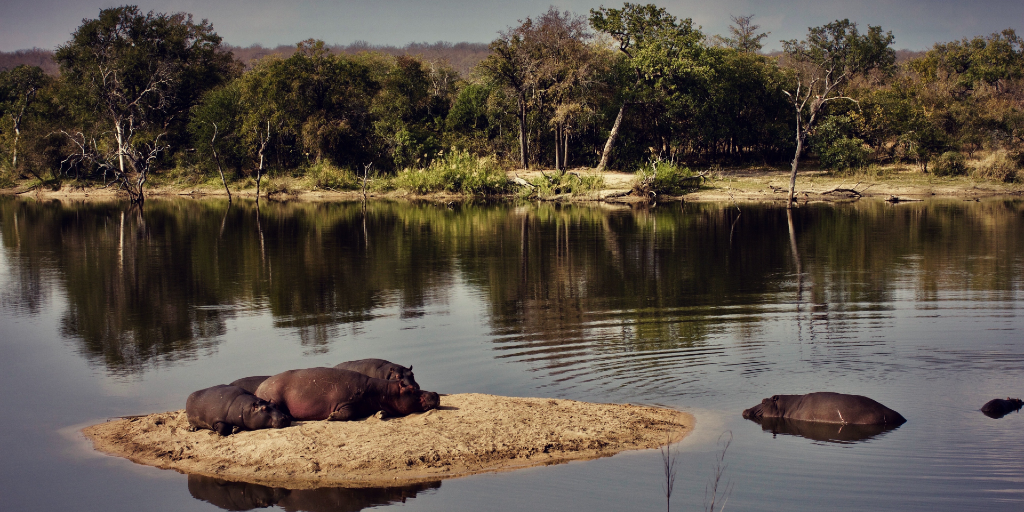
  • How fast can a hippopotamus run and other gobsmacking hippo facts

    One of the savannah’s most dangerous creatures is short, fat, and a herbivore. What is it? A hippopotamus! And we have some gobsmacking hippo facts that’ll prove it. 

    Among the plumpest of Africa’s wild animals, hippos seem carefree, calm, and oh-so slow. But irritate these orb-shaped savannah occupants and you’ll be up against much more than you bargained for. Why? 

    Well, do you know the answer to the question, “How fast can a hippo run?” And do you think you’d want to be their prize at the finish line? Probably not. Here are some hippo facts that will fill you in on this feisty African pachyderm. 

    Are there different types of hippos?

    image

    Let’s start with one of the most important of the hippo facts: how many different types of hippos are there on Earth?

    The hippo population is made up of over 115,000-130,000 individuals that belong to two distinct species. 

    Pictures of hippopotamuses (or hippopotami if you’re using correct Latin) usually depict the common hippo (Hippopotamus amphibius) – the animals of great girth we see wading in bodies of water on the African plains. 

    This species makes up the bulk of the hippo population, with over 100,000 individuals.

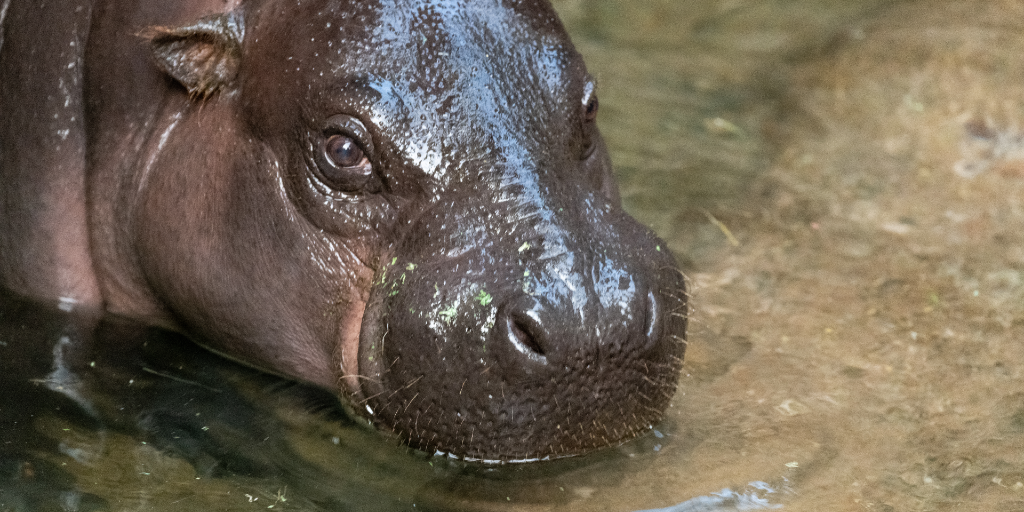
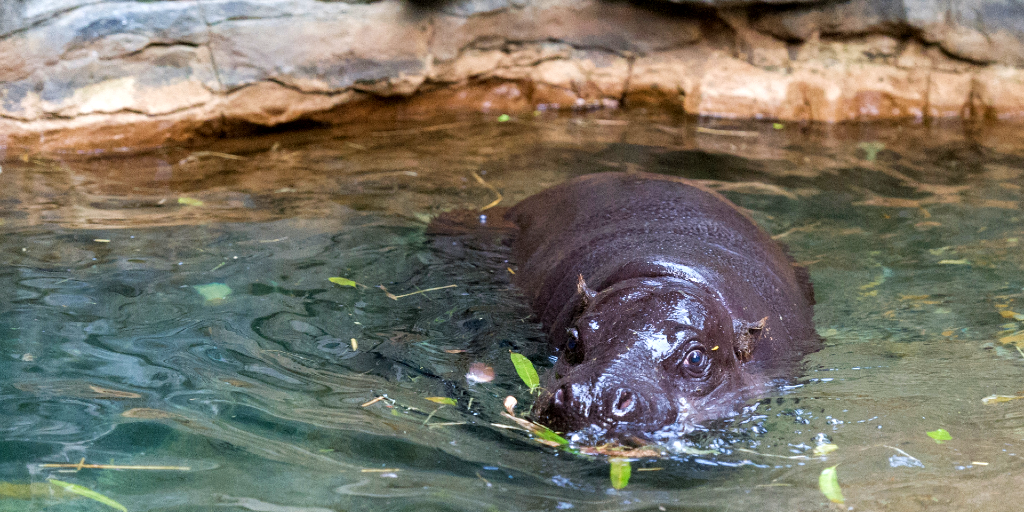
    So, what species can be found on the other side of the hippo family tree? Say hello to the pygmy hippo!

    The pygmy hippo (Choeropsis liberiensis) is the common hippos’ smaller cousin, and accounts for 2,000 of the world’s hippo population. 

    When perusing pictures of hippopotamuses of the pygmy species, you may pick up that they’re much more likely to be snapped outside of water. This is because pygmy hippos spend much less time in water when compared to their colossal cousins. 

    Here’s more hippo facts on the different types of hippos.

    Hippo facts about the different types of hippos

    image

    Original image: Pygmy Hippo Splashing by Eric Kilby is licensed under CC BY-SA 2.0

    1. The common hippo is found in almost ten different countries across sub-Saharan Africa – including South Africa – while the pygmy hippo can be spotted in no more than five sub-Saharan locations.

    2. Adult pygmy hippos weigh only one-quarter of the weight of a fully grown common hippo.

    3. While the common hippo is known for being aggressive, pygmy hippos prefer to flee. 

    4. It’s much harder to spot a pygmy hippo in the wild. Not only are there less of them, they’re also shy and usually live deep inside forested terrains. 

    Where do hippopotamuses live?

    The hippo population lives in wetlands, rivers and swamps in different regions of Africa. 

    If you search for pictures of hippopotamuses online, you’ll most likely see these creatures submerged in water or standing on land with a water source close by in the background. 

    And if you look beyond the wetness, you’ll see savannah vegetation or forest foliage as far as the eye can see. 

    This sets the scene for ideal hippopotamus habitats: plenty of water for lounging, plus tons of vegetation for grazing. 

    Hippos are herbivores and the common hippo can eat as much as 45 kilograms of vegetation a day. And even pygmy hippos are capable of eating large amounts of greenery at a time. 

    Because of this, hippo habitats need to have a steady supply of land and water plants on offer to allow these feasting floaters to eat their fill. 

    image

    Original image: Pygmy Hippo Swimming by Eric Kilby is licensed under CC BY-SA 2.0

    How much do hippos weigh?

    On average, adult human beings weigh just over 60 kilograms – which is also the weight of some newborn babies of the common hippo species!

    So, how much do hippos weigh after they’ve had some time to grow? Well, once it’s reached adulthood, the common hippo can weigh in at a meagre 1,000 kilograms, or tip the scales at a whopping 4,000 kilograms. 

    Their sizes differ depending on their gender, with females coming in at the lower end of the weight range. 

    While pygmy hippos have their own strengths, they can’t compete with the common hippo pound for pound. The weights of pygmy hippos range from 100 to 300 kilograms. 

    But even the smallest hippos could fall into the same weight category as a human-sized cement block. And imagine how much strength it’d take to get a heavy load like this moving?

    Now, consider the fact that even the heaviest hippos can run at car-like speeds – and when you’re over the shock, pick your jaw up off the floor before we set off to find out more hippopotamus running facts!

    image

    How fast can a hippopotamus run and other hippopotamus running facts

    If you’ve ever seen a hippopotamus running, count yourself lucky. 

    These bulging beasts prefer to only summon bursts of speed when absolutely necessary – but this doesn’t mean they can’t race you to the finish line. 

    In fact, some of the most astounding hippo facts are about these rotund creatures’ ability to keep up with a running human being. Here’s a glimpse into the sheer force of a hippopotamus running:

    1. Hippos can run at speeds of over 40 kilometres per hour.

    2. Over short distances, they can keep up with a sprinting human being.

    3. If they feel threatened on land they head for water – where they can move even faster and pose even more of a problem to their opponents. 

    What makes a hippopotamus dangerous?

    image

    Because pygmy hippos are more likely to flee than put up a fight, this hippo species isn’t a cause for concern – unless aggravated!

    But with their size and potential for speed, the common hippo makes for a formidable opponent out in the bushveld. 

    And the common hippo also comes with a whole host of personality traits that makes it more charming to watch from a distance than to ogle up close. 

    Here are just some examples of what makes a hippopotamus dangerous:

    1. Many people consider hippos to be calm and slow-moving creatures, which means that they can catch you off guard with their speed and aggression.

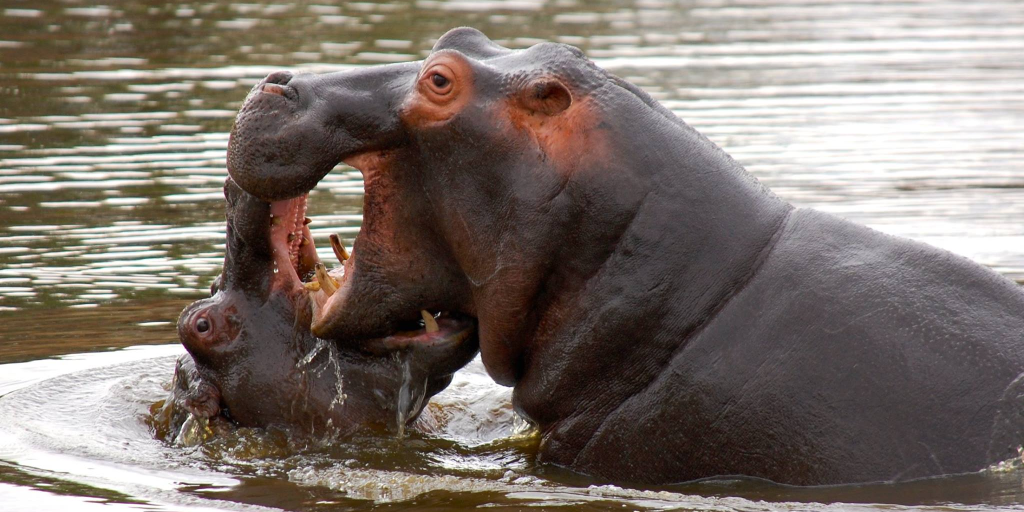
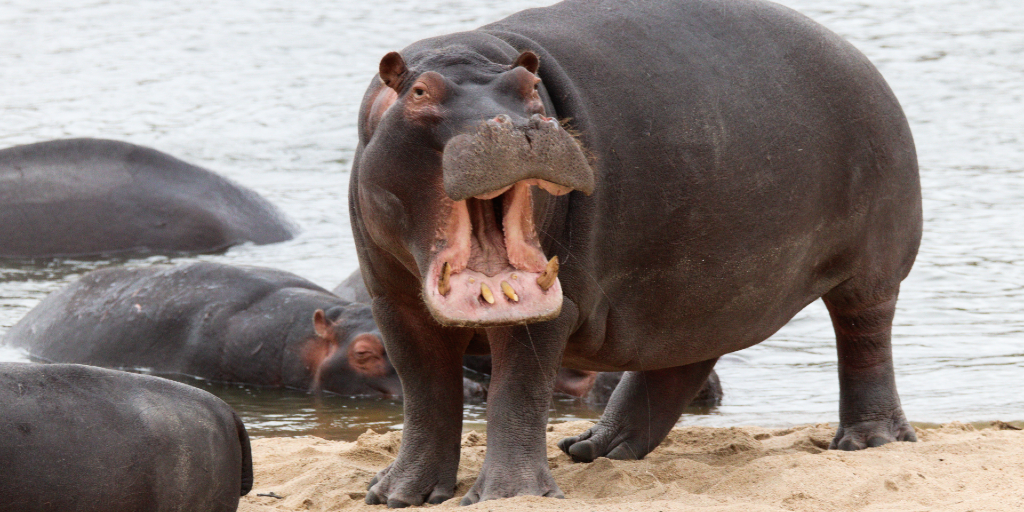
    2. You may see a hippo yawning or laughing and think that they’re expressing how sleepy or amused they are, but don’t be fooled. These are actually warning signs for you to stay away.

    3. Hippo calves can suckle on land or underwater. If disturbed while nursing, mother hippos can quickly become aggressive. 

    4. Hippos are more likely to attack people or other animals when they have less access to food, which can happen during droughts or due to land degradation – both of which are becoming more common.

    5. If a hippo starts running at you, there are only three ways to escape: climb something high, run in a zig-zag pattern, or jump over a sturdy barrier.

    Some sources report that hippos are more dangerous than lions, and may kill more people each year than crocodiles do. 

    What really makes the hippopotamus dangerous is human beings being unaware of how powerful and territorial these animals are. And our lack of knowledge may also be the reason why the hippo population is shrinking each year. 

    Is the hippopotamus endangered?

    image

    The common hippopotamus is listed as vulnerable on the International Union for Conservation of Nature’s (IUCN’s) Red List of Threatened Species.

    The main reasons behind the drop in the hippo population size are:

    1. poaching

    2. hippopotamus habitat destruction 

    3. land degradation – which has reduced the amount of foliage available for hippos to feed on

    4. global warming – resulting in more frequent droughts and less water for hippos to drink and bathe in. 

    This bombshell of a bushveld beast is one of those you’d shout out first if asked to list some African animals. So, can you imagine the African wild without the common hippo? By adding to wildlife conservation activities in the field you won’t have to. 

    On a Bushwise Field Guide course in the Limpopo bushveld, you’ll do research that builds on what we already know about the hippo, and adds to global contributions aimed at conserving them.

    Take a look at our wildlife conservation program and see how you can set foot in the African wild and learn even more hippo facts from an exciting – but safe – distance. 

  • Paving the road for industry transformation: Bushwise and the Southern African Wildlife College

    In January this year, Bushwise and the Southern African Wildlife College launched an exciting new collaboration. With a shared goal of positive transformation in the field guiding industry, our two organisations are helping to pave the way for more accessible and inclusive career paths for aspiring guides.

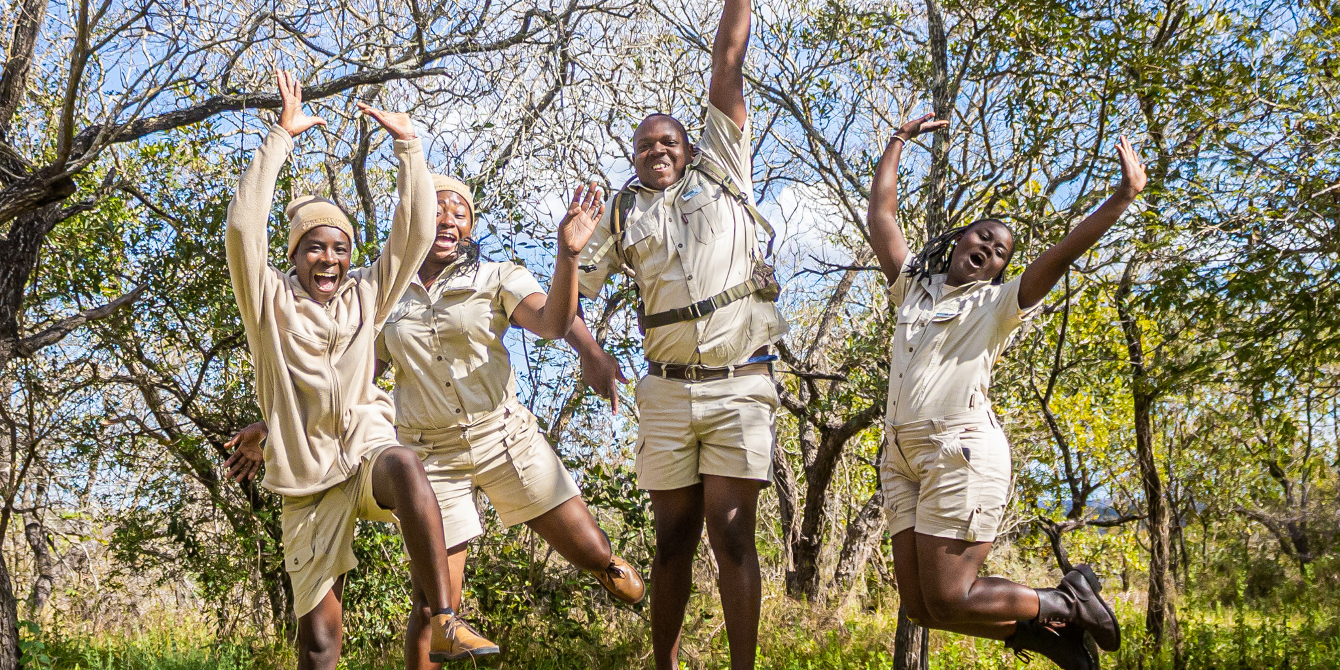
    At the heart of this transformation is a call to create more local employment opportunities by training candidates from communities around Kruger National Park. We are excited to introduce four students who are currently on full scholarships, sponsored through this collaboration. Please join us in welcoming Queeneth Seepano, Slon Khoza, Thinnah Mbombi and Siphiwe Khoza!

    image

    Let’s get to know these future field guides a little bit better. Slon, Queeneth, Thinnah and Siphiwe were part of the SAWC’s Youth Access Bridging Course. They were selected to continue their training as Apprentice Field Guides, under the expert guidance of Bushwise and the Southern African Wildlife College. At the end of this training, selected individuals may go on to become assistant or junior trainers.
    In their first week on course, we asked all the field guide students the following questions: “Why do you want to become a field guide?” and “Why are you doing this course?” Let’s see what our four featured students had to say…

    image

    Queeneth (Welverdiend, Mpumalanga): “This is a great honour for me – I’m very excited. I am a nature lover. Being out in the bush with wildlife really cools me down. I’m doing this course with the hope that someday I will be a field guide, a professional one and a birder. This is a step for me to reach the level that will qualify me to be a trainer one day.”

    image

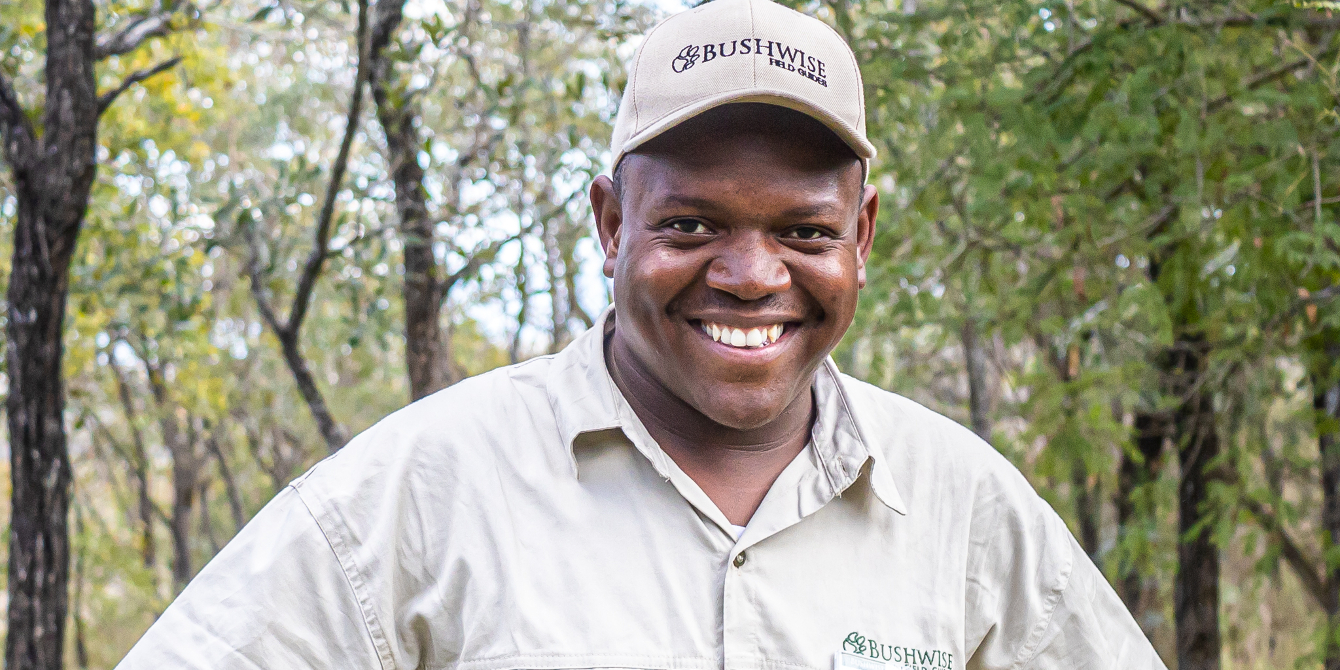
    Slon (Welverdiend, Mpumalanga): “I am proud to be selected for this course. I want to be a teacher in conservation, to meet people from different cultures, traditions, countries and places. I find field guiding to be a foundation to pave my career, that is why I chose to do this.”

    image

    Thinnah (Giyani, Limpopo): “This course means a lot to me because it gives me a chance to conserve nature. I come from a village where there is a game reserve and I grew up around nature most of the time. I learnt a lot about nature and conserving it – being given a chance to become a field guide means a lot to me.”

    image

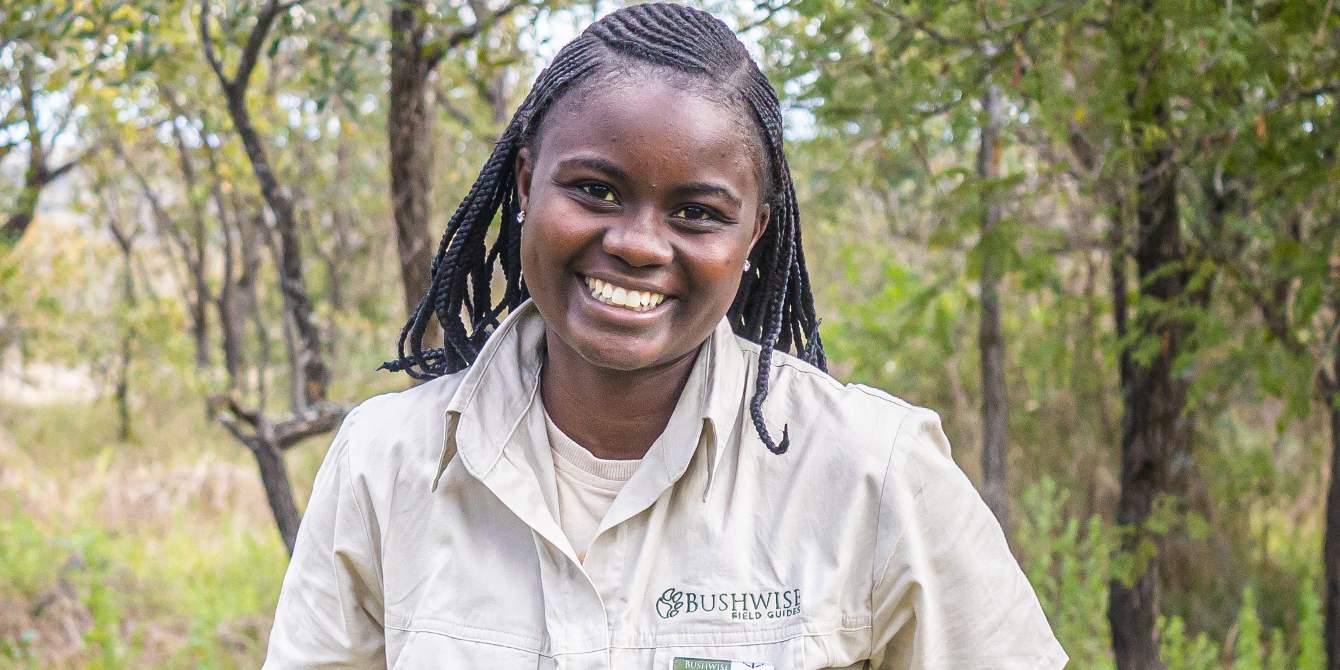
    Siphiwe (Welverdiend, Mpumalanga): “I come from a village with unity. A village where we still believe in the use of natural resources. I have a passion for wildlife and I want to be out in the bush – exploring and gathering information to share with my guests and my community. I believe I can change their perception, which can help in the sustainable use of natural resources, to be preserved for future conservation.”

    image

    As excited as our students are for this opportunity, we’re even more excited to see them grow as field guides. 

    Through this collaboration between Bushwise and the Southern African Wildlife College, we’re bolstered in our determination to transform the field guiding industry. We hope to see an increase in field guides coming from local communities, bringing with them valuable local knowledge and experience. 
    image

    Our major goal is to provide sustainable opportunities to participants’ families and contribute to diversity in the industry. Together, we’re training future ambassadors of the natural world to become world-class field guides. 
    We’re excited to see how the Bushwise and the Southern African Wildlife College collaboration will impact the guiding industry. Follow Bushwise and check our blogs regularly to see what Slon, Thinnah, Siphiwe and Queeneth get up to on campus over the next six months!

    Words by Annie DuPre, photos by Louise Pavid and the SAWC

    #bushwise #fieldguide #safariguide #guidejobs #apprenticefieldguide #safari #fieldguiding #Assessments #fieldguidecourse #studying #fieldguides