Author: Marketing Team

  • Adapt and overcome

    Photo by: Hunter Ferrier

    BY: Remi van der Stok

    Camp manager blogs are written by our students who each get a chance to lead and manage a group (of their fellow students) for a period of one week.

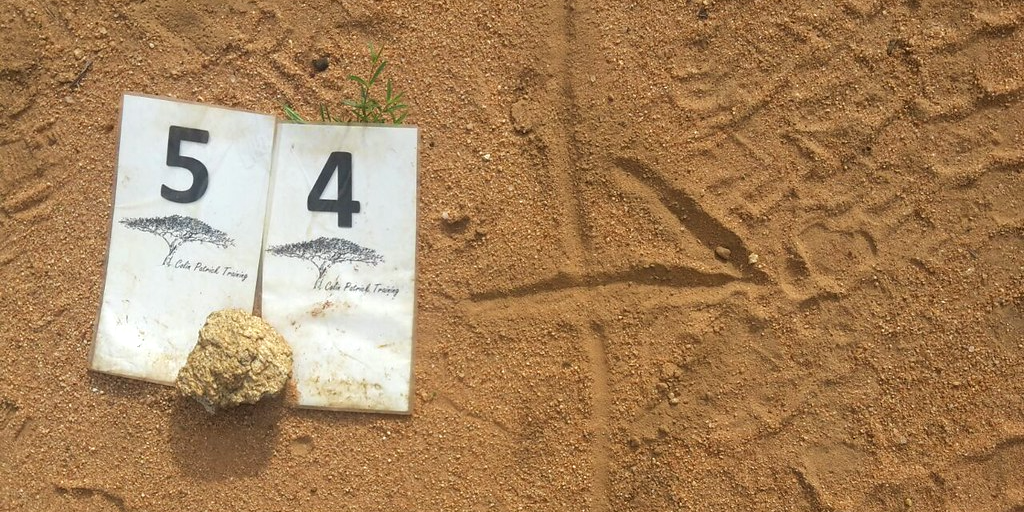
    Everyone knew this was going to be an exciting, challenging week. My group would be starting rifle lessons, while the other group would be going off to learn Track and Sign at Colin Patrick Training. 

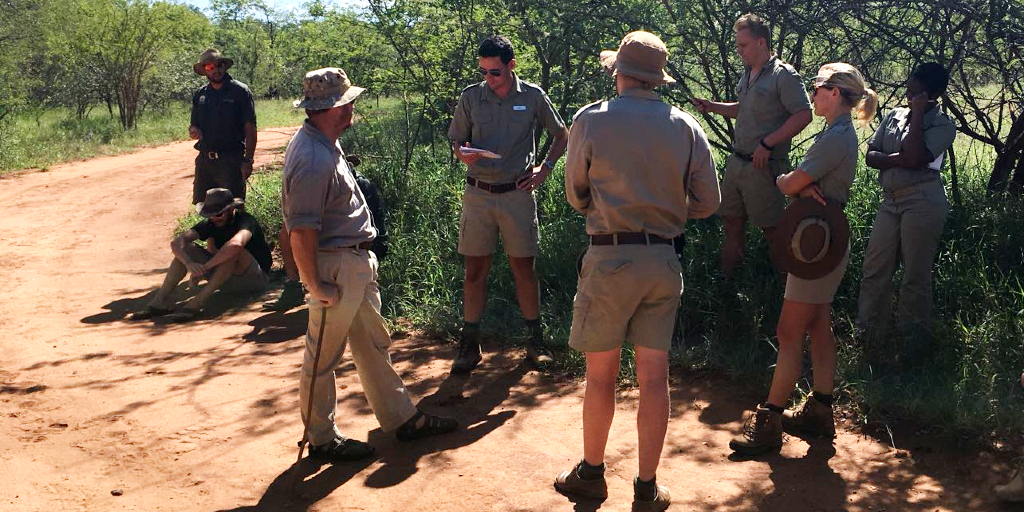
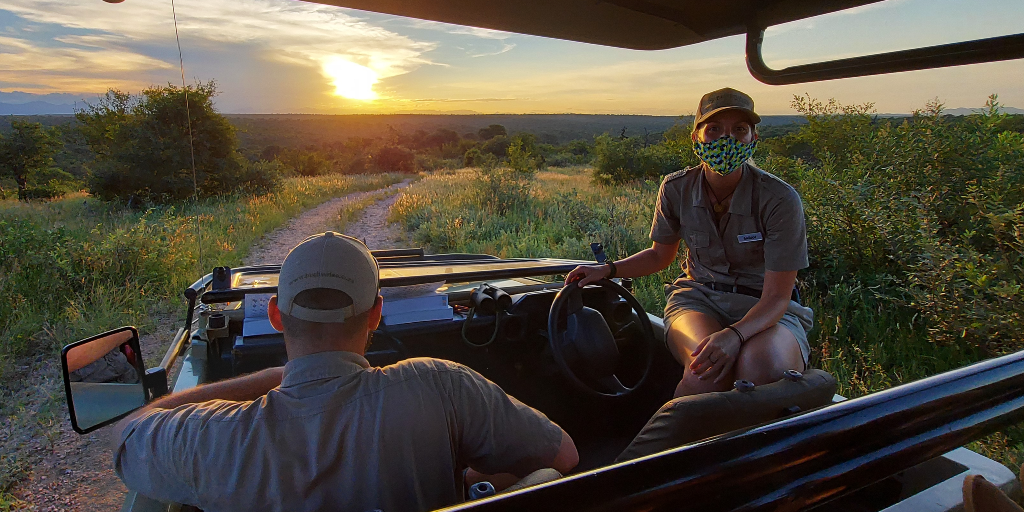
    But first: four lucky students got to head out on a trails walk with Jack, a field guide trainer. I was one of them, along with Dan, Ben and Christie. 

    image

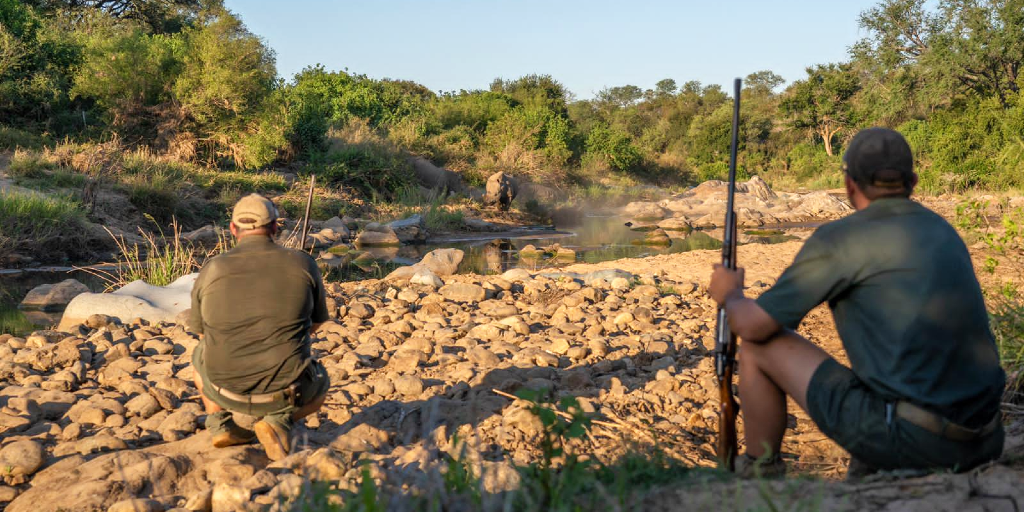
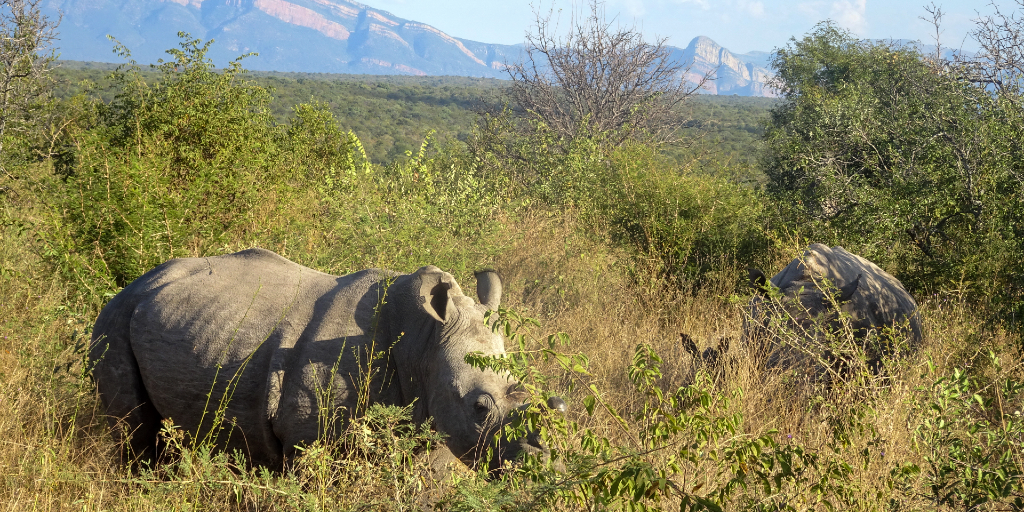
    We set off to the eastern part of the reserve. Our only intention was to enjoy nature, but soon enough, we came across rhino tracks and Jack went straight into tracking mode. We battled our way through the bush, following the spoors of the rhinos, with only our footsteps and the rustling of grass in the air. The tracks were starting to look fresher, which meant we were getting close to the rhinos, but dusk started to set in, so there wasn’t much time left. We reached the watering hole near Two Fig Camp, hoping that we’d see the rhinos there, but unfortunately they were far ahead of us. 

    The walk was a good reminder that you’re never guaranteed to find what you’re chasing in nature. You’ve just got to take it all in, and learn and experience as much as you can along the way.

    image

    Photo by: Ryan de Villiers

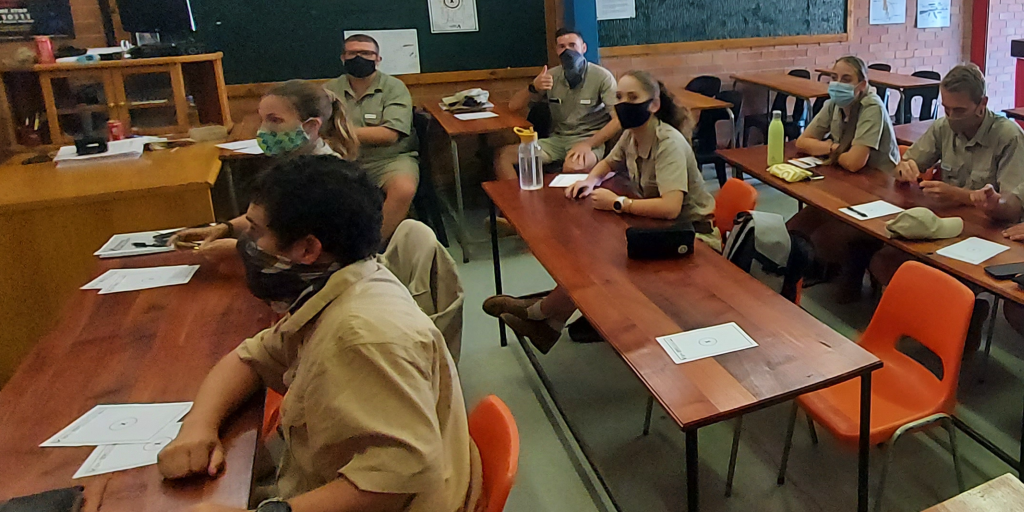
    Then, on to rifle handling. Lessons start with dry handling, which is when live ammunition isn’t used. We got to practice handling a .22 and 223 rifle – it was my first time handling a firearm. When I first picked up the rifle and practised dry handling, panic kicked in because I couldn’t get sight alignment with my right eye. After a few attempts, I realised that my dominant eye is my left eye! 

    I had to decide whether I would train my right eye or learn to shoot with my left hand. I practised both, each with their own challenges, and I was unsure which was better. I left the firing range feeling defeated, but my teammates were very encouraging. 

    The next day we got to practise dry handling the rifle again to build our muscle memory. This was my chance to adapt and overcome. I decided that I had to learn to shoot with my left hand. With a little bit of practice, my confidence started to set in.

    image

    Photo by: Carl Louis Steenkamp

    Friday was when the real fun started, because we got to practise using a .375 rifle. We did exercises like target shooting and shooting under time-pressure. Sweat, bruises and tears were witnessed, but everyone proved their potential by demonstrating impressive skill.

    On Friday afternoon and Saturday morning, the other group completed their Track and Sign assessments. Everyone came back with a smile and a badge. The bar had been set for our group. 

    Overall, this week proved challenging, but was a great lesson in how to adapt and overcome challenges. 

    Bushwise offers a variety of learning opportunities, online and in the field. Visit our website to find a course that suits you.

  • Ten interesting rhino facts

    BY: Tasneem Johnson-Dollie

    Can you name ten interesting rhino facts that don’t have to do with rhino species’ endangered statuses? Well, we’ve got you covered.

    Rhinos have been in the spotlight for years because of their declining numbers and vulnerability to poaching. 

    But we’re starting to see some rhino population numbers rising, and there are lots of interesting facts about rhinos that can help you get to know more about these creatures, and even inspire you to get involved in working with them.

    Here are ten rhino facts that make rhinos fascinating in our book.

    image

    1) There are five species of rhinos and many different rhino habitats

    The five rhino species are found across Africa and Asia, and rhino habitats include deserts, grasslands, savannah, shrublands and forests.

    Asia is home to three rhino species, namely:

    1. the greater one-horned rhino (Rhinoceros unicornis)

    2. the Javan rhino (Rhinoceros sondaicus)

    3. the Sumatran rhino (Dicerorhinus sumatrensis).

    African rhino species are generally heavier and bigger in size than their Asian counterparts. African rhino species include:

    1. the black rhino (Diceros bicornis)

    2. the white rhino (Ceratotherium simum) – which includes the northern white rhinoceros and southern white rhinoceros subspecies.

    2) Black and white rhinos are the same colour

    image

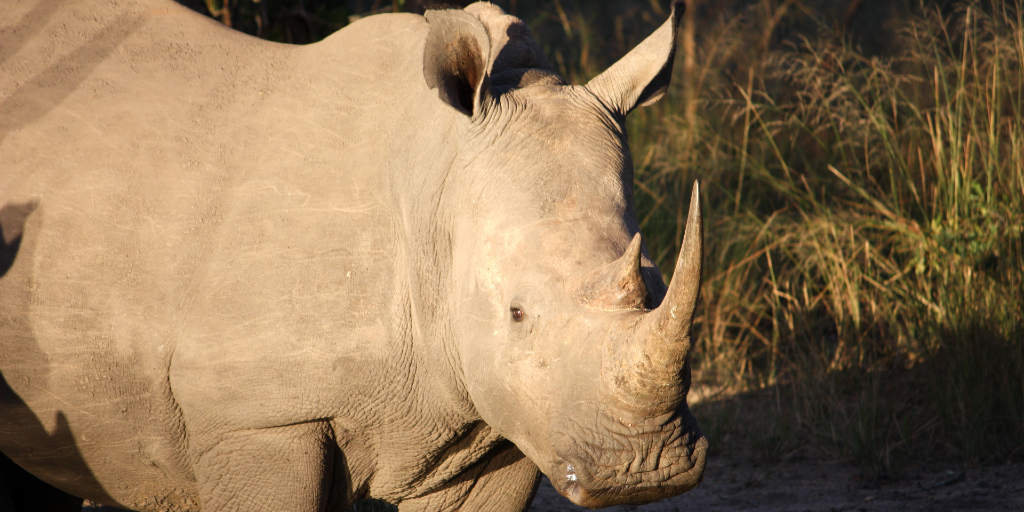
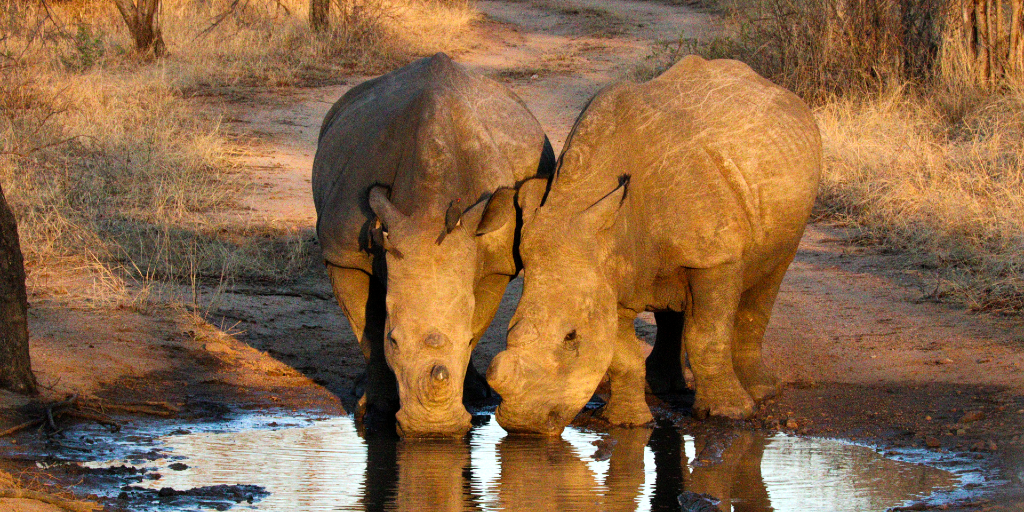
    Both black and white rhino species are a very similar colour – their skin is steely gray. 

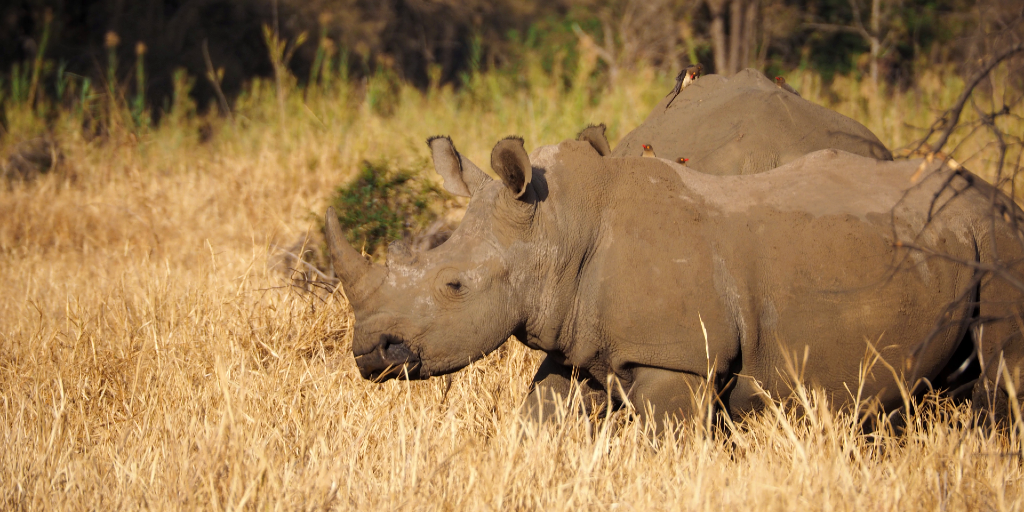
    The most noticeable differences between these two African rhino species are actually their size and the shape of their upper lip. White rhino species are much larger than black rhinos. And, the black rhino has a pointed (sometimes referred to as a hooked) upper lip, while the white rhino has a square-shaped upper lip. 

    On closer inspection, you’ll also see that the white rhino species has a longer skull and a less-defined forehead.

    3) They have interesting (and hilarious) ways of communicating

    We’ve all heard about animals using noises or smells to communicate with each other. But one of the most interesting facts about rhinos is that these creatures put a humorous spin on their methods of communication. 

    Rhinos mainly use honking, sneezing and pooping as means of communication. 

    They’ll make different noises depending on their mood. For example, a relaxed rhino will honk; an angry rhino will snort, growl or make a trumpet-like noise; a scared rhino will scream; and a rhino wanting to warn others of danger will sneeze loudly. 

    Scientists are also finding out more and more about how rhinos communicate through their poop. Studies on rhino dung in South Africa have shown that different dung piles contain different chemicals, and the smells these chemicals give off are in fact a message for other rhinos. 

    image

    4) Rhinos have poor vision

    Rhinos have very poor eyesight. How bad is it? Well, it’s said that a rhino can’t see a motionless human standing 30 metres away from it. 

    Imagine how difficult this makes it to find food, stay with its herd, or defend itself.

    The good news is rhinos have strongly-developed senses of smell and hearing, which makes moving around so much easier. In fact, because they rely so heavily on their sense of smell, the largest part of a rhino’s brain is dedicated to it.

    5) Rhinos are the second-largest land mammals in the world

    After elephants, rhinos are the second-largest land mammals on Earth. And this rhino fact is made so much more impressive when you consider that all their bulk comes from eating vegetation. 

    Carnivores and omnivores get tons of energy from the meat, insects and vegetation they eat, which makes it easier for them to grow large. 

    But as herbivores, rhinos’ diets (which consist mainly of plants) offer much less energy for growth. This means that rhinos need to eat tons of plant material every day to achieve the growth that they do, and rhino habitats are miraculously able to provide all the plant matter that rhino species need. 

    image

    6) What’s a group of rhinos called?

    Of all the interesting rhino facts you’ll learn, this may be the most satisfying. A group of rhinos is called a crash! 

    Many species of rhino live solitary lives, but they will sometimes form groups. For instance, female rhinos may form crashes with their young and other female-offspring groups while they’re raising their young. 

    7) Despite their size, rhinos are speed machines

    Don’t let their poor vision and bulky build fool you. If you happen to be in a rhino habitat, you best be wearing your running shoes. 

    Rhinos are speed machines that can run at over 60 kilometres per hour. And, it’s not just their speed that’s impressive, they also accelerate at a neck-breaking pace. Rhinos can reach their top speed within just a few strides! 

    Because of their acceleration and speed, rhinos are faster than both elephants and hippos, and are considered the fastest of all the land mammals weighing over 1,000 kilograms. 

    image

    8) Rhinos can swim

    Yes, it’s a rhino fact, all species of rhino are actually capable of swimming! But, the Asian rhino is much better at swimming than its African cousin.

    The greater one-horned rhino is perhaps the best swimmer of all rhino species. 

    Asian rhino species can cross bodies of water with ease, dive into water and even feed underwater. 

    9) The Sumatran rhino is the closest relative to an extinct species of rhino

    Woolly rhinos are an ancient rhino species known to have lived in the Ice Age around 2.4 million years ago. 

    Woolly rhinos earned their name because researchers noted their hairy (or woolly) skin as being one of the most distinctive features after examining the remains of this extinct species of rhino. 

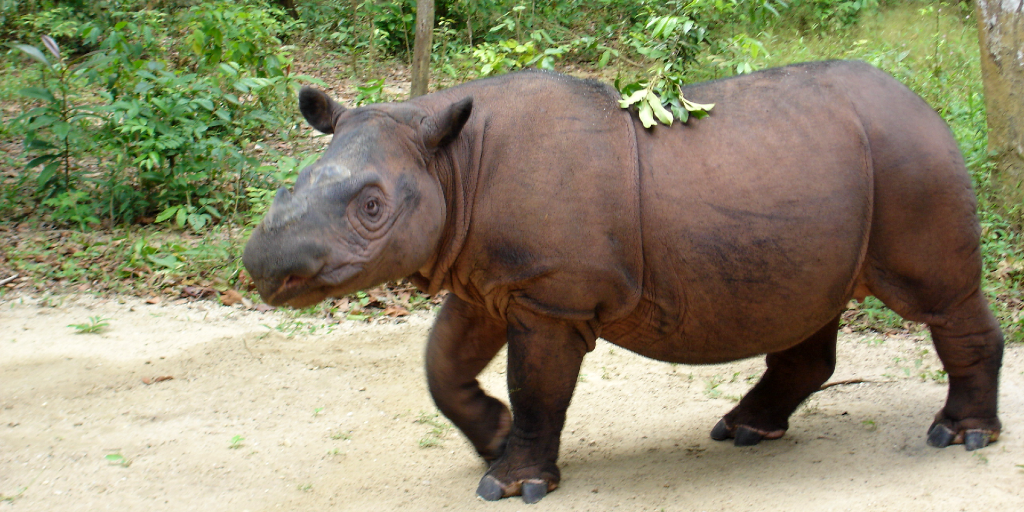
    Sumatran rhinos are the only rhino species alive today that are also covered in hair and they’re considered the extinct woolly rhino’s closest living relative. 

    image

    Original image: “File:Sumatran Rhinoceros at Sumatran Rhino Sanctuary Lampung Indonesia 2013.JPG” by 26Isabella is licensed under CC BY-SA 3.0

    10) Why are rhinos important?

    Rhinos are some of the largest animals found in wild ecosystems, and rhino habitats include an array of natural spaces – from deserts and subtropical grasslands, to tropical forests and shrublands. 

    This means rhinos can have a huge impact on the ecosystems they live in.

    Because of this, rhinos are considered keystone species – a species whose presence in an ecosystem plays a major role in maintaining that ecosystem. 

    As a megaherbivore – a large herbivore that eats significant amounts of vegetation – rhino species are capable of shaping the natural environments they live in. This adds to the well-being of the plants and animals in these environments. How?

    1. By clearing certain vegetation, rhinos create pathways that allow other animals to move through the area. Clearing vegetation also allows sunlight to reach otherwise shaded areas, which contributes to the growth of smaller plants. 

    2. While wallowing in mud puddles, rhinos help to form natural water holes that rhinos and other animals can benefit from.

    3. Rhinos transfer the mud from wallow holes to other areas of rhino habitats. In this way, they add to the fertility of these natural spaces. Rhinos also add to soil fertility and plant propagation through their dung which is rich in nutrients and plant seeds. 

    image

    Why rhino conservation matters

    With all these interesting rhino facts laid out, it’s clear to see that there’s so much to learn about rhino species.

    But, despite their spunk and silliness, conservation-related rhino facts are still the most frequently cited. Why is this?

    Well, many rhino conservation organisations have contributed to the well-being of rhinos in a big way, and some species of rhino have a much better conservation status now than they did ten years ago. 

    For example, the black rhino population has gone from 2,410 individuals in 1995 to over 5,000 individuals today. The greater one-horned rhino population has grown from less than 200 individuals in the 1900s to 3,588 individuals today. And, the southern white rhino recovered from near extinction with only 100 individuals left in the 1900s to a population of over 17,000 today! 

    However, population numbers for some of the Asian rhino species, as well as the northern white rhino subspecies, haven’t seen as much progress.

    Here are some rhino conservation statistics according to the International Union for the Conservation of Nature (IUCN):

    1. There are only two female northern white rhinos left on Earth.

    2. Javan rhinos are critically endangered, with only 74 rhinos remaining in one rhino habitat in Ujung Kulon National Park. 

    3. There are less than 80 Sumatran rhinos alive today and this species is considered critically endangered. 

    4. Despite bouncing back from significantly low population numbers, the black rhino is still considered critically endangered. 

    So, now that you’ve learned interesting facts about rhinos, are you inspired to get involved in conservation activities aimed at their well-being? 

    image

    This image was taken pre-Covid-19. 

    How you can learn more about rhino conservation

    By adding to your knowledge about rhino species, rhino habitats and rhino conservation, you can build on your own understanding of the challenges facing these creatures and add to the awareness of those around you.

    Bushwise Field Guides offers courses where you can learn more about rhinos online or in a rhino habitat in Africa. 

    Find out more about our in-country courses and internships, or browse our online programs and get started on learning even more interesting rhino facts.
  • The star of the show: Biodiversity

    BY: Megan Smith

    This blog was written by Bushwise Research Coordinator, Megan. She has been researching with Bushwise for the past year. Here are her thoughts on the importance of biodiversity.

    “It is that range of biodiversity that we must care for – the whole thing – rather than just one or two stars.” – David Attenborough

    When you look up at the night sky, you admire the big picture, from the faintest stars, to the brightest ones. People get excited to point out satellites, or make a wish when a shooting star flies by. But, there’s so much more to nature, and it’s easy to miss.

    When we talk about biodiversity, we refer to every living organism, from roaring lions to colourful butterflies. Most people tend to overlook the small creatures in nature. But, did you know that for every one mammal on earth, there are 312 insects?

    image

    PHOTO BY: Quintin Swart

    We share this planet with 8.7 million different forms of life, and we need to admire biodiversity in its entirety.

    “What you do makes a difference, and you have to decide what kind of difference you want to make.” – Jane Goodall

    There are many ways to make an impact on the earth’s biodiversity. One way can be to increase your knowledge on the natural world and share this knowledge with other people. 

    Humans are a small part of this world, just as the earth is a part of our galaxy. And there are tons of creatures to learn about. Most people get excited about the Big Five, but we should be just as excited about the rest of the animal kingdom, big and small.

    image

    PHOTO BY: Corina Rewijk

    In the wise words of Winnie the Pooh, “Sometimes the smallest things take up the most room in your heart”.

    Interested in learning more about biodiversity? Head over to the Bushwise website to find a course that suits you.

  • My experience as a camp manager

    PHOTO BY: Zlicke’ Slabber

    BY: Zlicke’ Slabber

    Camp manager blogs are written by our students who each get a chance to lead and manage a group (of their fellow students) for a period of one week. 

    Zlicke’ was the camp manager on Friday 30 July, before the Bushwise students went on a week-long break. After their break, Zilcke continued as camp manager between 8 and 13 August. Let’s hear about her experience.

    Being a camp manager

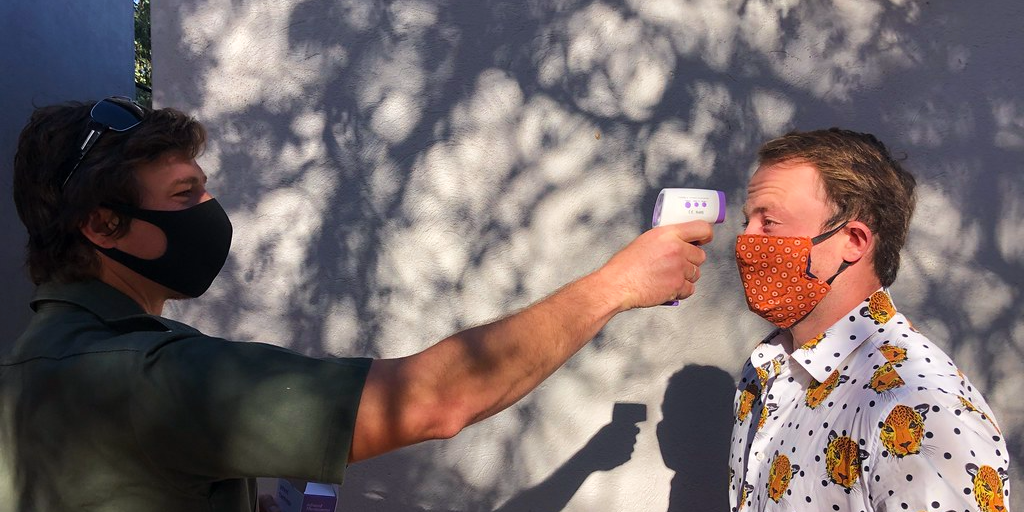
    I took over as camp manager on the Friday before our week off. Friday’s tasks were easy to do, with the biggest task being temperature checks, which is part of our health and safety protocol. On Saturday morning, most people were getting ready to leave for the week off. 

    image

    PHOTO BY: Ben Klunder

    Sunday night after everyone returned, was great. We missed each other quite a bit. But, getting back into routine was hard, and getting everyone to do their tasks was challenging. 

    On Monday morning, after I had a meeting with our camp leaders, Ben and Ross, things went much smoother. I asked them to check in on each student so everyone was clear of their expectations and tasks. 

    On Wednesday, I organised a braai (barbeque) and got marshmallows for everyone. I also created a personalised playlist on Spotify with each student and trainer’s favourite songs. I planned a touchies (touch rugby) match, but we didn’t have enough time.

    It was a fun experience overall, and I liked being the camp manager for a week. I had been looking forward to it. The only regret I had was that I didn’t get to be the camp manager on a Saturday. Saturdays are when the camp manager plans fun games and entertainment for the weekend. 

    What are the camp manager’s tasks?

    The camp manager’s main responsibility is to ensure that the camp runs smoothly. This happens by making sure group leaders have given tasks to each student, and that everything that needs to get done around camp gets done. 

    image

    I had a number of tasks during my week as the camp manager and I also assisted some of the students with completing their tasks. I took everyone’s temperatures in the mornings and evenings (before brunch and dinner). I wrote the menu down on the whiteboard before every meal. 

    I also had to keep the camp radio with me (which I forgot behind a few times). I read out the news and current affairs happening worldwide. I also made sure everyone knew what the schedule for the week was.

    What an exciting week it’s been

    The students were split into two groups. My group saw most of the Big Five in one day, only missing a leopard sighting. Seeing a leopard is what we are all still wishing for. And, we saw a dagga boy (solitary male buffalo) on camp on Thursday morning.

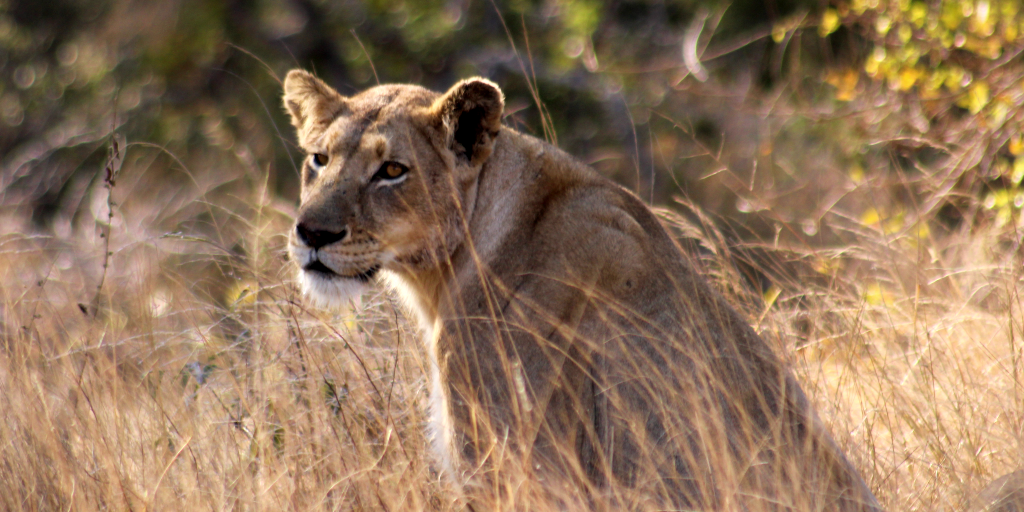
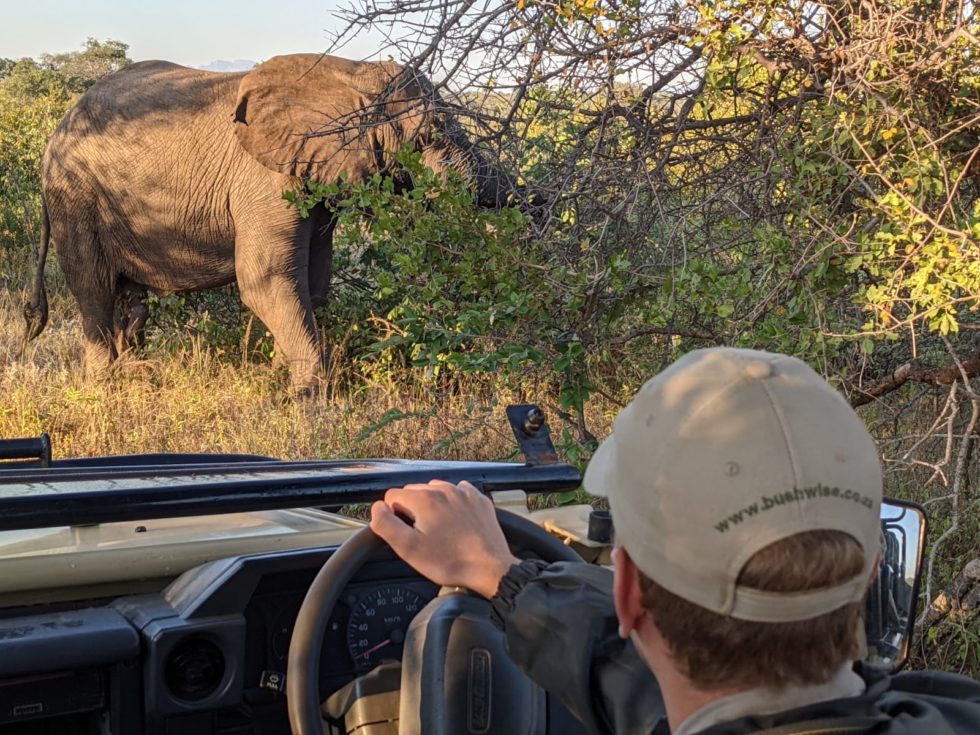
    The second group was pretty jealous because the group I’m in also saw a lion sleeping next to the road on our way back to camp, and we had an elephant sighting. 

    image

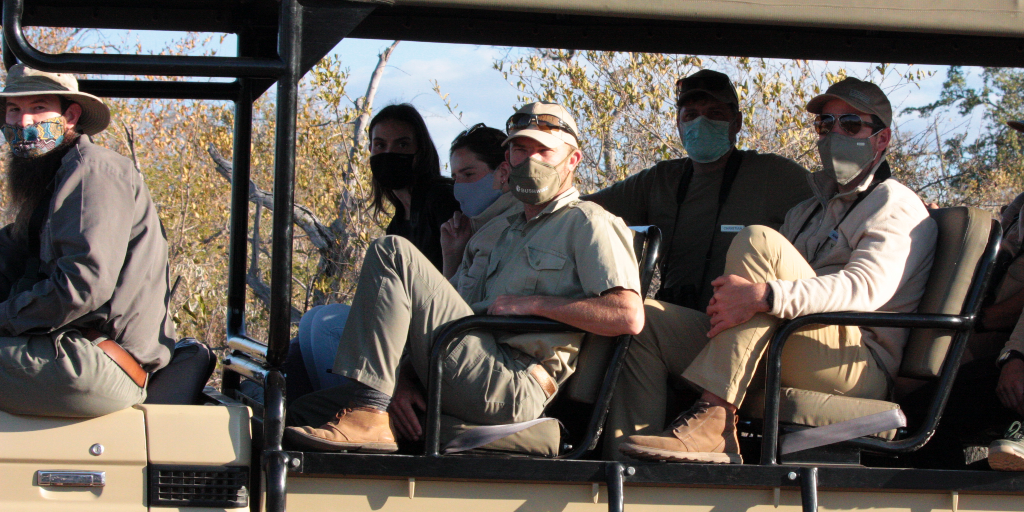
    The drives got better as students became more confident in their driving, and some students even started interpreting sightings like they were talking to guests! We were extremely lucky to have Jack, Lindi, Ryan and the rest of our trainers. They have so much knowledge and are great to be around. 

    While on a drive, we stopped to look at some plants and trees. Jack found a plant with a white flower that he couldn’t identify, so we started a competition to see who could identify the plant first. 

    We also went to Green Fire Lodge to help Adrian, the General Manager, with the borehole. It was quite fun, and it was amazing to see the lodge and have Adrian tell us about all the things he has done for the lodge. It was inspirational to see how proud he was. 

    Time to wrap this up

    I would’ve liked to be a camp manager for a bit longer, to learn more about managing a camp, but it has been great fun. 

    I struggled at the start of the week with people not doing their tasks, but after bringing it up with our group leaders, everyone was motivated again. 

    image

    PHOTO BY: Ben Klunder

    The week has been exciting, and as the weeks continue, we become more of a family. The students have made apps and games to help us remember and learn about bird species, and we’ve also started study groups to help us learn about trees.  

    We are learning so much more as the course continues and I’m getting more excited about the career I’ve chosen to follow. Lindi is a personal inspiration to me as a woman in field guiding, and I think she is excelling in this male-dominated industry!

    Interested in a career as a field guide too? Head to the Bushwise website to learn more.

  • Here’s to exciting new beginnings

    PHOTO BY: Hunter Ferrier

    BY: Francois Theron

    This blog was written by one of our trainers, Francois. With years of guiding experience, Francois shares some of the experiences he’s shared with the students this semester.

    We’re at the end of the first semester and what a semester it has been! Excited, energised, and full of enthusiasm, the new group has really grabbed the bull by the horns and dug right into the work and duties associated with campus life at Bushwise.

    image

    PHOTO BY: Ryan de Villiers

    With the first test already done and dusted we’ve had the opportunity to have some spectacular sightings, both on campus and while on game drive at the Greater Makalali Game Reserve, which hosts a variety of game including the Big Five, cheetahs and wild dogs.

    On campus, students have had the opportunity to see rare species. This included an aardvark, and the remains of a bushbuck that was taken down by the resident leopard. It has been very exciting times around the Bushwise campus.

    image

    PHOTO BY: Callum Evans

    We have had many chats and laughs around the campfire. One can feel the group’s excitement for the start of their new careers and new lives. After all, this is a lifestyle and not just a mere job. It’s a career and life that will always be rewarding and fulfilling. It’s accompanied by adventures, friendship, and an unrelenting love of nature and all its miracles.

    I can only wish each and everyone one of them the best for the future and congratulate them for the best decision of their lives.

    Ready to start building your field guide experiences? Head to the Bushwise website to learn more.

  • My duty as camp manager

    BY: Shaun Farnworth

    Camp manager blogs are written by our students who each get a chance to lead and manage a group (of their fellow students) for a period of one week. 

    I was a camp manager for the second week of my Bushwise Field Guides course. The week kicked off with driving around campus, getting used to the vehicles and learning about the trees. After the introductory days were done, we headed to the Makalali Game Reserve.

    image

    We had some great sightings on our first day at the reserve. We saw a pride of lions being chased around the riverbed by two “dagga boys” (solitary male buffalo). 

    Back at camp, everyone got to know each other better, and there were good vibes all around. Most nights, we overate on the absolutely amazing food that Rose and Iris, Bushwise’s in-house chefs, prepared and cooked for us.

    image

    PHOTO BY: Shaun Farnworth

    With such incredible things to see around camp, a group of us walked the perimeter almost every night, looking at all the big and small animals there were to see, like civets, honey badgers and bush babies. 

    After returning from one of our walks, one of the other students jumped out of his cabin and called us over to have a look at what he had just witnessed. 

    A leopard had tried taking down a bushbuck in-between the game viewers. We immediately went to investigate. We found tufts of hair and prints under one of the viewers, but no leopard was spotted.

    image

    The bushbuck passed away a day later. It’s carcass was moved into the bush with a camera trap set up to see if the leopard would return, but it didn’t.

    Now that my time as a camp manager has come to an end, I think my favorite part was getting to know everyone better.

    You can have an experience like Shaun by joining a Bushwise course now.

  • Leading game drives, hosting dinners and studying

    BY: Grant Helfrich

    Camp manager blogs are written by our students who each get a chance to lead and manage a group (of their fellow students) for a period of one week. Grant was a Bushwise student from our January 2021 class, this is a blog based on his experience as a camp manager earlier in the year.

    My week as camp manager started differently from previous weeks. We spent time practising our hosting and practical skills and lead game drives. Unlike the last term where we led in groups of three, this week, individual students led game drives because we now have the confidence and experience to lead solo.

    Jared, the previous week’s camp manager, handed over the official camp manager radio and Daniel began the 5:00 game drive. The rest of us would act like the guests, asking questions and taking photos of all the birds and animals we saw. We mostly photographed mostly birds because the group was mostly made up of keen birders. 

    image

    The next two days were full of safaris hosted by my fellow classmates. On day one, Matthew hosted in the morning, and Taya in the afternoon. Sarah hosted in the afternoon of day two. 

    In addition to our hosting duties, we had four lectures during the week: 4×4, botany, grasses and fish. We also had Trevor and Sharin stop by to tell us all about a wonderful opportunity with Lowveld Trails that we could join after our course has come to an end. This was especially attractive because it would get you some of your hours and encounters on a walking safari if you want to become a Field Guides Association of Southern Africa (FGASA) SKS (Dangerous Game) Guide. 

    To practise my skills and get experience,  I hosted a dinner for my classmates on Friday evening. I told some interesting facts and mingled around with some of the “guests” in casual conversation. 

    image

    On Saturday, we wrote botany and fish tests, which meant we were all studying like crazy before. 

    On Monday, half of our group started their track and sign course with Colin Patrick, who is a very passionate and enthusiastic tracker.  

    image

    From Tuesday onwards, we all focused on our remaining courses. Half the students were preparing to start their rifle competency course, the other half had a variety of studying to complete.

    image

    My week as a camp manager was one to remember. It challenged me, and taught me a lot of great skills I know I’ll utilize throughout my field guide career. I’m excited to see what’s to come!

  • The Balule bird nerd

    BY: Brendan Davis PHOTO BY: Brendan Davis

    Camp manager blogs are written by our current students who each get a chance to lead and manage a group (of their fellow students) for a period of one week.

    One of the most underestimated and underappreciated classes in the animal kingdom is the Aves. I was one of the many people who had lived my life completely unaware of the intricacies and enjoyment that can be found in this vast group of animals. 

    Growing up in Johannesburg, the only association I had with birds was not positive, thanks to the hadedas that habitually sit on the rooftops of houses at 6:00 every morning, shouting their awful call and ensuring that every person within a 100-metre radius does not get another minute of sleep.

    image

    When I enrolled at Bushwise, I had no idea that a whole new world was about to open up for me. Arriving at Andy’s Camp on Balule Private Nature Reserve, I could not have told you the difference between a barbet and a bulbul! With my goal being to work hard and learn as much as possible to become a great field guide, I sat down with a bird book and started learning about these fascinating creatures.

    Before I knew it, I was going on game drives looking to the sky rather than on the ground. I would sit on the deck of my room for hours on end looking through my binoculars at whatever would appear in the riverbed below. 

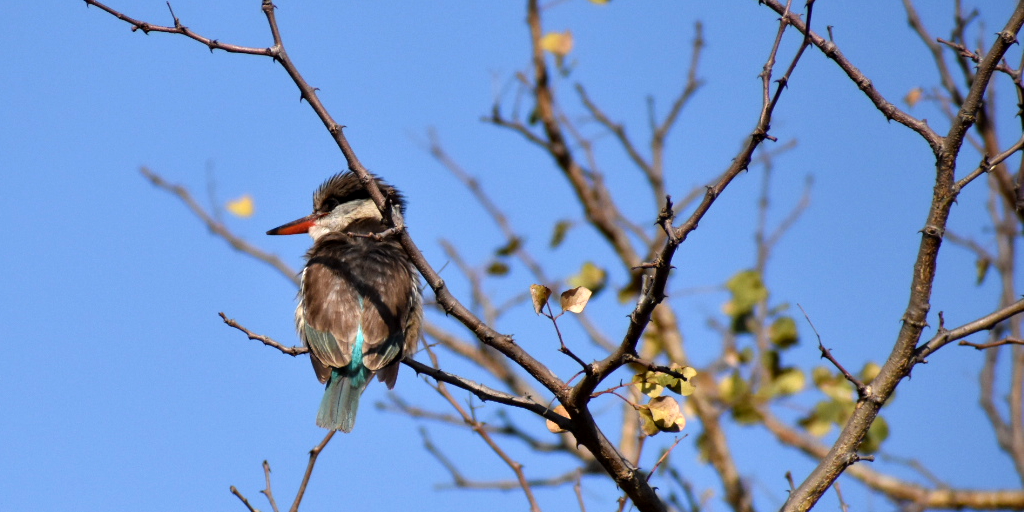
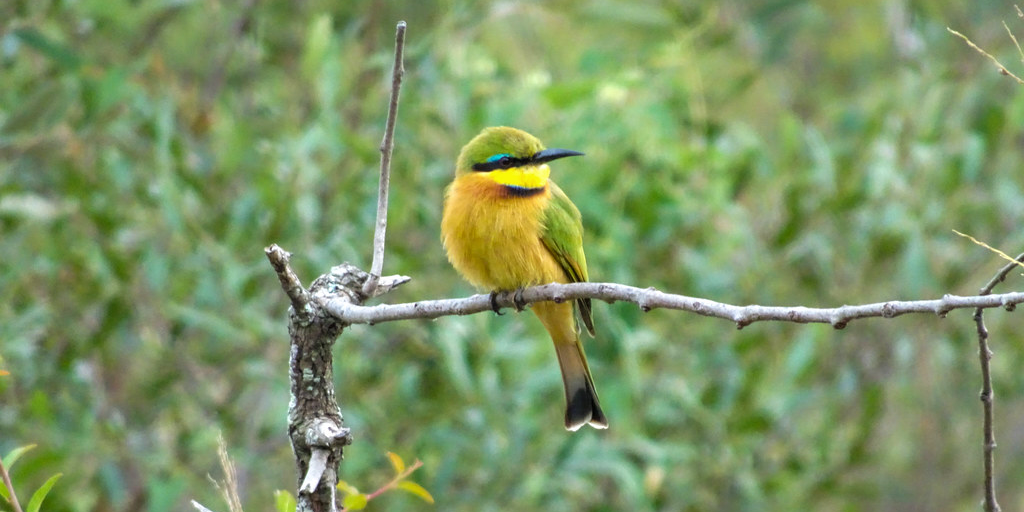
    The highlights of my day would consist of watching a diedrik’s cuckoo float around the bushveld feeding, or enjoying a woodland kingfisher sit on his early morning perch, calling at the top of his lungs to contribute to the dawn chorus. 

    Birds contribute so much to the ecosystem and have an infallible ability to make any drive or walk entertaining, especially when the mammals are not showing face.

    image

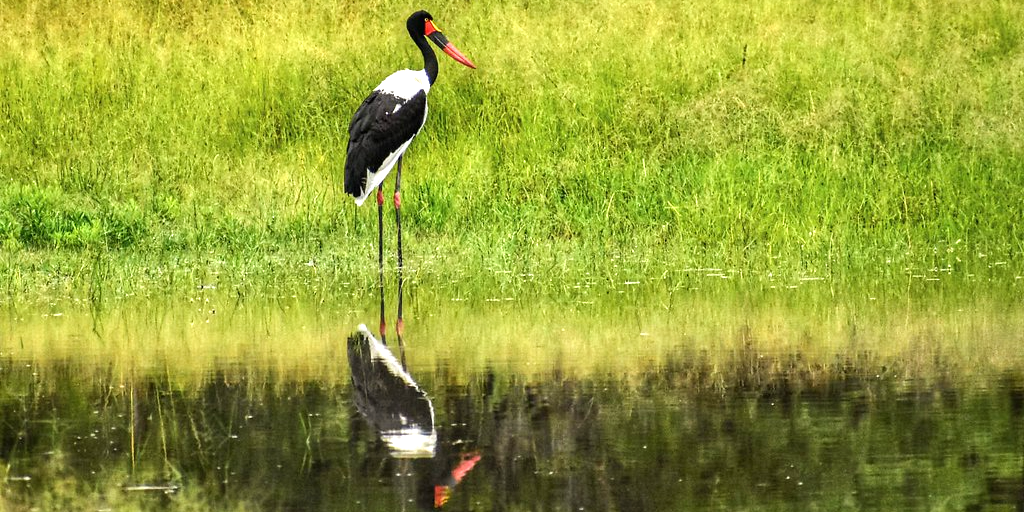
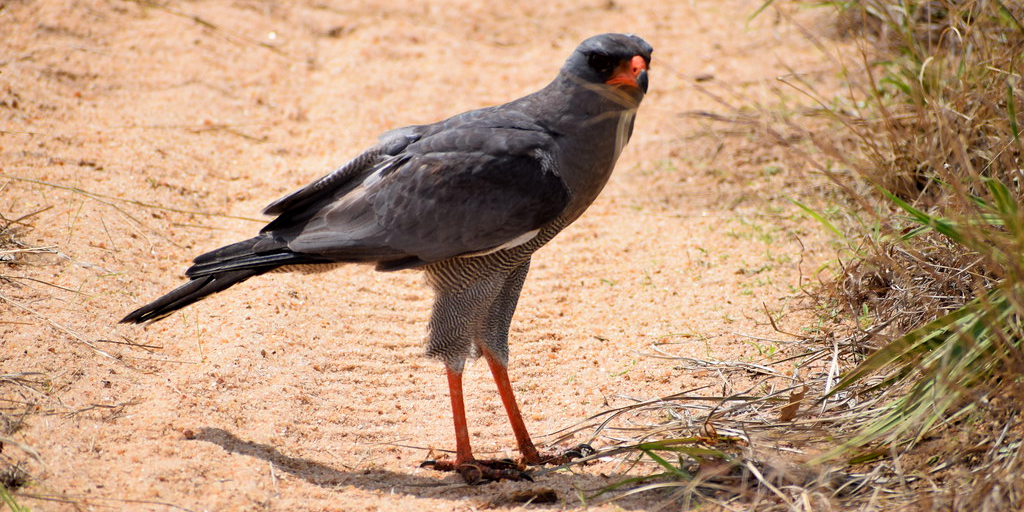
    The students made a bird group called the Balule Bird Nerds, and we would use our Saturday mornings to go out on bird walks or drives with the trainers. The most species recorded in one day was 66. 

    All sightings throughout the course were logged on BirdLasser, which contributes to the tracking and monitoring of species movements. I started at Bushwise on 8 January with zero birds on my bird list. And only five months later, I’m sitting on a healthy 199 birds. My goal is to now work towards obtaining the Field Guides Association of Southern Africa (FGASA) Regional Bird Guide Certificate, specialising in savanna bird guiding and then continuing towards the SKS (Birding) Qualification. 

    If you are ever heading on holiday to the bush, or anywhere for that matter, I strongly recommend taking along a bird book and seeing what species you can identify and enjoy! 

    image

    I can’t thank Bushwise enough, and Jack and Lindi Hutchinson in particular, for the wide scope of knowledge I have gained during my time with them. While birds have been the focus of this blog, I can safely say that whatever topic piques your interest, Bushwise will help you feed your passion. Take the leap and start doing what you love!

    Find out which animals pique your interest by joining one of our field guide courses.

  • Adventure begins where the tarmac ends

    BY: Matt Foulsham

    Camp manager blogs are written by our current students who each get a chance to lead and manage a group (of their fellow students) for a period of one week.

    What separates us from the animals we see in the bush? For me, it’s our ability to use tools. And there is one tool that is probably most important to a safari field guide – the vehicle they are driving.

    I used to work in the automotive industry. My week as a camp manager was like a blast from the past because as it was mainly dedicated to the 4×4 driving course we had to complete to become proficient in off-roading.

    image

    Image: Matt Foulsham

    We started off the week with theory related to the mechanics of how vehicles work and what different systems are used for. It was a lesson full of what we used to call TLA’s (three-letter acronyms). Understanding what the following acronyms mean is part of the vernacular of the industry:

    1. AWD: all-wheel drive

    2. ETC: electronic throttle control

    3. ABS: anti-lock braking system

    4. FWD: front wheel drive

    5. DIS: direct ignition system 

    6. HDC: hill descent control

    7. HAC: hill-start assist control.

    So this course was a big change from learning about the leaf structure of a marula tree!

    After the classroom sessions, it was time to put our new skills to the test out in the field. We learnt how to stall-start the vehicles when driving on uneven, hilly terrain. There’s something unnerving about having your vehicle stalled on an incline with no brakes and only relying on the gears before starting the vehicle.

    image

    It’s all about maintaining control, but it doesn’t always go as planned. On one of my practice runs, the vehicle popped out of gear and started rolling backwards. Luckily, we were only on the practice hill! We also spent some time learning the correct techniques to use when trying to recover a vehicle that is stuck, which is inevitable when working in this industry.

    For our final assessment, we went to what is now colloquially known as “Big Hill”. We were asked to reverse and turn the vehicle around to face the hill, drive up the hill and stall, recover control and then reverse back down the hill. It might sound pretty trivial, but it’s a daunting experience when instead of driving a Ford Fiesta on smooth tarmac roads, it’s a two-tonne Land Cruiser full of your fellow students, on a steep and rocky donkey track.

    As we draw nearer to the end of our course, it’s nice to take a moment and reflect on all of the new and unique skills we’ve learned in our short time here, and what we continue to learn on a daily basis in the bush.

    I enjoyed the 4X4 course as it was a little bit of a reminder of what I was doing before starting with Bushwise. But, before I get too nostalgic, it’s time to get back to those leaf structures!

    To have an experience just like Matt, take a look at our field guide courses.

  • What does it mean to be a field guide?

    BY: Francois Theron, trainer at the Bushwise Mahlahla campus

    One is often confronted with the question of what you are going to do with your life or what career you are going to follow. It isn’t always an easy answer or decision to make especially when you’re still young and haven’t figured out all these things for yourself.

    I was one of those that didn’t know where to start and followed a completely different career, one that was not meant for me. But sixteen years ago, I made the decision to follow my heart and instincts and became a field guide. And there has not been a day where I regret this decision.

    For me, it changed my career to a lifestyle: where one wakes up early in the morning fuelled with enthusiasm and excitement for the day; one where challenges are not problems but blessings; one of contentment being outdoors and in the wild seeing and learning every step of the way.

    It’s a career with endless possibilities and opens doors to a variety of opportunities. It will challenge you to grow in your career and as a person, finding yourself in ways that many other careers would not be able to do for you.

    There are very few people in life that live out a dream or passion in their careers like I did. Before you know it, you will fall so deeply in love with what you do that it’s almost impossible to get out of it again. It’s an endless journey of discovering new natural areas and wildlife, and meeting people from all over the world that you can share your passion with. It is a career where you will bear witness to the most amazing natural scenery and the most incredible wildlife, and all of this will leave you in awe.

    image

    Image: Lindi Hutchinson

    If I have advice for you, it’s that life is short, so do what makes you happy and fuels you with passion, enthusiasm and excitement. Follow your dreams and heart and you will find love and happiness in life. This is what being a field guide has done for me.