Author: Marketing Team

  • Which African elephant facts are key in conservation

    BY: Tasneem Johnson-Dollie

    Which African elephant facts are the most important when it comes to their conservation? Well, international organisations are digging deep to find out. 

    There are different types of elephants in Africa, but in the past, conservationists tended to treat them all the same. But this has started to change as these African elephant subspecies are facing different types of threats.

    African elephant numbers have dropped significantly over the last few years, prompting international organisations like the International Union for Conservation of Nature (IUCN) to dig deeper to better understand the differences between the two African elephant subspecies. 

    By following in the footsteps of the IUCN, conservationists can get to know these creatures better and contribute towards African elephant conservation in a more meaningful way. 

    Here are some of the most important African elephant facts to know today. 
    image

    African elephant facts

    1) There are two subspecies of African elephant

    One of the African elephant facts that’s growing in importance right now is that there are two different types of elephants on the continent. These are their common and scientific names:

    1. The African forest elephant – Loxodonta cyclotis

    2. The African savannah elephant – Loxodonta africana.

    2) The differences between the African elephant subspecies

    Because of the similarities in their appearance and behaviour, conservationists would often treat both types of African elephants the same – despite them being different subspecies. 

    But there are many African elephant facts that prove that there are some significant differences between these two types of gentle giants. 

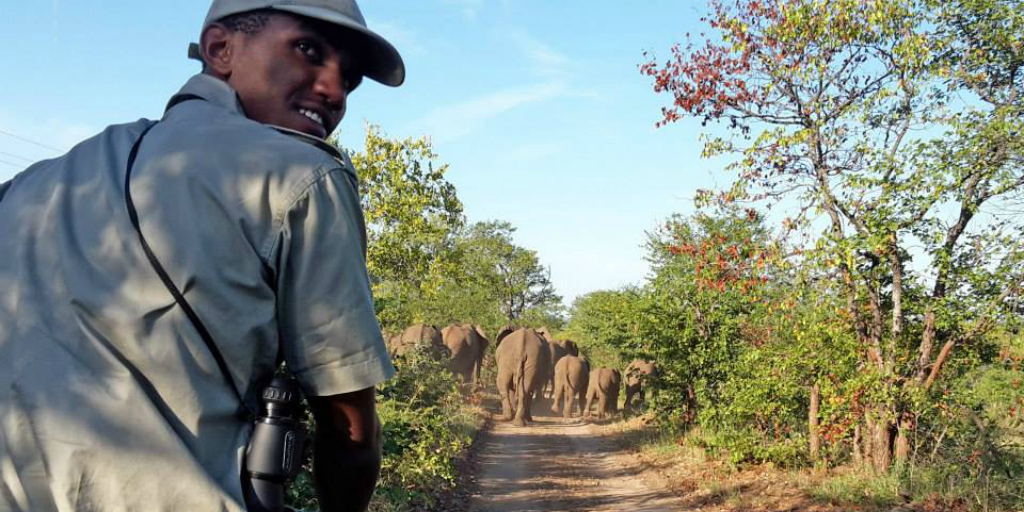
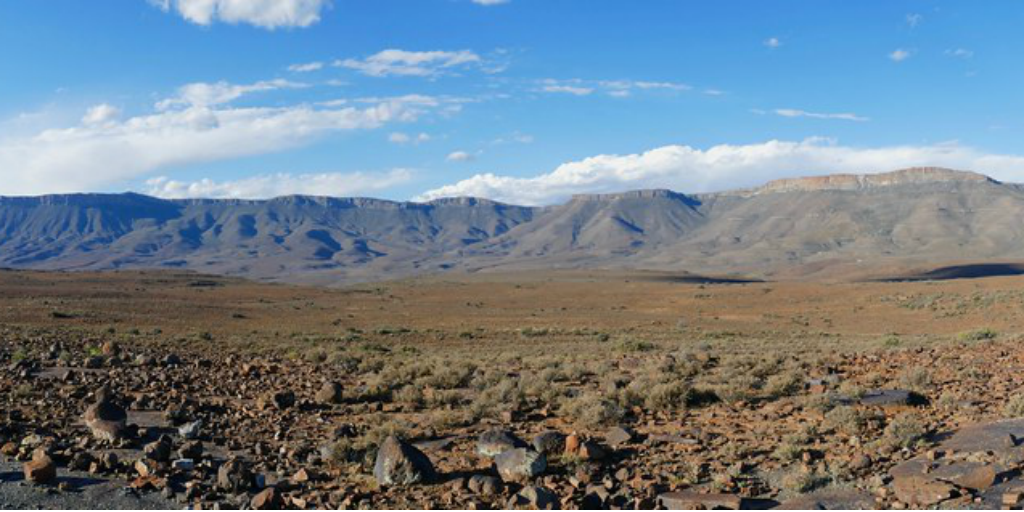
    As their species names suggest, these creatures are found in quite different habitats. African savannah elephants live in open, grassy plains, while African forest elephants live in forests.
    image

    But are there any other major differences between African forest elephants and African savannah elephants?

    There sure are.

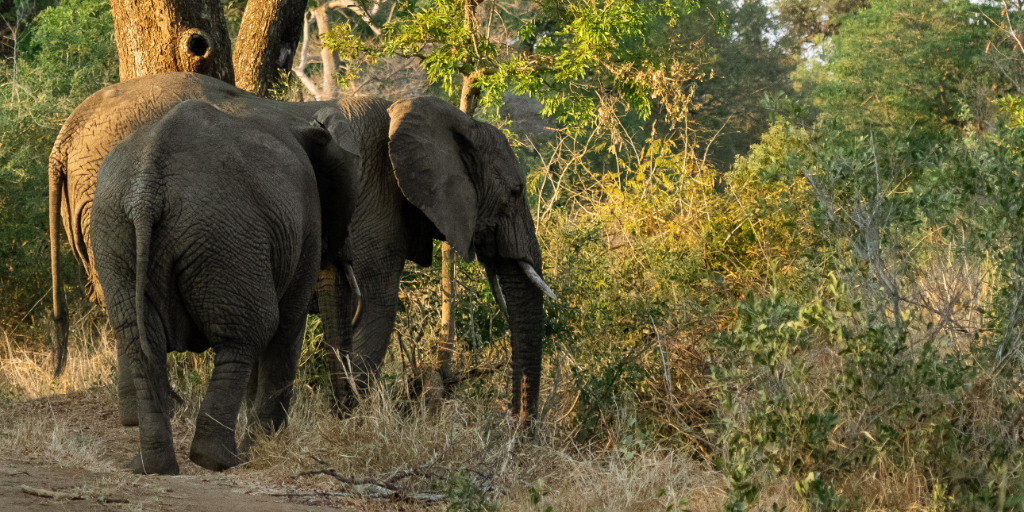
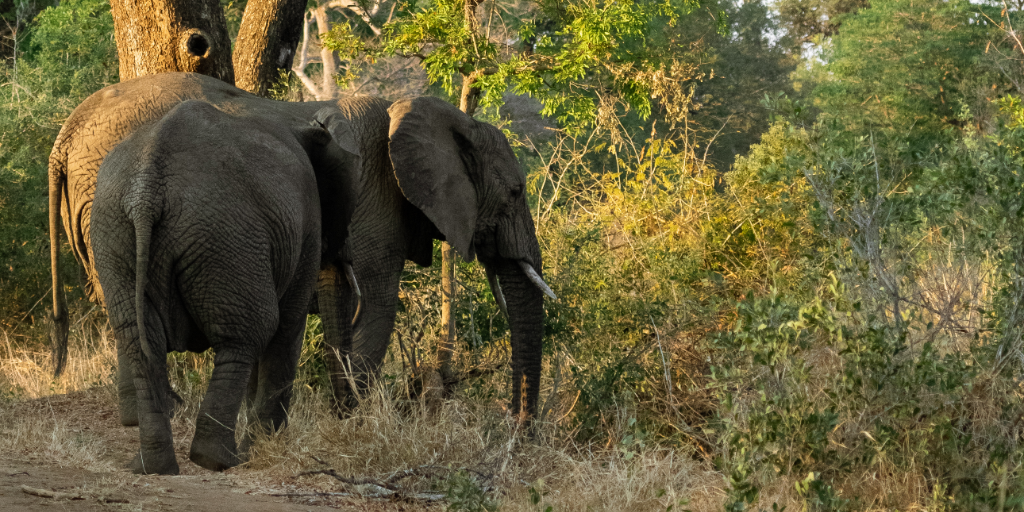
    Here are some African elephant facts that illustrate some of the most important differences between African savannah elephants and African forest elephants:

    1. African savannah elephants are larger in size than African forest elephants.

    2. The tusks of African savannah elephants curve outwards while those of African forest elephants are straighter and point downwards.

    3. African forest elephants are darker in colour than savannah elephants.

    4. Due to where they live, savannah elephants eat mostly grasses while the forest elephant’s diet is made up of leaves and fruit. 

    5. Savannah elephants live in groups of up to ten individuals that are led by a female while African forest elephants live in groups of less than ten individuals.

    6. African forest elephants are found in Cameroon, Central African Republic, Côte d’Ivoire, Democratic Republic of Congo, Gabon, Ghana and Liberia. 

    7. African savannah elephants live in Botswana, Kenya, Mozambique, Namibia, South Africa, Tanzania and Zimbabwe. 
    image

    These African elephant facts show how the different types of elephants in Africa vary physically and behaviourally – and this can make a big difference when it comes to their conservation. 

    3) Both subspecies of African elephant are endangered

    The most recent IUCN update states that African savannah elephants are endangered and African forest elephants are critically endangered. 

    The biggest obstacles threatening the well-being of these African elephants? Poaching and habitat degradation. 
    image

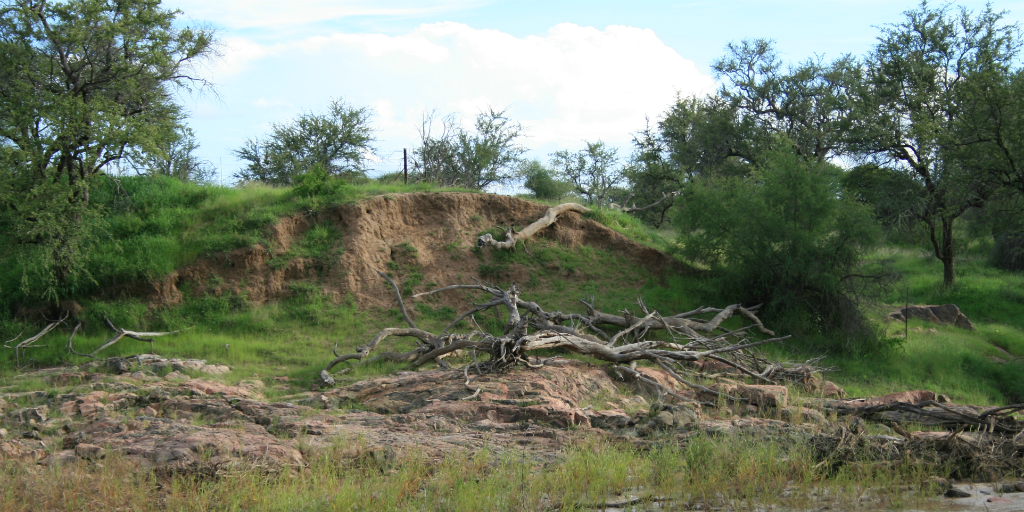
    Since each subspecies lives in different environments, we need to understand what habitat loss looks like for both African forest elephants and African savannah elephants. 

    This will add to our ability to address the specific factors that contribute to habitat loss in the different types of elephant environments. It’ll also build on our knowledge of how poaching takes place in these different environments and how it can be addressed most effectively. 

    This type of information will ultimately lead to a better understanding of the differences between these two subspecies, meaning that conservationists can form a greater understanding of the type of conservation efforts that will put these elephants in a better position. 

    How to contribute to African elephant conservation
    image

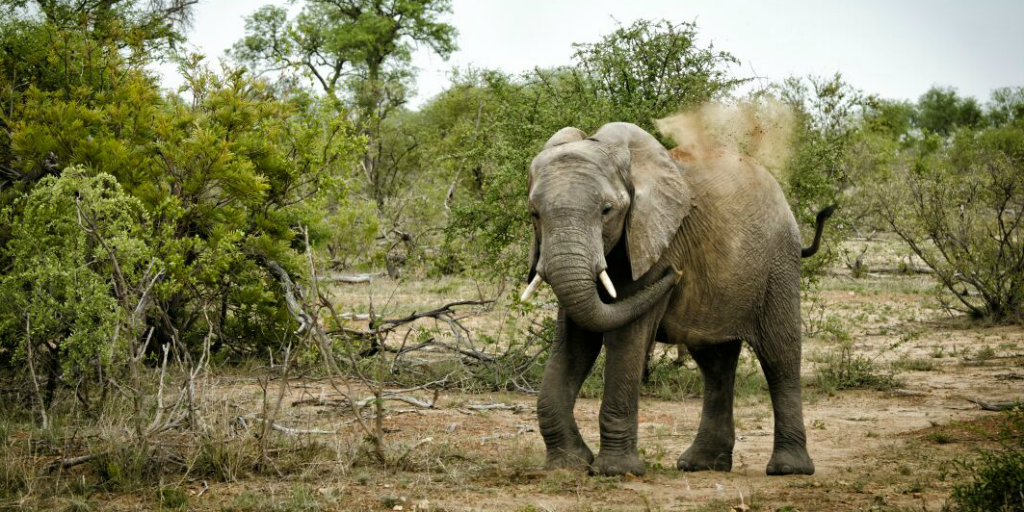
    The world is at a turning point when it comes to African elephant conservation, and educating yourself on African elephant facts is one of the best ways to make a contribution.

    Why?

    Well, by enhancing your understanding of how African elephants live and the challenges they face, you can be part of the support system that’s growing African elephant conservation efforts worldwide.

    The more you know more about African elephants, the more you can spread the word about their conservation status, add to the work being done by African elephant conservation organisations and make a positive impact right where African elephants live.
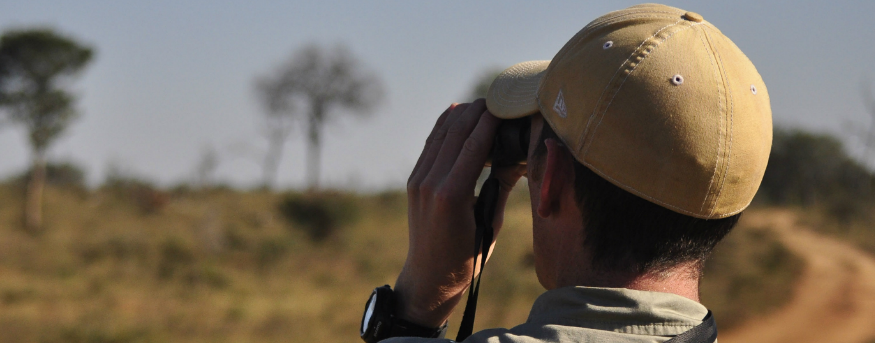
    image

    Bushwise Field Guides offers courses in the African savannah where you could grow your African elephant knowledge while soaking up the African sun. 

    And if you’re not keen to travel just yet, we also offer online courses where you’ll gain valuable knowledge about African elephants and the ecosystems they live in. 

    Take a look at our Wildlife Research Expedition and see how you can learn African elephant facts first-hand while contributing to conservation efforts in the savannah.
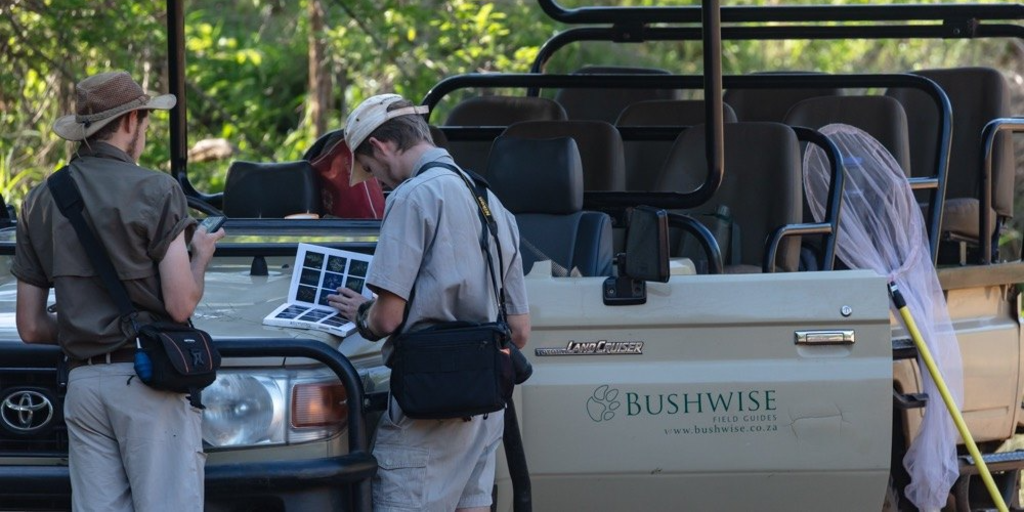
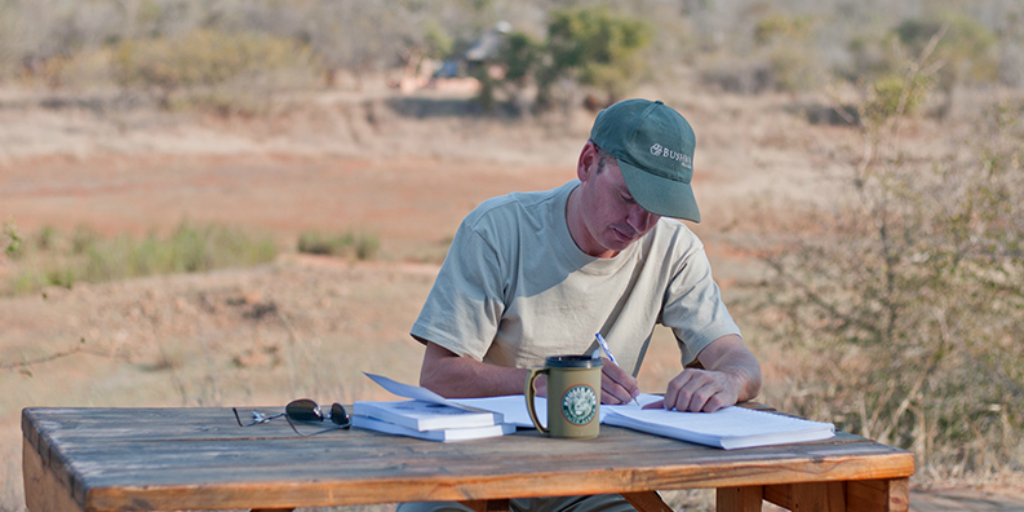
  • Why wildlife ecology is key in addressing climate change

    Disclaimer: Some of the images in this article were taken pre-COVID-19.

    We might all be familiar with climate change and how it affects people across the world. But what’s not as well known is how wildlife ecology can and does play a major role in addressing it. 

    When we look at species living in wild spaces, we can’t see every interaction that keeps the ecosystem balanced, or get a clear view of how a specific set of plants and animals survive in a given setting. 

    But this type of insight is essential. It’s key to gaining an all-round understanding of nature and the effects of climate change on ecosystems. It’s also the only way that we can design and implement effective interventions to address climate change. 

    Wildlife ecology is how we gain this type of understanding, and ecologists are at the forefront of addressing some of the biggest challenges to the world today. Here’s how.

    What is wildlife ecology the study of?

    image

    Wildlife ecology is a science that’s been around for decades. It’s focus is on understanding the interactions between wild animals and their environments and its main aims include:

    1. growing the scientific knowledge base on wild animals

    2. advising wildlife management strategies

    3. managing interactions between wildlife populations and human populations. 

    So, when answering the question, “What is wildlife ecology the study of?” the answer isn’t as simple as, “the relationships between wild animals and their environment.” Wildlife ecology includes getting to know more about all the factors that feed into the survival of living things on Earth. 
    And, with a focus on gathering information that builds on the management of wild species, wildlife ecology is a field that holds tons of potential when it comes to addressing ecological issues, like species loss due to climate change. 
    What is climate change ecology?

    image

    Climate change ecology is a special branch of wildlife ecology that looks to understand how the effects of climate change influence living organisms.

    It breaks down a complex ecological assessment into more easily digestible information. For starters, climate change ecology considers how the effects of climate change alter temperature and precipitation – and vice versa. 

    From this springboard, wildlife ecology specialists try to understand how these effects of climate change influence communities of plants, animals and people with regards to their:

    1. abundance

    2. behaviour

    3. distribution

    4. physiology.

    With the effects of climate change having an impact the world over, and tons of different types of ecosystems making up Earth’s environments, getting to grips with climate change ecology is a complex undertaking. 

    Luckily, there are some straightforward ecology facts that can start us off on solid ground when it comes to understanding climate change. 

    Ecology facts on the effects of climate change

    image

    All Earth’s ecosystems are connected through the atmosphere (the layer of gases surrounding the Earth) and the hydrosphere (all the water found on the planet, which includes oceans, rivers, water vapour and ice). 

    One of the main causes of climate change is the overproduction of greenhouse gases – like carbon dioxide, methane and water vapour – which accumulate in the atmosphere. These gases are mainly produced through human activities such as the burning of fossil fuels.

    Over time, the concentration of greenhouse gases in the atmosphere has jumped from a steady 280 parts per million to an excessive 400 parts per million. This increase coincides with the growing size of the global population as well as an upscaling in human activities that contribute to climate change. 

    Greenhouse gases are known to trap a significant amount of the sun’s heat in the atmosphere – heat that should have made its way back to space. 

    This trapped heat has slowly – but significantly – increased the temperature on Earth and influenced ecology in a number of ways.

    Some of the most well-known effects of climate change are:

    1. an increase in the frequency and intensity of droughts, storms and heat waves

    2. the melting of glaciers and the warming of oceans

    3. the desertification of once arable land. 

    These environmental concerns have a significant effect on ecology because temperature and precipitation have an impact on the way wild animals live, grow and reproduce. 

    Why is wildlife ecology key in addressing climate change?

    image

    The world is linked in more ways than we can understand. 

    Today, ecological issues are not only commonplace but occurring in epic proportions. This means that viewing communities of plants, animals and people as separate entities would only set us back in gaining meaningful insight into how well Earth’s ecosystems are doing.

    Wildlife ecology gives us a way to take a realistic and practical approach to understanding every ecosystem on Earth. It’s also an essential part in developing relevant efforts aimed at addressing the effects of climate change. 

    Wildlife ecology provides the theoretical framework for us to establish relationships between people, plants and animals that are beneficial and effective at addressing climate change. 

    If we don’t use wildlife ecology as a tool to understand and address climate change, even the highest calibre of scientist will be groping for solutions in the dark. 

    The best way to start making an impact in ecological restoration

    image

    With wildlife ecology and its specialisations – like climate change ecology – making up a vast field with a world’s worth of opportunities to contribute, you can easily find a focus you’re passionate about.

    But gaining real-life experience and growing your competency in the field means that you’ll have to get involved in the best wildlife ecology opportunities out there. 

    Bushwise Field Guides offers a whole host of courses where you can gain hands-on or online experience in ecological restoration and climate change ecology, and build on your skills in wildlife ecology as you go. 

    Opportunities like our Wildlife Research Expedition, an internship based in the African savannah, make it easy to get a foot in the door of wildlife ecology and work alongside wildlife organisations and wildlife experts. And this is sure to build on your professional development and employability in the field. 

    Set off to become a wildlife ecology researcher in the savannah with Bushwise, find answers to the question, “What are the effects of climate change?” and add to efforts aimed at addressing climate change. 

  • How a global pandemic changed the course of conservation ecology

    BY: Tasneem Johnson-Dollie

    Disclaimer: Some of the images in this article were taken pre-COVID-19.

    While the effects of COVID-19 on the human population make the headlines daily, understanding the impact it has on plants and animals hasn’t been a priority, but it should be. 

    According to a recent publication by the Proceedings of the National Academy of Sciences (PNAS), today’s global health pandemic has changed the course of wildlife ecology. And, it should steer the world in a new direction when it comes to finding solutions. 

    Let’s get to grips with the new normal by looking at some of the latest ecology facts and finding out about the current ecological issues affecting fieldworkers like the Bushwise team in Limpopo.

    Ecology facts old and new

    What is conservation ecology?

    image

    Ecology is the study of how living things interact with each other as well as their environments. 

    Conservation ecology focuses on understanding ecological issues and laying the groundwork for initiatives that build on the well-being of plants and animals, and their habitats. Organisations like Bushwise Field Guides, offer top-rated online and on-the-ground field guiding courses that focus on work that contributes towards conservation research. 

    Why does conservation ecology matter?

    image

    For decades, conservation ecology, also known as restoration ecology, has been in the spotlight, and rightly so. 

    Tons of plant and animal species have gone extinct since the start of the industrial revolution in the 1800s. 

    These include:

    1. 83 species of mammals

    2. 113 species of birds

    3. 23 species of amphibians and reptiles

    4. 23 species of fish

    5. around 100 species of invertebrates

    6. more than 350 species of plants.

    And extinction rates have been rising steadily ever since.

    After analysing over 15,000 government and scientific resources, the Intergovernmental Science-Policy Platform on Biodiversity and Ecosystem Services (IPBES) reported that around one million plant and animal species are at risk of extinction right now. This is the highest rate of animal extinction in the history of the human race. 

    Conservation ecology has been key in safeguarding endangered species and it plays an important role in trying to ensure that no more species go extinct. 

    What new ecological issues are we seeing worldwide?

    image

    The COVID-19 pandemic has had a significant impact on the international economy.

    The BBC reported that 1,69 million people are already unemployed and hundreds of thousands more are set to lose their jobs due to the pandemic

    So, half the world’s workforce is at risk of losing their livelihoods and the already significant global unemployment rate is set to rise even more over the next few months.

    One of the immediate effects of this global challenge is that activities like illegal logging and poaching have increased around the world. This is partly because many people are trying to make ends meet by using the only resources available in their environments. 

    There are also reports of wildlife being seen as disease carriers, which has a major effect on whether community members will join in on local conservation efforts. 

    In some countries, this has sped up the rate of environmental degradation and habitat loss and has had a negative impact on the well-being of plants and animals. 

    How has the COVID-19 pandemic affected ecology jobs?

    image

    Ecological organisations play a major role in restoration ecology and slowing species extinction rates.

    Ecological organisations can keep a close eye on species population numbers by assessing, monitoring and analysing plants and animals in their natural environments, and recording the data in scientific research archives. The research they collect can also contribute towards addressing ongoing and new ecological challenges.

    But, with travel restrictions and curfews that were implemented at various stages of the COVID-19 pandemic, many wildlife conservationists couldn’t be present in the environments where conservation activities were meant to take place. This is still true in many instances.

    This means that work that builds on wildlife ecology has slowed down significantly since the start of the COVID-19 pandemic, and we have no way of telling how this has affected the gains made in conservation over the last couple of centuries. 

    In addition to this, employees in ecology jobs acted as the world’s eyes and ears in the field before the pandemic, and their research kept us updated on ecological issues across the world and how they were being addressed. The restrictions on travel and certain industries during the COVID-19 pandemic meant that the work on many conservation research bases couldn’t continue.

    In today’s climate, this type of feedback isn’t always possible because the hands-on research that you’ll be trained to do on the Bushwise Mahlahla campus, for example, can’t always take place. 

    What’s the way forward for conservation ecology?

    image

    While it will take time before conservation ecology efforts can continue as normal, there are some innovative ways that conservationists are overcoming current ecological issues and obstacles.

    Whether due to climate change or a global health pandemic, professionals in ecology jobs have been coming up with contingency plans that would allow their work to continue in the event of a crisis.

    One example of this is that ecological organisations have built on their relationships with local community members over the years by collaborating with them on conservation activities. This means that local community members are able to take over projects when employees from outside of national borders can’t travel in. This sort of local collaboration and capacity building should also be one of the goals of conservation project work. 

    This means that local community members can build upon their skills and understanding so they can scientifically monitor and report on wildlife ecology in their area. 

    And, intel from community members who aren’t trained to do ecology jobs is also being put to good use. Ongoing reports from the general public provide everyday insight to supplement scientific findings. 

    image

    And, of course, where external opinion is necessary, technologies like Zoom have made it possible for colleagues to get in touch in an engaging and effective way. 

    This makes collaborating to solve ecological issues possible and means that we can still benefit from global insights into local and international wildlife ecology concerns. 

    But, more than just encouraging flexibility in conservation ecology, the COVID-19 pandemic has re-emphasised the key economic, social and ecological issues that feed into global well-being. 

    This has brought home the fact that plants, animals and people can’t be considered separately. And, when working towards the well-being of one, we should consider the well-being of them all. 

    Find out how you can learn more about conservation ecology right now on Bushwise Field Guide’s Nature Enthusiast online course and discover the latest ecology facts for yourself.

  • Through the highs and lows of a magnificent course

    Camp manager blogs are written by our current students who each get a chance to lead and manage a group (of their fellow students) for a period of one week.

    Dubbed the ‘grandpa’ of the group, I ironically took over the role of camp manager from our youngest Balule student Brendan Davis.

    I was born and raised in picturesque, freezing Belgium, so it took me a while to get used to the hot South African climate. Luckily summer is ending now and these days I get spoiled with a ‘chilly’ 25C° and some wonderful sunsets.

    image

    Our week’s work centred around practising our guiding skills. We had morning and afternoon game drives scheduled on Wednesday, Thursday and Friday to boost our bush knowledge, presentation and driving abilities. 

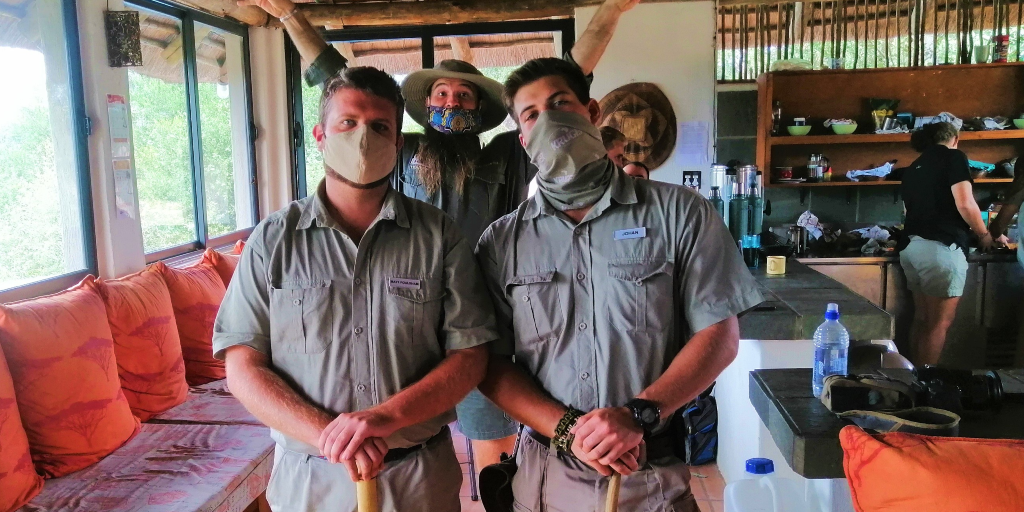
    Before driving, we were made to host and entertain our ‘guests’ with a short briefing and plan for the day. Naturally these were done in a professional, no nonsense manner as demonstrated by our resident stick brothers (Matt F. and Johan N.) under the fierce supervision of trainer Jack Hutchinson. 

    image

    Despite our 2,5 months of practice we still managed to beach the cruiser multiple times at one of the sandy crossings. Pushing, digging, shoveling and sweating were officially added to our competency list for the week! I assure you, we do learn from our mistakes the bush way. 

    A choice of surprise activities awaited us at the weekend. Was it our near-perfect behaviour and consistent efforts that prompted our trainers to organise this? Or perhaps the 2 student birthdays earlier in the week? Alas, we will never know. 

    We could either go on a bush walk with Jack or for a birding session with Lindi. A third option was to sleep in after the busy week. The group that chose to go on the birding session were rewarded with the thrill of seeing a couple of lifers (birds you see for the first time) and achieving a new spotting record. The previous number of 54 birds was smashed and now sits at 62. To be continued over the next few weeks…

    image

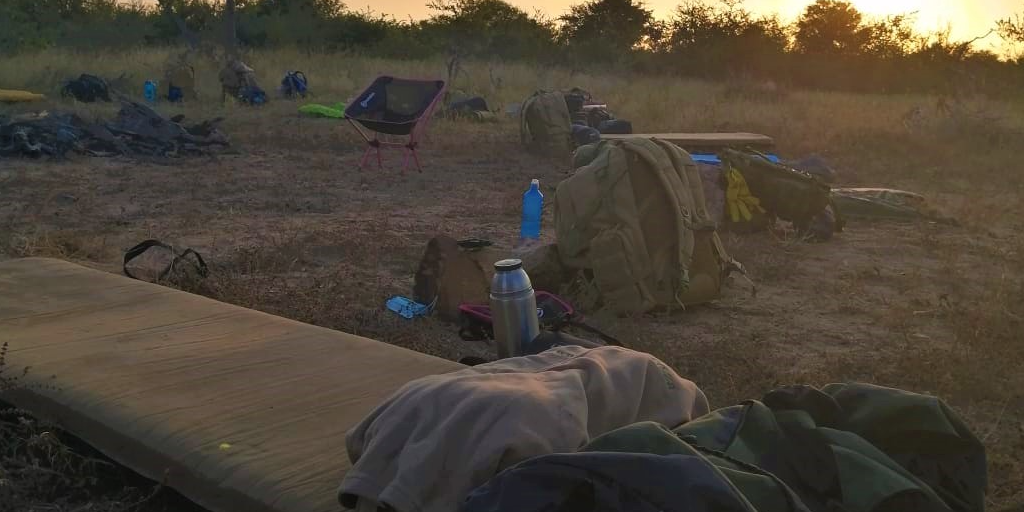
    The sleep-out organised for later that weekend was highly anticipated. All packed and ready to go, we left campus for a braai and peaceful night’s rest under a full moon and starry sky. 

    To ensure the necessary safety, we formed pairs to keep an hourly watch around the campfire. Luckily our fellow student Erin Anderson managed to stay awake during her shift this time (23.00-midnight) so we survived the night without any incident. 

    image

    We returned to campus on Tuesday morning exhausted but satisfied. Here, I completed my last duties as camp manager. Overall, I am looking forward to what lies ahead but cannot help but feel a little sad that we are already halfway through this magnificent course. 

  • Just not there yet

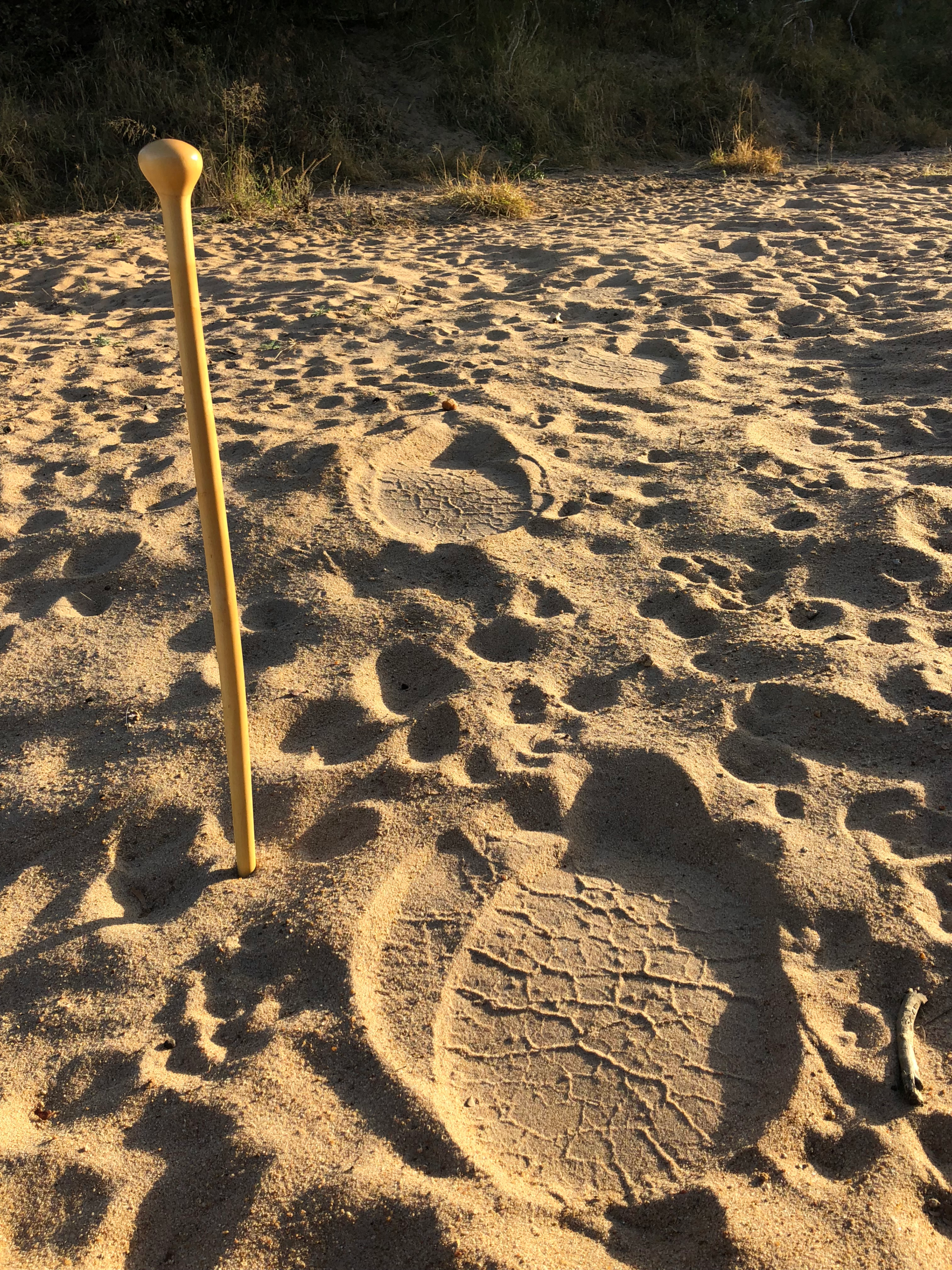
    “You are just not there yet.” Colin Patrick’s words cut through to my soul as I swallowed my tears and looked at the ground to hide the frustration in my eyes. This was my first trailing assessment and I had been so sure that I would get level 2. I just wanted to be a professional trails guide, but now the goal felt unreachable.

    image

    “Level 1 is good. It means you can follow footprints. Next time keep your head up and follow the trail.” I stared at Colin’s grin as he continued, “don’t make friends with the tracks.  Use them to confirm the trail, the bigger picture. A senior assessment will break your spirit. Use these junior assessments as a means of upgrading yourself to pass senior.” Then he said something that I will never forget. “You need to learn how to walk before you can learn how to run.” It is such a simple saying, but so true in life.  

    If you fear failure, you will never succeed. If you do not learn how to walk because you are so afraid of falling, then you will never learn how to run. Remember that [each attempt] is never a failure, it is always a lesson. Rather regret the things that you have done, than the things that you have not.  

    Often the grass looks greener on the opposite side from where you are, and you wish that you could just jump over there immediately. You may believe that you will instantly be happier there, and that you will have everything that you ever dreamed of. The question is, will you really be happier? Is it really that great?

    image

    From a distance it looks nice and green with no problems. What you don’t see is the amount of dung which causes the grass to be so green, but also causes a lot of thorns and weeds to grow. The green grass also attracts more ticks which bring diseases. And who knows how many snakes and scorpions hide in it? So, is it really that great? Yes, it is, when the time is right and when you are well prepared and know how to handle thorns, ticks, snakes, and scorpions. 

    So how do you prepare yourself? By not rushing the journey there. If you jump there now, you are likely to fail, but if you accept the (often winding) journey and learn how to deal with the challenges along the way that upgrade your knowledge and personality, then you will succeed when the time is right. 

    image

    I might not be there yet, but as long as I keep going, and don’t give up, I will get there. It might not be as soon as I want it to be, but everything worthwhile takes time. 

  • Lounging lions and lolling hippos, Geena’s week as camp manager

    Camp manager blogs are written by our current students who each get a chance to lead and manage a group (of their fellow students) for a period of one week.

    One of the duties of a camp manager is to carry a radio with you 24/7. As a born-and-bred Capetonian not well versed in matters of the bush, I thought this was more for show than anything else. This was until 06:00 on Friday morning when I was startled out of a deep sleep: “Geena, Geena. Stand by for Lindi.”

    image

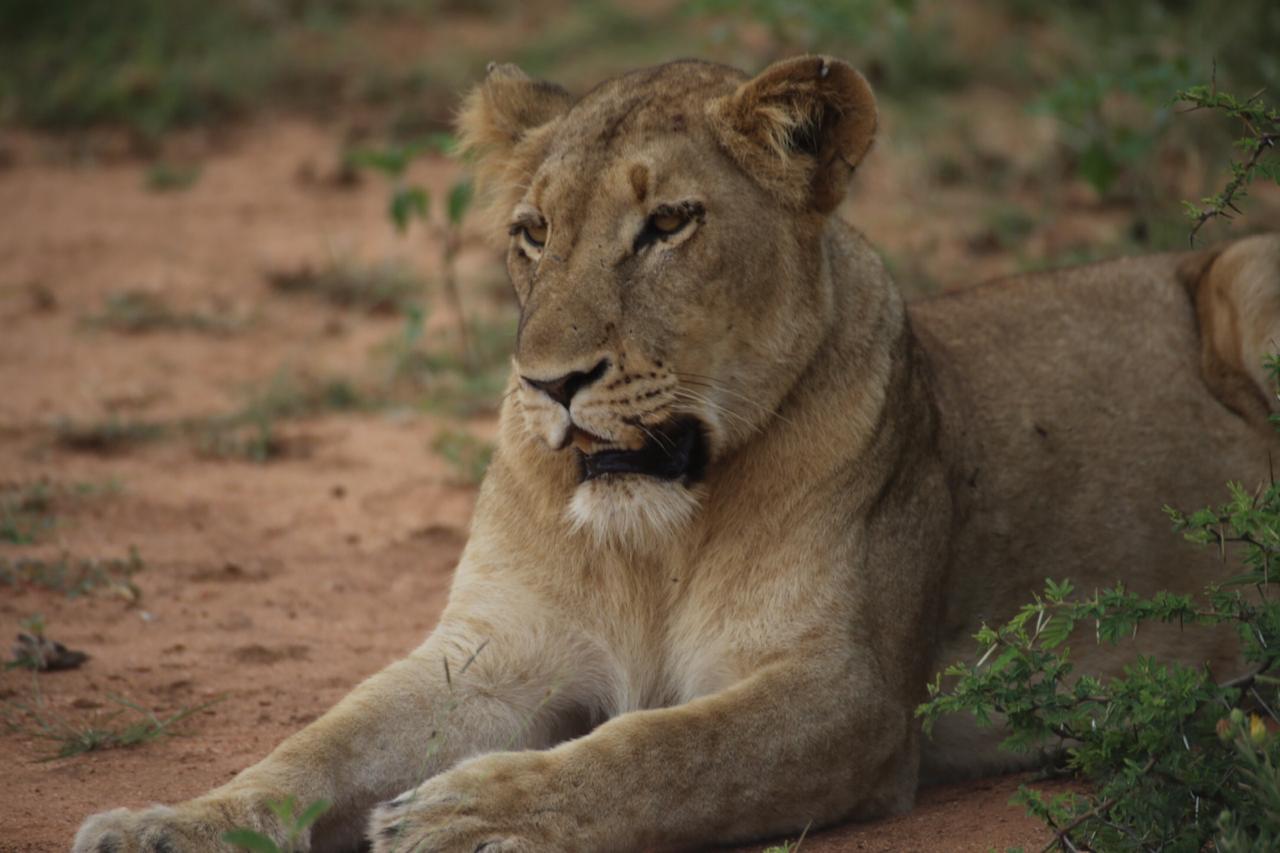
    Instinctively (and half-asleep), I reached for the radio on my bedside counter: “Lindi, Lindi. Geena standing by.” The reply: “We have a sighting of 5 ingala 100 metres from campus.” My heart skipped a beat. Ingala is the Shangaan word for lion, and our campus is unfenced! After the initial shock, Jack and I woke everyone up for this incredible sighting: subadult lions lounging about at dawn before following a giraffe into the thick shrubs.

    image
    image

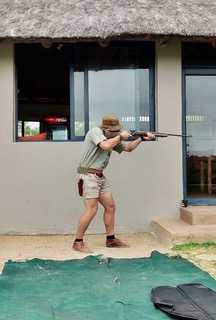
    Earlier in the week, we had been split into 2 groups – A and B. Group A did ‘track & sign’ practicals with Colin Patrick while Group B practiced rifle handling with Jack Hutchinson. Erin achieved the highest shooting accuracy of all the students, earning her the title of best shooter on campus, as well as bragging rights for the next 4 months. Each group also had the opportunity to make a meal for the entire campus, with Kevin showing off his exceptional abilities as head chef.

    On Saturday night, we had a movie night to unwind after the long week. We indulged in microwave popcorn and settled in to watch a cinematic classic – Avatar. Overall, I would say that our first movie night was a success (except for Erin and Franklin falling asleep halfway through the film). Then on Sunday, Jack and Lindi spoiled us with a surprise trip to Three Bridges for pizzas and milkshakes. Those that were brave enough to climb onto the train tracks on the bridge, were rewarded with the serene sighting of hippos lolling about in the river.

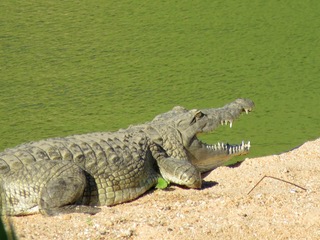
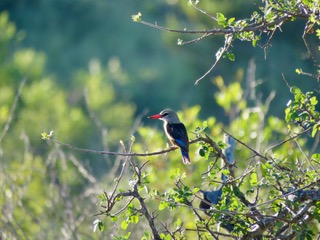
    The new week kicked off with a test on arthropods, as well as lectures on amphibians, reptiles and birds. My reign as camp manager came to an end just as we started with practical game drives. We enjoyed amazing sightings on Jared’s game drive, including Nile crocodile, dust-bathing hornbills and a pregnant giraffe. My highlight of the week was definitely seeing the grey-headed kingfisher which (as a newly converted non-birder-turned-birder) was an exceptional bird to add to my list!

    image
    image

    Photo credits: Matthew Franklin and Geena Wegner

  • What’s the buzz about International Day for Biological Diversity?

    BY: Tasneem Johnson-Dollie

    Biological diversity sounds like an important concept, but do you know what it actually means? Let’s learn more by taking a look at what International Day for Biological Diversity is all about. 

    Getting to know International Day for Biological Diversity

    image

    International Day for Biological Diversity is celebrated on 22 May each year. 

    It’s a day that’s been set aside by the United Nations (UN) to celebrate biologically diverse ecosystems all around the world. 

    And, because we’re living in a time when the rise and fall of species in different ecosystems has taken centre stage, it’s also about highlighting challenges to biological diversity worldwide. 

    But, what is biological diversity and why is it important? Let’s get a better look by leaping into the definition of diversity in biology. 

    What is biological diversity?

    image

    Biological diversity means having lots of living things around, right? Or is it about there being lots of different types of animals and plants? Or having lots of plants and animals in one place at the same time? 

    Understanding what’s meant by the term “biologically diverse” starts with wrapping your head around the definition of diversity in biology. 

    The most widely accepted definition comes from the UN Convention on Biological Diversity. It describes biological diversity as, “the variability among living organisms from all sources including, inter alia, terrestrial, marine and other aquatic ecosystems and the ecological complexes of which they are part; this includes diversity within species, between species and of ecosystems.” 

    This magnificent mouthful emphasises three main points:

    1. Biological diversity is about having a variety of living organisms in existence. 

    2. The concept of biological diversity can apply to all the different ecosystems on Earth – including terrestrial, marine and freshwater environments. 

    3. Measuring biological diversity means comparing the variety of plants and animals within species, between species and within ecosystems.

    So, this definition of diversity in biology answers “yes” to all the questions we started out with.

    Yes, biological diversity is about having lots of living things around. And yes, it’s also about there being lots of different types of animals and plants in existence. And in addition to these, yes, biological diversity is having different environments bursting with large numbers of living things. 

    Each year, International Day for Biological Diversity looks to build on the world’s understanding of what biological diversity really means and why it matters. 

    Because biological diversity is a term with a massive meaning, it helps to take a look at some real-life examples to get a better understanding of it. 

    The World Conservation Monitoring Centre (a branch of the UN) identified 17 megadiverse countries. These destinations are home to the most biologically diverse biomes on Earth, and they paint a clearer picture of what biologically diverse ecosystems look like.

    What are the most biologically diverse biomes on Earth?

    image

    Biomes are wild spaces that set the scene for specific communities of plants and animals to coexist. 

    Aquatic, desert, forest, grassland and tundra environments make up the five major biomes on Earth.

    Through collaboration with local and international organisations, the UN was able to gather an extensive amount of data on biomes across the world. 

    This led to them pinpointing 17 of the world’s 195 countries as being the most biologically diverse. These locations are known as megadiverse countries and include places like Australia, Brazil, Madagascar, and South Africa, where we offer top-rated field guide training in the heart of the African bushveld.

    The other megadiverse countries are:

    1. China

    2. Colombia

    3. Democratic Republic of Congo

    4. Ecuador

    5. India

    6. Indonesia

    7. Malaysia

    8. Mexico

    9. Papua New Guinea

    10. Peru

    11. Philippines

    12. South Africa

    13. United States of America

    14. Venezuela. 

    Together, these megadiverse countries account for only 10% of the world’s land surface area, but are home to almost 70% of Earth’s terrestrial life forms. This is a biological feat of epic proportions, even before we consider the marine and freshwater plants and animals that call these countries home!

    Most megadiverse countries are made up of a mix of aquatic, forest and grassland biomes where thousands of different types of animals and plants live. 

    Let’s take a look at the challenges facing these biologically diverse biomes today. 

    What’s affecting the world’s most biologically diverse biomes today?

    image

    Studies have looked at changes in biologically diverse ecosystems over the years. This research has highlighted some of the biggest challenges to biological diversity today. They are:

    1. human activity – like poaching, overfishing and the overdevelopment of natural environments

    2. climate change – changes in temperature and precipitation affect the development and survival of many different types of animals and plants

    3. invasive species – when non-indigenous plants and animals are introduced into an ecosystem they can affect the well-being of endemic plants and animals. 

    The ten years between 2011 and 2021 were designated as the UN’s Decade on Biodiversity. This set a deadline for the UN Convention on Biological Diversity to develop solutions to the challenges faced by plants and animals globally.

    A whole decade of planning – isn’t that a bit much? Well, not when we consider how biological diversity has been affected over the last century:

    1. It’s estimated that 30,000 species go extinct every year – which amounts to three species every hour.

    2. Human beings make up 0.01% of life forms on Earth, yet human activity is responsible for the extinction of 83% of mammals and half of the planet’s plants

    3. The average number of species in terrestrial ecosystems has dropped by around 20% since 1900

    4. Global warming has significantly affected the survival of more than 40% of amphibian species and almost 33% of reef-forming coral species.

    5. In the Amazon alone, an 80% increase in fires from 2018 to 2019 has affected 7,000 square miles of the rainforest – one of the world’s most biologically diverse biomes.

    6. Around one million plant and animal species are threatened with extinction today. 

    Right now, the rate of species extinction is at an all time high. And, with every year that passes, the world’s biological diversity dips even lower. 

    So, why is biological diversity important?

    Why is biological diversity important?

    image

    Earth’s different types of animals and plants are as important to the planet’s well-being as the sun that keeps us warm, and the water that supports all life on Earth.

    Plants and animals are key parts of ecosystems – which provide us with food, water and other natural resources, like wood, fertile soil, medicines and oil. And, the life forms found in these ecosystems are part of the natural processes that allow for these resources to exist in the first place.

    Many ecosystems also produce tons of oxygen that living organisms need to survive. They also act as carbon sinks – natural environments that absorb large amounts of carbon from the atmosphere. So, they play a big role in moderating the effects of global warming and climate change. 

    And, many plants and animals are a key source of food and employment for the human population – which is growing by the millions every year.

    With less biological diversity, the ability of ecosystems to meet the world’s demand for food, water, oxygen and other natural resources will drop. And, these resources may not be available to us in the future.

    This can have a big impact on our livelihoods, world economies and disease management in the years to come.

    So, what can we do about it?

    How to make an impact on International Day for Biological Diversity?

    image

    The UN Convention on Biological Diversity gives us annual updates on what’s happening in biologically diverse ecosystems around the world. This means that every year on International Day for Biological Diversity, you can see what’s being done to address diversity loss, and how it’s adding to a positive global impact.

    But, you don’t have to play a passive role in this annual event.

    By following your passion for nature and working towards a career in conservation, you can make a meaningful impact in conservation activities worldwide.

    You could become a Field Guides Association of Southern Africa (FGASA) accredited field guide, a park ranger, or a conservationist involved in environmental awareness education in local or global communities.

    Any work that adds to the aims of the UN Convention on Biological Diversity will make a meaningful impact in slowing extinction rates and safeguarding global biological diversity. 

    Sign up for Bushwise Field Guides online field guiding course, and gain the knowledge and insight you need to make an impact on International Day for Biological Diversity.

  • Hidden trails and a lion’s feast – a week in the life of a camp manager

    By Darryl Weinstein, student

    Camp manager blogs are written by our current students who each get a chance to lead and manage a group (of their fellow students) for a period of one week.

    The week began just as you would expect – with lectures on reptiles, birds, mammals and animal behaviour.

    But then things took a more inspiring turn, and the students and I were privileged to discover a giraffe carcass that had been killed by lions earlier on in the week. We found out about this nature-enthusiasts prize through one of our trainers who generously shared his find with us, instead of keeping it to himself and a select few. Here is where one of the ethics of guiding comes into play: sharing interesting information with your fellow guides.

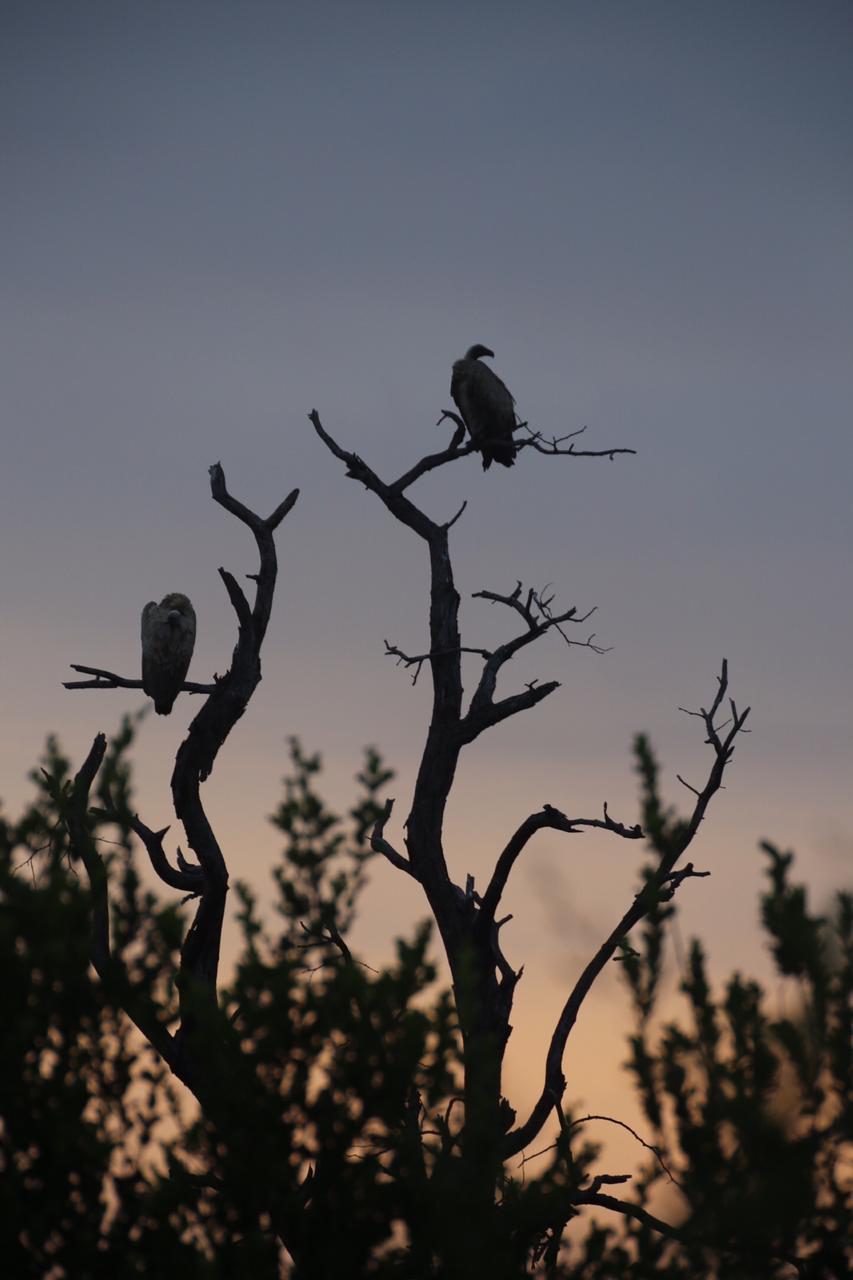
    Our senses were keenly alert on the first expedition in search of the carcass, and sure enough, we could smell it before we could see it.  A few Cape Vultures, some Hooded Vultures as well as a jackal had beat us to the punch and were already hungrily devouring the bonanza. The trainer suggested that we should go and have our afternoon drinks stop early and then return to the carcass later on to see if bigger game would have  joined the feast.

    image

    His instincts were spot on because on our return to the carcass, we saw a male lion in the middle of the road heading back towards the carcass and then starting to eat it. A few minutes later, a cub emerged out of the thick bush and started eating close to the male lion, who didn’t even notice the cub was there. A short while later, another cub came out of the bush, this one accompanied by it’s mother who  stopped short of the carcass and layed down while the cub joined the first cub and the male lion. When comparing the two cubs, it was clear that the first cub was older then the second cub; while in terms of colour the first cub was darker and the second was a lot lighter.

    image

    It was at this point that the trainer deduced the reason why the male lion didn’t mind the two cubs being around him. It was obvious that the cubs were his and that he acknowledged them as his offspring.

    Buoyed by the excitement of the lion sightings, the students and I quickly covered tracking and signing on subsequent game drives. A unique opportunity arose during one such practical drive to  teach our foreign group members about the buck dung spitting competition, where the objective is to spit a piece of impala dung as far as possible.

    A week in the life of a camp manager is never boring! Follow us on instagram @bushwise.sa to share the unfiltered student’s experience of life deep in the African wilderness.

    Photo credit: Priyesh Kara

  • Student’s take on Bushwise conservation work

    BY: Jared James, student, 2021

    The week started off at the crack of dawn with early morning game drives for both team A and team B.

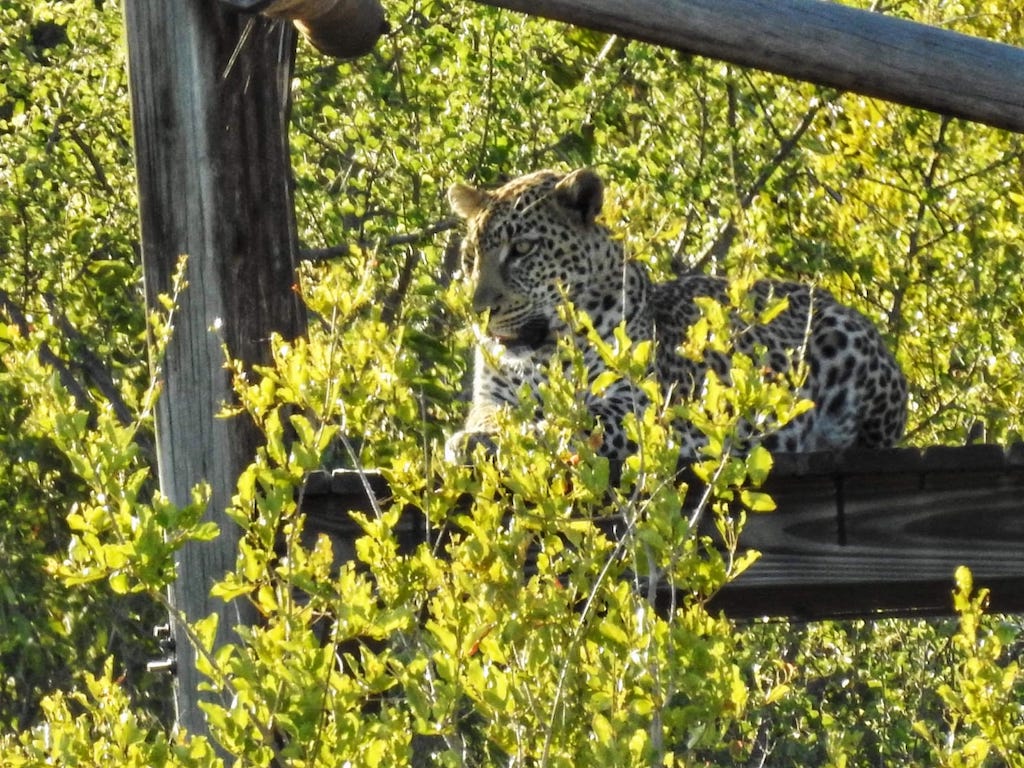
    Guides for the day were Taya, Mat Foulsham and Daniel for team A while team B had Jenika, Erin and Geena as their guides. Team A decided they were going to go east as team B headed towards the western side of the reserve. Team A made use of their secret weapon, which was spotting for wildlife and were rewarded with an amazing sighting of the elusive leopard as well as a sighting of a juvenile African Fish Eagle and an extremely exciting, Eurasian golden oriole, which was a lifer (a new bird to the list) for many of the birders. Team B had an amazing sighting of the African Elephant eating the fruits from the iconic Marula tree. The drives were amazing. 

    image

    We then arrived back for brunch where Sibu made us yet another amazing meal, which never disappoints. 

    Jack gave us news that we will all be hands-on, doing some conservation work, so we can carry on our training with no issues. We all agreed and went hands-on fixing the road that was washed away from the Eloise cyclone that happened the night before. After two and a half hours we were all satisfied with the end-product and our hard work paid off. We nearly forgot that later that night we had our much-anticipated sleep out for which we needed to get ready. 

    We were all excited about it, but we had one issue, the clouds were getting darker and the winds were picking up and so a campfire was going to be a problem for the surrounding area. We all still got ready and were waiting patiently for the final call from our trainers, Jack and Lindi.  The decision arrived that we were going to go and if the weather took a turn, we all agreed that we would head back to campus. Driving there everyone was talking about their night watch and how they feared things crawling up in their sleeping bags while they were sleeping. We arrived at the camping spot where we were greeted with a warm welcome from a herd of impala and a dazzle of zebras. We walked around to double-check if everything was clear and safe to carry on setting up camp, as it was the same area where we had spotted the leopard earlier that morning. 

    image

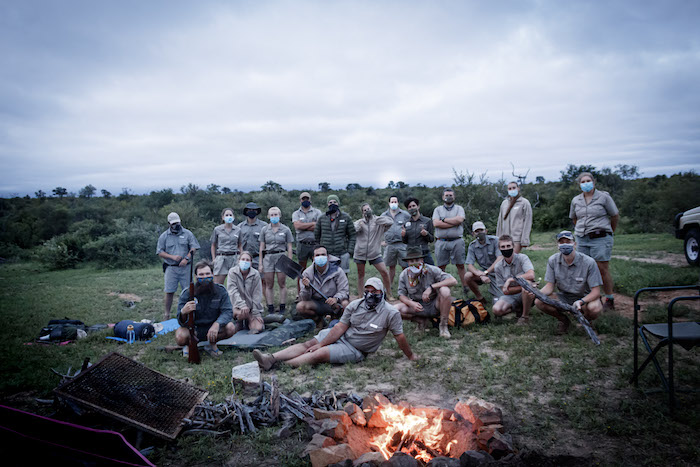
    Everyone put out their sleeping bags in a circle around the campfire. Andre was nominated braai master for the night and managed to keep up the high standard of Sibu’s food. I, who was the camp manager explained where the restroom will be. All of us set up and were getting the feeling that we are going to sleep out in a big five reserve. The weather remained in our favour for the rest of the evening, as the wind started to die down and the clouds became inexistent and quickly took the opportunity to take a group photo, with social distancing, of course. Andre started braaiing some pork and garlic bread for us. Sibu made us some potato salad to enjoy alongside our braaied food. It tasted amazing as everyone was quiet while indulging in some typical South African cuisine.

    First watch started at 21:00 to 22:00 where everyone was still awake, taking in the feeling that nature has to offer for all. Slowly the guides faded way releasing that, they have shifts that are later and they will need some sleep before they wake up. 23:00 everyone besides the night watch were all asleep. Next shift nature decided that it was time to awake and check on what are these weird things in our area. Hyenas calling in the distance all night and Elephants making noises, got the night watches on alert every time. Slowly the night was ended, dawn was rising. 

    We all awoke and needed our caffeine to keep us awake. Discussions between each other on how it was so possible that we all got such amazing sleep that they all went into a deep sleep. Later that day we had our workbook session and Jack and Lindi had a surprise for us that was a practical observation on trees, grass, and flowers to see where we all are on our abilities. Before dinner would be served, Jared the camp manager had to host the night’s dinner, so before dinner was ready had some news for the guests on a discovery of two giraffes that had dwarfisms and we all were amazed about that news. Dinner was served and Sibu once again never disappointed us by making a chicken ala king with macaroni.

    image

    Next day it was off week for the students. 

    Everyone had loads of stories about their off weeks. Some had stayed in Hoedspruit and had loads of fun driving to the Kruger National Park while others went home or stayed on campus. First day back was an interesting day where we all met up at spur and got to hear the stories from off-week. We then all drove to drop off the vehicles at stack ‘n storage. Waiting for the Trainers to fetch us at our vehicles, the heavens decided to open. It was a remarkably interesting drive back to campus in the open-top vehicles as we all got soaked by the heavy rains of the lowveld. 

    So it was an interesting weeks experience for all and for me doing the duties as a camp manager.

  • Practical drives, tropical storms and FOH workshop

    BY: Daniel Greyvenstein, student 2021

    After a weekend of studying, the week kicked off with the exciting stuff: practical drives. This meant going out at the crack of dawn to be ready for the new day ahead and arriving at camp well after dark, but no one complained because we were finally doing what we love. 

    image

    During practical drives, each student got the chance to drive the game viewing vehicle for an hour, host the “guests” (the other students) for a morning coffee or a sundowner and show of their knowledge they have learned so far. Group B had an amazing sighting of a big male leopard, while group A was still in search for their own special sighting. Luckily, they were rewarded for their patience with the same leopard a few days later. (Photo by Matthew Franklin) 

    image

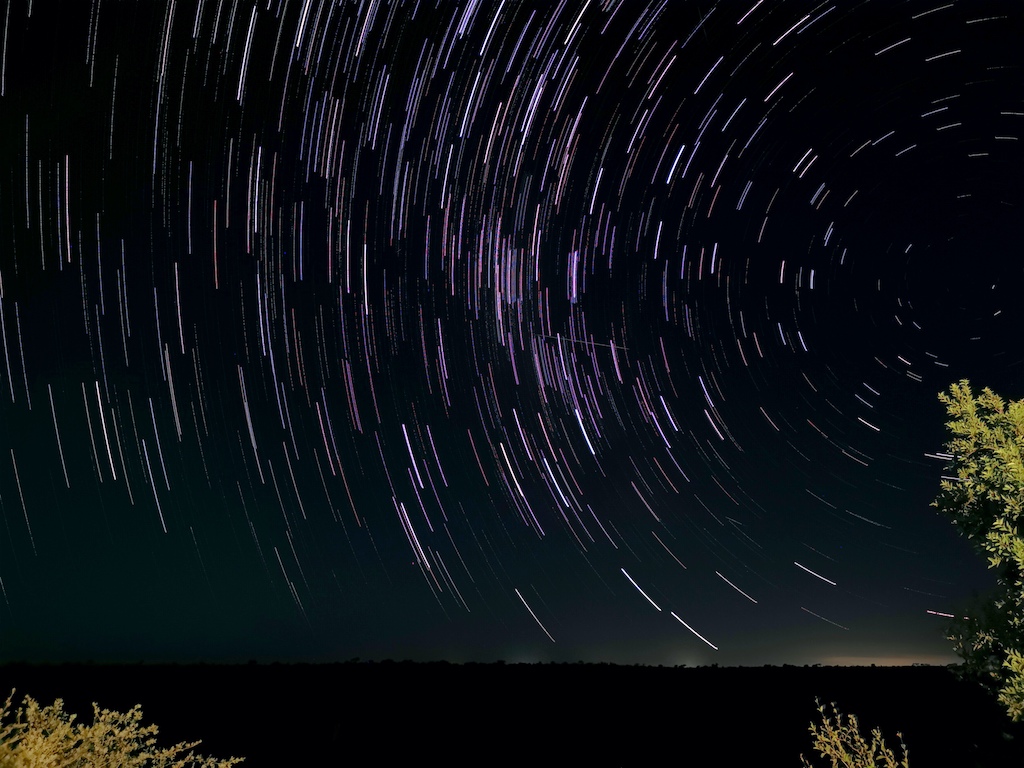
    Between the drives, we were kept busy with more studying for the weather, climate and astronomy test that was waiting for us the following week. We got in a good rhythm: drive, lecture, study, drive, sleep and repeat.

    image

    With Tropical Storm Eloise approaching us there was a feeling of anticipation and excitement in the air.  We had to make sure that the camp was ready and safe for a big storm. We dug drainage holes, filled up sandbags to block water going under the doors, made sure all the rain drains were empty and in working condition.  Everything and everyone was ready for Elouise to come and pay us a visit. Fortunately, the storm didn’t hit us as hard as our surrounding areas, we had some strong winds and some rain. The dry river bed filled up for a while but cleared the next day. No damage was done, and our hard work paid off.

    image

    Monday was the day when our knowledge of the Weather and Climate and Astronomy modules was tested, and we delivered good marks! With a sigh of relieve we knew we can take a break from studying before our next text that will take place after off-week. 

    On Tuesday we welcomed Hayley and Grant for our two-day Front of House Workshop to learn about the do’s and don’ts of the guiding industry. We all learned a lot and had some great laughs in between with some role play to understand the workshop.

    image

    The Front of House workshop continued on Wednesday morning, and Wednesday afternoon group B was rewarded with a well-deserved bushwalk with our trainers Jack and Lindi. After a long day everyone was back at camp, once again enjoying an amazing dinner prepared by our Chef Sibu.

    image