Author: Marketing Team

  • Week 2: When the ice starts to break

    BY: Mitchell Robinson, student 2021

    Week 2 got off to an amazing start. Our ‘honeymoon’ game drive was very enjoyable. Our trainers took us out on a game drive in Makalali Private Game Reserve. They treated us as guests and did everything for us. Even though no big cats were seen, that didn’t dampen our spirits. The one vehicle was very lucky and got to see a black rhino and hippopotamus at a dam. The birdlife was phenomenal. Most of the birds people would usually skip are super interesting. Our guides’ in-depth knowledge about birdlife kept us asking more and more questions. The general game was very good. We saw mass amounts of impalas with young babies along with many zebra and wildebeest. The enthusiasm all around was phenomenal from both the students and the guides. Jokes and laughter were constantly heard on the vehicles. 

    On Thursday the 14th of January we had our first day of learning about front-of-house. Front-of-house contains many aspects that we as the students didn’t realize. I’m sure that even some things the trainers didn’t know of. The insight into what managing a lodge and being a field guide entails was discussed in great detail. Haley and Grant used many of their own experiences to help us understand. All in all, we realized that front-of-house involves a lot of aspects and long hours.

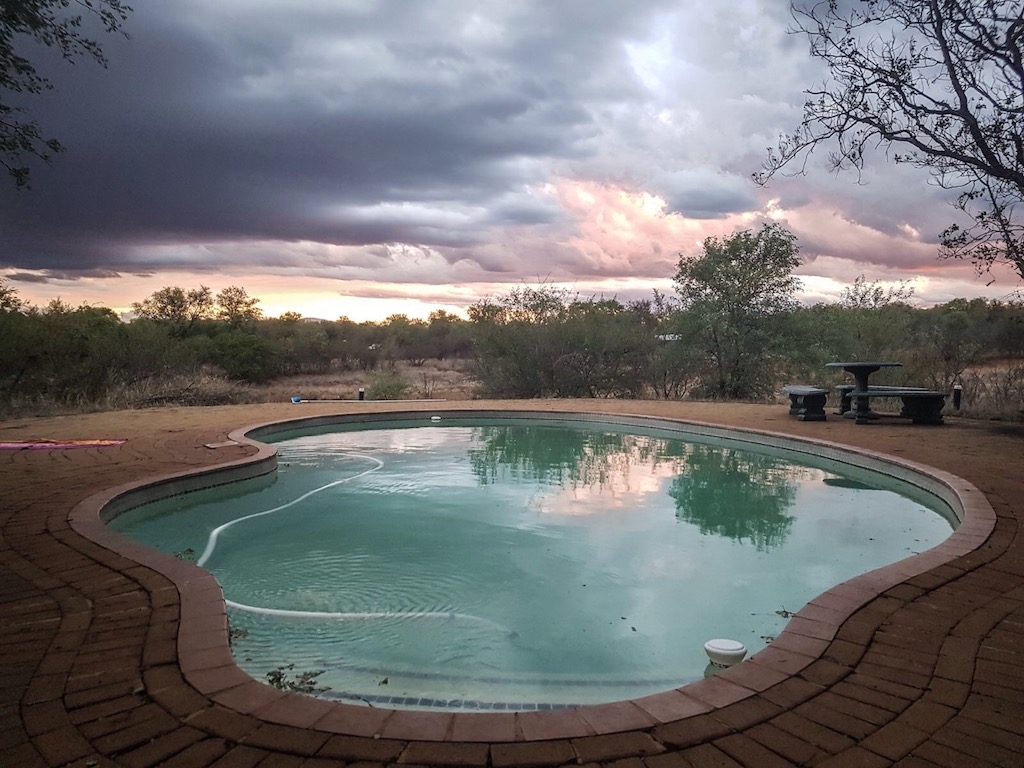
    On the 16th of January all of us decided to take a break and swim. We spent half of the day by the pool chatting away and playing games like ‘marco polo’. It was a day filled with fun and games and a bit of studying in between.
    image

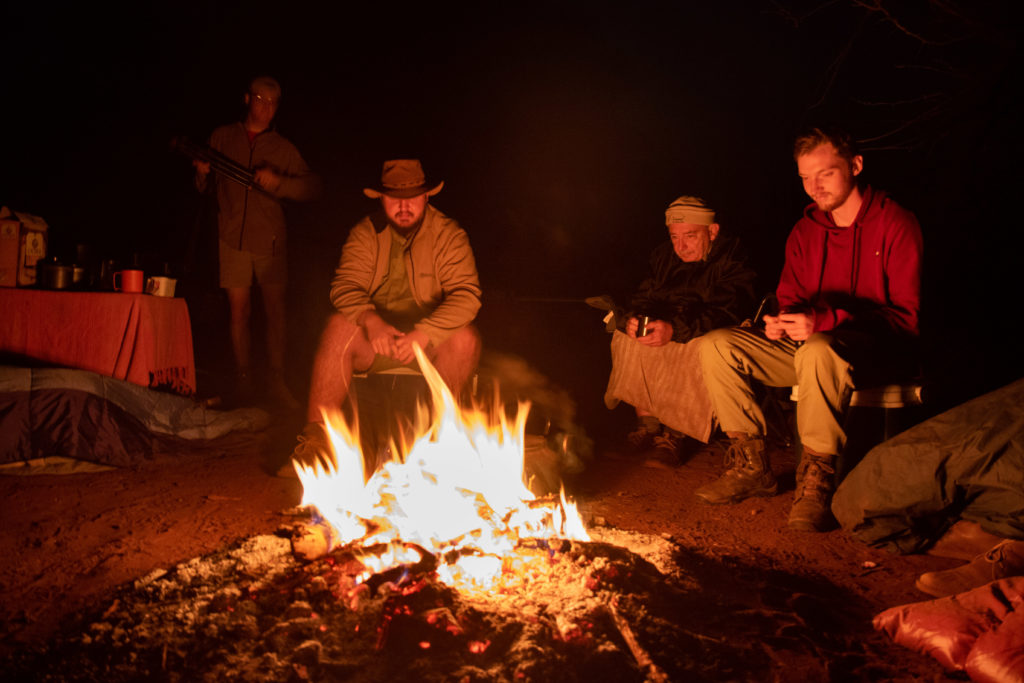
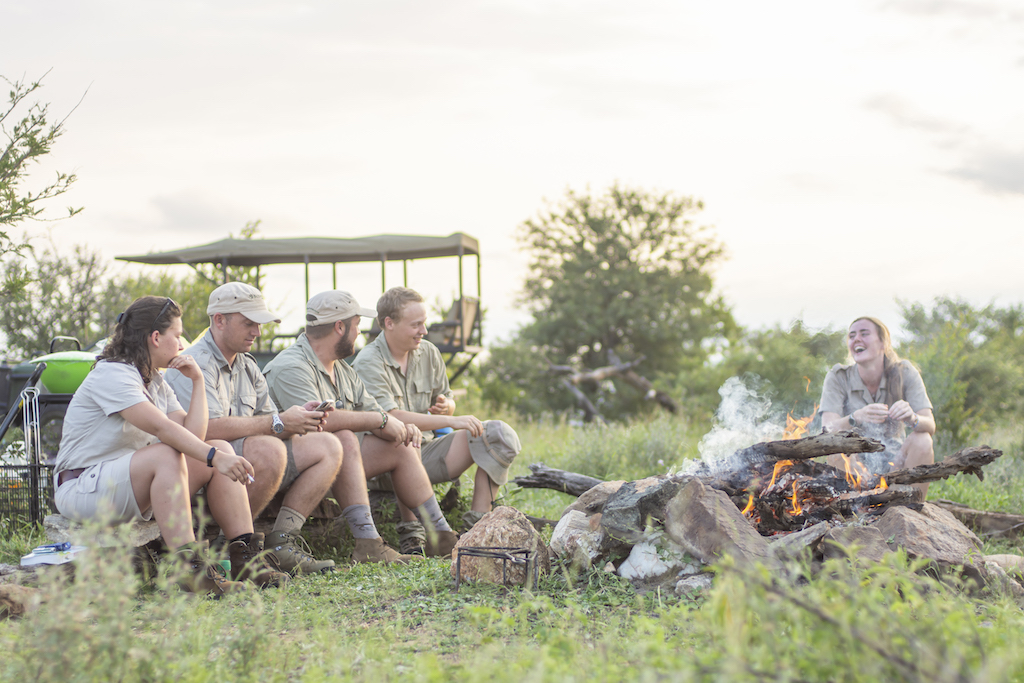
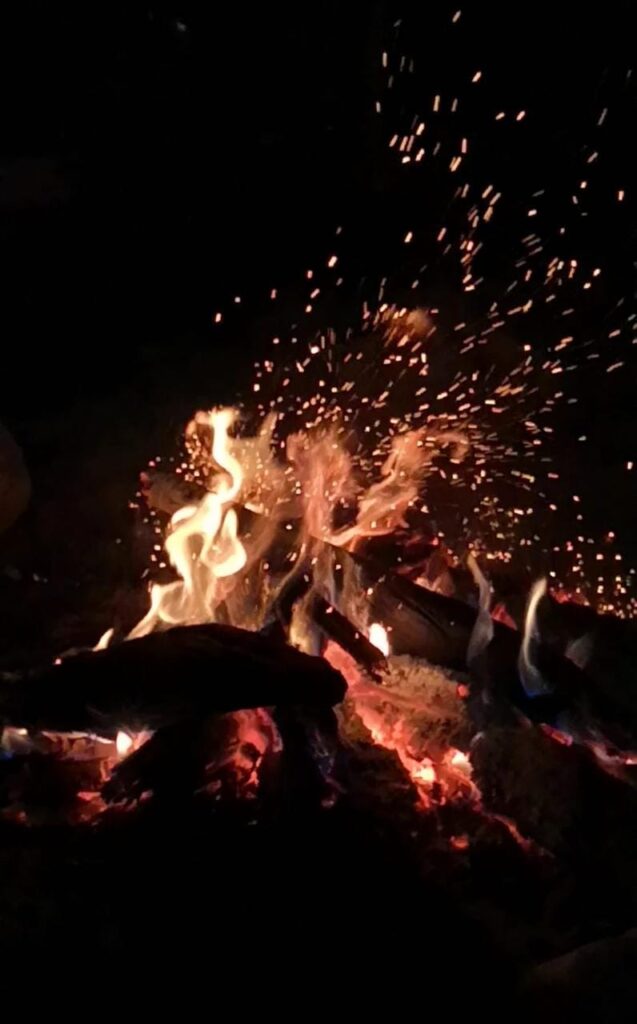
    On the 18th of January, we wrote our very first tests which focused on ‘the introduction to guiding, geology and radio procedures. Everyone put in long hours of studying due to all the nerves around camp. The tests made us think a bit differently as a lot of the questions involved scenarios. After the tests the spirits were high and the smiles could be seen for miles. That night we decided to have a campfire and games night. All of us gathered together playing card games while sitting around the fire. It was an awesome team-building night for all. We all chatted for hours and started to get comfortable around each other. Everyone was sharing their stories making it a very interesting night. Jokes were made and songs were sung. It was an amazing day.
    image

    Tuesday the 19th of January was filled with lectures on our next three FGASA modules which included weather and climate, astronomy and ecology. While sitting in a class all day is not ideal, everyone seemed to enjoy it. I suppose it is pure love for what we are doing and hoping to do. It was a very hot day and the pool just looked so inviting. 

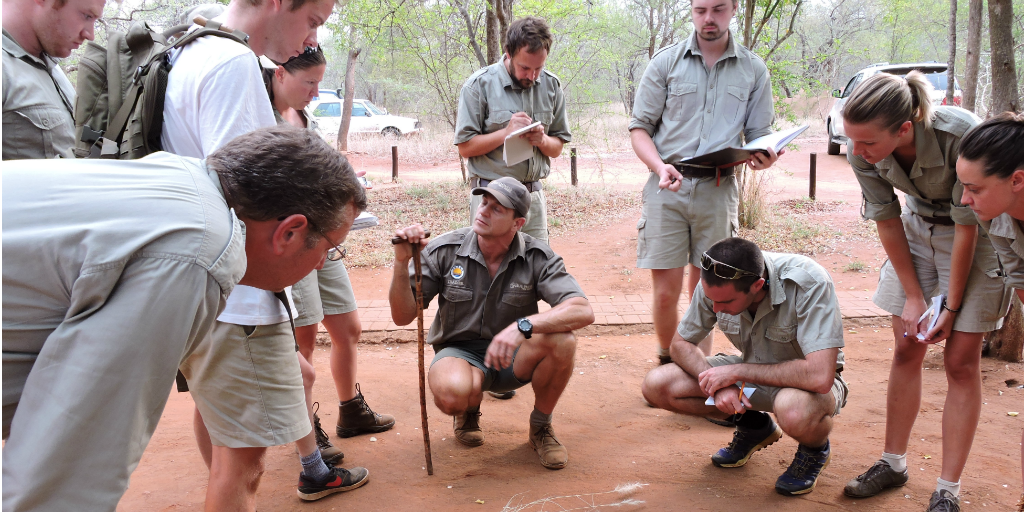
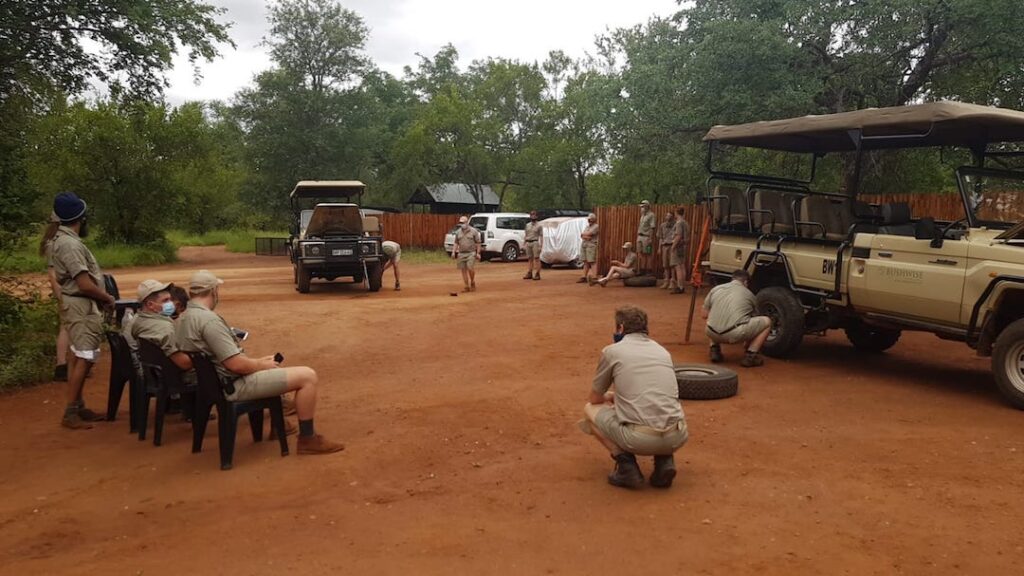
    Wednesday the 20th of January, my final day as camp manager was interesting and dirty. We learnt about the basic mechanics of the game drive vehicles. This involved us checking coolant level and oil level. Then the interesting part came. We had to change a tire. All of us got a chance but we had to make a bit of a competition. While we raced to see who can change a tire the quickest, Vaughan, our head trainer, was cracking jokes while attending to his poor broken high lift jack. 
    image

    In conclusion, the second week was thoroughly enjoyable and full of lots of laughter. So far it has been an amazing experience. 
  • Game drives and more game drives

    BY: Angela Riley, Bushwise student 2020

    With the start of my Bushwise journey in July came many new experiences, all of which met my eager anticipation and blew all of my expectations out of the park. The practical drives around campus and the game drives over at Makalali are constant excitement-filled highlights of mine. Not only because of the beautiful area that we are lucky enough to explore, but because of all the knowledge we gain on the way. With regular stops and discussions about animals, trees, grasses, tracks, bird calls, and a whole lot more – there’s so much to learn!

    During our practical drives, we all have a good laugh together. These drives allow us to familiarize ourselves with the vehicle, its size, and how it runs. Admittedly, I have had some issues with my reversing skills. With that being said, I feel as though more research should be focused on the secret life of trees and their erratic movements as they always seem to find their way behind me.

    The drives also give us the opportunity to practice our pre-briefings with clients, safety precautions, and our hospitality skills during the Phuza stops.

    Our game drives outside of campus in Makalali always make my week. The crisp air when we start at the crack of dawn, when the tracks are fresh, and the birds are out. There’s always a lot to see and we learn so much from our trainers while out in the field. We have already been taught a great deal about the different types of trees in the area and have spent ages parked next to a russet bushwillow as well as a red bushwillow. Discussing the differences between the two and how to tell them apart was especially interesting.

    image

    With regular questions, the trainers keep us on our toes; making sure that we’re alert and ready at all times. We will stop and discuss animal tracks and work together in identifying them. Sometimes we park off when we find bird parties and see how many species we can identify, sometimes just from sound alone. Birds are fast becoming one of my favourite subjects to learn about and I find it so calming to sit in silence and listen to all the different calls they can make.

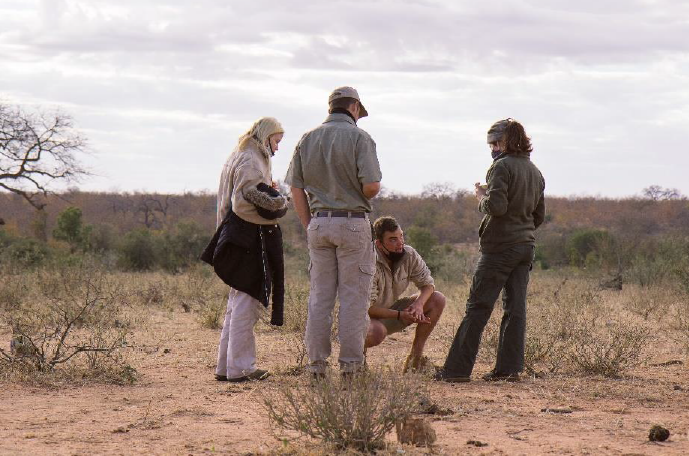
    After an hour and a half of information overload, it’s time for a Phuza stop. This is when we have our tea and coffee and spend a bit of time appreciating the little things. The spiders and scorpions hiding under rocks, the termite colonies, the animal scat, or even singular blades of grass. You start to realise that there is always something to look at. That there is never a moment where something isn’t happening or in motion.

    image

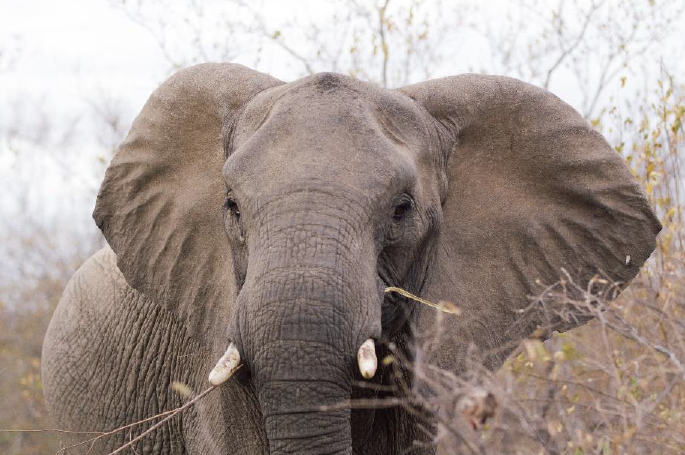
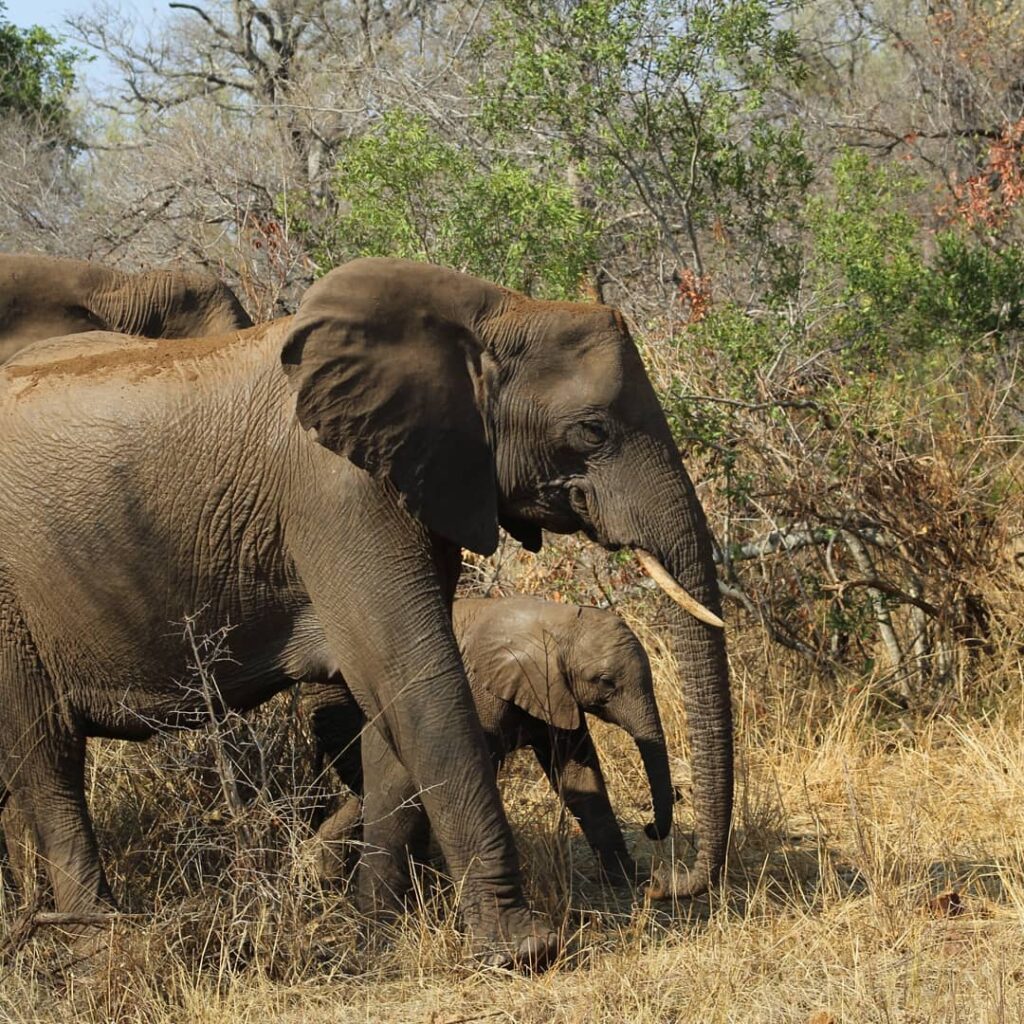
    During one of our drives, we had a spectacular encounter with a herd of elephants. Lindi, our trainer, knew exactly where to wait for them. They came right up to the vehicle and were close enough for us to see the details of each wrinkle in their skin. That moment got me so excited for a future career in field guiding and to gain the skills in judging an animals’ movements and behaviour.

    image
  • Overcoming some challenges

    By: Chris Magee, Bushwise student 2020

    The second semester was definitely something new for me. I had overcome so many challenges and with that came a lot of respect for those that had done it before me. This included the hard work when it came to studying (with the extra pressure of making sure I meet the minimum mark requirements set by Bushwise) as well as the hard work when it came to the clearing of the bush and maintaining the reserve. It was definitely a new experience and still a massive thrill as I learn more and more about the bush and the life it contains each and every day.

    Some examples of the bush that I can say I have really enjoyed are the game drives where I had the opportunity to see the amazing wildlife and I could take some spectacular photos of my own. From the king of the bushveld to a beautiful “little” baby elephant, each and every one of these animals makes up only a fraction of what I have seen so far. I cannot wait to get out into the surroundings of nature as much as possible, just to see, admire, and capture (where possible) the beauty of nature in all its glory. I for one can say that this experience in my life right now will never be forgotten. It is one thing to experience nature from a game vehicle but sleeping out in the presence of wild animals around you is the most amazing thing I have ever done in my life.

    image

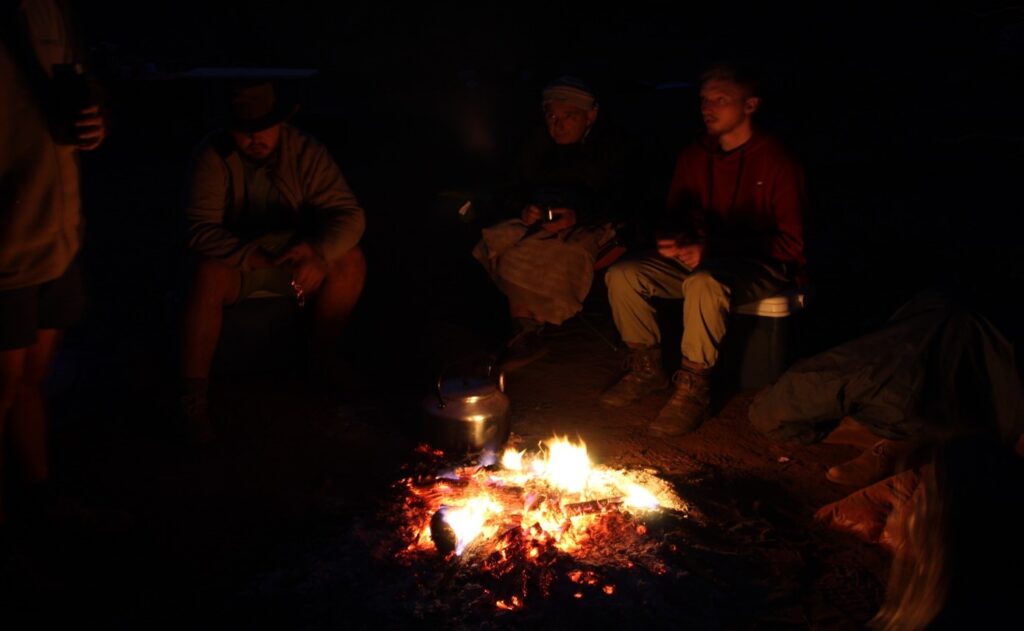
    Sleeping out in the middle of the bush was an experience that will never be forgotten. There are no manmade buildings or facilities that you find everywhere in the cities. What was so amazing about the experience was the silence of the bush and it took a little getting used to at first. When we first arrived, we had to set up camp and make sure we had a safe place to sleep – we are in the middle of the bush after all. Once we had set up, I helped get the fire going for our evening braai as the sun fell behind the horizon. Night-time was a thrill and scare on its own but hearing the lions roar and the hyenas laugh was another kind of sense of adventure. Part of sleeping in the bush is everyone having a turn to keep watch while the others slept, and I found this to be really exciting. When it was my turn, with a few others, our job was to watch the fire and look out for dangerous animals.

    image

    In the beginning, you are quite hyped up, but as the time went it was more about watching the fire doesn’t die and also making sure the scrub hares don’t come and nibble our toes because of how quiet it was. But an experience I can definitely tick off on my bucket list.

    image

    Ending off the semester was a new feeling compared to the first. I had learned so much more and I really didn’t want it to end. I have become so comfortable being at Bushwise that it is starting to feel like home and seeing everyone go their separate ways, even if it was just for a week, really made me realise how close we have all become. But I know that the sun must go down at some point or the day will never end, but I also know that the sun will always rise the next day, starting a new day, a new fresh start, and I cannot wait to experience new adventures and learn even more in semester three.

  • Our first sleep out in the bushveld

    By: Angela Riley

    Everyone was up early getting ready for our morning game drives and excited for the big five sleep-out to come on the Greater Makalali Private Game Reserve. After our morning drive, which was very quiet, we all arrived back at the campus to have some lunch and to start getting ready for our sleep out. We packed braai supplies, food, enough water to last the night, and our camping gear. The vehicles were so packed, we almost couldn’t fit in ourselves! Once packed and squashed in, we headed off and into the great outdoors – only to see the comfort of our beds the next day.

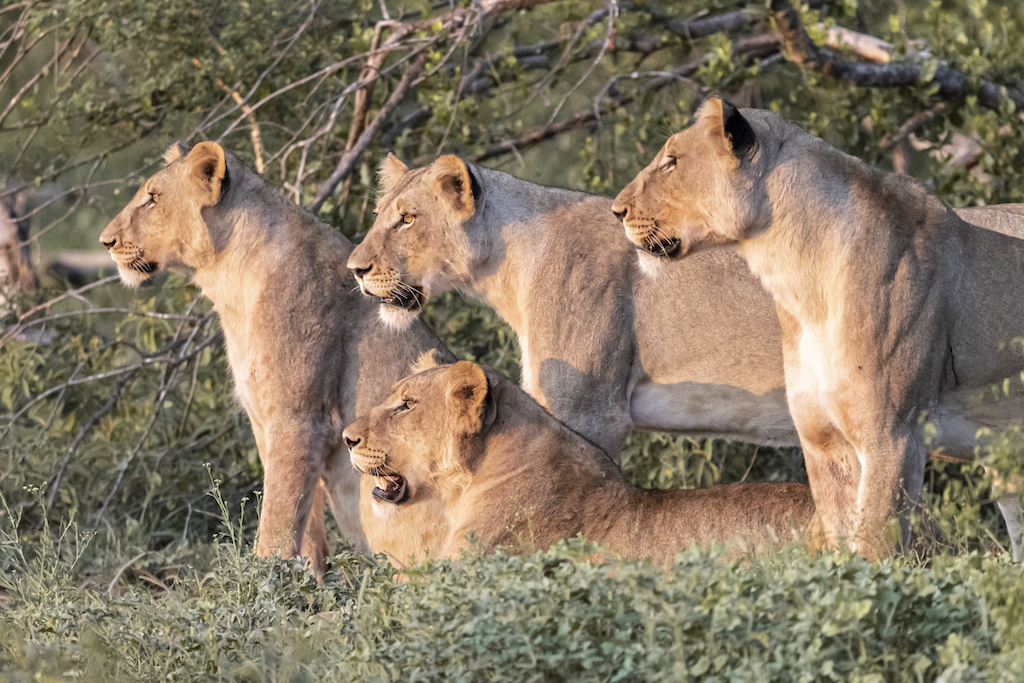
    Before parking off for the night, we took a short game drive around the reserve. We found two very handsome male lions lazing under the trees. After sitting with them for a while, it was time to leave – but the Landrover decided it didn’t want to go just yet. The Landy refused to drive forward for some time but eventually, with some encouragement, it chugged along towards our campsite.

    There was a lovely open space to set up camp, the fire got lit and we all settled in for the night. We relaxed around the fire for the first bit of the evening, all sharing stories and enjoying the tranquil night; so still with nothing in sight. We heard one Hyena at the beginning of the evening, but after that, there was complete silence. Everyone had a turn being on patrol while the rest were sleeping. Three of us would sit on each vehicle and scan the area every few minutes for any inquisitive animals passing through. During my patrol, I found being in the silence of the night and surrounded by nature so serene.

    image

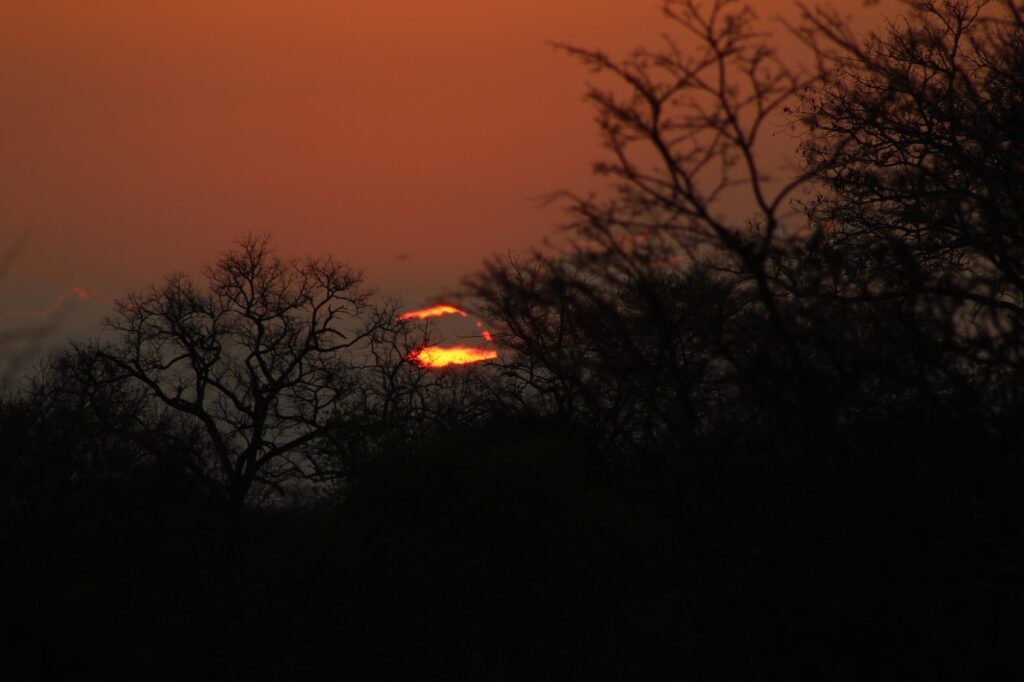
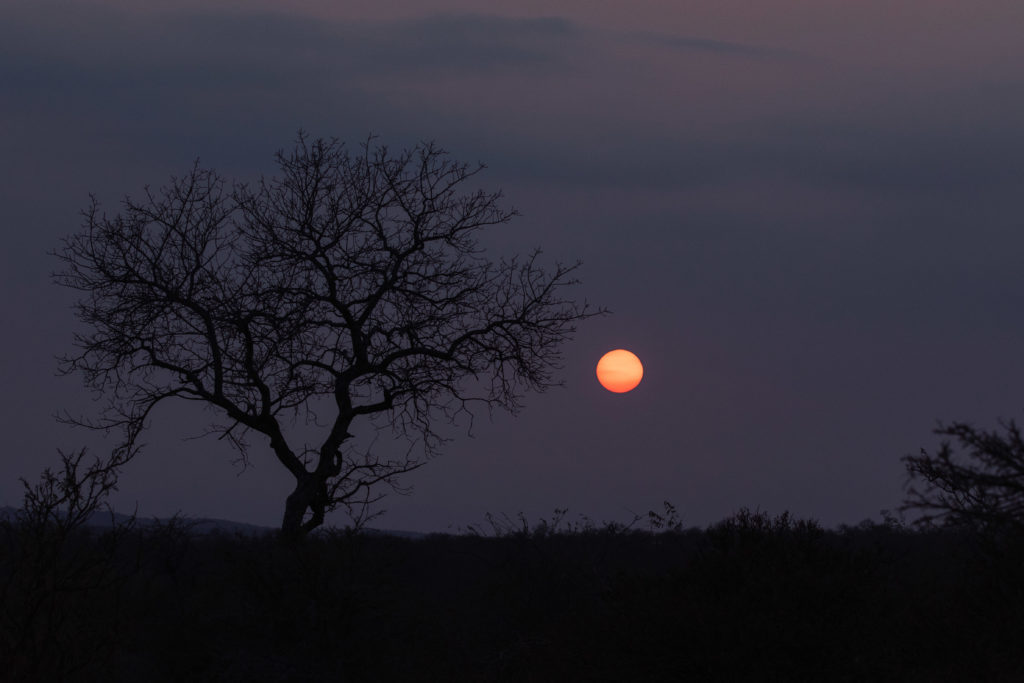
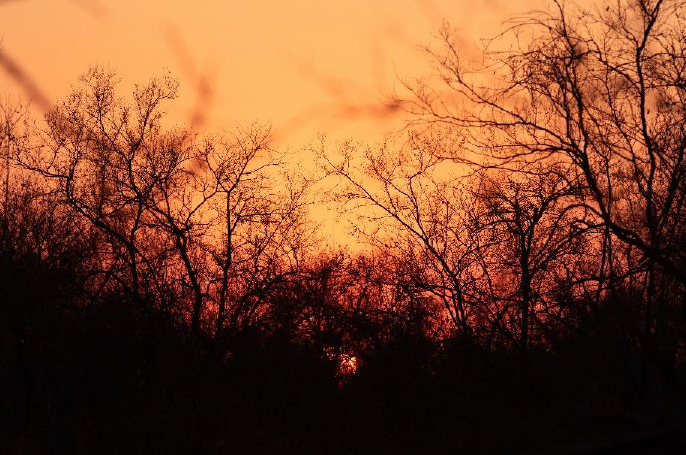
    My favourite part of the sleep out was waking up at 4:00 AM to lions roaring in the distance. It gave me goosebumps. When you’re in the bush, it’s the most incredible sound to hear. Everyone slowly started to rise from their slumber, making their way to the fire for a good cup of coffee. We had the most amazing sunrise that morning. The sun was a big red ball in the sky peeking through the morning haze.

    image

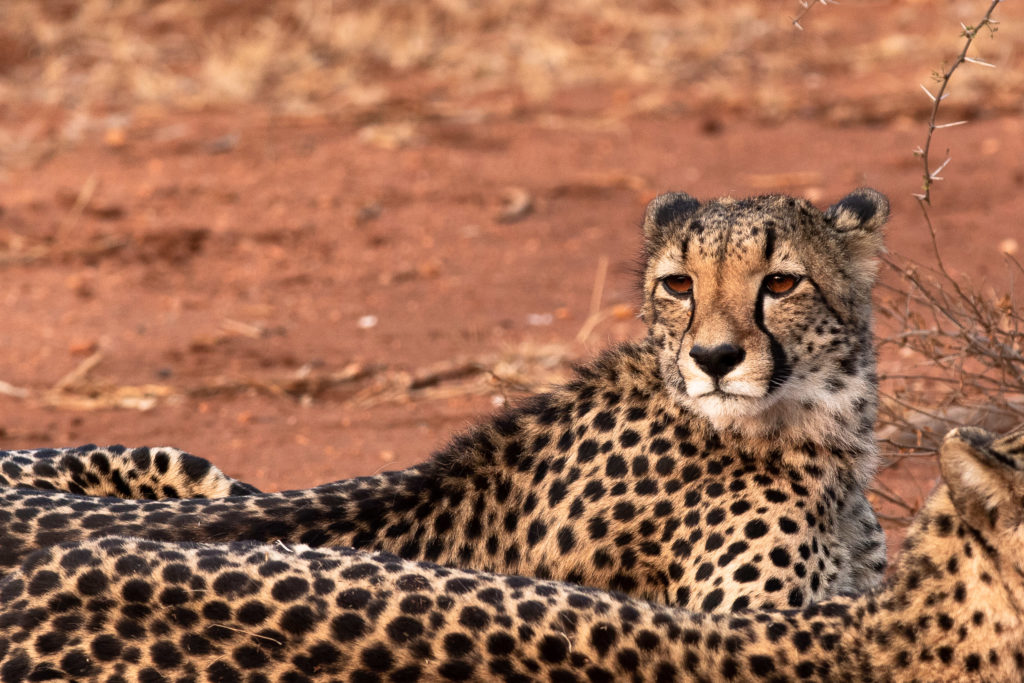
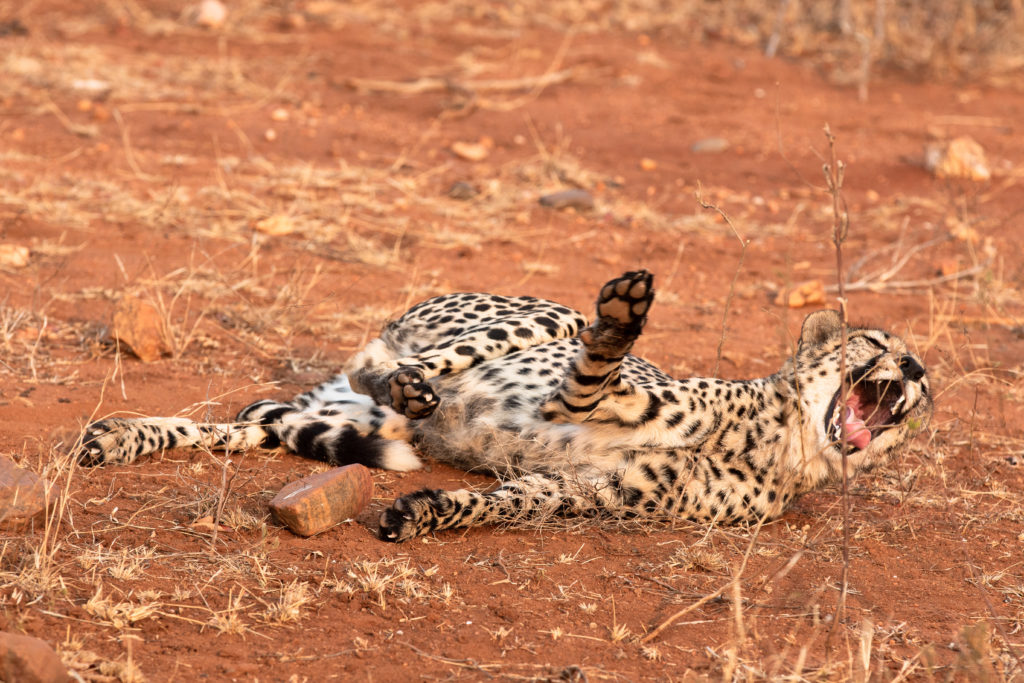
    While we were packing up and getting ready to leave, our trainer, Jack, and one of the students, Alex, came running back to camp from their walk and casually asked if we would like to see some cheetahs. Not too far from where we were sleeping, three cheetahs had parked off in the morning sunlight. It was such an awesome sight. We decided to quickly finish packing, hopped in the car, and drove a little closer to view the cheetahs. They were so placid, grooming each other and rolling in the sand. We spent quite a while sitting with them and enjoying their company. It was such an amazing way to end off our sleep-out experience.
    image
    image

    When we arrived back at camp, everyone disappeared for a good few hours. We were all exhausted, due to lack of sleep, and we had a test the next day to prepare for. It was good to know that we all did very well on our tests even though we had to study with only four hours’ worth of sleep. But it was so worth it!

  • Into the pride

    BY: Zander Schoeman Bushwise student 2020

    Feature image: Ank Lubberink

    Do not try and fight a lion if you are not one yourself. A lion sleeps in the heart of every brave man. I am more afraid of an army of 100 sheep led by a lion than an army of 100 lions led by a sheep.

    When coming across a lion there is that moment of instant respect towards it. The way those bright yellow eyes look back at you, almost as if they are looking right through you. When you look into those eyes, you see that never-ending, never giving up spirit. If a person in this world had the soul of a lion, he would be unstoppable.

    Photo: Chloe Potier

    Have you ever watched a documentary about lions? If you have then you will have noticed how a lion dominates just about everything around him. From protecting his territory to dominating over other apex predators. They are called the ‘Kings” because they have a touch of royalty in everything they do. If you cross the line, you can bet that they would make an example out of you. I can bet you that there are a few hyenas or other apex predators that could relate to this… That is if they are still alive.

    Do not get me wrong, their life is full of hurdles and struggles. There is no room for error in the life of a lion. One mistake can lead to them losing their life or the life of a family member especially a cub. Every moment counts, they may make hunting look easy, but their success rate is only about 19%. That number speaks for itself, they are not immune to defeat. There is a famous quote that comes to mind when I think of this fact, it goes “a man’s character is not judged after he celebrates a victory, but by what he does when his back is against the wall”. For lions, their failure encourages them to improvise, to learn from their mistakes and better their skills so that they can aim bigger, and catch larger prey to feed their family.

    Photo: Chloe Potier

    That being said and in the same breath – have you ever seen a depressed lion? A lion who looks like it wants to give up? They may struggle when hunting, they may suffer defeat when trying to rule certain lands, but (and this is a big but) do they give up? No. lions adapt. They overcome. They succeed.

    So what motivates them to keep going and not surrender to the harshness of life? Survival. The only thing that keeps them going is just that. Many lions will lose their reign, children, and queens to other lions, but they will never give up. They will not give up on themselves and they will not give up on each other. A pride of lions has each other’s back in the good and bad times. Even when times are tough as an individual they will never stop contributing to the survival of the pride.

    Photo: Chloe Potier

    Lions have a life full of challenges, but they do not let it ruin their daily moments, those moments they share with their family, their brothers and sisters. Lions are setting a huge example to all of us, they teach us to dominate the problems in our life.

    So maybe as humans, we should take a moment and think deeper when we look into the bright yellow eyes of these remarkable beasts. When life hits you and knocks you down, when you stumble at a hurdle, instead of asking yourself “why me?”, be a lion and say “Try me”!

  • The best place to be during 2020 lockdown

    BY: Benno Klinck, Bushwise student 2020

    Who could have guessed that this year would go the way it did? The start is what you would expect from any course, as eight new students from all over the world got to know each other. I did not expect that at the end of it all we could grow as close as we did. 

    image

    Like all of us at Toro, my passion for the bush started when I was very young. I can still remember going to The Kruger National Park as a kid, wandering around trying to find out what is this bird? Or what is this animal? To be fair not much has changed since, as I am still that person, constantly curious about the things going on around me, this has helped me a lot in learning new things while being out here in the bush.

    I think the one thing the Coronavirus pandemic taught me was patience, in more ways than I could imagine. Everyone started to stress as our country went into lockdown, we didn’t know if we could go on with our course as we should, or if we would be safe during this time. At first, I thought it was a bad thing and that the whole year was ruined but sitting here in the last week of our course it seems like everything worked out the way it should. We stayed safe and our training is at its end without any problems.

    image

    The one thing that kept me busy while I was in lockdown was birding. Before coming to Bushwise I was definitely not a birder, and this became clear at the start when I struggled to identify birds. Now at the end of these six months and 245 bird species later I am a much more confident and more experienced birder and to me, this is a massive achievement. I think we were lucky with where we got stuck during this lockdown, one of the safest places you could imagine, right in the middle of a 25000ha game reserve, filled with lots of birds, mammals and reptiles. Learning about and identifying all of these was what kept me busy all this time, not only busy but entertained as well! Through trying to photograph as many as possible new and rare bird species I have had experiences that I will never forget.

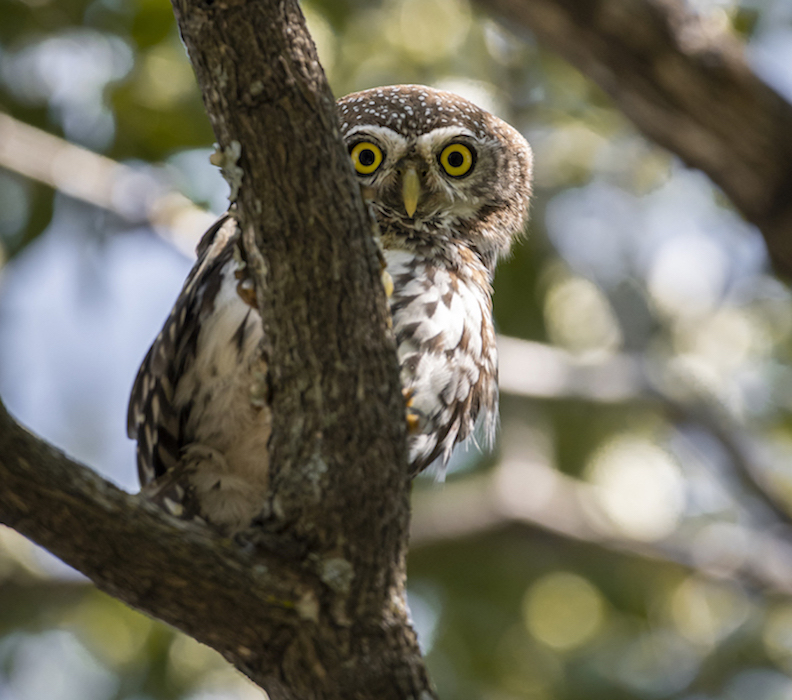
    One of my most memorable sightings was the Pearl-spotted Owlet. This tiny owl came as a huge surprise when I saw him. I was about to turn the shower on when I heard his call, “tseeu-tseeu-tseeeu-tseeeu” coming closer. He landed in the big Jackalberry right above me. Still calling, he was completely unaware of me standing right beneath him. As quietly and fast as I could, I ran inside to get my camera for a photo. As soon as he heard the shutter, he looked straight at me. Seeing a naked guy with a camera must have spooked him because soon after he flew away and was not to be seen again (This is definitely one of the many perks of having an outside shower in the bush!).

    image

    The other sighting that will also always stay in my memory is of a more rare and elusive bird. Since the start of the course, one of my favourite things to do is identifying birds by their calls, and this is what helped me find this bird. The sharp “kaaark” at the river’s edge had me baffled on what it could possibly be. At first, I thought it might even be a mammal of some sort, one of the other students said it sounded like something growling or a Bushbuck alarm calling. Being as curious as I always am, I grabbed a spotlight and went down towards the river. The spotlight was not fully charged but the characteristic white back, rufous neck and large eyes gave away the bird species. White-backed Night Heron. The next few nights a second bird also came to visit the pool in front of the lodge.

    These are just two of my more memorable experiences here in the Makalali. The past six months were filled with special moments and so many unforgettable memories that none of us here at Toro would ever forget. Despite being one of the most difficult years of our lives the memories we made here are the kind that can be told around campfires or amaze grandchildren with in years to come.

  • What is World Ranger Day?

    BY: Tasneem Johnson-Dollie

    On 31 July we’ll be celebrating World Ranger Day, in honour of those on the forefront of conservation. Don’t know much about World Ranger Day, or what a ranger actually does? Well, you’re about to find out. 

    Wildlife rangers are wildlife experts who make sure that nature reserves, game reserves, and national parks are well-managed. One of their key responsibilities is the conservation of the fauna and flora within these environments, which can be a pretty big task when you look at the area of land they need to cover. 

    Why are wildlife rangers important?

    image

    Because of the significant impact of climate change and human activities such as pollution and overdevelopment, every natural environment – and the fauna and flora it contains – is at risk. With conservation being their main business, wildlife rangers are a big part of ongoing conservation efforts.

    A day in the life of a ranger may include: monitoring wildlife and natural environments, engaging with local communities to collect or convey wildlife conservation information, assisting with tourism, managing fires, or addressing wildlife crimes – like poaching. 

    This is a wildlife conservation job that depends on wildlife personnel to be clued up and careful – since some of these activities can be dangerous. So it’s no surprise that becoming a ranger takes a good amount of training. You need to have a tertiary-level education in a wildlife discipline, as well as practical experience in the field. 

    Jobs in wildlife conservation aren’t for the faint-hearted, which is why wildlife rangers have a day dedicated to their successes and to highlight the positive impact that they’re making in the world. 

    Further reading: The important role that game rangers play in conservation

    What is World Ranger Day about?

    image

    World Ranger Day was established in 2007 by the International Ranger Federation (IRF) – an organisation that provides a global platform for wildlife rangers to connect and share their experiences. 

    It commemorates the daily contribution that wildlife rangers make to conservation, and honours those who’ve been injured or killed in the field. 

    But, while the world takes a moment to cheer on wildlife rangers, World Ranger Day also brings home another important message – that wildlife conservation jobs are important, and having more wildlife rangers in the field would be great for global conservation efforts. 

    Keen to get involved in this type of wildlife conservation job? Let’s take a look at how you can launch your career as a wildlife ranger.

    How to contribute to World Ranger Day

    image

    Getting involved in conservation activities that add to the wildlife conservation jobs that rangers do is a great way to make a contribution on World Ranger Day and beyond. And, of course, you could work on becoming a fully-fledged wildlife ranger yourself. 

    Bushwise Field Guides offers IFGA accredited courses that can set a solid foundation for anyone looking to step into a career in wildlife conservation. 

    These courses will also up your chances of studying to become a wildlife ranger in the future by helping you gain important theoretical knowledge and practical experience. 

    Getting closer to becoming a wildlife ranger

    image

    Get a taste for what it’s like working in ethical wildlife conservation jobs while training to become a professional field guide or wildlife researcher. Take a step closer to becoming a wildlife ranger by taking part in a conservation careers internship or IFGA. 

    And once you’re qualified, find out about the complimentary recruitment service and employment opportunities that Bushwise has to offer in prestigious game reserves and private lodges. 

    Find out more about Bushwise Field Guides courses online or out in the field that could start off your career in wildlife conservation, and make you a part of the global community we celebrate on World Ranger Day. 

  • Growth – A Student’s take on 2020 at Bushwise

    BY: Matthew Holland, Bushwise student 2020

    This year has been an absolute rollercoaster and it is only June. Nobody could have ever thought that a global pandemic, would have such an impact on our year here at Bushwise. We have all grown so much as individuals and for me, this could be the turning point in my life. 

    image

    I was your typical city boy, who loved the bush and visited as often as I could with my family. My uncle was one of the most influential honorary rangers in the Kruger National Park. With this being said, my passion for the bush and nature stemmed from my mother. Her passion for what she loved drove me to become obsessed with the bush and I always wanted more. I finished University in 2018 with a degree in English and Psychology from Rhodes University in the Eastern Cape. I taught at a private school for two years, teaching high school English. My classroom had a wildlife theme and the kids loved it. It wasn’t long before one of my students asked, why I don’t go and work in the bush. I thought about it for a while and I always wanted to follow a dream and become a guide. One phrase came into my head when this was said, it is, “You can’t wait for inspiration, you have to go after it”. It was then that I made a decision to follow a dream and I was sold to Bushwise, straight after I spoke to Kim.

    After you make a decision, there is always some self- doubt about whether or not you have made the right decision and this is, unfortunately, the reality of change. I was petrified that I was doing something to get away from the things I believed, were holding me back in the city. Teaching was a passion of mine, but a fire inside me burnt for following a dream in the bush and this was the defining factor in, me realising that I had made the right decision.

    image

    The day I arrived at Bushwise, there was a calmness over me, that told me I was in the right place and evidently the first person I met, was my roommate Benno. Later on I met my other roommate Andi. Upon meeting Trevor and Sharin, I know the people here were all going to be a big part of my life and today it is safe to say that Trevor and Sharin have become parent roles in my stay here at Bushwise and I would not trade them for the world.

    The Growth I have made here at Bushwise stems from my trainers, Jack and Lindi and my fellow peers, who have now become my second family and we would forever have, each others backs. I have come to realise that the things that are important in life, is whether or not you are happy with what you are doing. As the course progressed I found out, that this is where I have wanted to be my whole life. Bushwise has been nothing short of amazing and it has been a foundation for my, hopefully very long guiding career.

    image
  • Save the Frogs Day: Why you should hop on board to save the frogs

    Original photo: “Frog” by Frank Winkler is licensed under CC BY 2.0

    BY: Zaytoen Domingo

    SAVE THE FROGS! is an amphibian conservation organisation that created Save the Frogs Day in 2008, to run worldwide educational workshops on the importance of frogs. Find out why this organisation made the leap toward frog conservation.

    The frog population has been experiencing major declines from as far back as 1970, from a fatal fungus that has already wiped out entire frog species, such as the Longnose stubfoot toad.

    The SAVE THE FROGS! organisation was founded to spread awareness about the decline in frog population worldwide and to prioritise the conservation of amphibian species. This year, Save the Frogs Day will be on 25 April.

    Do you know why frogs are important to ecosystems?

    Frogs are natural bioindicators

    image

    Original photo: “Frog” by cocoparisienne is licensed under CC BY 2.0

    Before we talk about why frogs are important, let’s get some jargon out of the way. What is a bioindicator? 

    A bioindicator is a living organism that can be used by scientists to find out the state of the environment that the organism lives in. 

    Frogs act as natural bioindicators because of their anatomy. A frog’s skin has many pores that help it to breathe. 

    Frogs breathe through their pores when they’re underwater, and through their lungs when on land. 

    But, just as the frog’s porous skin allows it to absorb oxygen underwater, the skin also allows it to absorb other things inside the water. The same goes for their lungs and other things in the air. 

    So, if the water or air in an environment is polluted, the frog will absorb those pollutants too, which can affect their health. When frogs die, researchers can make use of their bodies to test what they’ve absorbed.

    image

    Original photo: “Lotus” by Ryan McGuire is licensed under CC BY 2.0

    This information is useful because it helps researchers to identify dangers in an ecosystem, the causes of death in frogs and other species, and possible threats on other species. 

    Having this type of information can help people to conserve wildlife and their ecosystems. It also helps researchers to monitor changes in the environment and to predict dangers before they arise.

    So frogs don’t only help researchers to protect other frogs, but they also help protect other organisms in the environment. 

    Frogs are taking big leaps toward conservation. Are you?

    Frogs are important to nature’s food chain

    Frogs are the eaters and the eaten — both of which benefit the ecosystem and other organisms. During the first stage of the frog life cycle, as eggs, they provide food for small organisms like insects.

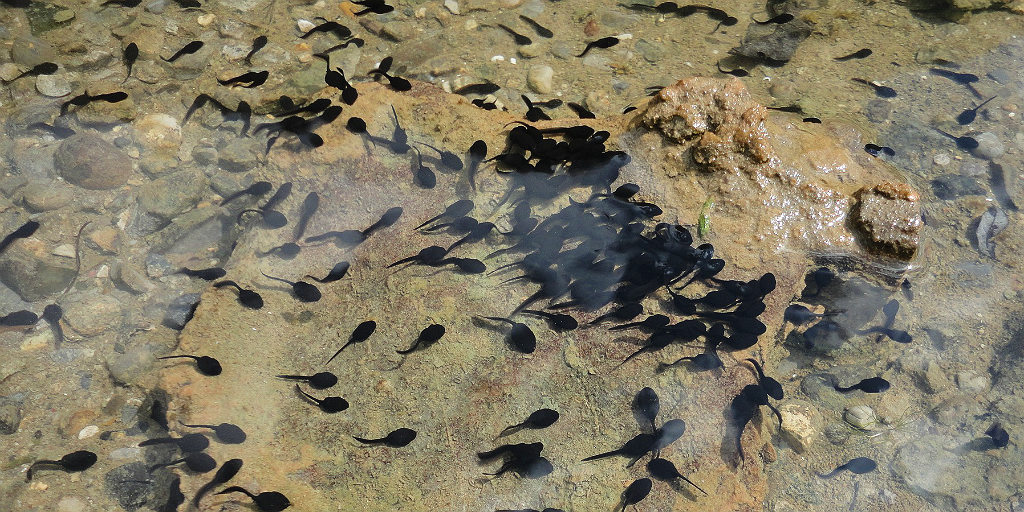
    During the second stage, as tadpoles, they provide food for bigger organisms like fish. And, in the final stage, as adults, frogs provide food for organisms like birds.

    image

    Original photo: “Tadpoles” by Alfonso Samanes Mateos is licensed under CC BY 2.0

    Frogs also act as natural water filters. When they are tadpoles, they eat algae, and in doing this they purify water supplies. This is beneficial to any living organism that consumes that water.

    When they aren’t providing food for other organisms, frogs are also predators and benefit the environment in this way too. 

    As adult frogs, they feed on all kinds of insects. This is mostly beneficial to crops, since insects feed on crops and damage them. Some insects, like mosquitoes, also carry diseases, like malaria. So frogs even control the insect population and protect human beings from diseases.

    The next leap towards frog conservation

    Are you wondering how this information is important to being a field guide? 

    Well, as a field guide, you are required to know about all organisms in the environment that you’ll work in, not just the big dogs (and cats). 

    image

    Conservationist courses, like IFGA and Apprentice Field Guide (NQF2) courses, will allow you to learn about these organisms.

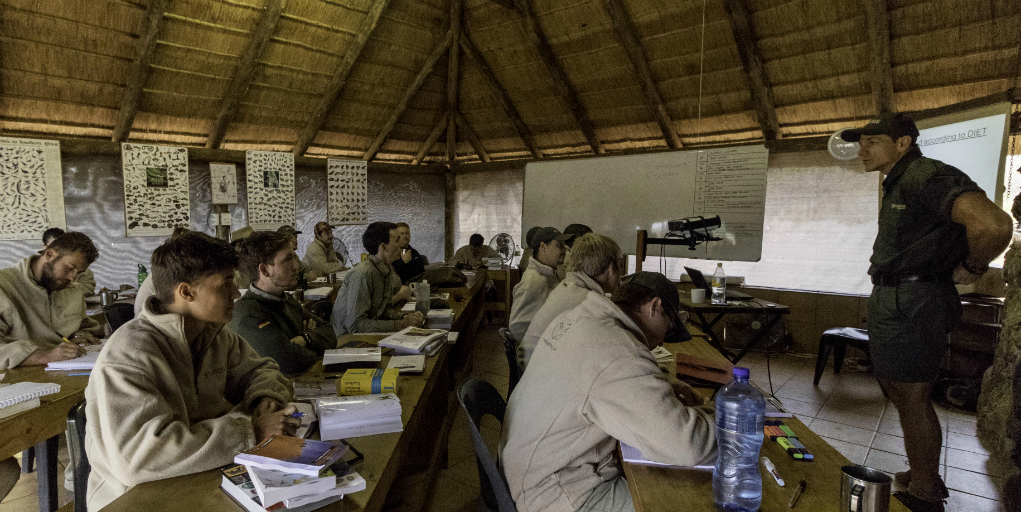
    Both of the courses include both theoretical work in the classroom, as well as guided, practical work in the field. 

    For example, Bushwise Field Guides offers a lecture on amphibians where you can do theoretical work on frogs. The instructors will also organise a frogging night where instructor, Vaughan, takes the students to a body of water on the reserve to identify as many frogs as possible.

    Of course, frogs won’t be the main focus of the courses or your job as a field guide, as there are many other organisms that also make big leaps towards keeping nature balanced and protected. 

    Do you want to learn more about the importance of frogs and other organisms, and take part in protecting them?

    You can hop onto wildlife conservation efforts too, and learn more about not only frogs, but many other important organisms in the South African bushveld.

  • The bare necessities for any safari

    Photo: Chloé Potier

    BY: Lindi Hutchinson

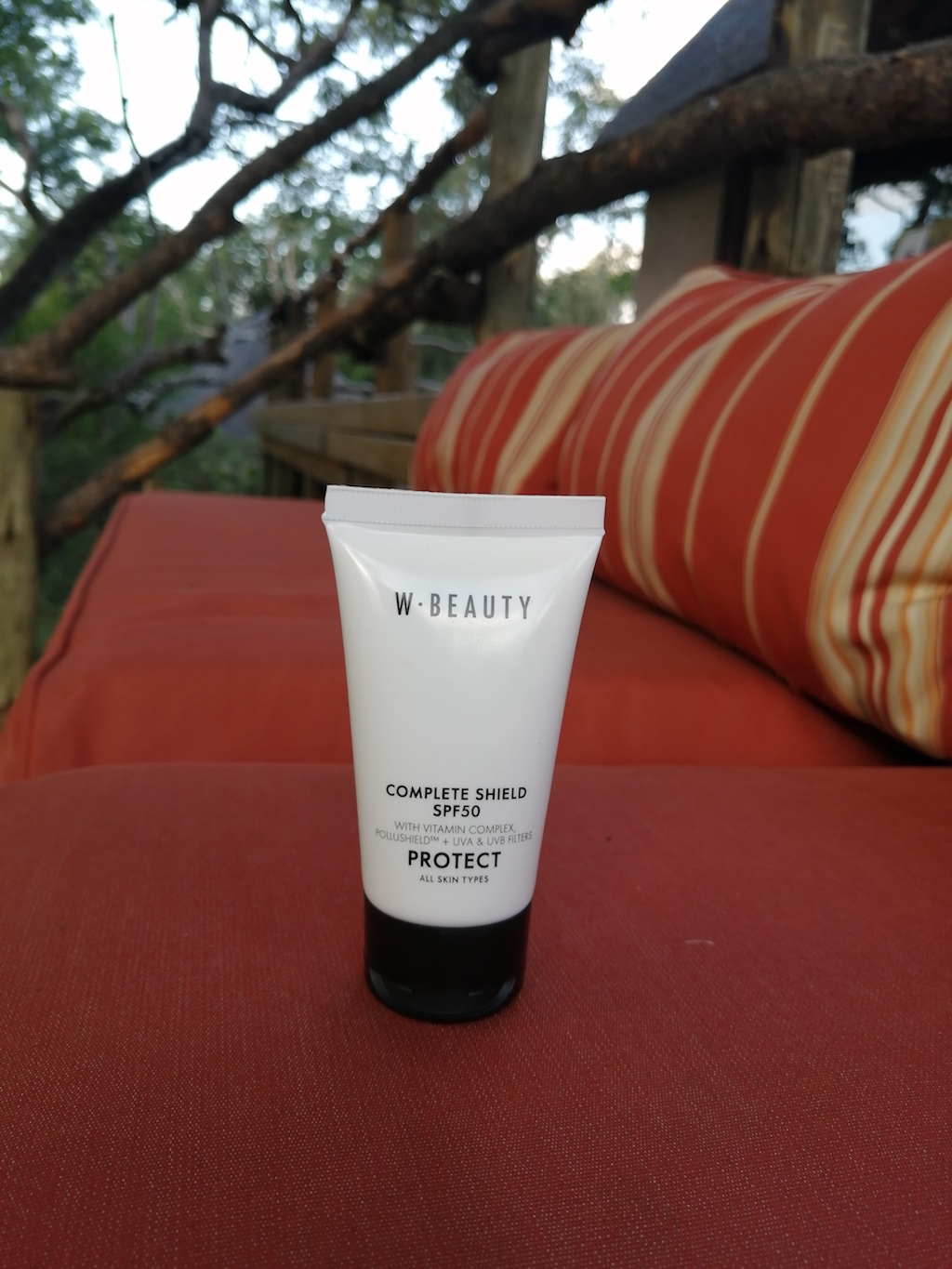
    You are super excited to embark on your first safari game drive in Africa and also an eager beaver to get a bit of a tan while the opportunity is there. Keep in mind that the African sun, though inviting, can be harsh and without you realizing it in time, you’ll soon look and feel like a crisp instead of a surfer dude or a babe.  Rather catch some sun next to the pool and not on a safari. Remember to apply an adequate amount of SUNBLOCK and put it in your bag to frequently reapply.

    image

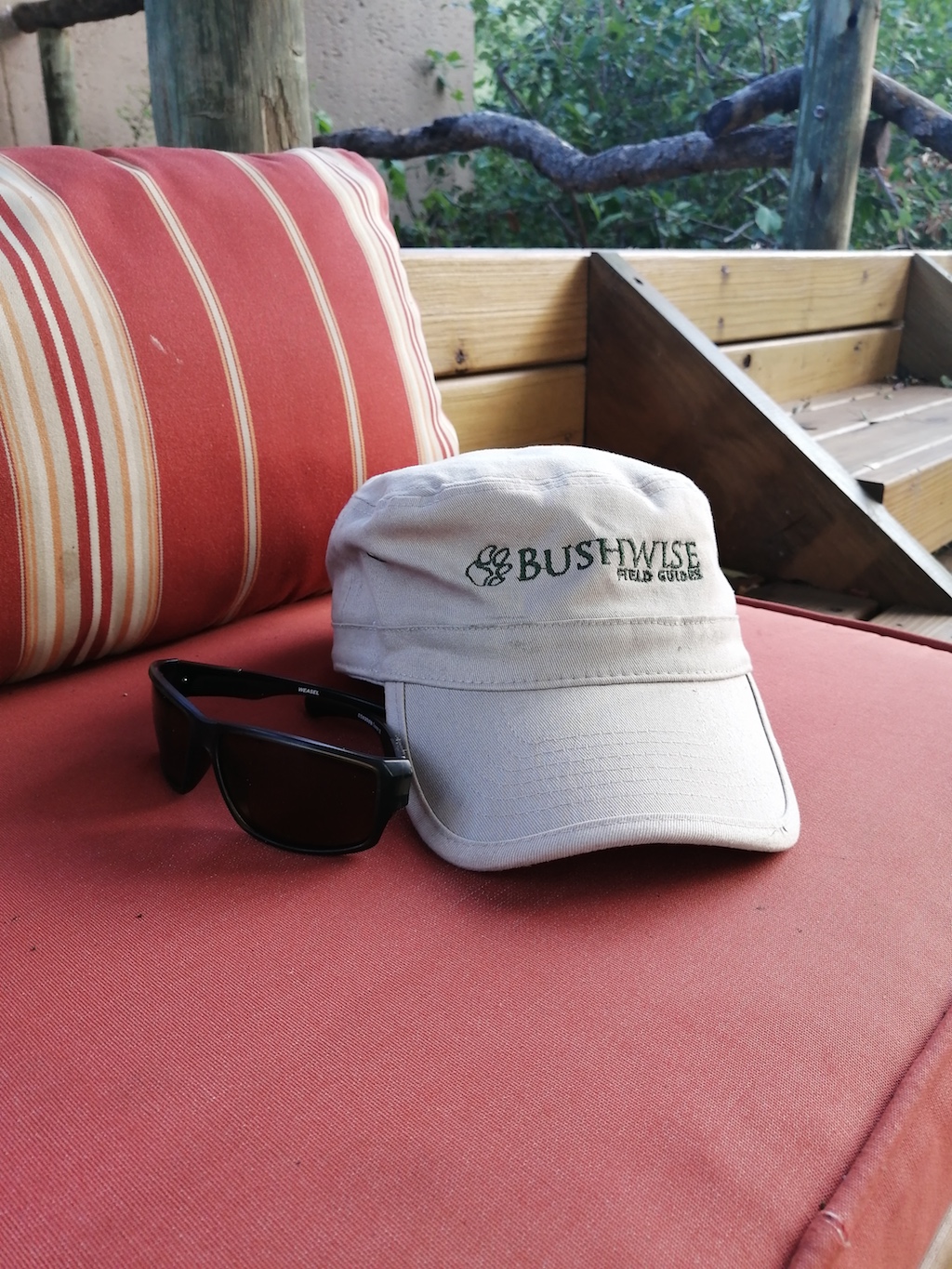
    Secondly, while on the sunny subject, remember to take a HAT! Do not try to be brave! I have seen guests get sunstroke before and it ruined their stay. No need for a proper, heavy, English safari hat, unless you are Jane visiting Tarzan. A cap will do just fine. 

    image

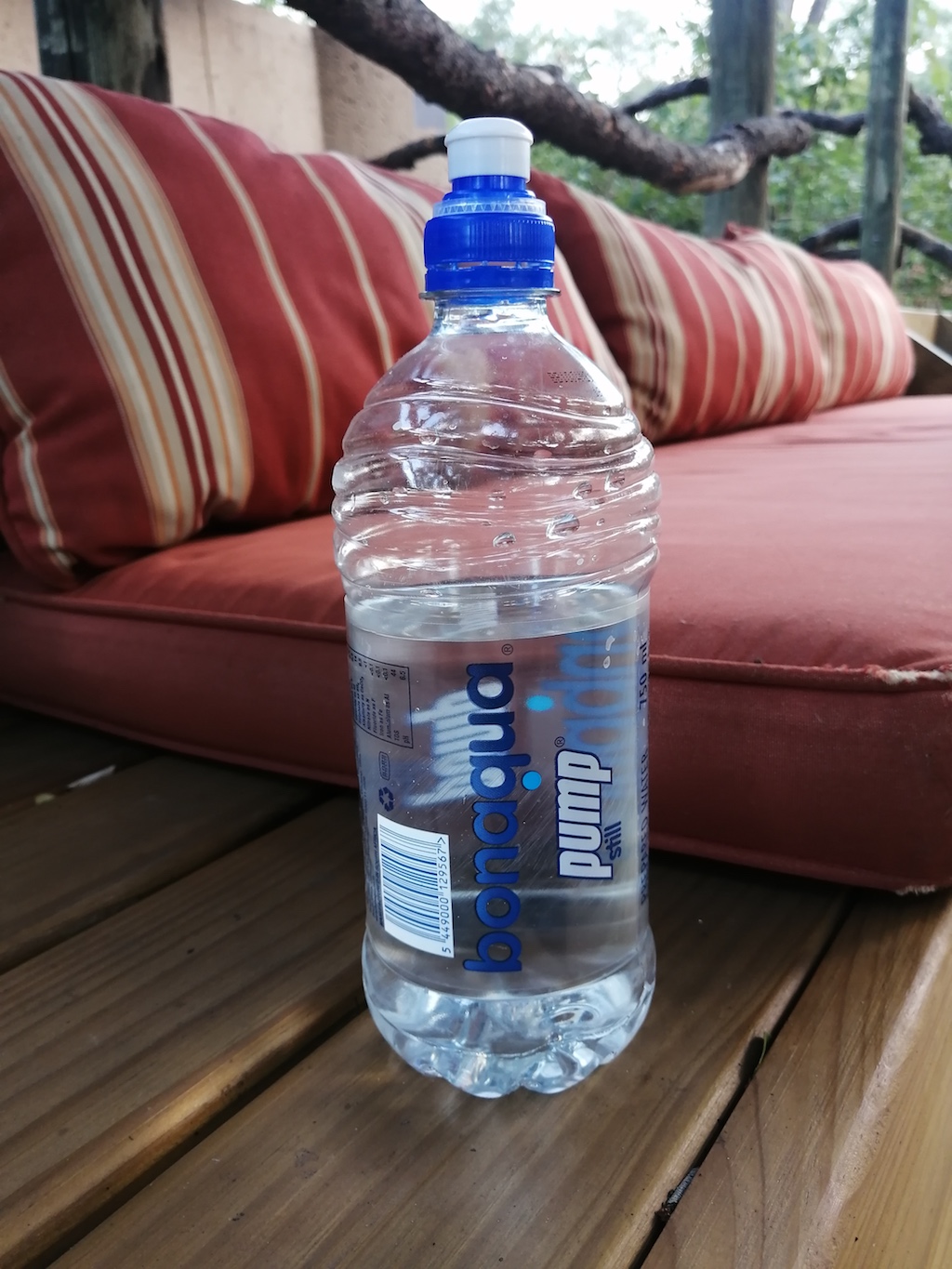
    Thirdly, remember to drink WATER.  Most lodges and guides supply water bottles.  This is to prevent dehydration and headaches. Take a sip every couple of minutes. 

    image

    Fourthly, BUG SPRAY.  In your room, there will be two types of bug spray; Doom and Peaceful Sleep.  I have seen multiple people not reading the labels on these cans and then covering themselves and their kids in the harmful room spray, Doom (green/orange tin). This is bad for your lungs, bad for your skin and the mozzies will feast on you later.  Make sure you use peaceful sleep (blue tin) on your skin. Avoid your eyes, you need them to see animals. Rather spray a bit on your hand and rub it over your cheeks.

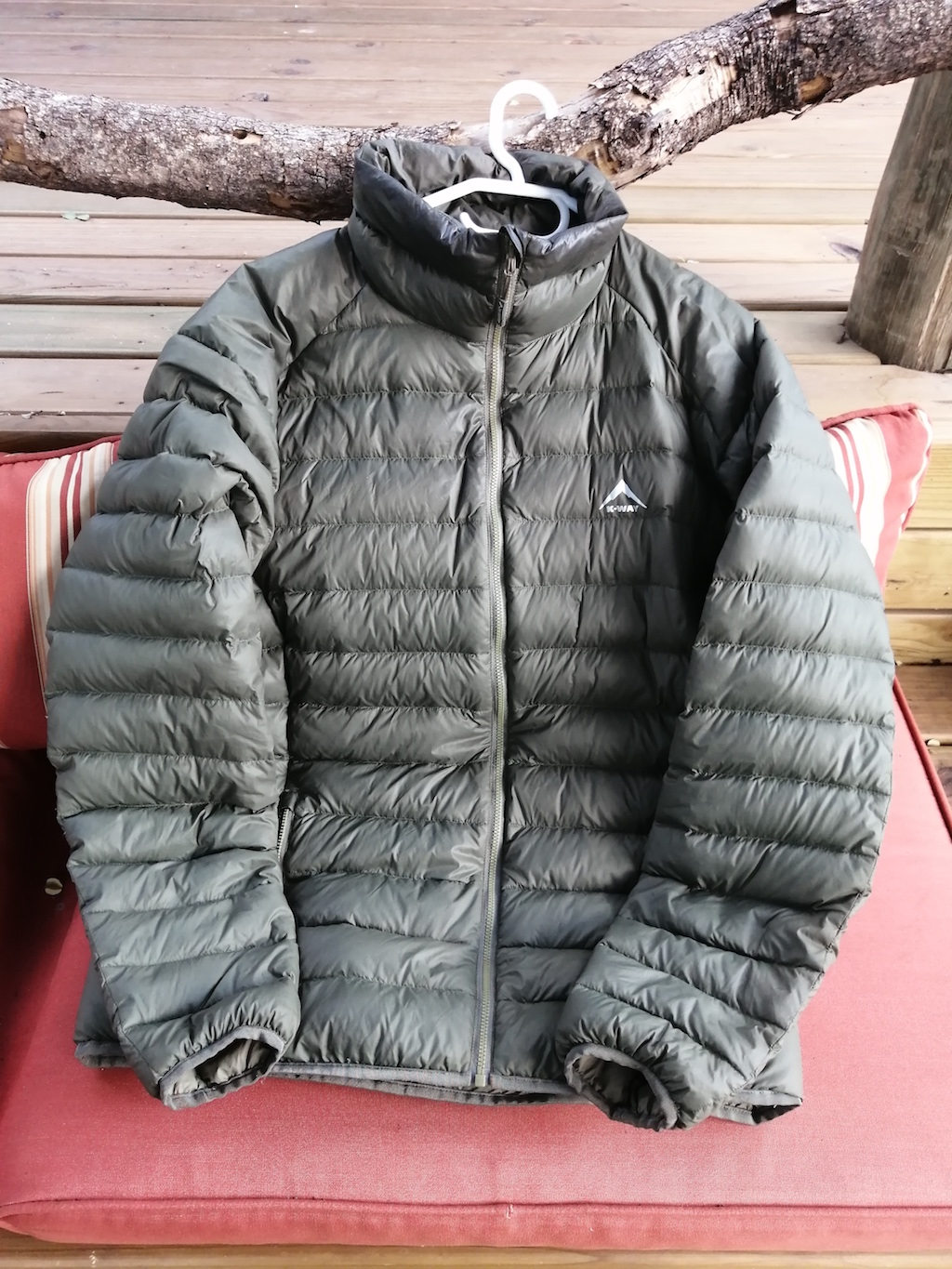
    Lastly, a waterproof JACKET.  The weather in Africa can be very unpredictable due to the warm Agulhas and cold Benguela currents. A cell might become unstable and cause a cloud break leaving you drenched and grumpy on safari  It might also happen that a cold front blows over from the Cape to the Lowveld during your stay which can turn a delightful afternoon drive into a chilly evening get-me-home rush.

    image

    There you have it, the absolute bare necessities for a safari!  Of course taking things such as cameras, binoculars and closed shoes are important but they won’t affect your health and potentially impact the rest of your travels. Rather be safe than sorry.