Category: Course updates

  • Where can field guides find work experience placements and employment guarantees?

    BY: Tasneem Johnson-Dollie

    Part of Bushwise Field Guides’ promise is their work experience placement and employment guarantees. But why does it matter, and what does a work experience placement actually mean for field guides?

    Let’s take a look at Field Guide Jobs and the types of placement guarantees offered by Bushiwise,, and how they improve employability.

    Further reading: Why a comprehensive, long-term field guide course is better

    What is a placement guarantee?

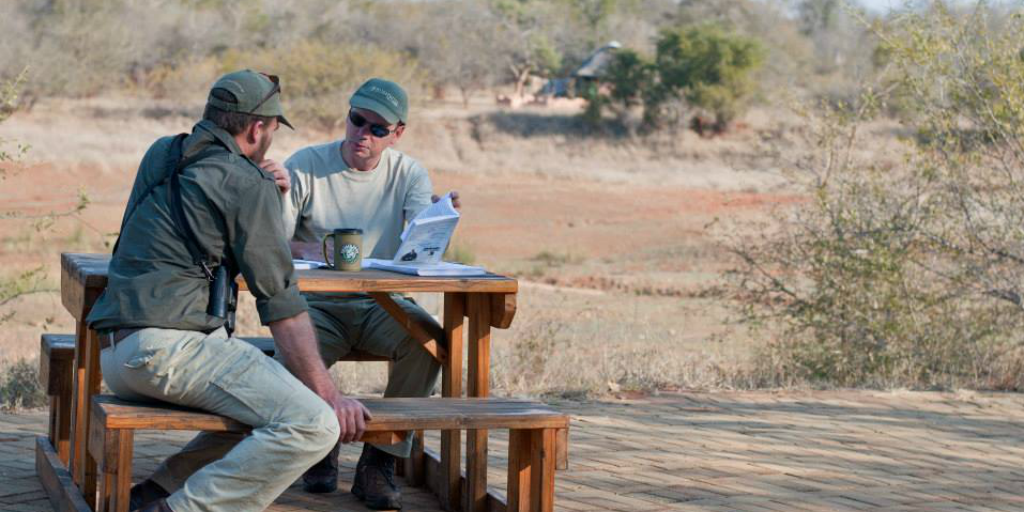
    So your field guiding adventure is coming to an end. It’s your last few days of soaking up the sun in a safari vehicle. You don’t know when you’ll get another chance to scan the wild terrain, trying to spot some camouflaged creature you never knew about before your IFGA course. 
    image

    But what happens once you’re done? What’s the next step in your career in conservation?

    Well, if you’re finishing up on a Bushwise course, the future may not seem quite so scary.

    There are courses you could do that promise either a work experience placement, or an employment guarantee.

    These excellent add-ons can improve your employability – and maybe even secure it.

    Take a look at the types of placement guarantees that Bushwise has to offer.

    The different types of placement guarantees

    There are different types of placements available to Bushwise graduates.

    Bushwise offers top-quality field guiding courses that are open to anyone over the age of 18. Bushwise graduates between the ages of 21 and 39 years old are promised either an employment guarantee, or six-month work experience placement. But there are also opportunities for those who fall outside of this age range.

    Employment guarantees are official job offers that are guaranteed for South African graduates who’ve completed the comprehensive IFGA Safari Guide course. 

    Work experience placements are opportunities to gain real-world experience in the field. These are an option for anyone who has completed a IFGA Safari Guide course or a IFGA Field Guiding and Conservation Careers internship. 

    1) Employment guarantees for South African field guides

    For South African graduates of the comprehensive IFGA Safari Guide course, job offers are guaranteed.

    This means that you’re guaranteed a job offer within six months of completing your Bushwise course. Field guides are placed at a lodge or game reserve which partners with Bushwise. 

    But there are other placement opportunities available too.

    2) Work experience placements for Bushwise graduates
    image

    All Bushwise graduates who’ve completed either the IFGA Safari Guide course have access to work experience placements. 

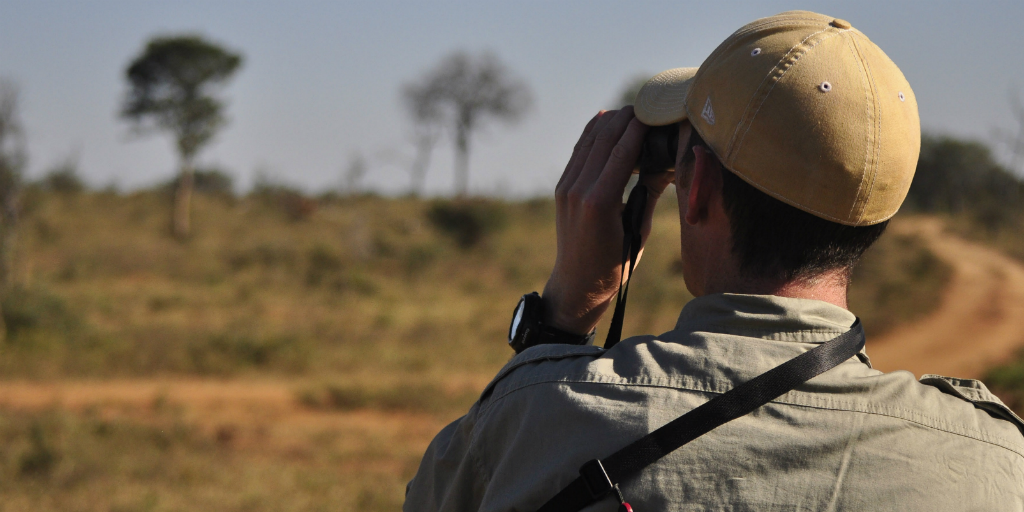
    For those moving on into a work experience placement, Bushwise head trainers will do an assessment of each graduate, and provide advice on the type of work experience placement that would suit them best. 

    These graduates are placed with the Bushwise partner that best suits that graduate’s skills and aspirations. Graduates are placed with a lodge or game reserve that partners with Bushwise. But these placements are not a job offer, and only provide the opportunity to gain experience in the field. However, they often lead to permanent positions.

    And for those Bushwise students who are under 21 – and so are not old enough to get their professional driving permit (PdP) and drive guests around just yet – there are non-guiding placements on offer for you too.

    3) Non-guiding placements
    image

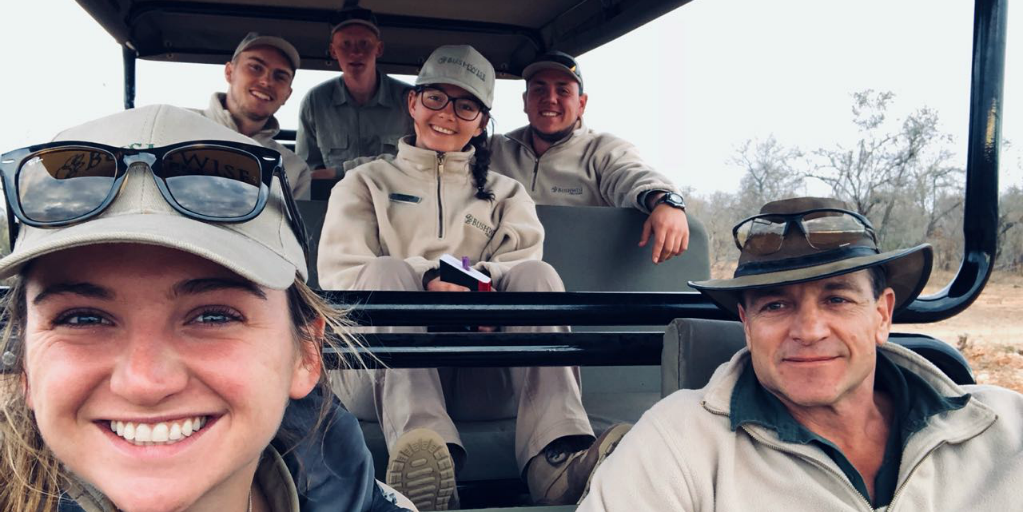
    For graduates under the age of 21, non-guiding work experience placements can give you the opportunity to gain experience in the field, work towards becoming a field guide, and improve your employability in the future. 

    Non-guiding work experience placements may mean setting a reptile-lover up with a placement at Kinyonga Reptile Centre, or putting someone with a passion for wildlife tracking with the Colin Patrick Training organisation.

    We can’t guarantee placements for candidates 39 years and older. This is simply because some lodges and game reserves feel that younger guides are better suited to the physical activity and long days that field guiding requires. But placements are still possible. 

    At Bushwise, we train all age groups in the same way – ensuring that everyone leaves with the same knowledge and capabilities. So, for candidates 39 years and older, working hard, and going the extra mile during your field guiding course, will go a long way in helping you to secure a placement offer. 

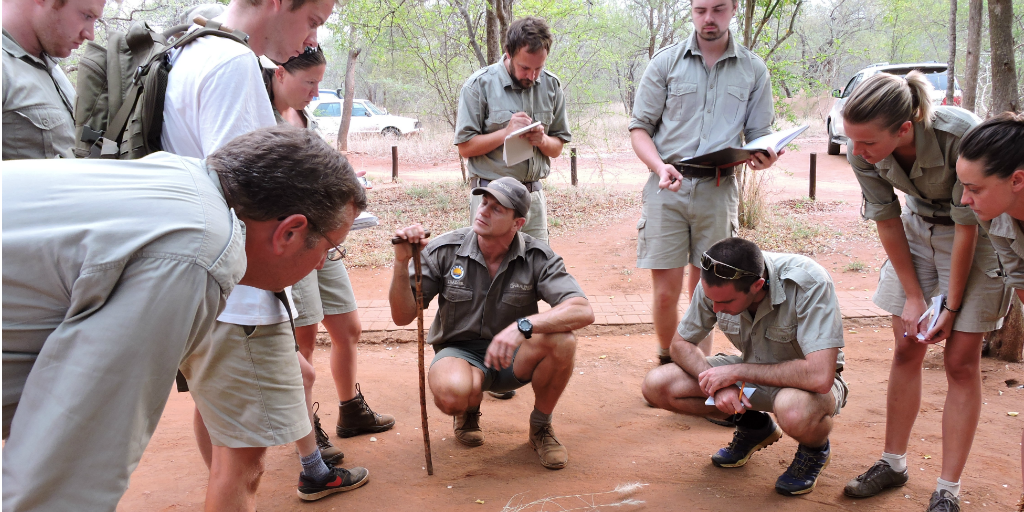
    Work experience placements improve employability in a way that no other teaching experience can. And guaranteed job offers take the edge off, and offer you a spring-board into your conservation career.
    image

    Further reading: What are lodges and organisations looking for in a field guide?

    But where exactly would you be placed?

    Where are field guides placed?

    Bushwise works with a number of reputable partner organisations that are often on the look-out for IFGA-qualified field guides. 

    There’s an array of prestigious lodges and wildlife reserves where field guides could be placed. These include MalaMala Game Reserve, Sabi Sabi Luxury Safari Lodges, and Singita game reserves. 

    With high-quality and comprehensive courses, followed by exciting placement opportunities, succeeding in a wildlife conservation career is so much easier for Bushwise graduates.

    Do all field guiding courses offer opportunities to improve employability?

    A guarantee of any kind can’t be given lightly. And this may be the reason why an offer like a Bushwise placement guarantee isn’t something you see very often. 

    If you’re looking for a course that includes a work experience placement, or you’re eager for an education linked to a guaranteed job offer, Bushwise can get you to where you want to be.

    So check out our field guiding courses that offer work experience placements and employment guarantees, and see how they can improve employability for the field guides of the future.
  • How migrating birds impact local birds

    BY: Edward Smith, Bushwise trainer

    Take a moment to think about going a day without seeing, hearing or tasting that one thing that gets you up and going in the morning. To many of you reading this, it might be that first taste of your cup of coffee, to some, maybe a beer. To others, it might be the sound of your kids or wife shouting “I love you” before leaving home for work, school or university. To most, it might be the taste, smell and sight of breakfast. To a bush lover and bird fanatic, these sights and sounds are birds. Not every bird but very specific birds you only see during specific times of day, season or year.

    image

    To a person who has the incredible privilege of calling the bush their home, having the opportunity of waking up on Mahlahla campus surrounded by an ocean of green you soon start noticing when your ‘’something’’ goes missing. Living on campus you soon start becoming accustomed to the bird pecking on your window, the sound of sable horns smashing together as they fight for dominance, monkeys running over your roof or specific bird sounds calling from across your breakfast table. Once any of these go missing you soon start asking why.

    With the change of season, we also welcome the change of temperature and like most would know this, in turn, has an effect on vegetation in and around cities as well as in the bush. To the untrained eye, with the cold, the bush goes yellow and with the heat comes the green and rain. Having a closer look there is so much more that takes place over these seasonal changes. As it gets hotter conditions do not only become more favourable for carnivores who can now feed on fatter, healthier antelope having fed on thicker more lush green trees and grasses. It also becomes more favourable for insects who can now pollinate and feed on wildflowers who in return will be fed on by reptiles and themselves again fed on by birds. The list could go on and on as all living organisms are connected to one another in some way or another.

    image

    The incredible chain reaction of all things connected is what triggers birds to migrate yearly. Migration can simply be defined as a predictable seasonable movement to and from a single destination once in a calendar year. The answer to why birds migrate could simply be to increase their chances of survival but why are we all here and do what we do? To breed!

    Southern Africa is home to more than 100 migrating bird species who can all be divided into three different categories being: Palearctic, intra-African and altitudinal migrators. Although most of these would migrate to Africa/Southern Africa to ensure a constant or improved food supply aiding in their survival to breeding, many would migrate just to breed.

    image

    That is exactly what many of the new arrivals did at the start of summer. During these prime conditions, common resident species also make use of the abundance of food and daylight to find mates and breed. It can be assumed that they would be just as vocal and active if not more during this time as it is their place of birth. It is during this time that I first noticed that the overabundance of new birds in the area almost forced resident species to go silent to almost non-existent. Keeping a closer eye and ear to what I saw and heard I could only assume that my prediction was correct as resident species were not as active and present as before the breeding season started. It wasn’t until the end of March when migrating species became silent after returning home that I began to notice resident species ‘’speaking up’’ once again. Proving that there might be some truth to my assumption.

    Nature is simply incredible and how all is connected and still manages to balance out between all animals will always blow my mind. Research has proven that breeding birds need 30% more energy during the breeding months which gives a fair idea of how much extra food is available during the summertime. What surprised me even more, is how an extra 4,5 billion migrating birds, consisting of only 100 species to Southern Africa each year could still find their own extra 30% of energy equivalent in food. While at the same time, forcing resident populations to go into hiding. The only way to notice these differences is to start looking at what’s new in your garden. I urge you all to do the same.

  • Camp Manager’s Review

    BY: Matthew Holland

    John Hemingway once said, ”if you have ever seen magic, it has been in Africa”. There is nothing like a blanket of stars covering the night sky, or the glowing embers of a fire that tell African tales. There is nothing like the low guttural growl of a lion warning that you are in its space or the call of a fish eagle at dawn. At Bushwise, Toro campus this is the magic we see and hear every day. 

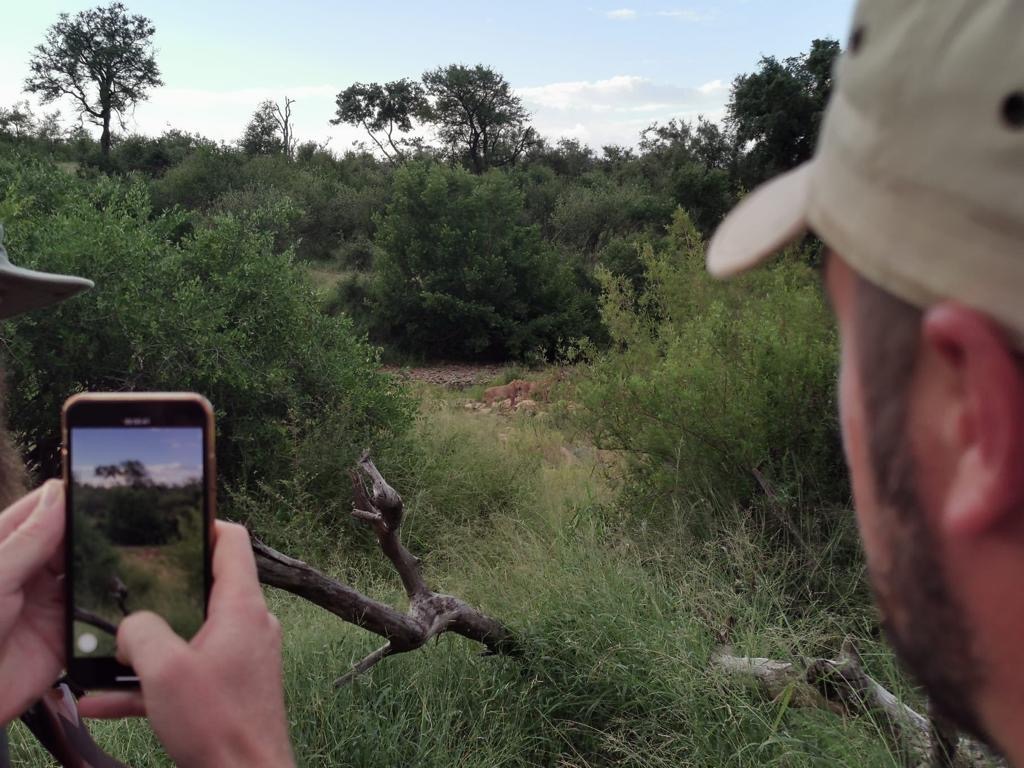
    This week started off with a very tedious rifles test to welcome us back from a very restful off week. The students at Toro over excelled in the test with some great results. We were allowed to have some off time before we had a lecture on reptiles. The reptiles lecture was really fascinating with every single one of us learning something new. After a very informative lecture, Jack (one of our trainers) offered the students to go on a walk, to which myself, Benno and Chloè happily obliged. We decided to walk to Pel’s pools which is an amazing spot right on our doorstep. We began to track zebra and ended up bumping into the Thembe pride and two big males. This was an incredible experience on foot and a first for me. It is also incredible to know that these magnificent creatures are on our doorstep.

    image

    Lions on foot – photo by Chloe Potier

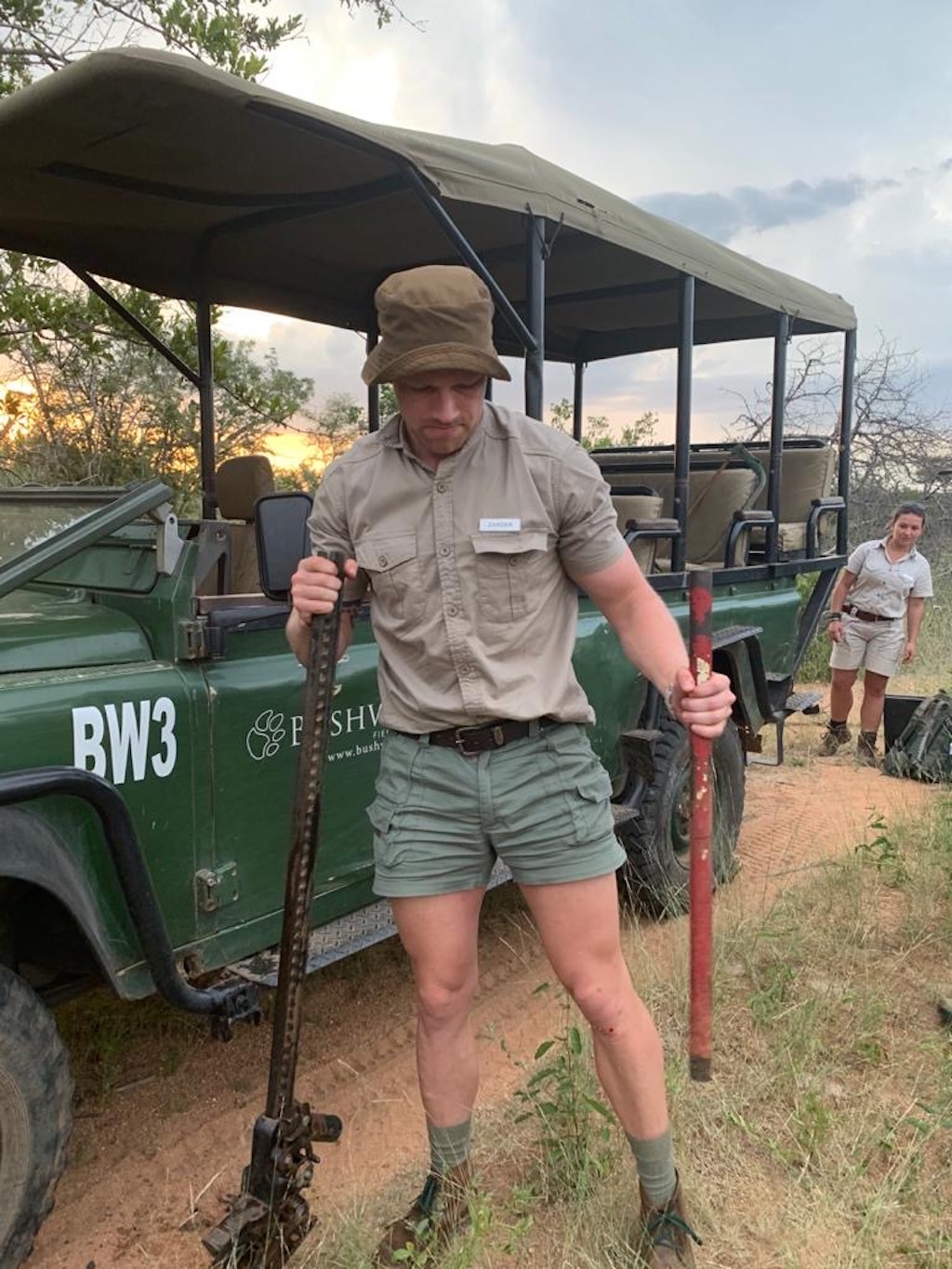
    Later on in the week after all the lectures on Amphibians and Fish were done, we began going on practical drives again, which we all enjoy as we are always excited to see what the reserve has to offer. Needless to say, the Toro campus got luckier than expected with our guide Benno. We were following up on lions that were called in on the radio near Kristy’s camp. We were all eager and on the edge of our seats until a flat tyre dampened the spirits.

    image

    Tyre changing time photo by Matthew Holland

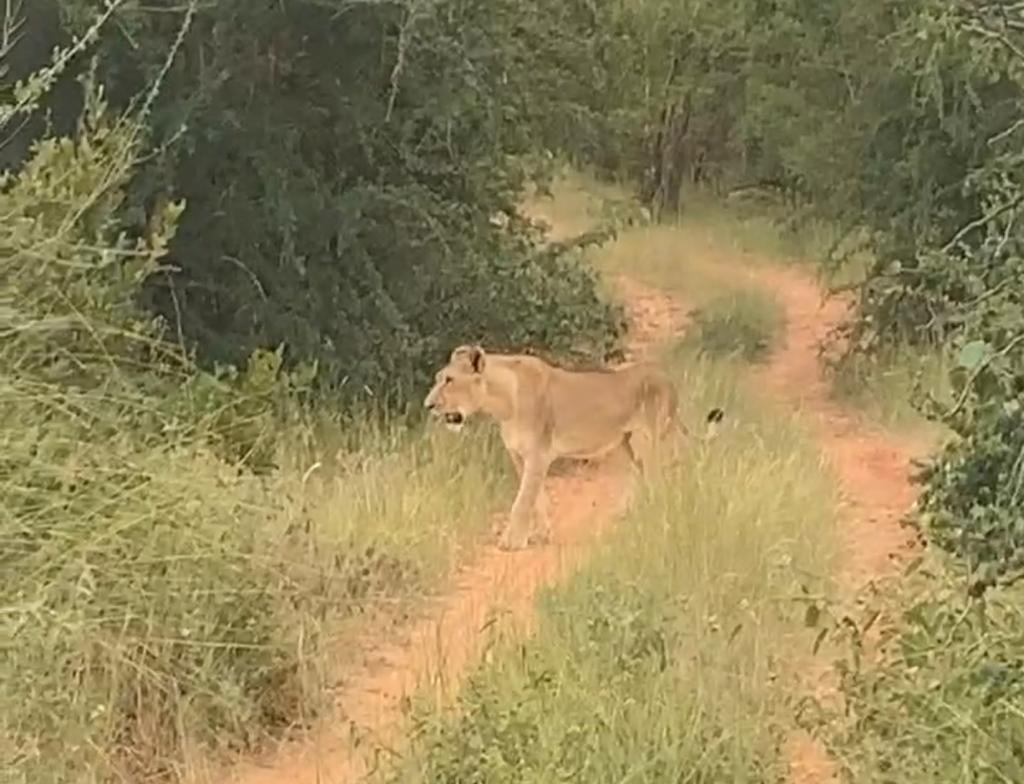
     However because the Thembe pride and the students have an ongoing relationship, where they always seem to surprise us after coffee breaks, we were not surprised to see what was waiting for us LITERALLY around the corner, the Thembe Pride. We are very blessed, as Zander would say.

    image

    Thembe pride, photo by Matthew Holland

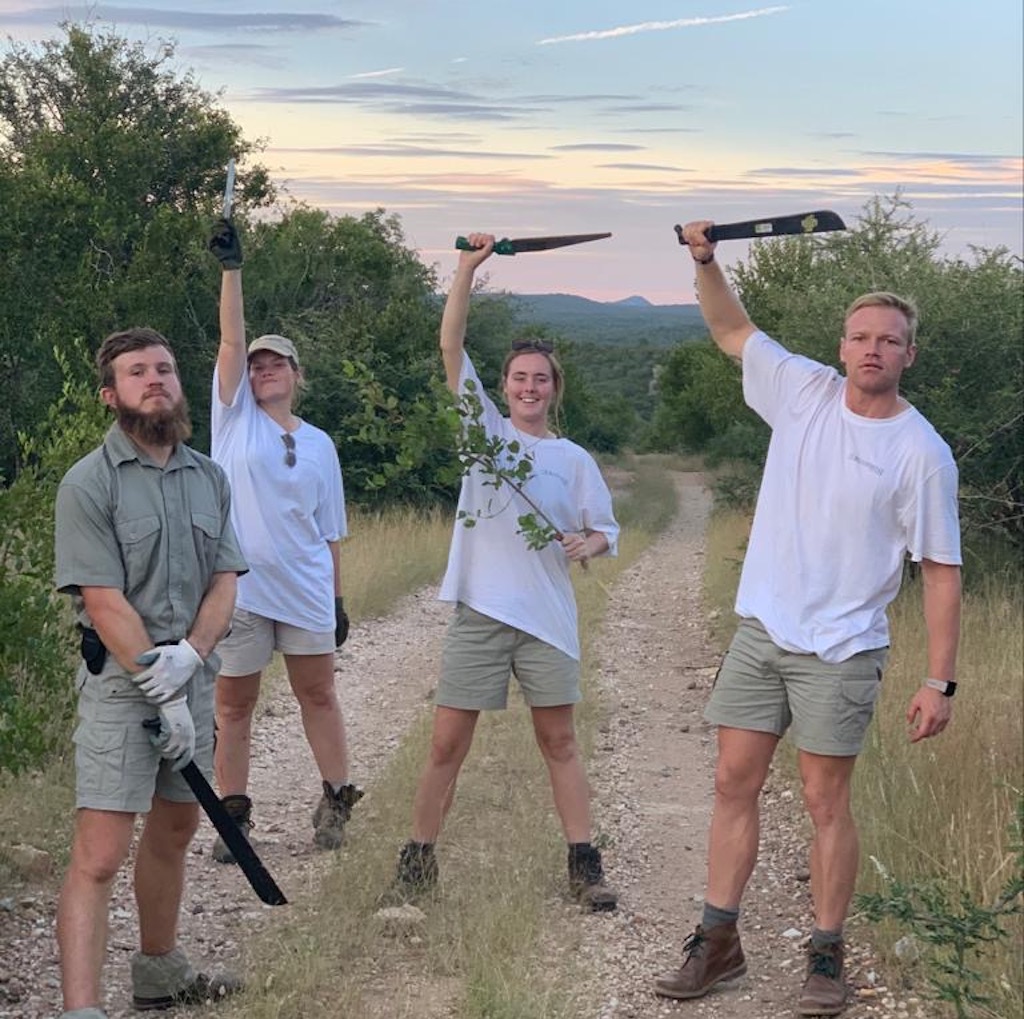
    Earlier on in the week, the students at Toro campus did some reserve work where we had to essentially go and clear the roads. This was the first time many of us had done this and it was actually very enjoyable and the students at Toro work very well together, so it wasn’t long before we were all done and Makalali Private Game Reserve was just that little bit cleaner because of us.

    image

    Reserve work photo by Matthew Holland

    The rest of the drives were enjoyable, especially Zander’s drive, where we heard a lion soft contact calling on the other side of the Makhutswe river which is literally opposite camp. We followed what we presumed to be a very big male lion of the Mpande crossing. After driving quite slowly we managed to pick up his tracks and Jack and Zander sprang into action. The adrenaline started to kick in and the pure thrill of tracking a male lion is not a feeling many can put into words. Unlucky for us the road came to a dead-end and unfortunately, the male lion had disappeared. Andi was deeply upset about the fact that he is still the only one who hasn’t seen a male lion on the reserve. 

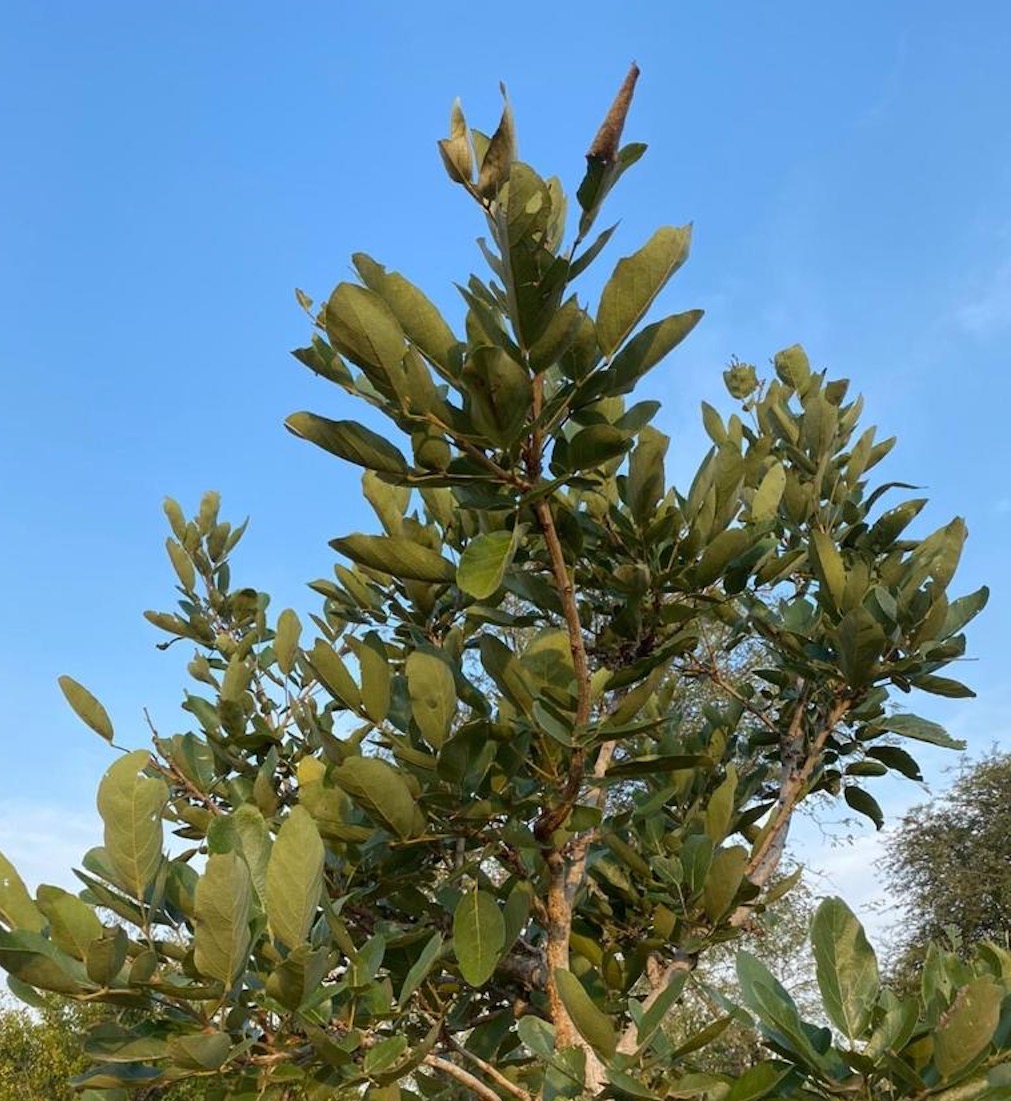
    Later on in the week, the students decided that we needed to do some more identifying of trees and so we set off towards Garonga (which is a part of the reserve we don’t see very much of) to do just that. We took a road near the airstrip just to quickly check for Wild Dog because they had been called in earlier that day but to no avail. The tree identifying was ongoing and we made excellent progress. The one thing all the students here have learnt is that in the bush you will never know everything, it is an ongoing learning experience where you learn from your first day on the job to your very last in the future.
    image

    Apple leaf tree, photo by Andi Dill

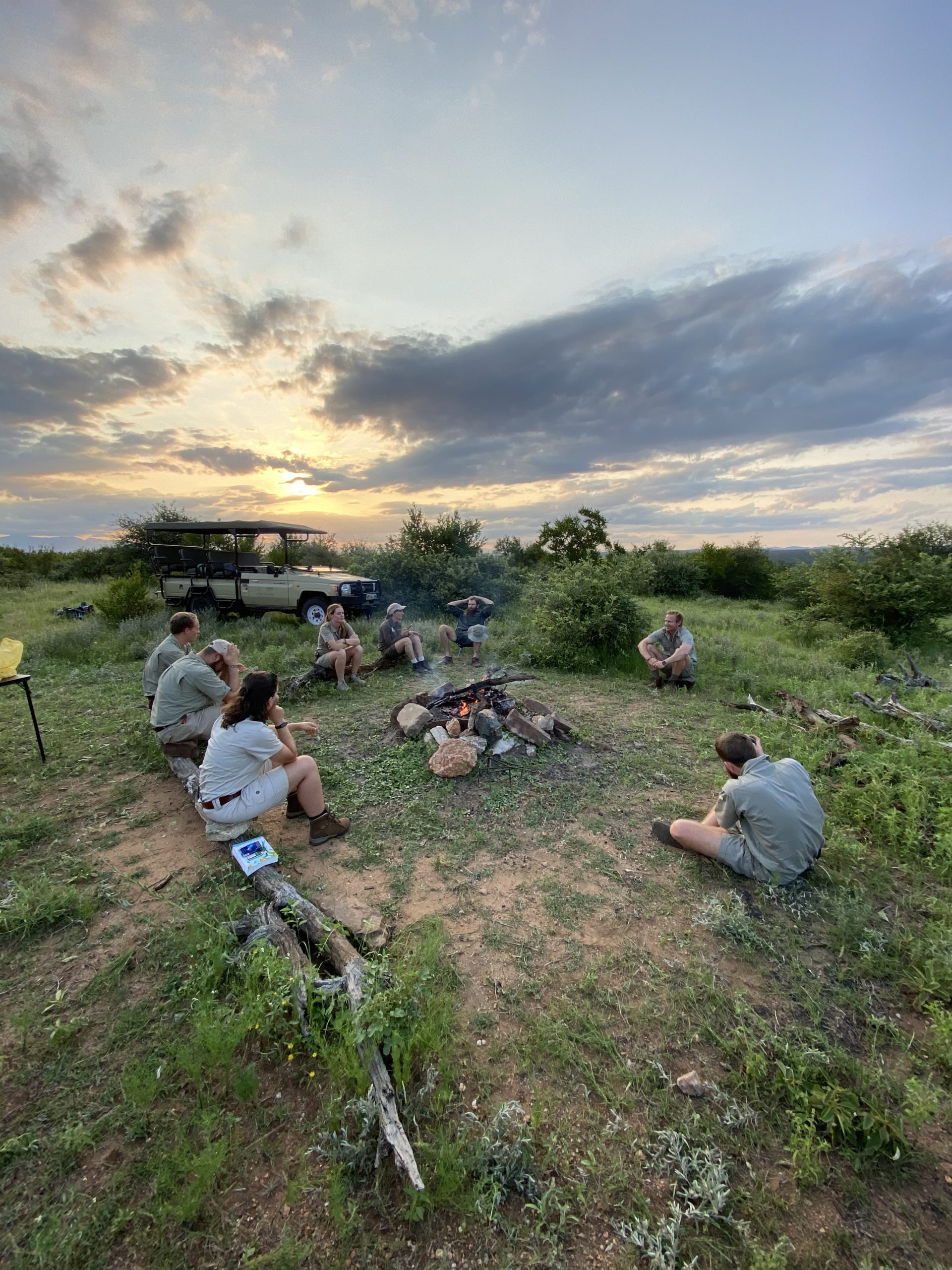
    After a long week it was very rewarding to sit around a fire with your new bush family and enjoy the scent of the bush, under a painted African sky, riddled with stars. Nothing quite beats it, and with this group of people at Toro campus, it just makes life a little better.

    image

    Matthew Holland

  • Why a comprehensive, long term Field Guide course is better

    Feature photo by: Benno Klinck

    BY: Kim van Greunen, Bushwise Sales Manager

    Before we go into the details it is important to ask yourself why you are doing a field guiding course in the first place.

    1. For the experience

    2. For a gap year

    3. For a future career

    4. For fun?

    Depending on your answer, this will determine what course is best for you.

    image

    Sleepout – Photo by Andi Dill

    Career ambitions

    For career-driven motivations, the long term, comprehensive course will be your best option for the following reasons:

    1. More practical experience and training

    2. More inclusions like sleep outs and trips to other game reserves which is beneficial

    3. Additional skills like basic vehicle mechanics, camp management and bush walks

    4. Additional qualifications like birding specialist, tracking and hospitality training

    5. The inclusion of a work placement gives you an opportunity to gain working experience

    These aspects will make you an overall better-qualified guide with more skills and qualifications. This, in turn, will make you more marketable and employable as an Apprentice Field Guide at entry-level.

    image

    Rifle handling drills – photo by Tommy Curely

    Important tips for international students

    The work placement is very important for international students as this gives them a foot in the door, a chance to gain working experience and an opportunity to impress potential employers. As a foreigner, this will help because job guarantees are very difficult.

    On a shorter course, you would attend on a tourist visa. On the Bushwise professional field guide 23 or 50-week course you would attend on a study visa. With a study visa, it also allows international students to apply for a South African driver’s license and then later get their public drivers permit. Without this, you cannot do a guiding work placement, register as a field guide or try to look for work as a field guide who takes paying guests on safari. 

    Other factors to consider

    It is important to know your budget, investigate what additions are included and what you hope to gain. There are indeed shorter field guide courses available and their prices reflect what is offered so they need to be compared.

    Take the cost of a course and divide that by the number of days or the duration of the course to see the daily rate. This way you can compare the daily rate. A short course may ‘look’ cheaper’ but they offer less and are in fact more expensive when working out the daily rate. 

    1. Check carefully to see what you gain after each course in order to get a good idea of how qualified and experienced you will be afterward how many certifications/qualifications you could gain.

    2. Find out who the trainers are and what qualifications and experience they bring to the table. 

    3. Get direct feedback from students who have done the course

    4. Do a training course in the area you hope to work in

    5. Employers are looking into what certificates you have gained so that they do not need to do additional training with you on tracking or 4×4 driving skills etc.

    6. Employers want to see if you have any working experience. Doing a short course will not provide you with any work experience and graduates have struggled to find employment based on this

    image

    Game drive – Photo by Alistair Dyason

    What sets Bushwise apart from others

    1. We are the most comprehensive course available with NO HIDDEN costs

    2. We have the best value for money based on what we offer. 

    3. We guarantee six-month guiding placement too ALL students between 21 – 39 years old

    4. We offer a free recruitment service to our alumni after the course and throughout their guiding careers

    5. Students @ heart is our motto. Your success is our success

    The time is now to start this gratifying and fulfilling career as a field guide and live a quality of life most can only dream about.

    image

    Game drive – Photo by Andi Dill

  • Why World Meteorological Day 2020 is worth all the fuss

    BY: Tasneem Johnson-Dollie

    How many of us get excited by the thought of World Meteorological Day? While the answer may be “not many”, this annual awareness day is worth us all giving a big whoop, because it’s all about the world we live in.

    World Meteorological Day started in 1950. It’s a day dedicated to the World Meteorological Organisation for the work they have done to address climate change. To gain an appreciation for this day, we have to get to know what the World Meteorological Organisation is, what it’s done, and how it makes an impact.

    What is the World Meteorological Organisation?

    The World Meteorological Organisation is a specialist sector of the United Nations (UN). And their work is all about monitoring and responding to weather, climate and other environmental concerns on a global scale.

    Simply put, these are the guys who tell us how hot it is today compared to 20 years ago, and whether we should be concerned or not.

    image

    But how good a job could this organisation be doing if many of us haven’t heard of it before? 

    Well, the World Meteorological Organisation has done so much in so many different locations across the world, that many of us may not have been able to keep track.

    This unassuming operation has taken on our biggest global challenge – climate change – with a determination that can’t be played down.

    Getting to know more about the causes of climate change can help us to focus on what the World Meteorological Organisation actually does.

    And since the biggest driver of climate change is human activity, it’s probably best that we start there.

    What are the top causes of climate change?

    image

    Human activity is the biggest cause of climate change today, particularly the use of fossil fuels like natural gas, oil and coal.

    Human activities contribute to climate change in the following ways.

    1) Land degradation

    The world depends on fossil fuels for its energy needs.

    Extracting fossil fuels from the Earth often means digging deep, which affects the natural environments that house these natural resources.

    An example of this is acid mine drainage. Mines house exposed sulphur-containing materials. When water from rain or rivers flows through or over these materials, it becomes acidic. This acidic water flows into the ocean where it can affect the health of marine ecosystems. 

    image

    And digging deep also requires heavy machinery like bulldozers and tractors. This type of machinery burns fossil fuels and these produce emissions that contribute to greenhouse gases, and up the impact of climate change.

    The world is working on ways to replace fossil fuels with renewable energy sources – like sunlight – that can prevent further land degradation. But this move is not fast enough to keep up with global energy demands, so it’ll be some time before the world can stop extracting fuels from the Earth.

    And, with the ever-increasing global population, we’re set to burn even more fossil fuels over the next few years.

    So what does this mean for our weather?

    image

    Photo by: Vaughan Jessnitz

    2) Increasing greenhouse gas emissions

    Well, the weather we experience every day is affected by the by-products of burning fossil fuels – known as greenhouse gases.

    But these gases aren’t just produced by burning fossil fuels. Many are produced naturally by different processes taking place on Earth.

    For example, oxygen is essential for all living things on Earth. And after using that oxygen to fuel our bodies, we breathe out the by-product, carbon dioxide (CO2).

    CO2 is one of the many greenhouse gasses that are needed to trap the sun’s heat in the atmosphere, instead of it being reflected back into space.

    So greenhouse gases themselves aren’t a problem. On the contrary, they’re one of the reasons that Earth is a warm enough place for living things to survive.

    image

    But processes that produce massive amounts of greenhouse gases are cause for concern.

    With industrialisation and global population growth, the amount of greenhouse gases being produced by human activity is clogging up our atmosphere, and trapping too much heat.

    And this is why global temperatures have soared over the last few decades, and literally changed the world we live in.

    Further reading: Killer heat: how a warming land is changing Australia forever.

    As the world heats up, more water evaporates off of the oceans, rivers and lakes, producing water vapour.

    Today, water vapour accounts for most of the greenhouse gases in our atmosphere. And this is quite concerning since water vapour is also the most effective greenhouse gas, trapping more heat than any other.

    3) Polluting the air and water

    image

    Climate change means less water on the ground. But air pollution takes this even further.

    Water vapour that mixes with abnormally high concentrations of other greenhouse gases – like carbon dioxide, sulphur dioxide, and nitrogen oxides – becomes more acidic.

    This water vapour is part of the Earth’s water cycle. When this water vapour precipitates and falls back down – most often as acid rain – it affects the environments it enters. Marine life in oceans, rivers and lakes can also be affected by this polluted water.

    And we’ve even seen the freshwater stored in glaciers melting away more rapidly due to global warming. This water enters the ocean, causing sea levels to rise. But it also means that there is less freshwater available to support life on land.

    image

    With a global population that’s growing at an increasing rate every year, the impact of these causes of climate change is expected to steadily increase.

    And the World Meteorological Organisation is trying to keep things under control.

    How are they doing this?

    Studying the impacts of climate change

    A huge chunk of what we know about climate change – the causes and the consequences – is thanks to the work of the World Meteorological Organisation.

    This isn’t just because they follow weather patterns, it’s because they’ve been able to do so on a global scale.

    They’ve helped us to understand Earth’s climate in a comprehensive way. This understanding helps us to pinpoint concerns, focus global efforts, and make our efforts more impactful.

    Original video: “WMO Corporate Video 2018 (English)” by World Meteorological Organization – WMO is licensed under CC0

    And their contribution to keeping an eye on climate change became clear with their press release in 2019.

    Communicating the impacts of climate change

    The 2019 World Meteorological Organisation press release alerted the world to the fact that we had just experienced a decade of exceptional global heat and high-impact weather.

    This press release also emphasised the strong impact of climate change on water, leading the organisation to launch a focused theme for World Meteorological Day 2020: Climate and Water.

    Without the rich supply of research and analysis that the World Meteorological Organisation has to offer, will the global community really know where to start when it comes to curbing the causes of climate change?

    And the World Meteorological Organisation doesn’t just talk the talk. They’ve set up programs all over the world to assist countries in building their climate change resilience.

    Building climate change resilience

    Original video: “WMO for the 21st Century – Animation (English)” by World Meteorological Organization – WMO is licensed under CC0

    By collaborating with countries all over the world, to collect data, compile findings and develop recommendations, they assist vulnerable countries in responding to climate and weather concerns in the best ways possible.

    These programs focus on agricultural and flood management, capacity development, and disaster risk reduction, to name a few.

    And they’ve produced some great results.

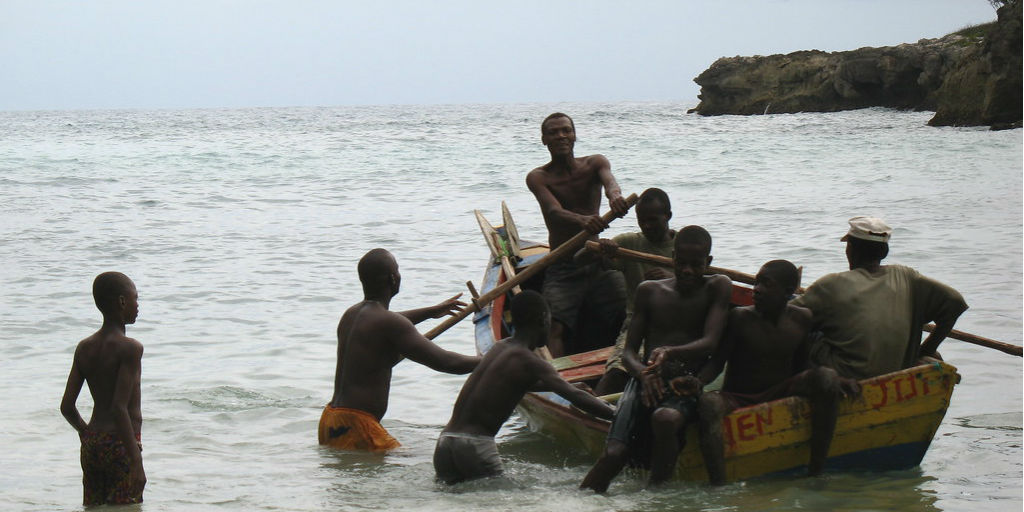
    In many cases, this has meant invaluable progress. Take for example the way they assisted Haiti in 2010.

    How global collaboration got Haiti back on track

    Haiti – one of the countries with limited economic resources in the western hemisphere – experienced a major earthquake in 2010.

    This earthquake caused serious damage, particularly to the infrastructure on the island, which included the Haitian National Meteorological Centre (CNM).

    image

    Original photo:“fishing-boat” by rezendi is licensed under CC BY 2.0

    As a country with high vulnerability – likelihood of exposure – to severe weather conditions, Haiti depended on its meteorological centre. Without it, the country wouldn’t have been able to forecast adverse weather conditions and respond to them timeously.

    But with the assistance of the World Meteorological Organisation, the global meteorological community collaborated to re-establish meteorological services in Haiti.

    The organisation also partnered with Environment and Climate Change Canada to develop a project called Climate Services to Reduce Vulnerability in Haiti.

    This project busied itself with setting up a new CNM headquarters, providing training programs for CNM forecasters, and supplying the technical equipment needed to make the CNM function successfully.

    The World Meteorological Organisation then established a project office in Haiti, to assist with the running of the project and coordinate with local project partners.

    What would the world be like without the World Meteorological Organisation?

    image

    Without an organisation with this amount of global clout, we may not have recognised the true impacts of climate change, and the urgency with which it needed (and still needs) to be addressed.

    We may not have been able to respond in the wake of natural disasters, and we probably wouldn’t be able to cope with the rapid amount of change caused by global warming.

    Bushwise Field Guides offers courses that can help you to wrap your head around meteorology. By learning about meteorology, you can gain a new appreciation for World Meteorological Day 2020, and the organisation that’s keeping its eye on our climate.

  • Tracking and rifle handling all in a weeks work

    BY: Craig Newton, Bushwise student 2020

    Well not only have we come racing to the end of yet another interesting, jam-packed week, but also to the end of term two. It’s been an amazing term, the first week dealing with the rifle handling and competency test. Then straight into Track and Sign week, where some of us managed to work out what and where certain animals had passed by, what had taken place and where it was off to, others of us, were still left a little in the dark as to what the marks left in the substrate were and intend to improve our reading of sign in the future. Week three got us back into the rhythm of getting our practical drive skills and knowledge up to date, which now brings me to this forth week where I, acting as Camp Manager took over the reins
    Week four started off with our usual Bushwise tests, this time consisting of mammals and ethology. I believe, from all the chatter after the tests that everyone had put in the needed time and can tick these off with a pass. The new lectures, Monday afternoon, ecology and Tuesday morning, arthropods, were absorbed with great interest and amazement as to how these little critters work. Tuesday afternoon had us all one after the other delivering our oral presentations. These were very interesting as entertaining, leaving both students and trainers thinking about this ever-changing amazing world of nature surrounding us.

    image

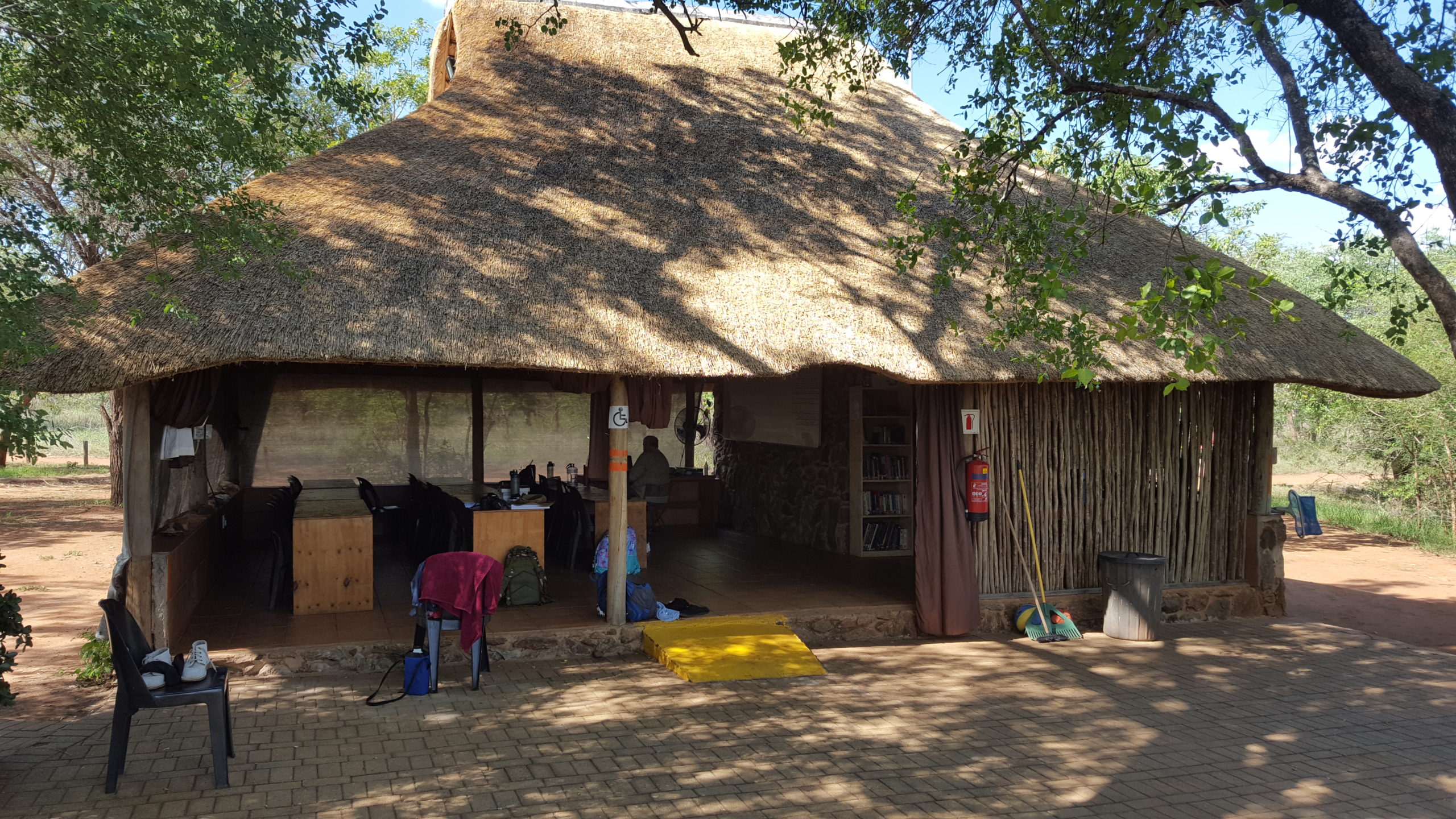
    Mahlahla campus classroom

    Wednesday had us doing some reserve work, where we visited a site that needed to be cleared of long discarded bits of wire, fencing and the normal “left-behind” telltale signs of human existence. The afternoon was spent in a far more vibrant and upbeat mode as we collected our things together, packed the vehicles and headed out into the reserve for a sleep-out. This being our second time we found our campsite with all its designated areas, kitchen, fireplace, firewood and sleeping area set up in no time. A wonderful time was had by all and went off without any incidents.

    Thursday morning we returned to campus, cleaned ourselves up a bit, brunched and headed off into the reserve again, this time to clear back vegetation encroaching onto the roads. This was very successful and rewarding knowing how much it is going to impact on our future drives and the lack of scratches.

    We got an early start, 5.45 am on Friday to do our practical observation test, which consisted of animal tracks as well as all the surrounding vegetation. Besides a few obvious silly mistakes we all did pretty well and were happy with our performances. We received our termly feedback from our peers in the afternoon and then we were off, to spend our week off from campus norm to do as we felt necessary, be it a break from the continuous pressure of get all the information in for Mondays tests, going home for the missed comforts, or staying on campus to concentrate on getting our module workbooks up to date.

    image

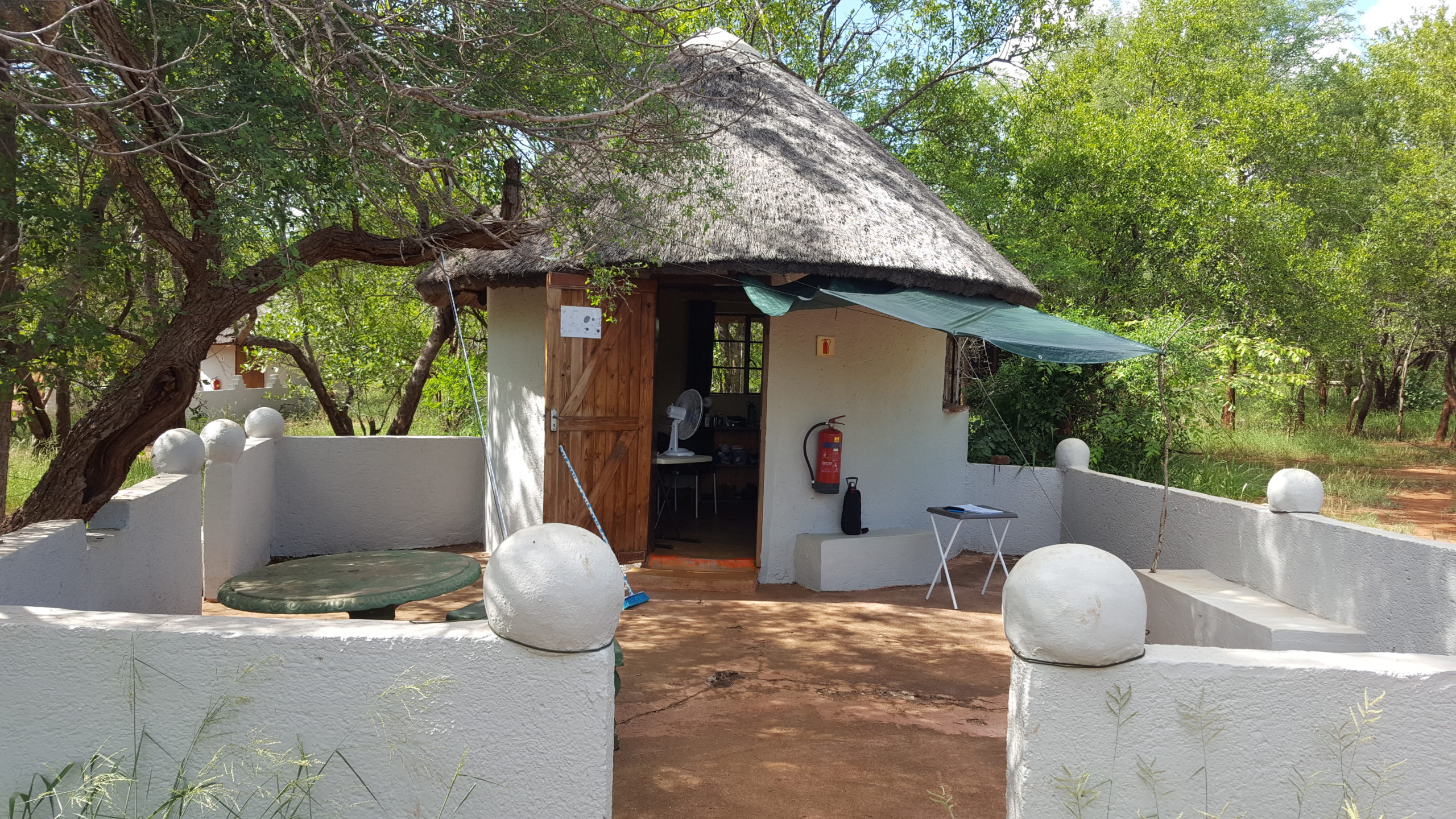
    Mahlahla campus bungalow

    All in all, though, another wonderfully informative term has flown by with so much to reflect on, take your time in getting here term three, there is no need to rush.

    image

    Blog by Craig Newton

  • Rifle week

    By: Andi Dill, Bushwise student 2020

    Having just finished a long, arduous but very rewarding week with Colin Patrick, doing track and sign everyone in the group did well in acquiring a Track & Sign level. The week began with the international students (Ank, Chloe, Alex, and Sophie) departing for Hoedspruit to do their learner’s license test in order to acquire a South African driver’s license and PDP. Whilst they were away on their town trip the rest of us (Matthew, Benno, Zander and myself) remained behind and helped with some lodge work in terms of preparing one of the guest rooms for a visitor that evening. This afforded us a taste of what it will be like for us in the future in terms of what is going to be required of us beyond the realms of filed guiding and more into lodge work and hospitality. Monday as a whole proved to be a great “somewhat relaxed” start to the week knowing what was to be forthcoming with us tackling the subject of rifles.

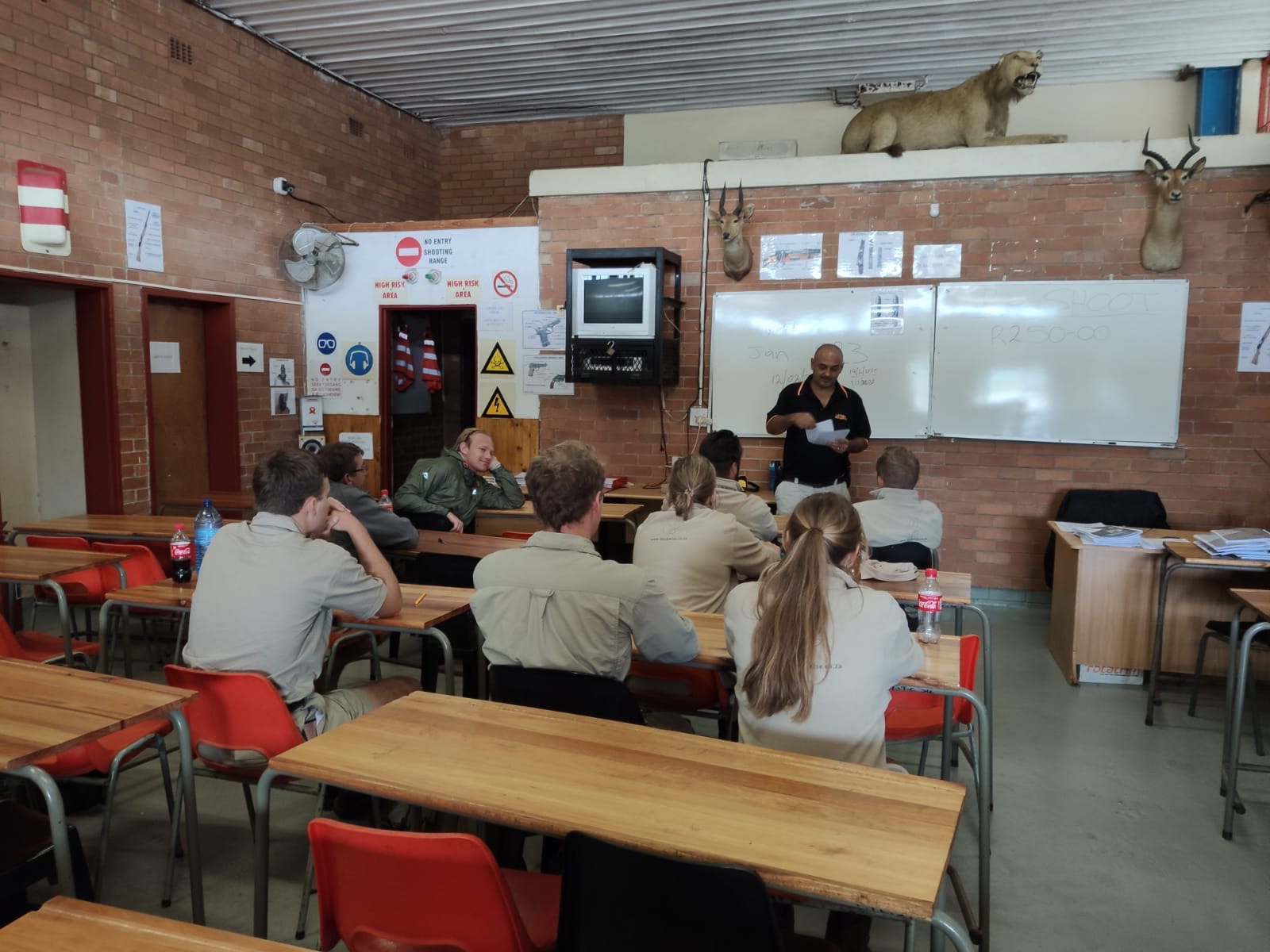
    04:30 am and the FIRST alarm sounds, the start of the week has begun. After a brief cup of coffee and a dash of cereal we departed for the long trip to Tzaneen to complete a course through Letaba Tactical Firearm Training.tThis would span over both the Tuesday and Wednesday in order to complete the necessary theory tests and physical assessments to be deemed competent to acquire the licenses needed for a guide to carry a rifle on bush walks. Very tired and using the motivation of this being the last week before our second leave cycle we soldiered on to Tzaneen. Upon arriving we met Jan, from Letaba Tactical Firearm Training who would be looking after us and guiding us through the next two days. What a character he was! A laugh a minute kinda guy and we all kicked off amazingly with an instant dose of much-needed energy. Orders were made for vetkoek and mince for lunch the first day, for most of the foreign students it was their first experience, it went down a treat! Over these two days, we did the summative assessments (tests) and a physical competency test of which we had to fire 10 rounds of both a .22 and 223 rifle into a piece of paper twelve meters away. It was broken up into theory on Tuesday and Shooting on Wednesday.

    image

    Firearm competency classroom work – Photo by Ank Lubberink

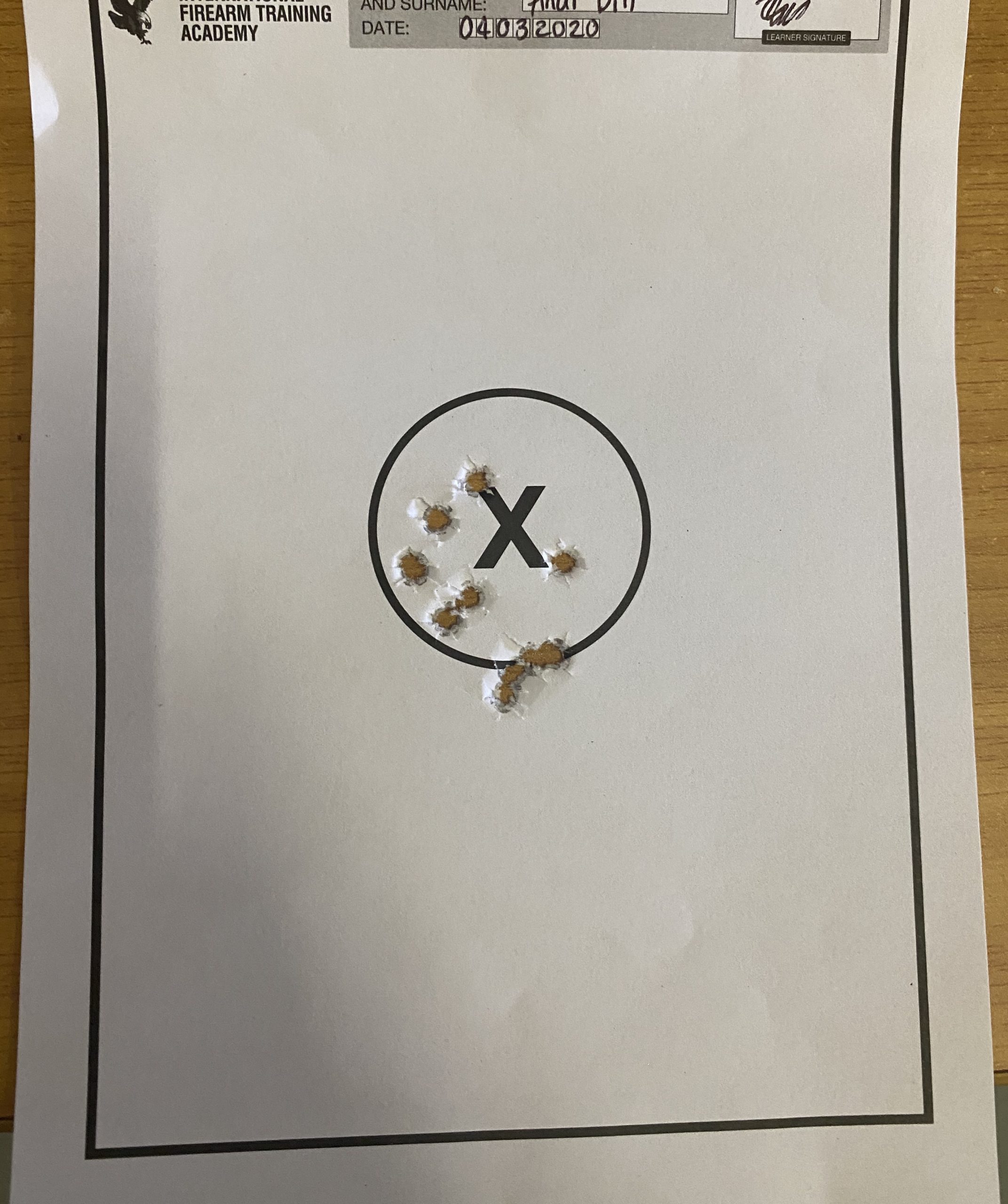
    Wednesday arrived and after another early morning and long voyage to Tzaneen, the “action” was about to get underway with most of us firing a firearm for our first time. We went into the range one by one with all of us being deemed competent, the competitive nature took over and we had a friendly competition for the best grouping which much to my shock I actually won. Following that we made our way back knowing we would be one step closer to the next off week.

    image

    My grouping with a .22 Rifle

    Thursday arrived and it was feedback day, which afforded us a bit of a “lie-in” in comparison to the last two days. Basically, feedback sessions are held at the end of each semester and a great way to see how you are doing as a student and for you to give feedback. The feedback sessions all went well and we then broke for lunch and had some time off (which is always welcomed by the students) before the rifle lecture, During the rifle lecture hosted by Jack, we furthered our knowledge about rifle handling and were presented with the chance to actually handle and get used to the loading processes with dummy rounds. Everyone enjoyed this and started the quest to build muscle memory with handling rifles.

    image

    Benno showing how it’s done during the first of our dry runs

    Friday arrived and one step closer to that leave week. A fun activity was planned for us in the morning to see where we stand with birds and botany in the form of a bird call and a bird slide test as well as a botany observation test around campus. It was really great to get a grip on just how much our knowledge has grown in the weeks being here. Everyone did fantastically well. The rest of the afternoon was spent relaxing and planning ahead for the week off and reflecting on what has passed this semester. When I personally look back at the semester I am filled with a sense of fulfillment and happiness at both what I have learned and the furthering bonds of what is now my new family.

  • A day in the life of a field guide

    Have you ever wondered what a wildlife professional does in a day’s work? Let’s talk about a day in the life of a field guide.

    A field guide is a specialised person who conducts tours for people visiting nature reserves. A field guide’s job is to teach visitors about natural environments, the wildlife that inhabits them, and how to interact with the environment.

    Waking up as a field guide

    Your day will start with the crisp notes of the African bushveld birds filling the morning air with melodies before sunrise. Your first duty for the day is to prepare the padkos.  “Padkos” is a South African term for packed food. It is a most beloved necessity when embarking on a journey. 

    The first item on the list is to pack the hot box. A hot box is a flask of hot water for coffee and tea.

    You’ll pack a few snacks to accompany the hot beverages. Some must-haves include Ouma Rusks — traditional South African biscuits made from buttermilk — nuts, fruit, and anything else you love to eat.

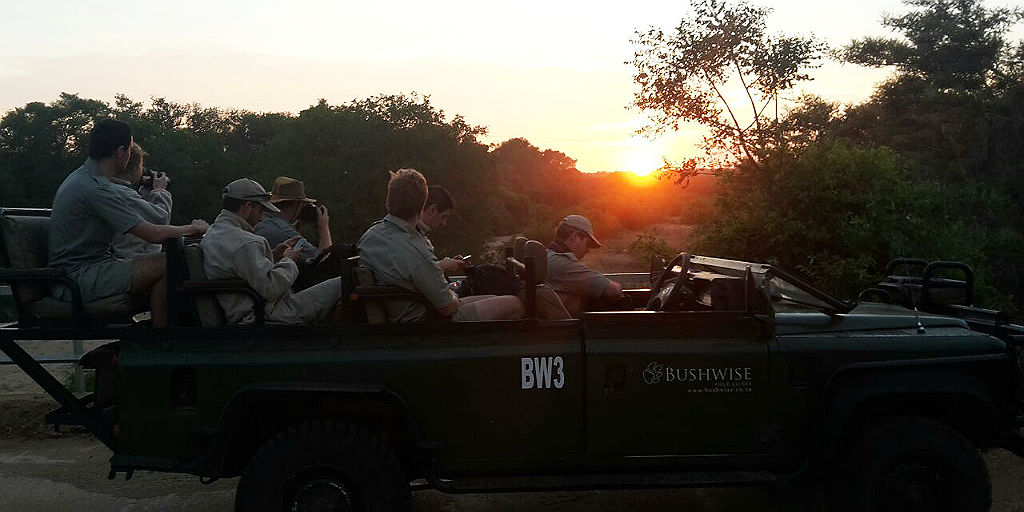
    Then it’s time to pick up the eager guests with your safari drive vehicle. Once everyone is seated safely, you’re ready to set off for the wildlife reserves.

    image

    The safari drive to the nature reserve

    A good way to start the safari drive with the guests is to introduce yourself and exchange names with everyone before you take off. Once you’re all comfortable, you’ll start engaging in the itinerary for the day. 

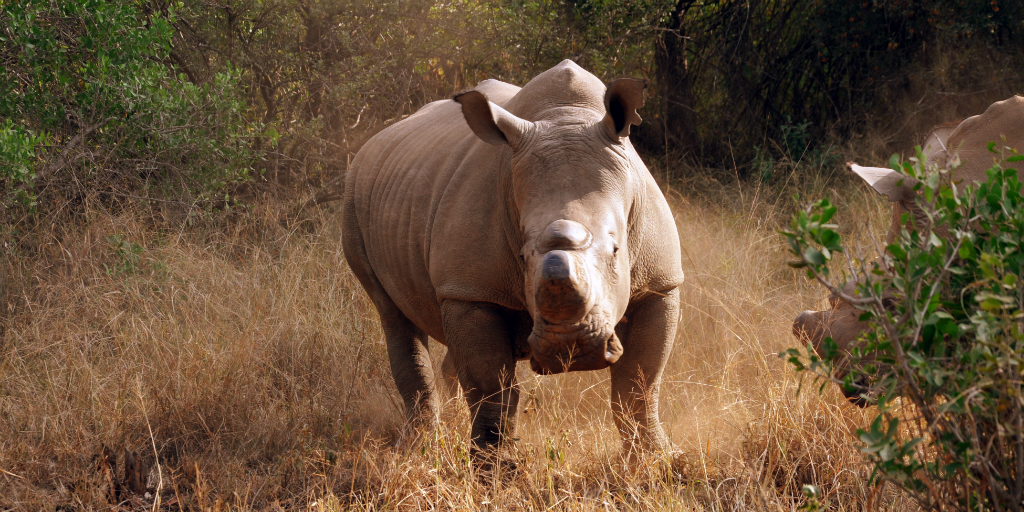
    Before starting the vehicle, make sure the guests are seated safely. Next, you will usually explain the route that you’ll be taking and mention some key points for safety.  “Out in the safari, you will spot the famous Big Five — the lion, leopard, rhinoceros, elephant, and buffalo. But first, we need you to sit back and stay seated at all times.”

    The journey begins. 

    During the safari drive around the nature reserve, you will talk about plants and animals that the guests can expect to encounter. For example, if you’re based at the Addo Elephant National Park, you might say: “We will be taking the Nyathi route past the fever tree forest. On your left you will spot the Sabi pride. The fever tree forest is also home to a nesting pair of paradise flycatchers, so keep an eye out.”

    Keep the information fun and lighthearted. The guests’ experience will determine your success as a guide, so make sure your guiding makes them feel as passionate as you do about nature.
    image

    At the nature reserve

    Find a phuza stop — a traditional Zulu term for “drink”. Unpack the snack box and share a cup of coffee with your guests while breathing in the sunrise. Get to know your guests while helping them to get to know nature. What better way to soak up the morning sun?
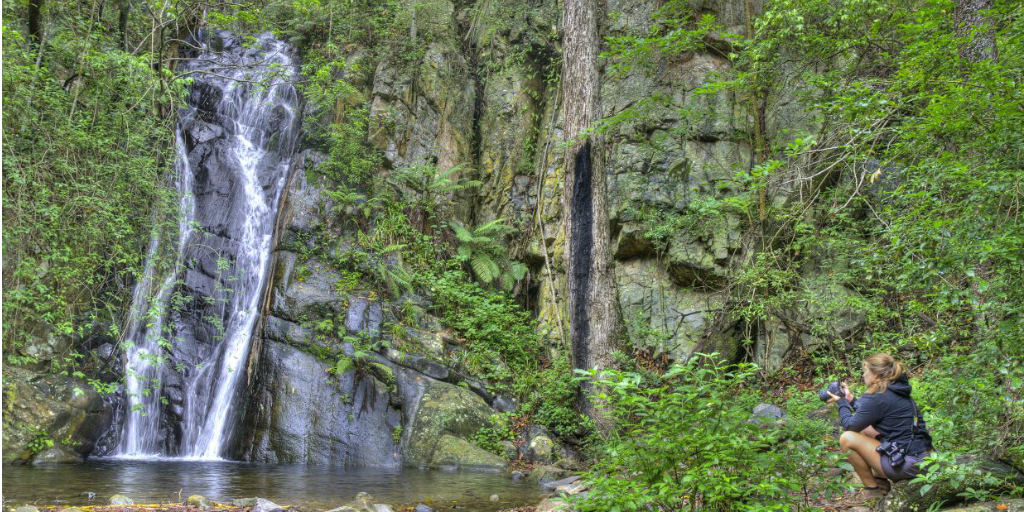
    You should also inform guests about the cultural importance and history of the places you cover. This adds to the experience of the trip by allowing the guests to connect to nature and its significance.

    Most field guides don’t have to do data collection, unless you are employed as a researcher. For example, GVI, a sustainable development organisation and partner of Bushwise, runs a wildlife research expedition in Limpopo, South Africa. Collecting data on plants and animals in wildlife reserves provides valuable information for conservationists. It assists them in tracking, understanding, and protecting the animals.

    image

    Going back to the base camp

    It’s time to drive back to the lodge where guests can enjoy a meal. A traditional South African meal might be a braai—an Afrikaans word for “barbecue”.

    You can use this time to plan your next safari drive for the second group of guests in the afternoon. The itinerary for the afternoon safari drive should be the same as the morning safari drive, but maybe this time you can pack a different snack box. 

    An afternoon snack box might include more savoury snacks like biltong — dried, cured meat — and a few sundowners. Embark on the safari drive, talk to your guests and find a phuza stop to enjoy the sunset. 

    Some of your guests are from Sweden and have never seen an African buffalo. When you come across one, the guests are noticeably amazed and have tons of questions.

    This is your chance to test your hand at some fun storytelling.  “The African buffalo loves swimming and bathing in rivers. When you dip your toes in a river in Africa, be sure to do so after the buffalo bathing time at midday.” Or, “Have you noticed that the horns of the African buffalo look like question marks? They must be very inquisitive beasts!”

    After all, storytelling is vital to the field guiding experience.

    Back at the lodge, you might want to join the guests for dinner. This is a good time for guests and field guides to come together and share some stories, before you go off to prepare the itinerary for the next day. Find a relaxing spot outside the lodge and share drinks under Orion’s belt. Don’t forget to make a wish if you see a shooting star.

    image

    How can I become a field guide?

    Bushwise offers a range of wildlife courses to help you start your field guiding career. All courses are CATHSEETA and IFGA accredited.

    The best thing about Bushwise is a guaranteed job offer for South African students within six months of completing select 6/12 month courses. You’ll get to learn and practise in the places you might end up being based in.

    Become a field guide and find out what your day would be like.

  • All you need to know about field guiding and biomes of South Africa

    BY: Tasneem Johnson-Dollie

    A biome is a particular community of fauna and flora that are adapted to their specific natural environment. As a field guide, you’ll be learning about South Africa’s fascinating biomes and sharing your knowledge with guests. 

    Let’s take a trip through the different types of biomes in South Africa to get a taste for the terrain, climate, and everything in between. 

    What is a biome?

    The biosphere refers to all living things on Earth. It’s split into different biomes. Areas with a similar climate and geography are categorised as a biome, and the conditions in a biome determine the types of animals and plants (fauna and flora) that can live there. 
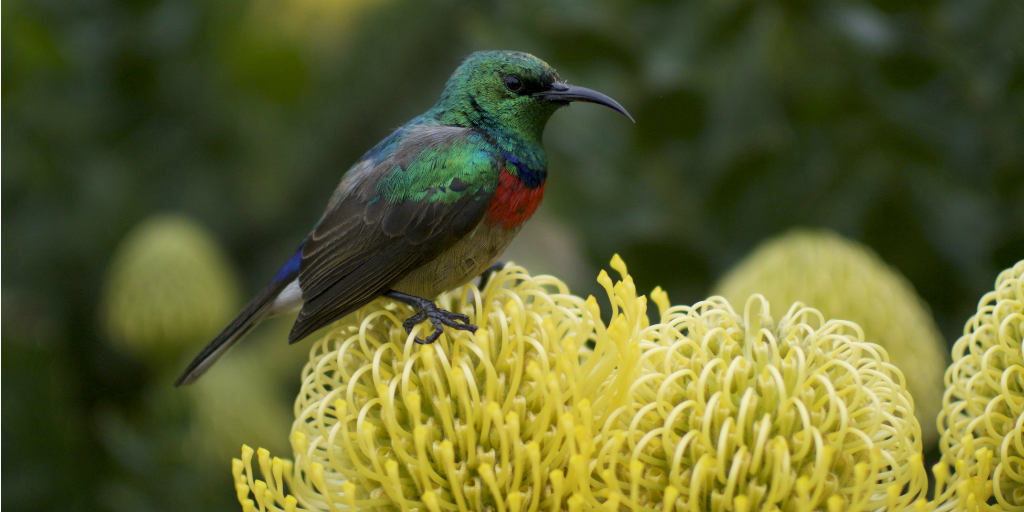
    In South Africa there are seven types of biome. These biomes are the perfect setting for indigenous South African animals. In fact, the biomes of South Africa give rise to some of the largest animals in the world. So what are these biomes, and how do they support South Africa’s creatures great and small?
    1) Savannah

    image

    Original photo: “Tree nature landscape” by negahuk is licensed under CC BY-SA 2.0

    The savannah is the largest of the different types of biome in South Africa. 

    Looking out over its sandy plains, scattered with thorn trees and spiky bushes, you may think of the savannah as a quiet place. 

    But you’d better keep your wits about you, since the savannah is home to most of the big African animals like lions, elephants, buffalos, and kudus.

    These beasts are built for this bushveld terrain – where the vegetation consists mainly of low-growing thorn trees and bushes. 

    And the fact that each of these animals can reach a speedy pace also helps in this savannah biome, where the hot and dry climate sets the scene for regular fires.

    And the reason that the savannah is home to these spiky bushes and thorn trees is because low annual rainfall means less water for plants. While grasses and bushes can efficiently absorb the minimal amount of water available, most trees find this terrain too thirst-inducing.

    Savannah biomes are found in the western parts of Limpopo, northern parts of the Northern Cape and Free State, and KwaZulu Natal.

    2) Thicket

    image

    If you find yourself thrust into a thicket biome, you’d see groupings of short trees peeking out of tangles of low-growing shrubs and vines.

    Thickets refer to dense groups of bushes or trees, and thicket biomes are most common in areas with high levels of rainfall, accompanied by dry spells that prevent the thickets from developing into forests.

    And there are some types of animals that love to tuck away in thickets. Take for example the kudus, monkeys and bushbuck that call this type of terrain home.

    And if the thought of a thicket biome makes it hard to keep your claustrophobia in check, then there are other types of biome in South Africa that may tickle your fancy – or even your feet.

    3) Grasslands

    image

    A grassland biome is one where the vegetation is mainly grasses, with trees growing on hills or along river beds.

    The South African highveld – parts of the uncultivated countryside that lies at a higher altitude – is home to the South African grasslands. 

    This area experiences summer rainfall and winters cold enough for frost to form.

    And grass-eating herbivores couldn’t be happier with the dinner that this type of biome in South Africa serves up. 

    Black wildebeest, blesbok and eland feed in these pastures. And with rodents rustling through the long grass, this type of South African biome becomes the perfect hunting ground for birds of prey. 

    4) Forest

    image

    Patches of forest occur throughout South Africa. 

    Some forests make do with rainfall that comes only during winter, while others are spoilt with showers throughout the year.

    If you find yourself in a forest, your first thought may be “well, this place is filled with trees”, and this is what forests are all about. 

    Yellowwood trees are the biggest trees found in South African forests, but there are more than 1,700 species that take root here too. 

    And this tree-top setting is the perfect place for birds – like loeries, eagles and pigeons – to nest. 

    Small mammals – like bushpig, bushbuck and monkeys – also find this forest biome a fantastic place to settle down. They don’t even mind being bugged by the many insects that also forage in these forests.

    But while forests and grasslands contribute to South Africa’s terrain, there are some biomes that give South Africa its distinct flavour, like the flowering fields of Fynbos.

    5) Fynbos

    image

    Original photo: “Sunbird protea” by Free-Photos is licensed under CC BY-SA 2.0

    Fynbos is the natural vegetation found in the Western Cape. The cold wet winters, and hot dry summers in this area provide the perfect place for fynbos to put down roots.

    And fynbos is really a flurry of floral species, with the WWF stating that the Western Cape is more botanically diverse than the richest tropical rainforests in South America, including the Amazon, because of its fynbos.

    This type of South African biome has nutrient-poor soils and can’t grow the type of vegetation that could support big herds of animals or very large animals. But small mammals do well in this biome and you’d probably run into chacma baboons, klipspringers, grysbok, dassies, mongooses, and even the striped mouse. 

    You’ll also see many different species of butterfly and even some reptiles and amphibians – including the geometric tortoise, the world’s second rarest tortoise.

    6) Nama Karoo

    image

    Original photo: “Karoo Landscape …” by berniedup is licensed under CC BY-SA 2.0

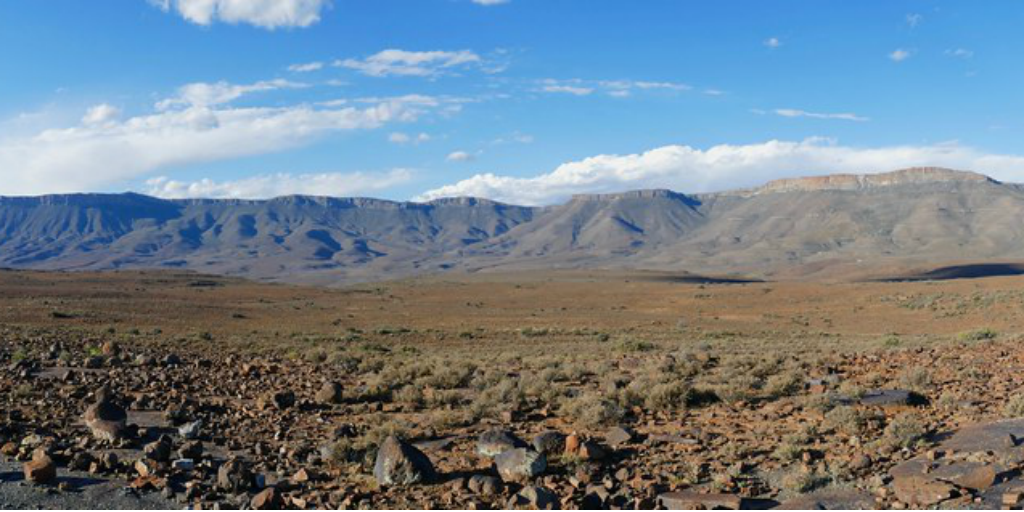
    The Nama Karoo is the second largest biome in South Africa and it’s classified as a semi-desert area, receiving very little rain.

    This arid terrain allows for little more than grassy dwarf shrubs to grow.

    But insects dig this type of biome. In fact, brown locusts and Karoo caterpillars are the main residents of the Nama Karoo. 

    These critters are happy in this dry desert-region, but there are booms in their numbers when the rains come along – which isn’t very often.

    7) Succulent Karoo and desert

    image

    Original photo: “Succulents desert” by TambraNicole is licensed under CC BY-SA 2.0

    And if you’re wondering if proteas are the only flowers you’ll find in the biomes of South Africa, the answer is no.

    Just take a trip down to Namaqualand to see the flowering region of the Succulent Karoo and desert.

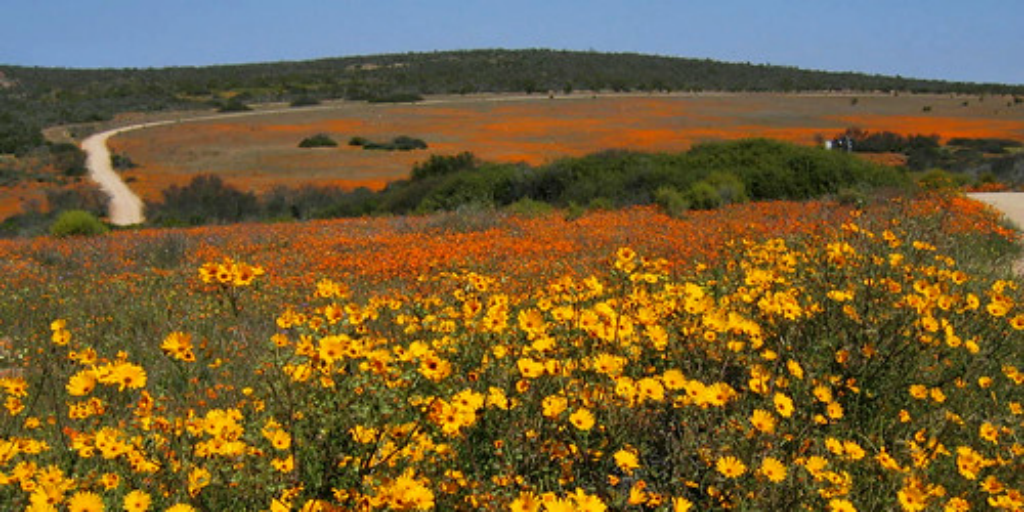
    Namaqualand is famous for its flowers. You can soak up the true colours of the South African outdoors with a trip to the flowering fields. 

    You see, the flowering season is rather short – just over a month – and the flowers don’t stay out all day. In fact, after opening up in the morning, these desert divas close up in the afternoon (at around 4pm).

    image

    Original photo: “Namaqualand Wild Flowers” by titoh44 is licensed under CC BY 2.0

    But there are other things for your eyes to feast on in the Succulent Karoo and desert.

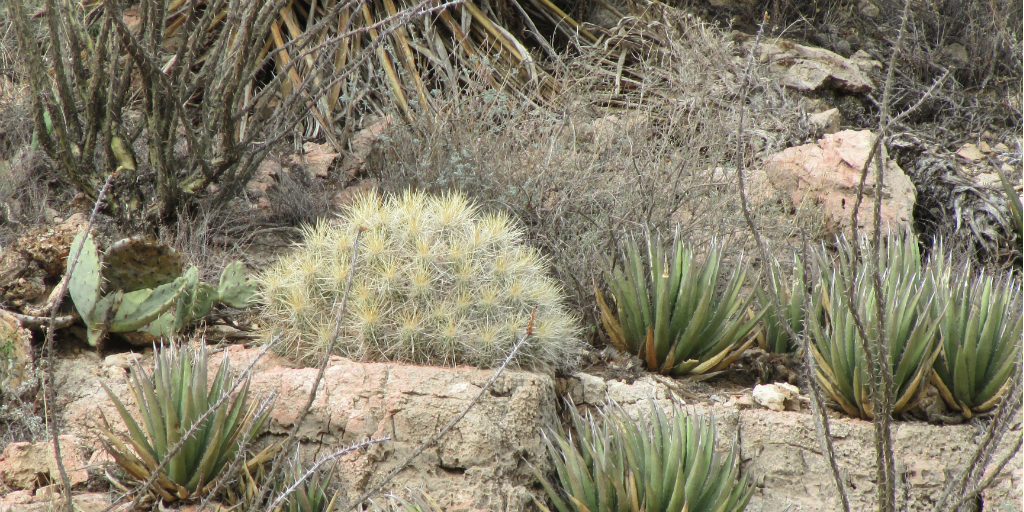
    Succulents – plants with parts that are abnormally thickened and fleshy – are the less temperamental neighbours of the Namaqualand wild flowers. 

    This tough type of plant can stick out the hot dry summers and cold winters of the Karoo because they can store water and wait it out until the next rains – which in the Succulent Karoo are few and far between.

    And because the Succulent Karoo and desert isn’t the most hospitable biome, the fauna consists of goats and sheep who graze on the vegetation, and insects that scurry in between.

    So taking a trip through the different biomes in South Africa can be a real journey. And this can be an epic learning experience for any field guide.

    Take a look at our Bushwise Field Guides programs that can get you learning more about some of these biomes of South Africa, and spreading the knowledge.

  • The legacy of footprints

    BY: Zander, Bushwise student 2020.

    No matter how fast you are – no one will outrun their past. So make sure the next step you take, adds on to the legacy of what was years before. 

    Remember the name Colin Patrick. This is a man that I believe could probably track a flying insect in the air and still tell you if it went left or right or looked up or down. That is how good he is. Semester 2, week 3. The week of track and sign with Colin Patrick. 

    One thing Colin made me realise is how tracking can take a person back in time, and how our society has changed. These days people are walking around with tunnel vision. They are so focused on their phones while walking, or they can’t hear what is going on around them because they have earphones in their ears. Where we are, in the bush, you cannot walk around like that, because if you do, you are a dead man. 

    image

    Colin asked us how many lion tracks we need to see in our life to be able to know for sure that it is a lion. We all said maybe five or six. But we were all wrong, he simply said ‘never enough times.’ And during this week we found out what he meant. 

    The first day I think most of us were thinking “is this guy making this stuff up?”, because we can’t see that track or how can he know the rhino was looking to the left. After a few days, we finally got into a rhythm and built up some confidence, thinking we were all great trackers. But then he pushed our limits and slammed our confidence right back to rock bottom. At this point in time, I told myself that I’m going to drive over the next scrub hare I see, just so it cannot leave a track. Scrub hare – 4, Zander – 0. Let’s not even to talk about the birds (which all look the same). I got as far as identifying them as a bird until Colin hit me with (the second most hated sentence for the week other than scrub hare) “be more specific”. 

    It was a hot and tiring week being out in the field all day long. Wednesday was a full day in the African bush. Halfway through the day we stopped and made brunch in the bush, with an hour and a half to spare to catch up on a siesta before hitting the soil again. 

    image

    My favourite part of the week was when we got a chance to take our mind off things. We did some anti-poaching training with Colin, and his dog (second wife) Annie. He asked us who wanted to be “poachers” and they would go hide so that Annie could find us. Myself, Matt, Andi, Benno and Jack went in as poachers. We walked, in circles, zig-zagged our way through the bushes trying to trick the dog. Jumping and running in circles and different directions. I was so sure I was going to trick this dog and that she really was going to struggle to find us. Meanwhile, back at the ranch Andisa’s (Andi) allergies started to kick in and just as we sat down to hide, he sneezed a few times blowing our whole cover. It was a cakewalk for Anni to find us.

    The week came to an end and we did our Track & Sign assessments, all hoping to get a level. Just remember. 

    Rule number 1. Why is it a Civet track? Because it is a Civet track. 

    Rule number 2. Trust your gut. Go with your sub-conscious. But no, we would write the correct answer, then scratch it out and write something else.

    During the assessment, you want to beat yourself up because of the stupid mistakes you make and for not following your gut. ALWAYS STAY WITH YOUR FIRST ANSWER. I think that is something we all learned this week as well. Despite everything, we made it and we officially got our track and sign level badges. 

    image

    Celebrations took place at Mahlahla Lodge where there was a Karaoke night. Myself, Matty and Sophi aren’t only trackers, apparently we can sing as well. Because we are in Africa, Matty and I sang “Can you feel the love tonight” from Elton John in the Lion King. Our audiences’ hearts melted while they sang together with us while swinging left and right with their cellphone flashes on. Sophi on the other hand who’s hips didn’t lie – shook up the crowd with “Waka Waka” by Shakira. 

    Good news for all the audience is that we are planning on bringing out an album. We are still finalising agreements with Bushwise, GVI and Mahlahla. Watch this space.