Category: Course updates

  • How to celebrate International Cheetah Day: learn all about cheetahs

    BY: Tasneem Johnson-Dollie

    International Cheetah Day has claimed its spot on 4 December, but what can you do that will add to cheetah conservation all year round? Why not learn all about cheetahs?

    There’s no excuse for us to lounge around waiting for cheetahs to conserve themselves, but what is it that stops even the most passionate cat lover from leaping into action? Not knowing enough about the cheetah is something that can hit pause on anyone’s conservation pursuits, even if they’ve already made a start.

    Why? Well, you don’t know what you don’t know. You can’t contribute towards cheetah conservation if you don’t know what cheetah conservation entails, and you can’t add to the well-being of the cheetah if you don’t know enough about these creatures.

    What to do? Well, since we’ve just celebrated International Cheetah Day, why not just learn all about these wild cats so that you can hit the ground running? Easier said than done you say? Well, not necessarily. Take a look at these top cheetah facts that will start you off on solid ground.

    Interesting facts about cheetahs
    image

    If you’re wondering “What is a cheetah really?”, “What’s the difference between a cheetah and a leopard?” or “What are the most interesting facts about cheetahs?” then brace yourself because you’re about to find out!

    What is a cheetah?

    More formally known as the Acinonyx jubatus – its scientific name – cheetahs are carnivorous wild cats that are found in Africa and Asia.

    Their sleek, spotted bodies and smaller heads set them apart from the bulkier members of the big cat family – like lions, tigers, leopards, snow leopards, lynxes and jaguars.

    How fast can the cheetah run?
    image

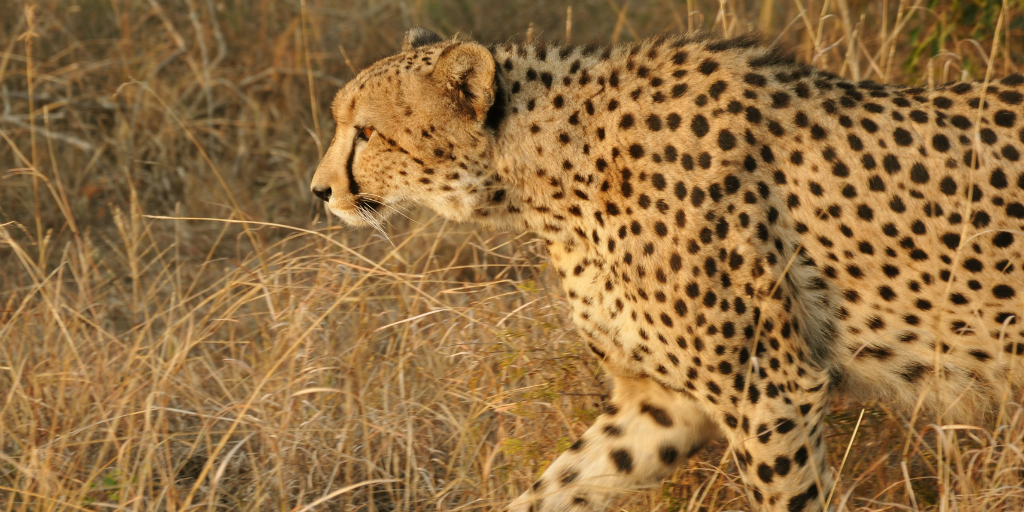
    The cheetah trumps all other land mammals in the speed department, and this has to do with how quickly they can go from standing still to reaching phenomenal speeds – also known as acceleration.

    The record among cheetahs was officially set by Sarah, an 11-year-old cheetah from the Cincinnati Zoo in the United States, who blitzed through a 100-metre stretch in just 5,95 seconds. This dashing young lady was also radar-timed and caught moving at a speed of 98 kilometres per hour.

    These are epic abilities when compared to the fastest Olympic athlete – Usain Bolt – who set a “human” 100-metre speed record in almost double Sarah’s time, or the fastest horse which clocked in at a top speed of only 89 kilometres per hour.

    The cheetah has pushed mammalian capabilities and our understanding of high-performance predators to the brink – and has left us feeling a bit whiplashed!

    How is the cheetah adapted for speed?

    In some ways, the build of the cheetah can be compared to the whittled limbs of leaping buck like springbok and impala. The sleek lines of high-speed birds like peregrine falcons also hint at some of the aerodynamics that make it possible for cheetahs to reach jaw-dropping speeds.

    All of these animals are built for fast acceleration, and you’ll get a lot further in learning all about cheetahs by becoming acquainted with their swift-creature features. Here’s a look at some of them:

    1. They outpace other big cats because their leaner and sleeker builds make them more aerodynamic than the rest.
    2. The cheetah is the only big cat with semi-retractable claws. This gives them more traction while running and allows them to push to top speeds.
    3. Having incredible eyesight and hunting during daylight hours makes it possible for cheetahs to pounce on prey with precision while travelling as fast as a sports car on a highway.
    4. They have powerful muscles and flexible spines that allow them to pick up and maintain high speeds.
    5. Because dashing about at great speed takes tons of energy, the cheetah has wide nostrils, big lungs, a strong heart, and large arteries that make it possible to pump lots of oxygen to the cheetah’s working muscles.
    image

    Is there another cheetah besides the African cheetah?

    While the African cheetah that prowls the savannah is the most well-known, they’re not the only one of the species.

    In fact, a small and critically endangered group of cheetahs lives among the desert terrain of Iran in Western Asia. They’re known as Asiatic cheetahs and are smaller in size and more slender in build than African cheetahs.

    Because of their slighter figures, scientists believe that the Asiatic cheetah may be even faster than the African cheetah. But, to date, there’s no data to show that they’ve broken the record just yet.

    But wait, what’s the other spotty wild cat called then?
    image

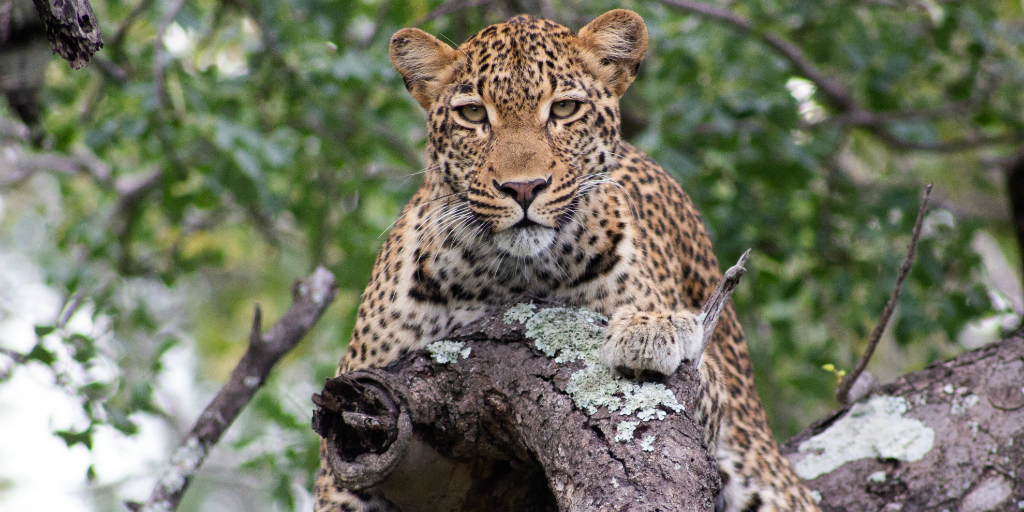
    Leopards are another type of dotted wild cat that you may mistake for a more muscular cheetah.

    What are the biggest leopard and cheetah differences?

    Both the cheetah and the leopard boast dark dots sprinkled across gleaming golden pelts.

    But look a bit closer and you’ll see that these spots aren’t actually the same, and they’re one way to spot the difference between a cheetah and a leopard.

    The cheetah has solid spots that are pretty uniform in size across their bodies. Leopards on the other hand have rosettes, which are black rose-shaped markings. These rosettes range in size depending on where on the body they’re found.

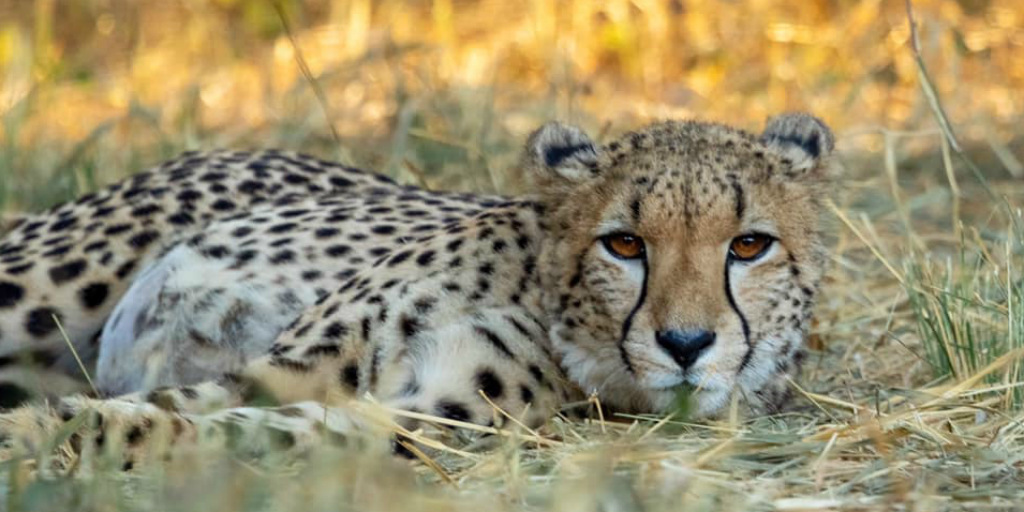
    Cheetahs also have tear marks, black lines running down their faces from the inner corner of each eye. These are one of the most obvious leopard and cheetah differences.

    But beyond their markings, if you saw a cheetah and leopard side by side in the savannah, you’d probably spot some obvious differences straight away. These are just a few:

    1. Leopards are bigger and bulkier than cheetahs, with significantly bigger heads.
    2. The cheetah has a flattened tail, while the leopard’s tail is tubular in shape.
    3. Leopards and cheetahs have different coloured eyes. The green-blue colour of leopard’s eyes are quite different to the cheetah’s amber-coloured orbs.
    4. If you’re lucky enough to spot a cheetah and leopard hunting, you’ll see that cheetahs trip up their prey while running at high speed while leopards stalk their prey before pouncing on them.

    Why are cheetahs endangered?
    image

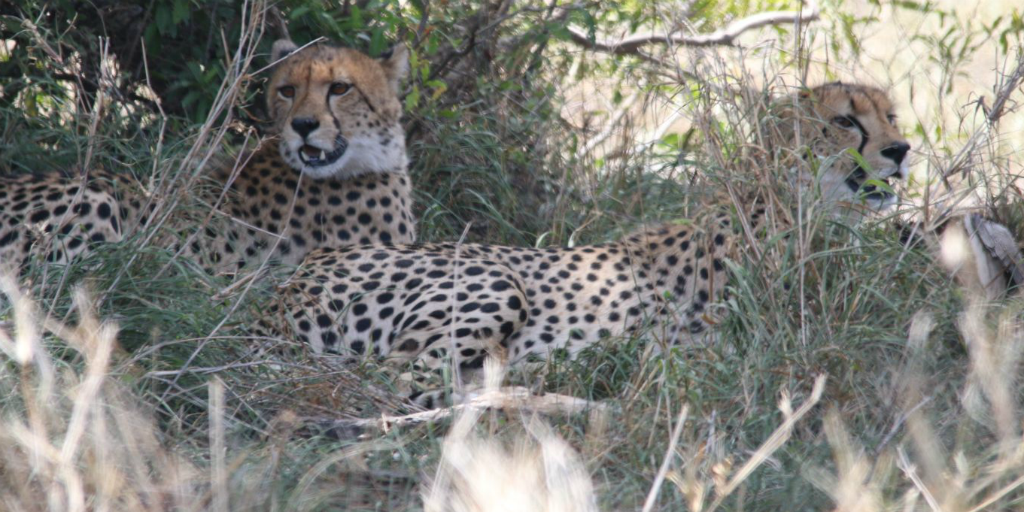
    The cheetah, with its speedy superpower, is one of Africa’s most well-known animals.

    But, while their build allows for quick acceleration, it doesn’t make them big in the muscle department when compared to other big cats, nor does it give them super strength.

    This means that when cheetahs come up against stronger predators like lions or leopards, they’re at a disadvantage. Lions and hyenas are known to prey on cheetah cubs. This has a big impact on the cheetah’s population size.

    Add to this the fact that the wild spaces that make up cheetah habitats are greatly affected by habitat destruction, and you’ll have some of the top answers to the question “Why are cheetahs endangered?” In Africa and Asia, the expansion of agricultural areas, roads and human settlements has seen the cheetah’s natural habitat offering less and less space for them to live and reproduce.

    According to the International Union for Conservation of Nature’s (IUCN’s) Red List, there are just over 6,000 mature cheetahs around today. This is down by 94,000 individuals when compared to the early 1900s.

    In addition to this, the cheetah was once found in 44 different countries across Asia and Africa but can only be spotted in 29 countries today. So it’s easy to see why these clawed creatures are in need of conservation.
    image

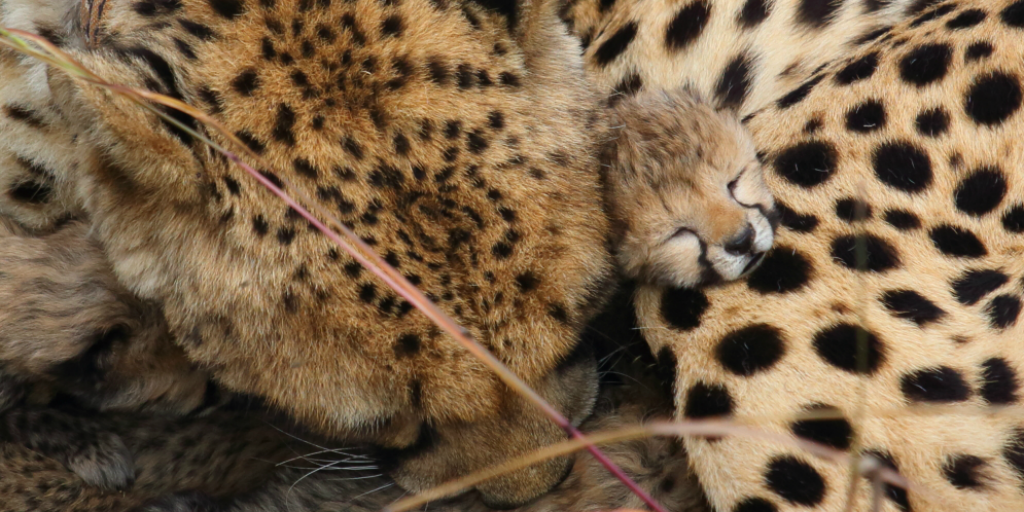
    After learning all about cheetahs, you probably have some good answers to the question “What is a cheetah?” You’ll even be able to start up a conversation about the difference between a cheetah and a leopard, and drop some interesting facts about cheetahs while you’re at it.

    While this may be great for your ego, there are also ways that animals can benefit from you knowing all about cheetahs. With a wealth of knowledge and an eagerness to match it, you’ll be able to raise awareness on the conservation status of cheetahs and the challenges they’re facing, and continue to grow your wealth of cheetah facts and information.

    This will set you up to make a bigger impact in conservation activities aimed at the cheetah, or even start a career in cheetah conservation. In the end, knowing all about cheetahs and applying this knowledge can go a long way in preserving cheetah habitats. And this adds to the well-being of cheetahs and the animals that share an ecosystem with, and depend on the cheetah for their own survival.

    Sign up for Bushwise Field Guides’ Field Guide Association of Southern Africa (FGASA) Field Guiding online course and learn all about cheetahs and other species.
  • Now for the fun stuff

    By: Christopher Magee

    Before we knew it, the sun had set on the second semester and a new day had started in the third semester. In our week off, I had been studying really hard for what was the most important and difficult test which kicked off the third semester – our Level 1 IFGA test. I was feeling quite confident with the amount of studying I had put in and I felt ready as ever when I went in. But…. I also came out just as stressed after the test. Later that evening I was told that, based on our trainer’s preliminary review of our tests, I had passed! That made it a really great start to the third semester.

    image

    The third semester had started with a bang and we had jumped into so many new things. For one, we had started doing our own game drives on a big 5 game reserve. It was a new experience and we had to learn how-to guide on our own – it was important to show our guests the wonders of nature in our own unique way. Of course, we had our guides with us to help out when we needed them. However, there is so much to talk about when it comes to nature. I sometimes felt like I knew nothing, but I have also learned that a field guide will never really know everything and that is what makes this career fun and interesting: you get to learn something new each and every day.

    image

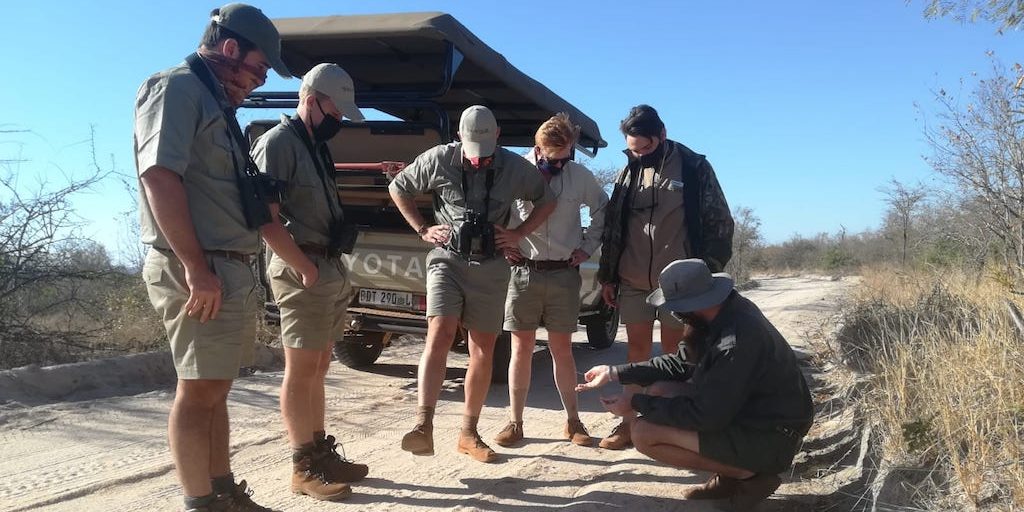
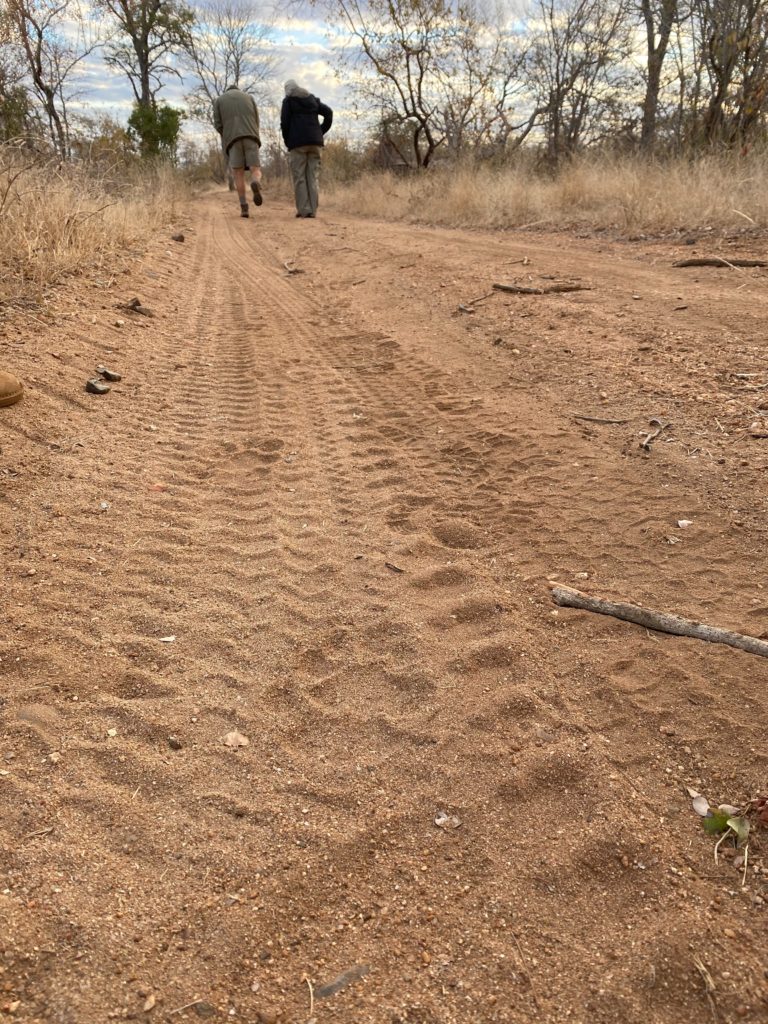
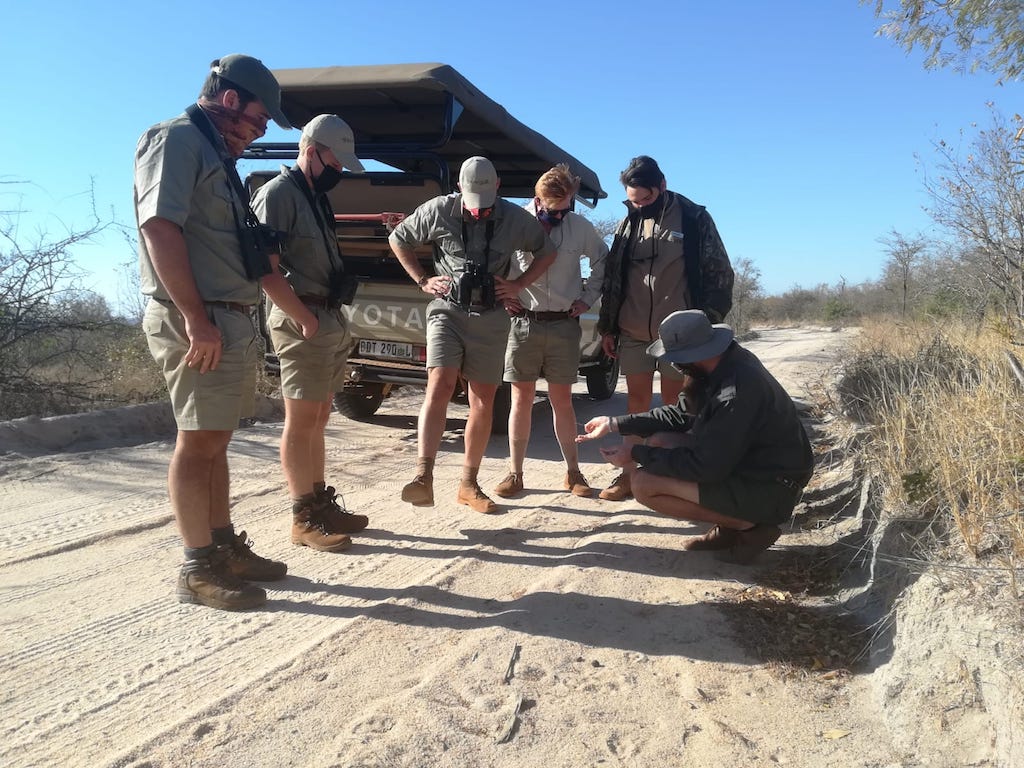
    In this semester there were two important activities that we received training on.  This included track and sign training and rifle training. It was fun to practice and grow our knowledge in these areas. I enjoyed shooting a .22 and a .223 calibre rifle at the shooting range and obtaining the experience to protect my guests should the need ever arise. The track and sign practice, and then the assessment, was most enjoyable as well. In our assessment, we had to identify certain tracks and I was very happy to receive a Level 2 Track and Sign badge. I was excited and proud to share my achievement with my family and friends.

    image

    Coming to the end of this semester, I was excited to go home for a week as I had not seen my family for two months. I was missing them quite a bit. It was so much fun to share the wonderful pictures that I had taken during my time at Bushwise and answering the questions that arose about the wonders of nature. It made me realise how much I had learned and how excited I was to continue learning and growing my knowledge. Even though I will be sad to leave my family again, I was excited to return to my second family in the bush and continue to expand my knowledge of the amazing African wildlife.

    image

  • Why Bushwise offers the best accommodation for aspiring field guides

    BY: Tasneem Johnson-Dollie

    Disclaimer: A number of images in this article were taken pre-COVID-19.

    Living in the bush isn’t easy, but when you’re in the best accommodation it can add to your field guiding experience in a big way. 

    The longer you stay in the bush, the more you’ll learn about field guiding and the savannah environment. On Bushwise Professional Field Guide course, you could spend almost a year living and working in the wild.

    What’s it like living in the bush for so long? And what is the on site accommodation like?

    Read on to find out the answers to these questions, as well as five reasons why Bushwise offers the best accommodation for aspiring field guides.

    What to consider when preparing to live in the bushveld

    image

    One thing you should be clear on before travelling to take part in a Bushwise course is that the campus is in an isolated spot in Limpopo.

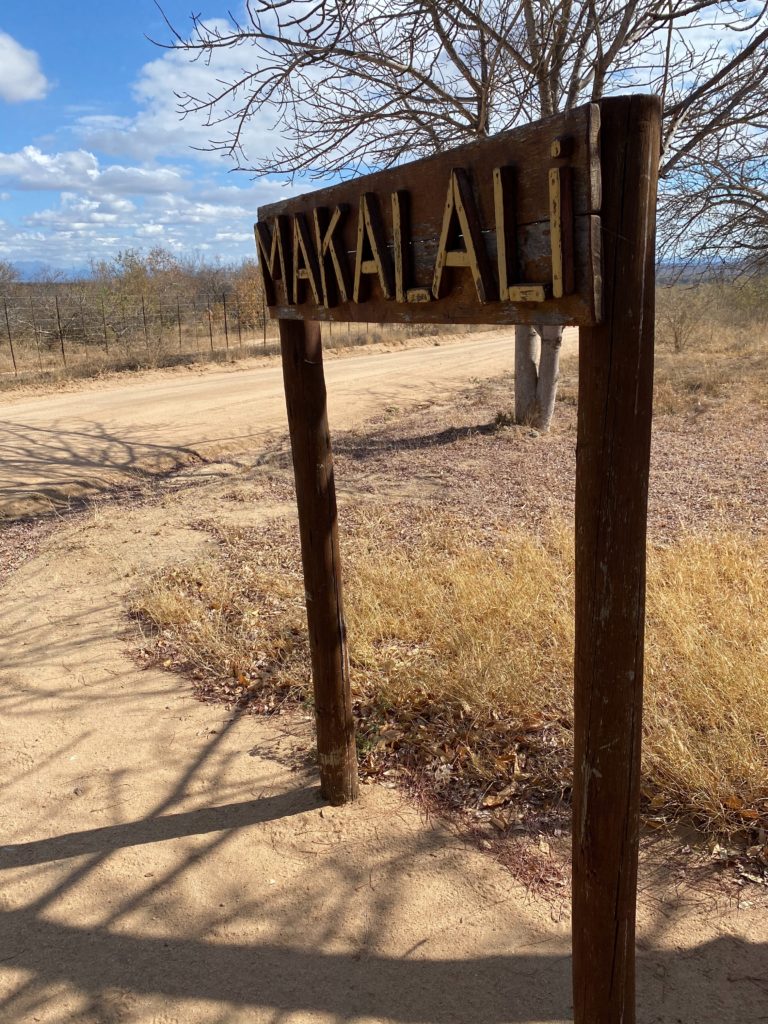
    Bushwise’s student accommodation is located at the Mahlahla camp just outside the gates of the Greater Makalali Game Reserve. This private reserve is a 50-minute drive from the town of Hoedspruit, and is the perfect place for students to become immersed in the African bushveld.

    It’s home to the Big Five animals – as well as myriad African antelope, small mammals, reptiles and insects.

    A big part of the appeal of a Bushwise course is that you’ll be in student accommodation that’s in the wild. So becoming a field guide also means having the opportunity to get away from the hustle and bustle of city life, and slow down and take in the sights and sounds of nature.

    Further reading: Overcoming some challenges

    What’s Bushwise’s site accommodation like?

    image

    Located in the lowveld region of the Limpopo Province, the Bushwise campus is something like an oasis in the savannah.

    Driving to campus from the airport will take some time – up to six hours. But this is the perfect amount of time for you to adjust your city senses to the expanses of tall grass and rocky mountain views that will be the backdrop to your field guide adventure.

    As you travel deeper into the savannah, you may start to wonder how well you’ll fare in these vast plains, with fewer and fewer buildings in sight the closer you get to your destination.

    Take a breath, because the next thing you know you’ll be pulling up to Bushwise’s campus, which is nestled into the sun-baked scenery of the lowveld.

    Bushwise’s on-site staff are pros at introducing newbies to the ways of the wild. They’ll start you off by allowing you time to settle into your room before orienting you to the campus and the course.

    image

    The site accommodation sees to all the essentials you’ll need while studying in the bush, including a:

    1. communal kitchen
    2. dining room
    3. ablution block
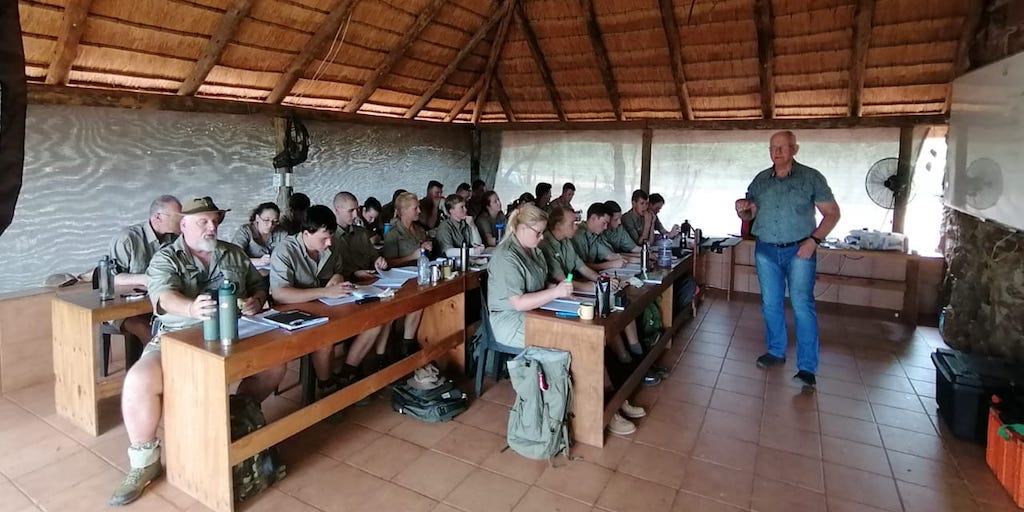
    4. fully functional and equipped lecture room
    5. rondavels that are shared between two students
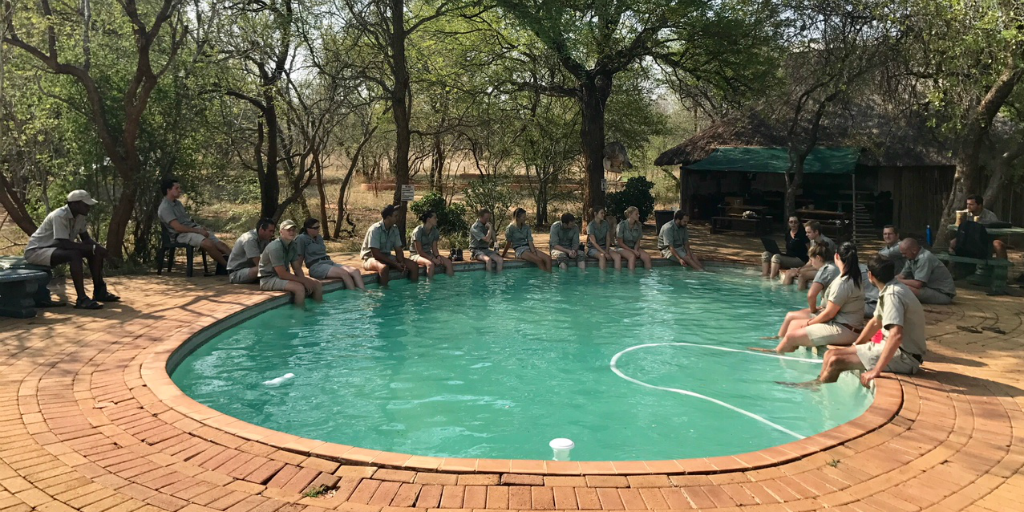
    6. swimming pool and boma braai (because taking a break is important too)
    7. access to wireless internet.

    But let’s not waste time dropping hints as to why Bushwise has the best accommodation for field guiding students.

    Here are five reasons why student accommodation on the Bushwise campus is tops.

    1) Bushwise has a world-class campus

    image

    Where you study to become a field guide is an important part of the credibility of your qualification, and the quality of your learning experience.

    The best field guide training campuses ensure that:

    1. health and safety is prioritised on campus as well as out in the field
    2. the facilities allow for comprehensive theory and practical lessons
    3. student supervision and assistance is part and parcel of every experience
    4. you’re surrounded by nature on a daily basis
    5. students can work with a wide variety of African animals.
    image

    Because Bushwise partners with a reputable wildlife reserve, and has experienced and knowledgeable staff, our courses offer all of this and more.

    The Makalali Game Reserve stretches over 25,000 hectares and is a registered protected area.

    From here, Bushwise students get to see first-hand the type of daily activities that conservationists do. The reserve’s main aim is to try to re-establish the ancient wildlife migration routes that ran between the Kruger National Park and the Drakensberg mountain range.

    They’re all about ethical interactions with wildlife that add to the conservation of African animals in the most impactful ways. So, you’ll get involved in work focused on ensuring the well-being of the animals that call this reserve home.

    image

    Makalali has also assisted in preventing the culling of animals by taking in elephants from neighbouring reserves. And you’ll be able to draw on the experiences of staff who’ve been involved in these efforts while on campus!

    So where better to get a feel for African plants and animals, and the types of activities you’ll do when working as a field guide?

    Working from this campus, Bushwise students continuously achieve the highest pass marks in the industry.

    There’s also the Bushwise Employment Guarantee, which is only possible because of the comprehensive training and training facilities on offer at the Bushwise campus.

    2) You’ll have everything you need

    image

    Because not everyone grew up hobnobbing with African wildlife in the lowveld of Limpopo, you may be a bit more anxious than you expected when arriving at your student accommodation.

    It helps to know that you’ll have everything you need at Bushwise’s site accommodation, and these creature comforts will make settling in so much easier.

    The kitchen is where Iris – the campus cook – will whip up dishes that will get you well acquainted with traditional food in South Africa. Whether it’s a waterblommetjie bredie, or a Cape Malay-style curry, what could lift your spirits more than home-cooked comfort food?

    You can look forward to having two cooked meals a day in the company of your fellow students and Bushwise staff. And if you’re feeling peckish in between you can top up with the fruit, cereals, porridges, tea, coffee and bread available on campus.

    Keen on trying out other traditional food in South Africa? Well, there’s always the option to take a 50-minute trip to Hoedspruit during your free time. You can get a taste for the town’s specialities at the local restaurants – which include pizzas and pastas with a South African spin.

    image

    And when you find that it’s your friends and family you’re craving instead of food, you don’t have to resort to snail mail. The campus has access to wireless internet, and you’re encouraged to bring along your own cell phone so that you can easily connect with your loved ones.

    Besides moments of homesickness, you’ll keep busy on campus, and won’t have much time to feel down during your field guide training. And, after a hard day’s work under the African sun, you can unwind with a hot shower in a clean and comfortable ablution block.

    Feeling refreshed? Next, why not stroll around the campus perimeter and take a whack at describing the wildlife you see using your best David Attenborough impersonation!

    Round up your wildlife documentary just in time to stop off at the laundry and get your uniform in tip-top shape for the next day. This is one of the best accommodation services because it makes it easy to maintain your course attire, which you’ll need to wear each day.

    At the end of the day, it’s up to you whether you wind down with a fire-side get-together, or leaf through a book on your bed. But you’ll rest easy knowing you have everything you need for a comfortable stay at your site accommodation while learning to become a field guide.

    3) You’ll stay connected to nature

    image

    Seeing wild animals often is a great way to ground the theory you learn in a real-life context.

    This will get you in tune with animal behaviours sooner, and help you gain a better understanding of the bushveld ecosystems.

    And Bushwise’s student accommodation caters for just that. The campus is home to porcupines, aardvarks, birds and leopards.

    Of course, you’ll be able to view them from a safe distance because the site accommodation is fully enclosed by a fence!

    Remote camping is also part of the training you’ll receive as a Bushwise student. So you’ll not only get to step out of your student accommodation into the African wild, you’ll get to sleep in the wild too!

    image

    Further reading: Our first sleep out in the bushveld

    This is when your first-hand animal sightings will really start to add up.

    Out in the field you’ll be able to spot:

    1. buffaloes
    2. cheetahs
    3. elephants
    4. hyenas
    5. giraffes
    6. zebras.

    Further reading: The lessons

    4) Safety is a top priority

    image

    Besides all the accommodation services that make it comfortable, Bushwise’s focus on health and safety is what takes your experience in the Limpopo lowveld to the next level.

    There are dedicated Bushwise personnel on campus who know their way around the area extremely well. They’re fully capable of ensuring student safety at the site accommodation and out in the field. And these experts are the ones who will guide you through your theoretical and practical coursework.

    And, because the Makalali Game Reserve is home to larger and more dangerous African animals (like the Big Five), having the campus and site accommodation outside of the reserve provides a safe space for students to get to grips with the wild.

    And when you’re kitted out and ready to go, it’s just a short 4×4 ride to the reserve, where you’ll have access to amazing learning opportunities under supervision.

    5) You’ll get a real feel for life in the bush

    image

    Forget just observing, or just taking notes while others get stuck into the action. Bushwise courses aim to prepare you to become a field guide with hands-on experience.

    You’ll try your hand at animal tracking, 4×4 driving and navigating your way around the wild, to name but a few activities. And, you’ll work with conservationists with years of experience working in the bush.
    So by the end of your field guide training course, you’ll have in-depth experience and confidence out in the field, and be a step ahead in landing a career in conservation.

    And while it may not be what you lead with when telling your most epic tales of the savannah, remember that part of what made for an amazing experience was living in the best accommodation in the bush.

    Take a look at Bushwise’s on-site IFGA Safari Guide Course 6/12 months, and get ready to experience the best accommodation on one of the most comprehensive field guide courses out there. 

  • Game drives and more game drives

    BY: Angela Riley, Bushwise student 2020

    With the start of my Bushwise journey in July came many new experiences, all of which met my eager anticipation and blew all of my expectations out of the park. The practical drives around campus and the game drives over at Makalali are constant excitement-filled highlights of mine. Not only because of the beautiful area that we are lucky enough to explore, but because of all the knowledge we gain on the way. With regular stops and discussions about animals, trees, grasses, tracks, bird calls, and a whole lot more – there’s so much to learn!

    During our practical drives, we all have a good laugh together. These drives allow us to familiarize ourselves with the vehicle, its size, and how it runs. Admittedly, I have had some issues with my reversing skills. With that being said, I feel as though more research should be focused on the secret life of trees and their erratic movements as they always seem to find their way behind me.

    The drives also give us the opportunity to practice our pre-briefings with clients, safety precautions, and our hospitality skills during the Phuza stops.

    Our game drives outside of campus in Makalali always make my week. The crisp air when we start at the crack of dawn, when the tracks are fresh, and the birds are out. There’s always a lot to see and we learn so much from our trainers while out in the field. We have already been taught a great deal about the different types of trees in the area and have spent ages parked next to a russet bushwillow as well as a red bushwillow. Discussing the differences between the two and how to tell them apart was especially interesting.

    image

    With regular questions, the trainers keep us on our toes; making sure that we’re alert and ready at all times. We will stop and discuss animal tracks and work together in identifying them. Sometimes we park off when we find bird parties and see how many species we can identify, sometimes just from sound alone. Birds are fast becoming one of my favourite subjects to learn about and I find it so calming to sit in silence and listen to all the different calls they can make.
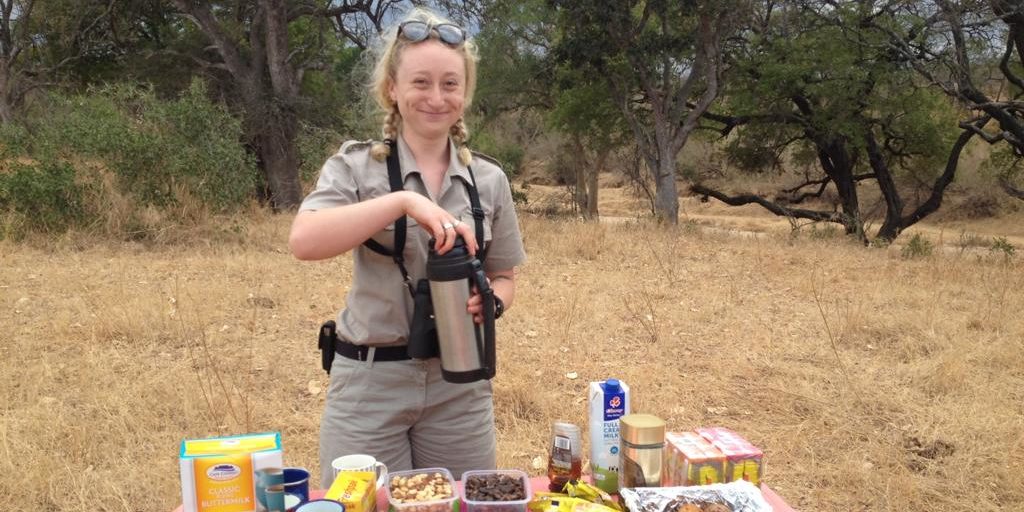
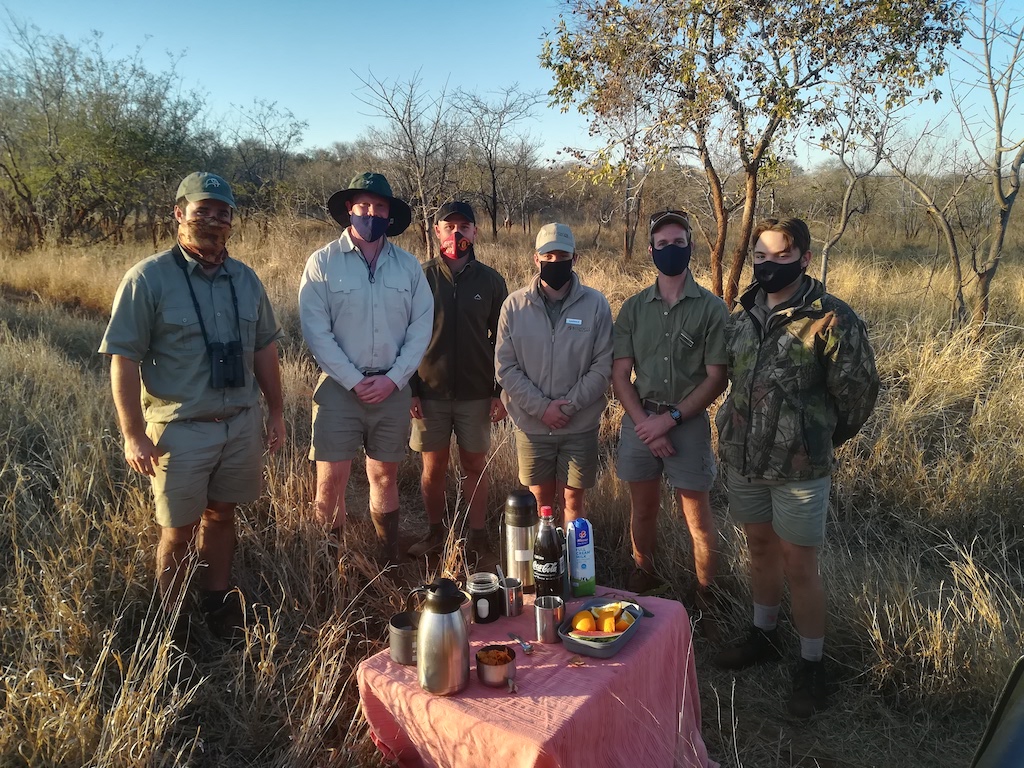
    After an hour and a half of information overload, it’s time for a Phuza stop. This is when we have our tea and coffee and spend a bit of time appreciating the little things. The spiders and scorpions hiding under rocks, the termite colonies, the animal scat, or even singular blades of grass. You start to realise that there is always something to look at. That there is never a moment where something isn’t happening or in motion.
    image

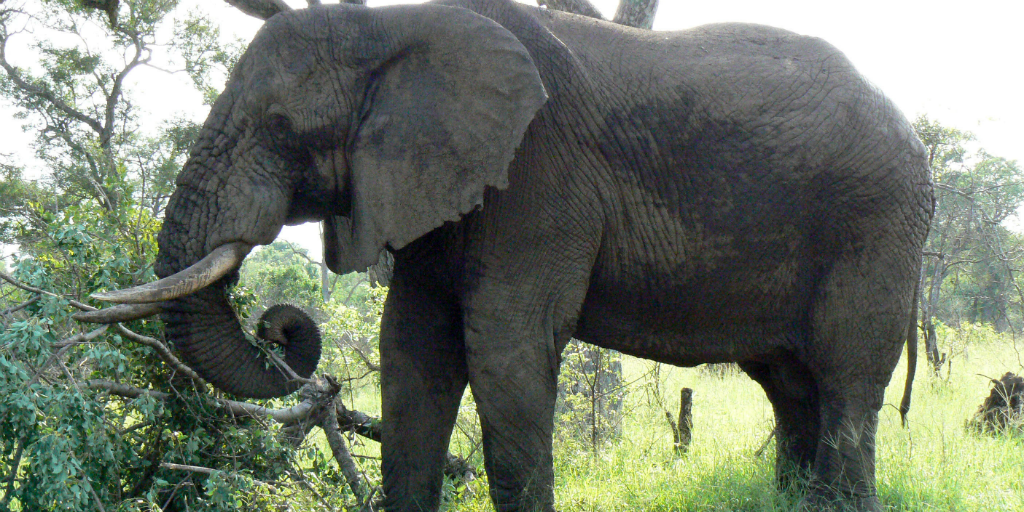
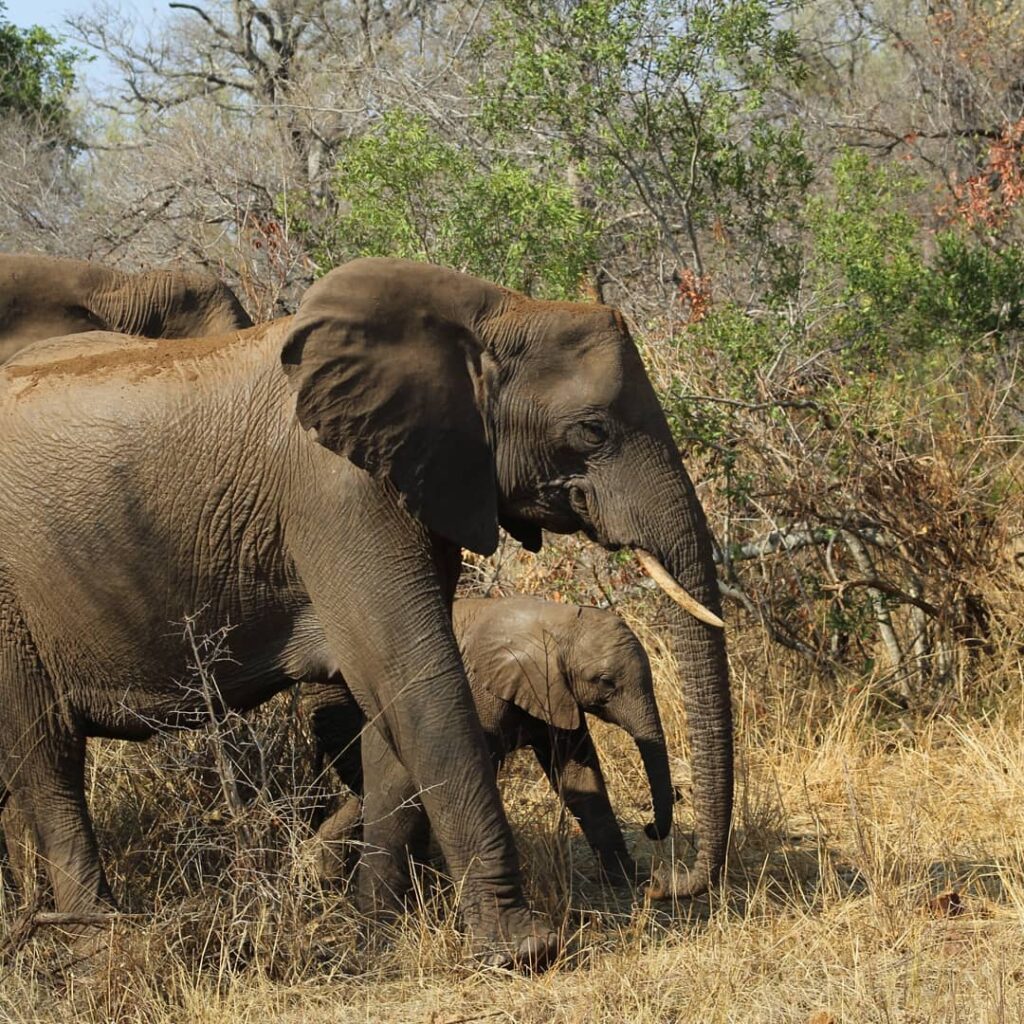
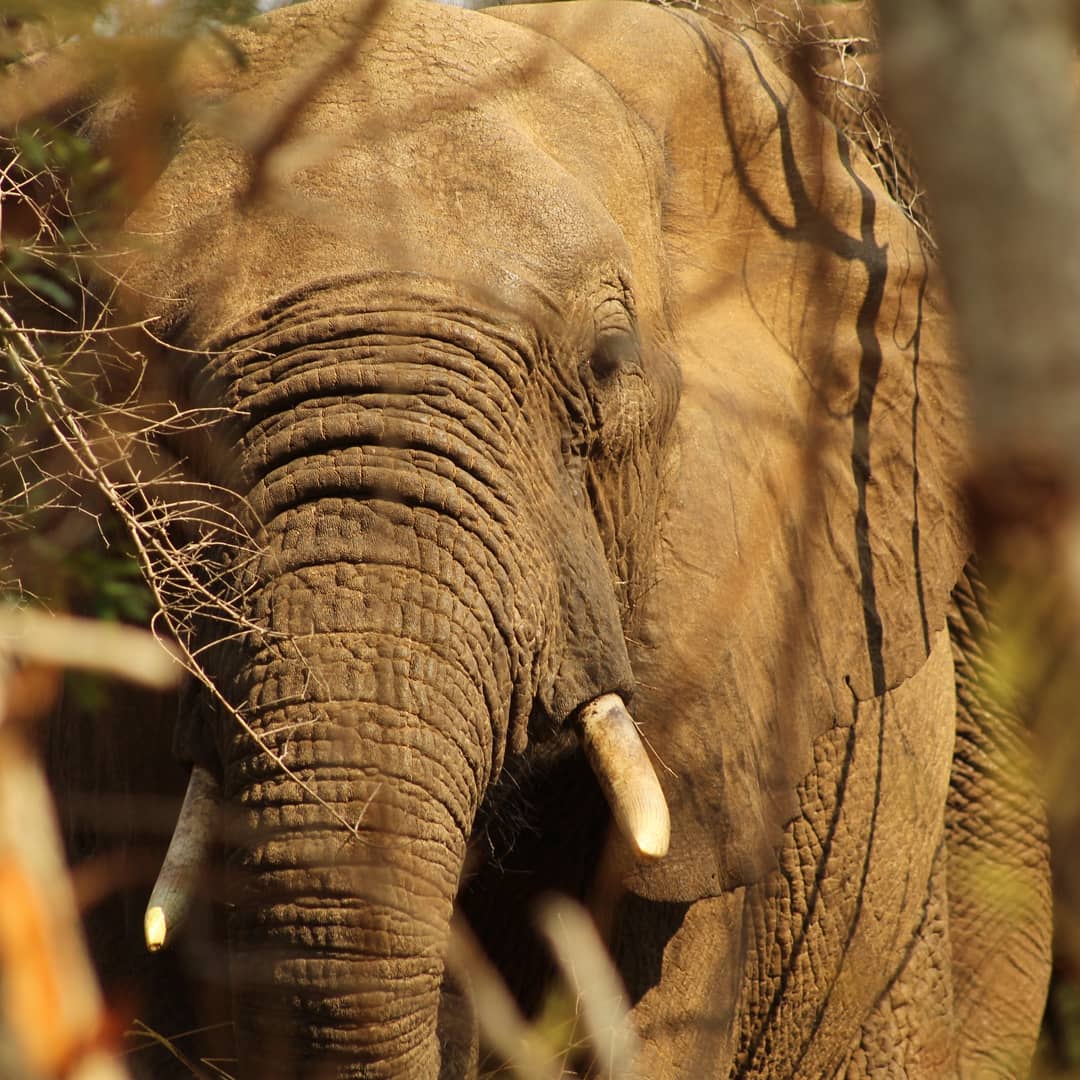
    During one of our drives, we had a spectacular encounter with a herd of elephants. Lindi, our trainer, knew exactly where to wait for them. They came right up to the vehicle and were close enough for us to see the details of each wrinkle in their skin. That moment got me so excited for a future career in field guiding and to gain the skills in judging an animals’ movements and behaviour.

    image
  • The Lessons

    BY: Alex Walker, Bushwise student 2020

    I never grew up on a farm or around bush life, I have never really seen what this industry is about. Until arriving at Bushwise, we start by learning small things around camp from the trees and the

    folklore behind them, like how the magic gwarrie can be used as a toothbrush.

    Slowly we worked our way up to our studies, learning more and more about the land that we walk on, from weather and climate all the way to the biomes of South Africa. The more I learnt, the more I became astounded with this field. The way the earth and stone were made, how the stone creates soil, the soil grows specific grass that specific species eat and the cycle continuous. From creation to destruction. All from just one month of learning, one semester is all it took for me to realize the huge passion and appreciation for the South African bush and all the life surrounding every tree and every little bee.

    image

    Now it does get a bit challenging, it’s a lot of information and a lot of work, but the way it taught to you would think you have had a passion for it all your life. The trainers just add to the experience and increase it 100 times over. The extensive amount of knowledge they have is incredible. Every Thursday we go on a game drive from early morning to late evening, each team rotates between the 3 trainers. Every time you switch a trainer its like closing one book and opening another, different experiences and stories. Each trainer has a different background, a different way of teaching, a different way of telling a story!

    It was weird getting to know everyone, you know back home you are the odd one with the bush addiction, you see a bug at a braai and wonder what it is or wonder what type of animal would eat the grass in the backyard. But coming out here, every single person has the same fascination you do. Everyone has the same love for nature, although everyone has a different love. Some people love the sound of birds and can identify them with ease, some, like me. Some love the trees and love being able to identify them, knowing what it is that you are sleeping under, being able to look at the bark and leaves and identify the difference between a Marula and a false Marula.

    image

    In conclusion, the world of field guiding is one of great exploration, the skill and knowledge put together is so rare. Only in this beautiful country of ours can we discover and explore this field. Only in the South African bush can we really discover people and ourselves. From the termite mounds and their Sandton like mounds to the hyena in their packs. We live and copy nature at every single point, and I think that every person on earth needs to experience it at least once.

  • Overcoming some challenges

    By: Chris Magee, Bushwise student 2020

    The second semester was definitely something new for me. I had overcome so many challenges and with that came a lot of respect for those that had done it before me. This included the hard work when it came to studying (with the extra pressure of making sure I meet the minimum mark requirements set by Bushwise) as well as the hard work when it came to the clearing of the bush and maintaining the reserve. It was definitely a new experience and still a massive thrill as I learn more and more about the bush and the life it contains each and every day.

    Some examples of the bush that I can say I have really enjoyed are the game drives where I had the opportunity to see the amazing wildlife and I could take some spectacular photos of my own. From the king of the bushveld to a beautiful “little” baby elephant, each and every one of these animals makes up only a fraction of what I have seen so far. I cannot wait to get out into the surroundings of nature as much as possible, just to see, admire, and capture (where possible) the beauty of nature in all its glory. I for one can say that this experience in my life right now will never be forgotten. It is one thing to experience nature from a game vehicle but sleeping out in the presence of wild animals around you is the most amazing thing I have ever done in my life.

    image

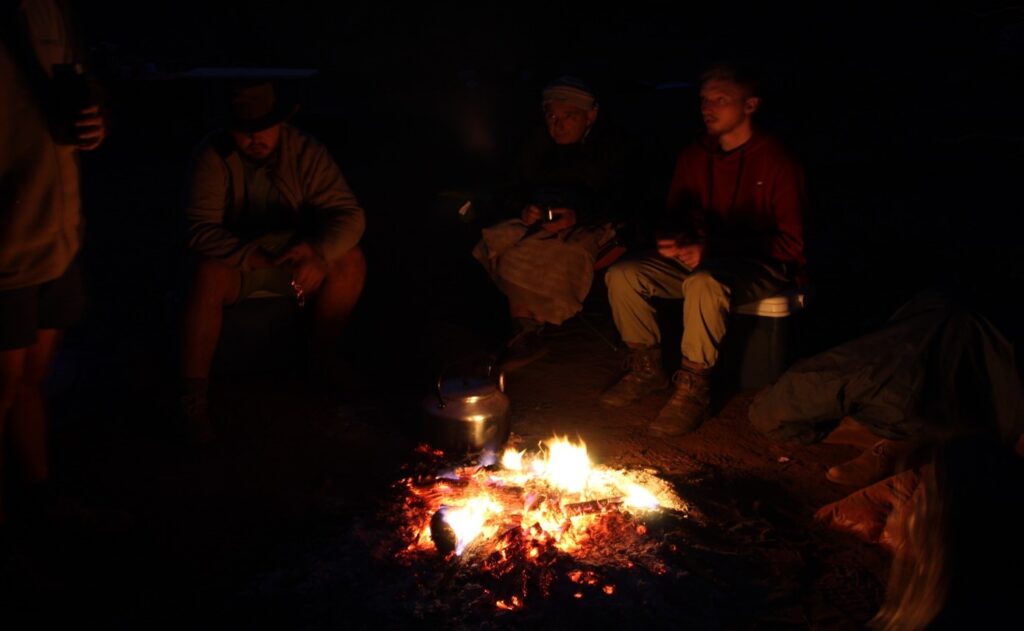
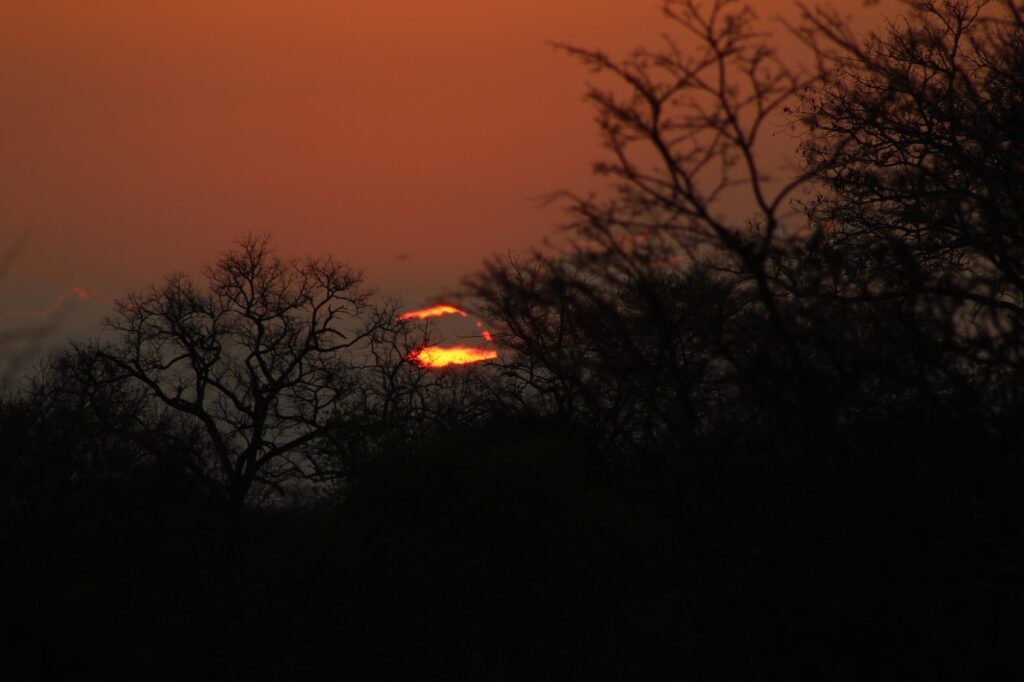
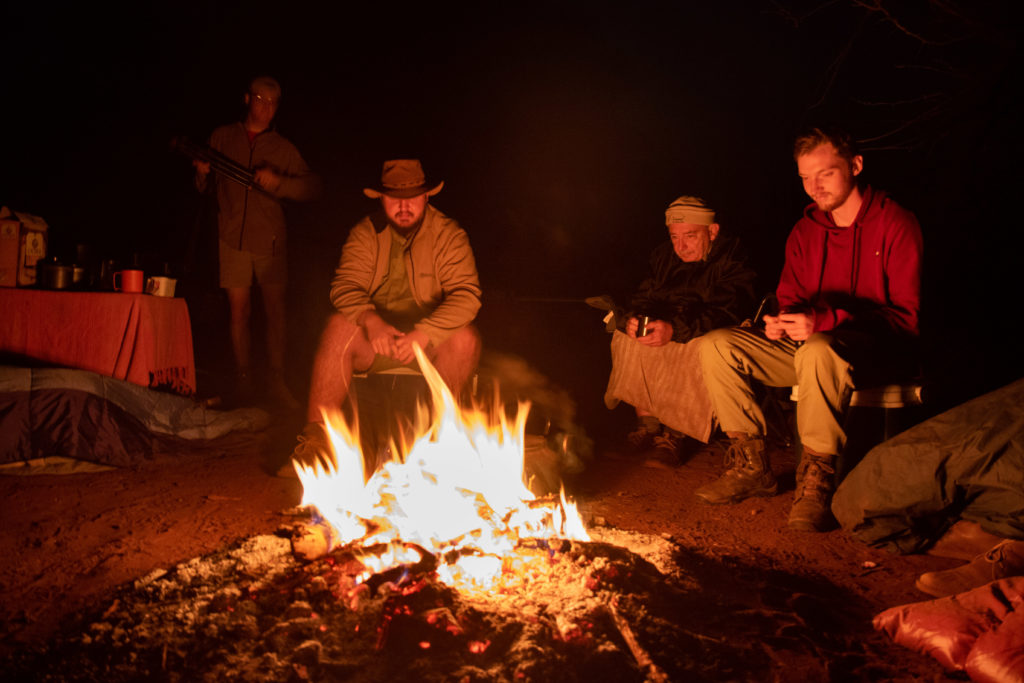
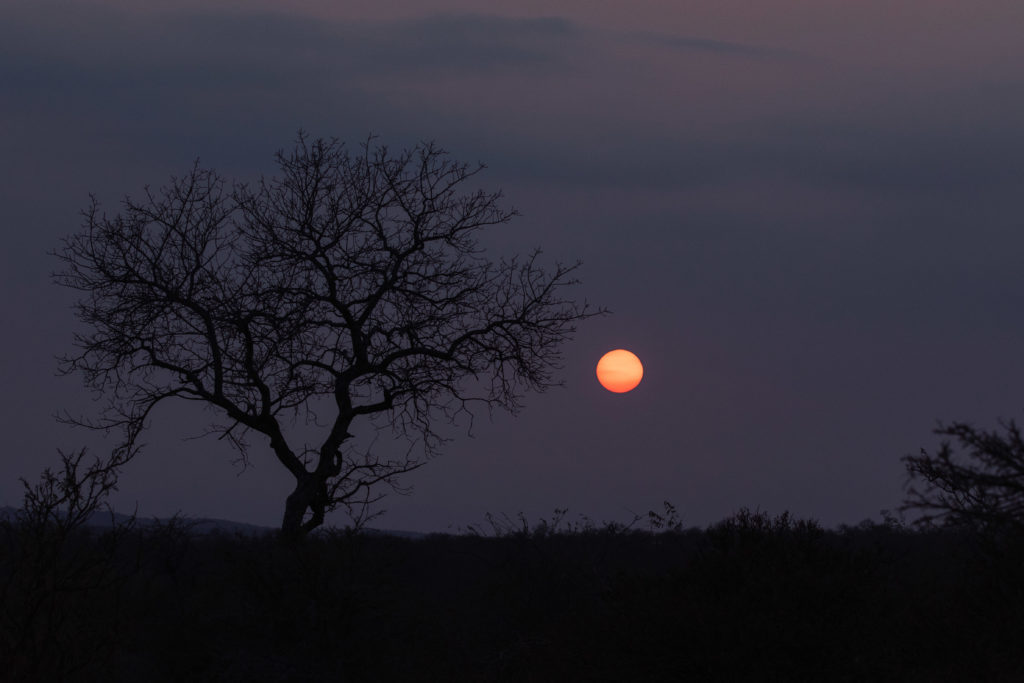
    Sleeping out in the middle of the bush was an experience that will never be forgotten. There are no manmade buildings or facilities that you find everywhere in the cities. What was so amazing about the experience was the silence of the bush and it took a little getting used to at first. When we first arrived, we had to set up camp and make sure we had a safe place to sleep – we are in the middle of the bush after all. Once we had set up, I helped get the fire going for our evening braai as the sun fell behind the horizon. Night-time was a thrill and scare on its own but hearing the lions roar and the hyenas laugh was another kind of sense of adventure. Part of sleeping in the bush is everyone having a turn to keep watch while the others slept, and I found this to be really exciting. When it was my turn, with a few others, our job was to watch the fire and look out for dangerous animals.

    image

    In the beginning, you are quite hyped up, but as the time went it was more about watching the fire doesn’t die and also making sure the scrub hares don’t come and nibble our toes because of how quiet it was. But an experience I can definitely tick off on my bucket list.

    image

    Ending off the semester was a new feeling compared to the first. I had learned so much more and I really didn’t want it to end. I have become so comfortable being at Bushwise that it is starting to feel like home and seeing everyone go their separate ways, even if it was just for a week, really made me realise how close we have all become. But I know that the sun must go down at some point or the day will never end, but I also know that the sun will always rise the next day, starting a new day, a new fresh start, and I cannot wait to experience new adventures and learn even more in semester three.

  • Our first sleep out in the bushveld

    By: Angela Riley

    Everyone was up early getting ready for our morning game drives and excited for the big five sleep-out to come on the Greater Makalali Private Game Reserve. After our morning drive, which was very quiet, we all arrived back at the campus to have some lunch and to start getting ready for our sleep out. We packed braai supplies, food, enough water to last the night, and our camping gear. The vehicles were so packed, we almost couldn’t fit in ourselves! Once packed and squashed in, we headed off and into the great outdoors – only to see the comfort of our beds the next day.

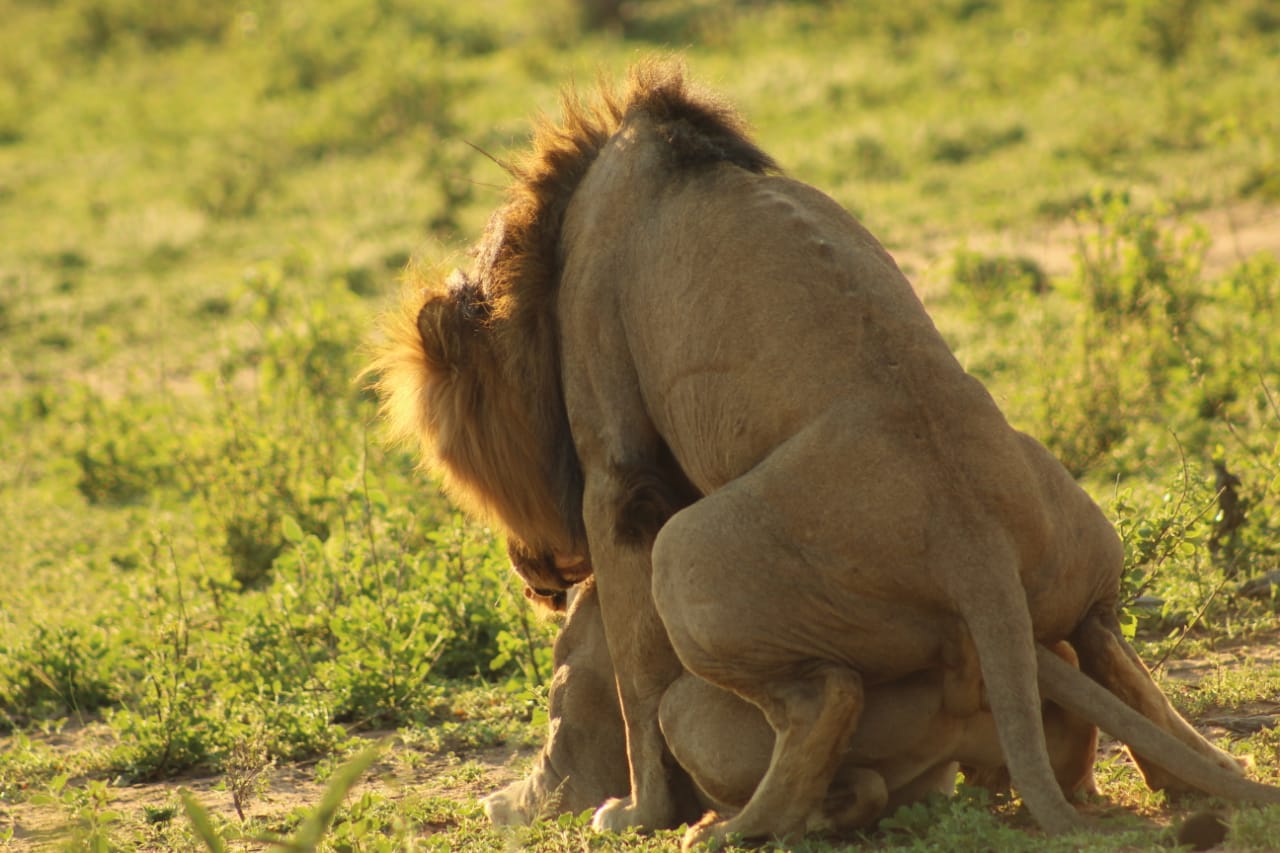
    Before parking off for the night, we took a short game drive around the reserve. We found two very handsome male lions lazing under the trees. After sitting with them for a while, it was time to leave – but the Landrover decided it didn’t want to go just yet. The Landy refused to drive forward for some time but eventually, with some encouragement, it chugged along towards our campsite.

    There was a lovely open space to set up camp, the fire got lit and we all settled in for the night. We relaxed around the fire for the first bit of the evening, all sharing stories and enjoying the tranquil night; so still with nothing in sight. We heard one Hyena at the beginning of the evening, but after that, there was complete silence. Everyone had a turn being on patrol while the rest were sleeping. Three of us would sit on each vehicle and scan the area every few minutes for any inquisitive animals passing through. During my patrol, I found being in the silence of the night and surrounded by nature so serene.

    image

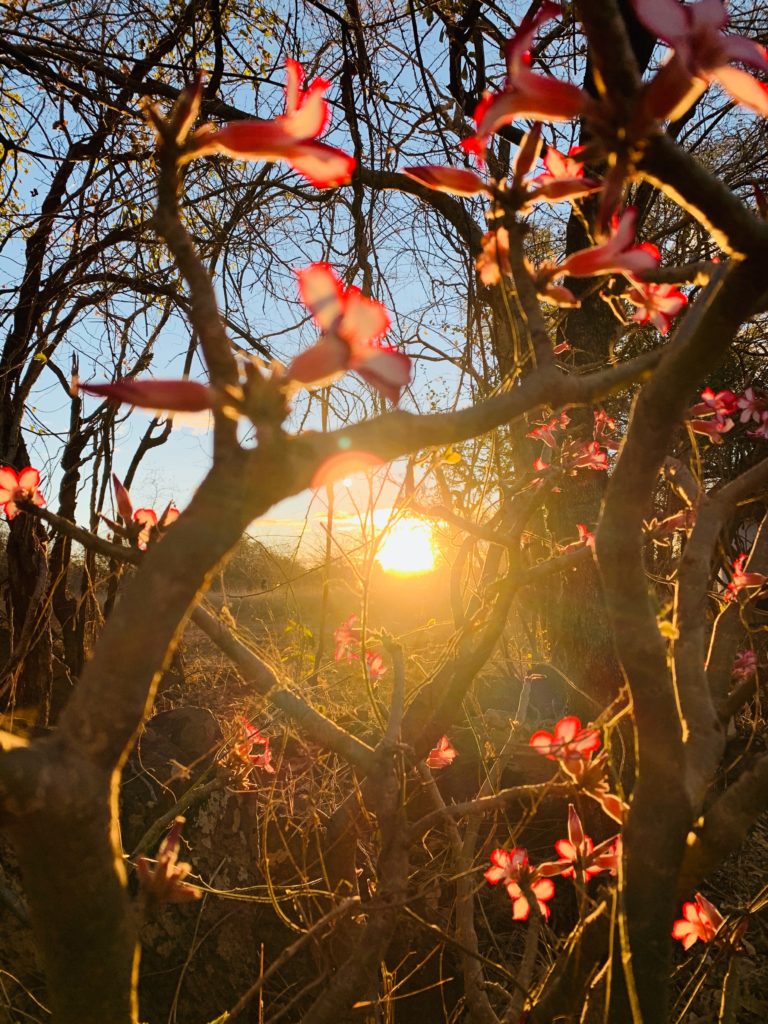
    My favourite part of the sleep out was waking up at 4:00 AM to lions roaring in the distance. It gave me goosebumps. When you’re in the bush, it’s the most incredible sound to hear. Everyone slowly started to rise from their slumber, making their way to the fire for a good cup of coffee. We had the most amazing sunrise that morning. The sun was a big red ball in the sky peeking through the morning haze.

    image

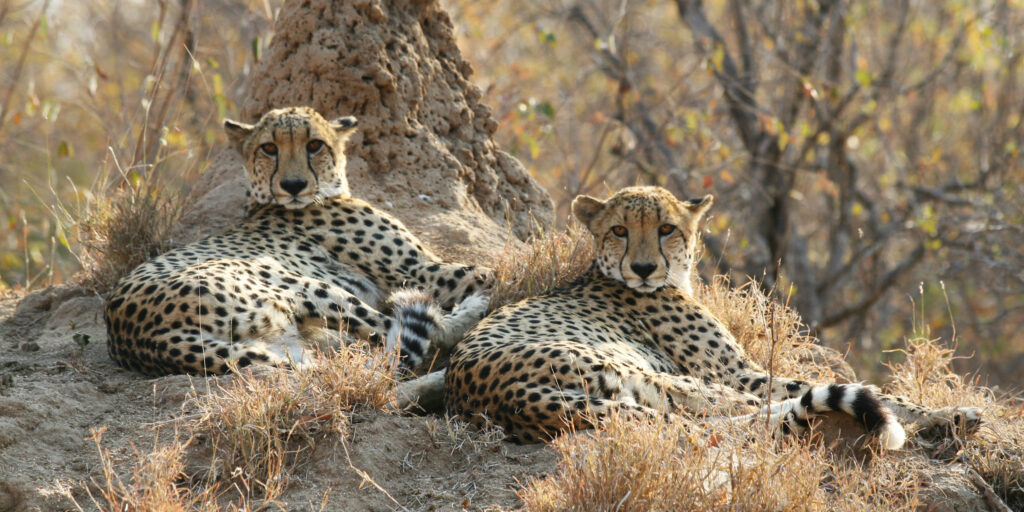
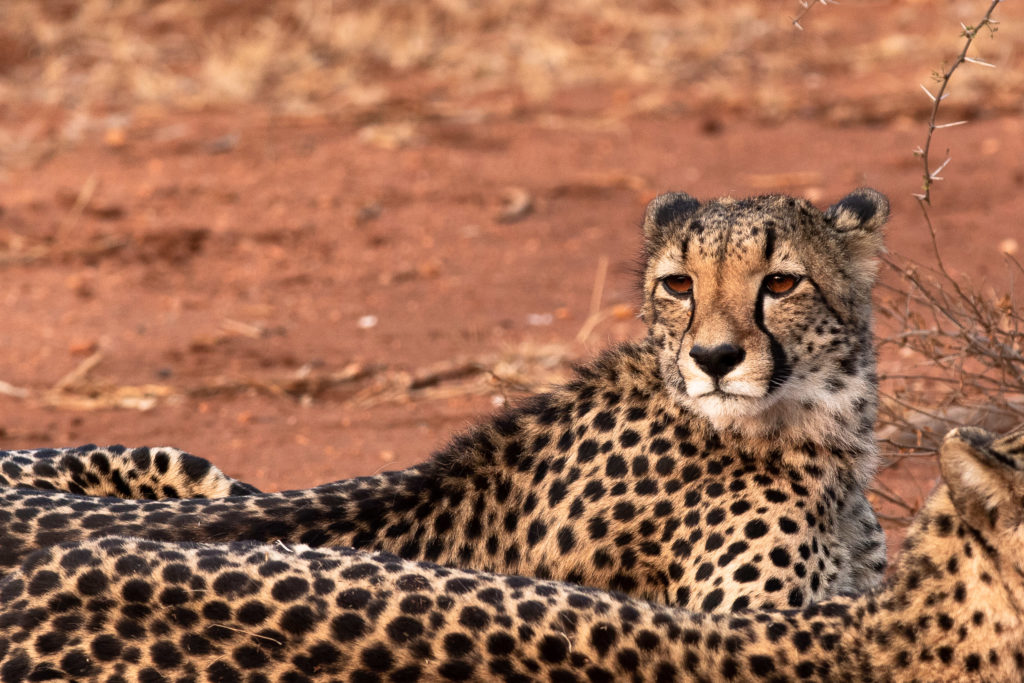
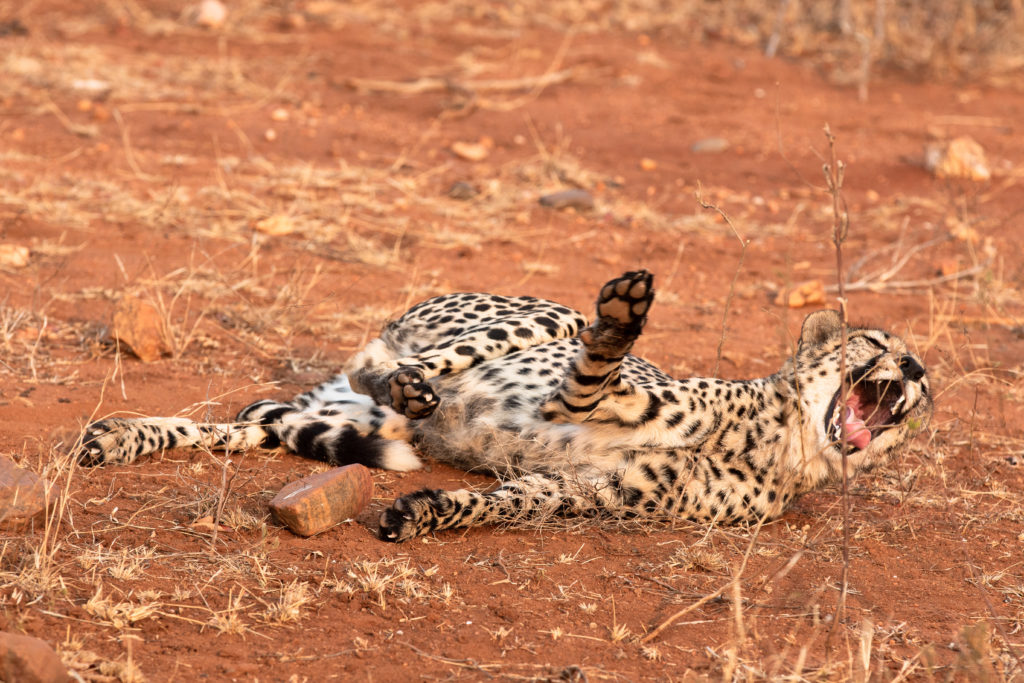
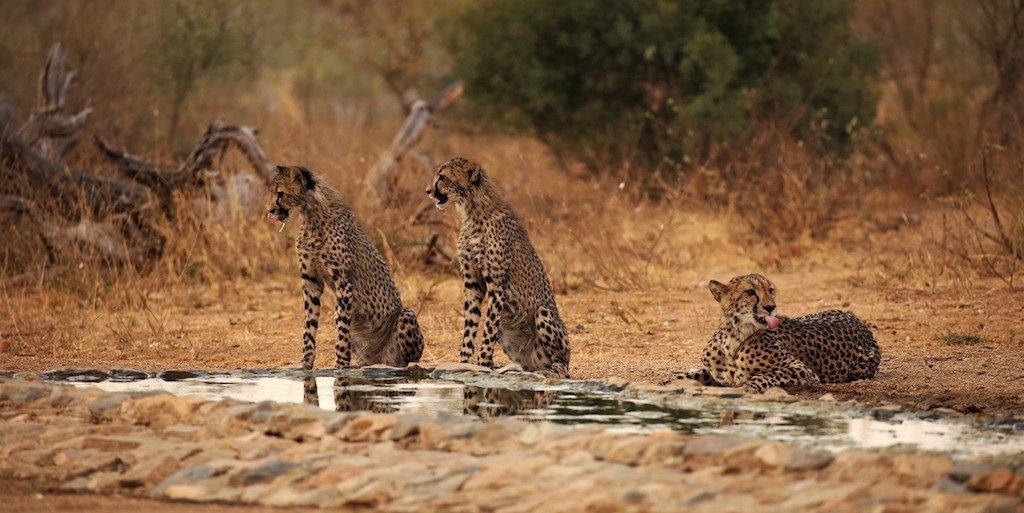
    While we were packing up and getting ready to leave, our trainer, Jack, and one of the students, Alex, came running back to camp from their walk and casually asked if we would like to see some cheetahs. Not too far from where we were sleeping, three cheetahs had parked off in the morning sunlight. It was such an awesome sight. We decided to quickly finish packing, hopped in the car, and drove a little closer to view the cheetahs. They were so placid, grooming each other and rolling in the sand. We spent quite a while sitting with them and enjoying their company. It was such an amazing way to end off our sleep-out experience.

    image
    image

    When we arrived back at camp, everyone disappeared for a good few hours. We were all exhausted, due to lack of sleep, and we had a test the next day to prepare for. It was good to know that we all did very well on our tests even though we had to study with only four hours’ worth of sleep. But it was so worth it!

  • Cold-blooded reptiles and the first game drive

    By: Kaden Maasch, feature photo by Samuel Bramley

    At the start of the second week of our course, I was given the duty of Camp Manager, and to be honest, it was a mix of nerves and false confidence. Everyone was more settled in and this took a lot of weight off my shoulders.

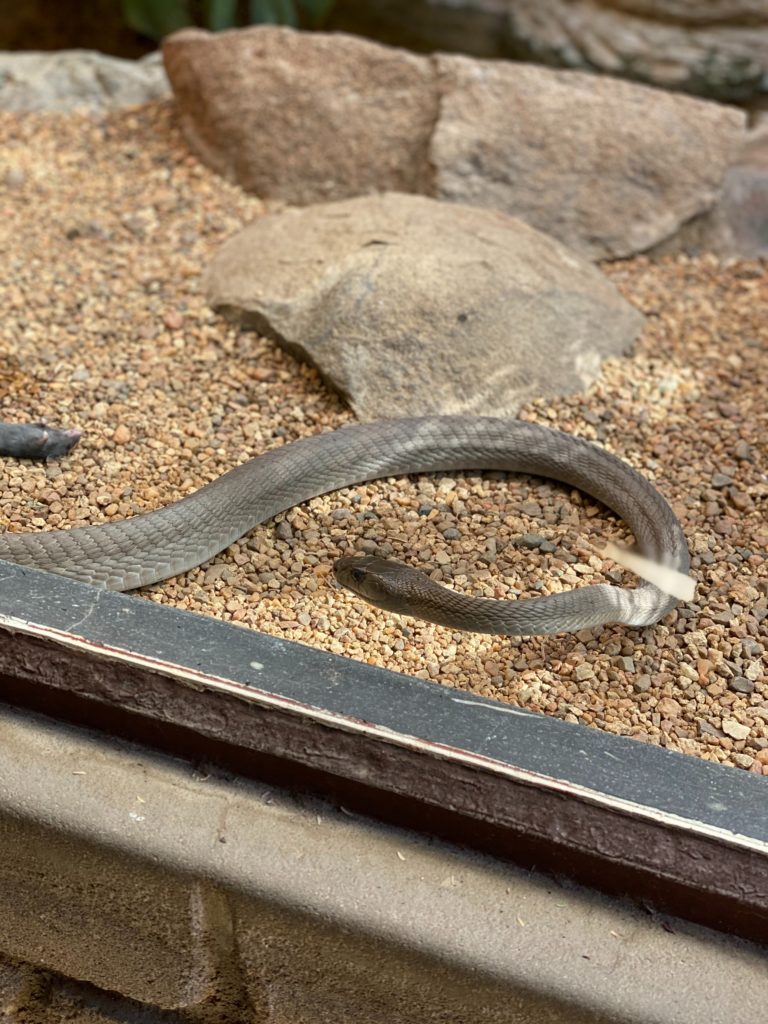
    We launched straight into the second week with a visit to the reptile park for our Reptile orientation course. This was a chance for everyone to relax and enjoy the beauty of our cold-blooded friends. We were shown a myriad of creatures, ranging from tiny lizards to Nile crocodiles who could swallow you whole without a second thought. Due to the ongoing pandemic, we were lucky enough to have the entire park to ourselves, and our guide Chris was able to give us his undivided individual attention. One of the highlights for us, as a group, was the opportunity to see a trio of mambas feeding, as well as being able to learn how to handle some of Southern Africa’s most dangerous and venomous snakes.

    image

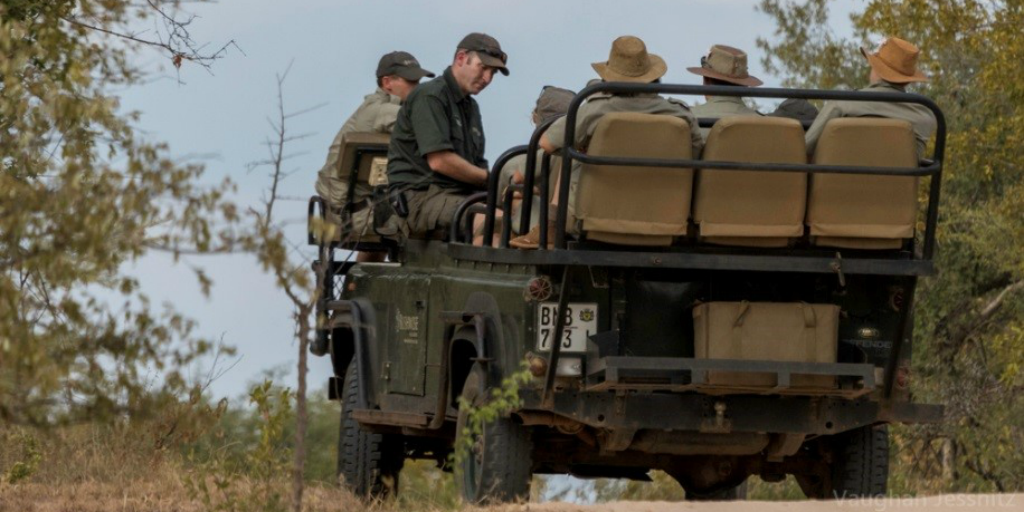
    While half of us were entertained at the reptile park, the other half was sent into town to get kitted up in their brand-new khaki uniforms. These smart looking uniforms, at first, did make us feel uncomfortable and out of place but as time wore on, we grew into them a bit more and started to develop a sense of belonging. This outing to town gave us the opportunity to explore, socialize and get to know our fellow students better, as well as being able to indulge in some rare bushveld cuisine such as a standard spur burger and a milkshake. After stocking up with snacks at Pick ‘N Pay that should have lasted us a month (they did not) we regrouped and made our way back to campus. A select few of us were lucky enough (debatably) to get a ride back with Ed on the open-top game vehicle.

    image
    image

    The next big event started bright and early with basic vehicle maintenance as well as tyre changing (while avoiding the deadly uppercut of the high lift jack). We would be required to check the vehicles before any drive from now on and this was a brand-new essential skill for many of us. Many of us were very nervous for the upcoming driving tests because some had never driven a large, off-road vehicle before. Despite our nerves we all managed to pass the test even those that had to drive the tractor (Land Rover). Now that we had proved ourselves competent behind the wheel we commenced with regular drives around campus through the coming week. Along with the drives came the responsibility of giving pre-drive briefings to our ‘guests’.

    image
    image

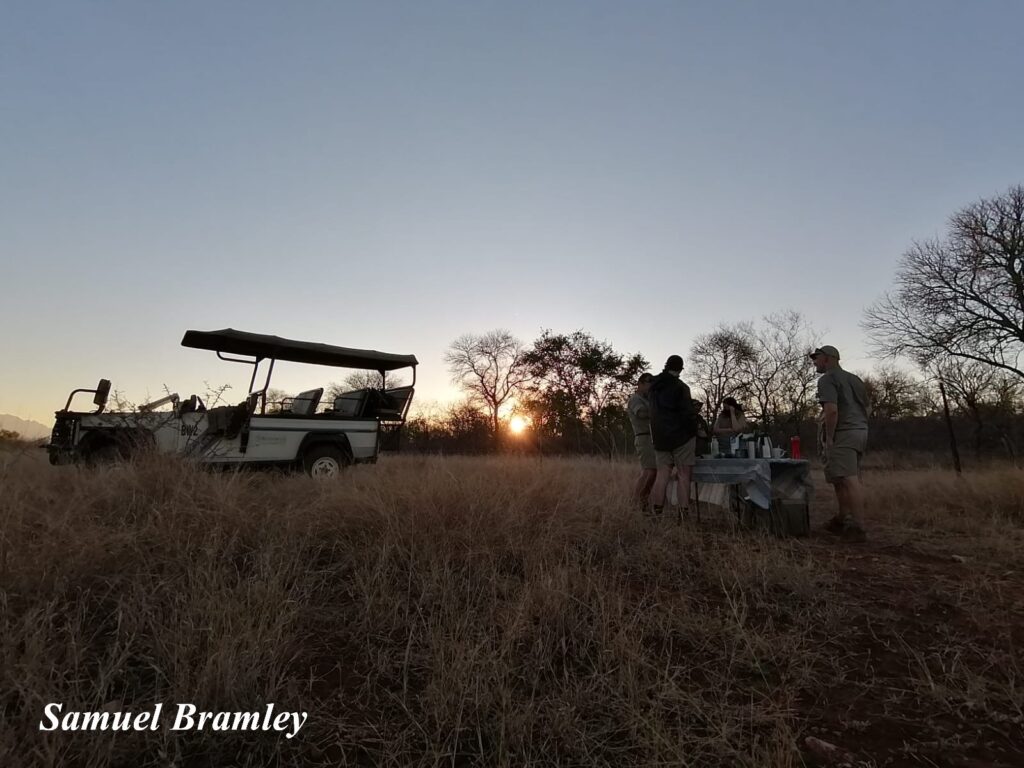
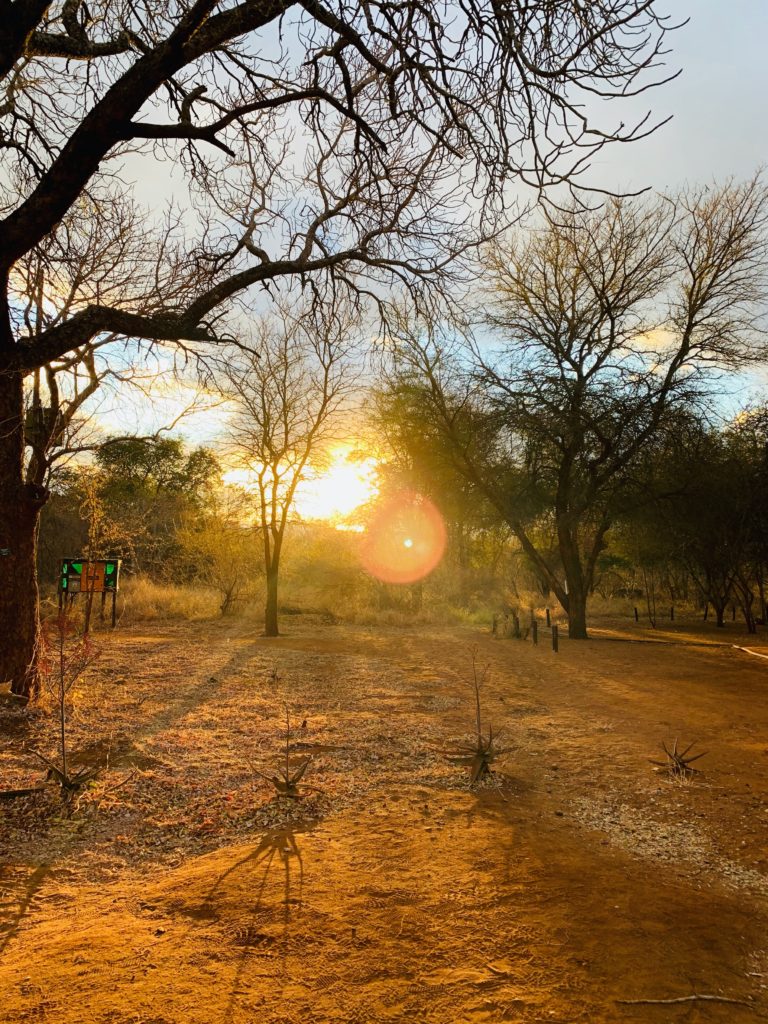
    The trainers got to show us how it was done with a very rewarding evening drive around the adjacent Makalali Reserve. Ending with a lovely ‘phuza’ (drinks) break, watching the sun dip below the horizon, painting the sky a beautiful array of colours.

    image

    So, despite all my nerves and all the other students’ nerves, my week as camp manager ended very peacefully with us settling into our new student lives.

  • A camp managers perspective

    By: Zarina Cooper

    During my first week as being camp manager, I read a quote that really touched my heart and made me feel even more grateful for this experience and a new beginning, especially with all the craziness and uncertainty going on in the world at the moment.

    “Africa is not just a place. It is a feeling. Africa is the heart of the world and there are only a few of us who have been touched by her. Africa defines our soul and people can feel it, people just know…”

    image

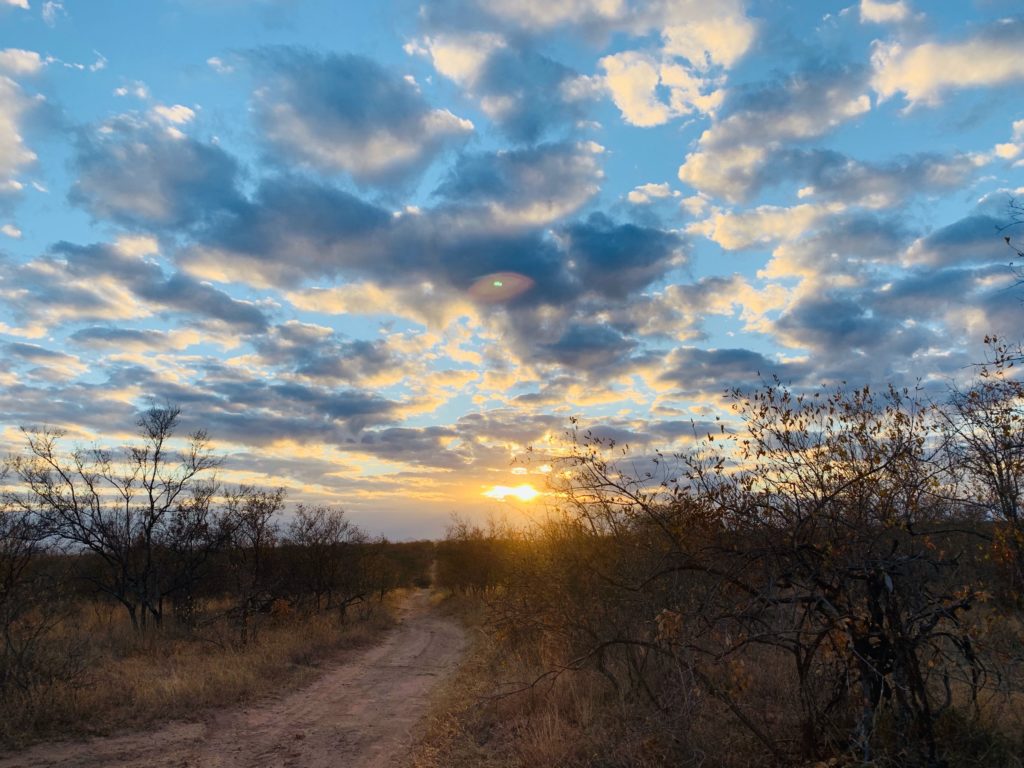
    This past week, aside from the chaos of all the tests, overwhelming workload and just missing home and my dogs, I found a few moments admiring the sunrises and breath-taking sunsets where I just thought “Wow, I live in Africa, I am so lucky to be on this journey.”

    image

    I left Johannesburg to come on this course after doing a tedious and boring corporate degree to finally follow my passion and to honestly wake up every day and feel like I have a purpose. I definitely came to the right place.

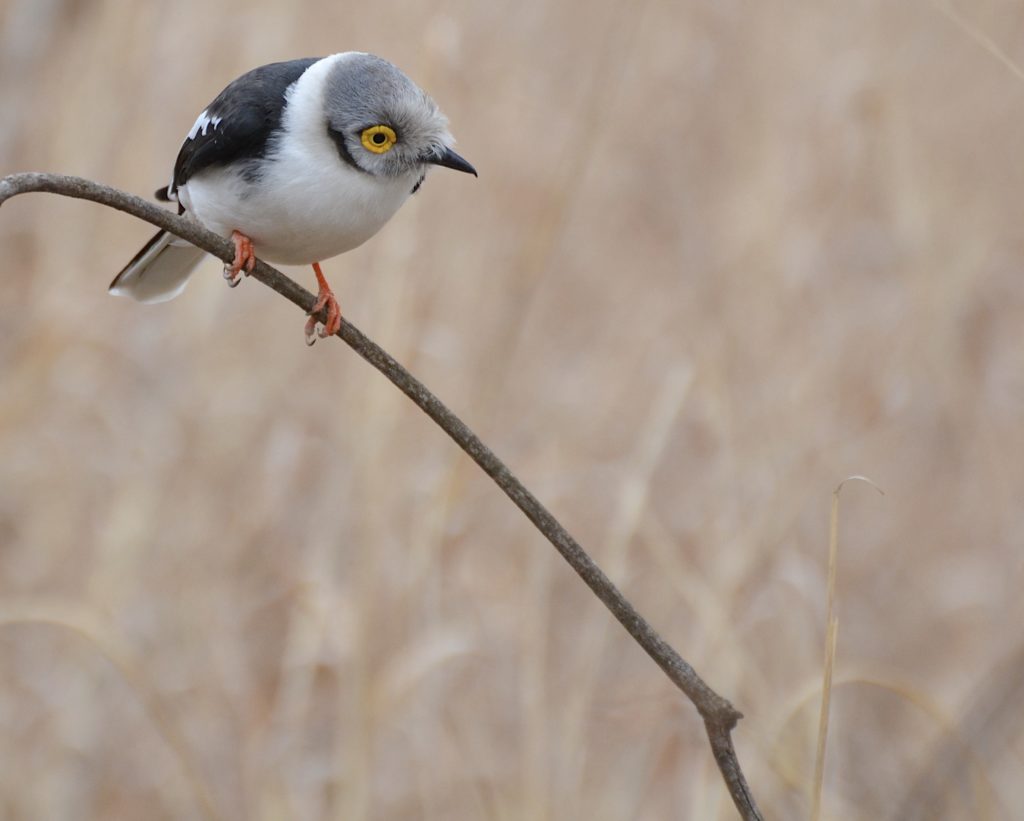
    So far, I’ve been pushed to my limits and been challenged every day but waking up to the zebras calling in the distance and of course the Crested Franklins screaming outside my window, I feel reminded of where I want to be and what I want to do with my life. Nothing is more motivating to push through and I cannot help feeling eager to see what each day will bring.

    The past week has definitely made me pull up my socks and has made me realise that studying and the workload is definitely not something to take lightly. I now know the meaning of play hard, but work harder.

    We are so lucky to live in such a beautifully diverse country. Bushwise has made me realise this more and more with each passing moment. I have never been more excited to learn – even just about rocks and grasses.

    image
  • First week at Bushwise campus and what to expect

    BY: John David, student July 2020

    Arriving at Bushwise and meeting the staff, trainers and students were both exciting and terrifying. Upon arriving we were required to wear face masks and keep social distancing, the first question on my mind was; “would I fit in, and would I make friends?”

    The first day was a bit weird as we all came from different places and backgrounds. The second day kicked off with plenty of paperwork and indemnity forms. Once I discovered I was the first camp manager, I was simultaneously shocked and excited, this was my chance to prove myself to the trainers and staff that I have the drive and determination to do my best, and that I am ready for the responsibility.

    image

    sdr

    Once we were split into respective groups, it was exciting to meet my new teammates and show them that I am a hard worker and that I will do my best to make our team the best in all aspects and duties that we as a team will have to face. Once I found out that Oom Jan was coming to teach us first aid, I was afraid and intimidated as I have no first aid experience and I was afraid of making mistakes. However, without mistakes, we will never make progress and may never truly have exciting experiences. As Oom Jan explained and demonstrated, I became more comfortable and started enjoying the lectures and the practicals. My roommate and I had to work on each other for the practical first aid tests, while still conforming to the Covid-19 camp rules, and it was a load of fun.

    The next day we were expected to complete a practical assessment and a theoretical exam. Just knowing that we were all in this together gave me peace of mind, we finished the lecture and promptly wrote the exam. After which we were all waiting for our marks with bated breath, suddenly we all heard voices shouting out for help in the distance, and we genuinely thought something terrible had happened. As we all ran to their aid, we discovered that this was just a drill! Just like that all of Oom Jan’s training kicked in and we all assisted our “injured fellow student”. Once handling the situation, Oom Jan let us know that we handled the surprise assessment very well and had all passed with flying colours.

    image

    As my week as camp manager came to an end, I handed over my duties to the next camp manager. I have had so much fun with the responsibilities in my first week at Bushwise. All of us students are here with a common goal and purpose to rise to the occasion and to do our best, and I am honoured to be a Bushwise student.