Category: Course updates

  • Tracking with Colin Patrick

    BY: Karl Lewinsky, Bushwise student 2020

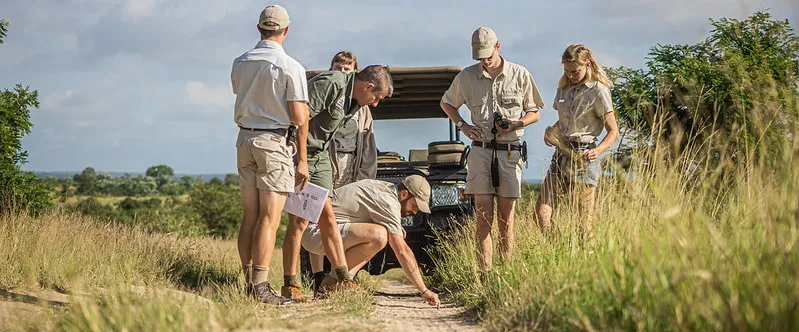
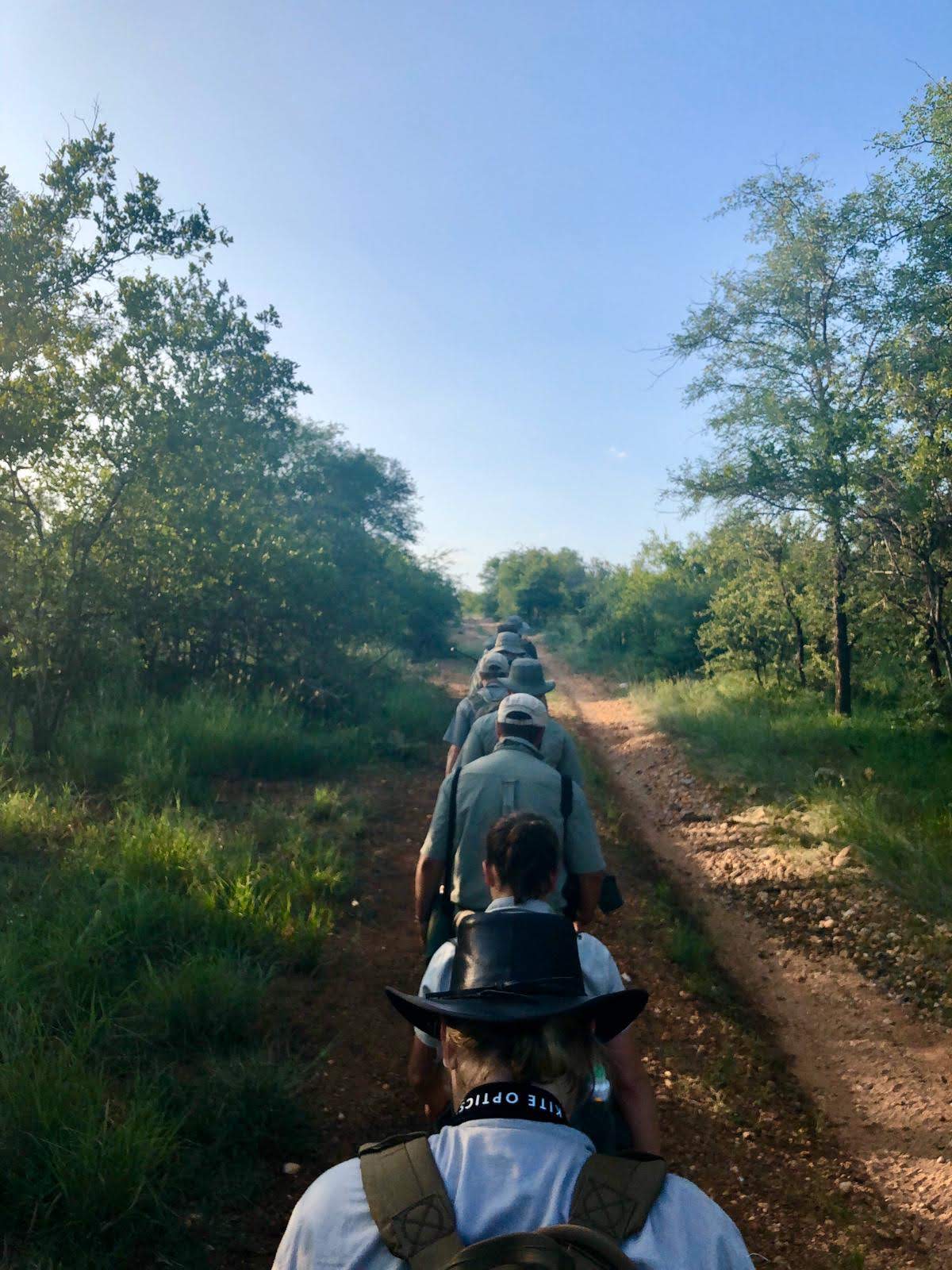
    Our week began by being divided into two groups,  track and sign, and rifle handling. My group, the cheetahs and half of the bateleur group, started with tracking. Our tracking teacher and assessor was Collin and his dog Annie.

    The first day we were given an introduction to our tracking week. We had to introduce ourselves and why this course and tracking is so important for us. Collin explained to us what will happen during this week and how we will progress. That same afternoon we spent time in the bush to get the first impressions of track and sign (with a nice puza stop). Collin also showed us Annie´s skills, she was able to track two of us even though we were hidden on the top of a huge tree. 

    image

    On Wednesday morning we started our tracking journey at 6 am. We learned the four principles of track and sign:

    1. Position yourself in the most optimistic position

    2. Get your direction right with a start and an end

    3. Study/ analyze the track

    4. Get the whole picture

    We carried on by learning and identifying different tracks and how to separate them. After brunch at 1.30 pm we kept learning and practising. During this time it was raining a little bit, so it was more difficult for us to identify or even get a nice track, but in nature nothing is perfect and you have to get used to every type of condition out in the bush. We were finished by 6 pm.

    image

    The next day we headed off at the same time in the morning. We learned about the different shapes of antelope tracks, like the triangle and parallel pieces. We also looked at the front of the tracks ( sharp, blunt or mixed), the edge profile, the under soil and the gate. We also learned to identify if the animal was walking, trotting and running. We got to know many more animals each time when we were out. After brunch, we had a lesson in our classroom and Collin showed us all the different tracks you are able to find in this area and how to actually tag the different bird feet structures. We watched videos about what dogs are able to do during anti-poaching, how fast they are able to run, and how well-trained they can get to listen to human commands. That was really awesome to watch. He also shared his experiences of how dangerous it can get while tracking poachers. 

    On Friday morning we practised for our assessment in the afternoon. We got to know Collin´s daughter who is already a professional tracker. Luckily we had found some more interesting insect tracks that morning. The assessment took us one day and we finished at 11 am Saturday morning. Afterwards, we got our results considerably fast and then had a nice brunch in a Big Five reserve in the bush.

    Tracking is like reading a newspaper but it´s always telling the truth. You never stop learning, because there is always something new. Never give up on your passion, it´s easy to give up, but when you keep pushing yourself you will reach what you´re dreaming for. Find out more about Bushwise courses.

  • Always a lesson, never a failure

    BY: Jack Hutchinson, Bushwise trainer

    We had just finished with our sleep out and were on the way back to camp at Toro lodge. We had a great night looking at stars and sharing stories and watching the fire. We got onto the topic of tracking and who is the best teacher. The best teacher for everything is failure.

    When we got back to camp, everyone went off to their rooms to sleep, shower and relax. I had other plans than doing nothing. I had heard about a sighting of buffalo earlier in the morning and I thought it would be a great idea to track and find the buffalo herd. 

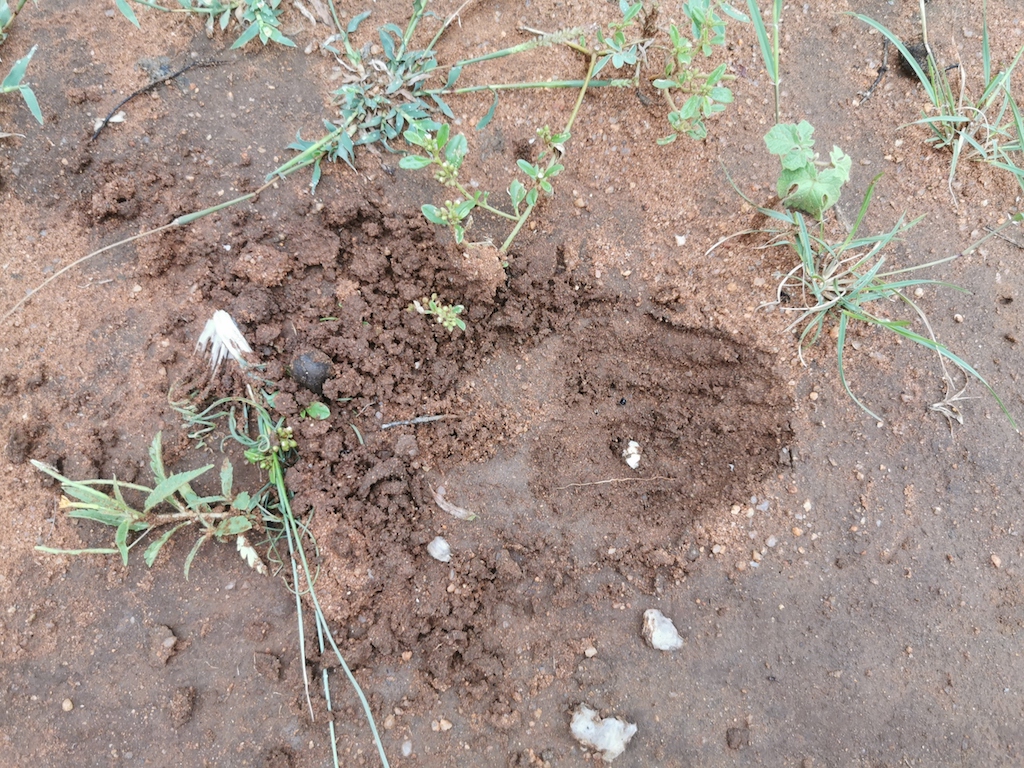
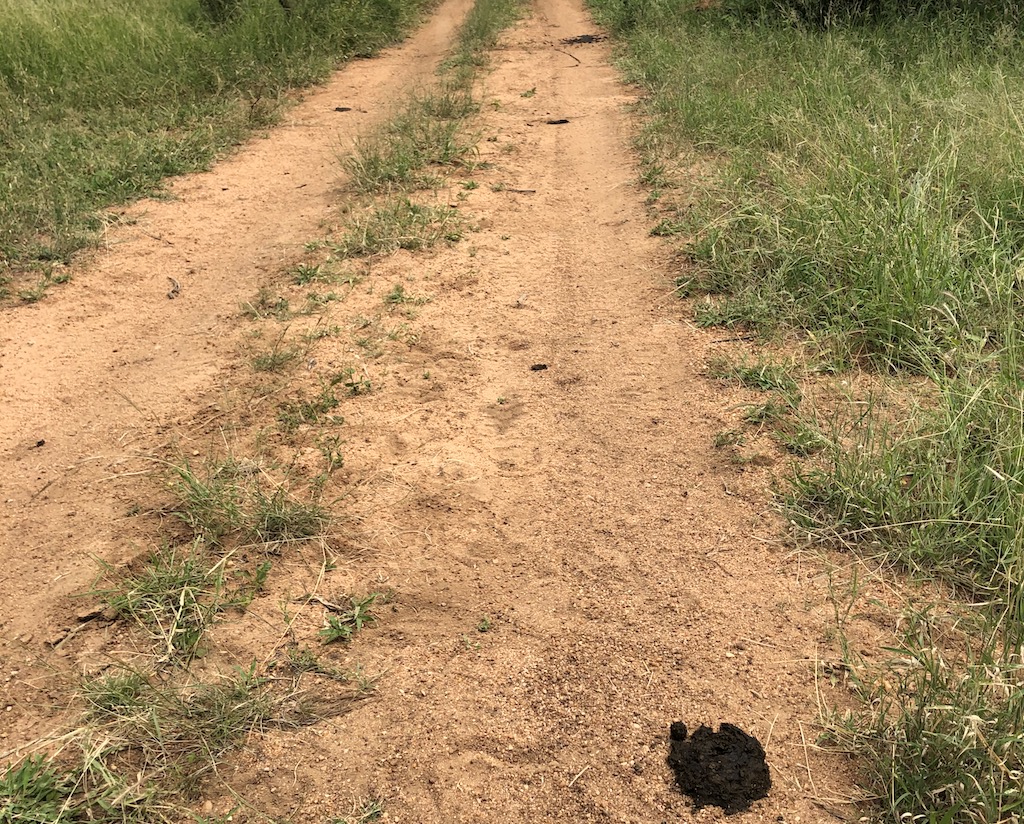
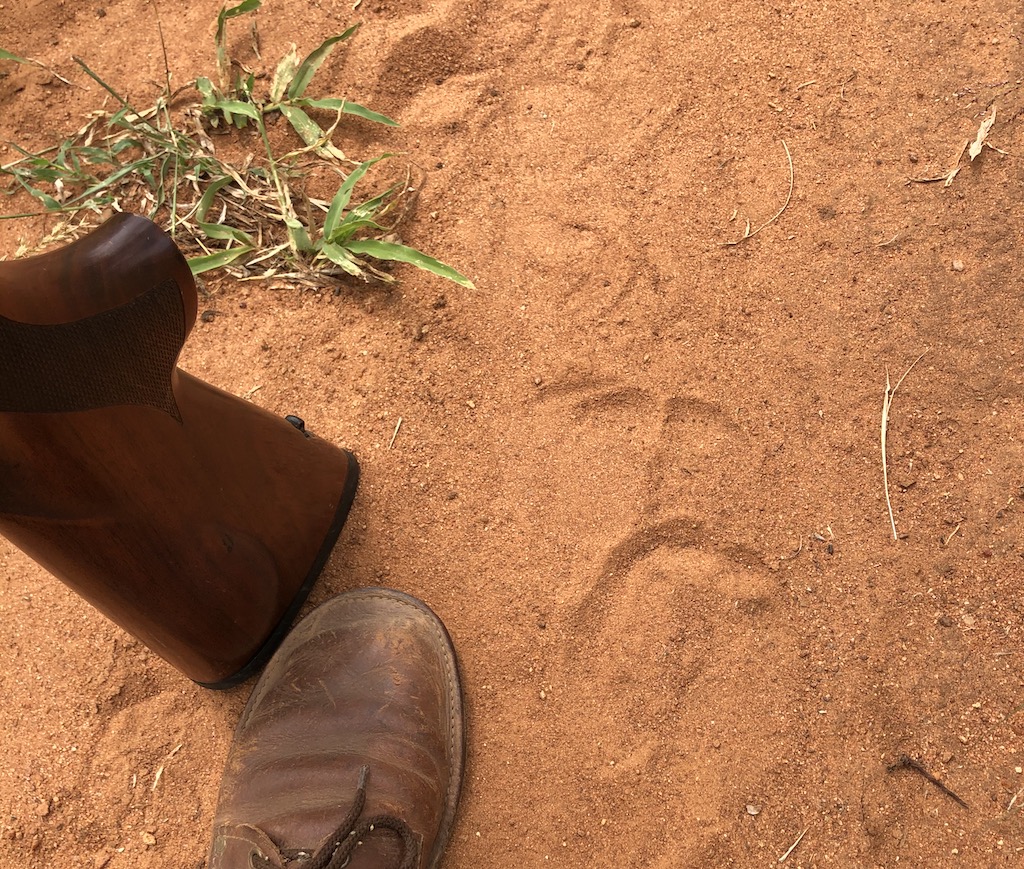
    I got my rifle and got into the cruiser and off I went down cheetah cutline towards Nanzana road where the last tracks were. I had a few stops on the way, found tracks of a female leopard walking north up the cutline towards the river and few buffalo bulls who were roaming across the cutline.

    image

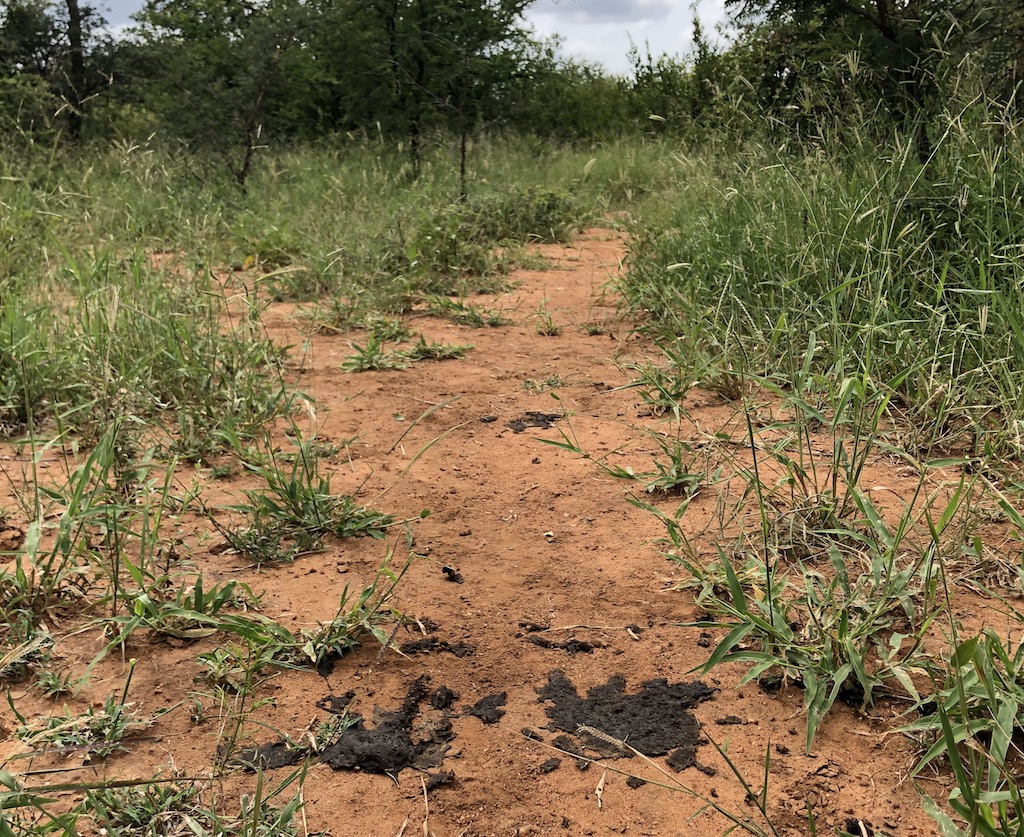
    Finally, I arrived on the tracks of the herd of buffalo on Nanzana road. They were fresh and the herd was not far. I was told they were moving south towards Skova road. Now the block they moved into is a pretty big block and would be great to explore the area. Most of the reserve is new to me. So, I start following and can see the tracks are very fresh, a few pans they visited were littered with tracks going in all sorts of directions. I have learnt to follow the core of the group and not worry about the stragglers. So, stick to many tracks and not singular tracks when following a herd.

    image

    Now it’s easy to forget to track and actively follow tracks when in the back of your mind you know or where told the tracks are going south. Due to the last person saying they were going south. So, I followed half-heartedly and came short of the trail. I made several loops to see if I could find more and still, I found nothing. So back I go to the last track. I start again, follow a bit more and again I start looping southwards. Thinking again of what others tell me. I stop, I thought for a minute. I go back. Back to start, do not pass go and don’t collect 200 dollars.

    image

    This time around, I will actively follow the trail and not listen to what others said and listen to what the bush and trail are telling me. It’s like reading an article and making assumptions without finishing the article first. Now these tracks do not go south but they go north. As I followed the tracks north, I found more and more. A few hours later, there were the buffalo happily enjoying the muddy wallow. 

    I failed twice to track them but finally succeeded. Always a lesson never a failure.

  • Take a closer look at the different types of dung beetle

    By: Tasneem Johnson-Dollie

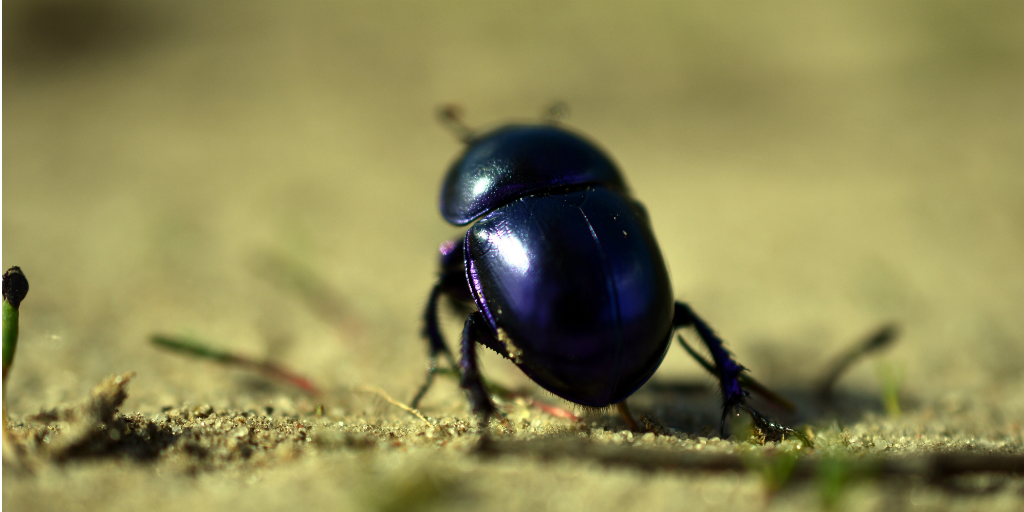
    When you think of a dung beetle, a busy black bug scampering across bumpy terrain is probably what springs to mind. But there are actually many different types of dung beetle.

    There are so many beetles that they’re thought to make up around 25% of all life on Earth. That means one in every four lifeforms is a beetle!

    And these interesting insects make up a good part of this group. But unlike other beetles, they have a very specific way of getting things dung – yes you read it right. Here are some dung beetle facts that you’ll wish you knew sooner. 

    Dung beetle facts

    You might think that a dung beetle is a pretty straightforward bug, but these interesting insects outshine all the rest when it comes to dealing with dung. Let’s take a closer look at what could be the most interesting insect in the world. 

    image

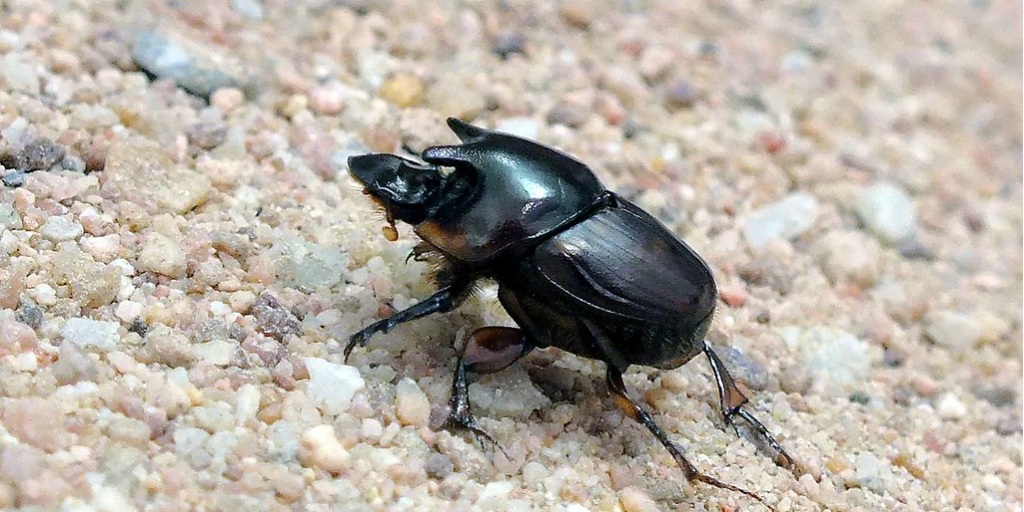
    Original photo: “Onthophagus seniculus” by LennyWorthington is licensed under CC BY-SA 2.0

    What do dung beetles eat?

    If you haven’t yet guessed what a dung beetle eats, it’s dung.

    While their favourite food might seem foul to us, they’re actually quite picky about their choice of poo.

    In fact, it nearly caused a dung disaster in Australia in the 1900s. 

    The Australian dung beetles’ preference for marsupial poo meant that they wouldn’t clean up after any other animals. 

    This manure management problem was solved by introducing foreign dung beetles to the mix, getting them to munch on what the local bugs left behind.  

    image

    Original photo:“Scarab Beetle God” by Topi_Pigula is licensed under CC BY-SA 2.0

    Many dung beetles eat the dung of herbivores, some crave the poop of carnivores, and others favour decaying leaves and fungi. 

    So yes, some of these beetles don’t eat dung at all. 

    But these interesting insects are still classified as dung beetles. This is because they’re part of the group of bugs that eat away at the manure and decay that would otherwise clog up our ecosystems.

    Dung is made up of solid waste with liquid in between, with these interesting insects favouring the nutrient-rich liquid of the dung. 

    Herbivores don’t fully digest all their food. This means that their dung is swimming with nutrients and microorganisms for beetles to feed on. 

    This explains why many a dung beetle has a hankering for herbivore manure. But dung is more than just a delicacy for these beetles.

    Where do dung beetles live?

    image

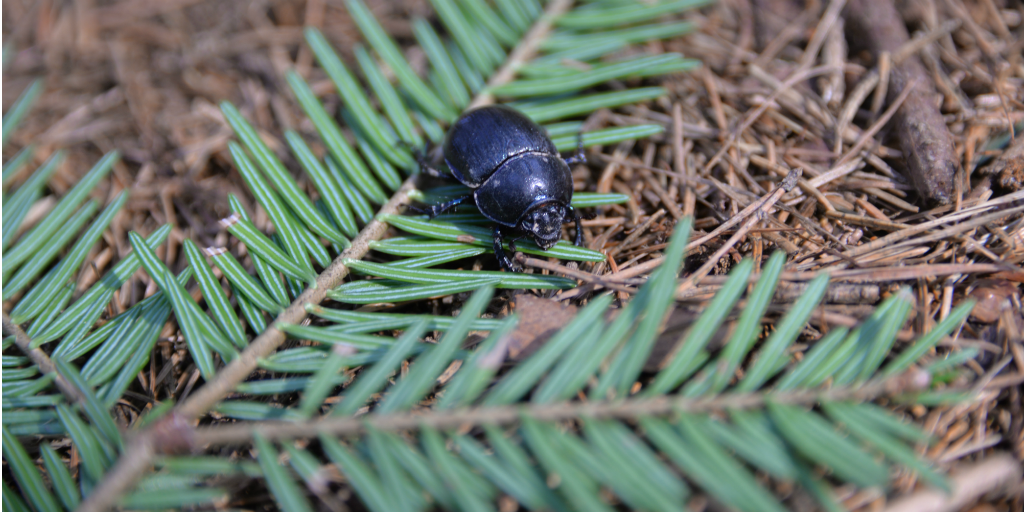
    Original photo: “dung beetle crawling” by Steve Slater is licensed under CC BY 2.0

    Dung beetles can live almost anywhere in the world. They’re found on every continent except Antarctica. 

    The reason they’re found all over is because dung is found all over. And this steamy sustenance also serves as their humble abode.

    But how does a dung beetle make a home out of such a stinky substance? Interestingly, this is what splits dung beetles into different categories.

    What are the different types of dung beetle?

    With more than 5,000 different types of dung beetle, getting to know more about them can be a tough task. 

    Scientists have divided dung beetles into four different categories according to how they deal with their dung.

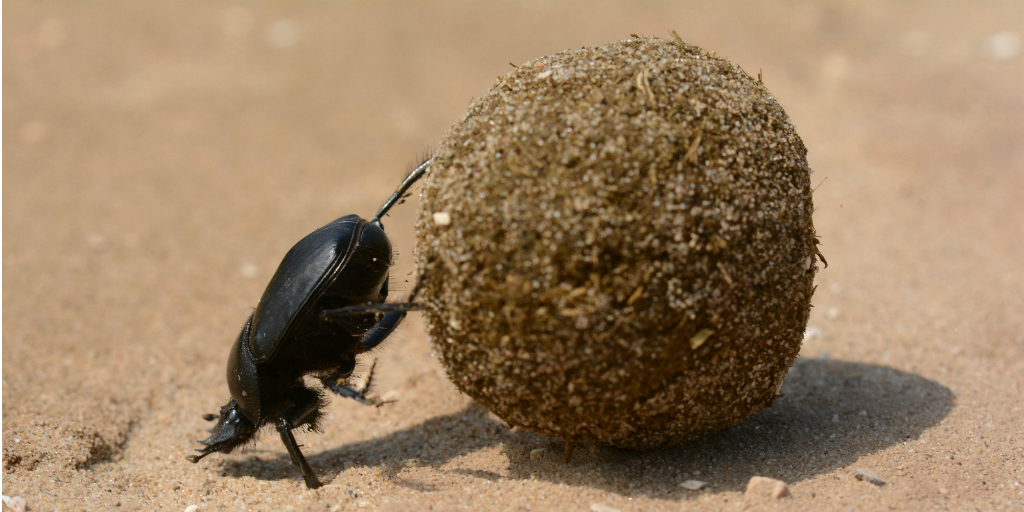
    1. Rollers or telecoprids are the types of beetles that shape the dung into a ball, then roll it to where they want to set up camp, and bury it in the ground. This ball could be used for food or as a brood ball – a place for female dung beetles to lay their eggs in.  

    2. Tunnellers or endocoprids dig tunnels underneath a pat of poo, grab some dung from the pat, and pull it back down into the tunnel. Tucked away at the bottom of these tunnels, they feed on the transported manure, form brood balls, and raise their babies.

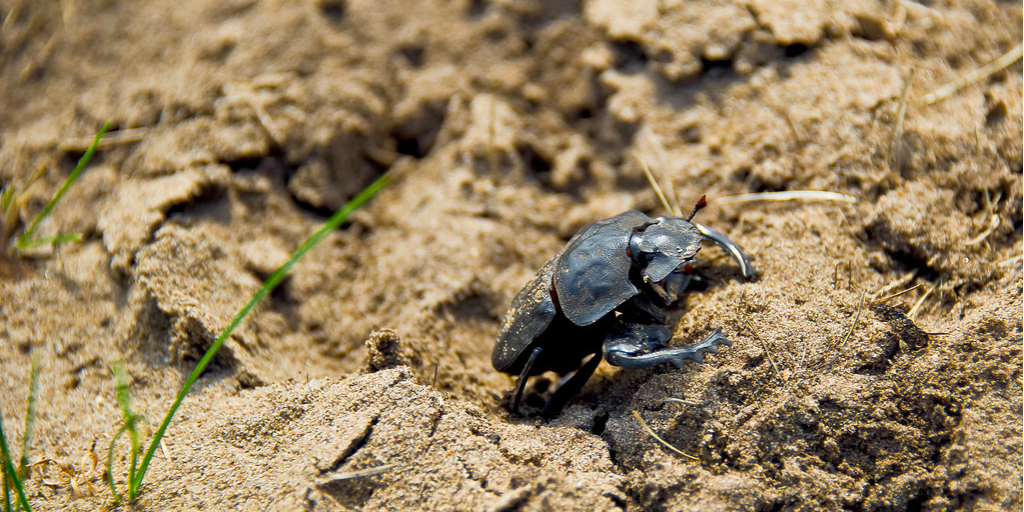
    3. Dwellers or paracoprids don’t bother to tunnel or roll dung. They’re happy to just hop on top of a dung pat, where they lay their eggs and raise their young. While these bugs may have an easier set-up strategy than the rest, they run a higher risk of being eaten or trampled on by other animals than the first two types of dung beetles.

    4. Stealers or kleptocoprids are definitely the most devious dung beetles. They steal dung balls from rollers and use them to lay their own eggs in. Even their larvae are devilish, killing the host beetles’ larvae as they develop in the dung ball.

    Despite their decisions on dung management, these different types of dung beetles do have a lot in common. 

    image

    Each day the animal kingdom produces enough dung to match the amount of water falling over the Victoria falls. The different types of dung beetle all work together to take care of this torrent of detritus. Without the collective efforts of these tiny creatures, we’d be sitting with a seriously smelly situation.

    But what’s interesting about them besides their ability to stop our planet from being overrun with poop?

    Why is a dung beetle one of the most interesting insects in the world?

    For one, dung beetles form part of some of the most fascinating stories in human history.

    From as far back as the ancient Egyptians, dung beetles have been part of mythical stories. This beetle was held in such high regard by the Egyptians that they believed a dung beetle rolled the sun through the sky as if it were a giant ball of dung. 

    The face of the Egyptian sun god Kephri was even depicted as a scarab – another name for a type of dung beetle found in Egypt.

    While science has since proven that the sun isn’t propelled by a dung beetle, there are still  many dung beetle facts that are simply fascinating.

    image

    Original photo: “Beetle Dung Beetle” by Peggychoucair is licensed under CC BY-SA 2.0

    Here are ten things you may not have known about these interesting insects:

    1. Some dung beetles live around monkeys’ – and other animals’ – anuses, heeding the first-come-first-served philosophy.

    2. For those not on the frontline of faeces collection, their specialised antennae helps them pick up the scent of poo on the wind.

    3. If they didn’t move manure below the ground, it would harden at the surface and stop plants from growing.

    4. With 150 different types of dung beetle in the tropics, some have evolved non dung-based diets. For example, some munch the mucus of giant land snails while living on their backs, while others decapitate other insects and use their abdomens as dung ball substitutes.

    5. They can eat more than their own weight in a 24-hour period.

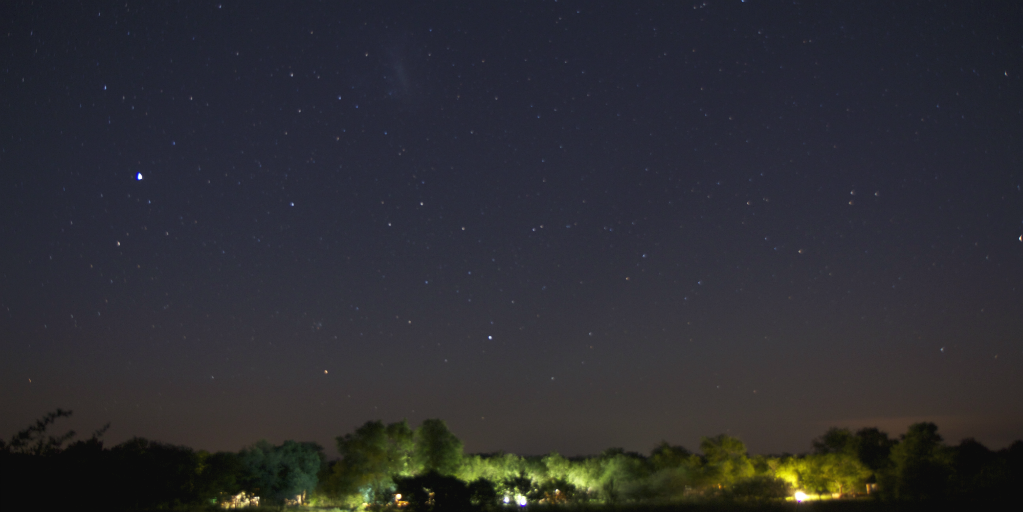
    6. They are the first known species in the entire animal kingdom who use the milky way to navigate at night. A dung beetle can pick up on the polarised light given off by stars and use this as a map to keep itself on course.

    7. On hot days, they’re known to stand on top of their dung balls to give their feet a break from the scorching ground.

    8. Some species can roll a ball of manure the size of an apple.

    9. In South Africa, there are 800 unique species of dung beetle, a massive amount compared to the UK’s 60 species.

    10.  Flightless dung beetles are endemic to southern Africa and can roll up to 50 times their own weight.

    Possibly the most interesting insect in the world, the dung beetle can teach us all a thing or two about cleaning up and caring for the Earth.

    image

    Sign up with Bushwise Field Guides and learn more about the different types of dung beetle in these waste-removing wonder bugs’ natural environment. 
  • Action packed start to Semester two on Toro campus

    BY: Chloe Potier, Bushwise Student 2020

    After a well-deserved rest week, we started our week in-full-force with taxonomy and bird tests. One way to get back into studying very quickly. We then continued with mammals and ethology lectures, extremely interesting chapters which nevertheless gave us a hard time as the scientific names of the different orders and families of mammals can be complex.

    The few days before and after our return were quite rainy, so the Makhutwe river started flowing again, turning into a real torrent, signaling the return of the hippos in front of campus. After the rain comes the sun and with it the butterflies. We took the opportunity to identify butterflies in the reserve during which it was relatively easy to move away from the primary purpose of the mission and find oneself trying to identify and photograph each arthropod encountered. We also took advantage of the return of the water on Friday afternoon to go onto the banks of the river where we enhanced our knowledge of trees and birds while enjoying the calm of the bush. 

    image

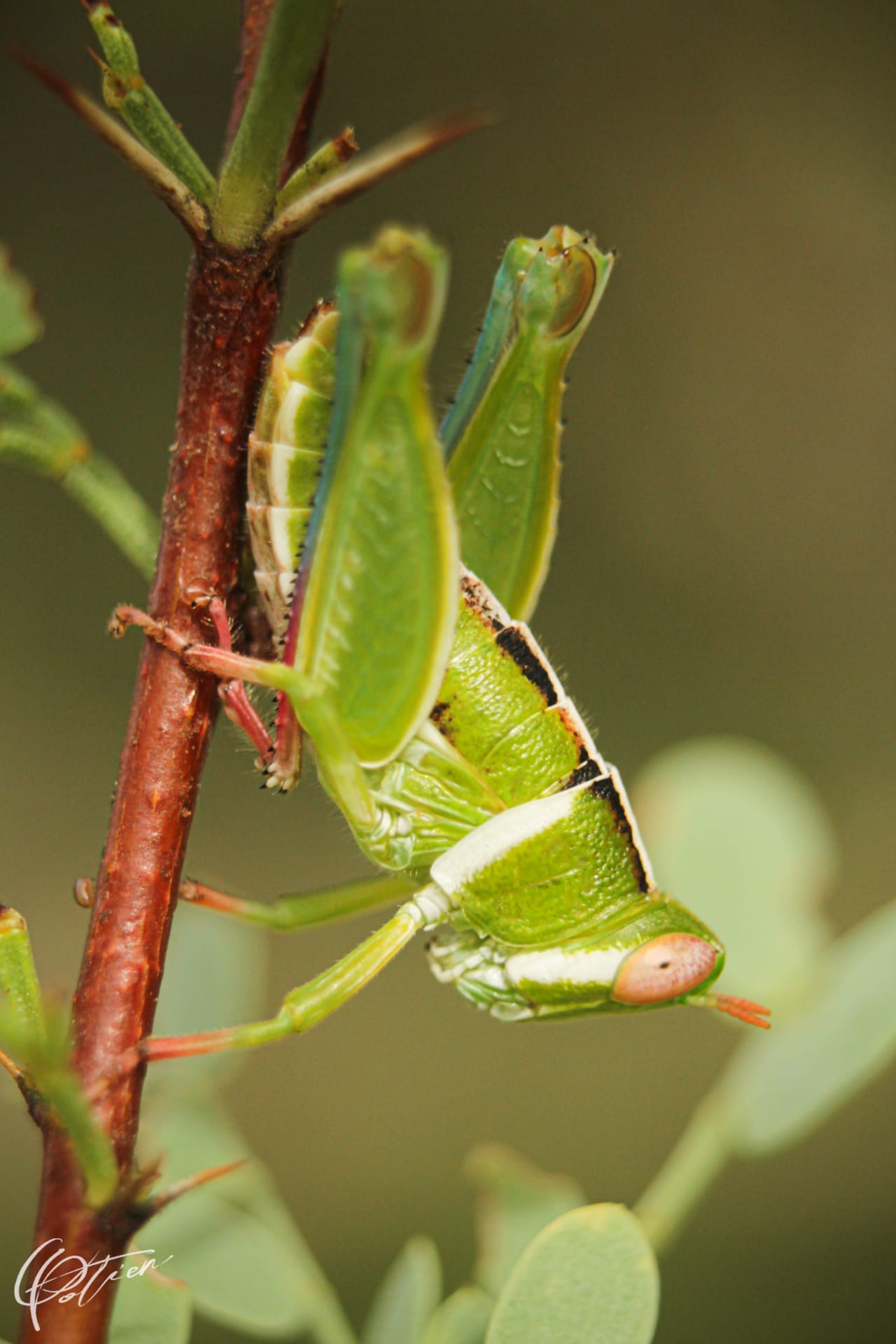
    Colourful grasshopper

    image

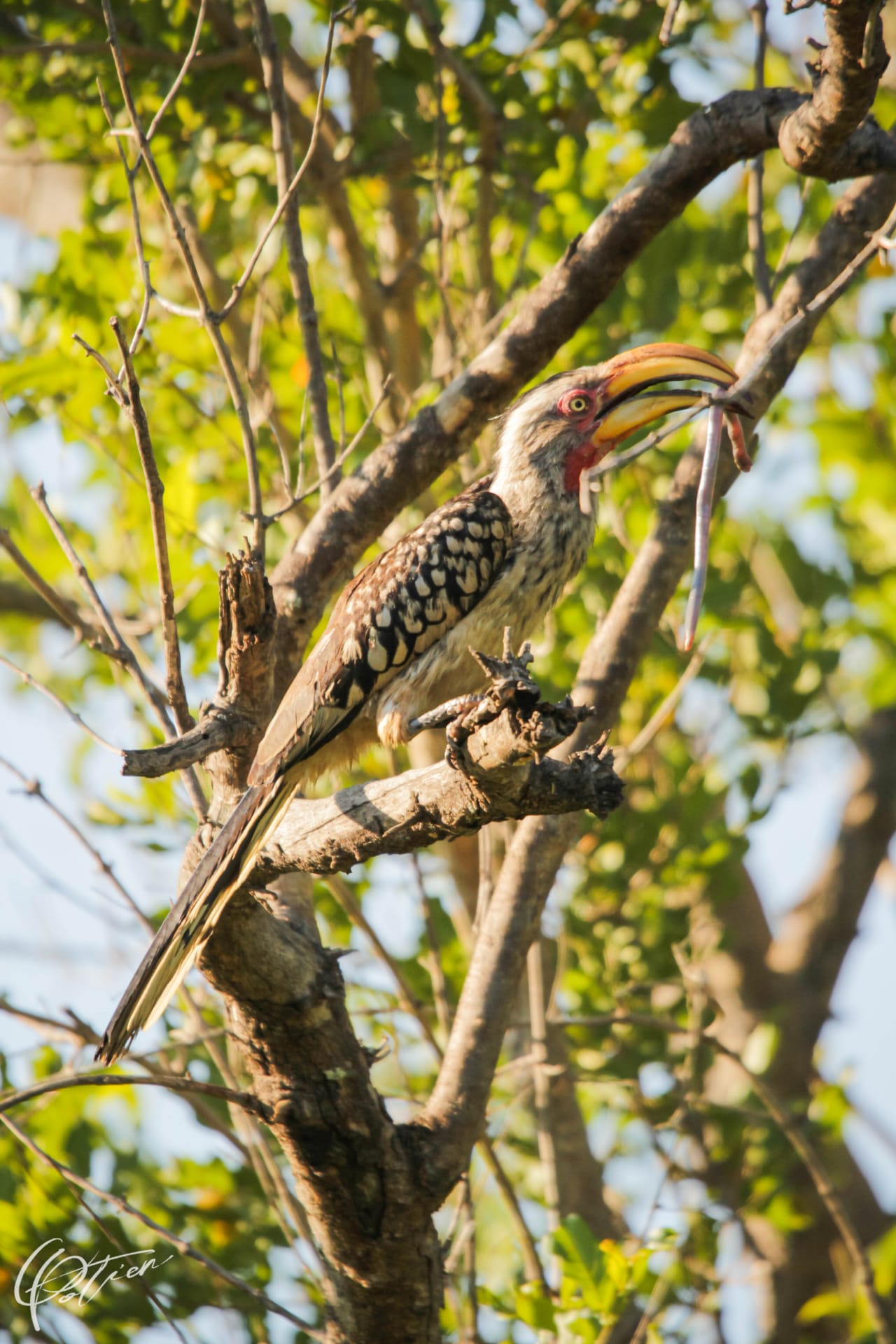
    Yellow-billed hornbill

    This week we started our practical driving techniques. We were divided into small groups of eight students between two vehicles. So, while some enjoyed the comfort of the Land Cruiser others had to deal with the old Land Rover. Except for Alexander who seems to enjoy this car very much and took great pleasure in handling it. In these practical sessions, we learned to put our knowledge to the test which has been acquired in recent weeks about wildlife in order to entertain our guests as well as drive safely in the rough terrain. Some already seem very comfortable in this field and look like trained field guides already. This was quite impressive. 

    image

    Zander & Sophie on game drive

    image

    oh dear…………….

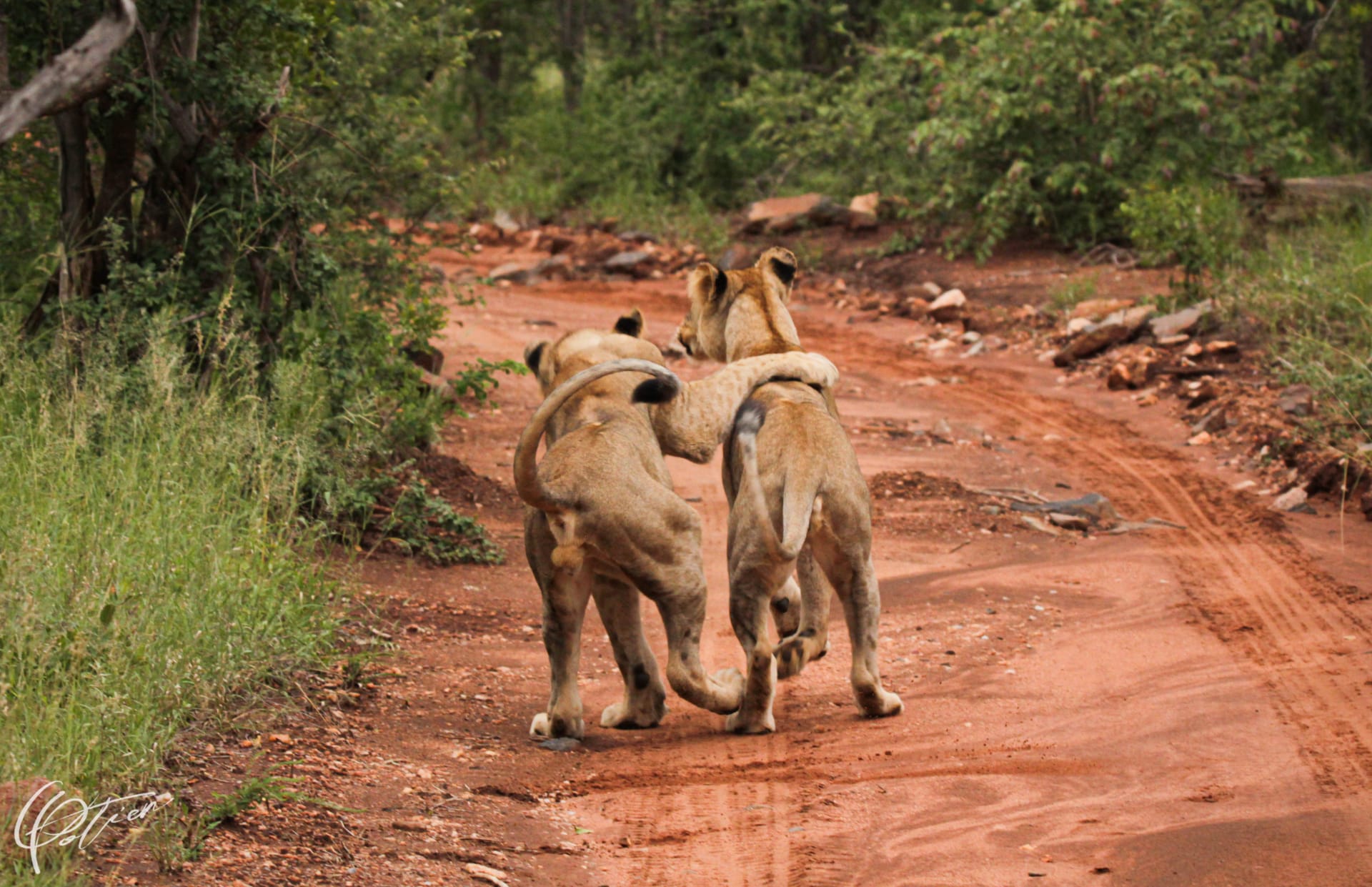
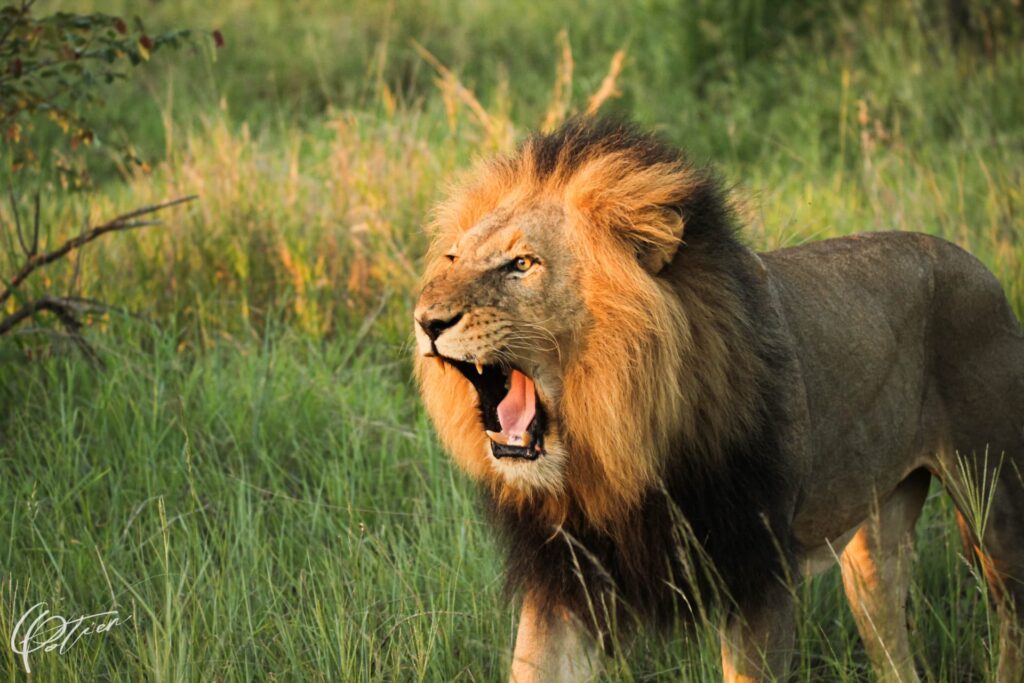
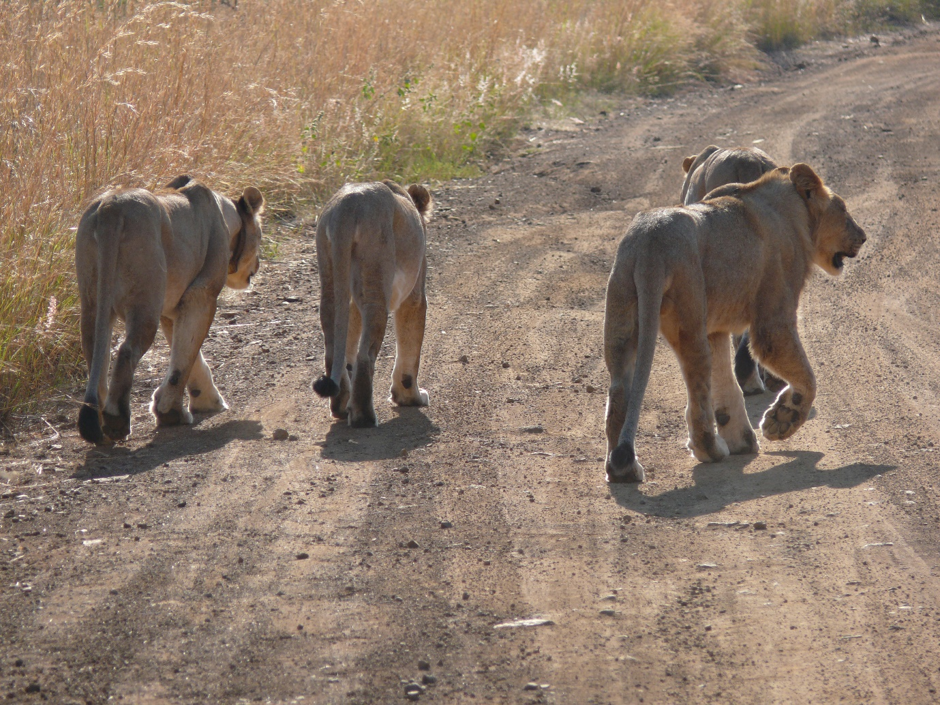
    Finally, during these drives, the two groups were able to observe several lions including two magnificent males who offered us a superb show that many were expecting with great impatience. To such an extent that some, such as Zander our lion fan, could no longer contain his anticipation.

    image

    Young lions playing

    image

    Lion king

    It was a full week full of discoveries that marked the beginning of this second semester, which I hope will be as incredible as the first. We wish you all a  good day and look forward to what the next week will reveal for us from the Toro campus.

  • My best experience as a field guide

    By: Gerhard van Niekerk, Head Trainer

    Whenever we get a new group of students at our Bushwise campus, I will ask them a very specific question in their very first lecture. My first question to them is: Why do you want to become a field guide?

    With great enthusiasm, they start giving their answers. I write down each person’s answer on the whiteboard as they give it to me. The answers always include something like this:

    1. I just love the bush,

    2. I love animals,

    3. I don’t want to work in an office but rather outdoors,

    4. I grew up on the farm and in the bush and therefore I want to also work in the bush.\

    5. I love to work with animals.

    6. I want to conserve wildlife.

    The answer that I really want to hear from the Bushwise students will become clear at the end of my story.

    I was still working as an Apprentice Field and Trails guide at a five star Lodge in the Pilanesberg National Park, when I was allocated a group of tourists from West Australia. They were a very adventurous and excited bunch, some of the men looked like those very rugged outback Aussies with their thick moustaches and beards.

    Our safari started off a little dodgy as they asked me if they can possibly get an ‘Authentic African black’ guide. I replied apologetically that unfortunately the only black guide is on his off-week and they will just have to make do with me. Riddled with disappointment their next question was: ”So how long have you been guiding?” Because I was already 39 years of age and well experienced in people skills that I acquired in my corporate career, I answered the following: “Allow me to take you on your Safari for the next three days then you can tell me how long you think I have been guiding.” They agreed.

    Off we went on our first game drive. I knew the reserve like the back of my hand because I grew up in the area and spent countless days exploring it while trying to satisfy my insatiable desire to learn more about the wonderful natural environment. During the many hiking trails I did there, I scouted every nook and cranny of the unspoilt wilderness. I knew where different animals could be found so I was not concerned about finding any of those iconic African animals that they came to see.
    image

    Pride of lions

    I used my knowledge and skills to create anticipation and suspense. For this, I employed cultural history, folklore, tracks and signs, and interesting facts on how certain plants, insects, and birds helped our forefathers to survive during their ox-wagon treks across the African savanna.

    I showed them the intricate interrelationships between what they saw, smelt, touched, and could hear and how the harmony of nature ensures the survival of the species they dreamed of seeing here. I also told them stories of special encounters I had with animals and used charm, humour, and showmanship to entertain them throughout the activities.

    image

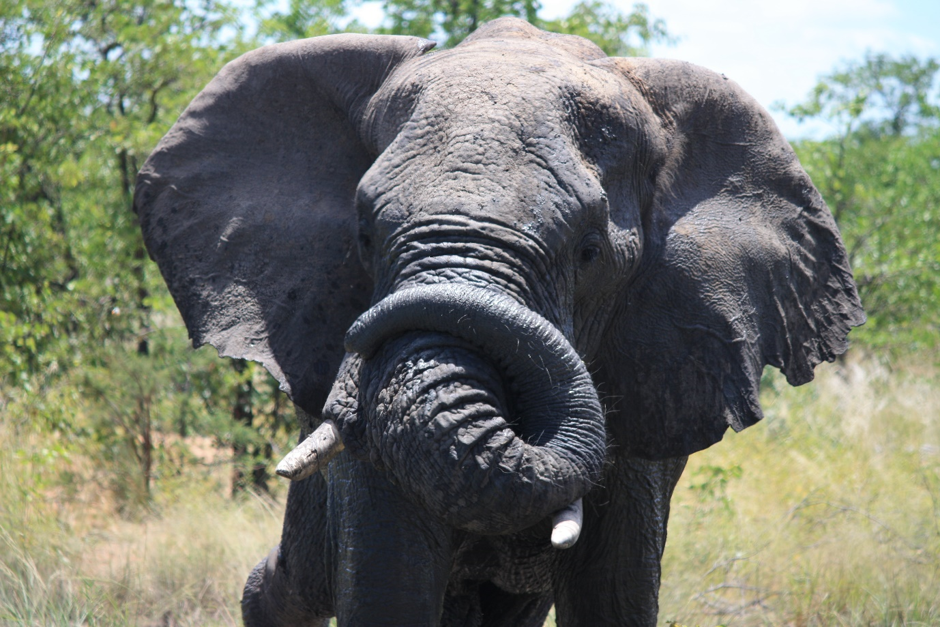
    Bull elephant

    On their very last game drive back to the lodge, one of the men with a thick moustache suddenly asked me to stop. I stopped the vehicle and turned off the engine. He was sitting right next to me on the passenger seat and as the rays of the setting sun cast shades of gold across his face and beard, he said he wants to say something to me on behalf of the whole group. He continued to tell me how amazing their time here with me was and how much they appreciate all the smaller things that I opened their eyes to. While the tears rippled over his rough cheeks into his moustache, he handed me a white envelope and said thank you very much for a fantastic time. The rest of the group echoed a chorus–like “thank you” and started to applaud.

    It was very hard for me to not also become a bit teary, but the pride in my heart drowned any tear trying to well in my eyes. With this pride, I asked the question: “So, what is the verdict? How long do you think I have been guiding?” They replied: ‘It must be for many years.” I just smiled and said that I enjoyed every second with them and told them that from now on the Aussies from West Australia will be my favourite guests.

    I never told them that I have only been guiding for around 2 months!

    image

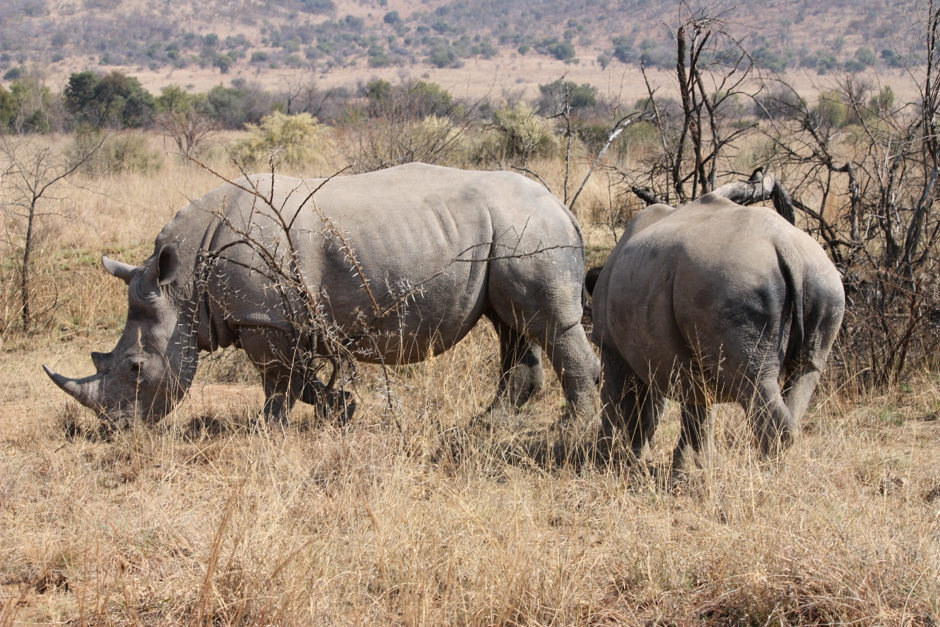
    White rhino

    Although I showed them all of the big five and plenty other general game, and they gave me one of the biggest gratuities ever, I know that for my guests it will always be about seeing the big stuff.

    image

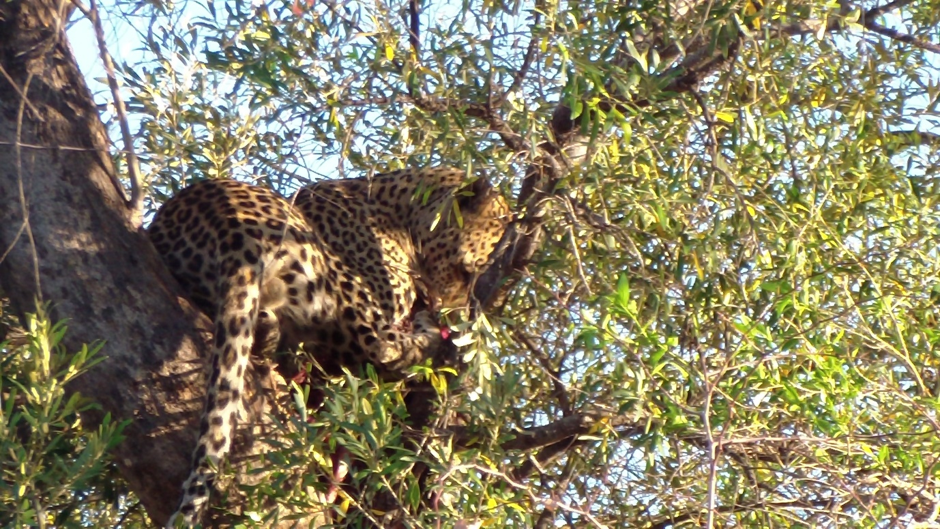
    Leopard

    For me, however, it is all about the people on my game viewer. Ensuring that they get the most memorable experience through entertaining, fun-filled activities while lining their experience with a subtle tread of how everything they experience should be conserved by their responsible custodianship of the natural environment.
    image

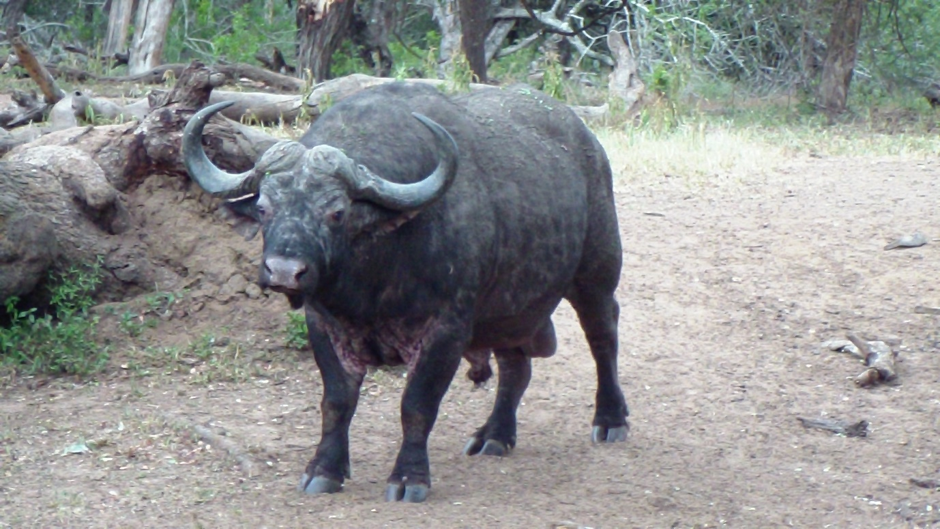
    Cape buffalo

    So what is the answer I am looking for from the Bushwise learners? I want to hear that the reason why they want to become field guides is that they love dealing with people, meeting new people or want to educate people about the natural environment. Your guests are the most important aspect of field guiding, not the animals nor your knowledge about them.
    ‘Only when the last tree has died

    and the last river has been poisoned

    and the last fish has been caught

    will we realize we can’t eat money’

    Native Indian Proverb.

  • How the fever tree got its name

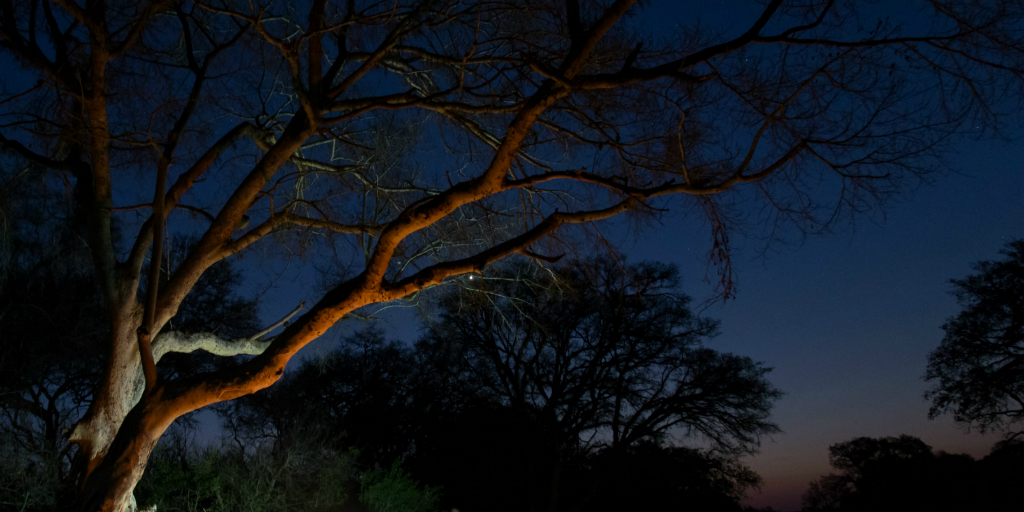
    Original photo: “Serengeti 24”by Abeeeer is licensed under CC BY 2.0.

    BY: Zaytoen Domingo

    Once upon a time, a storm raged fiercely above the Atlantic Ocean. And on this ocean was a ship. Meanwhile, in Africa, the tall fever tree tightened its armoured roots in the soil. And so the scene is set for a heroic African tale. 

    Deep in the swamps of Africa grow the tall fever trees. The trees have golden bark with a powdery residue and a secret green bark, too beautiful to be revealed, hidden underneath.

    The fever trees had many secrets. The most famous one was its hidden mosquitoes.

    Mosquitoes and colonisation

    image

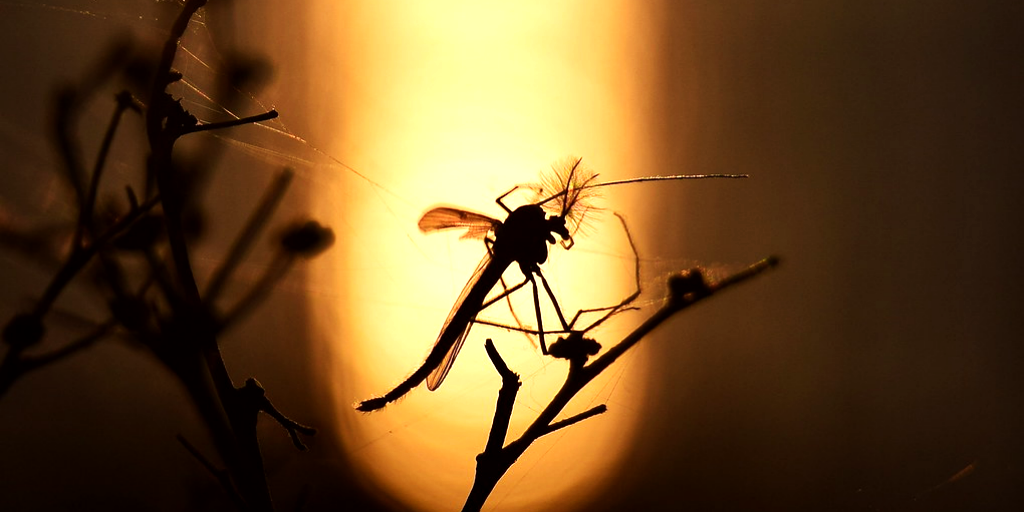
    Original photo: “mosquito”by Bob A Fox is licensed under CC BY 2.0 

    Africa was a land rich in resources that the rest of the world wanted to get their hands on. Colonisers came from far and wide to Africa for her resources like gold and ivory.

    They came in large ships, and docked on Africa’s coastline. Without any maps, they needed to find a way to navigate through the foreign land and back to their ships without getting lost.

    So, they decided to trek along Africa’s shining rivers and through the villages that lived nearby. When they reached the villages, the colonisers captured Africa’s people and enslaved them.

    The African people were so deeply connected to the land that Africa became enraged at the trespassers for ill-treating them. When the trespassers moved back along the rivers to get to their boats, they began to fall ill with severe fevers.

    image

    They had no clue what was happening to them, but all they knew was that many of them fell ill at the feet of the tall trees alongside the riverbanks. The colonisers began to fear the trees that made them so ill and named them “fever trees”.

    Little did they know that there were tiny mosquitoes that lived around the river where the trees grew. The mosquitoes defended Africa’s people and her resources by biting into the skin of the colonisers.

    They transferred a deadly disease that would later be known as malaria.

    African mythical stories are the heart of field guiding

    image

    You can learn more about the African fever tree and how to retell African mythical stories with your own flair by becoming a IFGA safari guide. As a field guide, part of your job is taking guests from all around the world on safari adventures, and sharing stories, such as the story of the African fever tree. 

    When guests ask you questions, take the opportunity to share the mythology of the bush, and create vivid details from your own imagination to give the story life. This is especially fun when you tell guests about animals they don’t see back home.

    The kudu, for example, is only found in Africa. Your guests have never seen a majestic animal like this one before. Tell them how the Zulu people used the kudu horn to make music when they prayed.  

    image

    After all, storytelling is essential to field guiding. 

    If you are really passionate about wildlife stories and are keen to share this with others, you can become a safari field guide or a trail field guide. Whether you drive out on a safari or walk a trail, you will lead guests on an adventure of a lifetime with the stories you tell.

    Become a field guide and create your own African tales, and learn more about the best mythical stories in Africa by joining a program to become a skilled researcher or field guide.

  • Dung beetle season

    BY: Lindi Hutchinson, Bushwise Trainer

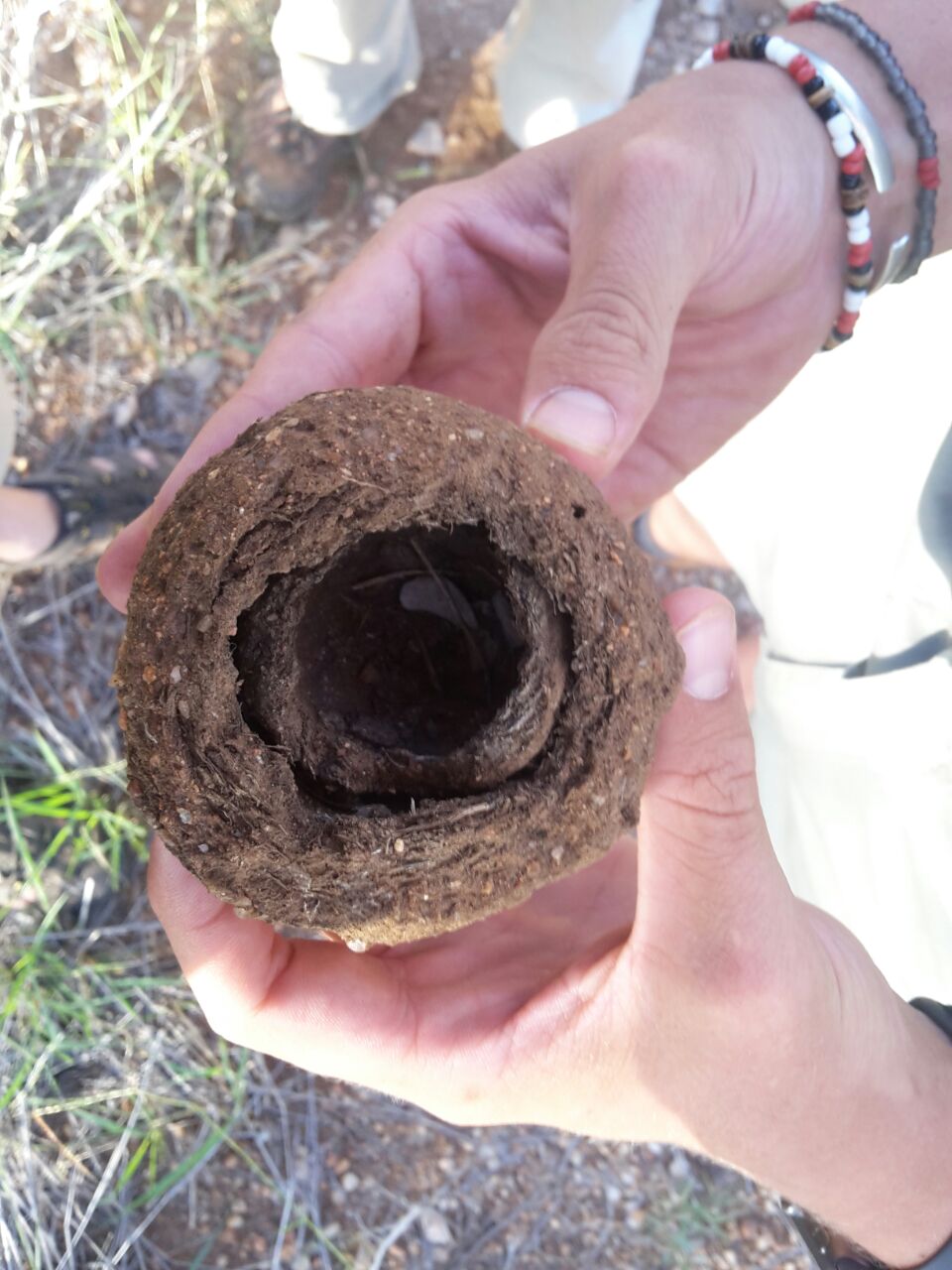
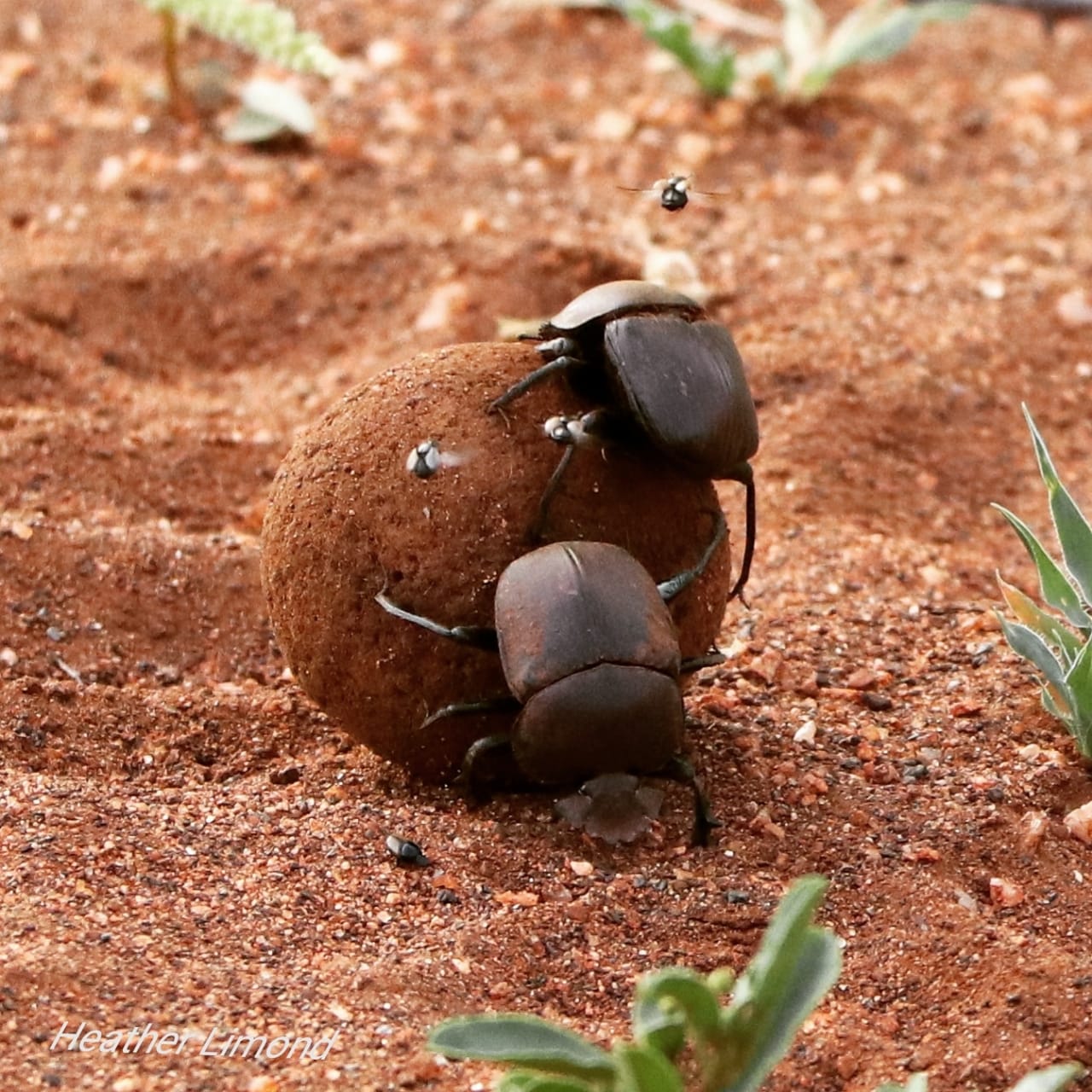
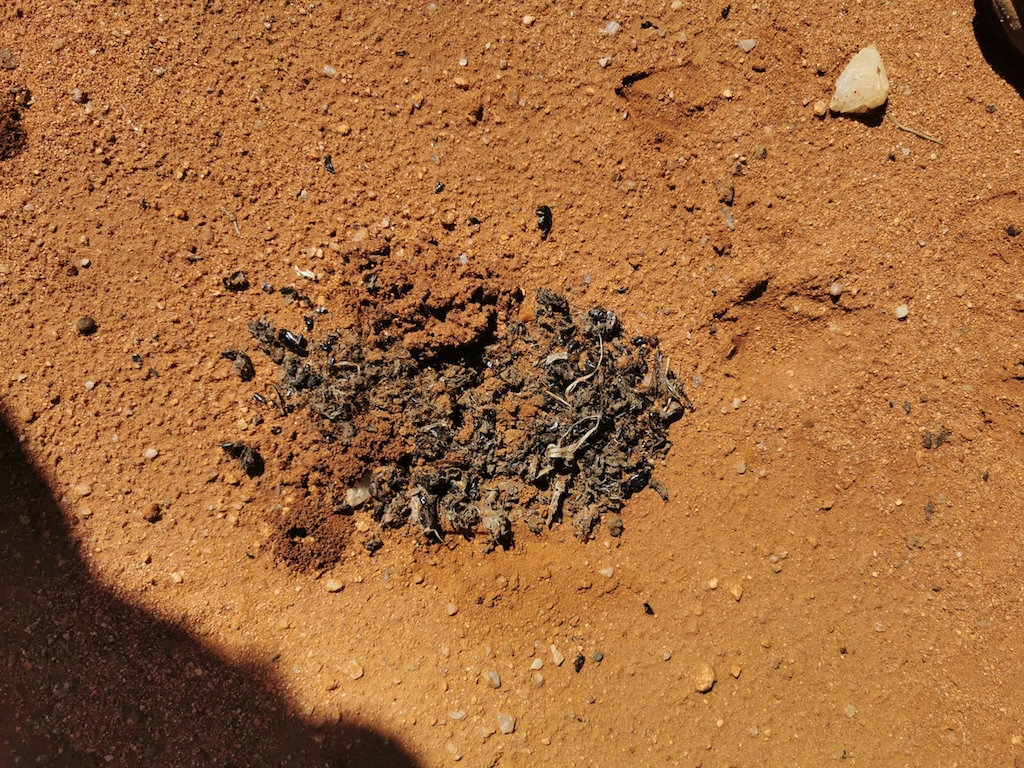
    “I want to see a dung beetle!”  An easy request to fulfill in summer after good rains when the soil is soft and dung beetles come out of the ground.  They are seen all over the bush, utilize all kinds of dung, control fly numbers and break up dung to enrich the soil. “I will find you a dung beetle! Perhaps even a rhino beetle.”  We set out on our quest and shortly came across a big pile of rhino dung alive with dung beetles. Telecoprids are the ones who push balls around in the hope to attract a female. Kleptocoprids steal the balls from telecoprids.  Endocoprids live and breed inside the dung pile and Paracoprids make tunnels into the ground beneath the pile. South Africa hosts the widest variety of dung beetle species in the world, approximately 780 of the 8000 species.

    image

    Dung ball

    At the dinner table in the middle of the bush, I see an Australian lady flick a dung beetle off the table before I could stop her.  “Critter, I know where you’ve been!” I watched the dung beetle laying on its back with its feet wiggling in the air. Not giving up, it got back on its feet and off it went on its merry way to who knows where.  Interestingly a couple of dung beetles were introduced to Australia a few years ago to help with the fly problem over there but they all shortly died after being released. Australia employed the dung beetle but not its partner, the tiny dust mite, as they were sterilized before release.  Dung beetles share a unique symbiotic relationship with the mites hitching rides on them. The mites clean up the dung between the beetle’s mouthparts and prevent the mouth from becoming immobilized.

    image

    Photo by Heather Limond

    Mid-summer, dung beetle season is slowly coming to an end.  Here and there a male is still pushing around a ball, but big piles of dung are now missing their larger inhabitants.  In the roads are multiple flattened beetles and soon their exoskeletons will be the only evidence of their existence. At this stage most of the beetles have had multiple partners, have buried over 40 dung balls with eggs and are becoming weaker reaching the end of their life.  Dung beetles bury an estimation of 1 metric ton of dung per square hectare of land per year. Their role in decomposition, seed dispersal, and control of vertebrate parasites in grazed habitats makes them a keystone species.

    Safely tucked into a dung ball under the surface of the ground is an egg patiently waiting for the next rains, the next season to burrow out and be the new generation of dung beetles and entertainment for various foreign guests. 

    Find out more about Bushwise courses.

  • Arrival of the green

    Featured photo by Sophie Pyper

    BY: Edward Smith

    Between the one hundred millimeters of rain and the summer heat, I don’t know who has been more excited about the changes in seasons’ the students and trainers on campus or the thousands of animals and organisms who directly benefit from the greenery and overabundance of water. 

    image

    Photo by Andi Dill

    Once again I have found it an incredible privilege to call the bush my home as well as my “happy place”. Living on campus in the middle of the bush means that we get a front-row seat at seeing the magnificent changes that come with each and every season. Since early December 2019, the bush has started changing from a bare, dry yellow piece of paradise which we enjoy just as much, to a warm, green, humid forest making conditions favourable to many inhabitants who struggle during the colder winter months. 

    January has not only been the return of our summer rains allowing the bush to become an almost impenetrable wall of green but along with it has come so much more. To many people from the city it might seem that it is the season for insects and sweating but to nature lovers and field guides alike it is the months of little sleep and lots of research. With more than one hundred returning migrant bird species coming from far and wide to either breed or feast on the billions of insects which have returned to make the most of summer while attempting to escape the thousands of frogs freshly active after a state of hibernation, field guides get very little rest.

    Over the last few months Mahlahla Campus has become a paradise of green and a single day just simply doesn’t have enough time. Since the rains, the campus dam has filled and frogs can be heard throughout the night from all corners of the property. When students and trainers aren’t busy with lectures or out on drives, we`re often busy identifying all the weird and wonderful insects, amphibians, and arachnids that can currently be found on campus.

    image

    Photo by Alistair Dyason

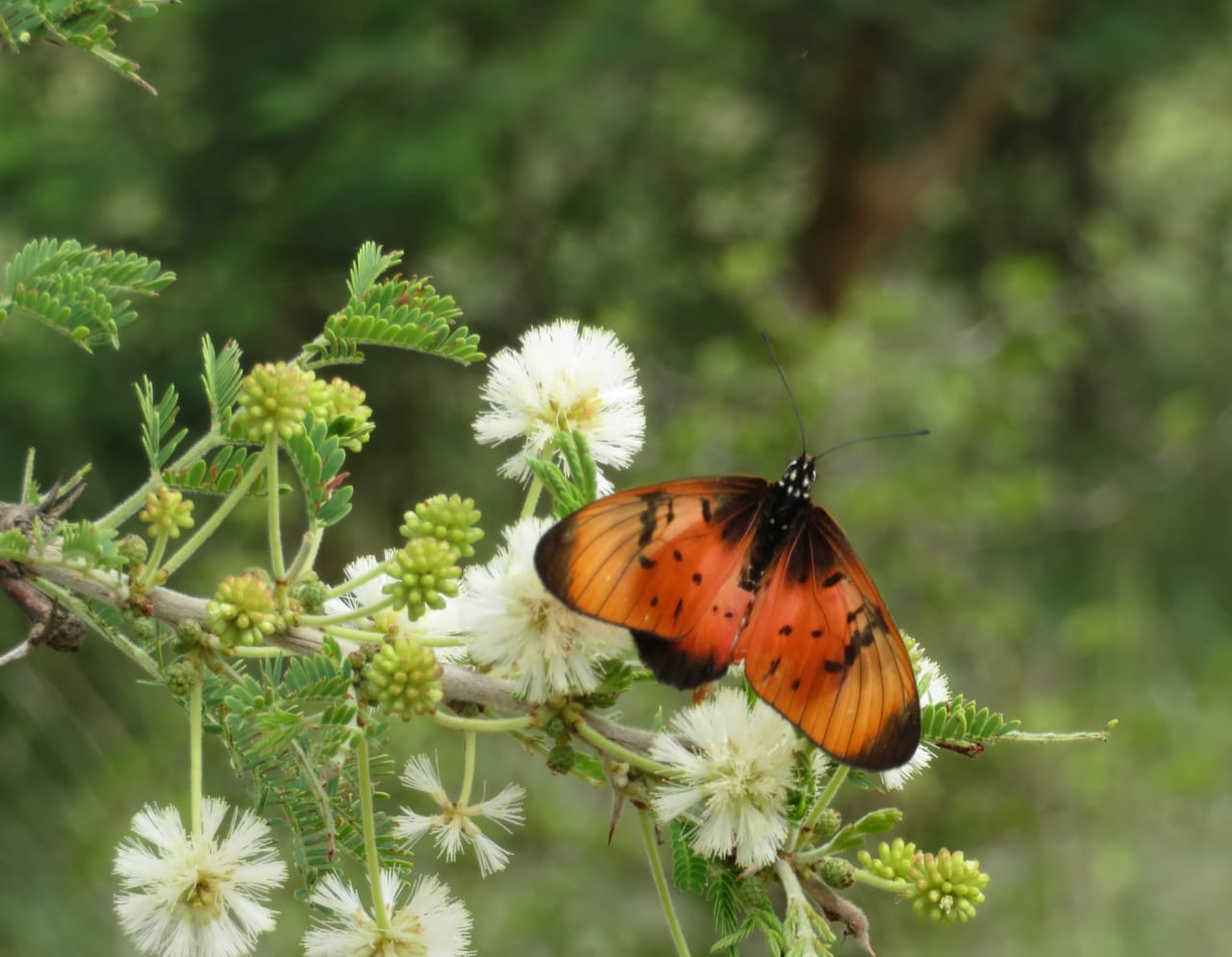
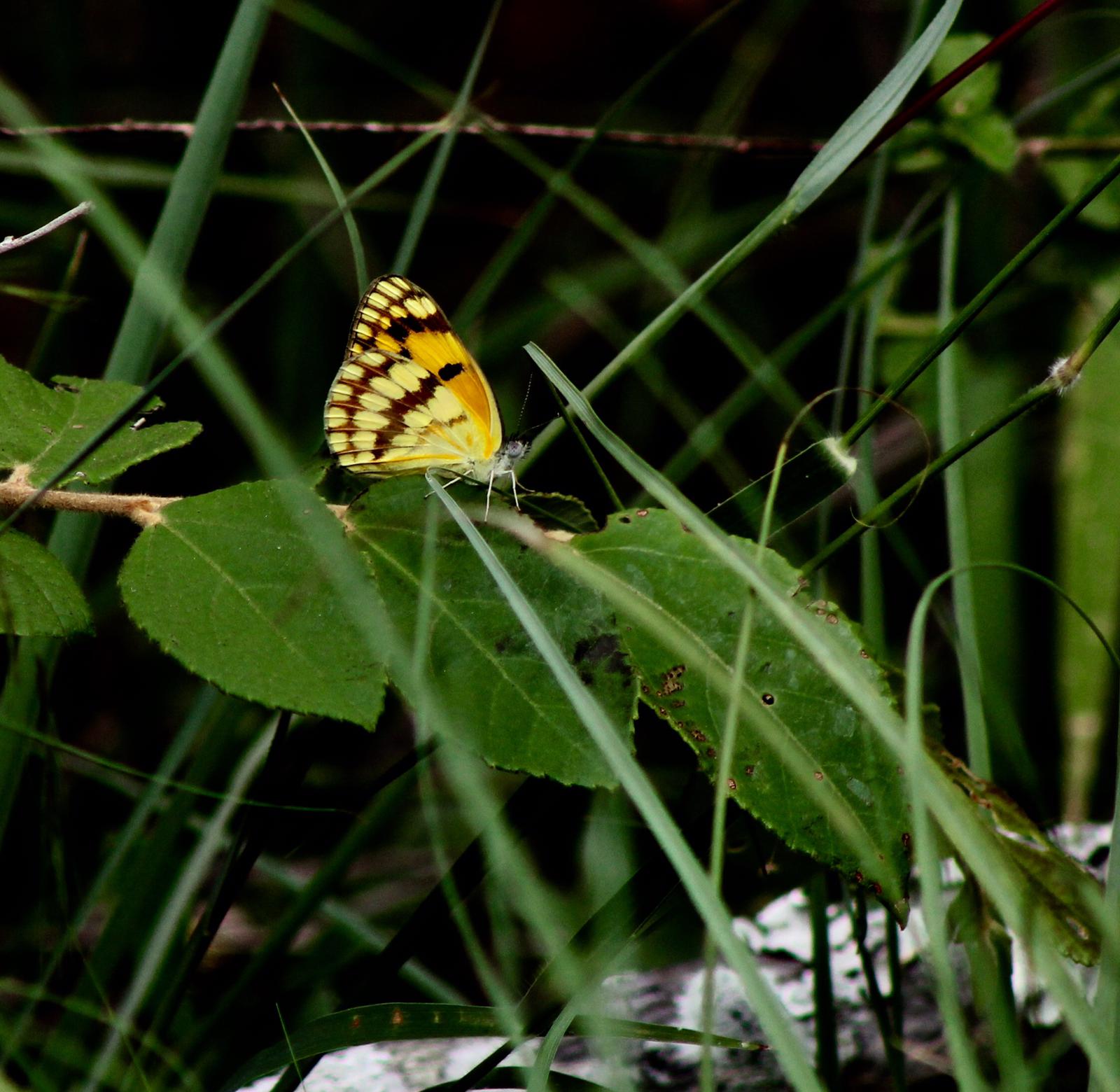
    I am fairly new to the world of butterflies and have loved learning about all the different families and what caterpillars turn into which butterfly or moth. The challenge of identifying one of over 660 species of butterflies found throughout South Africa is no easy feat. t’s amazing to learn which butterflies are responsible for pollinating which wildflowers and other vegetation. The thousands of wildflowers have painted the bushveld floor and their bright colours have made them impossible to miss.

    image

    Photo by Chane Doman

    Living an outdoor life is like moving between four homes in a single year and there is no greater excitement than seeing what the new season might bring. The overabundance of both food and water have made life easy for the time being, but winter will bring its own challenges and along with that change, arise specific individuals that will dominate the season. Each season is special in a unique way and there is not a single thing I would ever wish to see different.
    image

    Photo by Tommy Curley

  • Competitve photo ops during week 4 of Semester 1

    BY: Oliver Harvey, Bushwise Student 2020

    Week four has come and gone already and what an interesting four weeks it has been! This week has been filled with much excitement and danger. From the competitive photography competition on Tuesday, the sleep out Wednesday night on Makalali game reserve and then a close encounter with a Mozambican spitting Cobra on Friday night.
    The week started off slow and then got exponentially more exciting. Monday was like any other day starting off at 7 am with a lecture on birds and birding, followed by a lecture on Taxonomy. During the birds and birding lecture, Ed, our trainer, proposed an interesting birding competition and between this week and the next we would have to log down as many birds as possible with the winner potentially winning a sticker. Now, a sticker may not sound like much but the best way I can describe it to someone reading this is to think about it as a golden ticket that goes into your portfolio, representing a good work ethic which will come in handy when you are looking for a job in the future.
    Tuesday morning started at 7 am and signalled the start of the photography competition on campus. Vaughan gave us a quick introductory lecture on how to use our cameras and then set us loose to flex our creative muscles for the day. For me personally, this was a great opportunity to get to grips with my camera that I was lucky enough to get for Christmas. We were given 5 themes; sad, happy, colourful, creepy and flying. Once all the photos were in, we discovered the most of the ‘sad’ photos were of dead moths that had been massacred the night before through repeatedly smashing themselves into the lights around campus. This was truly a depressing sight to see. All the pictures submitted were high quality and I felt sorry for the Henk, the Marketing Manager, who had to select his top photos. 

    image

    Photo by Oliver Harvey

    Wednesday was an early start with all of us waking up at 5am for a practical drive. The drive was fun and informative. We learnt a lot about tracks and signs, orientation skills and the common lion track. I call it common due to the number of times we have seen them so far, every week it’s almost guaranteed. To say the least, they are cool to see but very boring to watch for extended periods of time, especially when they just sleeping. I often find myself doing a little birding when we stop to watch the lions, this is because lions love to sleep, and what’s fun about watching a cat sleep? 

    The afternoon after the drive was filled with anticipation for the sleep out, most of us were wondering what we were in for. I was half expecting to have hyena breathing down our necks as we slept. However, I was not to get a wake-up kiss from my hyena princess, due to the ever-vigilant eyes of the people on night watch duty. 

    image

    Photo by Oliver Harvey

    Thursday morning was a rough morning with many of us waking up feeling like we had slept on a bed of rocks, which many of us had been. Seems we overestimated the thickness of our mattresses we bought beforehand. This left the rest of Thursday as a write-off in terms of work as we were all far too tired to do anything of meaning, so the trainers took it easy on us and made us run through radio procedures which at times was quite funny to listen to as people forgot their words. After dinner, we all had an early night except for the nocturnal creepy crawlies. 

    image

    Photo by Oliver Harvey

    Friday was a rather stressful start as we got feedback on our performance during the course and our tests which left many feeling they needed, or deserved, the holiday that was going to start on Saturday. There was a sight and sound test in the afternoon which was thankfully nowhere near as stressful as the morning. The feedback, which did not count for any marks, was just to see how much knowledge we had retained during our practical drives and what we could improve on. From the results, it looked like we all knew what most things looked like but had no idea what the sounds were which led to some very interesting answers from some of the teams! 

    In the evening we had quite an exciting yet dangerous encounter with a Cobra. A small Mozambican spitting Cobra tried to have a go at someone who walked by, spraying them with potentially deadly venom. Thankfully the venom sprayed harmlessly onto their skin only leaving its victim a little shaken. The snake was safely removed by the trainers almost immediately after the incident, leaving the snake a little stressed out but unharmed. This was quite the way to end off the term reminding us that we all need to have a healthy yet passionate respect for the bush, making this term all that more memorable.

  • Semester one ends way too fast

    BY: Ank Lubberink, Bushwise Student 2020

    We started our week with a workshop on photography. This included how to make use of the light and find new perspectives when taking photos. With a few avid photographers in our group, we quickly became familiar with the specific terms and how to use the camera to capture that perfect shot. Unfortunately, we had to be patient before we could put our new knowledge in practice, as we continued with lectures about taxonomy and birds. The lectures provided us with even more new knowledge, and I’m sure we’re all looking forward to using this knowledge during our first practical guiding exercises.

    On Tuesday afternoon we went on a bushwalk through the reserve and did some birding along the way. Our goal was to slowly walk from our game vehicle to Kirsti’s Dam and back, but the moment we reached the dam we got a call to head back to camp as soon as possible. As it turned out Trevor had heard and seen some lions right next to our camp and was urging us to come and see them. Unfortunately, they were gone by the time we arrived.

    image

    Photo by Sophie Pyper

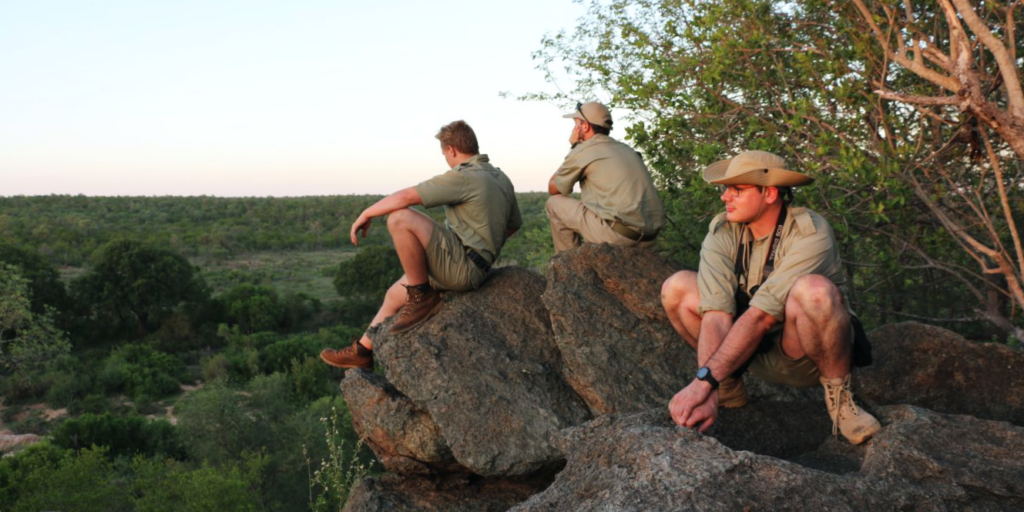
    On Wednesday it was time to pack our bags for our first sleep out under the stars in the dangerous game territory. Just down the road from the Toro campus, there is a beautiful lookout-point where we decided to stay for the night. After settling in, we started the fire and had ourselves a nice braai. As night started to fall, we spotted a pride of four lionesses coming out of the thicket for a drink, down by the Makhutswi River. As the lionesses were drinking, the sunset and the sky turned pink, orange and purple, with a small white moon. We could not have asked for better luck.

    We had set up a schedule to keep watch, with a different team every two hours. My turn was from 3:00 AM until 5:00 AM, which meant an early morning, but seeing the sun come up over the Lowveld made it all worth it. After some coffee and tea, we packed up our things again and headed back to camp.

    image

    Photo by Ank Lubberink

    We ended the week with two more game drives, done by two of my fellow students (Andi and Sophie). Both game drives resulted in some great sightings of mammals, birds, plants, reptiles and arthropods; which we by now know how to place within the taxonomic tree of life ;). 

    image

    Photo by Ank Lubberink

    image

    Photo by Ank Lubberink

    We are now packing our bags for our first off week. Everyone has made plans to visit friends or family while some will be relaxing not too far from our newfound home for the next coming months.