Category: Course updates

  • How to fall in love… with birds

    If you love something, you have to love it fully! If you only love half, how fair would it be to the opposite party? Sometimes falling in love takes time and we first need to overcome a lot of things and other times it’s as easy as 1, 2, 3.

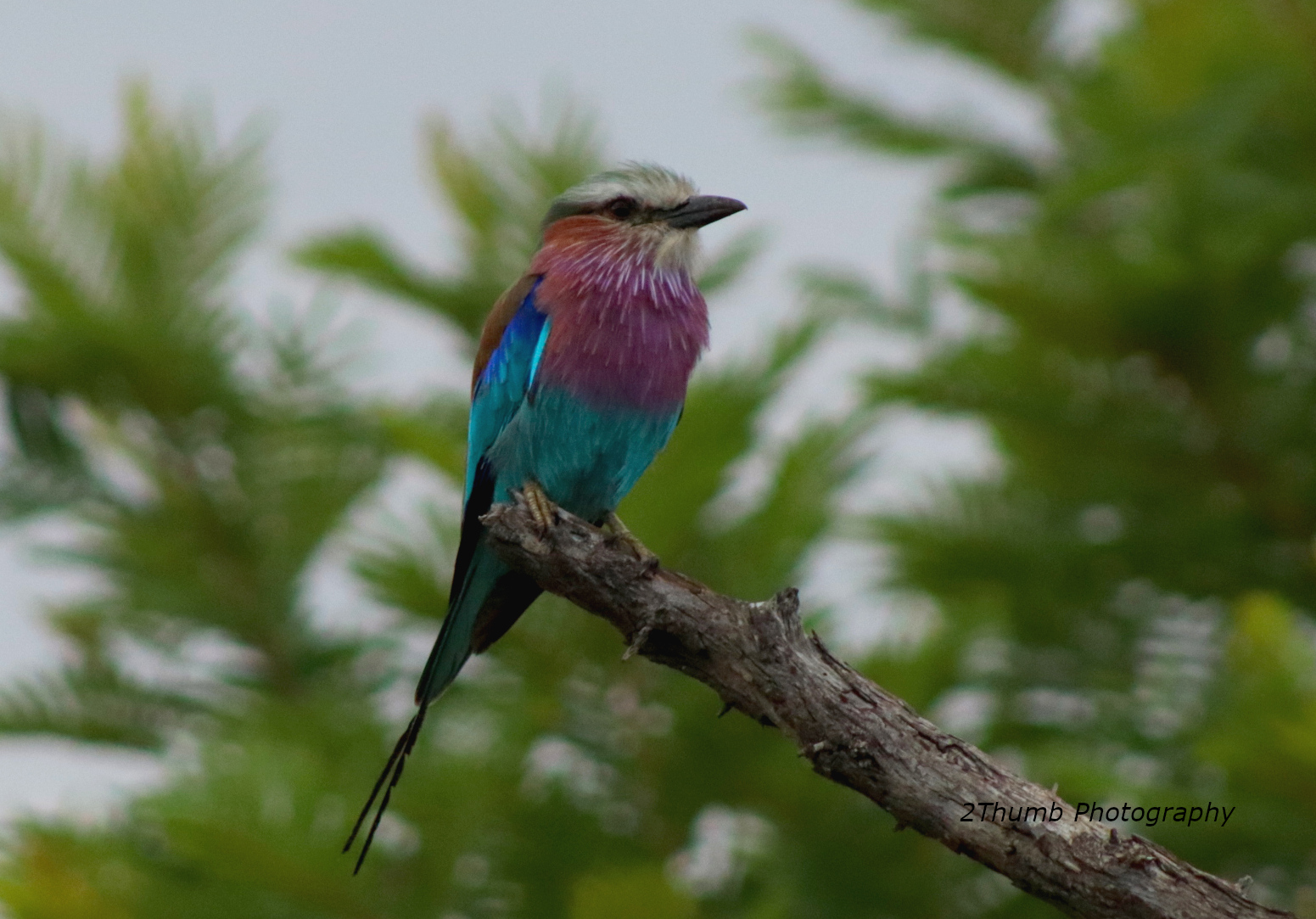
    Birds can easily feel like this never-ending species list and what’s on top of that you might ask? They don’t sit still! It can drive you mad with frustration if you’re trying to identify a bird and it decides to fly to the next tree. They are small, which means spotting them can very difficult. Sometimes falling in love takes time because it can feel daunting and you feel vulnerable.
    image

    Some people just need a little time to fall in love. They need to get past the overwhelming factors first. Then you get the “love at first sight” kind of people. They will just fall into the bird-world with ease. I personally needed a little time to fall in love with birds.
    image

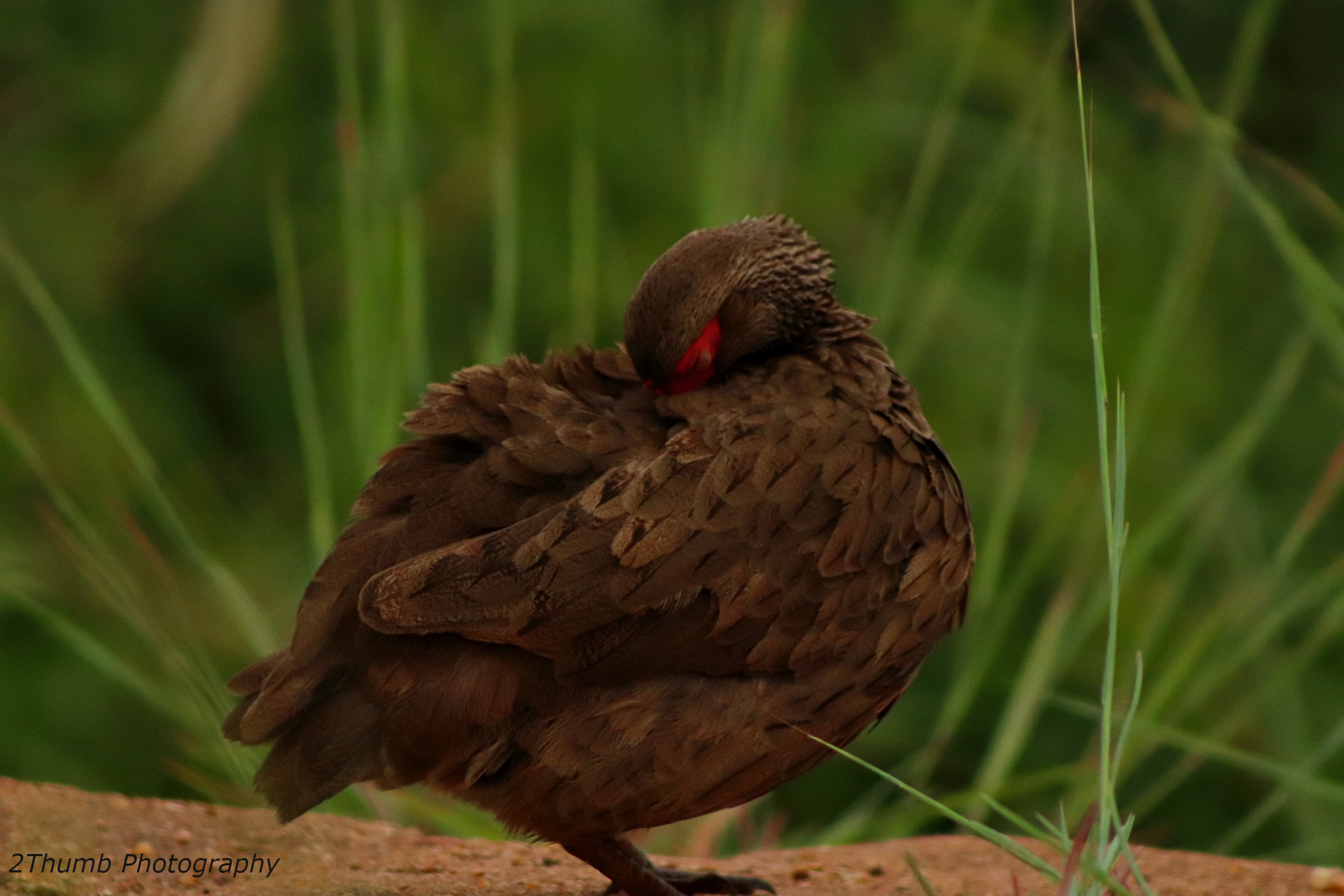
    It took me a while to move past all these factors. To me this was a very intimidating situation. I had no idea where to start. Have you ever seen someone complicate their own life? Well this was me.
    image

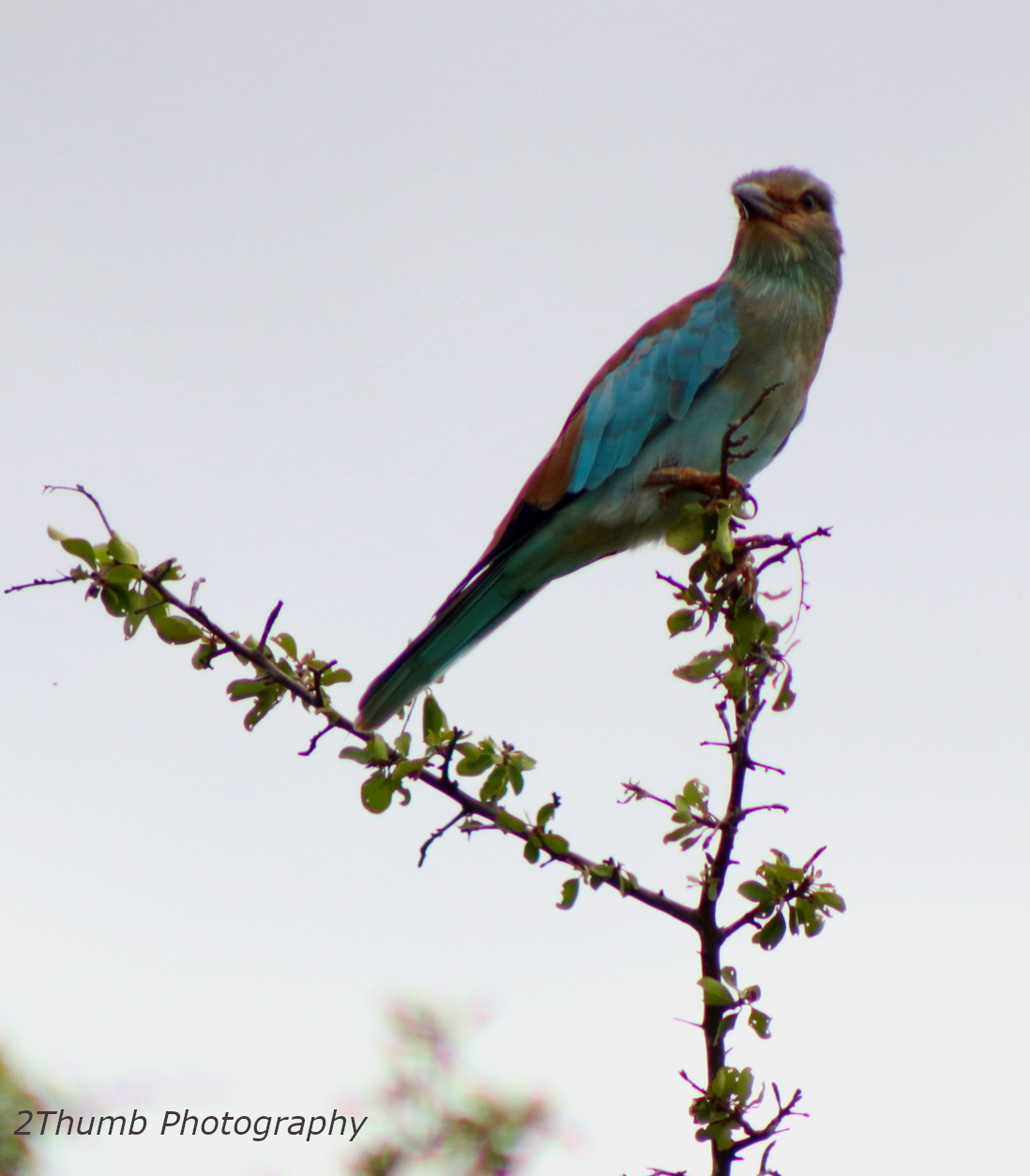
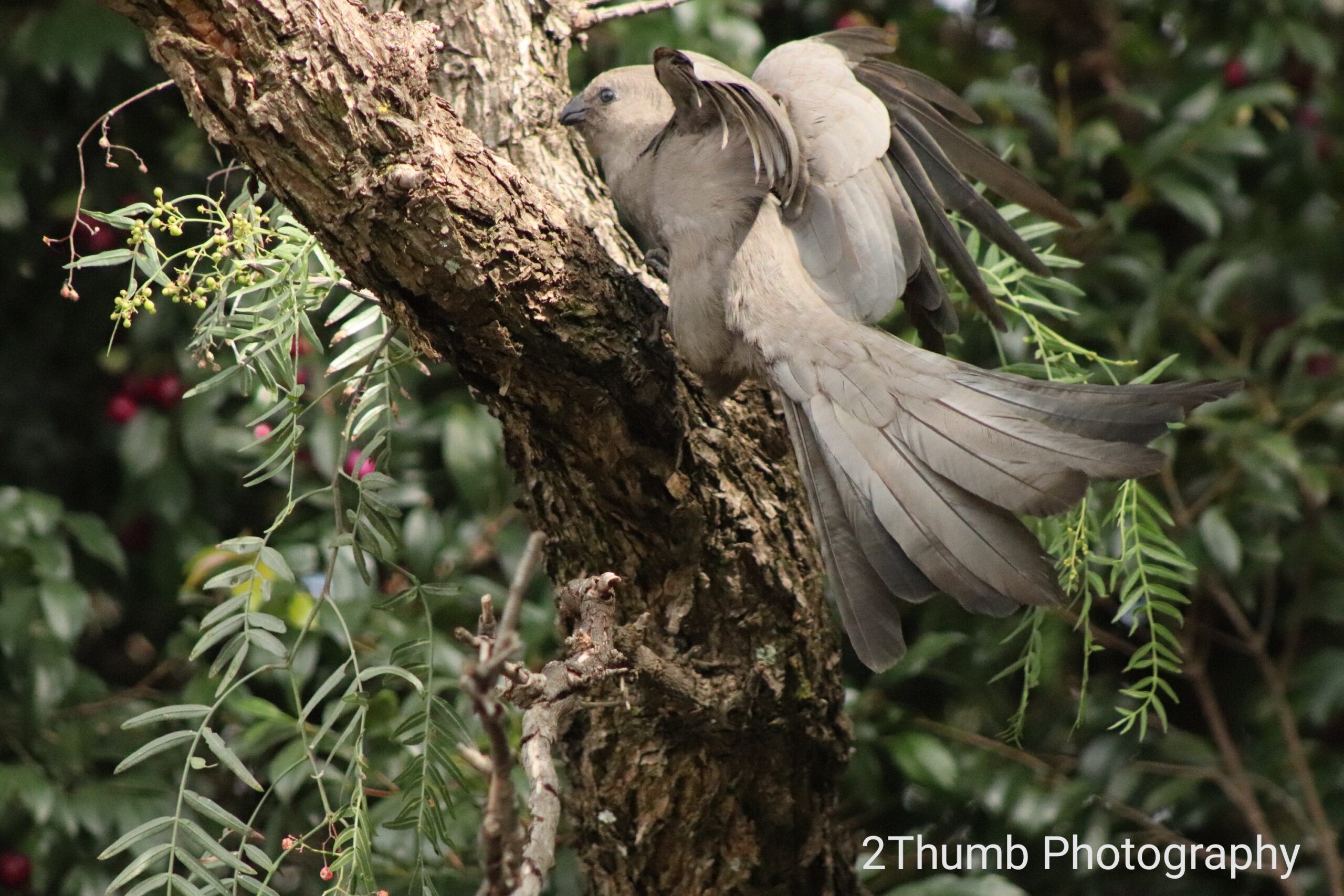
    When meeting someone for the first time you get an overall impression of them. Birds are the same. When you meet one for the first time you get an overall impression and when time was limiting because the bird decided to fly away it is still easy to get the overall impression. You need to get a general size impression and shape. As you get to know the different species the general shape will steer you in the right direction.
    image

    When you meet someone new, talking is quite important. How will you get to know them without talking to them? Learning bird calls are tricky but definitely doable! Sometime when you don’t get to see each other, calling just so you know they are there is more than enough.
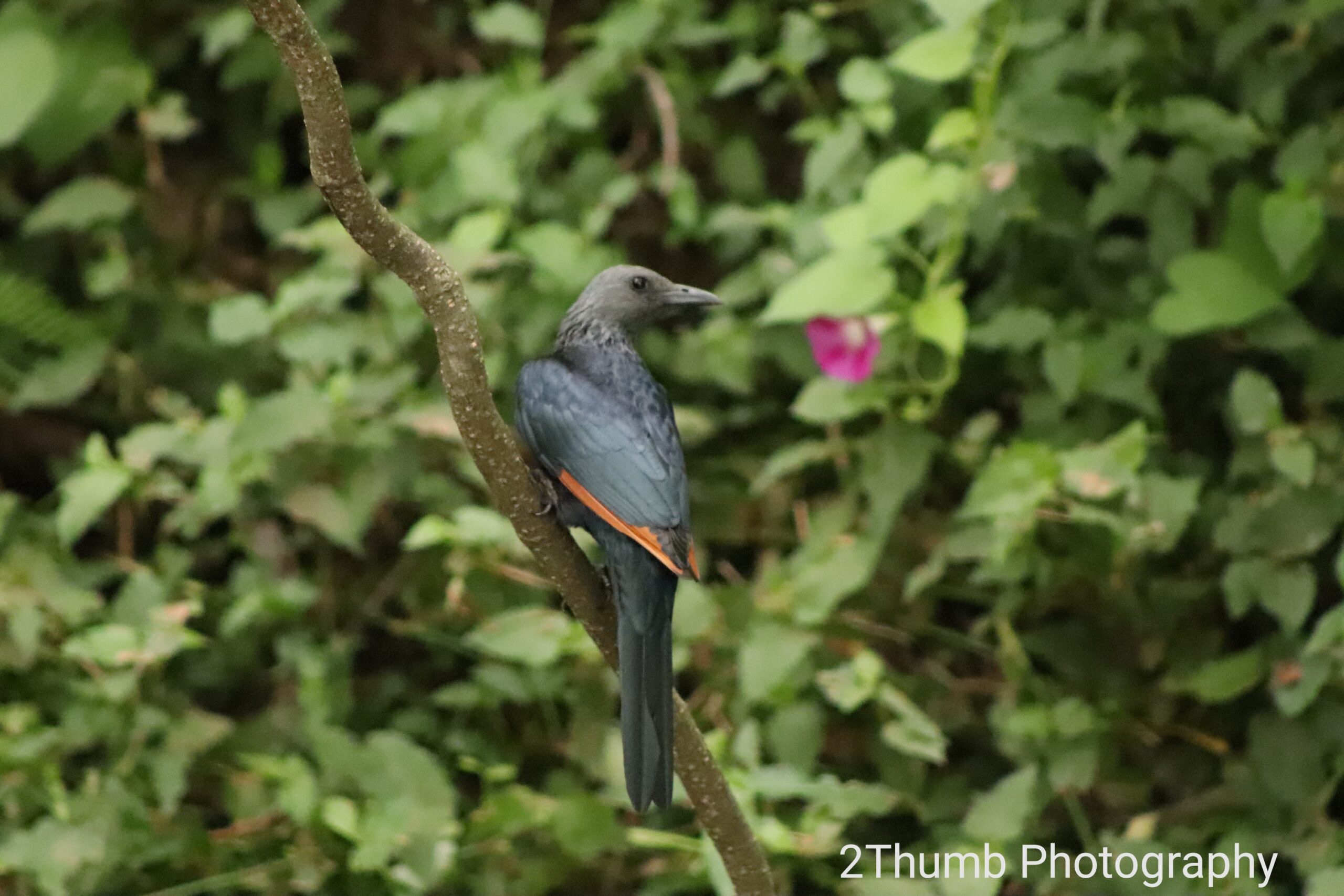
    image

    A Birds bill is very important to their diet. Their bills are adapted to what and how they eat. Some birds will need to kill a scorpion where others will eat fruit. Then you get the show off that will catch their prey in-flight. There is also the “big boys” that will scavenge and eat from carcasses. These birds have a very important role to play in our ecosystems, since they do the clean up.
    image

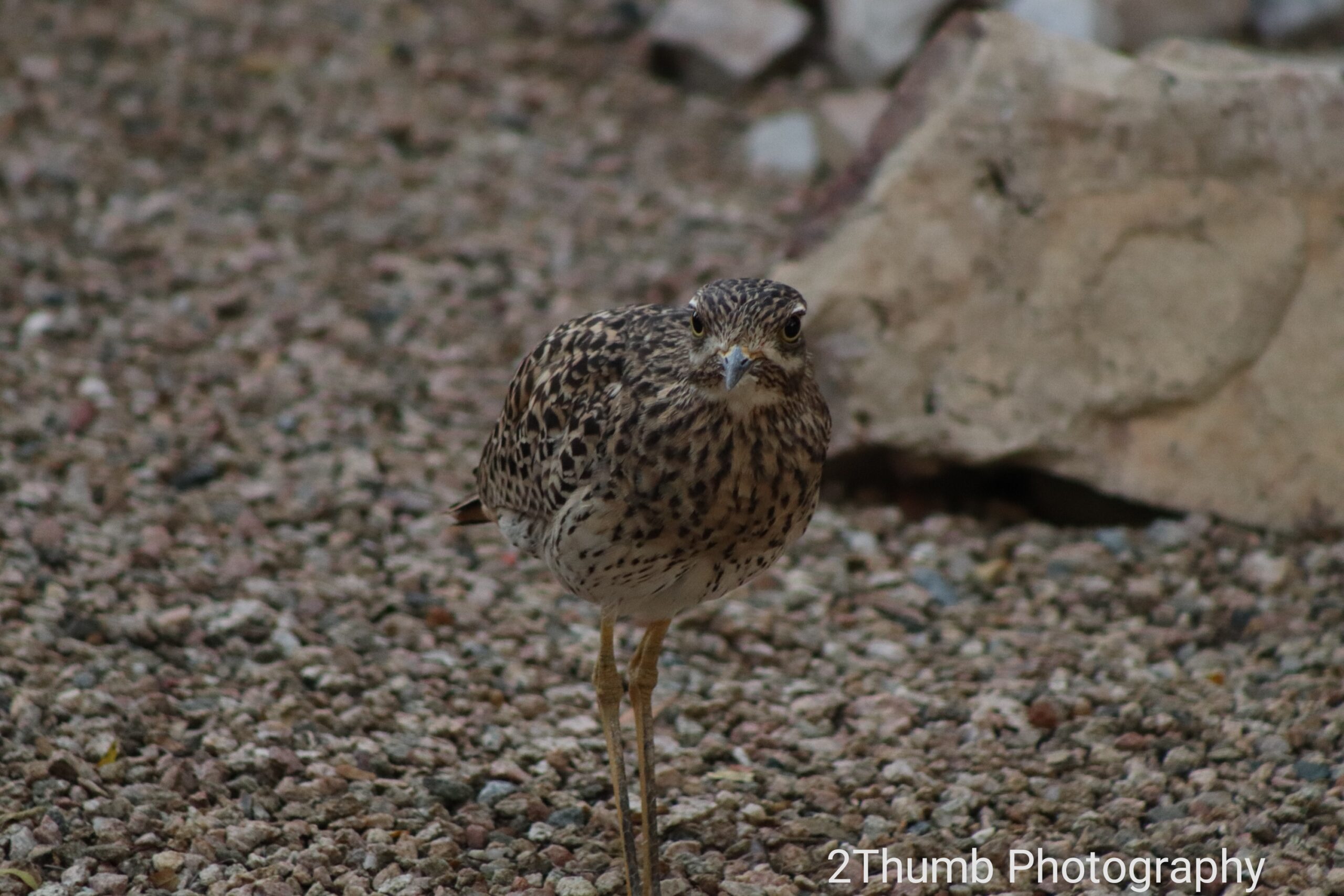
    Birds are classified by their feet structure. Their feet structure will determine if they can climb a tree or if they should walk on the ground. If you have wondered how a bird is able to hold onto a branch, it’s because of their feet structure. Some birds have 3 toes facing forward where others have 3 toes facing forward and another toe face backwards. Then you get the Swimmers that have webbing between their toes.
    image

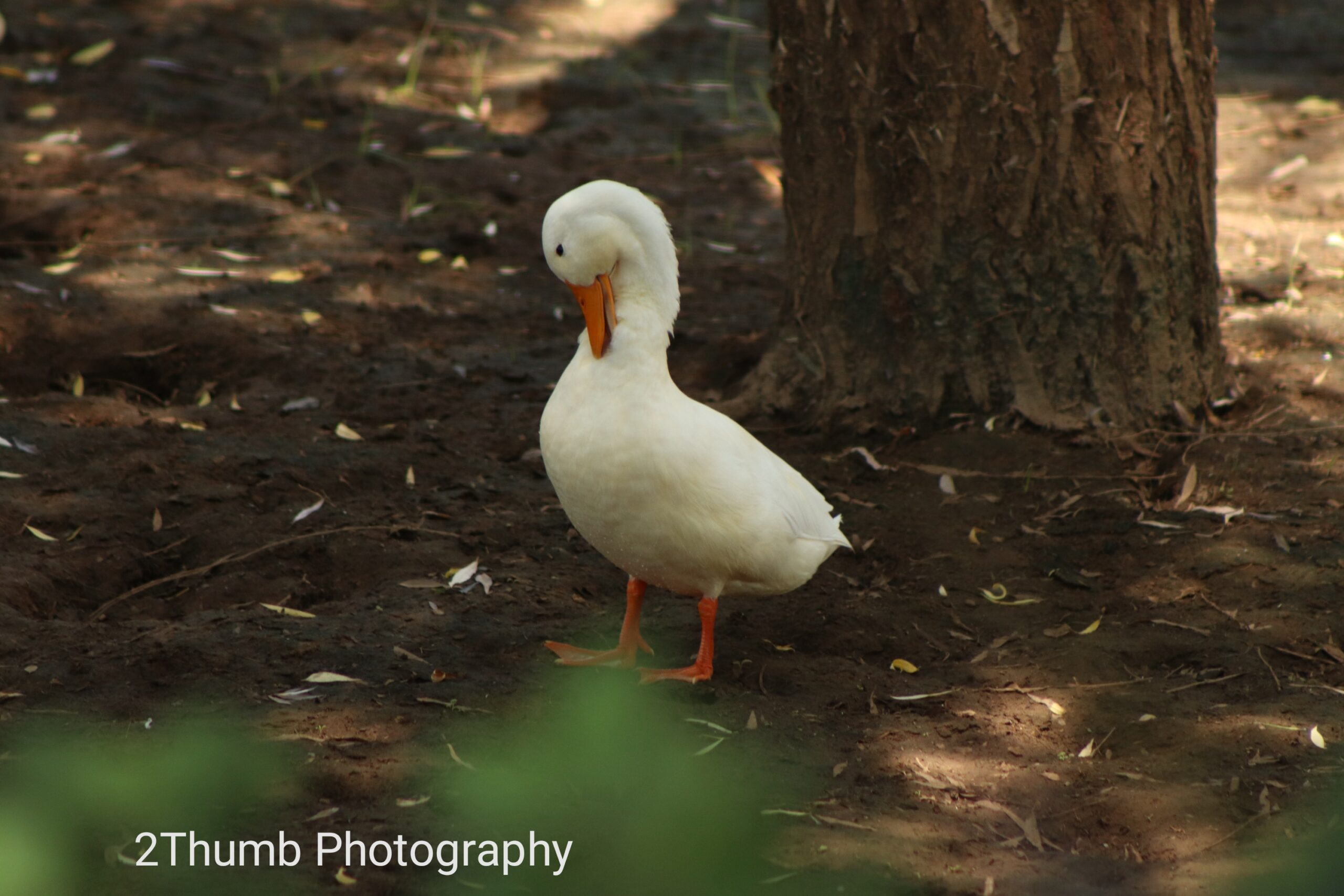
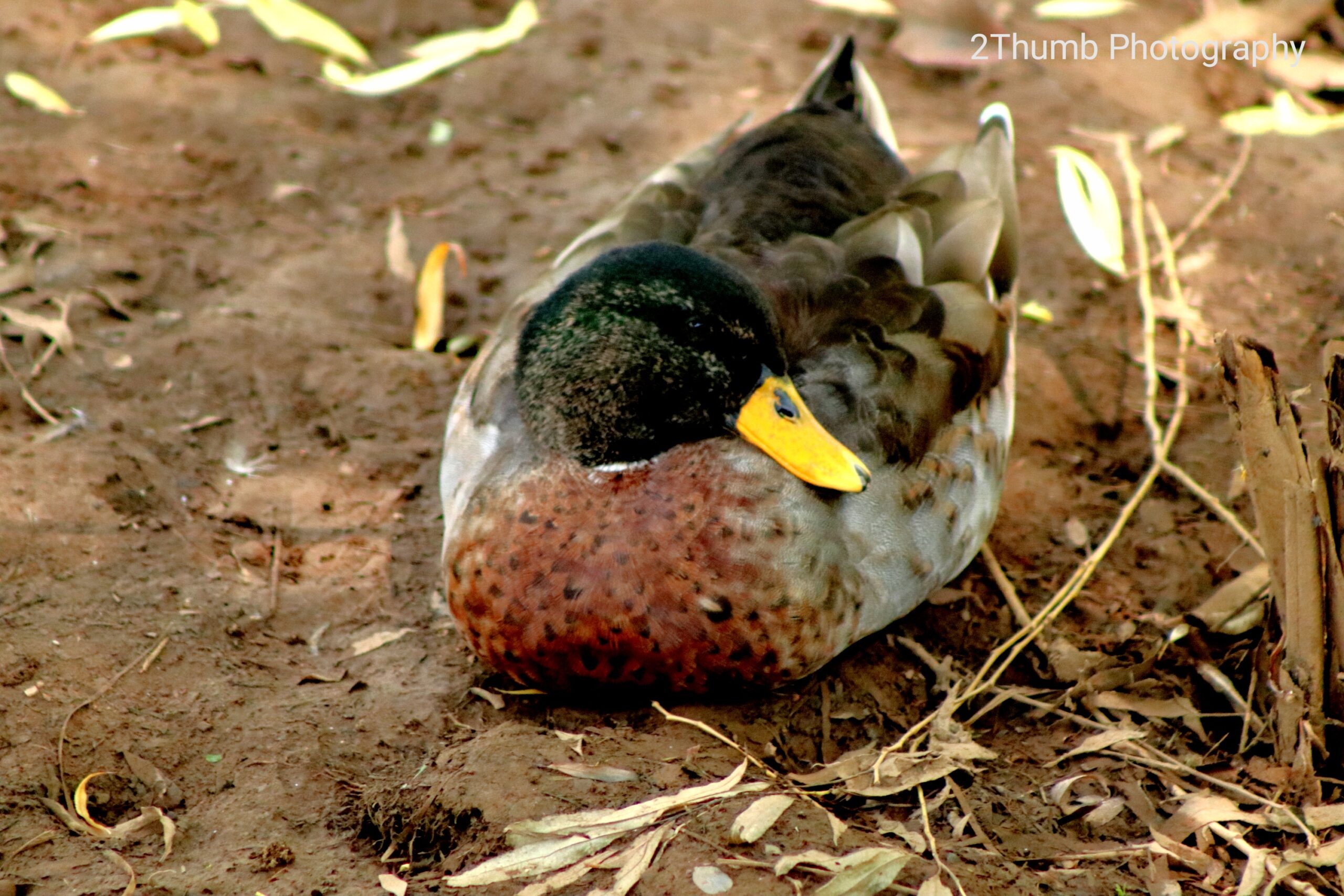
    The colour of some birds are all over the place whereas others are quite dull. Something to note is that a male is usually more vibrant than the female. Sexual dimorphism is quite abundant in the bird community. You will start loving the individual species for all their little quarks.

    Just like people, birds need their own personal space. Just like we have a preference as to where we live, birds have the same preference. A Bird that eats fruit will live where there is an abundant of fruit. Birds that eat fish will live near or even on top of water. Some birds like the ground so much they will even lay their eggs on the ground. Every species has their own liking.
    image

    How a bird flies will also help with this whole process. To give you a tip , if you think the bird cannot fly and should probably have some flying lessons , it’s a Bateleur.

    If you have come this far you probably have a lot of questions! This is a good thing! Go and find answers to every question and the love will grow as mine did. Falling in love with birds is a lot easier than you think. You are probably already intrigued and wanting more from this relationship!

    Blog by current student Megan Smith
    image

    #birdwatching #Birding #birds
  • It’s crunch time for the Class of January 2019

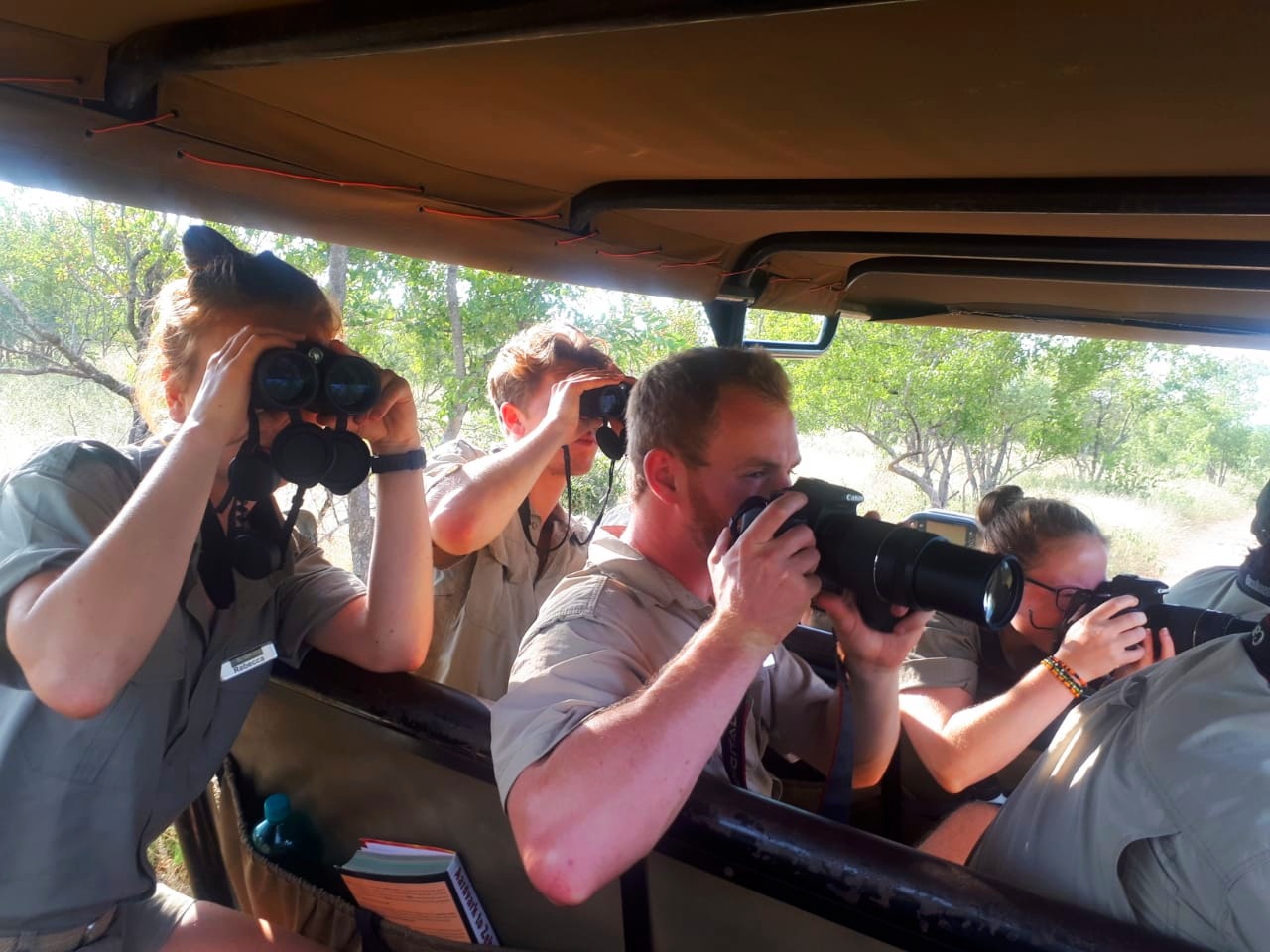
    We, the students of 2019, are in crunch time! To most of us our mock assessment drives, which are like practise drives, was a good indicator of where you are in terms of FGASA standards. We have all finished our final Bushwise practicals. These practical tests included birds, mammals, arthropods, reptiles, amphibians, botany, fish and the handling of radios.

    image

    Mock assessments

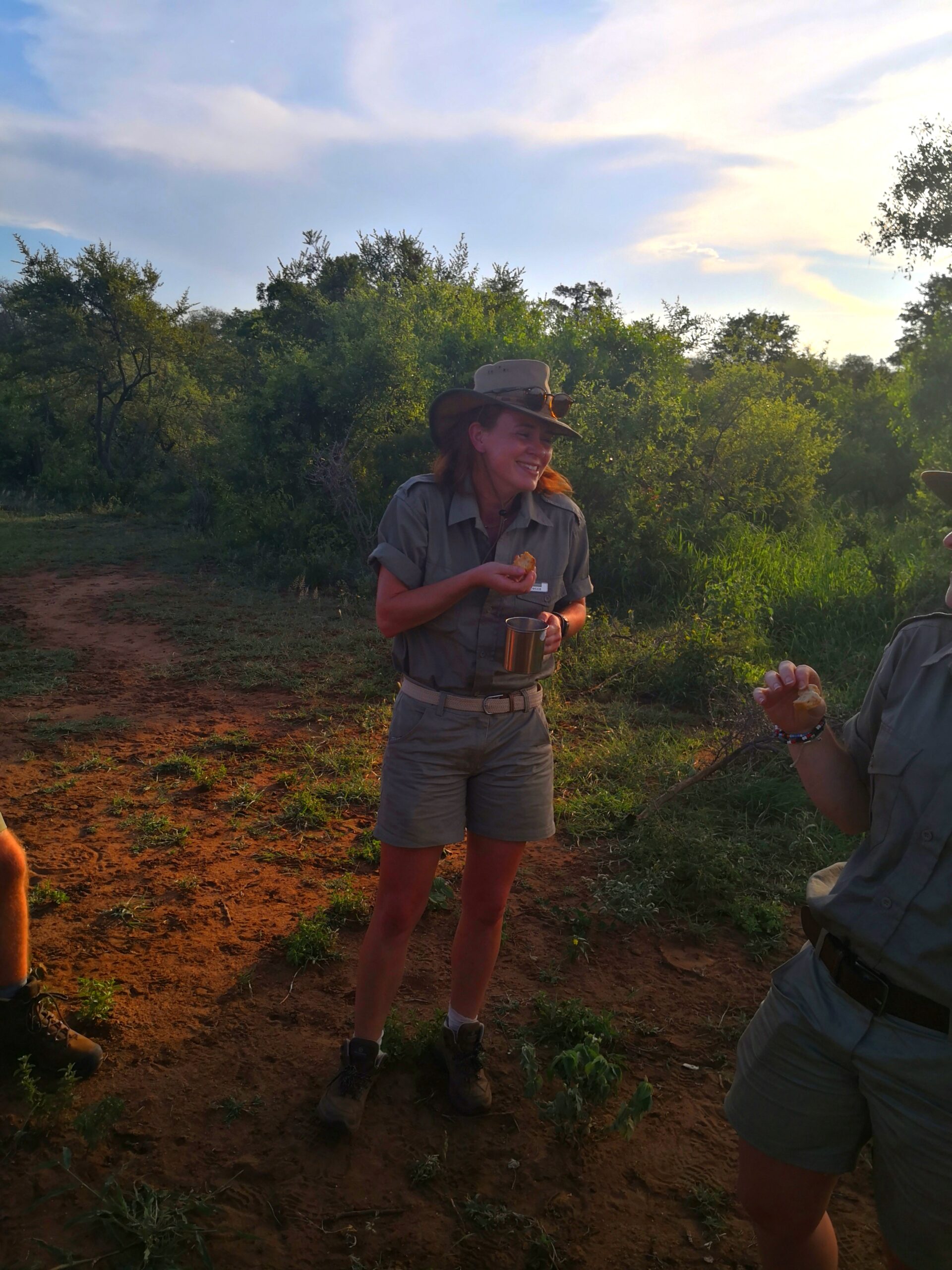
    All of this preparation comes down to one big FGASA test and assessment drive. Bushwise has proven that they truly are the most comprehensive training provider. Our Field Guide trainers will go out of their way to help you make the dream come true, as long as you put in the effort.

    image

    Coffee break

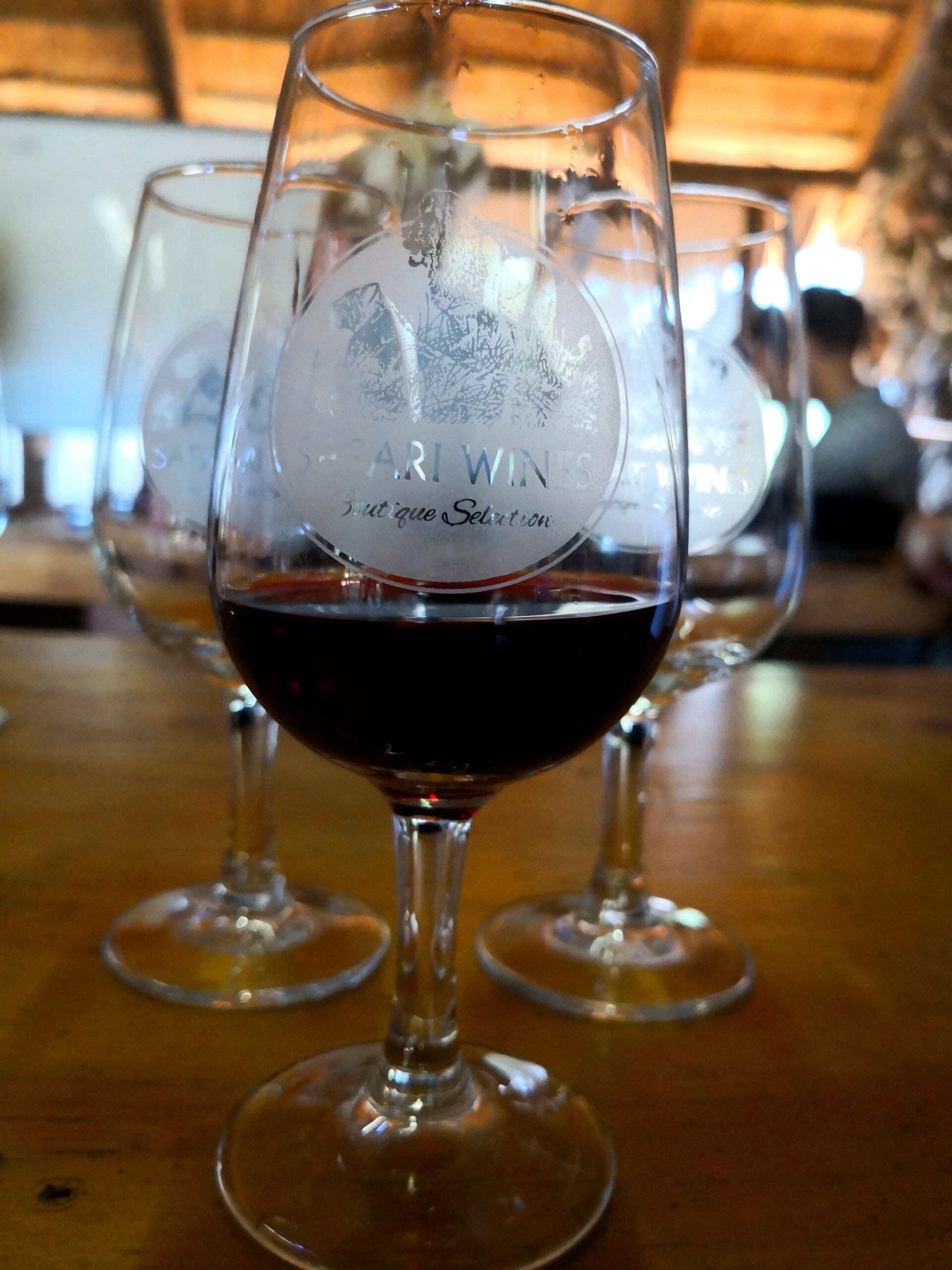
    This has been a really tough course but I wouldn’t want it any other way! We are not trained to be good guides but trained to be amazing field guides! We have done a lot of “on the side” courses that will help further our career. These little extras are things like a 4×4 course and an SA wine training course.

    image

    Wine tasting course

    Bushwise offers a placement to students who have passed not just the FGASA requirements but the Bushwise requirements as well. Most of us know where we are going and some has already gone for interviews. This is such a good learning curve. Gaining experience from the work environment around you with the security of Bushwise standing behind you.

    image

    Mock assessment drives

    With all this said and done, you can take a horse to the water but you cannot force them to drink. You need to be willing to work! Sometimes you need to sacrifice what you want to do and focus on want you need to do. To use myself as an example, my weak point was birds when I started the course. I got so frustrated and picked on for struggling, that I wanted to be an ostrich and stick my head in ground! I buckled down and studied. This forced action made me realise how magnificent birds truly are and I fell in love with them.
    The difference between a good field guide and an exceptional field guide is clearly shown to us by our trainers. You ultimately have to make this decision by yourself. It takes a lot more effort and time to become a great guide, but you have every opportunity here at Bushwise!

    image

    Class of January 2019

    So in a few weeks time we could possibly be qualified field guides! Just need to knuckle down and work hard to push through the next few assessments.

    Blog by Megan Smith

    image

    #STUDY #fgasa #practicals #Assessments #fgasaexam #mockassessmentts

  • What Field guiding is all about

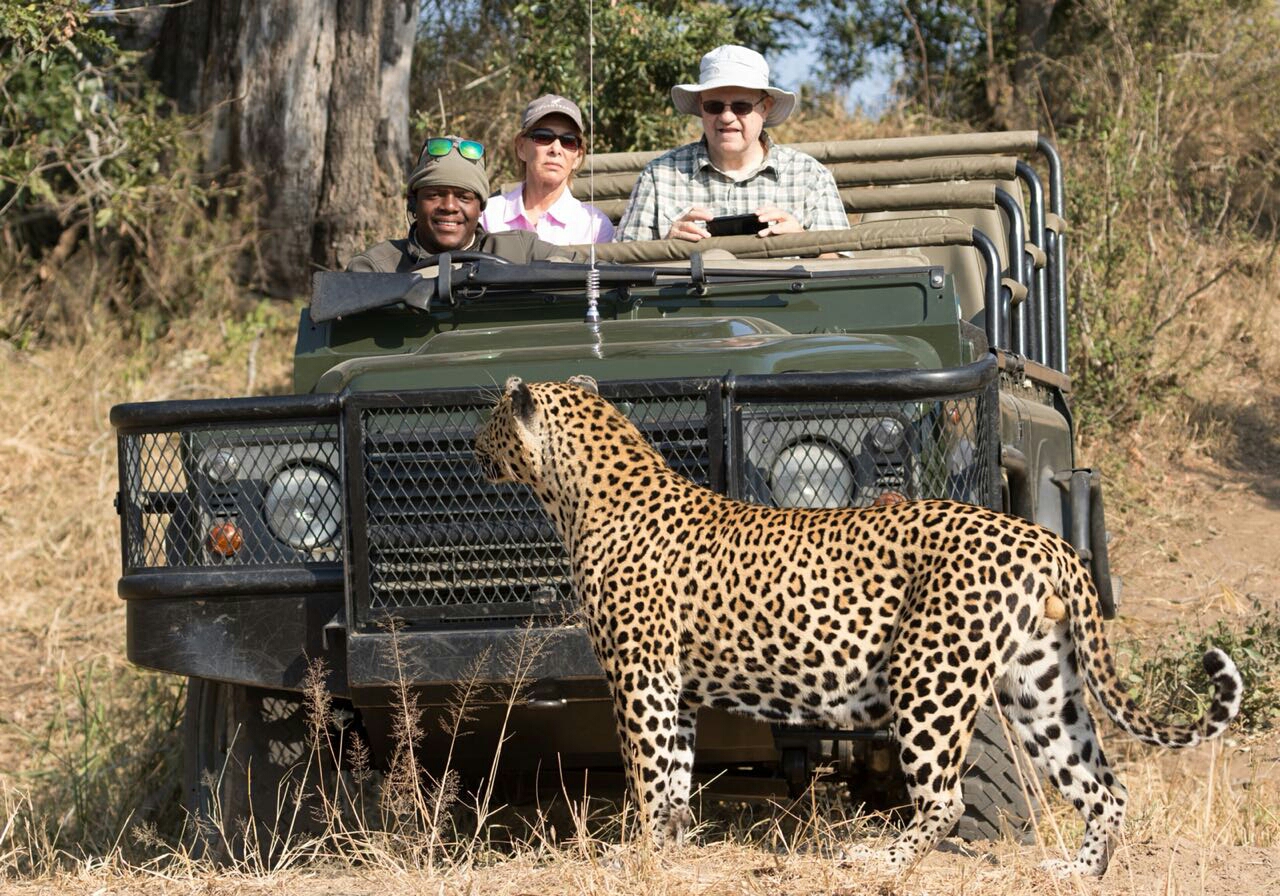
    Field guiding is far more about people than animals. You may spend ten hours a day looking at four-legged animals, but you will spend between fifteen to eighteen hours daily with the two-legged ones. There are a few professions where you spend so much time with the same people. On any kind of safari, you are with your clients almost every waking hour, which is normally from dawn till around ten at night.

    image

    Game drive

    You will be asked so many times “you must hate doing this every day?” Look at it in another way. As a field guide you see the best side of humanity. Firstly, you work in the biggest and most beautiful office in the world. Secondly, your clients are on holiday. They are out for a good time. They want fun, laughter and a safe adventure.

    image

    Past student Annie White with here guests

    In modern society people are so worried about their image, money, surviving, the day to day stresses of just keeping afloat. Yet when these people join you on a game drive, they drop all the social barriers and pretences they need to survive in their daily lives. Guests will meet other guests who comes from totally different social, financial and political and cultural backgrounds and sometimes life-long friendships are formed.

    What draws these social opposites together? The answer lies in the beauty and simplicity of untouched nature. Imagine how rewarding it feels after moments where the “very bossy and high-ranking businessman” change whilst he is out on game drive with you. Field guiding is such a privileged profession: your “office” is this massive reserve, teeming with so many colourful and interesting forms of wildlife. In turn, your reserve is a theatre, an amazing open-air amphitheatre where the props are real living trees, clouds, rivers and mountains. The orchestra comprises the combined melody made up from the sounds of the wind, bird songs, gurgling rivers, a lion’s roar, a hippo’s snort and the call of the zebra.

    image

    Game drive sightings, photo by Megan Smith

    The animals are the actors, their beauty and actions speaking their parts. You are the presenter, with endless opportunities to share an ever-changing and unwritten show with your fellow man. Your guests from all corners of the globe and from all walks of life, are the mobile audience.

    image

    Past student Ernest, with his guests on game drive

    You hold in your hands the opportunity to realise your guests dreams and fantasies of Africa. Make every moment count for you and your guests and give them the experience of a lifetime!

    Until next time

    Trevor @ Bushwise

    #fieldguide #fgasaguide #guests #safari #fieldguiding #gamedrive #guiding

  • Now We’re Getting Serious

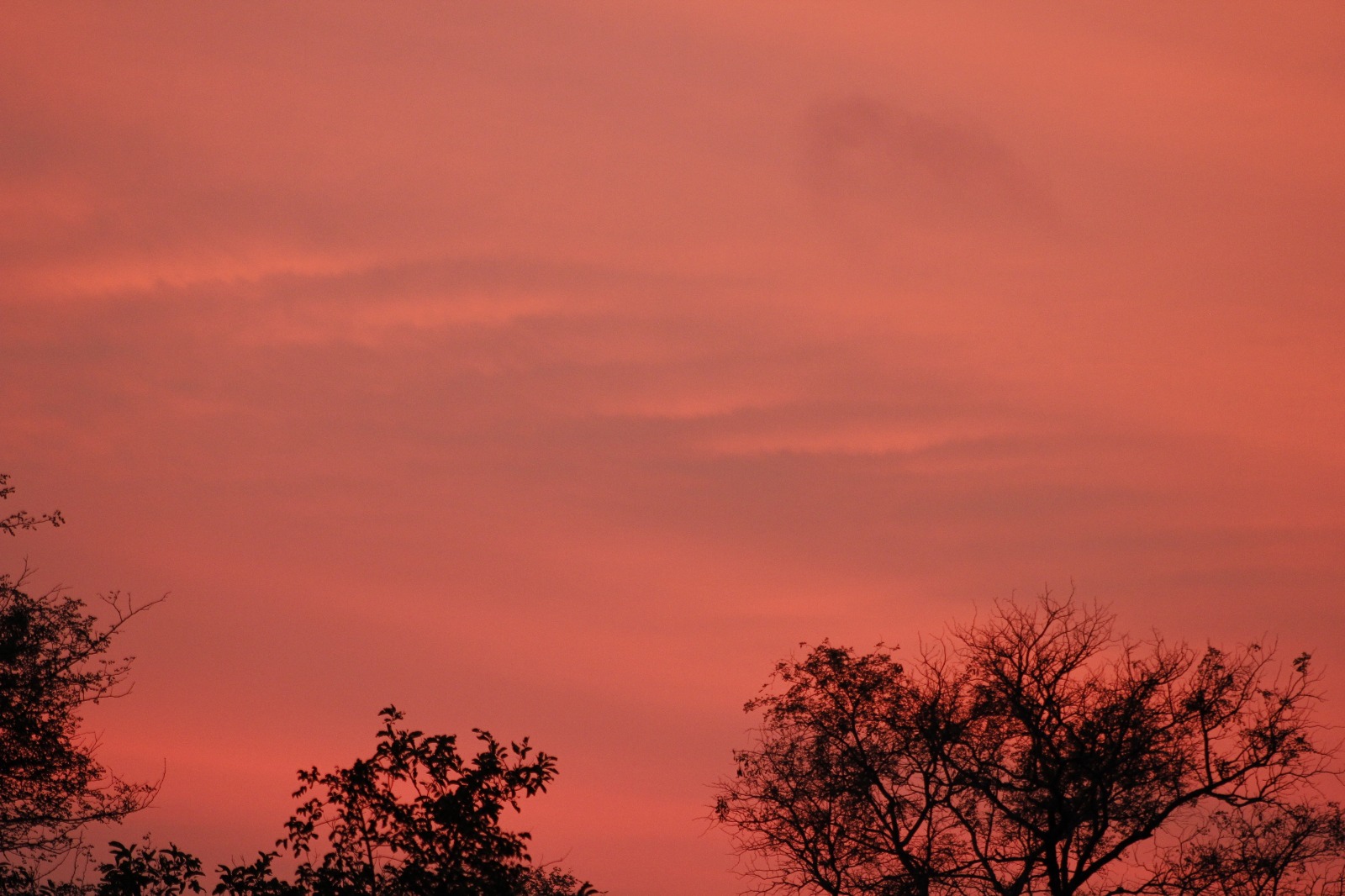
    Week 4, semester 3, two more tests down in Astronomy and Weather & Climate, not the easiest to learn when you want to focus on the amazing wildlife all around you. But these very important cosmic and atmospherically processes interact and affect our Earth and allow the multitude of life on it to develop and thrive! That and they make for some stunning backdrops to the Bushveld!

    image

    Bushveld sunset

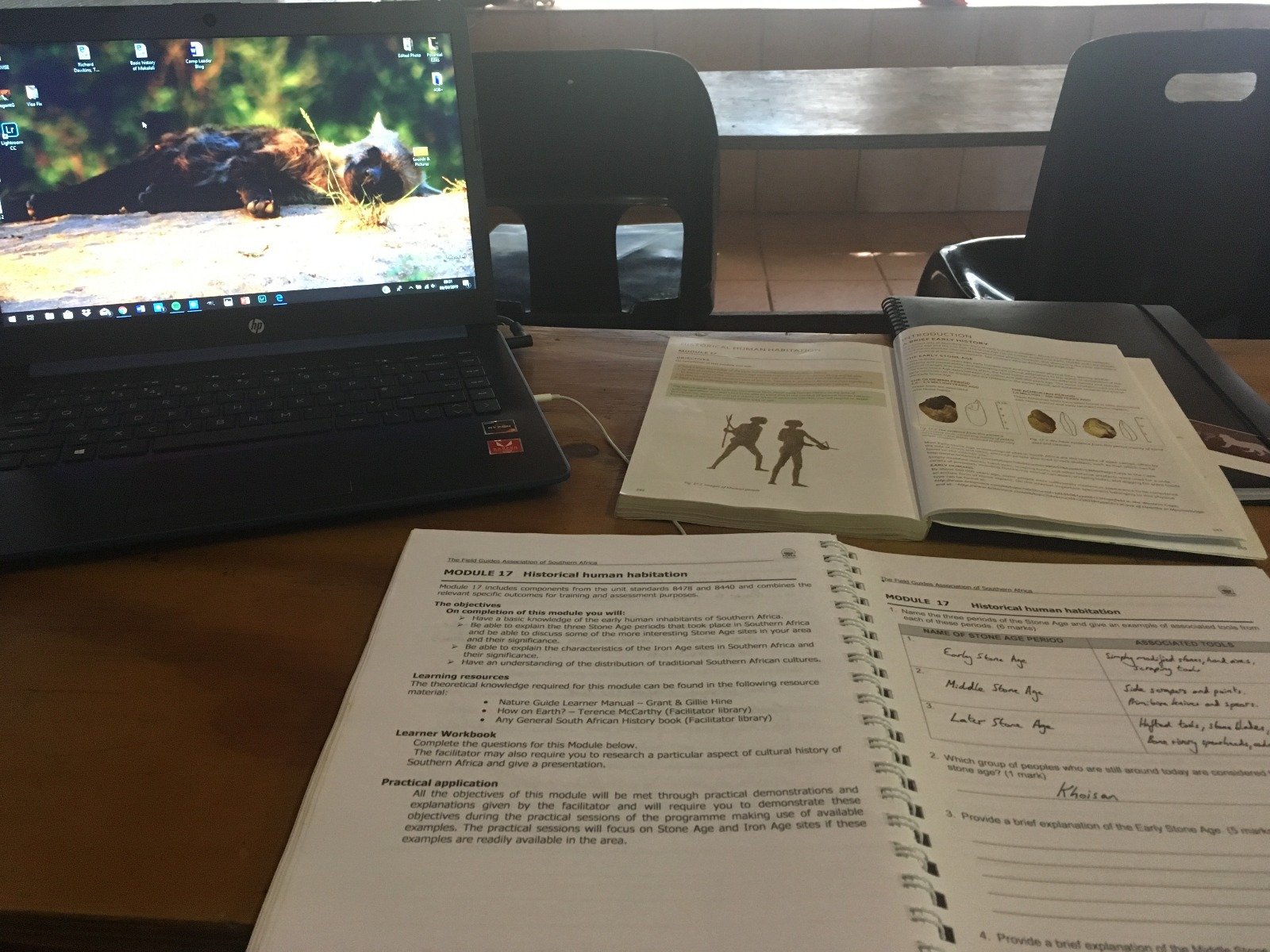
    With only two modules left for theory to cover, Human Habitation & History and Viewing Potentially Dangerous Animals, its dawning on us that the end is closer than we think with the FGASA exam and practical assessments just around the corner next semester. It’s a fine balance of broadening and strengthening our knowledge of the Bush for our practical assessments and the need to ingrain our theoretical knowledge ready for the theory exam, but hopefully we can marry the two together for the best in both.

    image

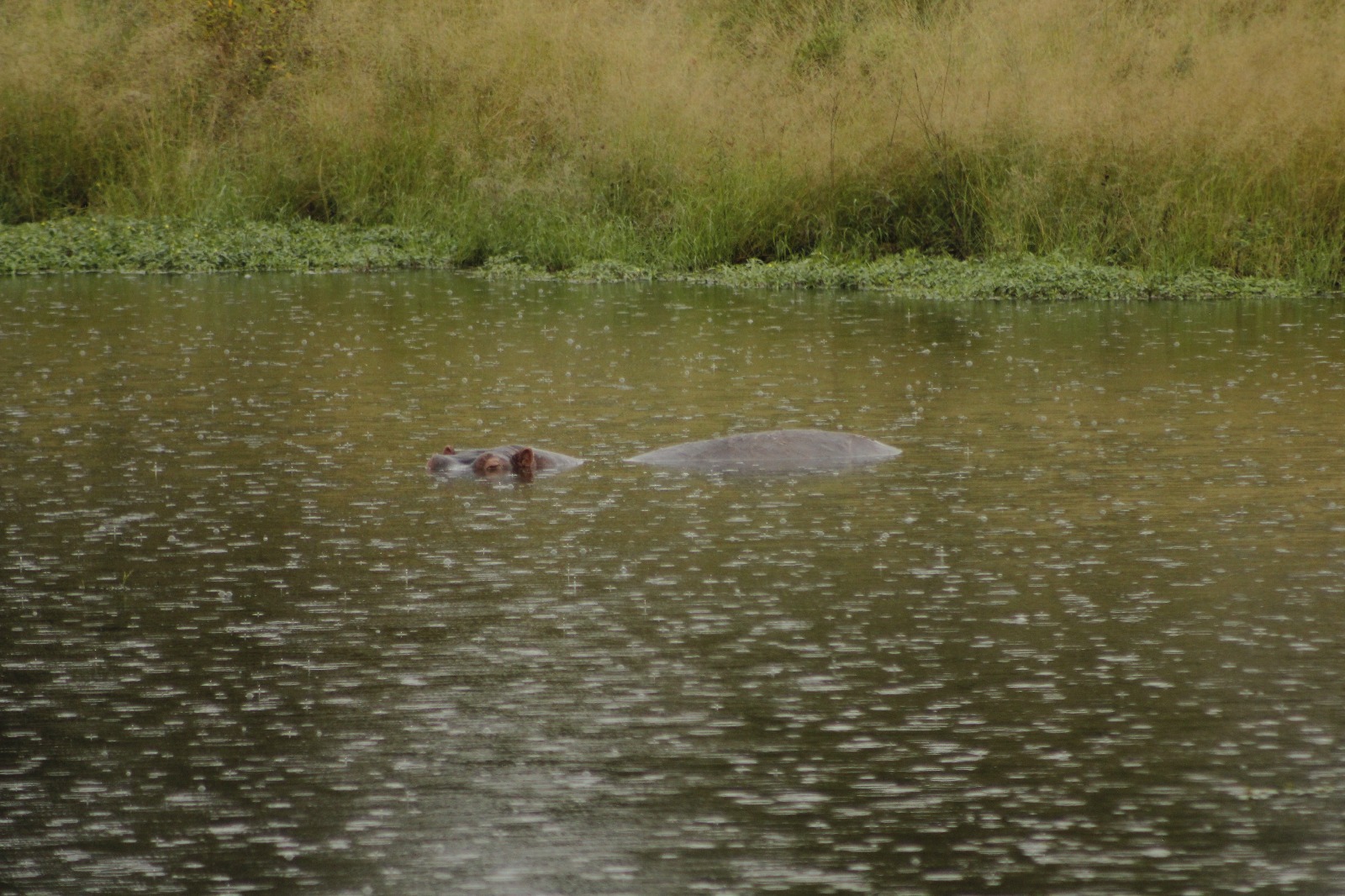
    Our practical Astronomy tests have been delayed till next semester due to the thunderstorms and generally cloudy, rainy weather we’ve been having, but its good for the Bushveld to get some final rainfall before winter sets in properly. The Hippos certainly don’t mind it!

    image

    Wallowing hippos

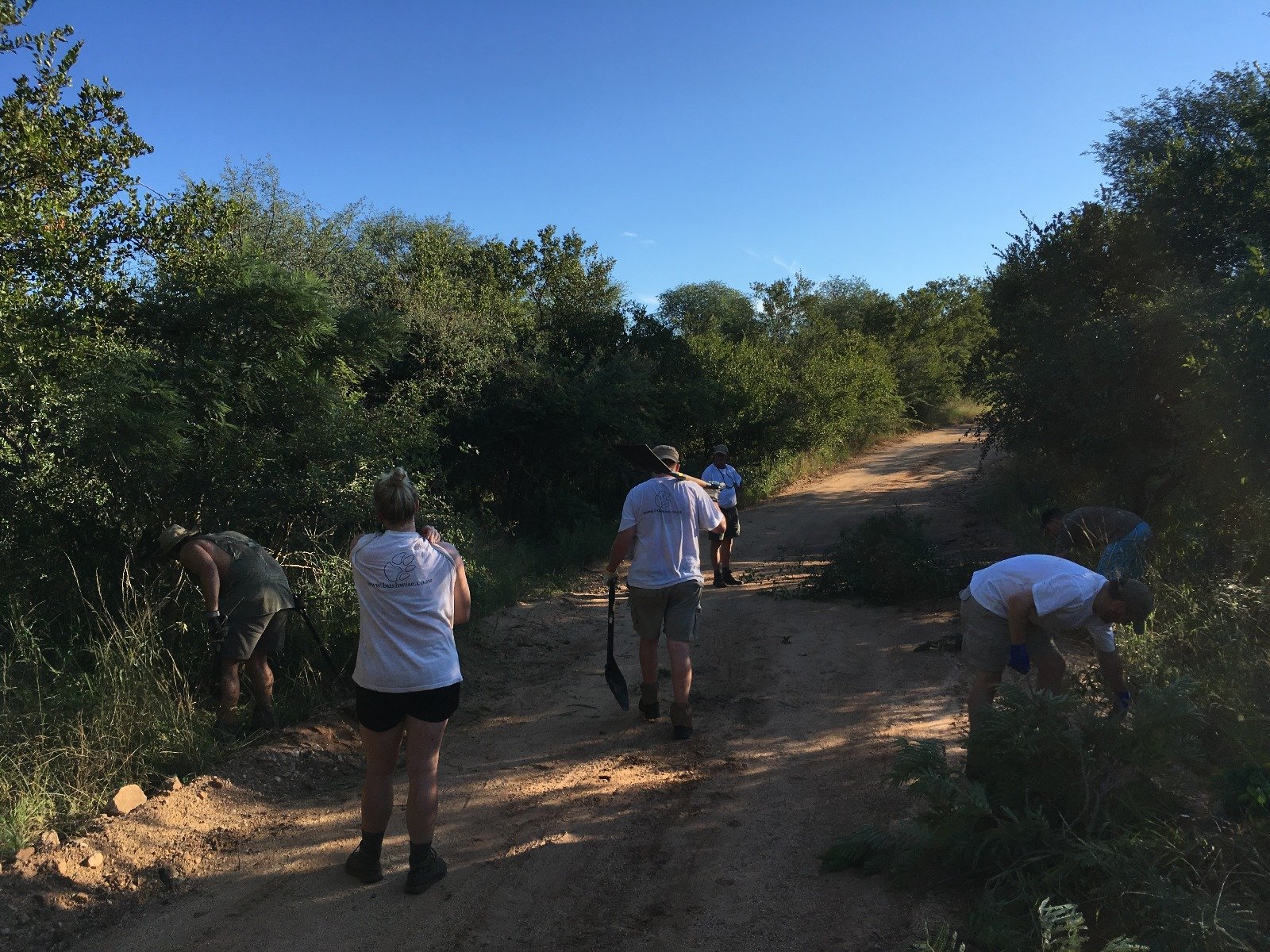
    Tuesday afternoon we all blew off some steam and some energy doing reserve work on Makalali. The bush gets quite a boost with all this rain and grows prolifically, so we were chopping and sawing along the edges of the reserve’s roads to clear the overhanging branches and encroaching bushes.

    image

    Bush clearing

    People have now finished their last practice solo drives and a few of us had mock assessments this week, they all seemed to go pretty well and with a few tweaks here and there things a looking good going forward.

    image

    Exam prep

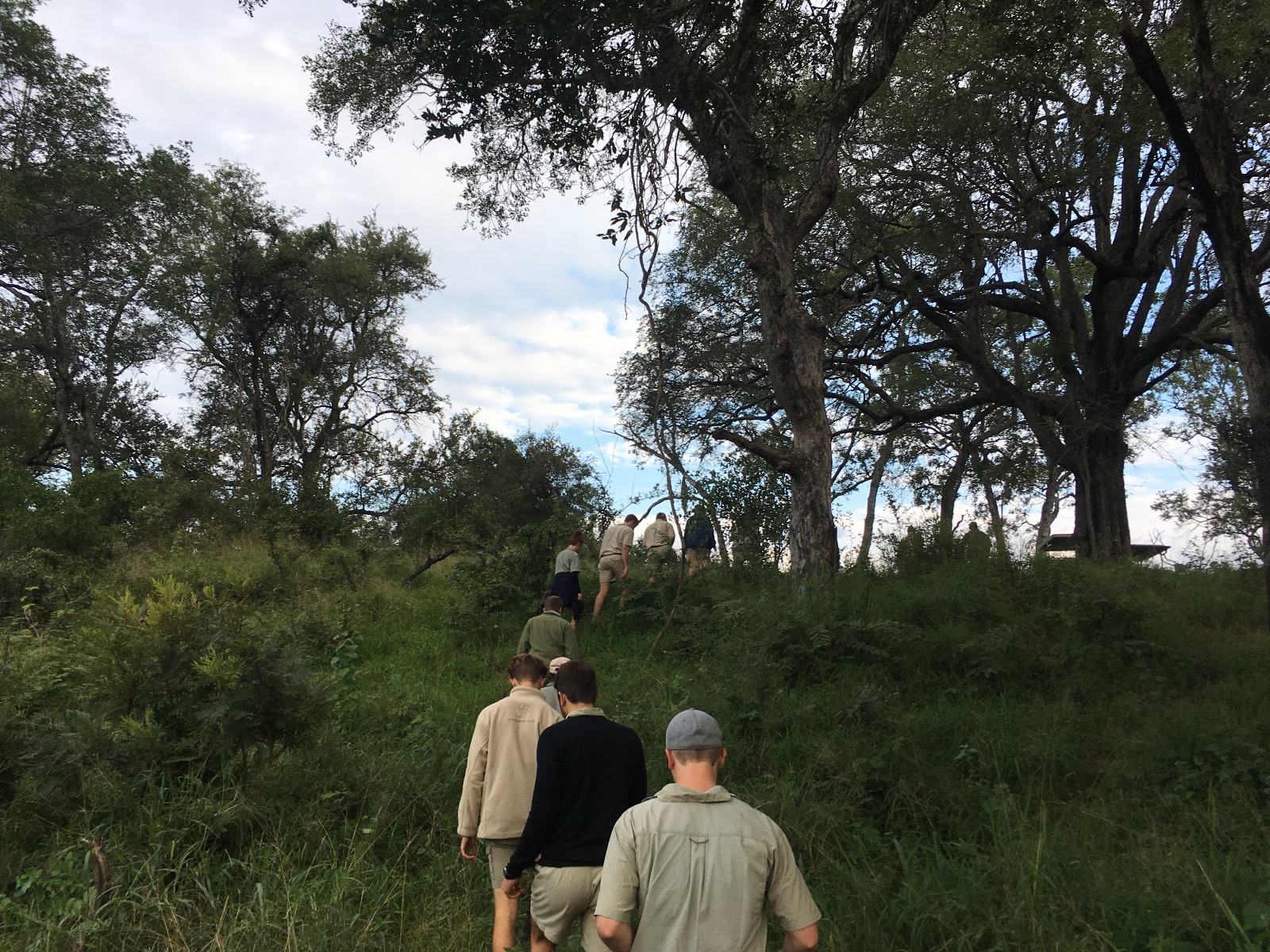
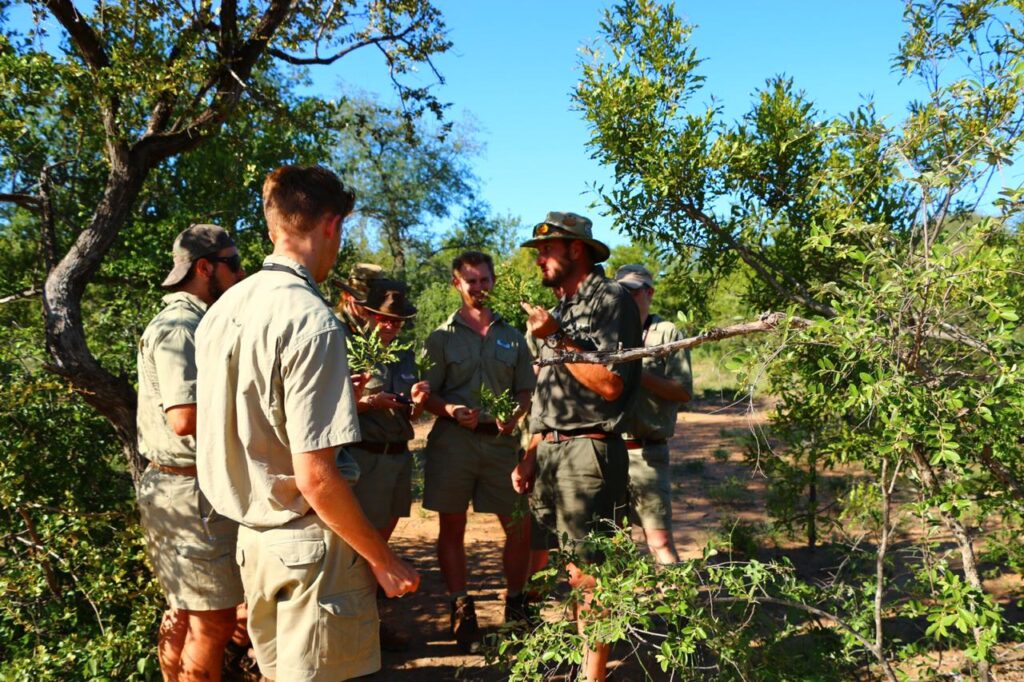
    Friday afternoon saw us all go out for a final botany review of species we’ve covered since we started in January and got us off the vehicles in Makalali and in amongst the bushes.

    image

    Exploring

    Its off-week now, can we relax? Maybe a bit but it will also involve completing workbooks, filling in knowledge gaps and prepping for our last few theory tests for Bushwise at the start of semester four. Also, with the added pressure of interviews for placements rapidly approaching for some.

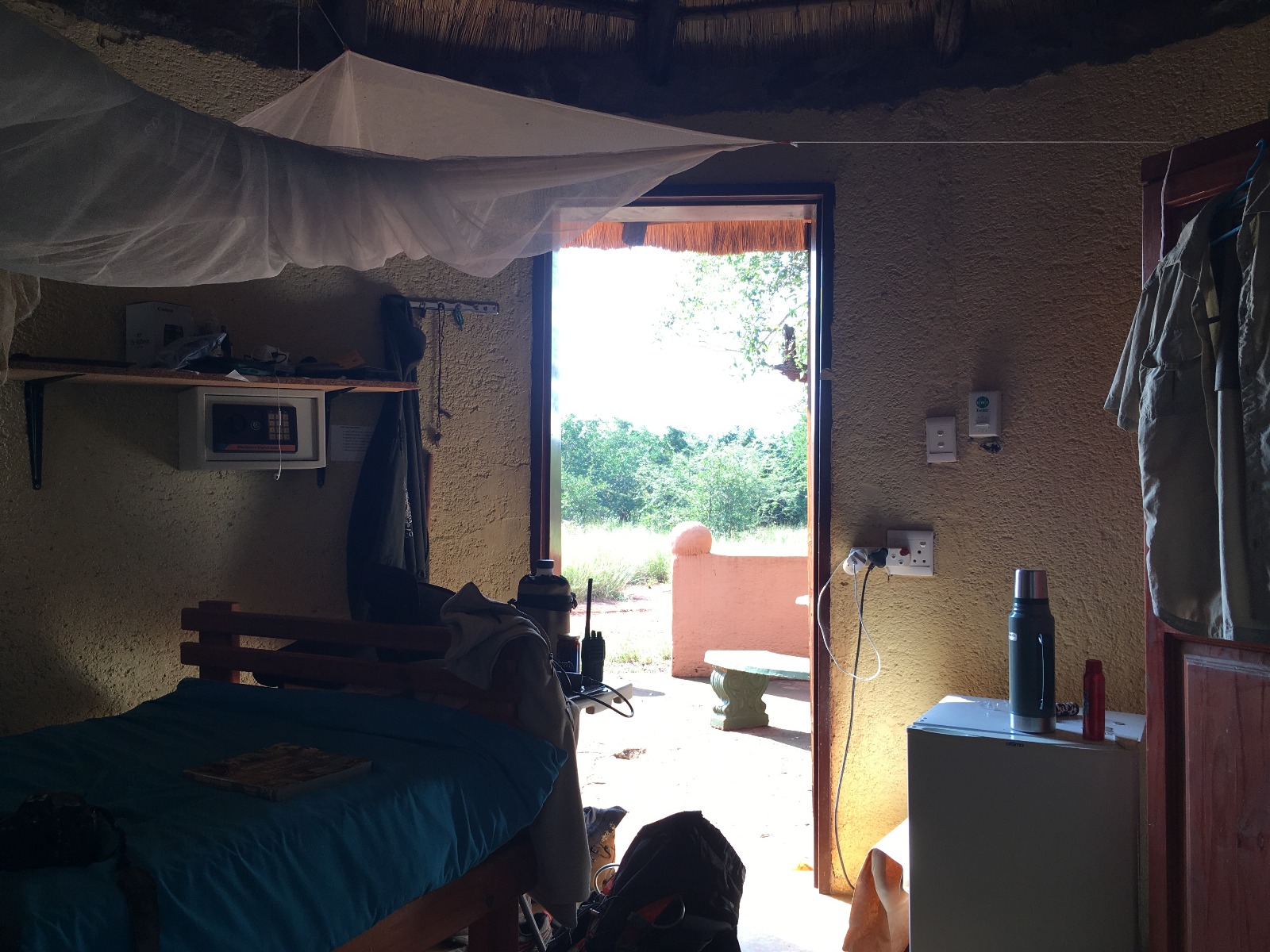
    I find myself this time writing this in my own little home of my room on campus with the door open and sunshine streaming in, listening to movie soundtracks and the birds I’ve come to know very well outside.
    image

    Campus hut

    Blog by Jack Broadley

    image
  • All you need to know about the Trails Guide qualifications

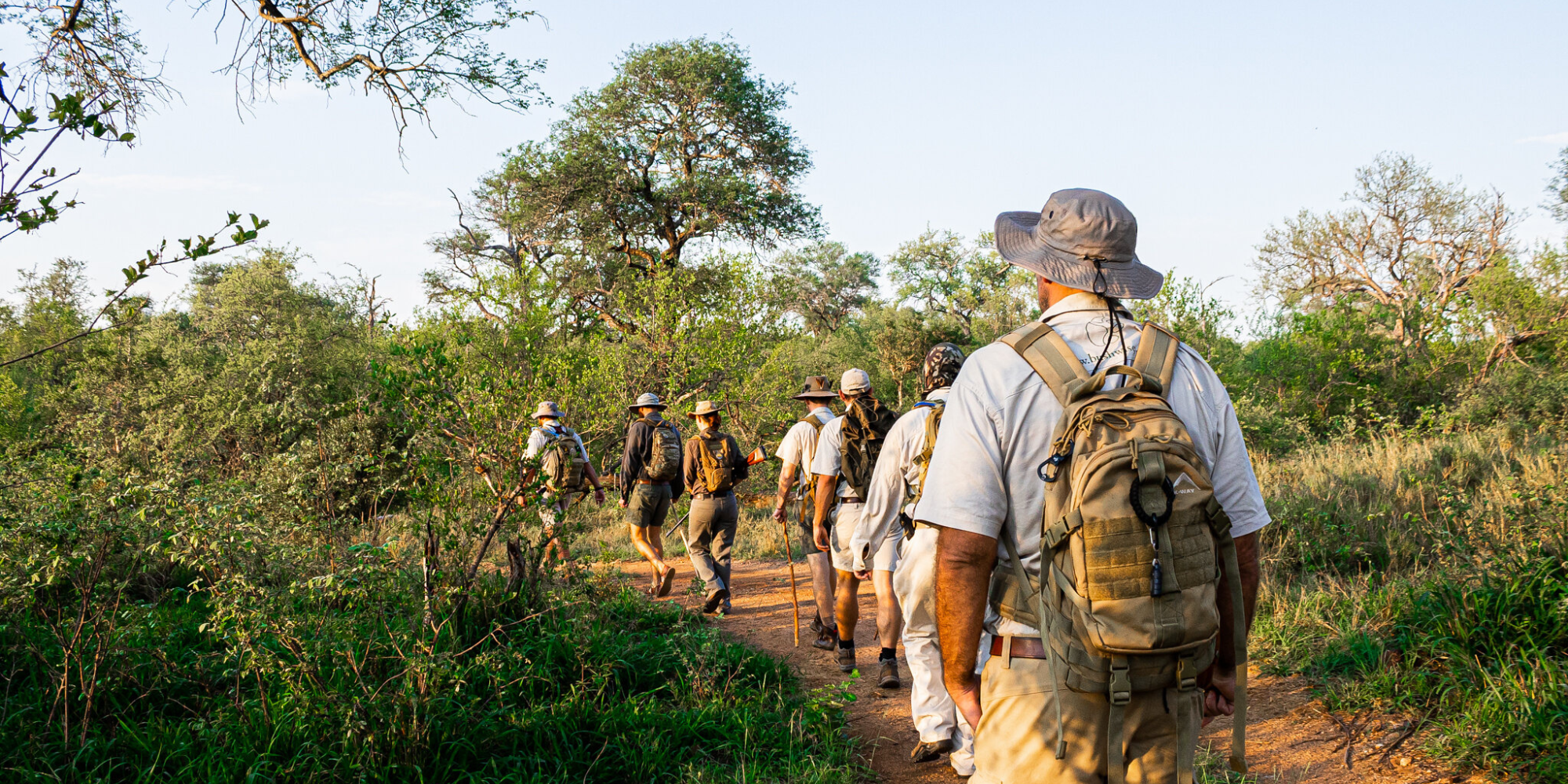
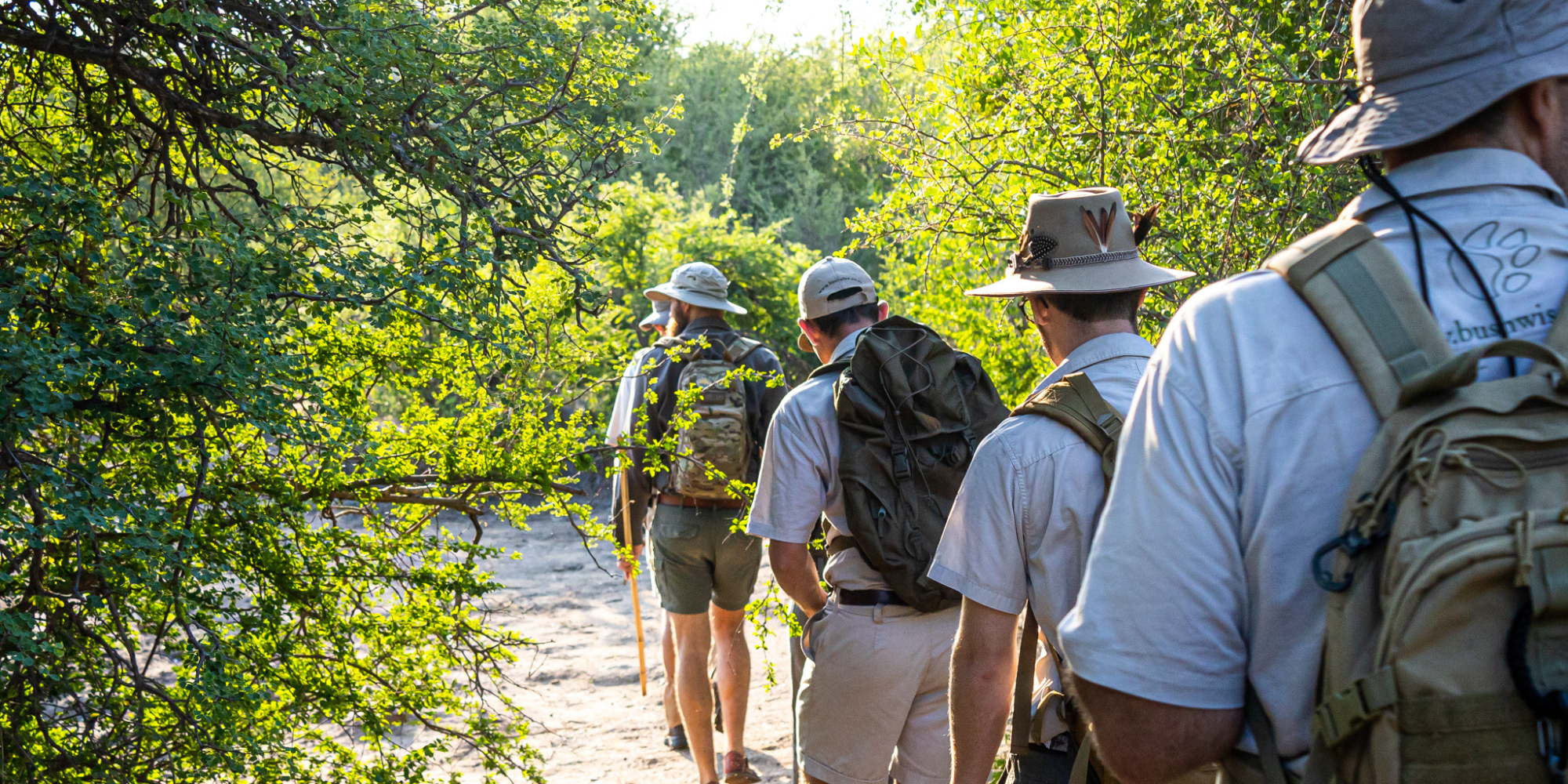
    Imagine walking in Africa’s most iconic game reserves, tracking wildlife on foot, and immersing yourself in nature in its purest form. This is the life of a Trails Guide – a highly skilled guide trained to lead walking safaris in areas with dangerous game animals.

    But how do you become one? Let’s break it down.

    image

    What is a Trails guide? 

    A Trails Guide differs from a Safari Guide (or Field Guide) in one key way – the ability to lead guests on foot in wildlife areas with potentially dangerous animals.

    While a safari guide holds a CATHSSETA NQF2 Nature Site Guide qualification and can conduct vehicle-based safaris, they are not permitted to lead walking or horseback safaris carrying a rifle. That’s where a Trails Guide comes in!
    image

    The Path to Becoming a Trails Guide

    Becoming a qualified Trails Guide takes time, training, and plenty of experience. Here’s the step-by-step progression:

    1. Qualify as a Safari Guide – Obtain the CATHSSETA NQF2 Nature Site Guide qualification.

    2. Train as a Back-Up Trails Guide (Second Rifle) – Complete the required training and assessment walks.

    3. Gain experience on foot – Walk the required hours, encounter wildlife, and build confidence.

    4. Qualify as an Advanced Trails Guide (First Rifle) – Pass all assessments to lead walking safaris independently.

    But what exactly is the difference between a Back-Up Trails Guide and an Advanced Trails Guide?

    A Back-Up Trails Guide (Second Rifle) supports the lead guide on walking safaris. Walking behind the Advanced Trails Guide, you act as the second rifle, ensuring guest safety. However, you cannot lead a walking safari alone—you must always accompany an Advanced Trails Guide.

    An Advanced Trails Guide (First Rifle), on the other hand, can lead walking safaris independently without needing a backup.

    So how do you reach Advanced Trails Guide status? Let’s dive into the details.

    image

    Training to Become a Back-Up Trails Guide

    If you’re already a qualified safari guide and have First Aid Level 1, your next step is to enroll in the 35-day IFGA Trails Guide Course.

    During this course, you must complete:

    • Theory Exam – Pass with at least 75%.

    • PFTC Firearm Proficiency – Meet the required firearm handling standards.

    • Bushwise Advanced Rifle Handling – Demonstrate safe and effective rifle use.

    • Practical Scenarios (100 hours), including:

      • Simulated walking scenarios

      • Incident management

      • Emergency Action Plans (EAPs)

      • Animal trailing techniques

      • Risk identification and approach and exit strategies

    • 80 walking hours in dangerous game areas

    Additionally, you must log wildlife encounters:

    • 20 Rifled Encounters – Encounters where you carry a loaded rifle.

    • 5 encounters per key species – Elephant, rhino, buffalo, lion/leopard (lion & leopard count as one category).

    • 20 Observer Encounters – Encounters where you’re observing without a rifle.

    Once you’ve completed these requirements, you must pass at least one guided assessment walk to qualify as a Back-Up Trails Guide.

    image

    Gaining Experience as a Back-Up Trails Guide & Advanced Trails Guide Assessment

    With your Back-Up Trails Guide qualification, it’s time to log more hours and encounters – because in the world of trails guiding, experience is everything.

    You can do this at your workplace or return to the IFGA Trails Guide Course to continue building experience in the Advanced Trails Guide (First Rifle) position.

    To qualify for Advanced Trails Guide status, you need to:

    • Log 200 walking hours on foot in dangerous game areas.

    • Encounter wildlife as the First Rifle (lead guide):

      • 80 rifled encounters in total

      • Minimum of 10 encounters per key species (elephant, rhino, buffalo, lion/leopard).

    These hours and encounters must be verified and signed off by an Advanced Trails Guide before your final assessment.

    Additional Requirements:

    • Valid First Aid Level 2 certification

    • Valid Advanced Rifle Handling certification (expires every two years—keep it updated!)

    Once you’ve met these requirements, you’ll undergo a minimum of two final assessment walks to qualify as an Advanced Trails Guide.

    Becoming a fully qualified Trails Guide isn’t easy – but it’s essential for ensuring the safety of both guides and guests in the wild. This rigorous training prepares you for the incredible responsibility of leading guests on foot through Africa’s most breathtaking landscapes.

    If you’re ready to take the next step, apply today! Whether you dream of walking in Africa or even leading horseback safaris through a game reserve, this journey offers an adventure and a reward unlike any other.

    Published By: Bushwise Staff

    Check out Bushwise courses or download our brochure here.

  • From students to Field guides

    We’re almost halfway through our 6 months at Bushwise now before some of us go on placement. When I look back to our first semester here, I can see how all of us have grown. Our breadth of knowledge is almost incomparable now thanks to our incredible trainers working hard to teach us to be the best we can be. We have also grown in terms of professionalism and I feel that we are now starting to act more like guides than students, especially now that our assessments are right around the corner. I have absolutely no doubt that we would not be where we are now without the help and dedication of our trainers, managers, and everyone else here for us at Bushwise and I will always be grateful for their extra help getting us international students all of the documentation required to work here as a guide.

    This week we have been practicing our full drives and working out which routes around the reserve we want to take for our assessment drives. We need to ensure that our routes will be long enough to cover aspects of everything we have learnt at Bushwise, but short enough to stay within our three-hour time limit. Most of us have a rough idea of the routes we want to take but there’s so much to talk about that three hours never seems enough! It’s such a great feeling to have too much to say, it demonstrates our knowledge and how we now feel comfortable being able to talk to ‘guests’ (our fellow students). We’re now not afraid to identify trees or birds that we don’t know about and are learning new facts every drive from each student, even about things we talk about every day, which is a great feeling.

    image

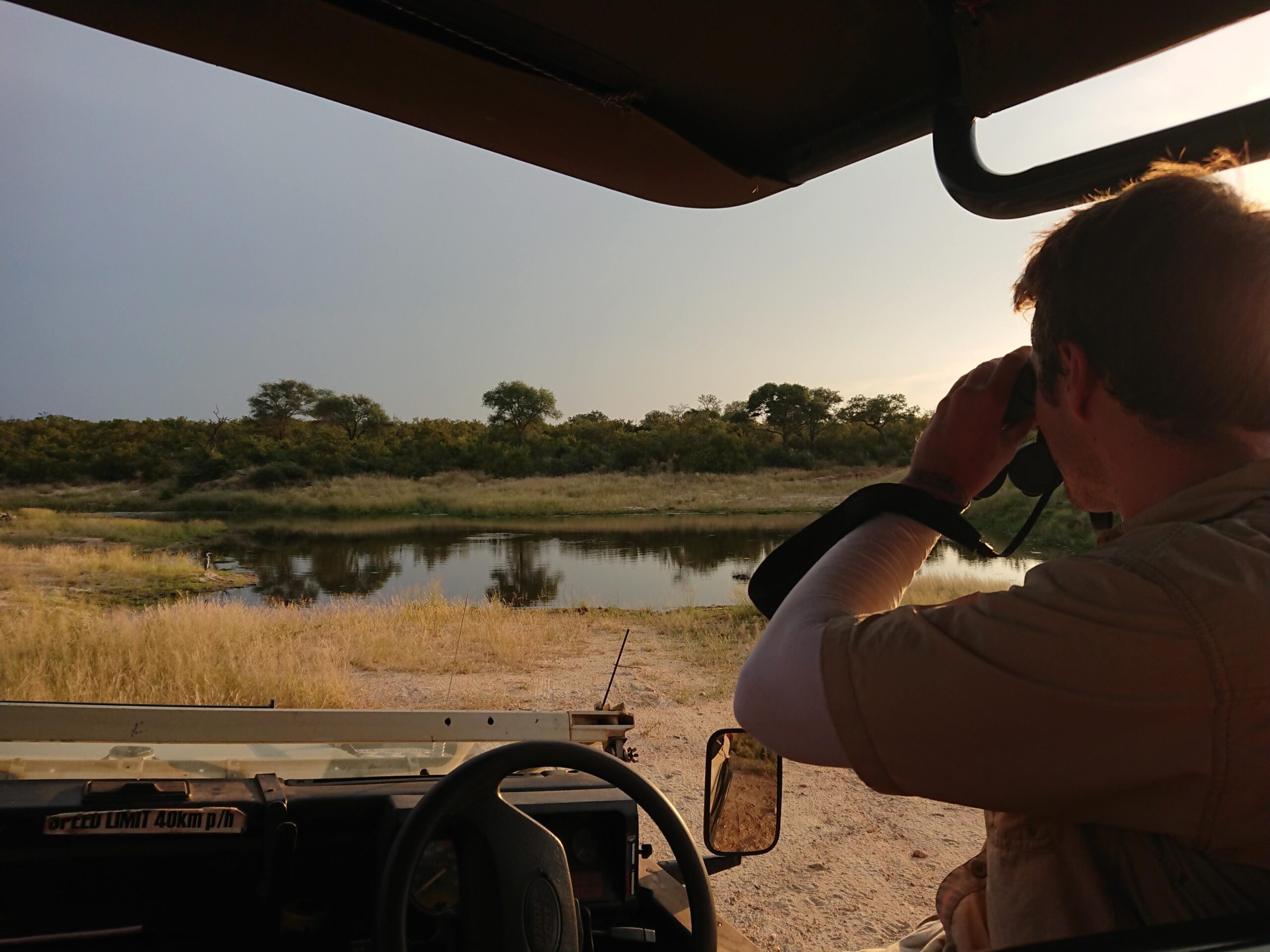
    Stian on his drive watching a hippo mother and her calf in the dam before giving us some interesting facts about them.

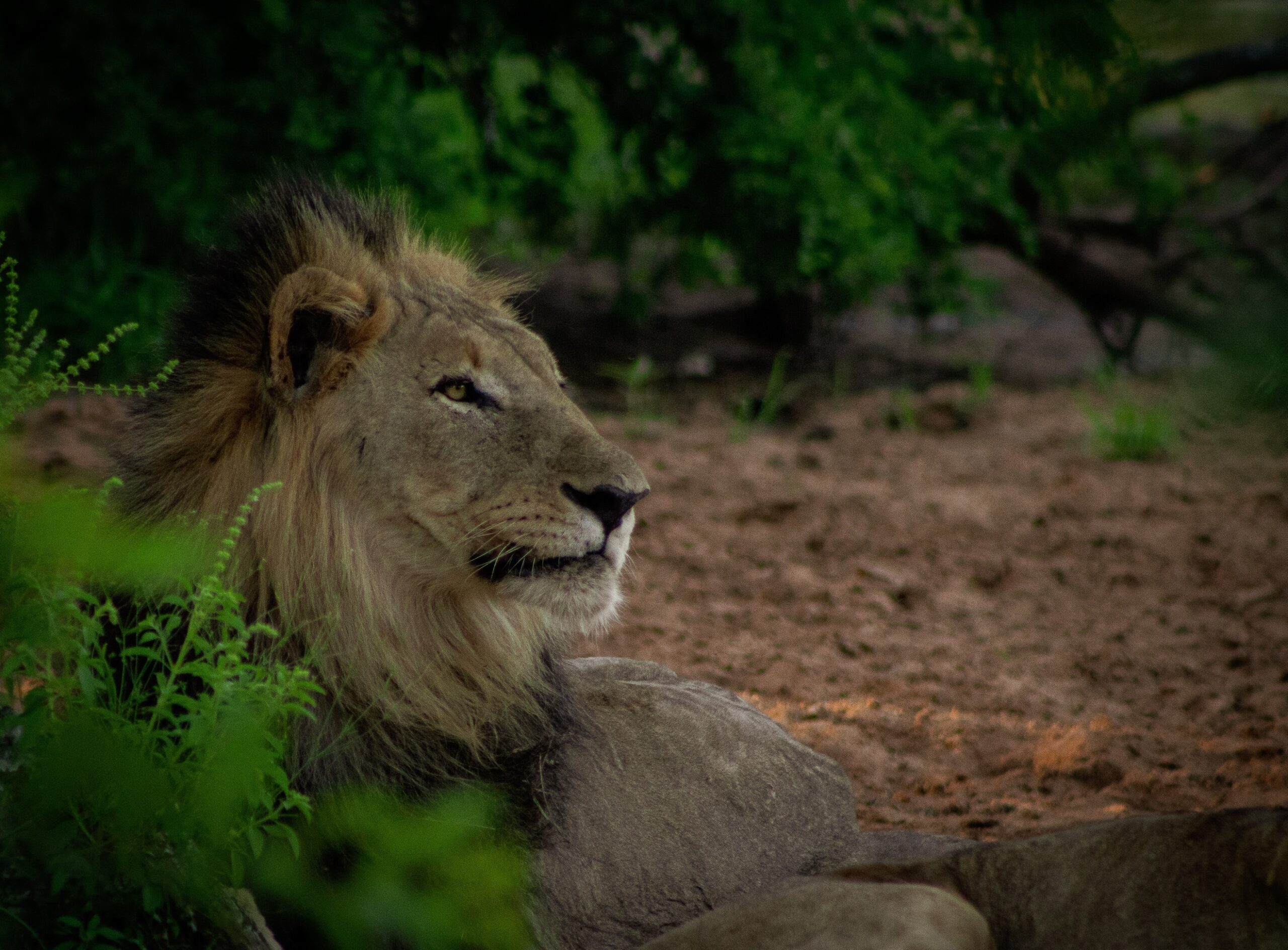
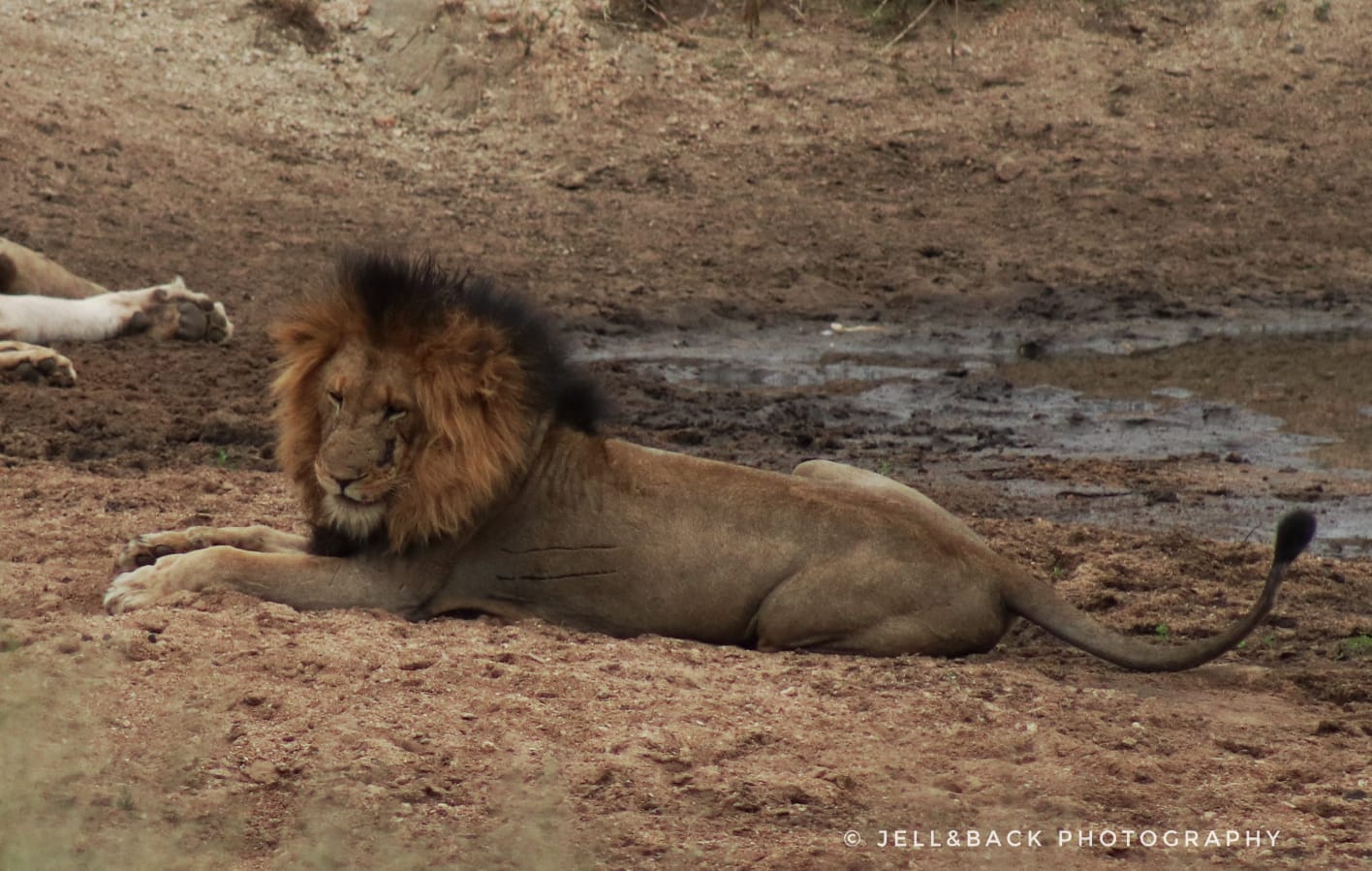
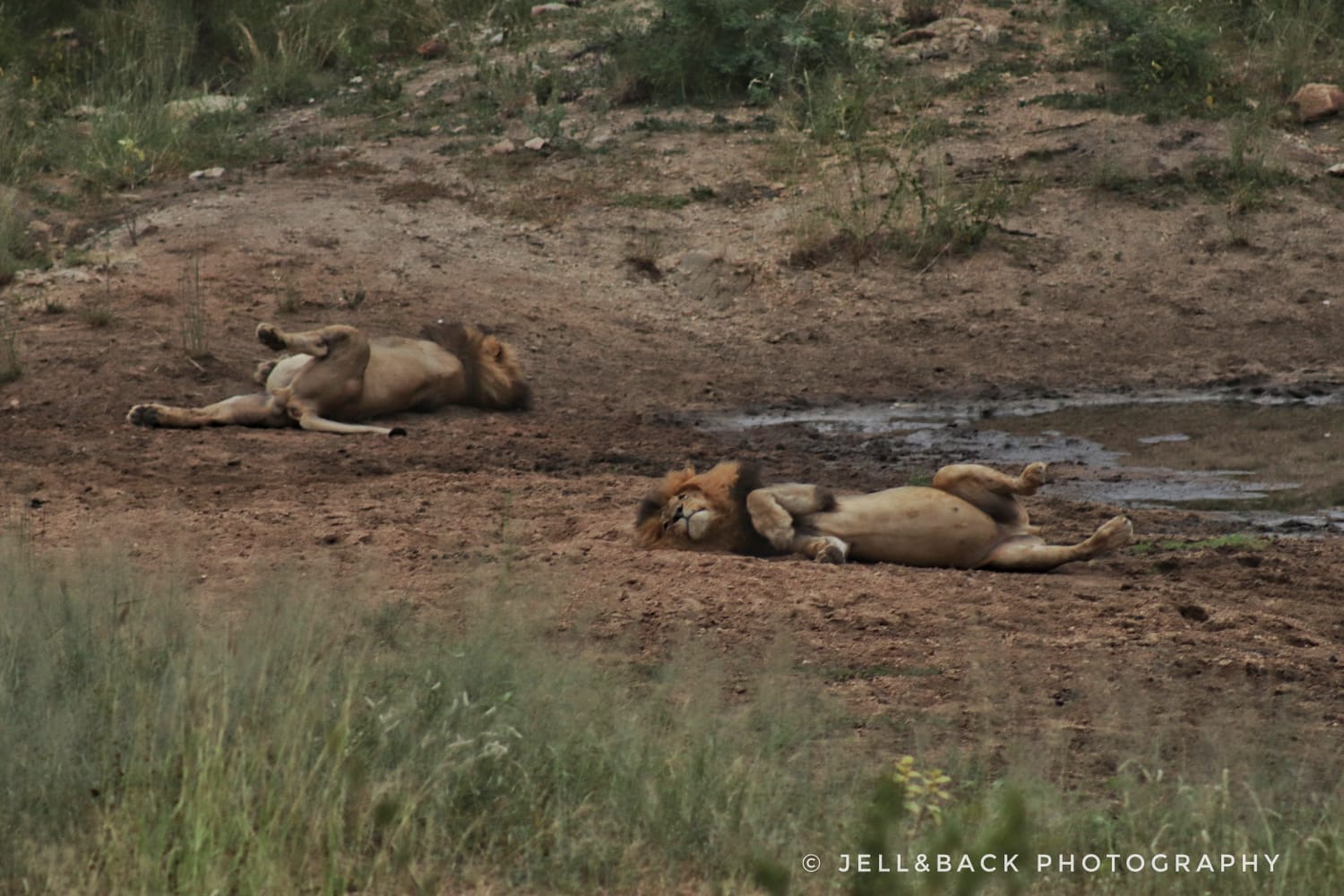
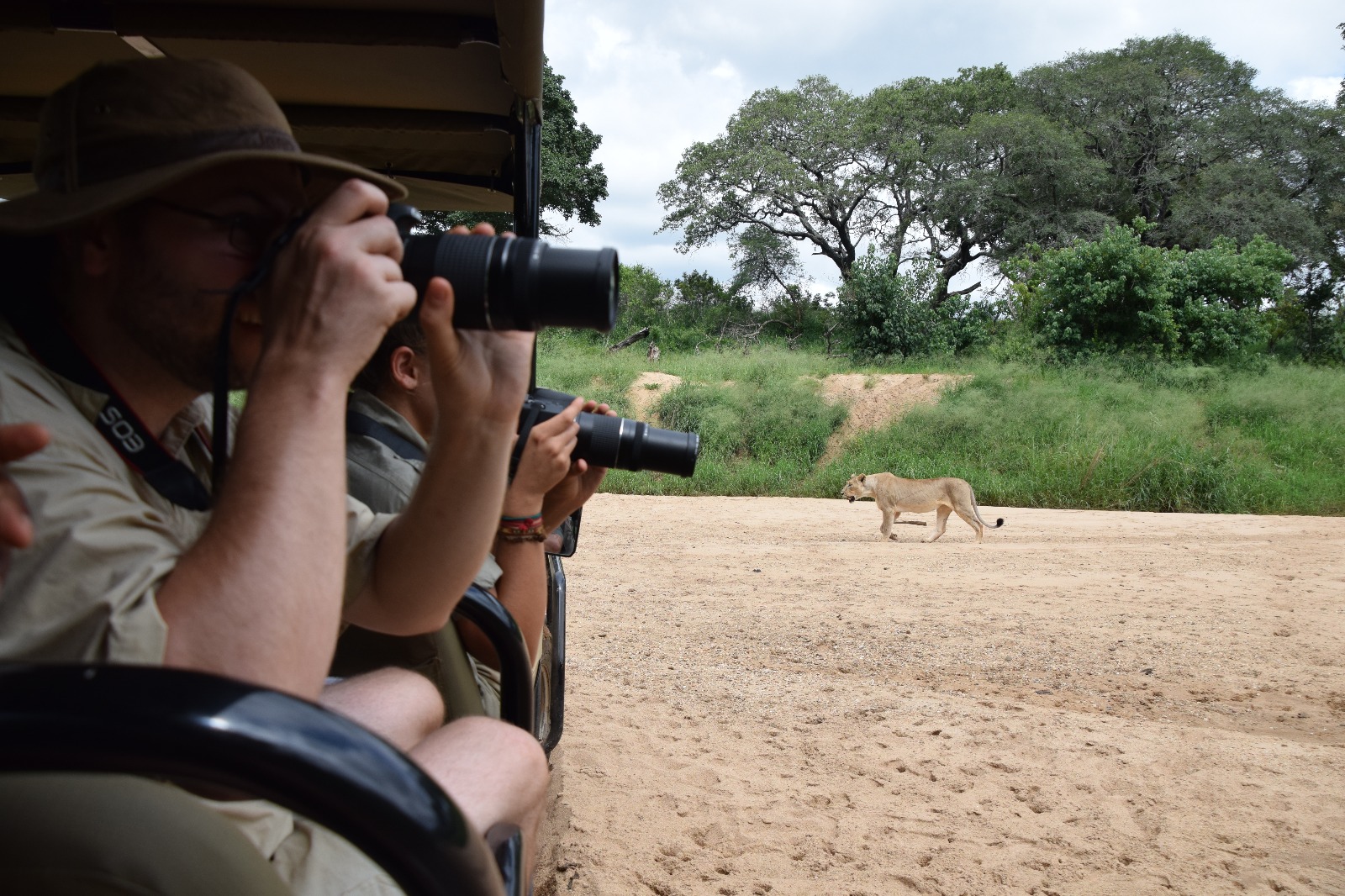
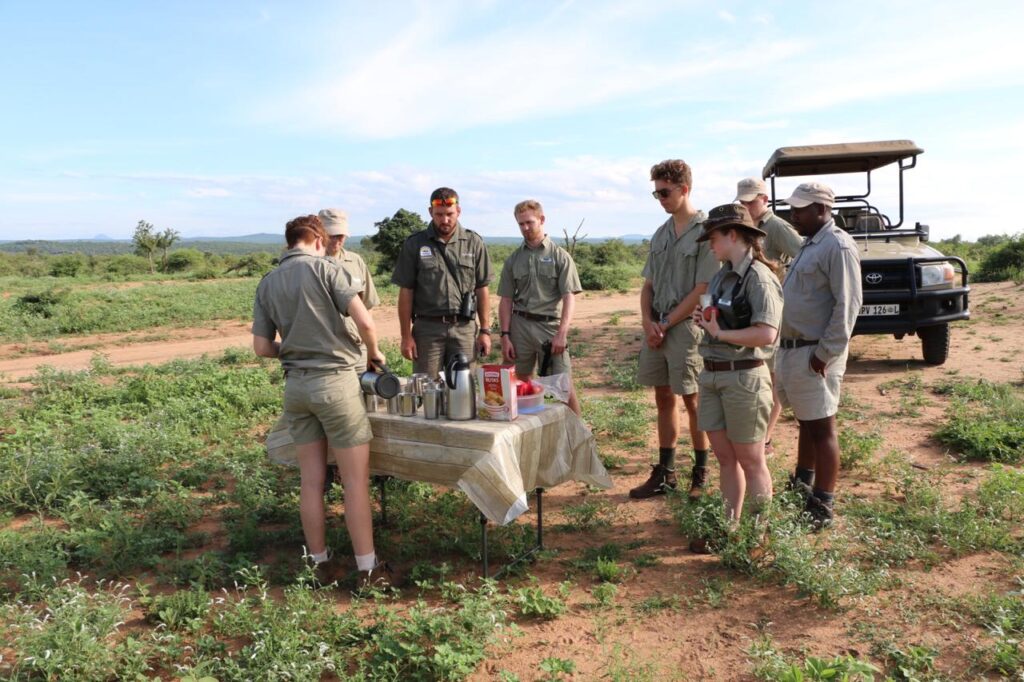
    We have been really lucky with our sightings this week, especially with lions. On one drive, both groups had lion sightings at two nearby dams at different times. One group had a juvenile male and the other had two mature males, one of which had some impressive battle scars. It was a great opportunity to learn from our trainers as they coordinated the other guides who wanted to respond to the sighting, as we will have to manage sightings ourselves soon. It is important to manage a sighting as too many vehicles often affect the animal’s natural behaviour and can cause stress. It also makes it difficult for guests to see the animal due to crowding and causes damage to the surrounding environment when vehicles drive off-road to get a better position. For this reason, Bushwise emphasises ethical guiding and restricting a sighting to a suitable number of vehicles depending on the situation. This is something we as students have not yet had to do so watching our trainers organise an influx of vehicles was really beneficial. And of course, seeing the lions relax by the water is a beautiful sight!

    image

    A beautiful adult male lion by a dam. It’s easy to see why they’re called the “King of the jungle”.

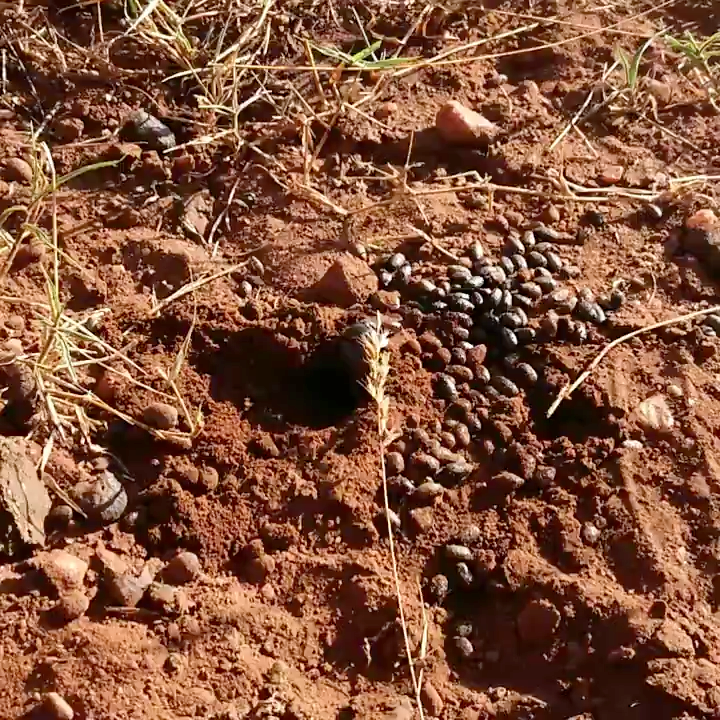
    Alongside seeing exciting animals like lions, we are always reminded to appreciate the small things in life. During one drink stop (or “phuza”) we witnessed a dung beetle gathering impala dung and placing it in a hole it had dug. This is behaviour that we have not seen before as they are usually found using dung from larger animals such as elephants. We were all transfixed watching the dung beetle, and to an outsider I’m sure we looked absolutely mad! However, these little guys are not to be overlooked as they play an important role in the ecosystem by recycling nutrients back to the soil, facilitating the growth of seeds that are within the dung. They also destroy the eggs of internal parasites and reduce the population of pest species such as flies, therefore reducing the spread of diseases through flies and parasites such as worms.

    image

    Watch how the dungbeetle uses its back legs to quickly stockpile impala dung in its hole – amazing!

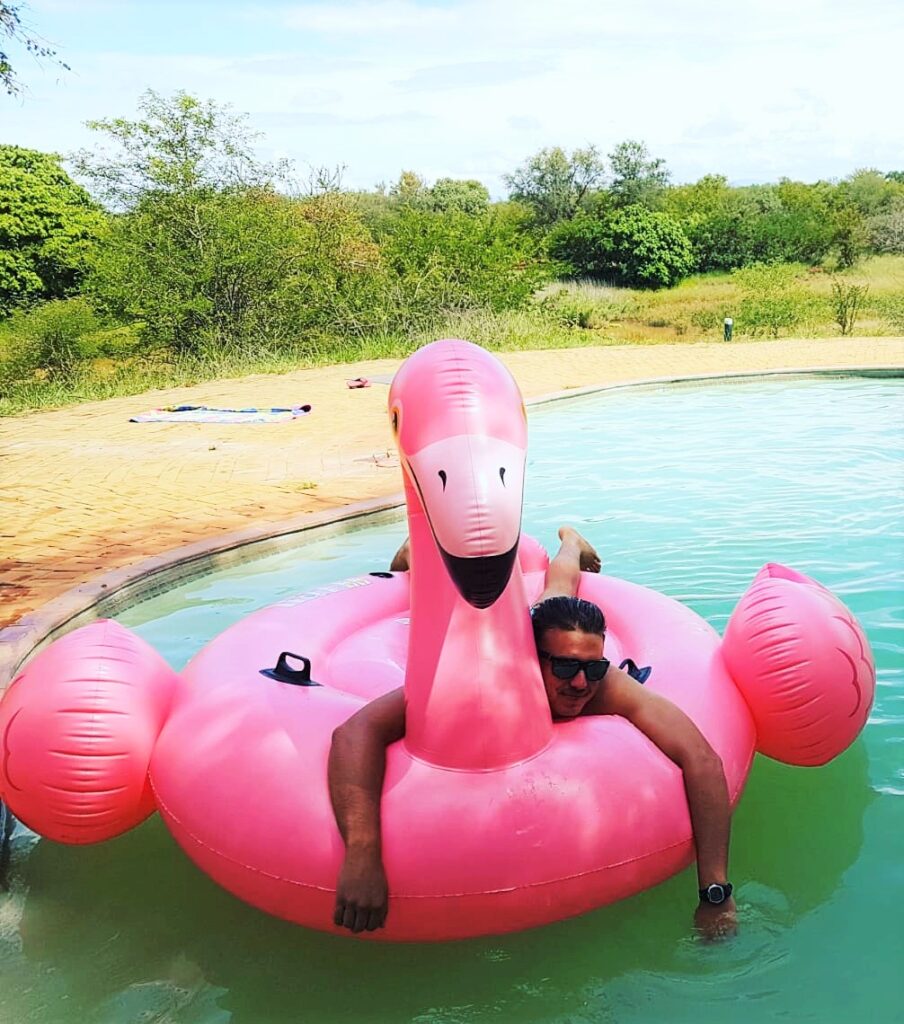
    As we come to the end of another amazing week, we all have our heads down and are hard at work studying our lectures and everything we have learnt this past week (which is more than you think!). Despite our hard work we still find time to go out to eat and shop in Hoedspruit before relaxing. We also love to cool off in the pool on hot days – if you ever need to find me, I’ll often be there!

    image

    We always find time to have a laugh and relax in-between working and studying.

    Next week we are focusing on astronomy and I think I can speak for everyone when I say we’re excited for our next sleep out where we can admire the stars all night. Wish us luck for some more amazing sightings while we’re out there!

    Blog by Georgie Hall

    image
  • Game drive assessments looming

    Lately it has all been about practicing for our mock game drives, which will eventually lead to our real Game Drive assessments. This meant everyone practicing their routes through the reserve as well as brushing up our knowledge of all the different roads and locations in case there is a sighting or a reason to change our planned route mid-drive. These practice drives are a really good opportunity to make notes on where interesting plants, trees and ecological sites are, such as sodic sites, elephant scratching trees, big cat scratching posts or a particularly impressive termite mound. They are also a chance to keep things interesting by sharing knowledge we have gained during our independent reading and research instead of sharing things we have all already learnt as a group either in the classroom or on earlier drives.

    These extra-curricular gems of information, like the fact the world’s tallest building, the Burj Khalifa’s architecture was partly inspired by the architecture of termite minds, or that Hyaena have a exaggerated bony crest on their skulls (the sagittal crest) that allows more surface area for jaw muscles to attach to, which contributes to their impressive bite strength, are really important both for us as guides both to be able to offer extra information to our guests but also to keep our drives interesting for the rest of the students as we build up to assessments.

    image

    The trainers also took the opportunity this week to have us calling in sightings to the other drive group over the radio, valuable practice for when we start working in other reserves during our placement. One group came across a young male lion relaxing by a dam and so we tried to radio in the other group, unfortunately the radio was struggling to get through and we couldn’t maintain proper contact with them. Luckily though, and unbeknownst to us, the other group had also sighted lions at another dam, two adult males relaxing in the sun.

    image

    image

    All in all this was a fantastic week where, as students we really started to push ourselves and develop our guiding abilities on drive and also had some fantastic sightings at the same time.

    Blog by Ryan Norwood

    image
  • Trails by tyres

    “Being a field guide without knowing how to drive your vehicle, is like walking a trail as first rifle and not even knowing how to use that rifle” – Mark Frazer

    image

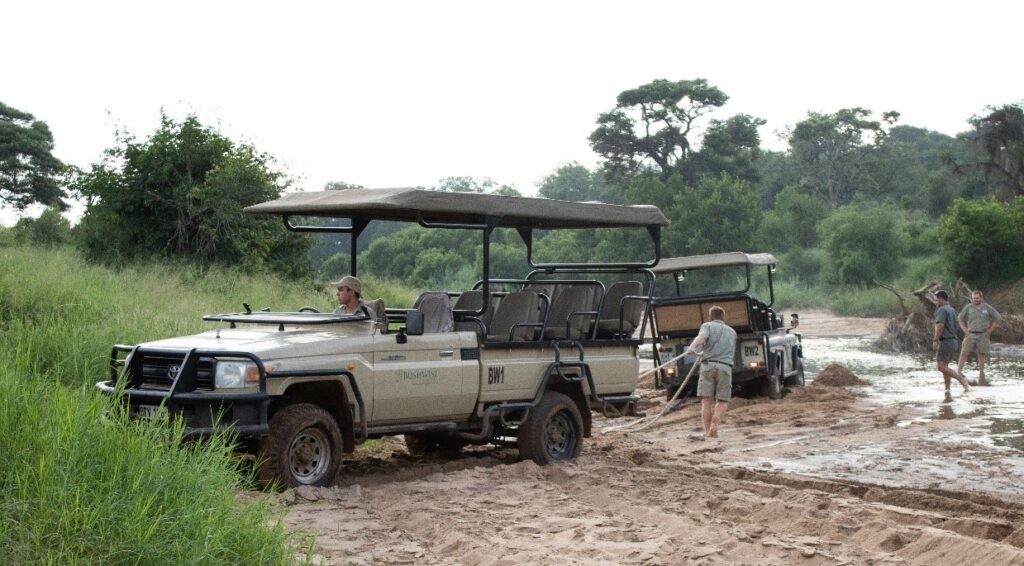
    Vehicle recovery

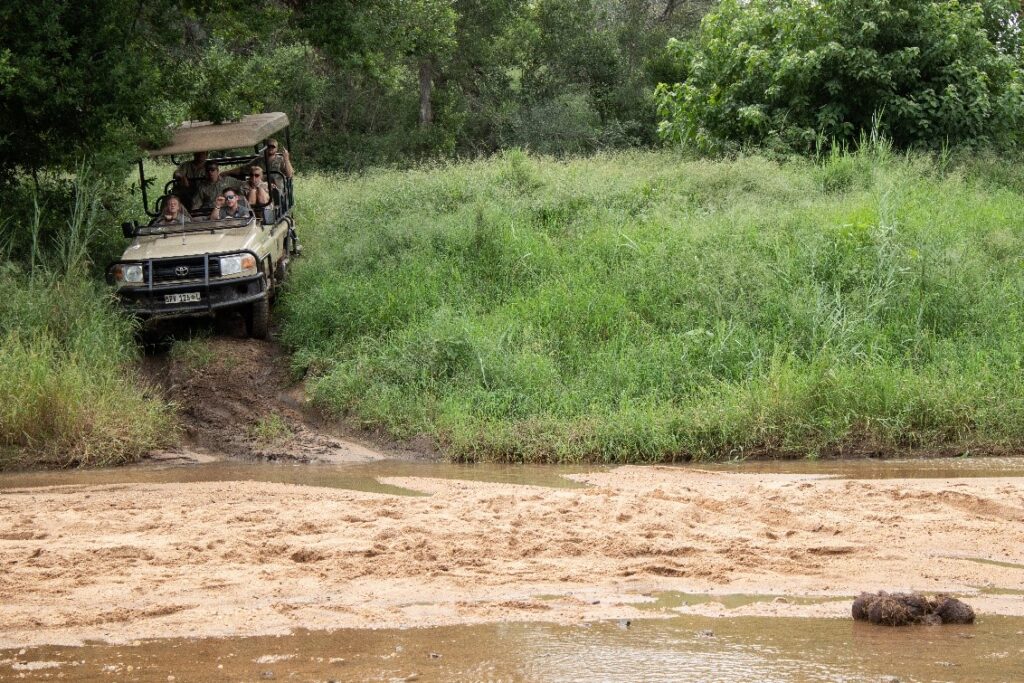
    One of the most vital skills a field guide can have is understanding their vehicle. Not only does this ensure an enjoyable experience for guests, by allowing the guide to focus on other parts of the drive such as looking for animals and relaying interesting information, but it ensures that the guide will provide a safe drive to the guests. Safety is one of the most important aspects of a game drive, and as we are driving in the bush, it can become a little tricky in certain terrains.

    For this reason, Bushwise gave us with a week of 4X4 training through the training company Nostophobic Adventures. Mark started us off with a thorough lecture on all things vehicle-related on Monday morning, and showed us some interesting videos of what we could expect from the course.  The next day was a day full of learning some of the most important actions we need to ace in our vehicles, like a downhill and uphill stall, as well as understanding the mechanisms in the car that were covered in theory, helping us to physically see how different gear settings of the vehicle work in different situations, and just when to use them. He patiently explained to each of us in turn what to do and helped us to understand where we may have gone wrong.

    image

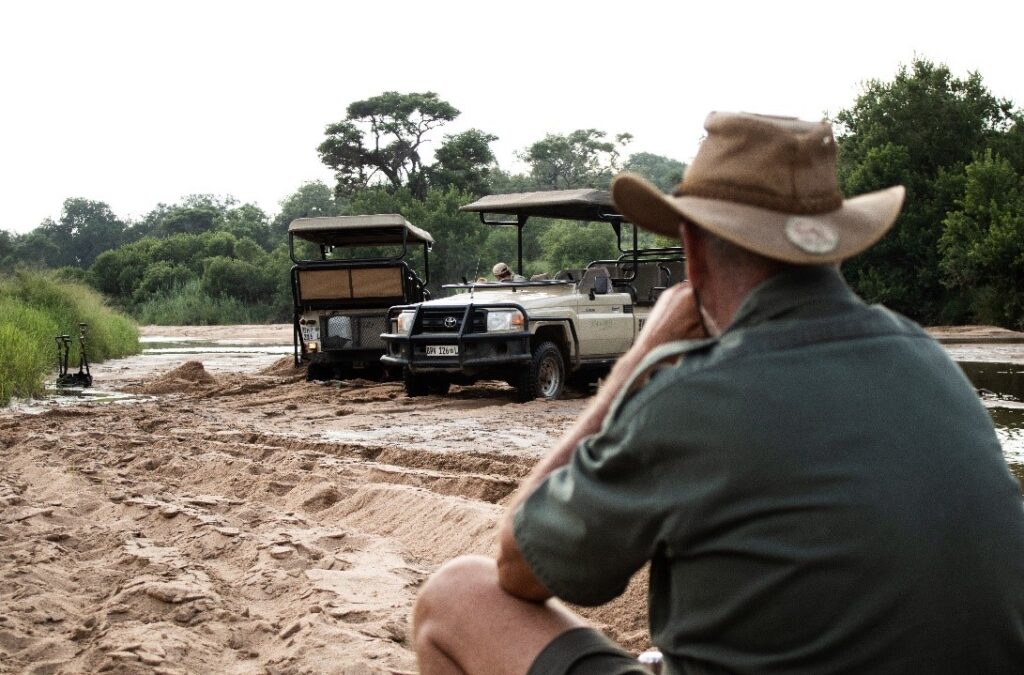
    River crossing

    The next day was recovery day. Well, not for us, but rather how to recover vehicles from sticky situations – literally. Mark and the other trainers got one of the vehicles stuck on purpose and, after explaining the different parts of the recovery kit, gave us a briefing of what to do and sent us off. After a few mistakes, a lot of sweating and a little bit of digging, we were ready for a few attempts at pulling the Landy out of the wet sand with the extremely useful snatch method and the great power of the Cruiser.

    image

    Towing

    Finally, after a written test, some admin, and finally a practical assessment, we’re all ready for any tricks nature may try throw our way. Learning these skills through such a great company could not have been easier and will definitely help us all in our futures in the guiding industry.

    Thank you to Mark, Andre and the trainers who helped us in this course!

    Blog by Gabriel Dowling

    image

    Gabriel Dowling

    #vehiclerecovery #drivingcourse #driving #4×4 #landcruiser #4x4training

  • Guns, tracks and family

    So, this week has been one of the busiest weeks for some of us, with the group splitting up. One half of the group was doing the Track and Sign course with the one and only Colin Patrick, and the other half of the group learning the fundamentals of rifle handling and going to Tzaneen to do our rifle competency examinations.

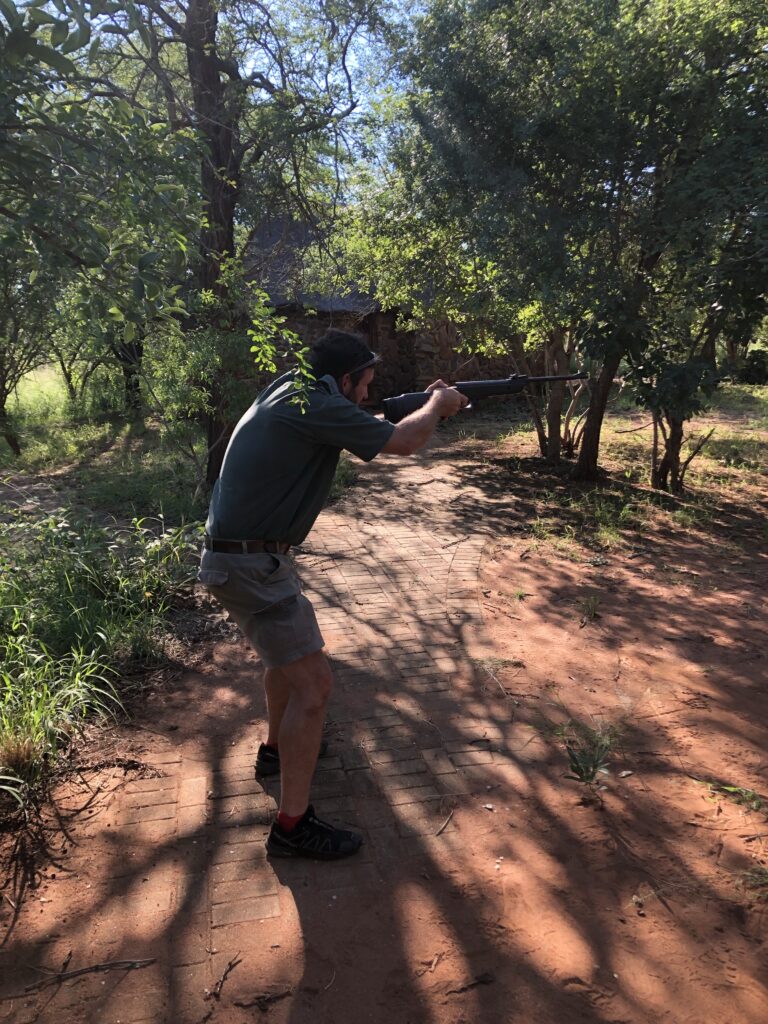
    Being in the rifle group, I can easily say that I have enjoyed the week very much. A special thanks to Trevor and Vaughan who were showing us the ropes. Learning the various aspects of shooting was often tedious for those of us who hadn’t really handled rifles before. Then with a lucky turn of events, we were allowed shoot a .22 rifle and the .375. One by one we went to shoot a single round.

    image

    With some saying that it feels like a kick from a horse and others saying it was a punch, I was dreading going down for my turn (due to my shoulder injury), as I took aim, I just thought about getting over with, and with the high possibility my shoulder could be seriously hurt due to the recoil, I was happy to see that Trevor was standing behind me whilst I took the shot, seemingly prepared to catch my shoulder once it flew off my body.

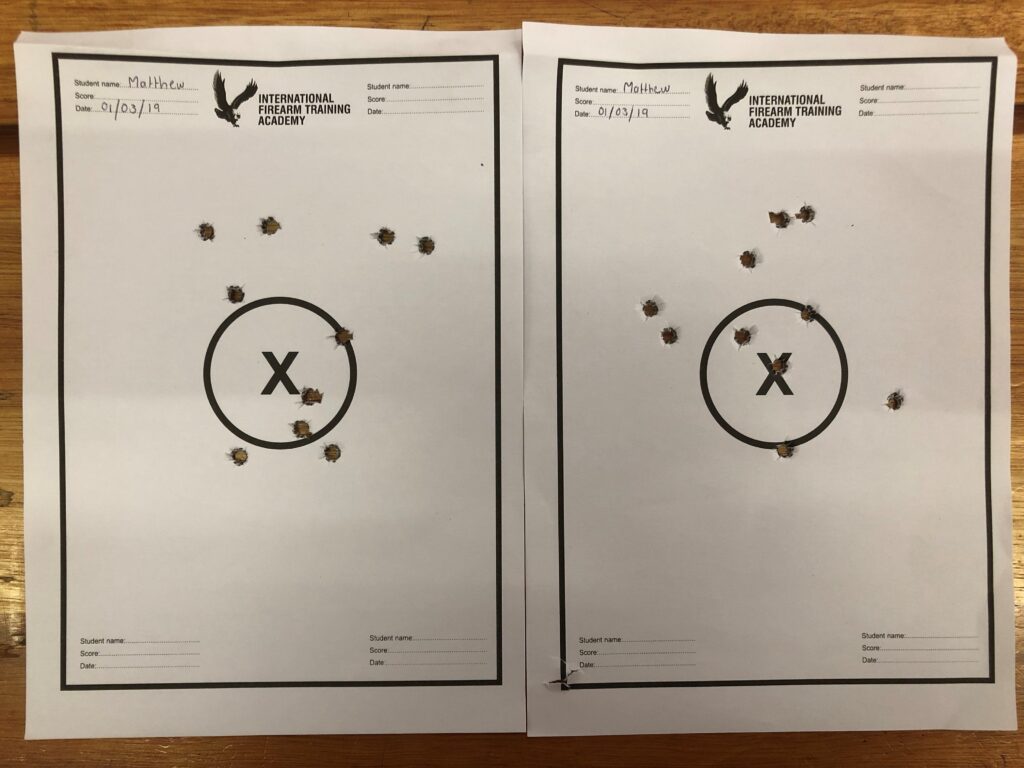
    Then came the two days when we drove for about an hour and a half to Tzaneen to write our rifle competency tests. It started with a quick run to a tree… and then another… followed by push-ups… fun. Then came the tests, and I am so happy to say that we all passed all the tests, including putting 20 rounds into a A5 sheet of paper from 15 meters away.

    image

    On a more personal note, camp life is not what it used to be. Last semester there were a few people (myself included) who were not as involved as we should have been. This semester is different, we are seeing each other’s good sides, bad sides, interesting sides, we have argued, agreed (to disagree some of the time) but this is all strengthening the bond between us all. The friendships made here are never to be forgotten.

    image

    Simply because, we are a family.

    Blog by Matthew Durek

  • Insects and other bugs

    We have just started to do our very own full drives, which is kind of stressful, yet exciting at the same time! This will give us better insight to what it would feel like to be a working field guide. The responsibilities and preparation that goes into it is a lot more than what I had actually expected. Especially when it comes to the information that we have to deliver to our ‘guests’. On the other hand, it is probably the greatest way to practice. The trainers are really putting in the effort and I feel like they are doing an outstanding job.

    image

    Game drive

    Track and signs training continued as well as rifle handling with the groups switching up. I’m sure both groups were looking forward to the activities that lay ahead. Camp life is a lot different this semester as we are all starting to see each-others the true colours and getting to know one another on a different level.

    image

    Game drive

    We have had a substantial amount of rain this semester so far which is great! good for the area we are in as it really needed it, it also kept us a bit cooler from the heat! On the downside … there are lots of insects and millions of mosquitoes! They are so persistent and lots of students are showing battle scars from these little buggers!

    One of the highlights of this week for me was definitely the reserve clean up! I cannot explain how satisfying it was to get out there and do some physical work for a change. All the groups and students worked exceptionally hard and I am proud of the work my fellow students and I had done towards helping the reserve.

    image

    Learning never stops

    Unfortunately, in this week we have had a few students including myself being sick with stomach bugs. Most probably due to the fact that we have had “hot, cold, hot, cold, hot” temperatures the whole week with the rain that has passed, but nothing too serious.

    Everyone on campus is performing well and the passion for the wildlife and the bushveld is very prominent in all of us! It’s a great journey that we are all walking together with hard work and determination! This is the start to the rest of our lives!

    Blog by Tyron Coetzee

    image

    Tyron Coetzee