Category: Course updates

  • Bang, Bang. Rifle training and Track & sign week

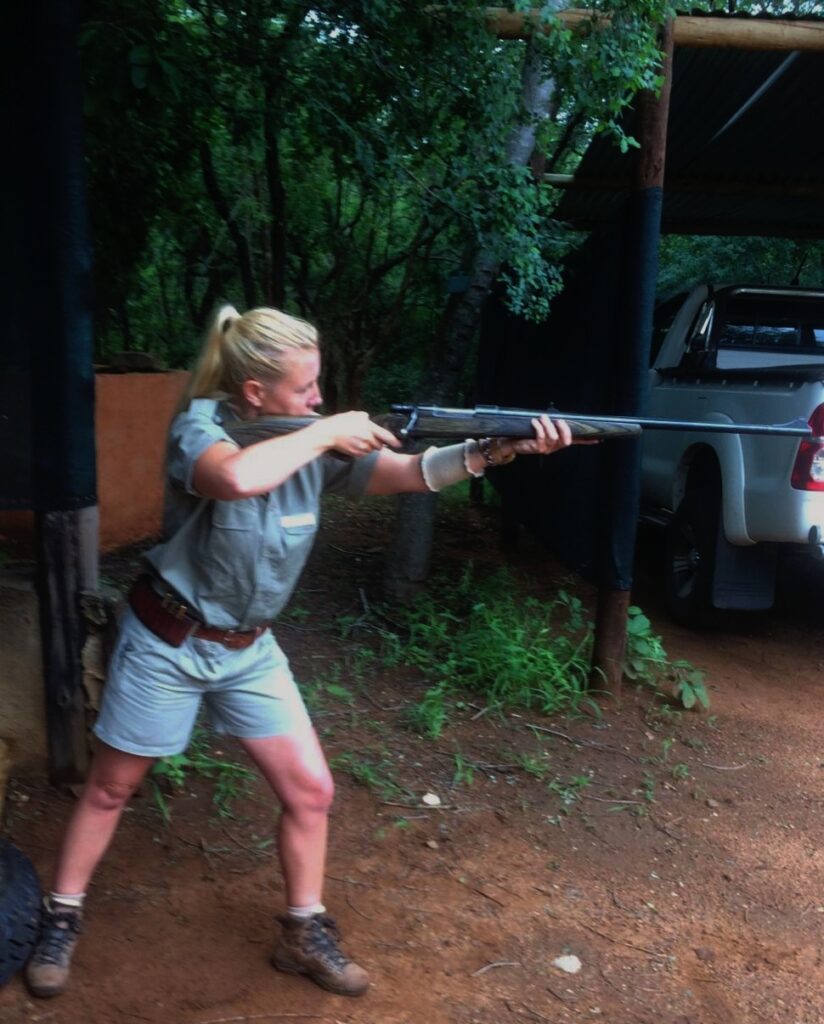
    This week, group one and two did two very different but equally important practical training: Rifle handling and Track & Sign.

    I was in the Rifle handling group which actually turned out to be a lot of fun despite the serious nature surrounding firearms. We started of by doing three theory exams which had to be passed by at least 80 percent in order for us to move on and do the practical exam. This at first, seemed like a daunting challenge, but we helped each other out and read through the well laid out manuals and before we knew it we had all passed. Although, our instructor Jan did lead us to believe that we had failed and made us run and do push-ups as punishment much to his amusement. We were most relieved and somewhat annoyed by this practical joke but it was all in good fun.

    image

    Rifle practice – photo by Caroline Prior

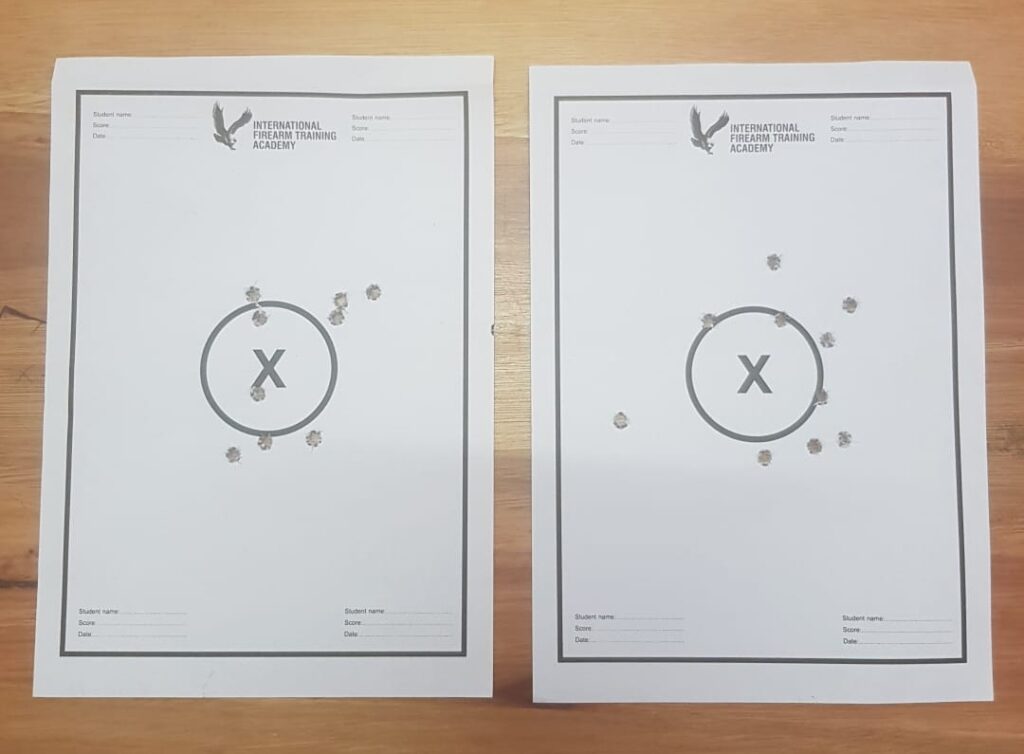
    We then moved on to the practical exam where we had to land 20 shots from 12 metres on a A5 piece of paper, which we also all passed. Somewhere along the line it was suggested that a bet be made between some of the guys (myself included) as to who could have the most shots in the centre of the target. So, we each pulled out a R50, some more hesitantly than others, and hoped for the best. I was quite confident with my shots but there were still two who had to shoot and those two happened to be the hunters in the group, needles to say I lost. 

    image

    Target practice – photo by Caroline Prior

    We then moved on to rifle handling where our group was split into two, a group per trainer. We ran over some safety rules again and were shown the various exercises we’d have to do in order to achieve our ARH (advanced Rifle Handling) these exercises were timed and we had to be done in a certain manner with some leeway for optimal performance. Constructive criticism was crucial through out this process, we were told what we were doing wrong and how we could improve our times by making some adjustments to body position and technique. This was extremely useful and times were halved in just minutes of being told what to do differently or better. We all left after four sessions over two days with bruised shoulders and slightly less bruised egos. Our ARH assessment is still to come so fingers crossed for that.

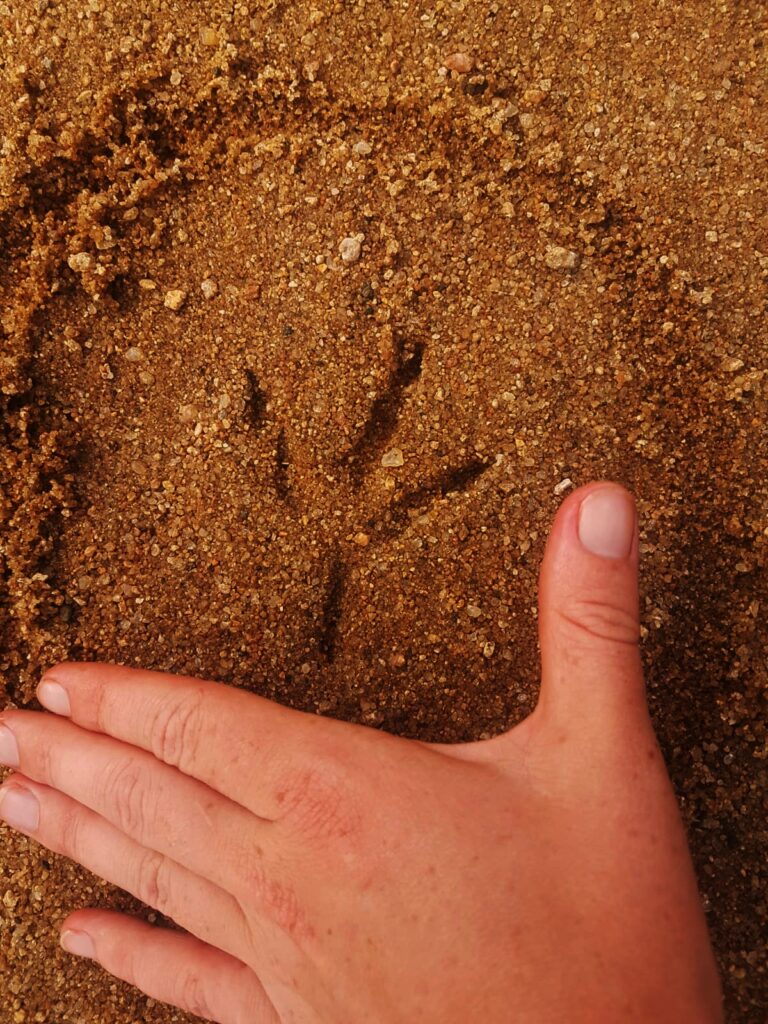
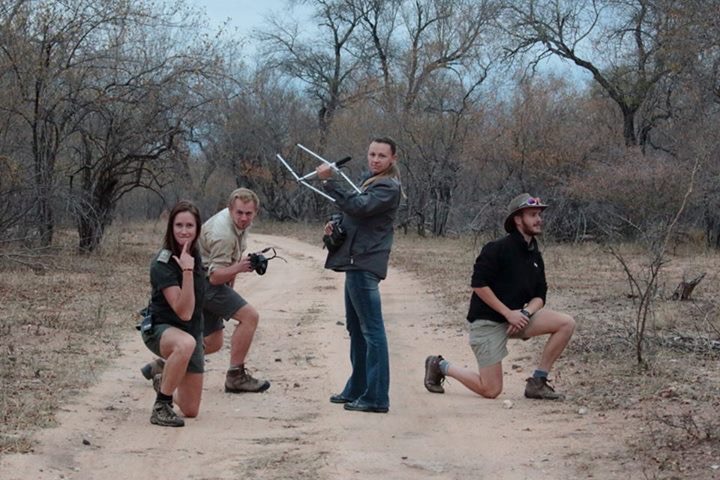
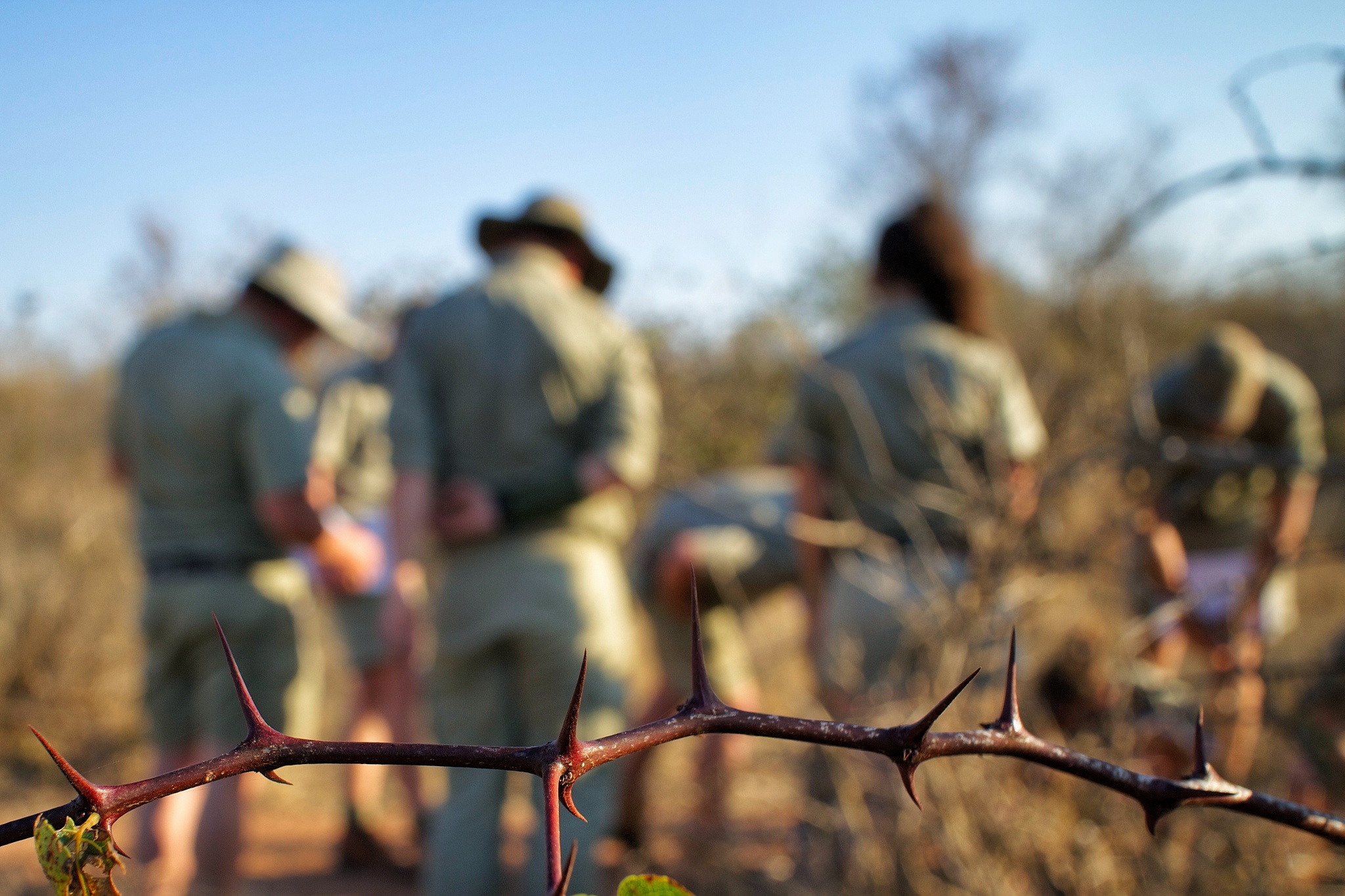
    The Track and Sign group had a very interrupted week due to very heavy rains which were much appreciated but not all that convenient.

    image

    Identifying some tracks – photo by Rebecca Elliott

    Despite the limited time that had in the field and the less than preferable conditions everyone passed, some with level 1, most with a level 2 and a few obtained their level 3 Track and sign. Congrats to them, now we need to see if we can top their scores. 

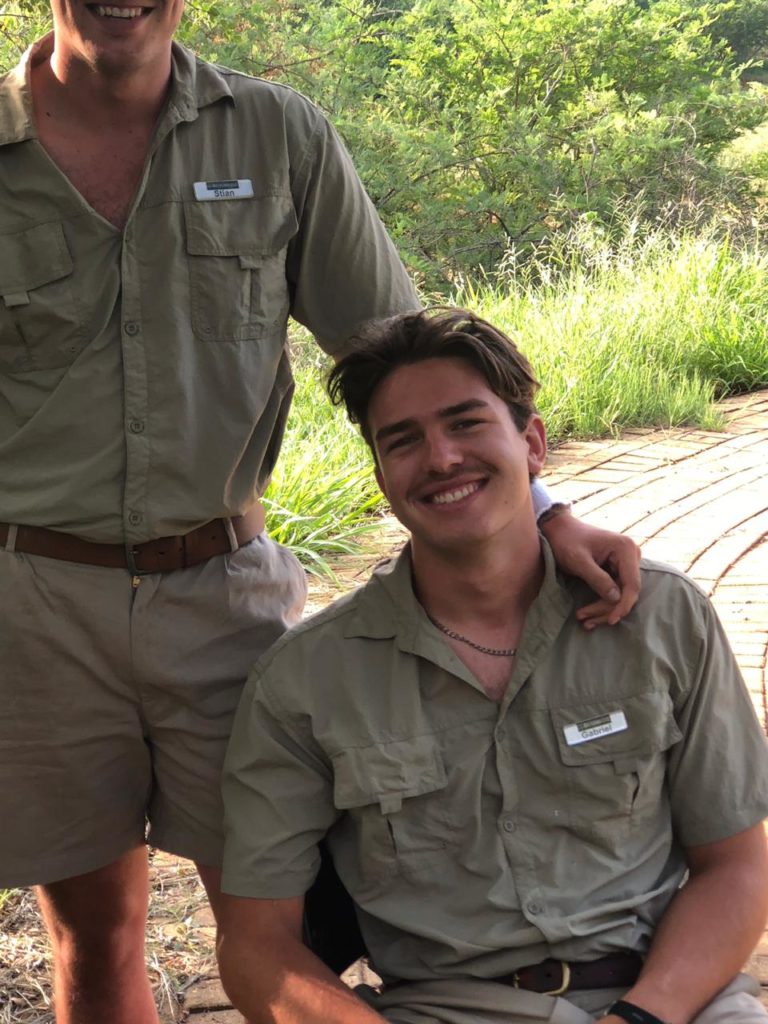
    Blog by Gabriel Dowling

    image

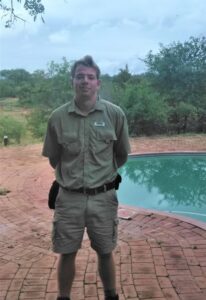
    Gabriel Dowling

  • Past Bushwise student now working at the iconic Mala Mala Game Reserve

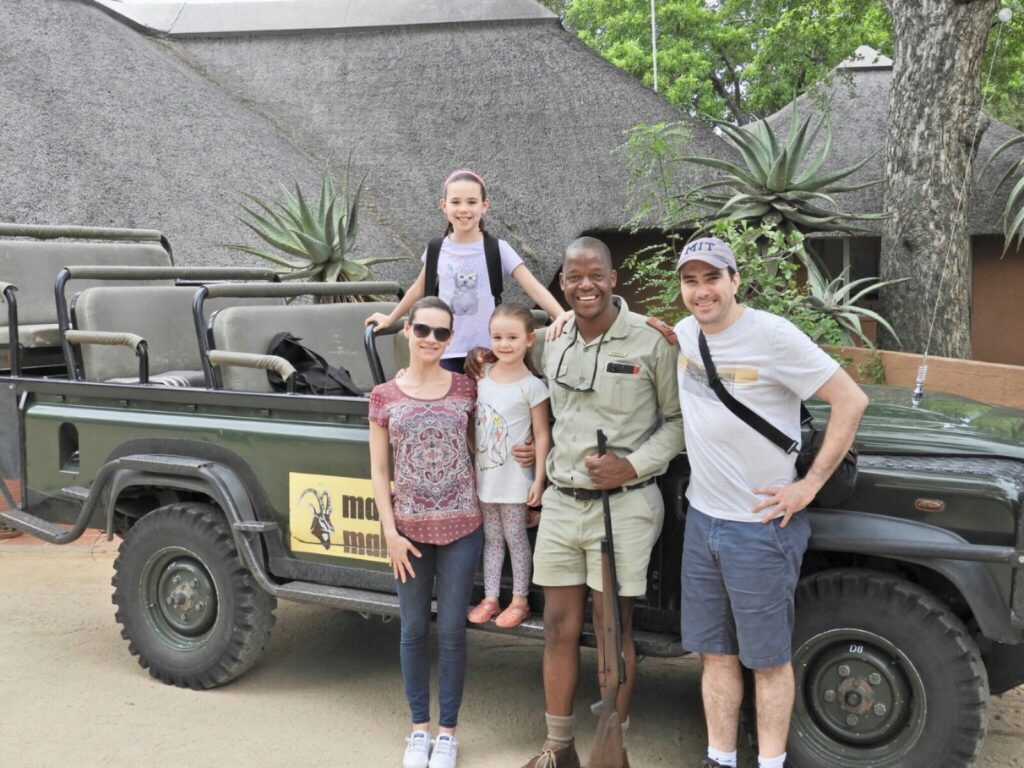
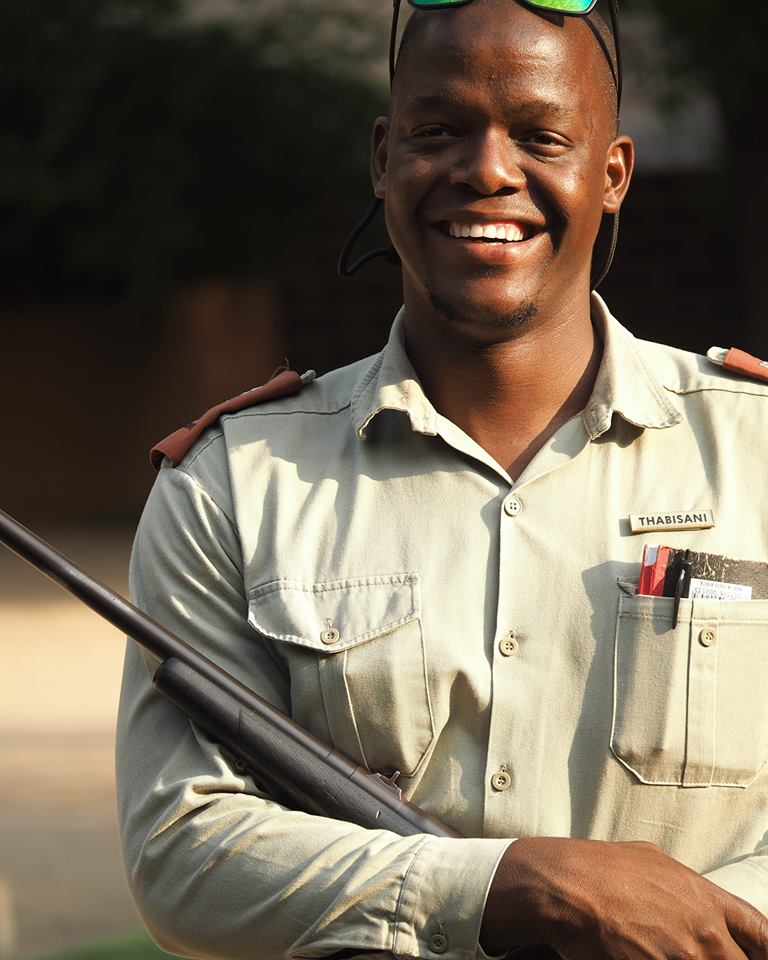
    A past Bushwise student and recipient of the Annual Bushwise Scholarship Thabisani Buthelezi (Ernest), now works at the Iconic Mala Mala Game Reserve as a Field Guide.

    image

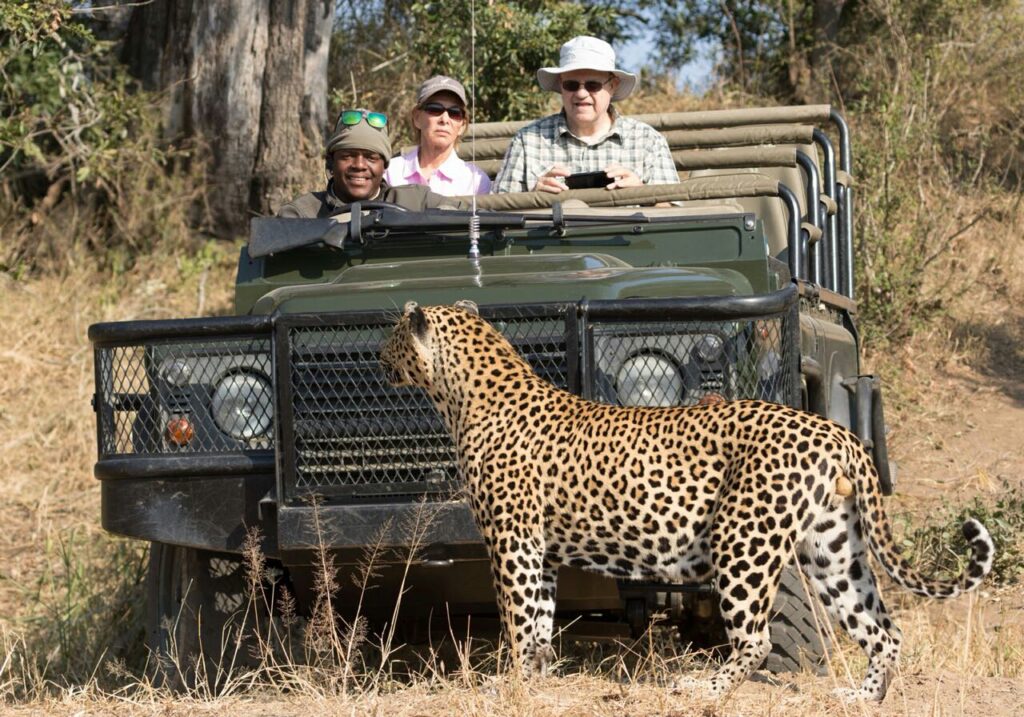
    Special family time on Safari

    Ernest takes us through how he managed to secure himself a job as a Field guide at such an iconic and pristine piece of Africa. Amongst other things, Mala Mala Game Reserve is famous for being the oldest Private Game Reserve in the Southern Africa, having started eco-tourism safaris in 1960’s, it is indeed the birthplace of the safari industry in South Africa.

    image

    Leopards all day, every day

    “I had been freelancing around the Lowveld when I read on Mala Mala’s website on their vacancy section that they were looking for a Field guide. The requirements were stated clearly on the website: FGASA L1, First Aid L2, Track & Sign Qualification, Advanced 4×4 Driving Certificate, knowledge of food and beverage.

    Thanks to Bushwise, I had all the required qualifications that obviously put me in a more advantaged position. I was then invited for a 2-day interview, where they assess if you’re a nature enthusiast, and whether you have the passion and knowledge to provide a life enriching experience for their high profiled clientele.”

    image

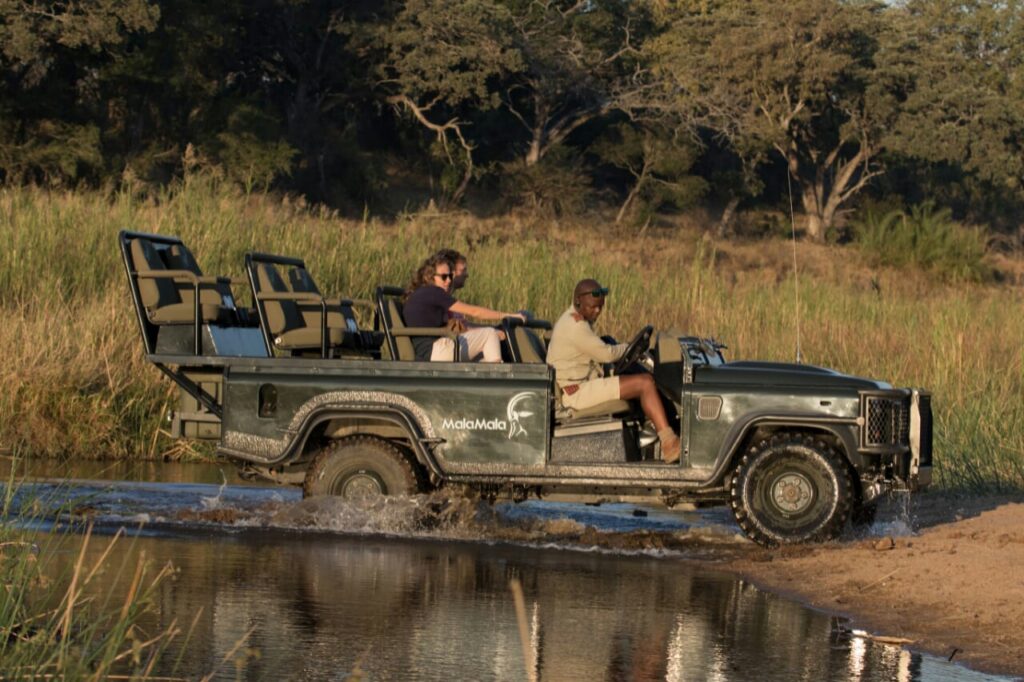
    Crossing the Sand river

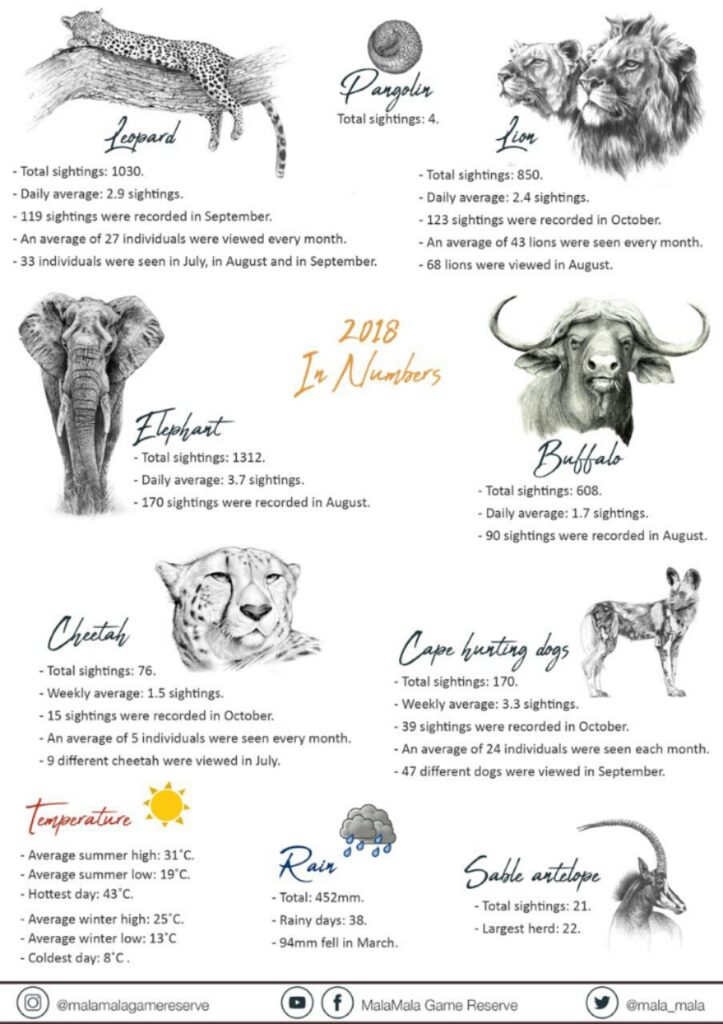
    My best experience so far is when I saw 9 different leopards, a herd of Sable antelopes, all during a three-hour game drive. Mala Mala is not only known for being the biggest and oldest private game reserve in the country, but also known for its unmatched game viewing. As far as game viewing goes, Mala Mala is right up there at the TOP. 

    image

    Mala Mala game viewing stats for 2018

    My advice to aspiring guides out there is, never underestimate what you can achieve. Focus and never stop learning. I wouldn’t have achieved all this without the high-quality training from Bushwise Field Guides, thank you for the opportunity, thanks to the dedicated and experienced trainers who equipped me with knowledge and field experience. The advice and mentorship after I had finished the course has been very helping during the beginning of my guiding career.’

    image

    Thabisani (Ernest) Buthelezi

    #MalaMala #fieldguide #Big5 #animals #safari #sightings #gamedrive

  • There and back again

    Two and a half years ago I spent six months as an intern at GVI Karongwe on their conservation program, six amazing months spent living and learning in the South African Bushveld. I loved it, I learnt new skills, met some fantastic people and had some amazing sightings of the iconic African animals, both big and small.

    image

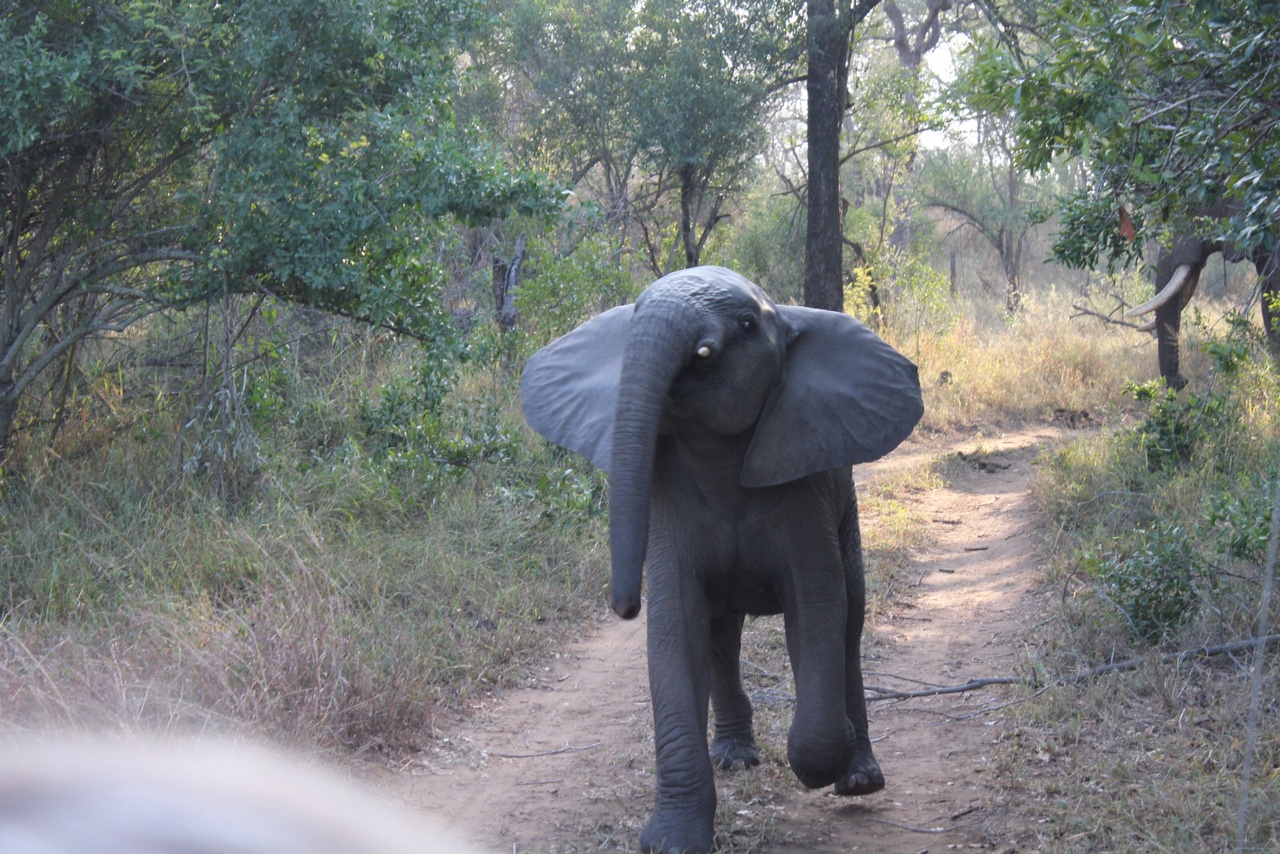
    From the unusually relaxed herd of elephants on the reserve, which is a very humbling experience if they allow you into their space, there is an enigmatic intelligence behind those eyes.

    image

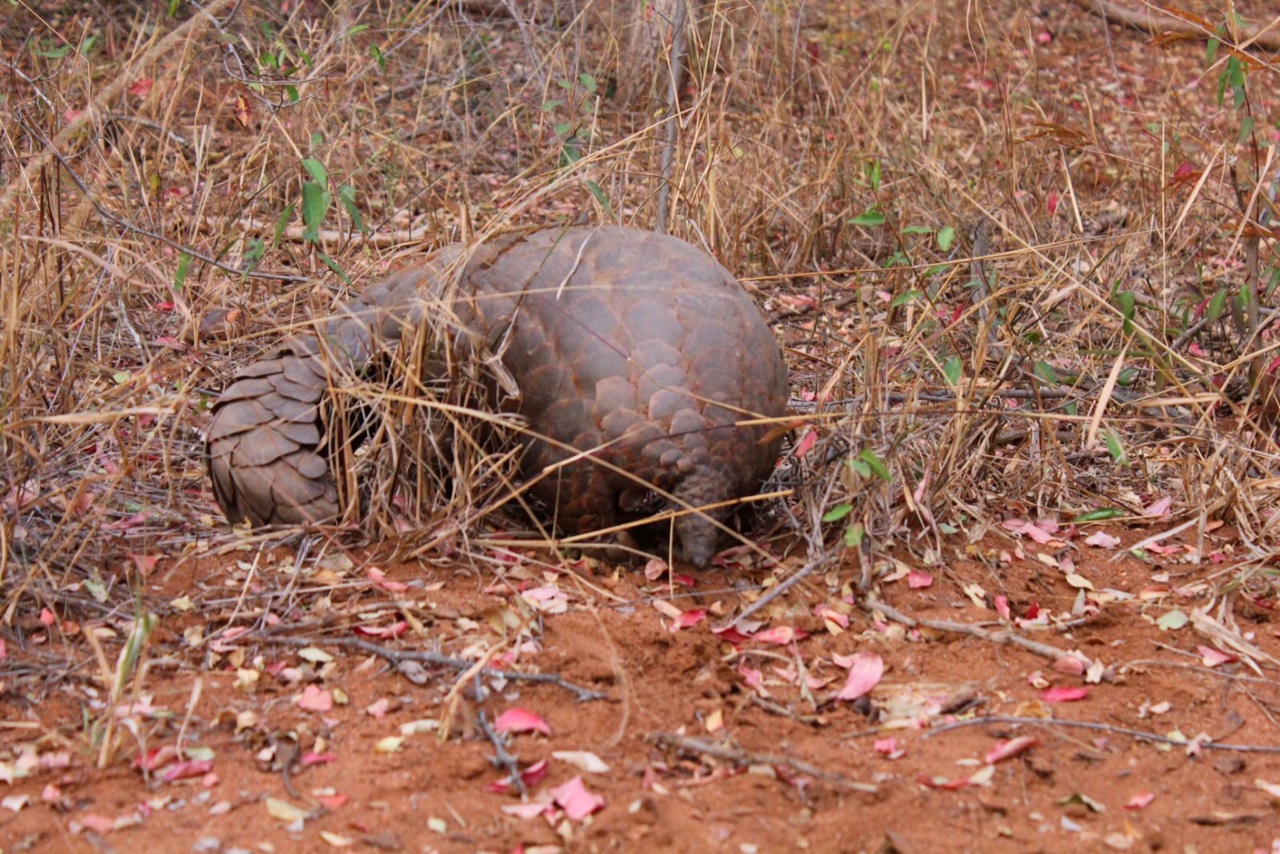
    To the incredibly rare and endangered pangolin I was lucky enough to see, much to the chagrin of the base manager at the time who has still yet to see one. Pangolins are so rare because they are one of the most poached animals in the world, illegally poached for their scales which is falsely believed to have medicinal properties. They are made of keratin just like our fingernails and hair, which is also what a rhino’s horn is made of!

    image

    I did not want to leave by the end of the six months, as I’d found myself a home living in the bush surrounded by nature. However, several of the staff there encouraged me to pursue my passion through Bushwise Field Guides, as they themselves had trained there.

    image

    Fast forward to now, after hard work and saving up, I am sat writing this in the Bushwise classroom on Mahlahla campus surrounded by the bush once more! One month into the year long course it’s been intensive study so far but an incredibly enjoyable learning experience.

    image

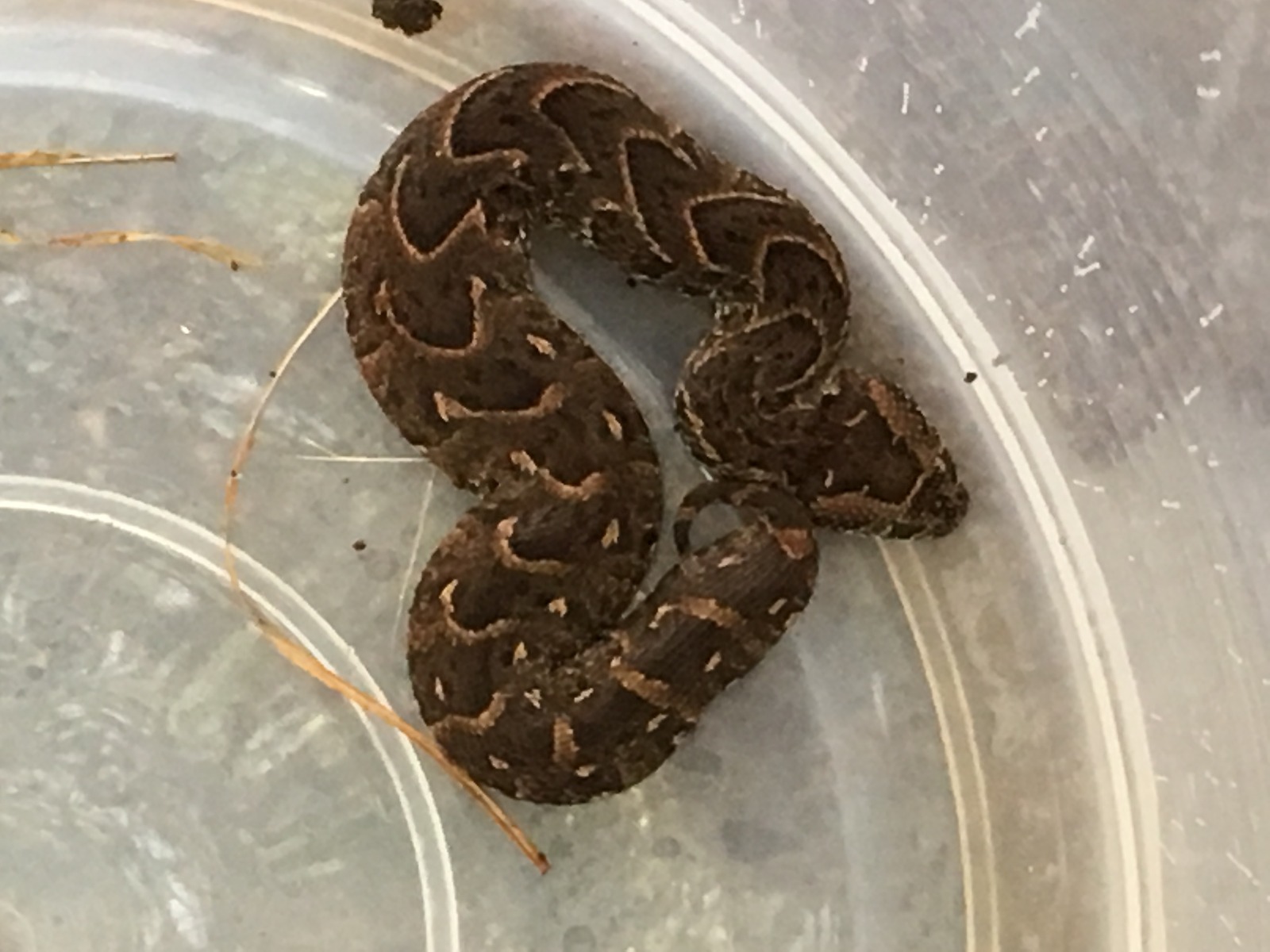
    Its summer here and with that are a lot of potentially dangerous, but beautiful, insects and reptiles, such as a Puff Adder that was found by the pool here after some stormy weather!

    image
    image

    With each practical drive we go on, old knowledge from my time at GVI resurfaces and is added to thanks to the experience of the trainers here and being able to immerse my self in the sights and sounds of the bushveld once again. I will leave you with this, living in the bush isn’t for everyone, its not always comfortable and you can’t just pop out to the shops or relax on a sofa. But when a kudu horn is sounded to call you for dinner and a family of jackals howl back from the darkness in response, for me it doesn’t get any better.

    image

    Blog & photos by current student, Jack Broadley

    image

  • First sleepout

    Monday morning started with 3 tests including birds, geology and sights and sounds. Everyone was a bit nervous, but thankfully there are a few jokers in our group that got a few smiles out of us. For the rest of the day, every one relaxed and later it was time for the botany lecture.

    The game drives just keep getting better and better. Each time we go we are learning more and more. The trainers teach us about plants, grass, animals as well as the art of tracking. Already, we are becoming one big family working together and learning together. We all helps each other and support each, with good laughs in between. Crazy to think how much we have already done and it is still week 3!!!!! We just have to wait and see how week 4 will go.

    image

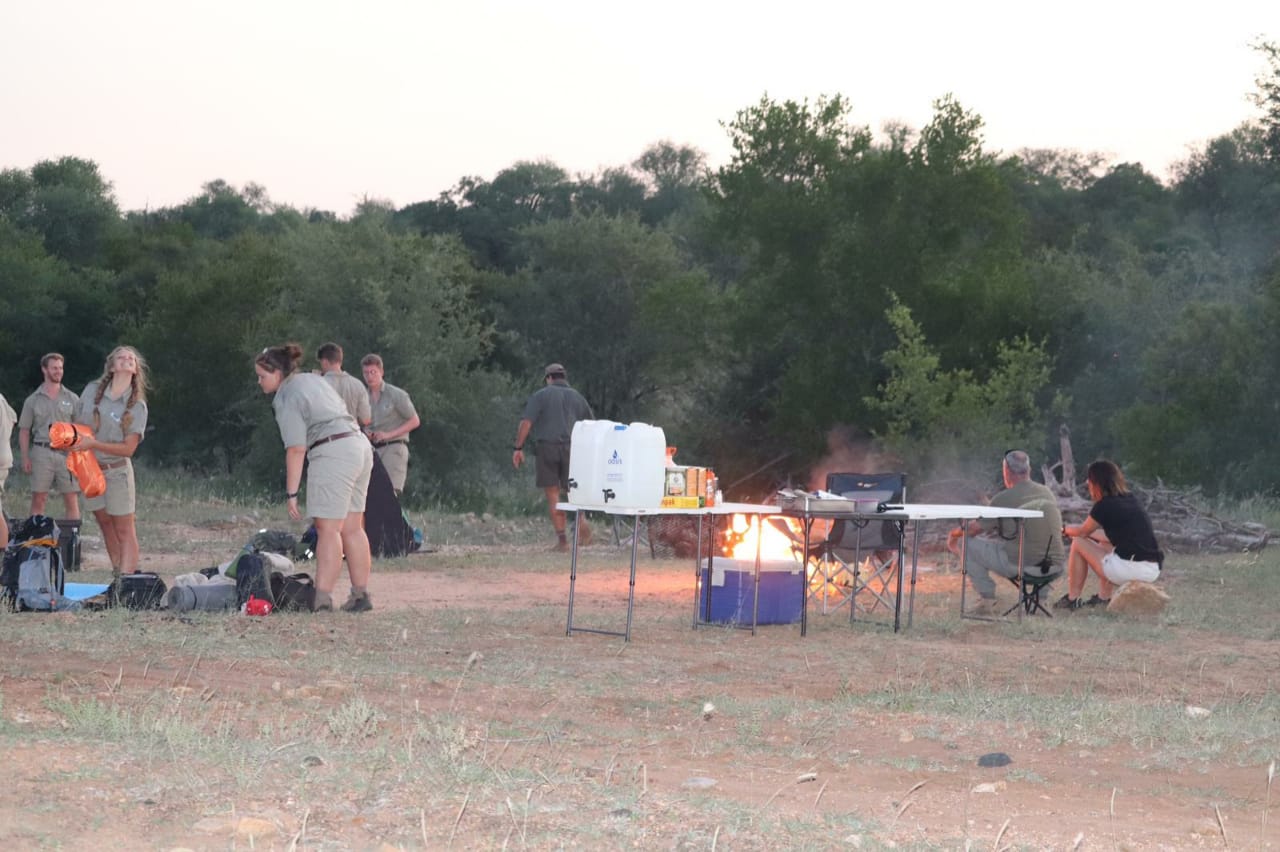
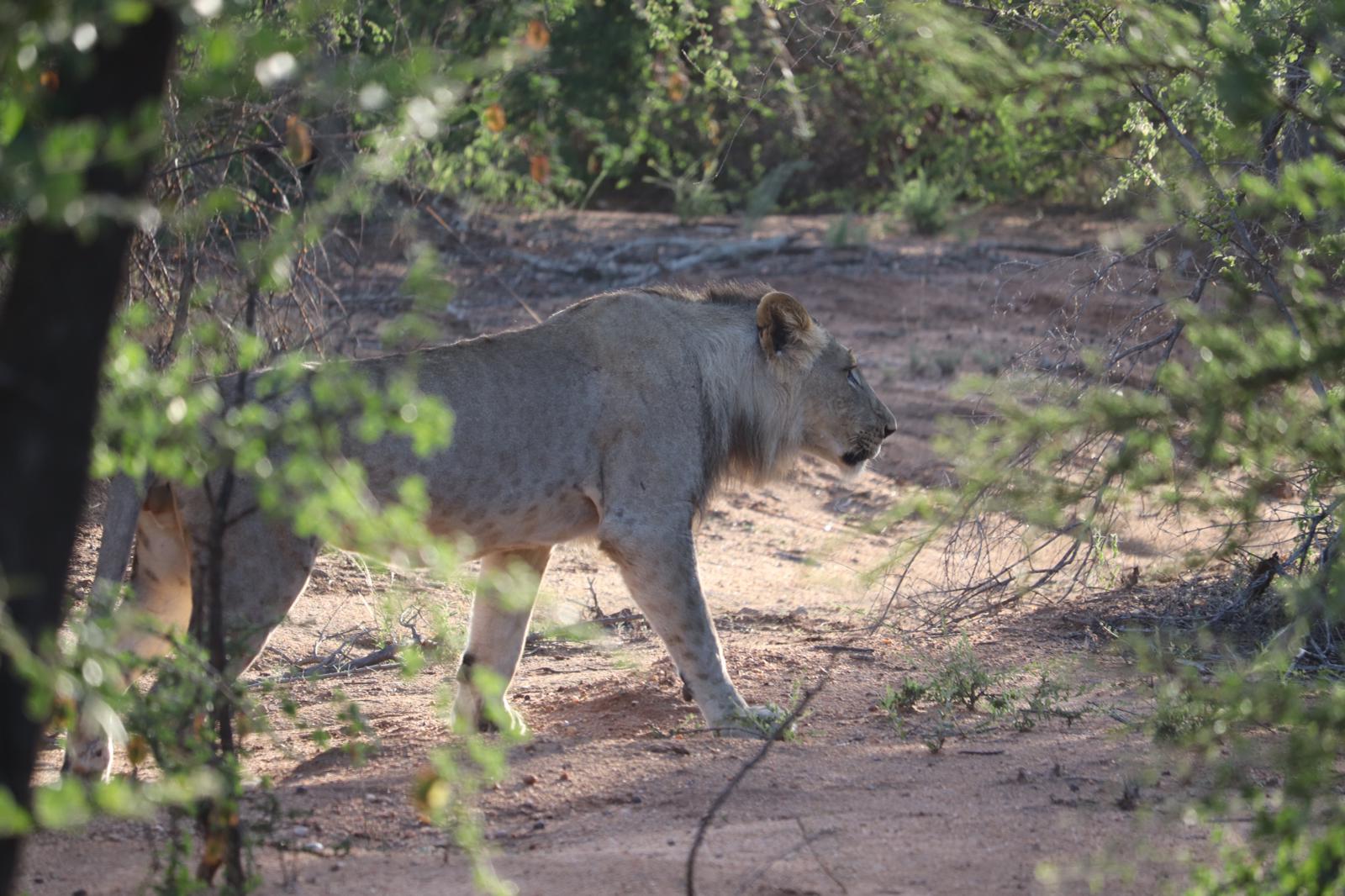
    The it was time for our fist sleepout. During game drive we were tracking lions and learning more about their behaviour. After game drive, we settled in at camp and prepared for the night ahead.

    image
    image
    image

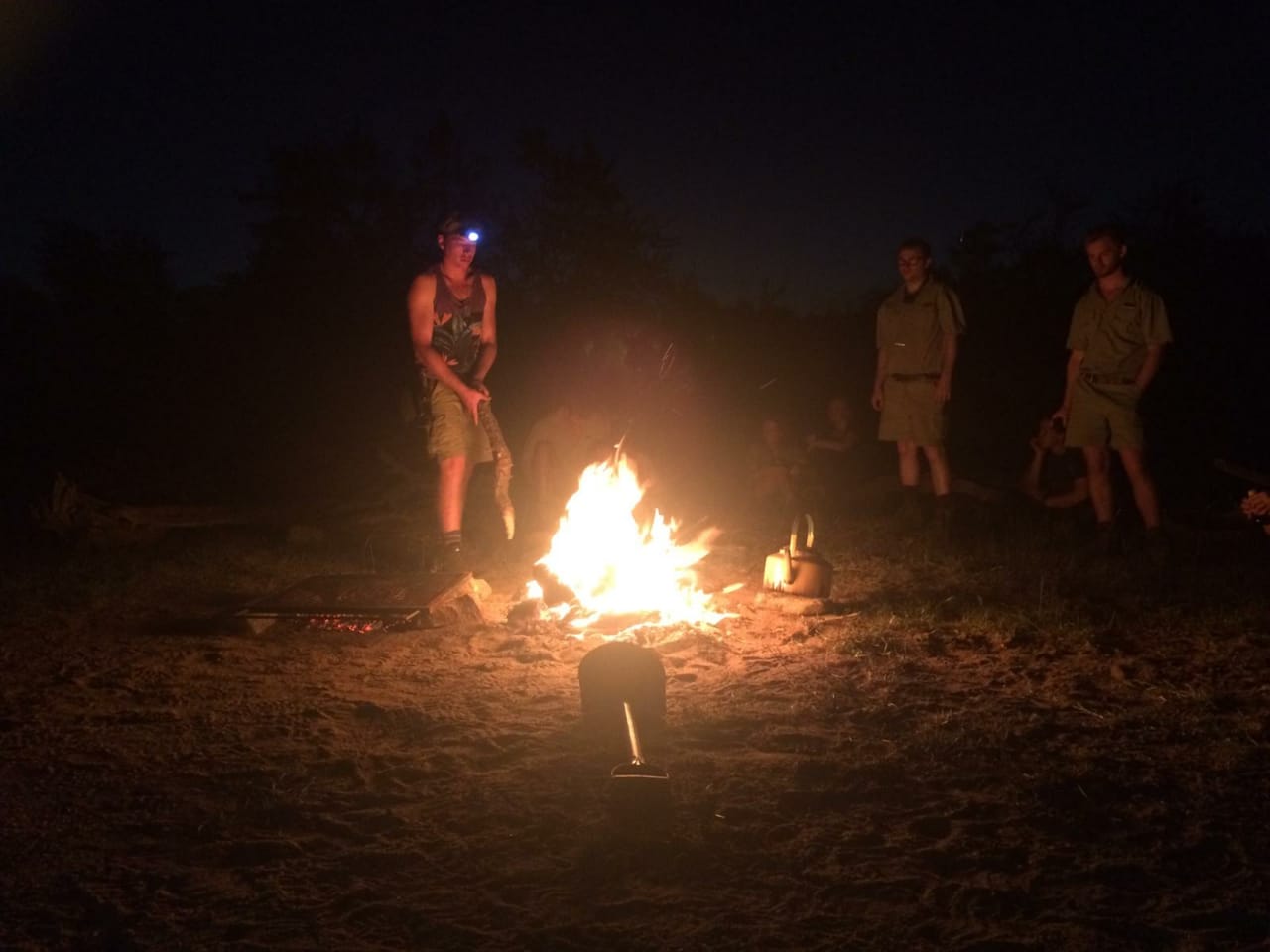
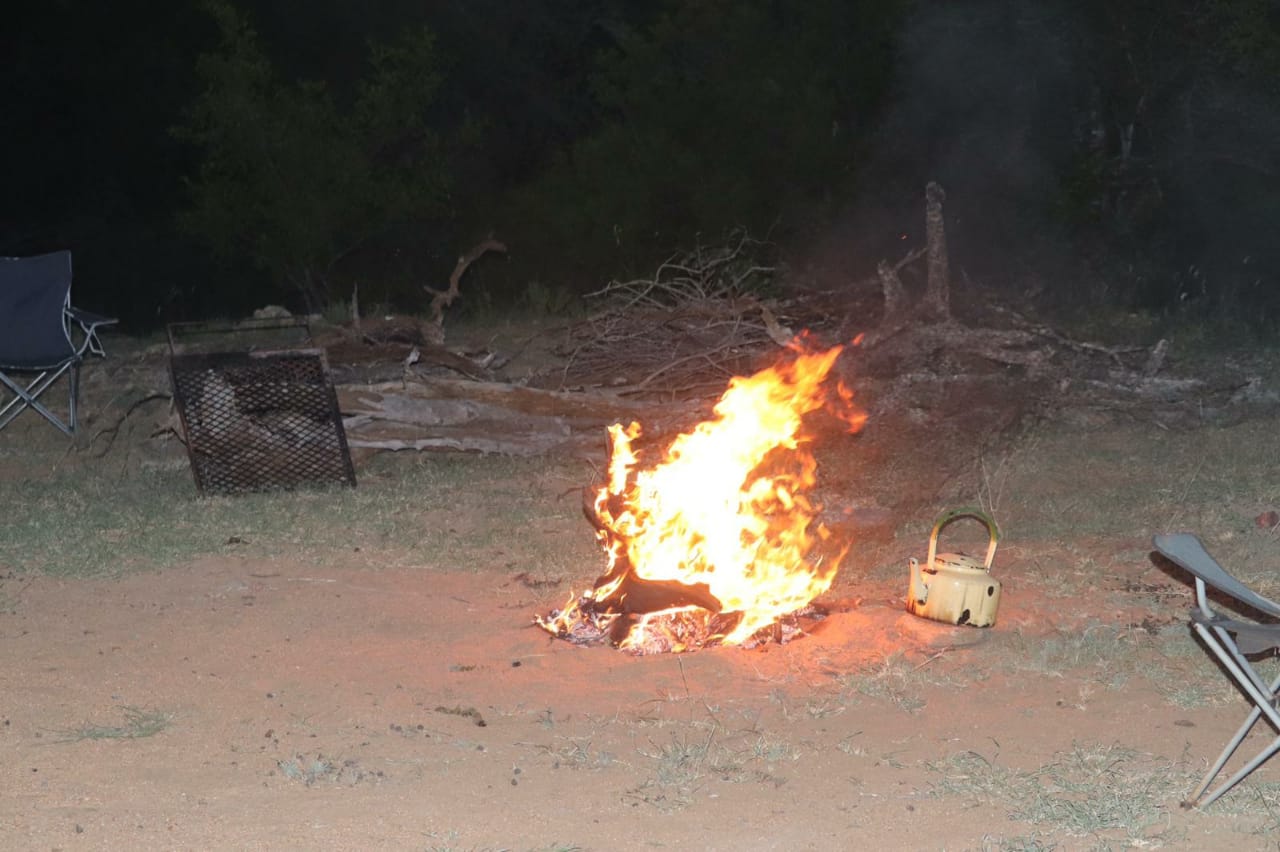
    That night, around 10 pm when everyone went to bed, the first group started with their night watch. Armed with coffee and spotlight, it was quite fun and interesting to see how quick the group worked together as a team. In the early hours of the morning, Caroline spotted the lions close to the camp. We quickly packed up and followed their tracks and successfully found them.

    image

    Photo by Caroline Prior

    By the end of the week we went on a botany walk to revise all the plants and grasses were we focussing on before writing the upcoming test. After that, most of the students went for a swim and the others went to their rooms to go and study for the test on Monday.

    And so, ends another week ends in a flash.

    Blog by Christiaan van Ryneveld (featured image by Jack Broadley)

    image
  • First game drive

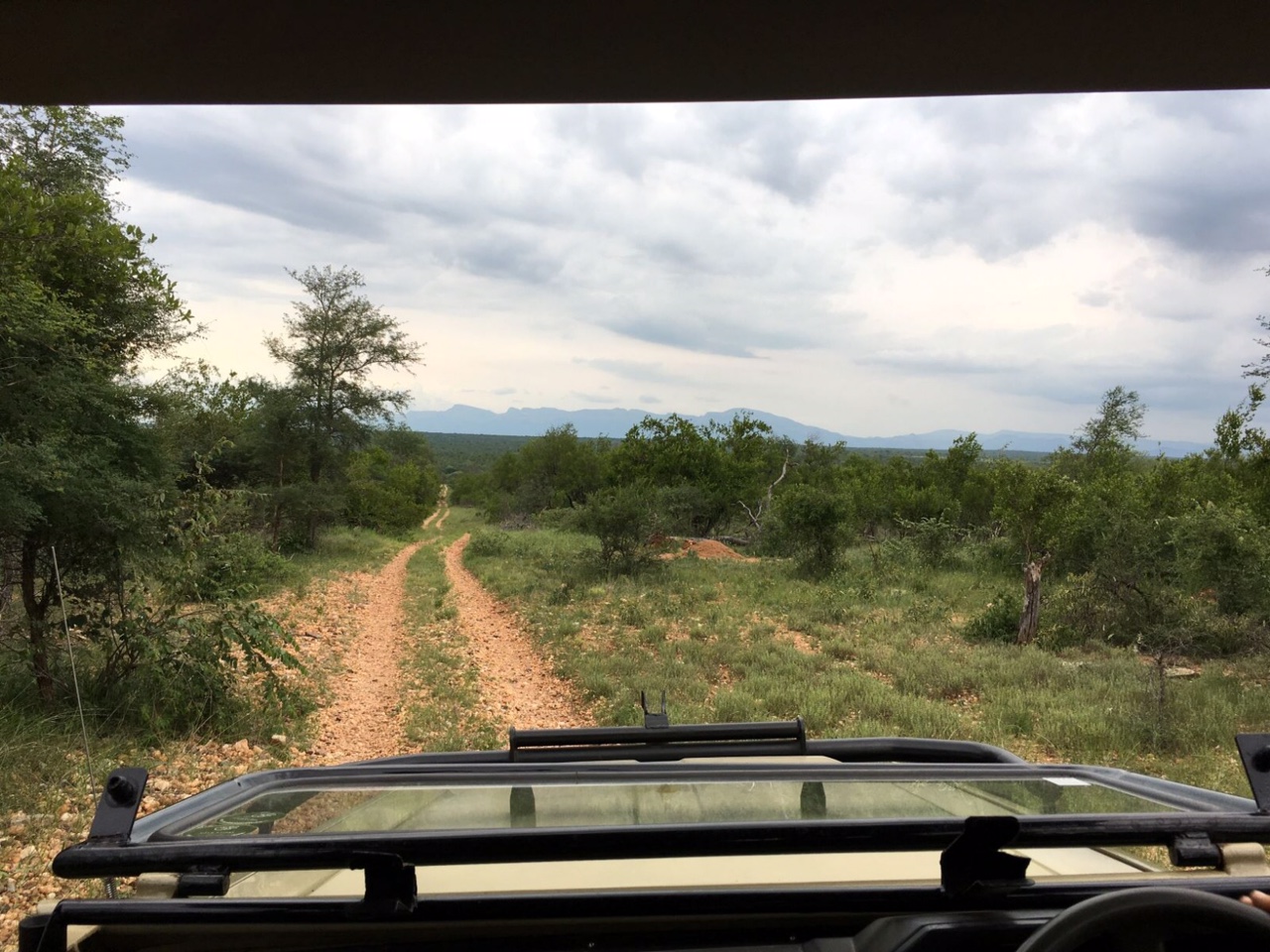
    A 4am start for the first day of the start of my student life as a field guide-my first practical drive.

    I start off with the preliminary vehicle safety checks, including the mandatory cushions for people like me that are vertically challenged, pack the phuza box for coffee and we all set off to the Makalali Reserve.

    image

    So it’s my turn, with excitement and some trepidation, I call in over the radio that we are in the reserve and for any updates we should know about. Then with as much confidence I can muster, I set off driving….

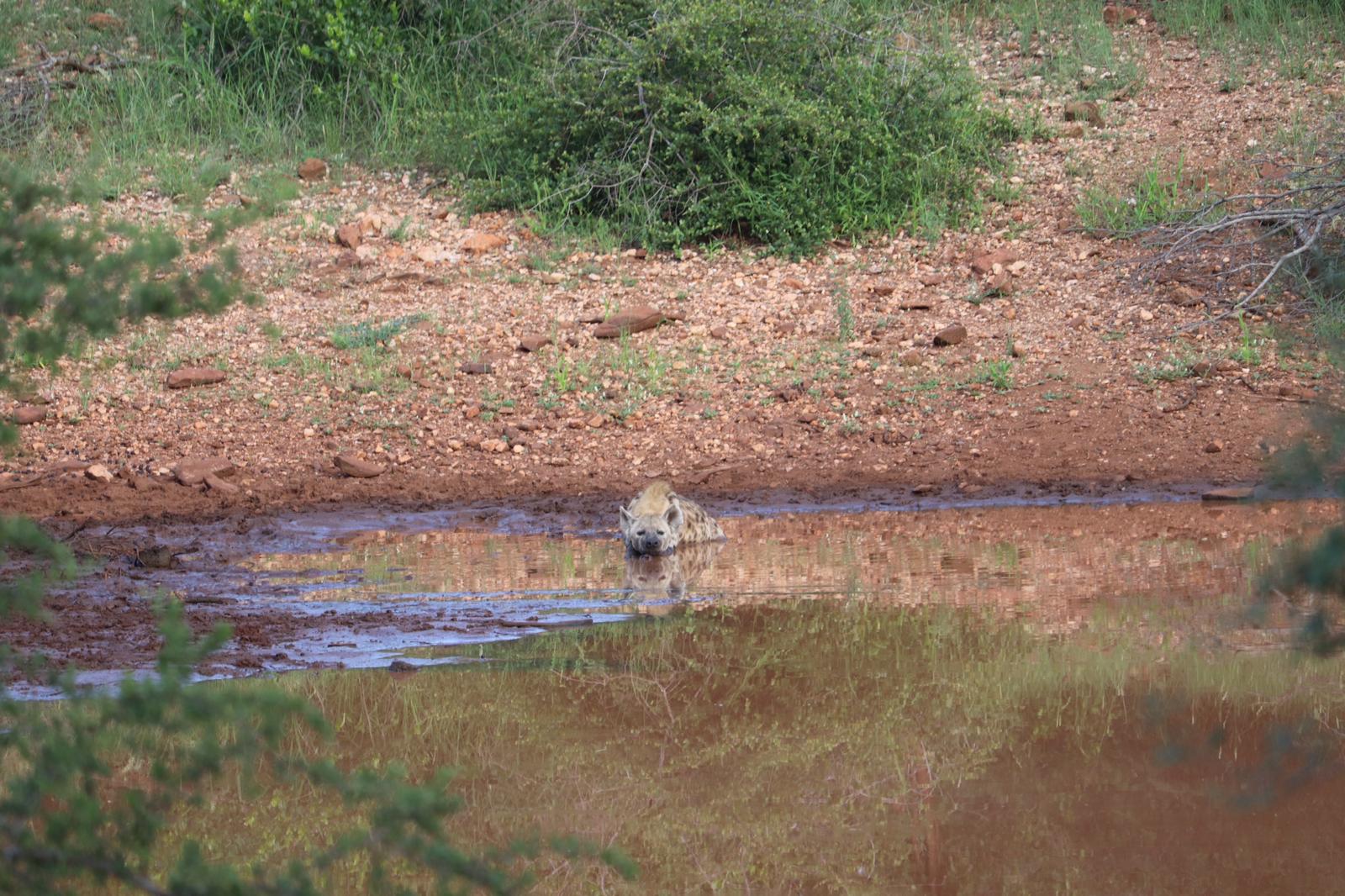
    The first waterhole I was richly rewarded with a beautiful bathing spotted hyena. This was followed by an amazing guided drive with our trainer who proceeded to share his thorough knowledge with us on the surrounding trees, flowers, birds and any animals we encountered whilst I was driving. The amount of detail and the stories our trainer knows is something truly to aspire to and so encouraging for us students to study and learn from.

    image
    image

    Following the tracks through the reserve was a challenge in itself, using the 4×4, and with practice will hopefully become second nature for negotiating steep rocky paths and deep river crossings. Fortunately, I have some experience with my truck Marvin but always good fun to really have a play!

    image

    After a couple of hours of wallowing in nature in all her glory, it was time for the phuza stop and to relinquish the wheel to another student.

    It really was eye opening the amount of stuff you have to do whilst driving as a guide. Not only keeping the drive comfortable but spot game/animals, identify birds through sight and sound, entertain the guests, using the radio, be aware of the changeable weather, abide all safety measures, shows a whole new level of concentration and brain power!

    image

    I can only hope that with time, practice and absorbing as much knowledge through this course, I will become the best field guide I can be.

    image

    Blog & photos by Caroline Prior

    image

    #animals #fieldguide #gamedrive #sightings

  • First week of madness

    Our first day of Bushwise Field Guides was a bit nerve wrecking. Meeting new people, seeing new faces and the start of making new friends. Quite tricky having to learn all their names, thank goodness for name badges. The orientation and welcome included the Bushwise staff going over the rules and regulations and most importantly, that no-one is to wonder alone in the dark. So, we had to learn together even though we don’t know each others background. Hearing the ‘bush’ music from the different frog and toad species in the dam that night made us all feel so good and so far we have all settled in very well. After all the rain we have seen many different arthropods at night, especially scorpions. We also has a welcoming braai under a Marula tree where we were able to get to know each others backgrounds and reasons for why we are all doing this course.

    image

    Camp life!

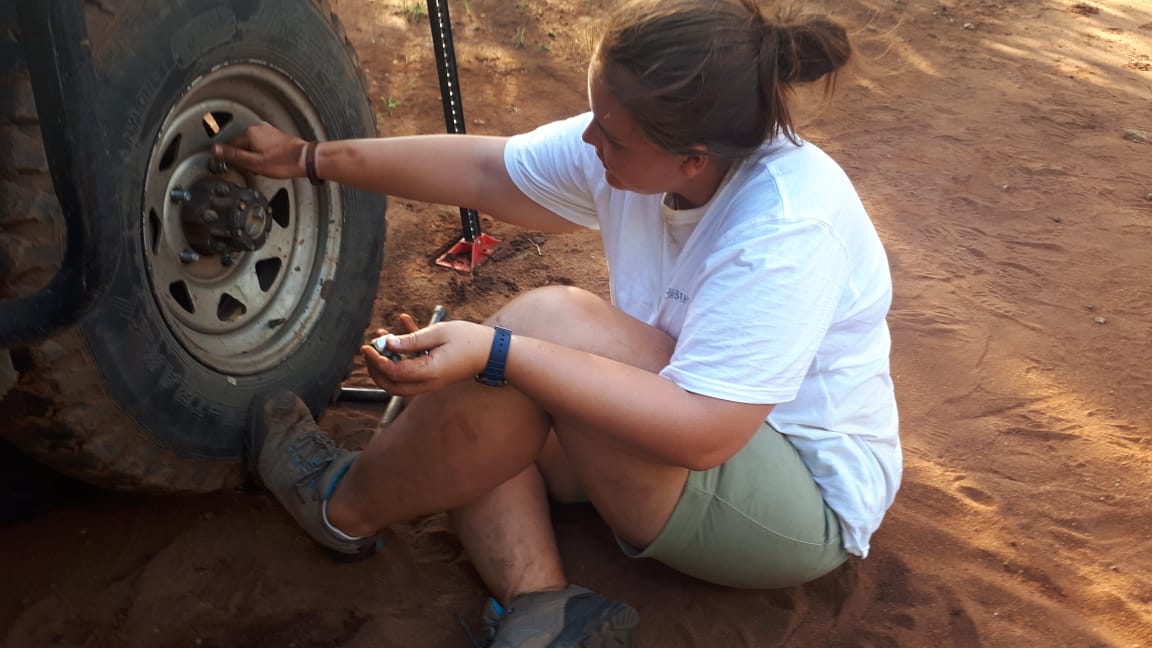
    Our first lecture from Gerard was very informative. It was about how to be an ethical guide and what requirements are needed from an individual to be able to make it in this field guide industry. You must be able to have respect for nature and a responsibility towards the guests ‘experience’ without damaging the natural environment. Later we did a bit of tyre changing practice. They were very heavy but after the techniques were shown, not too much strength is needed. I for one am quite happy because when I get a puncture I know I will be able to change it on my own. I have a feeling that we are in good hands from these experienced trainers. So far, I am loving a every single moment and am very thankful to be part of the Class of January 2019.

    image

    Dreaded job of tyre changing

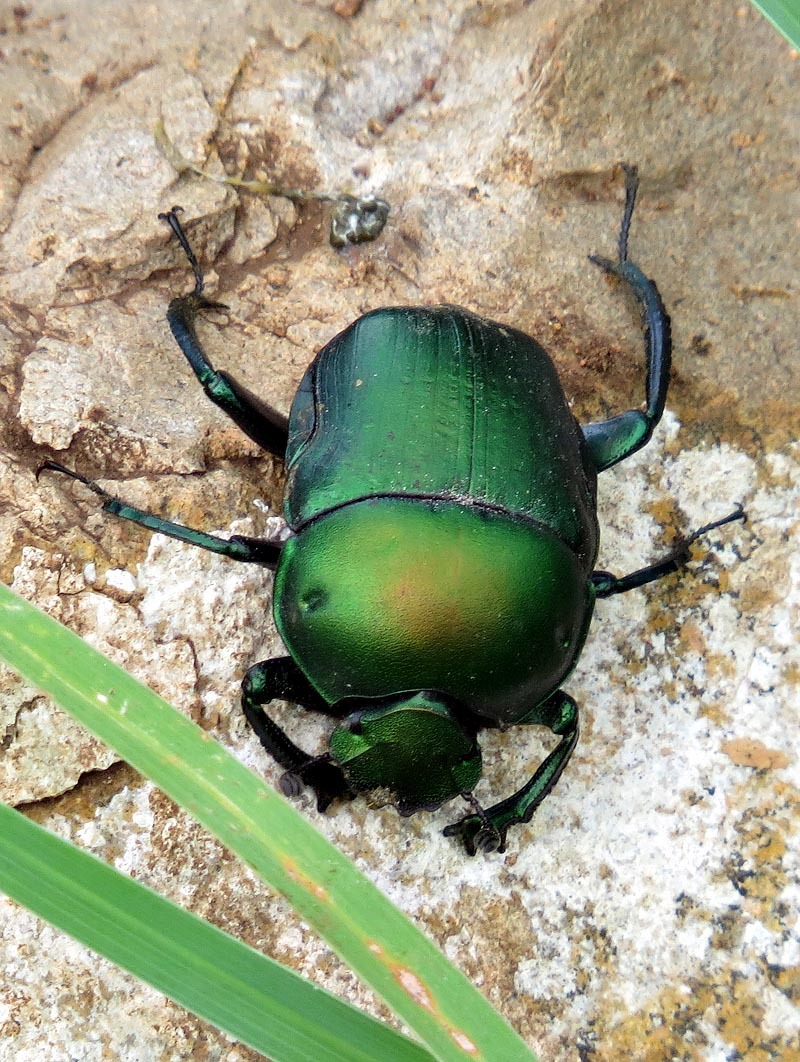
    We ventured off campus to get our uniform from Khaki Fever in Hoedspruit and after that we went to do the Reptile Orientation course at Kinyonga Reptile Park. There we learnt about snakes, lizards and crocodiles. Travelling in an open vehicle to and from town, felt awesome until a dung beetle hit me on my forehead. It was so funny and James could not stop laughing. He was sure to keep reminding my of how unlucky that dung beetle was.

    image

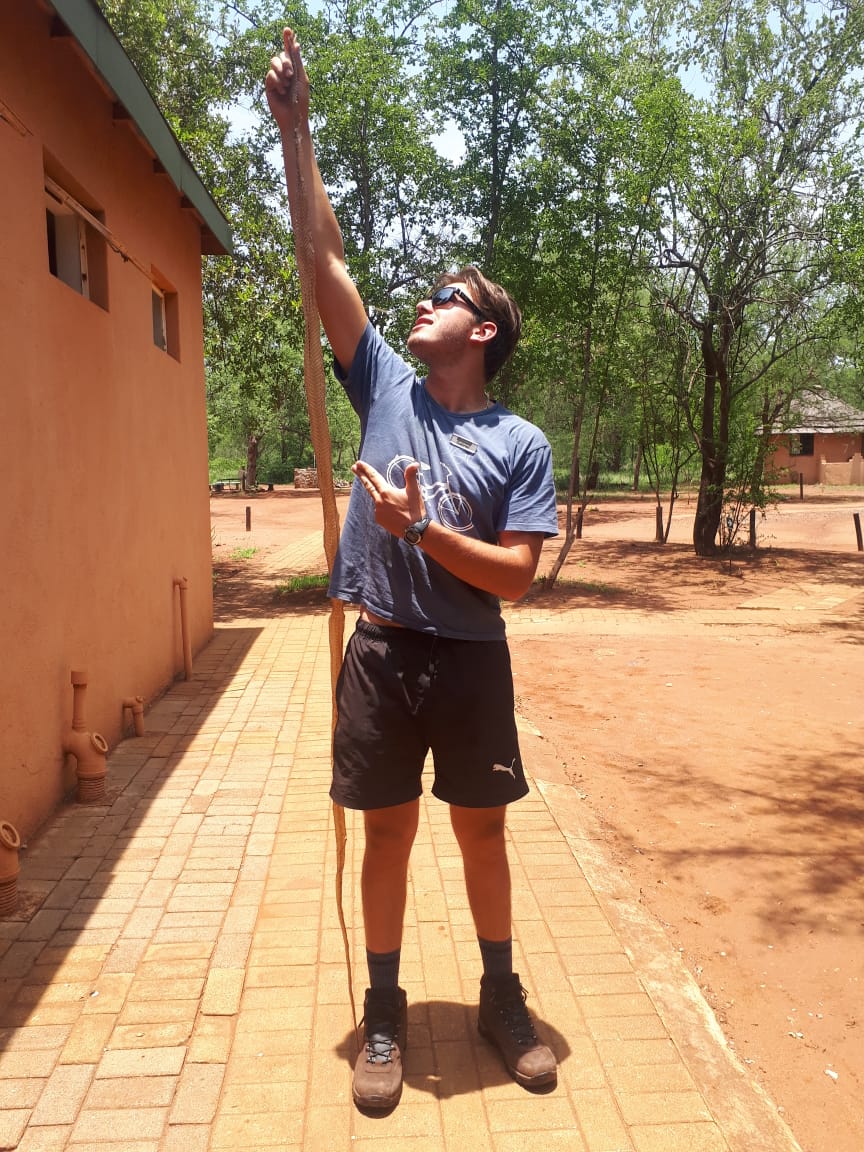
    Black Mamba’s shed skin

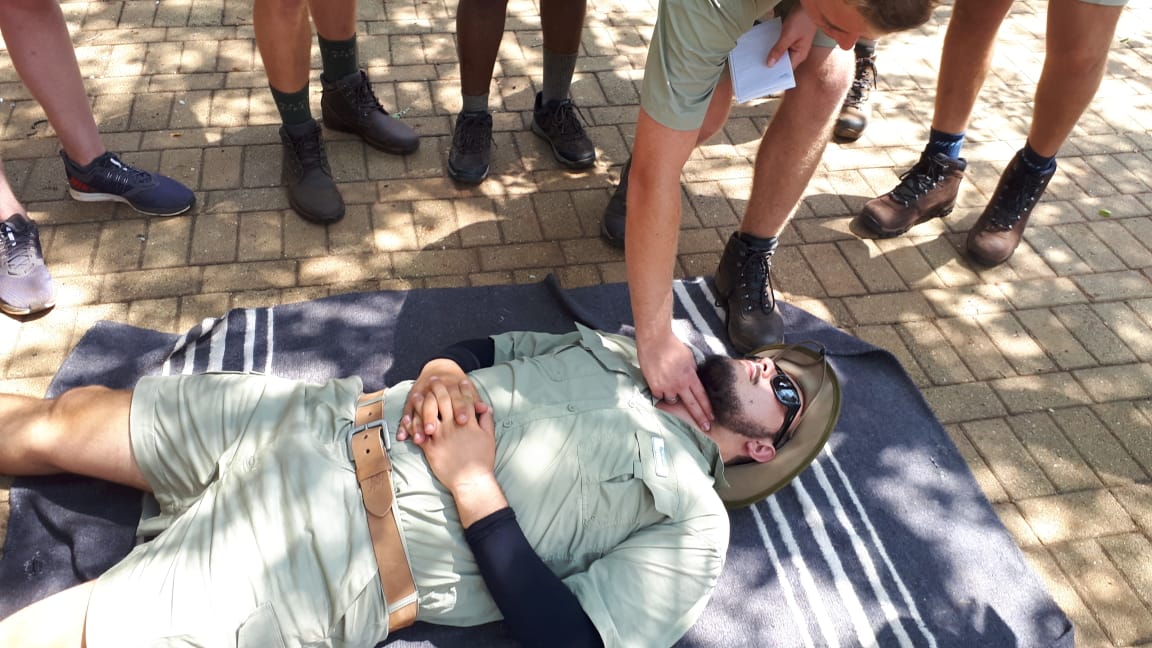
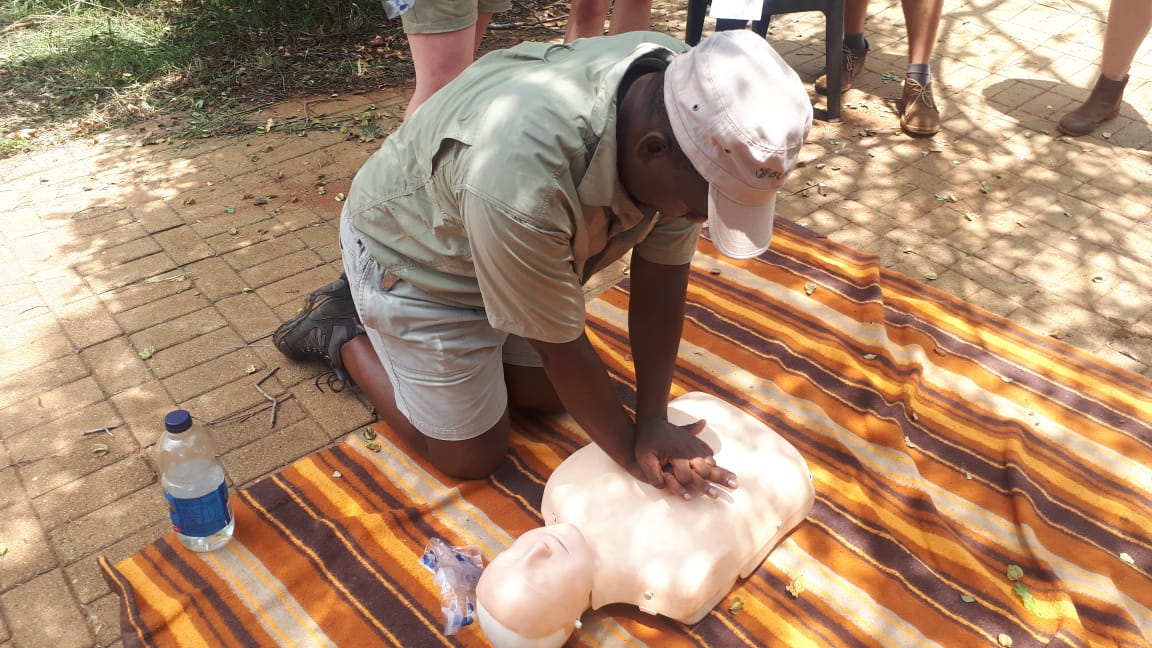
    Then we met Oom Jan! He was our trainer for the Wilderness First aid course, level 1 and 2. Now we are familiar with different scenarios that could happen and how to save someone in need of a help in various situations. In dangerous game territories in remote areas, while working as Field Guides, we may be faced with serious injuries to guests and/or fellow staff members and knowing how to potentially save a life is reassuring.

    image

    First aid training

    image

    First aid training

    In only for few days, I have seen female leopard tracks, found the skin shed by a huge Black mamba, watched a slow creeping Puff adder after the rains and been impressed with the displays from our resident Ostrich named Oom Okkie. What a week of surprises indeed and this is just the beginning! Here’s to collecting good memories and doing lots of learning. I look forward to sharing my experiences with my girlfriend, friends, and family. I cannot wait for more action in the weeks to come in this hot Lowveld!

    Blog by Daniel Mogale

    image

  • What’s New at Bushwise for 2019!!!

    Firstly, a big welcome to all the new Field Guide recruits! Everyone arrived safe and sound and are ready to make this their year to start their amazing careers. We wish the #ClassofJanuary2019 the best of luck!

    image

    New Programs!

    FGASA Field Guiding and Conservation Careers Internship

    Join us in South Africa’s Lowveld region, and train to become a qualified field guide while experiencing the African bush at its most exquisite. This course, which is available to anyone 18 years or older, provides a training platform for prospective field guides or conservation professionals who are eager to get a head start in these competitive industries. It will also offer students exposure in various fields to help them decide what they wish to do with their future careers.

    image

    The FGASA Field Guiding and Conservation Careers Internship allows you to choose your Internship Placements, ranging from 1, 3 or 6 months, depending on the time commitment you wish to make to gain practical experience and improve your CV, ahead of looking for a job in the industry. See the project details tab for more info on each of the specific internship placements and what they each entail.

    Students on this course have an opportunity to undertake a career exposure internship (with varying lengths) after completion of the 6-month certified course. This allows you to gain valuable hands-on experience, as well as cementing the information and skills learnt during the training period, as you ‘set foot-in-the-door’ towards the exhilarating and competitive safari tourism industry or in the direction of your intended wildlife and/or conservation career. On this course no PDP is required.

    Possible activities you could get involved with and exposed to on career exposure internship:

    1. Wildlife research and monitoring: spend time with a dedicated team of researchers learning about what life is like as a field researcher, logistics, research techniques and data collection.

    2. Anti-poaching: learn from the dedicated anti-poaching personal and be trained in the basics dog handling and anti-poaching techniques, essentially a real’ hands on’ and ‘boots on the ground’ experience.

    3. Assisting at an ecotourism lodge: assist in all departments of a luxury ecotourism lodge to see how it works behind the scenes and gain new skills and experiences.

    4. Environmental education and animal rehabilitation: help a team to teach local children the importance of protecting wildlife, care for injured or abandoned wildlife.

    5. Game farming and reserve management: get involved in some of the activities on game farm and intensive breeding programmes and get stuck in to some hands-on reserve management tasks and activities.
    image

    The career exposure placements provide you with the opportunity to gain experience in the fields of research, anti-poaching, and more, all while getting practical insight and experience and learning about what life will be like a field guide. You are guaranteed to get a practical head start on the other guides in the industry, and to solidify yourself as a field guide to be reckoned with, as soon as you turn 21 and are able to acquire your PrDP (driver’s permit).

    For more info please check out this link – FGASA Field Guiding and Conservation Careers Internship

    Scientific Field Research and Techniques Internship

    This program, which takes place in 4, 8- or 12-week durations, is of particular relevance to students wishing to gain practical exposure and experience in the field, as well as to develop the necessary ‘on the ground’ skills in order to become a more well-rounded wildlife field researcher in the conservation industry. Alongside intensive field experiences, lectures, practical surveys, research and tracking techniques and skills are taught as a focus for the duration of the course.

    It also aims to give students a holistic experience and to provide the necessary skills for living and working in a remote field location. This includes everything from managing a camp, safety considerations and awareness, orientation, 4×4 driving and so much more. The course also offers training in fauna and flora identification, animal behaviour and fundamental field techniques to collect data. This aims to enable students to work safely and effectively in the field, while having a better understanding of species in the context of their environment.

    Through hands-on experience, game drives and lectures, students will have the opportunity to develop their bush and field biologists’ skills and to elevate their understanding and skills as field biologist.

    This could possibly include:

    1. Interpreting the environment for field safety, specifically utilising and using field survey techniques;

    2. Gaining skills to set up and manage field camp;

    3. Learning fundamental skills in identification of fauna and flora;

    4. Learning how to interpret animal behaviour in relation to safety and scientific data collection;

    5. Developing techniques and skills for studying wildlife, animal behaviour and biodiversity survey of reptiles, birds, amphibians and arthropods;

    6. Gaining training and skills in 4×4 driving and learn how to communicate via VHF radios;

    7. Learning fundamentals of tracking animals using tracks and signs.

    image

    For more info please go to this link – https://www.bushwise.co.za/scientific-field-research-techniques-internship/

    Free recruitment service

    Since 2012, 100% our SA students who graduated were offered permanent positions in the industry and 50 – 70% of the International students have gone on to get permanent job offers.

    We are now looking at giving job security to students by offering a free recruiting service to all students who graduated after the course and to past students looking for new opportunities.

    image

    T’s & C’s apply, For more info please go to this link – https://www.bushwise.co.za/bushwise-recruitment/

    50% money back guarantee

    The team at Bushwise has launched an exhilarating employment guarantee offer for South African students taking part in the 2019 FGASA Professional Field Guide Course start dates (8 January or 8 July).

    What the offer entails, is the opportunity for incoming students to get half of their course fee back in cash, should our recruitment service not be able to secure a job offer within 6 months after successful completion of our 6-month course and 6-month work placement. That’s an unheard-of rand value of R90 000.00 in your pocket at the end of you achieving your qualification, if we can’t secure a job offer for you to work in the field after!

    We intend to continue this positive trend and have faith in our guides as highly skilled, motivated, professional ambassadors not only for Bushwise, but for the industry as a whole. We believe in you so much, that we’re willing to put our money where our mouth is.

    This offer is exclusive to South African students. For a full list of T’s & C’s, please navigate to our website footer.

    So, here’s to an exciting 2019 with Bushwise!

    #courses #moneybackguarentee #fieldguiding #careeroption #wildlifecourse #fieldguidecourse
  • Various guiding pathways one can pursue

    Being a Field Guide does not have to be one dimensional, in fact there are various pathways you can choose from your entry level FGASA Field Guiding qualification. Here is some more info on Field Guide NQF2 & Advanced Field guiding qualifications (previously known as FGASA level 1 and Level 2 – What is FGASA Level 1 and Level 2?

    This exciting field can lead you to follow your own passion depending on your interests and this could be trails guiding, marine guiding and even Birding.

    Cultural guide

    A Cultural Guide conducts guided experience based on local attractions of that specific area. They must be well-informed in terms of the local culture, traditions, the history and interesting information in a way that is entertaining and informative to visitors. To become a Culture Guide, one needs to acquire the FGASA (NQF4) Culture Guide qualification.

    image

    Birding guide

    A Bird Field Guide or Birding specialist is a person who guides guests and identifies bird species by sight and sound. They then also explain the bird behaviour and interesting information on that bird. Within this field you can obtain your: Local Bird Guide Certificate, Regional Bird Guide Certificate, National Bird Guide Certificate, The SKS(Birding) Qualification.

    image

    Biome guide

    A Biomes guide is specialised in the understanding of various biomes which is defined as very large ecological areas on the earth’s surface. This includes the various fauna, flora which have adapted to their environment. It is influenced by geology, soils, rain fall, climate, and vegetation.  The field guide is able to conduct a specialist guided biome experience of any of the biomes of South Africa based upon which Biomes they chose to specialise in and in South Africa there is a wide variety to choose from that vary quite allot.

    image

    Marine guide

    The FGASA Marine Guide (NQF2) [Previously known as FGASA Level 1 Marine Guide] is able to identify the major living and non-living features of the coastal-marine environment in which s/he operates and interpret them at a level based mainly on observation and from an elementary scientific and cultural perspective.

    As a general guideline, a Marine Guide(NQF2) has a sound knowledge of the history, geology, plants and animals (i.e. birds, mammals, reptiles, etc.) in the specific area of guiding operation. It is very helpful to have this additional qualification is working on a coastal reserve that includes beach and bush safaris. The FGASA Marine Guide(NQF2) must be registered with the National Department of Tourism in order to legally operate as a Nature Guide in a coastal-marine environment.

    image

    Photography Guide

    A Photography guide is a person who has an understanding of the technical aspects of photography and has an excellent knowledge and understanding of nature. Having this additional skill can add to a guide’s employability and enhances the visitors’ experience as they understand what is required by photography enthusiasts, especially those who are travelling for photographic opportunities. By understanding components such as vehicle positioning in relation to the subject or natural lighting, background and foreground can help the guide offer their guests best photographic opportunities.

    image

    Trails guide

    Once the field guide has achieved their FGASA FIELD GUIDE NQF2 (level 1) certification, and have obtained your Advanced Rifle handling, they are able to work towards their Trails Guide qualification. Step one is to acquire the Back-up Trails Guide certificate which consists of a theory test and then a practical component. Let us explain what these roles are first. A BACK UP Trails guide once qualified is able to provides support to the Lead Trails Guide while conducting an on-foot walking experience to view potentially dangerous animals. Once you have completed the set number of hours and encounters and passed your assessment you can then work your way towards the Leads trails guide qualification.

    A Lead Trails Guide is a person who guides visitors on a nature experience to view potentially dangerous animals on foot in biodiverse wilderness areas with the assistance of a Backup Trails guide.

    image

    Tracker

    A Tracker Field Guide is a person who interprets animal tracks and signs found in nature. This can be anything related to the signs of an animal’s presences from tracks, droppings, disturbed vegetation, scat, feeding habits etc. and includes mammals, invertebrates, amphibians, birds and reptiles). This is a great skill to have in order to trail and animal and find this for your guests to view.  Mastering trailing takes years of working in this field and experience with animal behaviour and reading the signs accurately. There are various level within this field including Tracker Level 1, Tracker Level 2, Tracker Level 3, Tracker Level 4, Senior Tracker and Head Tracker.

    image

    There are a few unconventional ones too, like boating safaris, mountain bike safaris and horse back safaris but we will leave this for the next blog!

    With so many aspects and paths to choose from. It is wonderful to diversify yourself as a Field Guide. Give yourself the best start by doing our long-term course which includes parts of all the above aspects aswell as a 6-month work placement.
    Recourses – https://www.fgasa.co.za/default/38/Field%20Guide%20Qualifications

    Blog by Kim van Greunen

    #fieldguide #safariguide #trailsguide #photographyguide #culturalguide #Birdingguide #marineguide #fgasa #tracking #natureguide #biomeguide

  • Top lodges where you could do your guiding placement

    An important aspect to any entry level Field Guide is gaining valuable working experience. The best way to do this is to complete a work placement right after doing a course. If you chose to do our comprehensive 6-month course, a 6-month work placement is guaranteed. This is a sure way of gaining that work experience, getting a foot in the door and getting the opportunity to work towards a job as a field guide. This platform allows you to prove yourself and show what you are capable of.

    image

    Over the last decade Bushwise Field Guides has worked closely with many well-known, award winning lodges throughout South Africa. Providing them with students to do their work placements as well as permanent staff with our Bushwise Alumni, part of our Bushwise Recruitment arm.

    Past Bushwise students have gone onto to gain job offers during theses work placements which has assisted them to further their growing careers as Field Guides.

    Here are some Top lodges where you could do your work placement!

    Africa on Foot – https://www.africaonfoot.com/

    With excellent reviews on Tripadvisor, Booking.com and Google reviews you can only hope to work for such a reputable venue. They have also won Best Walking Safari lodge in 2016 – https://www.sundestinations.co.za/blog/africa-on-foot-winner-of-best-walking-safari-in-2016/

    Students specifically wanting to get into Trails guiding should strive to do their placements here. Not only will they get ample opportunities to do Trails guiding, they can build on their hours and encounters to work their way from Back up Trails to Lead trails and beyond and learn from the guides working at these lodges. An experience on foot for guests is very different to vehicle safaris and is a growing strongly in the industry. Many of the staff at Africa on Foot are Bushwise alumni and they continue to build up on their hours.

    image

    The Ant Collection – Ants Hill and Ants Nest – Horseback Safaris – https://waterberg.net/

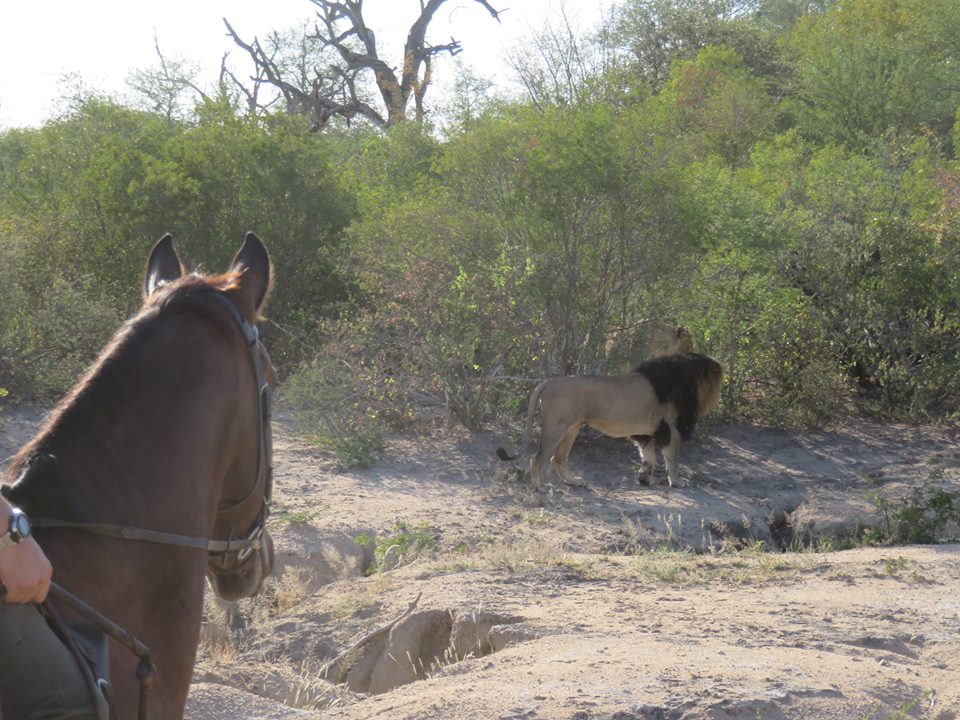
    If you have an affinity towards horses and have experience with horse riding and wish to combine guiding and horse riding then this is for you! Ant’s Hill and Ant’s Nest has given Bushwise students a chance to hone in on these skills. Again, this is a very different set of skills needed to take guests on a Horse safari in Big territory

    image

    Kapama Game Reserve – https://www.kapama.com/

    This is a very well-known 5 Star reserve and offers an intensive field guide internship program which is perfect for an entry level guide. The reserve is well known for amazing sightings and has luxurious lodges where guides can learn allow about Hospitality as well.

    Greenfire Game Lodge – https://www.greenfire.co.za/Situated in the Balule Private Game Reserve, this lodge offers personal training and helps uplift the students. With 10 other lodges, being part of a bigger groups, also gives students an opportunity to grow and move to various other locations and add to their work experience in the Tourism industry

    image

    Greenfire Game Lodge – https://www.greenfire.co.za/

    Situated in the Balule Private Game Reserve, this lodge offers personal training and helps uplift the students. With 10 other lodges, being part of a bigger groups, also gives students an opportunity to grow and move to various other locations and add to their work experience in the Tourism industry.

    image

    Nyati Safari Lodge – https://nyati.com/

    Open to South African and International students for placements, NYATI Safari offers world-class safari in our own exclusive safari lodge in South Africa. The lodge is located on a private 10,000 ha “Big 5” wildlife reserve, which is part of South Africa’s famous Kruger National Park. Here they can guarantee that guests will get close to Africa’s wildlife.

    image

    There are many other lodges where we have placed students through the years and we also continue to forge new relationships with new lodges! Its always good to have a variety in order to place students with lodges specific to what they are looking for and provide an eclectic choice of placements options. Thus increasing all the students chances of securing that dream job!

    Until next time,

    Kim van Greunen & The Bushwise Team

  • Beauty in the bush

    “Life is either a daring adventure or nothing at all” – Helen Keller

    Coming from the city to the bush was definitely one of the biggest changes for me, as life in the city is so much different to life in the bush. Although change can be risky and difficult, it can also be beautiful… Very much like being in the bush, it might be scary, risky and difficult at times, but every moment spent in the bush is a beautiful adventure and memory made.

    No day is ever the same and every day is as beautiful as ever. In the city it is always so busy that you don’t look at the bigger picture but out here you get to experience and see all the little things up to all the big things. Out here you see things that you never would have seen and things that you never would have thought about seeing whilst living in a city.

    image

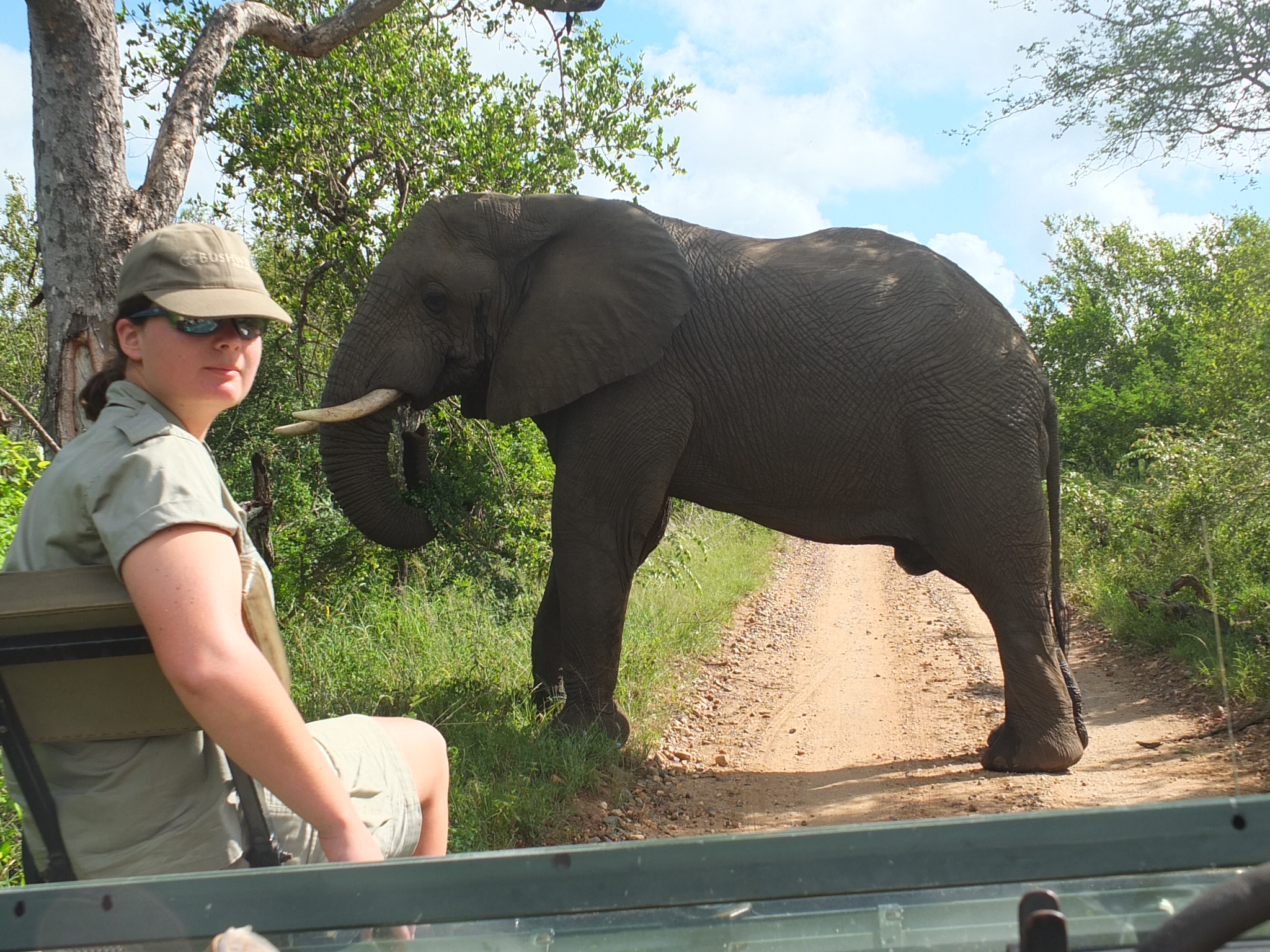
    We get to see the most amazing sightings like Hyenas with their cubs, Elephants chasing a pride of lions away and a Lion being lazy after a giraffe kill. Even getting up close and personal with elephants that are curios enough to come and investigate the game viewers.

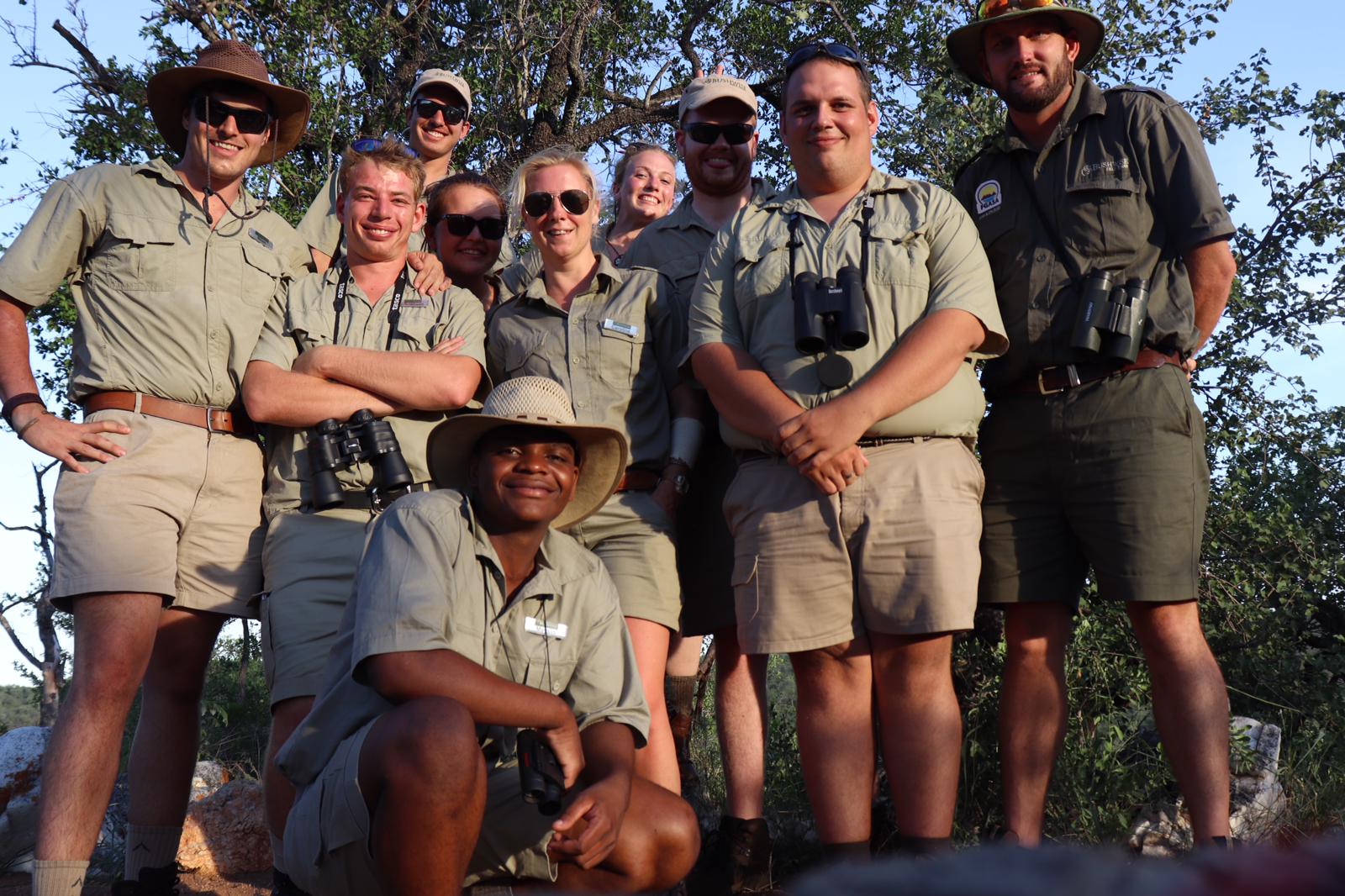
    We have had amazing and stressful times during the period of this course so far, but I am very happy to have met everyone on course from the Trainers to my fellow students. There is never a dull moment when it comes to this course as you are always learning new things and constantly trying to figure things out if you don’t know it yet. Gaining knowledge of things and learning about the behaviour behind why the animals do what they do and when they do it. It is a challenge, but it is a challenge that is absolutely worth it.
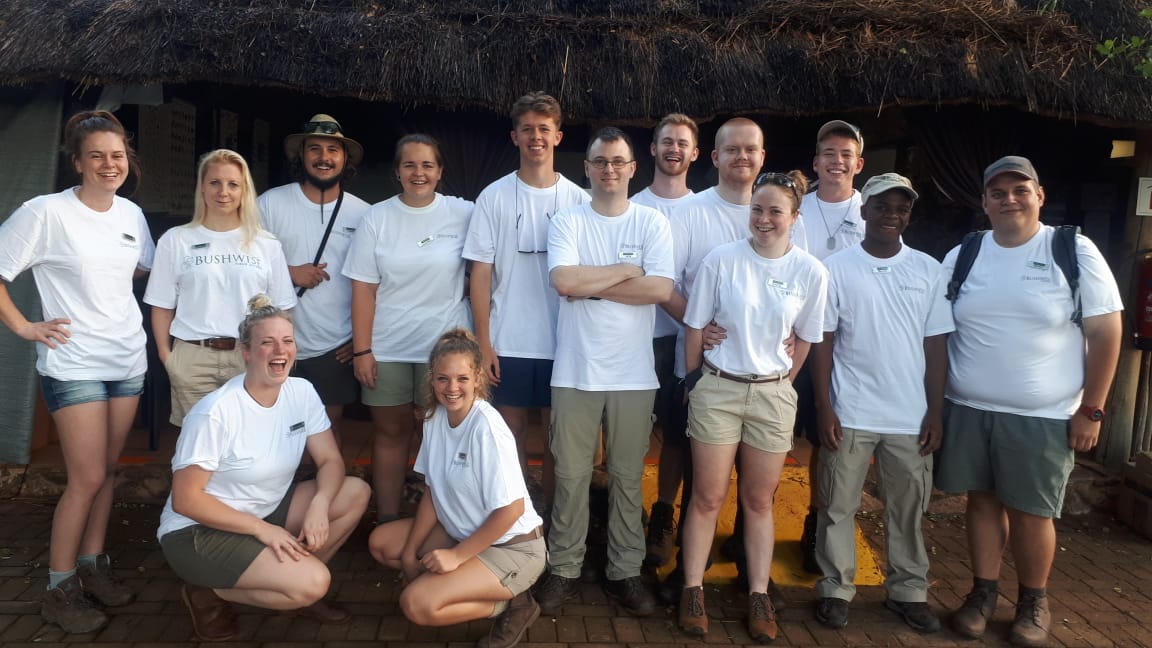
    Campus life is not all studying though… We have all come a long way and we have fun, we make memories together and share in laughs as well. I couldn’t have chosen a better group of people to spend these couple of months with. Who would have thought that getting duties and chores done could be fun (I definitely didn’t think that it could ever have been fun) but somehow washing the vehicles, dishes and taking out the bins are not a problem when you have good people around you – It became another way of bonding, where we laugh and have fun.
    image

    As we are starting with Mock assessments this week (which is a very scary thought) we are all a bit stressed out, but with the support from the trainers and everyone on course we will get through it.  It is now time to put everything that we have learnt into play on a 3-hour drive.

    I can’t wait to see what happens next.

    Blog done by Lindi Taljaard.

    image