Category: Course updates

  • A Bushwise trainer’s note to graduating students

    Some images in this article were taken pre-COVID-19.

    BY: Francois Theron

    This blog was written by Francois, one of our trainers. Here, Francois shares his advice to the students as they near the end of their Bushwise course.

    As the end of the course approaches, with assessments and theory examinations now behind, the students can start to breathe a little easier. I think that many, if not all, of the students will agree with me when I say that there’s tremendously hard work involved in becoming a field guide! 

    image

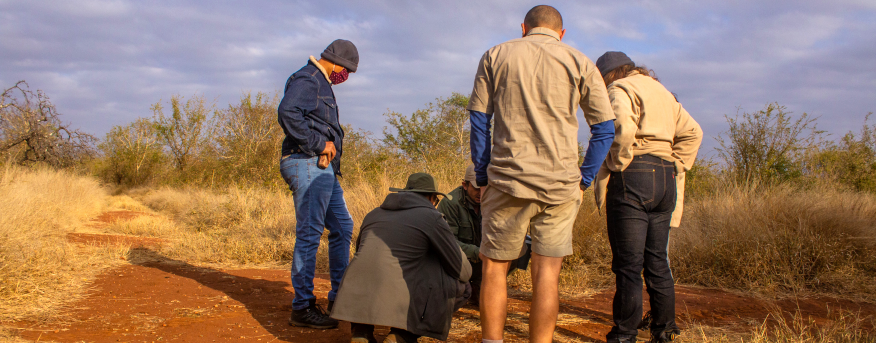
    Besides the theory component, students also have to learn practical skills like identifying birds by their calls and animals by their tracks. The list of a field guide’s duties goes on, but after spending more than a decade in the industry, what really makes the work so rewarding for me is how many things there are to still learn about here in the bush.

    Looking back to nearly sixteen years ago when I was in the same shoes as our current students, completing examinations, assessments, walking hours, tracking and going on so many other adventures I was fortunate enough to experience, I can’t help to feel envious. 

    image

    When I first became a field guide, the uncertainty and lack of confidence I felt was overwhelming. But, with the right mentorship and training, that soon became something of the past, and I hope the Bushwise students feel the same support from us.

    From the very start of the course, the students and staff clicked and developed a great relationship. Evenings spent braaing (barbecuing) around enormous fires, unforgettable sightings and plenty of laughter around camp truly made this course stand out and I want to thank each student for an unforgettable experience. 

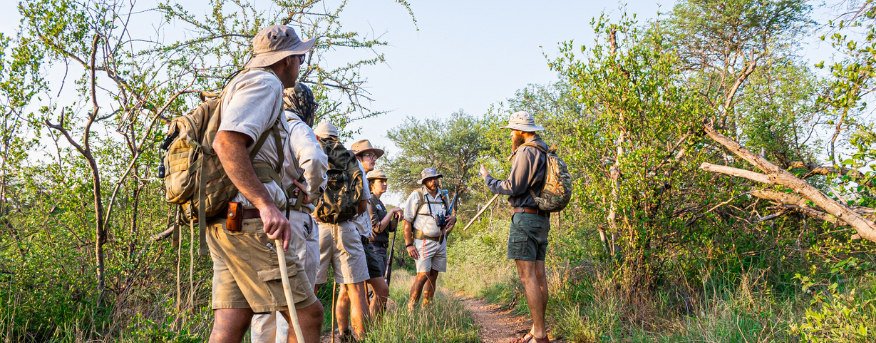
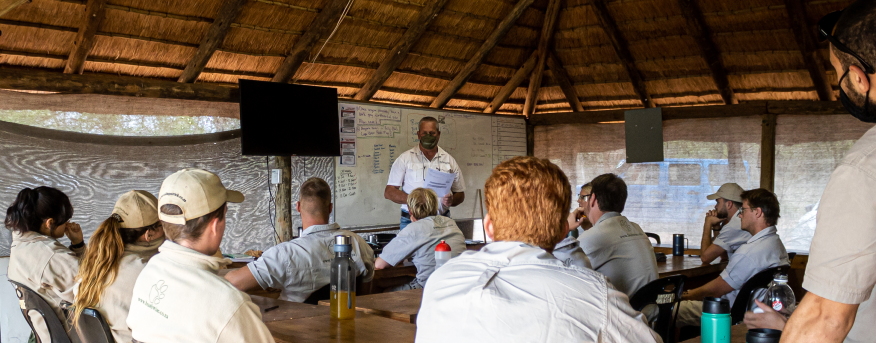
    It took a lot of effort throughout the course to get to where they are now. From all the lectures, botany walks, game drives and classroom sessions, the students have finally entered the final stage of becoming apprentice field guides. And, this is only the beginning of a long and prosperous career with more opportunities to learn and further themselves in the industry. 

    image

    Whether it’s becoming qualified trails guides or bird specialists, the possibilities from here are endless for those willing to continue to put in the hard work to become epic guides and enjoy life in the bush.

    No matter where you end up in the industry, it’s important to always bear in mind that as a field guide, you will end up meeting people from all over the world and it’ll be in your hands to educate them about wildlife. Field guides are wildlife ambassadors and it’s our duty to protect wildlife ethically and do what’s best to preserve our natural heritage for those still to come.

    If guiding is your passion and you love nature, join a Bushwise course now.

  • The million dollar guide: How soft skills make a big impression

    The images in this article were taken pre-COVID-19. 

    BY: Annie DuPre

    When you’re training to become a field guide, you spend weeks memorising information, repeating facts and observations about animals, and learning how to interpret animal behaviour. But what about the soft skills of guiding that make a field guide dynamic and memorable?

    What makes an excellent field guide?

    image

    To be a field guide, you need to love nature and the outdoors, and you need to be an animal person. But it’s also true that you need to be a people person. The guest-guide interaction is one of the most important aspects of a rewarding safari experience.

    Soft skills – communication, leadership, creativity, flexibility, empathy, teamwork, stress and time management, and more – are just as important for guiding as the knowledge and insights you’ll gain from years of training. 

    Have you ever been on a guided tour? Think about what made that experience memorable. Sure, you learned a lot, but wasn’t it just as important to you that your guide was engaging, interesting, knowledgeable, and even fun? The kinds of guides that make impressions are the ones that can connect with their guests in a way that goes beyond simply sharing knowledge. 

    If you’re taken on a safari by a field guide who knows the bush like the back of their hand,  but doesn’t show interest in their group or enjoy talking to people, you’re unlikely to enjoy that experience. 

    Of course, the same goes if your guide is really friendly but knows nothing about wildlife. It’s about finding the perfect combination of hard and soft skills! 

    Essential guiding soft skills

    image

    As the calendar year is nearing its end, so too is the current Bushwise Professional Safari Guide Course. This is an exciting and significant time for students as they’re being assessed on all they’ve learned and gained throughout their training – including their soft skills. They’ve been able to showcase their knowledge through their theory exams and highlight their soft skills in their practical driving assessments. 

    There is a fine balance of hard and soft skills in guiding which Bushwise strives to teach through our online and in-person courses. Let’s take a look at the kinds of soft skills encompassed in Bushwise students and guides.

    Customer service

    image

    There are many levels of interaction between lodges and guests, but as a guide, you’re the main point of contact. 

    Guests are customers, and they’re paying for a service – which in this case is a guided experience. This means that as a guide, you’re responsible for making a guest’s experience something they’ll remember for the rest of their lives, and want to come back to enjoy again and again. 

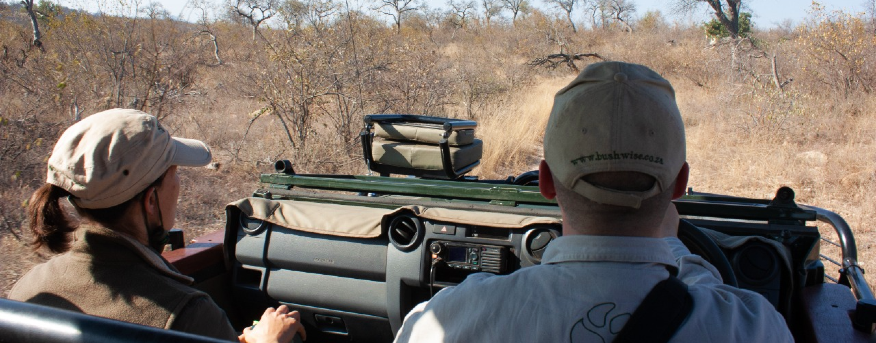
    Imagine you’re driving guests and you come across an incredible sighting, perhaps a leopard in a tree or a pair of honey badgers playing. As the guide, no matter how tempting it may be to get an awesome photograph, you have to prioritise your guests and position the vehicle in a way that puts the guest in the best viewing spot! 

    Guides must always be aware of their guests’ interests and what they hope to achieve while on safari – this is part of excellent customer service.

    Communication

    image

    Strong communication skills are critical in any kind of hospitality or tourism job. As a field guide, you act as the lead communicator between people and their natural surroundings. 

    You’ll interact with people of different backgrounds, ages, nationalities and personalities. You need to be able to communicate in a manner that all kinds of guests can understand, while getting valuable information across. This applies to both spoken and unspoken communication (i.e. body language). 

    You might have guests that are extremely enthusiastic about a sighting and want to stick around for a while, while other guests are feeling tired or uncomfortable. This is particularly relevant if you’re at a kill and predators are feeding on a prey animal. Feel the vibe of your group. Some people are more sensitive to this than others, and you’ll need to learn how to best communicate with everyone in the vehicle to feel out the energy and know when to move on. 

    Flexibility and adaptability

    image

    Animals don’t always play by the book. You could spend a large chunk of your game drive trying to find something exciting to show your guests, and find that the bush is dead quiet. This is where your skills of flexibility, adaptability and creativity come into play. 

    On a quiet game drive, you might take your knowledge of trees, grasses, soils, climate, and other elements, and incorporate these into an interactive guest experience. If you’ve gotten to know your guests a bit, you might find they have interests beyond the Big Five (a main attraction in Africa), which will allow you to be a bit more flexible on your game drive and perhaps focus on smaller animals like birds or insects for a little while. 

    Leadership

    image

    When you’re guiding a group of guests, whether on foot or in a vehicle, you’re their leader. Being confident, encouraging respect, discouraging dangerous behaviour, and being firm by setting ground rules is extremely important to keep everyone (including the animals) safe.

    Leadership also means knowing when to say no, which means knowing when you need to give an animal its space and take your guests elsewhere. This is an important part of safe and ethical guiding. If an animal is giving you the signal that you’ve entered its danger zone, do not try to push those boundaries. 

    Even if guests want the closest, most intimate experience possible, you must remember that your role is to share nature with guests while observing – not meddling. Recognising that distinction and keeping a safe distance is what makes a good guide and an even better leader. 

    Stress and time management

    image

    As much fun as it is to spend weeks in the bush among wildlife, it is still a job and all jobs can eventually cause stress. Learning how to manage your time and stress productively will be hugely important for your health and the quality of your guiding.

    You’ll be working in an industry that requires early wake up calls and long, sometimes demanding, hours. Even the most enthusiastic extrovert can slow down or tire out if they don’t take care of themselves!

    That’s why it’s so important to look after yourself and know how to decompress. Enjoy an extra cup of coffee or tea in the morning. Allow yourself some alone time between drives. Make calls back home and keep in touch with friends and family. 

    Know how to have fun

    image

    Beyond all of these skills, one of the most important ones is knowing how to enjoy yourself and share your joy with your guests. The people who join your drives or walks are on vacation, after all. 

    Share in their moments of discovery, as they experience the bush for, perhaps, the first time. Of course you must prioritise safety, security, and knowledge – but remember to have a good time while you’re at it!

    Take the time to hone your soft skills

    As a guide, you can have all the knowledge in the world, have memorised books and taken every course out there. But, without soft skills, you won’t be a top-performing guide. Lodges and ecotourism establishments look for these soft skills in their new hires. They want guides who are dynamic and know how to host and entertain guests.

    Are you interested in becoming a top-performing field guide? There’s still time to apply for next year’s courses. Sign up and start your journey to your dream job today!
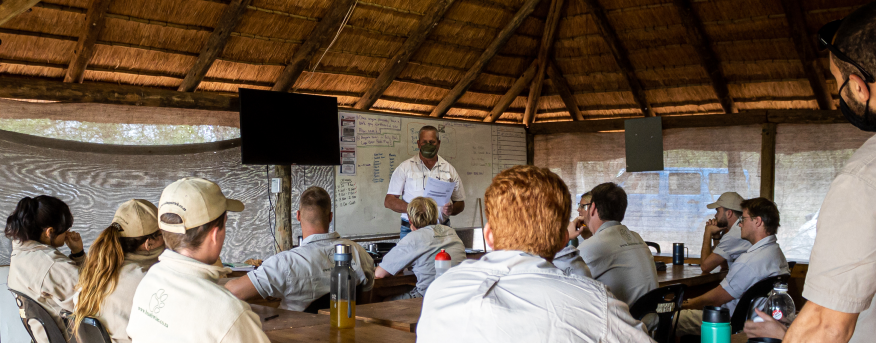
  • Nearing the end of the course

    BY: Lorena Peter

    Camp manager blogs are written by our current students who each get a chance to lead and manage a group (of their fellow students) for a period of one week.

    “This is it!” I thought. We were in the final leg of our Bushwise journey, with only one week to go before our last off-week and one more test before our big CATHSSETA NQF 2 exam. 

    image

    My week as camp manager happened to be an important week at Bushwise. It started off with assessments on identifying animals by sight and sounds on Monday. 

    Tuesday was one of the hottest days we had experienced during our time there. The international students had spent all day in Hoedspruit at the traffic department to do our driver’s tests. It was an important step towards becoming field guides.

    Our South African friends back at camp had started the day with their first mock assessment drives. They were tasked with planning routes and delivering guided experiences for fellow students acting as guests. 

    image

    Photo by: Ben Klunder

    We experienced hot days throughout the week followed by thunderstorms at night. Luckily, our mock assessment drives weren’t affected. We were excited to see all the insects and frogs appear and to be able to identify them! 
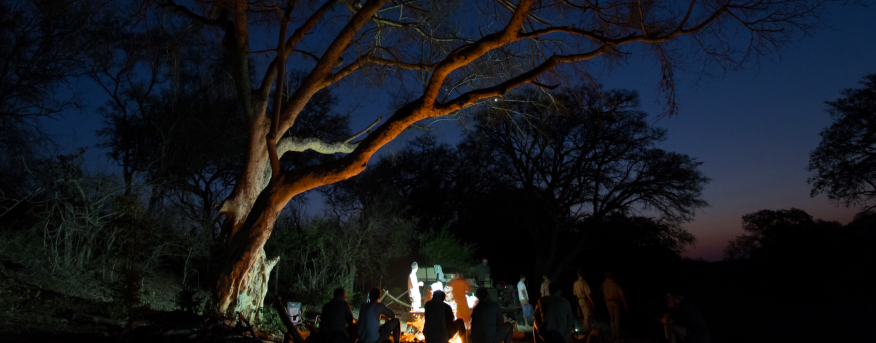
    My experience at Bushwise has been one big adventure so far, with only a few hiccups along the way as all good adventures go. But overall, it’s honestly been a life-changing experience and I’ll always cherish the memories I’ve made in the Lowveld. 

    image

    Photo by: Donald Fraser

    Coming from a small town in Switzerland where there isn’t much wildlife and with the cold winter months approaching, I’m glad to be in the African bush. Nothing beats the sounds of the wild, the picturesque sunsets and sunrises, and the vast landscapes! 

    Joining Bushwise was a lifelong dream come true. I got to gain knowledge and understanding of a place I love most in the world – the African wilderness – and I couldn’t have asked for a better host than Bushwise. 

    I look forward to seeing where everyone ends up after completing the course!

    Travel to South Africa for a Bush adventure like Lorena. Sign up for a Bushwise course now.

  • Promoting and protecting: a field guide’s role in conservation

    Photo by: Callum Evans

    BY: Annie DuPre

    In honour of Wildlife Conservation Day on 4 December, we’re proud to highlight the role of field guides in conservation. 

    The main responsibilities of a field guide are quite straightforward – they guide guests in the field, whether in grasslands, savannah, rainforests, mountains, or other landscapes. They create experiences through sharing their specialised knowledge.

    image

    This image was taken pre-COVID-19. 

    But beyond the basics of guiding, there is so much more that field guides stand for and so much more they can accomplish in conservation and protecting biodiversity (an area’s diversity of plant and animal life). In fact, one of the modules you’ll study in the International Field Guide Course is conservation and habitat management.

    As a field guide, you’ve chosen a sustainable career, a career that will not only keep you engaged and interested for a long time, but will also allow you to make a long-lasting contribution to nature.

    You’ll spend your days in nature, sharing your experiences with guests. Each interaction with guests is an opportunity to educate, communicate, and facilitate the process of appreciating wildlife and wild spaces!

    Conservation in South Africa

    image

    Photo by: Annie DuPre

    South Africa is the third most biodiverse country in the world. It’s also one of the best places to train as a field guide and develop a passion for sustainable conservation! Here are just a few facts about South Africa’s biodiversity and ecosystems:

    1. While South Africa is just 2% of the earth’s land surface, it’s home to 10% of the world’s plant species and 7% of its mammal, reptile, and bird species. 

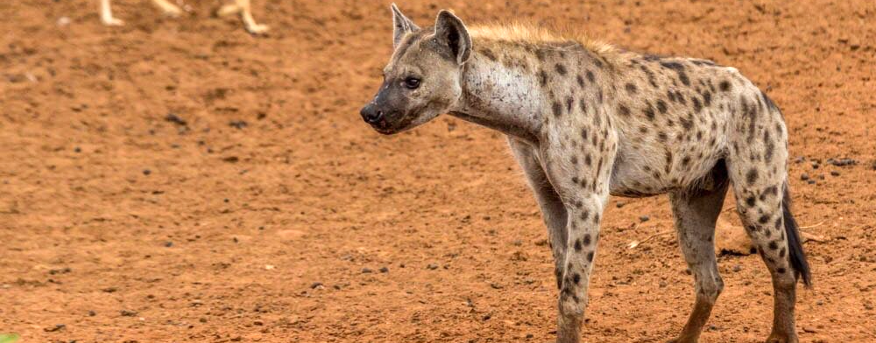
    2. Africa is home to the last in-tact large carnivore guild in the world, all of which can be found in South Africa: lion, leopard, cheetah, wild dog, and spotted hyena.

    3. Over 850 bird species have been recorded in the country, including 69 endemic and near-endemic species.

    4. South Africa has nine distinct biomes, ranging from desert to tropical rainforest to fynbos.

    5. The country is home to the Cape Floral Kingdom, one of just six floral kingdoms in the world. 

    6. There are an estimated 500 private game reserves and lodges in South Africa.

    However, South Africa’s biodiversity is also facing some serious challenges. As threats to biodiversity grow, jobs in ecotourism, such as guiding, become even more important. 

    This is where guiding provides an opportunity not only to educate, but also contribute to sustainable conservation. 

    What is conservation?

    image

    Photo by: Donald Fraser

    Conservation is protecting and sustaining biodiversity – habitats, animals, plants, and other living and nonliving elements of an ecosystem – for future generations. It also means caring for these resources in a responsible manner, and sharing knowledge and experience with others. 

    Guiding as a conservation tool

    Take a moment to think about a group of guests visiting South Africa for the first time. You, as their guide, may be the one and only person who speaks to them about wild animals and their habitats. This is an important responsibility. 

    image

    Photo by: Louise Pavid

    As an ethical guide, you’ll promote sustainable conservation practices. There are a few ways you can do this with guests. While on game drives or bush walks, you can talk with guests about the ecological processes they observe and how each animal plays an important role. Seeing an impala as more than just one animal, but a player in a much more complex and important game, is hugely valuable.

    You can also have engaging discussions with guests about the role of tourism in conservation. People want to see their visit as more than just viewing animals, and it’s true that revenue from tourism plays an important role in protecting wild spaces. They’ll appreciate you highlighting this!

    You can also promote ethical and sustainable tourism by reputable lodges and guides as the best way to experience South Africa’s wildlife first-hand. 

    Contribute to existing conservation projects

    image

    Photo by: Louise Pavid

    Depending on where you’re working, you may be able to contribute to existing conservation projects or research. 

    Projects could include habitat rewilding, biodiversity assessments, game census, species relocation or reintroduction, community engagement, and more. This type of work is usually done by management, ecologists, or game rangers, but occasionally, you’ll get opportunities to help out too.

    For example, the black wattle is considered the most widespread invasive tree in South Africa. They have huge water requirements to survive, making them detrimental to the survival of other native species (and therefore the biodiversity of an area). Reserves are constantly removing black wattles, and you may get to assist with this work depending on your guiding schedule. 

    Some reserves also conduct regular research on key species, and if resources and time allow, you may be able to join research projects or contribute to data collection. Or, before training to become a field guide, you could also join a wildlife research expedition for this opportunity.

    Be a voice for the endangered

    image

    Photo by: Annie DuPre

    As a guide, you are an advocate for wildlife and biodiversity conservation, and people will often look to you for your insights. It’s your privilege and duty to speak on behalf of wild animals.

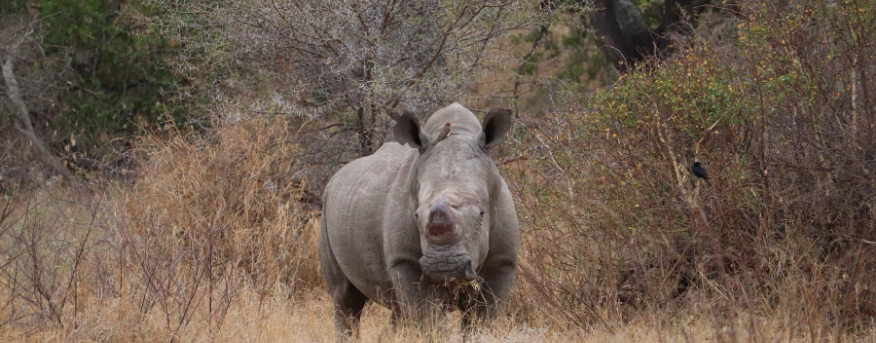
    While on a game drive, you can incorporate your knowledge of endangered species into your chats with guests. There is a lot of confusing information available about wildlife. By speaking up on behalf of rhinos, pangolins, lions, and other threatened and endangered species, you may influence others to do the same. 

    You can also discourage guests from participating in harmful tourism experiences, such as cub-petting, elephant riding, walking with predators, and other hands-on interactive attractions. These types of interactions hold no conservation value, and can be detrimental to wildlife. 

    Your impact can then have a ripple effect and influence more people to protect these species and promote conservation!

    Conservation and guiding go hand in hand

    image

    Photo by: Louise Pavid

    You never know the effect you can have on people as a guide. 

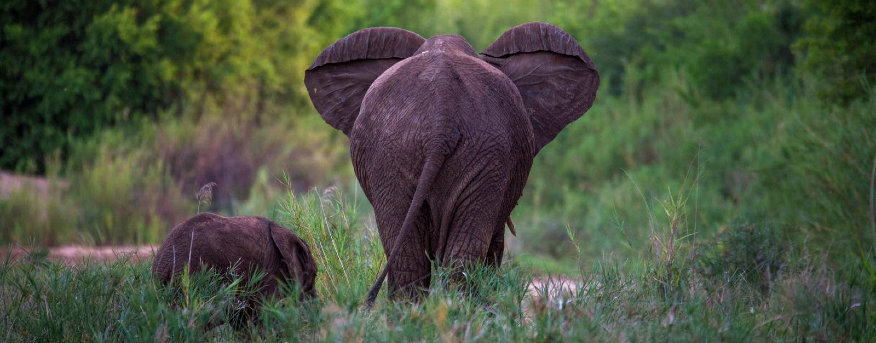
    By showing someone an elephant for the first time in their lives, you could inspire them to commit part of their lives to protecting elephants. Or, by sharing your knowledge about ecosystem processes, you might inspire a young visitor to study a nature conservation course and become a game ranger. You could discuss the dangers of snares with a guest, and they could go on to study veterinary sciences and become a wildlife veterinarian. 

    There are endless ways that your leadership as a guide can have a positive impact on your guests. By being a proponent of sustainable tourism and conservation, you’ll play an essential role in protecting South Africa’s wild animals and habitats. This is the definition of conservation! 

    So, if you’ve always wanted to make a positive impact on nature through a sustainable career, why not get started by joining our next Bushwise International Field Guide Course?

  • Building a career after Bushwise

    The images in this article were taken pre-COVID-19.

    BY: Tracey Bruton

    This blog was written by Tracey, a graduate of Bushwise. Here, Tracey shares her career journey as a field guide after completing a course with Bushwise.

    I was born in Makhanda, in the Eastern Cape in South Africa, and moved to Cape Town when I was 12. From a young age, I knew I wanted to work in nature because of my love for animals. But after finishing school, I decided to study film and television, and I worked in that industry for many years. 

    image

    I never considered becoming a field guide until I started investigating my next steps after ending a TV contract and needing a change in my life. Field guiding seemed like such a male-dominated industry to me, so I didn’t think I could do it. 

    But then I came across the Bushwise website. I felt inspired to go for it, and applied to join a course. The Bushwise Professional Safari Guide course looked like the right fit for me, and included everything I needed to get started as a guide. Even better – the course offers additional training, including Advanced Rifle Handling and first aid. South African students are also guaranteed employment after successfully completing the course. 

    image

    My trainers – Charles, Conrad, Trevor, and Kobus – as well as the rest of the Bushwise trainers, were top-notch and highly experienced in bush knowledge. Each trainer had something different that added value to my experience at Bushwise. 

    The most valuable thing I learned at Bushwise: even though I’m a woman in a typically male-dominated industry, I’m fully capable of doing the job too! Whether it’s 4×4 driving, changing tyres, shooting a rifle, or leading bush walks, we’re equal in this industry. 

    image

    The course and instructors also taught me the importance of being an ethical guide, treating animals and nature with respect at all times. I learned the importance of the smaller things in nature that are just as interesting and remarkable as the Big Five.

    Once I completed the course, Bushwise assisted me in finding a work placement at Ivory Tree Game Lodge in Pilanesberg Nature Reserve. I left Bushwise with a lot of confidence in my theoretical and practical knowledge, having completed many hours of guiding with my fellow students and trainers during the course, so it wasn’t a difficult transition for me to start guiding. 

    image

    After spending a year and a half in Pilanesberg, I guided in Botswana for a few months before moving to Tangala Safari Camp in Thornybush Nature Reserve. After that, I went to work for Kings Camp in Timbavati Nature Reserve before moving to my current role. I currently work at Thornybush Game Lodge and am very happy. 

    I am now a qualified CATHESSETA Nature Sitr Guide (NQF4) as well as an Advanced Trails Guide. Getting my trails guiding qualification was a long and tough process, especially when finding colleagues willing to walk with me so I could gain practical hours and encounters. But I kept going and finally became qualified after many years! 

    image

    I hope to continue gaining as much knowledge about the bush as I can to become the best guide I can be. I also wish to continue being a custodian of nature by teaching my guests the importance of conserving nature and helping with conservation initiatives.

    The Bushwise Field Guide courses are an excellent starting point for aspiring guides. You can rest assured you’ll get all you need to excel in your field guiding career – from basic knowledge on all aspects of guiding, to gaining certifications and qualifications. You’ll also build confidence in your guiding abilities and this will be instrumental during your first work placement following the course.

    So what are you waiting for? Jump into new challenges and experiences like Tracey, by becoming a field guide

    Did this blog speak to you? Have you always wanted to work with animals – but aren’t sure how? Get started with jobs working with animals.

  • Surrounded

    Photo by: Brendan Davis

    BY: Jack Hutchinson

    This blog was written by Jack, a graduate and trainer at Bushwise.

    Lately, I’ve been pushing myself to get more encounters and walking hours that I need to wrap up the requirements for the SKS DG trails guide qualifications. I only need  46 more encounters to reach the required 600! 

    It’ll be a huge weight off my shoulders, so I’ve made sure to manage my time carefully and do extra walks along the Mohlabetsi River (located in the Greater Kruger National Park) during the day. 

    image

    The Greenfire Game Lodge where we operate, doesn’t have any other water source besides the river. Here, you can spot elephant, rhino, and buffalo. During the past few dry months, there have only been a few points of surface water in the river, so the elephants would dig up the water underground. 

    On one of my recent walks, I parked my cruiser at the Mhisi Lodge and walked south along the embankment. I was pleasantly surprised by the amount of elephants that were roaming the area. I saw them everywhere! I even had to go off-track, away from the river, to move around them and continue my walk. 

    image

    Even though I’m trying to get more encounters, I only walked up to a certain place in the river –  a large water point. I was pleased to find a breeding herd of buffalo, and a herd of elephants sleeping in the shade. 

    I maintained a safe distance from the animals to avoid spooking them. I couldn’t walk on the western side of the river because of the lodge and the vast amounts of elephants. The eastern side was a little less busy, so I managed to move around the buffalo and elephants without disturbing them. 

    image

    Photo by: Carl Louis Steenkamp

    I found another group of elephants and rhinos, and decided to sit on a rocky outcrop and observe them. The wind wasn’t great, but I had a good and safe vantage point. From time to time, the elephants would raise their trunks, probably smelling my scent.  

    I was getting ready to walk back to the vehicle when I noticed the buffalo herd moving towards the rhinos and elephants. I’m not sure if it was my scent traveling down to them, but the animals moved pretty quickly up the embankment. 

    The area was surrounded by buffalo, elephants, and rhino, and there was nowhere for me to retreat without disturbing any of the animals. So, I sat there, got comfortable and enjoyed the view of the animals drinking, digging up the sand and interacting with each other. 

    image

    Baby elephants were playing in the mud and sand, young bull elephants were pushing each other around the river; the rhino males were charming the females with their squeaking; and the buffalo were bellowing and mooing. All of this happening about 50 metres below me!

    I sat up there for a good hour or so before everything started to calm down. The rhinos moved further west away from the river, and the elephants went on the eastern embankment to feed. This gave me an opportunity to leave the area quietly. 

    Become a field guide and be surrounded by nature and its creatures every day.

  • The language of birds: What you can learn by listening carefully

    The images in this article were taken pre-COVID-19.

    BY: Annie DuPre

    South Africa showcases an overwhelming diversity of birds – over 850 bird species have been recorded in the country. The Lowveld region (home to the Bushwise campus) boasts some of the country’s most incredible bird diversity.

    Bird identification – through both sight and sound – is part of professional safari guide training. Birds can teach us so much about our surroundings, if we just pay attention!

    The dawn chorus

    image

    Photo by: Annie DuPre

    From the tiniest grey penduline-tit, to the massive southern ostrich, it’s easy to understand why South Africa is a bird-lover’s paradise. When you wake up in camp, the first thing you’re likely to hear (unless there are lions or elephants nearby), are the morning calls of local birds. This is referred to as the “dawn chorus”.

    The dawn chorus can bring a meditative moment to your time in the bush. Close your eyes and see how many you can identify by their calls. If you’re on a game drive, bush walk, or in camp with guests, have them join you in this exercise.

    As a field guide, talking to guests about the different birds you’re hearing is a great way to showcase your knowledge beyond the typical game drive talk. Some guests may even be avid birders (or twitchers, as they sometimes call themselves), so this could be the highlight of their trip.

    One interpretation of the dawn chorus is that this is an opportunity for birds to announce their territory to others, attract mates, or defend their chicks. Singing loudly takes a lot of energy, so it would make sense that the strongest birds can also sing the loudest.

    But birds are saying much more about what’s going on in the bush when they sing.

    What bird calls tell us

    image

    Bird calls aren’t just beautiful sounds. Sometimes, by listening carefully to their calls, you might hear a bird alarming (during your training, you’ll learn that alarm calls are very different to other types of calls). This may be a sign of a predator nearby, might indicate the presence of another species, or could tell you something else entirely. Here are a few examples:

    1. Birds of prey: Raptors, such as tawny eagles or bateleurs, are often the first to arrive on the scene if there’s a kill nearby. These species can even be used to locate leopard kills, so if you see both a tawny and a bateleur in the same tree, or near to one another, have a good look in all the nearby trees for cats! Vultures may also get to the scene quickly. White-backed vultures, for example, can smell a carcass from up to six kilometres away. 

    2. Circling vultures: Vultures flying in circles in a group (known as a kettle of vultures) use thermals (pockets of hot air rising from the ground) to gain lift. This allows them to rise in the air, meaning they can travel further without having to expend much energy. If you see vultures diving down to the ground, it may be a sign of a carcass and therefore a predator. Diving vultures are always worth checking out!

    image

    Photo by: Annie DuPre

    1. Grey go-away birds: As common as grey go-away birds are in urban and suburban areas, people often ignore their crying call. However, if you are in the bush and one or more grey go-away birds are alarm calling, it’s a good indication that a spotted or Verreaux’s eagle-owl is somewhere nearby. Follow their calls and look closely at trees nearby – you might find the culprit.

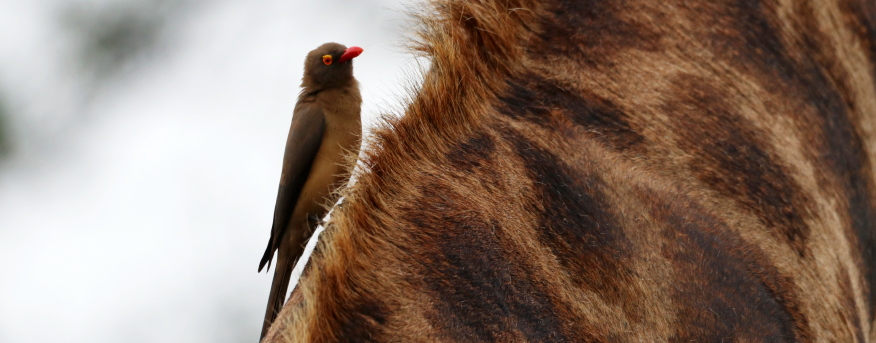
    2. Oxpeckers: Red- and yellow-billed oxpeckers have very recognisable calls. Their role is to clean parasites off ungulates, so when you hear an oxpecker, it’s important to pause and see what animal they’re with. This could be anything from warthogs to rhinos. Recognising the oxpecker call is especially important for trail guides, as you may hear evidence of dangerous game before you see them. In fact, it’s recommended that guides set the sound of oxpeckers as their alarm calls on their phones. Then, whenever you hear an oxpecker, you’re immediately on alert!

    3. Yellow-billed oxpecker: This species is uncommon and listed as Vulnerable in South Africa, and most commonly found with herds of buffalo. Red-billed oxpeckers are more common around camp and throughout the Greater Kruger National Park, while you need to travel a bit further north to find yellow-billed oxpeckers

    image

    Photo by: Annie DuPre

    1. Greater honeyguide: One of many people’s personal favourites, and arguably one of the most interesting human-animal relationships to discuss with guests, is the role of the greater honeyguide. This bird’s “Victor! Victor!” call has alerted people to the presence of bees, and thus honey, for generations. The bird’s calls help people locate beehives hidden in tree hollows. And after the honey has been retrieved, the bird gets the delicious larvae-stuffed comb left behind. As a guide, you may learn of trees in your guiding area where evidence of this activity is still present – this makes for a really interesting discussion with your guests. Sadly, this mutually-beneficial relationship is falling away, as fewer and fewer interactions have been recorded. 

    It’s crucial to be on alert as a guide, always listening for the alarm calls of birds and other animals. There are some birds in the bush that will alarm at the smallest of worries (francolins and spurfowls are notorious for this). However, if you’re busy following the tracks of a leopard and you hear one of these birds alarming ahead of you, then it’s probably a good indication that a big cat is nearby.

    A good guide will always take everything into consideration, using their senses to try and interpret what the bush is telling us. So, while birds may be excellent indicators of other species, they can also tell us much more.

    image

    Seasonal soundtracks

    Of the 850-plus bird species found in South Africa, about 100 are migratory (meaning they spend part of the year outside of the country). This means that you’ll hear different calls depending on the time of year, and guides often mark the change in season with the arrival of certain species.

    The summer Lowveld soundtrack has begun in earnest by mid-November, bringing with it the sounds of the woodland kingfisher, red-chested cuckoo, gorgeous bush-shrike, African paradise flycatcher, Diedrick’s cuckoo, green-backed camaroptera, pin-tailed whydah and more.

    Winter in the Lowveld brings to the forefront the black-headed oriole, black-collared barbet, collared and white-bellied sunbirds, purple-crested turaco, kurrichane thrush, chinspot batis and brown-headed parrot, among others.

    Endemic species

    image

    A point of pride in South Africa is the number of rare and endemic (meaning only found there) bird species that the country hosts. There are 69 endemic and near-endemic bird species in South Africa, including many that are endangered, threatened, and vulnerable. Since species endemism is a strong indicator of biodiversity, South Africans are right to be proud of this number!

    Guests may be travelling to a specific area just to see a “lifer”, or a bird they’ve never seen before and may only get to see it once. So it’s important that you’re able to help identify rare bird species (even if you haven’t actually seen them yet yourself). 

    Bird identification for field guides

    image

    When taking part in one of the Bushwise Field Guide courses, you’ll learn how to identify dozens of birds by sight and sound. This isn’t just a fun trick to impress your guests, it’s also important when interpreting the bush around you and learning to recognise warning signs. 

    Bird calls and identification is just one of many modules that field guides must study to provide their guests with memorable experiences. 

    To learn more about how you too can become an accomplished field guide, check out the courses offered by Bushwise!

  • Crunch time on campus

    Some images in this article were taken pre-COVID-19.

    BY: Darryn Murray

    This blog was written by Darryn, one of our trainers. In this blog, Darryn talks about exam time for the Bushwise students. 

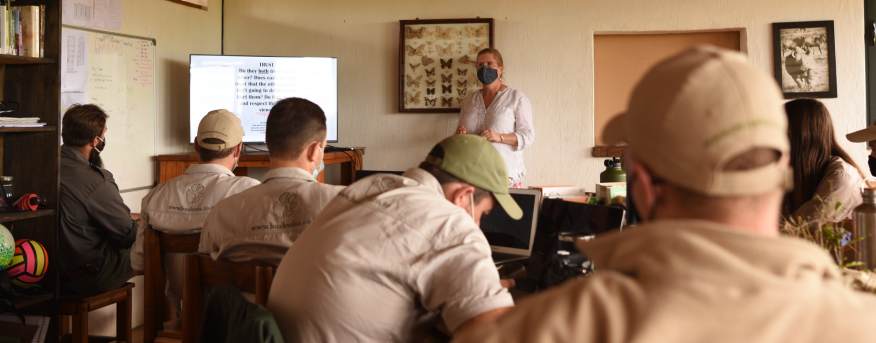
    As the students on campus approach the end of the course, their months of learning, training and studying will be put to the test. And at this stage of their guiding careers, this may be the most important test yet. 

    image

    The CATHSSETA NQF 2 exam will be written at the end of the week, and the students are hard at work in preparation.

    The trainers have been noticing something interesting about the students – there are several different groups of students that employ different methods of studying for the exam. Let’s take a look at some ways the Bushwise students are preparing.

    Night owls

    image

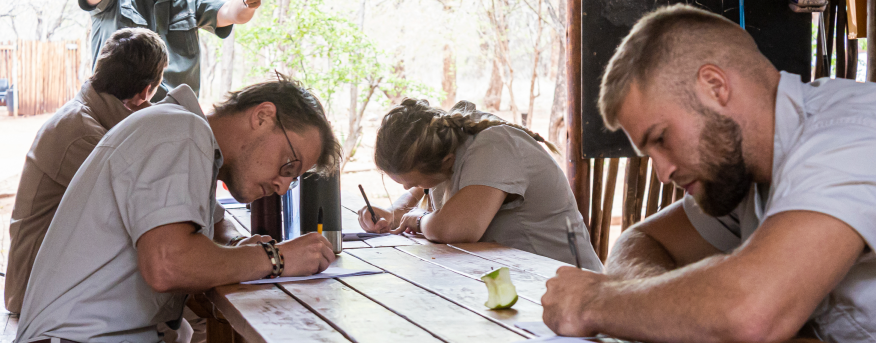
    These are the students that prefer to study late into the evenings (and sometimes into the early hours of the morning) when the campus is at its quietest. 

    The only downside to this is that they tend to have the sleeping habits of owls, too – during the daytime!

    Early birds

    image

    These students sometimes wake up before the real birds in the bushveld!  

    The trainers have recorded limited interactions between the night owls and the early birds. The early risers aren’t very social early in the morning – that is until they’ve had their morning cup of coffee. The students that study at night, on the other hand, don’t get much sleep, so they’re often heard exchanging greetings with a series of moans and groans!

    Social butterflies

    image

    These are students that flitter between various study groups, learning as they go, and never spending too much time at one study venue. They exchange knowledge with their peers before moving along to the next study group to ask questions and exchange any newly gained knowledge.

    Pack dwellers

    These groups of students elect a “pack leader” to act as a teacher for the group during their study sessions. Sometimes the leader changes between modules; more often it remains the same throughout the study period.

    Lone rangers

    image

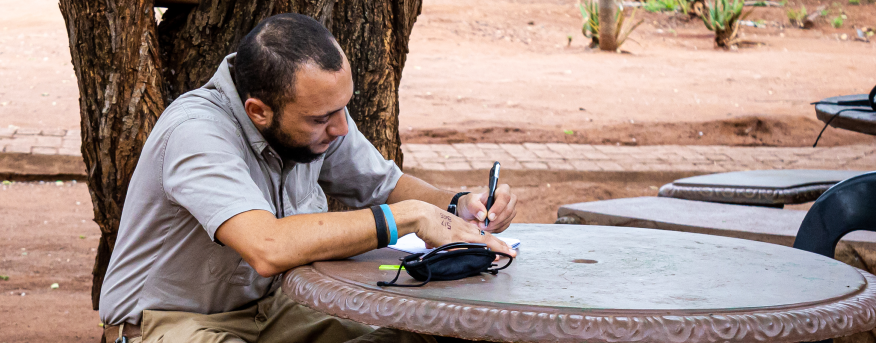
    These students tend to study on their own, and only join the group for meals and other group activities before retreating to their “study caves” again for hours on end.

    As the days draw closer to the exam, the stress levels get greater too, and any mention of “Don’t stress; relax; take a break for a bit” from the trainer’s is unwelcomed!

    Regardless of which study group the students belong to, they’re all putting in a great effort to prepare for the upcoming exam. We wish them all of the very best for the remaining days!

    Which study group do you think you’d belong to? Join a course and find out.

  • Adventures in the African safari

    BY: Adam Christensen

    Camp manager blogs are written by our current students who each get a chance to lead and manage a group (of their fellow students) for a period of one week.

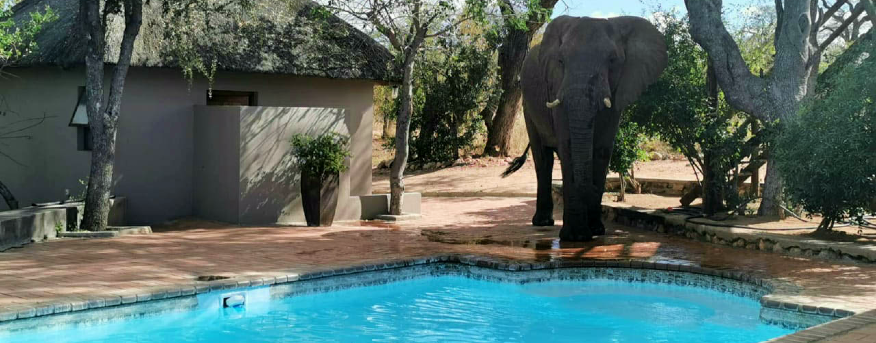
    When everyone returned to campus, we shared stories about the adventures everyone had during off-week. My week off was one for the books! It was spent sharing our camp pool with a couple new friends – African elephants. 

    image

    Photo by: Brendan Davis

    This semester is going to be filled with practical assessments and game drives in preparation for our  CATHSSETA NQF 2 exam, so everyone was feeling the pressure and I could sense a different atmosphere on campus this time around. 

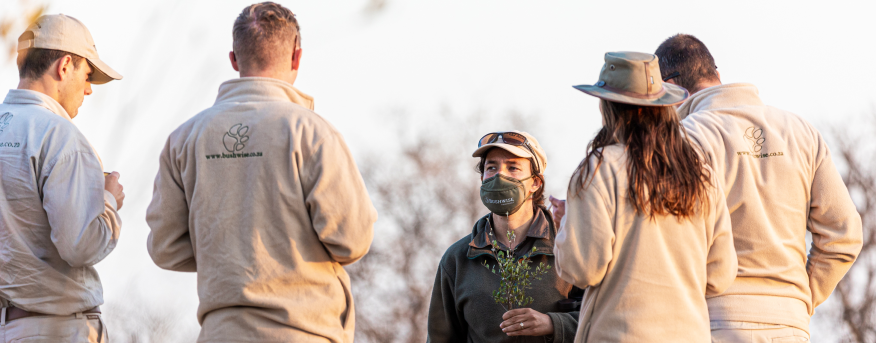
    During my week as camp manager, we studied trees and plants for our first practical assessment of the semester on Thursday. We spent every free moment we had discussing things like whether a leaf was compound or simple, or what types of thorns were present on each tree we learned about. 

    image

    This image was taken pre-COVID-19. 

    Something about the team I’m part of at Bushwise is different compared to any other group I’ve been part of before. Here, everyone genuinely wants each other to succeed and do well. Throughout the week, I’d find groups of students walking around camp teaching each other what they know about trees, or how to properly identify a specific plant. Slowly but surely, everyone became more comfortable and more prepared for the upcoming exam.

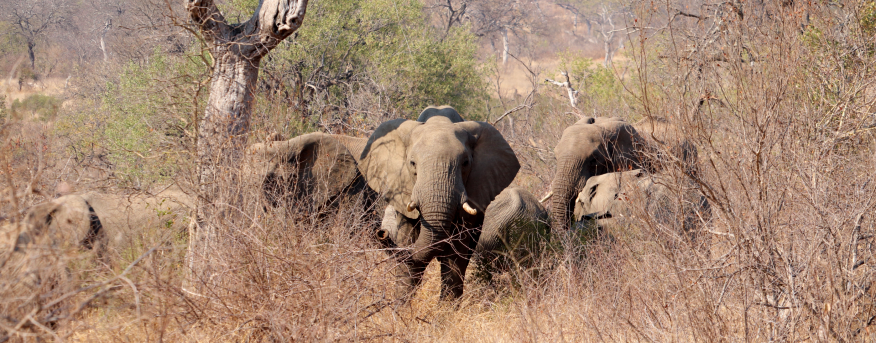
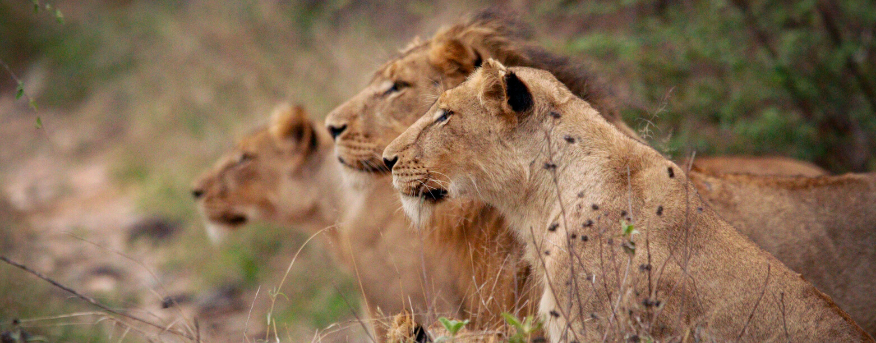
    The beginning of summer rains brought the bushveld to life again – welcoming the return of migratory birds, flowers, fruit, and the serenading croaks and sounds of amphibians in the evening. The week was filled with amazing sightings as well. On Sunday, after the students returned to campus, we were lucky to witness a small pride of lions out on a kill – a rare sight on our part of the reserve. We were also visited by elephants on camp and had brief encounters with these amazing creatures throughout the week, right from the comfort of our porches! 

    image

    Each student is getting closer to having all the skills and abilities needed to live out our field guiding dreams! As the camp manager, I learned the importance of teamwork, and I’m glad to see everyone continuing to do their part to ensure that each student’s experience on campus is a fulfilling adventure in the African bushveld.

    Have a safari adventure like Adam by joining a Bushwise Field Guides course.

  • Setting sights on South African animals: climate change and wildlife

    BY: Tasneem Johnson-Dollie

    Africa is home to around a quarter of the world’s biodiversity. But, it’s also bearing the brunt of the effects of the climate crisis. 

    How has climate change affected African wildlife, and how are animals adapting to changes in their environment? Let’s find out. 

    What is the climate crisis? The African context

    image

    The climate crisis refers to the global rise in temperatures and change in weather patterns since the start of the industrial revolution. 

    These climatic changes are driven by unsustainable human activities that have been rampant in the last few decades. But, despite the fact that humans have contributed to the climate crisis in a big way, the effects of it are not felt proportionally across the world.

    Africa has experienced drastic effects of climate change so far, like the depletion of its natural resources. This is worsened by the continent’s economic and social challenges, as well as its geographical location.

    image

    The Intergovernmental Panel on Climate Change (IPCC) states that Africa will experience “above average” climate change over the remainder of the twenty-first century. It also predicts that the Cape Province of South Africa is one of the areas on the continent that is expected to be most affected by the climate crisis the most in the future.

    Due to its location, South Africa is exposed to both the land and sea impacts that come with the climate crisis. But, efforts aimed at conserving populations of South African wildlife are pushing on – full steam ahead!

    Here’s a closer look at the specific impacts that the climate crisis is having on South African animals, and what’s being done to address it. 

    image

    South African wildlife and the climate crisis

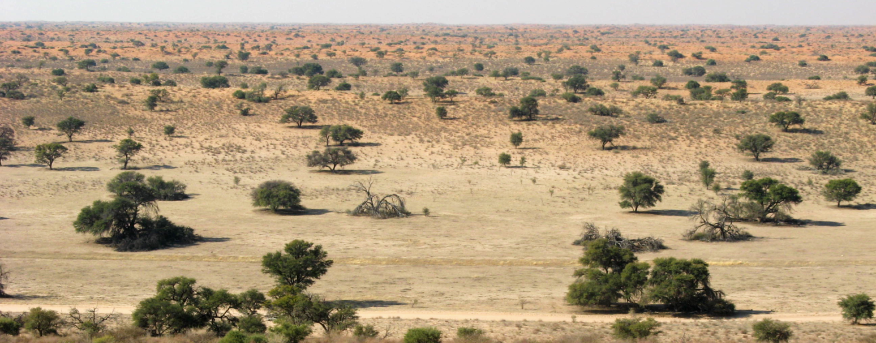
    In South Africa, the savannah biome makes up almost half of the country’s land surface area. And, because of its major role in the environment, South African animals depend on savannah biomes for survival. 

    The impacts of climate change in South Africa place savannah biomes at high risk of desertification – because they’re already so dry to begin with!

    Here are some ways South African animals are coping with the climate crisis.

    South African animal facts to do with climate change

    image

    1. Desertification has affected the natural habitats of an array of South African animals, forcing them to move to other areas. In some cases, these areas are also migratory destinations for large mammals. The depletion of resources and shelter that comes with overpopulated areas means that migratory animals must change course.

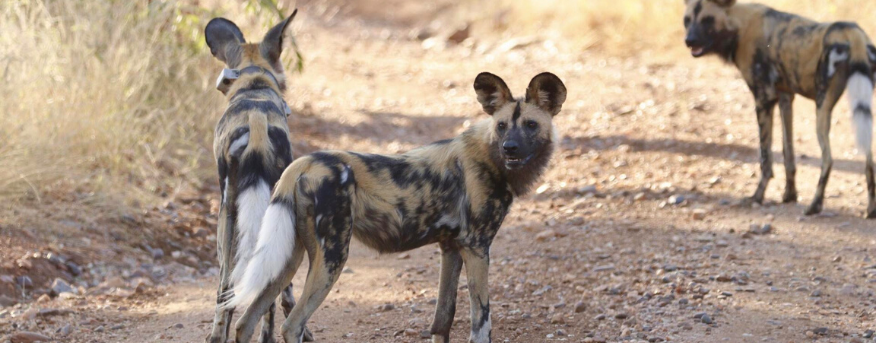
    2. African wild dogs tend to hunt in cooler temperatures. Increasing temperatures caused by the climate crisis affects their ability to hunt by reducing the duration of their hunts, and thus, the amounts of food they can secure. Less food can also mean lower pup survival.

    3. Wild dogs aren’t the only predators affected by rising temperatures; the hunting abilities of cheetahs and lions may also be impacted.

    How to alleviate the effects of the climate crisis and add to the well-being of South African animals

    image

    Stopping the climate crisis is clearly a top priority for the well-being of South African animals, but knowing how to stop the climate crisis is key.

    From the law experts bringing down the hammer on environmental offenders, to the conservationists scouring every inch of the savannah to safeguard South African animals – the country is making progress on addressing the effects of the climate crisis. 

    But, its conservational clout could be much bigger with a greater workforce of passionate individuals and communities. And, generating better public awareness around the extent to which the climate crisis is affecting South African animals could also motivate millions more to join the cause. 

    You can add to the impact by studying South African animals online or in the savannah, and becoming a field guide. As a professional safari guide, you’ll be at the forefront of addressing the climate crisis and adding to the well-being of South African animals every day. 

    Find out more about our professional safari guiding course and internship and get started on making your contribution to the conservation of South African animals.