Category: Course updates

  • The importance of game paths

    A blog by Jack Hutchinson (Head trainer at the Bushwise Balule campus)

    Every guide or tracker will at some point in their career wonder ‘where that game path goes?’

    We take many hours and even months to study and remember the road networks of reserves. This is mainly not to get lost, but also to call in sightings.

    image

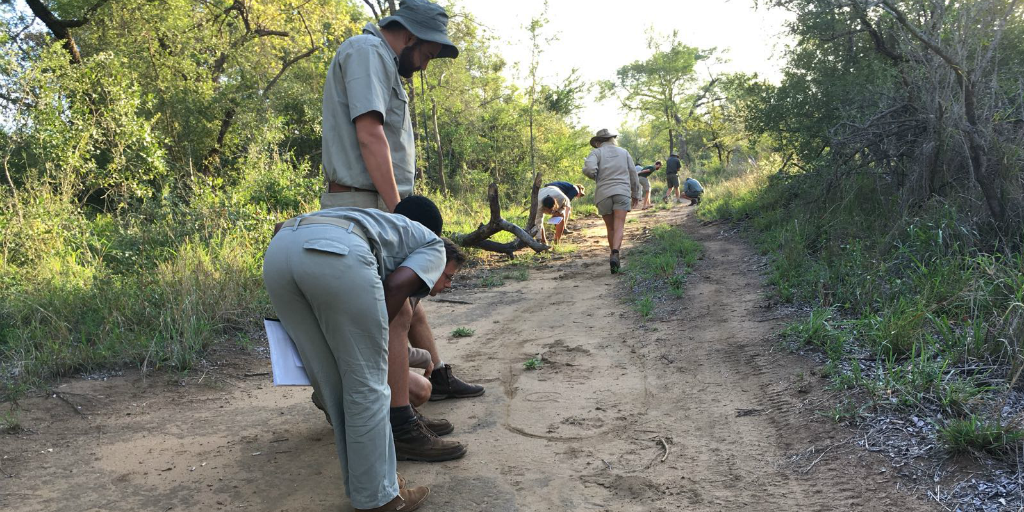
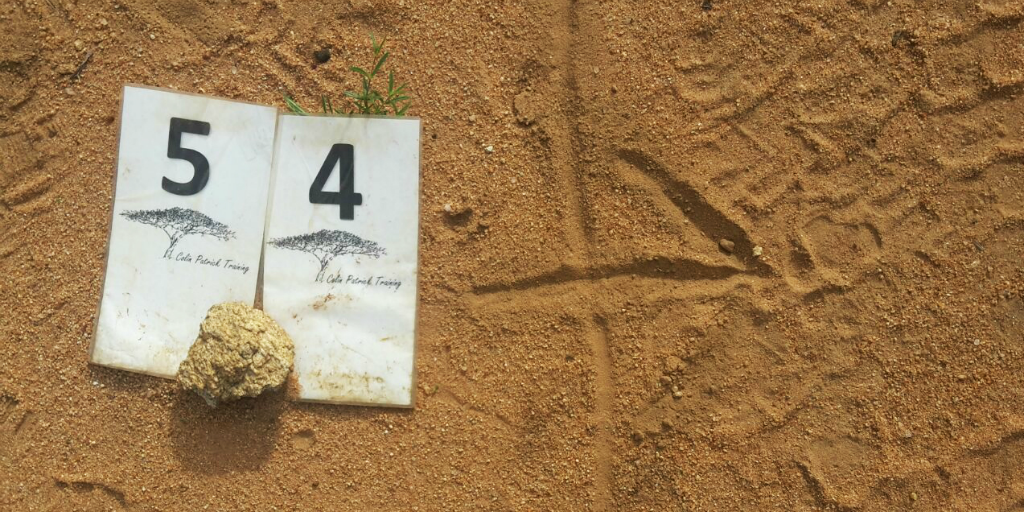
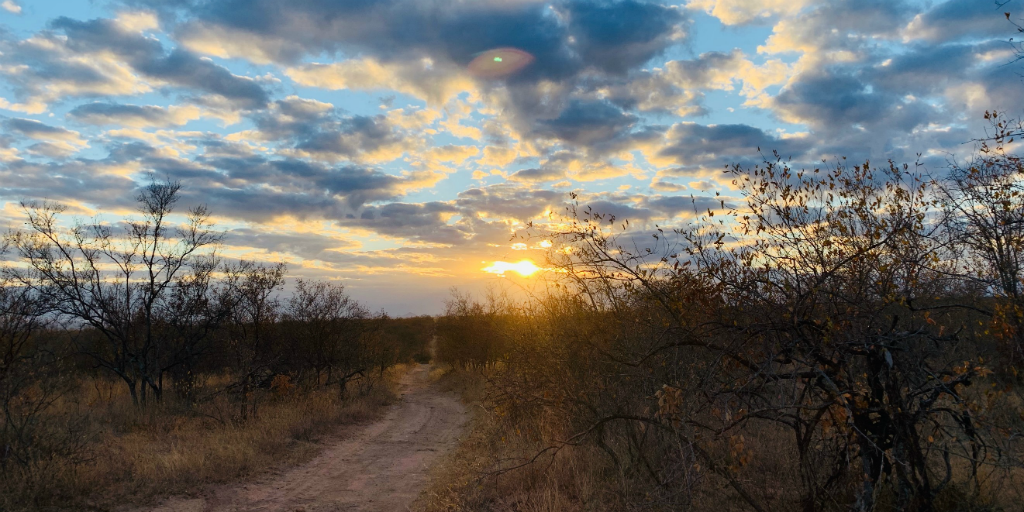
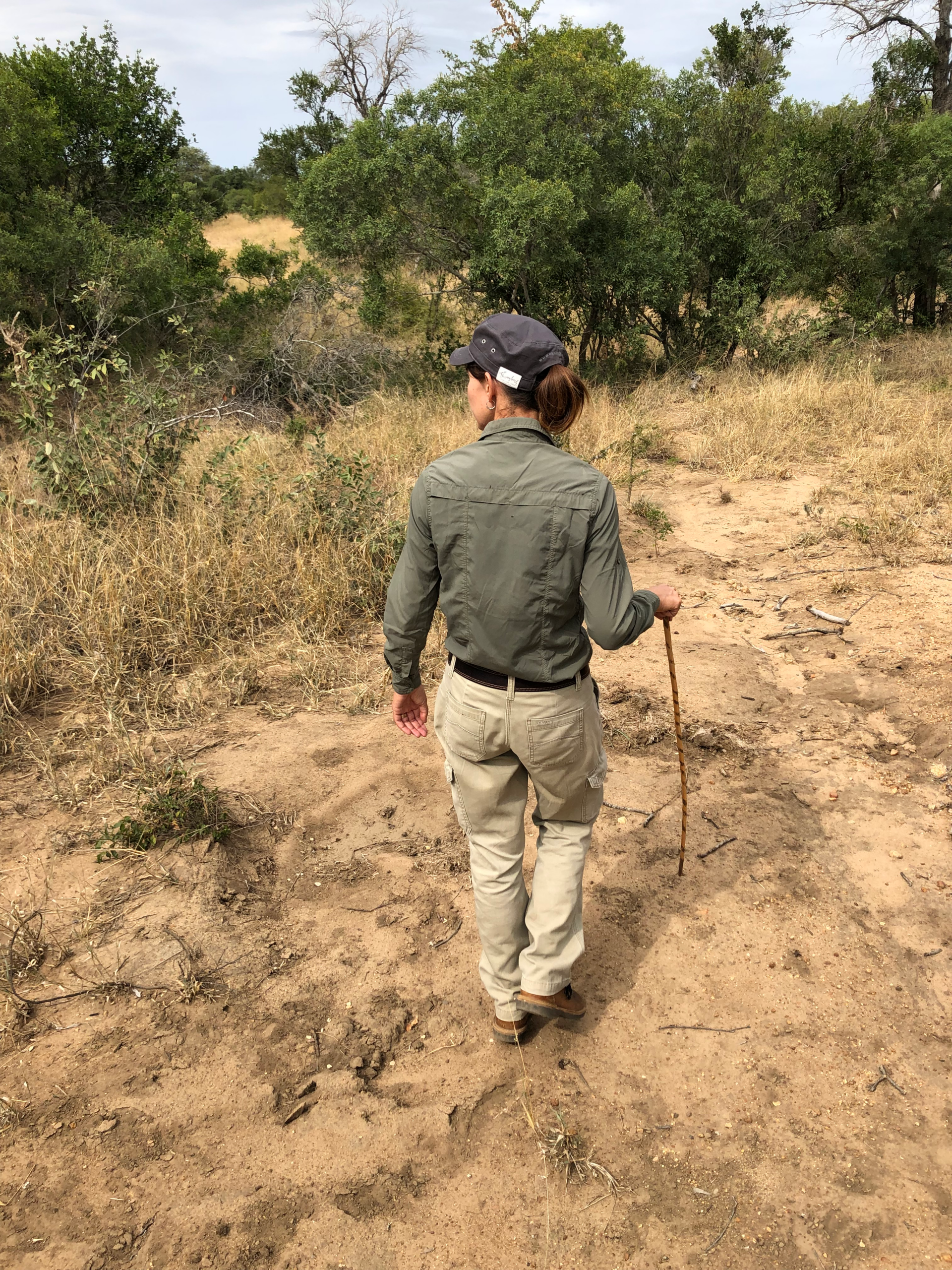
    A game path is a naturally occurring pathway made by animals – typically a well used track going to and from water. Game paths are not mapped and can go unnoticed for many years, especially in the summer months when the grass and bush is very thick. Some can be kilometres long while others may be as short as an average car driveway.

    These beautiful little roads take you away from the normal game driving routes. They can lead to brand new discoveries that do not get seen by many guides and guests.

    These paths can take you past the remains of dead animals, which may sound odd, but showing guests a skeleton of a large mammal like an elephant is a basket of interest for the guests and adds incredible value to their experience. A very common question from guests is “Where are all the dead animals that lions eat?” An equally common answer is “Somewhere in the bush.” These game paths can take you and your guests to these little gems.

    Learning where game paths go can help with the tracking and finding of animals. Some of the big 5 (like lions) prefer to walk on these paths and not through thick bush. Often, these paths cut across large expanses of the bush, so knowing how these link up can save a lot of time.

    image

    Next time you are out in the bush learning roads have a look around for game paths and then  take a walk to find out where they go. Who knows, you may discover something new and exciting to share with your guests and other guides.

    Find out more about Bushwise courses.

  • What goes on inside the head of an Elephant?

    By Darryn Murray – Bushwise Mahlahla campus trainer

    To see an African Elephant while out on safari is always an amazing sight and high up on most people’s bucket lists.

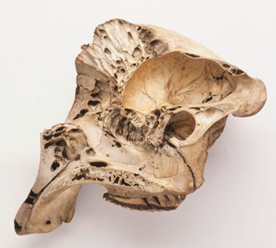
    But even more amazing is what goes on beneath the skin. The skull of the African Elephant is a phenomenal work of nature. The cause behind this being the design and adaptations that it has undergone during thousands of years of evolution.

    image

    The skull of an African elephant cut in half for scientific research purposes, showing the honeycomb-like design of the bone as well as the large brain cavity near the back of the skull.

    Unlike other mammals that have marrow filled bones, the Elephant has bones that are filled with a sponge-like bone tissue. This tissue aids in the support and structure of the bones while helping to reduce bone weight. The head of an African Elephant with all the associated muscles, trunk and tusks can weigh up to an astonishing 300kg.

    The main part of the skull is made up of air cavities and a honeycomb like design, reducing the weight of the skull but not taking away from the structural integrity of it. Only the lower jaw is solid bone. The skull, alone, of the African elephant weighs on average around 50kg.

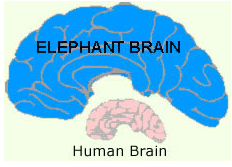
    The brain of the elephant, which is housed at the back of the skull, well away from the forehead and almost in line with the auditory canal and is the largest known of any land animal to have ever lived on the Earth!

    The growth and development of the brain are very similar to that of a human. Both are born with fairly small brain masses, however, the growth and development are rapid, giving way to greater learning ability, superior intelligence and a more sophisticated social structure.

    image

    An amazing illustration of the relative size of a human and elephant brain. (The average elephant brain is between 3 and 4 times larger than the human brain, weighing between 3.5kg -5.5kg.)

    So if the weight of the brain as well as the weight of the skull, only makes up roughly 20% of the total weight of the African elephant’s head, what accounts for the other 80% or 240 odd kilograms?

    image

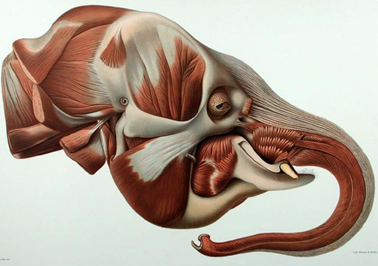
    Illustration of the various muscles on the elephant’s head that it requires for range of motion as well as to keep the head upright. 

    Tusks:     These are carried by both sexes of African Elephant, and studies show that the average weight per tusk is 25kg.

    Trunk:    Containing roughly 100 000 muscles and having a wide variety of uses for the animal from feeding to drinking to fighting and smell. The trunk alone can weigh as much as 140kg!

    Teeth:        The 4 large flat molars in an adult elephant’s mouth will weigh about 3.5kg each.

    Muscles:    The muscles that are required to keep the skull, trunk and other parts of the elephants head upright as well as giving it the range of motion that it requires to do what an elephant does will make up the remainder of the total weight, roughly 40kg.

    To put all of this into perspective, the human head (including teeth, neck, muscles, brain eyes and skull) weighs in at a mere 3.5-5.5kg.

    With the average elephant [brain] weighing roughly 50 – 60 times as much as that of the average human, it’s brain capacity is the highest in all animals. It is a well-documented fact that an elephant’s memory is incredible: years can go by without visiting a certain watering hole, but the matriarch will not fail in leading her herd to this (and other) water sources during times of drought.

    There is still so much to be learned from these magnificent creatures, making it imperative that we conserve their habitat so that future generations can experience the same amazement at seeing an elephant herd on an African Safari.

  • What is overgrazing and why does it have a global impact?

    BY: Tasneem Johnson-Dollie

    When we try to understand what’s fuelling climate change, answering the question “What is overgrazing?” and getting to grips with its global impact is key. 

    Why does overgrazing matter so much? Well, more than 20% of the world’s land surface area is used for grazing, and overgrazing is currently one of the leading causes of climate change. 

    Let’s sift through the soil to uncover the answers to the question, “What is overgrazing and why does it matter?” And, let’s take a look at how overgrazing isn’t just a concern for farmers, but for conservationists and game rangers too.

    What is overgrazing?

    image

    Domesticated animals, like cows, sheep and goats, eat wild vegetation growing in the areas where they are kept. This is called grazing, and is managed by people who own or oversee livestock, like farmers and shepherds. 

    So, what is overgrazing? The United Nations (UN) describes it as “the practice of grazing too many livestock for too long a period on land [that is] unable to recover its vegetation”.

    So, while it may seem simple to put your cows in a pasture and watch them eat, if grazing isn’t well managed, vegetation like grasses, bushes and trees can be negatively affected. 

    And, if overgrazing continues in an area for a long period of time, the vegetation that usually grows there may even disappear completely in the future. 

    So, in an era where livestock is managed by human beings, why has overgrazing become a concern? 

    Well, it has to do with changes in society over time and how our current lifestyles affect global ecosystems.

    Why is overgrazing a concern today?

    image

    People have been domesticating and caring for animals for more than 10,000 years. This means that we have a wealth of historical information on how to raise and manage grazing animals. 

    So, why has overgrazed land only become a concern in the last few decades? 

    Well, as people started transitioning from being nomadic to settling in villages, they began to change their surroundings in a big way. 

    For livestock, this meant staying in the same area instead of travelling across large distances. It also meant that animals would now rely on one piece of land for a much longer period of time. 

    And, with people staying put in one place, it became easier to breed cattle and increase the number of cows, sheep or goats that a farmer owned. 

    So, not only did the vegetation need to support grazing for longer periods of time, but it also had to serve up sustenance for more and more animals each year. 

    This was the start of a sequence of events that led us to ask the question, “What is overgrazing and why is it happening?”

    Let’s dig a little deeper to find out more about the effects of overgrazing.

    What are the main causes of overgrazing?

    image

    Picture a piece of fertile land, lush with greenery and sprawled across the earth with no visible end in sight. You could have the image of a rainforest, the savannah, or even a farm in mind. 

    All of these environments are influenced by three key things: people, animals, and the climate.

    Understanding overgrazing causes comes down to getting to grips with how these three factors influence the amount of vegetation growing in an area over time. One example of this is the African plains, where the grazing of wild animals is usually well-managed by Mother Nature. 

    But, where these areas are fenced in, the environment needs to be managed by conservationists and rangers to maintain a balanced ecosystem. 

    In both of these areas, people are known to poach predatory animals, like big cats, to trade their teeth and claws. This leads to a drop in the number of predators in the area.

    With fewer predators around, populations of grazing animals, like antelopes and zebras, can become so big that they have a negative impact on the environment. This is because large numbers of grazing animals eat the vegetation faster than it can regrow. 

    This cause of overgrazing is the result of human activity and has an impact on animal populations and their environments. And this is a major concern when managing fenced off reserves, as a conservationist or game ranger.

    What are the biggest overgrazing effects?

    image

    Without solutions for the effects of overgrazing, fertile land eventually becomes desert terrain.

    Desertification is when land is degraded to the point where the soil loses its ability to support the growth of plants. 

    Because plants absorb carbon dioxide to survive, less plants means that more carbon dioxide gets trapped in the atmosphere. This is how desertification adds to global warming. 

    So, what effect does overgrazing have on topsoil? And, how exactly does too much grazing turn fertile land into desert? Let’s take a closer look.

    How can overgrazing lead to soil erosion and desertification?

    image

    Before causing plants to stop growing, overgrazing changes the quality of the soil first.

    Overgrazed land has significantly less ground cover – low-growing plants that are anchored in the soil. This overexposes the soil that houses the nutrients and traps the water that plants need to grow. The soil is overexposed to erosion by wind, water, and the movement of animals and people in the area. 

    And that is the answer to the question, “What effect does overgrazing have on topsoil?”

    Topsoil is the layer of soil that is most affected by overgrazing. And, because topsoil is also the most important part of the soil, when it comes to growing crops and producing food, it’s an important part of people’s food supply too. 

    It can take years for overgrazing to result in desertification, but overgrazed land has a big impact on plants, people, and animals as soon as the first plants start to disappear from the soil. Why is this?

    Well, fewer plants means less food for animals and people, as well as more air pollution – since plants play a role in purifying the air. So, having fewer plants affects the well-being of all life on Earth.

    Overgrazing has the biggest impact on arid, semi-arid, and dry sub-humid regions of the world, where there is less vegetation to begin with. In these areas, an increase in climate temperature and water scarcity also speeds up the process of fertile ground becoming desert terrain. 

    Without solutions to overgrazing, desertification will continue, and may spread more rapidly as livestock move from degraded land to the next fertile patch of soil. 

    image

    Wondering how to prevent overgrazing? Well, there are some meaningful ways to make a contribution. Let’s find out how you can get involved.

    How can you help to find solutions to overgrazing?

    Overgrazed land seems to be the world’s biggest catch-22. Yes, we need more livestock to supply the growing human population with food. But, over the last few decades, this increase in the number of livestock has added to overgrazing, desertification, and the reduction of land available for producing food. 

    And, with so many wild animals now located in fenced-in reserves, how we manage land affects more than just our food supplies – it impacts creatures at every level of the food chain. 

    With 95% of global food production coming from crops that need fertile topsoil to grow, how will we meet the world’s food demands as the Earth’s fertile land mass shrinks every year?

    image

    One way is to get serious about finding overgrazing solutions that speak to the world’s biggest challenges, like farming management. Through poor grazing management, the day-to-day feeding routine of animals has become one of the biggest contributors to overgrazed land worldwide. 

    And, since it’s impractical to set dietary restrictions on animals, it would be easier to address human activities, like farming management. But, livestock owners aren’t the only ones who can get in on the action. 

    Nature conservationists and game rangers are responsible for protecting and managing natural environments like grasslands, farmlands and forested areas. They can also get involved in creating solutions around threats to conservation and give advice to farmers on how to manage their livestock and farms. 

    So, by getting involved in work that builds on awareness around overgrazing, you’ll be part of the movement to promote worldwide contributions to reducing the effects of overgrazing. 

    An even bigger impact could be made if more and more people around the world start addressing overgrazing, desertification, and even climate change.

    Sign up for Bushwise Field Guide’s Nature Enthusiast FGASA online course and be part of the work done to conserve natural environments.
  • How to identify the different types of grasses in African savannahs

    BY: Tasneem Johnson-Dollie

    To the untrained eye, the African savannah may seem like a monotonous terrain. But, by learning how to identify the different types of grasses, you’ll see just how diverse this landscape really is. 

    Grasses are the most abundant group of greenery on Earth. And, they’re found in locations across the world: from the dry, desert landscapes of Africa, to the icy cold outdoors of Antarctica. 

    So, if you were to ask anyone around the world about grasses, it’s highly likely that they’d know what you’re talking about. They’d probably even be able to give you a decent general description of what grasses are. 

    But how do you go about telling one prickly specimen from a different type of grass?

    Let’s start by taking a closer look at some answers to the question, “What is grass?” 

    What is grass?

    image

    Grasses are the spindly plants found growing along sidewalks, or out in wild spaces – like South Africa’s grasslands. 

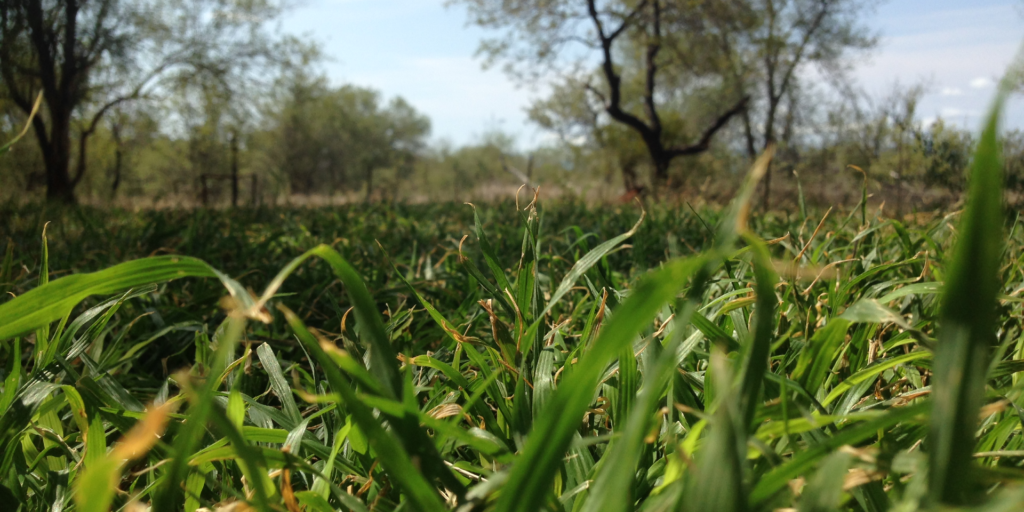
    They come in a range of colours and textures. From the stiff, durable, deep-green blades of buffalo grass, to the lanky wisps of gold-and-brown thatching grasses that shudder with every puff of passing air. 

    All the world’s grasses belong to the plant family Poaceae, and each of these plants is made up of five different parts:

    1. flowers – the parts responsible for producing seeds

    2. blade – the leaf of the plant

    3. culm – the plant stem

    4. roots – the part of the plant below the ground

    5. rhizome – a modified part of the stem that grows underground and can put out new roots and stems

    6. stolon – an adapted part of the stem that can produce new plants. 

    These plant parts aren’t unique to grasses. But, identifying each different type of grass in the wild starts with being able to spot these features on a spindle of growth poking out among other African savannah plants.

    To sharpen your grass-spotting skills, start off by looking at pictures of different types of grasses online or in textbooks. This way, you can get to know more about these plants before stepping out into the savannah.

    Compare simple diagrams, then challenge yourself by identifying each part of the plant in up-close pictures of different types of grasses. 

    And, once you’ve found your grass-examining groove, you can set out and try your hand at identifying the more than 70 different grass types found in South African grasslands. 

    Further reading: All about the different types of grasses of Southern Africa

    Here’s a closer look at how to identify them out in the wild. 

    How to identify the different types of grasses in African savannahs

    image

    On a Bushwise Field Guide’s online or on-site Field Guides Association of Southern Africa (FGASA) Field Guiding course, you’ll learn about the finer details of grass identification once you’re clued up on the basics. 

    This means that you won’t need to carry around pictures of all the different types of grasses found in the savannah. You’ll be able to identify them by paying attention to some tell-tale features instead. 

    For instance, because different grass types grow under different conditions and in different ways, it’s easier to tell some of them apart. 

    One example is when you compare stinking grass with red oat grass. Stinking grass grows in squat, shrub-like tufts and prefers to shoot up out of dense clay soils. But, red oat grass can grow as tall as 1,5 metres and pop out of almost any type of soil. See the difference?

    Stinking grass also gives off an unpleasant smell when crushed and isn’t edible. In comparison, red oat grass is one of the most important edible grasses in the African savannah. It’s eaten by wildlife like birds and zebras, and grazing cattle like sheep and cows. 

    Another eye-catching feature that can help you tell the different types of grasses apart is their inflorescences (or flowering parts). An inflorescence is made up of bunches of flowers called spikelets. And, these spikelets come in three different formations:

    1. spikes – spikelets attached to the main stem of the plant

    2. racemes – spikelets found at the end of short stalks attached to the culm

    3. panicles – spikelets attached to branches that are attached to the culm. 

    How the appearance of African savannah plants changes from season to season

    image

    Compared to the global average of 786 millimetres of rainfall per year, South Africa’s 460 millimetres of annual rainfall makes the country a generally dry region. 

    But, from one season to another there are significant changes in rainfall that affect the growth of all savannah plants, including the different types of grasses.  

    The Limpopo province is home to some of the widest stretches of South African grasslands and this region receives most of its rainfall in the warmer months (between October and April). 

    During this time, you’re much more likely to see different types of grasses at their best: standing tall and shimmering in the sun-soaked savannah. 

    But, in the colder months, grasses aren’t blessed with as many showers. In some areas, frost may settle in as night-time temperatures drop below zero degrees celsius. This is when you’ll see much less of these leggy savannah plants around, and you’ll have to make do with watching the sunset across sandier scenery. 

    Added to the dryness of the terrain is the large amount of annual sunshine in Limpopo. With that in mind, you may be wondering, “How do grasses withstand the year-round heat?” 

    Well, it’s true that atmospheric temperatures can be sweltering at any time of the year: maximum temperatures average at around 22 degrees celsius in winter and up to 40 degrees celsius in summer. But the different types of grasses are adapted to deal with this African savannah climate. 

    One trick they have up their “sheathes” is their ability to channel water to their most important parts and away from most of their outer layers. This reduces the amount of water that’s lost to evaporation as the warm atmospheric air rubs up against the outer sheaths of these savannah plants.   

    Eventually, the outer layers of the plant dry out and die, leading to the tawny shade of many different types of grasses.

    Under certain conditions – like very cold weather or when water is scarce – grasses go dormant and not much of the plant can be seen above ground at all. This means that some of these savannah plant’s most defining features won’t be on display. 

    So, you’ll need to find other ways of identifying each different type of grass from one season to the next. 

    What are other ways of identifying different types of grasses?

    image

    If you end up looking at two very similar grass stems, or if you’re trying to compare the tendrils of grasses that could be twins, you’ll need to get out your magnifying glass to be sure.

    By zooming in on the collar of these African savannah plants, you’ll be able to tell with more certainty if you’re looking at samples that are the same, or different. 

    The collar is the area where the leaf blade joins the culm on all the different types of grasses. This landmark is where you’ll find the auricle – a set of sickle-shaped protrusions that wrap around the stem – and the ligule, which is a paper-like scale found inside the leaf blade. 

    Each of the different grass types has a distinct set of auricle and ligule that sets them apart from every other type of grass.

    And, even when you’re out in the African grasslands during a time when grasses are dormant, you may still be able to identify different grass types using these characteristics. 

    South African grasslands make up almost one-third of the country’s land surface area. So, knowing the African savannah plants that make up the grassland biome can add to your knowledge on the country’s ecosystems in a big way. 

    Start building on your environmental education with Bushwise’s online or on-site field guiding courses and get clued up on the different types of South African grasses.

  • Student’s take on Bushwise conservation work

    BY: Jared James, student, 2021

    The week started off at the crack of dawn with early morning game drives for both team A and team B.

    Guides for the day were Taya, Mat Foulsham and Daniel for team A while team B had Jenika, Erin and Geena as their guides. Team A decided they were going to go east as team B headed towards the western side of the reserve. Team A made use of their secret weapon, which was spotting for wildlife and were rewarded with an amazing sighting of the elusive leopard as well as a sighting of a juvenile African Fish Eagle and an extremely exciting, Eurasian golden oriole, which was a lifer (a new bird to the list) for many of the birders. Team B had an amazing sighting of the African Elephant eating the fruits from the iconic Marula tree. The drives were amazing. 

    image

    We then arrived back for brunch where Sibu made us yet another amazing meal, which never disappoints. 

    Jack gave us news that we will all be hands-on, doing some conservation work, so we can carry on our training with no issues. We all agreed and went hands-on fixing the road that was washed away from the Eloise cyclone that happened the night before. After two and a half hours we were all satisfied with the end-product and our hard work paid off. We nearly forgot that later that night we had our much-anticipated sleep out for which we needed to get ready. 

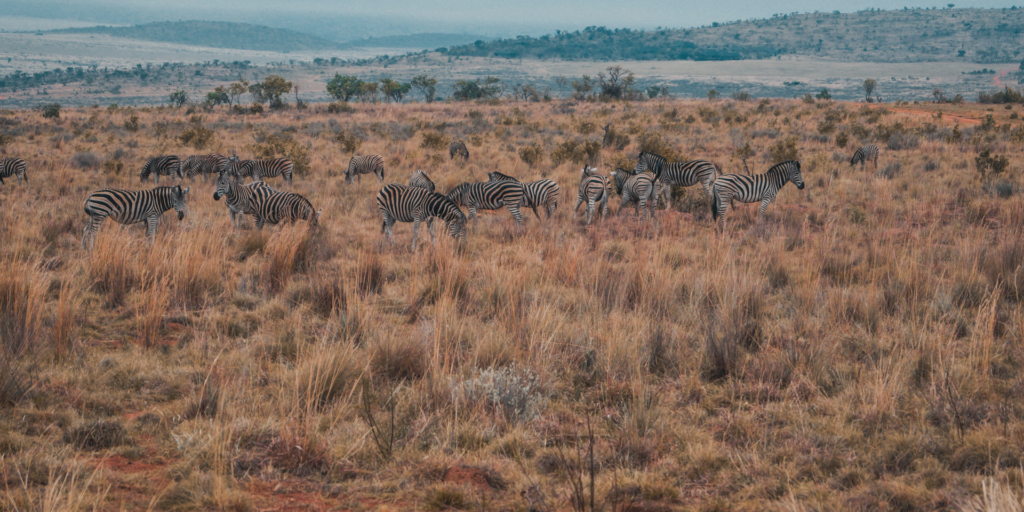
    We were all excited about it, but we had one issue, the clouds were getting darker and the winds were picking up and so a campfire was going to be a problem for the surrounding area. We all still got ready and were waiting patiently for the final call from our trainers, Jack and Lindi.  The decision arrived that we were going to go and if the weather took a turn, we all agreed that we would head back to campus. Driving there everyone was talking about their night watch and how they feared things crawling up in their sleeping bags while they were sleeping. We arrived at the camping spot where we were greeted with a warm welcome from a herd of impala and a dazzle of zebras. We walked around to double-check if everything was clear and safe to carry on setting up camp, as it was the same area where we had spotted the leopard earlier that morning. 

    image

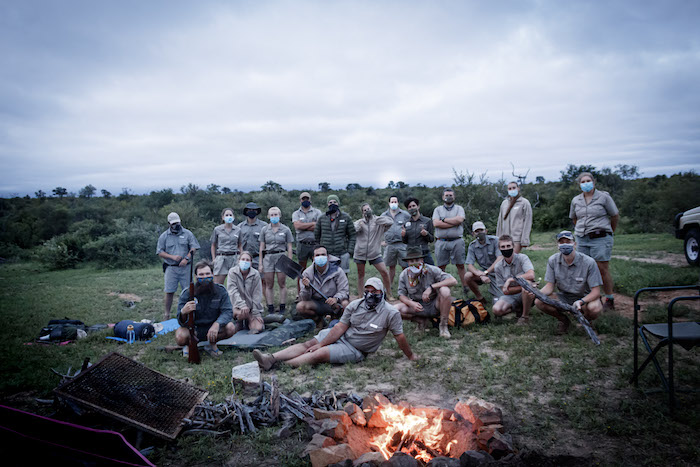
    Everyone put out their sleeping bags in a circle around the campfire. Andre was nominated braai master for the night and managed to keep up the high standard of Sibu’s food. I, who was the camp manager explained where the restroom will be. All of us set up and were getting the feeling that we are going to sleep out in a big five reserve. The weather remained in our favour for the rest of the evening, as the wind started to die down and the clouds became inexistent and quickly took the opportunity to take a group photo, with social distancing, of course. Andre started braaiing some pork and garlic bread for us. Sibu made us some potato salad to enjoy alongside our braaied food. It tasted amazing as everyone was quiet while indulging in some typical South African cuisine.

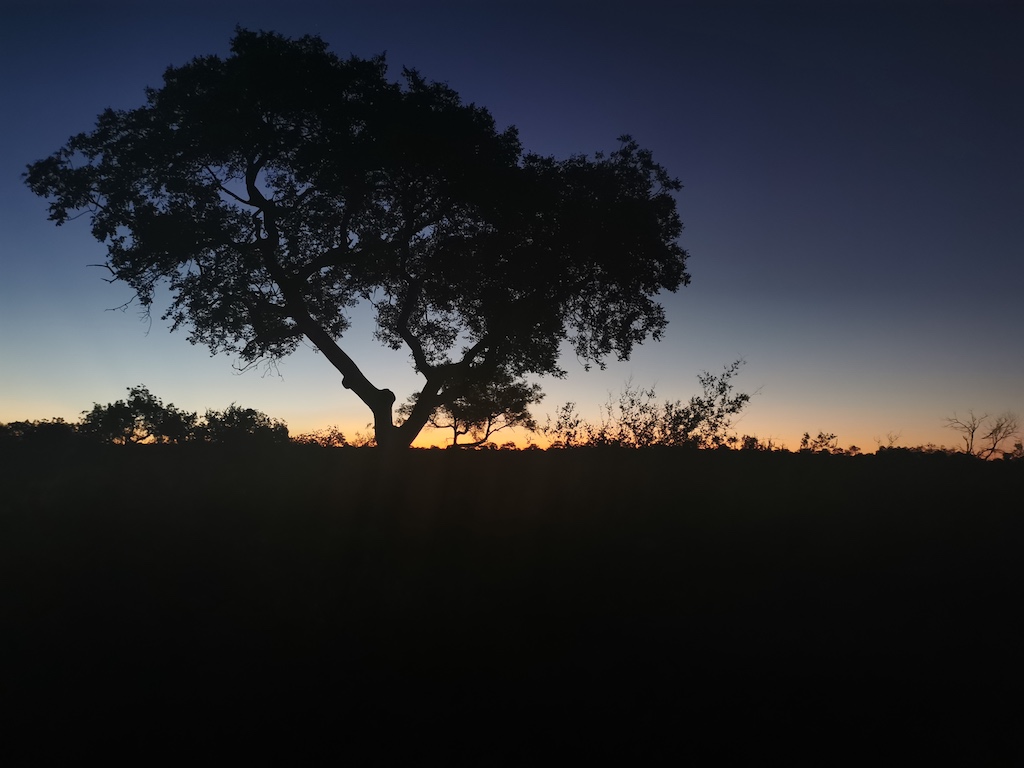
    First watch started at 21:00 to 22:00 where everyone was still awake, taking in the feeling that nature has to offer for all. Slowly the guides faded way releasing that, they have shifts that are later and they will need some sleep before they wake up. 23:00 everyone besides the night watch were all asleep. Next shift nature decided that it was time to awake and check on what are these weird things in our area. Hyenas calling in the distance all night and Elephants making noises, got the night watches on alert every time. Slowly the night was ended, dawn was rising. 

    We all awoke and needed our caffeine to keep us awake. Discussions between each other on how it was so possible that we all got such amazing sleep that they all went into a deep sleep. Later that day we had our workbook session and Jack and Lindi had a surprise for us that was a practical observation on trees, grass, and flowers to see where we all are on our abilities. Before dinner would be served, Jared the camp manager had to host the night’s dinner, so before dinner was ready had some news for the guests on a discovery of two giraffes that had dwarfisms and we all were amazed about that news. Dinner was served and Sibu once again never disappointed us by making a chicken ala king with macaroni.

    image

    Next day it was off week for the students. 

    Everyone had loads of stories about their off weeks. Some had stayed in Hoedspruit and had loads of fun driving to the Kruger National Park while others went home or stayed on campus. First day back was an interesting day where we all met up at spur and got to hear the stories from off-week. We then all drove to drop off the vehicles at stack ‘n storage. Waiting for the Trainers to fetch us at our vehicles, the heavens decided to open. It was a remarkably interesting drive back to campus in the open-top vehicles as we all got soaked by the heavy rains of the lowveld. 

    So it was an interesting weeks experience for all and for me doing the duties as a camp manager.

  • Practical drives, tropical storms and FOH workshop

    BY: Daniel Greyvenstein, student 2021

    After a weekend of studying, the week kicked off with the exciting stuff: practical drives. This meant going out at the crack of dawn to be ready for the new day ahead and arriving at camp well after dark, but no one complained because we were finally doing what we love. 

    image

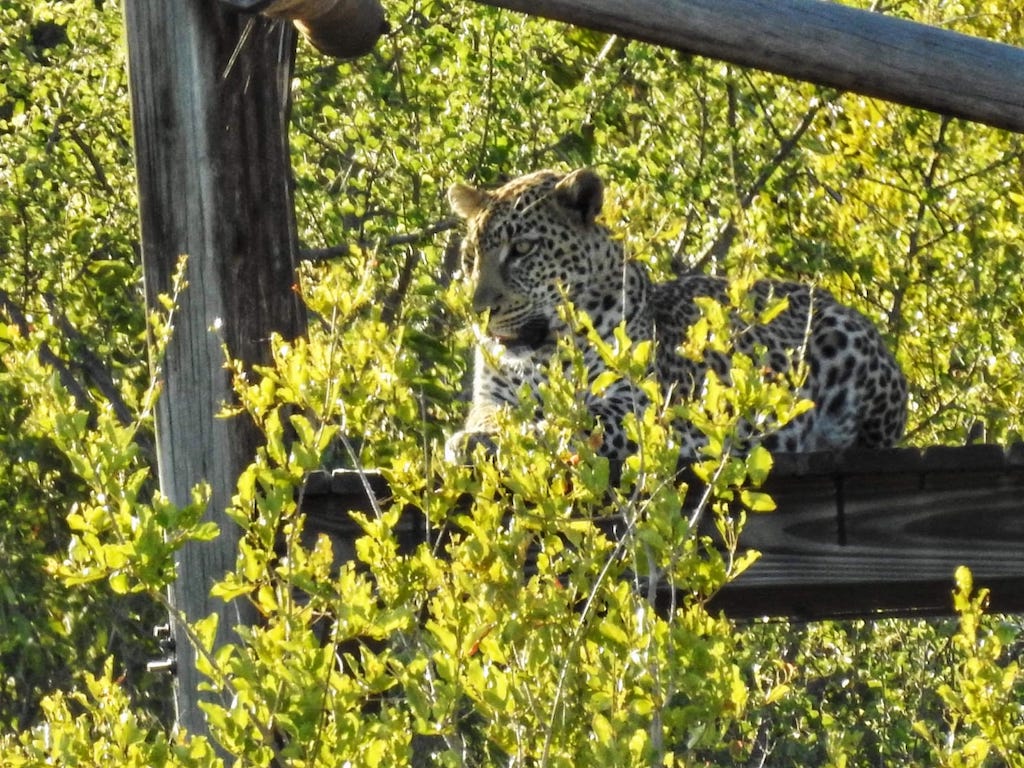
    During practical drives, each student got the chance to drive the game viewing vehicle for an hour, host the “guests” (the other students) for a morning coffee or a sundowner and show of their knowledge they have learned so far. Group B had an amazing sighting of a big male leopard, while group A was still in search for their own special sighting. Luckily, they were rewarded for their patience with the same leopard a few days later. (Photo by Matthew Franklin) 

    image

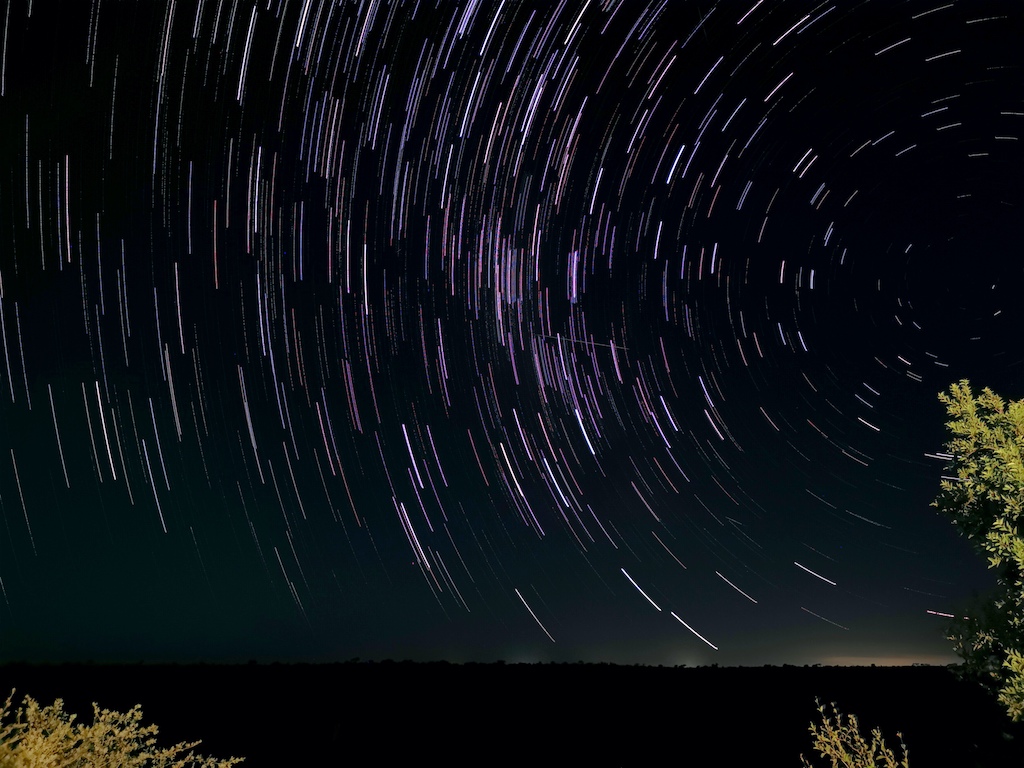
    Between the drives, we were kept busy with more studying for the weather, climate and astronomy test that was waiting for us the following week. We got in a good rhythm: drive, lecture, study, drive, sleep and repeat.

    image

    With Tropical Storm Eloise approaching us there was a feeling of anticipation and excitement in the air.  We had to make sure that the camp was ready and safe for a big storm. We dug drainage holes, filled up sandbags to block water going under the doors, made sure all the rain drains were empty and in working condition.  Everything and everyone was ready for Elouise to come and pay us a visit. Fortunately, the storm didn’t hit us as hard as our surrounding areas, we had some strong winds and some rain. The dry river bed filled up for a while but cleared the next day. No damage was done, and our hard work paid off.

    image

    Monday was the day when our knowledge of the Weather and Climate and Astronomy modules was tested, and we delivered good marks! With a sigh of relieve we knew we can take a break from studying before our next text that will take place after off-week. 

    On Tuesday we welcomed Hayley and Grant for our two-day Front of House Workshop to learn about the do’s and don’ts of the guiding industry. We all learned a lot and had some great laughs in between with some role play to understand the workshop.

    image

    The Front of House workshop continued on Wednesday morning, and Wednesday afternoon group B was rewarded with a well-deserved bushwalk with our trainers Jack and Lindi. After a long day everyone was back at camp, once again enjoying an amazing dinner prepared by our Chef Sibu.

    image
  • The differences between online and traditional education in a field guiding course

    BY: Tasneem Johnson-Dollie

    Between learning online and studying in the bushveld, which is better when it comes to field guiding? Well, it all depends on you. Let’s take a closer look to see why. 

    A Bushwise Field Guides course is the ideal way to learn all about South African animals and the environments they live in. You can do this up close and personal on a practical field guide course in the savannah, or start off from a distance on an online web learning field guiding course. 

    Either way, you’ll open up a world of experience in the field of conservation, and gain a solid understanding of South African animals. 

    To help you make up your mind about whether or not an online learning or practical course is better for you, we’ve listed three of the biggest differences between online and traditional education in field guiding. 

    The focus of field guiding courses

    image

    It’s obvious that, when it comes to field guiding, online web learning is different to dashing out into the wild in a safari vehicle. But this doesn’t mean that you’re not gaining a valuable education when you learn online.

    In fact, the best field guide courses can be effectively taught to students in face-to-face classes or through online web learning platforms. This is because the most important part of every field guide course is having trainers with expertise, and equipping students with the understanding and skills they need to become professional field guides. 

    With these two components intact, the rest of the course can be built around the learning environment that students prefer.

    Our approach to teaching may vary depending on the teaching environment, but every course is developed to achieve your field guiding learning objectives.

    image

    Our Field Guide training online course, one of our three online courses, can help you cover 100 of these hours. And, it’ll get you well on your way to your field guide qualification – without the worry of travel restrictions, global health concerns, or budget constraints that could benefit from a few more months of saving. 

    Here’s a closer look at what you’ll cover in an online web learning course, and the biggest differences between online and traditional education in field guiding.

    The biggest differences between online and traditional education in field guiding

    What you’ll learn on an online web learning field guide course

    If you’re wondering which parts of field guiding you’ll cover on an online course versus a traditional course, the answer is, all of them.

    Yes, that’s right. An online field guide course will get you just as clued up on theory as any course that’s held at Bushwise’s campus in the bushveld. 

    image

    In fact, every reputable field guide course – whether it’s taught traditionally or via online web learning – should help you gain all the skills you need to set a good foundation for your future career.

    When you take part in our Bushwise Field Guiding online course, you’ll learn all about the South African animals that live in the savannah. These include amphibians, arthropods, birds, fish, mammals, and reptiles. You’ll also add to your understanding of savannah plants, like trees and grasses. 

    But, your online learning experience isn’t just about becoming book smart. It also prepares you to apply specific skills once you get out into the field. Start filling your field-guide toolkit with a deeper understanding of subjects like:

    1. astronomy

    2. conducting a guided experience

    3. conservation management

    4. ecology

    5. ethology

    6. geology

    7. historical human habitation

    8. radio procedures

    9. rifles and advanced rifle handling

    10. South African biomes

    11. taxonomy

    12. viewing potentially dangerous animals

    13. weather and climate. 

    image

    Together, these theoretical components will fill you in on what you need to know to work as a conservationist in the field. 

    So, the biggest difference between online and traditional education in field guiding isn’t what you’ll learn, but how you’ll learn it.

    The classroom set up

    On a traditional field guiding course, you’ll make your way to Bushwise’s campus in the Limpopo bushveld – just outside the gates of the Greater Makalali Game Reserve. And, while you learn online, you can look forward to travelling to this segment of the savannah in the future to complete your practical hours in the field. 

    Just like the coursework based at the Limpopo campus, learning online will be an engaging and collaborative experience. You’ll interact with other students from all over the world, as well as lecturers who are experts in their field.

    The Field Guiding online course includes an orientation period and ten weeks of coursework taught over 24 live sessions. Beyond adding to a comprehensive field guide education, these live sessions will also introduce you to the real-life challenges that conservationists experience in their line of work. 

    Can you think of any other opportunity where you could gain firsthand insight from field experts in the comfort of your own home? 

    image

    How you’ll gain experience with South African animals

    You’ll work through a list of South African animals, from start to finish on any Bushwise course. The differences between online and traditional education in field guiding are really more about how much practical experience you’ll gain from observing animals in the field. 

    Practical hours are important, but there are a few fundamental steps that need to be taken first. For example, you need to be competent in the taxonomy of animals before you can make any meaningful observations. 

    What’s taxonomy, you ask? It’s the scientific way that animals are named, defined and classified. So, instead of trying to describe “that big buck with a black stripe on either side and curly horns”, course instructors can use specific and meaningful scientific names to make sure you’re all on the same page. 

    And that’s not all. Animal taxonomy doesn’t just put a formal name to wild animals. It also acts as a clue to the lineage of all creatures, as well as their evolutionary history. 

    If you get a good grasp on it, the taxonomy of animals can act as a quick guide to animal characteristics – like whether they are herbivores or carnivores. It’ll also get you well acquainted with which animals are the most closely related and why – since animals classified in the same family or species have more characteristics in common.

    image

    If you choose to do a field guiding course online, you’ll end off with a stellar understanding of animal kingdom taxonomy. During an on-the-ground course, you’ll get to delve even deeper and clock-in valuable practical hours observing South African animals in their natural habitats. 

    How will you start off your field guiding career?

    There’s no right or wrong choice when it comes to which field guide course you should pick. Your decision should take into account what your travel restrictions are, how much time you can commit to the course, and how soon you want to start working as a field guide.

    Yes, an on-site course will help you shoot ahead with practical hours, but to become a professional field guide, laying the right groundwork is key. 

    Stay home and join one of Bushwise’s online professional field guiding courses or work in the bushveld on our on-site IFGA Safari Guide Course 6/12 months.

  • First impressions: “nothing short of amazing”

    BY: Frederico Odierna, student 2021

    My experience of Bushwise has been nothing short of amazing and I can not wait to learn and experience more of what they have to teach us. 

    The first day was mostly orientation of the campus and course where we got to learn a bit more in-depth of what the course is going to entail and rules to follow on campus. I know that the course is going to be a lot of hard work, but I am prepared to put in the effort that is going to be required of us to pass the course overall. On the 9th and 10th of January, we studied to complete our level 2 first aid which I imagine is mostly so that our guides can be slightly more at ease knowing that we can take care of each other in case of an immediate emergency. 

    image

    On the 11th we began with our first FGASA module on geology, which many might not be interested in, but it plays a major role in the climate and therefore life that can be found in a certain area. Today is the 12th of Jan and we had the most amazing time at Hoedspruit Reptile Park, where we got to learn more in detail about snakes in particular, but not limited to them. We learned how Chameleons don’t actually have sticky tongues, but rather employ suction to their prey to catch them, something which I never knew before. We also got to experience them feeding Black Mamba’s which was fascinating to watch how they immediately react to the scent of their prey and almost enter a feeding frenzy which can sometimes lead to them attempting to swallow the same prey.

    Other than course material I have learned a lot of interesting information about the animals that live in our area. Female Water Monitors will lay their eggs in termite mounds due to the amazing architecture that controls the temperature perfectly, which in fact many skyscrapers have used to control airflow throughout the building. Vervet monkeys will raise their brows to expose their white eyelids which contrasts to their black faces to intimidate other animals. I also learned that the term for this is aposematic which applies to all animals that have a mechanism to warn predators of their possible danger. 

    image

    Besides animals, I have enjoyed spending time with the people here and learning about their different views and cultures. This week I was Camp Manager, which basically means I am in charge of relaying information to the guides about how people are doing and any sort of problems that they want to address. It also means that you are the first person to be called on-site in the case of a medical emergency. I am normally not the type of person to enjoy any sort of managerial position but I have found it to not be as bad as I imagined. 

    In conclusion, I am enjoying the experience here thoroughly and can not wait to learn more. The only thing I can mention that I’m going to have to get used to is the heat. 

  • The importance of plants in South African environments

    BY: Tasneem Johnson-Dollie

    With the overdevelopment of natural spaces and plant extinction coined as key local contributors to climate change, you probably already have some idea about the importance of plants in South Africa

    image

    But are all plants important? And what do plants actually do for South African environments?

    Well, to answer this question, let’s start off with an exercise.

    Imagine hovering high above South Africa, looking down on an assortment of wild spaces. Now, pick any plant you can spot: one of the bristly, golden grasses in the savannah, or a fine clump of fynbos cosying up to a rocky crevice.

    Now, guess at the importance of that plant in South African environments. Wondering if you’re right?
    Well, whatever plant you’ve chosen, you can be sure that it has a meaningful role to play in keeping South African environments healthy. And the same can be said for plants found anywhere else in the world.

    The specific plants that grow in an area set the scene for the animals that live there, and even the local climate. Still need some convincing about the importance of plants? Well, let’s take an even closer look.

    What’s the ecological importance of plants?

    image

    There are three major roles that all plants play in any ecosystem. This includes being part of:

    1. the water cycle
    2. the oxygen cycle
    3. the nutritional cycle.

    What does this mean exactly?

    It means that plants are lifeforms that can take water out of the atmosphere, bring it down to the ground, and make it available to other living things that need water to survive – this is known as the water cycle. Think of the plant as a sponge that soaks up water from the air, keeps some of it for itself, and lets some of it drip away to be used elsewhere.

    Plus, plants convert carbon dioxide into oxygen. In high concentrations, carbon dioxide adds to global warming. But oxygen is an essential part of why there’s life on Earth. Every living thing needs oxygen!

    Plants also provide food for people, animals and insects, allowing them to survive, grow and reproduce – and for life on Earth to continue. This is how plants contribute towards nutrition.

    How do plants contribute to South African environments?

    Many countries in Africa experience hot, dry conditions for large parts of the year. These areas are prone to droughts and dusty soils that don’t encourage the growth of plants.
    Despite this, countries like South Africa are home to some of the world’s most biodiverse natural spaces, and the plants found in South African environments are to thank for the wild scenery you can experience here.

    What types of plants are found in South African environments?

    image

    There’s no one-size-fits-all description when it comes to the plants and animals found in South Africa. This is because the country is pieced together by many different types of natural environments, where a variety of different kinds of plants and animals can be found.

    There are eight biomes – naturally occurring environments – in South Africa:

    1. grassland – where tons of different grasses dominate the terrain
    2. savannah – stretches of grass interspersed with tall trees
    3. nama karoo – a semi-desert area where dwarf shrubs squat among tall grass
    4. succulent karoo – where turgid succulents are dotted across the semi-desert terrain
    5. forest – a large area dominated by tons of trees
    6. fynbos – clumps of low-growing heather-like trees and shrubs that clamber over rocks and sand
    7. desert – where grasses are common during the rainy season and you can expect to see nothing but sand during the dry season
    8. thicket – an environment where short trees poke through low-growing shrubs.

    Further reading: All you need to know about field guiding and biomes of South Africa

    Beyond its multitude of terrestrial terrains, the South African coastline is also stroked by two different oceans – the Atlantic and Indian oceans – and boasts a myriad of marine species.

    This abundance of land and sea settings is one of the biggest reasons why there are so many different plants and animals found in South Africa.

    Other factors that feed into the biodiversity of South African environments are the climate of the country, which ranges from subtropical to arid, and the protected areas that allow for various species of plants and animals to continue to thrive here.

    Why do South African environments matter?

    image

    South Africa is ranked as the world’s third-most biodiverse country according to the South African National Biodiversity Institute (SANBI). It’s classified as a megadiverse country because, while South Africa only covers 2% of the world’s land surface area, it’s packed full of plant and animal species.

    To be more specific, South Africa is home to:

    1. 5,000 species of endemic plants and 10% of the world’s plant population
    2. 7% of the world’s reptiles, birds and mammals
    3. 15% of the world’s coastal marine species.

    And, the wealth of plants and animals in South Africa contributes to the well-being of people living in the country too – since they provide the food, water, medicines and materials that people need to live.

    But, savannah plants and other South African foliage are also an important part of continental and global development. How? Well, when South African environments are doing well, they add to global oxygen, water and nutrition cycles in a way that builds on the well-being of global communities.

    While all the plants of South Africa are important, savannah plants play a big role in keeping the country up and running. Here’s why.

    What’s the importance of plants in the savannah?

    image

    The savannah biome is one of the most important South African environments because it makes up almost half of the land surface area of the country. This means that what happens in the savannah has a big effect on the rest of the country.

    And some of Africa and the world’s biggest and most well-known animals – like lions, elephants, buffaloes, leopards and rhinos – depend on savannah plants for survival.

    But, how do the plants in the savannah support the mammals, reptiles, and scurries of insects that can be spotted in this terrain?

    This is where the ecological importance of plants shines through. Plants are what make the otherwise uninhabitable dustbowl of the savannah the perfect choice for a whole host of species.

    The ecological importance of African savannah plants

    image

    The savannah is characterised by a hot and dry climate with seasonal shortages of water.

    It’s covered in clumps of different grasses, like Rhode’s, red oats, lemon, bermuda and elephant grass, as well as tall trees – like acacia, baobab and candelabra trees – that provide much needed shelter.

    How is this the ideal place for the plants of the savannah to lay down their roots? Well, savannah plants have some interesting adaptations that make surviving these challenging conditions so much easier.

    The following are some special features that savannah plants have acquired:

    1. Savannah grasses can go dormant during the dry season – which can last for six months in some areas – and grow rapidly again when the rainy season arrives.
    2. Many plants in the savannah have roots that grow deep into the ground. This means that they can access deep water sources.
    3. Having deep roots also prevents the entire root from being damaged during the fires that are common in the savannah – so plants can survive and regrow after a fire sweeps through an area.
    4. Plants of the savannah flower for only part of the year to preserve water.
    5. Some savannah plants grow corms or bulbs that allow them to store water.

    And these adaptations aren’t just great for the plants, they also see to the needs of the creatures living in the savannah.

    For example, corms and bulbs provide the savannah’s inhabitants with water when the rain is scarce. And grasses can trap the dust that’s kicked up on a daily basis, and purify the air – so it’s a good thing that there’s an abundance of it.

    How to learn even more about the importance of plants

    image

    We’ve just scratched the surface of the importance of plants in the savannah. While we may never know it all, learning more about plants is one way that we can get involved in the conservation of Earth’s natural spaces – which feeds into the well-being of animals and people too.

    And what better time than the present to make a start, with 79 South African plant species having gone extinct over the last 300 years, and 21 more predicted to be gone by 2030?

    Take a look at Bushwise Field Guides’ online course for nature enthusiasts and get a step ahead in making a positive impact. 

  • Why hyenas aren’t the black sheep of the savannah

    BY: Tasneem Johnson-Dollie

    The Crocuta crocuta is one of the world’s most successful hunters, has a super keen sense of smell, and striking cat-like features. Did you get hyena from all that?

    Many of us know hyenas as shaggy beasts with a shifty gait and an unnerving cackle of a call. But why have these features overshadowed their success as predators and the interesting social behaviour of these African grassland animals?

    Well, it may have to do with their looks, or even how they’re portrayed in kids films. Whatever the reason, we’re getting to know much more about these African animals, and the findings are painting hyenas in a very different light.

    What to take from pictures of African animals

    image

    For many of us, pictures of African animals are our first introduction to these wild creatures. And who tells us what we’re seeing in these pictures, and gives us background on the African wild animals captured in the shot?

    It’d most likely be a teacher, a parent, a tour guide at a museum, or – if you’re lucky – a conservationist with experience working with South African animals.

    Keep in mind that not everyone is an expert on African wild animals, or able to give a valid description of what South African animals are really like.

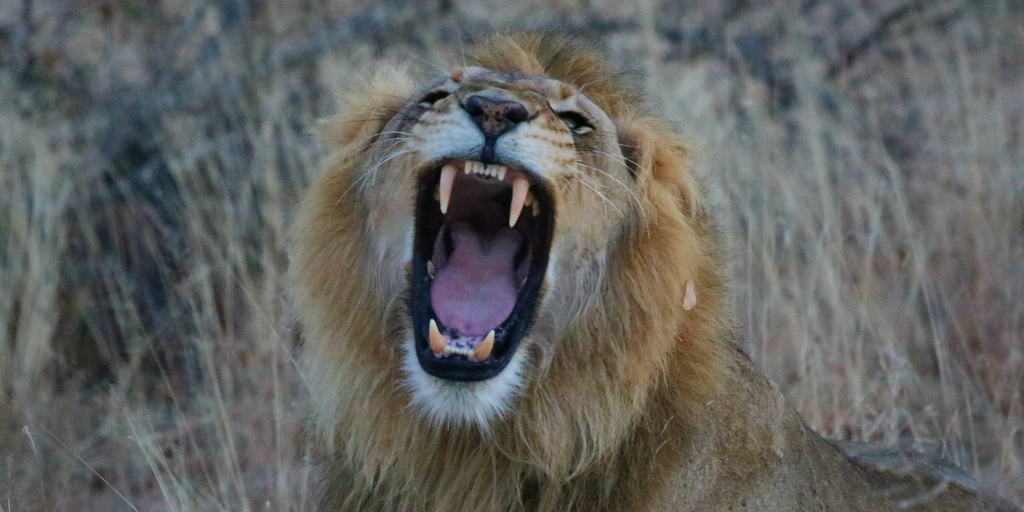
    For example, male lions are often snapped roaring fiercely, chasing after prey, or striking a regal pose while surrounded by their partners and progeny. This pushes the idea of lions as the kings of the savannah, and can easily sell you on their regal status.

    image

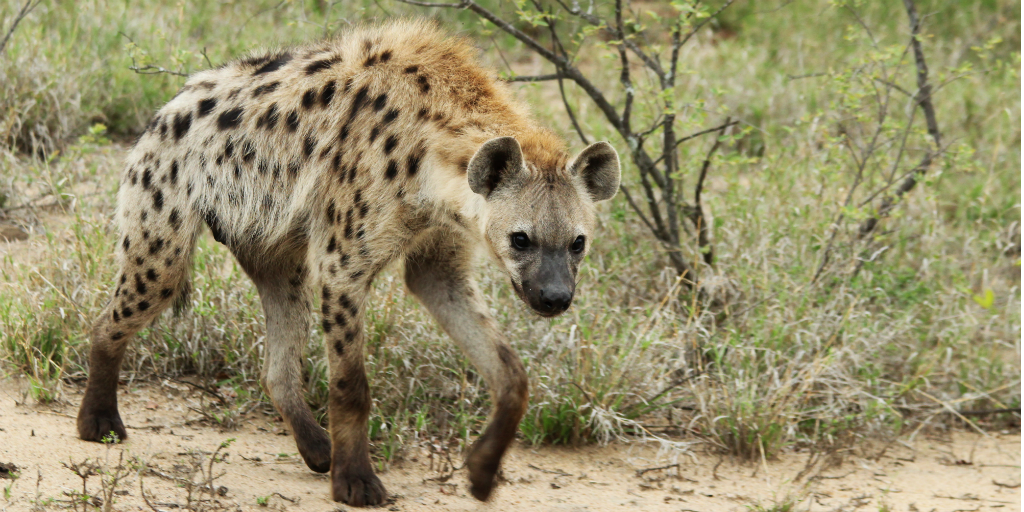
    Hyenas on the other hand are often photographed dipping their heads into a meaty morsel, while shiftily raising their eyes to survey their surroundings. Or, you may have seen an image of them midstride, head lowered as if they’re running away after doing something sly.

    A picture is worth a thousand words, but whether those words are well informed or not is up to you.

    For years pictures of hyenas portrayed them as some of the world’s sneakiest scavengers. But today we know that they’re actually highly skilled predators, brave enough to take on lions or tackle large prey – like buffalo.

    Here are some facts about hyenas that’ll make it clear why they’re just as dashing as every other African animal.

    There’s not just one type of hyena

    image

    While hyenas are probably best known as being African animals they’re also found in southwest Asia and India. Hyenas aren’t a very diverse group of animals and there are only four different hyena species:

    1. Crocuta crocuta – the spotted hyena
    2. Hyeana hyeana – the striped hyena
    3. Hyeana burunnea – the brown hyena
    4. Proteles cristata – the aardwolf.

    These creatures range in size from 10–80 kilograms and have a bushy tail and rounded ears in common.

    Hyenas also have forelimbs that are longer than their back limbs, and this is one of the reasons why they move the way they do – being taller in front makes them walk or run as though they’re moving uphill.

    Another identifying feature of all hyena species, except for aardwolves, is their huge jaw and massive premolars and molars that all come in handy for crushing bone.

    This canine-like feature may come as no surprise. After all, you probably pegged hyenas as a wild dog of the African savannah anyways? But what if we told you that hyenas may be cat-like too?

    Cat or dog? Well, hyenas may be both.

    image

    There’s just something about hyenas that can easily remind you of your pet rottweiler, or neighbour’s alsatian. Then again, they don’t perfectly fit the mould of any dog or wolf you’ve seen before, do they?

    That’s because, although hyenas have many canine characteristics – like catching prey with their teeth and not spending time in trees – they have some striking cat-like features too.

    In fact, these Asian and African animals are classified as cat-like carnivores (Feliformia) instead of canine-like carnivores (Carnivora).

    These are some of the cat-like features that hyenas have:

    1. The structure of hyenas’ heads resembles cats more than dogs.
    2. They groom themselves the same way that cats do – by resting on their lower back while licking themselves clean.
    3. Hyenas don’t lift one leg while urinating (like canines do), and they have the same scent-marking behaviour as cats.
    4. Their mating and parenting behaviour is the same as felines.
    image

    Hyenas are social creatures

    So maybe you’re still thinking, “Well why did the hyenas live in a shadowy cave in an elephant graveyard in the Lion King if they weren’t social pariahs?” Again, don’t just believe everything you see or hear, even in your favourite childhood tale.
    Hyenas live out on the sunlit, grassy plains of the savannah, in woodlands, at the edge of forests, or in desert terrains – usually without an elephant skull in sight.

    Spotted and brown hyenas live in social structures known as clans, or with one other hyena. Clans can consist of 3–80 members depending on the species. Aardwolves and striped hyenas are known to be solitary, but also form groups at certain times of the year and have important social interactions.

    Male spotted hyenas bow to females before mating, striped hyenas nurse their young for up to 12 months, and female brown hyenas communally care for offspring by nursing each other’s cubs.

    image

    Many hyenas spend part of their lives alone once they’ve matured, but this type of behaviour is seen in many African wild animals, like leopards, civets and caracals.

    So, the next time you’re looking at pictures of African animals, watching a movie, or listening to someone’s description of hyenas, don’t just assume that your first impression is the right one.

    Make sure that you take the time to learn your African animal facts, and find out for yourself from reputable sources when you aren’t sure if something’s true or not.

    It may mean the difference between you gaining insight into one of the most interesting African animals, or having an uninformed image stuck in your mind.

    Take a look at Bushwise Field Guides’ Wildlife Research Expedition where you can get out into the bush and learn about hyenas and other South African animals for yourself.