Category: Course updates

  • Adapt and overcome

    Photo by: Hunter Ferrier

    BY: Remi van der Stok

    Camp manager blogs are written by our students who each get a chance to lead and manage a group (of their fellow students) for a period of one week.

    Everyone knew this was going to be an exciting, challenging week. My group would be starting rifle lessons, while the other group would be going off to learn Track and Sign at Colin Patrick Training. 

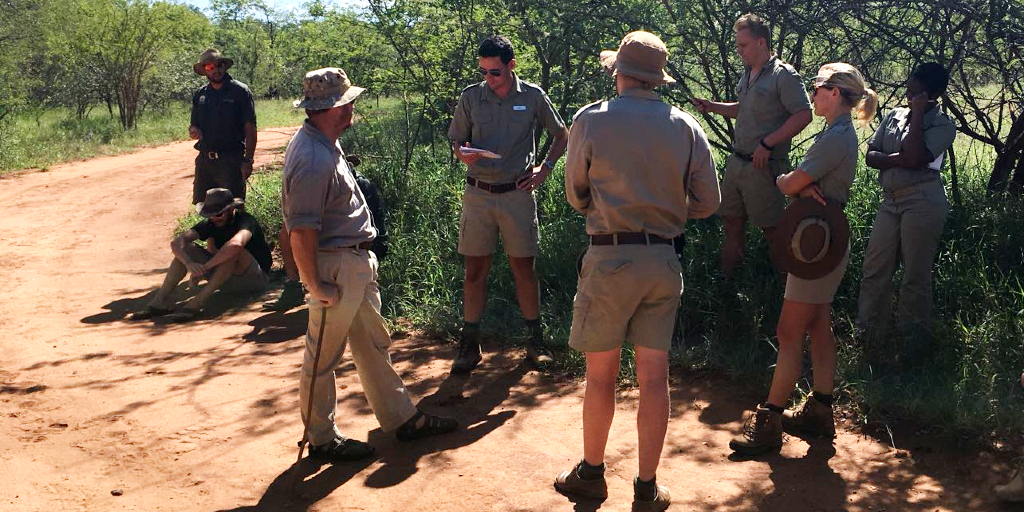
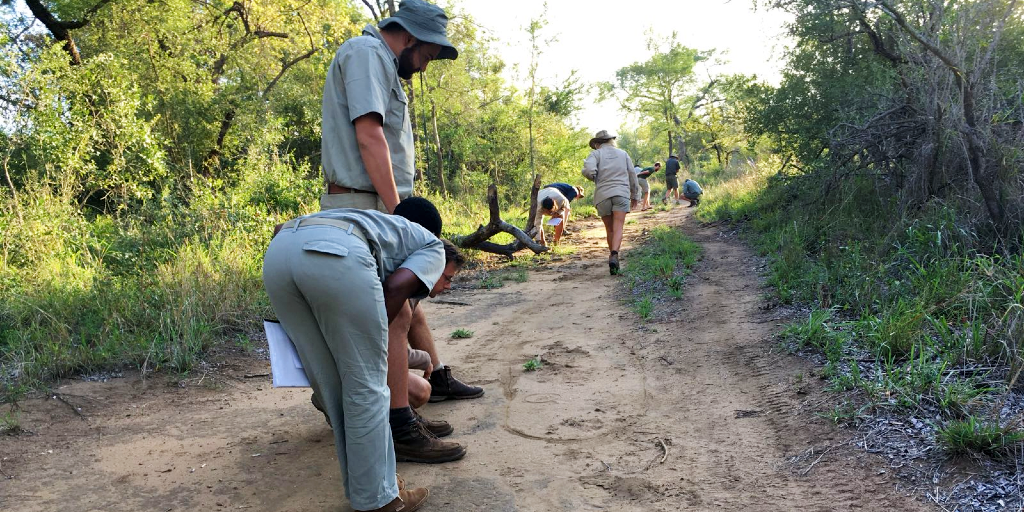
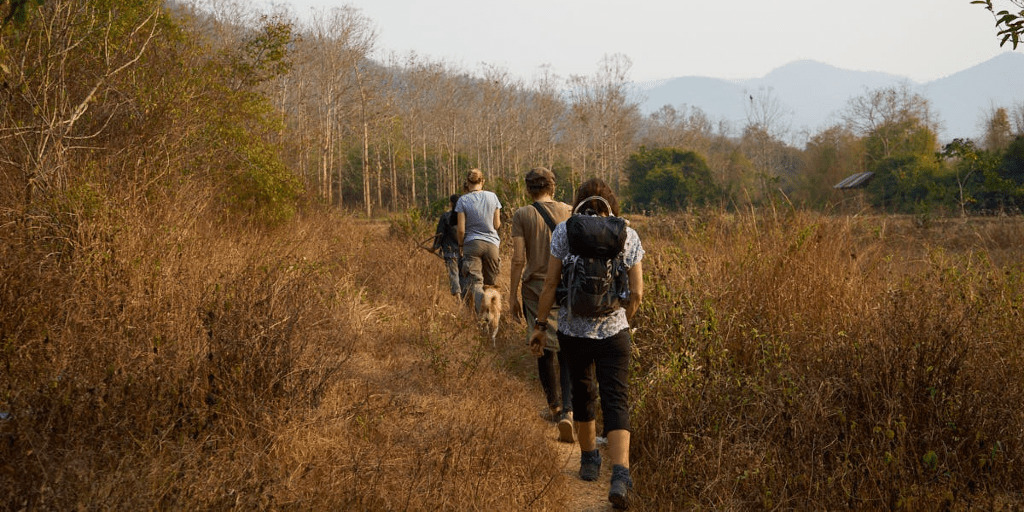
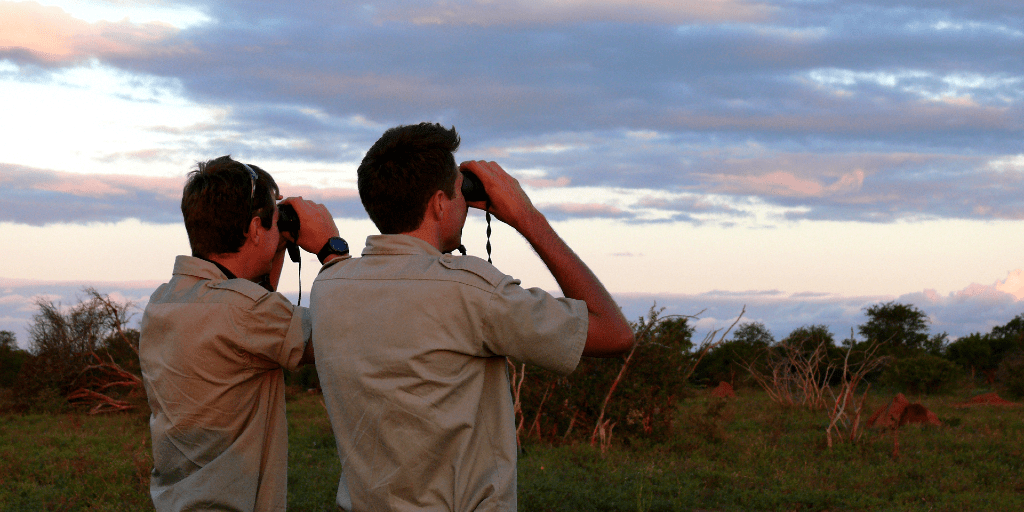
    But first: four lucky students got to head out on a trails walk with Jack, a field guide trainer. I was one of them, along with Dan, Ben and Christie. 

    image

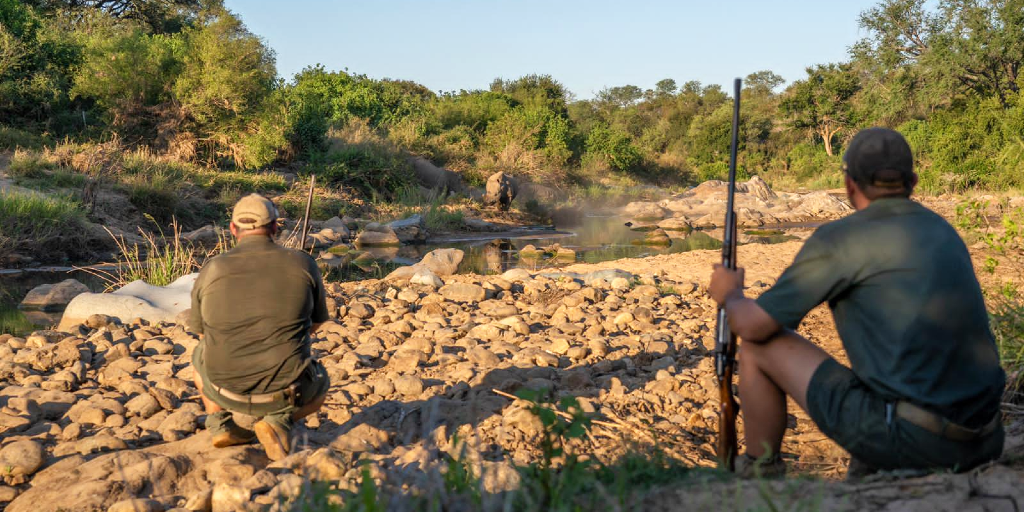
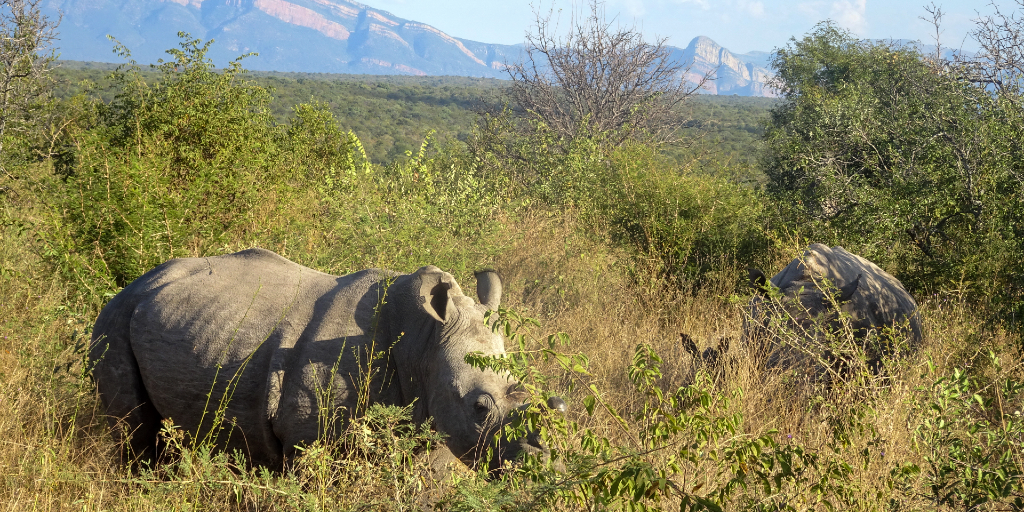
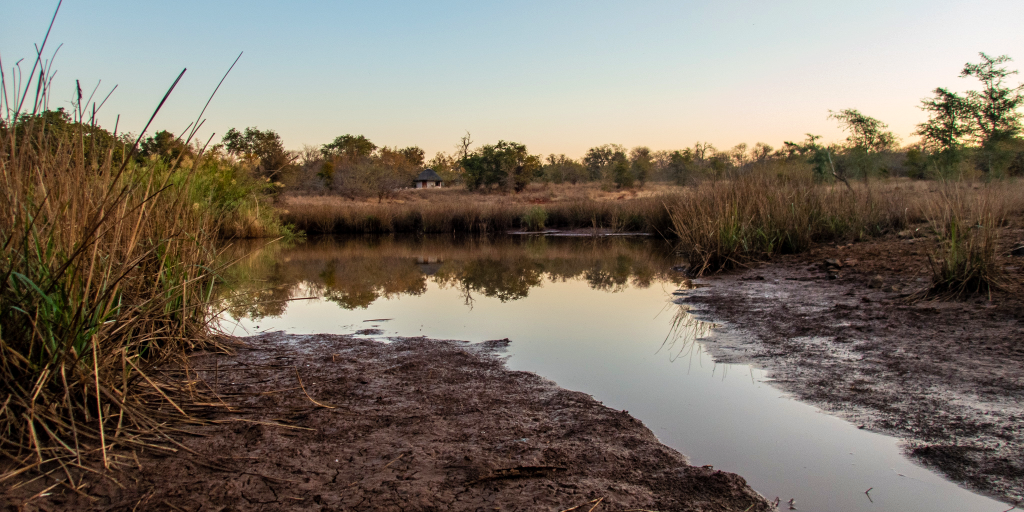
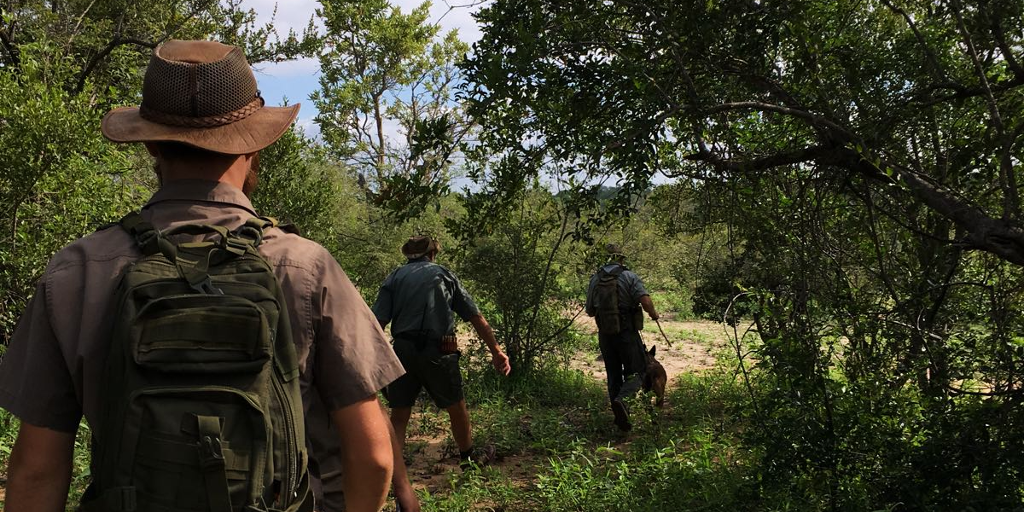
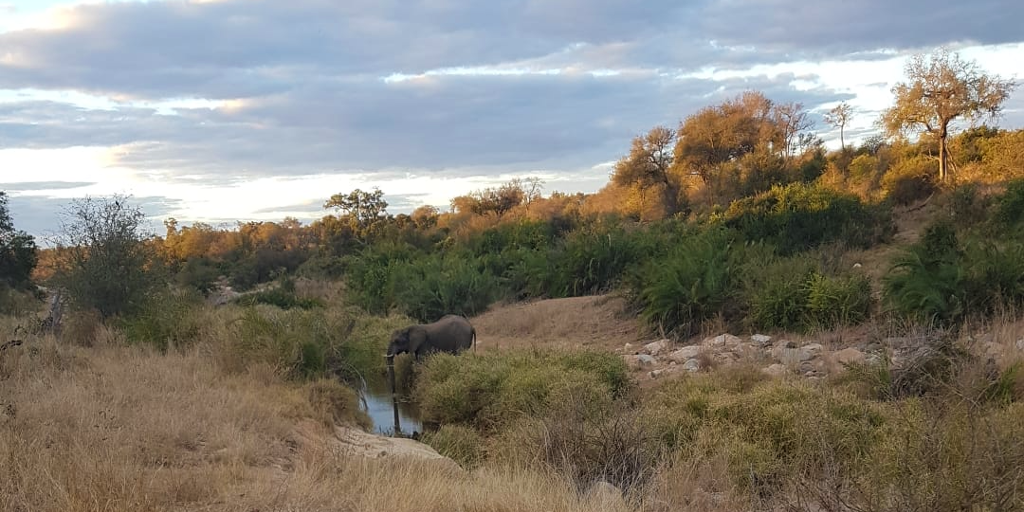
    We set off to the eastern part of the reserve. Our only intention was to enjoy nature, but soon enough, we came across rhino tracks and Jack went straight into tracking mode. We battled our way through the bush, following the spoors of the rhinos, with only our footsteps and the rustling of grass in the air. The tracks were starting to look fresher, which meant we were getting close to the rhinos, but dusk started to set in, so there wasn’t much time left. We reached the watering hole near Two Fig Camp, hoping that we’d see the rhinos there, but unfortunately they were far ahead of us. 

    The walk was a good reminder that you’re never guaranteed to find what you’re chasing in nature. You’ve just got to take it all in, and learn and experience as much as you can along the way.

    image

    Photo by: Ryan de Villiers

    Then, on to rifle handling. Lessons start with dry handling, which is when live ammunition isn’t used. We got to practice handling a .22 and 223 rifle – it was my first time handling a firearm. When I first picked up the rifle and practised dry handling, panic kicked in because I couldn’t get sight alignment with my right eye. After a few attempts, I realised that my dominant eye is my left eye! 

    I had to decide whether I would train my right eye or learn to shoot with my left hand. I practised both, each with their own challenges, and I was unsure which was better. I left the firing range feeling defeated, but my teammates were very encouraging. 

    The next day we got to practise dry handling the rifle again to build our muscle memory. This was my chance to adapt and overcome. I decided that I had to learn to shoot with my left hand. With a little bit of practice, my confidence started to set in.

    image

    Photo by: Carl Louis Steenkamp

    Friday was when the real fun started, because we got to practise using a .375 rifle. We did exercises like target shooting and shooting under time-pressure. Sweat, bruises and tears were witnessed, but everyone proved their potential by demonstrating impressive skill.

    On Friday afternoon and Saturday morning, the other group completed their Track and Sign assessments. Everyone came back with a smile and a badge. The bar had been set for our group. 

    Overall, this week proved challenging, but was a great lesson in how to adapt and overcome challenges. 

    Bushwise offers a variety of learning opportunities, online and in the field. Visit our website to find a course that suits you.

  • Ten interesting rhino facts

    BY: Tasneem Johnson-Dollie

    Can you name ten interesting rhino facts that don’t have to do with rhino species’ endangered statuses? Well, we’ve got you covered.

    Rhinos have been in the spotlight for years because of their declining numbers and vulnerability to poaching. 

    But we’re starting to see some rhino population numbers rising, and there are lots of interesting facts about rhinos that can help you get to know more about these creatures, and even inspire you to get involved in working with them.

    Here are ten rhino facts that make rhinos fascinating in our book.

    image

    1) There are five species of rhinos and many different rhino habitats

    The five rhino species are found across Africa and Asia, and rhino habitats include deserts, grasslands, savannah, shrublands and forests.

    Asia is home to three rhino species, namely:

    1. the greater one-horned rhino (Rhinoceros unicornis)

    2. the Javan rhino (Rhinoceros sondaicus)

    3. the Sumatran rhino (Dicerorhinus sumatrensis).

    African rhino species are generally heavier and bigger in size than their Asian counterparts. African rhino species include:

    1. the black rhino (Diceros bicornis)

    2. the white rhino (Ceratotherium simum) – which includes the northern white rhinoceros and southern white rhinoceros subspecies.

    2) Black and white rhinos are the same colour

    image

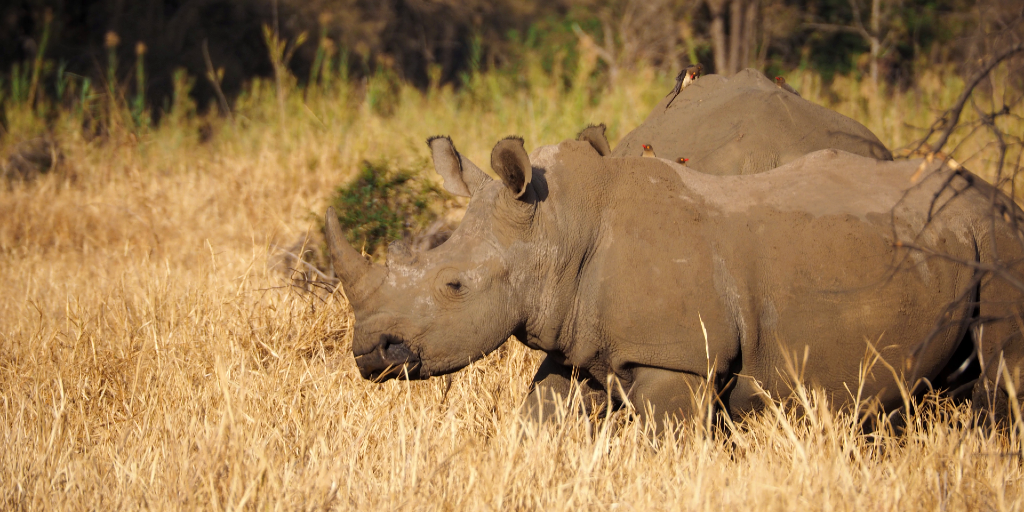
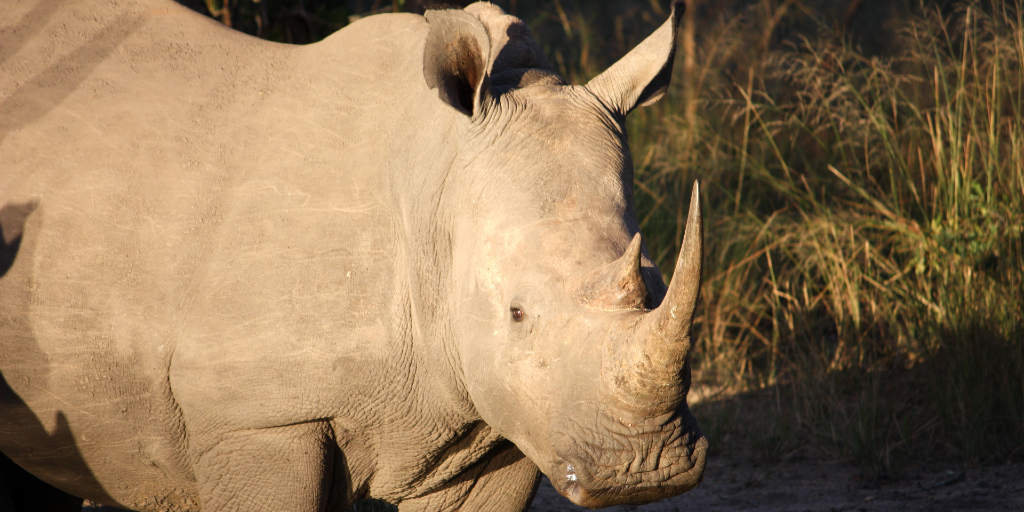
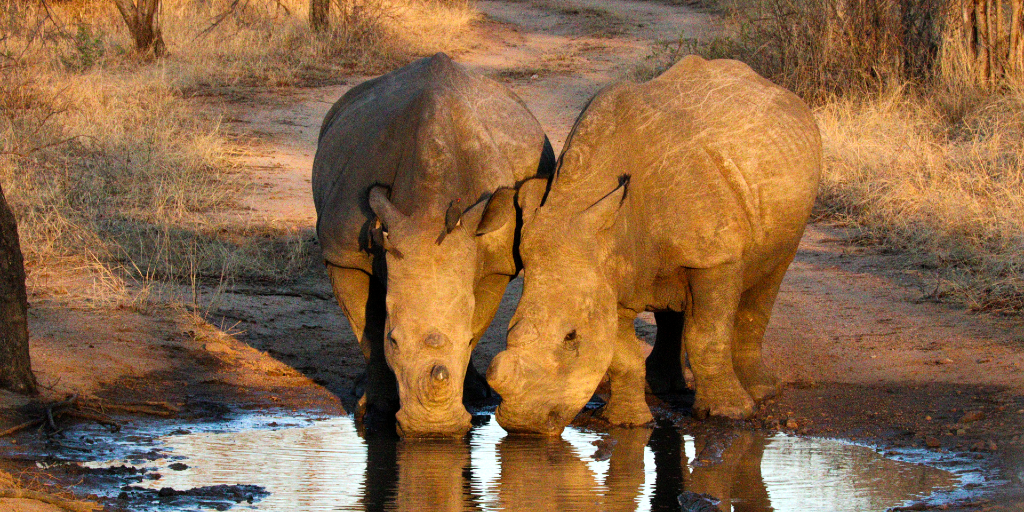
    Both black and white rhino species are a very similar colour – their skin is steely gray. 

    The most noticeable differences between these two African rhino species are actually their size and the shape of their upper lip. White rhino species are much larger than black rhinos. And, the black rhino has a pointed (sometimes referred to as a hooked) upper lip, while the white rhino has a square-shaped upper lip. 

    On closer inspection, you’ll also see that the white rhino species has a longer skull and a less-defined forehead.

    3) They have interesting (and hilarious) ways of communicating

    We’ve all heard about animals using noises or smells to communicate with each other. But one of the most interesting facts about rhinos is that these creatures put a humorous spin on their methods of communication. 

    Rhinos mainly use honking, sneezing and pooping as means of communication. 

    They’ll make different noises depending on their mood. For example, a relaxed rhino will honk; an angry rhino will snort, growl or make a trumpet-like noise; a scared rhino will scream; and a rhino wanting to warn others of danger will sneeze loudly. 

    Scientists are also finding out more and more about how rhinos communicate through their poop. Studies on rhino dung in South Africa have shown that different dung piles contain different chemicals, and the smells these chemicals give off are in fact a message for other rhinos. 

    image

    4) Rhinos have poor vision

    Rhinos have very poor eyesight. How bad is it? Well, it’s said that a rhino can’t see a motionless human standing 30 metres away from it. 

    Imagine how difficult this makes it to find food, stay with its herd, or defend itself.

    The good news is rhinos have strongly-developed senses of smell and hearing, which makes moving around so much easier. In fact, because they rely so heavily on their sense of smell, the largest part of a rhino’s brain is dedicated to it.

    5) Rhinos are the second-largest land mammals in the world

    After elephants, rhinos are the second-largest land mammals on Earth. And this rhino fact is made so much more impressive when you consider that all their bulk comes from eating vegetation. 

    Carnivores and omnivores get tons of energy from the meat, insects and vegetation they eat, which makes it easier for them to grow large. 

    But as herbivores, rhinos’ diets (which consist mainly of plants) offer much less energy for growth. This means that rhinos need to eat tons of plant material every day to achieve the growth that they do, and rhino habitats are miraculously able to provide all the plant matter that rhino species need. 

    image

    6) What’s a group of rhinos called?

    Of all the interesting rhino facts you’ll learn, this may be the most satisfying. A group of rhinos is called a crash! 

    Many species of rhino live solitary lives, but they will sometimes form groups. For instance, female rhinos may form crashes with their young and other female-offspring groups while they’re raising their young. 

    7) Despite their size, rhinos are speed machines

    Don’t let their poor vision and bulky build fool you. If you happen to be in a rhino habitat, you best be wearing your running shoes. 

    Rhinos are speed machines that can run at over 60 kilometres per hour. And, it’s not just their speed that’s impressive, they also accelerate at a neck-breaking pace. Rhinos can reach their top speed within just a few strides! 

    Because of their acceleration and speed, rhinos are faster than both elephants and hippos, and are considered the fastest of all the land mammals weighing over 1,000 kilograms. 

    image

    8) Rhinos can swim

    Yes, it’s a rhino fact, all species of rhino are actually capable of swimming! But, the Asian rhino is much better at swimming than its African cousin.

    The greater one-horned rhino is perhaps the best swimmer of all rhino species. 

    Asian rhino species can cross bodies of water with ease, dive into water and even feed underwater. 

    9) The Sumatran rhino is the closest relative to an extinct species of rhino

    Woolly rhinos are an ancient rhino species known to have lived in the Ice Age around 2.4 million years ago. 

    Woolly rhinos earned their name because researchers noted their hairy (or woolly) skin as being one of the most distinctive features after examining the remains of this extinct species of rhino. 

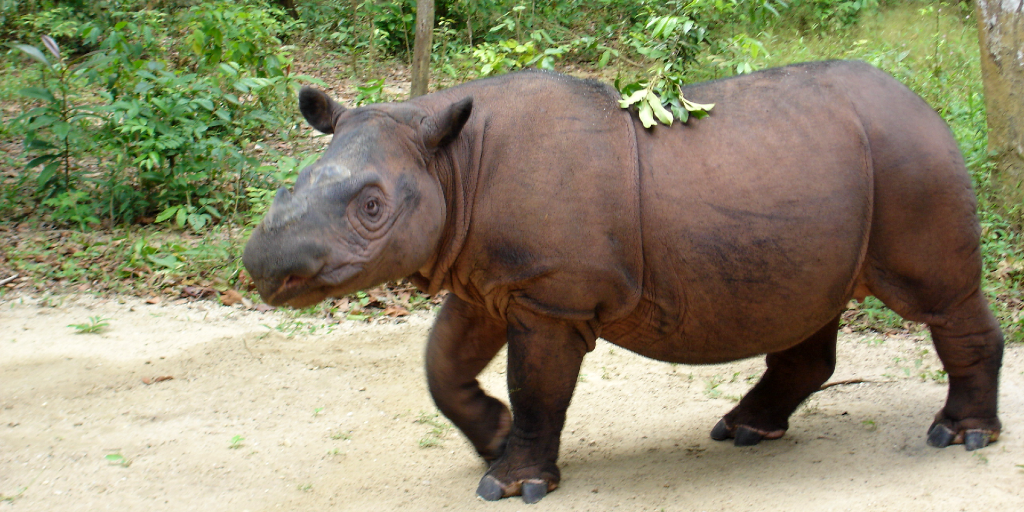
    Sumatran rhinos are the only rhino species alive today that are also covered in hair and they’re considered the extinct woolly rhino’s closest living relative. 

    image

    Original image: “File:Sumatran Rhinoceros at Sumatran Rhino Sanctuary Lampung Indonesia 2013.JPG” by 26Isabella is licensed under CC BY-SA 3.0

    10) Why are rhinos important?

    Rhinos are some of the largest animals found in wild ecosystems, and rhino habitats include an array of natural spaces – from deserts and subtropical grasslands, to tropical forests and shrublands. 

    This means rhinos can have a huge impact on the ecosystems they live in.

    Because of this, rhinos are considered keystone species – a species whose presence in an ecosystem plays a major role in maintaining that ecosystem. 

    As a megaherbivore – a large herbivore that eats significant amounts of vegetation – rhino species are capable of shaping the natural environments they live in. This adds to the well-being of the plants and animals in these environments. How?

    1. By clearing certain vegetation, rhinos create pathways that allow other animals to move through the area. Clearing vegetation also allows sunlight to reach otherwise shaded areas, which contributes to the growth of smaller plants. 

    2. While wallowing in mud puddles, rhinos help to form natural water holes that rhinos and other animals can benefit from.

    3. Rhinos transfer the mud from wallow holes to other areas of rhino habitats. In this way, they add to the fertility of these natural spaces. Rhinos also add to soil fertility and plant propagation through their dung which is rich in nutrients and plant seeds. 

    image

    Why rhino conservation matters

    With all these interesting rhino facts laid out, it’s clear to see that there’s so much to learn about rhino species.

    But, despite their spunk and silliness, conservation-related rhino facts are still the most frequently cited. Why is this?

    Well, many rhino conservation organisations have contributed to the well-being of rhinos in a big way, and some species of rhino have a much better conservation status now than they did ten years ago. 

    For example, the black rhino population has gone from 2,410 individuals in 1995 to over 5,000 individuals today. The greater one-horned rhino population has grown from less than 200 individuals in the 1900s to 3,588 individuals today. And, the southern white rhino recovered from near extinction with only 100 individuals left in the 1900s to a population of over 17,000 today! 

    However, population numbers for some of the Asian rhino species, as well as the northern white rhino subspecies, haven’t seen as much progress.

    Here are some rhino conservation statistics according to the International Union for the Conservation of Nature (IUCN):

    1. There are only two female northern white rhinos left on Earth.

    2. Javan rhinos are critically endangered, with only 74 rhinos remaining in one rhino habitat in Ujung Kulon National Park. 

    3. There are less than 80 Sumatran rhinos alive today and this species is considered critically endangered. 

    4. Despite bouncing back from significantly low population numbers, the black rhino is still considered critically endangered. 

    So, now that you’ve learned interesting facts about rhinos, are you inspired to get involved in conservation activities aimed at their well-being? 

    image

    This image was taken pre-Covid-19. 

    How you can learn more about rhino conservation

    By adding to your knowledge about rhino species, rhino habitats and rhino conservation, you can build on your own understanding of the challenges facing these creatures and add to the awareness of those around you.

    Bushwise Field Guides offers courses where you can learn more about rhinos online or in a rhino habitat in Africa. 

    Find out more about our in-country courses and internships, or browse our online programs and get started on learning even more interesting rhino facts.
  • The star of the show: Biodiversity

    BY: Megan Smith

    This blog was written by Bushwise Research Coordinator, Megan. She has been researching with Bushwise for the past year. Here are her thoughts on the importance of biodiversity.

    “It is that range of biodiversity that we must care for – the whole thing – rather than just one or two stars.” – David Attenborough

    When you look up at the night sky, you admire the big picture, from the faintest stars, to the brightest ones. People get excited to point out satellites, or make a wish when a shooting star flies by. But, there’s so much more to nature, and it’s easy to miss.

    When we talk about biodiversity, we refer to every living organism, from roaring lions to colourful butterflies. Most people tend to overlook the small creatures in nature. But, did you know that for every one mammal on earth, there are 312 insects?

    image

    PHOTO BY: Quintin Swart

    We share this planet with 8.7 million different forms of life, and we need to admire biodiversity in its entirety.

    “What you do makes a difference, and you have to decide what kind of difference you want to make.” – Jane Goodall

    There are many ways to make an impact on the earth’s biodiversity. One way can be to increase your knowledge on the natural world and share this knowledge with other people. 

    Humans are a small part of this world, just as the earth is a part of our galaxy. And there are tons of creatures to learn about. Most people get excited about the Big Five, but we should be just as excited about the rest of the animal kingdom, big and small.

    image

    PHOTO BY: Corina Rewijk

    In the wise words of Winnie the Pooh, “Sometimes the smallest things take up the most room in your heart”.

    Interested in learning more about biodiversity? Head over to the Bushwise website to find a course that suits you.

  • The importance of plants in ecology and field guiding

    BY: Tasneem Johnson-Dollie

    What’s the importance of plants in ecology and field guiding? Well, field guiding and ecology both depend on nature, and there would be no nature without plants! 

    Natural spaces don’t just need plants because they bring splashes of colour to the outside world. There are tons of plant functions that are essential to the maintenance of natural spaces – which are the offices of field guides across the world. 

    But, because they can’t squawk, roar or hiss, plants can often be overlooked and underappreciated.

    So let’s take a closer look at the greenery, and learn more about the ecological importance of plants on Earth and why they’re an essential part of field guiding. 

    What is ecology?

    image

    Ecology is the study of how living things interact within natural environments. 
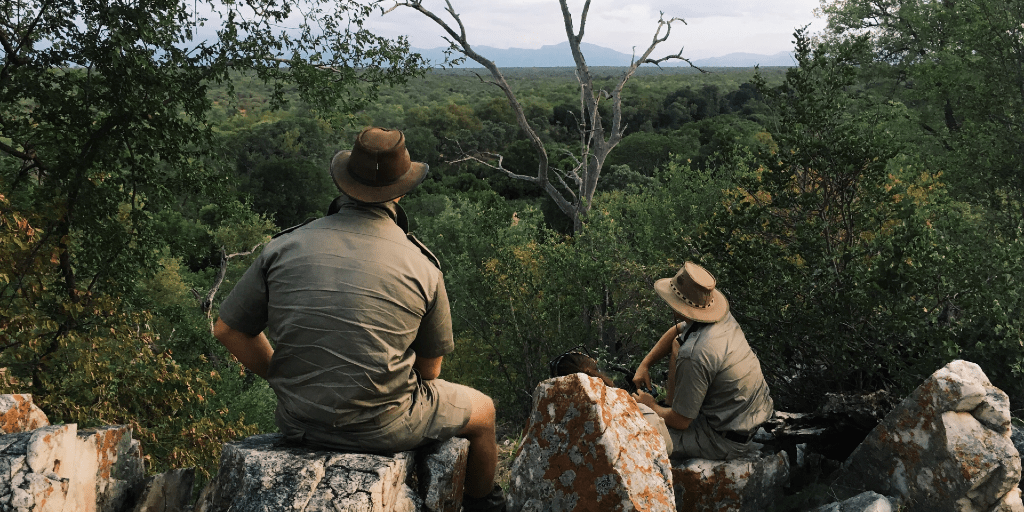
    This area of conservation places the focus on plants and animals, and the processes that keep ecosystems going. 

    It also includes work aimed at understanding how human beings interact with ecosystems. But how does that relate to the works of field guides?
    The importance of plants in field guiding

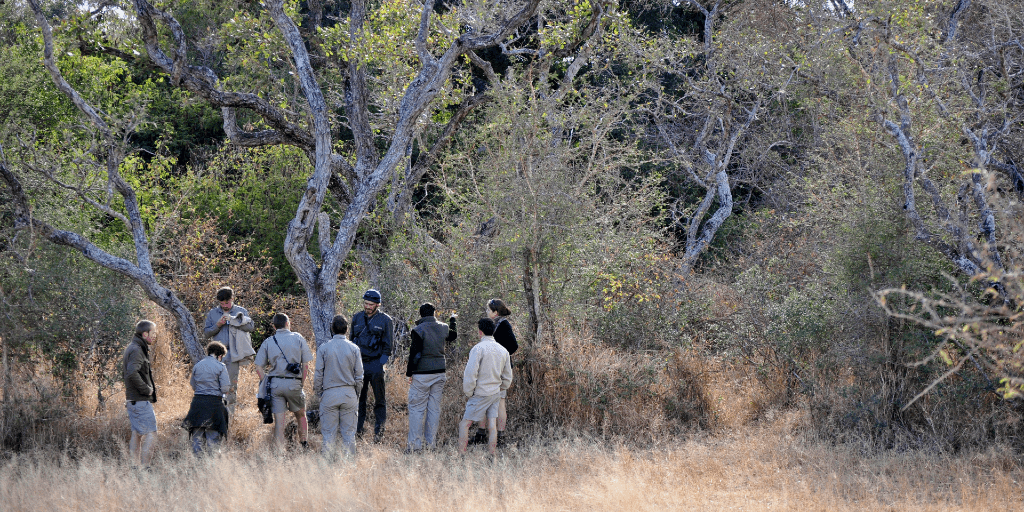
    By going on a field-guided tour, urban-dwelling individuals can have a meaningful and informative experience in nature. 
    And, because of the important role they play in nature, it’s important for field guides to be knowledgeable about plants. This helps them to provide a comprehensive guided experience. 

    Field guides need to understand not only the biological functions of plants in nature, but how plants and animals interact and the importance of plants in every ecosystem too. 

    image

    And, one of the most important jobs a field guide has is to act as a link between human beings and nature and encourage the conservation of natural spaces through education and awareness.

    This can’t be achieved if field guides aren’t clued up on the importance of plants to humans and to life on Earth as a whole. 

    And, by adding to the appreciation visitors have for plants, field guides can inspire even more people to get involved in the conservation of the environment. So, let’s take a closer look at how plants fit into our ecosystems. 

    The importance of plants in ecology

    Ecological processes – interactions between plants and animals – are key in keeping any ecosystem going, and plants play a major role in these processes in a number of different ways. 

    In every area, plants contribute to the resources, regulation, support and culture of the ecosystem and surrounding community.

    Here’s a closer look at how each of these roles adds to the ecological importance of plants. 

    image

    Resources

    Plants provide a whole host of resources that are essential to life on Earth.

    Here are some examples of the ecological importance of plants as resources:

    1. Plants are sources of water, fibre and nutrients.

    2. The wood and fibrous material that comes from plants is still used in the construction of dwellings and vessels.

    3. Plant matter is also an important source of fuel and medicine for many communities.

    4. Plants are major players in soil production. 

    Regulation

    The ecological importance of plants also stems from their ability to regulate ecosystems. 

    Plants are responsible for cycling and regulating the water, oxygen and carbon dioxide levels in an area.

    Here are some examples of how they get this done:

    1. Plants absorb water from the air. In this way they’re part of the regulatory system that controls the humidity in the air. 

    2. Carbon dioxide is an essential ingredient in plant survival and plants absorb tons of this gas out of the air to use in photosynthesis. 

    3. Most living things on Earth need oxygen to survive and plants are the world’s main oxygen producers. 

    image

    These important functions of plants allow water to continue moving around Earth – making it available to those who need it – and keeps the carbon dioxide and oxygen in the atmosphere at levels that allow humans and animals to survive.

    Support

    Plants form the basis of the food chain in every ecosystem, so they support the survival of all life in an ecosystem. How do they do this?

    Well, it’s simple enough to see that herbivorous animals couldn’t survive without the shrubs, fruits, vegetables and trees that are present in natural environments.

    But, even carnivorous and omnivorous animals depend on plants too. This is because many of the animals that carnivores and omnivores prey on are herbivores. So without plants, meat-eating animals would go hungry too. 

    Other creatures like insects also depend on plants for food, water and shelter. Some life forms are even known to form symbiotic relationships with plants. For instance, the growth of some bacteria and fungi is promoted when they grow on plants. 

    And, besides the fact that plants can fill an empty stomach, plant-based diets include some of the most nutritious foods on the planet. The vitamins, minerals, fibre and energy that animals and human beings get from plants is essential for our survival.

    Culture

    Many people interact with natural environments on a day-to-day basis, and some even live within them. 

    image

    And even for those who are surrounded by urban terrain, visiting nature is still a big part of the culture of human beings today. Be it in the form of hiking, camping, or even a spiritual retreat, interacting with nature is, well, second nature to human beings.

    Because of this link between people and plants, nature influences our recreation, education and spirituality. 

    And, even the plants we encounter in our day-to-day lives through the foods we eat and the spaces we travel through add to the way we experience the world. Think about how the food you cook or buy is influenced by the types of fruits and vegetables available to you. Or, consider how you’ll choose a travel route according to the scenery it provides. 

    So nature is an inseparable part of human culture today.

    The importance of native plants

    The plants native to an area are able to grow and thrive there because they develop in a way that allows them to make optimal use of the soil, sun and water that the area provides.

    And the importance of native plants should be celebrated, since scientists have shown that many of the fruits and vegetables that are indigienous to an area offer better nutritional value than imported options. 

    And, by making use of the native plants available to them, communities can benefit economically too. As a natural source of food, they are less expensive to cultivate, and surplus food can be sold for extra income. 

    image

    Many native plants are able to continue growing in the region where they come from even in extreme weather conditions – like droughts, floods and heat waves. This means that these plants can continue to offer resources, regulation and support even in tough conditions. 

    How to learn even more about the importance of plants

    Bushwise Field Guides offers Field Guides Association of Southern Africa (FGASA) courses where you can build on your environmental know-how in a meaningful way. 

    You could choose to travel to South Africa to learn about its natural spaces and contribute to the conservation of its plants and animals. In this way, you’ll get to learn about the importance of plants in a real-world setting.

    Or, you could opt for an online FGASA-accredited course where you can start your learning at home with the option to complete practical hours in the field. 

    Both of these options mean that you’ll be engaging with field experts and learning from individuals with years of experience working in the field guiding industry. 

    Find out more about Bushwise’s online and in-country FGASA-accredited courses and learn about the importance of plants while working towards a career in field guiding.

  • Interesting facts about lions and World Lion Day

    BY: Tasneem Johnson-Dollie

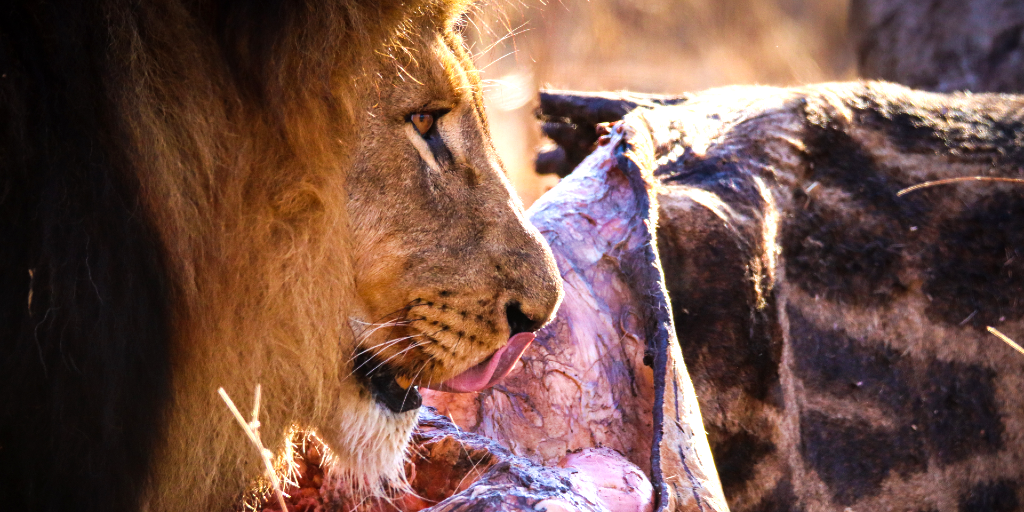
    World Lion Day – celebrated annually on 10 August – is all about lion conservation and getting the word out with interesting facts about lions.

    You’ve seen lions in movies, maybe had a stuffed toy lion as a kid, or even got a glimpse of lions in their natural habitats while on a safari. But, don’t think that you know all there is to know about these seemingly familiar creatures, unless you’re a graduate of a Bushwise course, that is. 

    Here are some interesting lion facts and more information on World Lion Day that may teach you some things you never knew about this species of big cat.

    image

    Eight interesting facts about lions

    1) Why are lions considered the king of beasts?

    Lions are some of the strongest and most courageous of all big cats, but there are big cat species that are even bigger and fiercer – like the Siberian tiger.

    So, why is it that lions are known as kings of the beasts then?

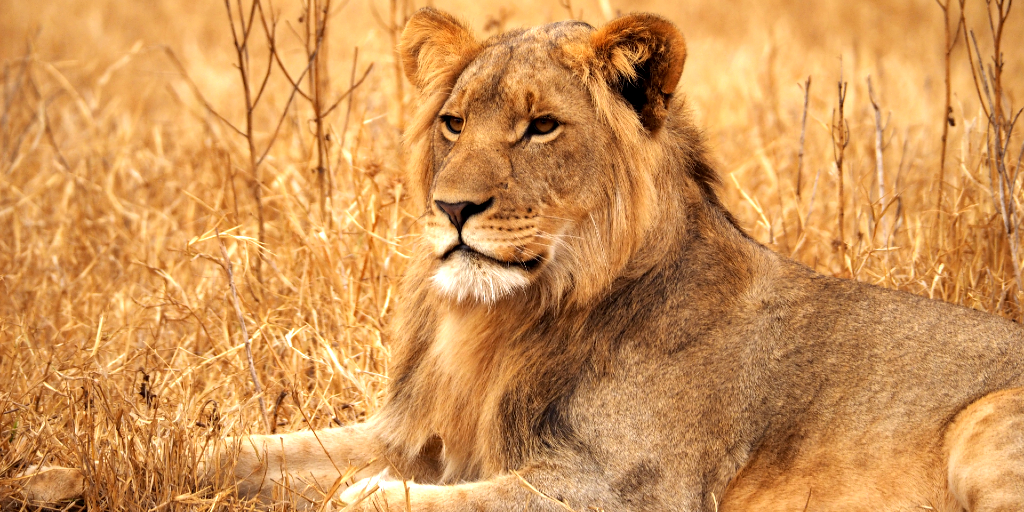
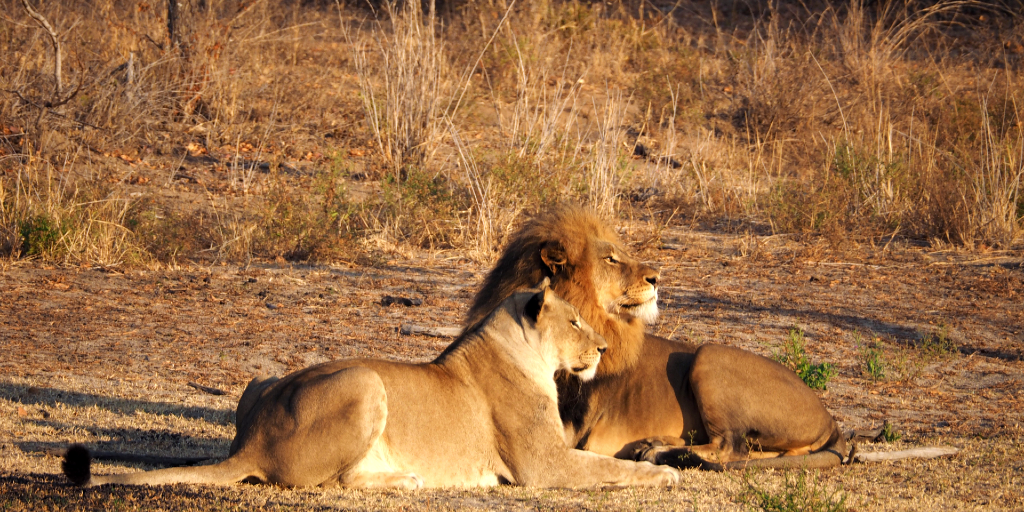
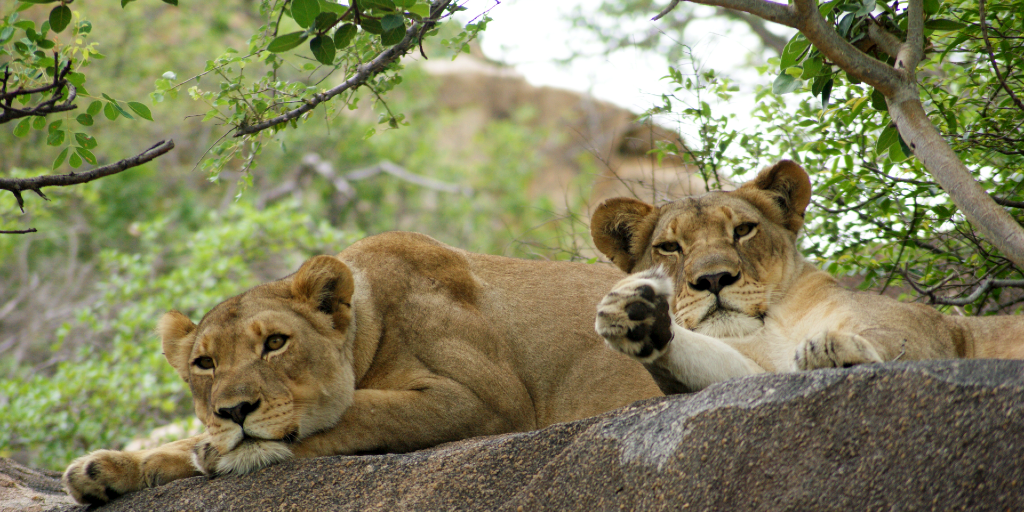
    Well, this may have to do with the fact that lions are the most sociable of all big cat species. They live in prides of up to 40 members and, because there’s safety in numbers, they’re not as quick to slink away at the first signs of danger.

    So, while big cats like tigers, leopards and jaguars may duck into the undergrowth when they hear a safari vehicle approaching, lions may continue to lounge out in the open.

    This means that human beings have encountered lions much more than they have encountered other powerful animal species. And this has made lions a popular talking point throughout the ages and built up their status amongst storytellers as the king of the beasts.

    So, remember to share this piece of information with your guests when you’re leading a safari and you spot a pride of lions in the bush.

    2) How many different types of lion species are there?

    image

    There’s only one species of lion alive today, and its scientific name is Panthera leo. There are, however, two different types of lions within this species. These subspecies are known as African lions and Asian lions.

    3) What do you call a baby lion?

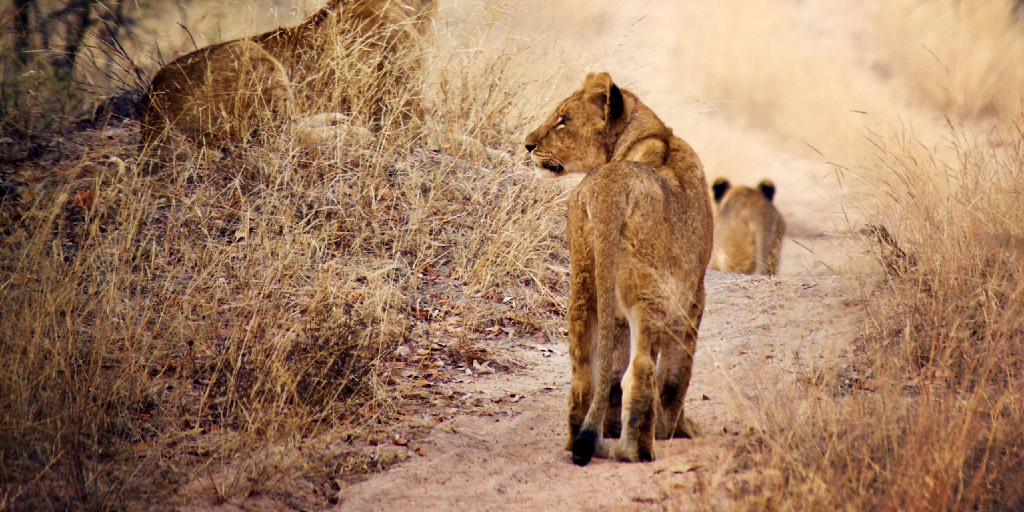
    You may jump right to “lion cub” when asked what a baby lion is called, but there are even more specific ways to address these feisty furballs. 

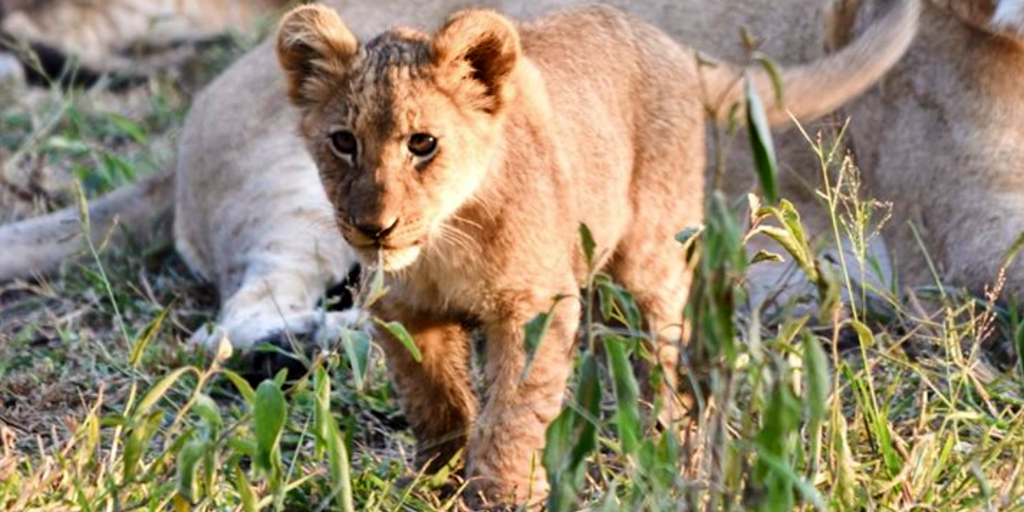
    Baby lions are in fact called whelps or lionets.

    4) Lions start off with spots

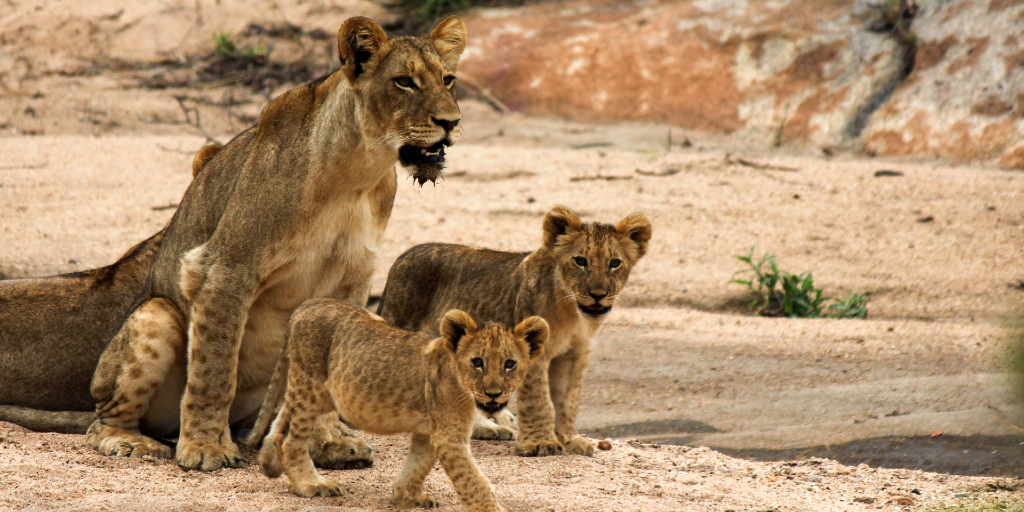
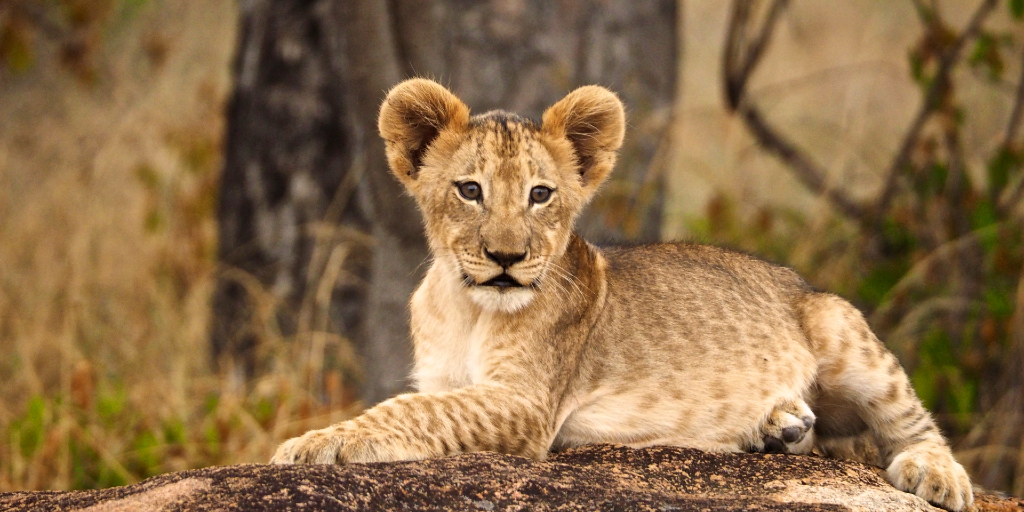
    Little lions often have rosettes or spots of brown spread out across their tawny coloured coats. These markings tend to fade as they grow up, resulting in the single-coloured coats seen on adult lions. 

    image

    5) Lions can get water from plants and meat

    Both African and Asian lions live in terrains that can sometimes run short of water.

    So, it’s a good thing that lions can meet their water requirements in other ways. How exactly do they do this?

    Well, lions’ bodies are highly adapted to surviving when water isn’t easy to come by. For example, their bodies can make very efficient use of the water that’s part of the meat they eat. 

    Some lions, like those living in the Kalahari Desert, have also been known to drink from vegetation like tsamma melons when they can’t gain access to water. This isn’t commonly seen in big cat species.

    These adaptations make it possible for lions to go for up to four days without drinking water. 

    However, if water is available, lions will drink every day.

    image

    6) You may spot a lion hunting in a storm

    Lions prefer to do their hunting at times when they’ll have the biggest advantage over their prey.

    Because of this, lions will often hunt at night. Cooler night-time temperatures make it easier for lions to perform at their peak, and the darkness, paired with lions’ above-average night vision, gives them the advantage they need to land a kill. 

    For similar reasons, lions have also been spotted hunting during storms. 

    The noise that comes with storms may make it harder for other animals to hear who’s coming. But, lions have a sharp sense of hearing that can cut through the background noise. 

    Add to this the fact that lions can see well even when a storm makes visibility poor, and you can see why hunting in a storm is something lions don’t often shy away from.

    image

    7) Lions are the only big cat species that roar together

    Many big cat species can roar, but lions are the only ones that opt to roar in a groupwise fashion in certain circumstances. Why?

    Well, their highly social behaviour means that they do lots of different things together, and roaring is one of them. And, because the most common reason why lions roar together is to defend their territory, more lions make for an even more powerful message to intruders.

    8) Rearing lion cubs is a group affair

    Female lions often raise their cubs together. In fact, lion cubs will feed from any female within their pride that is producing milk. And, watching out for each other’s cubs is second nature for mother lions. 

    So, how many of these facts didn’t you know? If you’re feeling inspired to get involved in lion conservation, let’s talk more about World Lion Day and what you can do as a field guide.

    World Lion Day facts

    image

    Who started World Lion Day?

    World Lion Day was founded by big cat enthusiasts, and husband-and-wife team, Beverly and Derek Joubert. 

    They’re celebrated wildlife conservationists, filmmakers, National Geographic Explorers-in-Residence and researchers with over 30 years of experience working in the African wild.

    Derek and Beverly have Africa’s large predators at the heart of their work, and the challenges faced by lions across the world was what inspired them to start up World Lion Day.

    You see, as well-known as lions may be, many people were unaware of the declining lion population and the factors affecting the well-being of African and Asian lions alike. World Lion Day made highlighting the conservation status of lions a worldwide affair. 

    image

    Why is World Lion Day important?

    The International Union for Conservation of Nature’s (IUCN’s) Red List of Threatened Species categorises African lions as vulnerable, and research has shown that three-quarters of the African lion population is in decline. 

    The African lion population is made up of between 20,000 and 30,000 lions, which may seem like a big number. But, it’s also known that 40% of the African lion population has been lost over the last 30 years and African lions will face extinction in the next few decades if this trend continues.

    And, Asian lions are facing even bigger challenges. The Asian lion population is made up of just one group of 674 individuals living in India’s Gir National Park. 

    These statistics make it clear why lion conservation in Africa and Asia should be key concerns for wildlife conservationists. 

    World Lion Day is an important part of highlighting the challenges faced by lions across the world, celebrating the lion conservation efforts that are taking place and encouraging everyone to add to lion conservation in their own way. 

    image

    How you can prepare for World Lion Day this year

    Learning as many interesting facts about lions as you can means that you’ll be growing your understanding of these wild animals. It’ll also add to your ability to advocate for lion conservation wherever you are.

    And, you can boost your wildlife education by signing up for an online or in-country course or internship with Bushwise Field Guides.

    These programs make it easy to learn from experts in the field and even allow you to go to where the lions are and add to reserve management efforts among a large lion population in Africa. 

    Take a look at our online and in-country field guiding courses and pick how you want to prepare for World Lion Day this year.

  • Terrific facts about the different types of tortoises

    BY: Tasneem Johnson-Dollie

    There are tons of different types of tortoises on Earth and even more tortoise facts that you can learn to get up to speed on every species!

    From how they smell to where they live, tortoises aren’t as plain and simple as you may think.

    Here are some facts about tortoises that’ll get you clued up on one of Earth’s oldest animals.

    What is a tortoise?

    Tortoises are land-dwelling reptiles that belong to the family Testudinidae.

    They’re most easily identified by the shells wrapped around their bodies and the scaly skin they sport that’s seen on all reptiles. 

    image

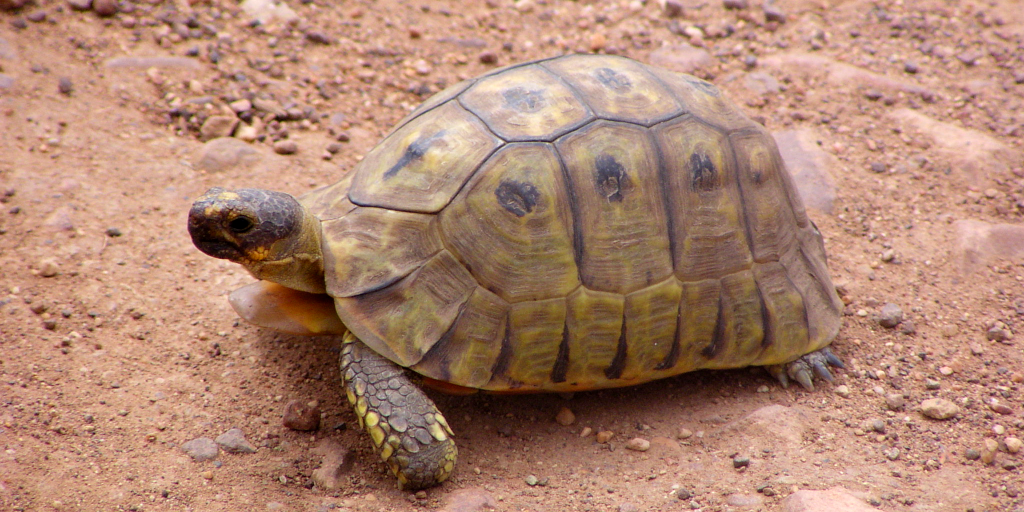
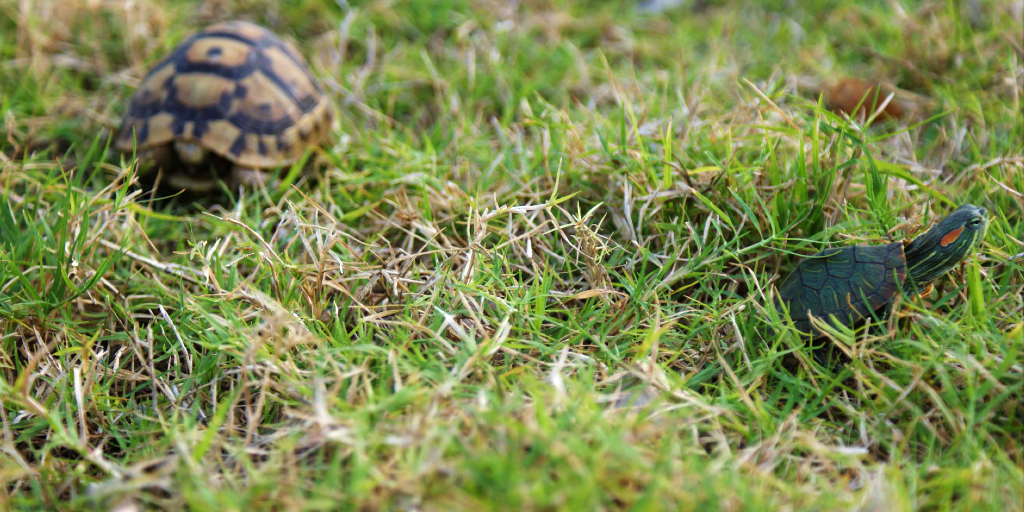
    The different types of tortoises vary in size and colour and some of the most obvious differences can be seen in their shells – called carapaces. The smallest tortoise carapaces measure in at lengths of less than 12 centimetres while the largest can be over one metre long. 

    And, different types of tortoises have shells that look quite different too. Each tortoise shell is made up of segments called scutes, and these are pieced together to form shell patterns. Some tortoise species – like the speckled Cape tortoise – have subtly patterned shells coloured with smudges of brown, grey and yellow. Others – like the Indian star tortoise – boast shells with geometric patterns that really stand out.

    Most tortoises are herbivores with diets consisting of grasses, sedges, flowers, succulents and fruits. But one species, known as the red-footed tortoise, also occasionally feeds on carrion – the decaying flesh of dead animals. 

    How many tortoise species are there?

    There are over 40 different tortoise species found in nature. 

    Here are some interesting tortoise facts about the different tortoise species:

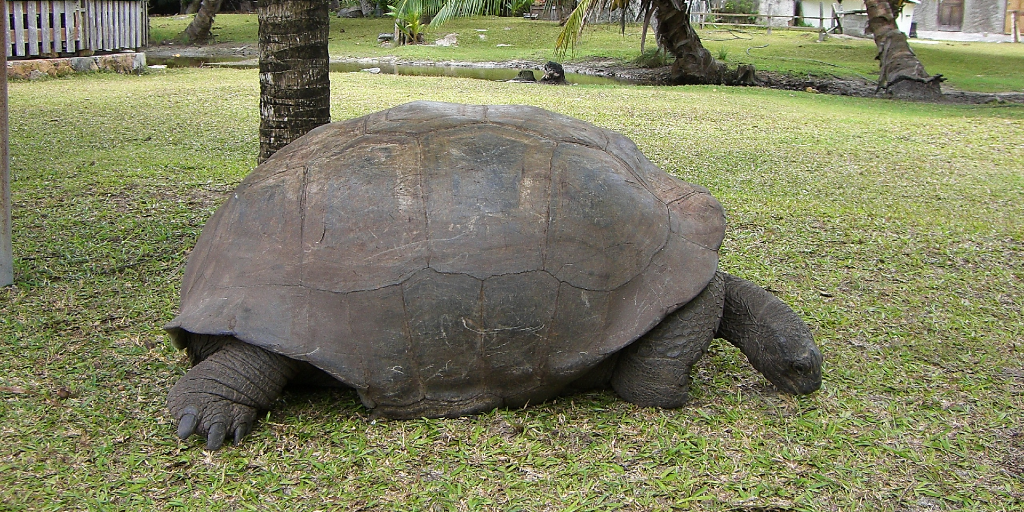
    1. Galapagos tortoises are the largest living species of tortoise.

    2. The ploughshare tortoise is one of the rarest tortoise species on Earth.

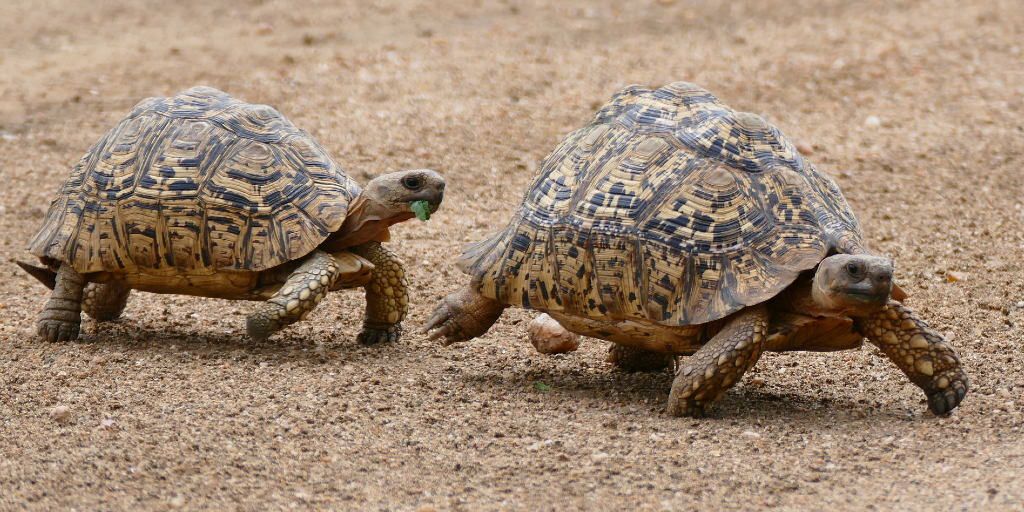
    3. The speediest tortoises around are leopard tortoises, and these guys can even climb!

    image

    Original image: “Leopard Tortoises (Stigmochelys pardalis) pair with smaller male following the female…” by berniedup is licensed under CC BY-SA 2.0

    And where exactly can you go to see all these different types of tortoises and more? Well, here’s a look at where tortoises live.

    Where do tortoises live?

    You’ll find tortoise species on every continent except for Australia and Antarctica.

    The largest tortoise population lives in the southernmost region of Africa. In fact, the Cape region of South Africa is home to the richest biodiversity of tortoises in the world. 

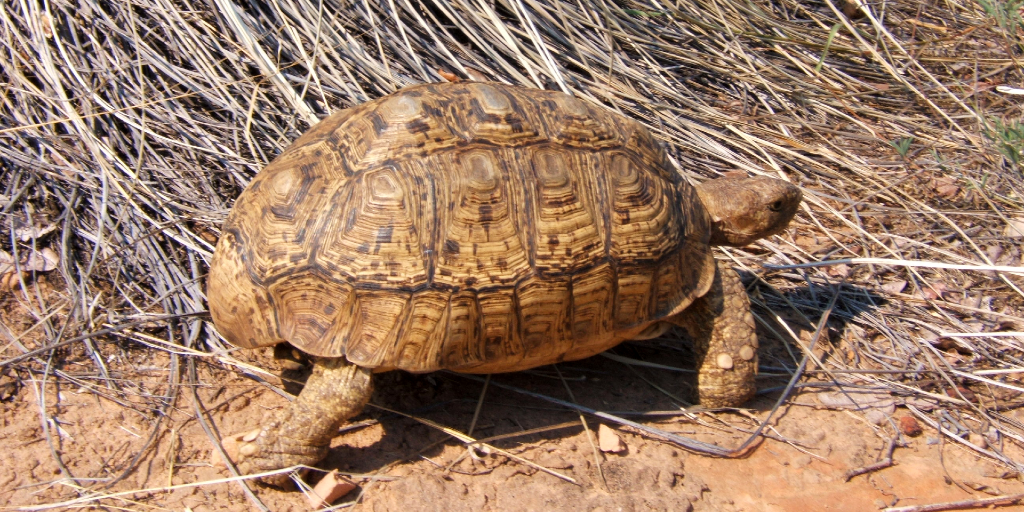
    The leopard tortoise is the most widespread species throughout the country, while the serrated tortoise is more common in the Kalahari, and the savannah hinged tortoise is the most commonly found tortoise species in the northern regions of South Africa. 

    You could visit any number of habitats across the world and come across a tortoise, but most tortoises prefer semiarid environments. Deserts, grasslands, mountainous regions, scrub forests and sand dunes are some of the most well-known tortoise habitats. 

    image

    What’s the difference between turtles and tortoises?

    Turtles and tortoises come from the same evolutionary line, which is not surprising since these creatures have many similarities.

    For instance, both turtles and tortoises are reptiles with shells, and both lay their eggs on land. 

    The main differences between turtles and tortoises lies in the adaptations they have that allow them to live either on land or in water. 

    Here are some key differences between turtles and tortoises:

    1. Turtles are adapted to live in seawater for large parts of their lives, while tortoises are adapted to survive on land.

    2. Tortoises have domed shells while turtles have streamlined shells that allow them to move through water more easily. 

    3. Tortoises have bulky, elephant-like limbs while turtles have flipper-like appendages. 

    4. Tortoises are mostly herbivorous while turtles have an omnivorous diet that includes sea vegetation, jellyfish, sea sponges and small invertebrates. 

    5. Turtles usually have a shorter life span than tortoises, reaching up to 40 years of age. One of the oldest tortoises is over 180 years old!

    image

    Original image: “Slow vs Slower” by Sarz.K is licensed under CC BY 2.0

    The most terrific facts about tortoises

    So, you may think you know a lot about the different types of tortoises after everything you’ve read. But, prepare to be surprised.

    Here are even more terrific tortoise facts:

    1. Tortoises have roamed the Earth for more than 200 million years. That means that they were around even before birds, crocodiles, lizards, mammals and snakes.

    2. A group of tortoises is called a creep.

    3. The shell colours of the different types of tortoises can tell you more about where they come from. A tortoise species with a lighter-coloured shell would’ve come from a warmer area while tortoises with darker-coloured shells will have originated in areas with a cooler climate. 

    4. Tortoises smell with their throats and the organ that helps them smell is located in the roof of their mouths. 

    Are you keen to learn even more facts about tortoises? How about travelling to where tortoises live to learn about them first-hand in their natural environments?

    image

    You can make these dreams a reality by signing up for a Bushwise Field Guides online or in-country field guiding course. This way you can fast-track your learning and get to know more about tortoises and other animals that live in tortoise habitats. 

    Find out more about the Bushwise courses that you can do online or on the ground and see how you can learn top tortoise facts first-hand. 

  • Geology’s role in safaris

    BY: Darryn Murray, trainer at the Bushwise Mahlahla campus 

    So, your holiday is planned. You’re off on safari to one of Africa’s many wonderful game reserves, or national parks. 

    How will having an understanding of geology help you to find the ever elusive leopard, a particular bird species or maybe even the very sought after ground pangolin? Let’s start off by answering some questions.

    What is geology? And why would it play such a big role in a field guide’s career?

    Geology is the study of the composition, structure and history of the Earth. Planet Earth is made of rock composed of various minerals. By studying the geology of the area you’ll be travelling to, you can understand the various soil types that occur there and the vast array of wildlife that’s associated with them.

    image

    How does geology affect soil and wildlife?

    Soil is formed due to the natural process of weathering and erosion of rocks. The composition of the original rock gives us a better understanding of the type of soil that can be found in a particular area. The soils determine the types of vegetation as well as the densities that they can be found in.

    In turn, the various types of vegetation will determine the different browsers, grazers, birds and insects that will be attracted to them. The browsers and grazers will naturally attract predators (and scavengers), both big and small into the area.

    Certain species of plants attract certain species of insects, which attract their own predatory species such as birds and reptiles. All of these interactions are what make up a safari experience.

    Topography: What is it? And how will this help?

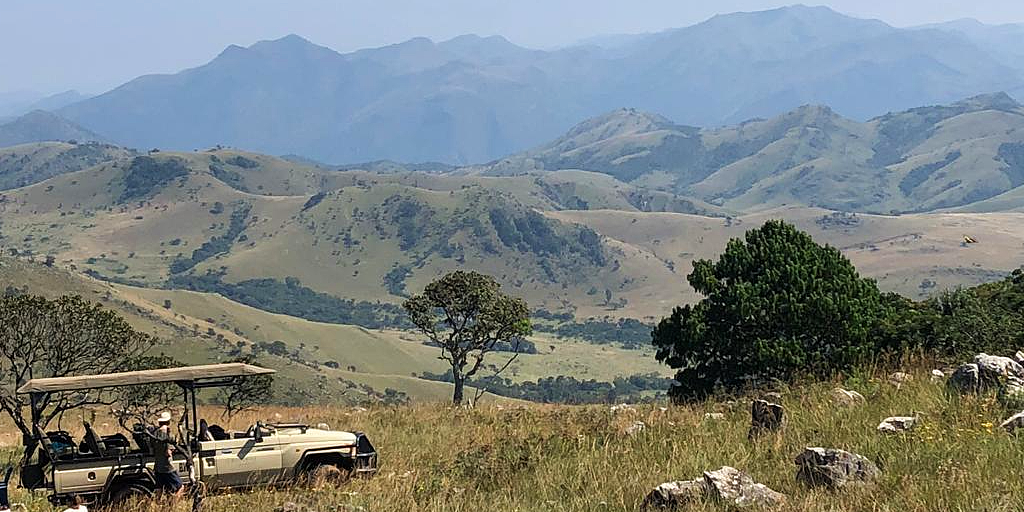
    The topography (shape and slope) of the landscape affects the quality of soils and where they are likely to be found. Generally, the tops of slopes are nutrient poor. The bottom of slopes are nutrient rich due to rainfall and other factors such as gravity carrying valuable minerals downhill.

    That’s why the bottoms of hills are likely to have a higher concentration of flora and wildlife. 

    image

    Water: What role does H2O have in this?

    The geology and topography explain how, why and what the soils do, but the rest comes down to water availability. Without a steady or constant water supply very few plants will grow. This will not be an ideal area for wildlife.

    Before heading out on your next safari, read up about the geology, topography and water supply in the area. Then study up on the preferred habitat types of your favourite animals. And who knows, it might mean better sightings on your next safari.

    image

    See the most interesting wildlife animals by joining one of our field guide courses

  • Ten of the best World Environment Day quotes

    BY: Tasneem Johnson-Dollie

    How can you honour World Environment Day? By reading ten of the best World Environment Day quotes to get inspired to get out into the field! 

    World Environment Day comes about on 5 June every year and it’s all about promoting environmental awareness and encouraging everyone to add to environmental conservation. 

    Let’s dig a bit deeper to find out more about World Environment Day.

    The first World Environment Day quote

    image

    World Environment Day was established by the United Nations in 1972 and the organisation coined the first World Environment Day quote, detailing what this day was all about.

    “The celebration of this day provides us with an opportunity to broaden the basis for an enlightened opinion and responsible conduct by individuals, enterprises, and communities in preserving and enhancing the environment.” – UN General Assembly, 1972

    While the first World Environment Day quote was monumental and informative, it’s a little lengthy and not quite as catchy as the quotes that came after it.

    Since 1972, World Environment Day has been celebrated with more than 40 different themes and tallied up tons of inspirational quotes. 

    Here are ten of the most inspiring World Environment Day quotes to start you off on your Earth-focused conservation efforts. 

    The top ten World Environment Day quotes

    1) “The Earth is what we all have in common.” – Wendell Berry

    image

    2) “Never doubt that a small group of thoughtful, committed citizens can change the world; indeed, it is the only thing that ever has.” – Margaret Mead

    image

    3) “Breathing can’t be stopped, but we can change and purify the quality of the air we breathe.” – World Environment Day slogan, 2021

    image

    4) “One of the first conditions of happiness is that the link between man and nature shall not be broken.” – Leo Tolstoy

    image

    Image: Jacques Briam

    5) “Like music and art, love of nature is a common language that can transcend political or social boundaries.” – Jimmy Carter

    image

    Image: Anel Olivier

    6) “What we are doing to the forests of the world is but a mirror reflection of what we are doing to ourselves and to one another.” – Mahatma Ghandi

    image

    7) “When one tugs at a single thing in nature, he finds it attached to the rest of the world.” – John Muir

    image

    8) “Never does nature say one thing and wisdom another.” – Juvenal

    image

    9) “A nation that destroys its soil destroys itself.” – Franklin D. Roosevelt

    image

    10) “You cannot get through a single day without having an impact on the world around you. What you do makes a difference, and you have to decide what kind of difference you want to make.” – Jane Goodall

    image

    With so much inspiration to draw from, you may already be raring to join World Environment Day activities. Here’s a look at some of the ways that you can get involved. 

    How you can make an impact on World Environment Day

    You can add to environmental conservation in lots of little ways right where you are. Consider switching to environmentally friendly household cleaning products, upping your recycling game, or composting all your organic kitchen waste.

    And, if you’re looking to make an even bigger impact, there are tons of ways to do that too.

    Bushwise Field Guides offers courses designed for anyone passionate about conservation. You could get involved in an online course for nature enthusiasts or even start off your Field Guides Association of Southern Africa (FGASA) qualification online.

    image

    In this way, you’ll grow your understanding of natural environments, what’s affecting them, and how you can make an impact. 

    And, if you’d prefer to take your learning experience to one of Earth’s most sought-after natural environments, you can take part in a hands-on field guiding course or internship set in the African savannah. These opportunities give you the chance to add to environmental conservation on the ground. 

    Any of these avenues will have you upping your conservationist know-how and growing your ability to keep adding to environmental conservation in the future. In this way, you’ll also be building on the inspiration and success surrounding World Environment Day this year.

    Find out more about our online and in-country courses that you can take part in to make a meaningful contribution to World Environment Day. 

  • Which African elephant facts are key in conservation

    BY: Tasneem Johnson-Dollie

    Which African elephant facts are the most important when it comes to their conservation? Well, international organisations are digging deep to find out. 

    There are different types of elephants in Africa, but in the past, conservationists tended to treat them all the same. But this has started to change as these African elephant subspecies are facing different types of threats.

    African elephant numbers have dropped significantly over the last few years, prompting international organisations like the International Union for Conservation of Nature (IUCN) to dig deeper to better understand the differences between the two African elephant subspecies. 

    By following in the footsteps of the IUCN, conservationists can get to know these creatures better and contribute towards African elephant conservation in a more meaningful way. 

    Here are some of the most important African elephant facts to know today. 

    image

    African elephant facts

    1) There are two subspecies of African elephant

    One of the African elephant facts that’s growing in importance right now is that there are two different types of elephants on the continent. These are their common and scientific names:

    1. The African forest elephant – Loxodonta cyclotis

    2. The African savannah elephant – Loxodonta africana.

    2) The differences between the African elephant subspecies

    Because of the similarities in their appearance and behaviour, conservationists would often treat both types of African elephants the same – despite them being different subspecies. 

    But there are many African elephant facts that prove that there are some significant differences between these two types of gentle giants. 

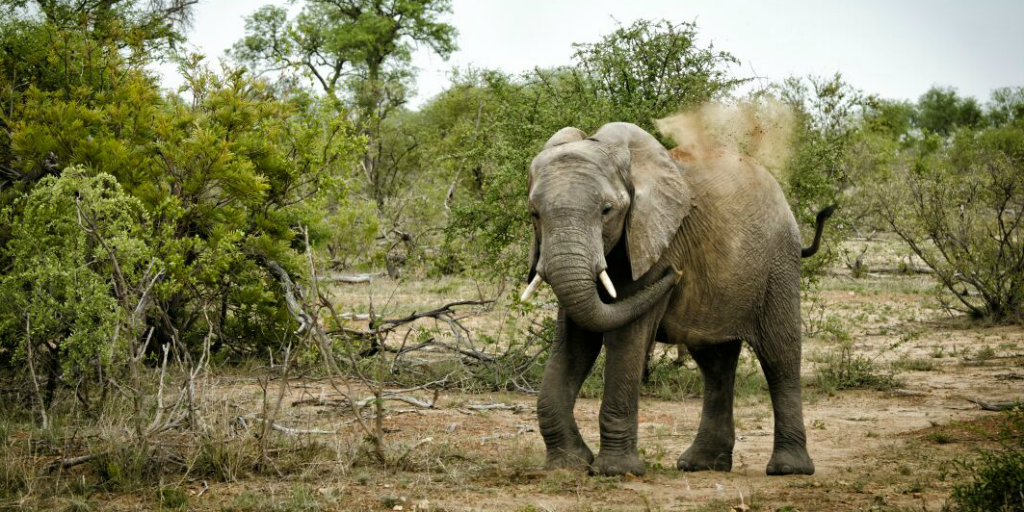
    As their species names suggest, these creatures are found in quite different habitats. African savannah elephants live in open, grassy plains, while African forest elephants live in forests.

    image

    But are there any other major differences between African forest elephants and African savannah elephants?

    There sure are.

    Here are some African elephant facts that illustrate some of the most important differences between African savannah elephants and African forest elephants:

    1. African savannah elephants are larger in size than African forest elephants.

    2. The tusks of African savannah elephants curve outwards while those of African forest elephants are straighter and point downwards.

    3. African forest elephants are darker in colour than savannah elephants.

    4. Due to where they live, savannah elephants eat mostly grasses while the forest elephant’s diet is made up of leaves and fruit. 

    5. Savannah elephants live in groups of up to ten individuals that are led by a female while African forest elephants live in groups of less than ten individuals.

    6. African forest elephants are found in Cameroon, Central African Republic, Côte d’Ivoire, Democratic Republic of Congo, Gabon, Ghana and Liberia. 

    7. African savannah elephants live in Botswana, Kenya, Mozambique, Namibia, South Africa, Tanzania and Zimbabwe. 

    image

    These African elephant facts show how the different types of elephants in Africa vary physically and behaviourally – and this can make a big difference when it comes to their conservation. 

    3) Both subspecies of African elephant are endangered

    The most recent IUCN update states that African savannah elephants are endangered and African forest elephants are critically endangered. 

    The biggest obstacles threatening the well-being of these African elephants? Poaching and habitat degradation. 

    image

    Since each subspecies lives in different environments, we need to understand what habitat loss looks like for both African forest elephants and African savannah elephants. 

    This will add to our ability to address the specific factors that contribute to habitat loss in the different types of elephant environments. It’ll also build on our knowledge of how poaching takes place in these different environments and how it can be addressed most effectively. 

    This type of information will ultimately lead to a better understanding of the differences between these two subspecies, meaning that conservationists can form a greater understanding of the type of conservation efforts that will put these elephants in a better position. 

    How to contribute to African elephant conservation

    image

    The world is at a turning point when it comes to African elephant conservation, and educating yourself on African elephant facts is one of the best ways to make a contribution.

    Why?

    Well, by enhancing your understanding of how African elephants live and the challenges they face, you can be part of the support system that’s growing African elephant conservation efforts worldwide.

    The more you know more about African elephants, the more you can spread the word about their conservation status, add to the work being done by African elephant conservation organisations and make a positive impact right where African elephants live.

    image

    Bushwise Field Guides offers courses in the African savannah where you could grow your African elephant knowledge while soaking up the African sun. 

    And if you’re not keen to travel just yet, we also offer online courses where you’ll gain valuable knowledge about African elephants and the ecosystems they live in. 

    Take a look at our Wildlife Research Expedition and see how you can learn African elephant facts first-hand while contributing to conservation efforts in the savannah.

  • Why is the African wild dog endangered and other African wild dog facts

    BY: Tasneem Johnson-Dollie

    What African wild dog facts do you know besides that they’re from Africa? Well, now’s your chance to get clued up on these stalwarts of the savannah before heading off on your professional field guide course

    There are tons of facts about this species that’ll make you want to take a closer look. For example, African wild dogs are the biggest wild dog species on the continent and the second-most endangered. 

    Let’s find out more by taking a look at some interesting facts about African wild dogs. 

    1) They’re quite different from domestic dogs

    image

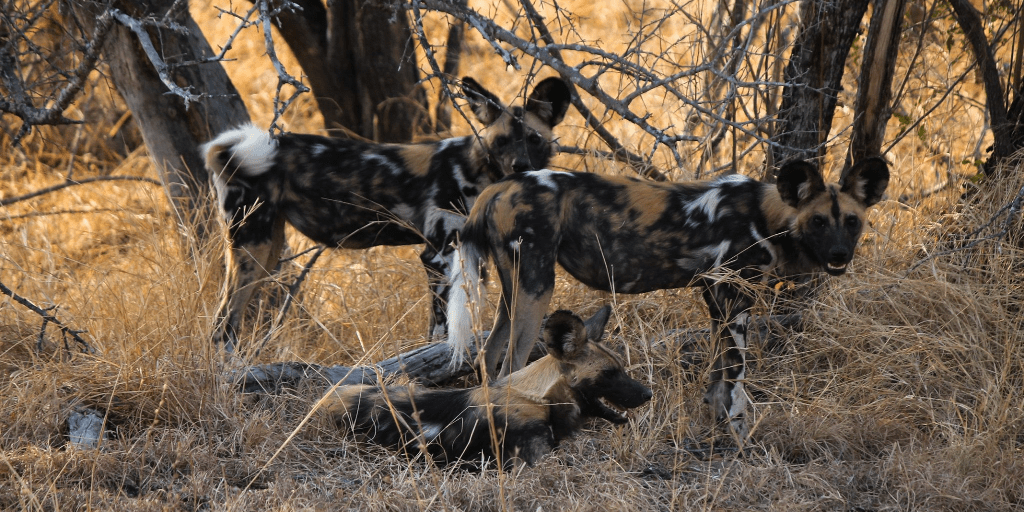
    Not all wild dogs in Africa are easy to tell apart from domesticated dogs. But here are some African wild dog features that set them apart:

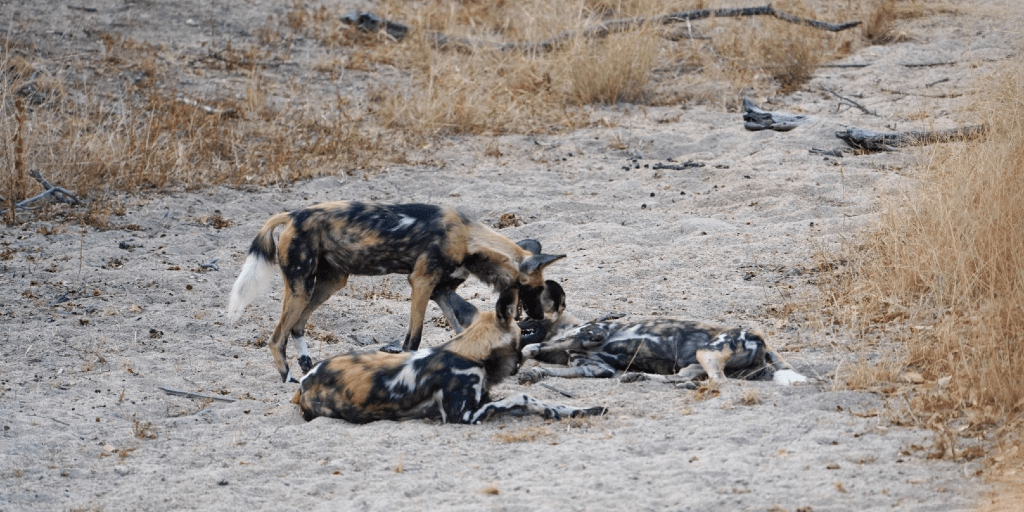
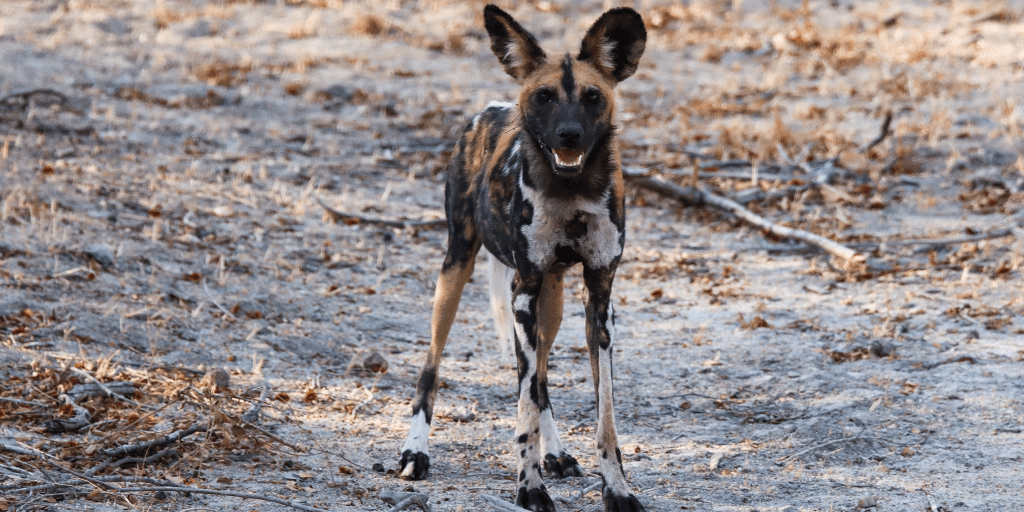
    1. They’re the biggest wild dogs in Africa and have longer legs than the average-sized domesticated dog. 

    2. Their large, rounded ears aren’t seen on any domestic dog breeds.

    3. They have multicoloured coats featuring black, brown, orange, white and yellow hair.

    4. You’ll find only four toes on their front paws instead of the five seen in most domesticated dogs.

    And these differences don’t just end at appearance. This type of wild dog in Africa isn’t able to interbreed with any domestic dog species. Also, these wild African dogs are so dependent on their habitats and social structures that no one has been able to tame this species.

    2) Their coat colour differs according to where they live

    image

    While African wild dogs across the continent have similarly coloured faces and tails, coat patterns differ from one wild dog to the next. This makes it easier for conservationists to keep track of individuals within a group while collecting data.

    But, scientists have also seen that these wild African dogs’ coat patterns vary according to the region in Africa where they live. African wild dogs have distinct eastern-African or southern-African coat patterns

    Eastern-African wild dogs of this species live in countries like Ethiopia, Kenya, Sudan and Tanzania and their coat patterns have more black colouring, with smaller patches of white and yellow fur. 

    Southern-African wild dogs live in South Africa, Botswana, Malawi, Mozambique, Zambia or Zimbabwe and their coat patterns have an almost equal mixture of brown, black and white fur.

    These differences in coat patterns allow African wild dogs in different regions to blend in with the vegetation in their natural habitats. 

    3) They’re known by different names

    image

    This species of wild dogs in Africa goes by the scientific name Lycaon pictus, meaning painted wolf. 

    But they also go by a number of other names including:

    1. the painted dog – because of their multicoloured coats

    2. the African wild dog – because African wild dog habitats are found only in Africa

    3. the Cape hunting dog – because of their widespread distribution around the cape regions of Southern Africa.

    4) They’re some of the savannah’s most social animals

    image

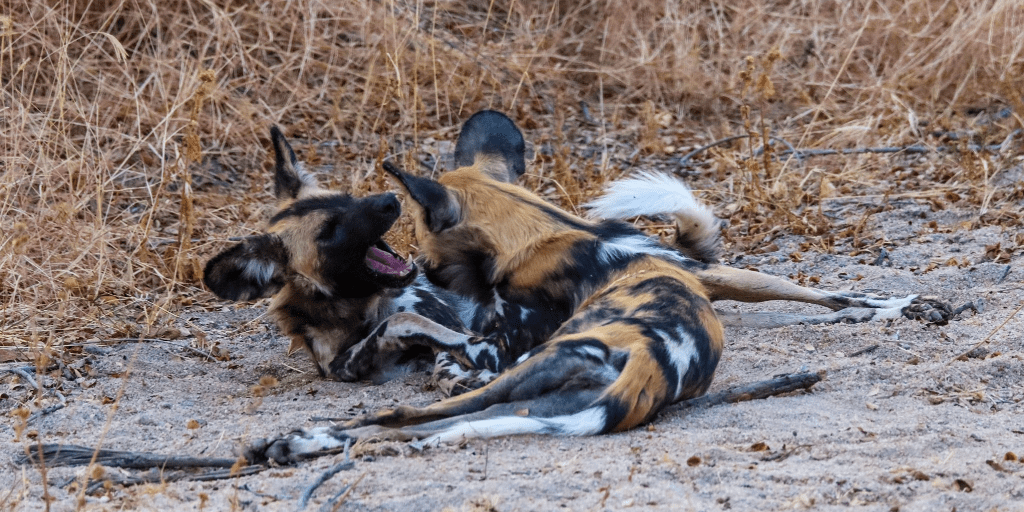
    African wild dogs are thought to be the most efficient hunters in the world and this has to do with their strong social bonds. 

    These wild African dogs run in packs of 15 to 40 members, but packs of up to 100 individuals have also been documented!

    In contrast to some of the other African animals that live in groups, like lions and hippos, African wild dogs don’t show aggression within their social hierarchy. One example of this is the fact that African wild dogs don’t try to intimidate each other.

    Instead, they’ve been seen to take turns caring for their sick and ensuring that African wild dog pups get first pick of any food. In some cases, researchers have even spotted adult African wild dogs offering food to nursing mothers and seen a type of voting practised among the pack where individuals sneeze to cast their vote!

    Their highly social behaviour makes them a species of wild African dog that are great at communicating. 

    And, because they’re so good at communication and working as a group, African wild dogs are even better hunters than lions and hyenas. While lions have an average hunting success of 30%, African wild dogs are known to successfully take down around 80% of their prey. 

    But it’s not just their social prowess that makes them such competitive predators. African wild dogs are also known for their stamina. They can run at over 50 kilometres per hour for long distances and reach speeds of up to 70 kilometres per hour. 

    They easily outrun prey like wildebeests and warthogs and are known to use teamwork to take on prey like speedy gazelles and prickly porcupines. 

    5) Why is the African wild dog endangered?

    image

    Despite their hunting prowess and social spunk, African wild dogs are one of the world’s most endangered animals and the second-most endangered carnivore in Africa

    And, the International Union for Conservation of Nature’s Red List of Threatened Species is where we’ve found the most concerning facts about African wild dogs. There are just 1,409 African wild dogs left in the wild and their numbers are decreasing every year. 

    The biggest challenges to the African wild dog population are:

    1. habitat fragmentation – the breaking up of African wild dog habitats due to human developments

    2. habitat destruction – the loss of large areas of natural habitat due to climate change or human activity like farming

    3. conflict with humans – interactions between farmers and African wild dogs have often ended in conflict. 

    Because this type of wild African dog is nomadic by nature, they need large spaces with open travel routes to ensure their survival. 

    With the negative impact of global warming and human activity on African wild dog habitats, this is becoming even more of a challenge for these wild dogs in Africa. 

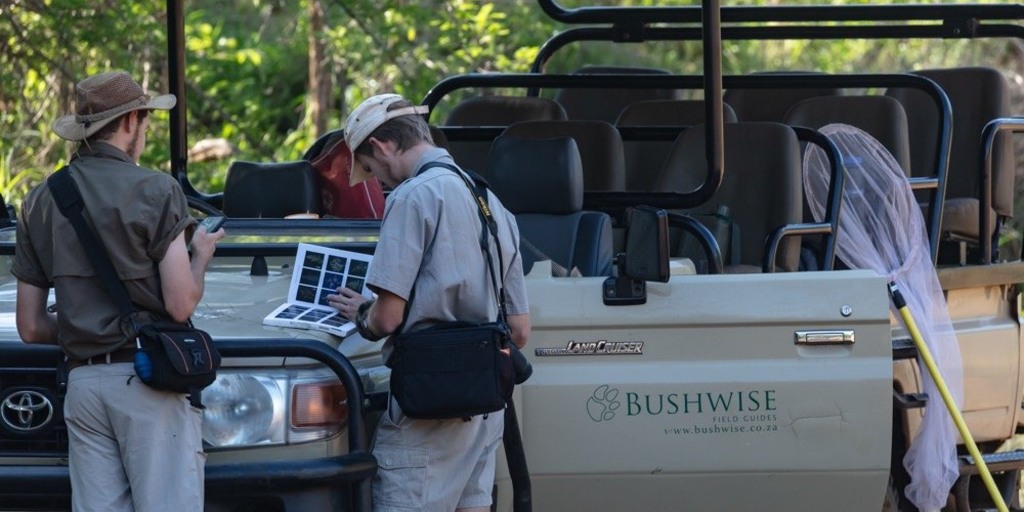
    As a Bushwise Field Guides student on a Field Guides Association of Southern Africa (FGASA)-accredited course in the savannah, you’ll learn even more facts about African wild dogs and get to add to their conservation in one of the biggest African wild dog habitats. 

    Take a look at Bushwise’s in-country or online courses where you can learn lots more African wild dog facts and get stuck into making a positive impact in these creature’s conservation.