Category: Course updates

  • A closer look at World Habitat Day and the animals most affected by habitat loss

    BY: Tasneem Johnson-Dollie

    World Habitat Day, held on 5 October every year, places emphasis on human habitats and how we can all contribute to improving and maintaining them

    This day was set up by the United Nations (UN) to shine a light on the challenging conditions people around the world are living in that make it harder for them to secure their basic human rights – like the right to life or the right of social service. 

    Human habitats include the villages and cities set up across the world, and these living spaces can’t be separated from the natural land and water ecosystems they form a part of. 

    Because of the growing human population, human habitat development is intensifying across the world, and the effects of human activity are having far-reaching effects on natural ecosystems far and wide. 

    So, getting to grips with what habitat loss is all about and the importance of World Habitat Day is an important step in figuring out how we can flip our human activity to make a positive impact. 

    Why do we need a World Habitat Day?
    image

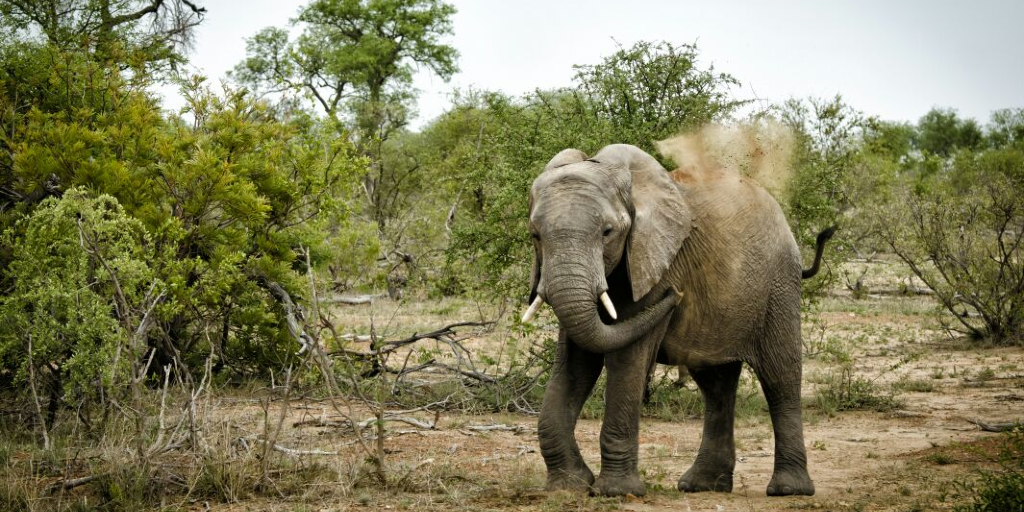
    Habitat loss is one of the leading causes of animal species extinction today and most of it is caused by human activity.

    Human beings have developed processes like farming, grazing, mining and urbanisation to allow for communities to expand and thrive. 

    But these activities have also resulted in large portions of natural environments being cleared. In forest ecosystems, this has had a negative impact on around 80% of the plant and animal species that call these ecosystems home. 

    This means that habitat loss is not only affecting a whole host of different types of animals and plants, it’s also reducing the Earth’s oxygen-producing capacity – because plants make oxygen – which affects the well-being of all life on the planet. 

    With the interactions between humans, plants and animals being more fragile than ever before, World Habitat Day is key in keeping the world updated on how well – or not so well – humans, plants and animals are interacting, and the impact that human activity is having on the world’s wild spaces.

    And, while human beings can air their grievances and even put on public displays calling on political leaders to address poor living conditions, animals and plants can’t communicate with the powers that be in quite the same way. 

    Today, the current animal extinction rate is at an all time high and extinctions are occurring at an accelerating rate. 

    So, World Habitat Day is an important platform to keep track of our progress towards addressing global development concerns while demonstrating the interconnectedness between people, animals and plants, and the role we play in habitat loss. 

    What is habitat loss?
    image

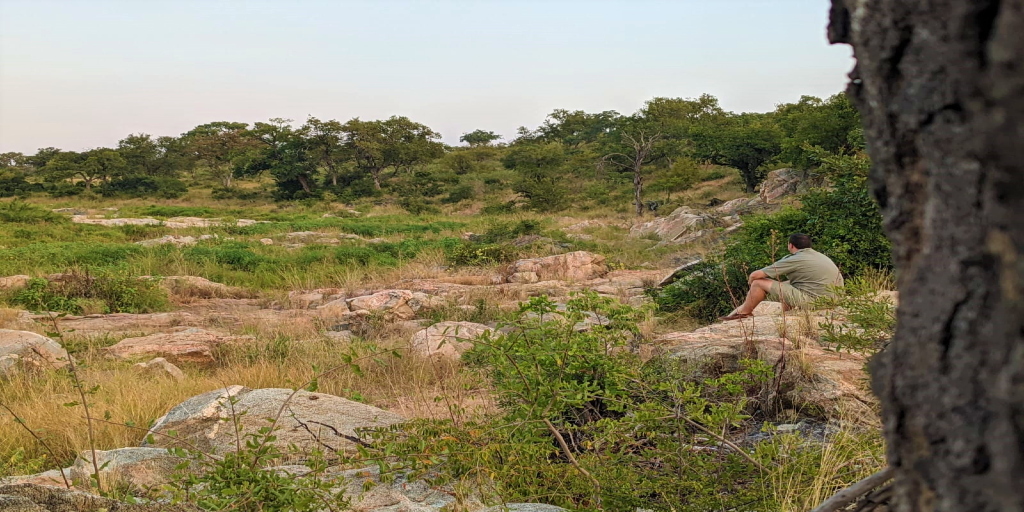
    A habitat is the natural environment in which people, plants and animals live. It’s home to everything that these organisms need to survive including breathable air, clean water and resources to allow for survival – like food, and building materials to create shelter. 

    Because people, animals and plants “live off the land”, natural environments are influenced by what we do on a daily basis. 

    Human activity is the leading cause of habitat loss through processes like agriculture, land development, pollution and climate change. Each of these processes can contribute to land degradation in three different ways. These include:

    1. habitat destruction – for example, the clearing of trees, filling of wetlands and dredging of rivers

    2. habitat fragmentation – this is caused by developments like roads and dams that split habitats into smaller fragments

    3. habitat degradation – mainly caused by pollution and invasive species that affect the natural processes within an ecosystem. 

    Habitat loss is when all of these factors come together and significantly change an ecosystem to the point where it can no longer provide the food, water, shelter or other natural resources required for life. Natural disasters – like floods, droughts and hurricanes – can also cause habitat destruction. 

    If a habitat is “lost” then the animals and plants that lived in it will either die or be forced to move to another area. So, habitat loss can cause loss of species, but it can also put strain on other ecosystems that become hosts to displaced animals. 

    Which animals are most affected by habitat loss?

    Many of the animals that have been most affected by habitat loss are the larger species that often depend on the natural habitat in a bigger way.

    The animals most affected by habitat loss

    1) Asian elephants
    image

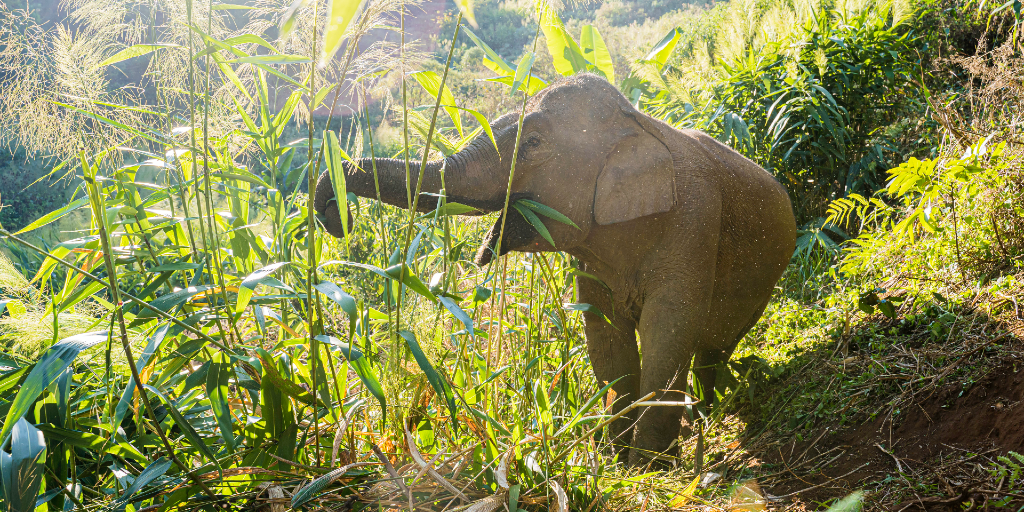
    Asia houses more than half of the world population and around 20% of the people on Earth are estimated to live in or near to Asian elephants’ habitats

    This makes for close quarters for people and elephants and means that as communities expand, Asian elephants’ habitats are easily taken over. 

    The Asian elephant population is listed as endangered on the International Union for conservation of Nature’s (IUCN’s) Red List of Threatened Species. The population of Asian elephants has dropped by 50% over the last 75 years and their numbers are still decreasing steadily.  

    2) Gorillas
    image

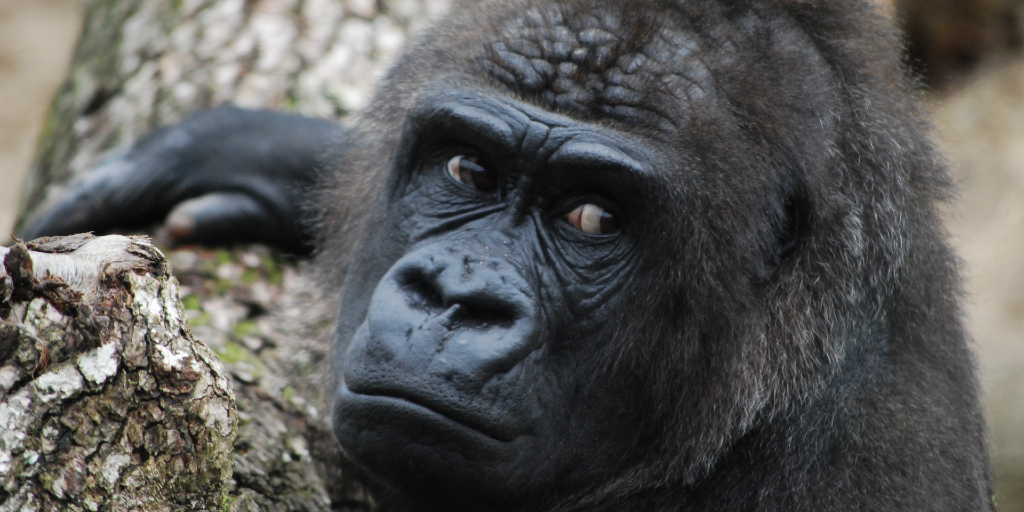
    Original image: Gorilla by Dalibor is licensed under CC BY-SA 2.0

    Gorilla habitats are typically leafy tropical forests with enough space and sustenance to support these massive creatures. 

    Many of the areas known to make up the gorillas’ natural habitat have been cleared for agriculture or development. 

    Mountain gorillas have also been affected by the illegal harvesting of coal for use in cooking and heating. This mining takes a toll on the mountain terrain and results in the degradation of the natural habitat. 

    In addition to habitat loss, gorillas are also vulnerable to poaching. 

    Mountain gorilla habitats are some of the most affected by habitat loss and the IUCN lists mountain gorillas as critically endangered with only 2,600 mature individuals alive today. 

    3)Tigers
    image

    Original image: Tiger by angela n. is licensed under CC BY-SA 2.0

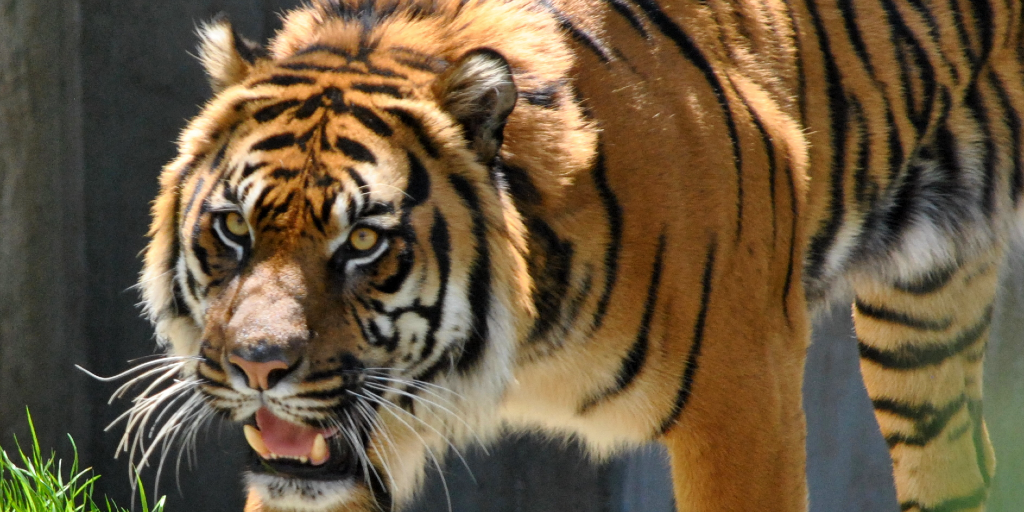
    Before the twentieth century, the tiger population was made up of eight subspecies, but this number has since dropped, with three subspecies becoming extinct over the last 100 years. 

    Tiger habitats include a vast array of terrains, from forests and grasslands to mangrove swamps and savannahs. But, with climate change and human activity reaching every corner of the globe, tigers living in all types of natural habitats have been affected.

    The IUCN lists tigers as endangered. The subspecies most affected is the Bengal tiger, which lives in the tropical forest ecosystem of India. This is because, in India, forests support the livelihoods of around 275 million people and the growing population means that more and more pressure is being placed on forest ecosystems. 

    4) Giraffes
    image

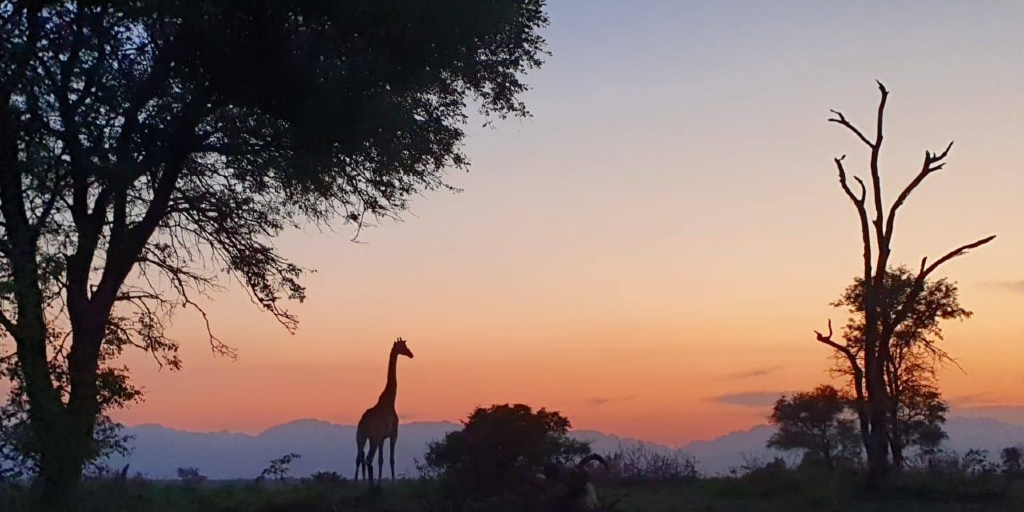
    As a Bushwise Field Guides participant on a Field Guides Association of Southern Africa (FGASA) accredited internship, you could get involved in work that adds to the well-being of an African animal that was recently in the midst of a silent extinction. 

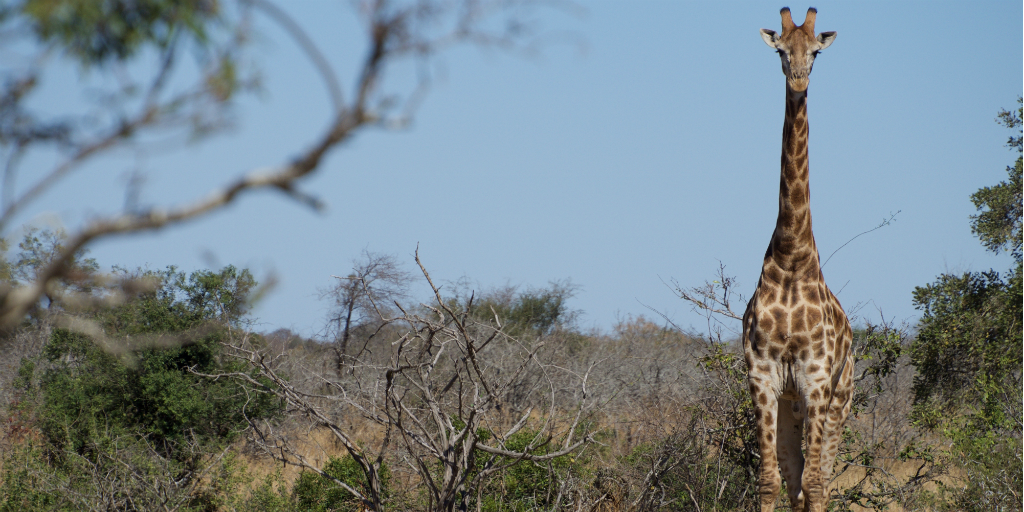
    Giraffe habitats include grassy plains as well as dense forests, but the majority of the giraffe population lives in the savannah. 

    The conservation status of giraffes wasn’t always given a great deal of attention and this meant that when giraffe numbers started to drop, no one noticed for some time

    All giraffe habitats are affected by the biggest global challenges, like the overdevelopment of natural spaces. 

    The African savannah is also vulnerable to desertification, a process where arable land becomes dried out and depleted of nutrients. This can occur due to frequent droughts and rising temperatures, and in some cases overgrazing.

    Because of this, maintaining the health of giraffe habitats is becoming a tougher task with the rise in global temperatures and an increase in the occurrence of overgrazing. 

    Giraffes are currently listed as vulnerable by the IUCN and addressing the effects of human activity on giraffe habitats is key in ensuring these creatures’ population size doesn’t decrease any further. 

    Ocean habitats
    image

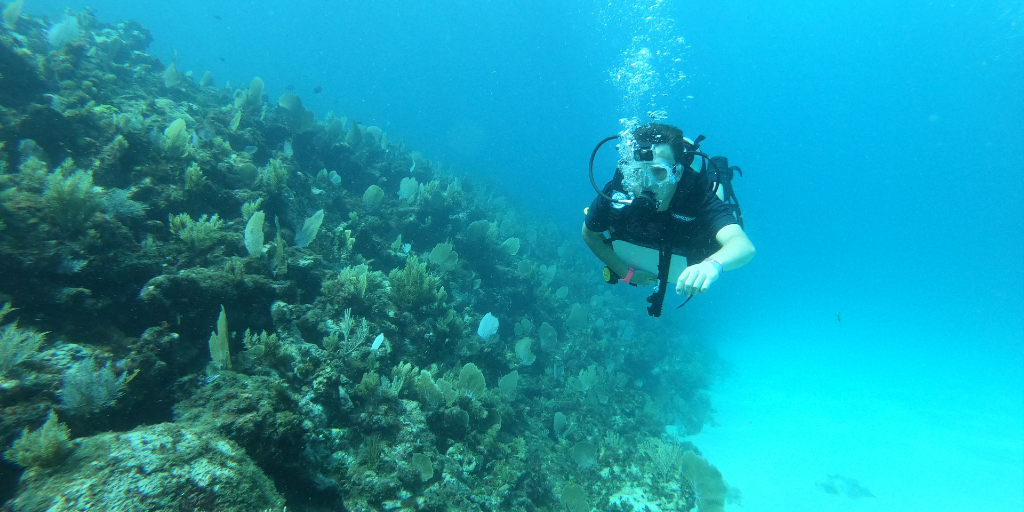
    We’d be skimping on our understanding of habitat loss if we didn’t also consider ocean habitats and how human activity is affecting these ecosystems.

    Animals like vaquitas, dolphins, sharks, sea turtles and manatees make up some of the world’s most endangered species.

    And World Habitat Day may hold even more importance in highlighting the well-being of aquatic creatures. This is because not as much is known about aquatic habitats and how to address the challenges facing them when compared to terrestrial terrains. 

    But with more people getting involved in work aimed at maintaining natural habitats, we can make an impact where it matters and learn more about supporting the well-being of animals and plants while we’re at it. 

    We can also build on sustainable development and add to our relationships with plants and animals in a way that benefits us all.

    Get ready to make a meaningful impact this World Habitat Day by joining our Bushwise FGASA Field Guiding and Conservation Careers internship and contributing to healthy habitats.
  • Why wildlife ecology is key in addressing climate change

    Disclaimer: Some of the images in this article were taken pre-COVID-19.

    We might all be familiar with climate change and how it affects people across the world. But what’s not as well known is how wildlife ecology can and does play a major role in addressing it. 

    When we look at species living in wild spaces, we can’t see every interaction that keeps the ecosystem balanced, or get a clear view of how a specific set of plants and animals survive in a given setting. 

    But this type of insight is essential. It’s key to gaining an all-round understanding of nature and the effects of climate change on ecosystems. It’s also the only way that we can design and implement effective interventions to address climate change. 

    Wildlife ecology is how we gain this type of understanding, and ecologists are at the forefront of addressing some of the biggest challenges to the world today. Here’s how.

    What is wildlife ecology the study of?

    image

    Wildlife ecology is a science that’s been around for decades. It’s focus is on understanding the interactions between wild animals and their environments and its main aims include:

    1. growing the scientific knowledge base on wild animals

    2. advising wildlife management strategies

    3. managing interactions between wildlife populations and human populations. 

    So, when answering the question, “What is wildlife ecology the study of?” the answer isn’t as simple as, “the relationships between wild animals and their environment.” Wildlife ecology includes getting to know more about all the factors that feed into the survival of living things on Earth. 

    And, with a focus on gathering information that builds on the management of wild species, wildlife ecology is a field that holds tons of potential when it comes to addressing ecological issues, like species loss due to climate change. 

    What is climate change ecology?

    image

    Climate change ecology is a special branch of wildlife ecology that looks to understand how the effects of climate change influence living organisms.

    It breaks down a complex ecological assessment into more easily digestible information. For starters, climate change ecology considers how the effects of climate change alter temperature and precipitation – and vice versa. 

    From this springboard, wildlife ecology specialists try to understand how these effects of climate change influence communities of plants, animals and people with regards to their:

    1. abundance

    2. behaviour

    3. distribution

    4. physiology.

    With the effects of climate change having an impact the world over, and tons of different types of ecosystems making up Earth’s environments, getting to grips with climate change ecology is a complex undertaking. 

    Luckily, there are some straightforward ecology facts that can start us off on solid ground when it comes to understanding climate change. 

    Ecology facts on the effects of climate change

    image

    All Earth’s ecosystems are connected through the atmosphere (the layer of gases surrounding the Earth) and the hydrosphere (all the water found on the planet, which includes oceans, rivers, water vapour and ice). 

    One of the main causes of climate change is the overproduction of greenhouse gases – like carbon dioxide, methane and water vapour – which accumulate in the atmosphere. These gases are mainly produced through human activities such as the burning of fossil fuels.

    Over time, the concentration of greenhouse gases in the atmosphere has jumped from a steady 280 parts per million to an excessive 400 parts per million. This increase coincides with the growing size of the global population as well as an upscaling in human activities that contribute to climate change. 

    Greenhouse gases are known to trap a significant amount of the sun’s heat in the atmosphere – heat that should have made its way back to space. 

    This trapped heat has slowly – but significantly – increased the temperature on Earth and influenced ecology in a number of ways.

    Some of the most well-known effects of climate change are:

    1. an increase in the frequency and intensity of droughts, storms and heat waves

    2. the melting of glaciers and the warming of oceans

    3. the desertification of once arable land. 

    These environmental concerns have a significant effect on ecology because temperature and precipitation have an impact on the way wild animals live, grow and reproduce. 

    Why is wildlife ecology key in addressing climate change?

    image

    The world is linked in more ways than we can understand. 

    Today, ecological issues are not only commonplace but occurring in epic proportions. This means that viewing communities of plants, animals and people as separate entities would only set us back in gaining meaningful insight into how well Earth’s ecosystems are doing.

    Wildlife ecology gives us a way to take a realistic and practical approach to understanding every ecosystem on Earth. It’s also an essential part in developing relevant efforts aimed at addressing the effects of climate change. 

    Wildlife ecology provides the theoretical framework for us to establish relationships between people, plants and animals that are beneficial and effective at addressing climate change. 

    If we don’t use wildlife ecology as a tool to understand and address climate change, even the highest calibre of scientist will be groping for solutions in the dark. 

    The best way to start making an impact in ecological restoration

    image

    With wildlife ecology and its specialisations – like climate change ecology – making up a vast field with a world’s worth of opportunities to contribute, you can easily find a focus you’re passionate about.

    But gaining real-life experience and growing your competency in the field means that you’ll have to get involved in the best wildlife ecology opportunities out there. 

    Bushwise Field Guides offers a whole host of courses where you can gain hands-on or online experience in ecological restoration and climate change ecology, and build on your skills in wildlife ecology as you go. 

    Opportunities like our Wildlife Research Expedition, an internship based in the African savannah, make it easy to get a foot in the door of wildlife ecology and work alongside wildlife organisations and wildlife experts. And this is sure to build on your professional development and employability in the field. 

    Set off to become a wildlife ecology researcher in the savannah with Bushwise, find answers to the question, “What are the effects of climate change?” and add to efforts aimed at addressing climate change. 

  • What’s in a name? Southern African animal edition

    African nomenclature is rife with symbolism and meaning. Bushwise general manager, and true master of the field – Trevor Myburgh – explores the symbolism behind the names of Southern Africa’s most notorious animals in this series.

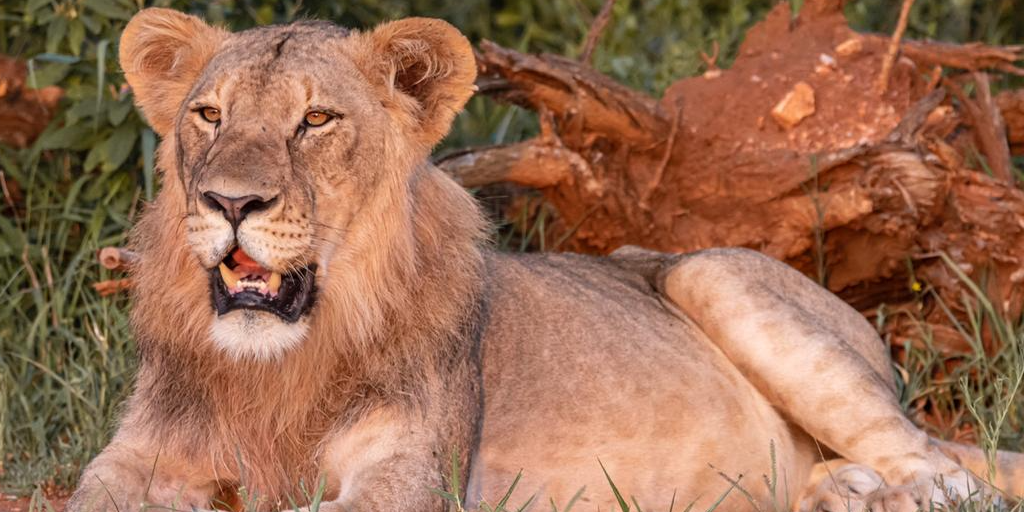
    The Zulu word for lion Ngonyama means ‘the master of all flesh’. This name consists of two words, ‘ngo’ meaning very high, and ‘nyama’ which means flesh or power. 

    Another Zulu term for lion is Ibubesi, meaning ‘to make the final decision’. This variation supports the belief that the lion is king of the beasts; and includes the lioness’ representation of the moon, femininity and fierce motherhood.

    image

    In Shangaan, ku va nghala, or simply, Ngala, literally means ‘to be a lion’ and translates to being brave or ‘to fight like a lion’.

    Judge of Beasts

    The African people have always known of animals more powerful and fearsome than the lion (such as the hippo, elephant and rhinoceros) and so they revered the lion as being the judge of the animal kingdom. 

    A judge who weeded out the weak (antelopes) by eating them; and mad hyena’s (free loaders) by killing them. One African proverb says “The mad hyena who causes other animals to weep will feel the heavy paw of the heavenly lion fall upon him,” illustrating the point that justice will prevail.

    The myth and the majesty

    Like all cats and other catlike animals, the lion is believed by some African tribes to possess powers to protect the Earth from demonic entities.

    Although most tribes in Africa have revered and admired the lion for aeons, there are a few who view this noble beast as the very personification of evil. One of these tribes, which have historically kept large herds of cattle (the favourite food of lions), named the lion ‘the beast of a thousand omens’ – a viewpoint fuelled by their shamans and healers.

    image

    Mystery and intrigue swirls around an even more elusive entity, the infamous ‘white lions.’ Zulu witch doctors and other African elders regard white lions as the fulfilment of ancient prophecy, identifying these majestic creatures as “angelic messengers from God.” 

    They believe that white lions are the most sacred animals on the African continent and are placed here to deliver sacred messages for humanity during times of great crisis!

    Has the symbolism of the names of the Judge of Beasts captured your imagination? Stay tuned for more fascinating revelations throughout the year.

    Bush greetings!

  • How a global pandemic changed the course of conservation ecology

    BY: Tasneem Johnson-Dollie

    Disclaimer: Some of the images in this article were taken pre-COVID-19.

    While the effects of COVID-19 on the human population make the headlines daily, understanding the impact it has on plants and animals hasn’t been a priority, but it should be. 

    According to a recent publication by the Proceedings of the National Academy of Sciences (PNAS), today’s global health pandemic has changed the course of wildlife ecology. And, it should steer the world in a new direction when it comes to finding solutions. 

    Let’s get to grips with the new normal by looking at some of the latest ecology facts and finding out about the current ecological issues affecting fieldworkers like the Bushwise team in Limpopo.

    Ecology facts old and new

    What is conservation ecology?

    image

    Ecology is the study of how living things interact with each other as well as their environments. 

    Conservation ecology focuses on understanding ecological issues and laying the groundwork for initiatives that build on the well-being of plants and animals, and their habitats. Organisations like Bushwise Field Guides, offer top-rated online and on-the-ground field guiding courses that focus on work that contributes towards conservation research. 
    Why does conservation ecology matter?

    image

    For decades, conservation ecology, also known as restoration ecology, has been in the spotlight, and rightly so. 

    Tons of plant and animal species have gone extinct since the start of the industrial revolution in the 1800s. 

    These include:

    1. 83 species of mammals

    2. 113 species of birds

    3. 23 species of amphibians and reptiles

    4. 23 species of fish

    5. around 100 species of invertebrates

    6. more than 350 species of plants.
    And extinction rates have been rising steadily ever since.

    After analysing over 15,000 government and scientific resources, the Intergovernmental Science-Policy Platform on Biodiversity and Ecosystem Services (IPBES) reported that around one million plant and animal species are at risk of extinction right now. This is the highest rate of animal extinction in the history of the human race. 

    Conservation ecology has been key in safeguarding endangered species and it plays an important role in trying to ensure that no more species go extinct. 

    What new ecological issues are we seeing worldwide?

    image

    The COVID-19 pandemic has had a significant impact on the international economy.

    The BBC reported that 1,69 million people are already unemployed and hundreds of thousands more are set to lose their jobs due to the pandemic

    So, half the world’s workforce is at risk of losing their livelihoods and the already significant global unemployment rate is set to rise even more over the next few months.
    One of the immediate effects of this global challenge is that activities like illegal logging and poaching have increased around the world. This is partly because many people are trying to make ends meet by using the only resources available in their environments. 
    There are also reports of wildlife being seen as disease carriers, which has a major effect on whether community members will join in on local conservation efforts. 

    In some countries, this has sped up the rate of environmental degradation and habitat loss and has had a negative impact on the well-being of plants and animals. 

    How has the COVID-19 pandemic affected ecology jobs?

    image

    Ecological organisations play a major role in restoration ecology and slowing species extinction rates.

    Ecological organisations can keep a close eye on species population numbers by assessing, monitoring and analysing plants and animals in their natural environments, and recording the data in scientific research archives. The research they collect can also contribute towards addressing ongoing and new ecological challenges.

    But, with travel restrictions and curfews that were implemented at various stages of the COVID-19 pandemic, many wildlife conservationists couldn’t be present in the environments where conservation activities were meant to take place. This is still true in many instances.

    This means that work that builds on wildlife ecology has slowed down significantly since the start of the COVID-19 pandemic, and we have no way of telling how this has affected the gains made in conservation over the last couple of centuries. 

    In addition to this, employees in ecology jobs acted as the world’s eyes and ears in the field before the pandemic, and their research kept us updated on ecological issues across the world and how they were being addressed. The restrictions on travel and certain industries during the COVID-19 pandemic meant that the work on many conservation research bases couldn’t continue.

    In today’s climate, this type of feedback isn’t always possible because the hands-on research that you’ll be trained to do on the Bushwise Mahlahla campus, for example, can’t always take place. 

    What’s the way forward for conservation ecology?

    image

    While it will take time before conservation ecology efforts can continue as normal, there are some innovative ways that conservationists are overcoming current ecological issues and obstacles.

    Whether due to climate change or a global health pandemic, professionals in ecology jobs have been coming up with contingency plans that would allow their work to continue in the event of a crisis.

    One example of this is that ecological organisations have built on their relationships with local community members over the years by collaborating with them on conservation activities. This means that local community members are able to take over projects when employees from outside of national borders can’t travel in. This sort of local collaboration and capacity building should also be one of the goals of conservation project work. 

    This means that local community members can build upon their skills and understanding so they can scientifically monitor and report on wildlife ecology in their area. 

    And, intel from community members who aren’t trained to do ecology jobs is also being put to good use. Ongoing reports from the general public provide everyday insight to supplement scientific findings. 

    image

    And, of course, where external opinion is necessary, technologies like Zoom have made it possible for colleagues to get in touch in an engaging and effective way. 

    This makes collaborating to solve ecological issues possible and means that we can still benefit from global insights into local and international wildlife ecology concerns. 

    But, more than just encouraging flexibility in conservation ecology, the COVID-19 pandemic has re-emphasised the key economic, social and ecological issues that feed into global well-being. 

    This has brought home the fact that plants, animals and people can’t be considered separately. And, when working towards the well-being of one, we should consider the well-being of them all. 

    Find out how you can learn more about conservation ecology right now on Bushwise Field Guide’s Nature Enthusiast online course and discover the latest ecology facts for yourself.

  • Through the highs and lows of a magnificent course

    Camp manager blogs are written by our current students who each get a chance to lead and manage a group (of their fellow students) for a period of one week.

    Dubbed the ‘grandpa’ of the group, I ironically took over the role of camp manager from our youngest Balule student Brendan Davis.

    I was born and raised in picturesque, freezing Belgium, so it took me a while to get used to the hot South African climate. Luckily summer is ending now and these days I get spoiled with a ‘chilly’ 25C° and some wonderful sunsets.

    image

    Our week’s work centred around practising our guiding skills. We had morning and afternoon game drives scheduled on Wednesday, Thursday and Friday to boost our bush knowledge, presentation and driving abilities. 

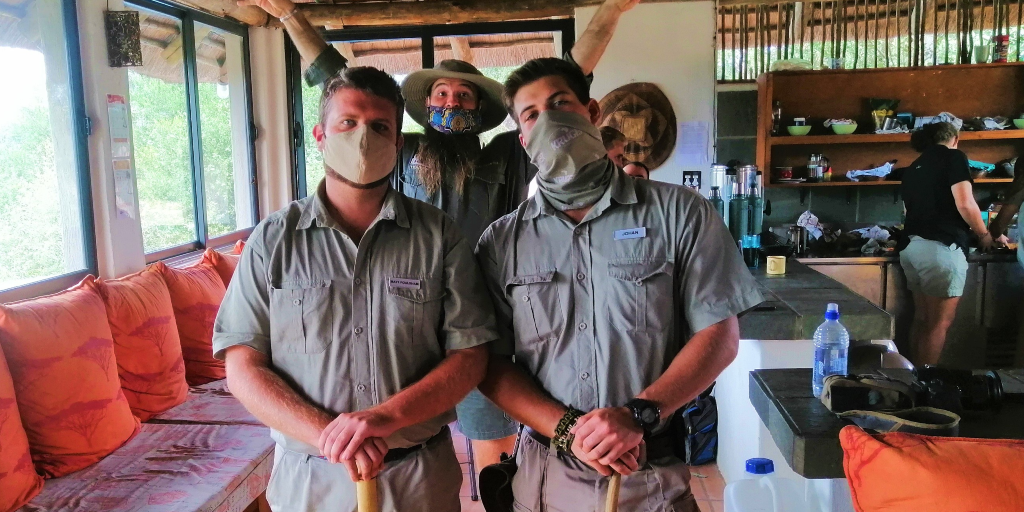
    Before driving, we were made to host and entertain our ‘guests’ with a short briefing and plan for the day. Naturally these were done in a professional, no nonsense manner as demonstrated by our resident stick brothers (Matt F. and Johan N.) under the fierce supervision of trainer Jack Hutchinson. 

    image

    Despite our 2,5 months of practice we still managed to beach the cruiser multiple times at one of the sandy crossings. Pushing, digging, shoveling and sweating were officially added to our competency list for the week! I assure you, we do learn from our mistakes the bush way. 

    A choice of surprise activities awaited us at the weekend. Was it our near-perfect behaviour and consistent efforts that prompted our trainers to organise this? Or perhaps the 2 student birthdays earlier in the week? Alas, we will never know. 

    We could either go on a bush walk with Jack or for a birding session with Lindi. A third option was to sleep in after the busy week. The group that chose to go on the birding session were rewarded with the thrill of seeing a couple of lifers (birds you see for the first time) and achieving a new spotting record. The previous number of 54 birds was smashed and now sits at 62. To be continued over the next few weeks…

    image

    The sleep-out organised for later that weekend was highly anticipated. All packed and ready to go, we left campus for a braai and peaceful night’s rest under a full moon and starry sky. 

    To ensure the necessary safety, we formed pairs to keep an hourly watch around the campfire. Luckily our fellow student Erin Anderson managed to stay awake during her shift this time (23.00-midnight) so we survived the night without any incident. 

    image

    We returned to campus on Tuesday morning exhausted but satisfied. Here, I completed my last duties as camp manager. Overall, I am looking forward to what lies ahead but cannot help but feel a little sad that we are already halfway through this magnificent course. 

  • Becoming a guardian of nature

    This blog isn’t meant to conjure up visions of doom and gloom. Rather, it is meant to inspire field guides to act as ambassadors. To make known to their visitors the truth about the dire situation that we are currently facing with regards to the loss of our natural world.

    Field guides have a critical mandate: to explore wild places and the biodiversity thriving within them. They can then highlight their discoveries and enlighten visitors from all over the world about what could happen if we do not look after our planet. 

    image

    The following statistics were taken over an 83-year period. A lifetime for many humans. 

    1. The world population was 2.3 billion in 1937 and now stands at a staggering 7.8 billion people

    2. The remaining wilderness stood at 66% and has dropped to a mere 35%

    3. Carbon dioxide in the atmosphere has risen from 280 parts per million to an astonishing 415 parts per million.

    Human beings have had a detrimental effect on the planet. We have exploited natural resources and exhausted them to the point where it is predicted that a person born in 2020 will witness

    1. the Amazon and the African savannah turn into desolate deserts

    2. an ice-free Arctic

    3. fish populations plummeting

    4. pollinating insects disappearing

    5. a dramatic fall in global food production.

    image

    As it stands there are 50 billion trees being cut down each year, while freshwater resources have been reduced by 80%.

    The Earth has faced five mass extinctions and if we continue the way we are now, humans will be responsible for the sixth. There has never been a more urgent call to change the way we are living.

    In order to leave something of worth for the following generations, we must do everything in our power to reduce the carbon footprint now before it is too late. 

    Scientists are busy exploring Mars on a mission called Hope, but I believe we should rather be exploring ways to save this planet from ourselves before we destroy it! 

  • Just not there yet

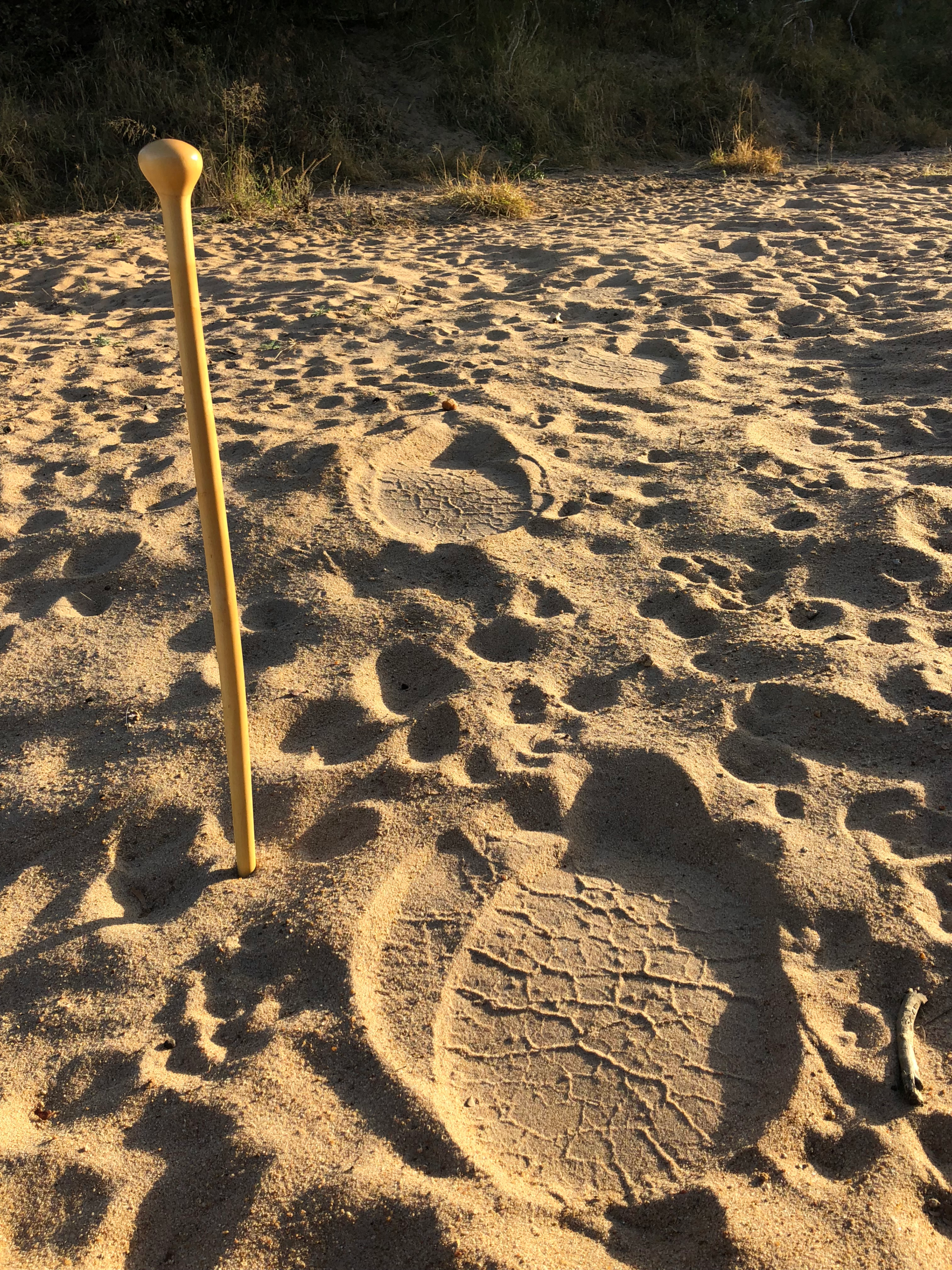
    “You are just not there yet.” Colin Patrick’s words cut through to my soul as I swallowed my tears and looked at the ground to hide the frustration in my eyes. This was my first trailing assessment and I had been so sure that I would get level 2. I just wanted to be a professional trails guide, but now the goal felt unreachable.

    image

    “Level 1 is good. It means you can follow footprints. Next time keep your head up and follow the trail.” I stared at Colin’s grin as he continued, “don’t make friends with the tracks.  Use them to confirm the trail, the bigger picture. A senior assessment will break your spirit. Use these junior assessments as a means of upgrading yourself to pass senior.” Then he said something that I will never forget. “You need to learn how to walk before you can learn how to run.” It is such a simple saying, but so true in life.  

    If you fear failure, you will never succeed. If you do not learn how to walk because you are so afraid of falling, then you will never learn how to run. Remember that [each attempt] is never a failure, it is always a lesson. Rather regret the things that you have done, than the things that you have not.  

    Often the grass looks greener on the opposite side from where you are, and you wish that you could just jump over there immediately. You may believe that you will instantly be happier there, and that you will have everything that you ever dreamed of. The question is, will you really be happier? Is it really that great?

    image

    From a distance it looks nice and green with no problems. What you don’t see is the amount of dung which causes the grass to be so green, but also causes a lot of thorns and weeds to grow. The green grass also attracts more ticks which bring diseases. And who knows how many snakes and scorpions hide in it? So, is it really that great? Yes, it is, when the time is right and when you are well prepared and know how to handle thorns, ticks, snakes, and scorpions. 

    So how do you prepare yourself? By not rushing the journey there. If you jump there now, you are likely to fail, but if you accept the (often winding) journey and learn how to deal with the challenges along the way that upgrade your knowledge and personality, then you will succeed when the time is right. 

    image

    I might not be there yet, but as long as I keep going, and don’t give up, I will get there. It might not be as soon as I want it to be, but everything worthwhile takes time. 

  • The Secret life of Antlions

    By Darryn Murray – Bushwise trainer

    image

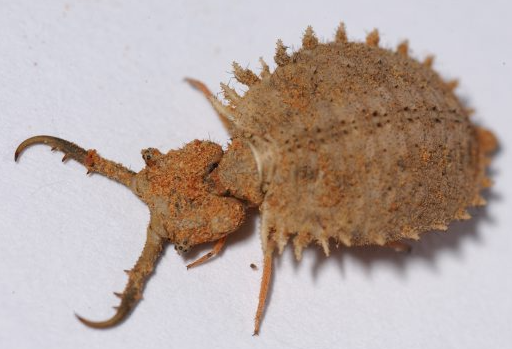
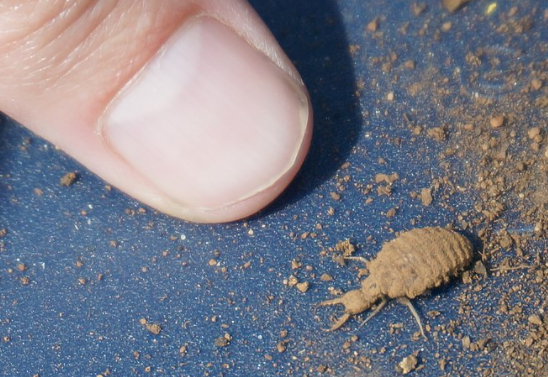
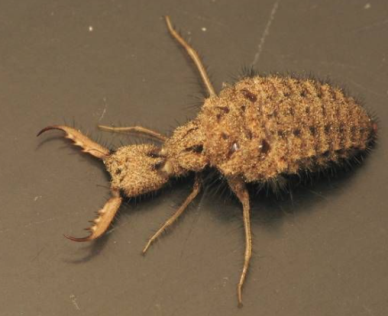
    Having had a look at the above picture with no scale reference, one would be forgiven for thinking that we might be looking at something out of Jurassic Park or even Alien vs Predator. These amazing creatures are called Antlions and we are going to have a look at their secretive existence. 

    image

    With an adult male thumb nail for size reference, the Antlion larva measures roughly 10-12mm.

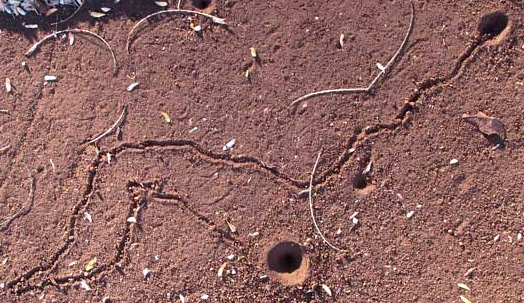
    The Antlion is in some cases referred to as a Doodlebug, this is due to the patterns that it leaves in the sand as it moves below the surface. This is believed to look like someone has been “drawing” in the sand.

    image

    The pitfall trap:

    Due to the fact that the adult Antlion’s only goal in life is to mate and reproduce before it dies, it can’t afford to spend too much time looking for food. As a result of this most of the feeding is done in the larval stage. Some species’ adults feed on pollen and nectar but typically they stop feeding after the larval stage. The larvae begin the process of building themselves a pitfall trap by locating suitably soft, sandy soil. 

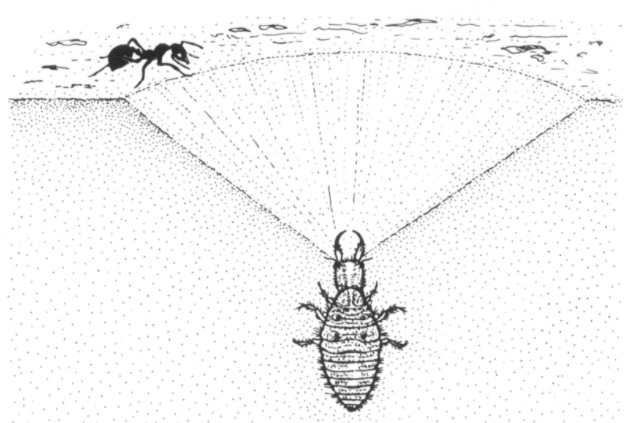
    Once they have found their preferred soil type, they begin digging themselves in. The process is started by moving backwards in circular motions and using its head in a shovel-like manner to remove sand, creating a cone-like depression in the soil. The trap is complete when the larvae are buried just below the surface of the soil in the centre of the pit trap as can be seen in the cross section drawing below.   

    image

    Now the waiting game begins, any unsuspecting insect that gets itself stuck in the pit trap will struggle to get out. This flailing around in the soft sand alerts the Antlion to the presence of its next potential meal.

    Using its head the same way it did during the construction process, to shovel soil, it flings soil particles over the victim struggling to get out. This causes a small scale avalanche in the soil and the victim ends up at the bottom of the pit trap right in the strong snapping jaws of the Antlion.

    The whole process can be seen in the pictures a, b, c and d above.

    image

    1. The Antlion lies in wait for a potential victim within the pitfall trap

    2. Unsuspecting insects fall into the conical shaped pit trap

    3. As the insect tries to escape, the loose sand tires it out but also gives the Antlion the opportunity to shovel sand at it causing the avalanche and bringing the victim closer to it.

    4. The Antlion captures its prey by using its strong jaws and begins the feeding process.

    The feeding process:

    Feeding is accomplished by using the sickle shaped mandibles or jaws to grab and hold onto prey. Several sharp protrusions inject a potent venom into the prey as well as enzymes to start digesting its soft parts. The Antlion “sucks” the victim dry and then simply discards the exoskeleton by using its head and “shovelling” the carcass out of the pit before resetting the trap and going back to waiting.

    From beast to beauty:

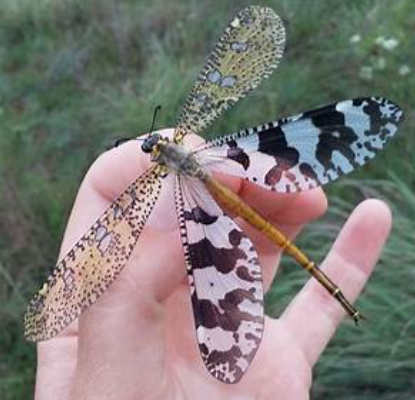
    What starts off looking like something from outer space, cocoons itself into a ball made from soft silky material and sand. When it emerges it is vastly different and almost resembles a dragonfly or damselfly. However, these adult Antlions are rather poor at flying, sometimes only managing short distances before falling to the ground.

    Life cycle of the Antlion

    image

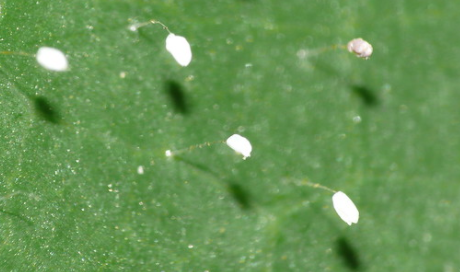
    (1) Eggs

    image

    (2) Larva

    image

    (3) Cocoon

    image

    (4) Adult

    Although the Antlion isn’t necessarily the “Lion” that guests are travelling to Africa to see, pound for pound they are just as ferocious and dangerous to their prey as their large brown namesakes. Spending time focused on the smaller aspects of the bush leads to a better understanding of the larger bits and pieces happening around us. This is what our Wildlife Research Expedition is all about.

  • What’s the buzz about International Day for Biological Diversity?

    BY: Tasneem Johnson-Dollie

    Biological diversity sounds like an important concept, but do you know what it actually means? Let’s learn more by taking a look at what International Day for Biological Diversity is all about. 

    Getting to know International Day for Biological Diversity

    image

    International Day for Biological Diversity is celebrated on 22 May each year. 

    It’s a day that’s been set aside by the United Nations (UN) to celebrate biologically diverse ecosystems all around the world. 

    And, because we’re living in a time when the rise and fall of species in different ecosystems has taken centre stage, it’s also about highlighting challenges to biological diversity worldwide. 

    But, what is biological diversity and why is it important? Let’s get a better look by leaping into the definition of diversity in biology. 

    What is biological diversity?

    image

    Biological diversity means having lots of living things around, right? Or is it about there being lots of different types of animals and plants? Or having lots of plants and animals in one place at the same time? 

    Understanding what’s meant by the term “biologically diverse” starts with wrapping your head around the definition of diversity in biology. 

    The most widely accepted definition comes from the UN Convention on Biological Diversity. It describes biological diversity as, “the variability among living organisms from all sources including, inter alia, terrestrial, marine and other aquatic ecosystems and the ecological complexes of which they are part; this includes diversity within species, between species and of ecosystems.” 

    This magnificent mouthful emphasises three main points:

    1. Biological diversity is about having a variety of living organisms in existence. 

    2. The concept of biological diversity can apply to all the different ecosystems on Earth – including terrestrial, marine and freshwater environments. 

    3. Measuring biological diversity means comparing the variety of plants and animals within species, between species and within ecosystems.

    So, this definition of diversity in biology answers “yes” to all the questions we started out with.

    Yes, biological diversity is about having lots of living things around. And yes, it’s also about there being lots of different types of animals and plants in existence. And in addition to these, yes, biological diversity is having different environments bursting with large numbers of living things. 

    Each year, International Day for Biological Diversity looks to build on the world’s understanding of what biological diversity really means and why it matters. 

    Because biological diversity is a term with a massive meaning, it helps to take a look at some real-life examples to get a better understanding of it. 

    The World Conservation Monitoring Centre (a branch of the UN) identified 17 megadiverse countries. These destinations are home to the most biologically diverse biomes on Earth, and they paint a clearer picture of what biologically diverse ecosystems look like.

    What are the most biologically diverse biomes on Earth?

    image

    Biomes are wild spaces that set the scene for specific communities of plants and animals to coexist. 

    Aquatic, desert, forest, grassland and tundra environments make up the five major biomes on Earth.

    Through collaboration with local and international organisations, the UN was able to gather an extensive amount of data on biomes across the world. 

    This led to them pinpointing 17 of the world’s 195 countries as being the most biologically diverse. These locations are known as megadiverse countries and include places like Australia, Brazil, Madagascar, and South Africa, where we offer top-rated field guide training in the heart of the African bushveld.

    The other megadiverse countries are:

    1. China

    2. Colombia

    3. Democratic Republic of Congo

    4. Ecuador

    5. India

    6. Indonesia

    7. Malaysia

    8. Mexico

    9. Papua New Guinea

    10. Peru

    11. Philippines

    12. South Africa

    13. United States of America

    14. Venezuela. 

    Together, these megadiverse countries account for only 10% of the world’s land surface area, but are home to almost 70% of Earth’s terrestrial life forms. This is a biological feat of epic proportions, even before we consider the marine and freshwater plants and animals that call these countries home!

    Most megadiverse countries are made up of a mix of aquatic, forest and grassland biomes where thousands of different types of animals and plants live. 

    Let’s take a look at the challenges facing these biologically diverse biomes today. 

    What’s affecting the world’s most biologically diverse biomes today?

    image

    Studies have looked at changes in biologically diverse ecosystems over the years. This research has highlighted some of the biggest challenges to biological diversity today. They are:

    1. human activity – like poaching, overfishing and the overdevelopment of natural environments

    2. climate change – changes in temperature and precipitation affect the development and survival of many different types of animals and plants

    3. invasive species – when non-indigenous plants and animals are introduced into an ecosystem they can affect the well-being of endemic plants and animals. 

    The ten years between 2011 and 2021 were designated as the UN’s Decade on Biodiversity. This set a deadline for the UN Convention on Biological Diversity to develop solutions to the challenges faced by plants and animals globally.

    A whole decade of planning – isn’t that a bit much? Well, not when we consider how biological diversity has been affected over the last century:

    1. It’s estimated that 30,000 species go extinct every year – which amounts to three species every hour.

    2. Human beings make up 0.01% of life forms on Earth, yet human activity is responsible for the extinction of 83% of mammals and half of the planet’s plants

    3. The average number of species in terrestrial ecosystems has dropped by around 20% since 1900

    4. Global warming has significantly affected the survival of more than 40% of amphibian species and almost 33% of reef-forming coral species.

    5. In the Amazon alone, an 80% increase in fires from 2018 to 2019 has affected 7,000 square miles of the rainforest – one of the world’s most biologically diverse biomes.

    6. Around one million plant and animal species are threatened with extinction today. 

    Right now, the rate of species extinction is at an all time high. And, with every year that passes, the world’s biological diversity dips even lower. 

    So, why is biological diversity important?

    Why is biological diversity important?

    image

    Earth’s different types of animals and plants are as important to the planet’s well-being as the sun that keeps us warm, and the water that supports all life on Earth.

    Plants and animals are key parts of ecosystems – which provide us with food, water and other natural resources, like wood, fertile soil, medicines and oil. And, the life forms found in these ecosystems are part of the natural processes that allow for these resources to exist in the first place.

    Many ecosystems also produce tons of oxygen that living organisms need to survive. They also act as carbon sinks – natural environments that absorb large amounts of carbon from the atmosphere. So, they play a big role in moderating the effects of global warming and climate change. 

    And, many plants and animals are a key source of food and employment for the human population – which is growing by the millions every year.

    With less biological diversity, the ability of ecosystems to meet the world’s demand for food, water, oxygen and other natural resources will drop. And, these resources may not be available to us in the future.

    This can have a big impact on our livelihoods, world economies and disease management in the years to come.

    So, what can we do about it?

    How to make an impact on International Day for Biological Diversity?

    image

    The UN Convention on Biological Diversity gives us annual updates on what’s happening in biologically diverse ecosystems around the world. This means that every year on International Day for Biological Diversity, you can see what’s being done to address diversity loss, and how it’s adding to a positive global impact.

    But, you don’t have to play a passive role in this annual event.

    By following your passion for nature and working towards a career in conservation, you can make a meaningful impact in conservation activities worldwide.

    You could become a Field Guides Association of Southern Africa (FGASA) accredited field guide, a park ranger, or a conservationist involved in environmental awareness education in local or global communities.

    Any work that adds to the aims of the UN Convention on Biological Diversity will make a meaningful impact in slowing extinction rates and safeguarding global biological diversity. 

    Sign up for Bushwise Field Guides online field guiding course, and gain the knowledge and insight you need to make an impact on International Day for Biological Diversity.

  • Bushwise celebrates a glorious 15 year anniversary

    We feature Kimberley Pierce (Jersey, UK) one of our very first alumni, who completed her course in January 2006. 

    This is her story.

    My mum, who grew up in Zimbabwe, introduced me to Southern Africa early on in my childhood. It was love at first sight. Determined to gobble up all the knowledge I could about The Continent, I discovered the Big Cat Diary Show which was shot in the Masai Mara region of Kenya. Soon all I dreamt about was of one day living in Africa. 

    After completing high school, I knew the path of traditional tertiary education was not for me. I considered my options and eventually found the Bushwise course online. It seemed like an incredible opportunity to learn about the natural world, while also being immersed in the safari environments of Africa, so I decided to sign up.

    image

    This decision led to some of the best times of my life. I was only 20 when I started, and became a part of the most incredible group of people from all over the world (with ages ranging up to the mid-50’s) – eager and dedicated to making the most of our time there. Our trainers were fantastic, incredibly knowledgeable and patient; and we had such a great balance of training and learning, mixed in with a whole lot of fun.

    I was able to do my placement at Ezulwini Camps in the Balule Game Reserve after completing the course. And after my placement, I secured a full-time job and carried on working there.

    A few years later, I returned home (UK) briefly and worked for the Durrell Conservation Trust before finally relocating to Kenya, which had always been my long term goal.

    In Kenya, I retook the local guiding qualifications and then guided and managed at the following places:

    1. Satao Elerai in Amboseli

    2. Nairobi Tented Camp in Nairobi National Park

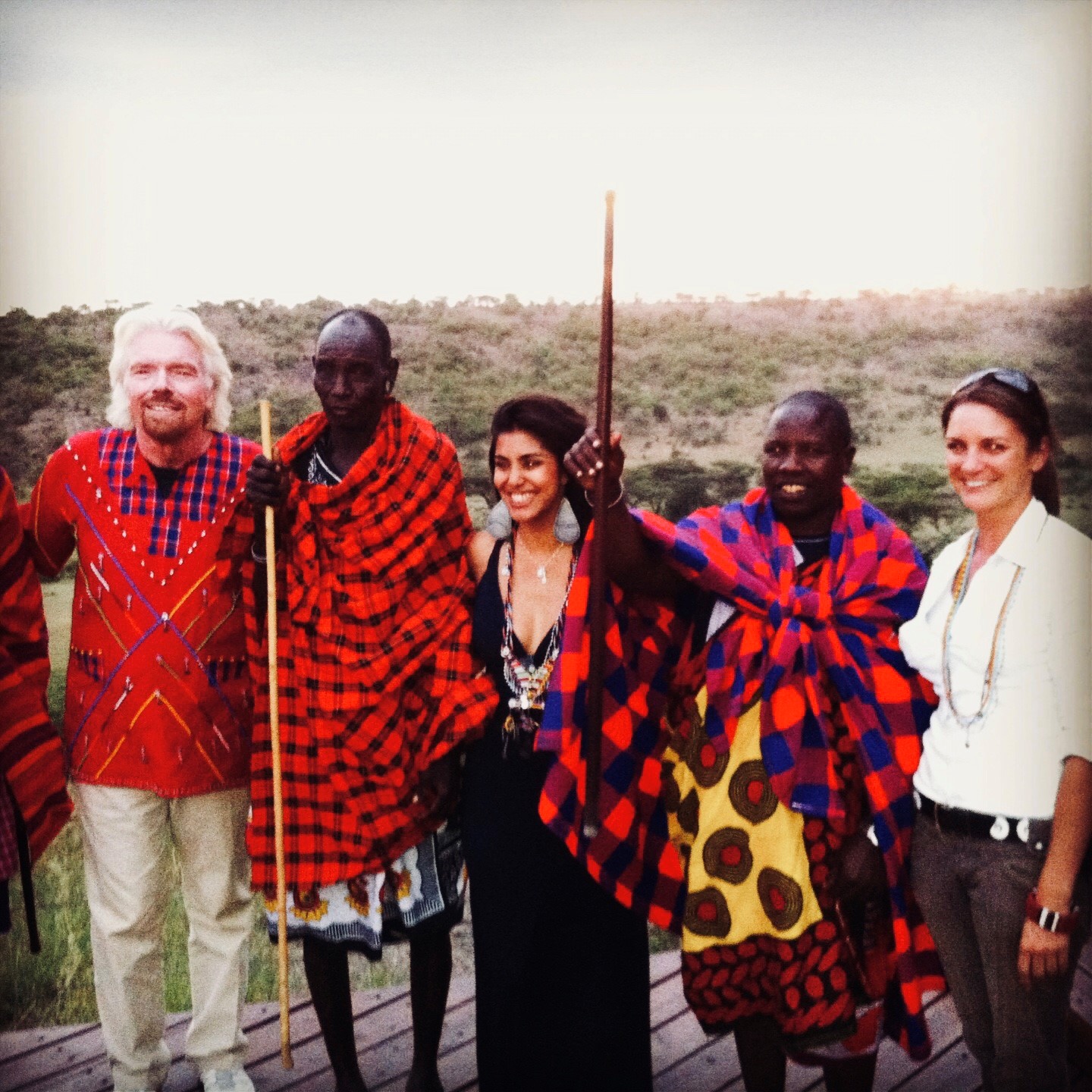
    3. Naibor in the Masai Mara

    4. Mahali Mzuri, Richard Branson’s Virgin Limited Edition, a property in the Greater Mara.

    image
    image

    After spending 10 years in Africa, I headed back home where I founded and have been running my own travel business with a specialisation in African safaris.

    The advice I would give to others wanting to become a Field Guide?

    There is so much that goes into being a good guide, but great guides are the ones who find their niche and passion within the industry and are able to communicate well with their clients.

    A great guide can take their clients on a 3-hour game drive, get stuck in the mud for half the time, barely see a thing, but the clients still come back laughing and having had an unforgettable experience.

    Make sure your personality shines through and do not get too worried about not knowing every detail; as your experience grows so will your stories and insight into the incredible world of safaris. And always make sure you have your cooler box well stocked! You can get away with any eventualities if there’s a cold G&T on hand for the clients. (Hint hint!)

    Future plans?

    I have been working on developing my own safari itineraries, and in 2021 will start taking groups from the UK out for high-end Private Flying Safaris around East Africa. I plan to continue growing my travel business with the hopes that one day that I will be self-sufficient and can put most of my time into guiding group travel around Africa.

    Final thoughts?

    Bushwise gave me the platform to enter into an incomparable 10-year career in the safari business. The lessons I learned from my time in the bush, the animal encounters, the tribes I have lived alongside, and most of all – the incredible people I have been lucky enough to work with – have shaped my life. I feel so grateful and privileged to have truly LIVED(and I’m only 34!).

    So, if you have the opportunity – go for it. Even if it does not turn into your career, you will learn valuable lessons that will stay with you for life.

    https://www.kimpiercetravel.com/

    https://twitter.com/KimPierceTC