Category: Course updates

  • Leadership and teamwork go together

    The images in this article were taken pre-COVID-19.

    BY: Matilde Sant’Ana 

    Camp manager blogs are written by our current students who each get a chance to lead and manage a group (of their fellow students) for a period of one week.

    After an exciting and relaxing week off, the students at the Mahlahla campus met to get our COVID-19 tests before we could return to campus. After all staff and students tested negative, we were ready to roll! That’s when my job as camp manager began.

    image

    The first Sunday after an off-week is always filled with laughter. At Mahlahla, we make an effort to sit around the dining area or the boma to share our off-week stories. My family had come all the way from Portugal to visit me, and brought me snacks and treats to share with everyone – a good Portuguese tradition! By 6:00 pm on Sunday, I’d arranged a table with cheese, crackers, ham and chorizo (a type of pork sausage used in Spanish and Mexican cuisine), as well as a chocolate dessert made by my grandma. It was a great way to start semester four – with food and friends! 

    I have managerial experience from my previous job as a volunteer and camp coordinator at a wildlife conservation organisation, and I was confident it would help me take on the camp manager role. 

    image

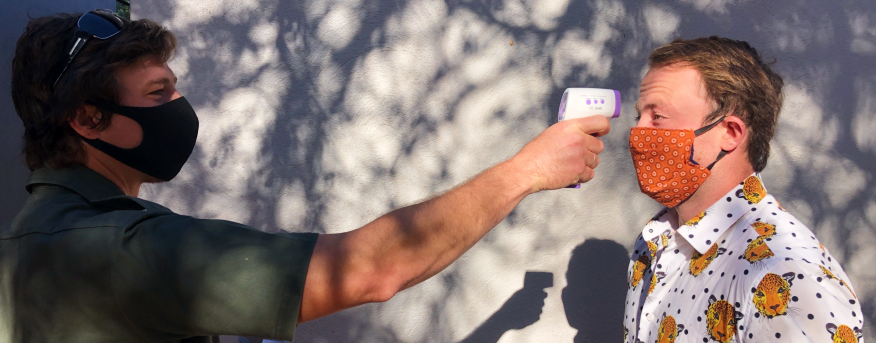
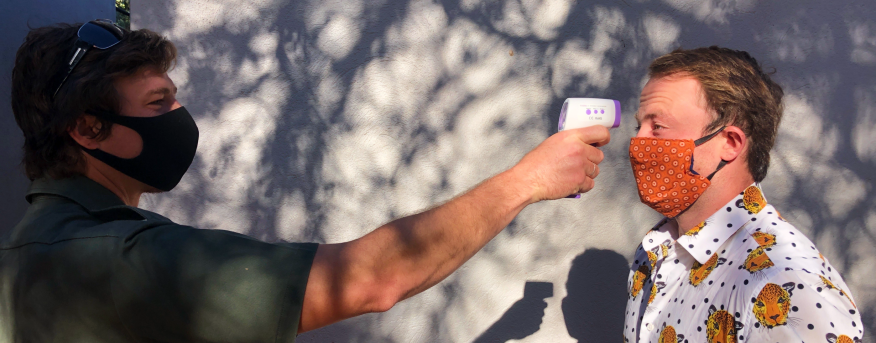
    From making sure COVID-19 protocols were followed (like getting everyone’s temperatures taken twice a day), to making sure the students completed their tasks (like doing dishes, emptying bins and maintaining classroom cleanliness), being camp manager can sometimes be overwhelming. But I felt really supported by everyone. 

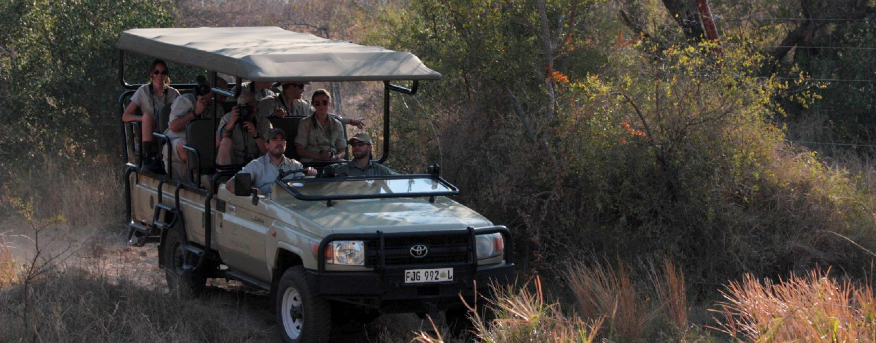
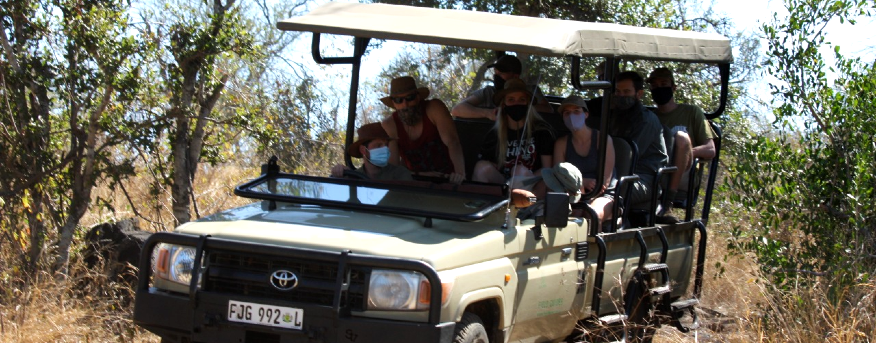
    On Monday and Tuesday, we went for game drives in the Greater Makalali Private Game Reserve. These drives help us learn the routes and practise our guiding skills before our final mock-drive assessment at the end of the semester, and ultimately, our CATHSSETA NQF 2 practical assessments. 

    image

    Photo by: Ben Klunder

    As the camp manager, I had to ensure the students who had driving slots were aware of their departure times and how to keep the vehicles clean. I also had to prepare the hot boxes – snacks and drinks.

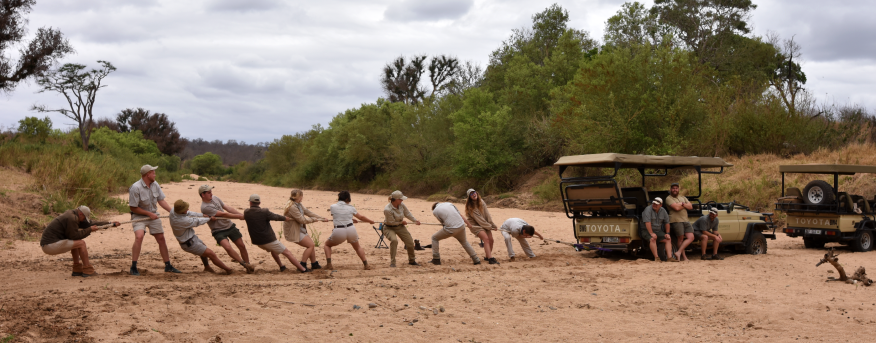
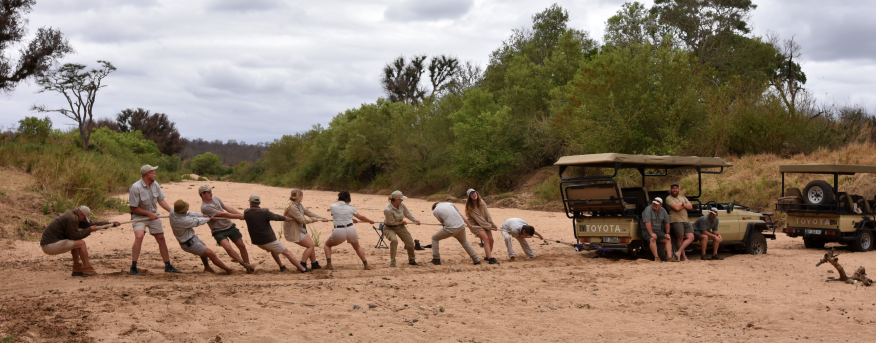
    Andre De Clerk and Mark Frazer, an external assessor and a facilitator, came to campus to conduct our 4×4 theory and practical assessments. 4×4 training at Bushwise is always a fun week! Reverse stall starts, changing tyres in riverbeds and driving a land cruiser are always extremely exciting. 

    image

    By Friday, the students at the Mahlahla Campus had finished their assessments and were all declared competent – another amazing experience and certificate to add to our already long list of achievements since we started our course! 

    I learned a lot from being responsible for this group – something I’m sure will benefit me in my career. Being the camp manager is as much about leadership as it is about being a team player, and thankfully enough, those skills are something we all work on here at Bushwise.

    Get the chance to learn valuable leadership and teamwork skills like Matilde, by joining a Bushwise course.

  • Animals don’t always play by the book

    Photo by: Carl Louis Steenkamp

    BY: Nico Brits

    This blog was written by Nico, one of our trainers. Here, Nico shares his experiences with wild animals in the African safari.

    As a field guide, it’s important to have academic knowledge of animals, but it’s equally important to observe and interpret what’s happening with the animals you’re viewing. There are so many facts written about animals in books that contradict what you will sometimes witness out in the field.

    image

    This image was taken pre-COVID-19.

    There have been many instances, throughout my career, where animals haven’t demonstrated textbook behaviour, and I’ve been left having to explain what the animals were doing and why I think they were behaving that way.

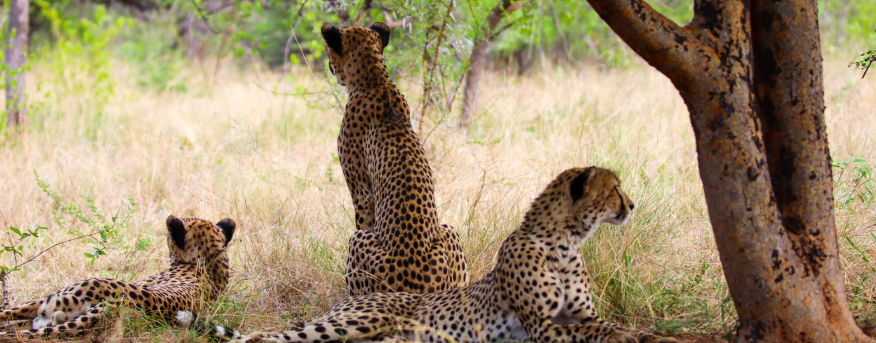
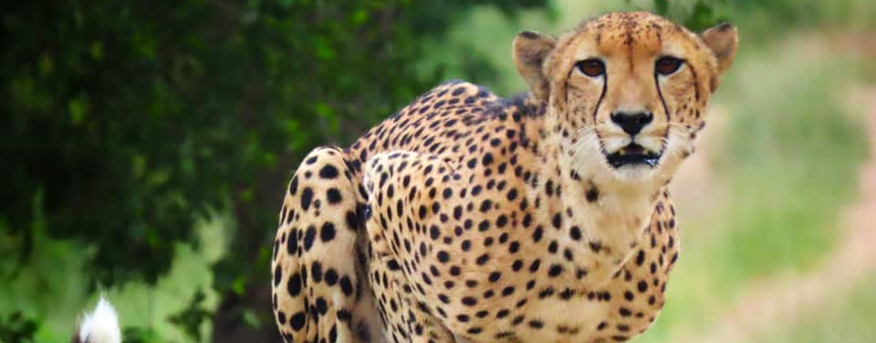
    Every book I’ve read about cheetahs says they’re diurnal animals (active during the day), and mainly hunt in open areas where they can use their speed. But, during my time working in the Eastern Cape, I noticed that the male cheetahs in a specific area started to change their behaviour, and became more nocturnal. They also started to hunt in thicker areas, where they stalked prey like leopards do; and where there were coalitions of cheetahs, they hunted like lions (one cheetah would chase the prey towards the other cheetah).

    image

    The first time I had to explain this phenomenon to guests was while we were sitting with two cheetah brothers on a warm afternoon. I could see the animals were hungry, and explained to the guests that we should wait with them for a little while – knowing they’d likely get up before sunset to hunt. I thought the cheetahs might be behaving this way because of a lack of competition from spotted hyenas in that area. Just as I thought, once the sun had set, the two brothers got up and started moving.

    When there are changes in animal behaviour, field guides often have to find a reason, because these are things you wouldn’t usually find in books. I think there’s a lot we still don’t know and understand about animals and their behaviour.

    image

    Photo by: Callum Evans

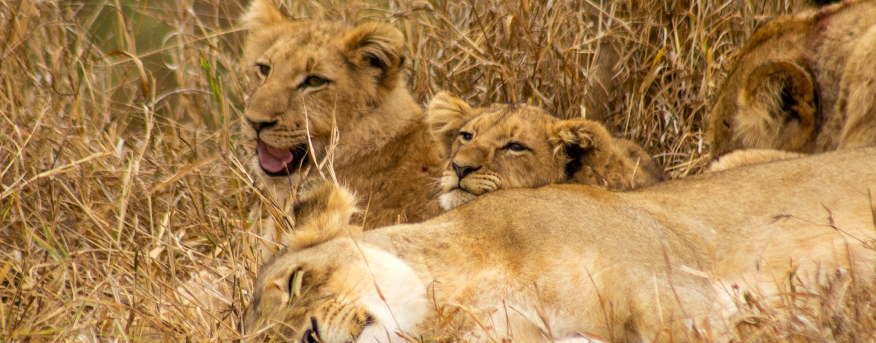
    Some of the other strange changes I’ve seen include zebras only roaming around one specific tree, and lions joining prides they weren’t born into.  I imagine there are plenty of unusual behaviours that other field guides have seen but not documented. 

    So when you see animals do things that you’ve never heard or read about before, don’t worry. Watch and try to figure out why.

    Don’t just read it – find out what wild animals are really like by joining a Bushwise course.

  • An international student shares their experience as a camp manager

    The images in this article were taken pre-COVID-19. 

    BY: Corina Rewijk

    Camp manager blogs are written by our students who each get a chance to lead and manage a group (of their fellow students) for a period of one week.

    After two busy weeks of Track and Sign, and Advanced Rifle Handling training, my week as the camp manager was just as busy! I came to South Africa all the way from the Netherlands, only knowing about five bird species and one South African tree. With Bushwise, I can say my knowledge about the bush improved by 500%!

    image

    On Monday, the rest of the international students and I went to Hoedspruit to do a theoretical exam for our Professional Driving Permit (PDP) licenses, which allows us to drive guests during placements. It’s an important test to pass, and I found it difficult to study again because it’s been a long time since I got my driver’s license!

    The next two days were all about 4×4 driving and how to safely drive and recover the game vehicle in the bush. Donovan, a staff member from Marking Africa, took us into the Greater Makalali Private Game Reserve, where we practised starting up a stalled vehicle and driving downhill. 

    image

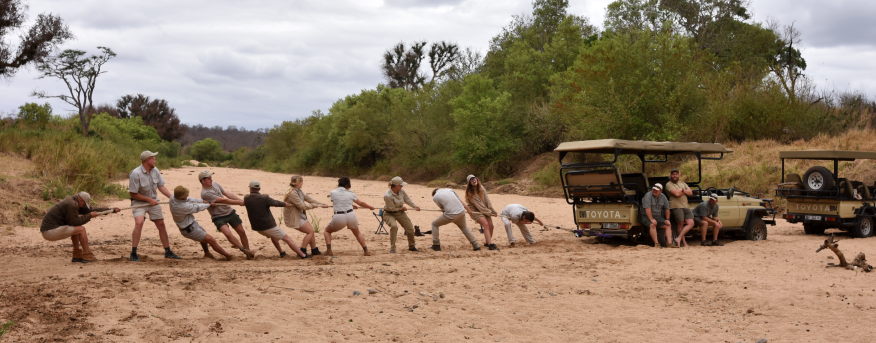
    We also had to change a tyre and recover the vehicle from the sand. It was very interesting and made us realise that a lot can happen in the bush. The most important lesson about going on a safari drive is to always keep your guests and yourself safe.

    The other days were spent practising bird identification using sounds and sight. We need to know at least 230 birds by sight and 122 by sound, which is not something you learn in a few days! 

    Our new morning routine is to have coffee and play bird sounds. It’s been really helpful, because now we don’t just hear a bird singing, but we are also able to recognise what type of bird it is.

    image

    And with the tree assessment coming up soon, everyone got a bit stressed. So we went back to the game reserve and had to identify 50 trees. Since it’s the end of winter in Limpopo, most of the trees don’t have any leaves or flowers, which makes it even more difficult. Luckily for us, we’ll get another chance to practise our tree-sighting skills next semester.

    Looking back at the past three months, I realise how much we’ve learned, and how much there is still to come. But for now, we’re starting our well-deserved off week, to unwind and prepare ourselves for the last two semesters.

    Travel to South Africa and up your wildlife knowledge in the heart of the African bushveld!

  • How environmental research jobs in South Africa pack a punch

    Some images in this article were taken pre-COVID-19. 

    BY: Tasneem Johnson-Dollie

    Environmental research jobs are key to tackling the many challenges facing Earth’s natural spaces. In South Africa, environmental researchers drive some of the most impactful and complex conservation efforts in the world. 

    Here’s more about what environmental jobs in South Africa are all about and why they pack such a punch. 

    What are environmental research jobs in South Africa all about?

    image

    Photo by: Ben Klunder

    Safari guides, field guides and game rangers are hands-on conservationists whom many consider the stars of the show in the field of conservation. 

    They’re the ones doing the fieldwork needed to conserve wild animal- and plant species in nature reserves. But, they’re not the only key roleplayers.

    Wildlife research jobs in South Africa’s environment have a unique focus on observational work. 

    Gaining an understanding of how wild animals interact with their environment, through observation, is at the core of what wildlife researchers do. 

    This doesn’t mean that wildlife researchers aren’t involved in any action out in the field, though. In fact, on a wildlife research expedition, chasing down herds of animals or spotting a lion lurking nearby are typical parts of the job. 

    Wildlife researchers may work for the wildlife conservation research unit of a private or public reserve. They may also be independent researchers affiliated with a university or conservation organisation. 

    image

    Photo by: Ben Klunder

    Depending on whom they work for, wildlife researchers can be involved in many different areas of research, from profiling biomes to tagging and monitoring migratory animal species. 

    There are so many environmental-research topics relevant to South Africa, working as a wildlife researcher there means you have numerous options when it comes to pursuing meaningful work. 

    Why are wildlife research jobs important in conservation?

    Wildlife conservation research involves gathering all the essential data that reserves need to plan and execute relevant and meaningful wildlife conservation efforts. Sounds simple, right?

    Well, not quite. Wildlife researchers need to be experts on wildlife and the procedures used to do scientific research in the wild – which isn’t as straightforward as doing research in a controlled setting like a lab.

    Without the expertise that those employed in wildlife research jobs bring to the field, many of the attempts made to conserve wild species would fall flat. 

    Here’s one example of how wildlife conservation research played a vital role in South Africa’s environment. 

    How wildlife research jobs added to cheetah conservation in South Africa

    image

    If a reserve was looking to introduce more cheetahs to an area where the cheetah population was dwindling, they could just pick the cheetahs they want, relocate them to the reserve, let them loose and wish them well in their new habitat.

    But trial and error has shown that this isn’t the best way to go about it. In many instances where this approach was used, the relocated cheetahs wouldn’t fare well in their new habitat.

    But why was this the case? 

    After taking on the task of observing cheetah populations in South Africa, researchers identified different behaviours amongst cheetahs residing in predator-dense areas when compared to those residing in less predator-dense areas. 

    Cheetahs overall are less aggressive predators, and shy away from confrontation with larger predators like lions and hyenas. 

    image

    Cheetahs in more predator-dense areas have adapted to their habitats in ways that allow them to secure enough food and territory, even with tons of other predators on the prowl.

    One example of this behaviour is that cheetahs in predator-dense areas opt to hunt in larger groups. Having a large group of cheetahs in the same place at the same time makes other predators think twice about bullying cheetahs into abandoning their prey. 

    And, cheetahs residing in predator-dense areas would pass on these behaviours to their young, ensuring that generations of cheetahs would be able to survive in the region.

    If conservationists hadn’t prioritised wildlife conservation research in this instance, cheetah relocation programs may have continued to fail, and the cheetah population may have been up against an even bigger challenge. 

    And, cheetahs aren’t the only wild animals that have benefitted from wildlife research efforts. 

    What are other environmental research topics in South Africa focused on?

    image

    With a growing number of species appearing on the International Union for Conservation of Nature’s (IUCN’s) Red List of endangered species, environmental research jobs are more vital than ever. 

    Further reading: A closer look at World Habitat Day and the animals most affected by habitat loss

    The abundance of species and biomes in South Africa led to it being named a megadiverse country by the United Nations Environment Program (UNEP)

    But, South Africa is also facing some of the biggest global challenges, such as climate change, habitat destruction and poaching.

    image

    This has highlighted certain wildlife conservation research topics as priorities in South Africa’s environment. Today’s key environmental research topics in South Africa are concerned with:

    1. establishing local and national needs regarding research, education and monitoring 

    2. safeguarding South Africa’s biomes

    3. encouraging and preserving genetic diversity amongst animal species 

    4. understanding soil erosion and how to manage and reverse this phenomenon 

    5. ensuring the sustainable use of natural resources. 

    So, when you study nature conservation in South Africa, you’ll be exposed to some of the most challenging conservation work on the continent. 

    You’ll also be learning from conservationists who’ve contributed to some of the most innovative solutions in the field.

    image

    How you can study nature conservation in South Africa’s environment

    Starting out on your journey to becoming one of the best wildlife researchers out there is just one wildlife expedition away.

    Bushwise Field Guides offers the most comprehensive wildlife research course in the field. On our Wildlife Research Expedition, you’ll learn how to gather and analyse data on an array of animal species, including elephants, cheetahs, hyenas, rhinos and lions. 

    Sign up for our Wildlife Research Expedition and boost your potential to land environmental research jobs in South Africa.

  • The inside scoop on being a camp manager

    BY: Anton Fritz

    Camp manager blogs are written by our students who each get a chance to lead and manage a group (of their fellow students) for a period of one week.

    I expected my role as camp manager to involve being the link between the students and trainers – relaying announcements, taking everyone’s temperatures as part of Bushwise’s COVID-19 health and safety protocols, and ensuring chores were being done. The experience was almost what I expected, but I learnt that while leadership looks glamorous from the outside, it can mean being responsible for everything, while in control of nothing!

    image

    I also passed on announcements like changes to our schedule, posted information on the classroom board (like the expected weather for the day and the meals planned), welcomed and made coffee for guests, and checked on chores. Making sure that everyone pulled their weight and completed their assigned duties could be a hassle!

    Getting to be the host for a night was the most exciting experience. I decided on a semi-formal dinner, so I dressed up the classroom with tablecloths, candles, potted plants, and decorative skulls (to add a touch of Halloween to things). 

    image

    This image was taken pre-COVID-19.

    I also asked the other students to dress up, and to sit with students they don’t usually get to spend time with. With soft jazz playing in the background, we all performed mock toasts. 

    It took over two hours to prepare everything, and I had to acquire the decorations all on my own, but the night was a success. Effort goes a long way!

    I’d been finding it a significant challenge to make sure everyone got their chores done during the week – some students were harder to convince than others! So, I decided to address the class at dinner. 

    I told them about the importance of chores being done, and that being asked to do your chores shouldn’t be taken personally. Secondly, I reminded everyone that we all live here together, so every person is responsible for cleaning up after themselves. 

    image

    There were times when my role felt overwhelming, and the only resolution was to get assistance from the trainers. But being a camp manager contributed to my goals by teaching me that no matter where I end up, I will know how to lead people. 

    Before joining Bushwise, I had never been to South Africa, nor had I even been on the African continent. Now, I’m aiming to pass this course with flying colours and get employed as a field guide. I would be happy to work at a lodge, or in research, but my ultimate goal would be going into anti-poaching work of some kind. 

    Don’t just take it from Anton, find the answers to what it’s like to be a camp manager for yourself!

  • My week as the camp manager

    BY: Daniel Kriedemann

    Camp manager blogs are written by our students who each get a chance to lead and manage a group (of their fellow students) for a period of one week.

    As expected, the week was busy! Even more so for me because of the duties that come with being a camp manager. It was a great challenge, though, and I really enjoyed the extra responsibilities – which included hosting a fun evening for everyone on Wednesday night, welcoming guests to the camp, and overseeing the duties of the rest of the students.

    The week was also filled with game drives. We had two three-hour drives each day from Wednesday to Friday, which gave everyone an opportunity to be the guide for their group.

    image

    Photo by: Ben Klunder

    The students were split into two groups. Both groups had excellent sightings of rhinos and elephants, and the highlight of the week’s sightings were three massive male lions walking through the dry Mohlabetsi riverbed. 

    With a week full of brilliant sightings, the students were ready to appreciate all the “little” wonders that the bush has to offer too. We’ve been learning about birds recently, and were super excited when we witnessed two Wahlberg’s eagles mating in the reserve! 

    These birds are intra-African migrants and have just recently arrived on the reserve for breeding. We also had spectacular close-up sightings of a pair of saddle-billed storks, and the other group was lucky enough to observe one of them feeding on a catfish! 

    image

    Photo by: Donald Fraser

    Aside from all the sightings, we also did revision on our knowledge of trees and grasses, in preparation for our practical assessment on botany in a few weeks.

    On Wednesday morning, our head trainer, Jack, took four students on a bush walk  – myself, Zilcke, Adam and David – and it was amazing! We encountered a breeding herd of elephants only 20 metres away, as well as a black rhino only 30 metres away! It’s always a treat to see large mammals up close, while taking in the surroundings of the African bushveld on foot.

    That same day, during the evening drive, we spotted the three huge male lions again. It was awesome to be able to follow them on the road for about 45 minutes. We were late for dinner, but it was worth it!

    image

    After dinner, I decided to host a quiz night. The questions were on birds, mammals and reptiles. My group edged out the other group, beating them 8-7 in the end! It was a really fun evening.

    My experience as the camp manager was a welcome challenge. It was one of the best weeks I’ve had so far –  especially the braai that we had on Friday, to celebrate Heritage Day in South Africa. It was another successful week and I look forward to what the next few have to offer.

    Big mammal sightings, game drives and quiz nights – now that’s what we call a safari experience with a twist! Join a course now.

  • Safari guide courses that’ll set you up for success

    BY: Tasneem Johnson-Dollie

    Deciding to become a safari guide is fairly simple for any nature enthusiast. But with so many safari guide courses to choose from, picking the right one  for you can be tricky.

    You want to gain all the theory, skills and experience you’ll need, but this will all depend on the provider and course you pick. So how do you set yourself up to be the best safari game drive and walking safari provider? Let’s find out. 

    How to spot the perfect safari guide course provider

    image

    Photo by: Ben Klunder

    Safari guides are conservation specialists whose daily responsibilities include:

    1. managing wild animals

    2. maintaining natural environments and reserve infrastructure

    3. taking safari lodge guests out on guided walking safaris or game drives

    4. building on the local communities conservation awareness through environmental education.

    Any safari guide training course you sign up for should prepare you to take on these tasks and execute them fairly easily. 

    And, because working in the wild is just about as rugged as it gets, your safari guide course should also teach you solid problem-solving skills and how to keep calm under pressure. 

    Besides being a wildlife expert, you’ll need to be able to deal with all of the expected and unexpected challenges that come with a career in the wild – like being charged by an elephant or coming across poachers.

    image

    Photo by: Christie Janse van Rensburg

    Bushwise Field Guides is considered a leading CATHSSETA-accredited fiedl guide training provier.

    Signing up for a field guide training course is a solid way to start out your career as a safari guide. This type of course will teach you the basics of working in the wild and add to your practical experience in a big way. 

    You can clock up all the additional experience and knowledge you need to specialise as a safari guide on an internship or work placement. 

    As a Bushwise student, you’ll be based at one of the Bushwise campuses, set in the South African savannah, on the border of the Greater Makalali Private Game Reserve in Limpopo. 

    image

    Photo by: Carl Louis Steenkamp

    Just travelling to Limpopo is a huge step in the right direction when it comes to working towards a career as a safari guide. Not only is this area home to the country’s well-known Big Five, it’s also where more than 5,000 plant species and an array of other mammal, reptile and insect species can be found. 

    Because of where it’s situated, Bushwise is the best base for anyone who wants to be immersed in the savannah and learn about its plants and animals first-hand. 

    Here’s a look at the top safari guide courses in the industry and how they’ll prepare you to work in the best safari lodges in South Africa and across the world. 

    Bushwise Field Guiding Online Course

    image

    With travel restrictions coming and going, you may want – or need – to start off with an online CATHSSETA-accredited course that’ll give you a headstart on building your wildlife expertise.

    Bushwise offers one of the most reputable online safari guide training courses that you can do from anywhere in the world. 

    With only 10 hours of learning a week for 12 weeks, you can be sure you’ll be upping your safari guide potential by taking this course.

    And, you won’t be going at it solo. With Bushwise, online learning includes expert-led masterclasses as well as stimulating classroom discussions with your instructors and classmates.

    You’ll walk away with 120 of the 400 hours you need to qualify as a field guide, as well as tons of wildlife knowledge. 

    image

    Photo by: Matthew Franklin

    And, you can step straight into an in-country Bushwise safari guide course when you’re ready to venture into outdoor learning. 

    Further reading: The differences between online and traditional education in a field guiding course

    Bushwise Professional Safari Guides course

    If you’re serious about becoming a safari guide as soon as possible, this is the perfect safari guide course for you. As the most comprehensive safari guide course on offer, you can be sure that you’ll have a meaningful experience in the African savannah.

    You’ll have ample time to become an expert in everything you need to know, from how to create the best guided experience for safari lodge guests (whether on a walking safari or game drive), to how to keep your 4×4 vehicle in tip-top shape. 

    image

    After completing this Bushwise safari guide course, you’ll have the CATHSSETA Nature Site Guide Qualificatoin (NQF2), as well as NQF 4 knowledge under your belt. These qualifications will allow you to apply for work in the field. 

    The course includes six months of theory and practical experience, with a six-month work placement where you could be placed at one of the best safari lodges in South Africa. This type of opportunity will catapult your field employability to new horizons early on in your career. 

    To boost your employability as a safari guide even further – which is a specialised position in the industry – you can also sign up for the Bushwise Foundational Trail Guides course as an add on. 

    This 14-day additional qualification will allow you to clock up the minimum amount of dangerous game encounters on foot, log essential hours in the field, and gain deeper insight into the ethos of guiding in the bush. 

    Altogether, this is one of those safari guide courses that’ll have you completely covered when it comes to your professional foundations.

    image

    Photo by: Brendan Davis

    Wildlife Research Expedition

    If our conservation internship or professional safari guide course isn’t a possibility for you right now – because of time, budget or other constraints – our Wildlife Research Expedition may work.

    On this program, you can choose to spend six, 12 or 18 months doing meaningful wildlife research in the field.

    For this Bushwise safari guide course, we partner with Rhino Revolution and the Biodiversity & Development Institute

    image

    Photo by: Ross de Villiers

    Participants get to take a deep dive into projects focused on topics like anti-rhino poaching, and environmental awareness and habitat restoration all while working directly with field experts. 

    These are some of the tasks you’ll be involved in on a wildlife research expedition:

    1. tracking down animal species and locating plant species of interest

    2. collecting specimens

    3. uploading data

    4. setting up and maintaining remote research stations. 

    Anyone over the age of 18 can apply for this program and start building on their safari guide aspirations without delay.

    How to get started on one of the best safari guide courses

    image

    So you’re feeling ready to leap straight into one of our top-rated Bushwise safari guide courses?

    What are you waiting for?

    Find out more about our Bushwise safari guide courses and start planning for success today.
  • The first signs of summer in Limpopo

    Photo by: Callum Evans

    The images in this article were taken pre-COVID-19.

    BY: Matthew Nash

    Camp manager blogs are written by our students who each get a chance to lead and manage a group (of their fellow students) for a period of one week.

    The past week has been a very eventful and interesting one for all the students. Half of us  completed our Track and Sign training at Colin Patrick Training, and the other half did their Advanced Rifle Handling (ARH) training at a nearby farm. 

    image

    Colin Patrick shared his wisdom with us on an awesome adventure of tracking different species throughout the Greater Makalali Game Reserve. We found and learned about many different tracks that most of us had never seen before. 

    With the seasons changing,  summer made its first appearance with a thunderstorm on Saturday. Summer in Limpopo is wet, hot and humid; while winter is dry. 
    It was beyond awesome and refreshing to have the rain back in full force again. The rain brings a “clean slate” for the camp and our environment changes drastically.  Trees start to produce flowers and fruit, which means more birds and insects make their way back to their nests. 

    image

    Photo by: Callum Evans

    And, with more oncoming thunderstorms, our rivers, dams and watering holes will begin to fill and bring a new atmosphere back into the bush. During this time, you’re likely to spot larger gatherings of animals coming to watering holes to drink during the heat of the day. 
    The calls of the birds create a constant ambience wherever you go, and provide an awesome chance for all of us to learn and expand our passions and knowledge. 

    image

    Now that we’re nearing the end of our third semester, we’re starting with our 4×4 training, which is exhilarating. We are embarking on journeys to new and exciting places we have not yet seen, which allows us to experience a whole new set of environments and challenges. 

    The work is not over yet and there are so many more interesting things we are yet to see and learn.  I can’t wait for the final stretch of this journey; and then it’s time for us to start our careers! 

    See how the journey ends for yourself. Join us in the safari.

  • Being a leader

    BY: Spencer Gallant

    Camp manager blogs are written by our students who each get a chance to lead and manage a group (of their fellow students) for a period of one week.

    I was excited to be the camp manager and get the chance to show my leadership skills. I’ve always seen myself as someone who leads by example, and I was ready to show that in my new role. 

    image

    We spent the week split into two groups. One group went off to Track and Sign training and the other group, which I was in, tried out rifle handling. Since we spent the majority of the week studying two different subjects, the students remained divided into their groups even while we were all on camp. This meant we didn’t get to spend much time together as one big group, but I still had fun as the camp manager. 

    On Tuesday and Wednesday, my group went to the shooting range in Tzaneen to get our rifle competency training. I was very nervous because I had never shot a gun in my life, and was more focused on the shooting than being the camp manager!  

    image

    Photo by: Carl Louis Steenkamp

    This image was taken pre-COVID-19.

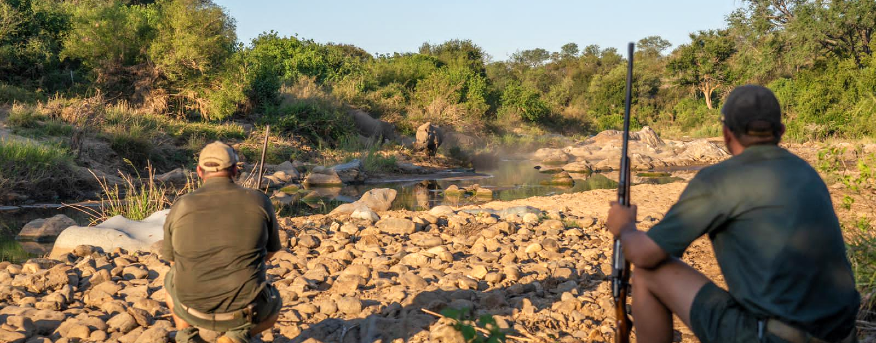
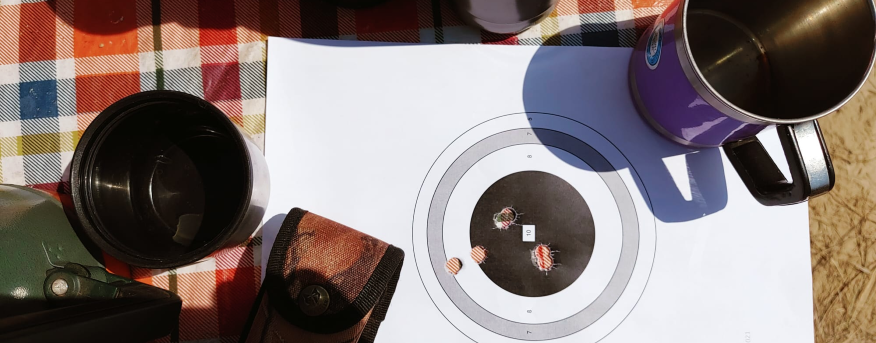
    I loved heading out of camp and getting a change of scenery, but Friday was the best day of the week. We went to practise shooting the rifles ourselves at a private farm nearby. And, even as someone who has never used a firearm before, my nerves quickly turned to excitement as the day went on. When it was my turn to shoot, the nerves were completely gone and I was very accurate! 
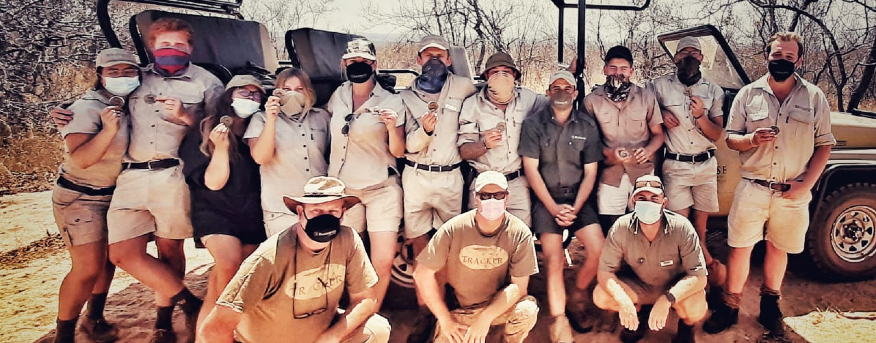
    The energy and positivity everyone had at the range was so great that it became one of my favourite days of the entire course. I had so much fun. 

    image

    On Saturday, we had a mock bird assessment to test our knowledge. Birds have gone from being a topic I wasn’t much interested in at the beginning of the course, to a hearty passion of mine as soon as I learned more about them. It was great to see how I’ve progressed since I started the course. 

    I did well in the test, and got another chance to lead by helping my fellow students with their bird knowledge. 

    All in all, this week went by smoothly. Even though I  only got to be the camp manager for one week and didn’t get to do as much as I would have liked to, I did the best I could with the time I had and that’s all anyone can do!

    Do you want to practise your leadership skills out in the safari too? Join a course now.

  • Campus after dark

    Some images in this article were taken pre-COVID-19. 

    BY: Darryn Murray

    This blog was written by Darryn, one of our trainers. Here, Darryn shares a story about creatures on campus.

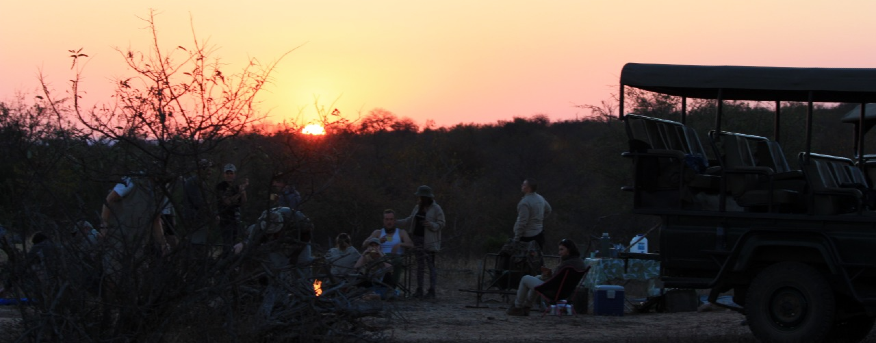
    While sitting around the campfire in the evening after a busy day of learning, writing tests and doing activities like safari drives, we at Bushwise are treated to the sounds of lions roaring in the distance, jackals, hyenas – and every so often, leopards – calling in the darkness, with the feeling of the crisp bush air surrounding us.

    image

    Photo by: Ben Klunder

    Recently, at about 11:00 pm one evening, I heard a commotion in the car park. I walked out onto my porch, armed only with a torch, to investigate the noise. All I could see moving about in the torchlight was a bushbuck. 

    Early the next morning, a few of us did a bit of CSI-type investigating.  The bushbuck I spotted the night before had been attacked by a leopard on campus! 

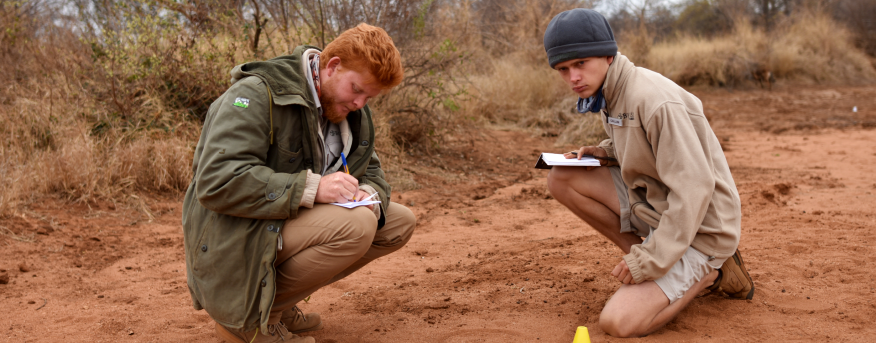
    Footprints, drag marks in the sand and a few drops of blood were all the clues that we had to work with. 

    Not long after we discussed the signs we found, we spotted the bushbuck, still alive and walking gingerly near the dam on campus. A day later, however, he succumbed to his injuries not far from where he had been seen the day before.

    image

    With the help (and camera trap) of Spencer Gallant, a student at Bushwise, we set up a camera near the bushbuck carcass, hoping we’d get some images of the leopard coming back to feed.

    By this stage, we were all very excited to see if the leopard would return. We made a pact to leave the camera up, undisturbed, for a week before going to check and see what surprises awaited us. At the end of the week, we saw there was still so much meat left on the carcass, which meant the leopard probably hadn’t returned yet. So, we decided to leave the camera set up for another week, and quickly changed the SD card and batteries.

    Let’s take a look at what we discovered.

    A selection of the first week’s images

    Photos by: Spencer Gallant

    image

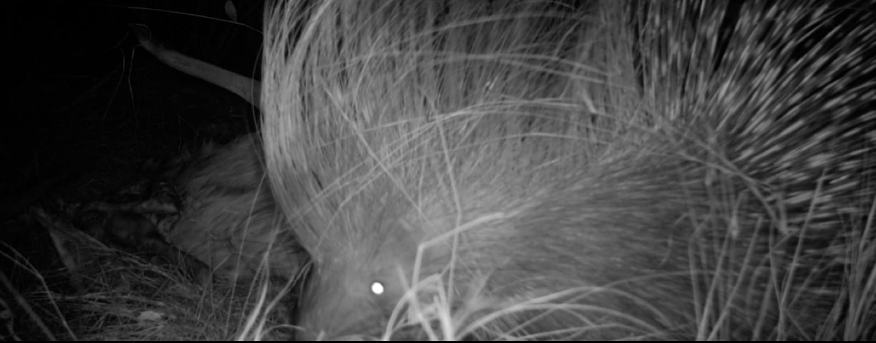
    A porcupine strolling by the camera.

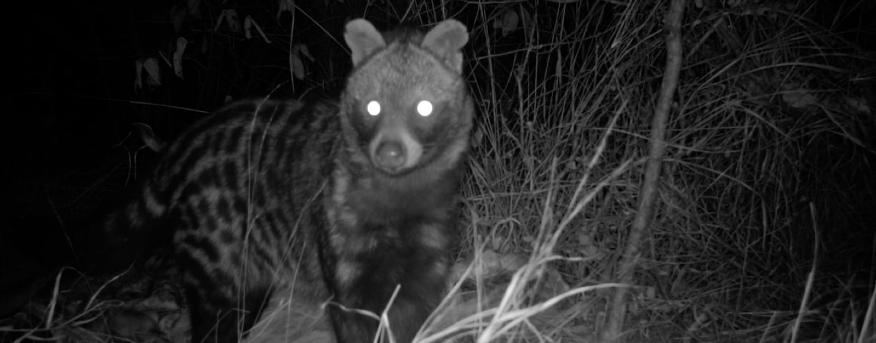
    image

    An African civet posing for the camera close to the carcass.

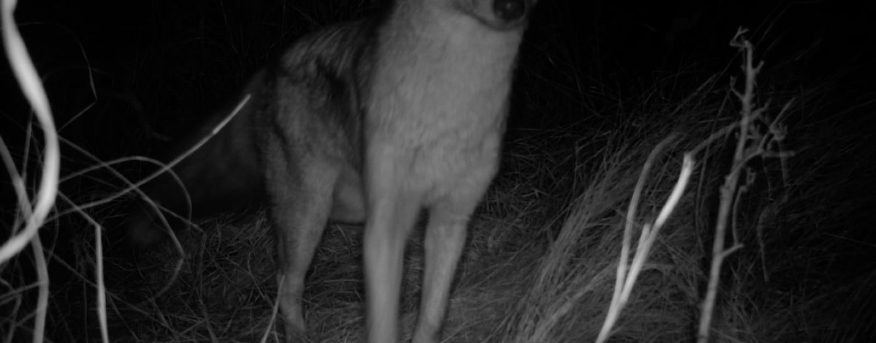
    image

    A side-striped jackal curiously looking at the camera.

    As the images were loading on the laptop, there was excitement in the air. We went through roughly 600 images, but not a single one revealed a leopard. To say that everyone was a little disappointed would be the understatement of the year, but we remained hopeful that the second week’s batch would yield the images we were after.

    The second week’s images

    Week two seemed to drag on while we were waiting for the pictures, but as the saying goes, “All good things come to those who wait.” 

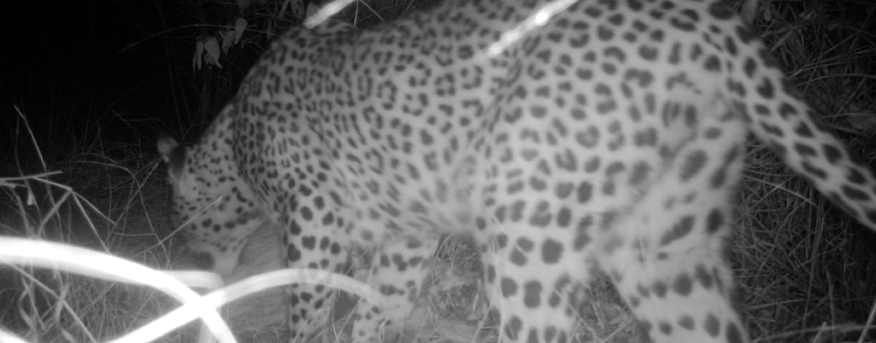
    There were cheers of excitement all around as the first images of the leopard came up on screen.

    image

    Photo by: Spencer Gallant

    At last, the leopard that we had all been waiting for.

    The leopard feeding during the early hours of the morning while everyone was asleep.

    All in all, it was a great experience for us students to see some of the animals that move around campus in the dark while we’re all asleep. Even though we don’t see them very often, we now know for sure they’re around, and probably see us far more than we see them.

    What creatures do you think you’d discover on campus after dark? There’s only one way to find out – join a course.