Category: Course updates

  • A manager is nothing without their team

    This image was taken pre-COVID-19. 

    BY: Donald Fraser

    Camp manager blogs are written by our students who each get a chance to lead and manage a group (of their fellow students) for a period of one week.

    We started week nine with refreshed minds, as most of us students on the Balule campus had chosen to go away for our semester break. Two students stayed behind to keep things running smoothly, and welcomed the newest member of our Balule family, Louise Pavid, a wildlife photographer and videographer.

    image

    Photo by: Donald Fraser

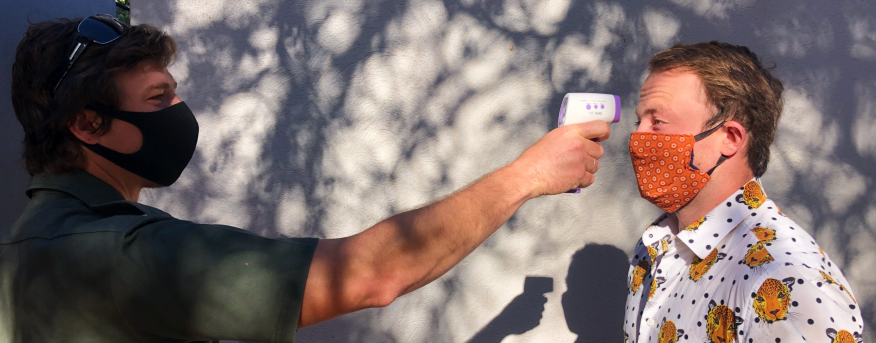
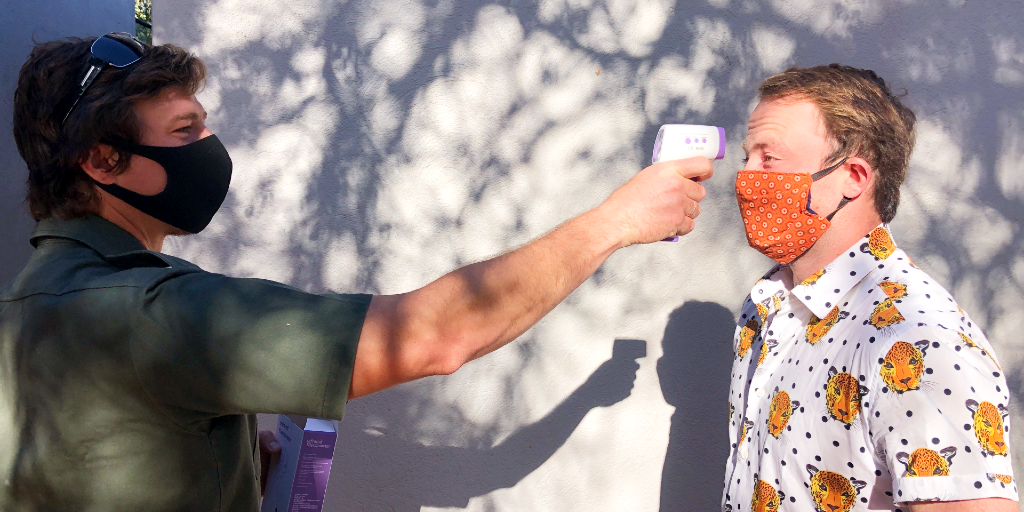
    I’ve had prior management experience, so I knew that being the camp manager was not going to be an easy task. I had lots to remember, like keeping the students going with their morning snacks (milk, cereal and rusks), ensuring COVID-19 protocols were followed, checking the safari guides were ready for their driving slots, and staying in touch with the students’ duties during the week. 

    I hoped I would be able to learn how different it is to manage people in this type of environment compared to the corporate one I was previously in (I worked in the financial industry). 

    image

    Reflecting on the week now, I think managing people remains mostly the same no matter which industry you’re in. You still need to ensure that students, like coworkers, work well together, and that tasks are delivered no matter what circumstances you face. 

    As a camp manager in the bush, I learned that you’ve got to be the first one up in the morning, and the last one to go to bed at night – after ensuring that everything is ready for the next day. And, as a manager, you need to understand that most of your hard work will be done behind the scenes, where nobody will stand and applaud you for what you’re doing!

    image

    Photo by: Donald Fraser

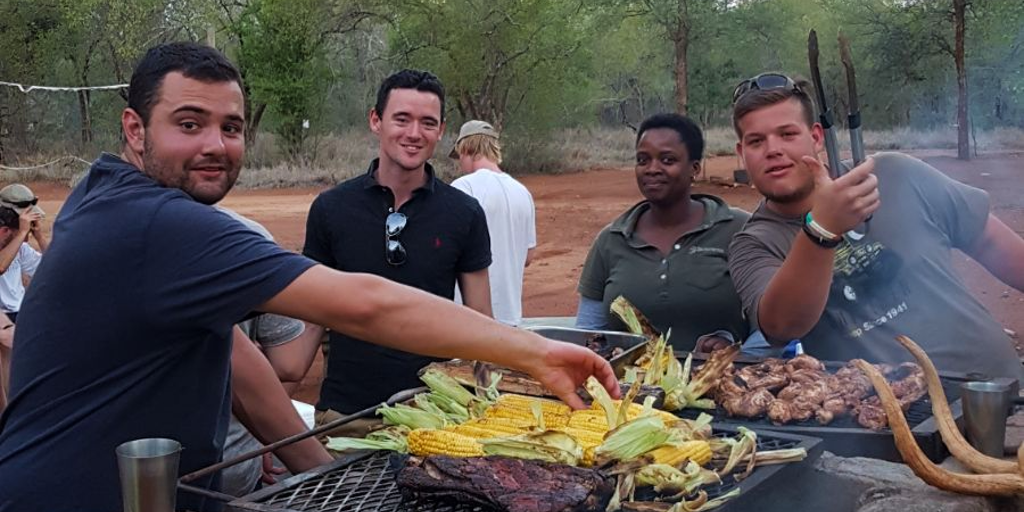
    My most challenging task as camp manager? Hosting a fun evening for the students wins hands down! Everything I planned for the evening went smoothly at first. I prepared a braai (barbeque) for the students, but then one of our lead instructors noticed that the meat we prepared was cooked on Tamboti wood, which secretes a substance that is poisonous to humans! The reality of the situation quickly set in. I engaged with our chef (now my hero) and we made a new plan for dinner. 

     The night wouldn’t have been a success without our teamwork, and it taught me that a manager is nothing without the support of their team.

    I would still like to end up as a type of manager, like a lead trainer for field guides, or even an  area warden. Even though a big part of a manager’s job involves putting out “fires”, it’s still the best feeling to see teams come together. But for now… bring on the reptile and bird exams!

    Interested in joining a Bushwise Field Guides course to gain more clarity on your future? Contact us.

  • Ten fun facts about spring season in the Greater Kruger National Park

    Photo by: Callum Evans

    Some images in this article were taken pre-COVID-19.

    BY: Tasneem Johnson-Dollie

    What’s the African wild like in the spring season? Read these fun facts about spring season in the Greater Kruger National Park to find out!

    If you’re looking to see the savannah buzzing like no other time of the year, visit South Africa during the spring season and set yourself up for a memorable time in the Greater Kruger National Park. 

    While you’re at it, why stop at just a visit? Why not make the savannah your office for the spring season?

    image

    1) When are the different seasons in South Africa?

    South Africa lies below the equator and the seasons follow the Southern Hemisphere’s schedule. 

    In the African savannah, the wet, hot summer season spans December to February, with the milder temperatures of Autumn settling in from March to May. By June, the rainfall subsides and temperatures sink to winter-chilliness levels. The winter season sticks around until late August, before giving way to the spring season, which lasts from September to November. 

    2) Where is the Greater Kruger National Park

    The Greater Kruger National Park includes the well-known Kruger National Park in Limpopo as well as more than 180,000 hectares of land to the west of the park in Mpumalanga. This stretch of savannah is home to over 20 private reserves. 

    image

    Photo by: Callum Evans

    3) What are springtime temperatures like?

    Springtime in the Greater Kruger National Park falls in the heart of the dry season. 

    But, while there may be little moisture in the air, temperatures in the spring season remain chilly – by South African standards – with lows of around 10 degrees celsius. On warmer days in the springtime, temperatures can reach highs of 27 degrees celsius. 

    4) When is the best time to travel to South Africa and visit the Greater Kruger National Park?

    You may have guessed it by now: it’s the spring season, from September to November. 

    But, you may be wondering why spring is the best season to visit the Greater Kruger National Park if it’s chilly and dry? Let’s find out.

    5) What’s so exciting about the African savannah during the spring season?

    image

    Photo by: Donald Fraser

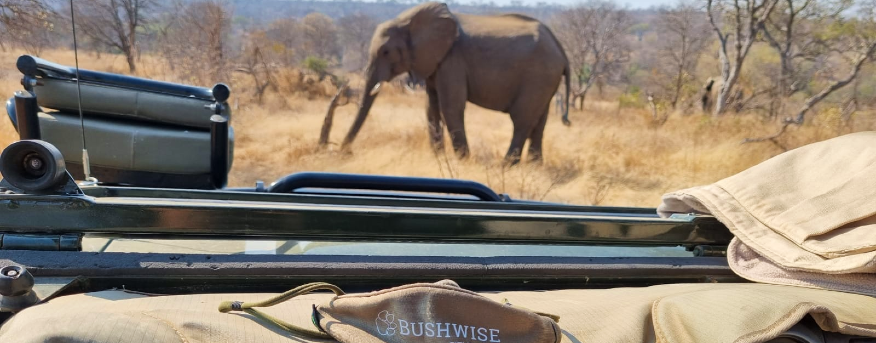
    One of the best parts of the spring season is that the dry weather makes spotting African savannah animals much easier, because there are fewer water holes around. The scarcity of water draws African savannah animals out of hiding as they seek out fresh water. 

    During this time of the year, you may also see a wider variety of African savannah animals in the same spot at the same time – all taking advantage of the precious water on offer.

    6) Which African savannah animals can I see during the spring season?

    South Africa itself is recognised as a megadiverse country, with its seven different biomes acting as habitats for thousands of species of plants and animals. 

    The savannah biome is home to some of the country’s best-known creatures, like the Big Five – lions, leopards, elephants, rhinos and Cape buffalo – and an array of leaping buck, furry rodents and slithering serpents. 

    As one of South Africa’s largest regions of savannah terrain, the Greater Kruger National Park makes a big contribution to the biodiversity of this biome. It houses over 500 species of birds, around 114 species of snakes, 147 mammal species and more insects than you can easily count.

    image

    Photo by: Donald Fraser

    During the spring season, the colder daytime temperatures mean that reptiles are less active (they get moving after heating up in the sunshine). So, you may not see as many reptiles on the African savannah during this time.

    But, bigger mammals will still be around in their numbers, and smaller mammals will start to come out of hibernation. So, in addition to the zebras, lions, giraffes, elephants, antelope, wildebeest, rhinos, warthogs, hyenas and African wild dogs, you could also get an eyeful of meerkats, dassies, weasels and savannah rodents. 

    Read more about the African savannah biome in this article: All you need to know about field guiding and biomes of South Africa

    7) Which plants can I see in the African savannah during springtime?

    Towards the end of September, the Greater Kruger National Park starts to experience its first rains of the spring season. By the end of October, the African savannah is bursting with lush vegetation. 

    So, if you stick around long enough, you’ll get to feast your eyes on a wide variety of plants in the African savannah too. 

    From acacia and jackalberry trees to bermuda and elephant grasses, you may think you’re not in semi-arid terrain after all!

    This showy greenery is a sign that the spring season is coming to its end. So, you could see the African savannah adorned with a sea of green spindles, broad canopied trees and bushels of thorny thicket.

    image

    Photo by: Donald Fraser

    8) What are the best ways to experience the Greater Kruger National Park during the spring season?

    With this region of South Africa housing an array of different game reserves, booking a safari holiday in the Greater Kruger National Park is easy enough. 

    Going out on a safari with a field guide or game ranger is a great way to learn more about the area from a field expert. But, there are also ways that you can add to your own expertise as a wildlife enthusiast. 

    Bushwise Field Guides offers in-country courses set in this region, and you’ll learn all the theory you need to become a certified field guide. Our courses also ensure that you’ll gain all the practical experience essential for anyone wanting to work in the African savannah.

    With courses like these on offer, anyone who becomes besotted with the Greater Kruger National Park, and its plants and animals, can spend more time on the terrain – while working towards a career in the great outdoors.

    image

    Photo by: Ben Klunder

    9) How can I become a professional conservationist in time for the spring season?

    Bushwise offers CATHSSETA-accredited wildlife courses that can build on your employability as a field guide or game ranger in a big way. 

    You can join our in-country field guiding course or internship and start your studies off this spring in the African savannah. This means you should be a certified wildlife conservationist by the spring season next year!

    10) Can I make the Greater Kruger National Park my office during the spring season?

    image

    Once you’ve got your qualifications, you can apply to work at reserves in the Greater Kruger National Park and make the outdoors your office for all the seasons in South Africa – with the spring season being a highlight of course! 

    Bushwise prides itself on offering the most comprehensive courses in the industry, and 100% of our professional safari guiding course students have gone on to secure work in the field (locally or internationally). 

    Sign up for an in-country course or internship in the Greater Kruger National Park.

  • The last bits and pieces of semester two

    By: Ben Klunder

    Camp manager blogs are written by our students who each get a chance to lead and manage a group (of their fellow students) for a period of one week.

    Out on safari, we’re always talking about the adaptability of flora and fauna. And humans are no different. We Bushwise students start the semester fresh, after a quiet, lovely off-week, but as soon as that last week before the semester break comes around, we unintentionally wind down. Being camp manager around this time challenged me to adapt. 

    image

    Photo by: Ben Klunder

    Camp manager 101: Get up early

    It’s an honour being camp manager and leading a team. Usually, in the last week of the semester I snooze my alarm several times and scrape into my lecture at 07:29 am. But as camp manager, I had more responsibilities, like taking temperatures and making sure all my “guests” had their breakfasts: snacks, rusks, cereal, sugar, soy milk, milk… This is good practise for what will happen in the lodges one day. With those chores done at 07:29 am, I got into lectures!

    The weekly agenda

    The last week of the semester was a good one. On Monday, we had lectures on amphibians, arthropods and fish, followed up by a morning trip to Tzaneen. On Wednesday, we went on two drives and saw a lion around 200 meters from camp, which was amazing.

    image

    Photo by: Ben Klunder

    Almost off-week

    On the Wednesday before our semester break, it was my turn to host the fun event and I enjoyed myself. We split up into two groups and did a quiz based on surprising facts about each other in the student group – I won’t go into the details! 

    Snake orientation

    On Thursday, we had reptile orientation. By the end of the lecture, with a brilliant demonstration of snake behaviour, we learned that snakes don’t bite on purpose, out of aggression, or for fun. A snake won’t attack unless provoked. 

    Ready to learn how to adapt, and tackle new challenges like Ben did? Join a Bushwise Field Guides course.

  • Exciting moments in the bush

    This image was taken pre-COVID-19. 

    BY: Brandon Eckelberry

    Camp manager blogs are written by our students who each get a chance to lead and manage a group (of their fellow students) for a period of one week.

    My week as camp manager included some awesome sightings. To start, we had staff from the Hoedspruit Reptile Centre give us a presentation on snakes and other reptiles. 

    image

    I got to help dissect the carcass of an olive grass snake. It was really cool to see the inside of the snake, and while we were dissecting it, we discovered a skink’s tail in its stomach! If that sounds a bit gruesome, not to worry; the skink might have released its tail and most likely escaped the snake attack. 

    As we examined further down the snake’s body, we discovered that it had experienced a blunt force injury, like something stepping on it. The organs near the snake’s tail were fatally damaged. 

    image

    When we were done with the dissection, the trainer brought out live snakes. He had three snakes with him: a puff adder, a boomslang and a snouted cobra.

    But that wasn’t the end of the week’s wild experiences. The next thing I found exciting was spotting a leopard on campus, not once, but twice in three days! 

    The first sighting was about 10:30 at night. I was coming back to campus with fellow students Tilly, Megan and Mathew. As we drew closer, we spotted a female leopard on the road. We watched, with a flashlight, as it moved slowly into the bush, and it watched us for a good 10 minutes, too! 

    image

    On the second sighting, a few of us were outside on the porch when we heard a duiker cry out. We knew it had been attacked. One of the students, Spencer, has a trail camera. So a few of us walked down to spot the kill and set up the camera. Within 30 minutes, a leopard came and took the duiker into the thicket.

    I had a good time as camp manager and learned a lot from the experience. I’m excited to see how much more I can still learn. 

    Want to have a wild bush experience like Brandon? Get in touch with us.

  • It’s not just about the Big Five

    BY: Nico Brits

    This blog was written by Nico, one of our trainers. Here, Nico shares his experiences with guests, and why it’s important that field guides point out finer details in the bush.

    It can feel like a lot of pressure, having to deliver on all of your guest’s expectations as a field guide. More often than not, when guests are asked what they would like to see, they’ll say “the Big Five”. This can be a big ask, since they aren’t all located at one spot in the reserve!

    image

    This image was taken pre-COVID-19. 

    As guides, we do everything in our power to deliver on guests’ expectations. We can get so focused on finding the Big Five that we drive past a lot of the smaller things that make it possible for these sought-after animals to survive. 

    We are very quick to race out of the lodge in the mornings, on our first game drives for the day, to see if we can tick all the boxes for a perfect guided experience as quickly as possible. And yes, for guests that visit Africa for the first time, seeing the Big Five on a morning drive is great, but the experience is so much more incredible when guides take the time to show guests how everything is connected.

    image

    Photo by: Ben Klunder

    Creating an unforgettable experience is what we should be trying to achieve. Watching two vervet monkeys playing in a tree can be more memorable than two lions sleeping in the shade. 

    That’s why, a good tip for any guide when leading a tour, is to spend some time driving around, pointing out details that might be easy for your guests to overlook. 

    For example, mention elephant-feeding signs, or trees that have been pushed over by elephants. Then, when you eventually see the incredible giants during your tour, they could be feeding on the same species of tree that you pointed out. This goes a long way to enhance your guests’ experience.

    image

    Photo by: Ben Klunder

    As guides and guests alike, we can get lost in the hype of the Big Five and miss other amazing interactions taking place around us. 

    But when you slow things down, you start to appreciate the finer details. Something as small as termites fixing their mound, after it was broken up by an aardvark, can create a memorable moment. 

    Ready to become a field guide? Head to the Bushwise website to see what our courses have to offer.

  • Another busy week in the bush

    BY: Ross de Villiers

    Camp manager blogs are written by our students who each get a chance to lead and manage a group (of their fellow students) for a period of one week.

    Taking over the duty of camp manager was an exciting opportunity for me. I got to experience what it’s like to be in a leadership position. Our group is a tight-knit bunch, so everyone performed their duties to the best of their ability, which made my job easier.

    Duties as camp manager

    image

    As the camp manager, you’re required to check the group’s temperature twice a day, once in the morning and again in the evening.You must also ensure that all duties around camp are done. 

    One of the most fun tasks as the camp manager is that you get to host an event of your choice on the Wednesday evening. On my hosting night, our group watched a funny movie and enjoyed hot chocolates. We had a blast!

    Tracking and shooting

    image

    This image was taken pre-COVID-19.

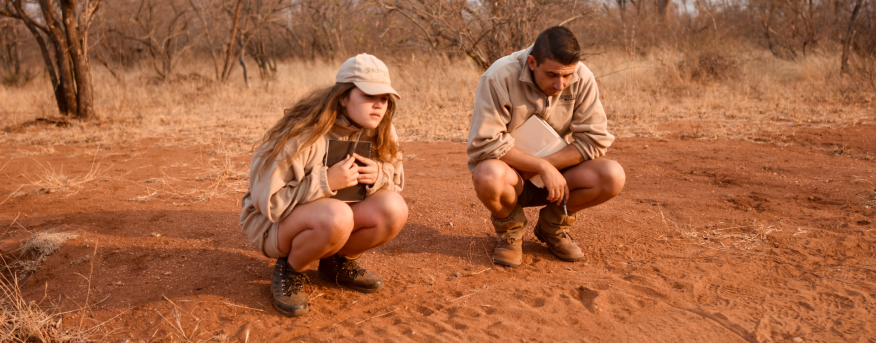
    We had a very busy and exciting week ahead of us. The students were split into two groups. Group A was tasked with learning their tracks and signs at Colin Patrick Trainers, and group B set off to the shooting range in Tzaneen to acquire their rifle competency certificates. 

    The week of tracking has been one of the many highlights of the course so far.

    The bush walk

    image

    This image was taken pre-COVID-19.

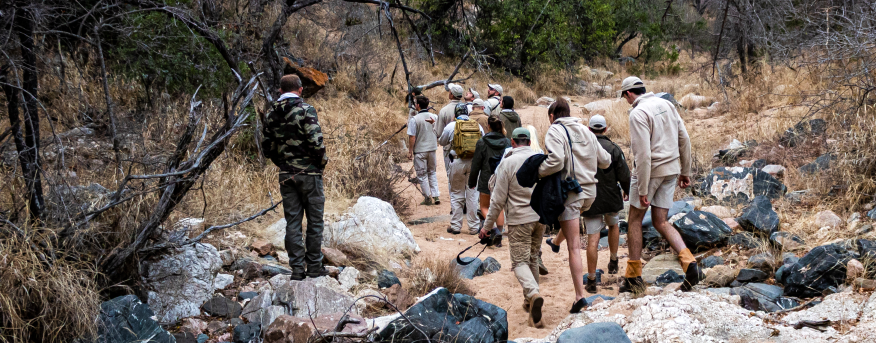
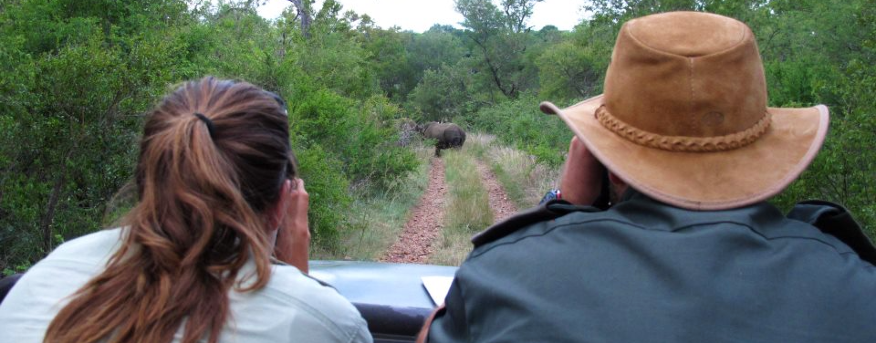
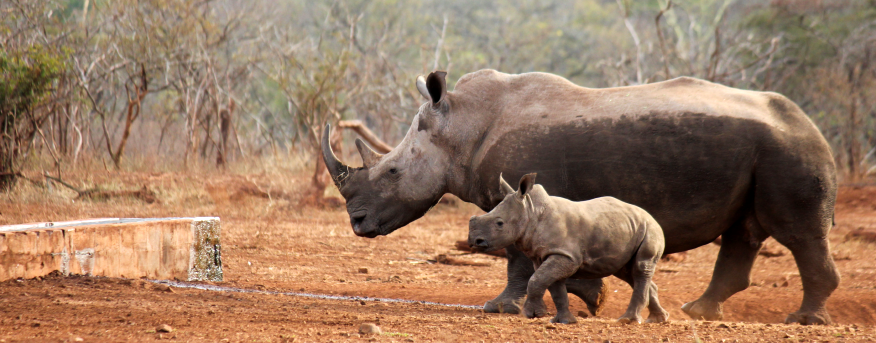
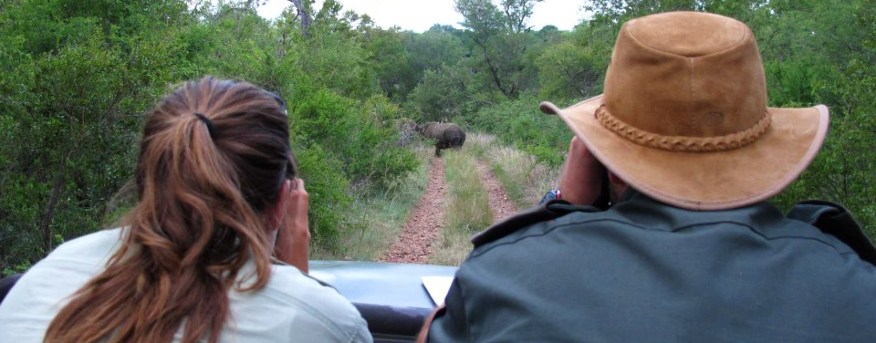
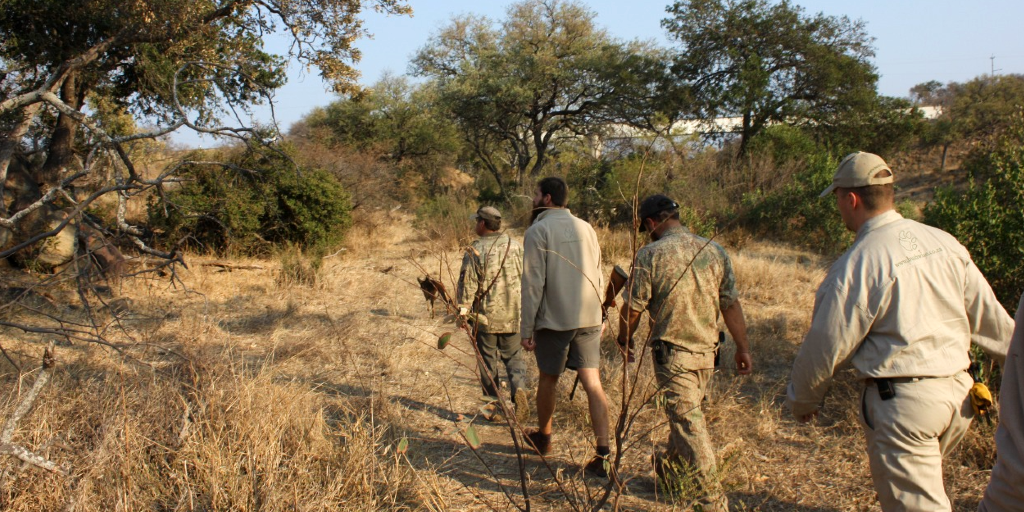
    On Sunday, four of us went on a bush walk with Jack Hutchinson, a Bushwise trainer. On the walk, we encountered a black rhino and her young. 

    It was exhilarating to see a rhino in real life and it made me realise just how grateful I am to be having this experience.

    We’re hoping that next time we’ll see a leopard! 

    Want to learn more about the Bushwise course Ross is taking? Head over to our website.

  • A World Rhino Day quiz: What type of rhino would you be?

    Photo by: Donald Fraser

    BY: Tasneem Johnson-Dollie

    Celebrate World Rhino Day by finding out which of the world’s rhinos you have the most in common with!

    Completing our World Rhino Day quiz will also teach you some rhino facts and fill you in on more about one of the world’s most endangered species.

    And this is an important first step for anyone looking to get involved in rhino conservation.

    So let’s dash right in and see which of these horned-nosed creatures is a rhino after your own heart. 

    image

    The World Rhino Day quiz

    Do you prefer the arid African outback, or are you partial to Asia’s forested terrains? Is lounging languidly in a water hole your idea of a good time, or would you rather be rolling in the dust? These are some of the differences between the world’s five rhino species. Let’s see which one you’ll be.

    Answer these five questions and read through the feedback to see which rhino fits with your answer. At the end of the quiz, the rhino you’ve been paired with most will be your World Rhino Day matchup!

    1) Would you prefer to live in Africa or Asia?

    a) Africa

    b) Asia

    image

    There are three species of Asian rhinos and two species of African rhinos. If you’ve picked Africa as your destination of choice, you’d be either the white rhino or the black rhino. 

    If you chose Asia, you could be a greater one-horned rhino, Sumatran rhino or perhaps one of the Javan rhinos living on the continent. 

    2) What is your favourite pastime?

    a) Swimming

    b) Sunbathing

    c) Exploring tropical terrains.

    Asian rhinos are really good swimmers and greater one-horned rhinos are probably the best swimmers of them all. 

    In contrast, African rhinos prefer to soak up the sun after rolling around in the dust – it’s some of the savannah’s most sought-after sunscreen after all! 

    And, since tropical forests are one of their preferred terrains, Sumatran and Javan rhinos would be a perfect rhino matchup if you’re an avid explorer of lush terrains. 

    image

    3) For your everyday attire, would you prefer a bulkier look, or an outfit that’s smooth and sleek?

    a) The bulkier the better!

    b) Smooth and sleek please!

    One of the best-known rhino facts is that every rhino has really thick skin – it can be over five centimetres thick in some species. But, thickness aside, some rhinos, like Javan and greater one-horned rhinos, have bigger skin folds and look bulkier than others. 

    Black rhinos and white rhinos have smaller skin folds, which make their skin look deceptively smoother. 

    image

    Photo by: Louise Pavid

    4) Do you consider yourself a foodie, or are you a more conservative eater?

    a) A foodie for sure!

    b) I’m what you’d call a picky eater.

    While rhinos are, in general, herbivorous, their eating habits differ according to the type of terrain they live in. 

    Asian rhinos live in forests, are browsers and have a much more diverse diet, feeding on fruits, twigs and leaves. 

    Javan rhinos are known to feed on 300 different species of plant life. 

    And African rhinos mostly feed on grass and shrub vegetation, because they live in grasslands and shrublands. 

    image

    5) Do you prefer to be where the action is or are you more reserved?

    a) Action all the way.

    b) Reserved for sure.

    The smaller rhino species – like Sumatran rhinos and Javan rhinos – are much less bold than their bigger cousins – greater one-horned rhinos, black rhinos and white rhinos. Because of this, smaller rhino species aren’t easily spotted in nature. 

    So, which rhino did you have the most in common with this World Rhino Day? No matter the outcome, you’ll have learnt a lot more about these thick-skinned creatures.

    Here’s more on why knowing your rhino facts is so important. 

    Why knowing your rhino facts matters

    image

    All rhino species are affected by climate change, habitat loss and poaching, and they’re all listed on the International Union for Conservation of Nature’s (IUCN) Red List. 

    Two species of Asian rhinos – Javan rhinos and Sumatran rhinos – are considered critically endangered, as is the species of African rhinos known as black rhinos. 

    The rarest rhino subspecies of all is the northern white rhino, of which only two individuals are left. While not all rhino species are down to single digits, all rhinos depend on rhino conservation efforts.

    Growing your rhino knowledge means getting to know more about these creatures and the challenges they face. Rhino facts also put into perspective why rhino conservation is key right now.

    You can keep building on your rhino knowledge on a Bushwise Field Guides course online, before setting off to sharpen your practical skills on an in-country course in the African savannah.

    This way, you’ll be adding to your ability to raise awareness about rhinos in your community, and build on your potential to make an impact in rhino conservation worldwide. 

    Check out our online Nature Enthusiast course and in-country field guiding courses.

  • How the world celebrates World Rhino Day

    BY: Tasneem Johnson-Dollie

    World Rhino Day comes around on 22 September every year, and while it’s all about rhino conservation, there seem to be many different ways of celebrating it.

    This day, to honour the rhino, was established in 2010. Since then, people across the world have come up with interesting ways to put rhinos in the public eye and boost rhino conservation efforts. 

    Let’s take a look at why there’s a World Rhino Day and how people across the world are celebrating this horn-bedecked herbivore. 

    image

    Why was World Rhino Day established?

    There are five different types of rhino and all of them are recognised on World Rhino Day. The following facts about rhinos are the reason why World Rhino Day was created.

    Facts about rhinos

    The rhino species found across the world today, and their conservation statuses according to the International Union for Conservation of Nature (IUCN), are:

    1. black rhino – critically endangered

    2. greater one-horned rhino – vulnerable

    3. Javan rhino – critically endangered

    4. Sumatran rhino – critically endangered

    5. white rhino – near threatened.

    So why are all rhino species at risk of becoming endangered?

    image

    Well, there are many factors that affect the well-being of rhinos, but poaching and habitat loss are some of the biggest challenges to rhino conservation. 

    Rhinos are especially vulnerable to poaching because their horns are considered an important ingredient in some traditional medicines. For this reason, rhinos stand a better chance at survival if they’re placed in protected reserves. 

    Other interesting facts about rhinos show that these creatures were previously found all over Africa, Asia and Europe. Today, rhino species are only found in Africa and Asia. 

    Because of this species loss, rhino conservation has been an important focus in countries like South Africa for decades.

    By 2010, the decline in rhino numbers had sparked even more action by rhino conservationists. Part of this action was an announcement by the South African branch of the World Wide Fund for Nature: the organisation was launching World Rhino Day on 22 September that year.

    image

    How World Rhino Day promotes rhino conservation

    Like many other annual conservation awareness days, World Rhino Day is an important event for growing support for conservation efforts. 

    Because facts about rhinos paint a meaningful picture that can add to everyone’s understanding of the challenges facing these creatures, spreading this information is key on World Rhino Day. 

    World Rhino Day adds to conservation efforts in meaningful ways by:

    1. building on the awareness communities have about the conservation status of rhinos and the challenges facing them

    2. filling people in on what’s being done in the way of rhino conservation and how these efforts are making an impact

    3. getting everyone clued up on what they can do to add to rhino conservation efforts

    4. spreading the names and contact details of organisations that contribute towards the well-being of rhinos

    5. keeping us all up to date on the most important rhino facts.

    And, because having an online presence means competing with top achievers in the conservation industry, rhino conservation organisations have pulled out all the stops so that they can stand out online and offline.

    image

    Here are some examples of how rhino conservation is promoted worldwide.

    1) Making an impact with music

    When you think about World Rhino Day, what emotions stir up inside you? 

    Maybe you feel angry that rhinos are facing such big challenges? Or, you could feel sad that so many rhinos have been poached?

    Don’t carve those feelings in stone just yet, because World Rhino Day has a way for you to support the cause you care about, through music!

    You can find the World Rhino Day playlist on Spotify and sing along to tons of rhino-related tunes. By downloading these tracks, you’ll be adding to World Rhino Day’s online presence. This way, rhino conservation awareness can reach even more people online.

    Ever heard of the song, “Let’s Party” by Rhinoceros? How about “Rhino skin” by Tom Petty and the Heartbreakers? Well, you’ll get to know these and tons more tracks while supporting rhino conservation by downloading the playlist.

    image

    Photo by: Donald Fraser

    2) Keeping social media abuzz

    And, speaking of an online presence, World Rhino Day has some tech-forward features that keep it ahead of the game.

    Just search for World Rhino Day online and you’ll see worldrhinoday.org popping up at the top of your screen. 

    This website is an excellent source of information about World Rhino Day and advice on how to get involved. 

    More than this, the site also offers downloadable videos that individuals and organisations can share on their social media platforms. 

    These videos provide anyone who is passionate about rhino conservation with resources that offer accurate and informative information. 

    And some of these clips even capture the work being done by conservationists in the field and volunteers who are adding to rhino conservation where they live. 

    These videos can give so many people a glimpse into what rhino conservation involves and even inspire a future conservationist or two. 

    You can follow World Rhino Day preparations and celebrations on Facebook, Instagram and Twitter throughout the year. 

    image

    3) Old-fashioned footwork

    And, to make sure that the festivities spill out onto the streets and catch the eye of every passerby, rhino conservation organisations also make use of traditional techniques to raise awareness.

    T-shirts, posters, flyers, mugs: you name it and you can bet that rhino conservationists have dolled it up with a World Rhino Day emblem and used it to add to rhino conservation awareness.

    These old-school tactics make it possible for facts about rhinos and rhino conservation awareness to reach individuals who operate off the grid.

    What’s the best way to celebrate World Rhino Day?

    image

    This image was taken pre-COVID-19. 

    Of all the activities taking place on World Rhino Day, what would be the best one for you to get behind?

    You can add to rhino conservation in more meaningful ways when you learn more about these creatures and how to safeguard them.

    Out on the African savannah, you can join a Bushwise Field Guides course and learn about rhino conservation while researching these animals in their natural habitat. 

    In this way, you’ll be adding to efforts aimed at better understanding rhinos while also contributing to the conservation of African rhinos. 

    And, while you’re at it, you can also get involved in any of the World Rhino Day celebrations taking place where you are! 

    Find out more about Bushwise Field Guides Wildlife Research Expedition and see how you can get involved in meaningful efforts this World Rhino Day.
  • Talking trees

    Photo by: Zlicke Slabber

    BY: Ryan Mengel 

    This blog was written by one of our trainers, Ryan. With years of experience in guiding, Ryan shares some of the ways nature fascinates him most.

    Have you ever sat and appreciated the settling sound and sensation of wind moving through trees, disrupting the leaves? Would you say the trees are “talking”?

    image

    Photo by: Ben Klunder

    This image was taken pre-COVID-19.

    Plant communication is complex. And in recent years, incredible research has been done to help us understand the fascinating systems in the natural world. 

    Plants have evolved and developed a number of ways to communicate, both with their own species and with others. Plants are known to communicate by releasing pheromones into the air. 

    image

    Amazingly, many plants are even able to recognise whether their neighbours are of the same species or a competing one. And, some plants are even able to identify whether they actually share a “kinship” or direct genetic relationship with their neighbours.

    Plant roots share a symbiotic relationship with mycorrhizal fungi. The fungi connects the roots of different plants, creating a mycorrhizal network, which allows them to communicate and interact underground.

    image

    This relationship creates an enormous “web” for communication, much like the world wide web we are so reliant on today. It not only allows plants to gain the nutrients extracted from the soil and detritus by the fungi, but they are also able to communicate various chemical and electrical signals.
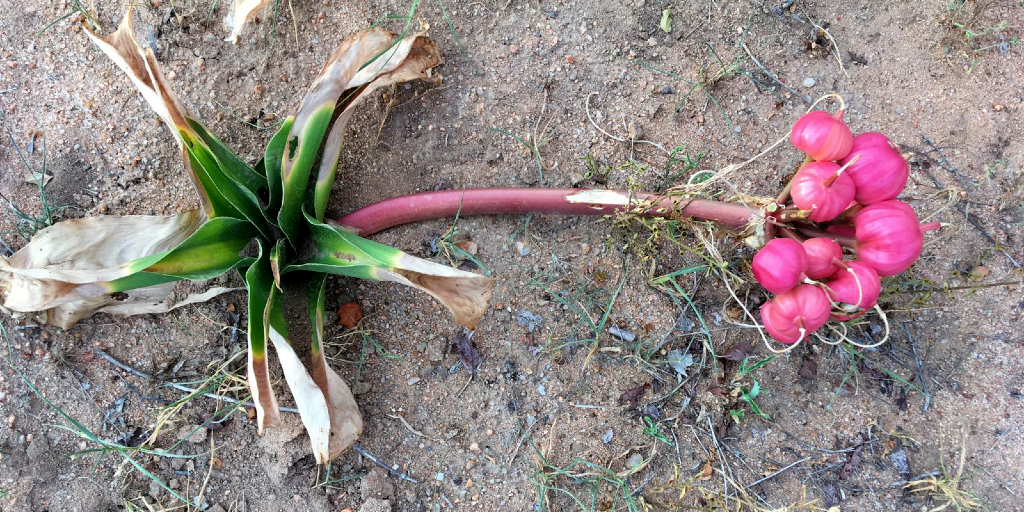
    So, the next time you feel a breeze or hear the trees “talking”, remember that you are only picking up a tiny part of the conversation.

    Visit our website to join a course where you can learn more about plant communication.

  • Team building and lesson learning: My week as a camp manager

    Some images in this article were taken pre-COVID-19.

    BY: Patrick Loam

    Camp manager blogs are written by our students who each get a chance to lead and manage a group (of their fellow students) for a period of one week.

    I got to be the camp manager after a month of being at the Bushwise campus. It’s been an exciting adventure with lots of ups and downs, but most of all, it’s been a massive learning experience. 

    image

    As a camp manager, some of my duties involved taking everyone’s temperatures as per Bushwise’s COVID-19 protocols, and ensuring that all teams completed their tasks, including completing general maintenance of the campus. 

    My duties also coincided with the semester ending. The atmosphere on campus was of pure excitement! We’d all put in so much hard work over the past few weeks, and we were ready for a break. 

    On the last day of the semester, we took part in the “Bushwise challenge”, which involves a series of games and team building exercises. We woke with anticipation as we were unsure what the day would bring. The group leaders were given instructions by our Head Trainer, Vaughn. 

    image

    We had an hour for each team to get ready before our presentation to the trainers. We needed to create team names, a team banner, team chants, and even paint our faces. After that, we played a ton of different games. 

    As teammates, we bonded, learned, and had loads of fun and laughter. 

    image

    That afternoon, we received our feedback, which is an important part of our development and progress on the course. Then we got to have a braai (barbeque) and a dance party by the bonfire.

    I really enjoyed being a camp manager, I learned a lot from my responsibilities and acquired leadership and management skills that I will use in my future career as a Field Guide.

    Interested in joining a Bushwise Field Guides course like Patrick? Get in touch with us.